Search Result
Results for "
microtubule growth
" in MedChemExpress (MCE) Product Catalog:
1
Isotope-Labeled Compounds
| Cat. No. |
Product Name |
Target |
Research Areas |
Chemical Structure |
-
- HY-N0282
-
|
|
Microtubule/Tubulin
Apoptosis
|
Inflammation/Immunology
Cancer
|
|
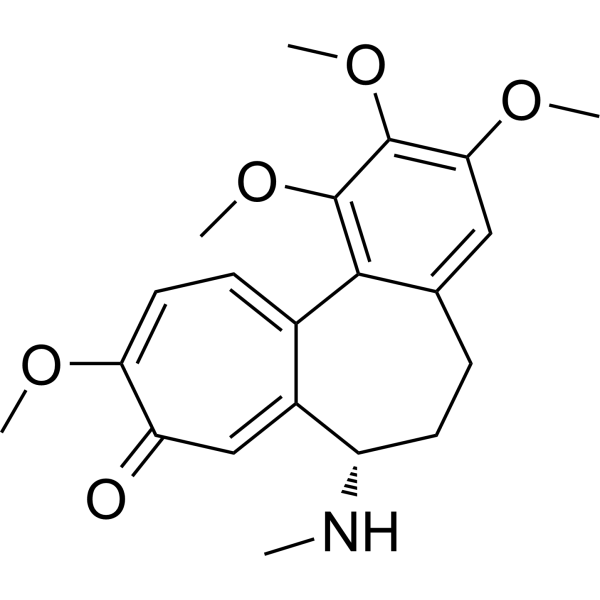
Demecolcine is a potent mitotic inhibitor with an IC50 value of 2.4 μM for inhibition of tubulin polymerization. Colcemid (Demecolcine) can interact with tubulin dimers to induce anti-mitotic action and inhibit microtubule growth. Colcemid (Demecolcine) can be used for inflammatory disorders and cancer research .
|
-
-
- HY-15578
-
McMMAF
Maximum Cited Publications
8 Publications Verification
Maleimidocaproyl monomethylauristatin F
|
Drug-Linker Conjugates for ADC
Apoptosis
|
Cancer
|
|
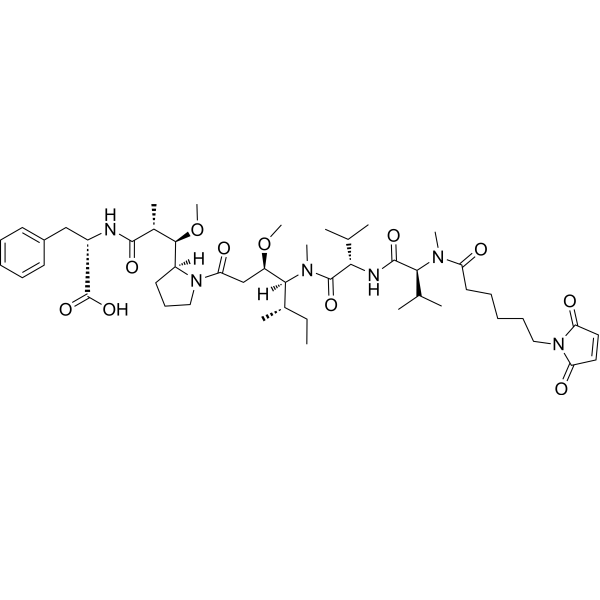
McMMAF (Maleimidocaproyl monomethylauristatin F) is an active molecule linker for ADC, made by coupling the powerful microtubule inhibitor Monomethyl auristatin F (MMAF) (HY-15579) with the protecting group maleimidocaproyl. McMMAF can be conjugated with anti-BCMA antibodies to form J6M0-mcMMAF, promoting apoptosis and inhibiting tumor growth .
|
-
-
- HY-13627
-
|
|
Apoptosis
Microtubule/Tubulin
Mitosis
|
Inflammation/Immunology
Endocrinology
Cancer
|
|
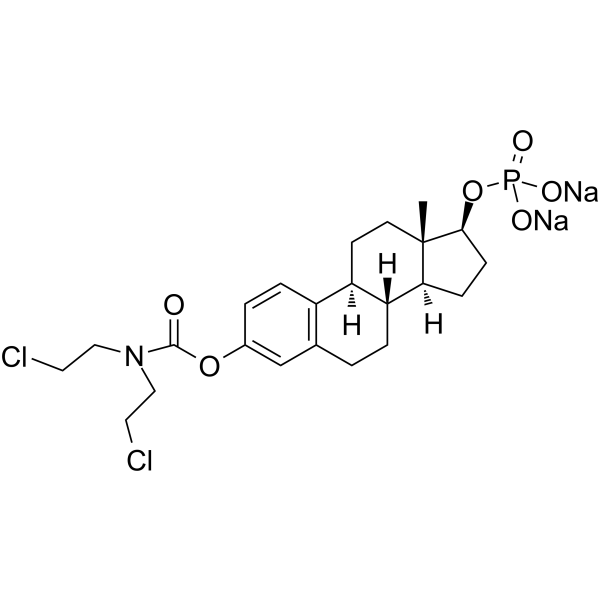
Estramustine phosphate sodium, an estradiol analog, is an orally active antimicrotubule chemotherapy agent. Estramustine phosphate sodium depolymerises microtubules by binding to microtubule associated proteins (MAPs) and/or to tubulin. Estramustine phosphate sodium can interfere mitosis, trigger cell death and induce apoptosis, which can be used for the research of cancer like prostate cancer .
|
-
-
- HY-119357
-
|
|
Microtubule/Tubulin
Apoptosis
Autophagy
|
Neurological Disease
Cancer
|
|
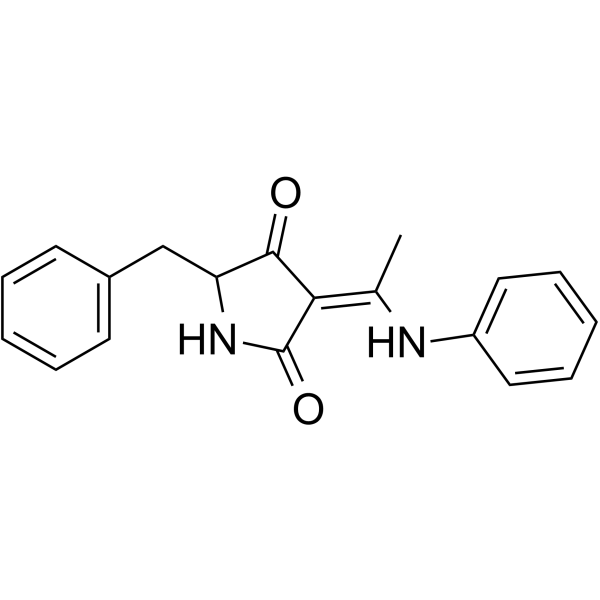
TN-16 is a Microtubule polymerization inhibitor. TN-16 induces G2/M cell cycle arrest, metaphase mitotic arrest and Apoptotic cell death in cells, and blocks late Autophagic flux by inhibiting autophagosome-lysosome fusion. TN-16 suppresses tumor growth in syngeneic mouse breast cancer models. TN-16 can be used in research related to neuroblastoma, cervical cancer, breast cancer and other tumors .
|
-
-
- HY-N3225
-
|
|
NAMPT
Sirtuin
Microtubule/Tubulin
Apoptosis
Autophagy
PDGFR
NF-κB
AMPK
|
Cardiovascular Disease
Neurological Disease
Metabolic Disease
Inflammation/Immunology
Cancer
|
|
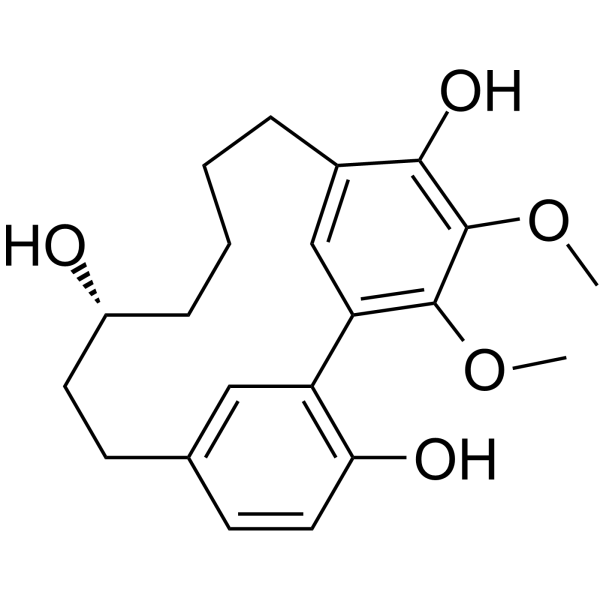
Myricanol is a diarylheptanoid and a Nampt activator. Myricanol exerts anti-inflammatory effects and alleviates glucocorticoid-induced muscle atrophy by increasing Sirtuin 1 (SIRT1) and PRDX5 activities while regulating inflammatory factors. Myricanol exhibits growth inhibition and induces apoptosis in human lung adenocarcinoma A549 cells. Myricanol promotes autophagy-mediated clearance of microtubule-associated protein tau to exert neuroprotective effects. Myricanol protects cardiovascular function by inhibiting PDGFRβ and NF-κB signaling pathways. Myricanol activates mitochondrial transcription factor A (TFAM) expression to exert anti-renal fibrosis effects. Myricanol improves insulin resistance through AMPK activation .
|
-
-
- HY-N3028
-
|
|
Microtubule/Tubulin
|
Cancer
|
|
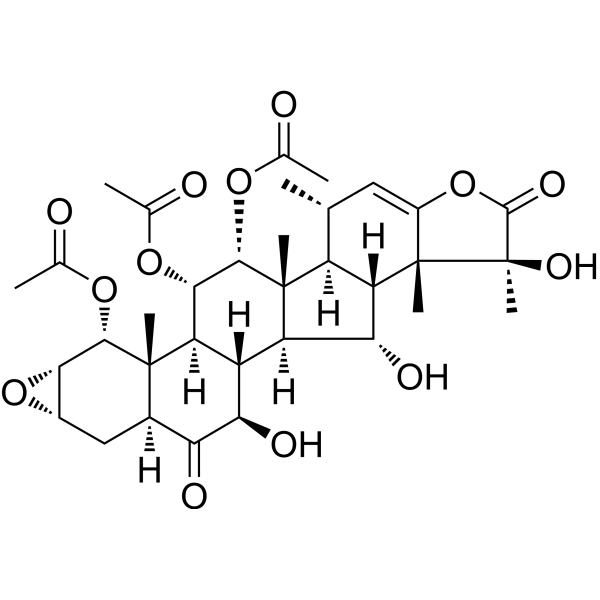
Taccalonolide B is microtubule stabilizer isolated from Tacca plantaginea, with antitumor activity. Taccalonolide B is effective in vitro against cell lines that overexpress P-glycoprotein (Pgp) and multidrug-resistance protein (MRP7). Taccalonolide B inhibits growth of SK-OV-3 cells with an IC50 of 208 nM .
|
-
-
- HY-N7659A
-
|
|
Phytohormone
Microtubule/Tubulin
Apoptosis
|
Others
|
|
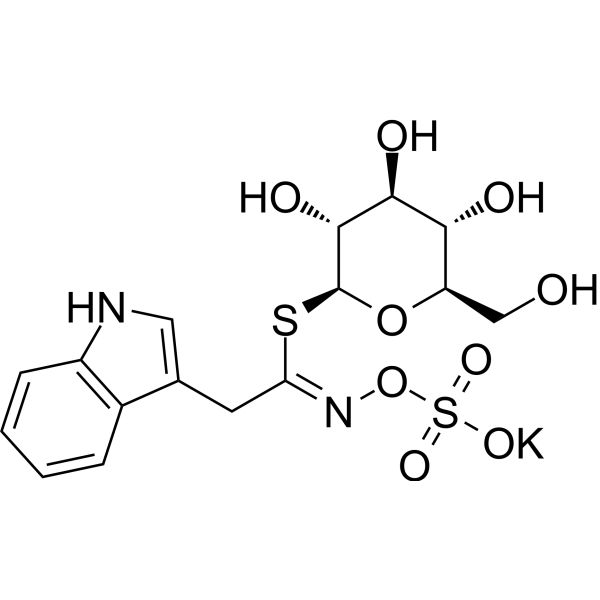
Glucobrassicin potassium is an indole-based anticancer agent and plant growth-regulating hormone. Glucobrassicin potassium exerts its biological activity by disrupting the integrity of microtubule networks in both plant and mammalian cells. At high concentrations, Glucobrassicin potassium inhibits seed germination and root growth; it can also specifically induce apoptosis in mammalian cancer cells and interfere with the intercellular transmission of viruses that rely on microtubules. In plants, Glucobrassicin potassium can be catalyzed by myrosinase to release growth-regulating substances, exhibiting a concentration-dependent growth-regulating effect .
|
-
-
- HY-N7659
-
|
|
Phytohormone
Apoptosis
Microtubule/Tubulin
|
Cancer
|
|
Glucobrassicin is an indole-based anticancer agent and plant growth-regulating hormone. Glucobrassicin exerts its biological activity by disrupting the integrity of microtubule networks in both plant and mammalian cells. At high concentrations, Glucobrassicin inhibits seed germination and root growth; it can also specifically induce apoptosis in mammalian cancer cells and interfere with the intercellular transmission of viruses that rely on microtubules. In plants, Glucobrassicin can be catalyzed by myrosinase to release growth-regulating substances, exhibiting a concentration-dependent growth-regulating effect .
|
-

-
- HY-W014240
-
|
|
Environmental Pollutants
Herbicide
|
Others
|
|
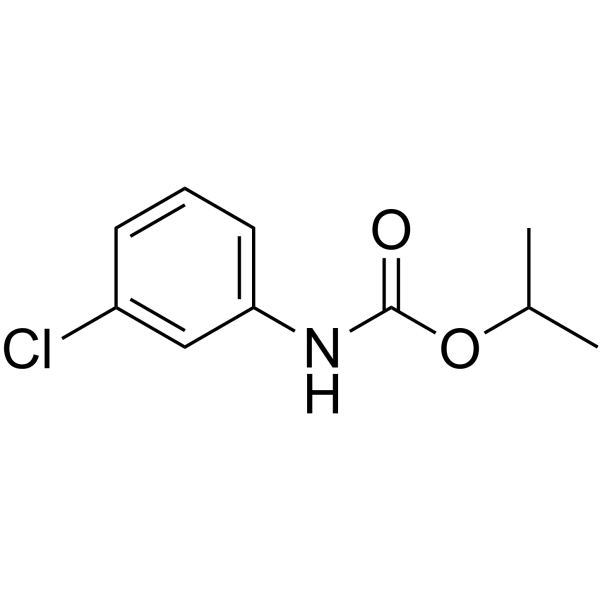
Chlorpropham is a carbamate herbicide and plant growth regulator. Chlorpropham inhibits mitosis and cell division by interfering with the organisation of the spindle microtubules .
|
-
-
- HY-16191
-
|
|
Microtubule/Tubulin
Apoptosis
HIF/HIF Prolyl-Hydroxylase
Mitosis
|
Cancer
|
|
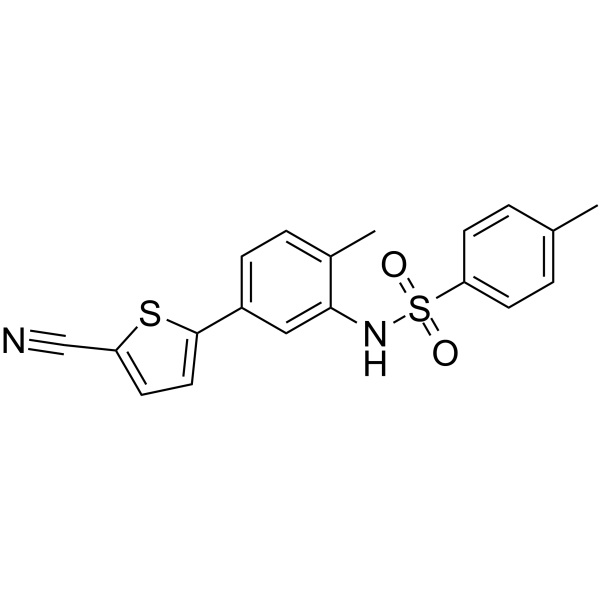
ELR510444 is an orally active tubulin inhibitor with an IC50 of 10 μM. ELR510444 binds to the colchicine-binding site on β-tubulin, inhibits tubulin assembly, depolymerizes microtubules and blocks HIF activity. ELR510444 induces cellular microtubule loss, abnormal mitotic spindle, mitotic arrest, apoptosis, morphological changes in tumor endothelial cells, and inhibits cancer cell proliferation, angiogenesis and tumor growth. ELR510444 can be used in research related to various cancers such as renal cell carcinoma .
|
-
-
- HY-154986
-
|
|
MARK
AMPK
|
Cancer
|
|
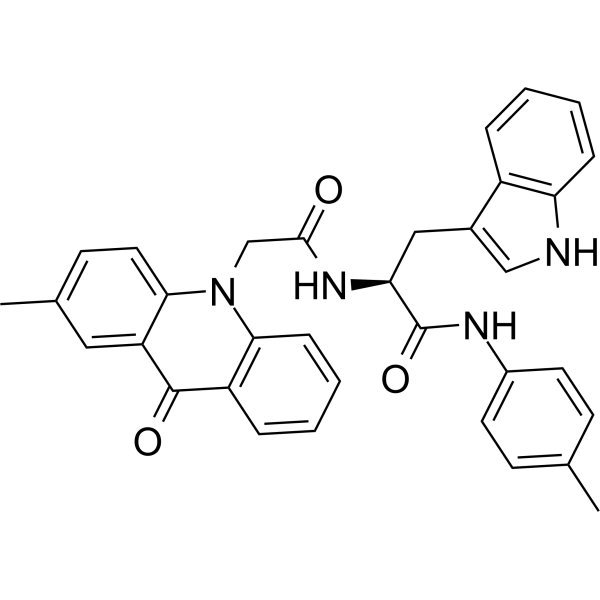
MARK4 inhibitor 2 is an inhibitor of microtubule affinity-regulating kinase 4 (MARK4) with an Km of 6.3×10 7 and an IC50 of 0.82 μM. MARK4 inhibitor 2 inhibits the growth of human cells and can be used for cancer research .
|
-
-
- HY-B1740
-
|
|
Microtubule/Tubulin
|
Neurological Disease
|
|
Pregnenolone acetate (compound #43), a nonmetabolized Pregnenolone (HY-B0151) analog, can promote neurite extension and induce a change in growth cone morphology in primary cultures of cerebellar granule neurons. Pregnenolone acetate, a neurosteroid, increases microtubule polymerization. Pregnenolone acetate has the potential for neurodevelopmental diseases research .
|
-

-
- HY-16196
-
|
IRC-110160
|
Microtubule/Tubulin
HIF/HIF Prolyl-Hydroxylase
STAT
|
Cancer
|
|
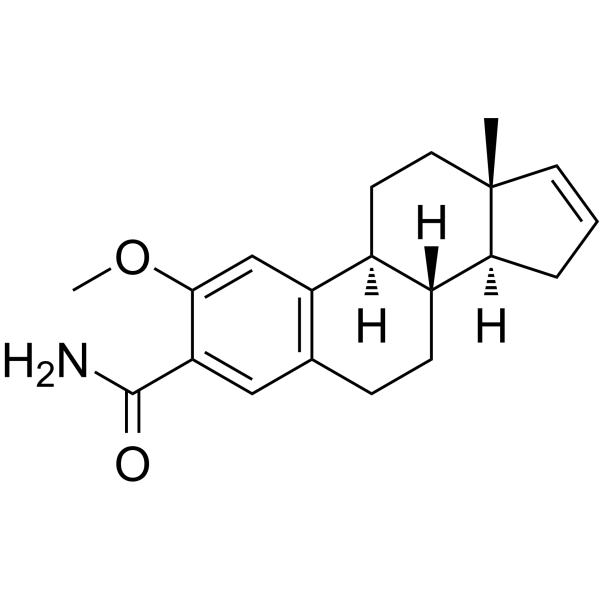
ENMD-1198 (IRC-110160), an orally active microtubule destabilizing agent, is a 2-methoxyestradiol analogue with antiproliferative and antiangiogenic activity. ENMD-1198 is suitable for inhibiting HIF-1alpha and STAT3 in human HCC cells and leads to reduced tumor growth and vascularization.
|
-
-
- HY-N0282R
-
|
|
Reference Standards
Microtubule/Tubulin
Apoptosis
|
Inflammation/Immunology
Cancer
|
|
Colcemid (Standard) is the analytical standard of Colcemid. This product is intended for research and analytical applications. Colcemid (Demecolcine) is a potent mitotic inhibitor with an IC50 value of 2.4 μM for inhibition of tubulin polymerization. Colcemid (Demecolcine) can interact with tubulin dimers to induce anti-mitotic action and inhibit microtubule growth. Colcemid (Demecolcine) can be used for inflammatory disorders and cancer research .
|
-

-
- HY-176537
-
|
|
Microtubule/Tubulin
|
Cancer
|
|
RGN6024 is a brain-penetrant, orally active and reversible small molecule tubulin destabilizer. RGN6024 inhibits microtubule polymerization both in biochemical and cellular assays, binds to the colchicine binding pocket of β-tubulin (SPR: Kd = 6.7 μM; tryptophan assay: Kd = 7.4 μM), and triggers G2/M arrest in glioblastoma (GB) cells. RGN6024 retains activity in βIII-tubulin overexpressing cells. RGN6024 inhibits tumor growth in a GB xenograft mouse model. RGN6024 can be used for the study of glioblastoma (GB) .
|
-

-
- HY-162086
-
|
|
HDAC
|
Cancer
|
|
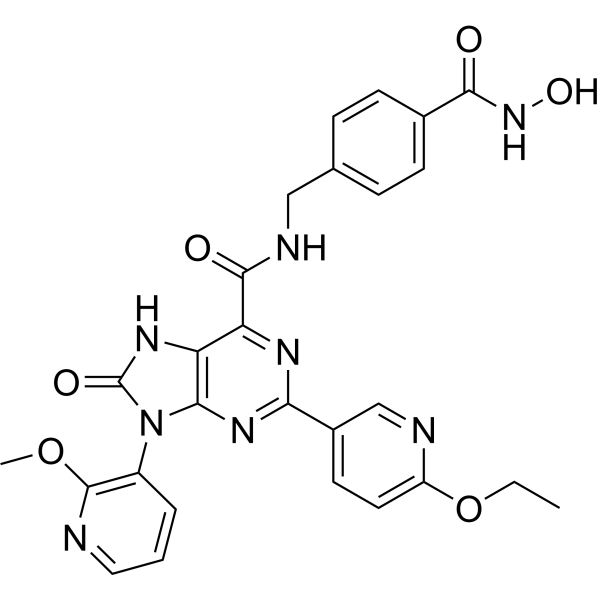
HDAC-IN-68 (Compound 29) is a potent HDAC inhibitor that disrupts microtubule structure and inhibits tumor growth. HDAC-IN-68 significantly inhibits class I HDACs (HDAC1, HDAC2, HDAC3) with IC50 values of 5.1, 11.5 and 8.8 nM, respectively .
|
-
-
- HY-103257
-
|
NSC656158
|
Microtubule/Tubulin
|
Cancer
|
|
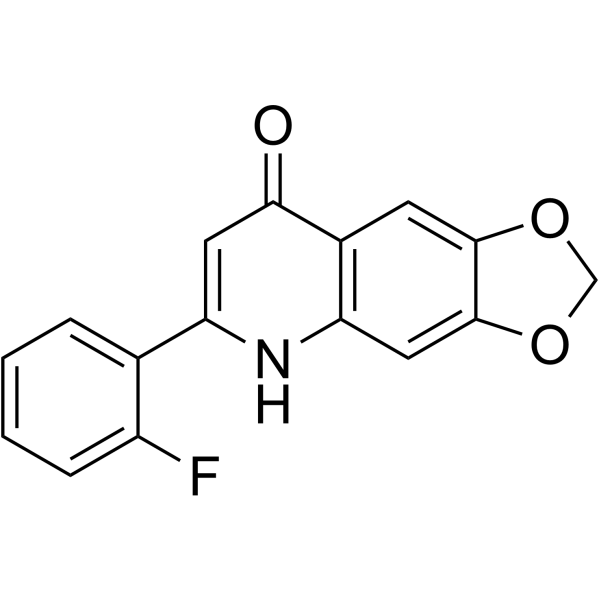
CHM-1, a microtubule-destabilizing agent, inhibits tubulin polymerization. CHM-1 is a potent and selective antimitotic antitumor activity against human hepatocellular carcinoma. CHM-1 induces growth inhibition and apoptosis via G2-M phase arrest in human hepatocellular carcinoma cells by activation of Cdc2 kinase activity .
|
-
-
- HY-N1450
-
|
|
Phospholipase
|
Cancer
|
|
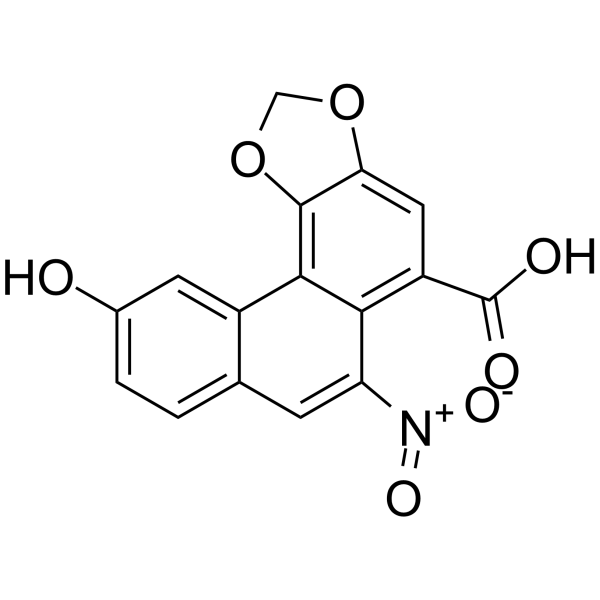
Aristolochic acid C is a derivative of Aristolochic acid. Aristolochic acid is a phospholipase A2 (PLA2) inhibitor, which disrupts cortical microtubule arrays and root growth in Arabidopsis .
|
-
-
- HY-W014240S1
-
|
|
Isotope-Labeled Compounds
Mitosis
|
Others
|
|
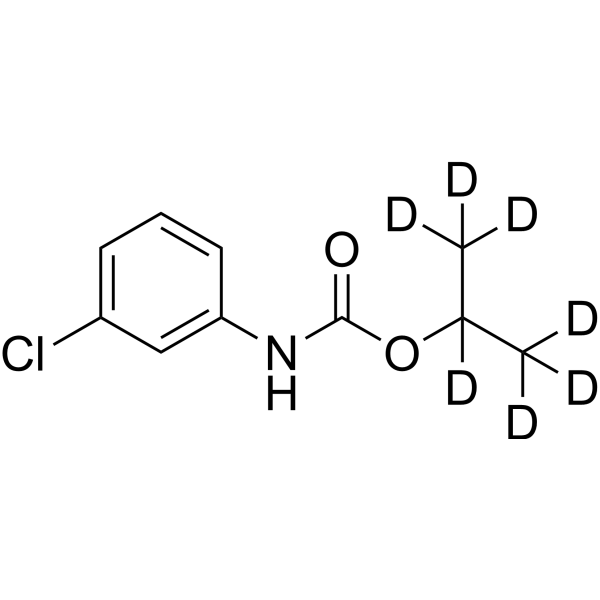
Chlorpropham-d7 is the deuterium labeled Chlorpropham . Chlorpropham is a carbamate herbicide and plant growth regulator. Chlorpropham inhibits mitosis and cell division by interfering with the organisation of the spindle microtubules .
|
-
-
- HY-120921
-
|
RH-7281
|
Fungal
Microtubule/Tubulin
|
Infection
|
|
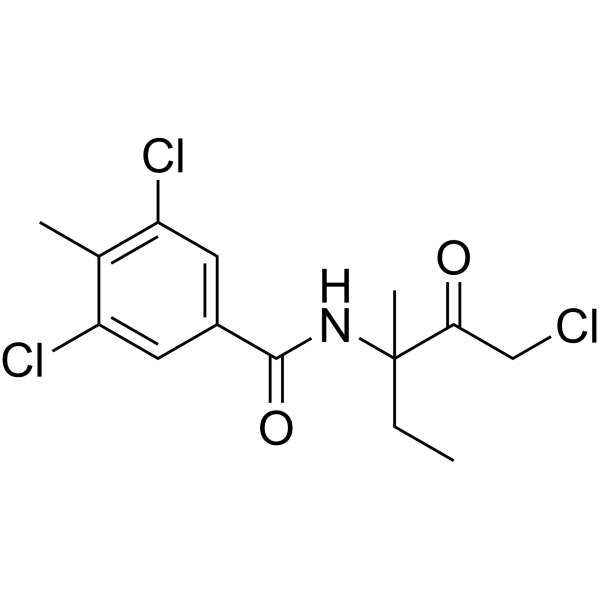
Zoxamide (RH-7281) is an oomycete Fungicide and covalent β-tubulin inhibitor. RH-7281 inhibits the assembly of tubulin into microtubules in vitro. Zoxamide binds covalently to β-tubulin, disrupting microtubule assembly and the cytoskeleton. Zoxamide blocks nuclear division in germinated hyphae of Phytophthora capsici and inhibits hyphal growth of Phytophthora capsici .
|
-
-
- HY-14815
-
|
Combretastatin A4 phosphate
|
Apoptosis
Microtubule/Tubulin
|
Cancer
|
|
Fosbretabulin (Combretastatin A4 phosphate) is a vascular disruptor with antitumor activity against atypical thyroid carcinoma (ATC) cell lines and xenografts. Fosbretabulin inhibits tumor growth by inhibiting microtubule polymerization, inducing apoptosis, and suppressing angiogenesis in tumors .
|
-

-
- HY-16181
-
|
|
Folate Receptor (FR)
Microtubule/Tubulin
DNA Alkylator/Crosslinker
|
Cancer
|
|
EC-0225, a folate conjugate of two agents- one a potent microtubule inhibiting agent, and the second a DNA alkylating agent. EC-0225 inhibits the growth of folate receptor (FR)-positive KB cells with an IC50 of ~1 nM. EC-0225 can be selectively delivered to advanced FR-positive tumors without causing overt toxicity, such as lung carcinoma .
|
-

-
- HY-175834
-
|
|
Topoisomerase
Reactive Oxygen Species (ROS)
Apoptosis
Microtubule/Tubulin
|
Cancer
|
|
DNA/TOP2A-IN-1 is an inhibitor of DNA and TOP2A. DNA/TOP2A-IN-1 selectively binds to TOP2A, not TOP2B, and interacts with DNA and TOP2A to form a stable DM1-TOP2A-DNA ternary complex. DNA/TOP2A-IN-1 induces DNA damage, increases reactive oxygen species (ROS) and triggers apoptosis in triple-negative breast cancer (TNBC) cells. DNA/TOP2A-IN-1 disrupts microtubule distribution and induces cell cycle arrest. DNA/TOP2A-IN-1 shows strong antiproliferative activity and inhibits cell migration. DNA/TOP2A-IN-1 inhibits tumor growth and can be used for TNBC research .
|
-

-
- HY-159891
-
|
|
Microtubule/Tubulin
Apoptosis
Caspase
|
Cancer
|
|
Microtubule destabilizing agent-2 (Compound 21) is an orally active and selective antitumor compound targeting microtubule protein. Microtubule destabilizing agent-2 destabilizes microtubule proteins and inhibits microtubule polymers. Microtubule destabilizing agent-2 arrests the G0/G1 phase in human tumor cells. Microtubule destabilizing agent-2 induces Apoptosis by activating the cascade pathway of caspases. Microtubule destabilizing agent-2 has anti-inflammatory activity, as inhibiting TNF-α and IL-6 in vitro. Microtubule destabilizing agent-2 reduces tumors growth in xenograft mice .
|
-

-
- HY-117473
-
|
|
Microtubule/Tubulin
Apoptosis
|
Cancer
|
|
DAT-230 is a microtubule inhibitor. DAT-230 induces cell apoptosis and results in microtubule de-polymerization and G2/M phase arrest. DAT-230 inhibits cell growth in vitro and in vivo .
|
-

-
- HY-138056
-
|
|
Microtubule/Tubulin
|
Others
|
|
7-Acetyl paclitaxel is a microtubule depolymerization inhibitor which inhibits calcium-induced microtubule depolymerization. 7-Acetyl paclitaxel reduces the growth of J774.2 macrophages (IC50 ~ 60 nM) and increases the levels of nitric oxide (NO) and TNF in isolated mouse peritoneal macrophages .
|
-

-
- HY-111251
-
|
|
Microtubule/Tubulin
Apoptosis
|
Cancer
|
|
4SC-207 is a potent, orally active microtubule inhibitor. 4SC-207 inhibits microtubule growth to inhibit tumor cell proliferation in vitro and in vivo, and promotes a mitotic delay/arrest, followed by apoptosis or aberrant divisions. 4SC-207 inhibits tumor growth in taxane resistant xenograft mouse models. 4SC-207 can be used for cancer research, such as colon adenocarcinoma and other malignancies .
|
-

-
- HY-W854934
-
|
|
Microtubule/Tubulin
|
Cancer
|
|
IKP-104 is a microtubule/tubulin inhibitor (IC50 = 1.31 μM). IKP-104 arrests cells in mitosis and the M phase by inhibiting microtubule polymerization and inducing cytoskeletal microtubule depolymerization. IKP-104 inhibits the growth of mouse and human tumor cell lines. IKP-104 exhibits anti-tumor effects in mouse ascites tumors and lung cancer models. IKP-104 is useful in the research of cancers such as leukemia, lung cancer and melanoma .
|
-

-
- HY-W014240R
-
|
|
Herbicide
Mitosis
Reference Standards
|
Others
|
|
Chlorpropham (Standard) is the analytical standard of Chlorpropham. This product is intended for research and analytical applications. Chlorpropham is a carbamate herbicide and plant growth regulator. Chlorpropham inhibits mitosis and cell division by interfering with the organisation of the spindle microtubules .
|
-

-
- HY-105409
-
|
NVP-XAA-296; XAA 296
|
Microtubule/Tubulin
Apoptosis
|
Cancer
|
|
Discodermolide (NVP-XAA-296) is a potent microtubule-stabilizing agent with a Ki of 0.4 μM. Discodermolide stabilizes microtubules, induces G2 or M phase cell cycle arrest and apoptosis, leading to inhibition of cancer cell proliferation. Discodermolide competitively inhibits the binding of Paclitaxel (HY-B0015) to tubulin polymers, and inhibits the growth of Paclitaxel-resistant cells. Discodermolide can be used for breast and colon cancer research .
|
-

-
- HY-155196
-
|
|
Estrogen Receptor/ERR
|
Cancer
|
|
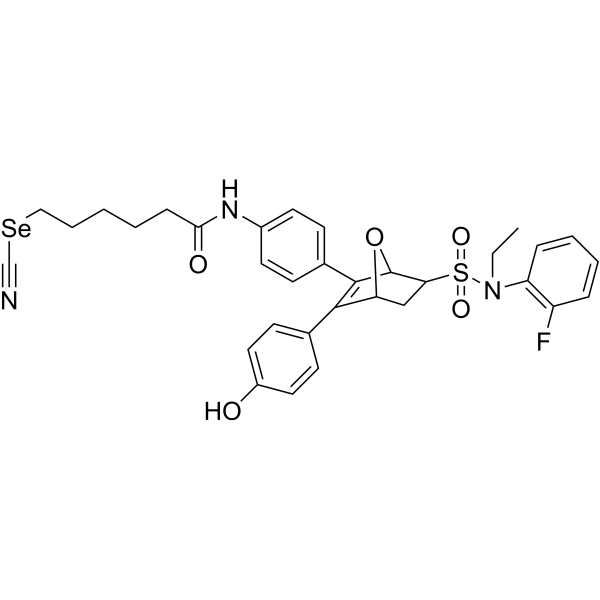
ER degrader 6 (compound 35s) is a potent Estrogen Receptor (ER)α degrader. ER degrader 6 disrupts the microtubule network by restraining tubulin polymerization. ER degrader 6 suppresses tumor growth without noticeable poisonousness .
|
-
-
- HY-121085
-
|
|
Microtubule/Tubulin
|
Cancer
|
|
CID-663143 targets microtubule-associated proteins, not tubulin itself, to inhibit the polymerization process within cells. CID-663143 inhibits cancer cell growth (IC50: <100 nM for HT-1080, BJeLR, MCF10A cells) .
|
-

-
- HY-N1450R
-
|
|
Reference Standards
Phospholipase
|
Cancer
|
|
Aristolochic acid C (Standard) is the analytical standard of Aristolochic acid C. This product is intended for research and analytical applications. Aristolochic acid C is a derivative of Aristolochic acid. Aristolochic acid is a phospholipase A2 (PLA2) inhibitor, which disrupts cortical microtubule arrays and root growth in Arabidopsis .
|
-

-
- HY-121801
-
|
|
Fungal
Microtubule/Tubulin
Mitosis
|
Infection
|
|
Zarilamid is a fungicide which is active against a broad spectrum of Oomycete fungi. Zarilamid inhibits nuclear division in germinating zoospore cysts of Phytophthora capsici. Zarilamide inhibits growth of tobacco roots and causes swelling of the root tips, destructs microtubule cytoskeleton and inhibits mitosis .
|
-

-
- HY-161400
-
|
|
TGF-β Receptor
|
Cancer
|
|
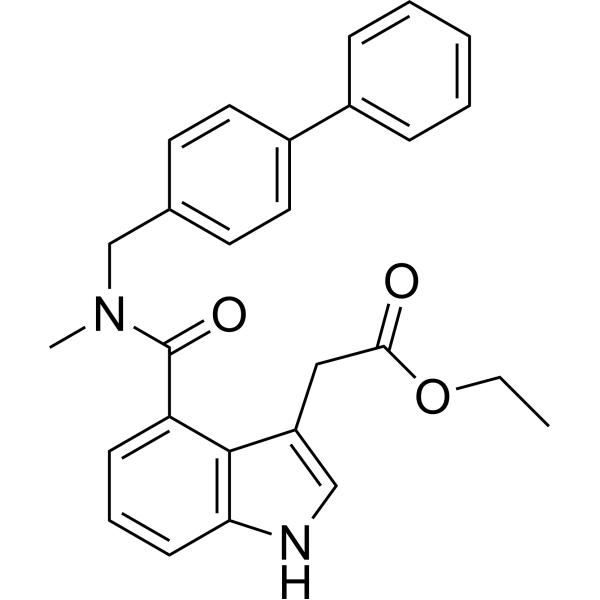
TGFβRII-IN-2 (Compound 3n) is an inhibitor for transforming growth factor-β type II receptor (TGFβRII) with IC50 of 2.4 μM, which blocks endothelial-to-mesenchymal transition and cell migration in different cancer cell lines without perturbing the microtubule network .
|
-
-
- HY-162695
-
|
|
Microtubule/Tubulin
|
Cancer
|
|
Antitumor agent-168 (compound 21b) disrupts the microtubule network in tumor cells leading to G2/M cell cycle arrest and apoptosis induction. Antitumor agent-168 inhibits MCF-7 growth with an IC50 value of 1.4 nM .
|
-

-
- HY-120599A
-
|
VERU-111 hydrochloride; ABI-231 hydrochloride
|
Microtubule/Tubulin
Apoptosis
HPV
Endogenous Metabolite
|
Cancer
|
|
Sabizabulin hydrochloride is a potent orally bioavailable microtubule inhibitor with activity that interacts with the colchicine binding site. Sabizabulin hydrochloride demonstrated significant inhibition of melanoma tumor growth with an average IC50 of 5.2 nM in melanoma and prostate cancer cell lines. Pharmacological screening of Sabizabulin hydrochloride shows it has a low risk of potential side effects .
|
-

-
- HY-170850
-
|
|
Kinesin
|
Cancer
|
|
MKLP2-IN-1 (compound 12a) is an inhibitor of MKLP2 with good oral bioavailability. MKLP2-IN-1 inhibits the microtubule-stimulated ATPase activity of recombinant MKLP2 in vitro and suppresses tumor growth in a mouse Calu-6 lung cancer model .
|
-

-
- HY-156088
-
|
|
Apoptosis
Microtubule/Tubulin
Mitosis
|
Cancer
|
|
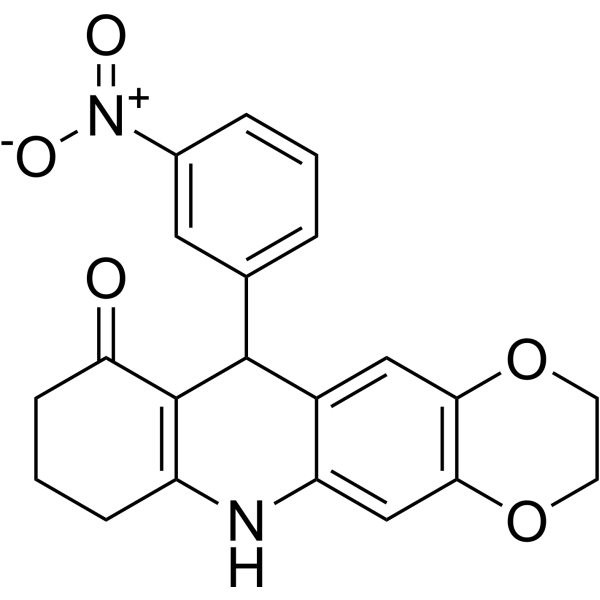
SSE1806 is a derivative of podophyllotoxin (a natural antimitotic agent) and a microtubule/tubulin inhibitor with significant anticancer and antiproliferative activities. The GI50 of SSE1806 on cancer cell growth ranges from 1.29-21.15 μM. SSE1806 causes mitotic abnormalities and G2/M phase arrest, increases p53 expression, and inhibits colon cancer organoid growth. SSE1806 is able to overcome multidrug resistance in cell lines overexpressing MDR-1 .
|
-
-
- HY-121490
-
|
|
Apoptosis
|
Cancer
|
|
IMM-02 is a DID-DAD binding inhibitor with activity promoting actin assembly and microtubule stabilization. IMM-02 is able to trigger serum response factor-mediated gene expression and lead to cell cycle arrest and apoptosis. IMM-02 has shown the ability to slow tumor growth in a mouse colon cancer xenograft model .
|
-

-
- HY-160853
-
|
|
Apoptosis
Microtubule/Tubulin
|
Cancer
|
|
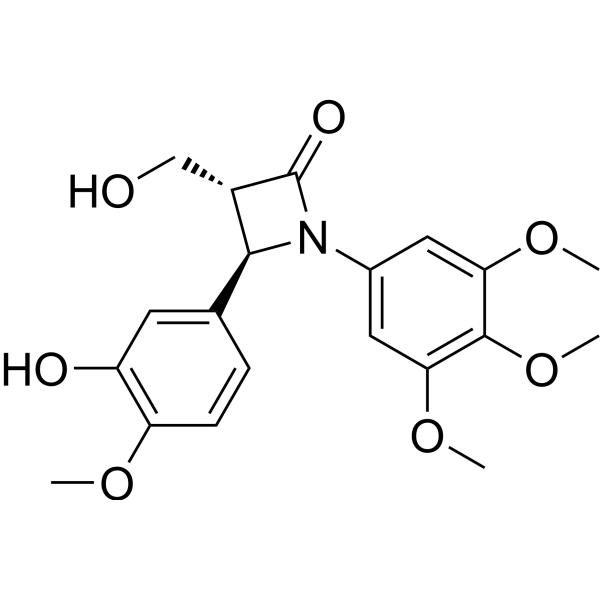
Tubulin inhibitor 42 (Compound 14b) dose-dependently inhibited the activity of β-microtubulin (IC50 = 3.5 µM).Tubulin inhibitor 42 interferes with microtubule dynamic homeostasis, resulting in the arrest of the cancer cell cycle in the G2/M phase and inducing apoptosis. Tubulin inhibitor 42 significantly inhibits the angiogenic process in vitro and in vivo, preventing vascularization and tumor growth .
|
-
-
- HY-13627A
-
|
|
Apoptosis
Microtubule/Tubulin
Mitosis
|
Metabolic Disease
Inflammation/Immunology
Cancer
|
|
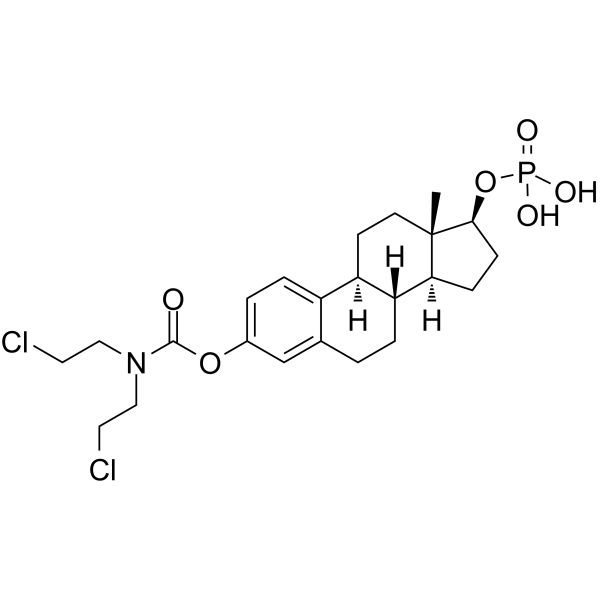
Estramustine phosphate, an estradiol analog, is an orally active antimicrotubule chemotherapy agent. Estramustine phosphate depolymerises microtubules by binding to microtubule associated proteins (MAPs) and/or to tubulin. Estramustine phosphate can interfere mitosis, trigger cell death and induce apoptosis, which can be used for the research of cancer like prostate cancer .
|
-
-
- HY-163983
-
|
|
Microtubule/Tubulin
Apoptosis
PARP
Caspase
|
Cancer
|
|
Tubulin polymerization-IN-68 (compound 32) is a tubulin inhibitor that can inhibit tubulin polymerization and destroy the cellular microtubule network. Tubulin polymerization-IN-68 can upregulate the expression of PARP-1 and caspase-3 and induce cell apoptosis, and has anticancer activity. Tubulin polymerization-IN-68 can effectively inhibit HepG2 (IC50=93 nM) and significantly inhibit the growth of HepG2 xenograft tumors in nude mice by oral administration .
|
-

-
- HY-12814A
-
|
|
DNA/RNA Synthesis
Microtubule/Tubulin
|
Cancer
|
|
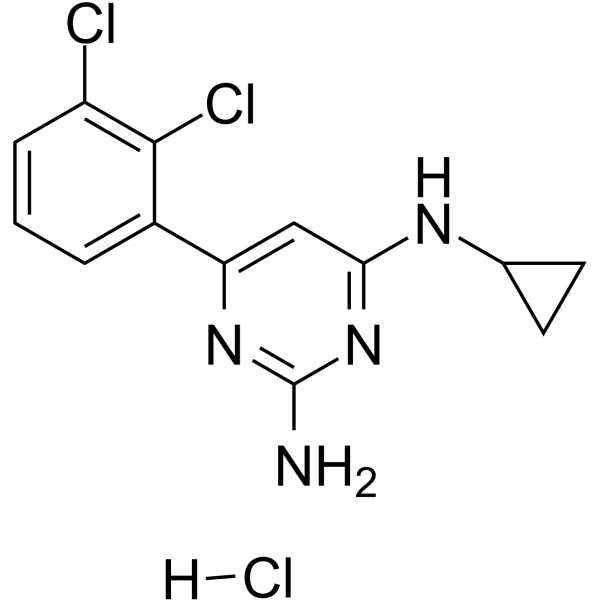
TH588 hydrochloride is a highly selective human MTH1 inhibitor (IC50=5 nM) with additional microtubule-targeting properties. TH588 hydrochloride interferes with mitotic progression, induces genomic 8-oxodG formation, DNA damage and cell cycle arrest, and exhibits significant cytotoxicity. Combined with phenethyl isothiocyanate, TH588 hydrochloride enhances ROS-mediated effects and effectively inhibits the growth of visceral metastases of malignant melanoma in mice. TH588 hydrochloride is widely applicable to research related to cancers, pancreatic cancer, leukemia, lymphoma, malignant melanoma and lung cancer .
|
-
-
- HY-161641
-
|
|
Microtubule/Tubulin
|
Cancer
|
|
Tubulin polymerization-IN-62 (Compound 14b) is an inhibitor for microtubule polymerization (IC50 is 7.5 μM) and a degrader for α- and β-tubulin. Tubulin polymerization-IN-62 inhibits proliferation of cancer cells MCF-7, A549 and HCT-116, with IC50 of 32, 60 and 29 nM, respectively. Tubulin polymerization-IN-62 arrests the cell cycle at G2/M phase, inhibits the migration of MCF-7. Tubulin polymerization-IN-62 exhibits antitumor efficacy with a tumor growth inhibition rate (TGI) of 74.27% in 4T1 homograft mouse model .
|
-

-
- HY-173182
-
|
|
Microtubule/Tubulin
P-glycoprotein
|
Cancer
|
|
Antitumor agent-200 (Compound 2g) is a microtubule synthesis inhibitor. By binding to the colchicine site of tubulin, it causes G2/M cell cycle arrest and generates reactive oxygen species (ROS). Antitumor agent-200 exhibits significant inhibitory activity against MCF7/ADR and KBV200 cell lines with overexpression of P-glycoprotein (P-gp), with drug resistance indices (DRI) of 0.83 and 0.58 respectively. In the MCF-7 xenograft model, Antitumor agent-200 (25 mg/kg, intraperitoneal injection) can achieve a tumor growth inhibition rate of 57.2%. Antitumor agent-200 can be used in the research of the anti-cancer field .
|
-

-
- HY-P11770
-
|
|
Microtubule/Tubulin
|
Others
|
|
α-Tubulin (residues 440-451) (α-Tubulin Tail) is a Microtubule growth inhibitor. α-Tubulin (residues 440-451) transiently interacts with the longitudinal polymerization interface of α-tubulin, regulating the apparent association and dissociation rates of tubulin at the microtubule growing end. α-Tubulin (residues 440-451) inhibits microtubule growth .
|
-

-
- HY-182478
-
|
|
Microtubule/Tubulin
|
Cancer
|
|
MDL-27048, a tubulin inhibitor, binds competitively, reversibly to the Colchicine (HY-16569)-binding site on tubulin heterodimers. MDL-27048 inhibits microtubule assembly, induces slow depolymerization of preassembled microtubules, disrupts microtubule polymerization-depolymerization dynamics, and disrupts cytoplasmic microtubule networks. MDL-27048 exerts growth inhibitory effects on human cancer cells, induces mitotic arrest, and does not disrupt actin filaments at microtubule-depolymerizing concentrations. MDL-27048 can be used for the research of malignant tumors .
|
-

-
- HY-119126
-
|
|
Microtubule/Tubulin
|
Cancer
|
|
PK-3 is a cancer cell growth inhibitor with microtubule-binding activity. PK-3 binds to tubulin, disrupts the intracellular microtubule network required for mitosis, and induces cell death. PK-3 can be used in research related to chronic myeloid leukemia .
|
-

-
- HY-112500
-
|
SPL-B
|
Microtubule/Tubulin
|
Neurological Disease
|
|
Spindlactone B (SPL-B) is a TACC3 inhibitor. Spindlactone B reduces the level of acetylated Microtubules. Spindlactone B can be used in the research of neurological diseases .
|
-

- HY-W721611
-
|
|
Herbicide
|
Others
|
|
Terbucarb is a phenylcarbamate herbicide. Terbucarb disrupts the mitotic microtubule organizing centers in plant cells, leading to the formation of multipolar spindles and branched phragmoplasts, thereby inhibiting plant growth. An "anaphase star" pattern induced by Terbucarb is observed in onion root tips. Terbucarb is cytotoxic to isolated rat hepatocytes, inducing cell death accompanied by depletion of intracellular ATP, protein thiols and glutathione .
|
-

- HY-179466
-
|
|
Microtubule/Tubulin
Apoptosis
Caspase
|
Cancer
|
|
BKT300 is a potent and selective protein regulator of cytokinesis 1 (PRC1) inhibitor. BKT300 inhibits PRC1 dephosphorylation at T481, disrupts actin and microtubule formation, induces G2/M cell cycle arrest, triggers mitotic catastrophe, and promotes apoptosis, thereby inhibiting proliferation and migration of acute myeloid leukemia (AML) cells while sparing normal cells. BKT300 inhibits tumor growth in mouse xenograft AML models. BKT300 can be used for the research of AML .
|
-

- HY-103257R
-
|
NSC656158 (Standard)
|
Reference Standards
Microtubule/Tubulin
|
Cancer
|
|
CHM-1 (Standard) is the analytical standard of CHM-1 (HY-103257). This product is intended for research and analytical applications. CHM-1, a microtubule-destabilizing agent, inhibits tubulin polymerization. CHM-1 is a potent and selective antimitotic antitumor activity against human hepatocellular carcinoma. CHM-1 induces growth inhibition and apoptosis via G2-M phase arrest in human hepatocellular carcinoma cells by activation of Cdc2 kinase activity .
|
-

- HY-180193
-
|
|
Microtubule/Tubulin
Apoptosis
|
Cancer
|
|
Tubulin polymerization-IN-86 (Compound B6) is an effective inhibitor of tubulin polymerization. Tubulin polymerization-IN-86 effectively inhibits microtubulin polymerization by binding to the colchicine binding sites on microtubulin, thereby disrupting the microtubule cytoskeleton within the cell. Tubulin polymerization-IN-86 exhibits potent anti-proliferative activity against a variety of cancer cell lines. Tubulin polymerization-IN-86 induces cell cycle arrest, apoptosis, inhibits cell migration, invasion, and long-term survival ability. Tubulin polymerization-IN-86 inhibits tumor growth in mice and can be used for the study of melanoma .
|
-

- HY-183147A
-
|
|
Amino acid Transporter
|
Cancer
|
|
LAT1-IN-2 hydrochloride is an orally active anticancer agent, as well as a LAT1 substrate and tubulin-binding agent. LAT1-IN-2 hydrochloride relies on LAT1 for cellular uptake, disrupts microtubule formation by binding to the colchicine site of tubulin, and induces actin depolymerization to transform cells into a spherical shape. LAT1-IN-2 hydrochloride effectively inhibits tumor growth in xenograft mice. Compared with Etoposide (HY-13629), LAT1-IN-2 hydrochloride shows higher distribution in tumor tissues, lower distribution in major organs, and better tolerability. LAT1-IN-2 hydrochloride has been applied in studies related to esophageal cancer .
|
-

- HY-138008
-
|
|
Microtubule/Tubulin
Apoptosis
|
Cancer
|
|
WX-132-18B is a tubulin inhibitor with an IC50 of 0.45-0.99 nM. WX-132-18B selectively binds to the colchicine-binding site on tubulin, reduces microtubule content via depolymerization, and inhibits tubulin polymerization. WX-132-18B induces tumor cell cycle arrest, apoptosis and changes in nuclear membrane permeability, and decreases mitochondrial membrane potential. WX-132-18B exhibits antiproliferative activity against endothelial cells and human tumor cells, and inhibits the proliferation and growth of xenograft tumors in mice. WX-132-18B can be used in research related to sarcoma, non-small cell lung cancer, gastric cancer and breast cancer .
|
-

-
-
HY-L075
-
|
|
2,886 compounds
|
|
Lung cancer is a major global health problem, as it is the leading cause of cancer-related deaths worldwide. Lung cancer is divided into two categories: small cell lung cancer and non-small cell lung cancer (NSCLC). Non-small cell lung cancer accounts for about 85 percent of lung cancers.
As with all cancers, lung cancer may be treated with surgery, chemotherapy, radiation therapy, targeted therapy, immunotherapy or a combination thereof. Targeted therapy is one of the most exciting developments in lung cancer medicine, especially for NSCLC. Extensive genomic characterization of NSCLC has led to the identification of molecular subtypes of NSCLC that are oncogene addicted and exquisitely sensitive to targeted therapies. These include activating mutations in epidermal growth factor receptor (EGFR) and BRAF or echinoderm microtubule-associated protein-like 4 (EML4)-anaplastic lymphoma kinase (ALK) fusions and ROS1 receptor tyrosine kinase fusions. These are important targets for target therapy.
MCE offers a unique collection of 2,886 compounds with identified and potential anti-lung cancer activity. These compounds target lung cancer’s major targets and signaling pathways. MCE anti-lung cancer compound library is a useful tool for anti-lung cancer drugs screening and other related research.
|
| Cat. No. |
Product Name |
Target |
Research Area |
-
- HY-P11770
-
|
|
Microtubule/Tubulin
|
Others
|
|
α-Tubulin (residues 440-451) (α-Tubulin Tail) is a Microtubule growth inhibitor. α-Tubulin (residues 440-451) transiently interacts with the longitudinal polymerization interface of α-tubulin, regulating the apparent association and dissociation rates of tubulin at the microtubule growing end. α-Tubulin (residues 440-451) inhibits microtubule growth .
|
| Cat. No. |
Product Name |
Category |
Target |
Chemical Structure |
| Cat. No. |
Product Name |
Chemical Structure |
-
- HY-W014240S1
-
|
|
|
Chlorpropham-d7 is the deuterium labeled Chlorpropham . Chlorpropham is a carbamate herbicide and plant growth regulator. Chlorpropham inhibits mitosis and cell division by interfering with the organisation of the spindle microtubules .
|
-
Your information is safe with us. * Required Fields.
Inquiry Information
- Product Name:
- Cat. No.:
- Quantity:
- MCE Japan Authorized Agent:








