Search Result
Results for "
multidrug resistant cancer
" in MedChemExpress (MCE) Product Catalog:
2
Bibliotecas de Screening
1
Isotope-Labeled Compounds
| Cat. No. |
Nombre del producto |
Target |
Áreas de investigación |
Chemical Structure |
-
- HY-109061
-
|
YH25448; GNS-1480
|
Apoptosis
Akt
TRP Channel
EGFR
ERK
|
Infection
Neurological Disease
Metabolic Disease
Cancer
|
|
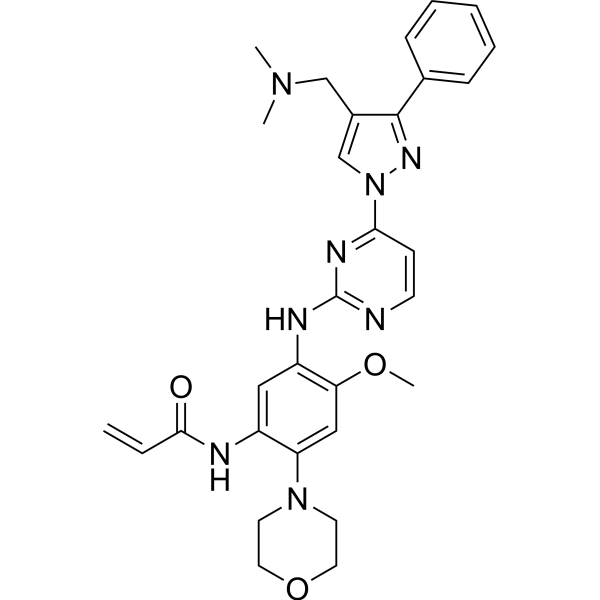
Lazertinib (YH25448; GNS-1480) is an orally active, blood-brain barrier permeable third-generation EGFR tyrosine kinase inhibitor, as well as an ABCB1/ABCG2 inhibitor and a TRPA1 activator. Lazertinib exhibits IC50 values of 0.4 mM and 0.2 mM against human ABCB1 and ABCG2, respectively. By inhibiting mutant EGFR signaling, EGFR phosphorylation and the downstream ERK/AKT pathway, as well as upregulating surface expression of EGFR/MET, Lazertinib induces cell cycle arrest, apoptosis, spontaneous calcium responses, hyperexcitability of dorsal root ganglion (DRG) neurons, and TRPA1-dependent pain-like behaviors. Lazertinib competitively binds to the substrate-binding sites of ABCB1/ABCG2, stimulates their ATPase activity without altering their expression or plasma membrane localization, thereby enhancing ADCC activity, acting as a chemosensitizer, and reversing ABCB1-mediated multidrug resistance. It exerts antitumor activity as a single agent or in combination with other drugs. Lazertinib is applicable to research related to non-small cell lung cancer, multidrug-resistant cancers, and paresthesia .
|
-
-
- HY-118341
-
|
|
Apoptosis
Bcl-2 Family
|
Cancer
|
|
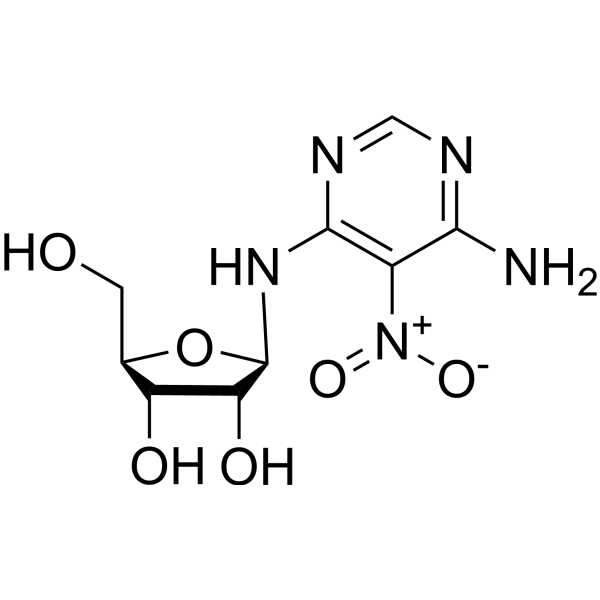
Clitocine, an adenosine nucleoside analog isolated from mushroom, is a potent and efficacious readthrough agent. Clitocine acts as a suppressor of nonsense mutations and can induce the production of p53 protein in cells harboring p53 nonsense-mutated alleles. Clitocine can induce apoptosis in multidrug-resistant human cancer cells by targeting Mcl-1. Anticancer activity .
|
-
-
- HY-17013
-
|
MS-209 free base
|
P-glycoprotein
|
Cancer
|
|
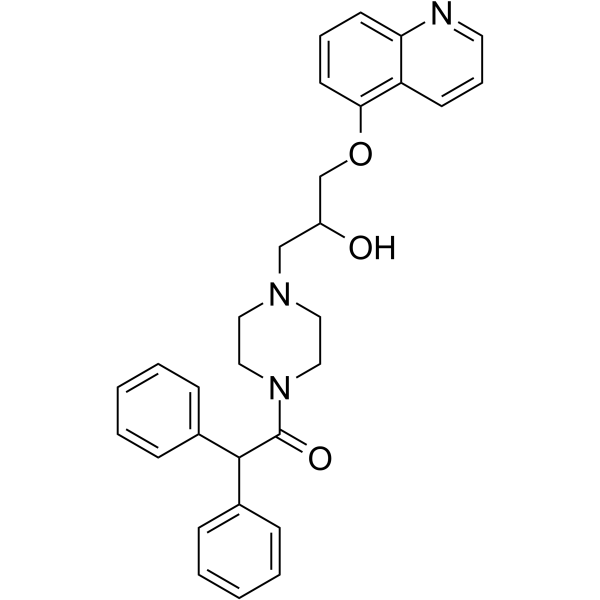
Dofequidar (MS-209 free base) is an orally active quinoline compoundthat blocks P-glycoprotein (P-gp) and multidrug resistance-associated protein-1 (MDR-1). Dofequidar has highly potent reversing effect on multidrug-resistant tumor cells. Dofequidar competitively inhibits ABCB1/P-gp, ABCC1/MRP-1, blocks the efflux of chemotherapeutic agents, increases the drug concentration in cancer cells, and enhances the chemotherapeutic effect .
|
-
-
- HY-109061B
-
|
YH25448 mesylate; GNS-1480 mesylate
|
TRP Channel
EGFR
Akt
ERK
Apoptosis
|
Cancer
|
|
Lazertinib (YH25448; GNS-1480) mesylate is an orally active, blood-brain barrier permeable third-generation EGFR tyrosine kinase inhibitor, as well as an ABCB1/ABCG2 inhibitor and a TRPA1 activator. Lazertinib mesylate exhibits IC50 values of 0.4 mM and 0.2 mM against human ABCB1 and ABCG2, respectively. By inhibiting mutant EGFR signaling, EGFR phosphorylation and the downstream ERK/AKT pathway, as well as upregulating surface expression of EGFR/MET, Lazertinib mesylate induces cell cycle arrest, apoptosis, spontaneous calcium responses, hyperexcitability of dorsal root ganglion (DRG) neurons, and TRPA1-dependent pain-like behaviors. Lazertinib mesylate competitively binds to the substrate-binding sites of ABCB1/ABCG2, stimulates their ATPase activity without altering their expression or plasma membrane localization, thereby enhancing ADCC activity, acting as a chemosensitizer, and reversing ABCB1-mediated multidrug resistance. It exerts antitumor activity as a single agent or in combination with other drugs. Lazertinib mesylate is applicable to research related to non-small cell lung cancer, multidrug-resistant cancers, and paresthesia .
|
-

-
- HY-137433
-
|
D-0316
|
EGFR
P-glycoprotein
Apoptosis
|
Cancer
|
|
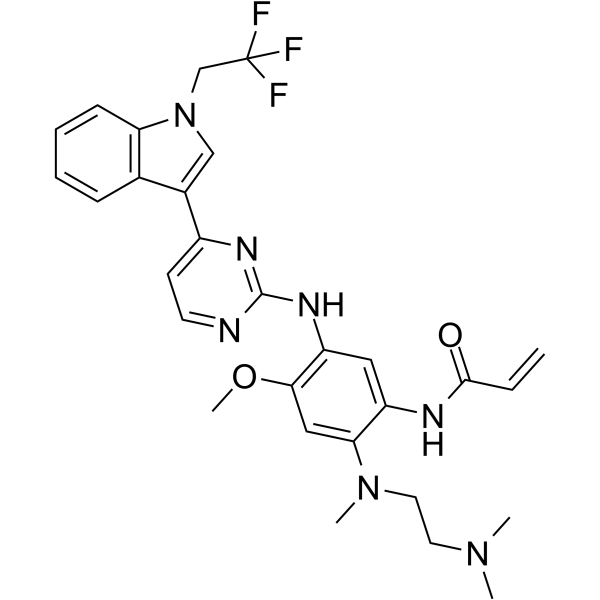
Befotertinib (D-0316) is an orally active EGFR inhibitor and ABCB1 inhibitor. Befotertinib selectively targets EGFR mutations including EGFR T790M, EGFR L858R and delE746-A750, forms covalent bonds with EGFR C797, inhibits oncogenic signaling pathways, and exerts antiproliferative effects. Befotertinib inhibits ABCB1-mediated drug efflux, activates the ATPase activity of ABCB1, acts as a chemosensitizer and apoptosis enhancer, and restores the sensitivity of multidrug-resistant cancer cells. Befotertinib can be used in research related to multidrug-resistant cancers and non-small cell lung cancer .
|
-
-
- HY-N10549
-
|
|
Ferroptosis
c-Myc
Glutathione Peroxidase
JNK
Reactive Oxygen Species (ROS)
GSK-3
|
Infection
Metabolic Disease
Cancer
|
|
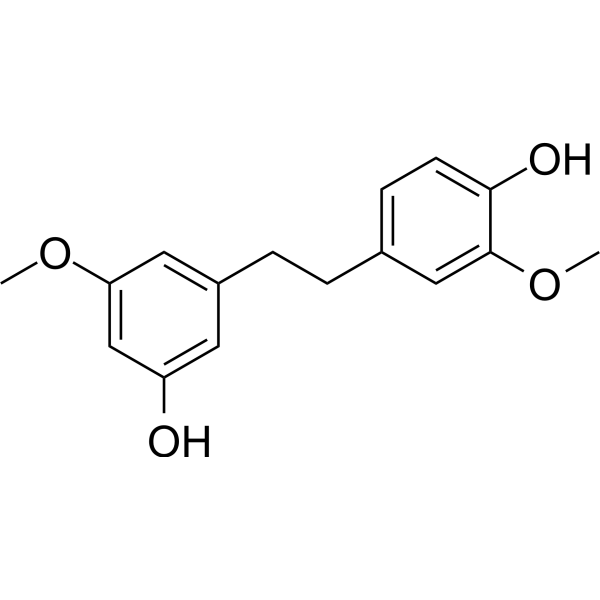
Gigantol is an orally active bibenzyl compound. Gigantol targets MYC to promote its ubiquitin-proteasomal degradation and inhibit the growth of lung cancer cells. Gigantol exerts anti-lung cancer activity by inducing ferroptosis (Ferroptosis) via the SLC7A11-GPX4 axis. Gigantol restores the sensitivity of mcr-harboring multidrug-resistant bacteria to colistin. Gigantol ameliorates carbon tetrachloride-induced liver injury by inhibiting the activation of the JNK/cPLA2/12-LOX inflammatory pathway. Gigantol promotes cholesterol metabolism and progesterone biosynthesis in Leydig cells. Gigantol can be used in studies related to diseases such as lung cancer, multidrug-resistant Gram-negative bacterial infections, and acute liver injury .
|
-
-
- HY-128914
-
|
|
ADC Payload
Microtubule/Tubulin
Apoptosis
|
Cancer
|
|
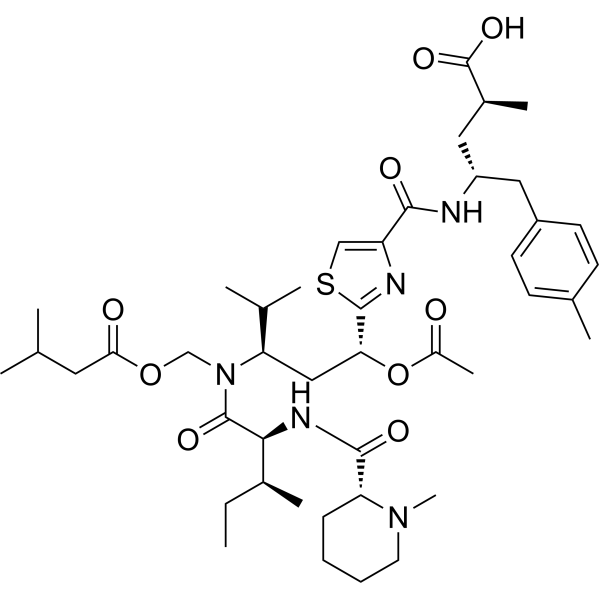
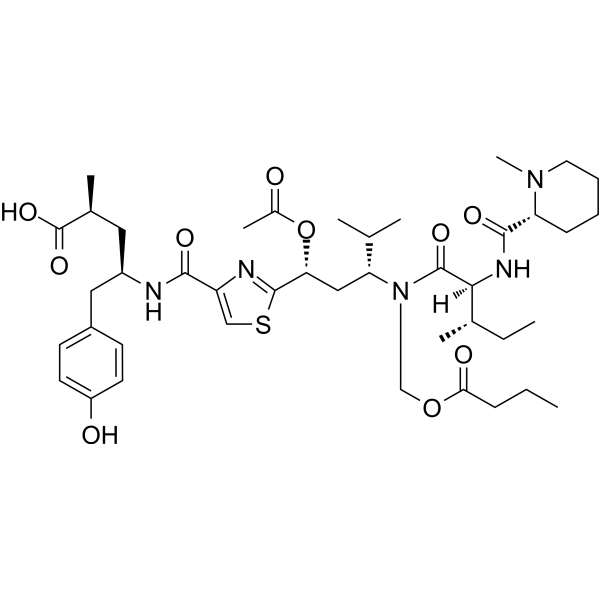
Tubulysin is a microtubule destabilizer that binds to the β-tubulin peptide site adjacent to the vinca alkaloid binding site and inhibits tubulin polymerization. Tubulysin induces apoptosis and exhibits antiproliferative activity against a variety of human cancer cells, including multidrug-resistant strains. Tubulysin can be conjugated to antibodies via a disulfide-containing quaternary ammonium linker for ADC synthesis . Tubulysin is applicable to tumor-related research .
|
-
-
- HY-N3434
-
|
|
Drug Derivative
Reactive Oxygen Species (ROS)
|
Cancer
|
|
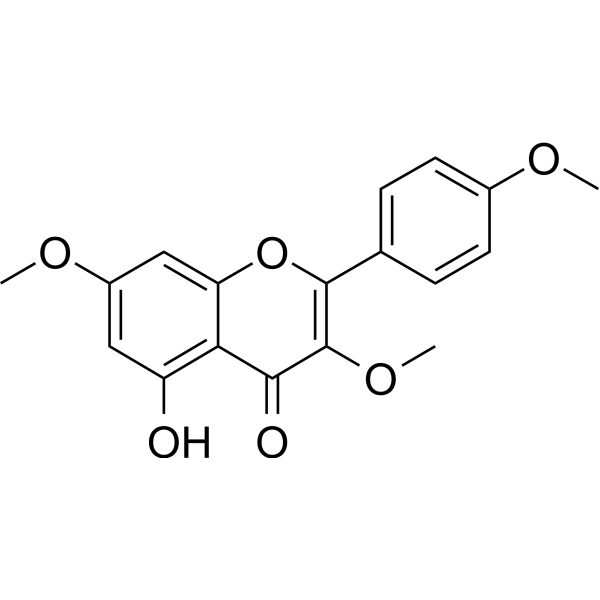
Kaempferol 3,7,4'-trimethyl ether is an O-methylated kaempferol flavonol aglycone distributed in Siparuna gigantotepala, Aframomum arundinaceum and Siparuna guianensis. Kaempferol 3,7,4'-trimethyl ether exhibits antioxidant activity. Kaempferol 3,7,4'-trimethyl ether suppresses the proliferation of leukemia cells and exerts selective cytotoxicity against both drug‑sensitive and multi‑factorial drug‑resistant cancer cells. Kaempferol 3,7,4'-trimethyl ether can be applied in the research of multidrug‑resistant cancers .
|
-
-
- HY-17013A
-
|
MS-209
|
P-glycoprotein
|
Cancer
|
|
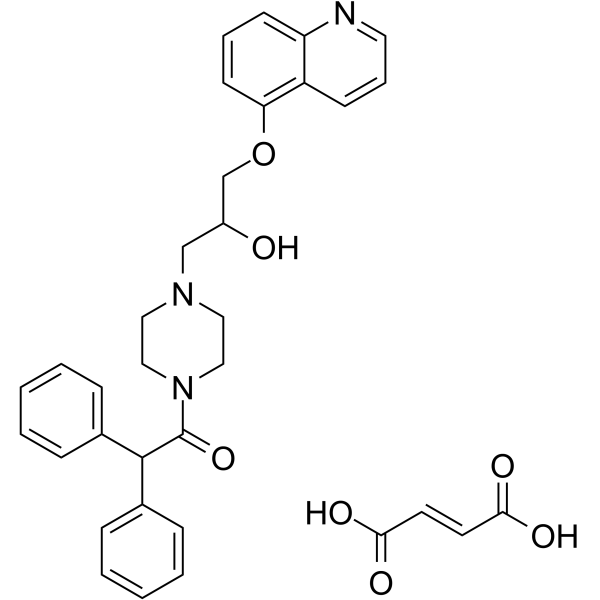
Dofequidar fumarate (MS-209) is an orally active quinoline compoundthat blocks P-glycoprotein (P-gp) and multidrug resistance-associated protein-1 (MDR-1). Dofequidar fumarate has highly potent reversing effect on multidrug-resistant tumor cells. Dofequidar fumarate competitively inhibits ABCB1/P-gp, ABCC1/MRP-1, blocks the efflux of chemotherapeutic agents, increases the drug concentration in cancer cells, and enhances the chemotherapeutic effect .
|
-
-
- HY-114211
-
|
|
Histone Methyltransferase
HSP
|
Cancer
|
|
SGC8158 is an inhibitor of PRMT7 and can be used to study the cellular function of PRMT7. SGC8158 decreases monomethylarginine levels of Hsp70 (the best characterized PRMT7 substrate). SGC8158 induces growth inhibition in various cancer cells (IC50: 2-9 μM), as well as multidrug-resistant (MDR) cancer cells. SGC8158 also enhances Doxorubicin (HY-15142A) induced DNA damage and Its cytotoxicity .
|
-

-
- HY-N1243
-
|
|
Microtubule/Tubulin
Apoptosis
|
Cancer
|
|
Tubulysin B is a highly cytotoxic peptide and potent microtubule destabilizing agents isolated from the myxobacteria Archangium geophyra and Angiococcus disciformis. Tubulysin B has IC50 values in the picomolar range against many cancer cell lines, including those with multidrug resistant properties .Tubulysin B is a cytotoxic activity tubulysin which inhibits tubulin polymerization and leads to cell cycle arrest and apoptosis .
|
-
-
- HY-W014118
-
|
|
Environmental Pollutants
|
Inflammation/Immunology
Cancer
|
|
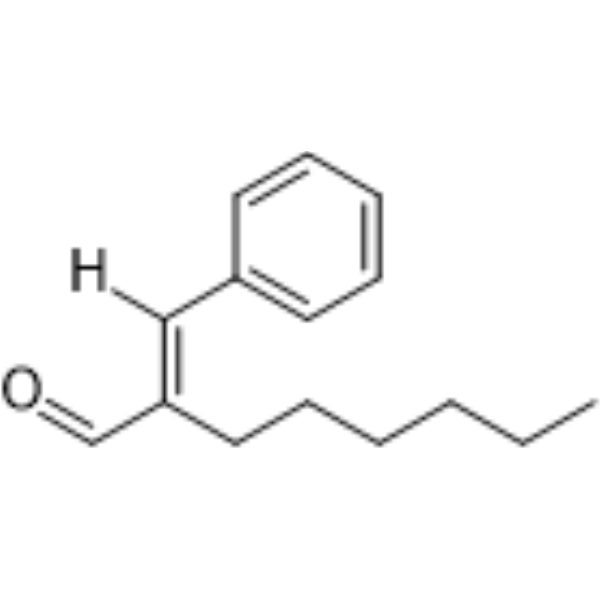
α-Hexylcinnamaldehyde is an O-acetyltransferase (OAT) inhibitor. α-Hexylcinnamaldehyde inhibits OAT-mediated bioactivation of nitroarene mutagens, exerts antimutagenic activity through demutagenic and bioantimutagenic mechanisms, and interferes with ATP-binding cassette (ABC) transporter function to reduce substrate efflux. α-Hexylcinnamaldehyde alters membrane permeability, fluidizes phospholipid membranes, exerts antioxidant effects, and enhances the antiproliferative effect of Doxorubicin on human cancer cells. α-Hexylcinnamaldehyde can be used in the research of colorectal adenocarcinoma, T-cell leukemia, and multidrug-resistant cancers .
|
-
-
- HY-N1050
-
|
|
mTOR
Ribosomal S6 Kinase (RSK)
Bacterial
|
Infection
Neurological Disease
Cancer
|
|
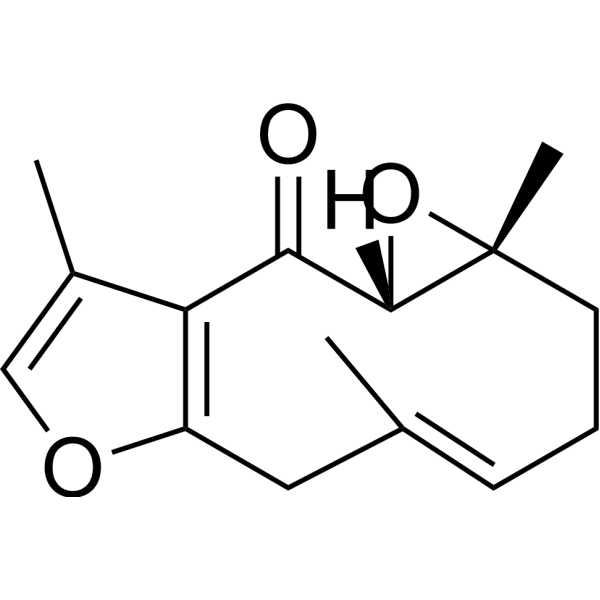
Zederone is a sesquiterpene. Zederone inhibits ovarian cancer cell proliferation through mTOR/p70s6K signalling pathway. Zederone inhibits CYP activities with IC50s of 2.9 μM (CYP2B6), 9.2 μM (CYP2C9), 11,2 μM (CYP2C19) and >30 μM (CYP1A2 and CYP2D6). Zederone is hepatotoxic with LD50 value at 24 hours in mice of approximately 223 mg/kg and cytotoxic against the KG1a cell line. Zederone shows antibacterial activity against a number of multi-drug resistant and Methicillin (HY-121544)-resistant Staphylococcus aureus strain. Zederone shows cognition improving capacity and assists in the modulation of gut bacterial dysbiosis .
|
-
-
- HY-N0566
-
|
Anemosapogenin
|
Apoptosis
Autophagy
Bcl-2 Family
Caspase
Survivin
p38 MAPK
MMP
|
Cancer
|
|
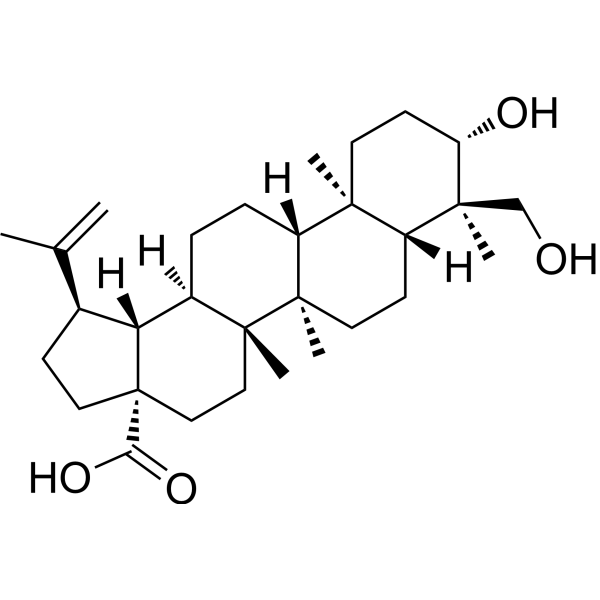
23-Hydroxybetulinic acid (Anemosapogenin) is an orally active triterpenoid with broad-spectrum anticancer activity. 23-Hydroxybetulinic acid reduces the levels of Bcl-2 and survivin, elevates the level of Bax, promotes the cleavage/activation of caspase-3 and caspase-9, and induces apoptosis via the endogenous mitochondrial pathway involving cytochrome C release and mitochondrial membrane potential disruption. 23-Hydroxybetulinic acid arrests the cell cycle at S and G1 phases, inhibits cancer cell proliferation, blocks the MAPK signaling pathway, regulates MMP2, and induces autophagic apoptosis by upregulating beclin-1. 23-Hydroxybetulinic acid inhibits the activity and efflux function of P-gp, increases the intracellular accumulation of chemotherapeutic drugs, and synergistically enhances cytotoxicity with Doxorubicin (HY-15142). 23-Hydroxybetulinic acid inhibits the phosphorylation and nuclear translocation of STAT6, blocks M2 macrophage polarization, and reduces M2 macrophage-mediated apoptosis resistance of colon cancer cells. 23-Hydroxybetulinic acid can be used in related studies on chronic myeloid leukemia, hepatocellular carcinoma, sarcoma 180, multidrug-resistant breast cancer, leukemia, Doxorubicin-induced cardiotoxicity, and colorectal cancer .
|
-
-
- HY-N2103
-
|
|
P-glycoprotein
|
Cancer
|
|
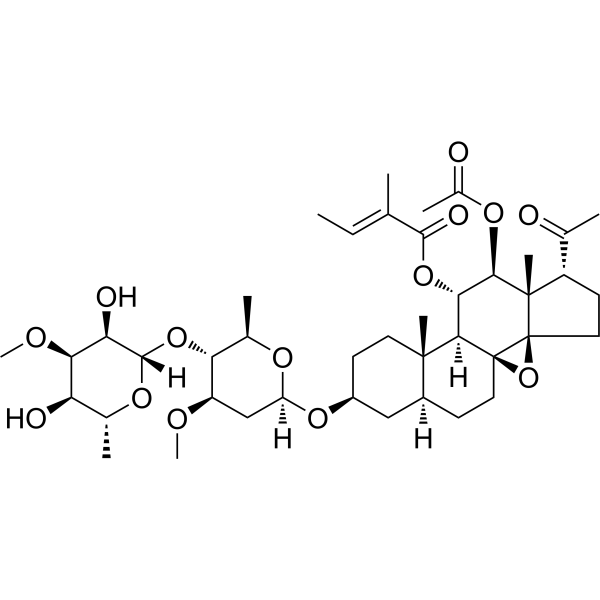
Tenacissoside G is a C21 steroid from the stems of Marsdenia tenacissima. Tenacissoside G reverses multidrug resistance in P-glycoprotein (Pgp)-overexpressing multidrug-resistant cancer cells .
|
-
-
- HY-162753
-
|
|
P-glycoprotein
|
Cancer
|
|
ZW-1226 is a dual Tyrosyl DNA phosphodiesterase 2 (TDP2) and Multidrug resistance-associated protein 1 (MRP1) inhibitor with IC50 values of 0.2 and 0.5 μM, respectively. ZW-1226 exhibits selectivity over other ABC transporters. ZW-1226 elevates intracellular GSH levels, and reverses MRP1-mediated drug resistance. ZW-1226 can be used for the research of leukemia, non-small-cell lung cancer, and multidrug resistant small-cell lung cancer .
|
-

-
- HY-N0944
-
|
|
Others
|
Cancer
|
|
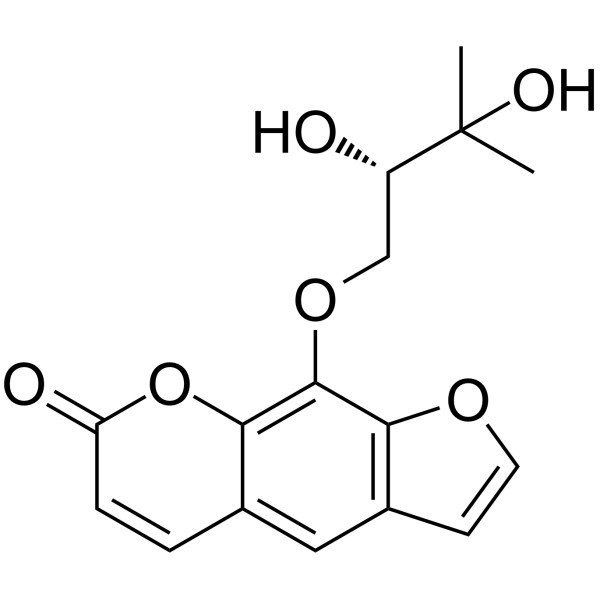
(-)-Heraclenol is a derivative of furocoumarin isolated from Ducrosia anethifolia. (-)-Heraclenol shows antiproliferative and cytotoxic activities on cancer cell lines .
|
-
-
- HY-15306S
-
|
SB-497115-13C4
|
Thrombopoietin Receptor
Bacterial
Apoptosis
|
Infection
Cardiovascular Disease
Cancer
|
|
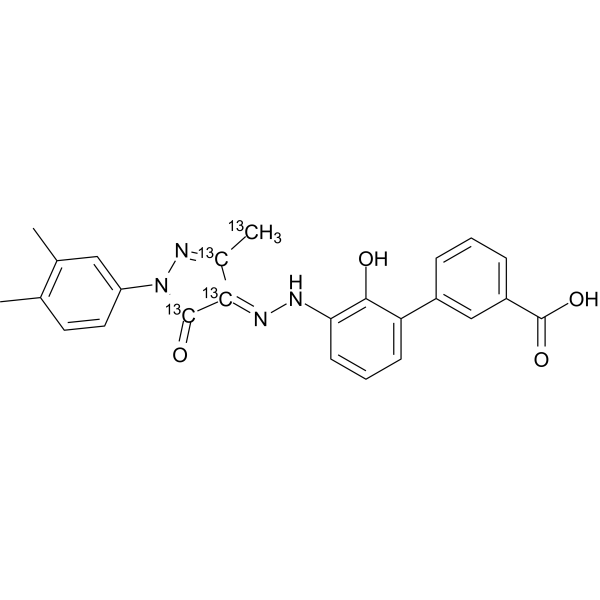
Eltrombopag- 13C4 (SB-497115- 13C4) is 13 sup>C-labeled Z-Eltrombopag. Z-Eltrombopag is an orally active thrombopoietin-receptor non-peptide agonist with platelet-stimulating activity for the study of chronic immune thrombocytopenia. Eltrombopag also has strong inhibitory effects on multidrug-resistant Staphylococcus aureus (Staphylococcus aureus) and can induce apoptosis (apoptosis) in liver cancer cells .
|
-
-
- HY-129279
-
|
|
Farnesyl Transferase
|
Cancer
|
|
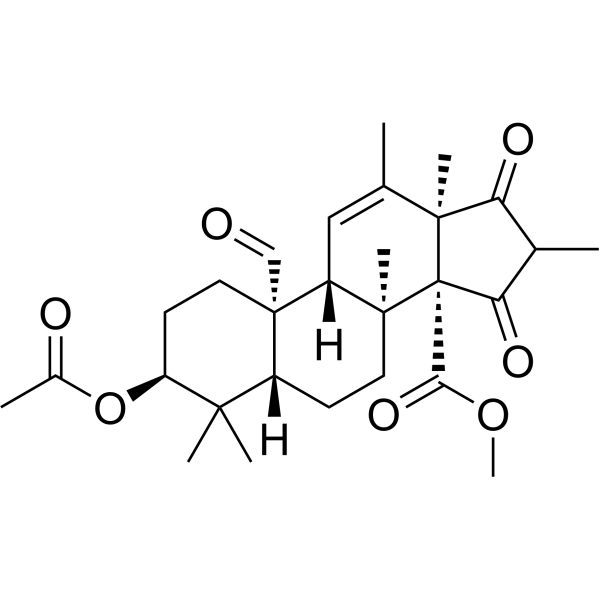
Andrastin A meroterpenoid compound, is a farnesyltransferase inhibitor. Andrastin A inhibits the efflux of anticancer compounds from multidrug-resistant cancer cells. Andrastin A can be isolated from Penicillium species .
|
-
-
- HY-178349
-
|
|
P-glycoprotein
Apoptosis
Autophagy
|
Cancer
|
|
P-gp inhibitor 30 is a potent P-gp inhibitor that reverses multidrug resistance in breast cancer by sensitizing resistant cells to Doxorubicin (ADM) (HY-15142). P-gp inhibitor 30 promotes apoptosis, induces autophagy, and suppresses proliferation, migration, and invasion of drug-resistant breast cancer cells when combined with ADM. P-gp inhibitor 30 inhibits breast tumor growth both in vitro and in vivo. P-gp inhibitor 30 can be used for drug-resistant breast cancer research .
|
-

-
- HY-137433A
-
|
D-0316 mesylate
|
EGFR
P-glycoprotein
Apoptosis
|
Inflammation/Immunology
Cancer
|
|
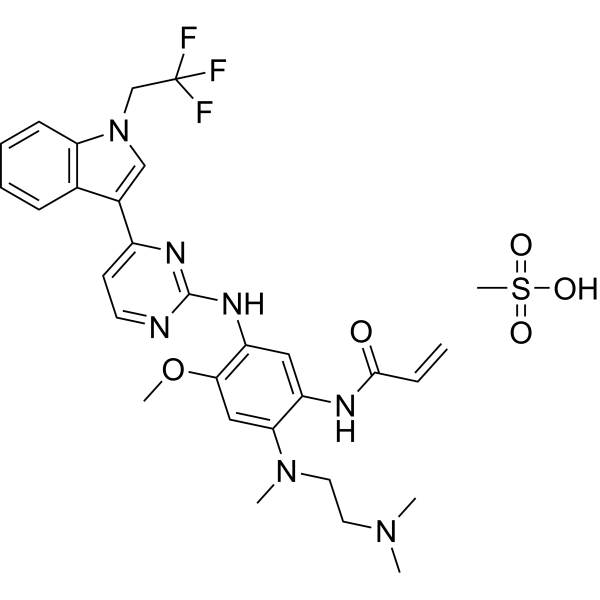
Befotertinib (D-0316) mesylate is an orally active EGFR inhibitor and ABCB1 inhibitor. Befotertinib mesylate selectively targets EGFR mutations including EGFR T790M, EGFR L858R and delE746-A750, forms covalent bonds with EGFR C797, inhibits oncogenic signaling pathways, and exerts antiproliferative effects. Befotertinib mesylate inhibits ABCB1-mediated drug efflux, activates the ATPase activity of ABCB1, acts as a chemosensitizer and apoptosis enhancer, and restores the sensitivity of multidrug-resistant cancer cells. Befotertinib mesylate can be used in research related to multidrug-resistant cancers and non-small cell lung cancer .
|
-
-
- HY-N2906
-
|
Atalantoflavone
|
Parasite
|
Cancer
|
|
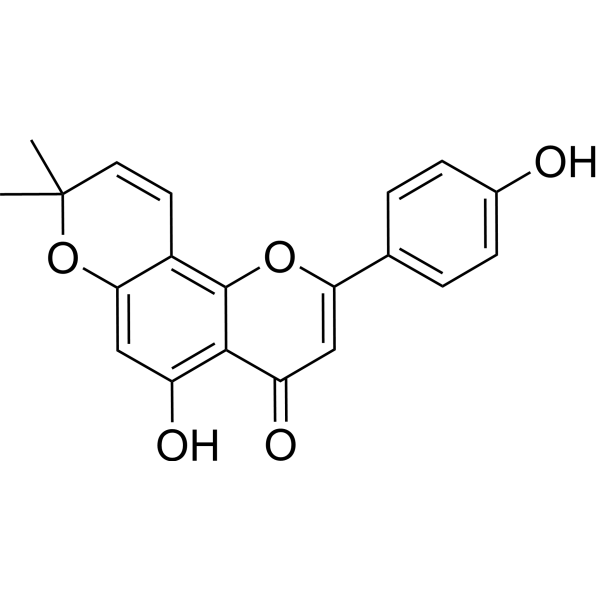
Limonianin (Atalantoflavone) is a flavone, that can be isolated from Erythrina sigmoidea and the root bark of Citrus limonia. Limonianin presents inhibitory effect against P. gingivalis. Limonianin shows cytotoxic activity against multidrug-resistant (MDR) cancer cell lines .
|
-
-
- HY-146391
-
|
|
P-glycoprotein
|
Cancer
|
|
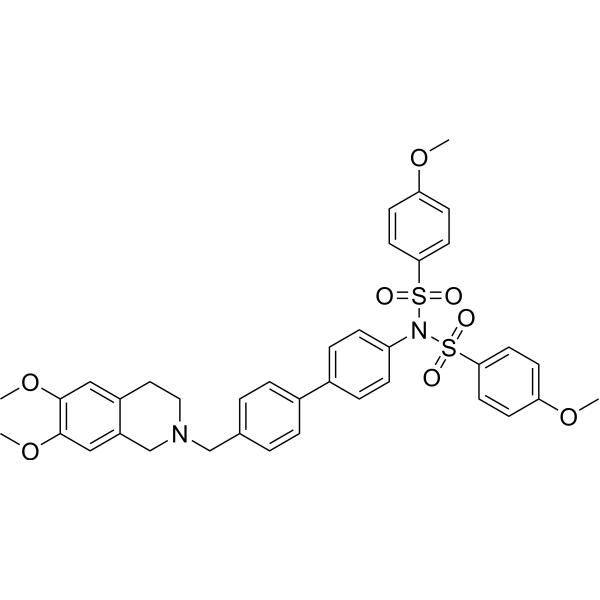
P-gp inhibitor 4 (Compound 8b) is a selective P-glycoprotein modulator with an EC50 of 94 nM. P-gp inhibitor 4 increases agent transport across gastro-intestinal barrier and recovers doxorubicin toxicity in multidrug resistant cancer cells .
|
-
-
- HY-136940
-
|
|
BCRP
|
Cancer
|
|
Ac22(Az8)2 is a selective BCRP inhibitor (EC50: 1-2 nM). Ac22(Az8)2 can restore the drug sensitivity of BCRP-overexpressing cells by inhibiting BCRP-ATPase activity, blocking drug efflux, and increasing intracellular drug accumulation. Ac22(Az8)2 can be used in the research of BCRP-mediated multidrug-resistant cancers .
|
-

-
- HY-178942
-
|
|
VEGFR
EGFR
Apoptosis
Bcl-2 Family
Caspase
MDM-2/p53
|
Cancer
|
|
EGFR/VEGFR2-IN-9 (Compound 9b) is an inhibitor of VEGFR-2 (IC50 = 1.325 μM) and EGFR (IC50 = 1.891 μM). EGFR/VEGFR2-IN-9 significantly inhibits the proliferation of multiple cancer cell lines, particularly leukemia cells. EGFR/VEGFR2-IN-9 upregulates the expression levels of Bax, caspase-3, and p53, while downregulating the expression of Bcl-2. EGFR/VEGFR2-IN-9 induces apoptosis and arrests the cell cycle in the G1 phase. EGFR/VEGFR2-IN-9 can be used to investigate anti-tumor angiogenesis and multi-drug resistant cancers .
|
-

-
- HY-116976
-
|
|
P-glycoprotein
|
Cancer
|
|
NSC-57969 is a multidrug resistant (MDR)-selective agent, exhibiting a robust Pgp-dependent toxic activity across diverse cancer cell lines .
|
-

-
- HY-N15297
-
|
|
P-glycoprotein
|
Cancer
|
|
Isotenulin inhibits the efflux function of P-glycoprotein by stimulation of P-glycoprotein ATPase, thereby overcoming the multidrug resistance (MDR) of cancer cells. Isotenulin exhibits cytotoxicity in multidrug-resistant cancer cell KB-vin and sensitive cancer cell HeLaS3. Isotenulin exhibits synergistic effect with Paclitaxel (HY-B0015), Vinblastine (HY-13780) and Doxorubicin (HY-15142) .
|
-

-
- HY-13574
-
|
VX 710-3
|
P-glycoprotein
|
Cancer
|
|
Biricodar dicitrate (VX 710-3) is the dicitrate salt form of Biricodar (HY-13574A). Biricodar dicitrate is an inhibitor for P-glycoprotein and multidrug resistance-associated protein 1 (MRP-1), which increases the accumulation of chemotherapy drugs within cancer cells and shows effective chemosensitizing activity in multidrug resistant cells .
|
-

-
- HY-129236
-
|
|
Na+/K+ ATPase
Apoptosis
|
Cancer
|
|
Hellebrin is a bufadienolide compound extracted from plants that can inhibit tumor cell growth. Hellebrigenin shows potential in overcoming cancer cells' resistance to apoptosis stimuli and has also demonstrated anti-proliferation effects in multidrug-resistant (MDR) cancer cell models. Hellebrin can act on Na+/K+-ATPase to regulate intracellular signaling pathways .
|
-

-
- HY-17013D
-
|
MS-209 sesquifumarate
|
P-glycoprotein
|
Cancer
|
|
Dofequidar (MS-209) sesquifumarate is an orally active quinoline compoundthat blocks P-glycoprotein (P-gp) and multidrug resistance-associated protein-1 (MDR-1). Dofequidar sesquifumarate has highly potent reversing effect on multidrug-resistant tumor cells. Dofequidar sesquifumarate competitively inhibits ABCB1/P-gp, ABCC1/MRP-1, blocks the efflux of chemotherapeutic agents, increases the drug concentration in cancer cells, and enhances the chemotherapeutic effect .
|
-

-
- HY-175201
-
|
|
LPL Receptor
STAT
|
Cancer
|
|
pro-FTY, a FTY720 (HY-12005) anticancer prodrug, is a sphingosine-1-phosphate (S1P) (HY-108496) inhibitor. pro-FTY specifically inhibits S1P signaling in cancer cells using a drug delivery system (DDS) that reacts with acrolein. pro-FTY significantly inhibits the survival of breast cancer cells, including multidrug-resistant cells and its organoids resistant to Paclitaxel (HY-B0015) or Doxorubicin (HY-15142A). pro-FTY potently suppresses tumor growth in 4T1 cells or organoids xenograft tumors mice model while avoiding lymphocytopenia .
|
-

-
- HY-W014118R
-
|
|
Reference Standards
Environmental Pollutants
|
Cancer
|
|
α-Hexylcinnamaldehyde (Standard) is the analytical standard of α-Hexylcinnamaldehyde. This product is intended for research and analytical applications. α-Hexylcinnamaldehyde is an O-acetyltransferase (OAT) inhibitor. α-Hexylcinnamaldehyde inhibits OAT-mediated bioactivation of nitroarene mutagens, exerts antimutagenic activity through demutagenic and bioantimutagenic mechanisms, and interferes with ATP-binding cassette (ABC) transporter function to reduce substrate efflux. α-Hexylcinnamaldehyde alters membrane permeability, fluidizes phospholipid membranes, exerts antioxidant effects, and enhances the antiproliferative effect of Doxorubicin on human cancer cells. α-Hexylcinnamaldehyde can be used in the research of colorectal adenocarcinoma, T-cell leukemia, and multidrug-resistant cancers .
|
-

-
- HY-175522
-
|
|
P-glycoprotein
Apoptosis
|
Cancer
|
|
P-gp-IN-31 is a P-glycoprotein (P-gp) inhibitor with IC50 values of 0.42 μM for KB cells and 0.43 μM for MDR KBvin cells. P-gp-IN-31 can pass P-gp-mediated drug efflux mechanisms and shows collateral sensitivity via P-gp downregulation. P-gp-IN-31 inhibits cell proliferation, induces apoptosis and arrests the cell cycle at G2/M phase. P-gp-IN-31 can be used for the research of cancer, such as multidrug-resistant (MDR) malignancies .
|
-

-
- HY-N0566R
-
|
Anemosapogenin (Standard)
|
Reference Standards
Apoptosis
Autophagy
Bcl-2 Family
Caspase
Survivin
p38 MAPK
MMP
|
Cancer
|
|
23-Hydroxybetulinic acid (Standard) is the analytical standard of 23-Hydroxybetulinic acid (HY-N0566). This product is intended for research and analytical applications. 23-Hydroxybetulinic acid (Anemosapogenin) is an orally active triterpenoid with broad-spectrum anticancer activity. 23-Hydroxybetulinic acid reduces the levels of Bcl-2 and survivin, elevates the level of Bax, promotes the cleavage/activation of caspase-3 and caspase-9, and induces apoptosis via the endogenous mitochondrial pathway involving cytochrome C release and mitochondrial membrane potential disruption. 23-Hydroxybetulinic acid arrests the cell cycle at S and G1 phases, inhibits cancer cell proliferation, blocks the MAPK signaling pathway, regulates MMP2, and induces autophagic apoptosis by upregulating beclin-1. 23-Hydroxybetulinic acid inhibits the activity and efflux function of P-gp, increases the intracellular accumulation of chemotherapeutic drugs, and synergistically enhances cytotoxicity with Doxorubicin (HY-15142). 23-Hydroxybetulinic acid inhibits the phosphorylation and nuclear translocation of STAT6, blocks M2 macrophage polarization, and reduces M2 macrophage-mediated apoptosis resistance of colon cancer cells. 23-Hydroxybetulinic acid can be used in related studies on chronic myeloid leukemia, hepatocellular carcinoma, sarcoma 180, multidrug-resistant breast cancer, leukemia, Doxorubicin-induced cardiotoxicity, and colorectal cancer.
|
-

-
- HY-N18168
-
|
|
Others
|
Cancer
|
|
Esculentoside L is a triterpene saponin present in the roots of Phytolacca americana. Esculentoside L increases the intracellular accumulation of calcein in multidrug-resistant human ovarian cancer cells. Esculentoside L exerts no significant cytotoxic activity against non-cancerous cells and hepatocytes. Esculentoside L can be used in studies related to multidrug-resistant human ovarian cancer .
|
-

-
- HY-182633
-
|
|
P-glycoprotein
|
Cancer
|
|
Hapalosin is a multidrug resistance reversal agent and chemosensitizer with mild cytotoxicity against cancer cells. Hapalosin inhibits the ATP-dependent drug efflux pump function of P-glycoprotein and antagonizes multidrug resistance-associated proteins. Hapalosin reverses multidrug resistance mediated by P-glycoprotein and multidrug resistance-associated proteins, increases the intracellular accumulation of drugs transported by P-glycoprotein, and enhances the cytotoxicity of these drugs against cancer cells overexpressing P-glycoprotein. Hapalosin can be used in the research of multidrug-resistant cancers .
|
-

-
- HY-181252
-
|
|
P-glycoprotein
|
Cancer
|
|
P-gp-IN-35 is a P-glycoprotein (P-gp) inhibitor. P-gp-IN-35 exhibits cytotoxicity against sensitive breast cancer and colorectal cancer cells, and can reverse multidrug resistance in breast cancer cells with P-gp overexpression. P-gp-IN-35 can be used in research related to multidrug-resistant breast cancer and colon cancer .
|
-

-
- HY-W353474
-
|
|
Drug Derivative
|
Cancer
|
|
iso-Dehydrozingerone is a dehydrozingerone analog. iso-Dehydrozingerone exhibits moderate in vitro cytotoxic activity against human tumor cells, with IC50 values of 10.0 μg/mL, 8.2 μg/mL and >10 μg/mL against human nasopharyngeal carcinoma cells, multidrug-resistant nasopharyngeal carcinoma cells and human lung cancer cells, respectively. iso-Dehydrozingerone can be used in studies related to nasopharyngeal carcinoma, multidrug-resistant nasopharyngeal carcinoma and lung cancer .
|
-

-
- HY-122324A
-
|
(-)-(R)-Tylophorine; (-)-DCB-3500; (-)-NSC-717335
|
Others
|
Cancer
|
|
(-)-Tylophorine ((-)-(R)-Tylophorine) is a potent cytotoxic agent with activity against both drug-sensitive and multidrug-resistant cancer cell lines. (-)-Tylophorine has been explored in biomedical research for its anticancer applications .
|
-

-
- HY-13774
-
|
|
P-glycoprotein
BCRP
|
Cancer
|
|
WK-X-34 is a low-toxicity, highly effective multidrug resistance reversal agent. By potently inhibiting the transport functions of P-glycoprotein (P-gp, ABCB1) and breast cancer resistance protein (BCRP), WK-X-34 significantly increases the intracellular accumulation of anticancer drugs and radiotracers in drug-resistant cells. WK-X-34 exerts no significant effect on MRP transporters. WK-X-34 not only restores the chemosensitivity of multidrug-resistant ovarian cancer cells, but also significantly enhances the uptake of 99mTc-Sestamibi in P-gp-positive xenograft tumors, brain and intestinal tissues. WK-X-34 exhibits extremely low toxicity and favorable safety profiles both in vitro and in mice (at doses up to 50 mg/kg), and can be used for research on overcoming multidrug resistance in ovarian cancer .
|
-

-
- HY-181773
-
|
|
P-glycoprotein
STAT
|
Cancer
|
|
P-gp-IN-36 is a potent P-glycoprotein (P-gp) inhibitor with an EC50 of approximately 1 μM. P-gp-IN-36 inhibits the efflux function of P-glycoprotein, overcoming P-gp-mediated multidrug resistance in cancer cells. P-gp-IN-36 inhibits STAT3 phosphorylation and reduces total STAT3 expression. P-gp-IN-36 sensitizes P-gp-expressing cancer cells to the cytostatic effects of conventional cytostatic drugs. P-gp-IN-36 can be used for the research of multidrug-resistant cancer .
|
-

-
- HY-117593
-
|
|
P-glycoprotein
Cytochrome P450
Drug Isomer
|
Cancer
|
|
NSC 23925B is a P-glycoprotein (P-gp) inhibitor, as well as the most biologically active isomer of NSC23925 (HY-19626), which reverses and prevents P-glycoprotein-mediated multidrug resistance in cancer cells. NSC 23925B shows weak inhibition against most CYP450 enzymes (IC50 > 10 μM), and exhibits moderate inhibitory activity against CYP2B6 and CYP2D6 with IC50 values of 8.589 μM and 1.407 μM, respectively. NSC 23925B can be used for the research of multidrug-resistant cancers .
|
-

-
- HY-179683
-
|
|
P-glycoprotein
|
Cancer
|
|
MRP1-IN-2 (Compound 21) is a selective MRP1 inhibitor with a relatively weak inhibitory effect on P-gp. MRP1-IN-2 exhibits a strong accumulation effect of calcein, with its EC50 value being 177 nM. MRP1-IN-2 enhances the activity of Doxorubicin (HY-15142A) on drug-resistant cells. MRP1-IN-2 can be used for the study of multidrug-resistant cancers .
|
-

-
- HY-124130
-
|
|
Survivin
|
Cancer
|
|
MX106 is a survivin inhibitor and an analog of UC-112 (HY-12842). MX106 inhibits the expression of survivin both in vitro and in vivo. MX106 suppresses the proliferation of human melanoma cells, epidermoid carcinoma cells and colon cancer cells, and also exerts inhibitory effects on multidrug-resistant cell lines overexpressing P-glycoprotein .
|
-

-
- HY-183632
-
|
|
Microtubule/Tubulin
Apoptosis
|
Neurological Disease
Cancer
|
|
QW-5-70 is a potent colchicine‑site tubulin inhibitor that blocks tubulin polymerization. QW-5-70 induces mitotic and G2/M cell cycle arrest, triggers mitochondrial apoptosis, and suppresses cancer cell colony formation and migration. QW-5-70 overcomes P‑glycoprotein‑mediated multidrug resistance and inhibits drug‑resistant tumor growth. QW-5-70 demonstrates strong in vitro and in vivo antitumor efficacy in neuroblastoma and prostate cancer models. QW-5-70 can be used for the research of high-risk neuroblastoma and castration-resistant prostate cancer .
|
-

-
- HY-17013AR
-
|
MS-209 (Standard)
|
P-glycoprotein
Reference Standards
|
Cancer
|
|
Dofequidar (fumarate) (Standard) is the analytical standard of Dofequidar (fumarate). This product is intended for research and analytical applications. Dofequidar fumarate (MS-209) is an orally active quinoline compoundthat blocks P-glycoprotein (P-gp) and multidrug resistance-associated protein-1 (MDR-1). Dofequidar fumarate has highly potent reversing effect on multidrug-resistant tumor cells. Dofequidar fumarate competitively inhibits ABCB1/P-gp, ABCC1/MRP-1, blocks the efflux of chemotherapeutic agents, increases the drug concentration in cancer cells, and enhances the chemotherapeutic effect .
|
-

-
- HY-180324
-
|
|
Bcl-2 Family
Caspase
p38 MAPK
MMP
Apoptosis
Bacterial
DNA/RNA Synthesis
Survivin
|
Infection
Cancer
|
|
Candidone is a type of flavanone phenolic compound with anti-cancer and antibacterial activities. Candidone inhibits the proliferation of hepatoblastoma and cholangiocarcinoma cells and induces their apoptosis by up-regulating p21, Bax, and caspase 3/9, and down-regulating Bcl-2 and survivin. It reduces the metastatic ability of cancer cells by inhibiting the expression of phosphorylated p38 and matrix metalloproteinase MMP-9. Candidone has inhibitory effects on multidrug-resistant bacterial strains. Candidone binds to the base pairs of DNA in a groove-binding manner, thereby slightly altering the conformation of DNA .
|
-

-
- HY-201256
-
|
|
Bacterial
MDM-2/p53
|
Infection
|
|
UCI-14 is a gltA1/lprQ modulator with in vitro anti-tuberculosis activity against drug-sensitive and multidrug-resistant mycobacteria. UCI-14 upregulates the expression of genes encoding citrate synthase I, downregulates the expression of genes encoding conserved mycobacterial lipoprotein, and alters the carbon metabolism of mycobacteria. UCI-14 reactivates the expression of wild-type p53 target genes in p53-mutated cells. UCI-14 can be used in the research of tuberculosis and cancer .
|
-

-
- HY-109061A
-
|
YH25448 mesylate hydrate; GNS-1480 mesylate hydrate
|
Apoptosis
Akt
TRP Channel
EGFR
ERK
|
Cancer
|
|
Lazertinib (YH25448; GNS-1480) mesylate hydrate is an orally active, blood-brain barrier permeable third-generation EGFR tyrosine kinase inhibitor, as well as an ABCB1/ABCG2 inhibitor and a TRPA1 activator. Lazertinib mesylate hydrate exhibits IC50 values of 0.4 mM and 0.2 mM against human ABCB1 and ABCG2, respectively. By inhibiting mutant EGFR signaling, EGFR phosphorylation and the downstream ERK/AKT pathway, as well as upregulating surface expression of EGFR/MET, Lazertinib mesylate hydrate induces cell cycle arrest, apoptosis, spontaneous calcium responses, hyperexcitability of dorsal root ganglion (DRG) neurons, and TRPA1-dependent pain-like behaviors. Lazertinib mesylate hydrate competitively binds to the substrate-binding sites of ABCB1/ABCG2, stimulates their ATPase activity without altering their expression or plasma membrane localization, thereby enhancing ADCC activity, acting as a chemosensitizer, and reversing ABCB1-mediated multidrug resistance. It exerts antitumor activity as a single agent or in combination with other drugs. Lazertinib mesylate hydrate is applicable to research related to non-small cell lung cancer, multidrug-resistant cancers, and paresthesia .
|
-

-
- HY-181710
-
|
|
mTOR
PI3K
|
Cancer
|
|
LASSBio-2337 is a dual pan-PI3K/mTOR inhibitor with an mTOR IC50 of 5.8 μM.LASSBio-2337 functionally modulates mTOR and all PI3K isoforms.LASSBio-2337 acts as a cytotoxic agent in leukemia cells, including multidrug-resistant populations.LASSBio-2337 spares nontumor human peripheral blood mononuclear cells.LASSBio-2337 displays moderate PAMPA-GIT permeability.LASSBio-2337 shows low metabolic stability in rat liver microsomes.LASSBio-2337 is aqueous insoluble.LASSBio-2337 can be used for the research of acute lymphoblastic leukemia, chronic myelogenous leukemia, breast cancer .
|
-

| Cat. No. |
Nombre del producto |
|
-
-
HY-L169
-
|
|
639 compounds
|
|
Resistance refers to the decrease in the effectiveness of drugs in treating diseases or symptoms. Due to the increasing global antibiotic resistance, it may threaten our ability to treat common infectious diseases. Drug resistance is also the main cause of chemotherapy failure in malignant tumors. In approximately 50% of cases, drug resistance exists even before chemotherapy begins. There are many mechanisms of anticancer drug resistance, including increased protein expression that leads to drug removal, mutations in drug binding sites, recovery of tumor protein production, and pre-existing genetic heterogeneity in tumor cell populations. In addition, the issue of drug resistance seems to have affected the development of new anticancer drugs. Drug resistance may be caused by various conditions, such as mutations, epigenetic modifications, and upregulation of drug efflux protein expression. Overcoming multidrug resistance in cancer treatment is becoming increasingly important.
MCE designs a unique collection of 639 anti-drug-resistant compounds. It is a good tool to be used for research on cancer and other diseases.
|
-
-
HY-L065
-
|
|
3,248 compounds
|
|
Chinese herbal therapy is an important part of Traditional Chinese Medicine (TCM). It has been used for centuries in China, where herbs are considered fundamental therapy for many acute and chronic conditions. Many studies indicated TCM exerted an overall regulatory effect via multi-component and multi-target network. Active components from Traditional Chinese Medicine possess many medicinal properties such as antioxidant, anti-cancer, and anti-bacterial effects, which makes it an important source of new drugs. Nearly 200 modern medicines have been developed either directly or indirectly from the plants used as medicines in China. For example, artemisinin, used in multidrug resistant malaria, was first isolated from the Chinese herb Artemisia annua L. Today, scientists continue to identify compounds in Chinese herbal remedies that may be useful in the development of new therapeutic agents applicable in Western medicine.
MCE designs a unique collection of 3,248 active compounds of Chinese Herbal Medicines. MCE Traditional Chinese Medicine Active Compound Library is a useful tool for discovery new drugs from TCM.
|
| Cat. No. |
Nombre del producto |
Category |
Target |
Chemical Structure |
-
- HY-118341
-
-
-
- HY-N10549
-
-
-
- HY-N3434
-
-
-
- HY-N1243
-
-
-
- HY-W014118
-
|
|
Classification of Application Fields
Ketones, Aldehydes, Acids
Endogenous metabolite
Disease Research Fields
Source Classification
Cancer
|
Environmental Pollutants
|
|
α-Hexylcinnamaldehyde is an O-acetyltransferase (OAT) inhibitor. α-Hexylcinnamaldehyde inhibits OAT-mediated bioactivation of nitroarene mutagens, exerts antimutagenic activity through demutagenic and bioantimutagenic mechanisms, and interferes with ATP-binding cassette (ABC) transporter function to reduce substrate efflux. α-Hexylcinnamaldehyde alters membrane permeability, fluidizes phospholipid membranes, exerts antioxidant effects, and enhances the antiproliferative effect of Doxorubicin on human cancer cells. α-Hexylcinnamaldehyde can be used in the research of colorectal adenocarcinoma, T-cell leukemia, and multidrug-resistant cancers .
|
-
-
- HY-N1050
-
|
|
Terpenoids
Sesquiterpenes
Plants
Curcuma elata Roxb.
Source Classification
Zingiberaceae
|
mTOR
Ribosomal S6 Kinase (RSK)
Bacterial
|
|
Zederone is a sesquiterpene. Zederone inhibits ovarian cancer cell proliferation through mTOR/p70s6K signalling pathway. Zederone inhibits CYP activities with IC50s of 2.9 μM (CYP2B6), 9.2 μM (CYP2C9), 11,2 μM (CYP2C19) and >30 μM (CYP1A2 and CYP2D6). Zederone is hepatotoxic with LD50 value at 24 hours in mice of approximately 223 mg/kg and cytotoxic against the KG1a cell line. Zederone shows antibacterial activity against a number of multi-drug resistant and Methicillin (HY-121544)-resistant Staphylococcus aureus strain. Zederone shows cognition improving capacity and assists in the modulation of gut bacterial dysbiosis .
|
-
-
- HY-N0566
-
|
Anemosapogenin
|
Triterpenes
Structural Classification
other families
Classification of Application Fields
Terpenoids
Plants
Disease Research Fields
Source Classification
Cancer
|
Apoptosis
Autophagy
Bcl-2 Family
Caspase
Survivin
p38 MAPK
MMP
|
|
23-Hydroxybetulinic acid (Anemosapogenin) is an orally active triterpenoid with broad-spectrum anticancer activity. 23-Hydroxybetulinic acid reduces the levels of Bcl-2 and survivin, elevates the level of Bax, promotes the cleavage/activation of caspase-3 and caspase-9, and induces apoptosis via the endogenous mitochondrial pathway involving cytochrome C release and mitochondrial membrane potential disruption. 23-Hydroxybetulinic acid arrests the cell cycle at S and G1 phases, inhibits cancer cell proliferation, blocks the MAPK signaling pathway, regulates MMP2, and induces autophagic apoptosis by upregulating beclin-1. 23-Hydroxybetulinic acid inhibits the activity and efflux function of P-gp, increases the intracellular accumulation of chemotherapeutic drugs, and synergistically enhances cytotoxicity with Doxorubicin (HY-15142). 23-Hydroxybetulinic acid inhibits the phosphorylation and nuclear translocation of STAT6, blocks M2 macrophage polarization, and reduces M2 macrophage-mediated apoptosis resistance of colon cancer cells. 23-Hydroxybetulinic acid can be used in related studies on chronic myeloid leukemia, hepatocellular carcinoma, sarcoma 180, multidrug-resistant breast cancer, leukemia, Doxorubicin-induced cardiotoxicity, and colorectal cancer .
|
-
-
- HY-N2103
-
-
-
- HY-N0944
-
-
-
- HY-129279
-
-
-
- HY-N2906
-
-
-
- HY-N15297
-
-
-
- HY-W014118R
-
|
|
Ketones, Aldehydes, Acids
Endogenous metabolite
Source Classification
|
Reference Standards
Environmental Pollutants
|
|
α-Hexylcinnamaldehyde (Standard) is the analytical standard of α-Hexylcinnamaldehyde. This product is intended for research and analytical applications. α-Hexylcinnamaldehyde is an O-acetyltransferase (OAT) inhibitor. α-Hexylcinnamaldehyde inhibits OAT-mediated bioactivation of nitroarene mutagens, exerts antimutagenic activity through demutagenic and bioantimutagenic mechanisms, and interferes with ATP-binding cassette (ABC) transporter function to reduce substrate efflux. α-Hexylcinnamaldehyde alters membrane permeability, fluidizes phospholipid membranes, exerts antioxidant effects, and enhances the antiproliferative effect of Doxorubicin on human cancer cells. α-Hexylcinnamaldehyde can be used in the research of colorectal adenocarcinoma, T-cell leukemia, and multidrug-resistant cancers .
|
-
-
- HY-N0566R
-
|
Anemosapogenin (Standard)
|
Triterpenes
Structural Classification
other families
Terpenoids
Plants
Source Classification
|
Reference Standards
Apoptosis
Autophagy
Bcl-2 Family
Caspase
Survivin
p38 MAPK
MMP
|
|
23-Hydroxybetulinic acid (Standard) is the analytical standard of 23-Hydroxybetulinic acid (HY-N0566). This product is intended for research and analytical applications. 23-Hydroxybetulinic acid (Anemosapogenin) is an orally active triterpenoid with broad-spectrum anticancer activity. 23-Hydroxybetulinic acid reduces the levels of Bcl-2 and survivin, elevates the level of Bax, promotes the cleavage/activation of caspase-3 and caspase-9, and induces apoptosis via the endogenous mitochondrial pathway involving cytochrome C release and mitochondrial membrane potential disruption. 23-Hydroxybetulinic acid arrests the cell cycle at S and G1 phases, inhibits cancer cell proliferation, blocks the MAPK signaling pathway, regulates MMP2, and induces autophagic apoptosis by upregulating beclin-1. 23-Hydroxybetulinic acid inhibits the activity and efflux function of P-gp, increases the intracellular accumulation of chemotherapeutic drugs, and synergistically enhances cytotoxicity with Doxorubicin (HY-15142). 23-Hydroxybetulinic acid inhibits the phosphorylation and nuclear translocation of STAT6, blocks M2 macrophage polarization, and reduces M2 macrophage-mediated apoptosis resistance of colon cancer cells. 23-Hydroxybetulinic acid can be used in related studies on chronic myeloid leukemia, hepatocellular carcinoma, sarcoma 180, multidrug-resistant breast cancer, leukemia, Doxorubicin-induced cardiotoxicity, and colorectal cancer.
|
-
-
- HY-N18168
-
-
-
- HY-122324A
-
-
| Cat. No. |
Nombre del producto |
Chemical Structure |
-
- HY-15306S
-
1 Publications Verification
|
|
Eltrombopag- 13C4 (SB-497115- 13C4) is 13 sup>C-labeled Z-Eltrombopag. Z-Eltrombopag is an orally active thrombopoietin-receptor non-peptide agonist with platelet-stimulating activity for the study of chronic immune thrombocytopenia. Eltrombopag also has strong inhibitory effects on multidrug-resistant Staphylococcus aureus (Staphylococcus aureus) and can induce apoptosis (apoptosis) in liver cancer cells .
|
-
| Cat. No. |
Nombre del producto |
|
Classification |
-
- HY-175201
-
|
|
|
Azide
|
|
pro-FTY, a FTY720 (HY-12005) anticancer prodrug, is a sphingosine-1-phosphate (S1P) (HY-108496) inhibitor. pro-FTY specifically inhibits S1P signaling in cancer cells using a drug delivery system (DDS) that reacts with acrolein. pro-FTY significantly inhibits the survival of breast cancer cells, including multidrug-resistant cells and its organoids resistant to Paclitaxel (HY-B0015) or Doxorubicin (HY-15142A). pro-FTY potently suppresses tumor growth in 4T1 cells or organoids xenograft tumors mice model while avoiding lymphocytopenia .
|
Your information is safe with us. * Required Fields.
Inquiry Information
- Nombre del producto:
- Cat. No.:
- Cantidad:
- MCE Japan Authorized Agent:








