1. Search Result
Search Result
Results for "

n-4-methoxy-3-5-dimethyl-2-pyridinyl-methyl-omeprazole-d3

" in MedChemExpress (MCE) Product Catalog:

100

Inhibitors & Agonists

1

Screening Libraries

2

Biochemical Assay Reagents

6

Peptides

7

Natural
Products

9

Recombinant Proteins

26

Isotope-Labeled Compounds

30

Antibodies

1

Oligonucleotides

Cat. No. Product Name Target Research Areas Chemical Structure
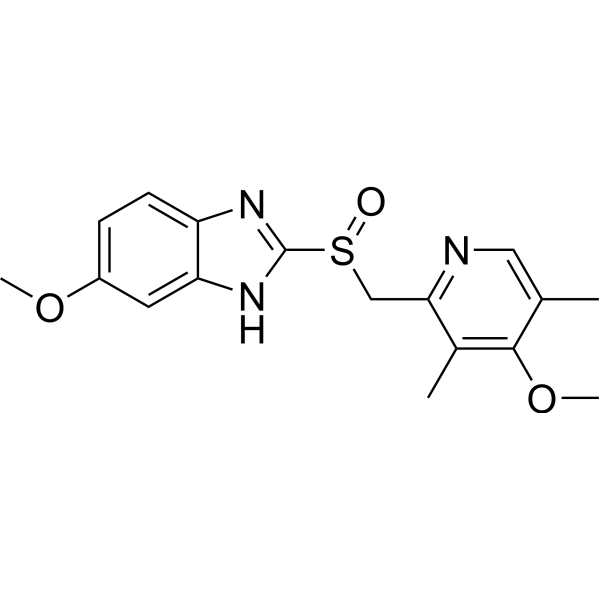
  • HY-B0113
    Omeprazole
    Maximum Cited Publications
    8 Publications Verification

    H 16868

    Na+/K+ ATPase Proton Pump Bacterial Cytochrome P450 Apoptosis Autophagy Atg8/LC3 TNF Receptor Interleukin Related Infection Neurological Disease Inflammation/Immunology Cancer
    Omeprazole (H 16868) is an orally active H +,K +-ATPase inhibitor and a proton pump inhibitor. Omeprazole competitively inhibits CYP2C19, CYP3A4, and CYP2C9 activity. Omeprazole inhibits gastric acid secretion and can be used for acid-related gastrointestinal disorders. Omeprazole inhibits pancreatic cancer cell proliferation, induces apoptosis, autophagosome accumulation (elevated LC3-I and LC3-II levels), oxidative stress, and cytogenetic imbalance, modulates lysosomal transport, reduces inflammatory cytokines. Omeprazole alters small intestinal morphology and magnesium absorption, and induces gastric mucosa morphologic changes. Omeprazole aslo has neuroprotective and antibacterial effects .
    Omeprazole
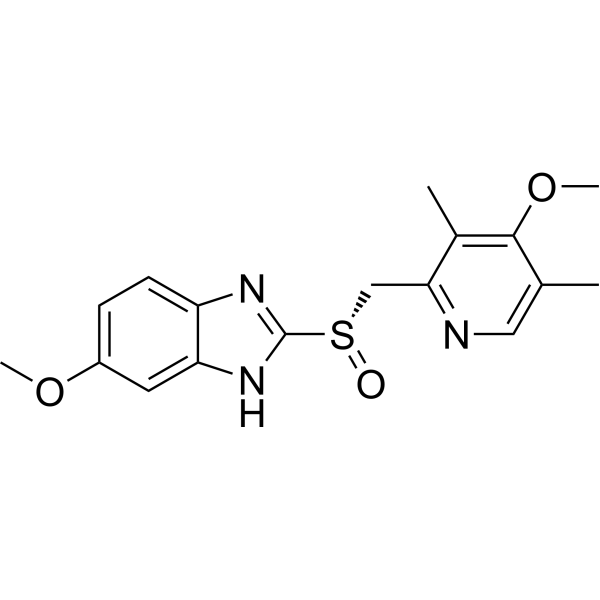
  • HY-17021
    Esomeprazole
    3 Publications Verification

    (S)-omeprazole; (-)-omeprazole

    Proton Pump Bacterial Inflammation/Immunology Endocrinology Cancer
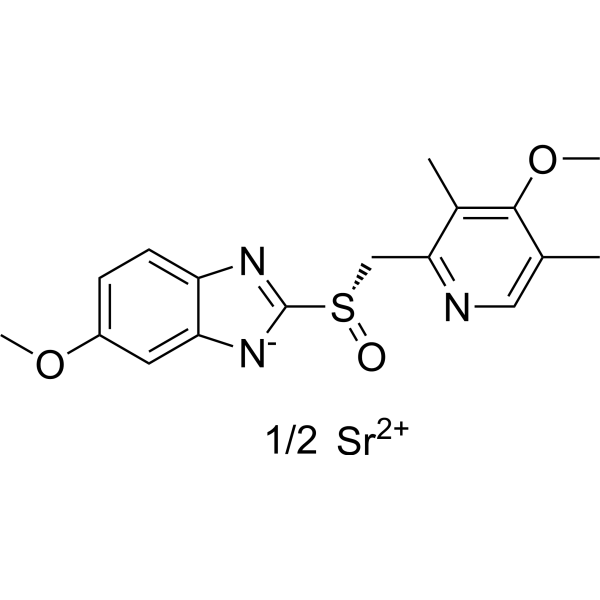
    Esomeprazole ((S)-Omeprazole) is a potent and orally active proton pump inhibitor and reduces acid secretion through inhibition of the H +, K +-ATPase in gastric parietal cells. Esomeprazole has the potential for symptomatic gastroesophageal reflux disease research .
    Esomeprazole
  • HY-Y0808
    Dimethyl succinate
    1 Publications Verification

    Environmental Pollutants Apoptosis Neurological Disease Metabolic Disease
    Dimethyl succinate is an orally active cell permeable succinate analogue. Dimethyl succinate can disrupt the TCA cycle by elevating intracellular succinate levels, leading to reduced protein synthesis and impairs myogenic differentiation. Dimethyl succinate can induce apoptosis. Dimethyl succinate can decrease maximal cellular respiration and reserve capacity. Dimethyl succinate can rescue synapse loss in AD. Dimethyl succinate can be used for the researches of metabolic and neurological disease [1][2].
    Dimethyl succinate
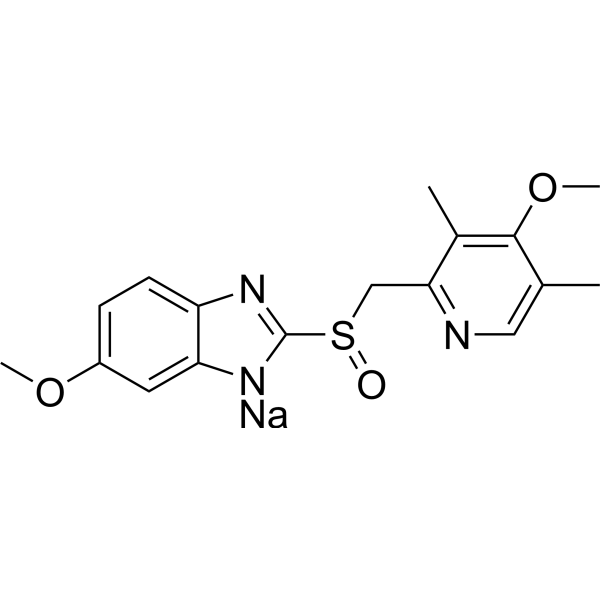
  • HY-B0113A
    Omeprazole sodium
    Maximum Cited Publications
    8 Publications Verification

    H 16868 sodium

    Na+/K+ ATPase Interleukin Related Proton Pump Cytochrome P450 Bacterial Apoptosis Autophagy TNF Receptor Atg8/LC3 Infection Inflammation/Immunology
    Omeprazole (H 16868) sodium is an orally active H +,K +-ATPase inhibitor and a proton pump inhibitor. Omeprazole sodium competitively inhibits CYP2C19, CYP3A4, and CYP2C9 activity. Omeprazole sodium inhibits gastric acid secretion and can be used for acid-related gastrointestinal disorders. Omeprazole sodium inhibits pancreatic cancer cell proliferation, induces apoptosis, autophagosome accumulation (elevated LC3-I and LC3-II levels), oxidative stress, and cytogenetic imbalance, modulates lysosomal transport, reduces inflammatory cytokines. Omeprazole sodium alters small intestinal morphology and magnesium absorption, and induces gastric mucosa morphologic changes. Omeprazole sodium aslo has neuroprotective and antibacterial effects .
    Omeprazole sodium
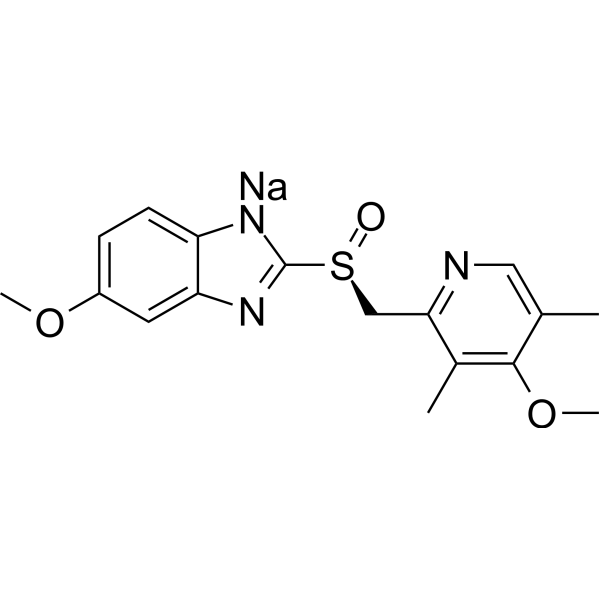
  • HY-17023
    Esomeprazole sodium
    2 Publications Verification

    (S)-omeprazole sodium; (-)-omeprazole sodium

    Exosomes Proton Pump Bacterial Endocrinology Cancer
    Esomeprazole sodium ((S)-Omeprazole sodium) is a potent and orally active proton pump inhibitor. Esomeprazole reduces acid secretion through inhibition of the H +, K +-ATPase in gastric parietal cells. Esomeprazole acts as an exosome inhibitor by blocking the exosome release via the inhibition of V-H +-ATPases . Esomeprazole has the potential for symptomatic gastroesophageal reflux disease research .
    Esomeprazole sodium
  • HY-G0007
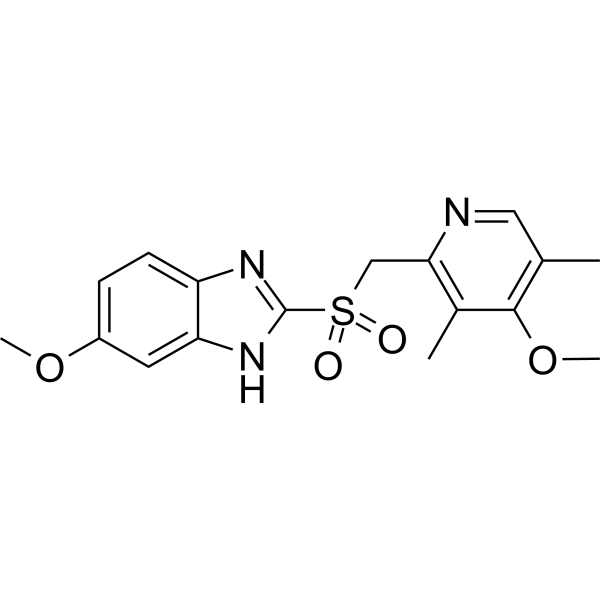
    Omeprazole sulfone
    2 Publications Verification

    omeprazole sulphone

    Drug Metabolite Cytochrome P450 Aryl Hydrocarbon Receptor Inflammation/Immunology
    Omeprazole sulfone (Omeprazole sulphone) is one of the major circulating metabolites of Omeprazole (HY-B0113) in vivo, and belongs to class 4 non-mutagenic impurities. Omeprazole sulfone does not bind to the aryl hydrocarbon receptor (AhR), nor does it induce the expression of CYP1A1 or CYP1A2. However, Omeprazole sulfone promotes the migration of gastric epithelial cells under basal conditions and reverses the inhibitory effect of Indomethacin (HY-14397) on cell migration. Omeprazole sulfone does not promote cell proliferation, nor does it upregulate COX-2 expression or activate signaling pathways such as ERK, P38 MAPK and PI3K. Omeprazole sulfone maintains basal ulcer healing under non-acid-dependent conditions and can be used in studies related to gastric ulcer repair .
    Omeprazole sulfone
  • HY-P1108A
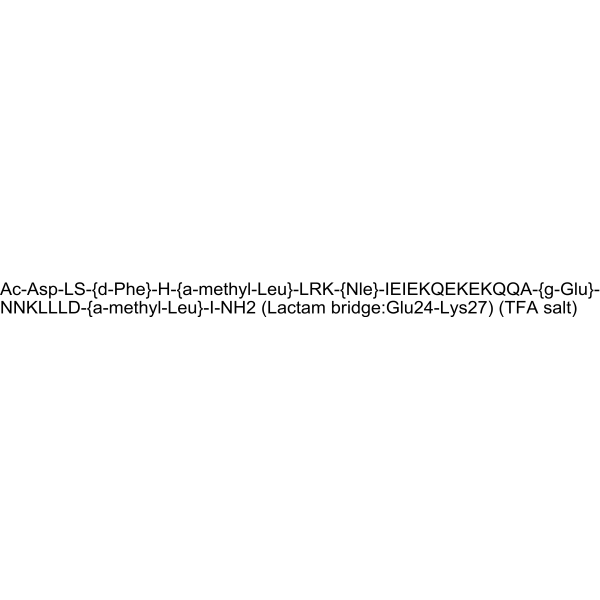
    Astressin 2B TFA
    1 Publications Verification

    CRFR Neurological Disease Inflammation/Immunology
    Astressin 2B TFA is a blood-brain barrier-impermeable, highly selective CRFR2 antagonist (rCRFR2, IC50=0.57 nM). Astressin 2B TFA blocks the protective effects mediated by CRFR2, thereby exacerbating indomethacin (HY-14397)-induced hemorrhagic intestinal injury in rats. Astressin 2B TFA reverses the protective effects of Urocortin 1 against intestinal hypermotility, bacterial invasion and upregulation of inflammatory mediators. Astressin 2B TFA also blocks the anxiogenic effect of Urocortin 2 and attenuates stress-induced anxiety-related behaviors. In the Clostridioides difficile toxin A (C. difficile toxin A)-mediated enteritis model, Astressin 2B TFA mimics the phenotype of CRFR2-deficient mice, significantly exacerbating intestinal epithelial damage, edema, neutrophil migration and the expression of multiple proinflammatory cytokines. Astressin 2B TFA is an important tool molecule for investigating the intestinal protective mechanisms of CRFR2 .
    Astressin 2B TFA
  • HY-P1108
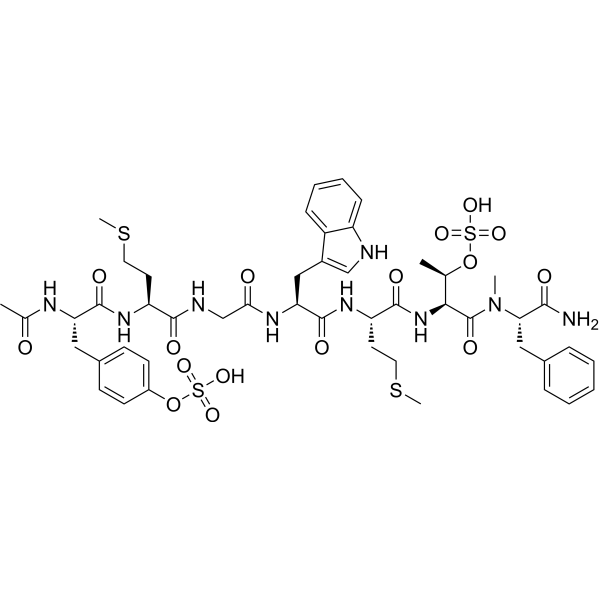
    Astressin 2B
    1 Publications Verification

    CRFR Neurological Disease Inflammation/Immunology
    Astressin 2B is a blood-brain barrier-impermeable, highly selective CRFR2 antagonist (rCRFR2, IC50=0.57 nM). Astressin 2B blocks the protective effects mediated by CRFR2, thereby exacerbating indomethacin (HY-14397)-induced hemorrhagic intestinal injury in rats. Astressin 2B reverses the protective effects of Urocortin 1 against intestinal hypermotility, bacterial invasion and upregulation of inflammatory mediators. Astressin 2B also blocks the anxiogenic effect of Urocortin 2 and attenuates stress-induced anxiety-related behaviors. In the Clostridioides difficile toxin A (C. difficile toxin A)-mediated enteritis model, Astressin 2B mimics the phenotype of CRFR2-deficient mice, significantly exacerbating intestinal epithelial damage, edema, neutrophil migration and the expression of multiple proinflammatory cytokines. Astressin 2B is an important tool molecule for investigating the intestinal protective mechanisms of CRFR2 .
    Astressin 2B
  • HY-G0006
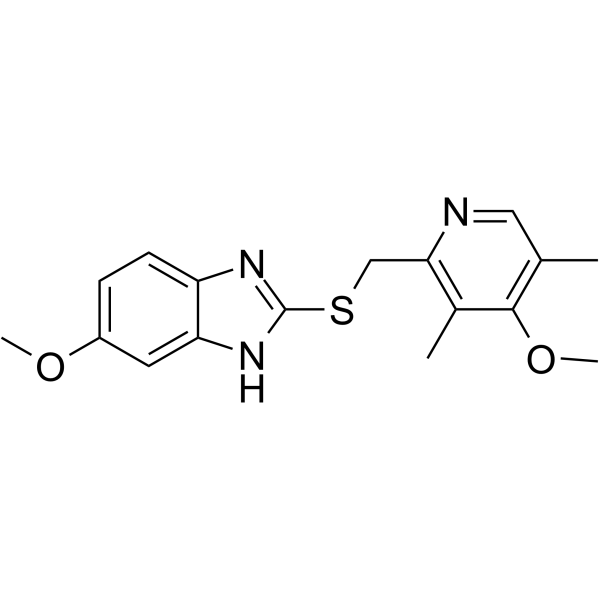
    Omeprazole sulfide
    2 Publications Verification

    Ufiprazole

    Drug Metabolite Aryl Hydrocarbon Receptor Bacterial Infection Metabolic Disease
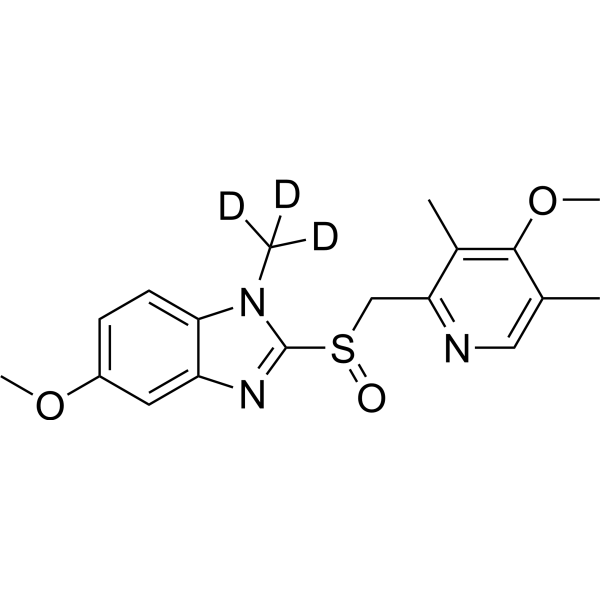
    Omeprazole sulfide (Ufiprazole) is a metabolic degradation product of Omeprazole (HY-B0113). Omeprazole sulfide acts as a modulator of AhR. Omeprazole sulfide in cells with low CYP3A4 expression, functions as an AhR antagonist; however, in cells with high CYP3A4 expression, it is rapidly metabolized to Omeprazole, thereby acting as an AhR agonist. Omeprazole sulfide exhibits antibacterial activity when conjugated with silver nanoparticles (AgNPs). Omeprazole sulfide can be used in research on acid suppression and bacterial infections .
    Omeprazole sulfide
  • HY-76633

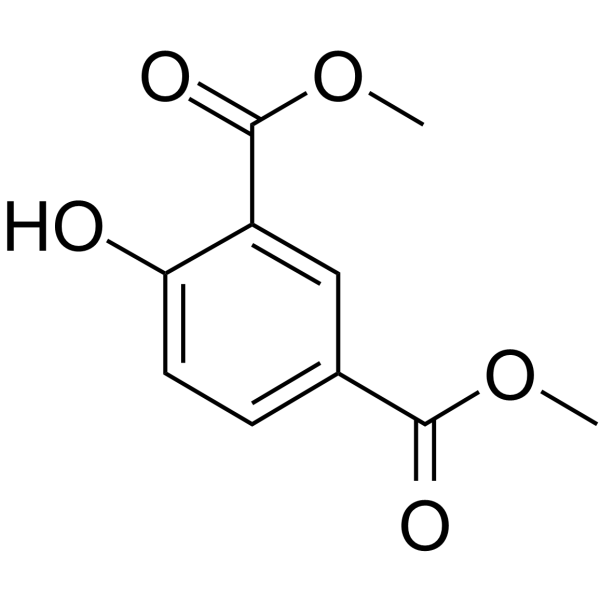
    Drug Derivative Others
    Dimethyl 4-hydroxyisophthalate is a methyl salicylate analogue.
    Dimethyl 4-hydroxyisophthalate
  • HY-126857

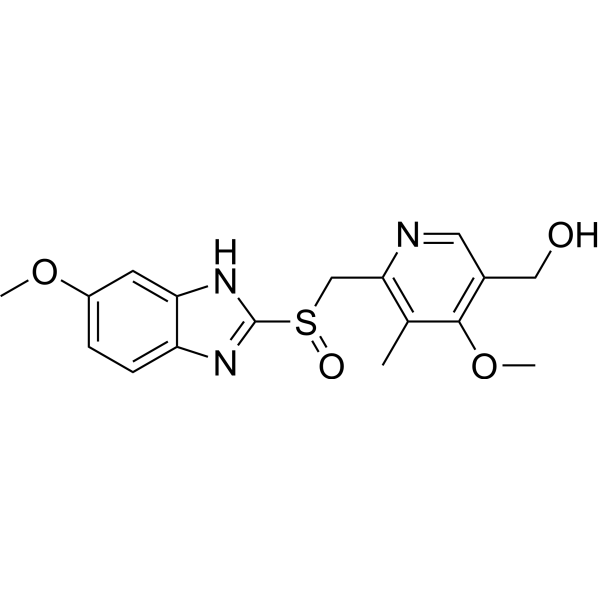
    Hydroxyomeprazole

    Drug Metabolite Inflammation/Immunology
    5-Hydroxyomeprazole (Hydroxyomeprazole) is a major metabolite of Omeprazole (HY-B0113) through catalysis by CYP2C19 .
    5-Hydroxyomeprazole
  • HY-W009082
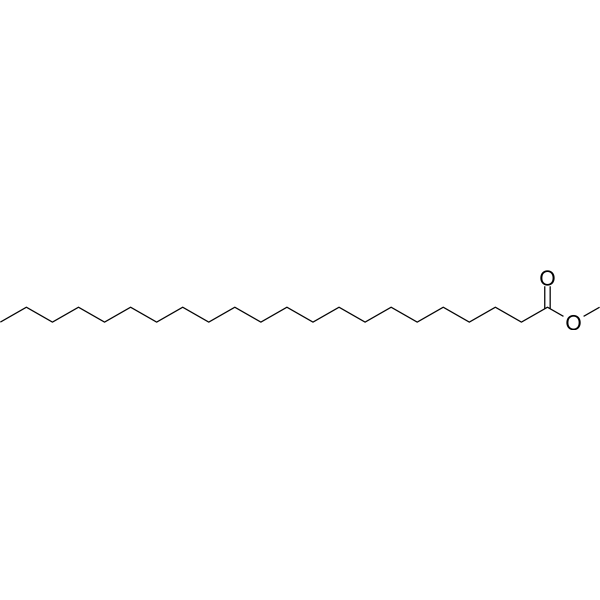
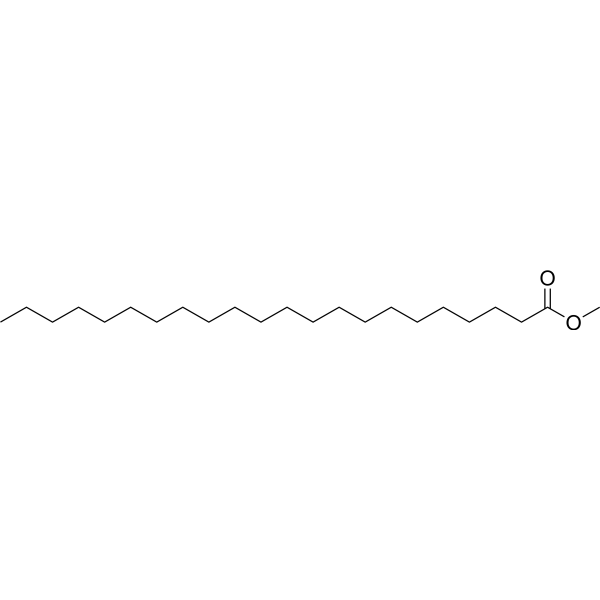
    Methyl behenate
    1 Publications Verification

    methyl docosanoate

    Biochemical Assay Reagents Others
    Methyl behenate (Methyl docosanoate) is a fatty acid methyl ester, can be found in the plant Aspidopterys obcordata Lemsl. Methyl behenate can be used as a phase change material .
    Methyl behenate
  • HY-W004286

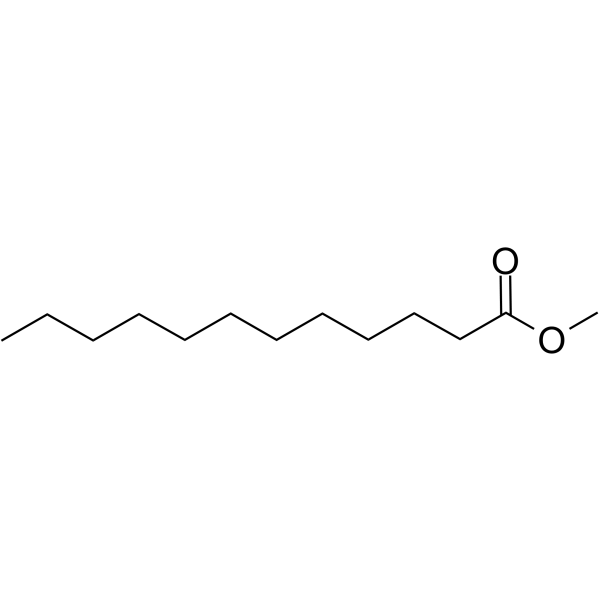
    methyl dodecanoate

    Environmental Pollutants Drug Derivative Others
    Methyl laurate (Methyl dodecanoate) is a fatty acid methyl ester. Methyl laurate can serve as a raw material to produce sucrose monolaurate via transesterification with sucrose .
    Methyl laurate
  • HY-B0113R

    H 16868 (Standard)

    Reference Standards Na+/K+ ATPase Interleukin Related Proton Pump Cytochrome P450 Bacterial Apoptosis Autophagy TNF Receptor Atg8/LC3 Infection Metabolic Disease Cancer
    Omeprazole (Standard) is the analytical standard of Omeprazole. This product is intended for research and analytical applications. Omeprazole (H 16868) is an orally active H +,K +-ATPase inhibitor and a proton pump inhibitor. Omeprazole competitively inhibits CYP2C19, CYP3A4, and CYP2C9 activity. Omeprazole inhibits gastric acid secretion and can be used for acid-related gastrointestinal disorders. Omeprazole inhibits pancreatic cancer cell proliferation, induces apoptosis, autophagosome accumulation (elevated LC3-I and LC3-II levels), oxidative stress, and cytogenetic imbalance, modulates lysosomal transport, reduces inflammatory cytokines. Omeprazole alters small intestinal morphology and magnesium absorption, and induces gastric mucosa morphologic changes. Omeprazole aslo has neuroprotective and antibacterial effects .
    Omeprazole (Standard)
  • HY-17021B
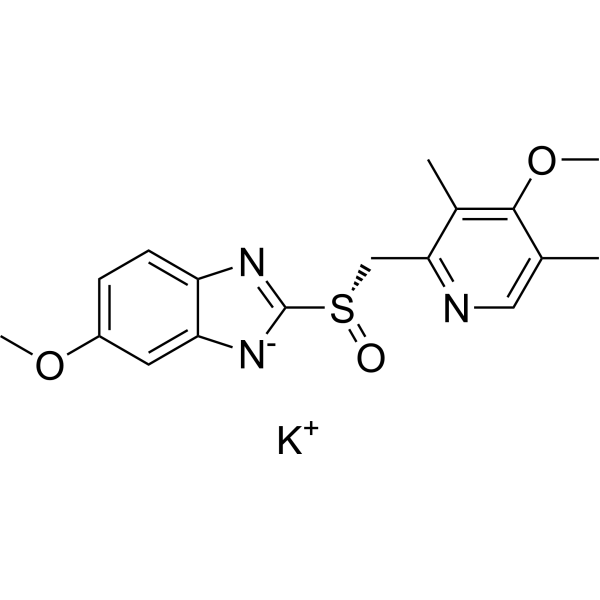
    Esomeprazole potassium salt
    2 Publications Verification

    (S)-omeprazole potassium salt; (-)-omeprazole potassium salt

    Proton Pump Bacterial Inflammation/Immunology Endocrinology Cancer
    Esomeprazole potassium salt ((S)-Omeprazole potassium salt) is a potent and orally active proton pump inhibitor and reduces acid secretion through inhibition of the H +, K +-ATPase in gastric parietal cells. Esomeprazole potassium salt has the potential for symptomatic gastroesophageal reflux disease research .
    Esomeprazole potassium salt
  • HY-B0113S
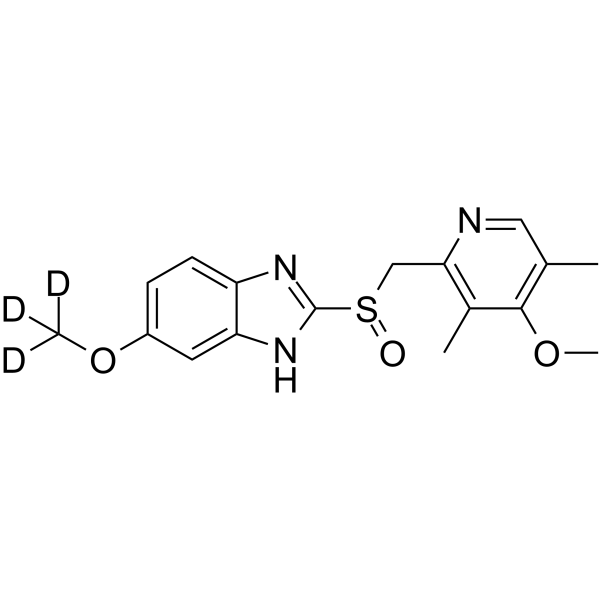
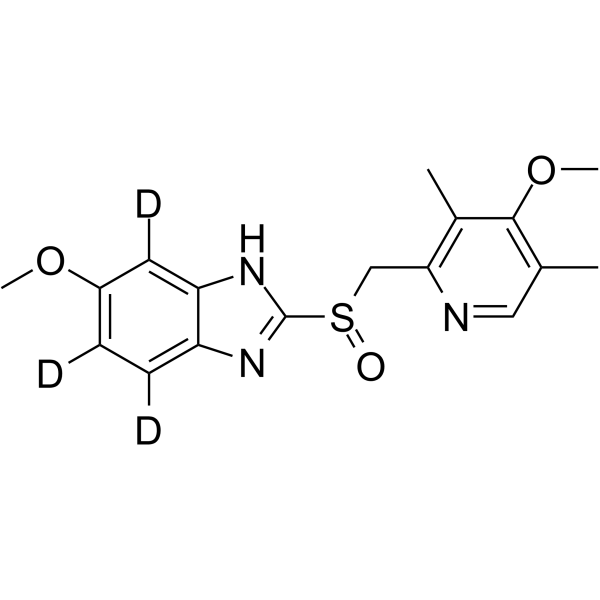
    Omeprazole-d3
    1 Publications Verification

    H 16868-d3

    Na+/K+ ATPase Interleukin Related Proton Pump Cytochrome P450 Bacterial Apoptosis Autophagy TNF Receptor Atg8/LC3 Infection Metabolic Disease Cancer
    Omeprazole-d3 (H 16868-d3) is deuterium labeled Omeprazole. Omeprazole (H 16868) is an orally active H +,K +-ATPase inhibitor and a proton pump inhibitor. Omeprazole competitively inhibits CYP2C19, CYP3A4, and CYP2C9 activity. Omeprazole inhibits gastric acid secretion and can be used for acid-related gastrointestinal disorders. Omeprazole inhibits pancreatic cancer cell proliferation, induces apoptosis, autophagosome accumulation (elevated LC3-I and LC3-II levels), oxidative stress, and cytogenetic imbalance, modulates lysosomal transport, reduces inflammatory cytokines. Omeprazole alters small intestinal morphology and magnesium absorption, and induces gastric mucosa morphologic changes. Omeprazole aslo has neuroprotective and antibacterial effects .
    Omeprazole-d3
  • HY-P10143

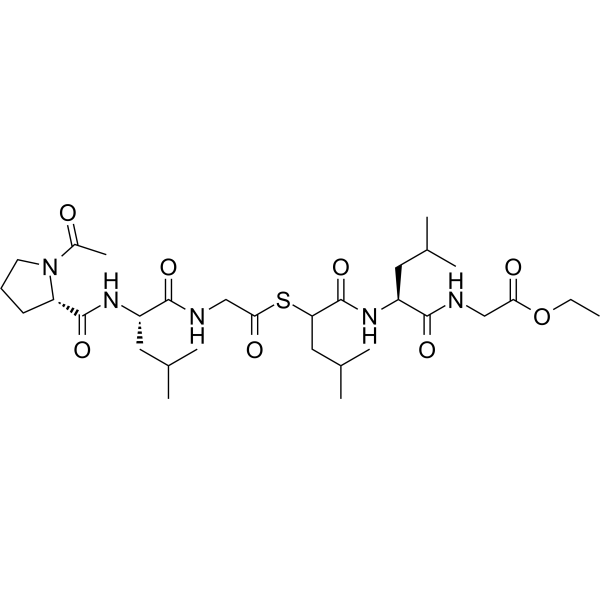
    Ac-Pro-Leu-Gly-[(S)-2-mercapto-4-methyl-pentanoyl]-Leu-Gly-OEt

    MMP Others
    MMP-2/MMP-9 Substrate (Ac-Pro-Leu-Gly-[(S)-2-mercapto-4-methyl-pentanoyl]-Leu-Gly-OEt) is a synthetic chromogenic polypeptide substrate whose core structure mimics the cleavage sites of MMP-2 and MMP-9 (gelatinase A and B) in collagen. After being hydrolyzed by collagenase, MMP-2/MMP-9 Substrate reacts with 4,4'-dithiodipyridine or Ellman's Reagent via its thiol fragment to produce a product with ultraviolet absorption properties .
    MMP-2/MMP-9 Substrate
  • HY-109546

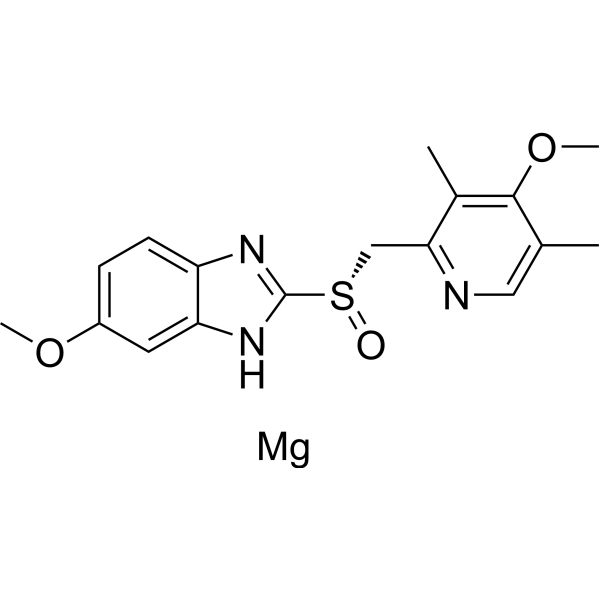
    Na+/K+ ATPase Interleukin Related Proton Pump Cytochrome P450 Bacterial Apoptosis Autophagy TNF Receptor Atg8/LC3 Infection Metabolic Disease Cancer
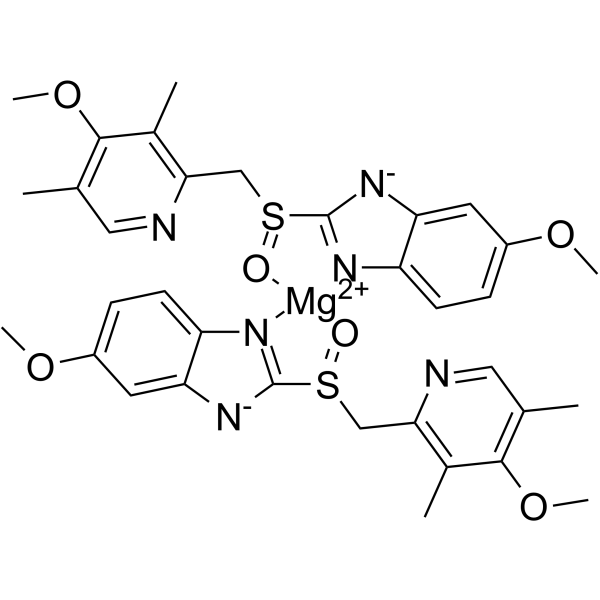
    Omeprazole (H 16868) magnesium is an orally active H +,K +-ATPase inhibitor and a proton pump inhibitor. Omeprazole magnesium competitively inhibits CYP2C19, CYP3A4, and CYP2C9 activity. Omeprazole magnesium inhibits gastric acid secretion and can be used for acid-related gastrointestinal disorders. Omeprazole magnesium inhibits pancreatic cancer cell proliferation, induces apoptosis, autophagosome accumulation (elevated LC3-I and LC3-II levels), oxidative stress, and cytogenetic imbalance, modulates lysosomal transport, reduces inflammatory cytokines. Omeprazole magnesium alters small intestinal morphology and magnesium absorption, and induces gastric mucosa morphologic changes. Omeprazole magnesium aslo has neuroprotective and antibacterial effects .
    Omeprazole magnesium
  • HY-W209628

    methyl acetylsalicylate

    Drug Intermediate Inflammation/Immunology
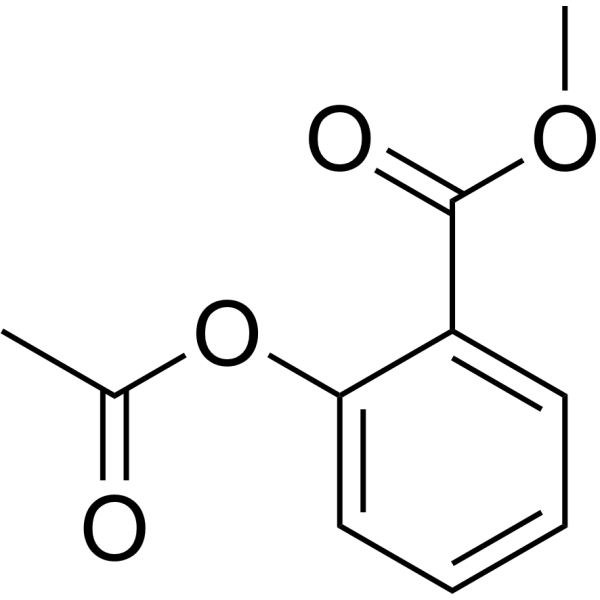
    Methyl 2-acetoxybenzoate (Methyl acetylsalicylate) is a safe and simple anti-inflammatory aspirin prodrug. Methyl 2-acetoxybenzoate (Methyl acetylsalicylate) can be chemical or enzymatically hydrolysed to methyl 2-hydroxy benzoate. Methyl 2-acetoxybenzoate (Methyl acetylsalicylate) can be used as analgesic agent in liniments and also inflammatory diseases research .
    Methyl 2-acetoxybenzoate
  • HY-129923

    Cytochrome P450 Neurological Disease
    (R)-Omeprazole sodium is a gastric acid resistant compound with activity to inhibit gastric acid secretion. (R)-Omeprazole sodium is metabolized in vivo, and its metabolism is primarily affected by cytochrome P450 enzymes. The interaction between (R)-Omeprazole sodium and mannitol may affect its bioavailability in formulations. (R)-Omeprazole sodium exhibits reversible direct and metabolism-dependent inhibition of CYP2C19 .
    (R)-Omeprazole sodium
  • HY-17021A

    (S)-omeprazole magnesium salt; (-)-omeprazole magnesium salt

    Proton Pump Bacterial Inflammation/Immunology Endocrinology Cancer
    Esomeprazole magnesium salt ((S)-Omeprazole magnesium salt) is a potent and orally active proton pump inhibitor and reduces acid secretion through inhibition of the H +, K +-ATPase in gastric parietal cells. Esomeprazole magnesium salt has the potential for symptomatic gastroesophageal reflux disease research .
    Esomeprazole magnesium salt
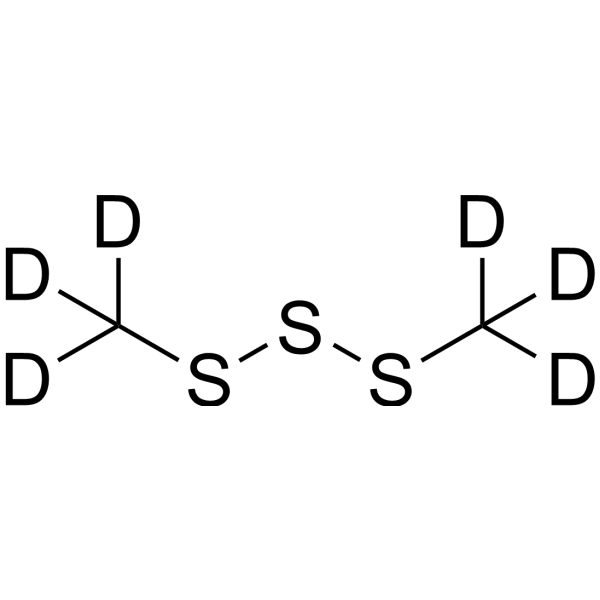
  • HY-128454S

    Endogenous Metabolite Others
    Dimethyl trisulfide-d6 is deuterium labeled Dimethyl trisulfide (HY-128454). Dimethyl trisulfide is a cyanide antidote .
    Dimethyl trisulfide-d6
  • HY-W098612

    PROTAC Linkers Cancer
    Methyl N-(3-methoxy-3-oxopropyl)-N-methyl-beta-alaninate is a PROTAC linker that can be used in the synthesis of PROTACs.
    Methyl N-(3-methoxy-3-oxopropyl)-N-methyl-beta-alaninate
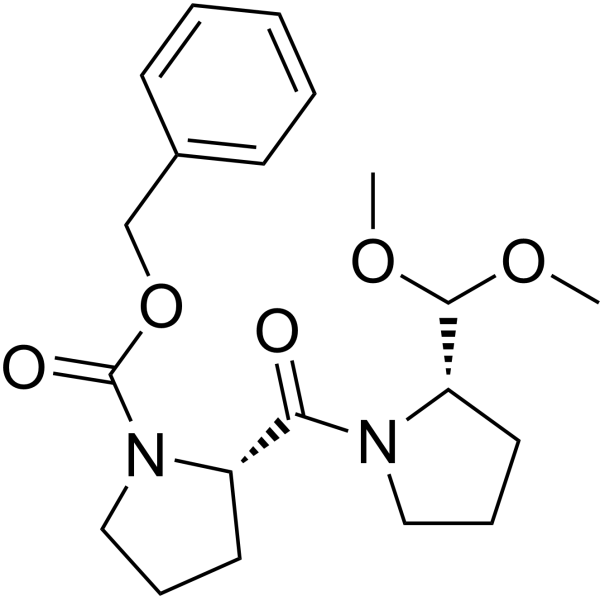
  • HY-P4308

    Prolyl Endopeptidase (PREP) Neurological Disease
    Z-Pro-Pro-aldehyde-dimethyl acetal is a potent inhibitor of prolyl endopeptidase (PREP), a cytoplasmic serine endoprotease (IC50= 12 nM). Z-Pro-Pro-aldehyde-dimethyl acetal plays an important role in cognitive dysfunction in aging and neurodegenerative diseases including Alzheimer's disease .
    Z-Pro-Pro-aldehyde-dimethyl acetal
  • HY-G0007R

    omeprazole sulphone (Standard)

    Reference Standards Drug Metabolite Cytochrome P450 Aryl Hydrocarbon Receptor Infection Cancer
    Omeprazole sulfone (Standard) is the analytical standard of Omeprazole sulfone. This product is intended for research and analytical applications. Omeprazole sulfone (Omeprazole sulphone) is one of the major circulating metabolites of Omeprazole (HY-B0113) in vivo, and belongs to class 4 non-mutagenic impurities. Omeprazole sulfone does not bind to the aryl hydrocarbon receptor (AhR), nor does it induce the expression of CYP1A1 or CYP1A2. However, Omeprazole sulfone promotes the migration of gastric epithelial cells under basal conditions and reverses the inhibitory effect of Indomethacin (HY-14397) on cell migration. Omeprazole sulfone does not promote cell proliferation, nor does it upregulate COX-2 expression or activate signaling pathways such as ERK, P38 MAPK and PI3K. Omeprazole sulfone maintains basal ulcer healing under non-acid-dependent conditions and can be used in studies related to gastric ulcer repair .
    Omeprazole sulfone (Standard)
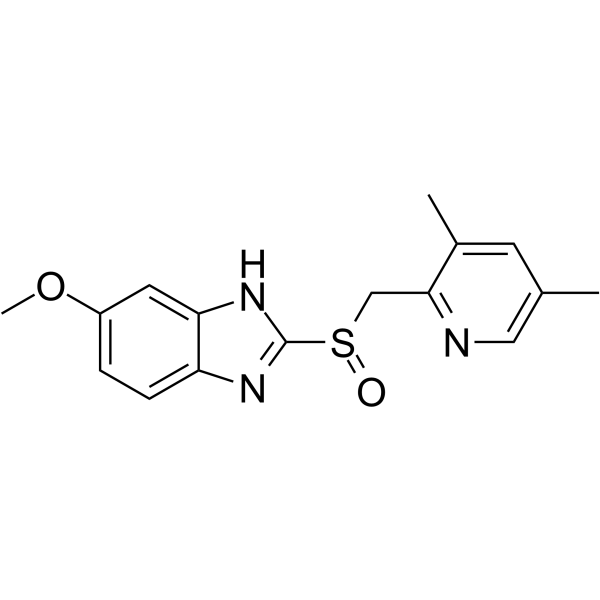
  • HY-135111

    Drug Metabolite Infection Metabolic Disease Cancer
    4-Desmethoxy Omeprazole is the active metabolite of Omeprazole. Omeprazole, a proton pump inhibitor (PPI), is available for treatment of acid-related gastrointestinal disorders. Omeprazole shows competitive inhibition of CYP2C19 activity with a Ki of 2 to 6 μM . Omeprazole also inhibits growth of Gram-positive and Gram-negative bacteria .
    4-Desmethoxy Omeprazole
  • HY-Z2667

    (R)-omeprazole; (+)-omeprazole

    Cytochrome P450 Metabolic Disease Inflammation/Immunology
    (R)-Esomeprazole ((R)-Omeprazole; (+)-Omeprazole) is an orally active cytochrome P450 2C19, CYP3A4, and CYP2C9-related metabolic modulator. (R)-Esomeprazole can be used in studies of digestive system diseases and compound metabolic interactions .
    (R)-Esomeprazole
  • HY-126857S

    Isotope-Labeled Compounds Drug Metabolite Others
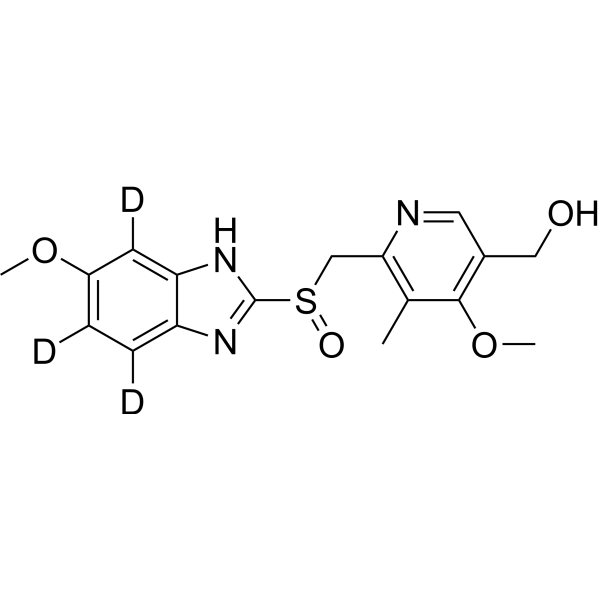
    5-Hydroxy Omeprazole-d3 is deuterium labeled 5-Hydroxyomeprazole.
    5-Hydroxy Omeprazole-d3
  • HY-W014347

    Drug Intermediate Others
    Methyl 3-methoxy-4-nitrobenzoate is a drug intermediate for synthesis of various active compounds.
    Methyl 3-methoxy-4-nitrobenzoate
  • HY-138199S

    Isotope-Labeled Compounds Others
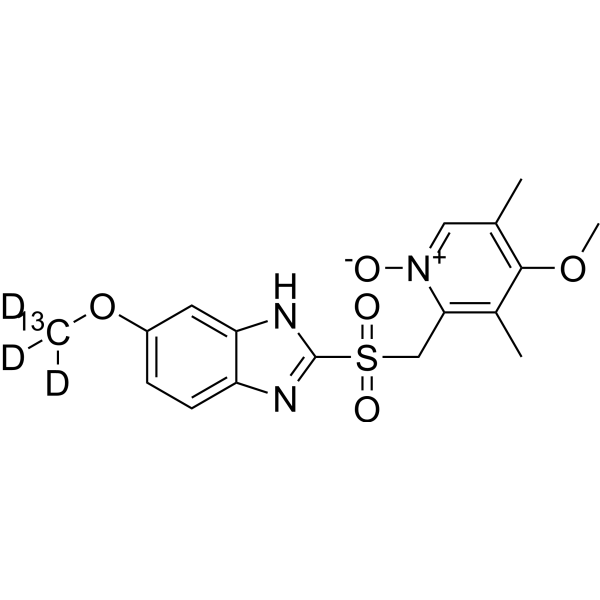
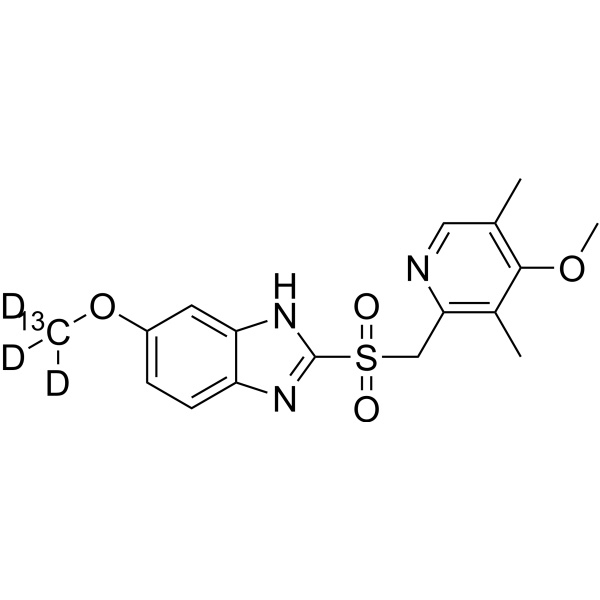
    Omeprazole sulfone N-oxide- 13C,d3 is the deuterium and 13C labeled Omeprazole sulfone N-Oxide .
    Omeprazole sulfone N-oxide-13C,d3
  • HY-W009082R

    methyl docosanoate (Standard)

    Reference Standards Biochemical Assay Reagents Others
    Methyl behenate (Standard) is the analytical standard of Methyl behenate (HY-W009082). This product is intended for research and analytical applications. Methyl behenate (Methyl docosanoate) is a fatty acid methyl ester. Methyl behenate can be isolated from the plant Aspidopterys obcordata Lemsl. Methyl behenate can be used as a phase change material .
    Methyl behenate (Standard)
  • HY-W003365

    Biochemical Assay Reagents Others
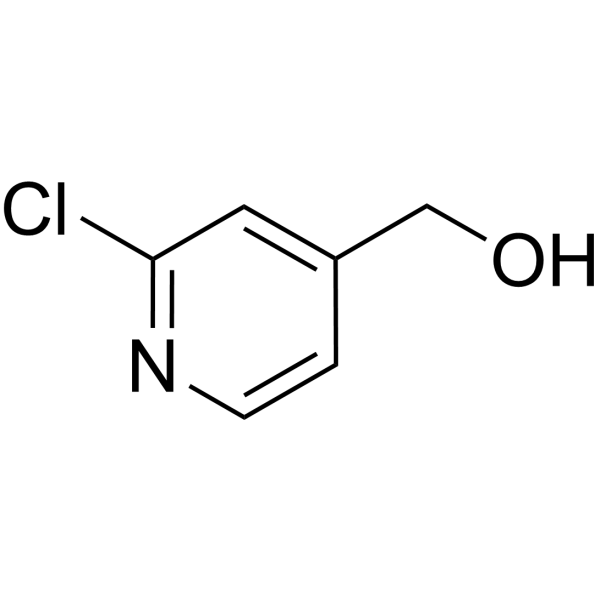
    (2-chloro-4-pyridinyl)methanol is a biochemical reagent that can be used as a biological material or organic compound for life science related research.
    (2-Chloro-4-pyridinyl)methanol
  • HY-Z2338

    Drug Metabolite Others
    5-O-Desmethyl omeprazole is a metabolite of Omeprazole by cytochrome P450 .
    5-O-Desmethyl omeprazole
  • HY-W131494S

    Isotope-Labeled Compounds Others
    (N)-Methyl omeprazole-d3 is the deuterium labeled (N)-Methyl omeprazole .
    (N)-Methyl omeprazole-d3
  • HY-B0113S2

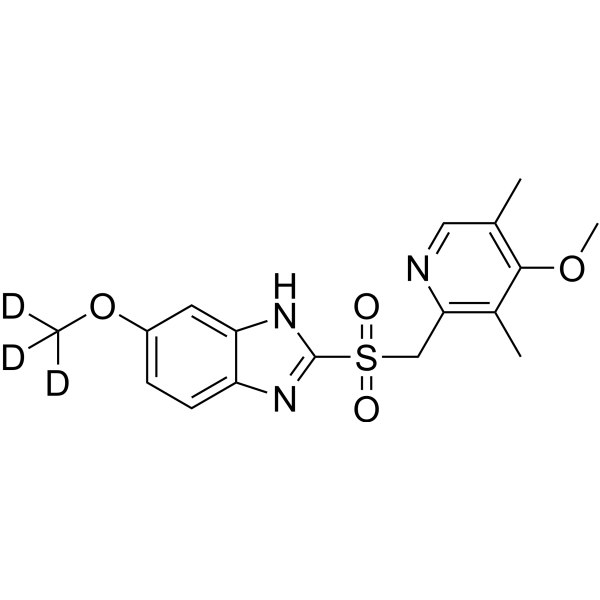
    omeprazole sulphone (methoxy-d3)

    Isotope-Labeled Compounds Na+/K+ ATPase Interleukin Related Proton Pump Cytochrome P450 Bacterial Apoptosis Autophagy TNF Receptor Atg8/LC3 Infection Cancer
    Omeprazole sulfone (methoxy-d3) is the deuterium labeled Omeprazole sulfone. Omeprazole sulfone (H 16868) is an orally active H +,K +-ATPase inhibitor and a proton pump inhibitor. Omeprazole sulfone competitively inhibits CYP2C19, CYP3A4, and CYP2C9 activity. Omeprazole sulfone inhibits gastric acid secretion and can be used for acid-related gastrointestinal disorders. Omeprazole sulfone inhibits pancreatic cancer cell proliferation, induces apoptosis, autophagosome accumulation (elevated LC3-I and LC3-II levels), oxidative stress, and cytogenetic imbalance, modulates lysosomal transport, reduces inflammatory cytokines. Omeprazole sulfone alters small intestinal morphology and magnesium absorption, and induces gastric mucosa morphologic changes. Omeprazole sulfone aslo has neuroprotective and antibacterial effects .
    Omeprazole sulfone (methoxy-d3)
  • HY-W777620

    rac-Cotinine-13C,d3

    Isotope-Labeled Compounds Others
    1-Methyl-5-(3-pyridinyl)-2-pyrrolidinone- 13C,d3 (rac-Cotinine- 13C,d3) is the deuterium and 13C-labeled 1-Methyl-5-(3-pyridinyl)-2-pyrrolidinone (HY-W588192).
    1-Methyl-5-(3-pyridinyl)-2-pyrrolidinone-13C,d3
  • HY-W011637

    dimethyl tridecanedioate

    Drug Derivative Metabolic Disease
    Methyl brassylate (Dimethyl tridecanedioate) is an ester product.
    Methyl brassylate
  • HY-W701567

    Isotope-Labeled Compounds Others
    Dimethyl (S)-(4-(methyl-d3)-2-oxooctyl)phosphonate is the deuterium labeled Dimethyl (S)-(4-(methyl)-2-oxooctyl)phosphonate.
    Dimethyl (S)-(4-(methyl-d3)-2-oxooctyl)phosphonate
  • HY-N13837

    Drug Derivative HSV Infection Cancer
    2-Methoxy-1,6-dimethyl-5-vinyl-9,10-dihydrophenanthren-7-ol (Compound 1) is a 9,10-dihydrophenanthrene derivative. 2-Methoxy-1,6-dimethyl-5-vinyl-9,10-dihydrophenanthren-7-ol can be isolated from Juncus compressus. 2-Methoxy-1,6-dimethyl-5-vinyl-9,10-dihydrophenanthren-7-ol exhibits anticancer activity against cervical and ovarian cancers. 2-Methoxy-1,6-dimethyl-5-vinyl-9,10-dihydrophenanthren-7-ol can be used for HSV-2 virus research .
    2-Methoxy-1,6-dimethyl-5-vinyl-9,10-dihydrophenanthren-7-ol
  • HY-129923R

    HBV Reference Standards Neurological Disease
    (R)-Omeprazole (sodium) (Standard) is the analytical standard of (R)-Omeprazole (sodium). This product is intended for research and analytical applications. (R)-Omeprazole sodium is a gastric acid resistant compound with activity to inhibit gastric acid secretion. (R)-Omeprazole sodium is metabolized in vivo, and its metabolism is primarily affected by cytochrome P450 enzymes. The interaction between (R)-Omeprazole sodium and mannitol may affect its bioavailability in formulations. (R)-Omeprazole sodium exhibits reversible direct and metabolism-dependent inhibition of CYP2C19 .
    (R)-Omeprazole sodium (Standard)
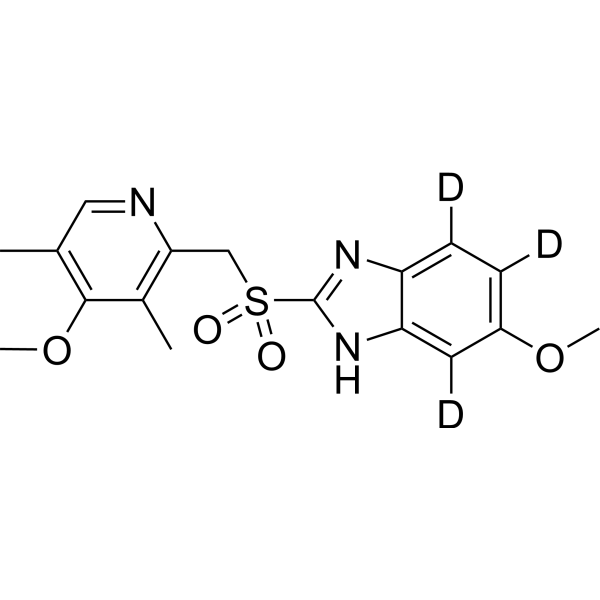
  • HY-G0007S

    omeprazole sulfone-d3; omeprazole sulphone-d3

    Isotope-Labeled Compounds Drug Metabolite Cytochrome P450 Aryl Hydrocarbon Receptor Infection Cancer
    Omeprazole sulfone-d3 is the deuterium labeled Omeprazole sulfone. Omeprazole sulfone (Omeprazole sulphone) is one of the major circulating metabolites of Omeprazole (HY-B0113) in vivo, and belongs to class 4 non-mutagenic impurities. Omeprazole sulfone does not bind to the aryl hydrocarbon receptor (AhR), nor does it induce the expression of CYP1A1 or CYP1A2. However, Omeprazole sulfone promotes the migration of gastric epithelial cells under basal conditions and reverses the inhibitory effect of Indomethacin (HY-14397) on cell migration. Omeprazole sulfone does not promote cell proliferation, nor does it upregulate COX-2 expression or activate signaling pathways such as ERK, P38 MAPK and PI3K. Omeprazole sulfone maintains basal ulcer healing under non-acid-dependent conditions and can be used in studies related to gastric ulcer repair .
    Omeprazole sulfone-d3
  • HY-135111R

    Reference Standards Drug Metabolite Infection Metabolic Disease Cancer
    4-Desmethoxy Omeprazole (Standard) is the analytical standard of 4-Desmethoxy Omeprazole. This product is intended for research and analytical applications. 4-Desmethoxy Omeprazole is the active metabolite of Omeprazole. Omeprazole, a proton pump inhibitor (PPI), is available for treatment of acid-related gastrointestinal disorders. Omeprazole shows competitive inhibition of CYP2C19 activity with a Ki of 2 to 6 μM . Omeprazole also inhibits growth of Gram-positive and Gram-negative bacteria .
    4-Desmethoxy Omeprazole (Standard)
  • HY-135111S

    Isotope-Labeled Compounds Drug Metabolite Infection Metabolic Disease Cancer
    4-Desmethoxy Omeprazole-d3 is the deuterium labeled 4-Desmethoxy Omeprazole. 4-Desmethoxy Omeprazole is the active metabolite of Omeprazole. Omeprazole, a proton pump inhibitor (PPI), is available for treatment of acid-related gastrointestinal disorders. Omeprazole shows competitive inhibition of CYP2C19 activity with a Kiof 2 to 6 μM . Omeprazole also inhibits growth of Gram-positive and Gram-negative bacteria .
    4-Desmethoxy Omeprazole-d3
  • HY-138187

    Proton Pump Metabolic Disease
    4-Hydroxy omeprazole sulfide is a metabolite of the proton pump inhibitor Omeprazole (HY-B0113) .
    4-Hydroxy omeprazole sulfide
  • HY-G0006R

    Ufiprazole (Standard)

    Reference Standards Drug Metabolite Others
    Omeprazole sulfide (Standard) is the analytical standard of Omeprazole sulfide. This product is intended for research and analytical applications. Omeprazole sulfide is an Esomeprazole (HY-17021) precursor. Omeprazole sulfide can be converted to Esomeprazole by Lysinibacillus sp. B71. Esomeprazole can inhibit gastric H +/ + ATP enzyme. Omeprazole sulfide is mainly used in gastroesophageal reflux disease, gastric ulcer and antibacterial research .
    Omeprazole sulfide (Standard)
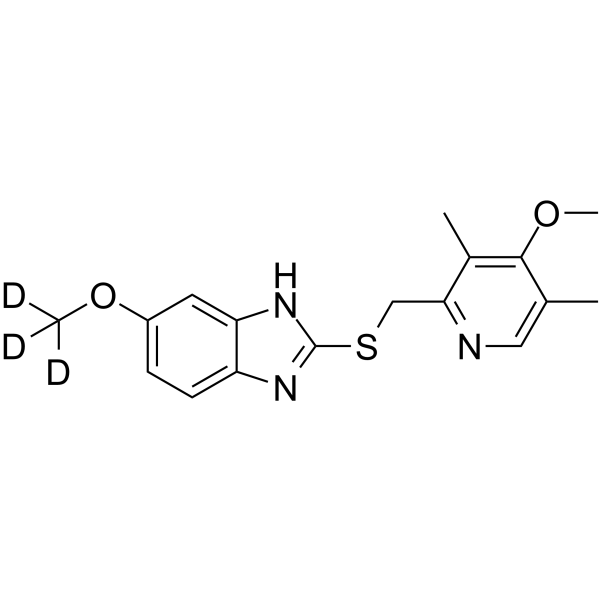
  • HY-141776S

    Ufiprazole-d3

    Drug Metabolite Others
    Omeprazole sulfide-d3 is the deuterium labeled Omeprazole sulfide. Omeprazole metabolite Omeprazole sulfide (Ufiprazole) is a metabolite of Omeprazole, which is a proton pump inhibitor.
    Omeprazole sulfide-d3
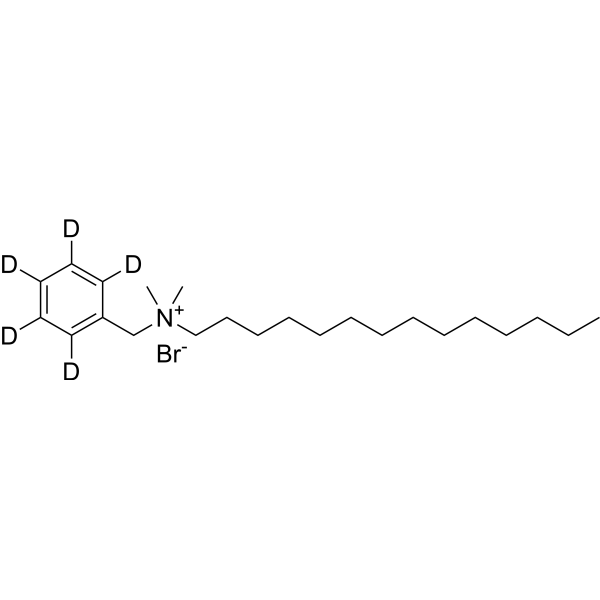
  • HY-W335735

    Benzyldimethyltetradecylammonium Bromide

    Isotope-Labeled Compounds Others
    N,N-dimethyl-N-((phenyl-dd5)methyl)tetradecan-1-aminium bromide is the deuterium labeled N,N-dimethyl-N-((phenyl)methyl)tetradecan-1-aminium bromide .
    N,N-dimethyl-N-((phenyl-d5)methyl)tetradecan-1-aminium bromide
  • HY-G0007S1

    omeprazole sulfone-13C,d3; omeprazole sulphone-13C,d3

    Isotope-Labeled Compounds Drug Metabolite Cytochrome P450 Aryl Hydrocarbon Receptor Others
    Omeprazole sulfone- 13C,d3 is the deuterium and 13C labeled Omeprazole sulfone. Omeprazole sulfone (Omeprazole sulphone) is one of the major circulating metabolites of Omeprazole (HY-B0113) in vivo, and belongs to class 4 non-mutagenic impurities. Omeprazole sulfone does not bind to the aryl hydrocarbon receptor (AhR), nor does it induce the expression of CYP1A1 or CYP1A2. However, Omeprazole sulfone promotes the migration of gastric epithelial cells under basal conditions and reverses the inhibitory effect of Indomethacin (HY-14397) on cell migration. Omeprazole sulfone does not promote cell proliferation, nor does it upregulate COX-2 expression or activate signaling pathways such as ERK, P38 MAPK and PI3K. Omeprazole sulfone maintains basal ulcer healing under non-acid-dependent conditions and can be used in studies related to gastric ulcer repair .
    Omeprazole sulfone-13C,d3
  • HY-B0113S4

    H 16868-d3 sodium

    Isotope-Labeled Compounds Na+/K+ ATPase Interleukin Related Proton Pump Cytochrome P450 Bacterial Apoptosis Autophagy TNF Receptor Atg8/LC3 Infection Metabolic Disease Cancer
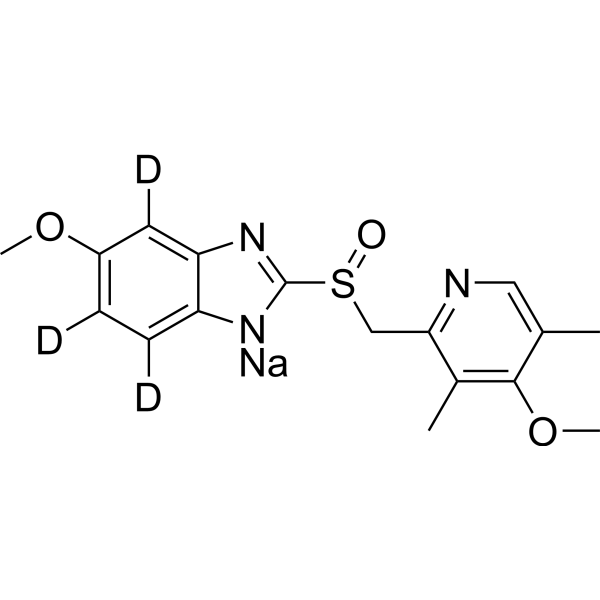
    Omeprazole-d3 sodium is deuterated labeled Omeprazole (HY-B0113). Omeprazole sodium (H 16868) is an orally active H +,K +-ATPase inhibitor and a proton pump inhibitor. Omeprazole sodium competitively inhibits CYP2C19, CYP3A4, and CYP2C9 activity. Omeprazole sodium inhibits gastric acid secretion and can be used for acid-related gastrointestinal disorders. Omeprazole sodium inhibits pancreatic cancer cell proliferation, induces apoptosis, autophagosome accumulation (elevated LC3-I and LC3-II levels), oxidative stress, and cytogenetic imbalance, modulates lysosomal transport, reduces inflammatory cytokines. Omeprazole sodium alters small intestinal morphology and magnesium absorption, and induces gastric mucosa morphologic changes. Omeprazole sodium aslo has neuroprotective and antibacterial effects .
    Omeprazole-d3 sodium
  • HY-138199S1

    Isotope-Labeled Compounds Others
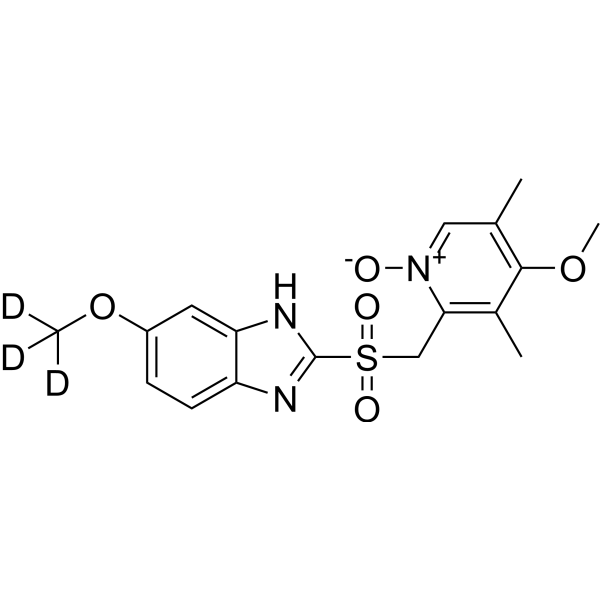
    Omeprazole sulfone N-oxide-d3 is the deuterium labeled Omeprazole sulfone N-Oxide .
    Omeprazole sulfone N-oxide-d3

Inquiry Online

Your information is safe with us. * Required Fields.

Salutation


Country or Region *

Applicant Name *


Organization Name *

Department *


Email Address *


Product Name *

Cat. No.


Requested quantity *

Phone Number *


Remarks

Inquiry Online

Inquiry Information

Product Name:
Cat. No.:
Quantity:
MCE Japan Authorized Agent: