

1. Search Result
Search Result
Results for "

organelle

" in MedChemExpress (MCE) Product Catalog:

50

Inhibitors & Agonists

5

Bibliotecas de Screening

30

Fluorescent Dyes

1

Peptides

7

Natural
Products

1

Antibodies

2

Click Chemistry

2

Oligonucleotides

Cat. No. Nombre del producto Target Áreas de investigación Chemical Structure
  • HY-D1048
    DiR
    Maximum Cited Publications
    96 Publications Verification

    Cy7 DiC18

    Fluorescent Dye Cancer
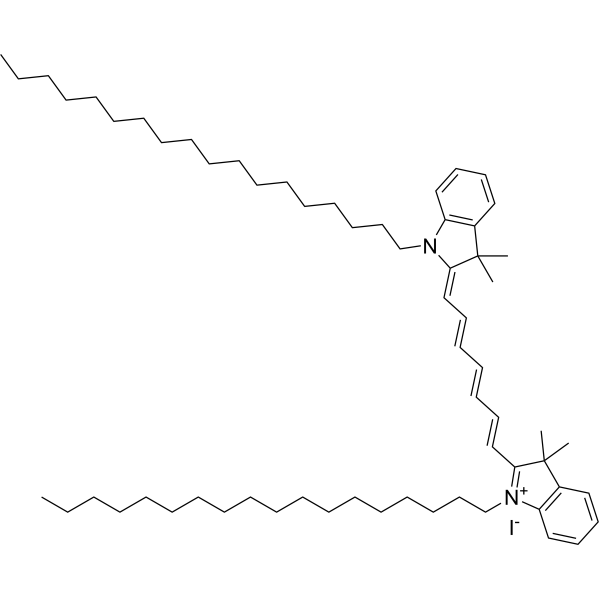
    DiR is a long-chain carbocyanine dye. Carbocyanine dyes are widely used as Di to label cells, organelles, liposomes, viruses and lipoproteins .
    DiR
  • HY-D0083
    DiI
    55+ Cited Publications

    DiIC18(3)

    Fluorescent Dye Others
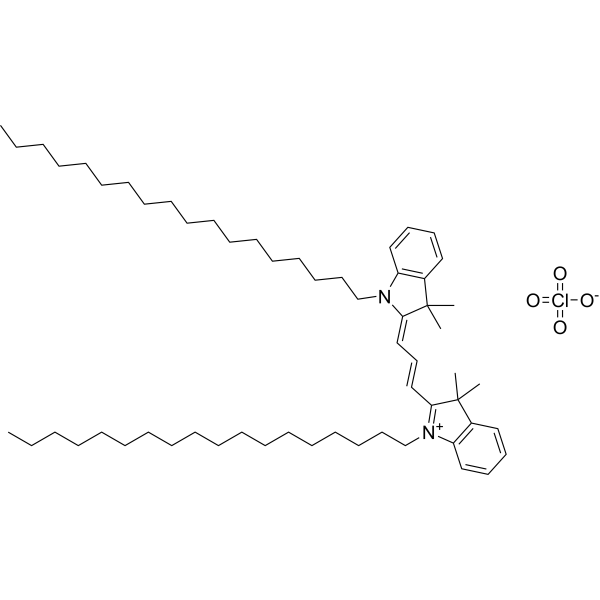
    DiI is a long-chain carbocyanine dye. Carbocyanine dyes are widely used as Di to label cells, organelles, liposomes, viruses and lipoproteins .
    DiI
  • HY-D0969
    DiO
    20+ Cited Publications

    DiOC18(3); 3,3'-Dioctadecyloxacarbocyanine perchlorate

    Fluorescent Dye Others
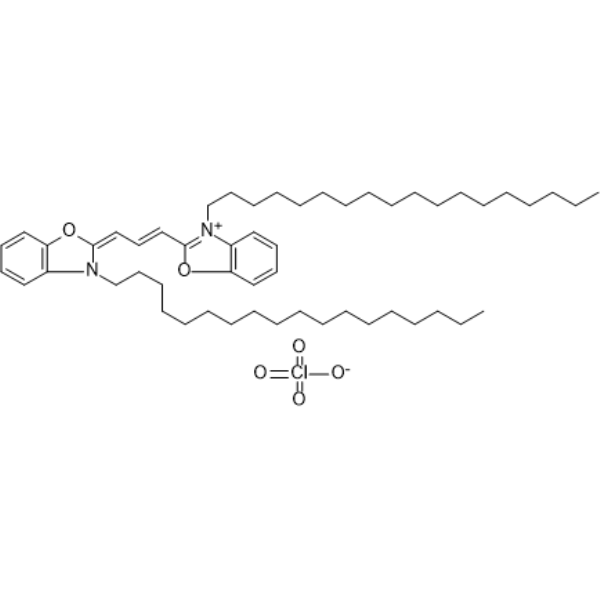
    DiO is a long-chain carbocyanine dye. Carbocyanine dyes are widely used as Di to label cells, organelles, liposomes, viruses and lipoproteins .
    DiO
  • HY-N7038
    Phytohemagglutinin
    5+ Cited Publications

    PHA-M

    NF-κB COX Interleukin Related Reactive Oxygen Species (ROS) Neurological Disease Inflammation/Immunology Cancer
    Phytohemagglutinin (PHA-M), the major seed lectin of the common bean, Phaseolus vulgaris, is a T-cell activator. Phytohemagglutinin stimulates human mononuclear leukocytes, inducing the expression of ChAT mRNA and potentiating ACh synthesis. Phytohemagglutinin induces dose- and time-dependent toxicity in THP-1 monocytes/macrophages, alters cellular morphology, causes organelle dysfunction, and increases the expression of NF-κB, COX2, IL-1β .
    Phytohemagglutinin
  • HY-103466
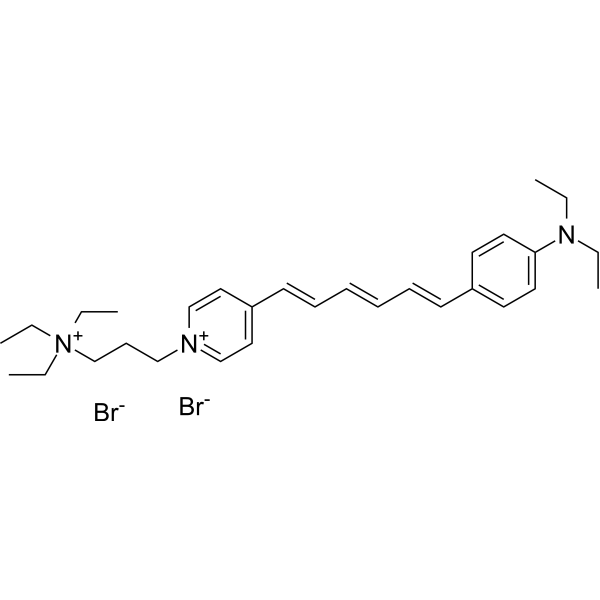
    FM4-64
    20+ Cited Publications

    Fluorescent Dye Others
    FM4-64 is a very lipophilic, water-soluble styrene dyes, can specifically bind to cell membranes and inner membrane organelles to produce fluorescence. FM4-64 is widely used in endocytic and exospic membrane structure markers.
    FM4-64
  • HY-D1028
    DiD perchlorate
    35+ Cited Publications

    Fluorescent Dye Others
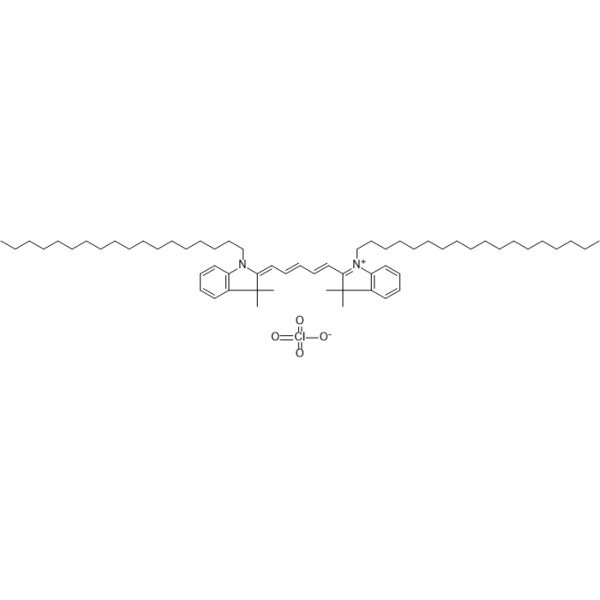
    DiD is a long-chain carbocyanine dye. Carbocyanine dyes are widely used as Di to label cells, organelles, liposomes, viruses and lipoproteins (Ex/Em = 633/665 nm) .
    DiD perchlorate
  • HY-125746
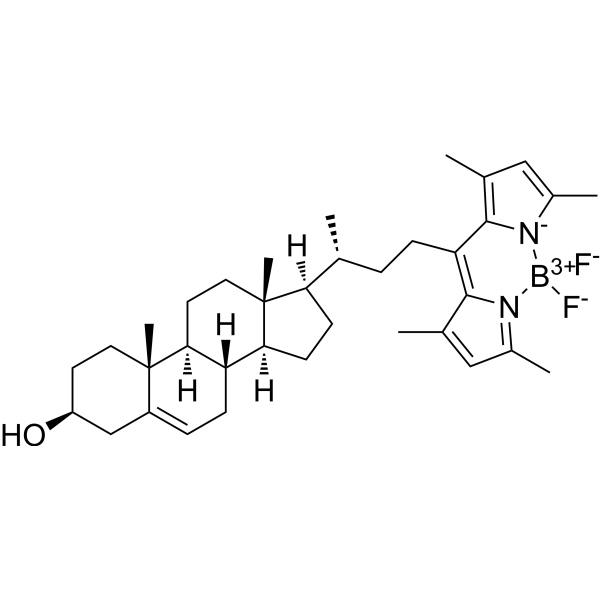
    BODIPY-Cholesterol
    10+ Cited Publications

    Fluorescent Dye Others
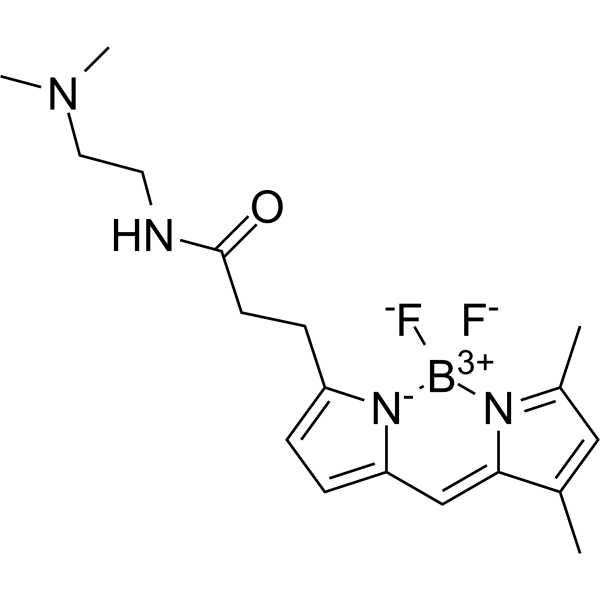
    BODIPY-cholesterol is an intrinsically lipophilic, and cell-permeable analog of cholesterol with a fluorescent BODIPY group. BODIPY-cholesterol can be used to monitor sterol uptake and inter-organelle sterol flux in cells. (Excitation/Emission: 505/515 nm) .
    BODIPY-Cholesterol
  • HY-D1300
    LysoTracker Red
    10+ Cited Publications

    LysoTracker Red DND-99

    Biochemical Assay Reagents Fluorescent Dye Others
    LysoTracker Red is a Red fluorescently labeled lysosomal probe with a maximum excitation/emission wavelength of 577/590 nm. The structure is composed of a fluorescein group and linked weak bases, which can freely cross the cell membrane and gather on spherical organelles. It is suitable for observing the internal biosynthesis and related pathogenesis of lysosomes .
    LysoTracker Red
  • HY-DY1040

    Fluorescent Dye Biochemical Assay Reagents Others
    LysoTracker Red (solution) is a Red fluorescently labeled lysosomal probe with a maximum excitation/emission wavelength of 577/590 nm. The structure is composed of a fluorescein group and linked weak bases, which can freely cross the cell membrane and gather on spherical organelles. It is suitable for observing the internal biosynthesis and related pathogenesis of lysosomes .
    Solvent and concentration: DMSO: 1 mM
    LysoTracker Red (solution)
  • HY-D0971
    Pyronin Y
    4 Publications Verification

    Pyronine G; C.I. 45005

    DNA Stain Others
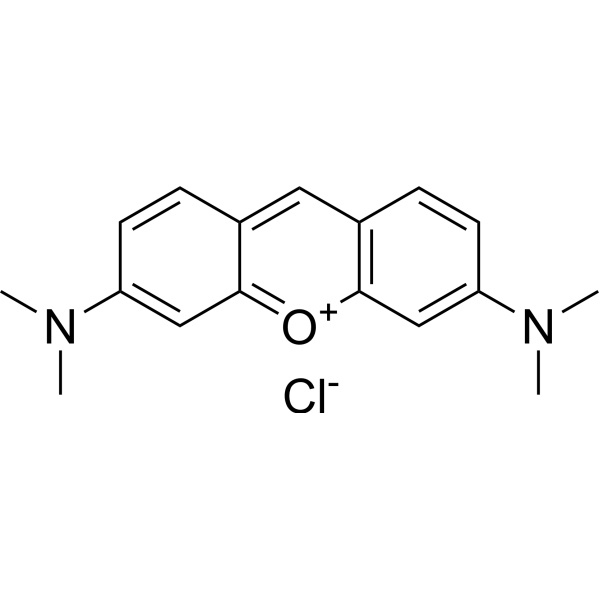
    Pyronin Y (Pyronine G) is a cationic dye that intercalates RNA and has been used to target cell structures including RNA, DNA and organelles. Pyronin Y forms fluorescent complexes with double-stranded nucleic acids (especially RNA) enabling semi-quantitative analysis of cellular RNA. Pyronin Y can be used to identify specific RNA subspecies of ribonuclear proteins complexes in live cells .
    Pyronin Y
  • HY-W011063

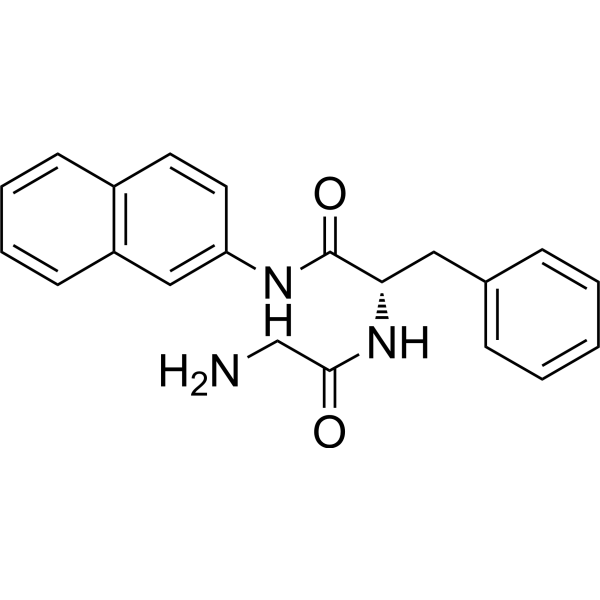
    Cathepsin Metabolic Disease
    Gly-Phe-β-naphthylamide is a substrate of Cathepsin C (HY-P2922) and belongs to the lysosomal agonist. Gly-Phe-β-naphthylamide can freely pass through the cell membrane and organelle membrane. Gly-Phe-β-naphthylamide will be specifically hydrolyzed by Cathepsin C, ultimately leading to a permeability lysis when it enters the acidic compartment. Gly-Phe-β-naphthylamide can be used to study lysosomal hydrolysis, lysosomal membrane permeability, and the function of cathepsin C .
    Gly-Phe-β-naphthylamide
  • HY-131960
    Polysucrose 400
    2 Publications Verification

    Biochemical Assay Reagents Others
    Polysucrose 400 is a synthetic polymer of sucrose, can be used for cells and organelles isolation .
    Polysucrose 400
  • HY-D1434
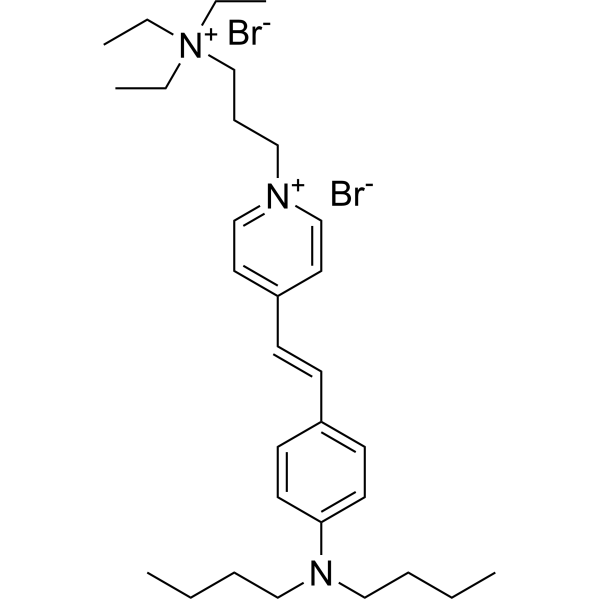
    FM1-43
    5+ Cited Publications

    Fluorescent Dye Neurological Disease
    FM1-43 is a very lipophilic, water-soluble styrene dyes, can specifically bind to cell membranes and inner membrane organelles to produce fluorescence. FM1-43 is widely used in endocytic and exospic membrane structure markers.
    FM1-43
  • HY-D1736

    Fluorescent Dye Others
    BODIPY FL-C16 is a BODIPY-labeled analog of Palmitic acid (HY-N0830), which serves as a fluorescent lipid tracer. BODIPY FL-C16 also acts as a ligand for liver fatty acid-binding protein (L-FABP) and intestinal fatty acid-binding protein (I-FABP) , with Kd values of 270 nM and 330 nM, respectively. BODIPY FL-C16 is rapidly taken up by cells, and after metabolic conversion to phospholipids, it is incorporated into the membrane structures of intracellular organelles and extracellular vesicles .
    BODIPY FL-C16
  • HY-D1296
    Green DND-26
    2 Publications Verification

    Fluorescent Dye Others
    Green DND-26 is a green fluorescently labeled lysosomal probe with a maximum excitation/emission wavelength of 504/511 nm. The structure is composed of a fluorescein group and linked weak bases, which can freely cross the cell membrane and generally gather on spherical organelles. Green DND-26 is suitable for observing the internal biosynthesis and related pathogenesis of lysosomes .
    Green DND-26
  • HY-109076

    EBC-46

    PKC Caspase Cancer
    Tigilanol tiglate (EBC-46) is a protein kinase C (PKC)/C1 domain activator. Tigilanol tiglate is associated with mitochondrial/endoplasmic reticulum (ER) dysfunction, leading to activation of the unfolded protein response (UPRmt/ER) and subsequent induction of ATP depletion, organelles expansion, Caspase activation, gasdermin E cleavage, and terminal necrosis. Tigilanol tiglate, as a small anti-tumor molecule with immunomodulatory effects, can be used in the study of head and neck squamous cell carcinoma and soft tissue sarcoma .
    Tigilanol tiglate
  • HY-DY1012

    Fluorescent Dye Others
    DiI (solution) is a long-chain carbocyanine dye. Carbocyanine dyes are widely used as Di to label cells, organelles, liposomes, viruses and lipoproteins .
    Solvent and concentration: DMSO: 5 mM
    DiI (solution)
  • HY-D1445
    LysoSensor PDMPO
    1 Publications Verification

    Fluorescent Dye Metabolic Disease
    PDMPO, a lysosome pH indicator, is an excellent fluorescent acidotropic reagent for fluorescence imaging. PDMPO is a potent tool with which to study acidic organelles of live cells. PDMPO exhibits pH-dependent dual-excitation and dual-emission spectral peaks. PDMPO produces a blue fluorescence in weakly acidic organelles and shifts to yellow in more acidic lysosomes. (Abs=329 nm; Em=440/540 nm) .
    LysoSensor PDMPO
  • HY-DY1031

    Fluorescent Dye Others
    FM4-64 (solution) is a very lipophilic, water-soluble styrene dyes, can specifically bind to cell membranes and inner membrane organelles to produce fluorescence. FM4-64 is widely used in endocytic and exospic membrane structure markers.
    Solvent and concentration: DMSO: 5 mM
    FM4-64 (solution)
  • HY-W010451

    Hydroxyhydroquinone

    PERK Eukaryotic Initiation Factor (eIF) Potassium Channel Apoptosis Cardiovascular Disease Cancer
    1,2,4-Trihydroxybenzene (Hydroxyhydroquinone) is an ER stress inducer that targets proteins such as PKR-like ER kinase PERK to induce cytotoxicity. 1,2,4-Trihydroxybenzene selectively activates eIF2α phosphorylation, activates the PERK-eIF2α signaling pathway and induces stress granule formation. 1,2,4-Trihydroxybenzene subsequently exacerbates oxidative stress and causes DNA double-strand breaks, destroying organelles such as mitochondria and ER, and inducing cell death. 1,2,4-Trihydroxybenzene also has the potential to exhibit anti-tumor effect, increase blood pressure, and relieve spasm .
    1,2,4-Trihydroxybenzene
  • HY-DY1059

    Fluorescent Dye Neurological Disease
    FM1-43 (solution) is a very lipophilic, water-soluble styrene dyes, can specifically bind to cell membranes and inner membrane organelles to produce fluorescence. FM1-43 is widely used in endocytic and exospic membrane structure markers.
    Solvent and concentration: DMSO: 10 mM
    FM1-43 (solution)
  • HY-D1457

    Fluorescent Dye Others
    DND-189, a low-pH fluorescent probe, is sensitive to neutral and low pH range. DND-189 can be used to measure the pH of acidic organelles .
    DND-189
  • HY-DY1013

    Fluorescent Dye Cancer
    DiR (solution) is a long-chain carbocyanine dye. Carbocyanine dyes are widely used as Di to label cells, organelles, liposomes, viruses and lipoproteins .
    Solvent and concentration: DMSO: 5 mM
    DiR (solution)
  • HY-W016647

    N-Formylmethionine

    Endogenous Metabolite Bacterial Infection Metabolic Disease
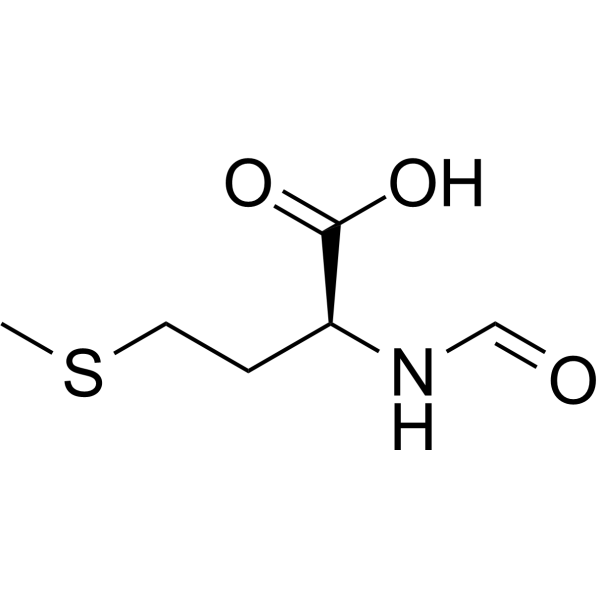
    For-Met-OH (N-Formylmethionine) can be involved in the translation process of bacteria, chloroplasts, and mitochondria. For-Met-OH plays different roles in different species and organelles, such as promoting the formation of protein complexes in mitochondria and acting as a degradation signal in bacteria and yeast. The level of For-Met-OH is closely related to certain diseases, for example, For-Met-OH is a potential biomarker for metabolic disorders and poor prognosis in critically ill patients .
    For-Met-OH
  • HY-110334

    Fluorescent Dye Others
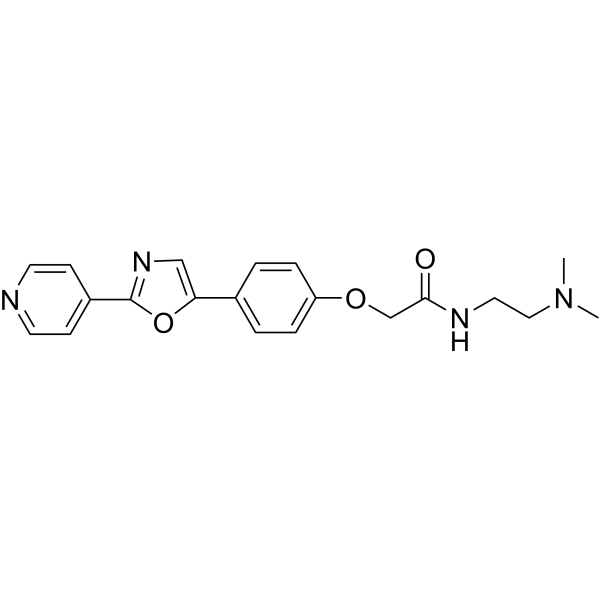
    FFN 206 dihydrochloride, a fluorescent probe, is used as an excellent Vesicular Monoamine Transporter 2 (VMAT2) substrate with an apparent Km of 1.16 μM. FFN 206 dihydrochloride is capable of detecting VMAT2 activity in intact cells using fluorescence microscopy, with subcellular localization to VMAT2-expressing acidic compartments without apparent labeling of other organelles .
    FFN 206 dihydrochloride
  • HY-D1076

    Fluorescent Dye Metabolic Disease
    DiIC16(3) is a long-chain carbocyanine dye. Carbocyanine dyes are widely used as Di to label cells, organelles, liposomes, viruses and lipoproteins .
    DiIC16(3)
  • HY-DY1029

    Fluorescent Dye Others
    BODIPY-cholesterol (solution) is an intrinsically lipophilic, and cell-permeable analog of cholesterol with a fluorescent BODIPY group. BODIPY-cholesterol can be used to monitor sterol uptake and inter-organelle sterol flux in cells. (Excitation/Emission: 505/515 nm) .
    Solvent and concentration: DMSO: 1 mM
    BODIPY-Cholesterol (solution)
  • HY-B1341

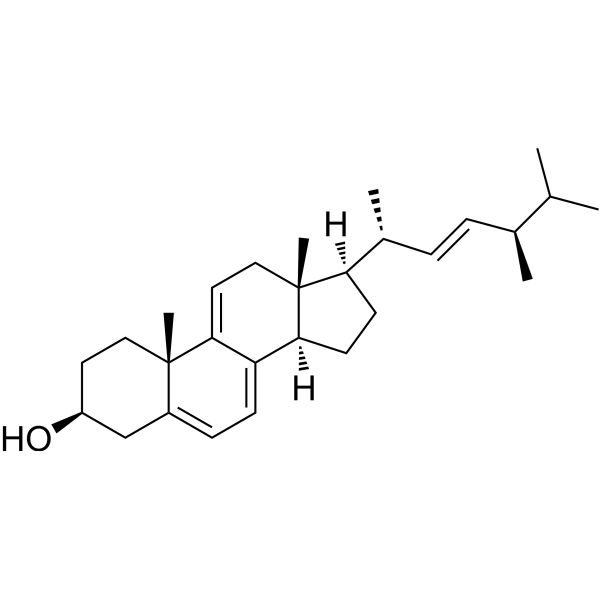
    Enidrel; SC-4642; NSC 15432

    Endogenous Metabolite Progesterone Receptor Cancer
    Norethynodrel (Enidrel; SC-4642) is an orally active progestogen analog that reduces estrogen-like effects and enhances progestogen-like responses in endometrial stromal cells. Norethynodrel also promotes cell maturation and predecidual cell formation by inducing organelle hyperplasia and glycogen accumulation. Norethynodrel competitively inhibits drug-metabolizing enzymes in rat liver microsomes, thereby prolonging Pentobarbital sleep time, while exhibiting multiple effects including reduced body weight gain, attenuated heart rate elevation and ovulation inhibition. In mouse models, Norethynodrel significantly increases the incidence of mammary adenocarcinoma, cervical cancer and pituitary tumors. Norethynodrel can be used for mechanism research on related diseases such as mammary adenocarcinoma, cervical cancer, ovarian tubular adenoma and pituitary adenoma .
    Norethynodrel
  • HY-DY1010

    Fluorescent Dye Others
    DiO (solution) is a long-chain carbocyanine dye. Carbocyanine dyes are widely used as Di to label cells, organelles, liposomes, viruses and lipoproteins .
    Solvent and concentration: DMSO: 5 mM
    DiO (solution)
  • HY-D1585

    Fluorescent Dye Others
    BODIPY TR methyl ester is a lipophilic GFP Counterstain. BODIPY TR methyl ester dye readily permeates cell membranes and localizes in endomembranous organelles but not localize strongly in plasma membranes. BODIPY TR methyl ester is an excellent red fluorescent vital dye (Ex=568 nm, Em=625 nm), can be used to reveal the location and shapes of cell nuclei, the shapes of cells within embryonic tissues, as well as the bound aries of organ-forming tissues within the whole embryo .
    BODIPY TR methyl ester
  • HY-121546

    Atg8/LC3 Autophagy Cancer
    ALLO-1, an autophagy receptor, is essential for autophagosome formation around paternal organelles and directly binds to the worm LC3 homologue LGG-1 through its LC3-interacting region (LIR) motif .
    ALLO-1
  • HY-W129441

    N-Ac-4-S-CAP

    DNA/RNA Synthesis Tyrosinase Thymidylate Synthase Others
    N-Acetyl-4-S-mercaptoaminophenol (N-Ac-4-S-CAP) is a compound that is selectively cytotoxic to melanocytes of black mouse hair follicles. It can cause 98% depigmentation of black mouse hair follicles. N-Ac-4-S-CAP can produce visible changes in hair follicle melanocytes 4 hours after intraperitoneal injection, including aggregation of melanin granules and nuclear condensation. Electron microscopy observations showed that it caused progressive destruction of melanocytes, including swelling of membranous organelles, nuclear condensation, and cytoplasmic vacuolation, ultimately leading to complete cell necrosis. N-Ac-4-S-CAP has a specific cytotoxic effect on melanocytes that actively produce eumelanin, but may not affect precursor or dormant melanocytes. These properties suggest that N-Ac-4-S-CAP may have potential application value in the treatment of melanoma or skin whitening.
    N-Acetyl-4-S-cysteaminylphenol
  • HY-N10365

    Autophagy Neurological Disease
    6-(1-Hydroxyethyl)-5,6-dihydrochelerythrine, a alkaloid, significantly perturbates the features of cellular organelles including early endosomes, mitochondria and autophagosomes (Parkinson’s Disease patient-derived olfactory cells) .
    6-(1-Hydroxyethyl)-5,6-dihydrochelerythrine
  • HY-D1688

    Fluorescent Dye Others
    Flubida-2 is a cell permeable dye which can be hydrolyzed to Fubi-2 by endoesterases in cells (after hydrolysis, Ex=492 nm, Em=517 nm). Flubida-2 can be used to detect pH at a specific site in a cell organelle by directing the probe to where avidin fusion proteins are located .
    Flubida-2
  • HY-125600

    Photosensitizer Cancer
    LY219703 is a photoactivatable analogue of the antitumor diarylsulfonylurea sulofenur. LY219703 are distributed mainly in membranes, particularly those of organelles such as mitochondria .
    LY219703
  • HY-145323

    Biochemical Assay Reagents Cancer
    Mitochondria-Targeted Photoactivatable Proagent accumulates in the mitochondria and shows light-triggered temporally controlled cell death. Mitochondria-Targeted Photoactivatable Proagent can be used in a novel drug delivery platform that provides on-demand, real-time, organelle-specific agent release and monitoring upon photoactivation .
    Mitochondria-Targeted Photoactivatable Prodrug
  • HY-106808

    IOS-1.1212

    Calcium Channel Chloride Channel Neurological Disease
    Cerebrocrast (IOS-1.1212) is a 1,4-dihydropyridine (DHP) derivative. Cerebrocrast has a high affinity for the membrane lipid bilayer and it can easily penetrate the blood-brain barrier and incorporate into the plasma and organelle membranes, including those of mitochondria. Cerebrocrast promotes the cotransport of H+ and Cl- in rat liver mitochondria. Cerebrocrast also exhibits neuroprotective and cognition enhancer properties .
    Cerebrocrast
  • HY-D1687

    Fluorescent Dye Others
    Flubi-2 is a fluorescein-biotin based pH-ratio dye (Ex=480 nm, Em= 520-560 nm) with a pK value of 6.7. Flubi-2 is a hydrolysis product of Flubida-2 (non-fluorescent, membrane permeable). Flubi-2 can be used for pH determination of organelles of the secretory pathway (such as golgi apparatus and endoplasmic reticulum) in living cells .
    Flubi-2
  • HY-W016647R

    N-Formylmethionine (Standard)

    Reference Standards Endogenous Metabolite Bacterial Infection Metabolic Disease
    For-Met-OH (Standard) (N-Formylmethionine (Standard)) is the analytical standard of For-Met-OH (HY-W016647). This product is intended for research and analytical applications. For-Met-OH (N-Formylmethionine) can be involved in the translation process of bacteria, chloroplasts, and mitochondria. For-Met-OH plays different roles in different species and organelles, such as promoting the formation of protein complexes in mitochondria and acting as a degradation signal in bacteria and yeast. The level of For-Met-OH is closely related to certain diseases; for example, For-Met-OH is a potential biomarker for metabolic disorders and poor prognosis in critically ill patients.
    For-Met-OH (Standard)
  • HY-W010451R

    Hydroxyhydroquinone (Standard)

    Reference Standards PERK Potassium Channel Apoptosis Eukaryotic Initiation Factor (eIF) Cardiovascular Disease Cancer
    1,2,4-Trihydroxybenzene (Hydroxyhydroquinone) (Standard) is the analytical standard of 1,2,4-Trihydroxybenzene (HY-W010451). This product is intended for research and analytical applications. 1,2,4-Trihydroxybenzene (Hydroxyhydroquinone) is an ER stress inducer that targets proteins such as PKR-like ER kinase PERK to induce cytotoxicity. 1,2,4-Trihydroxybenzene selectively activates eIF2α phosphorylation, activates the PERK-eIF2α signaling pathway and induces stress granule formation. 1,2,4-Trihydroxybenzene subsequently exacerbates oxidative stress and causes DNA double-strand breaks, destroying organelles such as mitochondria and ER, and inducing cell death. 1,2,4-Trihydroxybenzene also has the potential to exhibit anti-tumor effect, increase blood pressure, and relieve spasm .
    1,2,4-Trihydroxybenzene (Standard)
  • HY-D3305

    Fluorescent Dye Others
    DiD is a long-chain carbocyanine dye. Carbocyanine dyes are widely used as Di to label cells, organelles, liposomes, viruses and lipoproteins (Ex/Em = 633/665 nm) .
    DiD 4-chlorobenzenesulfonate
  • HY-W559684

    Cy5 DIC18

    Fluorescent Dye Others
    DiD is a long-chain carbocyanine dye. Carbocyanine dyes are widely used as Di to label cells, organelles, liposomes, viruses and lipoproteins (Ex/Em = 633/665 nm) .
    DiD
  • HY-DY1084

    Fluorescent Dye Others
    DiD perchlorate (solution)is a long-chain carbocyanine dye. Carbocyanine dyes are widely used as Di to label cells, organelles, liposomes, viruses and lipoproteins .
    Solvent and concentration: DMSO: 5 mM
    DiD perchlorate (solution)
  • HY-D2958

    Fluorescent Dye Others
    ZP1BG is a SNAP tag fluorescent probe for detecting Zn 2+, which is formed by the covalent connection of the zinc sensor ZP1 from the Zinpyr family with the benzyl guanine group. ZP1BG can be used to detect the concentration of Zn 2+ in neuronal organelles such as the Golgi apparatus and mitochondria .
    ZP1BG
  • HY-DY1082

    Fluorescent Dye Others
    Green DND-26 (solution) is a green fluorescently labeled lysosomal probe with a maximum excitation/emission wavelength of 504/511 nm. The structure is composed of a fluorescein group and linked weak bases, which can freely cross the cell membrane and generally gather on spherical organelles. Green DND-26 is suitable for observing the internal biosynthesis and related pathogenesis of lysosomes .
    Solvent and concentration: DMSO: 2 mM
    Green DND-26 (solution)
  • HY-19688

    WR 6026

    Parasite Succinate Dehydrogenase Apoptosis Calcium Channel Mitochondrial Metabolism Infection
    Sitamaquine (WR 6026) is an orally active Antileishmanial agent and Succinate dehydrogenase inhibitor. Sitamaquine accumulates in the acidocalcisomes of Leishmania, induces organelle alkalization, and crosses the plasma membrane of Leishmania via temperature- and energy-independent diffusion. Sitamaquine disrupts oxidative phosphorylation in Leishmania, induces mitochondrial depolarization, oxidative stress, elevated intracellular calcium, plasma membrane depolarization, and Apoptosis-like cell death. Sitamaquine can be used in the research of leishmaniasis .
    Sitamaquine
  • HY-W339816

    Lipocalin Family Endogenous Metabolite Others
    (S,R)-Bis(monomyristoylglycero)phosphate ammonium actively contributes to cargo sorting by promoting the degradation and sorting of lipids, and it plays a critical role in the sorting of polyunsaturated fatty acids (PUFAs) within acidic organelles. This phospholipid features two phosphate-linked glycerol molecules arranged in a unique sn-1 glycerophospho-sn-1′ glycerol stereoconformation, with each glycerol molecule esterified to a myristic acid. Typically, it is found in the intraluminal vesicles (ILVs) of late endosomes and lysosomes.
    (S,R)-Bis(monomyristoylglycero)phosphate ammonium
  • HY-182464

    Potassium Channel Infection Others
    DABMA is a TMEM175 channel activator with a human EC50 of 17.9 μM. DABMA directly increases TMEM175 channel current via interaction with intracellular, transmembrane, or endosomal lumen-associated domains, and does not alter TMEM175 mRNA or protein levels. DABMA delays endolysosomal substrate degradation, modulates endolysosomal trafficking, increases acidic organelle accumulation, induces cholesterol accumulation and altered late endosome morphology. DABMA can be used for the research of coronavirus disease, Clostridium difficile infection, Pseudomonas aeruginosa infection, rabies, and influenza virus infection .
    DABMA
  • HY-DY1102

    Fluorescent Dye Others
    BODIPY FL-C16 (solution) is a BODIPY-labeled analog of Palmitic acid (HY-N0830), which serves as a fluorescent lipid tracer. BODIPY FL-C16 (solution) also acts as a ligand for liver fatty acid-binding protein (L-FABP) and intestinal fatty acid-binding protein (I-FABP) , with Kd values of 270 nM and 330 nM, respectively. BODIPY FL-C16 (solution) is rapidly taken up by cells, and after metabolic conversion to phospholipids, it is incorporated into the membrane structures of intracellular organelles and extracellular vesicles .
    Solvent and concentration: DMSO: 5 mM
    BODIPY FL-C16 (solution)
  • HY-W032878

    Fungal SOD Infection
    N,N-Bis(3-aminopropyl)dodecylamine is a potent fungicidal agent with remarkable activity against Aspergillus niger. N,N-Bis(3-aminopropyl)dodecylamine induces oxidative stress and regulates the activities of multiple antioxidant and mitochondrial enzymes in a concentration‑ and duration‑dependent manner. N,N-Bis(3-aminopropyl)dodecylamine disrupts fungal organelles, remodels mitochondrial morphology and impairs mitochondria‑related cellular functions. N,N-Bis(3-aminopropyl)dodecylamine can be used for the research of fungicidal mechanisms and oxidative stress in Aspergillus niger .
    N,N-Bis(3-aminopropyl)dodecylamine

Consulta en línea

Your information is safe with us. * Required Fields.

Saludo


Country or Region *

Nombre del solicitante *


Nombre de la Organizaciòn *

Department *


Direcciòn del E-mail *


Nombre del producto *

Cat. No.


Requested quantity *

Número de teléfono *


Observaciones

Consulta en línea

Inquiry Information

Nombre del producto:
Cat. No.:
Cantidad:
MCE Japan Authorized Agent:

