



Phytohemagglutinin
Based on 7 publication(s) in Google Scholar
Phytohemagglutinin (PHA-M), the major seed lectin of the common bean, Phaseolus vulgaris, is a T-cell activator. Phytohemagglutinin stimulates human mononuclear leukocytes, inducing the expression of ChAT mRNA and potentiating ACh synthesis. Phytohemagglutinin induces dose- and time-dependent toxicity in THP-1 monocytes/macrophages, alters cellular morphology, causes organelle dysfunction, and increases the expression of NF-κB, COX2, IL-1β.
For research use only. We do not sell to patients.
- Purity : 80%
- CAS No.: 9008-97-3
-
Storage:
Please store the product under the recommended conditions in the Certificate of Analysis.

To place orders, for customer services and technical support, please contact: MedChemExpress USA
Tel: 609-228-6898 E-mail: [email protected] [email protected]


-
 Biological Activity
-
Chemical Information
-
Solvent & Solubility
- Protocols
- Purity & Documentation
- References
-
 Help & FAQs


-

HY-P2149
Concanavalin APlant Lectin -
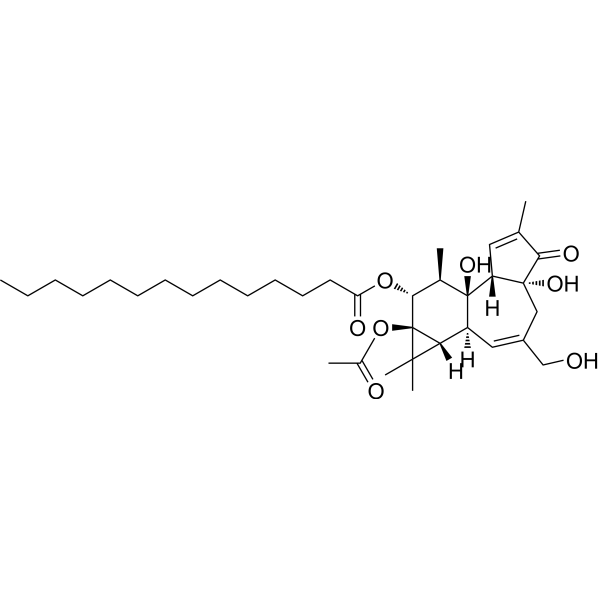
HY-18739
Phorbol 12-myristate 13-acetatePKC Activator -
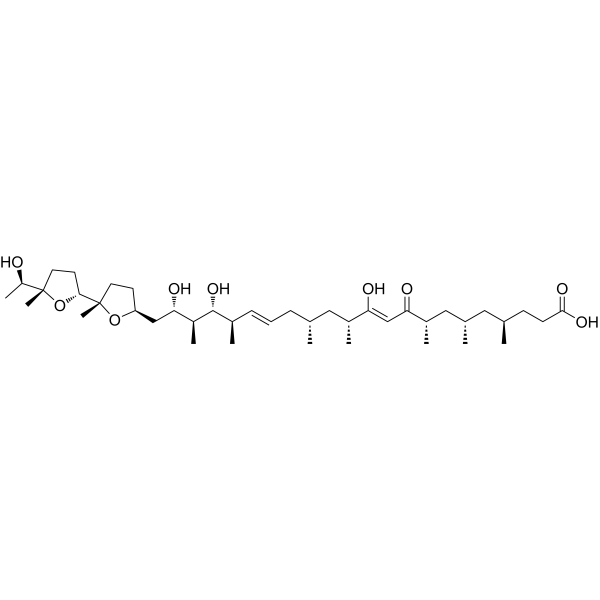
HY-13434
IonomycinCalcium Ionophore -

HY-D1056
Lipopolysaccharides, from E. coli O55:B5Endotoxin -

HY-P2149A
Concanavalin A (agarose)Protein Purification -
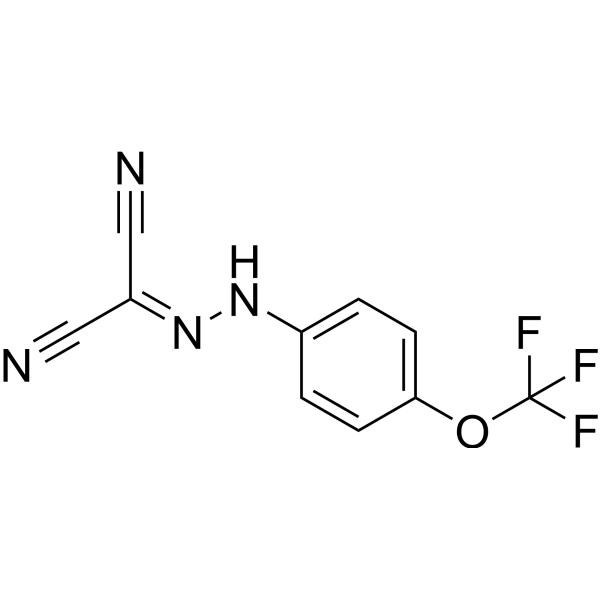
HY-100410
FCCPOXPHOS Uncoupler -
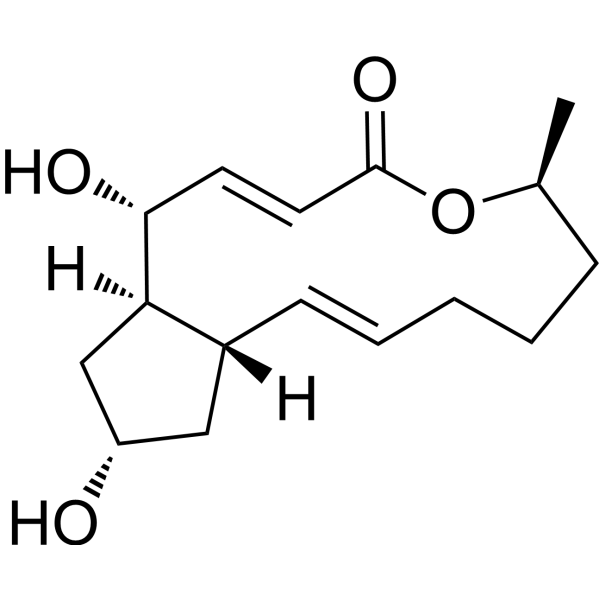
HY-16592
Brefeldin AProtein Transport Inhibitor -
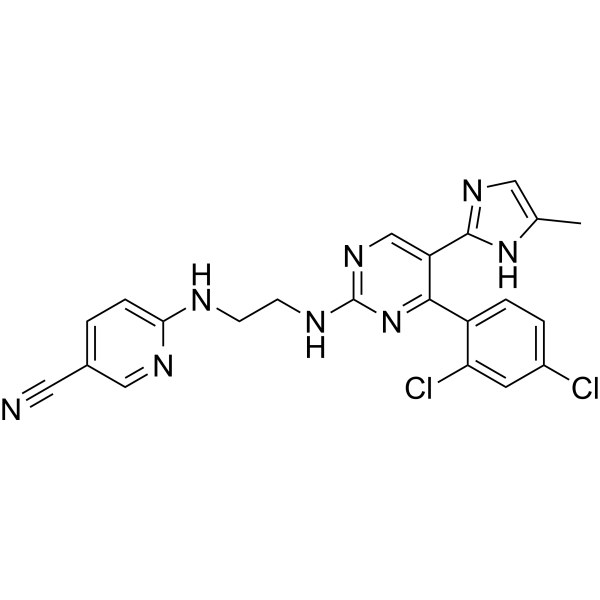
HY-10182
LaduviglusibGSK-3 Inhibitor -
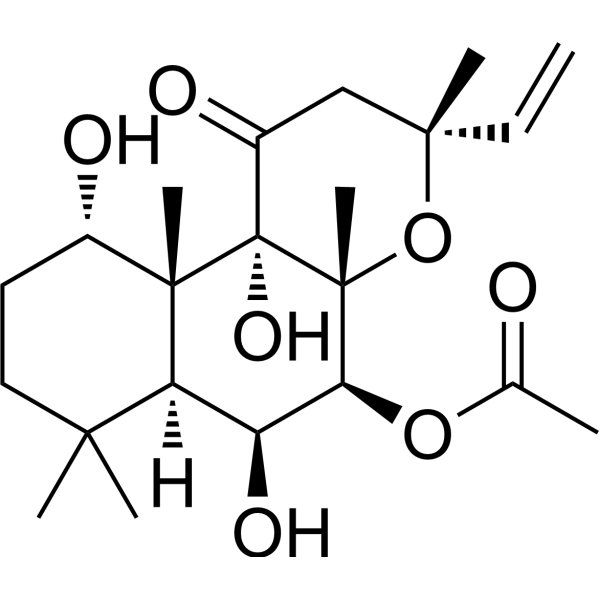
HY-15371
ForskolinAdenylate Cyclase Activator -
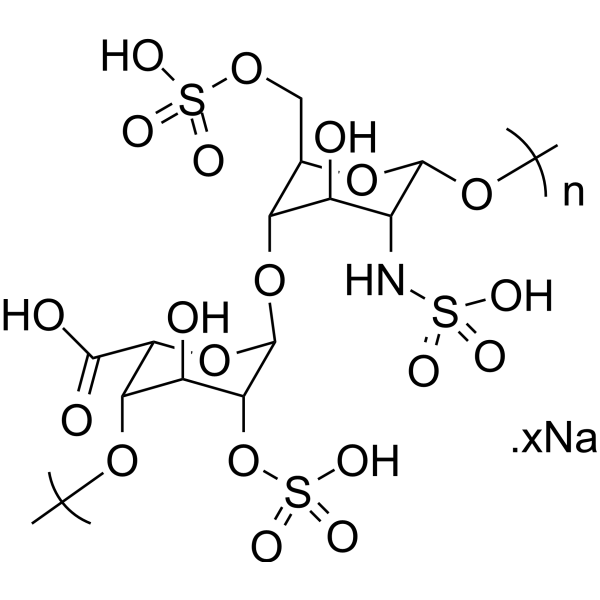
HY-17567A
Heparin sodium saltAnticoagulant -
HY-10583
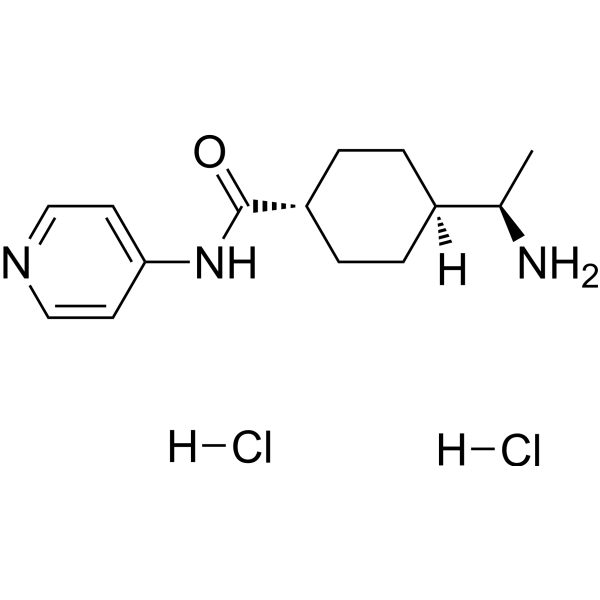
Y-27632 dihydrochlorideROCK Inhibitor -
HY-16658B
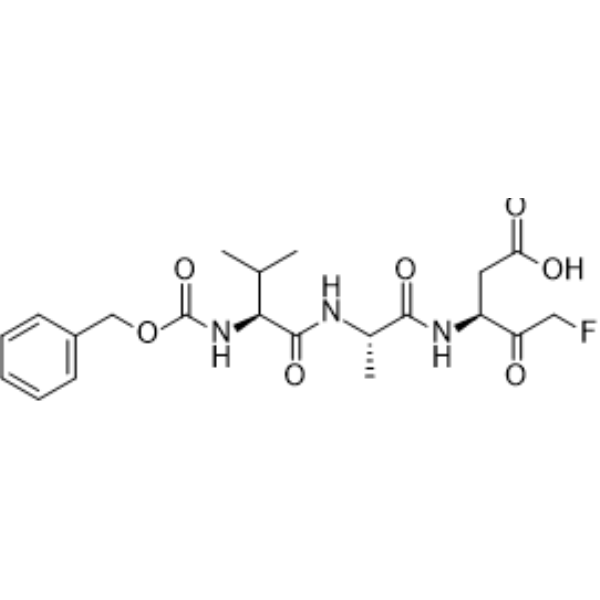
Z-VAD-FMKPan-Caspase Inhibitor
Publications Citing Use of MedChemExpress (MCE) Phytohemagglutinin
More- Cancer Commun (Lond). 2024 Jun;44(6):670-694. [Abstract]
- Drug Resist Updat. 2024 Sep:76:101112. [Abstract]
- J Ethnopharmacol. 2022 Jun 12:291:115126. [Abstract]
- Int Immunopharmacol. 2026 Jan 15:169:116039. [Abstract]
- Sci Rep. 2025 Oct 27;15(1):37515. [Abstract]
- Hum Mutat. 2026 Jan 8:2026:9635551. [Abstract]
- Dis Markers. 2021 Oct 15;2021:5838582. [Abstract]
 Customer Validation & Images

-
IP
-
WB
-
Flow Cytometry
-
ELISA


Biological Activity
Description
IC50 & Target
Apoptosis[1]
In Vitro
Phytohemagglutinin (0.1-1000 µg/mL, 24 h) induces a reduction in cell number, the adoption of a rounded morphology, cytoskeletal destabilization and toxic response in THP-1 cells[1].
Phytohemagglutinin (0.1-1000 µg/mL, 24-72 h) reduces mitochondrial activity and lysosomal activity in MDM cells, causing significant viability loss at higher concentrations (1000 µg/mL) and prolonged exposure (72 h)[1].
Phytohemagglutinin (0.1-1000 µg/mL, 1-72 h) does not significantly induce ROS production in MDM cells at concentrations up to 1000 µg/mL over 72 h, showing only a slight increase in free radicals at 24 h with 1000 µg/mL[1].
Phytohemagglutinin (10-1000 µg/mL, 24 h) increases the expression of NF-κB, COX2, IL-1β and decreases the expression of TNF-α in MDM cells[1].
Phytohemagglutinin binds to the membranes of T-cells, stimulates metabolic activity, cell division [2].
Phytohemagglutinin (5µg/mL, 48 h) stimulates PBMCs to secrete high levels of inflammatory cytokines, including IL-6, TNF-α, IL-1β, IFN-γ, IL-4, IL-2, IL-12, IL-10, and IL-17, while significantly reducing IL-8 levels[4].
Phytohemagglutinin significantly reduces RGC-32 expression and inhibits the growth of renal cancer cells, an effect reversed by PD-L1 ligation[4].
MedChemExpress (MCE) has not independently confirmed the accuracy of these methods. They are for reference only.
-
Cell Line:THP-1 cells and MDM cells
-
Concentration:0.1, 1, 100, 1000 µg/mL
-
Incubation Time:24 h
-
Result:Induced a loss of membrane integrity, which in turn led to the detachment of THP-1cells from the culture flask at 1000 µg/mL.
Caused a reduction in cell number as a result of membrane destabilization.
Induced lysosomal membrane destabilization and reduction in MDM cell number at 100 and 1000 µg/mL.
Reduced mitochondrial membrane potential at 10 and 1000 µg/mL in MDM cells.
Elicited significant membrane permeabilization in MDM cells at 1000 µg/mL.


Chemical Information
-
CAS No. 9008-97-3
-
Appearance Solid
-
Color White to light yellow
-
SMILES
[Phytohemagglutinin]
-
Synonyms
PHA-M
-
Structure Classification
-
Initial Source
-
Shipping
Room temperature in continental US; may vary elsewhere.
-
Storage
Please store the product under the recommended conditions in the Certificate of Analysis.


Publications (7)
-
Journal Impact Factor
-
Most Recent
-
Cancer Commun (Lond)
Metabolic landscape of head and neck squamous cell carcinoma informs a novel kynurenine/Siglec-15 axis in immune escape. [Abstract]2024 Jun;44(6):670-694. PMID: 38734931 -
Drug Resist Updat
Intercellular adhesion molecule-1 suppresses TMZ chemosensitivity in acquired TMZ-resistant gliomas by increasing assembly of ABCB1 on the membrane. [Abstract]2024 Sep:76:101112. PMID: 38924997 -
J Ethnopharmacol
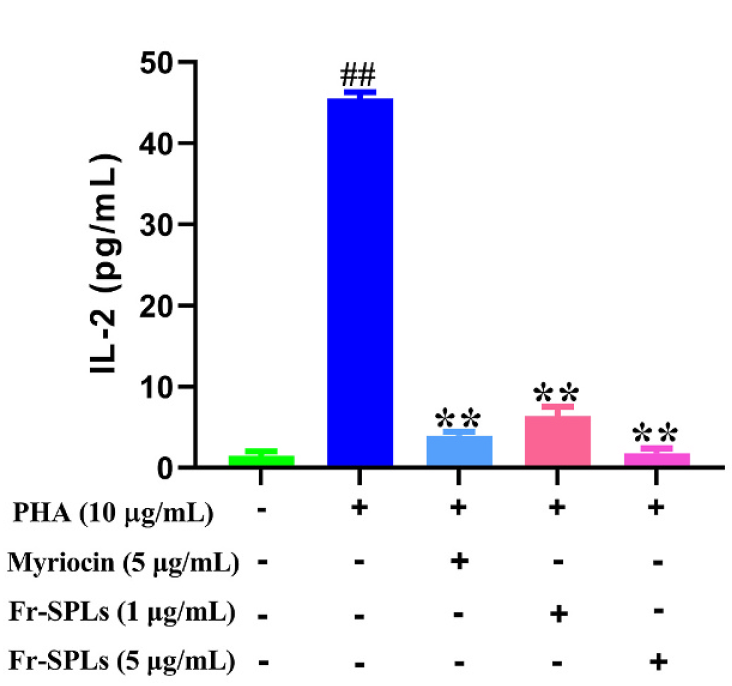
Preparation of the sphingolipid fraction from mycelia of Cordyceps sinensis and its immunosuppressive activity. [Abstract]2022 Jun 12:291:115126. PMID: 35189280
Phytohemagglutinin purchased from MedChemExpress. Usage Cited in: J Ethnopharmacol. 2022 Jun 12:291:115126. [Abstract]
Phytohemagglutinin (PHA, 10 μg/mL, 48 h) increased interleukin-2 (IL-2) expression in PBMCs.
-
Int Immunopharmacol
IL-24 ameliorates cognitive dysfunction via the inhibition PERK-eIF2α Signaling pathway in Alzheimer's disease. [Abstract]2026 Jan 15:169:116039. PMID: 41411732 -
Sci Rep
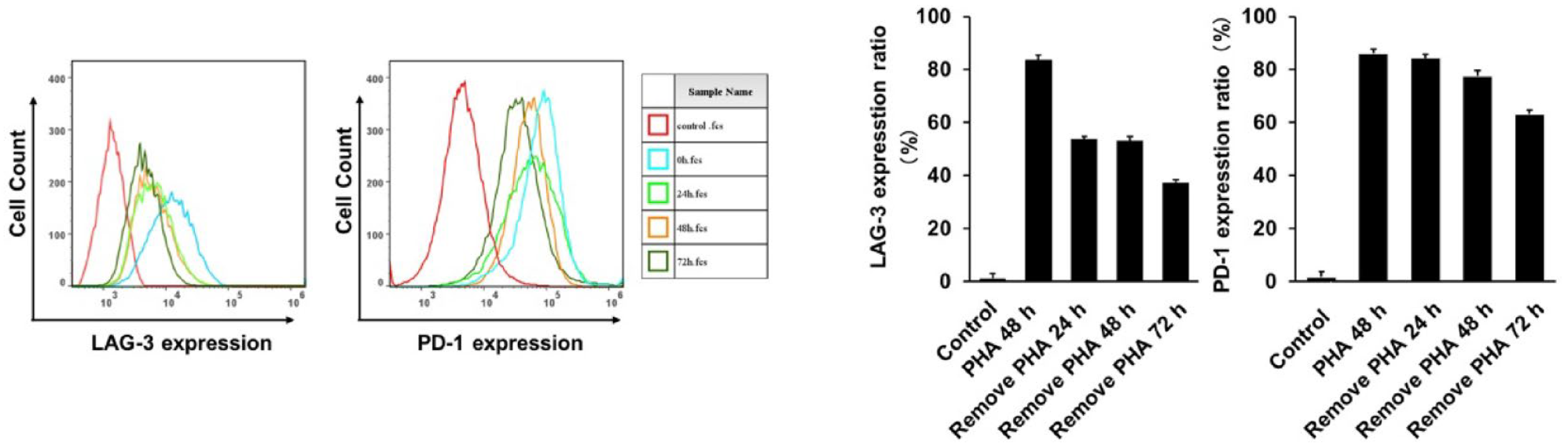
Novel anti-LAG-3 antibody LBL-007 with anti-PD-1 blockade enhances antitumor immunity by promoting T cell-induced apoptosis. [Abstract]2025 Oct 27;15(1):37515. PMID: 41145675
Phytohemagglutinin purchased from MedChemExpress. Usage Cited in: Sci Rep. 2025 Oct 27;15(1):37515. [Abstract]
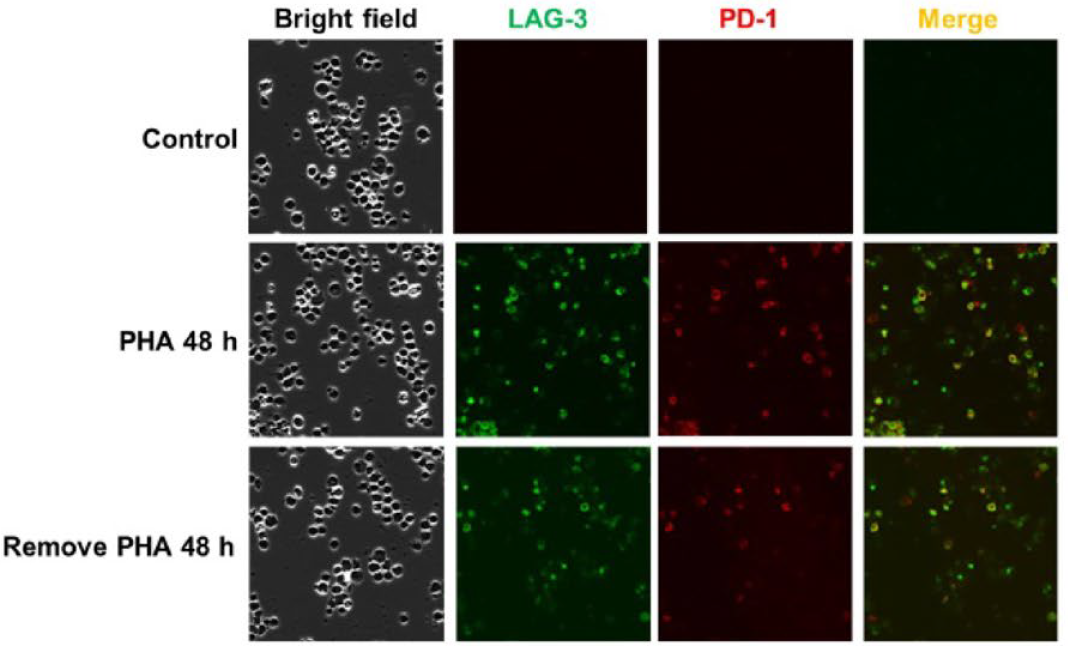
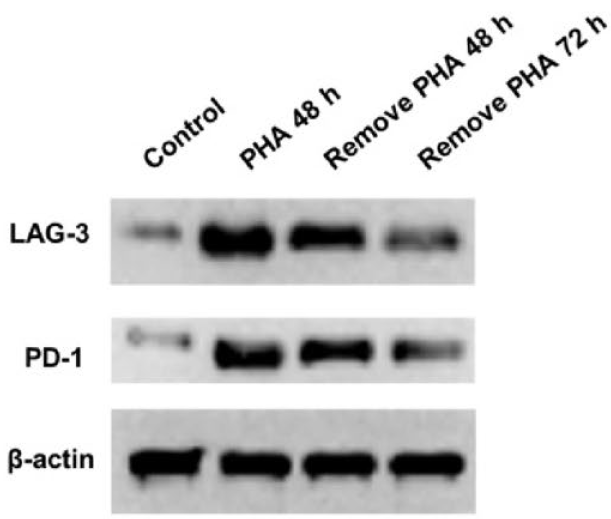
Phytohemagglutinin (PHA, 2 µg/mL, 48 h) effectively induced LAG-3 and PD-1 expression, which remained for more than 48 h following PHA removal in Jurkat cells.
Phytohemagglutinin purchased from MedChemExpress. Usage Cited in: Sci Rep. 2025 Oct 27;15(1):37515. [Abstract]
Phytohemagglutinin (PHA, 2 µg/mL, 48 h) effectively induced LAG-3 and PD-1 expression, which remained for more than 48 h following PHA removal in Jurkat cells.
Phytohemagglutinin purchased from MedChemExpress. Usage Cited in: Sci Rep. 2025 Oct 27;15(1):37515. [Abstract]
Phytohemagglutinin (PHA, 2 µg/mL, 48 h) effectively induced LAG-3 and PD-1 expression, which remained for more than 48 h following PHA removal in Jurkat cells.
-
Hum Mutat
RNA-Seq of Cultured Peripheral Blood Lymphocytes Improves Identification of Cryptic Splicing Defects in Rare Disease Diagnostics. [Abstract]2026 Jan 8:2026:9635551. PMID: 41523913 -
Dis Markers
Study on the Killing Effect of γδ T Cells Activated by Rukangyin on Breast Cancer MDA-MB-231 Cells. [Abstract]2021 Oct 15;2021:5838582. PMID: 34691287


Solvent & Solubility
In Vitro:
H2O : 10 mg/mL (ultrasonic and warming and heat to 60°C)
In Vivo:
For the following dissolution methods, please prepare the working solution directly:
It is recommended to prepare fresh solutions and use them promptly within a short period of time.
The percentages shown for the solvents indicate their volumetric ratio in the final prepared solution. If precipitation or phase separation occurs during preparation, heat and/or sonication can be used to aid dissolution.
Add each solvent one by one: PBS
Solubility: 50 mg/mL; Clear solution; Need ultrasonic


Purity & Documentation
-
Data Sheet (290 KB)
-
SDS (251 KB)
- English - EN (251 KB)
- Français - FR (251 KB)
- Deutsch - DE (251 KB)
- Norwegian - NO (251 KB)
- Español - ES (251 KB)
- Swedish - SV (251 KB)
- Italian - IT (251 KB)
- Korean - KR (251 KB)
- Portuguese - PT (251 KB)
-
Handling Instructions (2659 KB)
References
[1]. Prajitha N, et al. Intracellular inflammatory signalling cascades in human monocytic cells on challenge with phytohemagglutinin and 2,4,6-trinitrophenol. Mol Cell Biochem. 2022 Feb;477(2):395-414. [Content Brief]
[2]. Movafagh A, et al. The Significance Application of Indigenous Phytohemagglutinin (PHA) Mitogen on Metaphase and Cell Culture Procedure. Iran J Pharm Res. 2011 Fall;10(4):895-903. [Content Brief]
[3]. Fujii T, et al. Induction of choline acetyltransferase mRNA in human mononuclear leukocytes stimulated by phytohemagglutinin, a T-cell activator. J Neuroimmunol. 1998 Feb;82(1):101-107. [Content Brief]
[4]. Li L, et al. Response Gene to Complement 32 is associated with poor patient survival and an inflamed tumor-immune microenvironment in clear cell renal cell carcinoma. Transl Oncol. 2025 Feb;52:102248. [Content Brief]

Calculators
Concentration (start) × Volume (start) = Concentration (final) × Volume (final)


Phytohemagglutinin Related Classifications
HY-N7038 Related Classifications
 Powered by Bioz