

1. Search Result
Search Result
Results for "

plant tissues

" in MedChemExpress (MCE) Product Catalog:

100

Inhibitors & Agonists

1

Screening Libraries

4

Fluorescent Dyes

28

Biochemical Assay Reagents

3

MCE Kits

26

Natural
Products

16

Isotope-Labeled Compounds

1

Oligonucleotides

Cat. No. Product Name Target Research Areas Chemical Structure
  • HY-B1777
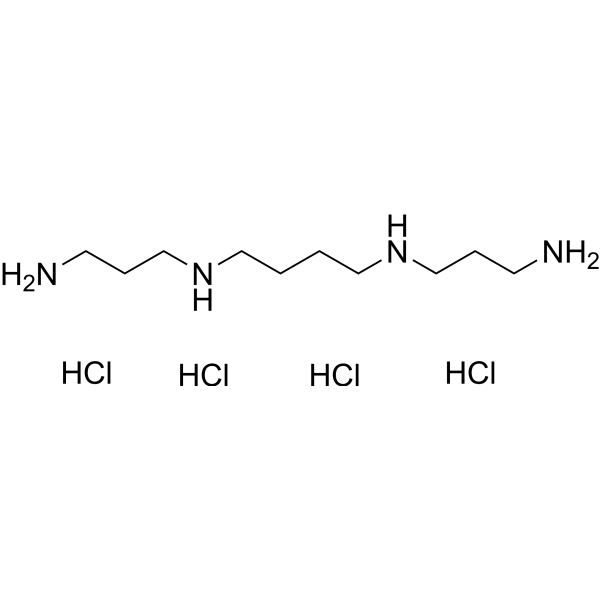
    Spermine
    5+ Cited Publications

    NSC 268508; Neuridine

    Endogenous Metabolite Bacterial Reactive Oxygen Species (ROS) DNA/RNA Synthesis Infection Neurological Disease Inflammation/Immunology
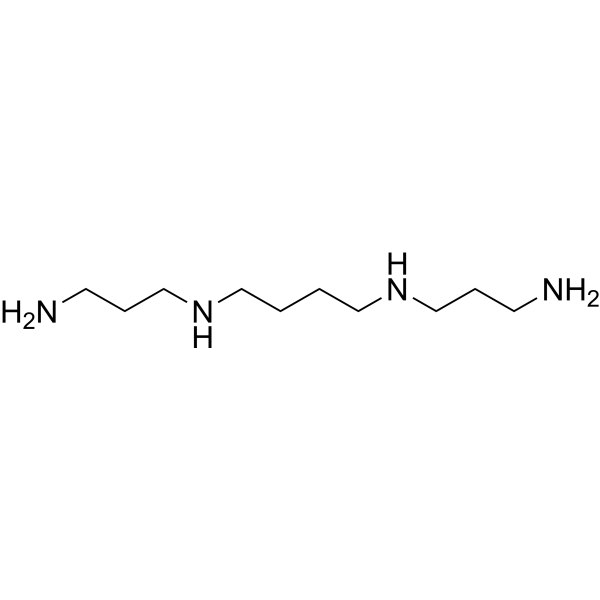
    Spermine is a natural antioxidant and anti-inflammatory agent. Spermine is known to inhibit some bacterial cultures, especially strains of Staphylococcus aureus. Spermine induces neurotoxicity in the striarum dose-dependently. Spermine can reversibly inhibits DNA synthetic response, mixed lymphocyte response and the induction of cytolytic lymphocyte response in primary cultures of murine spleen cells. Spermine tetrahydrochloride is a polyamine nitric oxide donor that can provide nitric oxide to platelets and inhibit platelet activation to a certain extent concentration-dependently. Spermine tetrahydrochloride occurs in mammalian tissues, plants, bacteria, ribosomes and bacteriophage. Spermine tetrahydrochloride inhibits primary human embryo lung fibroblasts in vitro .
    Spermine
  • HY-N0378
    D-Mannitol
    Maximum Cited Publications
    13 Publications Verification

    Mannitol; Mannite

    Environmental Pollutants Endogenous Metabolite Apoptosis PGC-1α PKA Adrenergic Receptor Cardiovascular Disease Metabolic Disease Cancer
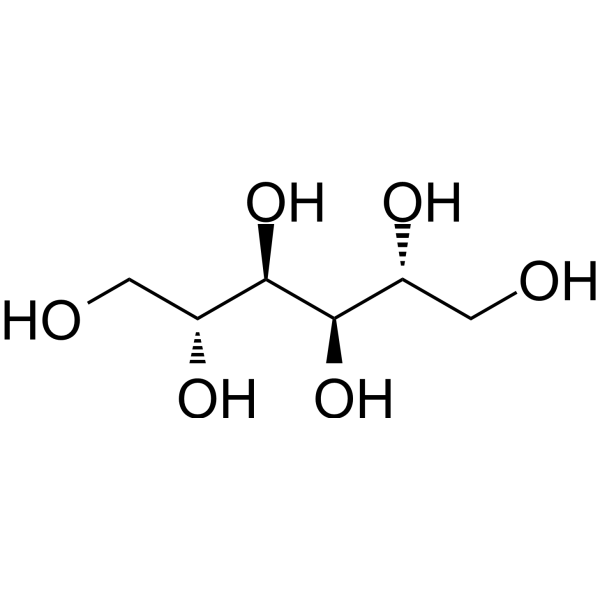
    D-Mannitol (Mannitol) is an oral, resistant sugar widely used in the food and pharmaceutical industries to promote the absorption and retention of calcium and magnesium through cecal fermentation, while acting as a osmotic diuretic to reduce tissue edema. D-Mannitol can enhance brown fat formation, improve insulin effect, reduce blood sugar levels, And through the start the β3-adrenergic receptor (β3-AR), PGC1α and PKA induced by means of white fat cells into brown fat cells . D-Mannitol is commonly used to maintain osmotic pressure between the plant cytoplasm and the culture medium and protect cells when the cell wall is weakened or even removed .
    D-Mannitol
  • HY-B0525A
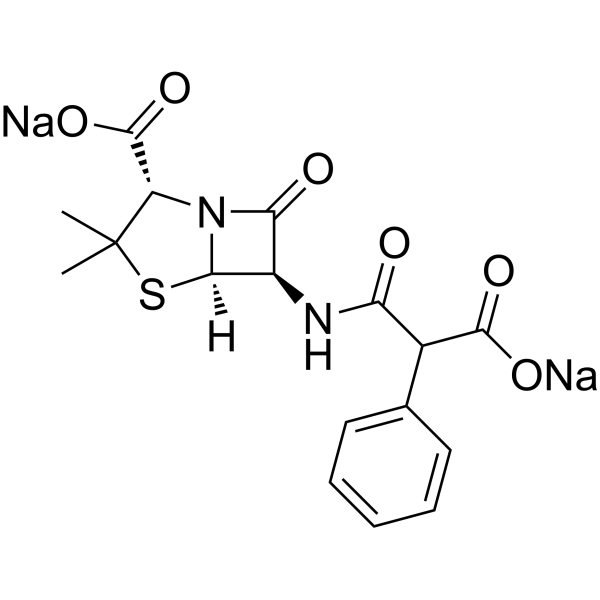
    Carbenicillin disodium
    5+ Cited Publications

    Sodium carbenicillin

    Antibiotic Bacterial Infection
    Carbenicillin disodium (Sodium carbenicillin) is a broad-spectrum semi-synthetic penicillin antibiotic for gram-negative bacteria. Carbenicillin disodium can interfere the cell wall synthesis while displaying low toxicity to plant tissue .
    Carbenicillin disodium
  • HY-N1964
    Gibberellic acid
    1 Publications Verification

    Gibberellin A3

    Environmental Pollutants Drug Derivative Metabolic Disease
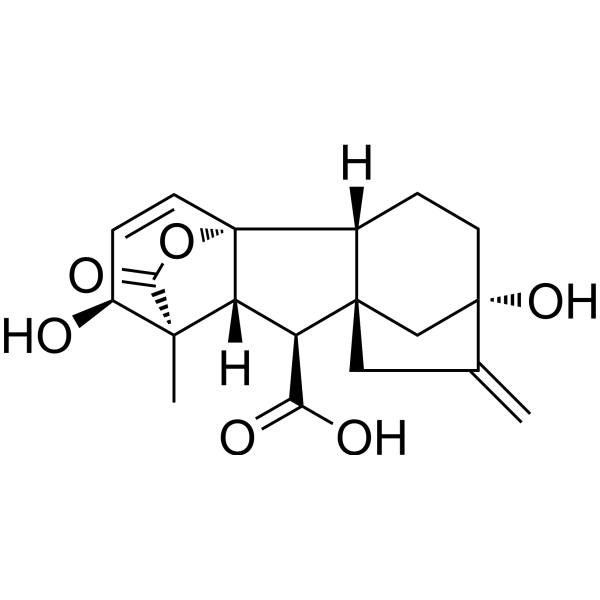
    Gibberellic acid (GA3) is a natural plant growth regulator with oral bioactivity. Gibberellic acid governs multiple plant developmental events, including seed germination, cell elongation, floral organ formation, and rice spikelet fertility. Gibberellic acid optimizes root morphology and secondary metabolite production in Echinacea purpurea hairy roots, and serves as a bioactive seed priming agent to improve chilling stress tolerance in chickpea. Gibberellic acid mediates modulation of enzyme activity and secondary metabolism in plants and exerts tissue-specific regulatory effects on antioxidant systems and lipid peroxidation in rats. Gibberellic acid can be used in studies of plant growth, metabolism, and abiotic stress responses .
    Gibberellic acid
  • HY-N11287A
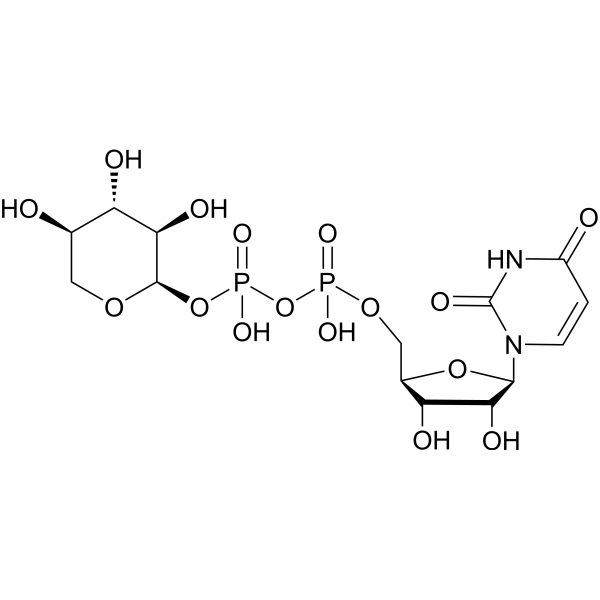
    UDP-xylose disodium
    2 Publications Verification

    Endogenous Metabolite Others
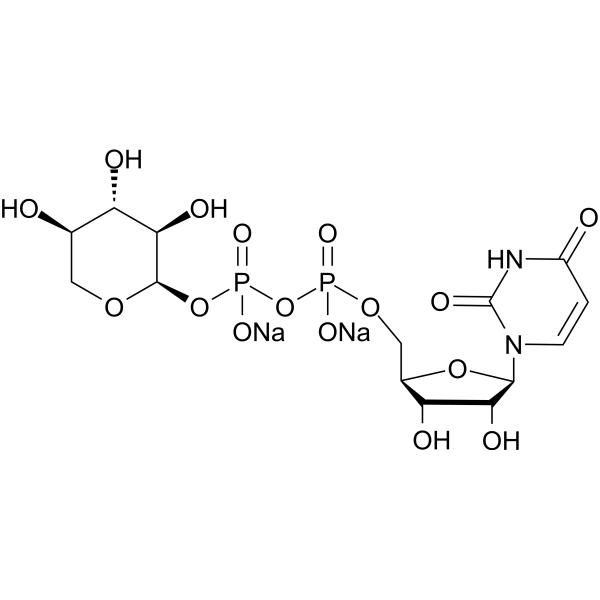
    UDP-xylose disodium is an endogenous sugar nucleotide and a catalytic substrate of UDP-xylose disodium synthase (UXS). UDP-xylose disodium is a sugar donor for the synthesis of glycoproteins, polysaccharides, various metabolites and oligosaccharides in plants, vertebrates and fungi, and participates in the synthesis of proteoglycans as a glycosyl donor. UDP-xylose disodium participates in the regulation of the synthesis of extracellular matrix components and can be used to study the mechanism of proteoglycan biosynthesis in glycobiology and related diseases (such as connective tissue diseases)[1][2].
    UDP-xylose disodium
  • HY-B1207
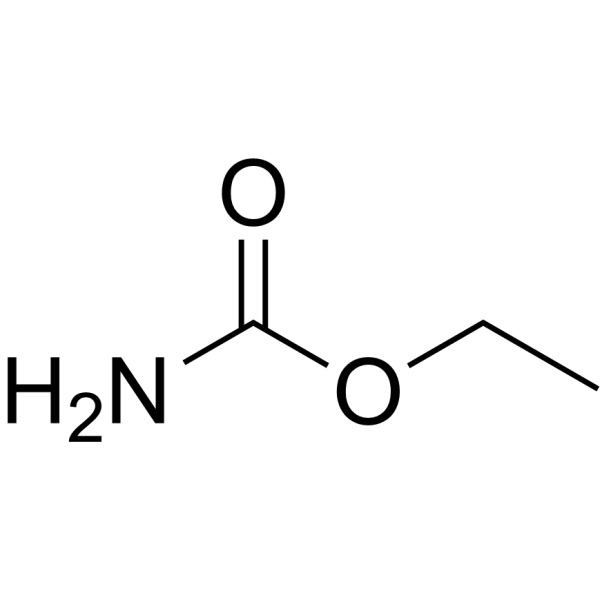
    Urethane
    4 Publications Verification

    Ethyl carbamate; Carbamic acid ethyl ester; Ethylurethane

    Environmental Pollutants Bacterial Parasite Infection Neurological Disease Cancer
    Urethane (Ethyl carbamate), the ethyl ester of carbamic acid, is a byproduct of fermentation found in various food products. Urethane has the ability to suppress bacterial, protozoal, sea urchin egg, and plant tissue growth in vitro .
    Urethane
  • HY-W134423

    Environmental Pollutants Biochemical Assay Reagents Others Cancer
    Agar, microbiology tested, for cell culture (powder) is a jelly like substance that contains agarose and agar gel. Agar, microbiology tested, for cell culture (powder) can be isolated from the cell walls of red algae species such as Gelidium and Gracilaria (Ogonori). The gelation and melting of Agar, microbiology tested, for cell culture (powder) is based on the hydrogen bridge (physical gels), so the gelation is reversible. Agar, microbiology tested, for cell culture (powder) is widely used in food additives, plant tissue culture, microorganisms culture media, fingerprint recognition, and medical fields .
    Agar, microbiology tested, for cell culture (powder)
  • HY-D0220
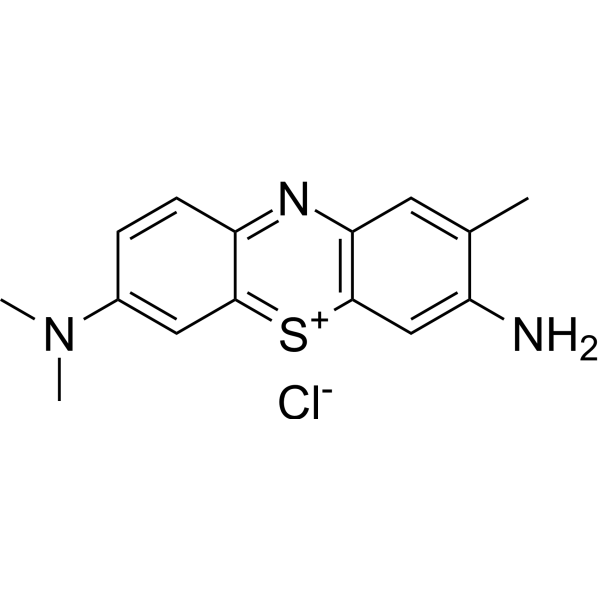
    Toluidine Blue
    3 Publications Verification

    Toluidine Blue O

    Fluorescent Dye Cancer
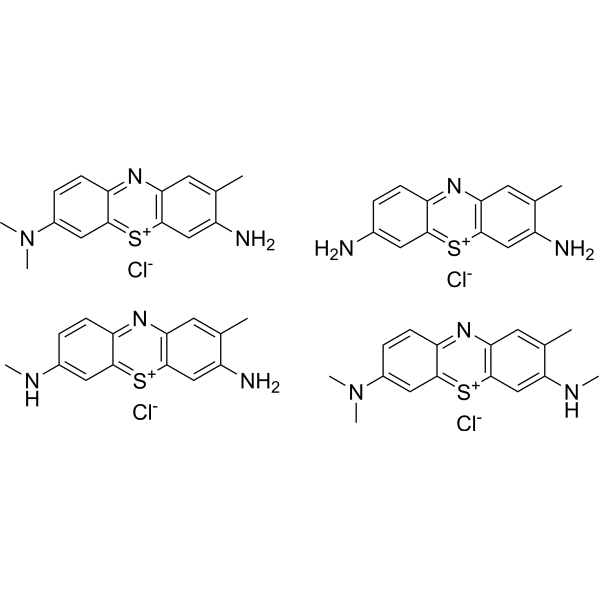
    Toluidine Blue (Toluidine Blue O) is an alkaline quinonimine dye (vivo dye) with high affinity for acidic tissue components, staining nuclei blue and polysaccharides purple. Toluidine Blue shows heterostaining properties for mast cells, mucins and chondrocytes. Toluidine Blue can stain different components of plant tissues and cells in different colours. Toluidine Blue is also used as a diagnostic aid to identify malignant lesions, such as cancer .
    Toluidine Blue
  • HY-121965

    Biochemical Assay Reagents Endogenous Metabolite Others
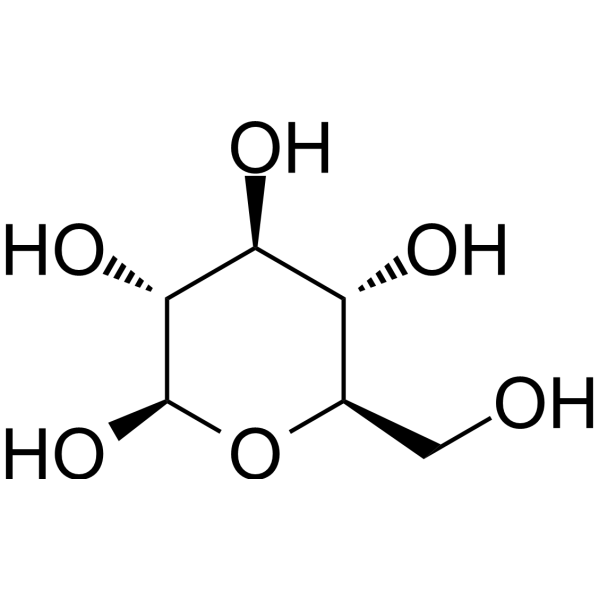
    β-D-Glucose, also known as glucose, is a monosaccharide, the most important carbohydrate in biological systems, the main energy source of cells, and plays a key role in various metabolic processes. β-D-Glucose has unique chemical properties that make it an abundant component in plant and animal tissues and is readily metabolized by organisms to produce cellular energy. It is commonly used to improve hypoglycemia and dehydration, and as a sweetener and preservative in food and beverage production.
    β-D-Glucose
  • HY-D0286

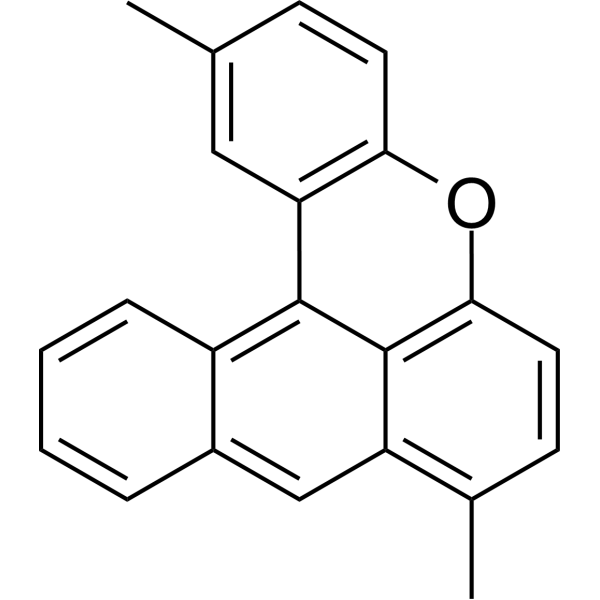
    2,8-Dimethylnaphtho[3,2,1-kl]xanthene

    Fluorescent Dye Others
    Fluorol Yellow 088 is a fluorescent dye that can be used as a biological material or an organic compound for life science research. Fluorol Yellow 088 is suitable for lipid staining in plant tissues, particularly for the fluorescence imaging of suberized cell walls and hydrophobic structures, with an excitation wavelength of 365 nm and an emission wavelength of ≥420 nm .
    Fluorol Yellow 088
  • HY-B1777AS

    Isotope-Labeled Compounds Endogenous Metabolite Reactive Oxygen Species (ROS) Bacterial DNA/RNA Synthesis Metabolic Disease
    Spermine-d8 (tetrahydrochloride) is the deuterium labeled Spermine tetrahydrochloride. Spermine tetrahydrochloride is a polyamine nitric oxide donor that can provide nitric oxide to platelets and inhibit platelet activation to a certain extent concentration-dependently. Spermine tetrahydrochloride occurs in mammalian tissues, plants, bacteria, ribosomes and bacteriophage. Spermine tetrahydrochloride inhibits primary human embryo lung fibroblasts in vitro. Spermine is a natural antioxidant and anti-inflammatory agent. Spermine is known to inhibit some bacterial cultures, especially strains of Staphylococcus aureus. Spermine induces neurotoxicity in the striarum dose-dependently. Spermine can reversibly inhibits DNA synthetic response, mixed lymphocyte response and the induction of cytolytic lymphocyte response in primary cultures of murine spleen cells .
    Spermine-d8 tetrahydrochloride
  • HY-W116336D

    Biochemical Assay Reagents Fungal Bacterial Infection Cancer
    Zinc oxide, <100 nm particle size is a nitrate reductase modulator and growth promoter with plant stress resistance activity and oral toxicity. Zinc oxide, <100 nm particle size acts as a nutrient source for maize plants. By enhancing nitrate reductase activity and reducing free proline levels, it significantly improves plant height, root length and dry matter weight of maize, and its growth-promoting effect is comparable to that of traditional zinc sulfate fertilizer. Zinc oxide, <100 nm particle size induces anemia-related and persistent tissue inflammatory damage, leading to obvious histopathological adverse reactions in the stomach, pancreas, eyes and prostate of rats. Zinc oxide, <100 nm particle size acts as a non-toxic antibacterial agent and selective cytotoxin against multiple bacteria, fungi and spores .
    Zinc oxide, <100 nm particle size
  • HY-B1777A
    Spermine tetrahydrochloride
    5+ Cited Publications

    Endogenous Metabolite Bacterial Reactive Oxygen Species (ROS) DNA/RNA Synthesis Infection Neurological Disease Inflammation/Immunology
    Spermine tetrahydrochloride is a polyamine nitric oxide donor that can provide nitric oxide to platelets and inhibit platelet activation to a certain extent concentration-dependently. Spermine tetrahydrochloride occurs in mammalian tissues, plants, bacteria, ribosomes and bacteriophage. Spermine tetrahydrochloride inhibits primary human embryo lung fibroblasts in vitro. Spermine is a natural antioxidant and anti-inflammatory agent. Spermine is known to inhibit some bacterial cultures, especially strains of Staphylococcus aureus. Spermine induces neurotoxicity in the striarum dose-dependently. Spermine can reversibly inhibits DNA synthetic response, mixed lymphocyte response and the induction of cytolytic lymphocyte response in primary cultures of murine spleen cells .
    Spermine tetrahydrochloride
  • HY-N0378R
    D-Mannitol (Standard)
    Maximum Cited Publications
    13 Publications Verification

    Mannitol(Standard); Mannite (Standard)

    Reference Standards Endogenous Metabolite Apoptosis PGC-1α Adrenergic Receptor PKA Cardiovascular Disease Metabolic Disease Cancer
    D-Mannitol (Standard) is the analytical standard of D-Mannitol (HY-N0378). This product is intended for research and analytical applications. D-Mannitol (Mannitol) is an oral, resistant sugar widely used in the food and pharmaceutical industries to promote the absorption and retention of calcium and magnesium through cecal fermentation, while acting as a osmotic diuretic to reduce tissue edema. D-Mannitol can enhance brown fat formation, improve insulin effect, reduce blood sugar levels, And through the start the β3-adrenergic receptor (β3-AR), PGC1α and PKA induced by means of white fat cells into brown fat cells . D-Mannitol is commonly used to maintain osmotic pressure between the plant cytoplasm and the culture medium and protect cells when the cell wall is weakened or even removed .
    D-Mannitol (Standard)
  • HY-N11287

    Endogenous Metabolite Others
    UDP-xylose is an endogenous sugar nucleotide and a catalytic substrate of UDP-xylose synthase (UXS). UDP-xylose is a sugar donor for the synthesis of glycoproteins, polysaccharides, various metabolites and oligosaccharides in plants, vertebrates and fungi, and participates in the synthesis of proteoglycans as a glycosyl donor. UDP-xylose participates in the regulation of the synthesis of extracellular matrix components and can be used to study the mechanism of proteoglycan biosynthesis in glycobiology and related diseases (such as connective tissue diseases)[1][2].
    UDP-xylose
  • HY-B1673

    Environmental Pollutants Bacterial Infection Cancer
    D-Lactose monohydrate is a sugar. D-Lactose monohydrate can be utilized by most bacteria. D-Lactose monohydrate promotes the growth of tobacco B6S3 tumor tissue. D-Lactose monohydrate is used in the research of the growth mechanism of plant tumor tissues and the sugar utilization of bacteria .
    D-Lactose monohydrate
  • HY-119649

    IKI220

    Environmental Pollutants Parasite Infection
    Flonicamid (IKI220) is a novel systemic insecticide with selective activity against hemipterous pests. The main insecticidal mechanism of flonicamid is starvation based on the inhibition of stylet penetration to plant tissues .
    Flonicamid
  • HY-B0525

    Antibiotic Bacterial Infection
    Carbenicillin is a broad-spectrum semi-synthetic penicillin antibiotic for gram-negative bacteria. Carbenicillin can interfere the cell wall synthesis while displaying low toxicity to plant tissue .
    Carbenicillin
  • HY-D0220A
    Toluidine Blue (purity 36%)
    3 Publications Verification

    Toluidine Blue O (purity 36%)

    Fluorescent Dye Others Cancer
    Toluidine Blue (Toluidine Blue O) purity 36% is an alkaline quinonimine dye (vivo dye) with high affinity for acidic tissue components, staining nuclei blue and polysaccharides purple. Toluidine Blue purity 36% shows heterostaining properties for mast cells, mucins and chondrocytes. Toluidine Blue purity 36% can stain different components of plant tissues and cells in different colours. Toluidine Blue purity 36% is also used as a diagnostic aid to identify malignant lesions, such as cancer .
    Toluidine Blue (purity 36%)
  • HY-112642

    TNF Receptor Cancer
    9-Methoxycanthin-6-one, a canthin-6-one alkaloid, is present in intact plant parts and in callus tissues of different explants. 9-Methoxycanthin-6-one shows anti-tumor activity, inhibits LPS-induced TNF-α and IL-1β .
    9-Methoxycanthin-6-one
  • HY-W016393

    Endogenous Metabolite Others
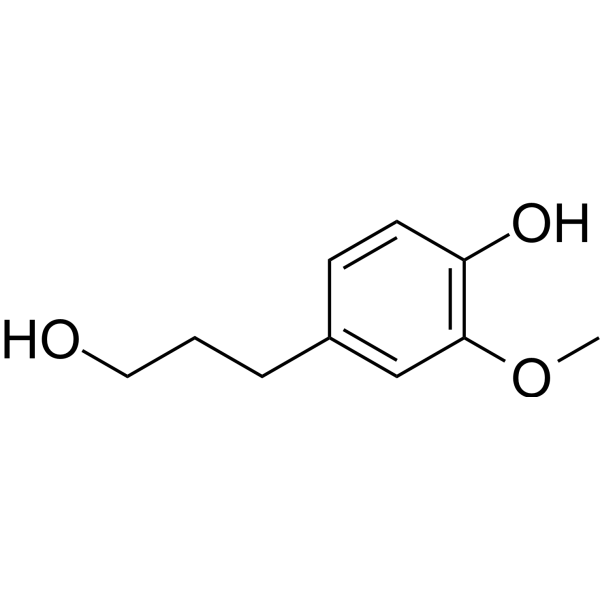
    Dihydroconiferyl alcohol is a cell division factor. Dihydroconiferyl alcohol can be isolated from the American sycamore (Acer pseudoplatanus L.). Dihydroconiferyl alcohol inhibits the degradation of Indole-3-acetic acid (HY-18569). Dihydroconiferyl alcohol can stimulate the growth of soybean and tobacco callus tissue and synergistically enhance Indole-3-acetic acid-induced hypocotyl elongation in cucumber. Dihydroconiferyl alcohol can be used in the research of plant growth regulation .
    Dihydroconiferyl alcohol
  • HY-W021265

    Cyclohexane-1,2,3,4,5,6-hexol

    Biochemical Assay Reagents Others
    Cyclohexane-1,2,3,4,5,6-hexaol, also known as inositol or inositol, is a cyclic sugar alcohol consisting of a six-carbon ring with six hydroxyl groups. This compound is important for its biological activity and is widely distributed in nature, especially in plant and animal tissues. It plays a role in various physiological processes such as signal transduction, osmoregulation and lipid metabolism. In addition, Cyclohexane-1,2,3,4,5,6-hexaol has potential investigational effects, including improving conditions related to insulin resistance, polycystic ovary syndrome, and mental health conditions. It can also be used as a supplement in animal feed and human nutritional products.
    Cyclohexane-1,2,3,4,5,6-hexaol
  • HY-B1207S

    Ethyl carbamate-d5; Carbamic acid ethyl ester-d5; Ethylurethane-d5

    Bacterial Parasite Infection Neurological Disease Cancer
    Urethane-d5 is the deuterium labeled Urethane. Urethane (Ethyl carbamate), the ethyl ester of carbamic acid, is a byproduct of fermentation found in various food products. Urethane has the ability to suppress bacterial, protozoal, sea urchin egg, and plant tissue growth in vitro .
    Urethane-d5
  • HY-18572S2

    Isotope-Labeled Compounds Herbicide DNA/RNA Synthesis Apoptosis Cancer
    2,4-D-d5 (2,4-Dichlorophenoxyacetic acid-d5) is the deuterium labeled 2,4-D (HY-18572) . 2,4-D (2,4-Dichlorophenoxyacetic acid) is a selective systemic herbicide for the control of broad-leaved weeds. 2,4-D acts as a plant hormone, causing uncontrolled growth in the meristematic tissues. 2,4-D inhibits DNA and protein synthesis and thereby prevents normal plant growth and development .
    2,4-D-d5
  • HY-B2062
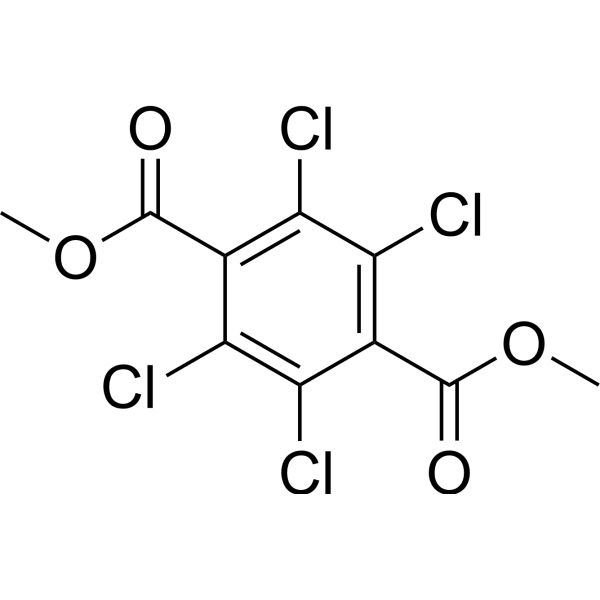
    Chlorthal-dimethyl
    1 Publications Verification

    Dimethyl tetrachloroterephthalate

    Environmental Pollutants Biochemical Assay Reagents Others
    Chlorthal-dimethyl (Dimethyl tetrachloroterephthalate) is a plant growth regulator. Chlorthal-dimethyl affects cell division and differentiation, interfering with the normal development of vascular tissue. Chlorthal-dimethyl causes localized swelling of tomato hypocotyls and disrupts normal mitosis in germinating millet seedlings .
    Chlorthal-dimethyl
  • HY-121935

    Environmental Pollutants Fungal Infection
    Tecnazene is a dinitroaromatic fungicide and plant growth regulator. Tecnazene binds irreversibly to human skin tissues and exhibits acute toxicity in Rattus norvegicus (brown rat). Tecnazene exerts sprouting-inhibiting and antifungal activities by inhibiting the sprouting of potato tuber buds and blocking the growth and reproduction of fungi that cause dry rot. Tecnazene has significant antifungal and sprouting-inhibiting activities, and shows high toxicity to aquatic organisms such as freshwater fish and crustaceans. Tecnazene is used for sprouting inhibition and dry rot control during potato storage .
    Tecnazene
  • HY-W134423A

    Biochemical Assay Reagents Bacterial Fungal Infection
    Agar, microbiology tested, for cell culture (granular) is a hydrocolloid with gelling ability. Agar, microbiology tested, for cell culture (granular) can be used to prepare microbial culture media (for bacteria, yeasts and molds) .
    Agar, microbiology tested, for cell culture (granular)
  • HY-N0378S1

    Mannitol-13C; Mannite-13C

    Isotope-Labeled Compounds Endogenous Metabolite Apoptosis PGC-1α Adrenergic Receptor PKA Cardiovascular Disease Metabolic Disease Cancer
    D-Mannitol- 13C is the 13C labeled D-Mannitol (HY-N0378). D-Mannitol (Mannitol) is an oral, resistant sugar widely used in the food and pharmaceutical industries to promote the absorption and retention of calcium and magnesium through cecal fermentation, while acting as a osmotic diuretic to reduce tissue edema. D-Mannitol can enhance brown fat formation, improve insulin effect, reduce blood sugar levels, And through the start the β3-adrenergic receptor (β3-AR), PGC1α and PKA induced by means of white fat cells into brown fat cells . D-Mannitol is commonly used to maintain osmotic pressure between the plant cytoplasm and the culture medium and protect cells when the cell wall is weakened or even removed .
    D-Mannitol-13C
  • HY-162467

    Proton Pump Others
    Opabactin is an agonist for abscisic acid (ABA) receptor, which regulates the water use of plants by mimicking the effects of ABA with an IC50 of 7 nM. Opabactin inhibits the seed germination of Arabidopsis with an IC50 of 62 nM. Opabactin induces anti-transpiration response in plant tissue, and improves crop drought tolerance .
    Opabactin
  • HY-N1964A

    Drug Derivative Metabolic Disease
    Gibberellic acid, suitable for plant cell culture (GA3, suitable for plant cell culture) is a natural plant growth regulator with oral bioactivity. Gibberellic acid, suitable for plant cell culture governs multiple plant developmental events, including seed germination, cell elongation, floral organ formation, and rice spikelet fertility. Gibberellic acid, suitable for plant cell culture optimizes root morphology and secondary metabolite production in Echinacea purpurea hairy roots, and serves as a bioactive seed priming agent to improve chilling stress tolerance in chickpea. Gibberellic acid, suitable for plant cell culture mediates modulation of enzyme activity and secondary metabolism in plants and exerts tissue-specific regulatory effects on antioxidant systems and lipid peroxidation in rats. Gibberellic acid, suitable for plant cell culture can be used in studies of plant growth, metabolism, and abiotic stress responses .
    Gibberellic acid, suitable for plant cell culture
  • HY-E70425

    Glycosyltransferase Metabolic Disease
    Sucrose synthase belongs to glycosyltransferases and is a reversible catalyst present in plants, which catalyzes the conversion of sucrose into fructose and UDP-G or ADP-G. Sucrose synthase localizes to the cytoplasm, plasma membrane, cell wall, vacuole and mitochondria of plants. Sucrose synthase regulates sugar metabolism, supports the development of taproots, fruits, seeds and vascular tissues, drives the synthesis of starch, cellulose and callose, and enhances nitrogen fixation capacity. Sucrose synthase mediates signal transduction in plant meristems. Sucrose synthase is associated with plant growth, anaerobic stress tolerance, as well as shoot apical meristem and leaf morphology; overexpression of this enzyme promotes plant growth, increases xylem size, and elevates cellulose and starch contents .
    Sucrose synthase
  • HY-B1673R

    Reference Standards Bacterial Infection Cancer
    D-Lactose monohydrate (Standard) is the analytical standard of D-Lactose monohydrate (HY-B1673). This product is intended for research and analytical applications. D-Lactose monohydrate is a sugar. D-Lactose monohydrate can be utilized by most bacteria. D-Lactose monohydrate promotes the growth of tobacco B6S3 tumor tissue. D-Lactose monohydrate is used in the research of the growth mechanism of plant tumor tissues and the sugar utilization of bacteria .
    D-Lactose monohydrate (Standard)
  • HY-137884

    3-Acetoxyindole

    Biochemical Assay Reagents Others
    3-Indolyl acetate is an ester derivative of indole that is ubiquitous in various plant tissues, especially in certain cruciferous vegetables such as broccoli and cabbage. 3-Indolyl acetate has unique chemical properties that make it an important signaling molecule in plants, regulating various physiological processes such as growth and defense against pathogens. It also has potential applications in the pharmaceutical industry, as it has been shown to have antitumor and anti-inflammatory effects in some studies.
    3-Indolyl acetate
  • HY-B1207R

    Ethyl carbamate (Standard); Carbamic acid ethyl ester (Standard); Ethylurethane (Standard)

    Reference Standards Bacterial Parasite Infection Neurological Disease Cancer
    Urethane (Standard) is the analytical standard of Urethane. This product is intended for research and analytical applications. Urethane (Ethyl carbamate), the ethyl ester of carbamic acid, is a byproduct of fermentation found in various food products. Urethane has the ability to suppress bacterial, protozoal, sea urchin egg, and plant tissue growth in vitro .
    Urethane (Standard)
  • HY-18572S

    2,4-Dichlorophenoxyacetic acid-13C6

    Isotope-Labeled Compounds Herbicide DNA/RNA Synthesis Apoptosis Cancer
    2,4-D- 13C6 is the 13C-labeled 2,4-D (HY-18572). 2,4-D (2,4-Dichlorophenoxyacetic acid) is a selective systemic herbicide for the control of broad-leaved weeds. 2,4-D acts as a plant hormone, causing uncontrolled growth in the meristematic tissues. 2,4-D inhibits DNA and protein synthesis and thereby prevents normal plant growth and development .
    2,4-D-13C6
  • HY-165035

    Glucocerebrosides; Gaucher cerebroside; GluCers (gaucher's spleen)

    Endogenous Metabolite Neurological Disease Metabolic Disease
    Glucosylceramides are sphingolipid molecules found in both neuronal and non-neuronal mammalian tissues, as well as in low quantities across various plant species. Elevated levels of glucosylceramides provide cellular protection and prepare certain cells for proliferation; however, they have also been linked to obesity-induced insulin resistance in mice and to neuronal deficits observed in neuronopathic Gaucher disease .
    Glucosylceramide (gaucher's spleen)
  • HY-119698

    SD 8339; N-Benzyl-9-(tetrahydro-2h-pyran-2-yl)adenine

    Environmental Pollutants Drug Derivative Others
    BAP9THP is a synthetic cytokinin derivative and a growth regulator. BAP9THP promotes chlorophyll retention (and senescence delay) in plant tissues exceptionally strongly, and growth of tobacco callus almost as strongly as 6-Benzylaminopurine (BAP). BAP9THP induces adventitious shoot formation ignificantly more strongly than N6-isopentenyladenine or Kinetin .
    BAP9THP
  • HY-N0378S2

    Mannitol-13C6; Mannite-13C6

    Isotope-Labeled Compounds Endogenous Metabolite Apoptosis PGC-1α Adrenergic Receptor PKA Cardiovascular Disease Metabolic Disease Cancer
    D-Mannitol- 13C6 is the 13C labeled D-Mannitol (HY-N0378). D-Mannitol (Mannitol) is an oral, resistant sugar widely used in the food and pharmaceutical industries to promote the absorption and retention of calcium and magnesium through cecal fermentation, while acting as a osmotic diuretic to reduce tissue edema. D-Mannitol can enhance brown fat formation, improve insulin effect, reduce blood sugar levels, And through the start the β3-adrenergic receptor (β3-AR), PGC1α and PKA induced by means of white fat cells into brown fat cells . D-Mannitol is commonly used to maintain osmotic pressure between the plant cytoplasm and the culture medium and protect cells when the cell wall is weakened or even removed .
    D-Mannitol-13C6
  • HY-W698586

    Drug Isomer Others
    (R)-Lotaustralin is a cyanogenic compound derived from Manihot Utilissima, playing a role in the plant's biological defense mechanism. When plant tissue is damaged, (R)-Lotaustralin is hydrolyzed by enzymes such as linamarase, releasing cyanide and thereby exerting a toxic defensive effect .
    (R)-Lotaustralin
  • HY-119649S

    IKI220-15N18O

    Isotope-Labeled Compounds Parasite Infection
    Flonicamid- 15N,18O (IKI220- 15N,18O) is 15N labeled Flonicamid. Flonicamid (IKI220) is a novel systemic insecticide with selective activity against hemipterous pests. The main insecticidal mechanism of flonicamid is starvation based on the inhibition of stylet penetration to plant tissues .
    Flonicamid-15N,18O
  • HY-B2062R

    Dimethyl tetrachloroterephthalate (Standard)

    Drug Intermediate Mitosis Reference Standards Others
    Chlorthal-dimethyl (Standard) is the analytical standard of Chlorthal-dimethyl. This product is intended for research and analytical applications. Chlorthal-dimethyl (Dimethyl tetrachloroterephthalate) is a plant growth regulator. Chlorthal-dimethyl affects cell division and differentiation, interfering with the normal development of vascular tissue. Chlorthal-dimethyl causes localized swelling of tomato hypocotyls and disrupts normal mitosis in germinating millet seedlings .
    Chlorthal-dimethyl (Standard)
  • HY-121935R

    Reference Standards Fungal Infection
    Tecnazene (Standard) is the analytical standard of Tecnazene. This product is intended for research and analytical applications. Tecnazene is a dinitroaromatic fungicide and plant growth regulator. Tecnazene binds irreversibly to human skin tissues and exhibits acute toxicity in Rattus norvegicus (brown rat). Tecnazene exerts sprouting-inhibiting and antifungal activities by inhibiting the sprouting of potato tuber buds and blocking the growth and reproduction of fungi that cause dry rot. Tecnazene has significant antifungal and sprouting-inhibiting activities, and shows high toxicity to aquatic organisms such as freshwater fish and crustaceans. Tecnazene is used for sprouting inhibition and dry rot control during potato storage .
    Tecnazene (Standard)
  • HY-131306B

    Gaidic acid

    Biochemical Assay Reagents Others
    2-Hexadecenoic acid is a natural unsaturated fatty acid. It is ubiquitously present in various animal and plant tissues, especially adipose tissue and certain vegetable oils, such as macadamia nut oil. 2-Hexadecenoic acid has unique chemical properties that make it an important component of cell membranes and storage lipids, and participates in various metabolic processes such as lipid metabolism and inflammation. It's also been linked to potential health benefits, including improved insulin sensitivity and a lower risk of heart disease.
    2-Hexadecenoic acid
  • HY-N1964R

    Gibberellin A3 (Standard)

    Reference Standards Drug Derivative Metabolic Disease
    Gibberellic acid (Standard) is the analytical standard of Gibberellic acid (GA3) (HY-N1964). This product is intended for research and analytical applications. Gibberellic acidis a natural plant growth regulator with oral bioactivity. Gibberellic acid governs multiple plant developmental events, including seed germination, cell elongation, floral organ formation, and rice spikelet fertility. Gibberellic acid optimizes root morphology and secondary metabolite production in Echinacea purpurea hairy roots, and serves as a bioactive seed priming agent to improve chilling stress tolerance in chickpea. Gibberellic acid mediates modulation of enzyme activity and secondary metabolism in plants and exerts tissue-specific regulatory effects on antioxidant systems and lipid peroxidation in rats. Gibberellic acid can be used in studies of plant growth, metabolism, and abiotic stress responses .
    Gibberellic acid (Standard)
  • HY-B0525AR

    Sodium carbenicillin (Standard)

    Reference Standards Antibiotic Bacterial Infection
    Carbenicillin (disodium) (Standard) is the analytical standard of Carbenicillin (disodium). This product is intended for research and analytical applications. Carbenicillin disodium (Sodium carbenicillin) is a broad-spectrum semi-synthetic penicillin antibiotic for gram-negative bacteria. Carbenicillin disodium can interfere the cell wall synthesis while displaying low toxicity to plant tissue .
    Carbenicillin disodium (Standard)
  • HY-W016393R

    Reference Standards Endogenous Metabolite Others
    Dihydroconiferyl alcohol (Standard) is an analytical standard of Dihydroconiferyl alcohol (HY-W016393). This product is intended for research and analytical applications. Dihydroconiferyl alcohol is a cell division factor. Dihydroconiferyl alcohol can be isolated from the American sycamore (Acer pseudoplatanus L.). Dihydroconiferyl alcohol inhibits the degradation of Indole-3-acetic acid (HY-18569). Dihydroconiferyl alcohol can stimulate the growth of soybean and tobacco callus tissue and synergistically enhance Indole-3-acetic acid-induced hypocotyl elongation in cucumber. Dihydroconiferyl alcohol can be used in the research of plant growth regulation .
    Dihydroconiferyl alcohol (Standard)
  • HY-B1777S

    NSC 268508-15N2; Neuridine-15N2

    Isotope-Labeled Compounds Endogenous Metabolite Bacterial Reactive Oxygen Species (ROS) DNA/RNA Synthesis Infection Neurological Disease Inflammation/Immunology
    Spermine- 15N2 (NSC 268508- 15N2) is the 15N-labeled Spermine (HY-B1777). Spermine is a natural antioxidant and anti-inflammatory agent. Spermine is known to inhibit some bacterial cultures, especially strains of Staphylococcus aureus. Spermine induces neurotoxicity in the striarum dose-dependently. Spermine can reversibly inhibits DNA synthetic response, mixed lymphocyte response and the induction of cytolytic lymphocyte response in primary cultures of murine spleen cells. Spermine tetrahydrochloride is a polyamine nitric oxide donor that can provide nitric oxide to platelets and inhibit platelet activation to a certain extent concentration-dependently. Spermine tetrahydrochloride occurs in mammalian tissues, plants, bacteria, ribosomes and bacteriophage. Spermine tetrahydrochloride inhibits primary human embryo lung fibroblasts in vitro .
    Spermine-15N2
  • HY-N0378S4

    Mannitol-d2; Mannite-d2

    Isotope-Labeled Compounds Endogenous Metabolite Apoptosis PGC-1α Adrenergic Receptor PKA Cardiovascular Disease Metabolic Disease Cancer
    D-Mannitol-d2 is the deuterium labeled D-Mannitol (HY-N0378). D-Mannitol (Mannitol) is an oral, resistant sugar widely used in the food and pharmaceutical industries to promote the absorption and retention of calcium and magnesium through cecal fermentation, while acting as a osmotic diuretic to reduce tissue edema. D-Mannitol can enhance brown fat formation, improve insulin effect, reduce blood sugar levels, And through the start the β3-adrenergic receptor (β3-AR), PGC1α and PKA induced by means of white fat cells into brown fat cells . D-Mannitol is commonly used to maintain osmotic pressure between the plant cytoplasm and the culture medium and protect cells when the cell wall is weakened or even removed .
    D-Mannitol-d2
  • HY-172190

    Biochemical Assay Reagents Others
    MS Medium is a basic medium for plant tissue culture. MS Medium has a high concentration of inorganic salts and is suitable for plant protoplast, cell and tissue culture .
    MS Medium
  • HY-N16472

    Endogenous Metabolite Others
    Echiumine N-oxide, a pyrrolizidine alkaloid related N-oxides (PANOs), is a plant secondary metabolite. Echiumine N-oxide can be isolated from Echium plantagineum. Echiumine N-oxide acts as a defensive role in plants, prevent plants from tissue death .
    Echiumine N-oxide

Inquiry Online

Your information is safe with us. * Required Fields.

Salutation


Country or Region *

Applicant Name *


Organization Name *

Department *


Email Address *


Product Name *

Cat. No.


Requested quantity *

Phone Number *


Remarks

Inquiry Online

Inquiry Information

Product Name:
Cat. No.:
Quantity:
MCE Japan Authorized Agent:

