Search Result
Results for "
semi-synthetic antibiotic
" in MedChemExpress (MCE) Product Catalog:
1
Biochemical Assay Reagents
16
Isotope-Labeled Compounds
| Cat. No. |
Product Name |
Target |
Research Areas |
Chemical Structure |
-
- HY-17412
-
-
-
- HY-B0525A
-
|
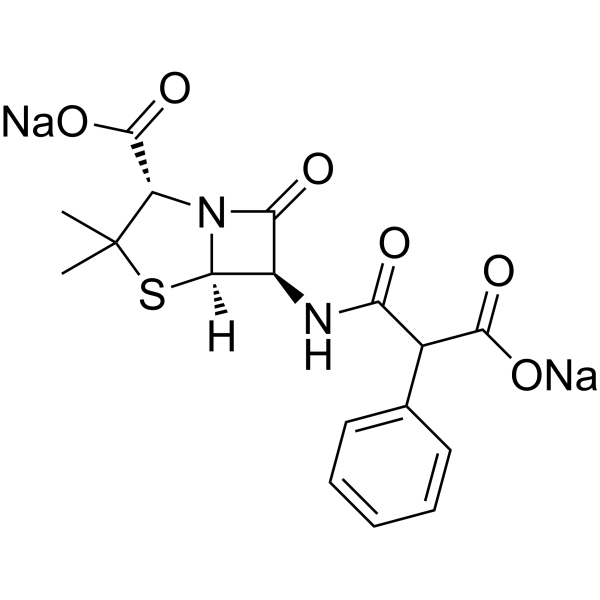
Sodium carbenicillin
|
Antibiotic
Bacterial
|
Infection
|
|
Carbenicillin disodium (Sodium carbenicillin) is a broad-spectrum semi-synthetic penicillin antibiotic for gram-negative bacteria. Carbenicillin disodium can interfere the cell wall synthesis while displaying low toxicity to plant tissue .
|
-
-
- HY-B0974
-
|
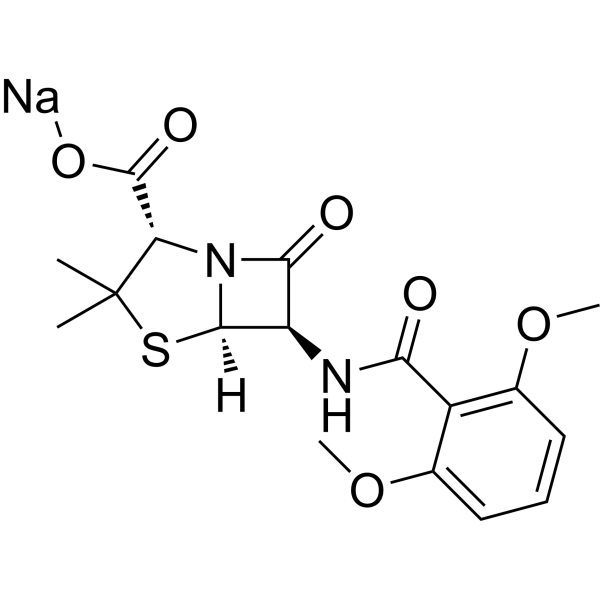
Meticillin sodium
|
Penicillin-binding protein (PBP)
Bacterial
Antibiotic
|
Infection
|
|
Methicillin sodium salt (Meticillin sodium) is a β-lactam, semi-synthetic antibiotic related to penicillin antibiotic. Methicillin sodium salt inhibits penicillin-binding proteins involved in the synthesis of peptidoglycan. Methicillin sodium salt inhibits S. aureus with a MIC value of 2.1 μg/mL. Methicillin sodium salt can be used for the research of inflammation .
|
-
-
- HY-17025
-
-
-
- HY-B0408A
-
|
|
Bacterial
Antibiotic
|
Infection
Cancer
|
|
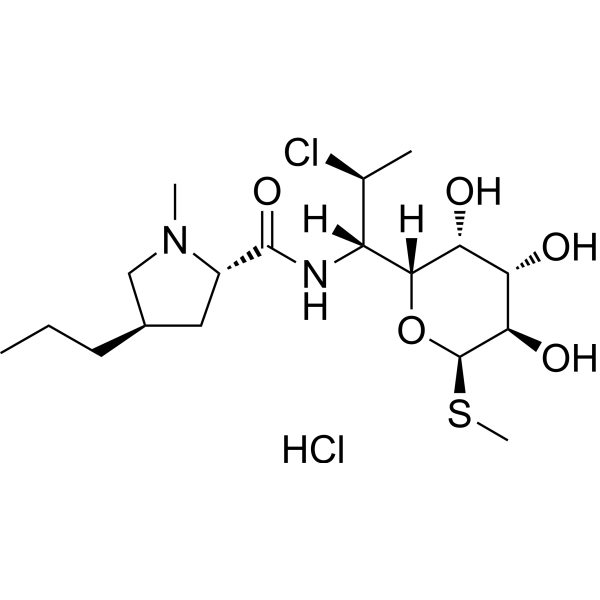
Clindamycin (hydrochloride) is a semisynthetic lincosamide antibiotic, which inhibits protein synthesis by acting on the 50S ribosomal.
|
-
-
- HY-B1923
-
|
Pipracil
|
Antibiotic
Bacterial
Beta-lactamase
Penicillin-binding protein (PBP)
|
Infection
Cancer
|
|
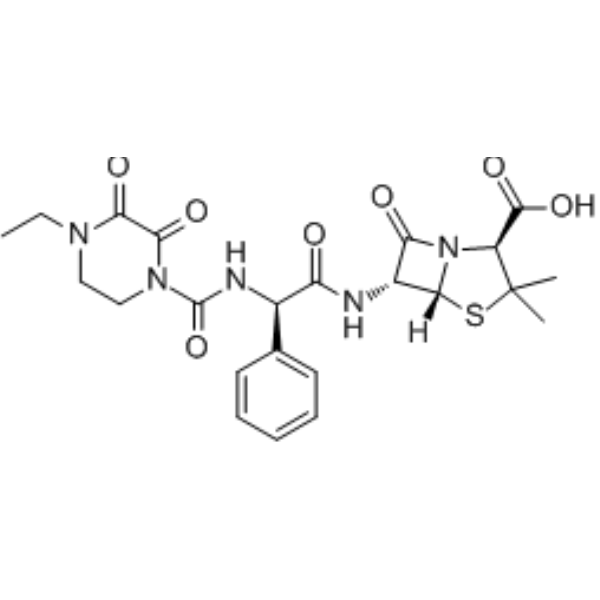
Piperacillin is a semisynthetic broad-spectrum β-lactam antibiotic which exhibits potent bactericidal activity against Gram-negative bacteria as well as select Gram-positive strains through penicillin-binding proteins. Piperacillin is most commonly used in combination with the β-lactamase inhibitor Tazobactam .
|
-
-
- HY-17412A
-
-
-
- HY-148286
-
|
|
Antibiotic
Bacterial
|
Infection
|
|
Gentamicin C1a is the precursor of the semi-synthetic antibiotic Etimicin, and has antibacterial activity. Gentamicin C1a is the major component of the Gentamicin complex .
|
-
-
- HY-B0136
-
|
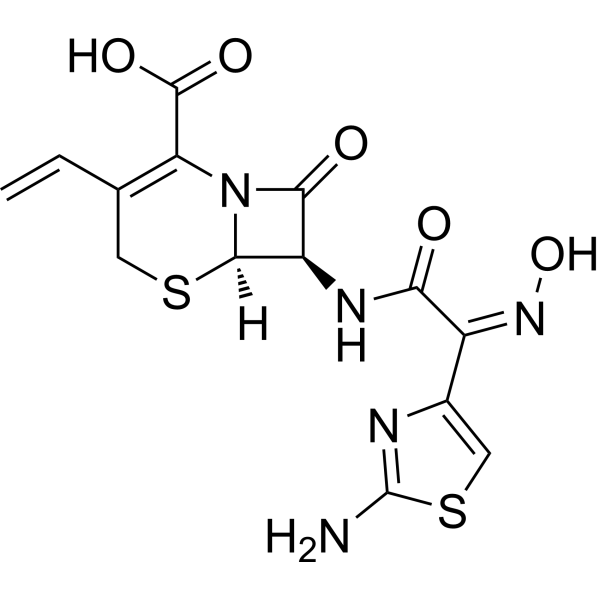
FK-482; CI-983
|
Bacterial
Antibiotic
|
Infection
|
|
Cefdinir (FK-482) is a semi-synthetic, broad-spectrum antibiotic in the third generation of the cephalosporin class, which is proved to be effective for infections caused by several Gram-negative and Gram-positive bacteria. Cefdinir can be used for the research of common bacterial infections of the ear, sinus, throat, and skin .
|
-
-
- HY-A0241
-
|
RP54476
|
Antibiotic
Bacterial
|
Infection
|
|
Dalfopristin (RP54476) is a semisynthetic sulfone antibiotic. Dalfopristin alone has limited antibacterial activity, but synergistically with Quinupristin it has significant bactericidal activity against many pathogenic Gram-positive cocci .
|
-
-
- HY-B1286
-
|
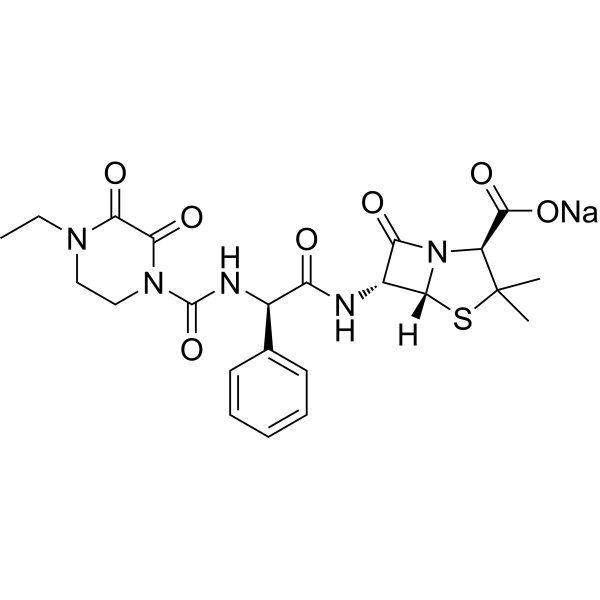
Sodium piperacillin
|
Bacterial
Antibiotic
Penicillin-binding protein (PBP)
|
Infection
Cancer
|
|
Piperacillin sodium is a semisynthetic broad-spectrum β-lactam antibiotic which exhibits potent bactericidal activity against Gram-negative bacteria as well as select Gram-positive strains through penicillin-binding proteins. Piperacillin is most commonly used in combination with the β-lactamase inhibitor Tazobactam .
|
-
-
- HY-A0086
-
|
SCH-20569 sulfate
|
Bacterial
Antibiotic
|
Infection
|
|
Netilmicin (Sch 20569) sulfate is a broad-spectrum semisynthetic aminoglycoside antibiotic. Netilmicin sulfate exhibits antibacterial activity against aminoglycoside-susceptible gram-negative strains and aminoglycoside-resistant strain, such as Escherichia coli, Pseudomonas aeruginosa, Proteus, Staphylococcus aureus, Streptococcus, Serratia, and Enterobacter, with MIC of 0.125-8 μg/mL .
|
-
-
- HY-B1175
-
|
|
Antibiotic
Bacterial
|
Infection
|
|
(2S,5R,6R)-Ticarcillin disodium is a semisynthetic antibiotic with bactericidal activities. (2S,5R,6R)-Ticarcillin disodium is the (2S,5R,6R)-enantiomer of Ticarcillin (HY-139805) .
|
-
-
- HY-P2834
-
|
PGA
|
Biochemical Assay Reagents
|
Others
|
|
Penicillin amidase, E. coli (Immobilized) (PGA) is an amidohydrolase commonly used in industrial biocatalysis. Penicillin amidase, E. coli (Immobilized) serves as a starting material in the synthesis of semi-synthetic penicillins. Penicillin amidase, E. coli (Immobilized) promotes the production of semi-synthetic β-lactam antibiotics, participates in peptide synthesis, and catalyzes the formation of chiral compounds. Penicillin amidase, E. coli (Immobilized) is regulated by temperature and phenylacetic acid in E. coli. In free E. coli, it participates in the assimilation of aromatic compounds as a carbon source. Penicillin amidase, E. coli (Immobilized) is hypothesized to act as a scavenging enzyme for phenylacetyl-containing compounds in microbial metabolism and is associated with bacterial quorum sensing .
|
-
-
- HY-W008923
-
|
|
MMP
Parasite
Bacterial
Antibiotic
Apoptosis
Akt
PI3K
|
Infection
Neurological Disease
Inflammation/Immunology
Cancer
|
|
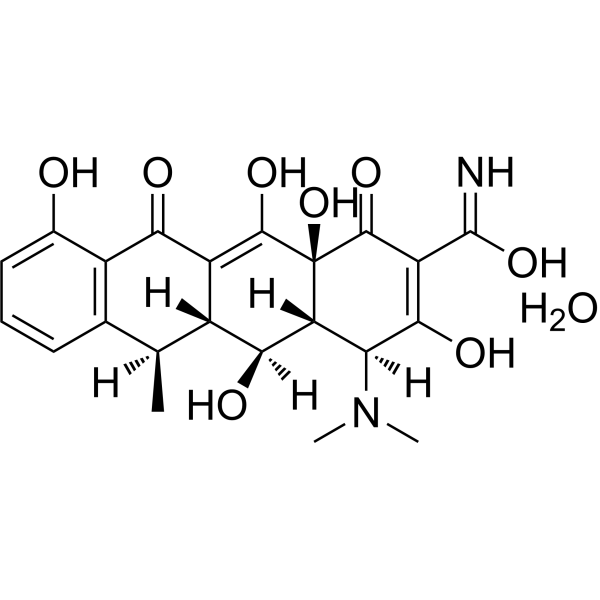
Doxycycline monohydrate is an orally active highly lipophilic, tissue-permeable MMP inhibitor with broad-spectrum antibacterial activity. Doxycycline monohydrate is also a semi-synthetic antibiotic with chelating properties, which blocks bacterial protein synthesis and inhibits extracellular matrix degradation through interactions with zinc and calcium atoms. Doxycycline monohydrate also inhibits mitochondrial biogenesis, translation, and the expression of respiratory chain proteins. Doxycycline monohydrate induces apoptosis, inhibits autophagy and EMT, downregulates stem cell markers, and activates the PI3K-AKT pathway, thereby effectively inhibiting the viability and proliferation of cancer cells such as breast cancer cells. Doxycycline monohydrate also promotes the survival and self-renewal of embryonic stem cells and neural stem cells, and reduces the frequency of medium changes in culture. Doxycycline monohydrate has been applied in studies related to breast cancer, prostate cancer, bladder cancer, and other cancers .
|
-
-
- HY-17586
-
|
MDL-63397 hydrochloride; BI-397 hydrochloride
|
Bacterial
Antibiotic
|
Infection
|
|
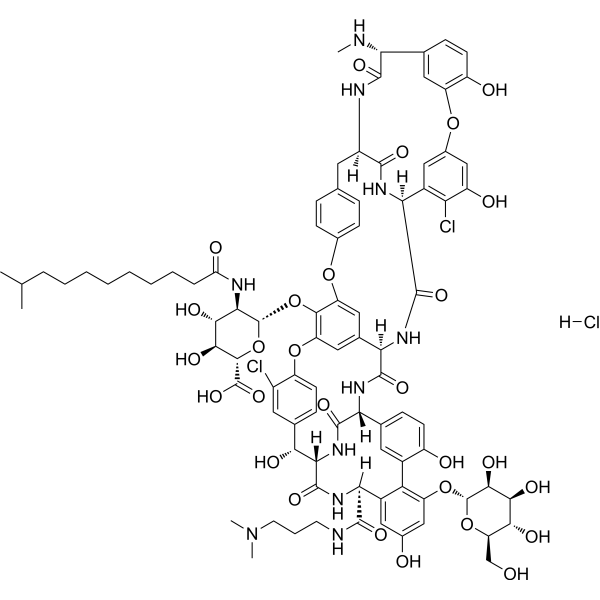
Dalbavancin hydrochloride (MDL-63397 hydrochloride) is a semisynthetic lipoglycopeptide antibiotic with potent bactericidal activity against Gram-positive bacteria. Dalbavancin hydrochloride inhibits Staphylococcus aureus and Bacillus anthracis with MIC90s of 0.06 μg/mL and 0.25 μg/mL, respectively .
|
-
-
- HY-17586A
-
|
MDL-63397; BI-397
|
Bacterial
Antibiotic
|
Infection
|
|
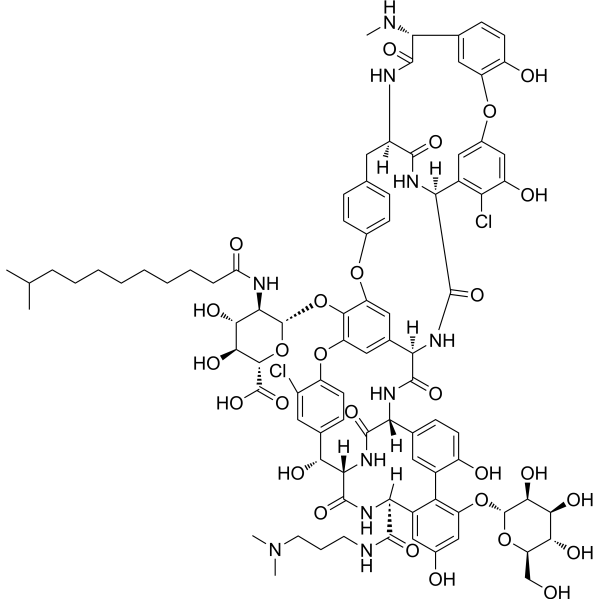
Dalbavancin (MDL-63397) is a semisynthetic lipoglycopeptide antibiotic with potent bactericidal activity against Gram-positive bacteria. Dalbavancin inhibits Staphylococcus aureus and Bacillus anthracis with MIC90s of 0.06 μg/mL and 0.25 μg/mL, respectively .
|
-
-
- HY-B1275
-
|
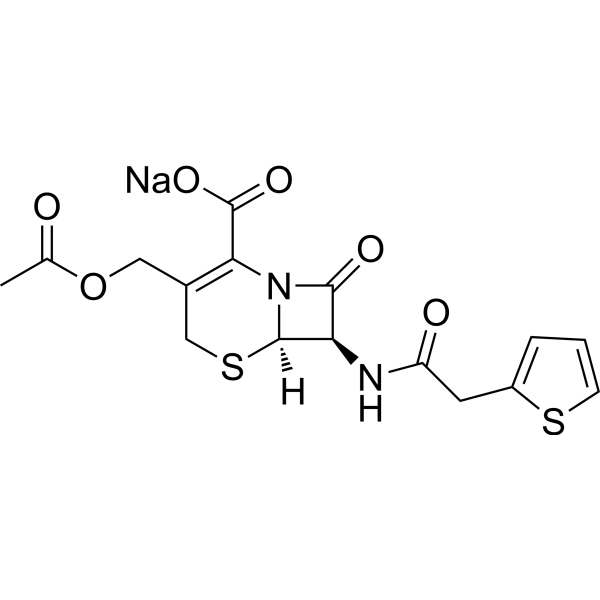
Cefalotin sodium
|
Beta-lactamase
Bacterial
Antibiotic
|
Infection
|
|
Cephalothin (Cephalotin) sodium is a semi-synthetic cephalosporin antibiotic and beta-lactam antibiotic. Cephalothin inhibits class C β-lactamase AmpC, with an Ki of 0.32 µM. Cephalothin sodium binds to penicillin-binding proteins, interfering with the cross-linking of peptidoglycan in the cell wall and thus hindering the normal synthesis of the bacterial cell wall. Cephalothin sodium shows antibacterial activity against a variety of bacteria. Cephalothin sodium can be used in hematological and nephrotoxicity studies .
|
-
-
- HY-B1275A
-
|
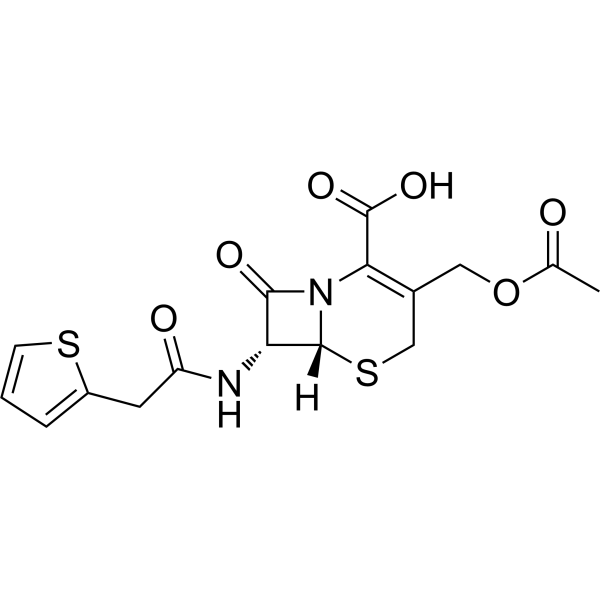
Cephalotin
|
Beta-lactamase
Bacterial
Antibiotic
|
Infection
Cardiovascular Disease
|
|
Cephalothin (Cephalotin) is a semi-synthetic cephalosporin antibiotic and beta-lactam antibiotic. Cephalothin inhibits class C β-lactamase AmpC, with an Ki of 0.32 µM. Cephalothin binds to penicillin-binding proteins, interfering with the cross-linking of peptidoglycan in the cell wall and thus hindering the normal synthesis of the bacterial cell wall. Cephalothin shows antibacterial activity against a variety of bacteria. Cephalothin can be used in hematological and nephrotoxicity studies .
|
-
-
- HY-17412R
-
-
-
- HY-17025S
-
|
Ansamycin-d7; LM-427-d7
|
Isotope-Labeled Compounds
Bacterial
Antibiotic
|
Infection
|
|
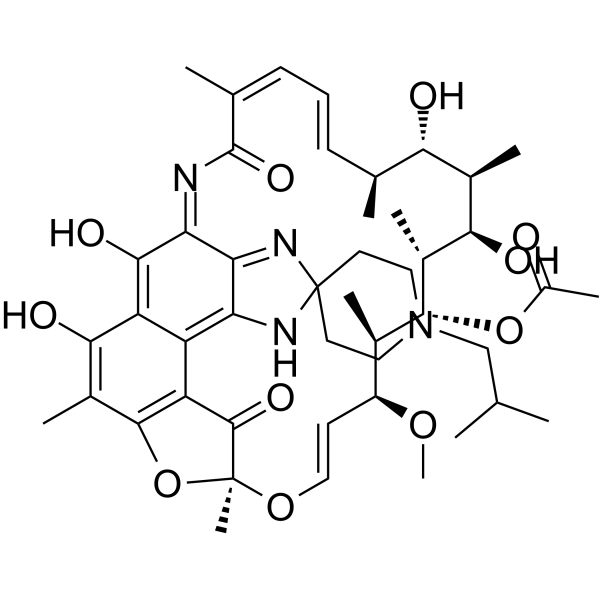
Rifabutin-d7 is the deuterium labeled Rifabutin. Rifabutin (Ansamycin) is a semisynthetic ansamycin antibiotic with potent antimycobacterial properties. Rifabutin inhibits DNA-dependent RNA polymerase.
|
-
-
- HY-B1297
-
|
|
Antibiotic
Bacterial
|
Infection
|
|
Ceforanide is a semisynthetic parental cephalosporin antibiotic, derived from 7-aminocephalosporanic acid. Ceforanide has antibacterial activity and is a potent inhibitor of most species of streptococci, excluding enterococci .
|
-
-
- HY-B0529A
-
|
Sodium azlocillin
|
Bacterial
Parasite
Antibiotic
|
Infection
|
|
Azlocillin sodium salt (Sodium azlocillin), a semisynthetic penicillin, is a broad spectrum β-lactam antibiotic. Azlocillin sodium salt shows antipseudomonal activity, and also potent against the malarial parasite Plasmodium falciparum .
|
-
-
- HY-17586AS
-
|
MDL-63397-d6; BI-397-d6
|
Bacterial
Antibiotic
|
Infection
|
|
Dalbavancin-d6 is the deuterium labeled Dalbavancin . Dalbavancin (MDL-63397) is a semisynthetic lipoglycopeptide antibiotic with potent bactericidal activity against Gram-positive bacteria. Dalbavancin inhibits Staphylococcus aureus and Bacillus anthracis with MIC90s of 0.06 μg/mL and 0.25 μg/mL, respectively .
|
-
-
- HY-B1257
-
|
Sodium cefmetazole
|
Bacterial
Antibiotic
|
Infection
Cancer
|
|
Cefmetazole sodium (Sodium cefmetazole) is a semisynthetic cephamycin antibiotic with broad-spectrum antibacterial activity, covering gram-positive, gram-negative, and anaerobic bacteria. Cefmetazole sodium binds to penicillin binding proteins (PBPs), resulting in interfering bacterial cell wall biosynthesis. Cefmetazole sodium is used for the research of gynecologic, intraabdominal, urinary tract, respiratory tract and skin and soft tissue infections .
|
-
-
- HY-B0509
-
|
BAY 41-6551 hydrate
|
Bacterial
Antibiotic
|
Infection
Cancer
|
|
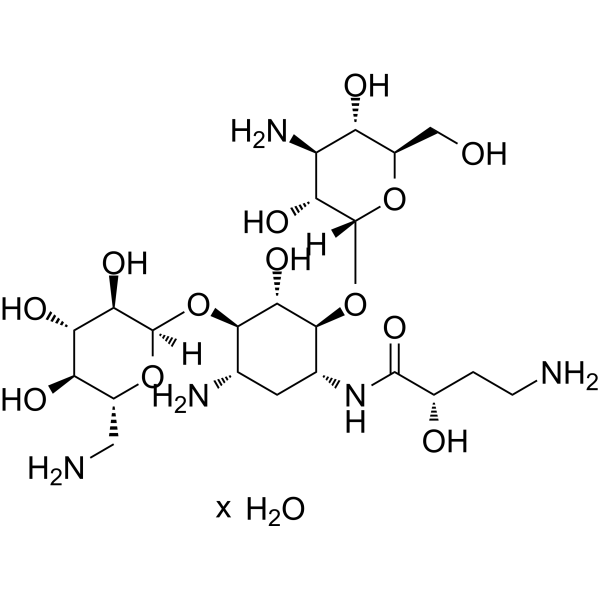
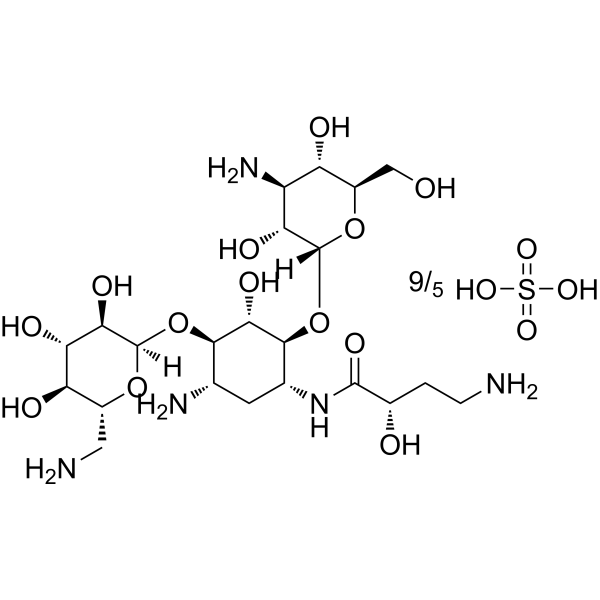
Amikacin hydrate (BAY 41-6551 hydrate) is an aminoglycoside antibiotic and a semisynthetic analog of kanamycin. Amikacin hydrate is bactericidal, acting directly on the 30S and 50S bacerial ribosomal subunits to inhibit protein synthesis. Amikacin hydrate is very active against most Gram-negative bacteria including gentamicin- and tobramycin-resistant strains. Amikacin hydrate also inhibits the infections caused by susceptible Nocardia and nontuberculous mycobacteria .
|
-
-
- HY-B0525
-
|
|
Antibiotic
Bacterial
|
Infection
|
|
Carbenicillin is a broad-spectrum semi-synthetic penicillin antibiotic for gram-negative bacteria. Carbenicillin can interfere the cell wall synthesis while displaying low toxicity to plant tissue .
|
-
-
- HY-B0643
-
|
LY237216
|
Bacterial
Antibiotic
|
Infection
|
|
Dirithromycin (LY237216), a derivative of Erythromycin, is a potent and orally active semi-synthetic macrolide antibiotic. Dirithromycin is active against gram-positive bacteria, Legionella spp., Helicobacter pylori, and Chlamydia trachomatis .
|
-
-
- HY-B2091
-
|
|
Antibiotic
Bacterial
|
Infection
|
|
Azidocillin, a semi-synthetic Penicillin, is an orally active β-lactam antibiotic. Azidocillin bears an azide functionality and retains on-target activity within bacteria. Azidocillin can be used to research osteitis caused by dental surgery, otitis media, enterococcal septicemia and other bacterial infectious diseases . Azidocillin is a click chemistry reagent, it contains an Azide group and can undergo copper-catalyzed azide-alkyne cycloaddition reaction (CuAAc) with molecules containing Alkyne groups. It can also undergo strain-promoted alkyne-azide cycloaddition (SPAAC) reactions with molecules containing DBCO or BCN groups.
|
-
-
- HY-B1128A
-
|
Cephamandole sodium
|
Antibiotic
Bacterial
|
Infection
|
|
Cefamandole (Cephamandole) sodium is a semi-synthetic second-generation cephalosporin antibiotic with broad-spectrum antimicrobial activity. Cefamandole sodium is resistant to hydrolysis by β-lactamases produced by some Gram-negative bacteria. Cefamandole sodium kills Gram-positive cocci and various Gram-negative bacilli mainly by inhibiting cell wall synthesis, but it is inactive against Pseudomonas, Proteus vulgaris and Providencia stuartii, and its efficacy is affected by inoculum size. The plasma elimination half-life of Cefamandole sodium in rats is only 0.4 h, it is mainly excreted in urine in biologically active form, and it hardly penetrates the non-inflamed blood-brain barrier. Cefamandole sodium is widely used in studies related to bacterial infections .
|
-
-
- HY-B1466
-
|
BAY-f 1353 sodium
|
Bacterial
Antibiotic
|
Infection
|
|
Mezlocillin (BAY-f 1353) sodium is a β-lactam antibiotic, a semisynthetic and extended-spectrum antibiotic. Mezlocillin sodium is active against both gram-negative and gram-positive bacteria. Mezlocillin sodium can be used in bacterial infection research .
|
-
-
- HY-N0565S1
-
|
|
Isotope-Labeled Compounds
MMP
Parasite
Bacterial
Antibiotic
Apoptosis
Akt
PI3K
|
Infection
Neurological Disease
Inflammation/Immunology
Cancer
|
|
Doxycycline-d3 hyclate (major) is the deuterium labeled Doxycycline hyclate (HY-N0565B). Doxycycline hyclate is an orally active highly lipophilic, tissue-permeable MMP inhibitor with broad-spectrum antibacterial activity. Doxycycline hyclate is also a semi-synthetic antibiotic with chelating properties, which blocks bacterial protein synthesis and inhibits extracellular matrix degradation through interactions with zinc and calcium atoms. Doxycycline hyclate also inhibits mitochondrial biogenesis, translation, and the expression of respiratory chain proteins. Doxycycline hyclate induces apoptosis, inhibits autophagy and EMT, downregulates stem cell markers, and activates the PI3K-AKT pathway, thereby effectively inhibiting the viability and proliferation of cancer cells such as breast cancer cells. Doxycycline hyclate also promotes the survival and self-renewal of embryonic stem cells and neural stem cells, and reduces the frequency of medium changes in culture. Doxycycline hyclate has been applied in studies related to breast cancer, prostate cancer, bladder cancer, and other cancers .
|
-
-
- HY-128932
-
|
MT-141
|
Antibiotic
Bacterial
PPAR
Prostaglandin Receptor
PTEN
Akt
mTOR
|
Infection
Cardiovascular Disease
Endocrinology
|
|
Cefminox sodium (MT-141) is a semisynthetic cephamycin, which exhibits antibacterial activity. Cefminox sodium is a broad-spectrum, bactericidal cephalosporin antibiotic. Cefminox sodium also acts as a dual agonist of prostacyclin receptor (IP) and PPARγ. Cefminox sodium upregulates cAMP production and PTEN expression and inhibits Akt/mTOR signaling. Cefminox sodium also prevents pulmonary arterial hypertension in rat model .
|
-
-
- HY-B0435S
-
-
-
- HY-16955A
-
|
ACHN 490 sulfate
|
Antibiotic
Bacterial
|
Infection
|
|
Plazomicin (ACHN 490) sulfate is a semi-synthetic aminoglycoside Antibiotic. Plazomicin sulfate acts as a substrate for Aminoglycoside acetyltransferase and Aminoglycoside phosphotransferase. Plazomicin sulfaten is not modified by various common aminoglycoside-modifying enzymes. Plazomicin sulfate selectively inhibits MATE2-K. Plazomicin sulfate exhibits activity against multidrug-resistant bacteria, including carbapenem-resistant Enterobacterales .
|
-
-
- HY-B0875
-
|
SCE-1365 hydrochloride
|
Antibiotic
Bacterial
|
Infection
|
|
Cefmenoxime (SCE-1365) hydrochloride is a new semisynthetic cephalosporin antibiotic. Cefmenoxime has antibacterial activity against a wide variety of gram-positive and gram-negative bacteria .
|
-
-
- HY-17025R
-
|
Ansamycin (Standard); LM-427 (Standard)
|
Reference Standards
Bacterial
Antibiotic
|
Infection
|
|
Rifabutin (Standard) is the analytical standard of Rifabutin. This product is intended for research and analytical applications. Rifabutin (Ansamycin) is a semisynthetic ansamycin antibiotic with potent antimycobacterial properties. Rifabutin inhibits DNA-dependent RNA polymerase.
|
-
-
- HY-N0565AR
-
|
|
Reference Standards
MMP
Parasite
Bacterial
Antibiotic
Apoptosis
Akt
PI3K
|
Infection
Neurological Disease
Inflammation/Immunology
Cancer
|
|
Doxycycline hydrochloride (Standard) is the analytical standard of Doxycycline hydrochloride (HY-N0565A). This product is intended for research and analytical applications. Doxycycline hydrochloride is an orally active highly lipophilic, tissue-permeable MMP inhibitor with broad-spectrum antibacterial activity. Doxycycline hydrochloride is also a semi-synthetic antibiotic with chelating properties, which blocks bacterial protein synthesis and inhibits extracellular matrix degradation through interactions with zinc and calcium atoms. Doxycycline hydrochloride also inhibits mitochondrial biogenesis, translation, and the expression of respiratory chain proteins. Doxycycline hydrochloride induces apoptosis, inhibits autophagy and EMT, downregulates stem cell markers, and activates the PI3K-AKT pathway, thereby effectively inhibiting the viability and proliferation of cancer cells such as breast cancer cells. Doxycycline hydrochloride also promotes the survival and self-renewal of embryonic stem cells and neural stem cells, and reduces the frequency of medium changes in culture. Doxycycline hydrochloride has been applied in studies related to breast cancer, prostate cancer, bladder cancer, and other cancers .
|
-
-
- HY-N0565R
-
|
|
Reference Standards
MMP
Parasite
Bacterial
Antibiotic
Apoptosis
Akt
PI3K
|
Infection
Neurological Disease
Inflammation/Immunology
Cancer
|
|
Doxycycline (Standard) is the analytical standard of Doxycycline (HY-N0565). This product is intended for research and analytical applications. Doxycycline is an orally active highly lipophilic, tissue-permeable MMP inhibitor with broad-spectrum antibacterial activity. Doxycycline is also a semi-synthetic antibiotic with chelating properties, which blocks bacterial protein synthesis and inhibits extracellular matrix degradation through interactions with zinc and calcium atoms. Doxycycline also inhibits mitochondrial biogenesis, translation, and the expression of respiratory chain proteins. Doxycycline induces apoptosis, inhibits autophagy and EMT, downregulates stem cell markers, and activates the PI3K-AKT pathway, thereby effectively inhibiting the viability and proliferation of cancer cells such as breast cancer cells. Doxycycline also promotes the survival and self-renewal of embryonic stem cells and neural stem cells, and reduces the frequency of medium changes in culture. Doxycycline has been applied in studies related to breast cancer, prostate cancer, bladder cancer, and other cancers .
|
-
-
- HY-N0565BR
-
|
Doxycycline (hydrochloride hemiethanolate hemihydrate) (Standard); WC2031 (Standard)
|
Reference Standards
MMP
Parasite
Bacterial
Antibiotic
Apoptosis
Akt
PI3K
|
Infection
Neurological Disease
Inflammation/Immunology
Cancer
|
|
Doxycycline hyclate (Standard) is the analytical standard of Doxycycline hyclate (HY-N0565B). This product is intended for research and analytical applications. Doxycycline hyclate is an orally active highly lipophilic, tissue-permeable MMP inhibitor with broad-spectrum antibacterial activity. Doxycycline hyclate is also a semi-synthetic antibiotic with chelating properties, which blocks bacterial protein synthesis and inhibits extracellular matrix degradation through interactions with zinc and calcium atoms. Doxycycline hyclate also inhibits mitochondrial biogenesis, translation, and the expression of respiratory chain proteins. Doxycycline hyclate induces apoptosis, inhibits autophagy and EMT, downregulates stem cell markers, and activates the PI3K-AKT pathway, thereby effectively inhibiting the viability and proliferation of cancer cells such as breast cancer cells. Doxycycline hyclate also promotes the survival and self-renewal of embryonic stem cells and neural stem cells, and reduces the frequency of medium changes in culture. Doxycycline hyclate has been applied in studies related to breast cancer, prostate cancer, bladder cancer, and other cancers .
|
-
-
- HY-34588
-
|
D-(-)-4-Hydroxyphenylglycine; 4-Hydroxy-D-phenylglycine
|
Antibiotic
|
Others
|
|
D-4-Hydroxyphenylglycine (D-(-)-4-Hydroxyphenylglycine) is one of the most important raw materials used in the production of semisynthetic β-lactam antibiotics, such as Amoxicillin (HY-B0467A) and Cefadroxil (HY-B1190) .
|
-
-
- HY-B1595
-
|
CS 1170
|
Antibiotic
Bacterial
|
Infection
Cancer
|
|
Cefmetazole (CS 1170) is a semisynthetic cephamycin antibiotic with broad-spectrum antibacterial activity, covering gram-positive, gram-negative and anaerobic bacteria. Cefmetazole binds to penicillin binding proteins (PBPs), resulting in interfering bacterial cell wall biosynthesis. Cefmetazole is used for the research of gynecologic, intraabdominal, urinary tract, respiratory tract and skin and soft tissue infections .
|
-
-
- HY-17412AS
-
-
-
- HY-B1466A
-
|
BAY-f 1353
|
Antibiotic
Bacterial
|
Infection
|
|
Mezlocillin (BAY-f 1353) is a β-lactam antibiotic, a semisynthetic and extended-spectrum antibiotic. Mezlocillin is active against both gram-negative and gram-positive bacteria. Mezlocillin can be used in bacterial infection research .
|
-
-
- HY-N0565AS
-
|
|
Isotope-Labeled Compounds
MMP
Parasite
Bacterial
Antibiotic
Apoptosis
Akt
PI3K
|
Infection
Neurological Disease
Inflammation/Immunology
Cancer
|
|
Doxycycline-d3 hydrochloride is deuterium labeled Doxycycline hydrochloride (HY-N0565A). Doxycycline hydrochloride is an orally active highly lipophilic, tissue-permeable MMP inhibitor with broad-spectrum antibacterial activity. Doxycycline hydrochloride is also a semi-synthetic antibiotic with chelating properties, which blocks bacterial protein synthesis and inhibits extracellular matrix degradation through interactions with zinc and calcium atoms. Doxycycline hydrochloride also inhibits mitochondrial biogenesis, translation, and the expression of respiratory chain proteins. Doxycycline hydrochloride induces apoptosis, inhibits autophagy and EMT, downregulates stem cell markers, and activates the PI3K-AKT pathway, thereby effectively inhibiting the viability and proliferation of cancer cells such as breast cancer cells. Doxycycline hydrochloride also promotes the survival and self-renewal of embryonic stem cells and neural stem cells, and reduces the frequency of medium changes in culture. Doxycycline hydrochloride has been applied in studies related to breast cancer, prostate cancer, bladder cancer, and other cancers .
|
-
-
- HY-N0565S3
-
|
|
Isotope-Labeled Compounds
MMP
Parasite
Bacterial
Antibiotic
Apoptosis
Akt
PI3K
|
Infection
Neurological Disease
Inflammation/Immunology
Cancer
|
|
Doxycycline- 13C,d3 is 13C and deuterium labeled Doxycycline (HY-N0565). Doxycycline is an orally active highly lipophilic, tissue-permeable MMP inhibitor with broad-spectrum antibacterial activity. Doxycycline is also a semi-synthetic antibiotic with chelating properties, which blocks bacterial protein synthesis and inhibits extracellular matrix degradation through interactions with zinc and calcium atoms. Doxycycline also inhibits mitochondrial biogenesis, translation, and the expression of respiratory chain proteins. Doxycycline induces apoptosis, inhibits autophagy and EMT, downregulates stem cell markers, and activates the PI3K-AKT pathway, thereby effectively inhibiting the viability and proliferation of cancer cells such as breast cancer cells. Doxycycline also promotes the survival and self-renewal of embryonic stem cells and neural stem cells, and reduces the frequency of medium changes in culture. Doxycycline has been applied in studies related to breast cancer, prostate cancer, bladder cancer, and other cancers .
|
-
-
- HY-127054
-
|
Sch 20569
|
Antibiotic
Bacterial
|
Infection
|
|
Netilmicin (Sch 20569) is a broad-spectrum semisynthetic aminoglycoside antibiotic. Netilmicin exhibits antibacterial activity against aminoglycoside-susceptible gram-negative strains and aminoglycoside-resistant strain, such as Escherichia coli, Pseudomonas aeruginosa, Proteus, Staphylococcus aureus, Streptococcus, Serratia, and Enterobacter, with MIC of 0.125-8 μg/mL .
|
-
-
- HY-B0435R
-
|
RU-28965 (Standard)
|
Reference Standards
Bacterial
Antibiotic
|
Infection
|
|
Roxithromycin (Standard) is the analytical standard of Roxithromycin. This product is intended for research and analytical applications. Roxithromycin (RU-28965) is a semi-synthetic macrolide antibiotic.
|
-
-
- HY-16955
-
|
ACHN 490
|
Antibiotic
Bacterial
|
Infection
Inflammation/Immunology
|
|
Plazomicin (ACHN 490) is a semi-synthetic aminoglycoside Antibiotic. Plazomicin acts as a substrate for Aminoglycoside acetyltransferase and Aminoglycoside phosphotransferase. Plazomicin is not modified by various common aminoglycoside-modifying enzymes. Plazomicin selectively inhibits MATE2-K. Plazomicin exhibits activity against multidrug-resistant bacteria, including carbapenem-resistant Enterobacterales .
|
-
-
- HY-B1128
-
|
Cephamandole
|
Antibiotic
Bacterial
|
Infection
|
|
Cefamandole (Cephamandole) is a semi-synthetic second-generation cephalosporin antibiotic with broad-spectrum antimicrobial activity. Cefamandole is resistant to hydrolysis by β-lactamases produced by some Gram-negative bacteria. Cefamandole kills Gram-positive cocci and various Gram-negative bacilli mainly by inhibiting cell wall synthesis, but it is inactive against Pseudomonas, Proteus vulgaris and Providencia stuartii, and its efficacy is affected by inoculum size. The plasma elimination half-life of Cefamandole in rats is only 0.4 h, it is mainly excreted in urine in biologically active form, and it hardly penetrates the non-inflamed blood-brain barrier. Cefamandole is widely used in studies related to bacterial infections .
|
-
- HY-B0408AR
-
|
|
Reference Standards
Bacterial
Antibiotic
|
Infection
Cancer
|
|
Clindamycin (hydrochloride) (Standard) is the analytical standard of Clindamycin (hydrochloride). This product is intended for research and analytical applications. Clindamycin (hydrochloride) is a semisynthetic lincosamide antibiotic, which inhibits protein synthesis by acting on the 50S ribosomal.
|
-
- HY-13234S
-
-
- HY-B0525AR
-
|
Sodium carbenicillin (Standard)
|
Reference Standards
Antibiotic
Bacterial
|
Infection
|
|
Carbenicillin (disodium) (Standard) is the analytical standard of Carbenicillin (disodium). This product is intended for research and analytical applications. Carbenicillin disodium (Sodium carbenicillin) is a broad-spectrum semi-synthetic penicillin antibiotic for gram-negative bacteria. Carbenicillin disodium can interfere the cell wall synthesis while displaying low toxicity to plant tissue .
|
-
- HY-17412S1
-
-
- HY-17412S
-
-
- HY-106095
-
|
|
Antibiotic
Bacterial
Penicillin-binding protein (PBP)
|
Infection
|
DQ 2556 is a semi-synthetic cephalosporin antibiotic. DQ-2556 exhibits significant activity against both Gram-positive and Gram-negative bacteria, particularly Gram-positive bacteria and Enterobacteriaceae infections. DQ 2556 exerts its bactericidal effect by interfering with cell division. DQ-2556 has a strong affinity for the penicillin-binding proteins (PBPs) of Escherichia coli: PBP1A/1B (IC₅₀ = 0.57-0.73 μg/mL) and PBP3 (IC₅₀ = 0.088 μg/mL). DQ-2556 demonstrates significant in vivo protective effects. DQ-2556 can be used in the development of injectable cephalosporins .
|
-
- HY-B0974R
-
|
Meticillin sodium (Standard)
|
Penicillin-binding protein (PBP)
Reference Standards
Bacterial
Antibiotic
|
Infection
|
|
Methicillin (sodium salt) (Standard) is the analytical standard of Methicillin (sodium salt). This product is intended for research and analytical applications. Methicillin sodium salt (Meticillin sodium) is a β-lactam, semi-synthetic antibiotic related to penicillin antibiotic. Methicillin sodium salt inhibits penicillin-binding proteins involved in the synthesis of peptidoglycan. Methicillin sodium salt inhibits S. aureus with a MIC value of 2.1 μg/mL. Methicillin sodium salt can be used for the research of inflammation .
|
-
- HY-108879
-
|
|
Bacterial
Antibiotic
|
Infection
|
|
Cefotetan disodium is a semisynthetic cephamycin antibiotic that exerts its bactericidal effects by inhibition of cell-wall synthesis .
|
-
- HY-B0875A
-
|
SCE-1365
|
Antibiotic
Bacterial
|
Infection
|
|
Cefmenoxime (SCE-1365) is a new semisynthetic cephalosporin antibiotic. Cefmenoxime has antibacterial activity against a wide variety of gram-positive and gram-negative bacteria .
|
-
- HY-B0529
-
|
|
Bacterial
Parasite
Antibiotic
|
Infection
|
|
Azlocillin, an antibiotic, is a semisynthetic penicillin, and has broad-spectrum antibacterial activity. Azlocillin is active against drug-tolerant B. burgdorferi sensu stricto JLB31 infection .
|
-
- HY-172250
-
-
- HY-N15039
-
-
- HY-Z8447
-
|
|
Drug Metabolite
|
Infection
|
|
(9E)-Erythromycin A oxime is a metabolite of Roxithromycin (HY-B0435). Roxithromycin is a semi-synthetic macrolide antibiotic.
|
-
- HY-109125A
-
|
SPA-S-753; SPA-S-752 L-aspartate
|
Antibiotic
Fungal
|
Infection
|
|
Amcipatricin diaspartate (SPA-S-753) is a semi-synthetic polyene antibiotic, with potent broad-spectrum antifungal activity .
|
-
- HY-105267
-
|
|
Fungal
Antibiotic
|
Infection
|
|
LY 121019 is a semi-synthetic antifungal antibiotic with strong anticandida activity with MIC50 value of 0.625 μg/mL .
|
-
- HY-161300
-
|
|
Bacterial
Antibiotic
|
Infection
|
|
Antibacterial agent 191 (compound 11a) is a potent semi-synthetic antibiotic. Antibacterial agent 191 exhibits preferable metabolic stability .
|
-
- HY-113602
-
|
antibiotic 273 A1-beta
|
Antibiotic
Bacterial
|
Infection
|
|
Paldimycin B (Antibiotic 273 A1-beta) is a powerful semi-synthetic antibiotic with antibacterial activity against S. aureus and coagulase-negative staphylococci .
|
-
- HY-151224R
-
|
|
DNA/RNA Synthesis
Reference Standards
|
Others
|
|
Roxithromycin (Standard) is the analytical standard of Roxithromycin. This product is intended for research and analytical applications. Roxithromycin (RU-28965) is a semi-synthetic macrolide antibiotic.
|
-
- HY-N12823
-
|
|
Bacterial
|
Metabolic Disease
|
|
Caprazene is an antimycobacterial compound and precursor molecule for semi-synthetic antibacterial antibiotics, used for studies on tuberculosis and Mycobacterium avium complex infections, which can be isolated from the acid-treated caprazamycin (CPZ) A-G mixture .
|
-
- HY-138179
-
|
|
Bacterial
|
Infection
|
|
7-APRA is a semi-synthetic intermediate of cephalosporin antibiotics. 7-APRA has antibacterial activity and is mainly used in the synthesis of other Cefaclor (HY-B0198) and Cefprozil (HY-B0458A) .
|
-
- HY-148286R
-
|
|
Reference Standards
Antibiotic
Bacterial
|
Infection
|
|
Gentamicin C1a (Standard) is the analytical standard of Gentamicin C1a. This product is intended for research and analytical applications. Gentamicin C1a is the precursor of the semi-synthetic antibiotic Etimicin, and has antibacterial activity. Gentamicin C1a is the major component of the Gentamicin complex .
|
-
- HY-B0643R
-
|
LY237216 (Standard)
|
Reference Standards
Bacterial
Antibiotic
|
Infection
|
|
Dirithromycin (Standard) is the analytical standard of Dirithromycin. This product is intended for research and analytical applications. Dirithromycin (LY237216), a derivative of Erythromycin, is a potent and orally active semi-synthetic macrolide antibiotic. Dirithromycin is active against gram-positive bacteria, Legionella spp., Helicobacter pylori, and Chlamydia trachomatis .
|
-
- HY-B0136R
-
|
FK-482 (Standard); CI-983 (Standard)
|
Reference Standards
Bacterial
Antibiotic
|
Infection
|
|
Cefdinir (Standard) is the analytical standard of Cefdinir. This product is intended for research and analytical applications. Cefdinir (FK-482) is a semi-synthetic, broad-spectrum antibiotic in the third generation of the cephalosporin class, which is proved to be effective for infections caused by several Gram-negative and Gram-positive bacteria. Cefdinir can be used for the research of common bacterial infections of the ear, sinus, throat, and skin .
|
-
- HY-139554A
-
|
KBP-7072 TFA
|
Bacterial
|
Infection
|
|
Zifanocycline (KBP-7072) TFA is an orally active, semi-synthetic aminomethylcycline antibiotic that inhibits the normal function of bacterial ribosomes. Zifanocycline TFA has broad spectrum in vitro antimicrobial activity against Gram-positive and Gram-negative bacteria, including many multidrug-resistant pathogens. Zifanocycline TFA is indicated for the study of acute bacterial skin and skin structure infections, community-acquired bacterial pneumonia, and complicated intra-abdominal infections .
|
-
- HY-B0136S
-
|
FK-482-13C,15N2; CI-983-13C,15N2
|
Isotope-Labeled Compounds
Antibiotic
Bacterial
|
Infection
|
|
Cefdinir- 13C, 15N2 (FK-482- 13C, 15N2) is 13C and 15N labeled Cefdinir. Cefdinir (FK-482) is a semi-synthetic, broad-spectrum antibiotic in the third generation of the cephalosporin class, which is proved to be effective for infections caused by several Gram-negative and Gram-positive bacteria. Cefdinir can be used for the research of common bacterial infections of the ear, sinus, throat, and skin .
|
-
- HY-B1275AR
-
|
Cephalotin (Standard)
|
Beta-lactamase
Reference Standards
Bacterial
Antibiotic
|
Cardiovascular Disease
Infection
|
|
Cephalothin (Cephalotin) (Standard) is the analytical standard of Cephalothin (HY-B1275A). This product is intended for research and analytical applications. Cephalothin is a semi-synthetic cephalosporin antibiotic and beta-lactam antibiotic. Cephalothin inhibits class C β-lactamase AmpC, with an Ki of 0.32 µM. Cephalothin binds to penicillin-binding proteins, interfering with the cross-linking of peptidoglycan in the cell wall and thus hindering the normal synthesis of the bacterial cell wall. Cephalothin shows antibacterial activity against a variety of bacteria. Cephalothin can be used in hematological and nephrotoxicity studies .
|
-
- HY-B1275R
-
|
Cefalotin sodium (Standard)
|
Reference Standards
Bacterial
Antibiotic
|
Cardiovascular Disease
Infection
|
|
Cephalothin (Cephalotin) sodium (Standard) is the analytical standard of Cephalothin sodium (HY-B1275). This product is intended for research and analytical applications. Cephalothin sodium is a semi-synthetic cephalosporin antibiotic and beta-lactam antibiotic. Cephalothin inhibits class C β-lactamase AmpC, with an Ki of 0.32 µM. Cephalothin sodium binds to penicillin-binding proteins, interfering with the cross-linking of peptidoglycan in the cell wall and thus hindering the normal synthesis of the bacterial cell wall. Cephalothin sodium shows antibacterial activity against a variety of bacteria. Cephalothin sodium can be used in hematological and nephrotoxicity studies .
|
-
- HY-W654013
-
-
- HY-139554AR
-
|
KBP-7072 TFA (Standard)
|
Bacterial
Antibiotic
Reference Standards
|
Infection
|
|
Zifanocycline (TFA) (Standard) is the analytical standard of Zifanocycline (TFA). This product is intended for research and analytical applications. Zifanocycline (KBP-7072) TFA is an orally active, semi-synthetic aminomethylcycline antibiotic that inhibits the normal function of bacterial ribosomes. Zifanocycline TFA has broad spectrum in vitro antimicrobial activity against Gram-positive and Gram-negative bacteria, including many multidrug-resistant pathogens. Zifanocycline TFA is indicated for the study of acute bacterial skin and skin structure infections, community-acquired bacterial pneumonia, and complicated intra-abdominal infections[1][2].
|
-
- HY-B2091A
-
|
|
Bacterial
Antibiotic
|
Infection
|
|
Azidocillin sodium, a semi-synthetic Penicillin, is an orally active β-lactam antibiotic. Azidocillin sodium bears an azide functionality and retains on-target activity within bacteria. Azidocillin sodium can be used to research osteitis caused by dental surgery, otitis media, enterococcal septicemia and other bacterial infectious diseases . Azidocillin sodium is a click chemistry reagent, it contains an Azide group and can undergo copper-catalyzed azide-alkyne cycloaddition reaction (CuAAc) with molecules containing Alkyne groups. It can also undergo strain-promoted alkyne-azide cycloaddition (SPAAC) reactions with molecules containing DBCO or BCN groups.
|
-
- HY-B1128B
-
|
Cephamandole lithium
|
Antibiotic
Bacterial
|
Infection
|
|
Cefamandole (Cephamandole) lithium is a semi-synthetic second-generation cephalosporin antibiotic with broad-spectrum antimicrobial activity. Cefamandole lithium is resistant to hydrolysis by β-lactamases produced by some Gram-negative bacteria. Cefamandole lithium kills Gram-positive cocci and various Gram-negative bacilli mainly by inhibiting cell wall synthesis, but it is inactive against Pseudomonas, Proteus vulgaris and Providencia stuartii, and its efficacy is affected by inoculum size. The plasma elimination half-life of Cefamandole lithium in rats is only 0.4 h, it is mainly excreted in urine in biologically active form, and it hardly penetrates the non-inflamed blood-brain barrier. Cefamandole lithium is widely used in studies related to bacterial infections .
|
-
- HY-113562
-
-
- HY-B1128AR
-
|
Cephamandole sodium (Standard)
|
Reference Standards
Antibiotic
Bacterial
|
Infection
|
|
Cefamandole (sodium) (Standard) is the analytical standard of Cefamandole (sodium). This product is intended for research and analytical applications. Cefamandole (Cephamandole) sodium is a semi-synthetic second-generation cephalosporin antibiotic with broad-spectrum antimicrobial activity. Cefamandole sodium is resistant to hydrolysis by β-lactamases produced by some Gram-negative bacteria. Cefamandole sodium kills Gram-positive cocci and various Gram-negative bacilli mainly by inhibiting cell wall synthesis, but it is inactive against Pseudomonas, Proteus vulgaris and Providencia stuartii, and its efficacy is affected by inoculum size. The plasma elimination half-life of Cefamandole sodium in rats is only 0.4 h, it is mainly excreted in urine in biologically active form, and it hardly penetrates the non-inflamed blood-brain barrier. Cefamandole sodium is widely used in studies related to bacterial infections .
|
-
- HY-B0875B
-
|
SCE-1365 sodium
|
Antibiotic
Bacterial
|
Infection
|
|
Cefmenoxime sodium is a new semisynthetic cephalosporin antibiotic. Cefmenoxime sodium has antibacterial activity against a wide variety of gram-positive and gram-negative bacteria .
|
-
- HY-N0565C
-
|
|
MMP
Parasite
Bacterial
Antibiotic
Apoptosis
Akt
PI3K
|
Infection
Neurological Disease
Inflammation/Immunology
Cancer
|
|
Doxycycline calcium is an orally active highly lipophilic, tissue-permeable MMP inhibitor with broad-spectrum antibacterial activity. Doxycycline calcium is also a semi-synthetic antibiotic with chelating properties, which blocks bacterial protein synthesis and inhibits extracellular matrix degradation through interactions with zinc and calcium atoms. Doxycycline calcium also inhibits mitochondrial biogenesis, translation, and the expression of respiratory chain proteins. Doxycycline calcium induces apoptosis, inhibits autophagy and EMT, downregulates stem cell markers, and activates the PI3K-AKT pathway, thereby effectively inhibiting the viability and proliferation of cancer cells such as breast cancer cells. Doxycycline calcium also promotes the survival and self-renewal of embryonic stem cells and neural stem cells, and reduces the frequency of medium changes in culture. Doxycycline calcium has been applied in studies related to breast cancer, prostate cancer, bladder cancer, and other cancers .
|
-
- HY-W008923R
-
|
|
Reference Standards
MMP
Parasite
Bacterial
Antibiotic
Apoptosis
Akt
PI3K
|
Infection
Neurological Disease
Inflammation/Immunology
Cancer
|
|
Doxycycline monohydrate (Standard) is the analytical standard of Doxycycline monohydrate (HY-W008923). Doxycycline monohydrate is an orally active highly lipophilic, tissue-permeable MMP inhibitor with broad-spectrum antibacterial activity. Doxycycline monohydrate is also a semi-synthetic antibiotic with chelating properties, which blocks bacterial protein synthesis and inhibits extracellular matrix degradation through interactions with zinc and calcium atoms. Doxycycline monohydrate also inhibits mitochondrial biogenesis, translation, and the expression of respiratory chain proteins. Doxycycline monohydrate induces apoptosis, inhibits autophagy and EMT, downregulates stem cell markers, and activates the PI3K-AKT pathway, thereby effectively inhibiting the viability and proliferation of cancer cells such as breast cancer cells. Doxycycline monohydrate also promotes the survival and self-renewal of embryonic stem cells and neural stem cells, and reduces the frequency of medium changes in culture. Doxycycline monohydrate has been applied in studies related to breast cancer, prostate cancer, bladder cancer, and other cancers .
|
-
- HY-N6670R
-
|
|
Reference Standards
Antibiotic
Raf
ERK
Ras
MEK
Bacterial
|
Infection
|
|
Cefotetan (Standard) is the analytical standard of Cefotetan. This product is intended for research and analytical applications. Cefotetan is a semisynthetic cephamycin antibiotic that exerts its bactericidal effects by inhibition of cell-wall synthesis .
|
-
- HY-A0241A
-
|
RP54476 mesylate
|
Antibiotic
Bacterial
|
Infection
|
|
Dalfopristin (RP54476) mesylate is a semisynthetic sulfone antibiotic. Dalfopristin mesylate alone has limited antibacterial activity, but synergistically with Quinupristin it has significant bactericidal activity against many pathogenic Gram-positive cocci .
|
-
- HY-17025S1
-
|
Ansamycin-d6; LM-427-d6
|
Isotope-Labeled Compounds
Antibiotic
Bacterial
|
Infection
|
|
Rifabutin-d6 (Ansamycin-d6) is deuterium labeled Rifabutin. Rifabutin (Ansamycin) is a semisynthetic ansamycin antibiotic with potent antimycobacterial properties. Rifabutin inhibits DNA-dependent RNA polymerase.
|
-
- HY-B1466R
-
|
BAY-f 1353 sodium (Standard)
|
Reference Standards
Bacterial
Antibiotic
|
Infection
|
|
Mezlocillin (sodium) (Standard) is the analytical standard of Mezlocillin (sodium). This product is intended for research and analytical applications. Mezlocillin (BAY-f 1353) sodium is a β-lactam antibiotic, a semisynthetic and extended-spectrum antibiotic. Mezlocillin sodium is active against both gram-negative and gram-positive bacteria. Mezlocillin sodium can be used in bacterial infection research[1][2].
|
-
- HY-W749665
-
|
|
Isotope-Labeled Compounds
Bacterial
Antibiotic
|
Cancer
|
|
Clindamycin Hydrochloride- 13C,d3 is the deuterium and 13C-labeled Clindamycin hydrochloride (HY-B0408A). Clindamycin hydrochloride is a semisynthetic lincosamide antibiotic, which inhibits protein synthesis by acting on the 50S ribosomal.
|
-
- HY-B0875R
-
|
SCE-1365 hydrochloride (Standard)
|
Reference Standards
Antibiotic
Bacterial
|
Infection
|
|
Cefmenoxime (hydrochloride) (Standard) is the analytical standard of Cefmenoxime (hydrochloride). This product is intended for research and analytical applications. Cefmenoxime (SCE-1365) hydrochloride is a new semisynthetic cephalosporin antibiotic. Cefmenoxime has antibacterial activity against a wide variety of gram-positive and gram-negative bacteria .
|
-
- HY-B0529R
-
|
|
Reference Standards
Bacterial
Parasite
Antibiotic
|
Infection
|
|
Azlocillin (Standard) is the analytical standard of Azlocillin. This product is intended for research and analytical applications. Azlocillin, an antibiotic, is a semisynthetic penicillin, and has broad-spectrum antibacterial activity. Azlocillin is active against drug-tolerant B. burgdorferi sensu stricto JLB31 infection .
|
-
- HY-B1297R
-
|
|
Reference Standards
Antibiotic
Bacterial
|
Infection
|
|
Ceforanide (Standard) is the analytical standard of Ceforanide. This product is intended for research and analytical applications. Ceforanide is a semisynthetic parental cephalosporin antibiotic, derived from 7-aminocephalosporanic acid. Ceforanide has antibacterial activity and is a potent inhibitor of most species of streptococci, excluding enterococci .
|
-
- HY-B0529AR
-
|
Sodium azlocillin (Standard)
|
Reference Standards
Bacterial
Parasite
Antibiotic
|
Infection
|
|
Azlocillin (sodium salt) (Standard) is the analytical standard of Azlocillin (sodium salt). This product is intended for research and analytical applications. Azlocillin sodium salt (Sodium azlocillin), a semisynthetic penicillin, is a broad spectrum β-lactam antibiotic. Azlocillin sodium salt shows antipseudomonal activity, and also potent against the malarial parasite Plasmodium falciparum .
|
-
- HY-B1923A
-
|
Pipracil hydrate
|
Antibiotic
Bacterial
Beta-lactamase
Penicillin-binding protein (PBP)
|
Infection
Cancer
|
|
Piperacillin hydrate is a semisynthetic broad-spectrum β-lactam antibiotic which exhibits potent bactericidal activity against Gram-negative bacteria as well as select Gram-positive strains through penicillin-binding proteins. Piperacillin hydrate is most commonly used in combination with the β-lactamase inhibitor Tazobactam (HY-B1418) .
|
-
- HY-W744292
-
|
|
Drug Intermediate
|
Others
|
|
1-N-Ethylgaramine Sulfate is a impurity of Netilmicin (HY-127054). Netilmicin (Sch 20569) is a broad-spectrum semisynthetic aminoglycoside antibiotic.
|
-
- HY-105519
-
|
|
Antibiotic
Bacterial
|
Infection
|
|
M 14659 is a potent injectable semisynthetic cephalosporin antibiotic. M 14659 has a strong inhibitory effect on Gram-negative bacteria, including Pseudomonas aeruginosa .
|
-
- HY-N0565AG
-
|
|
Apoptosis
MMP
Akt
PI3K
|
Infection
Neurological Disease
Inflammation/Immunology
Cancer
|
|
Doxycycline hydrochloride GMP is Doxycycline (hydrochloride) (HY-N0565A) produced by using GMP guidelines. GMP small molecules works appropriately as an auxiliary reagent for cell therapy manufacture. Doxycycline hydrochloride is an orally active highly lipophilic, tissue-permeable MMP inhibitor with broad-spectrum antibacterial activity. Doxycycline hydrochloride is also a semi-synthetic antibiotic with chelating properties, which blocks bacterial protein synthesis and inhibits extracellular matrix degradation through interactions with zinc and calcium atoms. Doxycycline hydrochloride also inhibits mitochondrial biogenesis, translation, and the expression of respiratory chain proteins. Doxycycline hydrochloride induces apoptosis, inhibits autophagy and EMT, downregulates stem cell markers, and activates the PI3K-AKT pathway, thereby effectively inhibiting the viability and proliferation of cancer cells such as breast cancer cells. Doxycycline hydrochloride also promotes the survival and self-renewal of embryonic stem cells and neural stem cells, and reduces the frequency of medium changes in culture. Doxycycline hydrochloride has been applied in studies related to breast cancer, prostate cancer, bladder cancer, and other cancers .
|
-
- HY-182622
-
|
|
Antibiotic
Bacterial
|
Infection
|
|
Etimicin is a fourth-generation semisynthetic aminoglycoside antibiotic. Etimicin exhibits broad spectrum of activity against gram-positive, gram-negative, and aminoglycoside-resistant bacterial strains, with lower ototoxicity and nephrotoxicity. Etimicin exerts rapid, concentration-dependent bactericidal activity against bacteria. Etimicin can be used for the research of bacterial infections .
|
-
- HY-B0200
-
|
Cefalexin; Cephacillin
|
Penicillin-binding protein (PBP)
Antibiotic
Bacterial
|
Infection
Cancer
|
|
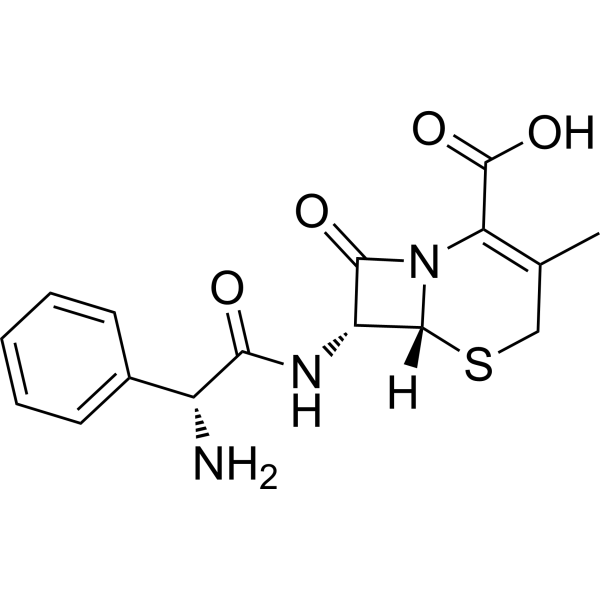
Cephalexin (Cefalexin) is a potent, orally active semisynthetic cephalosporin antibiotic with a broad antibacterial spectrum. Cephalexin has antibacterial activity against a wide variety of gram-positive and gram-negative bacteria. Cephalexin targets penicillin-binding proteins (PBPs) to inhibit bacterial cell wall assembly. Cephalexin is used for the research of pneumonia, strep throat, and bacterial endocarditis, et al .
|
-
- HY-16485
-
|
TD-6424 hydrochloride
|
Antibiotic
Bacterial
|
Infection
|
|
Telavancin hydrochloride is the hydrochloride form of Telavancin (HY-112959). Telavancin hydrochloride is a semisynthetic derivative of vancomycin, and exhibits antibacterial efficacy through inhibition of cell wall synthesis and disruption of cell membrane barrier function. Telavancin hydrochloride is efficient against antibiotic resistant S. aureus strains MRSA, VISA, and hVISA. Telavancin hydrochloride attenuates gram positive bacteria induced complicated skin and skin structure infections (cSSSI) .
|
-
- HY-B1923R
-
|
Pipracil (Standard)
|
Bacterial
Reference Standards
Antibiotic
Beta-lactamase
Penicillin-binding protein (PBP)
|
Infection
Cancer
|
|
Piperacillin (Standard) is the analytical standard of Piperacillin. This product is intended for research and analytical applications. Piperacillin is a semisynthetic broad-spectrum β-lactam antibiotic which exhibits potent bactericidal activity against Gram-negative bacteria as well as select Gram-positive strains through penicillin-binding proteins. Piperacillin is most commonly used in combination with the β-lactamase inhibitor Tazobactam .
|
-
- HY-N7097
-
|
|
Antibiotic
Bacterial
|
Infection
|
|
Sulbenicillin disodium is a semisynthetic α-sulfonylbenzylpenicillin antibiotic. Sulbenicillin disodium exerts antibacterial activity against multiple gram-negative rods. Sulbenicillin disodium inhibits primary and secondary platelet aggregation, serotonin release from platelets, and platelet adherence via platelet surface coating. Sulbenicillin disodium can be used for the research of Pseudomonas aeruginosa, Pseudomonas maltophilia, and Pseudomonas cepacia infections .
|
-
- HY-B1286R
-
|
Sodium piperacillin (Standard)
|
Reference Standards
Bacterial
Antibiotic
Penicillin-binding protein (PBP)
|
Infection
|
|
Piperacillin (sodium) (Standard) is the analytical standard of Piperacillin (sodium). This product is intended for research and analytical applications. Piperacillin sodium is a semisynthetic broad-spectrum β-lactam antibiotic which exhibits potent bactericidal activity against Gram-negative bacteria as well as select Gram-positive strains through penicillin-binding proteins. Piperacillin is most commonly used in combination with the β-lactamase inhibitor Tazobactam .
|
-
- HY-B1831
-
|
LY 333328; Orbactiv
|
Antibiotic
Bacterial
|
Infection
Inflammation/Immunology
|
|
Oritavancin (LY 333328), a semisynthetic derivative of Vancomycin (HY-B0671), is an orally active glycopeptide antibiotic with bactericidal activity against gram-positive organisms. Oritavancin shows antibacterial effect against B. anthracis, such as Ames strain with a MIC value of 0.015 g/mL. Oritavancin inhibits cell wall synthesis and disrupts the membrane potential. Oritavancin inhibits ArlS kinase activity thereby interfering the signal transduction. Oritavancin enters cells by adsorptive endocytosis, which drives it to lysosomes, where it exerts antibiotic activity .
|
-
- HY-B0200A
-
|
Cefalexin hydrochloride; Cephacillin hydrochloride
|
Penicillin-binding protein (PBP)
Bacterial
Antibiotic
|
Infection
Cancer
|
|
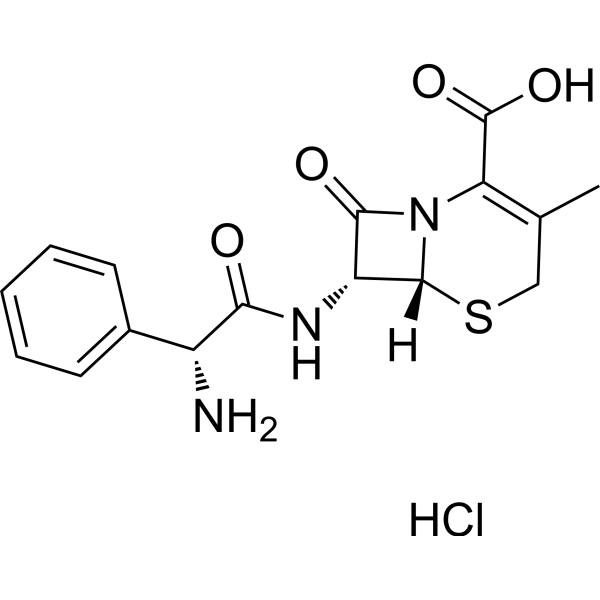
Cephalexin (Cefalexin) hydrochloride is a potent, orally active new semisynthetic cephalosporin antibiotic with a broad antibacterial spectrum. Cephalexin (Cefalexin) hydrochloride has antibacterial activity against a wide variety of gram-positive and gram-negative bacteria. Cephalexin (Cefalexin) hydrochloride targets penicillin-binding proteins (PBPs) to inhibit bacterial cell wall assembly. Cephalexin (Cefalexin) hydrochloride is used for the research of pneumonia, strep throat, and bacterial endocarditis, et al .
|
-
- HY-129805
-
|
|
Bacterial
Antibiotic
|
Infection
|
|
BO 1341 is a PBPs inhibitor and an antipseudomonal semisynthetic cephalosporin, which belongs to the class of Antibiotic. BO 1341 exhibits antibacterial activity against most Gram-negative bacteria, such as Pseudomonas aeruginosa (MIC90: 1.56 μg/mL), Pseudomonas maltophilia (MIC50: 1.56 μg/mL), and Acinetobacter calcoaceticus (MIC90: 3.13 μg/mL) . BO 1341 can be used in the research of infectious diseases .
|
-
- HY-34588R
-
|
D-(-)-4-Hydroxyphenylglycine (Standard); 4-Hydroxy-D-phenylglycine (Standard)
|
Drug Intermediate
Reference Standards
|
Others
|
|
D-4-Hydroxyphenylglycine (Standard) is the analytical standard of D-4-Hydroxyphenylglycine. This product is intended for research and analytical applications. D-4-Hydroxyphenylglycine (D-(-)-4-Hydroxyphenylglycine) is one of the most important raw materials used in the production of semisynthetic β-lactam antibiotics, such as Amoxicillin (HY-B0467A) and Cefadroxil (HY-B1190) .
|
-
- HY-B0200C
-
|
Cefalexin hydrochloride monohydrate; Cephacillin hydrochloride monohydrate
|
Penicillin-binding protein (PBP)
Antibiotic
Bacterial
|
Infection
Cancer
|
|
Cephalexin (Cefalexin) hydrochloride monohydrate is a potent, orally active new semisynthetic cephalosporin antibiotic with a broad antibacterial spectrum. Cephalexin (Cefalexin) hydrochloride monohydrate has antibacterial activity against a wide variety of gram-positive and gram-negative bacteria. Cephalexin (Cefalexin) hydrochloride monohydrate targets penicillin-binding proteins (PBPs) to inhibit bacterial cell wall assembly. Cephalexin (Cefalexin) hydrochloride monohydrate is used for the research of pneumonia, strep throat, and bacterial endocarditis, et al .
|
-
- HY-B0200D
-
|
Cefalexin (lysine); Cephacillin (lysine)
|
Penicillin-binding protein (PBP)
Bacterial
Antibiotic
|
Infection
Cancer
|
|
Cephalexin (Cefalexin) lysine is a potent, orally active new semisynthetic cephalosporin antibiotic with a broad antibacterial spectrum. Cephalexin lysine has antibacterial activity against a wide variety of gram-positive and gram-negative bacteria. Cephalexin lysine targets penicillin-binding proteins (PBPs) to inhibit bacterial cell wall assembly. Cephalexin lysine is used for the research of pneumonia, strep throat, and bacterial endocarditis, et al .
|
-
- HY-B0200B
-
|
Cefalexin hydrate; Cephacillin hydrate
|
Penicillin-binding protein (PBP)
Antibiotic
Bacterial
|
Infection
Cancer
|
|
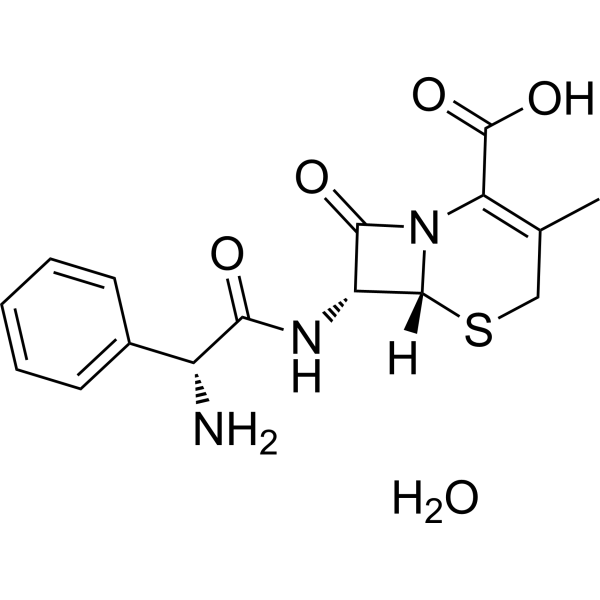
Cephalexin (Cefalexin) monohydrate is a potent, orally active new semisynthetic cephalosporin antibiotic with a broad antibacterial spectrum. Cephalexin (Cefalexin) monohydrate has antibacterial activity against a wide variety of gram-positive and gram-negative bacteria. Cephalexin (Cefalexin) monohydrate targets penicillin-binding proteins (PBPs) to inhibit bacterial cell wall assembly. Cephalexin (Cefalexin) monohydrate is used for the research of pneumonia, strep throat, and bacterial endocarditis, et al .
|
-
- HY-B1831A
-
|
LY333328 diphosphate
|
Bacterial
Antibiotic
|
Infection
Inflammation/Immunology
|
|
Oritavancin diphosphate (LY333328 diphosphate), a semisynthetic derivative of Vancomycin (HY-B0671), is an orally active glycopeptide antibiotic with bactericidal activity against gram-positive organisms. Oritavancin diphosphate shows antibacterial effect against B. anthracis, such as Ames strain with a MIC value of 0.015 g/mL. Oritavancin diphosphate inhibits cell wall synthesis and disrupts the membrane potential. Oritavancin diphosphate inhibits ArlS kinase activity thereby interfering the signal transduction. Oritavancin diphosphate enters cells by adsorptive endocytosis, which drives it to lysosomes, where it exerts antibiotic activity .
|
-
- HY-B0509B
-
|
BAY 41-6551 disulfate
|
Bacterial
Antibiotic
|
Infection
Cancer
|
|
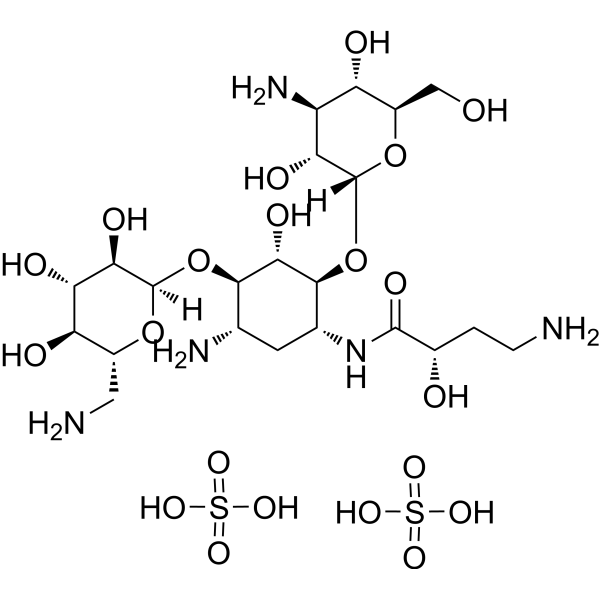
Amikacin disulfate (BAY 41-6551 dissulfate) is an aminoglycoside antibiotic and a semisynthetic analog of kanamycin. Amikacin disulfate is bactericidal, acting directly on the 30S and 50S bacerial ribosomal subunits to inhibit protein synthesis. Amikacin disulfate is very active against most Gram-negative bacteria including gentamicin- and tobramycin-resistant strains. Amikacin disulfate also inhibits the infections caused by susceptible Nocardia and nontuberculous mycobacteria .
|
-
- HY-107813
-
|
BAY 41-6551 sulfate
|
Bacterial
Antibiotic
|
Infection
Cancer
|
|
Amikacin sulfate (BAY 41-6551 sulfate) is an aminoglycoside antibiotic and a semisynthetic analog of kanamycin. Amikacin sulfate is bactericidal, acting directly on the 30S and 50S bacerial ribosomal subunits to inhibit protein synthesis. Amikacin sulfate is very active against most Gram-negative bacteria including gentamicin- and tobramycin-resistant strains. Amikacin sulfate also inhibits the infections caused by susceptible Nocardia and nontuberculous mycobacteria .
|
-
- HY-106026
-
|
IMC-XV
|
Antibiotic
Bacterial
|
Infection
|
|
YM 133 (IMC-XV) is a semisynthetic macrolide antibiotic with potent bactericidal activity. YM 133 shows activity against Erythromycin (HY-B0220)-, Josamycin (HY-B1920)-, and rokitamycin-resistant (MIC ≥ 100 μg/mL) strains of staphylococci, streptococci, Bacteroides spp., and Clostridium spp. YM 133 exhibits excellent activity against macrolide-resistant strains and against anaerobes. YM 133 can be used for antibacterial research .
|
-
- HY-B1257R
-
|
Sodium cefmetazole (Standard)
|
Reference Standards
Bacterial
Antibiotic
|
Infection
Cancer
|
|
Cefmetazole (sodium) (Standard) is the analytical standard of Cefmetazole (sodium). This product is intended for research and analytical applications. Cefmetazole sodium (Sodium cefmetazole) is a semisynthetic cephamycin antibiotic with broad-spectrum antibacterial activity, covering gram-positive, gram-negative, and anaerobic bacteria. Cefmetazole sodium binds to penicillin binding proteins (PBPs), resulting in interfering bacterial cell wall biosynthesis. Cefmetazole sodium is used for the research of gynecologic, intraabdominal, urinary tract, respiratory tract and skin and soft tissue infections .
|
-
- HY-A0086R
-
|
SCH-20569 sulfate (Standard)
|
Reference Standards
Bacterial
Antibiotic
|
Infection
|
|
Netilmicin sulfate (Standard) is the analytical standard of Netilmicin sulfate (HY-A0086). This product is intended for research and analytical applications. Netilmicin (Sch 20569) sulfate is a broad-spectrum semisynthetic aminoglycoside antibiotic. Netilmicin sulfate exhibits antibacterial activity against aminoglycoside-susceptible gram-negative strains and aminoglycoside-resistant strain, such as Escherichia coli, Pseudomonas aeruginosa, Proteus, Staphylococcus aureus, Streptococcus, Serratia, and Enterobacter, with MIC of 0.125-8 μg/mL .
|
-
- HY-W653936
-
|
|
Isotope-Labeled Compounds
Bacterial
Antibiotic
Penicillin-binding protein (PBP)
|
Cancer
|
|
Cephalexin-d5 (hydrate) is deuterium labeled Cephalexin (monohydrate). Cephalexin (Cefalexin) monohydrate is a potent, orally active new semisynthetic cephalosporin antibiotic with a broad antibacterial spectrum. Cephalexin (Cefalexin) monohydrate has antibacterial activity against a wide variety of gram-positive and gram-negative bacteria. Cephalexin (Cefalexin) monohydrate targets penicillin-binding proteins (PBPs) to inhibit bacterial cell wall assembly. Cephalexin (Cefalexin) monohydrate is used for the research of pneumonia, strep throat, and bacterial endocarditis, et al .
|
-
- HY-B0200R
-
|
Cefalexin (Standard); Cephacillin (Standard)
|
Penicillin-binding protein (PBP)
Reference Standards
Antibiotic
Bacterial
|
Infection
Cancer
|
|
Cephalexin (Standard) is the analytical standard of Cephalexin. This product is intended for research and analytical applications. Cephalexin (Cefalexin) is a potent, orally active semisynthetic cephalosporin antibiotic with a broad antibacterial spectrum. Cephalexin has antibacterial activity against a wide variety of gram-positive and gram-negative bacteria. Cephalexin targets penicillin-binding proteins (PBPs) to inhibit bacterial cell wall assembly. Cephalexin is used for the research of pneumonia, strep throat, and bacterial endocarditis, et al .
|
-
- HY-128932R
-
|
MT-141 (Standard)
|
Reference Standards
Antibiotic
Bacterial
PPAR
Prostaglandin Receptor
PTEN
Akt
mTOR
|
Infection
Cardiovascular Disease
Endocrinology
|
|
Cefminox (sodium) (MT-141) (Standard) is the analytical standard of Cefminox (sodium). This product is intended for research and analytical applications. Cefminox sodium is a semisynthetic cephamycin, which exhibits antibacterial activity. Cefminox sodium is a broad-spectrum, bactericidal cephalosporin antibiotic. Cefminox sodium also acts as a dual agonist of prostacyclin receptor (IP) and PPARγ. Cefminox sodium upregulates cAMP production and PTEN expression and inhibits Akt/mTOR signaling. Cefminox sodium also prevents pulmonary arterial hypertension in rat model .
|
-
- HY-139554
-
|
KBP-7072
|
Antibiotic
Bacterial
|
Infection
|
|
Zifanocycline (KBP-7072) is a semisynthetic third-generation aminomethylcycline antibiotic that inhibits the normal function of the bacterial ribosome. Zifanocycline exhibits a broad spectrum of in vitro antibacterial activity against Gram-positive and Gram-negative bacteria, including many multidrug-resistant pathogens. Zifanocycline is available in both oral and injectable formulations. Zifanocycline can be used for the research of acute bacterial skin and skin structure infections, community-acquired bacterial pneumonia, and complicated intra-abdominal infections .
|
-
- HY-B1831AR
-
|
LY333328 diphosphate (Standard)
|
Reference Standards
Bacterial
Antibiotic
|
Infection
Inflammation/Immunology
|
|
Oritavancin (diphosphate) (Standard) is the analytical standard of Oritavancin (diphosphate). Oritavancin diphosphate (Standard), a semisynthetic derivative of Vancomycin (HY-B0671), is an orally active glycopeptide antibiotic with bactericidal activity against gram-positive organisms. Oritavancin diphosphate (Standard) shows antibacterial effect against B. anthracis, such as Ames strain with a MIC value of 0.015 g/mL. Oritavancin diphosphate (Standard) inhibits cell wall synthesis and disrupts the membrane potential. Oritavancin diphosphate (Standard) inhibits ArlS kinase activity thereby interfering the signal transduction. Oritavancin diphosphate (Standard) enters cells by adsorptive endocytosis, which drives it to lysosomes, where it exerts antibiotic activity .
|
-
- HY-B0200AR
-
|
Cefalexin hydrochloride (Standard); Cephacillin hydrochloride (Standard)
|
Penicillin-binding protein (PBP)
Reference Standards
Bacterial
Antibiotic
|
Infection
Cancer
|
|
Cephalexin (hydrochloride) (Standard) is the analytical standard of Cephalexin (hydrochloride). This product is intended for research and analytical applications. Cephalexin (Cefalexin) hydrochloride is a potent, orally active new semisynthetic cephalosporin antibiotic with a broad antibacterial spectrum. Cephalexin (Cefalexin) hydrochloride has antibacterial activity against a wide variety of gram-positive and gram-negative bacteria. Cephalexin (Cefalexin) hydrochloride targets penicillin-binding proteins (PBPs) to inhibit bacterial cell wall assembly. Cephalexin (Cefalexin) hydrochloride is used for the research of pneumonia, strep throat, and bacterial endocarditis, et al[1][2].
|
-
- HY-B0200BR
-
|
Cefalexin hydrate (Standard); Cephacillin hydrate (Standard)
|
Penicillin-binding protein (PBP)
Reference Standards
Antibiotic
Bacterial
|
Infection
Cancer
|
|
Cephalexin (monohydrate) (Standard) is the analytical standard of Cephalexin (monohydrate). This product is intended for research and analytical applications. Cephalexin (Cefalexin) monohydrate is a potent, orally active new semisynthetic cephalosporin antibiotic with a broad antibacterial spectrum. Cephalexin (Cefalexin) monohydrate has antibacterial activity against a wide variety of gram-positive and gram-negative bacteria. Cephalexin (Cefalexin) monohydrate targets penicillin-binding proteins (PBPs) to inhibit bacterial cell wall assembly. Cephalexin (Cefalexin) monohydrate is used for the research of pneumonia, strep throat, and bacterial endocarditis, et al .
|
-
- HY-W752893
-
|
D-(-)-4-Hydroxyphenylglycine-d5-1; 4-Hydroxy-D-phenylglycine-d5-1
|
Isotope-Labeled Compounds
Antibiotic
|
Others
|
|
D-4-Hydroxyphenylglycine-d5-1 (D-(-)-4-Hydroxyphenylglycine-d5-1) is the deuterium labeled D-4-Hydroxyphenylglycine (HY-34588). D-4-Hydroxyphenylglycine (D-(-)-4-Hydroxyphenylglycine) is one of the most important raw materials used in the production of semisynthetic β-lactam antibiotics, such as Amoxicillin (HY-B0467A) and Cefadroxil (HY-B1190) .
|
-
- HY-B0509BR
-
|
BAY 41-6551 disulfate (Standard)
|
Reference Standards
Bacterial
Antibiotic
|
Infection
Cancer
|
|
Amikacin (disulfate) (Standard) is the analytical standard of Amikacin (disulfate). This product is intended for research and analytical applications. Amikacin disulfate (BAY 41-6551 dissulfate) is an aminoglycoside antibiotic and a semisynthetic analog of kanamycin. Amikacin disulfate is bactericidal, acting directly on the 30S and 50S bacerial ribosomal subunits to inhibit protein synthesis. Amikacin disulfate is very active against most Gram-negative bacteria including gentamicin-and tobramycin-resistant strains. Amikacin disulfate also inhibits the infections caused by susceptible Nocardia and nontuberculous mycobacteria .
|
-
- HY-B1175R
-
|
|
Reference Standards
Antibiotic
Bacterial
|
Infection
|
|
(2S,5R,6R)-Ticarcillin disodium (Standard) is the analytical standard of (2S,5R,6R)-Ticarcillin disodium. This product is intended for research and analytical applications. (2S,5R,6R)-Ticarcillin disodium is a semisynthetic antibiotic with bactericidal activities. (2S,5R,6R)-Ticarcillin disodium is the (2S,5R,6R)-enantiomer of Ticarcillin (HY-139805).
|
-
| Cat. No. |
Product Name |
Type |
-
- HY-N0565AG
-
|
|
Fluorescent Dyes
|
|
Doxycycline hydrochloride GMP is Doxycycline (hydrochloride) (HY-N0565A) produced by using GMP guidelines. GMP small molecules works appropriately as an auxiliary reagent for cell therapy manufacture. Doxycycline hydrochloride is an orally active highly lipophilic, tissue-permeable MMP inhibitor with broad-spectrum antibacterial activity. Doxycycline hydrochloride is also a semi-synthetic antibiotic with chelating properties, which blocks bacterial protein synthesis and inhibits extracellular matrix degradation through interactions with zinc and calcium atoms. Doxycycline hydrochloride also inhibits mitochondrial biogenesis, translation, and the expression of respiratory chain proteins. Doxycycline hydrochloride induces apoptosis, inhibits autophagy and EMT, downregulates stem cell markers, and activates the PI3K-AKT pathway, thereby effectively inhibiting the viability and proliferation of cancer cells such as breast cancer cells. Doxycycline hydrochloride also promotes the survival and self-renewal of embryonic stem cells and neural stem cells, and reduces the frequency of medium changes in culture. Doxycycline hydrochloride has been applied in studies related to breast cancer, prostate cancer, bladder cancer, and other cancers .
|
| Cat. No. |
Product Name |
Type |
-
- HY-N0565AG
-
|
|
Biochemical Assay Reagents
|
|
Doxycycline hydrochloride GMP is Doxycycline (hydrochloride) (HY-N0565A) produced by using GMP guidelines. GMP small molecules works appropriately as an auxiliary reagent for cell therapy manufacture. Doxycycline hydrochloride is an orally active highly lipophilic, tissue-permeable MMP inhibitor with broad-spectrum antibacterial activity. Doxycycline hydrochloride is also a semi-synthetic antibiotic with chelating properties, which blocks bacterial protein synthesis and inhibits extracellular matrix degradation through interactions with zinc and calcium atoms. Doxycycline hydrochloride also inhibits mitochondrial biogenesis, translation, and the expression of respiratory chain proteins. Doxycycline hydrochloride induces apoptosis, inhibits autophagy and EMT, downregulates stem cell markers, and activates the PI3K-AKT pathway, thereby effectively inhibiting the viability and proliferation of cancer cells such as breast cancer cells. Doxycycline hydrochloride also promotes the survival and self-renewal of embryonic stem cells and neural stem cells, and reduces the frequency of medium changes in culture. Doxycycline hydrochloride has been applied in studies related to breast cancer, prostate cancer, bladder cancer, and other cancers .
|
| Cat. No. |
Product Name |
Target |
Research Area |
| Cat. No. |
Product Name |
Category |
Target |
Chemical Structure |
-
- HY-N7097
-
|
|
Infection
Classification of Application Fields
Disease Research Fields
|
Antibiotic
Bacterial
|
|
Sulbenicillin disodium is a semisynthetic α-sulfonylbenzylpenicillin antibiotic. Sulbenicillin disodium exerts antibacterial activity against multiple gram-negative rods. Sulbenicillin disodium inhibits primary and secondary platelet aggregation, serotonin release from platelets, and platelet adherence via platelet surface coating. Sulbenicillin disodium can be used for the research of Pseudomonas aeruginosa, Pseudomonas maltophilia, and Pseudomonas cepacia infections .
|
-
-
- HY-N15039
-
-
-
- HY-151224R
-
-
-
- HY-N12823
-
|
|
Microorganisms
Antibiotics
Source Classification
|
Bacterial
|
|
Caprazene is an antimycobacterial compound and precursor molecule for semi-synthetic antibacterial antibiotics, used for studies on tuberculosis and Mycobacterium avium complex infections, which can be isolated from the acid-treated caprazamycin (CPZ) A-G mixture .
|
-
-
- HY-148286R
-
|
|
Microorganisms
Source Classification
|
Reference Standards
Antibiotic
Bacterial
|
|
Gentamicin C1a (Standard) is the analytical standard of Gentamicin C1a. This product is intended for research and analytical applications. Gentamicin C1a is the precursor of the semi-synthetic antibiotic Etimicin, and has antibacterial activity. Gentamicin C1a is the major component of the Gentamicin complex .
|
-
-
- HY-B0529R
-
|
|
Microorganisms
Source Classification
|
Reference Standards
Bacterial
Parasite
Antibiotic
|
|
Azlocillin (Standard) is the analytical standard of Azlocillin. This product is intended for research and analytical applications. Azlocillin, an antibiotic, is a semisynthetic penicillin, and has broad-spectrum antibacterial activity. Azlocillin is active against drug-tolerant B. burgdorferi sensu stricto JLB31 infection .
|
-
| Cat. No. |
Product Name |
Chemical Structure |
-
- HY-17025S
-
|
|
|
Rifabutin-d7 is the deuterium labeled Rifabutin. Rifabutin (Ansamycin) is a semisynthetic ansamycin antibiotic with potent antimycobacterial properties. Rifabutin inhibits DNA-dependent RNA polymerase.
|
-
-
- HY-17586AS
-
|
|
|
Dalbavancin-d6 is the deuterium labeled Dalbavancin . Dalbavancin (MDL-63397) is a semisynthetic lipoglycopeptide antibiotic with potent bactericidal activity against Gram-positive bacteria. Dalbavancin inhibits Staphylococcus aureus and Bacillus anthracis with MIC90s of 0.06 μg/mL and 0.25 μg/mL, respectively .
|
-
-
- HY-N0565S1
-
|
|
|
Doxycycline-d3 hyclate (major) is the deuterium labeled Doxycycline hyclate (HY-N0565B). Doxycycline hyclate is an orally active highly lipophilic, tissue-permeable MMP inhibitor with broad-spectrum antibacterial activity. Doxycycline hyclate is also a semi-synthetic antibiotic with chelating properties, which blocks bacterial protein synthesis and inhibits extracellular matrix degradation through interactions with zinc and calcium atoms. Doxycycline hyclate also inhibits mitochondrial biogenesis, translation, and the expression of respiratory chain proteins. Doxycycline hyclate induces apoptosis, inhibits autophagy and EMT, downregulates stem cell markers, and activates the PI3K-AKT pathway, thereby effectively inhibiting the viability and proliferation of cancer cells such as breast cancer cells. Doxycycline hyclate also promotes the survival and self-renewal of embryonic stem cells and neural stem cells, and reduces the frequency of medium changes in culture. Doxycycline hyclate has been applied in studies related to breast cancer, prostate cancer, bladder cancer, and other cancers .
|
-
-
- HY-B0435S
-
|
|
|
Roxithromycin-d7 (RU-28965-d7) is the deuterium labeled Roxithromycin (HY-B0435) . Roxithromycin (RU-28965) is a semi-synthetic macrolide antibiotic .
|
-
-
- HY-17412AS
-
|
|
|
Minocycline-d6 is deuterium labeled Minocycline (HY-17412A). Minocycline is an orally active, potent and BBB-penetrated semi-synthetic tetracycline antibiotic. Minocycline is a hypoxia-inducible factor (HIF)-1α inhibitor. Minocycline shows anti-cancer, anti-inflammatory, and glutamate antagonist effects. Minocycline reduces glutamate neurotransmission and shows neuroprotective properties and antidepressant effects. Minocycline inhibits bacterial protein synthesis through binding with the 30S subunit of the bacterial ribosome, resulting in a bacteriostatic effect .
|
-
-
- HY-N0565AS
-
|
|
|
Doxycycline-d3 hydrochloride is deuterium labeled Doxycycline hydrochloride (HY-N0565A). Doxycycline hydrochloride is an orally active highly lipophilic, tissue-permeable MMP inhibitor with broad-spectrum antibacterial activity. Doxycycline hydrochloride is also a semi-synthetic antibiotic with chelating properties, which blocks bacterial protein synthesis and inhibits extracellular matrix degradation through interactions with zinc and calcium atoms. Doxycycline hydrochloride also inhibits mitochondrial biogenesis, translation, and the expression of respiratory chain proteins. Doxycycline hydrochloride induces apoptosis, inhibits autophagy and EMT, downregulates stem cell markers, and activates the PI3K-AKT pathway, thereby effectively inhibiting the viability and proliferation of cancer cells such as breast cancer cells. Doxycycline hydrochloride also promotes the survival and self-renewal of embryonic stem cells and neural stem cells, and reduces the frequency of medium changes in culture. Doxycycline hydrochloride has been applied in studies related to breast cancer, prostate cancer, bladder cancer, and other cancers .
|
-
-
- HY-N0565S3
-
|
|
|
Doxycycline- 13C,d3 is 13C and deuterium labeled Doxycycline (HY-N0565). Doxycycline is an orally active highly lipophilic, tissue-permeable MMP inhibitor with broad-spectrum antibacterial activity. Doxycycline is also a semi-synthetic antibiotic with chelating properties, which blocks bacterial protein synthesis and inhibits extracellular matrix degradation through interactions with zinc and calcium atoms. Doxycycline also inhibits mitochondrial biogenesis, translation, and the expression of respiratory chain proteins. Doxycycline induces apoptosis, inhibits autophagy and EMT, downregulates stem cell markers, and activates the PI3K-AKT pathway, thereby effectively inhibiting the viability and proliferation of cancer cells such as breast cancer cells. Doxycycline also promotes the survival and self-renewal of embryonic stem cells and neural stem cells, and reduces the frequency of medium changes in culture. Doxycycline has been applied in studies related to breast cancer, prostate cancer, bladder cancer, and other cancers .
|
-
-
- HY-W653936
-
|
|
|
Cephalexin-d5 (hydrate) is deuterium labeled Cephalexin (monohydrate). Cephalexin (Cefalexin) monohydrate is a potent, orally active new semisynthetic cephalosporin antibiotic with a broad antibacterial spectrum. Cephalexin (Cefalexin) monohydrate has antibacterial activity against a wide variety of gram-positive and gram-negative bacteria. Cephalexin (Cefalexin) monohydrate targets penicillin-binding proteins (PBPs) to inhibit bacterial cell wall assembly. Cephalexin (Cefalexin) monohydrate is used for the research of pneumonia, strep throat, and bacterial endocarditis, et al .
|
-
-
- HY-13234S
-
|
|
|
Rifaximin-d6 is the deuterium labeled Rifaximin. Rifaximin is an orally administered, semi-synthetic, nonsystemic antibiotic derived from rifamycin SV with antibacterial activity .
|
-
-
- HY-17412S1
-
|
|
|
Minocycline-d6 sulfate is deuterated labeled Minocycline (HY-17412A). Minocycline is an orally active, potent and BBB-penetrated semi-synthetic tetracycline antibiotic. Minocycline is a hypoxia-inducible factor (HIF)-1α inhibitor. Minocycline shows anti-cancer, anti-inflammatory, and glutamate antagonist effects. Minocycline reduces glutamate neurotransmission and shows neuroprotective properties and antidepressant effects. Minocycline inhibits bacterial protein synthesis through binding with the 30S subunit of the bacterial ribosome, resulting in a bacteriostatic effect .
|
-
-
- HY-17412S
-
|
|
|
Minocycline-d6 hydrochloride is deuterated labeled Minocycline hydrochloride (HY-17412). Minocycline hydrochloride is an orally active, potent and BBB-penetrated semi-synthetic tetracycline antibiotic. Minocycline hydrochloride is a hypoxia-inducible factor (HIF)-1α inhibitor. Minocycline hydrochloride shows anti-cancer, anti-inflammatory, and glutamate antagonist effects. Minocycline hydrochloride reduces glutamate neurotransmission and shows neuroprotective properties and antidepressant effects. Minocycline hydrochloride inhibits bacterial protein synthesis through binding with the 30S subunit of the bacterial ribosome, resulting in a bacteriostatic effect .
|
-
-
- HY-B0136S
-
|
|
|
Cefdinir- 13C, 15N2 (FK-482- 13C, 15N2) is 13C and 15N labeled Cefdinir. Cefdinir (FK-482) is a semi-synthetic, broad-spectrum antibiotic in the third generation of the cephalosporin class, which is proved to be effective for infections caused by several Gram-negative and Gram-positive bacteria. Cefdinir can be used for the research of common bacterial infections of the ear, sinus, throat, and skin .
|
-
-
- HY-W654013
-
|
|
|
Minocycline-d7 is deuterium labeled Minocycline. Minocycline is an orally active, potent and BBB-penetrated semi-synthetic tetracycline antibiotic. Minocycline is a hypoxia-inducible factor (HIF)-1α inhibitor. Minocycline shows anti-cancer, anti-inflammatory, and glutamate antagonist effects. Minocycline reduces glutamate neurotransmission and shows neuroprotective properties and antidepressant effects. Minocycline inhibits bacterial protein synthesis through binding with the 30S subunit of the bacterial ribosome, resulting in a bacteriostatic effect .
|
-
-
- HY-17025S1
-
|
|
|
Rifabutin-d6 (Ansamycin-d6) is deuterium labeled Rifabutin. Rifabutin (Ansamycin) is a semisynthetic ansamycin antibiotic with potent antimycobacterial properties. Rifabutin inhibits DNA-dependent RNA polymerase.
|
-
-
- HY-W749665
-
|
|
|
Clindamycin Hydrochloride- 13C,d3 is the deuterium and 13C-labeled Clindamycin hydrochloride (HY-B0408A). Clindamycin hydrochloride is a semisynthetic lincosamide antibiotic, which inhibits protein synthesis by acting on the 50S ribosomal.
|
-
-
- HY-W752893
-
|
|
|
D-4-Hydroxyphenylglycine-d5-1 (D-(-)-4-Hydroxyphenylglycine-d5-1) is the deuterium labeled D-4-Hydroxyphenylglycine (HY-34588). D-4-Hydroxyphenylglycine (D-(-)-4-Hydroxyphenylglycine) is one of the most important raw materials used in the production of semisynthetic β-lactam antibiotics, such as Amoxicillin (HY-B0467A) and Cefadroxil (HY-B1190) .
|
-
| Cat. No. |
Product Name |
|
Classification |
-
- HY-B2091
-
|
|
|
Azide
|
|
Azidocillin, a semi-synthetic Penicillin, is an orally active β-lactam antibiotic. Azidocillin bears an azide functionality and retains on-target activity within bacteria. Azidocillin can be used to research osteitis caused by dental surgery, otitis media, enterococcal septicemia and other bacterial infectious diseases . Azidocillin is a click chemistry reagent, it contains an Azide group and can undergo copper-catalyzed azide-alkyne cycloaddition reaction (CuAAc) with molecules containing Alkyne groups. It can also undergo strain-promoted alkyne-azide cycloaddition (SPAAC) reactions with molecules containing DBCO or BCN groups.
|
| Cat. No. |
Product Name |
Target |
Research Areas |
Chemical Structure |
-
- HY-N0565AG
-
|
|
Apoptosis
MMP
Akt
PI3K
|
Infection
Neurological Disease
Inflammation/Immunology
Cancer
|
|
Doxycycline hydrochloride GMP is Doxycycline (hydrochloride) (HY-N0565A) produced by using GMP guidelines. GMP small molecules works appropriately as an auxiliary reagent for cell therapy manufacture. Doxycycline hydrochloride is an orally active highly lipophilic, tissue-permeable MMP inhibitor with broad-spectrum antibacterial activity. Doxycycline hydrochloride is also a semi-synthetic antibiotic with chelating properties, which blocks bacterial protein synthesis and inhibits extracellular matrix degradation through interactions with zinc and calcium atoms. Doxycycline hydrochloride also inhibits mitochondrial biogenesis, translation, and the expression of respiratory chain proteins. Doxycycline hydrochloride induces apoptosis, inhibits autophagy and EMT, downregulates stem cell markers, and activates the PI3K-AKT pathway, thereby effectively inhibiting the viability and proliferation of cancer cells such as breast cancer cells. Doxycycline hydrochloride also promotes the survival and self-renewal of embryonic stem cells and neural stem cells, and reduces the frequency of medium changes in culture. Doxycycline hydrochloride has been applied in studies related to breast cancer, prostate cancer, bladder cancer, and other cancers .
|
-
Your information is safe with us. * Required Fields.
Inquiry Information
- Product Name:
- Cat. No.:
- Quantity:
- MCE Japan Authorized Agent:

