From 11:00 pm to 12:00 pm EST ( 8:00 pm to 9:00 pm PST ) on January 6th, the website will be under maintenance. We are sorry for the inconvenience. Please arrange your schedule properly.
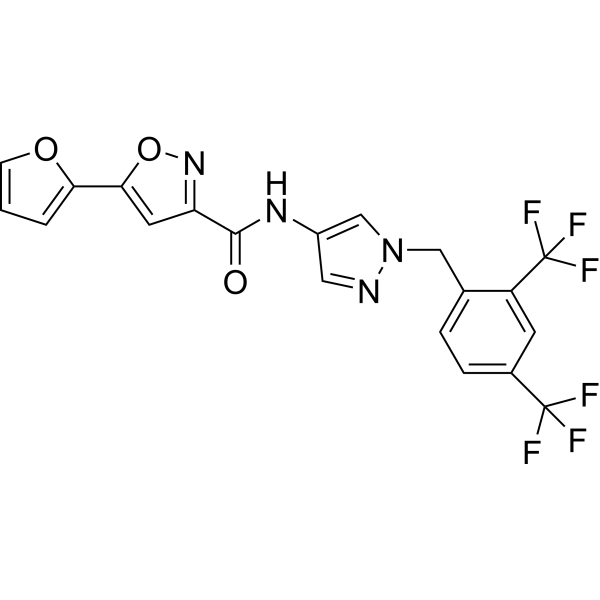
Ceapin-A7 is a selective blocker of ATF6α signaling in response to ER stress, with an IC50 of 0.59 μM. Ceapin-A7 can be used to explore both the mechanism of activation of ATF6α and its role in pathological settings .
β-Lactoglobulin, a major whey protein, is a small globular protein from the lipocalin family. β-Lactoglobulin is an important source of the essential and branched-chain amino acids (leucine, isoleucine, and valine). β-Lactoglobulin shows antioxidant properties, because it contains two disulfide bonds and one free thiol group. β-Lactoglobulin is a ligand transport agent. β-Lactoglobulin is one of the major allergens in milk and can be utilized in the research for developing safe hypoallergenic dairy products .
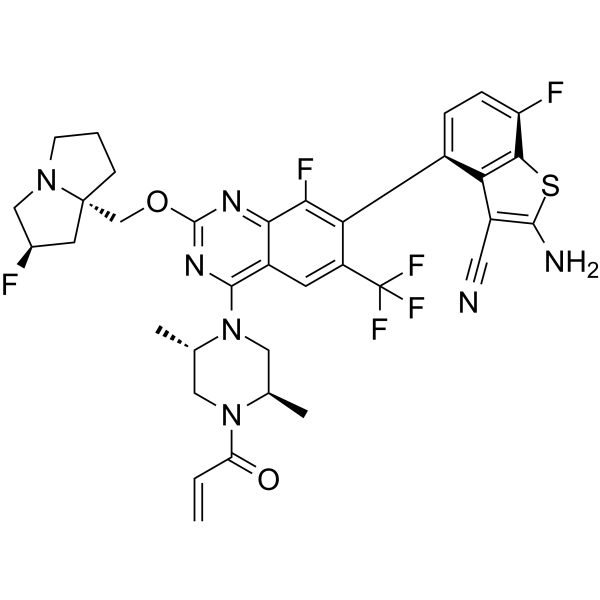
BBO-8520 is a direct small molecule covalent inhibitor targeting KRAS G12C with high oral availability. BBO-8520 has the characteristics of KRAS G12C (OFF) inhibitor and the function of blocking KRAS G12C (ON) signal. BBO-8520 inhibits cell proliferation by inhibiting KRAS G12C (ON) by binding GTP protein. BBO-8520 can block RAS-RAF1 interaction and return KRAS G12C to the inactive (OFF) state. BBO-8520 can be used for the research of cancer .
Crinecerfont (SSR-125543) is an orally effective corticotropin-releasing factor receptor type-1 (CRF1 receptor) antagonist. Crinecerfont blocks CRF1 receptor signaling to reduce adrenocorticotropic hormone secretion. Crinecerfont improves hypothalamic-pituitary-adrenal axis negative feedback sensitivity in chronically stressed mice. Crinecerfont can be used for the research of chronic stress conditions and classic congenital adrenal hyperplasia due to 21-hydroxylase deficiency . Crinecerfont is a click chemistry reagent, it contains an Alkyne group and can undergo copper-catalyzed azide-alkyne cycloaddition (CuAAc) with molecules containing Azide groups.
Insulin icodec is an Insulin (HY-P0035) analog that strongly but reversibly binds to albumin. Insulin icodec has long plasma half-life. Insulin icodec modulates insulin receptor activity, controls blood glucose levels, reduces HbA1c levels, and binds reversibly to human serum albumin. Insulin icodec can be used for the research of type 2 diabetes mellitus .
Ficerafusp alfa (BCA-101) is a bispecific antibody targeting EGFR and TGFβ, with a Kd of 2.58 nM against EGFR and a Kd of 61.3 nM against TGFβ1. Ficerafusp alfa binds to EGFR, inhibits EGFR phosphorylation, blocks EGF-dependent cell proliferation, and mediates antibody-dependent cellular cytotoxicity against EGFR-positive tumor cells. Ficerafusp alfa sequesters TGFβ via its TGFβRII ECD domain, neutralizes the activity of TGFβ and TGFβ1, and blocks TGFβ-dependent processes, including epithelial-mesenchymal transition, cell invasion, and differentiation of inducible regulatory T cells. Ficerafusp alfa is applicable to research related to head and neck squamous cell carcinoma, advanced solid tumors, squamous non-small cell lung cancer, anal squamous cell carcinoma, colorectal cancer, and pancreatic cancer .
Saccharic acid is a competitive and potent inhibitor of β-glucuronidase. Saccharic acid inhibits glucuronide synthesis. Saccharic acid as an efficient iron chelate to enhance photo-Fenton degradation of organic contaminants .
Crinecerfont (SSR-125543) hydrochloride is an orally effective corticotropin-releasing factor receptor type-1 (CRF1 receptor) antagonist. Crinecerfont hydrochloride blocks CRF1 receptor signaling to reduce adrenocorticotropic hormone secretion. Crinecerfont hydrochloride improves hypothalamic-pituitary-adrenal axis negative feedback sensitivity in chronically stressed mice. Crinecerfont hydrochloride can be used for the research of chronic stress conditions and classic congenital adrenal hyperplasia due to 21-hydroxylase deficiency . Crinecerfont hydrochloride is a click chemistry reagent, it contains an Alkyne group and can undergo copper-catalyzed azide-alkyne cycloaddition (CuAAc) with molecules containing Azide groups.
306-N16B is a selective lung-targeted lipid nanoparticle that reversibly targets lung endothelial cells and specific immune cells through selective adsorption of a protein corona mediated by differences in tail structure (such as fibrinogen β/γ chain). 306-N16B binds to specific plasma proteins in the blood to form a protein corona, which guides the particles to be enriched in the lungs, releases mRNA and promotes target cell gene expression, exerts efficient lung cell transfection activity, and can precisely regulate gene delivery of different cell types in the lungs (such as endothelial cells and macrophages). 306-N16B can be used in gene therapy technologies for hereditary lung diseases including pulmonary lymphangioleiomyomatosis (LAM), restoring tumor suppressor function by delivering Tsc2 mRNA, and can also be used for lung-specific mRNA vaccines and gene editing therapies .
TO-PRO-3 iodide is a cell-impermeant nucleic acid stain. TO-PRO-3 iodide is useful as a nuclear counterstain and dead cell indicator (Ex/Em = 642/661 nm).
TO-1187 TFA is a selective HDAC6PROTAC degrader (DC50: 5.81 nM). TO-1187 TFA promotes the ubiquitination and degradation of HDAC6 and can be used in the study of hematological malignancies and solid tumors (Pink: HDAC6 ligand (HY-173386); Blue: CRBN ligase ligand (HY-41547); Black: linker (HY-140212)) .
DfTat is a dimer of the prototypical cell-penetrating peptide TAT. DfTat can deliver small molecules, peptides and proteins into live cells with a particularly high efficiency. DfTat labeled with the rhodamine can be used as a tracer for easy detection .
Oxytocin parallel dimer is the disulfide-bridged homo peptide dimer. Oxytocin dimer has oxytocin and vasopressin-like activity with less toxic than oxytocin .
YLIU-4-105-1 is a Type II JAK2 inhibitor. YLIU-4-105-1 binds to the ATP-binding pocket of JH1. YLIU-4-105-1 has in vivo pharmacodynamic activity as evidenced by inhibiting pSTAT5, reducing spleen to body weight, and lowering blood reticulocyte counts in a dose-dependent manner .
(Rp,R'p)-(R)-Mandyphos (Mandyphos SL-M001-1, (2R,2μR)-1,1μ-Bis[(R)-(dimethylamino)phenylmethyl]-2,2μ-bis(diphenylphosphino)ferrocene (acc to CAS)) is a drug intermediate for synthesis of various active compounds.
Cortistatin-8 (CST-8; PCFWKTCK), a neuropeptide, is a GHS-R1a antagonist by counteracting the response of ghrelin on gastric acid secretion. Cortistatin-8 can modulate GH release from somatotroph cells. Cortistatin-8 is a synthetic CST-analogue devoid of any binding affinity to SST-R but capable to bind the GHS-R1a. Cortistatin-8 can exert antagonistic effects on ghrelin actions either in vitro or in vivo in animals .
BWA-6047 is an oral active PROTAC degrader targeting AR/AR-V7 and GSPT1 with DC50 values of 3.7, 3.0 and 1.2 nM in 22Rv1 cells. BWA-6047 suppresses the expression of AR downstream target genes and and transcriptional activity. BWA-6047 inhibits cancer cells proliferation, causes G1 phase cell cycle arrest and induces apoptosis. BWA-6047 increases cleaved-PARP-1 and cleaved-caspase-3 levels. BWA-6047 reduces growth of LNCaP xenograft tumors in mice models without obvious toxicity. BWA-6047 can be used for the research of prostate cancer .
TO-1187 is a selective HDAC6PROTAC degrader (DC50: 5.81 nM). TO-1187 promotes the ubiquitination and degradation of HDAC6 and can be used in the study of hematological malignancies and solid tumors (Pink: HDAC6 ligand (HY-173386); Blue: CRBN ligase ligand (HY-41547); Black: linker (HY-140212)) .
m-Cresol purple sodium (Metacresol purple sodium) is a pH indicator. m-Cresol purple sodium solution from yellow to blue in the pH range from 7.5 to 9.0 .
Phosphogluconate dehydrogenase (NADP, decarboxylating) (6-Phosphogluconate dehydrogenase) is an oxidative carboxylase that catalyses the oxidative decarboxylation of 6-phosphogluconate to ribulose 5-phosphate in the context of the oxidative part of the pentose phosphate pathway .
Guanylate kinase is a central enzyme in the guanine salvage pathway. Guanylate kinase catalyses the reversible Mg 2+-dependent transfer of the terminal phosphoryl group from ATP to GMP, or dGMP .
GSPT1 degrader-10 (compound A) is a cereblon-based molecular glue degrader of GSPT1 with more than 95% degradation. GSPT1 degrader-8 inhibits cell viability in HL-60 cells with an IC50 of 10 nM .
Cers1 Mouse Pre-designed siRNA Set A contains three designed siRNAs for Cers1 gene (Mouse), as well as a negative control, a positive control, and a FAM-labeled negative control.
TO-195 hydrochlorid is a protease inhibitor targeting severe acute respiratory syndrome coronavirus 2 (SARS-CoV-2). TO-195 hydrochlorid is promising for research of coronavirus disease 2019 (COVID-19) .
TDO2 Human Pre-designed siRNA Set A contains three designed siRNAs for TDO2 gene (Human), as well as a negative control, a positive control, and a FAM-labeled negative control.
α-CN-TO is a multifunctional dye. Dyes are important tools in biological experiments. They can help researchers observe and analyze cell structures, track biomolecules, evaluate cell functions, distinguish cell types, detect biomolecules, study tissue pathology and monitor microorganisms. Their applications range from basic scientific research to clinical A wide range of diagnostics. Dyes are also widely used in traditional fields such as textile dyeing, as well as in emerging fields such as functional textile processing, food pigments and dye-sensitized solar cells.
Arcopilin A (compound Arcopilin A(1))is an antibacterial agent. Arcopilin A has weak inhibitory effects on fungal pathogens and Gram-positive bacteria, with IC50 values of 8.9 μg/mL and 14 μg/mL for cells KB-3-1 and L929, but it can effectively destroy preformed biofilms of Staphylococcus aureus. Arcopilin A can enhance the activities of gentamicin (GM; HY-K1050) and vancomycin (Vac; HY-B0671) by 115 and 31 times, respectively .
Neramexane mesylate is an α9α10 cholinergic nicotinic receptors and N-methyl-D-aspartate receptors(NMDA) antagonist. Neramexane mesylate can improve moderate to severe tinnitus, and also shows neuroprotective effects .
ATB-343 is a derivative of Indomethacin that releases H2S. H2S has cytoprotective and anti-inflammatory effects, inhibiting leukocyte adhesion to vascular endothelium and leukocyte migration to inflammatory sites. ATB-343 can be used to suppress respiratory infections .
YM-534, an imidazole compound, is an anti-cancer agent. YM-534 inhibits HL-60 cells with an IC50 of 2.5 μM. YM-534 retards the processing of preribosomal to ribosomal RNA of HL-60 cells. YM-534 can be used for the study of promyelocytic leukemia .
S12340 is a a inhibitor of the oxidative modification of low-density lipoprotein and shows protective effect on cardiac cells exposed to oxidative stress .
Thymidine phosphorylase is a nucleoside metabolism enzyme that plays an important role in the pyrimidine salvage pathway. Thymidine phosphorylase catalyzes the conversion of thymidine to thymine and 2-deoxy-α-D-ribose-1-phosphate (dRib-1-P). Thymidine phosphorylase plays an important role in platelet activation in vitro and thrombosis in vivo by participating in multiple signaling pathways. Thymidine phosphorylase can be used for the study of myocardial infarction, stroke, pulmonary embolism and cancer .
LY 170198 is a protein kinase C inhibitor and a LTD4 antagonist. LY 170198 is promising for research of tumor promotion, oncogene activation, protein phosphorylation, feedback mechanisms in signal transduction and cellular responses to growth factors .
Crinecerfont (SSR-125543) tosylate is an orally effective corticotropin-releasing factor receptor type-1 (CRF1 receptor) antagonist. Crinecerfont tosylate blocks CRF1 receptor signaling to reduce adrenocorticotropic hormone secretion. Crinecerfont tosylate improves hypothalamic-pituitary-adrenal axis negative feedback sensitivity in chronically stressed mice. Crinecerfont tosylate can be used for the research of chronic stress conditions and classic congenital adrenal hyperplasia due to 21-hydroxylase deficiency . Crinecerfont tosylate is a click chemistry reagent, it contains an Alkyne group and can undergo copper-catalyzed azide-alkyne cycloaddition (CuAAc) with molecules containing Azide groups.
Tdo2 Rat Pre-designed siRNA Set A contains three designed siRNAs for Tdo2 gene (Rat), as well as a negative control, a positive control, and a FAM-labeled negative control.
Tdo2 Mouse Pre-designed siRNA Set A contains three designed siRNAs for Tdo2 gene (Mouse), as well as a negative control, a positive control, and a FAM-labeled negative control.
Tazanolast (Standard) (TO 188 (Standard)) is the analytical standard of Tazanolast (HY-101810). This product is intended for research and analytical applications. Tazanolast is a selective mast-cell-stabilizing agent, on ozone-induced airway hyperresponsiveness in guinea pigs.
Ceapin-A7 (Standard) is the analytical standard of Ceapin-A7 (HY-108434). This product is intended for research and analytical applications. Ceapin-A7 is a selective blocker of ATF6α signaling in response to ER stress, with an IC50 of 0.59 μM. Ceapin-A7 can be used to explore both the mechanism of activation of ATF6α and its role in pathological settings .
MC4R Antagonist-1 (compound 1) is an MC4R-selective antagonist (IC50<10 nM). MC4R Antagonist-1 can be used for the research of cachexia, anorexia, anorexia nervosa, involuntary weight loss, failure to thrive, sarcopenia, muscle wasting, muscle weakness, frailty, osteoporosis .
P-gp-IN-34 (compound 4a) is an Mdr1p (Mdr1 pump) inhibitor. P-gp-IN-34 inhibits yeast to hyphal shift in Candida albicans. P-gp-IN-34 can be used for the research of candidiasis .
DKFZ-251 is a kininogenase-related peptidase KLK6 inhibitor (IC50=0.47 μM), and also exhibits certain inhibitory activity against KLK5 and KLK7 (IC50 values are 1.1 nM and 73 nM, respectively). DKFZ-251 transiently acylates the catalytic serine of KLK6 to form a long-lived acyl-enzyme complex that inhibits enzyme function. DKFZ-251 is a phenotypic modulator that alters cell proliferation capacity and regulates epithelial-mesenchymal transition (EMT). DKFZ-251 can be used in research related to head and neck cancer .
TO-PRO-3 iodide is a cell-impermeant nucleic acid stain. TO-PRO-3 iodide is useful as a nuclear counterstain and dead cell indicator (Ex/Em = 642/661 nm).
α-CN-TO is a multifunctional dye. Dyes are important tools in biological experiments. They can help researchers observe and analyze cell structures, track biomolecules, evaluate cell functions, distinguish cell types, detect biomolecules, study tissue pathology and monitor microorganisms. Their applications range from basic scientific research to clinical A wide range of diagnostics. Dyes are also widely used in traditional fields such as textile dyeing, as well as in emerging fields such as functional textile processing, food pigments and dye-sensitized solar cells.
β-Lactoglobulin, a major whey protein, is a small globular protein from the lipocalin family. β-Lactoglobulin is an important source of the essential and branched-chain amino acids (leucine, isoleucine, and valine). β-Lactoglobulin shows antioxidant properties, because it contains two disulfide bonds and one free thiol group. β-Lactoglobulin is a ligand transport agent. β-Lactoglobulin is one of the major allergens in milk and can be utilized in the research for developing safe hypoallergenic dairy products .
306-N16B is a selective lung-targeted lipid nanoparticle that reversibly targets lung endothelial cells and specific immune cells through selective adsorption of a protein corona mediated by differences in tail structure (such as fibrinogen β/γ chain). 306-N16B binds to specific plasma proteins in the blood to form a protein corona, which guides the particles to be enriched in the lungs, releases mRNA and promotes target cell gene expression, exerts efficient lung cell transfection activity, and can precisely regulate gene delivery of different cell types in the lungs (such as endothelial cells and macrophages). 306-N16B can be used in gene therapy technologies for hereditary lung diseases including pulmonary lymphangioleiomyomatosis (LAM), restoring tumor suppressor function by delivering Tsc2 mRNA, and can also be used for lung-specific mRNA vaccines and gene editing therapies .
m-Cresol purple sodium (Metacresol purple sodium) is a pH indicator. m-Cresol purple sodium solution from yellow to blue in the pH range from 7.5 to 9.0 .
Insulin icodec is an Insulin (HY-P0035) analog that strongly but reversibly binds to albumin. Insulin icodec has long plasma half-life. Insulin icodec modulates insulin receptor activity, controls blood glucose levels, reduces HbA1c levels, and binds reversibly to human serum albumin. Insulin icodec can be used for the research of type 2 diabetes mellitus .
DfTat is a dimer of the prototypical cell-penetrating peptide TAT. DfTat can deliver small molecules, peptides and proteins into live cells with a particularly high efficiency. DfTat labeled with the rhodamine can be used as a tracer for easy detection .
Oxytocin parallel dimer is the disulfide-bridged homo peptide dimer. Oxytocin dimer has oxytocin and vasopressin-like activity with less toxic than oxytocin .
Cortistatin-8 (CST-8; PCFWKTCK), a neuropeptide, is a GHS-R1a antagonist by counteracting the response of ghrelin on gastric acid secretion. Cortistatin-8 can modulate GH release from somatotroph cells. Cortistatin-8 is a synthetic CST-analogue devoid of any binding affinity to SST-R but capable to bind the GHS-R1a. Cortistatin-8 can exert antagonistic effects on ghrelin actions either in vitro or in vivo in animals .
Ficerafusp alfa (BCA-101) is a bispecific antibody targeting EGFR and TGFβ, with a Kd of 2.58 nM against EGFR and a Kd of 61.3 nM against TGFβ1. Ficerafusp alfa binds to EGFR, inhibits EGFR phosphorylation, blocks EGF-dependent cell proliferation, and mediates antibody-dependent cellular cytotoxicity against EGFR-positive tumor cells. Ficerafusp alfa sequesters TGFβ via its TGFβRII ECD domain, neutralizes the activity of TGFβ and TGFβ1, and blocks TGFβ-dependent processes, including epithelial-mesenchymal transition, cell invasion, and differentiation of inducible regulatory T cells. Ficerafusp alfa is applicable to research related to head and neck squamous cell carcinoma, advanced solid tumors, squamous non-small cell lung cancer, anal squamous cell carcinoma, colorectal cancer, and pancreatic cancer .
Saccharic acid is a competitive and potent inhibitor of β-glucuronidase. Saccharic acid inhibits glucuronide synthesis. Saccharic acid as an efficient iron chelate to enhance photo-Fenton degradation of organic contaminants .
Arcopilin A (compound Arcopilin A(1))is an antibacterial agent. Arcopilin A has weak inhibitory effects on fungal pathogens and Gram-positive bacteria, with IC50 values of 8.9 μg/mL and 14 μg/mL for cells KB-3-1 and L929, but it can effectively destroy preformed biofilms of Staphylococcus aureus. Arcopilin A can enhance the activities of gentamicin (GM; HY-K1050) and vancomycin (Vac; HY-B0671) by 115 and 31 times, respectively .
Gremlin-2; Grem2; Cysteine knot superfamily 1, BMP antagonist 2; Protein related to DAN and cerberus; PRDC; Cktsf1b2; Protein Related to DAN and Cerberus/Gremlin-2
PRDC, encoded by the GREM2 gene, has multiple functions, including BMP and protein binding, which are critical for dorsal identity determination, embryoid body morphogenesis, and signal transduction regulation. PRDC is found extracellularly and is expressed in structures such as the cartilaginous skull, integument, intestinal smooth muscle annulus, lung, and neural tube. PRDC/GREM2 Protein, Mouse is the recombinant mouse-derived PRDC/GREM2 protein, expressed by E. coli , with tag free.
CDK1; cyclin-dependent kinase 1; CDC2, cell division cycle 2, G1 to S and G2 to M; CDC28A; p34 protein kinase; cell cycle controller CDC2; cell division protein kinase 1; cell division control protein 2 homolog; cell division cycle 2, G1 to S and G2 to M; CDC2; P34CDC2; MGC111195; DKFZp686L20222
The CDK1/CDC2-cyclin-B complex is a key regulator in the cell cycle. It plays an important role in cell division and development and regulates a variety of cellular activities, including chromosome segregation, nuclear membrane rupture, cytokinesis, etc. The activity of CDK1 is regulated by a variety of phosphorylation and dephosphorylation, thereby controlling the progression of the cell cycle and the DNA repair process. CDK1-CCNB1 Protein, Human (sf9, GST, Flag, His) is the recombinant human-derived CDK1-CCNB1, expressed by Sf9 insect cells, with N-GST, N-Flag, N-His labeled tag.
CDK1; cyclin-dependent kinase 1; CDC2, cell division cycle 2, G1 to S and G2 to M; CDC28A; p34 protein kinase; cell cycle controller CDC2; cell division protein kinase 1; cell division control protein 2 homolog; cell division cycle 2, G1 to S and G2 to M; CDC2; P34CDC2; MGC111195; DKFZp686L20222
The CDK1/CDC2-cyclin-B complex is a key regulator in the cell cycle. It plays an important role in cell division and development and regulates a variety of cellular activities, including chromosome segregation, nuclear membrane rupture, cytokinesis, etc. The activity of CDK1 is regulated by a variety of phosphorylation and dephosphorylation, thereby controlling the progression of the cell cycle and the DNA repair process. CDK1-CCNA2 Protein, Human (sf9, GST, His) is the recombinant human-derived CDK1-CCNA2, expressed by Sf9 insect cells, with N-His, N-GST labeled tag.
CDK1; cyclin-dependent kinase 1; CDC2, cell division cycle 2, G1 to S and G2 to M; CDC28A; p34 protein kinase; cell cycle controller CDC2; cell division protein kinase 1; cell division control protein 2 homolog; cell division cycle 2, G1 to S and G2 to M; CDC2; P34CDC2; MGC111195; DKFZp686L20222
The CDK1/CDC2-cyclin-B complex is a key regulator in the cell cycle. It plays an important role in cell division and development and regulates a variety of cellular activities, including chromosome segregation, nuclear membrane rupture, cytokinesis, etc. The activity of CDK1 is regulated by a variety of phosphorylation and dephosphorylation, thereby controlling the progression of the cell cycle and the DNA repair process. CDK1-CCNE2 Protein, Human (sf9, GST, His, Flag) is the recombinant human-derived CDK1-CCNE2, expressed by Sf9 insect cells, with N-His, N-GST, N-Flag labeled tag.
CDK1; cyclin-dependent kinase 1; CDC2, cell division cycle 2, G1 to S and G2 to M; CDC28A; p34 protein kinase; cell cycle controller CDC2; cell division protein kinase 1; cell division control protein 2 homolog; cell division cycle 2, G1 to S and G2 to M; CDC2; P34CDC2; MGC111195; DKFZp686L20222
The CDK1/CDC2-cyclin-B complex is a key regulator in the cell cycle. It plays an important role in cell division and development and regulates a variety of cellular activities, including chromosome segregation, nuclear membrane rupture, cytokinesis, etc. The activity of CDK1 is regulated by a variety of phosphorylation and dephosphorylation, thereby controlling the progression of the cell cycle and the DNA repair process. CDK1-CCNE1 Heterodimer Protein, Human (sf9, GST, His, Flag) is the recombinant human-derived CDK1-CCNE1, expressed by Sf9 insect cells, with N-GST, N-Flag, N-His labeled tag.
ANKFY1 is a proposed Rab5 effector that critically participates in endosomal dynamics by binding to PI(3)P, promoting homotypic early endosomal fusion and participating in heterotypic fusion. It plays a crucial role in macropinocytosis, is dependent on Rab5-GTP, and is essential for the correct localization of activated tyrosine kinase receptors such as PDGFRB. ANKFY1 Protein, Human (sf9, His, Strep) is the recombinant human-derived ANKFY1 protein, expressed by sf9 insect cells , with N-Strep, N-8*His labeled tag.
rHuPhosphatidylcholine-sterol acyltransferase/LCAT, His; Phosphatidylcholine-sterol acyltransferase; also named Lecithin-cholesterol acyltransferase; Phospholipid-cholesterol acyltransferase and LACT; is an extracellular cholesterol esterifying enzyme which belongs to the AB hydrolase superfamily
LCAT protein is synthesized in the liver and plays a vital role in the metabolism of plasma lipoproteins by converting cholesterol and phosphatidylcholine in HDL and LDL. LCAT Protein, Human (HEK293, His) is the recombinant human-derived LCAT protein, expressed by HEK293 , with C-6*His labeled tag.
CKBBP1; CKII beta binding protein 1; CKII beta-binding protein 1; Rbx 2; Rbx2; RBX2_HUMAN; Regulator of cullins 2; RING box protein 2; RING finger protein 7; RING-box protein 2; RNF 7; RNF7; ROC 2; ROC2; SAG; Sensitive to apoptosis gene; Sensitive to apoptosis gene protein; Zinc RING finger protein SAG
RNF135; E3 ubiquitin-protein ligase RNF135; RIG-I E3 ubiquitin ligase; REUL; RING finger protein 135; RING finger protein leading to RIG-I activation; Riplet; RING-type E3 ubiquitin transferase RNF135
The RNF135 protein acts as an E2-dependent E3 ubiquitin protein ligase and serves as a RIGI coreceptor for viral RNA sensing and activation of antiviral innate immune responses. RNF135 Protein, Human is the recombinant human-derived RNF135 protein, expressed by E. coli , with tag free.
RNF135; E3 ubiquitin-protein ligase RNF135; RIG-I E3 ubiquitin ligase; REUL; RING finger protein 135; RING finger protein leading to RIG-I activation; Riplet; RING-type E3 ubiquitin transferase RNF135
The RNF135 protein acts as an E2-dependent E3 ubiquitin protein ligase and serves as a RIGI coreceptor for viral RNA sensing and activation of antiviral innate immune responses. RNF135 Protein, Human (His) is the recombinant human-derived RNF135 protein, expressed by E. coli , with N-6*His labeled tag.
Growth Hormone R (GHR) is the receptor for pituitary growth hormone, crucial in postnatal body growth regulation. Binding to its ligand activates the JAK2/STAT5 pathway, facilitating intracellular signaling. The soluble form, GHBP (Growth Hormone Binding Protein), acts as a growth hormone reservoir in the bloodstream. GHBP may modulate or inhibit growth hormone signaling, contributing to intricate growth process regulation. Growth Hormone R/GHR Protein, Human (His-SUMO) is the recombinant human-derived Growth Hormone R/GHR protein, expressed by E. coli , with N-6*His, N-SUMO labeled tag.
FYN Protein, Human (Biotinylated, sf9, His, Flag, Avi) is the recombinant human-derived FYN, expressed by Sf9 insect cells , with Avi, His, Flag labeled tag.
rHuMyelin protein zero-like protein 1/MPZL1, His; Myelin protein zero-like 1; isoform CRA_b; cDNA FLJ78597; highly similar to Homo sapiens myelin protein zero-like 1 (MPZL1); transcript variant 1; mRNA ; cDNA; FLJ96614; Homo sapiens myelin protein zero-like 1 (MPZL1); Mrna
MPZL1 protein is a cell surface receptor that participates in signal transduction by recruiting PTPN11/SHP-2 to the cell membrane. MPZL1 Protein, Human (HEK293, His) is the recombinant human-derived MPZL1 protein, expressed by HEK293 , with C-6*His labeled tag.
PAK4; p21 protein (Cdc42/Rac)-activated kinase 4; p21(CDKN1A) activated kinase 4; serine/threonine-protein kinase PAK 4; PAK-4; p21-activated kinase 4; p21(CDKN1A)-activated kinase 4; protein kinase related to S. cerevisiae STE20, effector for Cdc42Hs
PAK4 is an important serine/threonine kinase that affects cytoskeletal regulation, cell migration, growth, and survival through multiple pathways. Activation triggered by various effectors induces autophosphorylation, targeting proteins such as SSH1 and LIMK1 to regulate cofilin activity and stabilize actin filaments. PAK4 Protein, Human (His) is the recombinant human-derived PAK4, expressed by E. coli, with N-His labeled tag.
MST1/STK4 protein is a stress-activated kinase that is critical in the Hippo signaling pathway and can induce apoptosis and regulate hepatocyte proliferation. Cleaved MST1/STK4 enters the nucleus, causing chromatin condensation and DNA fragmentation. MST1/STK4 Protein, Human (His) is the recombinant human-derived STK4, expressed by E. coli, with His labeled tag.
Polymer HRP-conjugated Goat Anti-Mouse lgG(H&L) (Ready to use) is a Polymer HRP-conjugated and Goat origined Mouse polyclonal antibody, targeting to mouse IgG H&L.
Polymer HRP-conjugated Goat Anti-Rabbit lgG(H&L) (Ready to use) is a Polymer HRP-conjugated and Goat origined Rabbit polyclonal antibody, targeting to rabbit IgG H&L.
Polymer HRP-conjugated Goat Anti-Mouse/Rabbit lgG(H&L) is a universal (primary antibody host), ready-to-use, HRP-conjugated goat-derived antibody for both mouse and rabbit. In conventional immunohistochemical staining, it binds to the primary antibody to label the target.
SUZ12; CHET9; JJAZ1; KIAA0160; Polycomb protein SUZ12; Chromatin precipitated E2F target 9 protein; ChET 9 protein; Joined to JAZF1 protein; Suppressor of zeste 12 protein homolog
WB, IHC-P, ICC/IF, IP, ELISA
Human, Mouse, Rat
SUZ12 Antibody (YA6275) is a Rabbit-derived and non-conjugated IgG monoclonal antibody, targeting to SUZ12.
SUZ12; CHET9; JJAZ1; KIAA0160; Polycomb protein SUZ12; Chromatin precipitated E2F target 9 protein; ChET 9 protein; Joined to JAZF1 protein; Suppressor of zeste 12 protein homolog
WB, ICC/IF, IP
Human, Mouse, Rat
SUZ12 Antibody (YA3185) is a Rabbit-derived and non-conjugated IgG monoclonal antibody, targeting to SUZ12.
SUZ12; CHET9; JJAZ1; KIAA0160; Polycomb protein SUZ12; Chromatin precipitated E2F target 9 protein; ChET 9 protein; Joined to JAZF1 protein; Suppressor of zeste 12 protein homolog
ICC/IF
Human
SUZ12 Antibody (YA5070) is a Mouse-derived and non-conjugated monoclonal antibody, targeting to SUZ12.
B220; CD 45; CD-45; cd45 antigen; ec3.1.3.48; CD45R; GP180; GP180; GP 180; L CA; LCA; L-CA; Leukocyte common antigen; LY5; Ly-5 glycoprotein; Protein tyrosine phosphatase receptor type C; Protein tyrosine phosphatase receptor type c polypeptide; protein tyrosine phosphatase, receptor type, C; Receptor-type tyrosine-protein phosphatase C; PTPRC; PTPRC_HUMAN; SCID due to PTPRC deficiency; T200; T200 glycoprotein; T200 leukocyte common antigen; Human homolog of severe combined immunodeficiency due to PTPRC deficiency.
WB, IHC-P, IHC-F, IF-Tissue
Human
CD45 Antibody (YA6369) is a Rabbit-derived and non-conjugated IgG monoclonal antibody, targeting to CD45.
B220; CD 45; CD-45; cd45 antigen; ec3.1.3.48; CD45R; GP180; GP180; GP 180; L CA; LCA; L-CA; Leukocyte common antigen; LY5; Ly-5 glycoprotein; Protein tyrosine phosphatase receptor type C; Protein tyrosine phosphatase receptor type c polypeptide; protein tyrosine phosphatase, receptor type, C; Receptor-type tyrosine-protein phosphatase C; PTPRC; PTPRC_HUMAN; SCID due to PTPRC deficiency; T200; T200 glycoprotein; T200 leukocyte common antigen; Human homolog of severe combined immunodeficiency due to PTPRC deficiency.
FC
Human
CD45 Antibody (YA6408) (PBS only) is a Mouse-derived and non-conjugated IgG1 monoclonal antibody, targeting to CD45.
UCHL1 / PGP9.5; UCHL1; B220; CD 45; CD45; cd45 antigen; ec3.1.3.48; GP 180; GP180; Human homolog of severe combined immunodeficiency due to PTPRC deficiency; L CA; L-CA; lca; Leukocyte common antigen; LY 5; LY5; Protein tyrosine phosphatase receptor type
WB, IHC-P, IHC-F, ICC/IF, IP
Human, Mouse, Rat
PGP9.5 Antibody (YA231) is a Rabbit-derived and non-conjugated IgG monoclonal antibody, targeting to PGP9.5.
UCHL1 / PGP9.5; UCHL1; B220; CD 45; CD45; cd45 antigen; ec3.1.3.48; GP 180; GP180; Human homolog of severe combined immunodeficiency due to PTPRC deficiency; L CA; L-CA; lca; Leukocyte common antigen; LY 5; LY5; Protein tyrosine phosphatase receptor type
WB, IHC-P, IHC-F, ICC/IF, IP
Human, Mouse, Rat
PGP9.5 Antibody (YA231) is a Rabbit-derived and non-conjugated IgG monoclonal antibody, targeting to PGP9.5.
Crinecerfont (SSR-125543) is an orally effective corticotropin-releasing factor receptor type-1 (CRF1 receptor) antagonist. Crinecerfont blocks CRF1 receptor signaling to reduce adrenocorticotropic hormone secretion. Crinecerfont improves hypothalamic-pituitary-adrenal axis negative feedback sensitivity in chronically stressed mice. Crinecerfont can be used for the research of chronic stress conditions and classic congenital adrenal hyperplasia due to 21-hydroxylase deficiency . Crinecerfont is a click chemistry reagent, it contains an Alkyne group and can undergo copper-catalyzed azide-alkyne cycloaddition (CuAAc) with molecules containing Azide groups.
Crinecerfont (SSR-125543) hydrochloride is an orally effective corticotropin-releasing factor receptor type-1 (CRF1 receptor) antagonist. Crinecerfont hydrochloride blocks CRF1 receptor signaling to reduce adrenocorticotropic hormone secretion. Crinecerfont hydrochloride improves hypothalamic-pituitary-adrenal axis negative feedback sensitivity in chronically stressed mice. Crinecerfont hydrochloride can be used for the research of chronic stress conditions and classic congenital adrenal hyperplasia due to 21-hydroxylase deficiency . Crinecerfont hydrochloride is a click chemistry reagent, it contains an Alkyne group and can undergo copper-catalyzed azide-alkyne cycloaddition (CuAAc) with molecules containing Azide groups.
306-N16B is a selective lung-targeted lipid nanoparticle that reversibly targets lung endothelial cells and specific immune cells through selective adsorption of a protein corona mediated by differences in tail structure (such as fibrinogen β/γ chain). 306-N16B binds to specific plasma proteins in the blood to form a protein corona, which guides the particles to be enriched in the lungs, releases mRNA and promotes target cell gene expression, exerts efficient lung cell transfection activity, and can precisely regulate gene delivery of different cell types in the lungs (such as endothelial cells and macrophages). 306-N16B can be used in gene therapy technologies for hereditary lung diseases including pulmonary lymphangioleiomyomatosis (LAM), restoring tumor suppressor function by delivering Tsc2 mRNA, and can also be used for lung-specific mRNA vaccines and gene editing therapies .
Cers1 Mouse Pre-designed siRNA Set A contains three designed siRNAs for Cers1 gene (Mouse), as well as a negative control, a positive control, and a FAM-labeled negative control.
TDO2 Human Pre-designed siRNA Set A contains three designed siRNAs for TDO2 gene (Human), as well as a negative control, a positive control, and a FAM-labeled negative control.
Tdo2 Rat Pre-designed siRNA Set A contains three designed siRNAs for Tdo2 gene (Rat), as well as a negative control, a positive control, and a FAM-labeled negative control.
Tdo2 Mouse Pre-designed siRNA Set A contains three designed siRNAs for Tdo2 gene (Mouse), as well as a negative control, a positive control, and a FAM-labeled negative control.
Inquiry Online
Your information is safe with us. * Required Fields.
Western blot analysis of extracts from THP-1(lane 2(20μg), Jurkat (lane 3(20μg) and NIH3T3(lane 4(20μg) using FOXO1A (HY-P80132) Rabbit mAb. Proteins were transferred
to a PVDF membrane and blocked with 5% non-fat milk in TBST for 2 hour at room temperature. The primary antibody (1/1000) and Loading control antibody (Beta Actin, HY-P80438, 1/10000) was
used in 5% non-fat milk in TBST at 4°C overnight. Goat Anti-Mouse/Rabbit IgG-HRP Secondary Antibody (1/10000) was used for 1 hour at room temperature.
Western blot analysis of extracts from THP-1(lane 2(20μg), Jurkat (lane 3(20μg) and NIH3T3(lane 4(20μg) using FOXO1A (HY-P80132) Rabbit mAb. Proteins were transferred
to a PVDF membrane and blocked with 5% non-fat milk in TBST for 2 hour at room temperature. The primary antibody (1/1000) and Loading control antibody (Beta Actin, HY-P80438, 1/10000) was
used in 5% non-fat milk in TBST at 4°C overnight. Goat Anti-Mouse/Rabbit IgG-HRP Secondary Antibody (1/10000) was used for 1 hour at room temperature.
Western blot analysis of extracts from THP-1(lane 2(20μg), Jurkat (lane 3(20μg) and NIH3T3(lane 4(20μg) using FOXO1A (HY-P80132) Rabbit mAb. Proteins were transferred
to a PVDF membrane and blocked with 5% non-fat milk in TBST for 2 hour at room temperature. The primary antibody (1/1000) and Loading control antibody (Beta Actin, HY-P80438, 1/10000) was
used in 5% non-fat milk in TBST at 4°C overnight. Goat Anti-Mouse/Rabbit IgG-HRP Secondary Antibody (1/10000) was used for 1 hour at room temperature.
Western blot analysis of extracts from THP-1(lane 2(20μg), Jurkat (lane 3(20μg) and NIH3T3(lane 4(20μg) using FOXO1A (HY-P80132) Rabbit mAb. Proteins were transferred
to a PVDF membrane and blocked with 5% non-fat milk in TBST for 2 hour at room temperature. The primary antibody (1/1000) and Loading control antibody (Beta Actin, HY-P80438, 1/10000) was
MedchemExpress Validation 03
Western blot analysis of extracts from THP-1(lane 2(20μg), Jurkat (lane 3(20μg) and NIH3T3(lane 4(20μg) using FOXO1A (HY-P80132) Rabbit mAb. Proteins were transferred
MedchemExpress Validation 04
Western blot analysis of extracts from THP-1(lane 2(20μg), Jurkat (lane 3(20μg) and NIH3T3(lane 4(20μg) using FOXO1A (HY-P80132) Rabbit mAb. Proteins were transferred
to a PVDF membrane and blocked with 5% non-fat milk in TBST for 2 hour at room temperature. The primary antibody (1/1000) and Loading control antibody (Beta Actin, HY-P80438, 1/10000) was
used in 5% non-fat milk in TBST at 4°C overnight. Goat Anti-Mouse/Rabbit IgG-HRP Secondary Antibody (1/10000) was used for 1 hour at room temperature.
MedchemExpress Validation
Western blot analysis of extracts from THP-1(lane 2(20μg), Jurkat (lane 3(20μg) and NIH3T3(lane 4(20μg) using FOXO1A (HY-P80132) Rabbit mAb. Proteins were transferred
to a PVDF membrane and blocked with 5% non-fat milk in TBST for 2 hour at room temperature. The primary antibody (1/1000) and Loading control antibody (Beta Actin, HY-P80438, 1/10000) was
used in 5% non-fat milk in TBST at 4°C overnight. Goat Anti-Mouse/Rabbit IgG-HRP Secondary Antibody (1/10000) was used for 1 hour at room temperature.
Western blot analysis of extracts from THP-1(lane 2(20μg), Jurkat (lane 3(20μg) and NIH3T3(lane 4(20μg) using FOXO1A (HY-P80132) Rabbit mAb. Proteins were transferred
to a PVDF membrane and blocked with 5% non-fat milk in TBST for 2 hour at room temperature. The primary antibody (1/1000) and Loading control antibody (Beta Actin, HY-P80438, 1/10000) was
used in 5% non-fat milk in TBST at 4°C overnight. Goat Anti-Mouse/Rabbit IgG-HRP Secondary Antibody (1/10000) was used for 1 hour at room temperature.
MedchemExpress Validation
Western blot analysis of extracts from THP-1(lane 2(20μg), Jurkat (lane 3(20μg) and NIH3T3(lane 4(20μg) using FOXO1A (HY-P80132) Rabbit mAb. Proteins were transferred
to a PVDF membrane and blocked with 5% non-fat milk in TBST for 2 hour at room temperature. The primary antibody (1/1000) and Loading control antibody (Beta Actin, HY-P80438, 1/10000) was
used in 5% non-fat milk in TBST at 4°C overnight. Goat Anti-Mouse/Rabbit IgG-HRP Secondary Antibody (1/10000) was used for 1 hour at room temperature.
MedchemExpress Validation
Western blot analysis of extracts from THP-1(lane 2(20μg), Jurkat (lane 3(20μg) and NIH3T3(lane 4(20μg) using FOXO1A (HY-P80132) Rabbit mAb. Proteins were transferred
to a PVDF membrane and blocked with 5% non-fat milk in TBST for 2 hour at room temperature. The primary antibody (1/1000) and Loading control antibody (Beta Actin, HY-P80438, 1/10000) was
used in 5% non-fat milk in TBST at 4°C overnight. Goat Anti-Mouse/Rabbit IgG-HRP Secondary Antibody (1/10000) was used for 1 hour at room temperature.
MedchemExpress Validation
Western blot analysis of extracts from THP-1(lane 2(20μg), Jurkat (lane 3(20μg) and NIH3T3(lane 4(20μg) using FOXO1A (HY-P80132) Rabbit mAb. Proteins were transferred
to a PVDF membrane and blocked with 5% non-fat milk in TBST for 2 hour at room temperature. The primary antibody (1/1000) and Loading control antibody (Beta Actin, HY-P80438, 1/10000) was
used in 5% non-fat milk in TBST at 4°C overnight. Goat Anti-Mouse/Rabbit IgG-HRP Secondary Antibody (1/10000) was used for 1 hour at room temperature.
MedchemExpress Validation
Western blot analysis of extracts from THP-1(lane 2(20μg), Jurkat (lane 3(20μg) and NIH3T3(lane 4(20μg) using FOXO1A (HY-P80132) Rabbit mAb. Proteins were transferred
to a PVDF membrane and blocked with 5% non-fat milk in TBST for 2 hour at room temperature. The primary antibody (1/1000) and Loading control antibody (Beta Actin, HY-P80438, 1/10000) was
used in 5% non-fat milk in TBST at 4°C overnight. Goat Anti-Mouse/Rabbit IgG-HRP Secondary Antibody (1/10000) was used for 1 hour at room temperature.
MedchemExpress Validation
Western blot analysis of extracts from THP-1(lane 2(20μg), Jurkat (lane 3(20μg) and NIH3T3(lane 4(20μg) using FOXO1A (HY-P80132) Rabbit mAb. Proteins were transferred
to a PVDF membrane and blocked with 5% non-fat milk in TBST for 2 hour at room temperature. The primary antibody (1/1000) and Loading control antibody (Beta Actin, HY-P80438, 1/10000) was
used in 5% non-fat milk in TBST at 4°C overnight. Goat Anti-Mouse/Rabbit IgG-HRP Secondary Antibody (1/10000) was used for 1 hour at room temperature.
MedchemExpress Validation
Western blot analysis of extracts from THP-1(lane 2(20μg), Jurkat (lane 3(20μg) and NIH3T3(lane 4(20μg) using FOXO1A (HY-P80132) Rabbit mAb. Proteins were transferred
to a PVDF membrane and blocked with 5% non-fat milk in TBST for 2 hour at room temperature. The primary antibody (1/1000) and Loading control antibody (Beta Actin, HY-P80438, 1/10000) was
used in 5% non-fat milk in TBST at 4°C overnight. Goat Anti-Mouse/Rabbit IgG-HRP Secondary Antibody (1/10000) was used for 1 hour at room temperature.
MedChemExpress values your privacy and your trust is important to us. We use cookies to enhance your website experience. Some cookies are necessary to run the website.
Privacy and Cookie Policy

