Delivery of temperature sensitive items including proteins and kits will be paused on 6/19 for the Juneteenth holiday. For urgent orders please contact customer service.
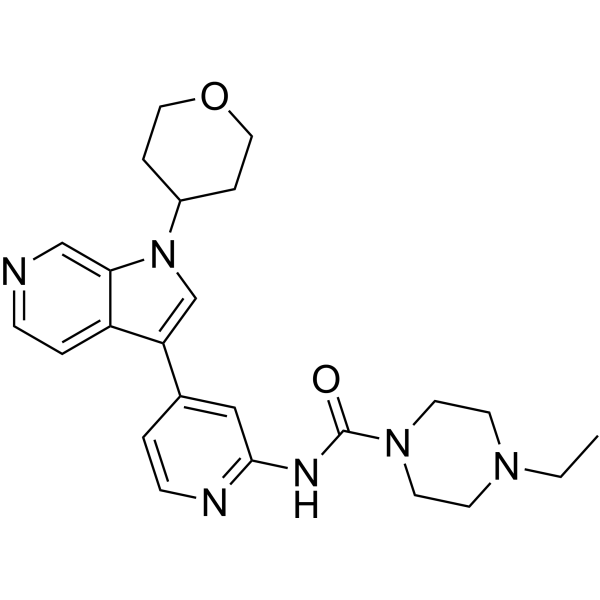
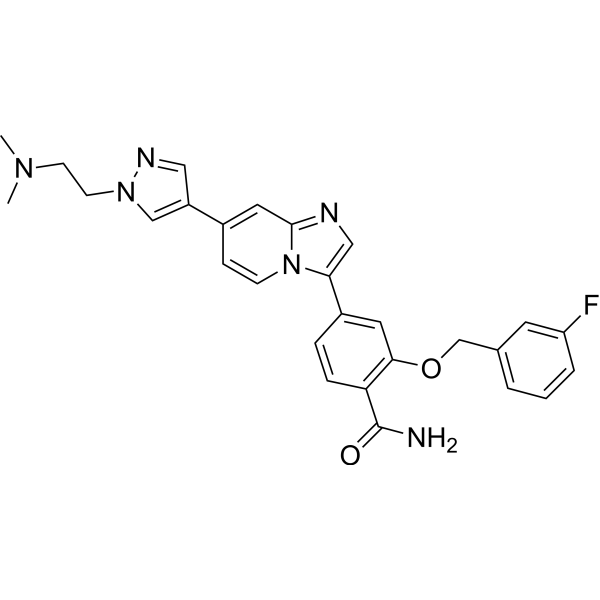
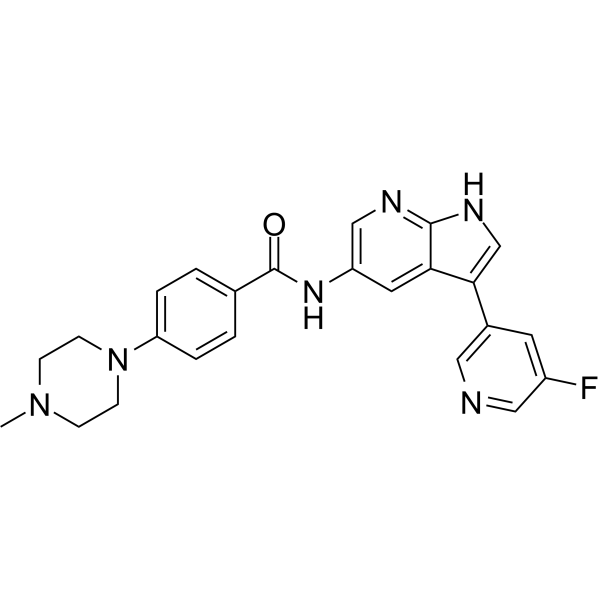
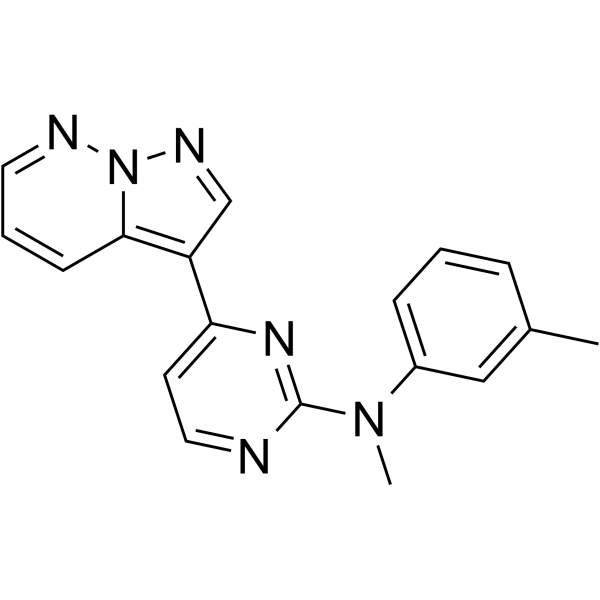
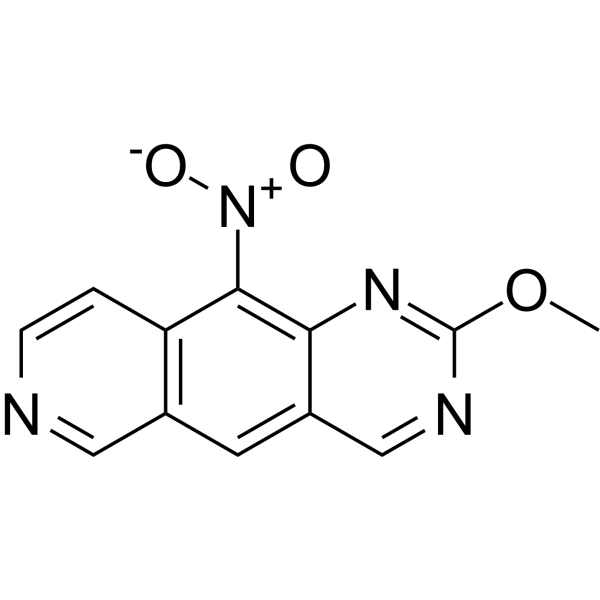
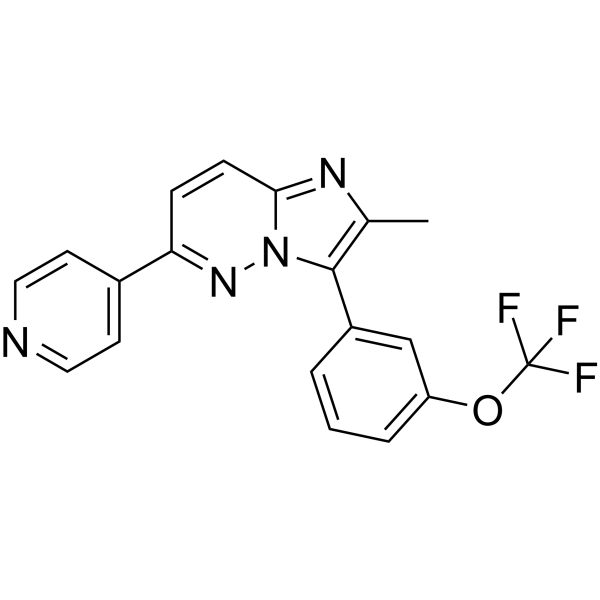
GNF2133 is a potent, selective and orally active DYRK1A inhibitor with IC50s of 0.0062, >50 µM for DYRK1A and GSK3β, respectively. GNF2133 shows good proliferation potency and efficacy on rat and human primary β-cell. GNF2133 significantly improves glucose disposal capacity and increases insulin secretion. GNF2133 has the potential for the research of type 1 diabetes [1].
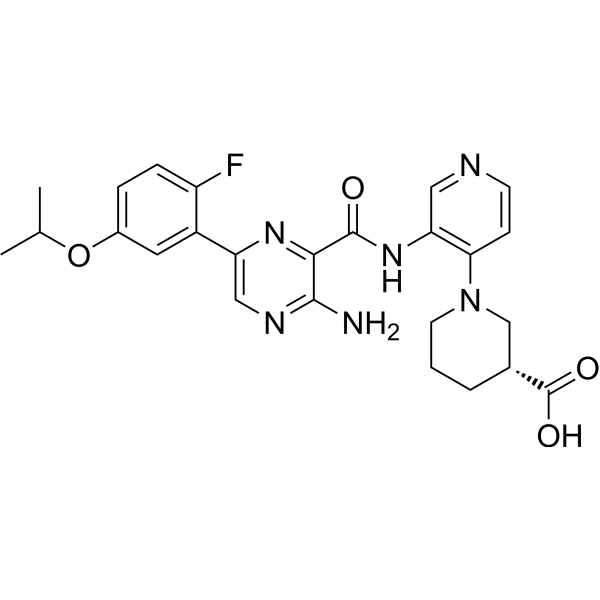
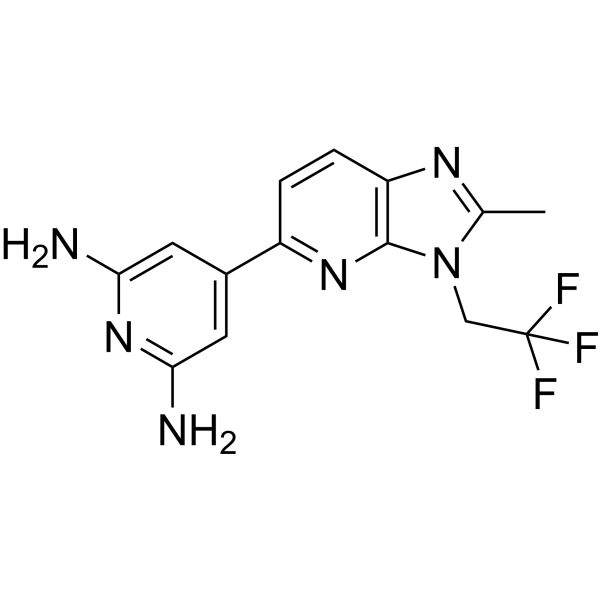
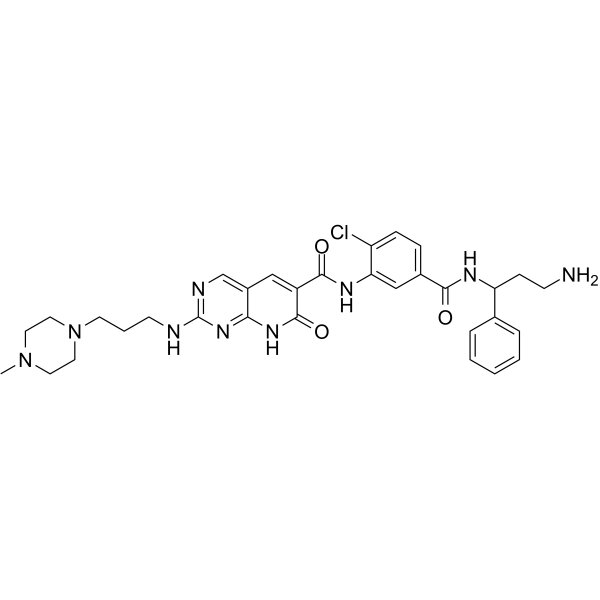
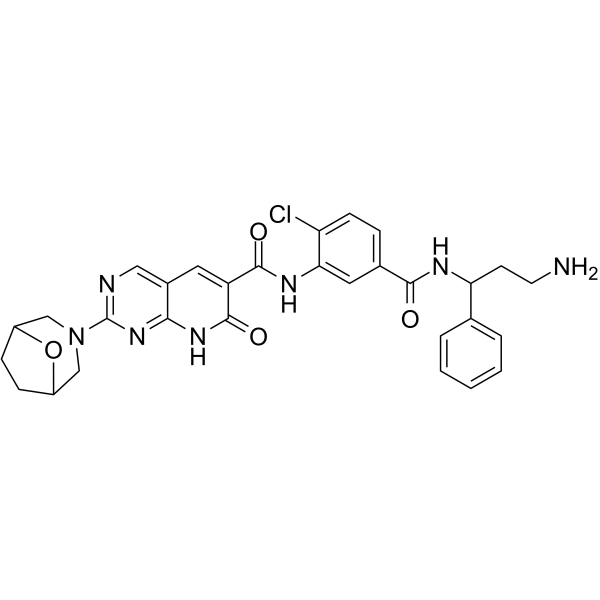
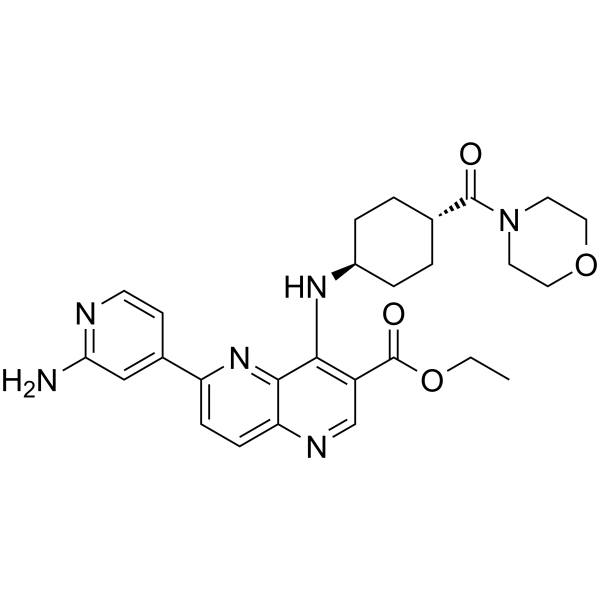
Tambiciclib (GFH009, JSH-009) is an orally active, highly potent and selective CDK9 inhibitor (IC50 = 1 nM), demonstrating >200-fold selectivity over other CDKs, >100-fold selectivity over DYRK1A/B, and excellent selectivity over 468 kinases/mutants. Tambiciclib demonstrates potent in vitro and in vivo antileukemic efficacy in acute myeloid leukemia (AML) mouse models by inhibiting RNA Pol II phosphorylation, downregulating MCL1 and MYC, and inducing apoptosis. Tambiciclib can be used for AML research [1].
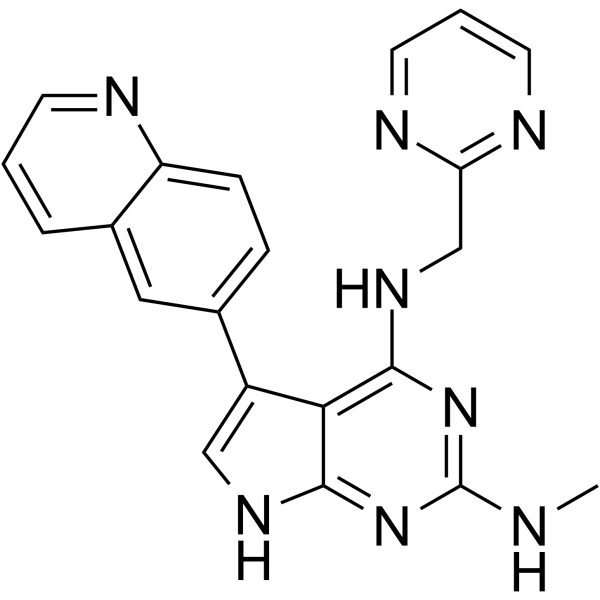
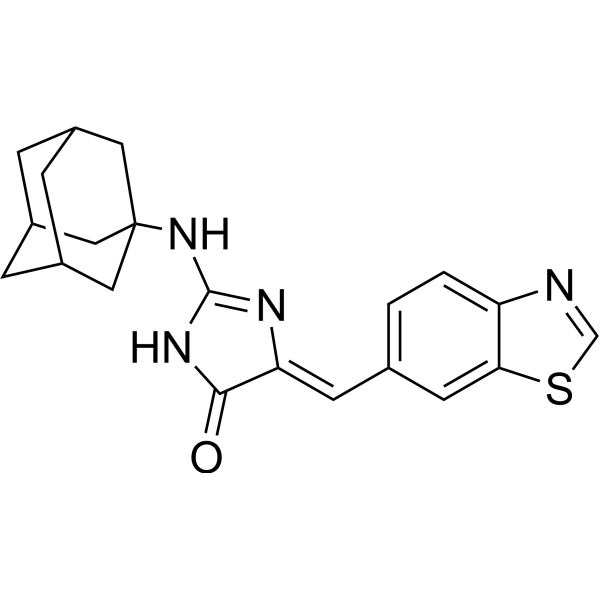
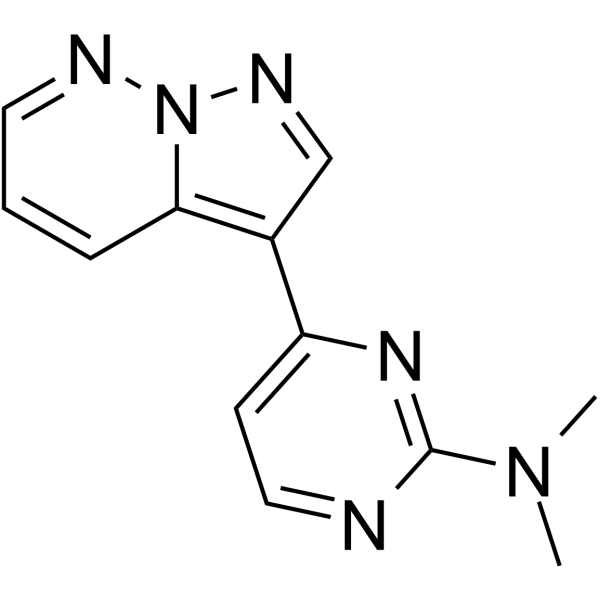
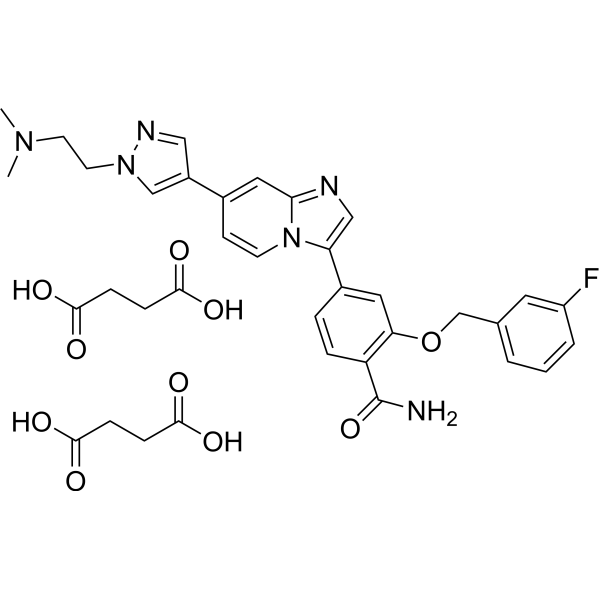
GNF4877 is a potent DYRK1A and GSK3β inhibitor with IC50s of 6 nM and 16 nM, respectively, which leads to blockade of nuclear factor of activated T-cells (NFATc) nuclear export and increased β-cell proliferation (EC50 of 0.66 μM for mouse β (R7T1) cells) [1].
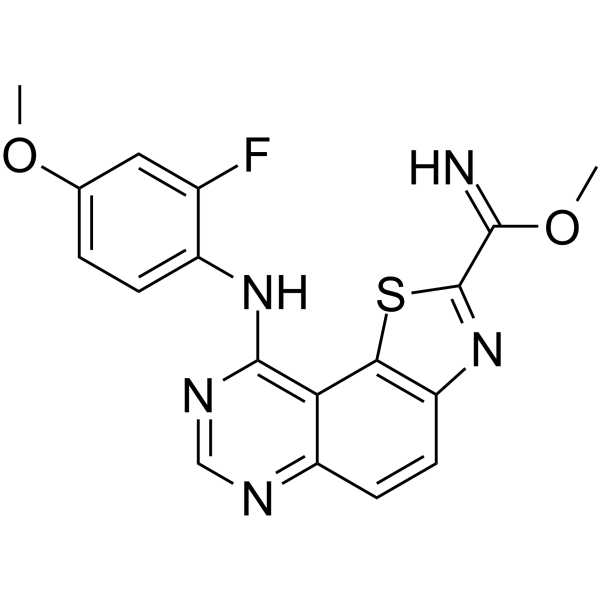
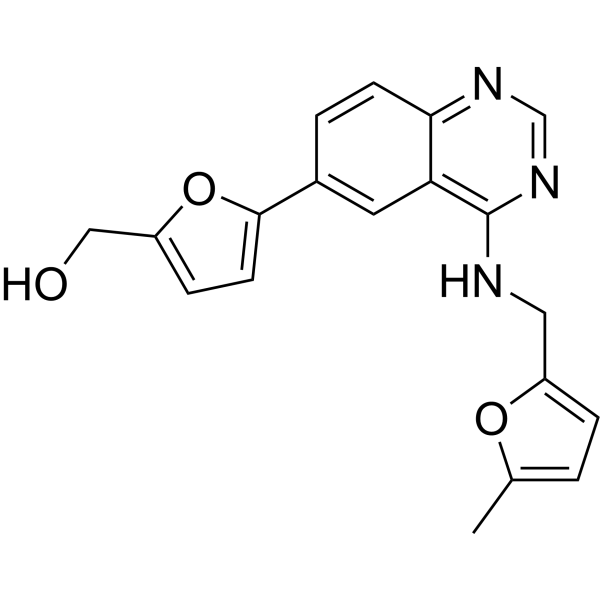
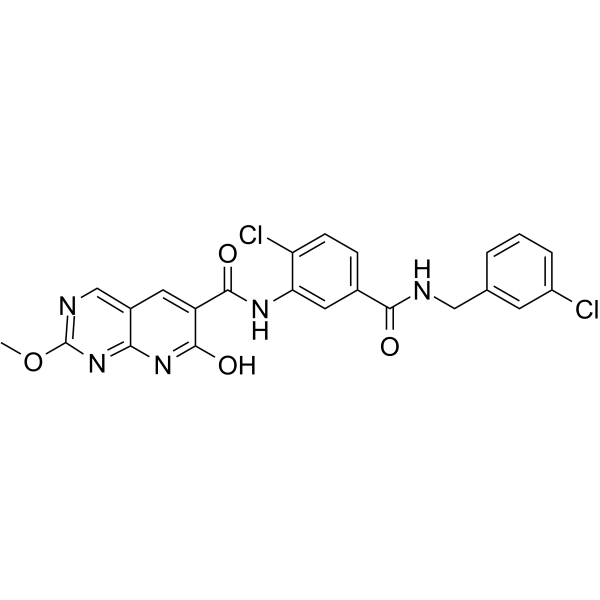
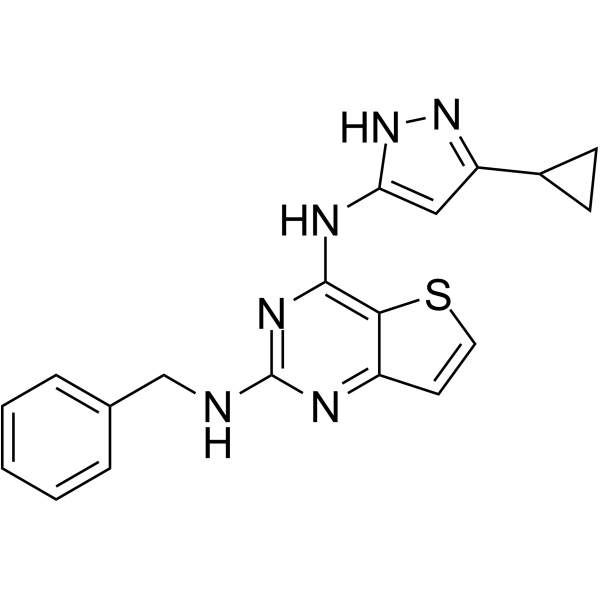
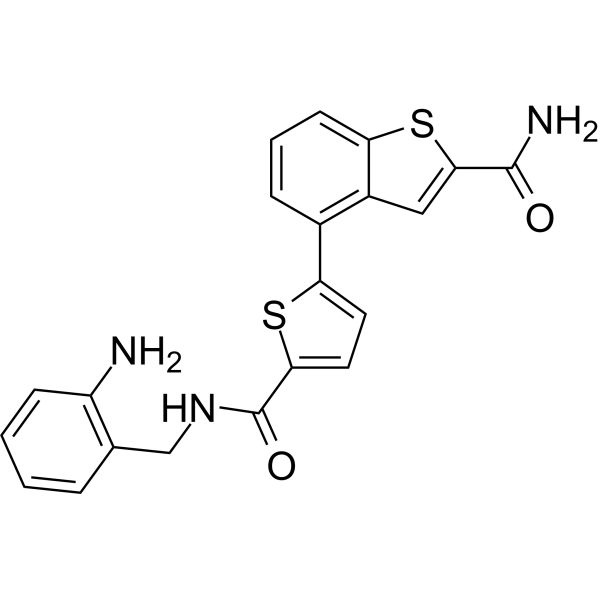
T025 is an orally active and highly potent inhibitor of Cdc2-like kinase (CLKs), with Kd values of 4.8, 0.096, 6.5, 0.61, 0.074, 1.5 and 32 nM for CLK1, CLK2, CLK3, CLK4, DYRK1A, DYRK1B and DYRK2, respectively. T025 induces caspase-3/7-mediated cell apoptosis. T025 reduces CLK-dependent phosphorylation. T025 exerts anti-proliferative activities in both hematological and solid cancer cell lines (IC50 values: 30-300 nM). T025 has an anti-tumor efficiency, mainly for MYC-driven disease research [1].
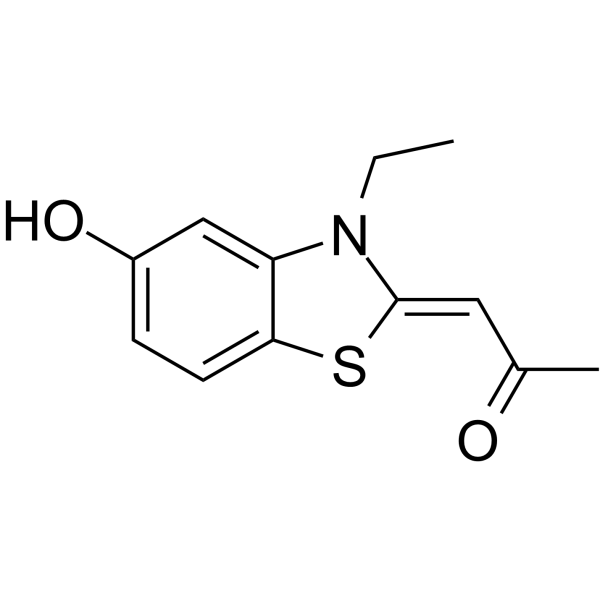
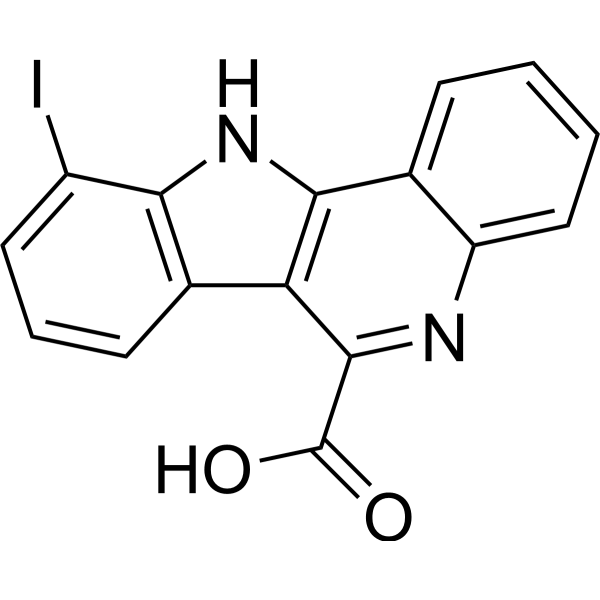
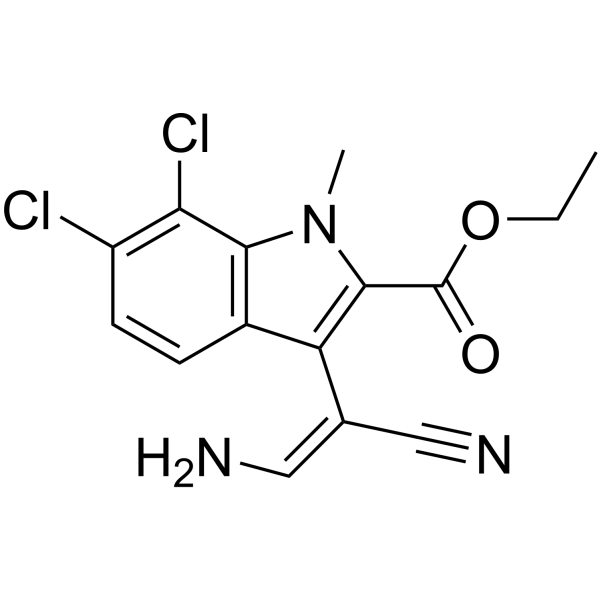
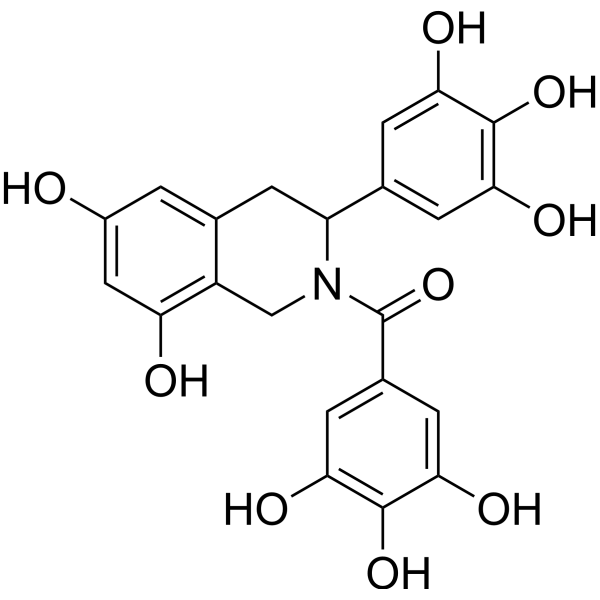
INDY is a potent and ATP-competitive Dyrk1A and Dyrk1B inhibitor with IC50s of 0.24 μM and 0.23 μM, respectively. INDY binds in the ATP pocket of the enzyme and has a Ki value of 0.18 μM for Dyrk1A. INDY sharply reduces the self-renewal capacity of normal and tumorigenic cells in primary Glioblastoma (GBM) cell lines and neural progenitor cells [1] .
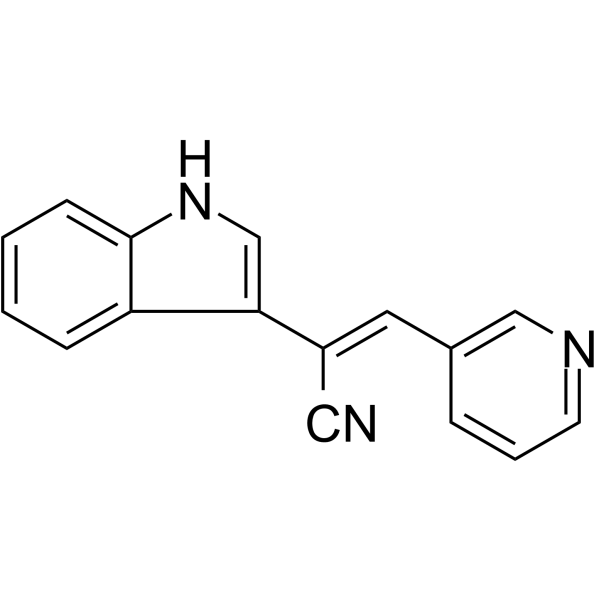
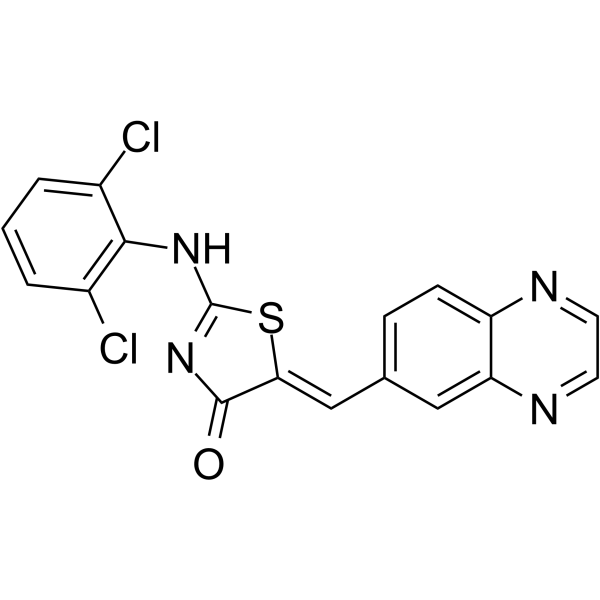
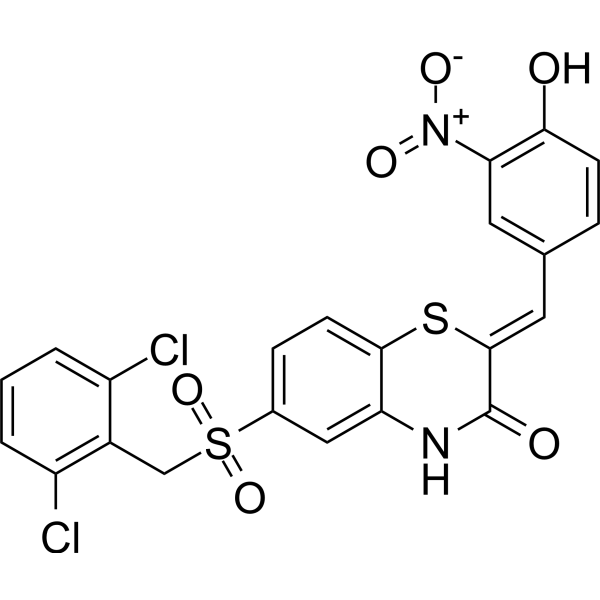
Paprotrain is a cell-permeable inhibitor of the kinesin MKLP-2, inhibits the ATPase activity of MKLP-2 with an IC50 of 1.35 μM and a Ki of 3.36 μM and shows a moderate inhibition activity on DYRK1A with an IC50 of 5.5 μM.
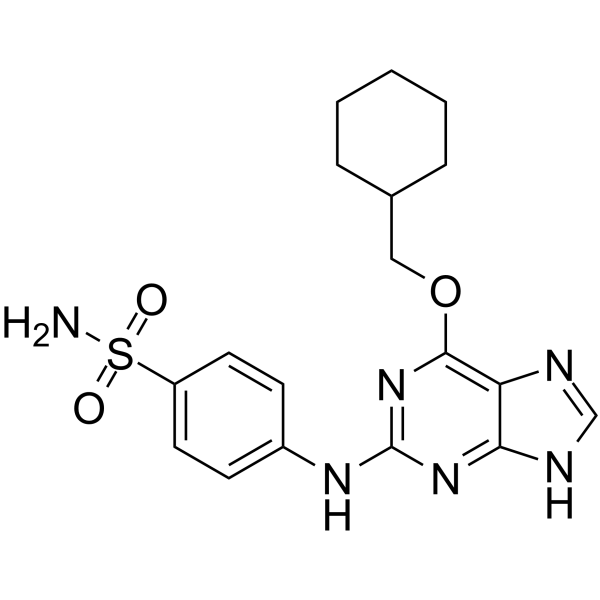
NU6102 is a potent CDK1 and CDK2 inhibitor with IC50s of 9.5 nM and 5.4 nM for CDK1/cyclinB and CDK2/cyclinA3, respectively. NU6102 shows selectivity for CDK1/CDK2 over CDK4 (IC50 of 1.6 μM), DYRK1A (IC50 of 0.9 μM), PDK1 (IC50 of 0.8 μM) and ROCKII (IC50 of 0.6 μM) [1] .
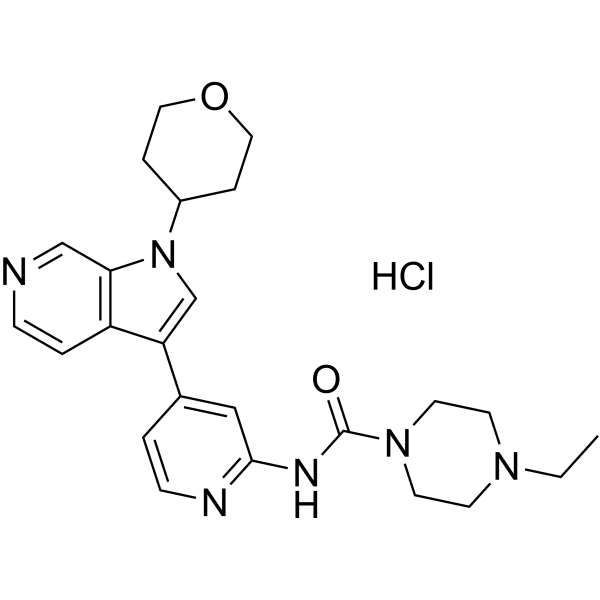
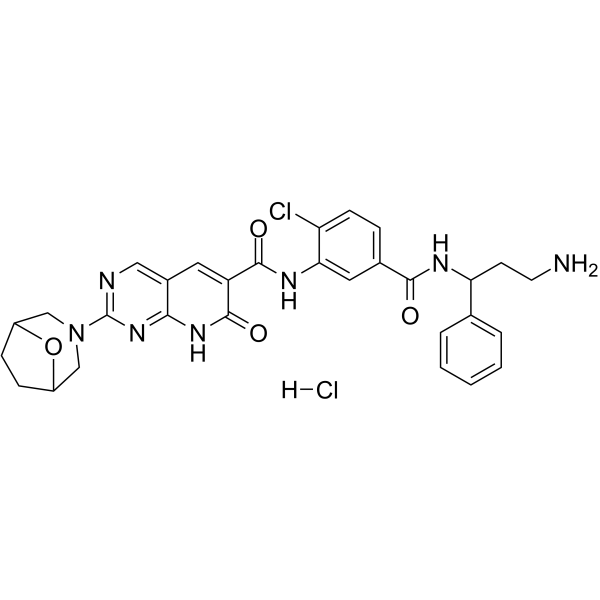
GNF2133 hydrochloride is a potent, selective and orally active DYRK1A inhibitor with IC50s of 0.0062, >50 µM for DYRK1A and GSK3β, respectively. GNF2133 hydrochloride shows good proliferation potency and efficacy on rat and human primary β-cell. GNF2133 hydrochloride significantly improves glucose disposal capacity and increases insulin secretion. GNF2133 hydrochloride has the potential for the research of type 1 diabetes [1].
GSK-626616 is a potent, orally bioavailable inhibitor of DYRK3 (IC50=0.7 nM). GSK-626616 inhibits other members of the DYRK family (e.g., DYRK1A and DYRK2) with similar potency, which is a potential therapy for the treatment of anemia [1].
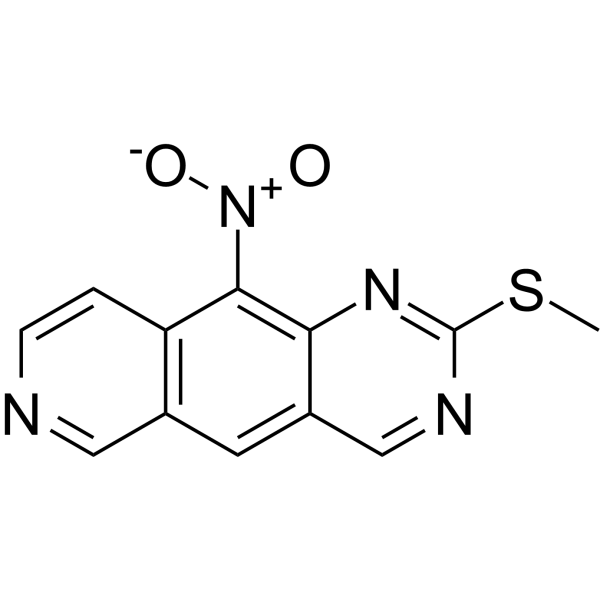
ML167 is a highly selective Cdc2-like kinase 4 (Clk4) inhibitor with IC50 of 136 nM, >10-fold selectivity for closely related kinases Clk1, Clk2, Clk3 and Dyrk1A/1B[1].
DS12881479 is a selective non-ATP-competitive MNK1 inhibitor with an IC50 value of 387 nM. DS12881479 stabilizes MNK1 in its autoinhibited DFD-out conformation, blocks eIF4E phosphorylation, suppresses tumor cell proliferation and induces weak apoptosis. DS12881479 also inhibits FLT3 and DYRK1a kinase activity at high concentrations. DS12881479 can be used for the research of cancer, such as leukemia [1] .
MBM-55 is a potent NIMA-related kinase 2 (Nek2) inhibitor with an IC50 of 1 nM. MBM-55 shows a 20-fold or greater selectivity in most kinases with the exception of RSK1 (IC50=5.4 nM) and DYRK1a (IC50=6.5 nM). MBM-55 effectively inhibits the proliferation of cancer cells by inducing cell cycle arrest and apoptosis. MBM-55 shows antitumor activities, and no obvious toxicity to mice [1].
Dyrk1A-IN-4 is a potent and orally active Dyrk1A inhibitor. Dyrk1A-IN-4 exhibits IC50s against DYRK1A and DYRK2 of 2 nM and 6 nM. Dyrk1A-IN-4 exhibits the inhibition of the DYRK1A pSer520 autophosphorylation in U2OS cells with an IC50 of 28 nM. Dyrk1A-IN-4 can be used for the studies of ovarian adenocarcinoma, neuroblastoma and cervical squamous cell carcinoma [1].
DYRK1-IN-1 is a highly selective and ligand-efficient DYRK1A inhibitor. DYRK1-IN-1 inhibits DYRK1A phosphorylation activity with an IC50 value of 220 nM. DYRK1-IN-1 can be used for the research of central nervous system penetrant DYRK1A chemical probe [1].
RO5454948 (Compound 9) is the inhibitor for Dyrk1B and Dyrk1A with IC50 of 68 nM and 22 nM. RO5454948 exhibits cytotoxicity in cancer cell SW620 with EC50 of 1.9 μM [1] .
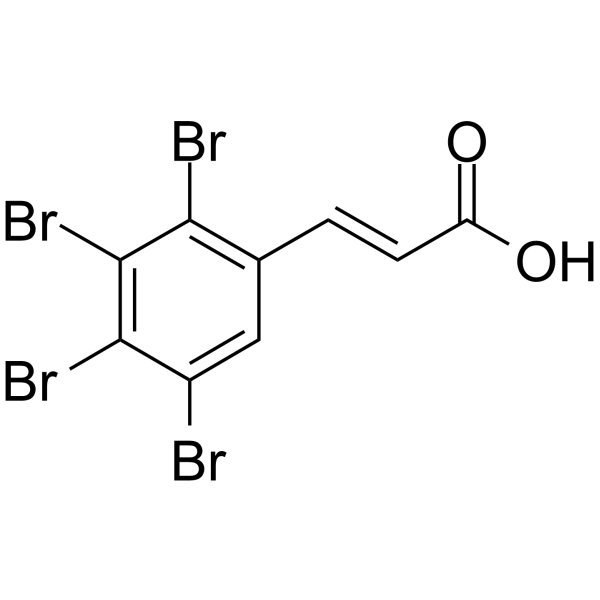
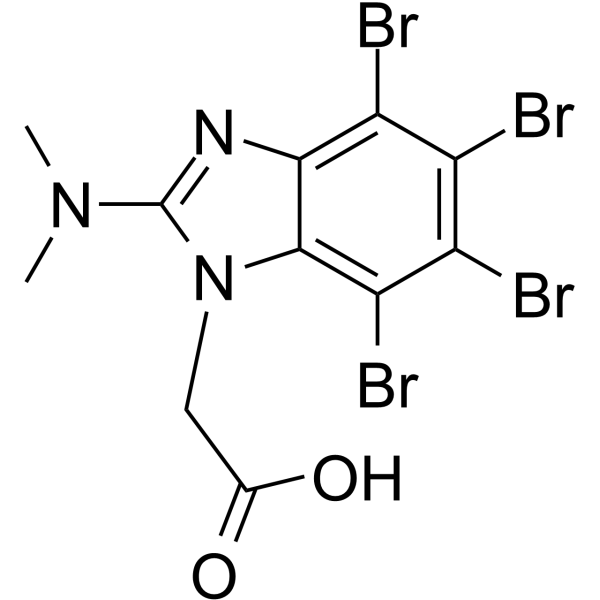
TBCA is a highly selective CK2 (casein kinase II) inhibitor with an IC50 of 110 nM and a Ki of 77 nM. TBCA shows selectivity for CK2 over CK1, DYRK1A and a panel of 27 other kinases [1] .
CLK1-IN-3 (compound 10ad) is a potent and selective Clk1 inhibitor, with an IC50 of 5 nM and over 300-fold selectivity for Dyrk1A. CLK1-IN-3 also shows a relatively potent inhibition against Clk2 and Clk4, with IC50 values of 42 and 108 nM, respectively. CLK1-IN-3 potently induces autophagy in vitro. CLK1-IN-3 can be used for acute liver injury (ALI) research [1].
Dyrk1A-IN-5 (Compound 5j) is a potent and selective DYRK1A inhibitor, with an IC50 of 6 nM. yrk1A-IN-5 exhibits significant selectivity for DYRK1B (IC50 = 600 nM) and CLK1 (IC50 = 500 nM), but shows almost no inhibition of DYRK2 (IC50 > 10 μM). Dyrk1A-IN-5 can be used for Down syndrome research [1].
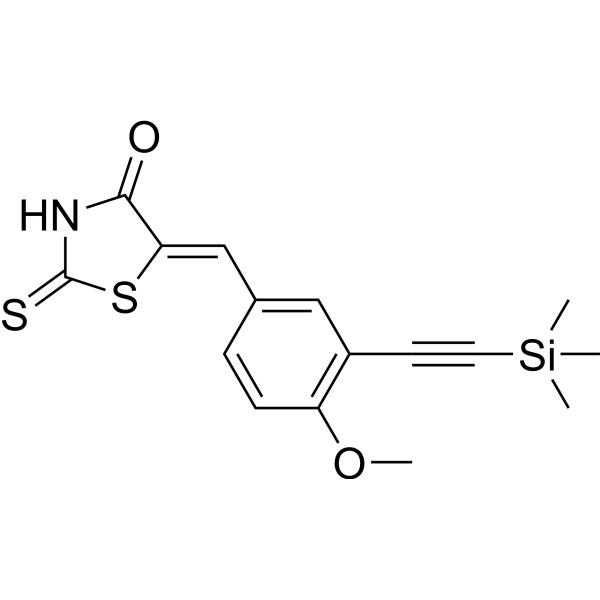
KH-CB20, an E/Z mixture, is a potent and selective inhibitor of CLK1 and the closely related isoform CLK4, with an IC50 of 16.5 nM for CLK1. KH-CB20 can also inhibit DYRK1A (IC50=57.8 nM) and CLK3 (IC50=488 nM) [1].
EHT 5372 is a highly potent and selective inhibitor of DYRK's family kinases with IC50s of 0.22, 0.28, 10.8, 93.2, 22.8, 88.8, 59.0, 7.44, and 221 nM for DYRK1A, DYRK1B, DYRK2, DYRK3, CLK1, CLK2, CLK4, GSK-3α, and GSK-3β, respectively [1] .
ON 108600 is a inhibitor for CK2 (Casein Kinase2)/TNIK/DYRK1 , with the IC50s for DYRK1A/DYRKB, DYRK2,CK2α1/CK2α2, and TNIK of 0.016 μm/0.007 μM, 0.028 μM, 0.05 μM/0.005 μM, and 0.005 μM, respectively. ON 108600 has antitumor activity [1].
CK2/ERK8-IN-1 is a dual casein kinase 2 (CK2) (Ki of 0.25 µM) and ERK8 (MAPK15, ERK7) inhibitor with IC50s of 0.50 μM. CK2/ERK8-IN-1 also binds to PIM1, HIPK2 (homeodomain-interacting protein kinase 2), and DYRK1A with Kis of 8.65 µM, 15.25 µM, and 11.9 µM, respectively. CK2/ERK8-IN-1 has pro-apoptotic efficacy [1].
Dyrk1A-IN-3 (Compound 8b), a highly selective dual-specificity tyrosine-regulated kinase 1A (DYRK1A) inhibitor, maintains high levels of DYRK1A binding affinity (IC50=76 nM). Dyrk1A-IN-3 can be used for the research of neurodegenerative disorders such as Alzheimer’s Disease, Huntington’s Disease, and Parkinson’s Disease [1].
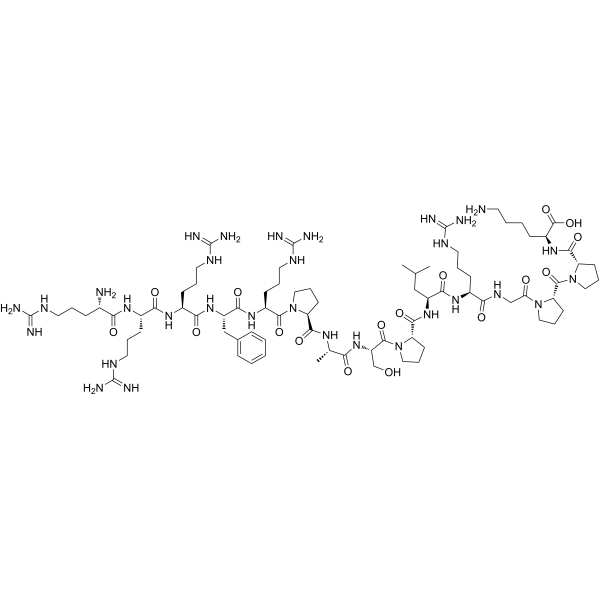
DYRKtide is a biological active peptide. (Dyrktide is designed as the optimal substrate sequence efficiently phosphorylated by DYRK1A, which is a dual-specificity protein kinase that is thought to be involved in brain development.)
7-Deazaguanine (Compound 1) is a highly selective, well-tolerated, brain-penetrant DYRK1A inhibitor. 7-Deazaguanine is promising for research of cancers and Down’s syndrome [1].
DYRKs-IN-1 hydrochloride is a potent DYRKs (Dual-specificity tyrosine-phosphorylation-regulated kinases) inhibitor with IC50s of 5 nM and 8 nM for DYRK1A and DYRK1B, respectively. DYRKs-IN-1 hydrochloride has antitumor activity [1] .
Dyrk1A-IN-13 (Compound 1) is a DYRK1A inhibitor (IC50: 41 nM). Dyrk1A-IN-13 reduces LPS-induced NO production and has antioxidant and anti-inflammatory activities. Dyrk1A-IN-13 can be used in the research of Alzheimer's disease, cancer and diabetes [1].
RD0392 (Compound 5) is a competitive tyrosine phosphorylation-regulated kinase 1A (DYRK1A) inhibitor (IC50=1.3 nM). RD0392 is promising for research of neurodegenerative diseases like Alzheimer’s [1].
FINDY is a folding intermediate-selective inhibitor of DYRK1A. FINDY can inhibit Ser97 autophosphorylation with an IC50 value of 35 μM. FINDY can be used for the research of neurological disorder [1]. FINDY is a click chemistry reagent, it contains an Alkyne group and can undergo copper-catalyzed azide-alkyne cycloaddition (CuAAc) with molecules containing Azide groups.
AO-365/43472821 is a selective, brain-penetrant Dual-specificity tyrosine phosphorylation-regulated kinase 1A (DYRK1A) inhibitor (IC50 = 0.29 μM) and shows a significant inhibitory effect on (CDC-like kinase 1) CLK1 (IC50 = 0.08 μM). AO-365/43472821 could protect the human neuroblastoma cell line SH-SY5Y from Okadaic acid (HY-N6785) (OA)-induced injury. AO-365/43472821 decreased tau (pSer396)/tau and Aβ1-42 protein expression. AO-365/43472821 can be used for the study of Alzheimer's disease [1].
JH-XVII-10 is a potent, selective and orally active DYRK1A and DYRK1B inhibitor with IC50s of 3 nM and 5 nM for DYRK1A and DYRK1B, respectively. JH-XVII-10 shows antitumor efficacy in neck squamous cell carcinoma (HNSCC) cell lines [1].
Haspin-IN-1 (compound 2a) is a haspin inhibitor with an IC50 of 119 nM. Haspin-IN-1 also inbibits CLK1 and DYRK1A with IC50s of 221 nM and 916.3 nM, respectively [1].
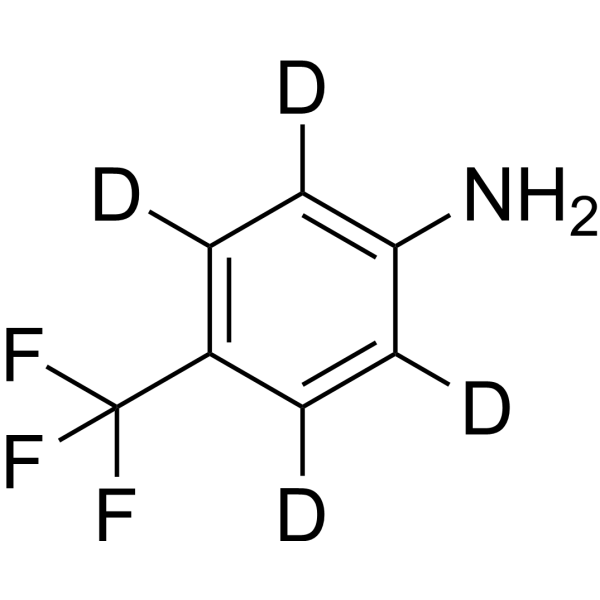
4-(Trifluoromethyl)aniline-d4 (4-Aminobenzotrifluoride-d4) is deuterium labeled 4-(Trifluoromethyl)aniline. 4-(Trifluoromethyl)aniline is a DYRK1A and DYRK1B kinase inhibitor with IC50s of 54.84 nM and 186.40 nM, respectively [1].
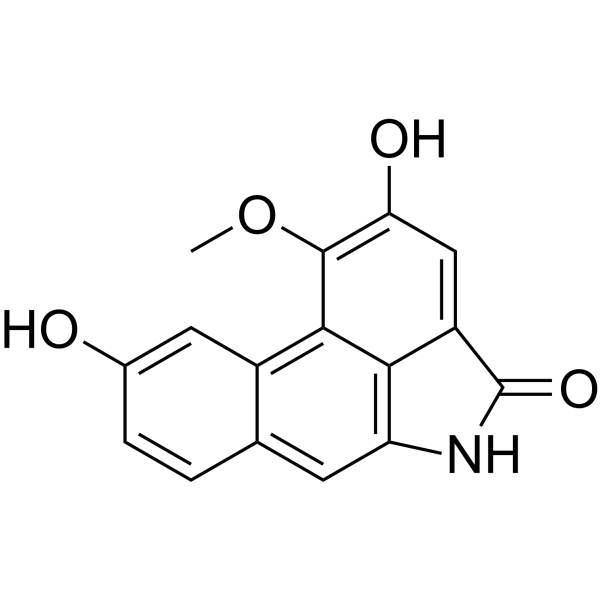
Aristolactam A IIIa (Sch 546909) is an aristolactam-type alkaloid that can be isolated from Glycosmis chlorosperma. Aristolactam A IIIa is a DYRK1A Inhibitor. Aristolactam A IIIa inhibits platelet aggregation induced by arachidonic acid (AA), collagen and platelet-activating factor (PAF). Aristolactam A IIIa has strong cytotoxic effect on HeLa cells [1].
ZDWX-25 is a highly potent GSK-3β and DYRK1A dual inhibitor with an IC50 value of 71 nM for GSK-3β. ZDWX-25 possesses significant cytotoxic activities against SH-SY5Y and HL-7702 cells. ZDWX-25 can be used for researching alzheimer's disease [1].
Dyrk1A-IN-11 (compound 166) is a potent dual-specificity tyrosine phosphorylation- regulated 1A (DYRK1A) inhibitor with an EC50 value of 0.0021 µM. Dyrk1A-IN-11 inhibits the Phospho-Tau (Thr212) with an EC50 value of 0.0361 µM [1].
Dyrk1a Rat Pre-designed siRNA Set A contains three designed siRNAs for Dyrk1a gene (Rat), as well as a negative control, a positive control, and a FAM-labeled negative control.
Dyrk1a Mouse Pre-designed siRNA Set A contains three designed siRNAs for Dyrk1a gene (Mouse), as well as a negative control, a positive control, and a FAM-labeled negative control.
DYRK1A Human Pre-designed siRNA Set A contains three designed siRNAs for DYRK1A gene (Human), as well as a negative control, a positive control, and a FAM-labeled negative control.
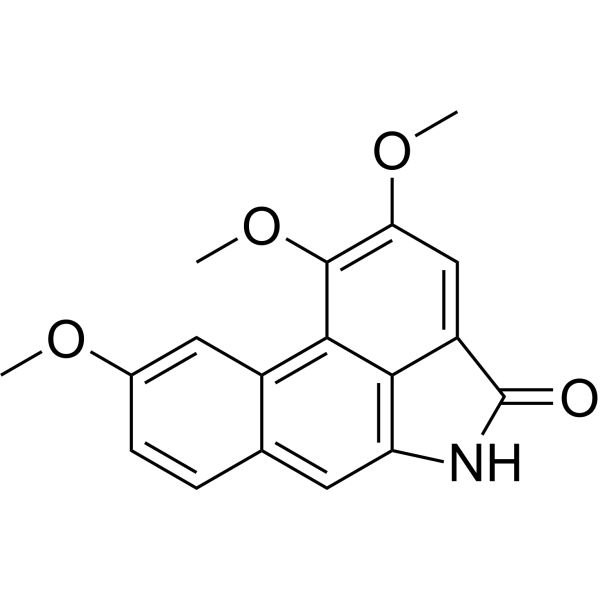
Aristolactam BIII is a potent DYRK1A inhibitor and inhibits the kinase activity of DYRK1A in vitro (IC50= 9.67 nM. Aristolactam BIII rescues the proliferative defects of DYRK1A transgenic (TG) mouse-derived fibroblasts and neurological and phenotypic defects of DS-like Drosophila models [1].
ProINDY, a prodrug of INDY (HY-108476), is a DYRK1A and DYRK1B inhibitor. ProINDY effectively recovers Xenopus embryos from head malformation induced by Dyrk1A overexpression [1].
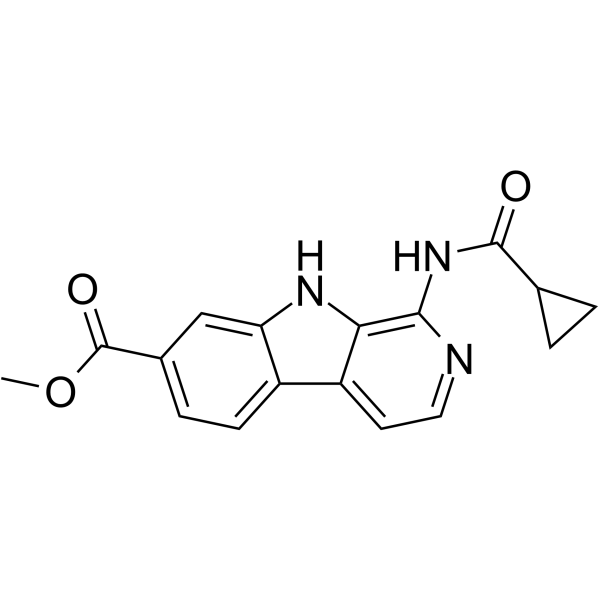
KTD-092 is a hit for DYRK1A inhibition, with an IC50 of 22 nM for human DYRK1A. KTD-092 can be used in the research for Down syndrome (DS), Alzheimer's disease (AD), autism spectrum disorder (ASD), diabetes and other neurodegenerative diseases [1].
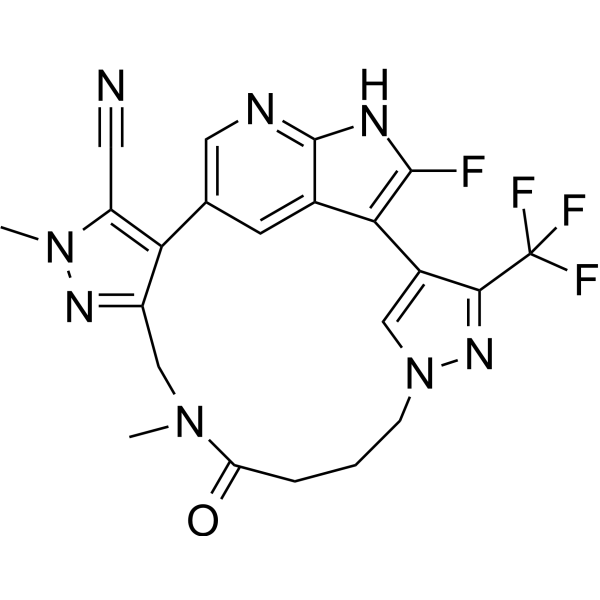
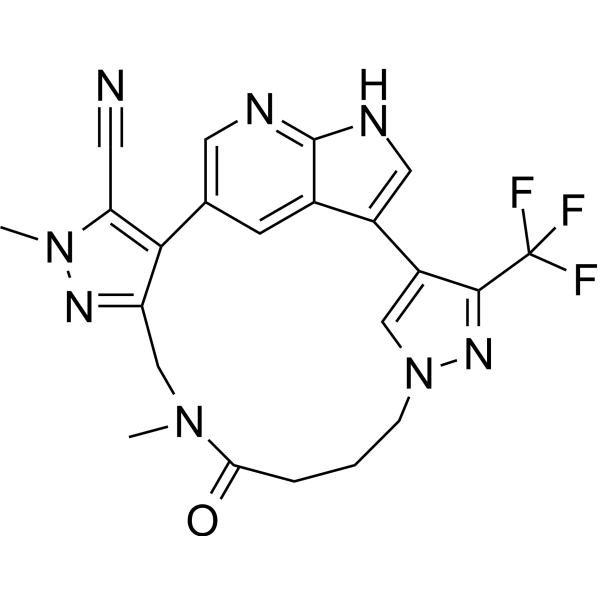
JH-XIV-68-3 is a selective macrocyclic inhibitor of DYRK1A/B. JH-XIV-68-3 displays selectivity for DYRK1A and close family member DYRK1B in biochemical and cellular assays. JH-XIV-68-3 demonstrates antitumor efficacy in head and neck squamous cell carcinoma (HNSCC) cell lines [1].
Haspin-IN-2 (compound 4) is a potent and selective haspin inhibitor with an IC50 of 50 nM. Haspin-IN-1 also inbibits CLK1 and DYRK1A with IC50s of 445 nM and 917 nM, respectively [1].
DYRKs-IN-2 (Example 132) is a potent DYRKs inhibitor with IC50s of 30.6 nM and 12.8 nM for DYRK1B and DYRK1A, respectively. DYRKs-IN-2 has antitumor activity [1].
DYRKs-IN-1 is a potent DYRKs (Dual-specificity tyrosine-phosphorylation-regulated kinases) inhibitor with IC50s of 5 nM and 8 nM for DYRK1A and DYRK1B, respectively. DYRKs-IN-1 has antitumor activity [1] .
MBM-55S is a potent NIMA-related kinase 2 (Nek2) inhibitor with an IC50 of 1 nM. MBM-55S shows a 20-fold or greater selectivity in most kinases with the exception of RSK1 (IC50=5.4 nM) and DYRK1a (IC50=6.5 nM). MBM-55S effectively inhibits the proliferation of cancer cells by inducing cell cycle arrest and apoptosis. MBM-55S shows antitumor activities, and no obvious toxicity to mice [1].
Tambiciclib (GFH009, JSH-009) dimaleate is an orally active, highly potent and selective CDK9 inhibitor (IC50 = 1 nM), demonstrating >200-fold selectivity over other CDKs, >100-fold selectivity over DYRK1A/B, and excellent selectivity over 468 kinases/mutants. Tambiciclib dimaleate demonstrates potent in vitro and in vivo antileukemic efficacy in acute myeloid leukemia (AML) mouse models by inhibiting RNA Pol II phosphorylation, downregulating MCL1 and MYC, and inducing apoptosis. Tambiciclib dimaleate can be used for AML research [1].
Dyrk1A-IN-8 (compound 4C) is a potent inhibitor of Dyrk1A , with the IC50 of 209 nM. Dyrk1A-IN-8 plays an important role in neurodegenerative diseases [1].
Dyrk1a-in-7 (Compound 29) is a selective DYRK1A kinase inhibitor, and has good kinase selectivity for CLK1 kinase. The IC50 value of DYRK1A is 28 nM. For CLK2, Kd is 17.5 nM. Dyrk1a-in-7 can be used in the research of cancer, type Ⅱ diabetes and neurological diseases [1].
Dyrk1A-IN-6 (compound 7cc) is an EGCG-like non-competitive inhibitor of DYRK1A. Dyrk1A-IN-6 can be used to alleviate cognitive defects in Down syndrome models [1].
Dyrk1A-IN-2 (Compound 63) is a DYRK1A inhibitor with an EC50 of 37 nM. Dyrk1A-IN-2 exhibits highly potent human β-cell replication-promoting activity and low cytotoxicity [1].
Dyrk1A-IN-10 (compound B4) is a DYRK1A inhibitor with antidiabetic activity. Dyrk1A-IN-10 can promote pancreatic β-cell proliferation, increase insulin secretion, and lower blood sugar [1].
Dyrk1A-IN-12 (compound S43) is a Dyrk (Dual specificity tyrosine phosphorylation regulated kinase 1A inhibitor. Dyrk1A-IN-12 inhibits Dyrk1A with a IC50 of 95 nM. Dyrk1A-IN-12 shows anti-EV-A71 activity with an EC50 of 4.4 μM, CC50 of 12.8 μM and SI of 2.9. Dyrk1A-IN-12 shows potent inhibition against herpes simplex virus (HSV) [1].
Dyrk1A-IN-9 (Compound L9) is a moderately active DYRK1A inhibitor (IC50: 1.67 μM). L9 shows neuroprotective activity by regulating the expression of Aβ and phosphorylation of Tau protein. Dyrk1A-IN-9 can be used for research of Alzheimer's disease [1].
Dyrk1A/B-IN-1 (compound 3n) is a potent, selective and cell-permeable DYRK1A and DYRK1B inhibitor with Kis of 67.8 nM and 237.9 nM, and IC50s of 1.1 μM and 0.8 μM, respectively. Dyrk1A/B-IN-1 is not toxic to human cells. Dyrk1A/B-IN-1 can be used for researching DYRK1A and DYRK1B cellular functions and their role in pathologies [1].
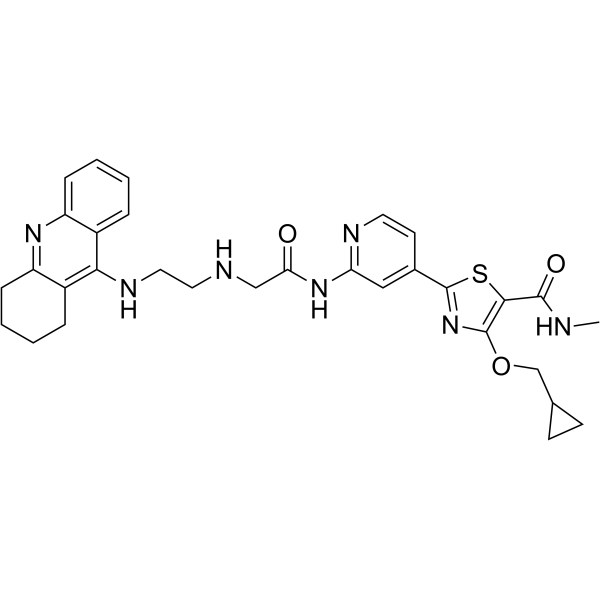
AChE/GSK-3β-IN-1 (compound GT15) is a potent, dual AChE/GSK-3β inhibitor with IC50 values of 1.2, 149.8 and 22.4 nM for hAChE , hBChE and hGSK-3β, respectively. AChE/GSK-3β-IN-1 penetrates the blood-brain barrier (BBB). AChE/GSK-3β-IN-1 has high kinase selectivity profiles for the CMGC kinase family. AChE/GSK-3β-IN-1 occupies the ATP binding site of DYRK1A. AChE/GSK-3β-IN-1 inhibits ROS expression and reduces oxidative stress. AChE/GSK-3β-IN-1 can be used for Alzheimer’s disease research [1].
Dyrk1A/α-synuclein-IN-1 (Compound b1) is a dual Dyrk1A and α-synuclein aggregation inhibitor with IC50 values of 177 nM and 10.5 µM, respectively. Dyrk1A/α-synuclein-IN-1 has high predictive CNS penetration and neuroprotective effect [1].
Dyrk1A/α-synuclein-IN-2 (Compound b20) is a dual Dyrk1A and α-synuclein aggregation inhibitor with an IC50 of 7.8 µM for α-synuclein. Dyrk1A/α-synuclein-IN-2 has high predictive CNS penetration and neuroprotective effect [1].
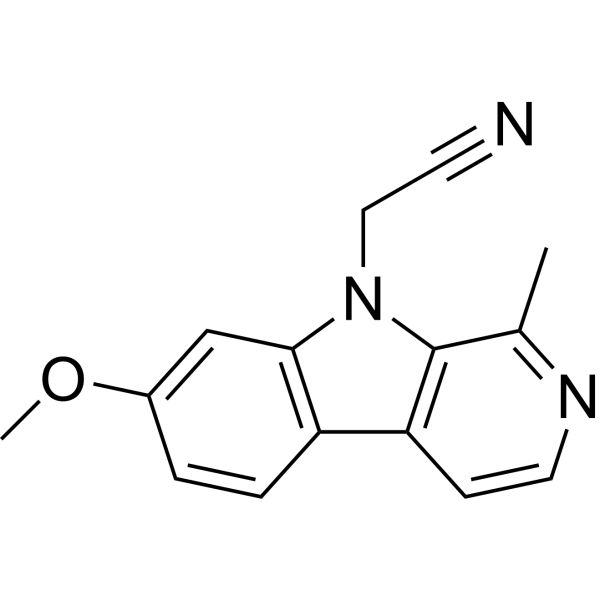
Norharmine is a Harmine analogue and an alkaloid. Norharmine is the inhibitors of MAO-A and DYRK1A. Norharmine has weak inhibitory activity against MAO-A and certain inhibitory activity against DYRK1A[1].
AnnH31 is a Dyrk1A inhibitor (IC50: 81 nM). AnnH31 also inhibits MAO-A with an IC50 of 3.2 μM. AnnH31 inhibits cell viability of HeLa, PC12 and SH-SY5Y cells [1].
hAChE-IN-8 (Compound S-12) is a orally effective and selective inhibitor of hAChE (IC50=0.486 μM). hAChE-IN-8 also inhibits BACE-1 (IC50=0.542 μM), and does not inhibit Dyrk1A (IC50>10 μM). hAChE-IN-8 can reduce Aβ aggregation, has good blood-brain barrier penetration. hAChE-IN-8 is mainly used in Alzheimer's disease research [1].
Dyrk1A-IN-15 is a selective, brain-penetrant and ATP-competitive Dyrk1A inhibitor with a IC50 of 19 nM. Dyrk1A-IN-15 displays high selectivity across a broad kinase panel (specific for DYRK kinases) with nanomolar potency. Dyrk1A-IN-15 impairs neurosphere self-renewal, cell invasion, and EGFR stability in vitro. Dyrk1A-IN-15 inhibits tumor growth and prolongs survival in vivo. Dyrk1A-IN-15 has potential for glioblastoma (GBM) research [1].
Dyrk1A-IN-16 is a selective, brain-penetrant and ATP-competitive Dyrk1A inhibitor with a IC50 of 53 nM. Dyrk1A-IN-16 displays high selectivity across a broad kinase panel (specific for DYRK kinases) with nanomolar potency. Dyrk1A-IN-16 impairs neurosphere self-renewal, cell invasion, and EGFR stability in vitro. Dyrk1A-IN-16 inhibits tumor growth and prolongs survival in vivo. Dyrk1A-IN-16 has potential for glioblastoma (GBM) research [1].
RD0448 is a potent inhibitor of DYRK1A, DYRK1B, and DYRK2. RD0448 selectively targets the non-native (folded intermediate) state of DYRK1A and DYRK1B. The binding site of RD0448 is hidden in the native state of DYRK1A and DYRK1B, and as a stabilizing binder, it binds tightly to both DYRK1A and DYRK1B, forming a stable complex with slow dissociation kinetics. In contrast, RD0448 targets the native state of DYRK2 without selectivity between its native and non-native states, acting as a weak binder with weaker binding affinity to DYRK2 and forming a rapidly dissociating complex [1].
GNF7156 is a DYRK1A/GSK3B inhibitor, IC50 values of 100 nM for DYRK1A and 40 nM for GSK3B. GNF7156 inhibits DYRK1A and GSK3B kinase activity and induces NFAT nuclear retention. GNF7156 stimulates beta-cell cycle entry and division and maintains insulin secretory capacity. GNF7156 can be used for the research of type 1 diabetes, and type 2 diabetes [1] .
INDY (Standard) is the analytical standard of INDY (HY-108476). This product is intended for research and analytical applications. INDY is a potent and ATP-competitive Dyrk1A and Dyrk1B inhibitor with IC50s of 0.24 μM and 0.23 μM, respectively. INDY binds in the ATP pocket of the enzyme and has a Ki value of 0.18 μM for Dyrk1A. INDY sharply reduces the self-renewal capacity of normal and tumorigenic cells in primary Glioblastoma (GBM) cell lines and neural progenitor cells [1] .
Atalaphyllidine is a natural product. Atalaphyllidine can be isolated from the stem bark of Glycosmis chlorosperma. Atalaphyllidine inhibits DYRK1A kinase activity with an IC50 of 2.2 μM. Atalaphyllidine can be used in the research of neurodegenerative diseases [1].
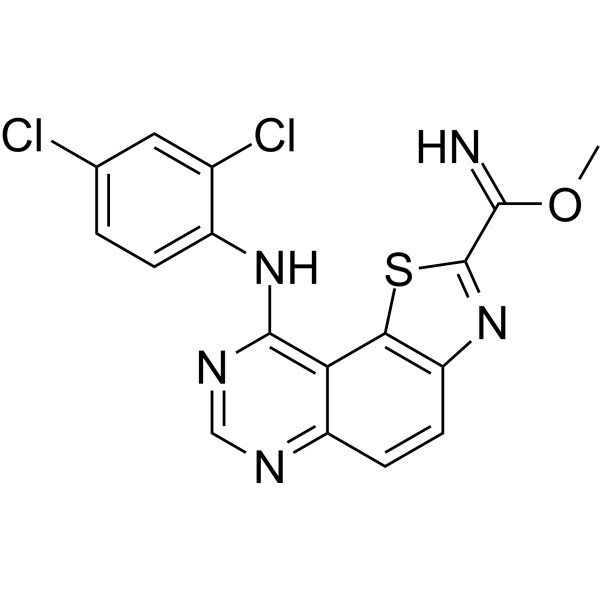
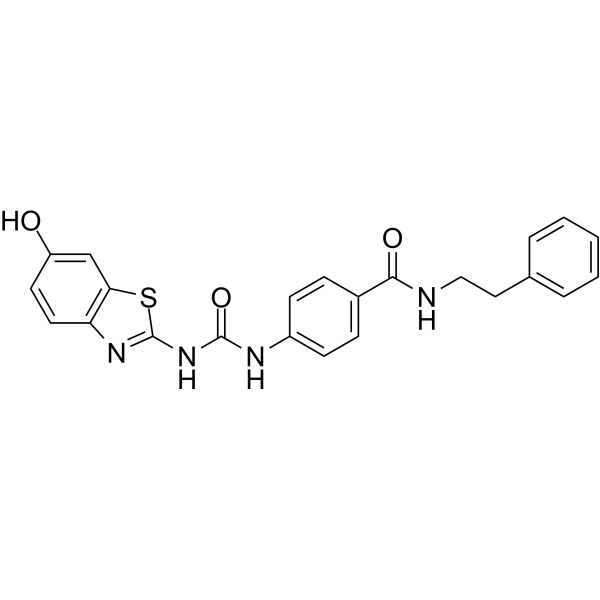
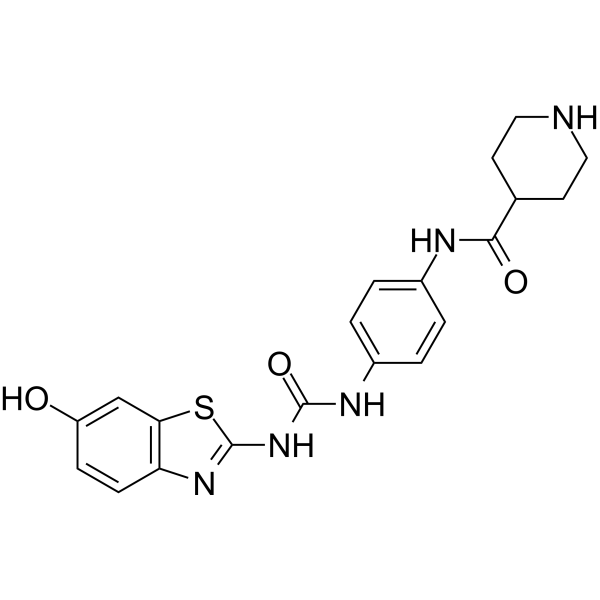
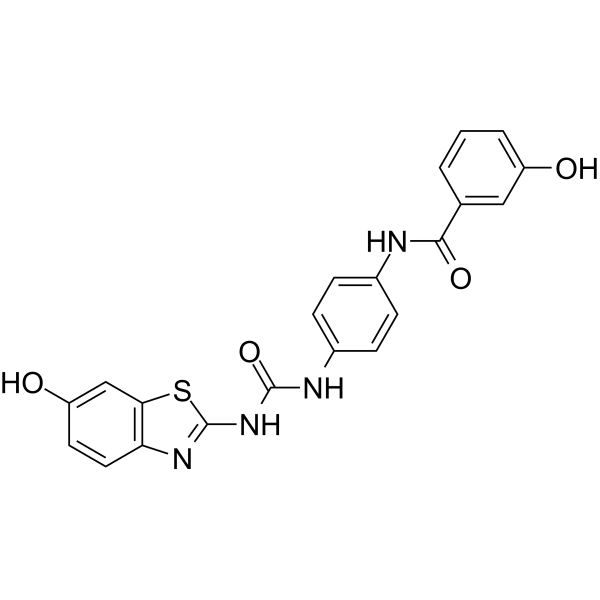
CSH-4044 can be isolated from fermented wheat germ extract. CSH-4044 is a unique benzothiazole compound. CSH-4044 can inhibit PIM3-driven BAD phosphorylation in pancreatic cancer cell lines as well as reducing DYRK1A-induced Tau phosphorylation in neuronal cells [1].
Paprotrain (Standard) is the analytical standard of Paprotrain (HY-101298). This product is intended for research and analytical applications. Paprotrain is a cell-permeable inhibitor of the kinesin MKLP-2, inhibits the ATPase activity of MKLP-2 with an IC50 of 1.35 μM and a Ki of 3.36 μM and shows a moderate inhibition activity on DYRK1A with an IC50 of 5.5 μM.
Multi-kinase-IN-14 is an orally active and blood-brain barrier-permeable multi-kinase inhibitor. Multi-kinase-IN-14 reduces the excessive phosphorylation of α-synuclein by inhibiting four kinases (ABL1,DYRK1A, GSK3β, and LRRK2) and stabilizing microtubules. Multi-kinase-IN-14 is applicable for research on neurodegenerative diseases such as Parkinson’s disease and Alzheimer’s disease [1].
GSK-626616 (Standard) is the analytical standard of GSK-626616 (HY-105309). This product is intended for research and analytical applications. GSK-626616 is a potent, orally bioavailable inhibitor of DYRK3 (IC50=0.7 nM). GSK-626616 inhibits other members of the DYRK family (e.g., DYRK1A and DYRK2) with similar potency, which is a potential therapy for the treatment of anemia [1].
DYRK2-IN-2 hydrochloride is a selective DYRK2 inhibitor with an IC50 of 40.3 nM. DYRK2-IN-2 hydrochloride shows weaker inhibitory activity against DYRK1A (IC50 = 1842 nM), DYRK1B (IC50 = 1335 nM), DYRK4 (IC50 = 1931 nM), DYRK3 (IC50 = 112 nM) and CLK (IC50 = 540-6496 nM). DYRK2-IN-2 hydrochloride inhibits the phosphorylation of Thr212 in Tau protein. DYRK2-IN-2 hydrochloride is applicable for neuronal research [1].
ARN25699 is a kinase inhibitor with an IC50 of 5.5 nM against GSK-3β, 2.2 nM against FYN-α, and 242.3 nM against DYRK1A, and it exhibits oral bioavailability. ARN25699 reduces hyperphosphorylation of tau protein and promotes microtubule bundle formation. ARN25699 has a broader kinome inhibitory profile and targets kinases associated with the pathogenic mechanisms linked to Alzheimer's disease. ARN25699 can be used in the research of Alzheimer's disease and related tauopathies [1].
DYRK2-IN-2 (Compound C17) is a selective inhibitor of DYRK2, with its IC50 value being 40.3 nM. The inhibitory activity of DYRK2-IN-2 on DYRK1A (IC50 = 1842 nM), DYRK1B (IC50 = 1335 nM), DYRK4 (IC50 = 1931 nM), DYRK3 (IC50 = 112 nM), and CLKs (IC50 = 540-6496 NM) is relatively low. DYRK2-IN-2 inhibits the phosphorylation of Tau protein at Thr212 and shows moderate cytotoxicity in HT22 cells. DYRK2-IN-2 can be used in cancer research [1].
MBM-55 (Standard) is the analytical standard of MBM-55 (HY-101029). This product is intended for research and analytical applications. MBM-55 is a potent NIMA-related kinase 2 (Nek2) inhibitor with an IC50 of 1 nM. MBM-55 shows a 20-fold or greater selectivity in most kinases with the exception of RSK1 (IC50=5.4 nM) and DYRK1a (IC50=6.5 nM). MBM-55 effectively inhibits the proliferation of cancer cells by inducing cell cycle arrest and apoptosis. MBM-55 shows antitumor activities, and no obvious toxicity to mice [1].
CDK2-IN-55 (Compound 12c) is a CDK2 inhibitor with an IC50 value of 4.7 nM. CDK2-IN-55 also has a strong inhibitory effect on CDK1 (IC50 = 26.3 nM), moderate inhibitory effects on Aurora A (IC50 = 92.0 nM) and CDK9 (IC50 = 288 nM), and very weak inhibitory activities on CDK4, CDK6, DYRK1A, and GSK3β (IC50 > 1000 nM). CDK2-IN-55 shows strong anti-proliferative activity against various cancer cell lines, inducing cell cycle arrest and apoptosis. CDK2-IN-55 can be used for research on colorectal cancer, lung cancer, and cervical cancer [1].
VS-II-173 is a pan-Pim kinase inhibitor with IC50 values of 0.07 μM and 0.02 μM for Pim1 and Pim3, respectively, and a residual activity of 46% for Pim2 at 1 μM. VS-II-173 also inhibits kinases such as HIPK2, PRK2, RSK1, DYRK1a and AMPKα1, selectively inhibiting acute myeloid leukemia (AML) cells with significantly lower toxicity to non-malignant cells (EC50 > 30 μM). VS-II-173 weakens the phosphorylation of substrates such as Stat5 (Y694), MDM2 (S166), Bad (S112), and 4E-BP1 (T37/46) by inhibiting Pim kinase-mediated signaling pathways, blocking pro-survival signals in AML cells and inducing apoptosis. VS-II-173 synergistically enhances anti-AML activity when combined with Daunorubicin (HY-13062A). VS-II-173 can be used in AML research, especially for AML with FLT3-ITD mutations and NPM1 mutations [1] .
DYRKtide is a biological active peptide. (Dyrktide is designed as the optimal substrate sequence efficiently phosphorylated by DYRK1A, which is a dual-specificity protein kinase that is thought to be involved in brain development.)
Aristolactam A IIIa (Sch 546909) is an aristolactam-type alkaloid that can be isolated from Glycosmis chlorosperma. Aristolactam A IIIa is a DYRK1A Inhibitor. Aristolactam A IIIa inhibits platelet aggregation induced by arachidonic acid (AA), collagen and platelet-activating factor (PAF). Aristolactam A IIIa has strong cytotoxic effect on HeLa cells [1].
Aristolactam BIII is a potent DYRK1A inhibitor and inhibits the kinase activity of DYRK1A in vitro (IC50= 9.67 nM. Aristolactam BIII rescues the proliferative defects of DYRK1A transgenic (TG) mouse-derived fibroblasts and neurological and phenotypic defects of DS-like Drosophila models [1].
Atalaphyllidine is a natural product. Atalaphyllidine can be isolated from the stem bark of Glycosmis chlorosperma. Atalaphyllidine inhibits DYRK1A kinase activity with an IC50 of 2.2 μM. Atalaphyllidine can be used in the research of neurodegenerative diseases [1].
DYRK1A protein has dual serine/threonine and tyrosine kinase activities. DYRK1A Protein, Human is the recombinant human-derived DYRK1A protein, expressed by E. coli , with tag free.
DYRK1A protein has dual serine/threonine and tyrosine kinase activities. DYRK1A Protein, Human (His) is the recombinant human-derived DYRK1A protein, expressed by E. coli , with N-6*His labeled tag.
4-(Trifluoromethyl)aniline-d4 (4-Aminobenzotrifluoride-d4) is deuterium labeled 4-(Trifluoromethyl)aniline. 4-(Trifluoromethyl)aniline is a DYRK1A and DYRK1B kinase inhibitor with IC50s of 54.84 nM and 186.40 nM, respectively [1].
RD0448 is a potent inhibitor of DYRK1A, DYRK1B, and DYRK2. RD0448 selectively targets the non-native (folded intermediate) state of DYRK1A and DYRK1B. The binding site of RD0448 is hidden in the native state of DYRK1A and DYRK1B, and as a stabilizing binder, it binds tightly to both DYRK1A and DYRK1B, forming a stable complex with slow dissociation kinetics. In contrast, RD0448 targets the native state of DYRK2 without selectivity between its native and non-native states, acting as a weak binder with weaker binding affinity to DYRK2 and forming a rapidly dissociating complex [1].
Dyrk1a Rat Pre-designed siRNA Set A contains three designed siRNAs for Dyrk1a gene (Rat), as well as a negative control, a positive control, and a FAM-labeled negative control.
Dyrk1a Mouse Pre-designed siRNA Set A contains three designed siRNAs for Dyrk1a gene (Mouse), as well as a negative control, a positive control, and a FAM-labeled negative control.
DYRK1A Human Pre-designed siRNA Set A contains three designed siRNAs for DYRK1A gene (Human), as well as a negative control, a positive control, and a FAM-labeled negative control.
Inquiry Online
Your information is safe with us. * Required Fields.
Western blot analysis of extracts from THP-1(lane 2(20μg), Jurkat (lane 3(20μg) and NIH3T3(lane 4(20μg) using FOXO1A (HY-P80132) Rabbit mAb. Proteins were transferred
to a PVDF membrane and blocked with 5% non-fat milk in TBST for 2 hour at room temperature. The primary antibody (1/1000) and Loading control antibody (Beta Actin, HY-P80438, 1/10000) was
used in 5% non-fat milk in TBST at 4°C overnight. Goat Anti-Mouse/Rabbit IgG-HRP Secondary Antibody (1/10000) was used for 1 hour at room temperature.
Western blot analysis of extracts from THP-1(lane 2(20μg), Jurkat (lane 3(20μg) and NIH3T3(lane 4(20μg) using FOXO1A (HY-P80132) Rabbit mAb. Proteins were transferred
to a PVDF membrane and blocked with 5% non-fat milk in TBST for 2 hour at room temperature. The primary antibody (1/1000) and Loading control antibody (Beta Actin, HY-P80438, 1/10000) was
used in 5% non-fat milk in TBST at 4°C overnight. Goat Anti-Mouse/Rabbit IgG-HRP Secondary Antibody (1/10000) was used for 1 hour at room temperature.
Western blot analysis of extracts from THP-1(lane 2(20μg), Jurkat (lane 3(20μg) and NIH3T3(lane 4(20μg) using FOXO1A (HY-P80132) Rabbit mAb. Proteins were transferred
to a PVDF membrane and blocked with 5% non-fat milk in TBST for 2 hour at room temperature. The primary antibody (1/1000) and Loading control antibody (Beta Actin, HY-P80438, 1/10000) was
used in 5% non-fat milk in TBST at 4°C overnight. Goat Anti-Mouse/Rabbit IgG-HRP Secondary Antibody (1/10000) was used for 1 hour at room temperature.
Western blot analysis of extracts from THP-1(lane 2(20μg), Jurkat (lane 3(20μg) and NIH3T3(lane 4(20μg) using FOXO1A (HY-P80132) Rabbit mAb. Proteins were transferred
to a PVDF membrane and blocked with 5% non-fat milk in TBST for 2 hour at room temperature. The primary antibody (1/1000) and Loading control antibody (Beta Actin, HY-P80438, 1/10000) was
MedchemExpress Validation 03
Western blot analysis of extracts from THP-1(lane 2(20μg), Jurkat (lane 3(20μg) and NIH3T3(lane 4(20μg) using FOXO1A (HY-P80132) Rabbit mAb. Proteins were transferred
MedchemExpress Validation 04
Western blot analysis of extracts from THP-1(lane 2(20μg), Jurkat (lane 3(20μg) and NIH3T3(lane 4(20μg) using FOXO1A (HY-P80132) Rabbit mAb. Proteins were transferred
to a PVDF membrane and blocked with 5% non-fat milk in TBST for 2 hour at room temperature. The primary antibody (1/1000) and Loading control antibody (Beta Actin, HY-P80438, 1/10000) was
used in 5% non-fat milk in TBST at 4°C overnight. Goat Anti-Mouse/Rabbit IgG-HRP Secondary Antibody (1/10000) was used for 1 hour at room temperature.
MedchemExpress Validation
Western blot analysis of extracts from THP-1(lane 2(20μg), Jurkat (lane 3(20μg) and NIH3T3(lane 4(20μg) using FOXO1A (HY-P80132) Rabbit mAb. Proteins were transferred
to a PVDF membrane and blocked with 5% non-fat milk in TBST for 2 hour at room temperature. The primary antibody (1/1000) and Loading control antibody (Beta Actin, HY-P80438, 1/10000) was
used in 5% non-fat milk in TBST at 4°C overnight. Goat Anti-Mouse/Rabbit IgG-HRP Secondary Antibody (1/10000) was used for 1 hour at room temperature.
Western blot analysis of extracts from THP-1(lane 2(20μg), Jurkat (lane 3(20μg) and NIH3T3(lane 4(20μg) using FOXO1A (HY-P80132) Rabbit mAb. Proteins were transferred
to a PVDF membrane and blocked with 5% non-fat milk in TBST for 2 hour at room temperature. The primary antibody (1/1000) and Loading control antibody (Beta Actin, HY-P80438, 1/10000) was
used in 5% non-fat milk in TBST at 4°C overnight. Goat Anti-Mouse/Rabbit IgG-HRP Secondary Antibody (1/10000) was used for 1 hour at room temperature.
MedchemExpress Validation
Western blot analysis of extracts from THP-1(lane 2(20μg), Jurkat (lane 3(20μg) and NIH3T3(lane 4(20μg) using FOXO1A (HY-P80132) Rabbit mAb. Proteins were transferred
to a PVDF membrane and blocked with 5% non-fat milk in TBST for 2 hour at room temperature. The primary antibody (1/1000) and Loading control antibody (Beta Actin, HY-P80438, 1/10000) was
used in 5% non-fat milk in TBST at 4°C overnight. Goat Anti-Mouse/Rabbit IgG-HRP Secondary Antibody (1/10000) was used for 1 hour at room temperature.
MedchemExpress Validation
Western blot analysis of extracts from THP-1(lane 2(20μg), Jurkat (lane 3(20μg) and NIH3T3(lane 4(20μg) using FOXO1A (HY-P80132) Rabbit mAb. Proteins were transferred
to a PVDF membrane and blocked with 5% non-fat milk in TBST for 2 hour at room temperature. The primary antibody (1/1000) and Loading control antibody (Beta Actin, HY-P80438, 1/10000) was
used in 5% non-fat milk in TBST at 4°C overnight. Goat Anti-Mouse/Rabbit IgG-HRP Secondary Antibody (1/10000) was used for 1 hour at room temperature.
MedchemExpress Validation
Western blot analysis of extracts from THP-1(lane 2(20μg), Jurkat (lane 3(20μg) and NIH3T3(lane 4(20μg) using FOXO1A (HY-P80132) Rabbit mAb. Proteins were transferred
to a PVDF membrane and blocked with 5% non-fat milk in TBST for 2 hour at room temperature. The primary antibody (1/1000) and Loading control antibody (Beta Actin, HY-P80438, 1/10000) was
used in 5% non-fat milk in TBST at 4°C overnight. Goat Anti-Mouse/Rabbit IgG-HRP Secondary Antibody (1/10000) was used for 1 hour at room temperature.
MedchemExpress Validation
Western blot analysis of extracts from THP-1(lane 2(20μg), Jurkat (lane 3(20μg) and NIH3T3(lane 4(20μg) using FOXO1A (HY-P80132) Rabbit mAb. Proteins were transferred
to a PVDF membrane and blocked with 5% non-fat milk in TBST for 2 hour at room temperature. The primary antibody (1/1000) and Loading control antibody (Beta Actin, HY-P80438, 1/10000) was
used in 5% non-fat milk in TBST at 4°C overnight. Goat Anti-Mouse/Rabbit IgG-HRP Secondary Antibody (1/10000) was used for 1 hour at room temperature.
MedchemExpress Validation
Western blot analysis of extracts from THP-1(lane 2(20μg), Jurkat (lane 3(20μg) and NIH3T3(lane 4(20μg) using FOXO1A (HY-P80132) Rabbit mAb. Proteins were transferred
to a PVDF membrane and blocked with 5% non-fat milk in TBST for 2 hour at room temperature. The primary antibody (1/1000) and Loading control antibody (Beta Actin, HY-P80438, 1/10000) was
used in 5% non-fat milk in TBST at 4°C overnight. Goat Anti-Mouse/Rabbit IgG-HRP Secondary Antibody (1/10000) was used for 1 hour at room temperature.
MedchemExpress Validation
Western blot analysis of extracts from THP-1(lane 2(20μg), Jurkat (lane 3(20μg) and NIH3T3(lane 4(20μg) using FOXO1A (HY-P80132) Rabbit mAb. Proteins were transferred
to a PVDF membrane and blocked with 5% non-fat milk in TBST for 2 hour at room temperature. The primary antibody (1/1000) and Loading control antibody (Beta Actin, HY-P80438, 1/10000) was
used in 5% non-fat milk in TBST at 4°C overnight. Goat Anti-Mouse/Rabbit IgG-HRP Secondary Antibody (1/10000) was used for 1 hour at room temperature.
MedChemExpress values your privacy and your trust is important to us. We use cookies to enhance your website experience. Some cookies are necessary to run the website.
Privacy and Cookie Policy