1. Search Result
Search Result
Results for "

Gram-negative and Gram-positive strains

" in MedChemExpress (MCE) Product Catalog:

73

Inhibitors & Agonists

1

Biochemical Assay Reagents

7

Peptides

18

Natural
Products

2

Isotope-Labeled Compounds

1

Click Chemistry

Cat. No. Product Name Target Research Areas Chemical Structure
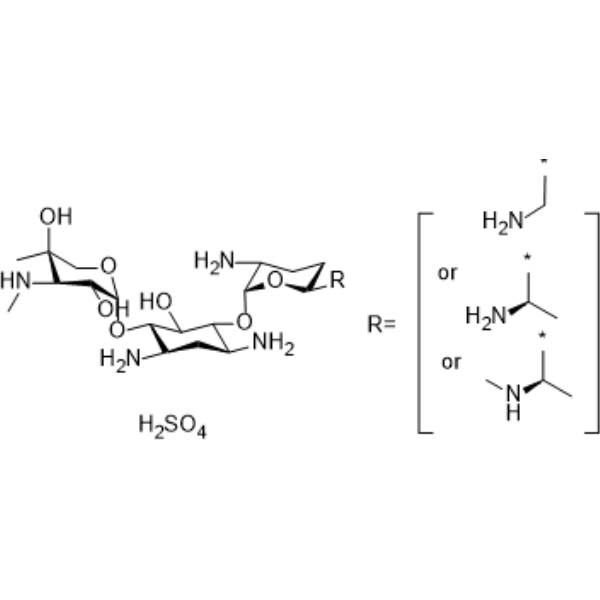
  • HY-A0276
    Gentamicin sulfate
    Maximum Cited Publications
    64 Publications Verification

    Environmental Pollutants Antibiotic Bacterial Infection Cancer
    Gentamicin sulfate, an aminoglycoside antibiotic, inhibits the growth of both gram-positive and gram-negative bacteria and to inhibit several strains of mycoplasma in tissue culture. Gentamicin sulfate inhibits DNase I with an IC50 of 0.57 mM .
    Gentamicin sulfate
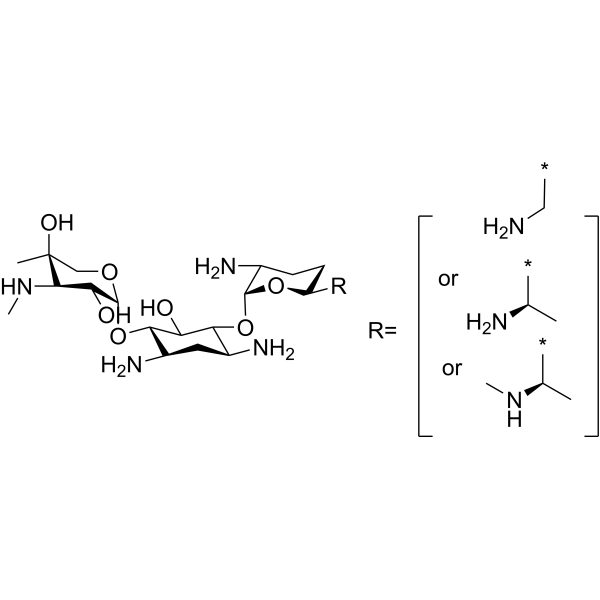
  • HY-A0276A
    Gentamicin
    Maximum Cited Publications
    64 Publications Verification

    Environmental Pollutants Antibiotic Bacterial Infection Cancer
    Gentamicin, an aminoglycoside antibiotic, inhibits the growth of both gram-positive and gram-negative bacteria and to inhibit several strains of mycoplasma in tissue culture. Gentamicin inhibits DNase I with an IC50 of 0.57 mM .
    Gentamicin
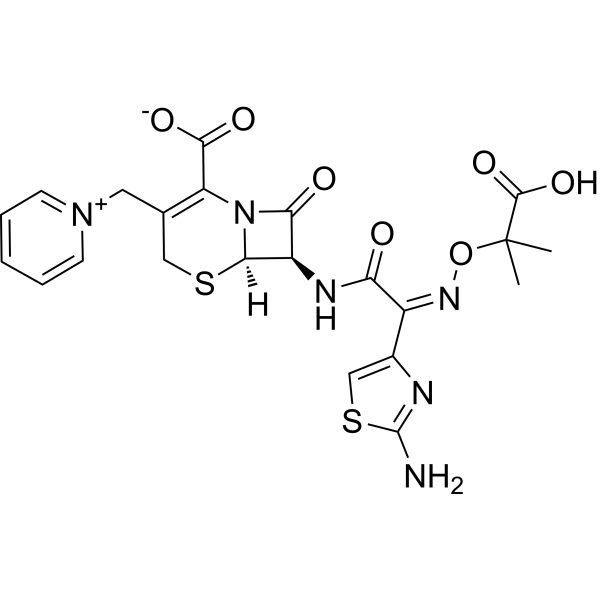
  • HY-B0593
    Ceftazidime
    40+ Cited Publications

    GR20263

    Beta-lactamase Bacterial Antibiotic Infection Cancer
    Ceftazidime (GR20263), an antibiotic, has a broad spectrum activity against Gram-positive and Gram-negative aerobic bacteria. Ceftazidime is also active against Enterobacteriaceae (including β-lactamase-positive strains) and is resistant to hydrolysis by most β-lactamases .
    Ceftazidime
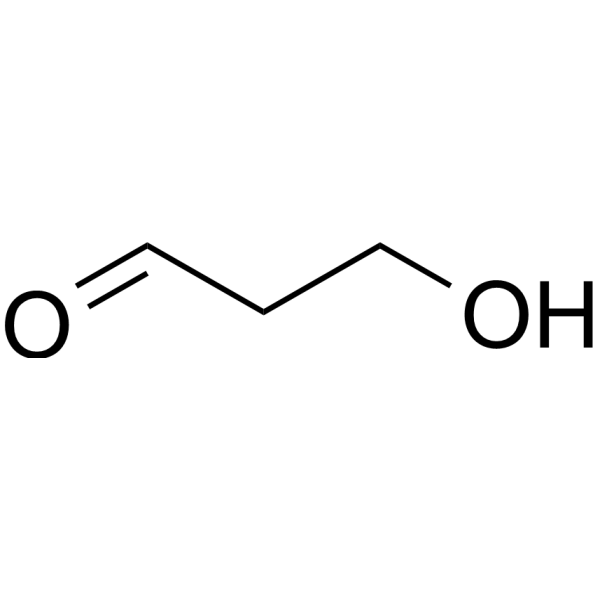
  • HY-N8461
    Reuterin
    3 Publications Verification

    3-Hydroxypropionaldehyde; 3-Hydroxypropanal

    Bacterial Infection
    Reuterin is a broad-spectrum antimicrobial agent active against Gram positive and Gram negative bacteria, as well as yeasts, moulds and protozoa. Reuterin is produced by specific strains of Lactobacillus reuteri during anaerobic metabolism of glycerol. Reuterin also demonstrates potent antimicrobial activity against a broad panel of human and poultry meat campylobacter spp. Isolates .
    Reuterin
  • HY-B1174

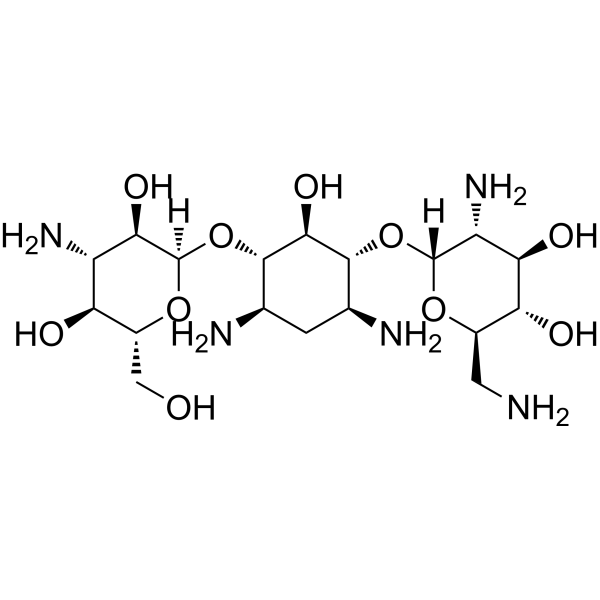
    Kanamycin B

    Antibiotic Bacterial Infection
    Bekanamycin (Kanamycin B) is an aminoglycoside antibiotic produced by Streptomyces kanamyceticus, against an array of Gram-positive and Gram-negative bacterial strain .
    Bekanamycin
  • HY-B1923
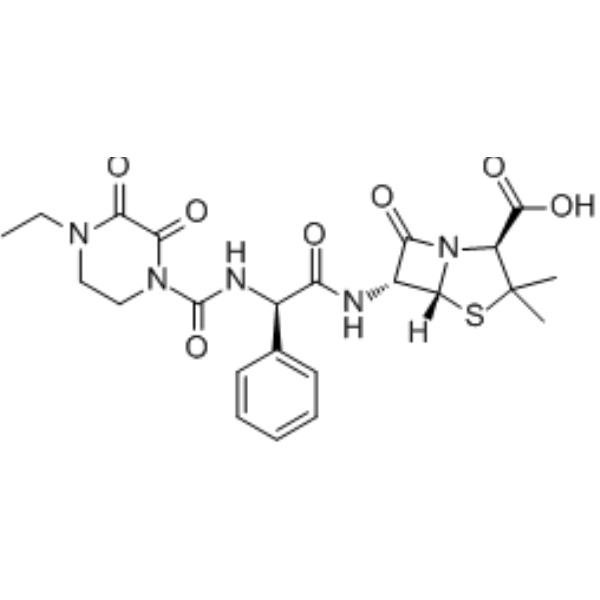
    Piperacillin
    10+ Cited Publications

    Pipracil

    Antibiotic Bacterial Beta-lactamase Penicillin-binding protein (PBP) Infection Cancer
    Piperacillin is a semisynthetic broad-spectrum β-lactam antibiotic which exhibits potent bactericidal activity against Gram-negative bacteria as well as select Gram-positive strains through penicillin-binding proteins. Piperacillin is most commonly used in combination with the β-lactamase inhibitor Tazobactam .
    Piperacillin
  • HY-13234
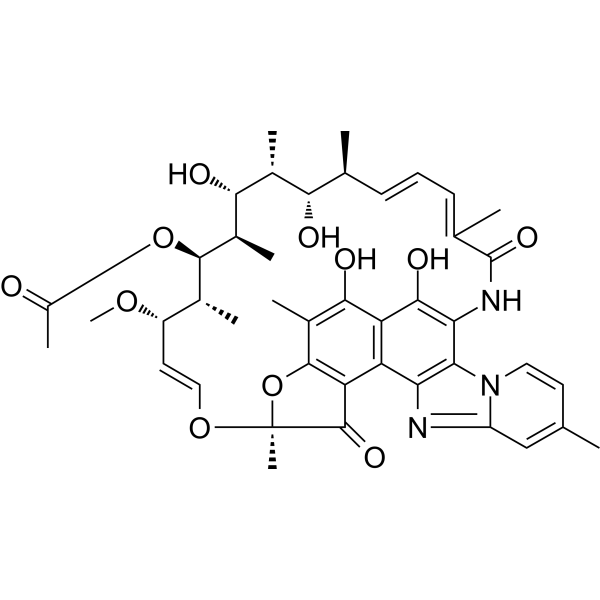
    Rifaximin
    5+ Cited Publications

    Bacterial Antibiotic DNA/RNA Synthesis Infection Cancer
    Rifaximin, a gastrointestinal-selective antibiotic, binds the β-subunit of bacterial DNA-dependent RNA polymerase, resulting in inhibition of bacterial RNA synthesis. Rifaximin susceptibility is higher against Gram-positive strains (MIC: 0.03-5 mg/ml) compared to Gram-negative bacteria (MIC: 8-50 mg/mL) .
    Rifaximin
  • HY-B0593A
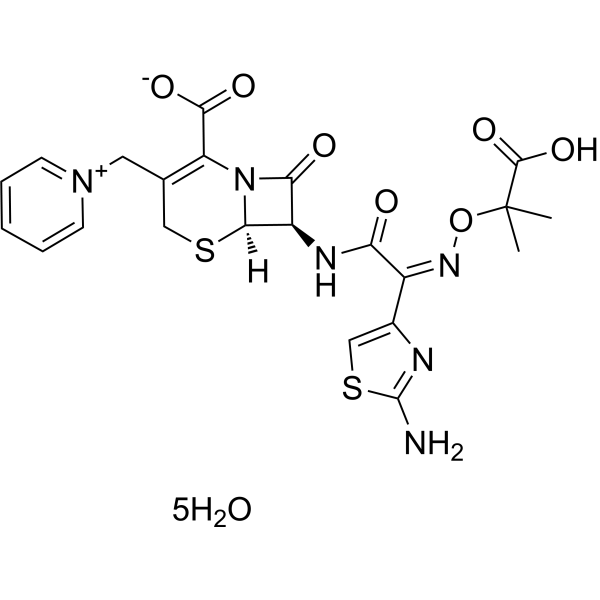
    Ceftazidime pentahydrate
    40+ Cited Publications

    GR20263 pentahydrate

    Beta-lactamase Bacterial Antibiotic Infection Cancer
    Ceftazidime (GR20263) pentahydrate , an antibiotic, has a broad spectrum activity against Gram-positive and Gram-negative aerobic bacteria. Ceftazidime pentahydrate is also active against Enterobacteriaceae (including β-lactamase-positive strains) and is resistant to hydrolysis by most β-lactamases .
    Ceftazidime pentahydrate
  • HY-B1286
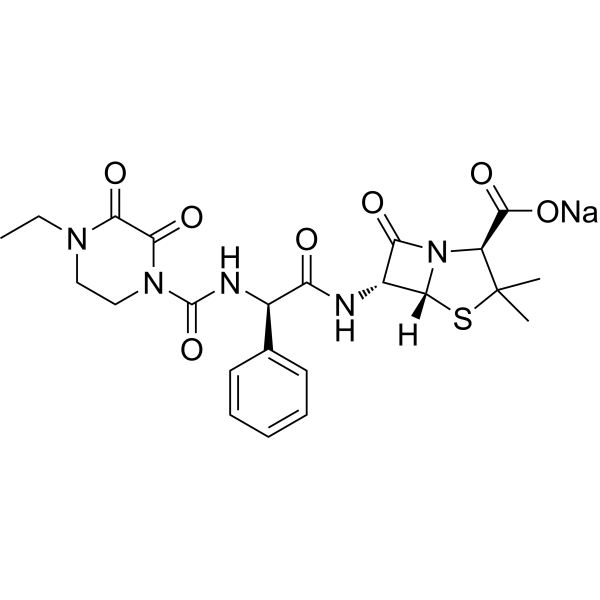
    Piperacillin sodium
    10+ Cited Publications

    Sodium piperacillin

    Bacterial Antibiotic Penicillin-binding protein (PBP) Infection Cancer
    Piperacillin sodium is a semisynthetic broad-spectrum β-lactam antibiotic which exhibits potent bactericidal activity against Gram-negative bacteria as well as select Gram-positive strains through penicillin-binding proteins. Piperacillin is most commonly used in combination with the β-lactamase inhibitor Tazobactam .
    Piperacillin sodium
  • HY-B1228
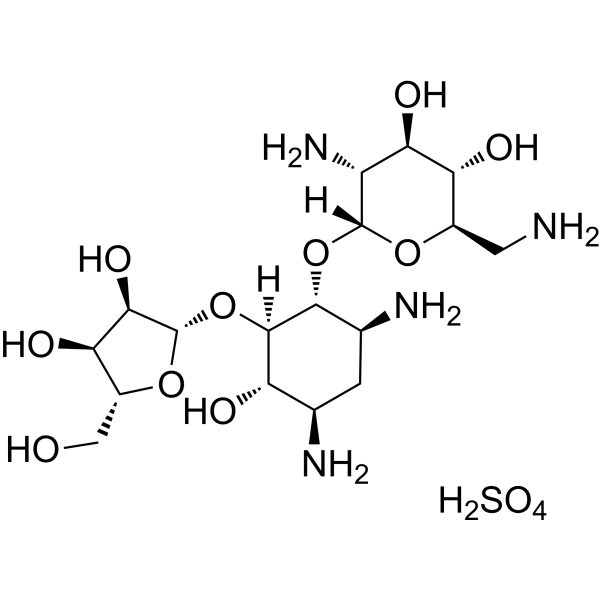
    Ribostamycin sulfate
    1 Publications Verification

    Vistamycin sulfate

    Antibiotic PDI Infection
    Ribostamycin sulfate (Vistamycin sulfate) is a broad-spectrum aminoglycoside Antibiotic with bactericidal activity against Gram-positive cocci, Gram-negative cocci, bacilli, and drug-resistant strains. Ribostamycin sulfate also acts as an inhibitor of protein disulfide isomerase (PDI), with a binding constant KD of 319 μM for bovine PDI. Ribostamycin sulfate targets bacterial 16S ribosomal RNA and the 30S ribosomal subunit, causing translational misreading and thereby inhibiting bacterial protein synthesis. Ribostamycin sulfate disrupts the integrity of bacterial cell membranes, induces membrane pore formation, and leads to bacterial death. Ribostamycin sulfate can be used in studies related to bacterial infections .
    Ribostamycin sulfate
  • HY-17028

    Bacterial Antibiotic DNA/RNA Synthesis Topoisomerase Infection Inflammation/Immunology
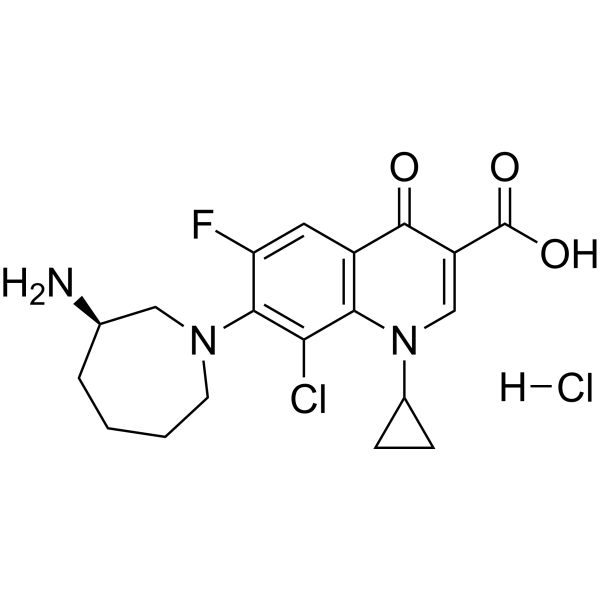
    Besifloxacin Hydrochloride is a fourth generation fluoroquinolone antibiotic. Besifloxacin Hydrochloride is a DNA gyrase and topoisomerase IV inhibitor. Besifloxacin Hydrochloride has broad-spectrum antibacterial activity, it is effective against Gram-negative and Gram-positive aerobic and anaerobic strains and reduces the incidence of drug resistance. Besifloxacin Hydrochloride has anti-inflammatory activity. Besifloxacin Hydrochloride can be used in bacterial conjunctivitis research .
    Besifloxacin Hydrochloride
  • HY-P10352A

    Bacterial Infection
    Pediocin PA-1 TFA is a class IIa bacteriocin that specifically binds to membrane proteins of susceptible Gram-positive bacteria (such as Listeria monocytogenes) to form voltage-independent hydrophilic pores, leading to dissipation of proton motive force, ATP depletion and cell death. Pediocin PA-1 TFA shows no significant activity against intact Gram-negative bacteria, strains carrying immunity genes and obligate anaerobic commensal gut microbiota, and its bactericidal function depends on the integrity of disulfide bonds, with activity lost upon reduction. Pediocin PA-1 TFA can be used not only as a food biopreservative but also for research on listeriosis .
    Pediocin PA 1 TFA
  • HY-B1824
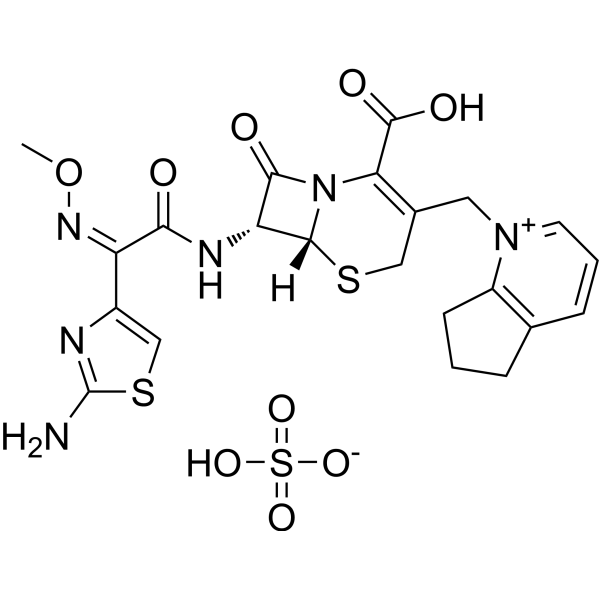
    Cefpirome sulfate
    1 Publications Verification

    HR-810 sulfate

    Bacterial Antibiotic Infection
    Cefpirome (HR-810) sulfate is a cephalosporin antibiotic that can cross cell membranes and the blood-brain barrier. Cefpirome sulfate binds to penicillin-binding proteins with high affinity, thereby inhibiting bacterial cell wall synthesis. Cefpirome sulfate exhibits bactericidal and growth-inhibitory activities against Gram-negative bacteria, Gram-positive bacteria, and susceptible anaerobic bacteria (including some β-lactamase-producing strains) .
    Cefpirome sulfate
  • HY-B1923R

    Pipracil (Standard)

    Bacterial Reference Standards Antibiotic Beta-lactamase Penicillin-binding protein (PBP) Infection Cancer
    Piperacillin (Standard) is the analytical standard of Piperacillin. This product is intended for research and analytical applications. Piperacillin is a semisynthetic broad-spectrum β-lactam antibiotic which exhibits potent bactericidal activity against Gram-negative bacteria as well as select Gram-positive strains through penicillin-binding proteins. Piperacillin is most commonly used in combination with the β-lactamase inhibitor Tazobactam .
    Piperacillin (Standard)
  • HY-P10352

    Bacterial Infection
    Pediocin PA 1 is a class IIa bacteriocin that specifically binds to membrane proteins of susceptible Gram-positive bacteria (such as Listeria monocytogenes) to form voltage-independent hydrophilic pores, leading to dissipation of proton motive force, ATP depletion and cell death. Pediocin PA 1 shows no significant activity against intact Gram-negative bacteria, strains carrying immunity genes and obligate anaerobic commensal gut microbiota, and its bactericidal function depends on the integrity of disulfide bonds, with activity lost upon reduction. Pediocin PA 1 can be used not only as a food biopreservative but also for research on listeriosis .
    Pediocin PA 1
  • HY-N6005

    Bacterial Fungal Apoptosis Bcl-2 Family Infection Metabolic Disease Cancer
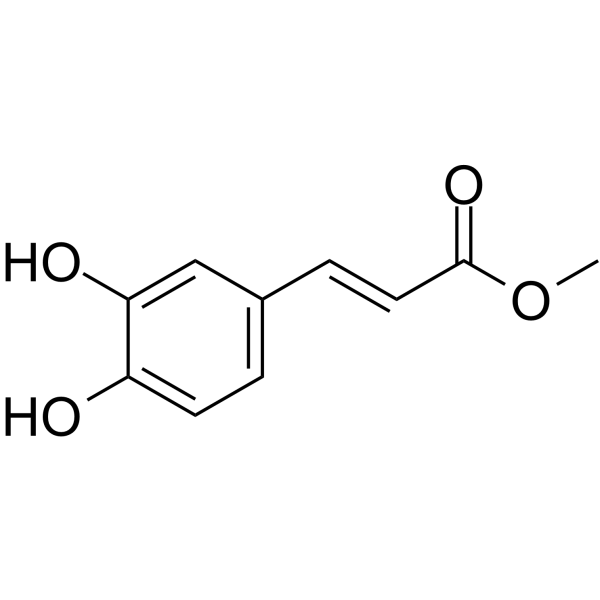
    Methyl caffeate is a phenylpropanoid, antibacterial agent, and Apoptosis-inducing agent. Methyl caffeate can be isolated from the flowers of peach Prunus persica (L.). Methyl caffeate upregulates the expression of pro-apoptotic proteins Bid, Bax and p53, and downregulates the expression of anti-apoptotic protein BCL-2. Methyl caffeate downregulates SASP factors. Methyl caffeate enhances glucose-stimulated insulin secretion. Methyl caffeate inhibits the growth of Gram-positive bacteria, Gram-negative bacteria, fungi, and Mycobacterium tuberculosis strains. Methyl caffeate can be used in studies related to breast cancer, type 2 diabetes, and tuberculosis .
    Methyl caffeate
  • HY-B0593R

    GR20263 (Standard)

    Beta-lactamase Reference Standards Bacterial Antibiotic Infection
    Ceftazidime (Standard) is the analytical standard of Ceftazidime. This product is intended for research and analytical applications. Ceftazidime (GR20263), an antibiotic, has a broad spectrum activity against Gram-positive and Gram-negative aerobic bacteria. Ceftazidime is also active against Enterobacteriaceae (including β-lactamase-positive strains) and is resistant to hydrolysis by most β-lactamases .
    Ceftazidime (Standard)
  • HY-B0593AR

    GR20263 pentahydrate (Standard)

    Beta-lactamase Reference Standards Bacterial Antibiotic Infection Cancer
    Ceftazidime (pentahydrate) (Standard) is the analytical standard of Ceftazidime (pentahydrate). This product is intended for research and analytical applications. Ceftazidime (GR20263) pentahydrate , an antibiotic, has a broad spectrum activity against Gram-positive and Gram-negative aerobic bacteria. Ceftazidime pentahydrate is also active against Enterobacteriaceae (including β-lactamase-positive strains) and is resistant to hydrolysis by most β-lactamases .
    Ceftazidime pentahydrate (Standard)
  • HY-P3328A

    Bacterial Infection
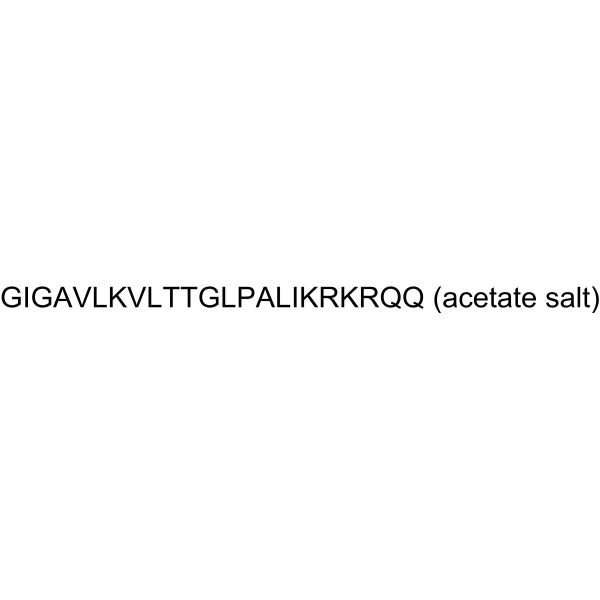
    MDP1 acetate, a Melittin-derived peptide, alters the integrity of both Gram-positive and Gram-negative bacterial membranes and kills the bacteria via membrane damages. MDP1 acetate has a high-antibacterial activity against multidrug resistant (MDR) and reference strains of S. aureus, E. coli, and P. aeruginosa .
    MDP1 acetate
  • HY-B1286R

    Sodium piperacillin (Standard)

    Reference Standards Bacterial Antibiotic Penicillin-binding protein (PBP) Infection
    Piperacillin (sodium) (Standard) is the analytical standard of Piperacillin (sodium). This product is intended for research and analytical applications. Piperacillin sodium is a semisynthetic broad-spectrum β-lactam antibiotic which exhibits potent bactericidal activity against Gram-negative bacteria as well as select Gram-positive strains through penicillin-binding proteins. Piperacillin is most commonly used in combination with the β-lactamase inhibitor Tazobactam .
    Piperacillin sodium (Standard)
  • HY-B0593S

    GR20263-d5

    Isotope-Labeled Compounds Antibiotic Beta-lactamase Bacterial Infection Cancer
    Ceftazidime-d5 (GR20263-d5) is the deuterium labeled Ceftazidime (HY-B0593). Ceftazidime (GR20263), an antibiotic, has a broad spectrum activity against Gram-positive and Gram-negative aerobic bacteria. Ceftazidime is also active against Enterobacteriaceae (including β-lactamase-positive strains) and is resistant to hydrolysis by most β-lactamases .
    Ceftazidime-d5
  • HY-Y0850U5

    Polyvinyl alcohol (Mw 27000, 98-99% hydrolyzed, ~600 polymerization); Poly(Ethenol) (Mw 27000, 98-99% hydrolyzed, ~600 polymerization)

    Biochemical Assay Reagents Fungal Infection
    PVA (Polyvinyl alcohol) (Mw 27000, 98-99% hydrolyzed, ~600 polymerization) is a nonionic ethanol homopolymer with hydrophilicity, water solubility and biodegradability. PVA (Mw 27000, 98-99% hydrolyzed, ~600 polymerization) exhibits biocompatibility, non-toxicity and non-carcinogenicity, as well as antibacterial activity against Gram-positive bacteria, Gram-negative bacteria and fungal strains. PVA (Mw 27000, 98-99% hydrolyzed, ~600 polymerization) can serve as a solubilizer, stabilizer, mucoadhesive agent and sustained-release agent, and has a synergistic solubilizing effect on voriconazole/sulfobutyl ether β-cyclodextrin complexes. By stabilizing such complexes, PVA (Mw 27000, 98-99% hydrolyzed, ~600 polymerization) forms freeze-thaw hydrogels with high mucoadhesion, sustained drug release and ex vivo corneal permeability. When compounded with hyaluronic acid hydrogels, PVA (Mw 27000, 98-99% hydrolyzed, ~600 polymerization) supports chondrocyte growth in vitro, and also forms complexes with Cu 2+, Co 2+, Ni 2+ and Zn 2+ ions. PVA (Mw 27000, 98-99% hydrolyzed, ~600 polymerization) can be used in studies related to fungal keratitis, bacterial infections and fungal infections .
    PVA (Mw 27000, 98-99% hydrolyzed, ~600 polymerization)
  • HY-B1824R

    HR-810 sulfate (Standard)

    Reference Standards Antibiotic Bacterial Infection
    Cefpirome (HR-810) sulfate (Standard) is the analytical standard of Cefpirome sulfate. This product is intended for research and analytical applications. Cefpirome sulfate is a cephalosporin antibiotic that can cross cell membranes and the blood-brain barrier. Cefpirome sulfate binds to penicillin-binding proteins with high affinity, thereby inhibiting bacterial cell wall synthesis. Cefpirome sulfate exhibits bactericidal and growth-inhibitory activities against Gram-negative bacteria, Gram-positive bacteria, and susceptible anaerobic bacteria (including some β-lactamase-producing strains).
    Cefpirome sulfate (Standard)
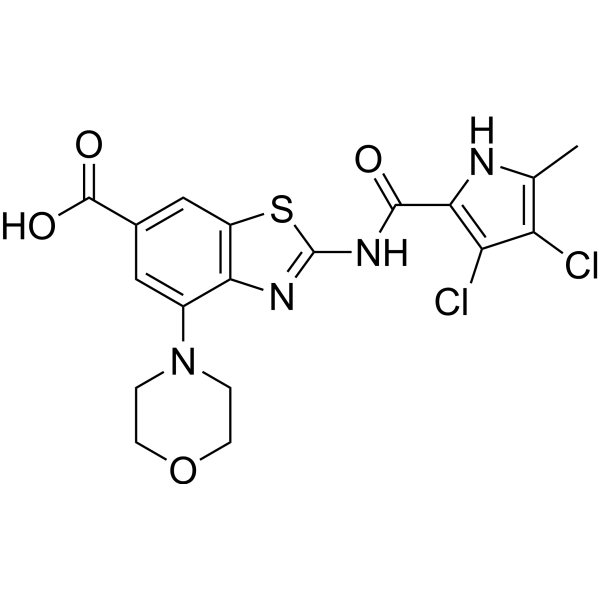
  • HY-179415

    Dihydrofolate reductase (DHFR) Bacterial Infection
    DHFR-IN-24, a benzothiazole derivative, is a dihydrofolate reductase (DHFR) inhibitor. DHFR-IN-24 has intrinsic antibacterial activity against both Gram-positive and Gram-negative strains. DHFR-IN-24 synergistically combines DHFR inhibition with photodynamic therapy (PDT) for enhanced antibacterial activity against multidrug-resistant pathogens .
    DHFR-IN-24
  • HY-116271

    Antibiotic Bacterial Infection
    Sperabillin C is an antibacterial antibiotic with activity against both Gram-negative and Gram-positive bacteria, including resistant strains of Pseudomonas aeruginosa and Staphylococcus aureus .
    Sperabillin C
  • HY-N15114

    Antibiotic Bacterial Infection
    Polymyxin A1 is a heteropeptide antibiotic found in different strains of Bacillus polymyxa, and its effect against Gram-negative bacteria is greater than that against Gram-positive bacteria .
    Polymyxin A1
  • HY-105048A

    Bacterial Infection
    Omiganan pentahydrochloride is a cationic peptide compound with a broad antibacterial profile. Omiganan pentahydrochloride is capable of inhibiting a variety of bacteria, including yeast, and is active against both gram-positive and gram-negative bacteria. Omiganan pentahydrochloride is able to interact with the bacterial cell membrane, causing the destruction of the cell membrane and the death of the bacteria. Omiganan pentahydrochloride can be used for the study of antimicrobial activity against pathogens commonly associated with catheter-associated infections, including strains with drug-resistant phenotypes .
    Omiganan pentahydrochloride
  • HY-106998

    Bacterial Antibiotic Infection
    DC-756 is a fluoroquinolone antibiotic. DC-756 possesses potent activity against Gram-positive and Gram-negative pathogens comparable to Trovafloxacin (HY-A0170), with MIC, against Ofloxacin (HY-B0125)-resistant strains 16-fold better than Trovafloxacin. DC-756 is well absorbed orally in rats and found to have good photostability. DC-756 can be used to study bacterial resistance .
    DC-756
  • HY-19234

    Antibiotic Bacterial Penicillin-binding protein (PBP) Beta-lactamase Infection
    FK-041 is an orally active cephalosporin antibiotic with high affinity for penicillin-binding proteins (PBPs). FK-041 exhibits broad-spectrum antibacterial activity, exerting potent antibacterial effects against Gram-positive bacteria, most Gram-negative bacteria, anaerobes, and so on. FK-041 also shows good efficacy against some drug-resistant strains such as penicillin-resistant Streptococcus pneumoniae. FK-041 is an antibacterial agent and can be used in the research of infectious diseases .
    FK-041
  • HY-178504

    Bacterial Infection
    Lug-15 is a rapid bactericidal agent. Lug-15 exhibits strong antibacterial activity against both Gram-positive and Gram-negative bacteria, including drug-resistant strains. Lug-15 rapidly kills bacteria primarily through membrane disruption and had a very low propensity to induce bacterial resistance. Lug-15 demonstrates low hemolytic toxicity and significant therapeutic potential in various infection models. Lug-15 can be used for research on combating infections caused by multi-drug resistant bacteria .
    Lug-15
  • HY-178952

    Bacterial Infection
    Anti-infective agent 12 (Compound A09) is a competitive inhibitor of type I signal peptidease (SPase I), with an IC50 of 4.475 μM and a Kd of 16.3 μM. Anti-infective agent 12 has the ability to disrupt bacterial membranes and remove biofilms. Anti-infective agent 12 exhibits potent bactericidal activity against Gram-positive bacteria, with MIC values of 4, 4, 8, and 8 μg/mL for Staphylococcus aureus, Enterococcus faecalis, Enterococcus faecium, and Streptococcus suis, respectively. Anti-infective agent 12 remains effective against multi-drug resistant strains, but has weaker activity against Gram-negative bacteria (such as Escherichia coli and Salmonella), with MIC values > 64 μg/mL. Anti-infective agent 12 has low hemolytic activity and shows significant efficacy in mouse skin infection models .
    Anti-infective agent 12
  • HY-122328

    Antibiotic Bacterial Infection
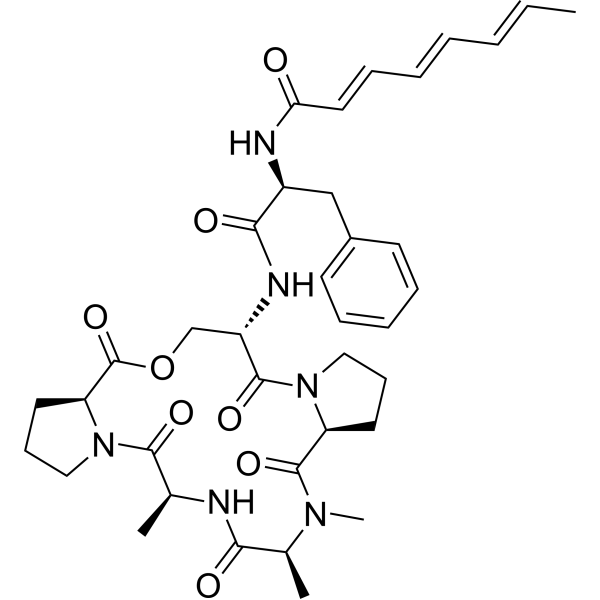
    Flambamycin is an antibiotic found in Streptomyces hygroscopicus DS 23230 strain, active against Gram-positive and Gram-negative cocci and some Gram-positive rods. Flambamycin can be used in research on antibiotic screening .
    Flambamycin
  • HY-N14315

    Bacterial Infection
    Ochracenomicin A has a strong effect against Gram-positive bacteria (including MRSA strain), and also against Gram-negative bacteria and candida albicans .
    Ochracenomicin A
  • HY-W749146

    Antibiotic Bacterial Infection
    Raja 42 is a gamma lactam antibiotic. Raja 42 is effective against a variety of different bacterias, including Gram-positive and Gram-negative bacteria, such as C. difficile strains .
    Raja 42
  • HY-N15115

    Antibiotic Bacterial Infection
    Polymyxin D1 is a heteropeptide antibiotic found in different strains of Bacillus polymyxa, and its effect against Gram-negative bacteria is greater than that against Gram-positive bacteria .
    Polymyxin D1
  • HY-N15099

    Antibiotic Bacterial Infection
    Polymyxin A2 is a heteropeptide antibiotic found in different strains of Bacillus polymyxa, and its effect against Gram-negative bacteria is greater than that against Gram-positive bacteria .
    Polymyxin A2
  • HY-125414

    Antibiotic Bacterial Infection
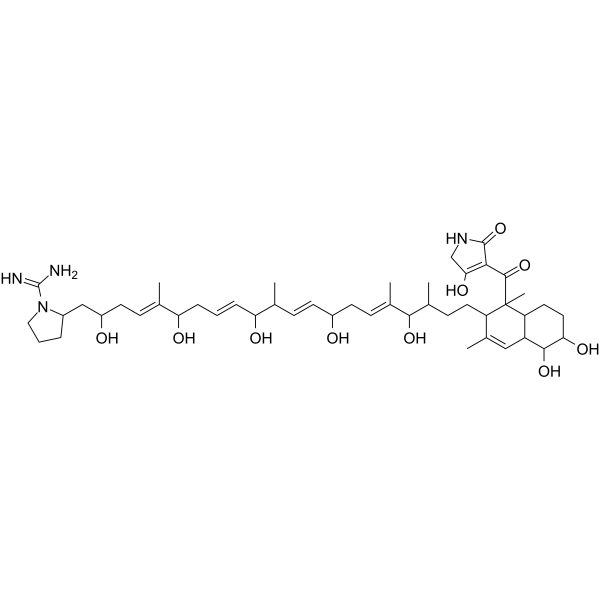
    Lydicamycin is an antibiotic isolated from the fermentation broth of an actinomycete strain identified as Streptomyces lydicus. Lydicamycin is active against Gram-positive bacteria and a certain yeast, but inactive against Gram-negative bacteria .
    Lydicamycin
  • HY-161689

    Bacterial Infection
    Antibacterial agent 220 is a potent antibacterial agent that can directly destroy bacterial cell membranes. Antibacterial agent 220 effectively combats Gram-positive and and Gram-negative pathogens, including drug-resistant strains .
    Antibacterial agent 220
  • HY-123436

    Antibiotic Bacterial Infection
    Sarubicin B is an active product that can be isolated from the culture filtrate of a Streptomyces strain JA 2861. Sarubicin B is a quinone antibiotic that inhibit Gram-positive bacteria and not active against Gram-negative microorganisms .
    Sarubicin B
  • HY-B1174R

    Kanamycin B (Standard)

    Reference Standards Antibiotic Bacterial Infection
    Bekanamycin (Standard) is the analytical standard of Bekanamycin. This product is intended for research and analytical applications. Bekanamycin (Kanamycin B) is an aminoglycoside antibiotic produced by Streptomyces kanamyceticus, against an array of Gram-positive and Gram-negative bacterial strain .
    Bekanamycin (Standard)
  • HY-113703

    Antibiotic Cancer
    PD117588 is a quinolone antibacterial agent with a broad range of antibacterial activity. PD117588 exhibits excellent activity against a variety of Gram-positive and Gram-negative bacteria from cancer patients, especially against all Gram-positive strains, including methicillin-resistant Staphylococcus aureus, coagulase-negative Staphylococci, and Enterococci. PD117588 is also very effective against most Gram-negative bacilli, although ciprofloxacin shows stronger activity against Pseudomonas aeruginosa. Compared with other quinolone antibiotics, the minimum inhibitory concentration of PD117588 outperforms most of the tested microorganisms, including imipenem and ceftazidime .
    PD117588
  • HY-125524

    Bacterial Infection
    Antibacterial agent 199 (Compound 2) is an activator for caseinolytic protease (ClpP) with a Kd of 0.7 μM. Antibacterial agent 199 exhibits antibacterial efficacy against Gram-positive strains Staphylococcus aureus, Streptococcus pneumoniae and Gram-negative strain Neisseria meningitidis, with MICs of 16, 0.5 and 0.5 μg/mL, respectively .
    Antibacterial agent 199
  • HY-W750848

    Isotope-Labeled Compounds Bacterial Antibiotic Infection
    Raja 42-d10 is the deuterium labeled Raja 42 (HY-W749146). Raja 42 is a gamma lactam antibiotic. Raja 42 is effective against a variety of different bacterias, including Gram-positive and Gram-negative bacteria, such as C. difficile strains .
    Raja 42-d10
  • HY-B1894

    Ro 15-8075 free base

    Antibiotic Bacterial Infection
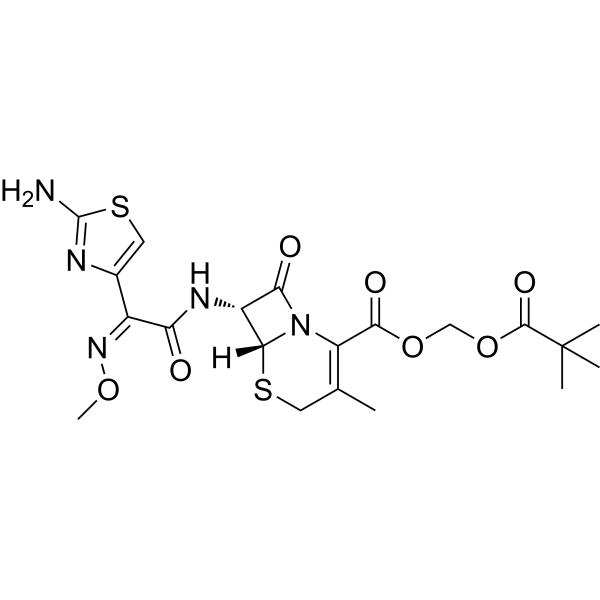
    Cefetamet pivoxyl (Ro 15-8075 free base) is an orally active cephalosporin Antibiotic and a prodrug of Cefetamet (HY-A0111). After ingestion, Cefetamet pivoxyl is hydrolyzed by gastrointestinal esterases to form Cefetamet. Cefetamet pivoxyl is primarily active against aerobic Gram-negative bacteria (such as Enterobacteriaceae, *Neisseria*, *Haemophilus*) and some Gram-positive bacteria (such as non-enterococcal streptococci). Cefetamet pivoxyl exhibits potent in vivo antibacterial activity against strains of Gram-positive bacteria (S. pyogenes) and Gram-negative bacteria (E. coli, K. pneumoniae, S. marcescens, P. vulgaris, P. mirabilis, H. influenzae) .
    Cefetamet pivoxyl
  • HY-P3328

    Bacterial Infection
    MDP1, a Melittin-derived peptide, alters the integrity of both Gram-positive and Gram-negative bacterial membranes and kills the bacteria via membrane damages. MDP1 has a high-antibacterial activity against multidrug resistant (MDR) and reference strains of S. aureus, E. coli, and P. aeruginosa .
    MDP1
  • HY-149925

    Bacterial DNA/RNA Synthesis Topoisomerase Infection
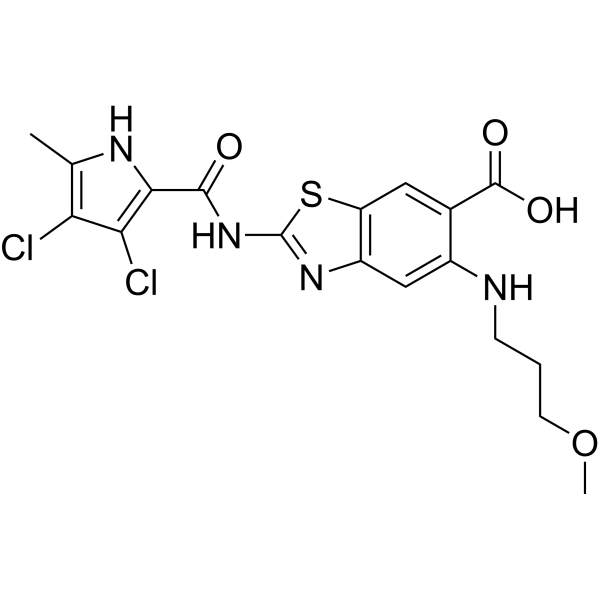
    Antibacterial agent 138 is a benzothiazole inhibitor of bacterial DNA gyrase and topoisomerase IV. Antibacterial agent 138 exhibits favorable solubility and plasma protein binding. Antibacterial agent 138 has antibacterial activity against Gram-positive and Gram-negative strains. Antibacterial agent 138 is a dual GyrB and ParE inhibitor .
    DNA Gyrase-IN-6
  • HY-B1923A

    Pipracil hydrate

    Antibiotic Bacterial Beta-lactamase Penicillin-binding protein (PBP) Infection Cancer
    Piperacillin hydrate is a semisynthetic broad-spectrum β-lactam antibiotic which exhibits potent bactericidal activity against Gram-negative bacteria as well as select Gram-positive strains through penicillin-binding proteins. Piperacillin hydrate is most commonly used in combination with the β-lactamase inhibitor Tazobactam (HY-B1418) .
    Piperacillin hydrate
  • HY-118051

    Antibiotic Infection
    LY 186826 is a γ-lactam antibiotic containing an aminothioazole methoxyacetic acid side chain at the C-7 position. LY186826 exhibits potent antibacterial activity against a wide range of Gram-positive and Gram-negative bacteria. LY186826 is inactivated by β-lactamases and Enterobacterases, showing stronger activity against Enterobacter strains.
    LY 186826
  • HY-129454

    Antibiotic TPU-0037-A

    Antibiotic Infection
    TPU-0037A is an antibiotic and a congener of lydicamycin. It inhibits the growth of Gram-positive bacteria, including methicillin-resistant S. aureus (MRSA), B. subtilis, and M. luteus (MICs=1.56-12.5 μg/mL), but not Gram-negative E. coli, P. mirabilis, P. vulgaris, or P. aeruginosa strains (MICs=>50 μg/mL).
    TPU-0037A
  • HY-123347

    Endogenous Metabolite Infection
    TPU-0037C is a metabolite of the marine actinomycete S. platensis that is structurally similar to Lydicamycin (HY-125414). It is active against Gram-positive bacteria (MICs=0.39-3.13 μg/mL), including methicillin-resistant S. aureus strains (MIC=3.13 μg/mL), but is ineffective against Gram-negative bacteria (MICs=>50 μg/mL).
    TPU-0037C

Inquiry Online

Your information is safe with us. * Required Fields.

Salutation


Country or Region *

Applicant Name *


Organization Name *

Department *


Email Address *


Product Name *

Cat. No.


Requested quantity *

Phone Number *


Remarks

Inquiry Online

Inquiry Information

Product Name:
Cat. No.:
Quantity:
MCE Japan Authorized Agent: