



Ceftazidime pentahydrate
Based on 49 publication(s) in Google Scholar
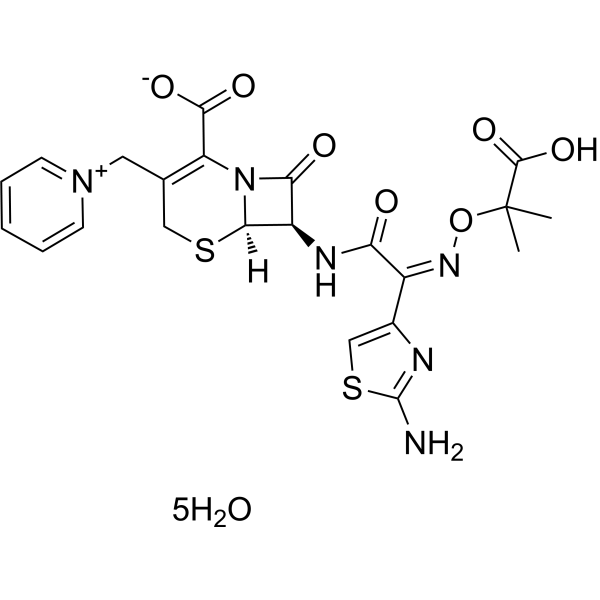
Ceftazidime (GR20263) pentahydrate , an antibiotic, has a broad spectrum activity against Gram-positive and Gram-negative aerobic bacteria. Ceftazidime pentahydrate is also active against Enterobacteriaceae (including β-lactamase-positive strains) and is resistant to hydrolysis by most β-lactamases.
For research use only. We do not sell to patients.
- Purity : 99.94%
- CAS No.: 78439-06-2
- Formula: C22H32N6O12S2
- Molecular Weight:636.65
-
Storage:
4°C, sealed storage, away from moisture
* In solvent : -80°C, 6 months; -20°C, 1 month (sealed storage, away from moisture)

To place orders, for customer services and technical support, please contact: MedChemExpress USA
Tel: 609-228-6898 E-mail: [email protected] [email protected]


-
 Biological Activity
-
Chemical Information
-
Solvent & Solubility
- Protocols
- Purity & Documentation
- References
-
 Help & FAQs


-
HY-13678A
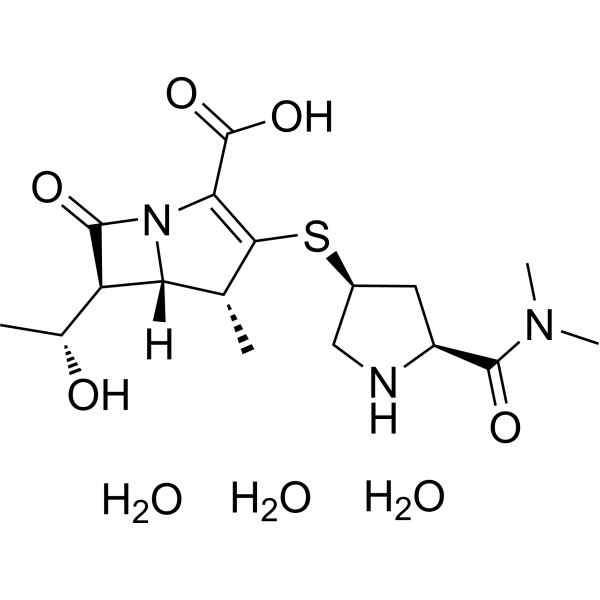
Meropenem trihydrateAntimicrobial Agent -
HY-14879A
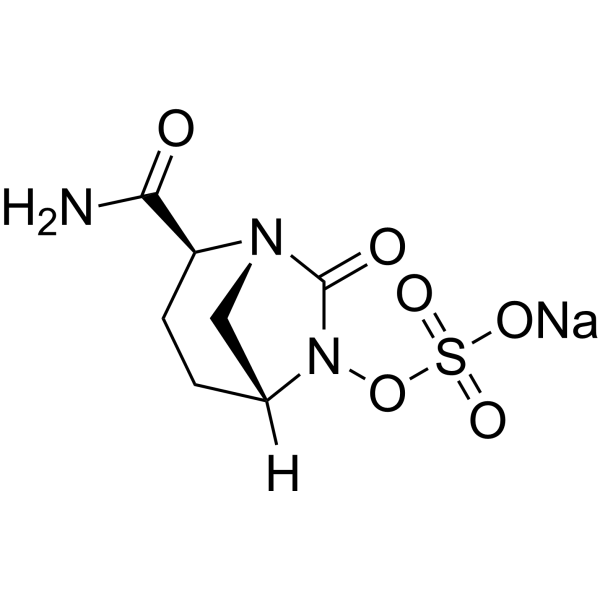
Avibactam sodiumBeta-lactamase Inhibitor -

HY-B0593AR
Ceftazidime pentahydrate (Standard)Antibotic -
HY-B0129
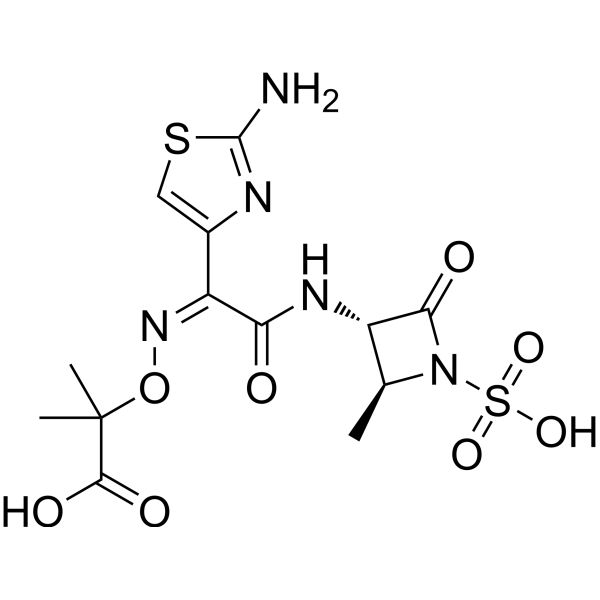
AztreonamBacterial Inhibitor -
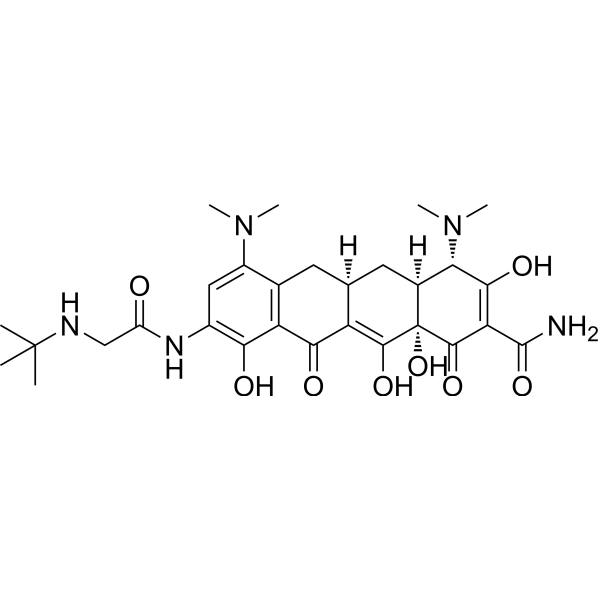
HY-B0117
TigecyclineBacterial Inhibitor -
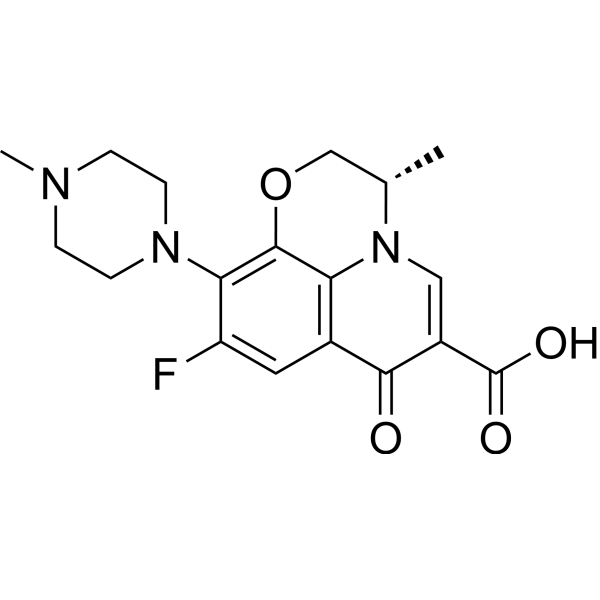
HY-B0330
LevofloxacinDNA Gyrase/Topoisomerase Inhibitor -
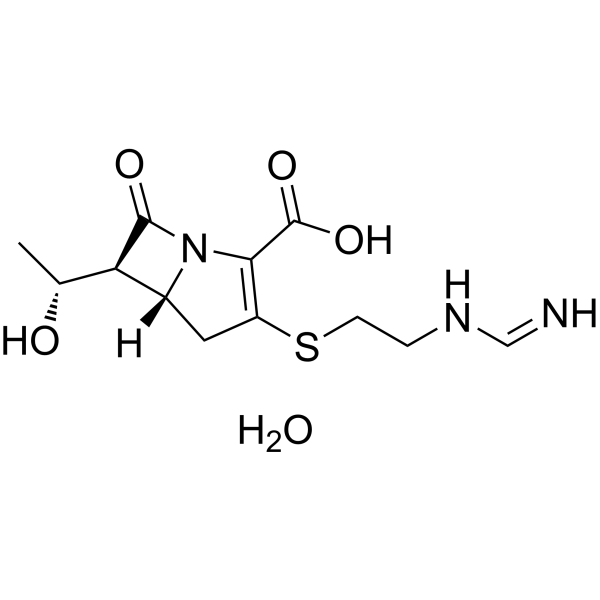
HY-B1369
Imipenem monohydrateAntibiotic -
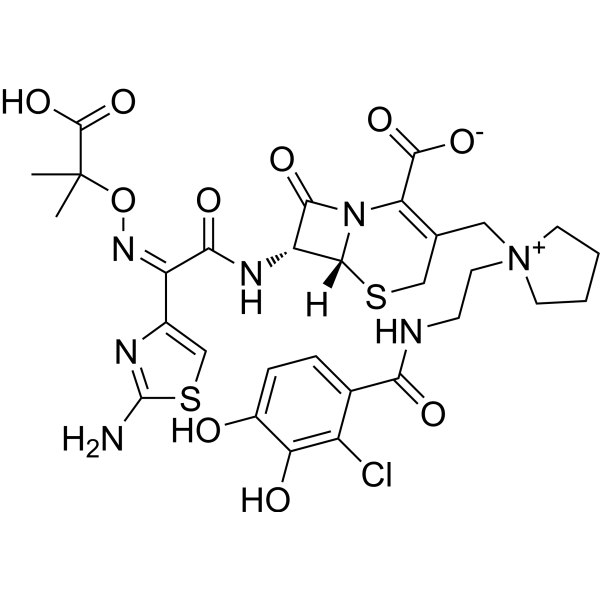
HY-17628
CefiderocolAntibiotic -
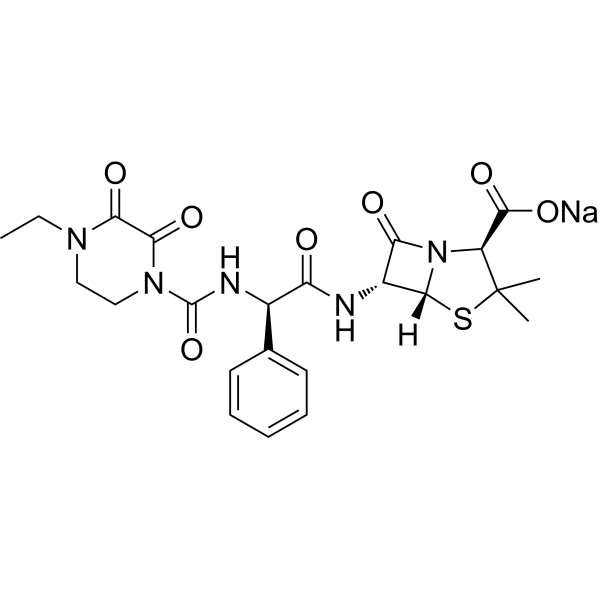
HY-B1286
Piperacillin sodiumBacterial Inhibitor -
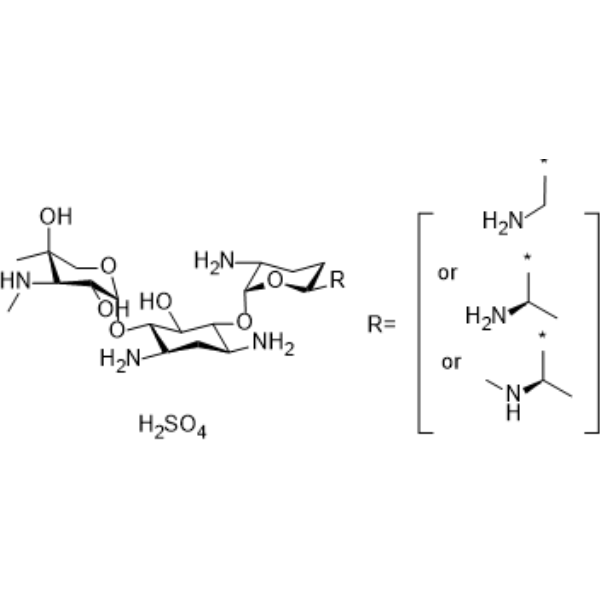
HY-A0276
Gentamicin sulfateAminoglycoside Antibiotic -
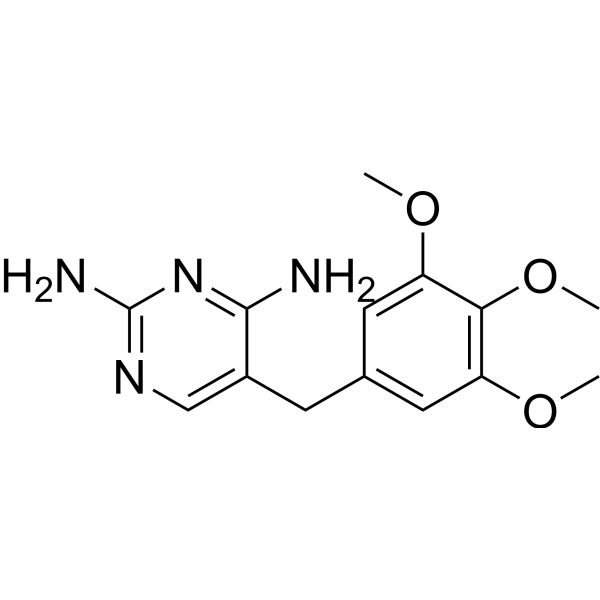
HY-B0510
TrimethoprimBacteriostatic Antibiotic -
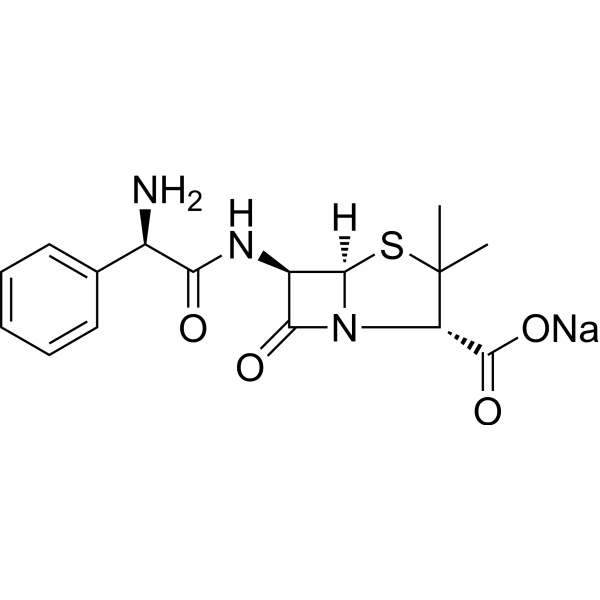
HY-B0522A
Ampicillin sodiumBacterial Inhibitor
Publications Citing Use of MedChemExpress (MCE) Ceftazidime pentahydrate
More- Bioact Mater. 2026 Apr 9:63:373-389. [Abstract]
- Nat Commun. 2022 Mar 2;13(1):1116. [Abstract]
- J Clin Invest. 2026 Feb 23;11(4):e197773. [Abstract]
- Adv Sci (Weinh). 2020 Jul 21;7(17):2001374. [Abstract]
- J Exp Med. 2026 Mar 2;223(3):e20241287. [Abstract]
- NPJ Biofilms Microbiomes. 2025 Mar 7;11(1):40. [Abstract]
- NPJ Biofilms Microbiomes. 2024 Oct 28;10(1):111. [Abstract]
- Pharmaceutics. 2023 Nov 30;15(12):2705. [Abstract]
- Virulence. 2026 Dec 31;17(1):2646808. [Abstract]
- Talanta. 2026 Jul 15;312(Pt A):130306.
- Mol Syst Biol. 2025 Jun 30. [Abstract]
- BMC Microbiol. 2020 Jun 29;20(1):187. [Abstract]
- Molecules. 2025 Mar 9;30(6):1224. [Abstract]
- Int J Antimicrob Agents. 2025 Oct;66(4):107551. [Abstract]
- Int J Antimicrob Agents. 2025 Sep;66(3):107550. [Abstract]
- Int J Antimicrob Agents. 2018 Aug;52(2):269-271. [Abstract]
- Sci Rep. 2022 Oct 7;12(1):16814. [Abstract]
- Microorganisms. 2024 Mar 13;12(3):575. [Abstract]
- Antimicrob Agents Chemother. 2026 Mar 23:e0186025. [Abstract]
- Antimicrob Agents Chemother. 2025 May 7;69(5):e0179724. [Abstract]
- Antimicrob Agents Chemother. 2025 Mar 5;69(3):e0151824. [Abstract]
- Antimicrob Agents Chemother. 2023 Oct 18;67(10):e0030123. [Abstract]
- Antimicrob Agents Chemother. 2018 Jul 27;62(8):e00414-18. [Abstract]
- J Antimicrob Chemother. 2026 Jun 3;81(7):dkag204. [Abstract]
- J Antimicrob Chemother. 2026 Feb 2;81(3):dkag034. [Abstract]
- J Antimicrob Chemother. 2026 Jan 19;81(2):dkaf495. [Abstract]
- J Antimicrob Chemother. 2025 Nov 5:dkaf408. [Abstract]
- Microbiol Spectr. 2023 Dec 12;11(6):e0304723. [Abstract]
- J Antimicrob Chemother. 2023 Apr 3;78(4):983-990. [Abstract]
- J Antimicrob Chemother. 2022 Sep 30;77(10):2803-2808. [Abstract]
- J Antimicrob Chemother. 2020 Sep 1;75(9):2609-2615. [Abstract]
- J Antimicrob Chemother. 2020 Jul 1;75(7):1850-1858. [Abstract]
- JAC Antimicrob Resist. 2026 Sep 7;8(5):dlag167.
- AMB Express. 2024 Dec 24;14(1):141. [Abstract]
- Infect Drug Resist. 2026 May 8;19.
- Eur J Clin Microbiol Infect Dis. 2025 Sep 29. [Abstract]
- Eur J Clin Microbiol Infect Dis. 2025 Jun;44(6):1493-1500. [Abstract]
- Adv Ther (Weinh). 2024 Jan 12.
- Infect Drug Resist. 2021 Jun 30;14:2499-2507. [Abstract]
- Infect Genet Evol. 2025 Sep:133:105780. [Abstract]
- J Antibiot (Tokyo). 2026 Feb 17. [Abstract]
- J Antibiot (Tokyo). 2023 Apr;76(4):225-235. [Abstract]
- Biofouling. 2026 Aug;42(7):771-781.
- Res Sq. 2026 Mar 10.
- Res Sq. 2026 Mar 9.
- bioRxiv. 2024 May 10.
- bioRxiv. 2024 Feb 9.
- Biomed Pharmacother. 2023 Dec 31:169:115856. [Abstract]
- Patent. US20200101105A1.
 Customer Validation & Images

-
Microbiological Assay
-
Microbiological Assay
-
Microbiological Assay
-
In Vivo Efficacy Study
-
Microbiological Assay
All Beta-lactamase Isoforms
MoreAll Antibiotic Isoforms
More

Biological Activity
Description
IC50 & Target
|
β-lactam |
In Vitro
Ceftazidime (0-8 μg/mL approximately, 24 h) pentahydrate displays antibacterial and anti-biofilm activities against P. aeruginosa strains[2].
Ceftazidime (0-40 μg/mL approximately, 18-20 h) pentahydrate has inhibitory activities against S. maltophilia isolates[3].
MedChemExpress (MCE) has not independently confirmed the accuracy of these methods. They are for reference only.
-
Cell Line:P. aeruginosa strains (PAO1, PA1, PA2)
-
Concentration:0-8 µg/mL approximately
-
Incubation Time:24 h
-
Result:Displayed antibacterial and anti-biofilm activities with MIC values of 2-4 µg/mL.
In Vivo
MedChemExpress (MCE) has not independently confirmed the accuracy of these methods. They are for reference only.
-
Animal Model:Murine thigh infection model[4]
-
Dosage:2000 mg
-
Administration:2 h infusion of injection, every 8 h for 24 h.
-
Result:Reduced bacterial density against the isogenic NDM (New Delhi metallo-β-lactamase) strain.
Clinical Trial
| NCT Number | Sponsor | Condition | Start Date |
Phase

|
|---|---|---|---|---|
| NCT01329991 | Plexxikon| | 2011-05 | PHASE1 |


Chemical Information
-
CAS No. 78439-06-2
-
Appearance Solid
-
Molecular Weight 636.65
-
Formula C22H32N6O12S2
-
Color White to off-white
-
SMILES
O=C1[C@@H](NC(/C(C2=CSC(N)=N2)=N\OC(C)(C(O)=O)C)=O)[C@@]3([H])SCC(C[N+]4=CC=CC=C4)=C(C([O-])=O)N13.[5H2O]
-
Synonyms
GR20263 pentahydrate
-
Shipping
Room temperature in continental US; may vary elsewhere.
-
Storage
4°C, sealed storage, away from moisture
* In solvent : -80°C, 6 months; -20°C, 1 month (sealed storage, away from moisture)


Publications (49)
-
Journal Impact Factor
-
Most Recent
-
Bioact Mater
Melatonin-incorporated brain extracellular matrix hydrogel enhances NSCs mitochondrial metabolism to promote neuroregeneration via the AMPK-PGC-1α-NRF1/TFAM axis after spinal cord injury. [Abstract]2026 Apr 9:63:373-389. PMID: 42006003 -
Nat Commun
Antimicrobial resistance and population genomics of multidrug-resistant Escherichia coli in pig farms in mainland China. [Abstract]2022 Mar 2;13(1):1116. PMID: 35236849 -
J Clin Invest
SARS-CoV-2 antibody-dependent enhancement of infection depends on antibody binding to both ACE2 and Fc receptors. [Abstract]2026 Feb 23;11(4):e197773. PMID: 41729079 -
Adv Sci (Weinh)
A Macromolecule Reversing Antibiotic Resistance Phenotype and Repurposing Drugs as Potent Antibiotics. [Abstract]2020 Jul 21;7(17):2001374. PMID: 32995131 -
J Exp Med
2026 Mar 2;223(3):e20241287. PMID: 41400657 -
NPJ Biofilms Microbiomes
Echinacoside reduces intracellular c-di-GMP levels and potentiates tobramycin activity against Pseudomonas aeruginosa biofilm aggregates. [Abstract]2025 Mar 7;11(1):40. PMID: 40055321 -
NPJ Biofilms Microbiomes
Gut microbiota dysbiosis-mediated ceramides elevation contributes to corticosterone-induced depression by impairing mitochondrial function. [Abstract]2024 Oct 28;10(1):111. PMID: 39468065 -
Pharmaceutics
2023 Nov 30;15(12):2705. PMID: 38140046 -
Virulence
Antibacterial efficacy and mechanism of the novel antimicrobial peptide lachnospirin-1 against Acinetobacter baumannii. [Abstract]2026 Dec 31;17(1):2646808. PMID: 41838520 -
-
Mol Syst Biol
2025 Jun 30. PMID: 40588570
Ceftazidime pentahydrate purchased from MedChemExpress. Usage Cited in: Mol Syst Biol. 2025 Jun 30. [Abstract]
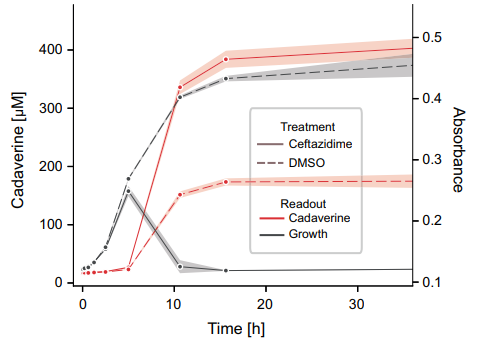
Growth and cadaverine production dynamics in E. coli treated with 20 µM of Ceftazidime. Treated cultures show a brief period where the optical density (Absorbance, 595 nm) increases, concurrent with a burst of cadaverine production far above untreated levels. This indicates that this β-lactam antibiotic does not immediately kill the cells but allows for a brief period of growth and stress-induced polyamine production prior to bacterial cell lysis. Lines indicate the mean, and shaded areas the standard deviation of n = 6 biological replicates.
-
BMC Microbiol
Evaluation of the Etest and disk diffusion method for detection of the activity of ceftazidime-avibactam against Enterobacterales and Pseudomonas aeruginosa in China. [Abstract]2020 Jun 29;20(1):187. PMID: 32600252 -
Molecules
Seeking Correlation Among Porin Permeabilities and Minimum Inhibitory Concentrations Through Machine Learning: A Promising Route to the Essential Molecular Descriptors. [Abstract]2025 Mar 9;30(6):1224. PMID: 40142001 -
Int J Antimicrob Agents
Elucidating adaptive compensatory tigecycline resistance mechanisms of RamA, RarA and SoxS in Klebsiella pneumoniae. [Abstract]2025 Oct;66(4):107551. PMID: 40499596 -
Int J Antimicrob Agents
In vitro activity of cefepime-zidebactam, ceftolozane-tazobactam, ceftazidime-avibactam, imipenem-relebactam, and other comparators against imipenem-non-susceptible Pseudomonas aeruginosa in Taiwan, 2022. [Abstract]2025 Sep;66(3):107550. PMID: 40480535 -
Int J Antimicrob Agents
Activity of TP-6076 against carbapenem-resistant Acinetobacter baumannii isolates collected from inpatients in Greek hospitals. [Abstract]2018 Aug;52(2):269-271. PMID: 29559273 -
Sci Rep
Activity of newest generation β-lactam/β-lactamase inhibitor combination therapies against multidrug resistant Pseudomonas aeruginosa. [Abstract]2022 Oct 7;12(1):16814. PMID: 36207358 -
Microorganisms
Antimicrobial Resistance and Genomic Characteristics of Escherichia coli Strains Isolated from the Poultry Industry in Henan Province, China. [Abstract]2024 Mar 13;12(3):575. PMID: 38543626
Ceftazidime pentahydrate purchased from MedChemExpress. Usage Cited in: Microorganisms. 2024 Mar 13;12(3):575. [Abstract]
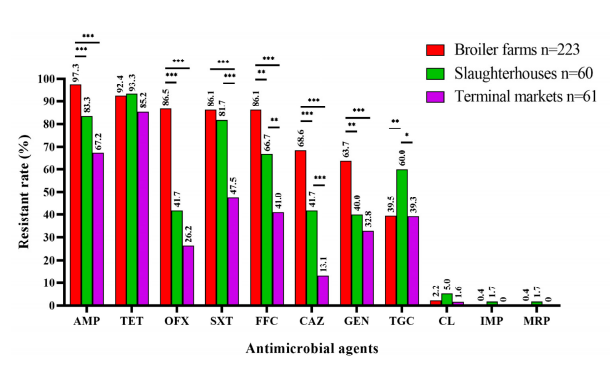
Percentages of E. coli strains showing antimicrobial resistance to different antimicrobial agents. AMP, Ampicillin; CAZ, Ceftazidime; IPM, Imipenem; MRP, Meropenem; GEN, Gentamicin; OFX, Ofloxacin; SXT, Trimethoprim–sulfamethoxazole; TET, Tetracycline; TGC, Tigecycline; CL, Colistin; FFC, Florfenicol.
-
Antimicrob Agents Chemother
Clinical and genomic determinants associated with emergent ceftazidime-avibactam plus aztreonam non-susceptibility in ceftazidime-avibactam resistant Escherichia coli. [Abstract]2026 Mar 23:e0186025. PMID: 41870042 -
Antimicrob Agents Chemother
PKPD modeling of the inoculum effect of combined ceftazidime/avibactam and colistin against KPC-3 Klebsiella pneumoniae isolate. [Abstract]2025 May 7;69(5):e0179724. PMID: 40227072 -
Antimicrob Agents Chemother
Prediction of higher ceftazidime-avibactam concentrations in the human renal interstitium compared with unbound plasma using a minimal physiologically based pharmacokinetic model developed in rats and pigs through microdialysis. [Abstract]2025 Mar 5;69(3):e0151824. PMID: 39912660 -
Antimicrob Agents Chemother
An improved PKPD modeling approach to characterize the pharmacodynamic interaction over time between ceftazidime/avibactam and colistin from in vitro time-kill experiments against multidrug-resistant Klebsiella pneumoniae isolates. [Abstract]2023 Oct 18;67(10):e0030123. PMID: 37681977 -
Antimicrob Agents Chemother
Aztreonam-Avibactam Combination Restores Susceptibility of Aztreonam in Dual-Carbapenemase-Producing Enterobacteriaceae. [Abstract]2018 Jul 27;62(8):e00414-18. PMID: 29760136 -
J Antimicrob Chemother
Harnessing metabolic dependence-driven antibiotic synergy to eradicate tolerant Pseudomonas aeruginosa. [Abstract]2026 Jun 3;81(7):dkag204. PMID: 42267541 -
J Antimicrob Chemother
Comparative activity of established versus new-generation β-lactams against AmpC-hyperproducing clinical isolates of Enterobacter cloacae complex and Klebsiella aerogenes: a multicentre study. [Abstract]2026 Feb 2;81(3):dkag034. PMID: 41648989 -
J Antimicrob Chemother
Ceftazidime/avibactam: a potent arsenal against multidrug-resistant Pseudomonas aeruginosa-unveiling in vitro and in vivo strategies. [Abstract]2026 Jan 19;81(2):dkaf495. PMID: 41549665 -
J Antimicrob Chemother
Unravelling the triad of penicillin-binding proteins, β-lactamase activity, and mRNA dynamics in Pseudomonas aeruginosa AmpC induction. [Abstract]2025 Nov 5:dkaf408. PMID: 41206063 -
Microbiol Spectr
In vitro activity of cefiderocol against Pseudomonas aeruginosa isolated from cystic fibrosis patients. [Abstract]2023 Dec 12;11(6):e0304723. PMID: 37982634 -
J Antimicrob Chemother
In vivo efficacy & resistance prevention of cefiderocol in combination with ceftazidime/avibactam, ampicillin/sulbactam or meropenem using human-simulated regimens versus Acinetobacter baumannii. [Abstract]2023 Apr 3;78(4):983-990. PMID: 36775993 -
J Antimicrob Chemother
In vivo translational assessment of the GES genotype on the killing profile of ceftazidime, ceftazidime/avibactam and meropenem against Pseudomonas aeruginosa. [Abstract]2022 Sep 30;77(10):2803-2808. PMID: 35848936
Ceftazidime pentahydrate purchased from MedChemExpress. Usage Cited in: J Antimicrob Chemother. 2022 Sep 30;77(10):2803-2808. [Abstract]
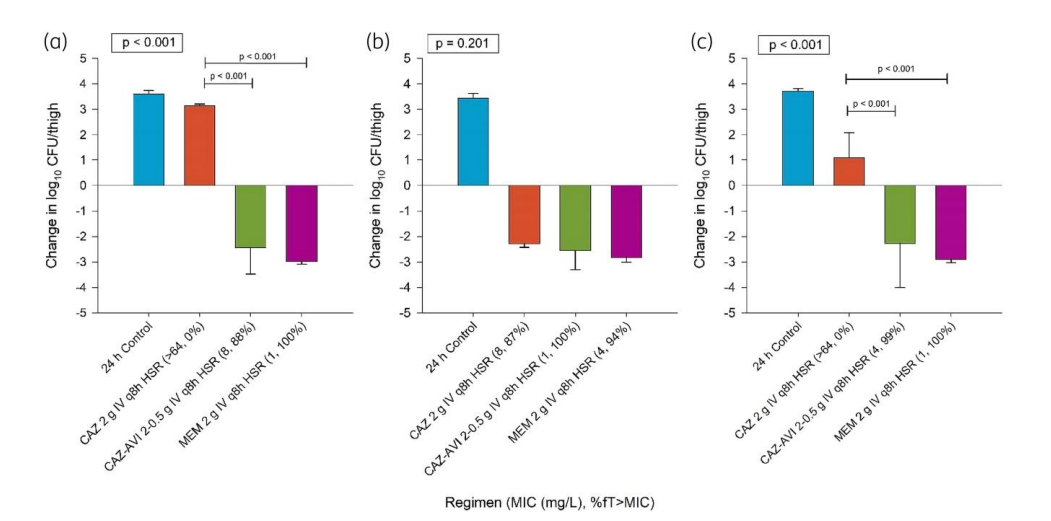
In vivo change in log10 cfu/thigh of each isolate treated with saline control, Ceftazidime 2 g IV q8h 2 h infusion HSR, Ceftazidime/Avibactam 2.5 g q8h 2 h infusion HSR or meropenem 2 g q8h 3 h infusion HSR for three P. aeruginosa with inserted GES β-lactamases. (a) PSA 2136, with inserted GES-1 (ESBL). (b) PSA 2137, with inserted GES-5 (carbapenemase). (c) PSA 2138, with inserted GES-15. P values in the boxes represent the results from one-way ANOVA; P values are presented if between-group differences were present. The x-axis describes the treatment HSR [MIC (mg/L), % fT>MIC]. CAZ, Ceftazidime; CAZ-AVI, Ceftazidime/Avibactam; MEM, meropenem.
-
J Antimicrob Chemother
Evaluation of the in vitro activity of new polymyxin B analogue SPR206 against clinical MDR, colistin-resistant and tigecycline-resistant Gram-negative bacilli. [Abstract]2020 Sep 1;75(9):2609-2615. PMID: 32591806 -
J Antimicrob Chemother
In vitro activity of the novel β-lactamase inhibitor taniborbactam (VNRX-5133), in combination with cefepime or meropenem, against MDR Gram-negative bacterial isolates from China. [Abstract]2020 Jul 1;75(7):1850-1858. PMID: 32154866
Ceftazidime pentahydrate purchased from MedChemExpress. Usage Cited in: J Antimicrob Chemother. 2020 Jul 1;75(7):1850-1858. [Abstract]
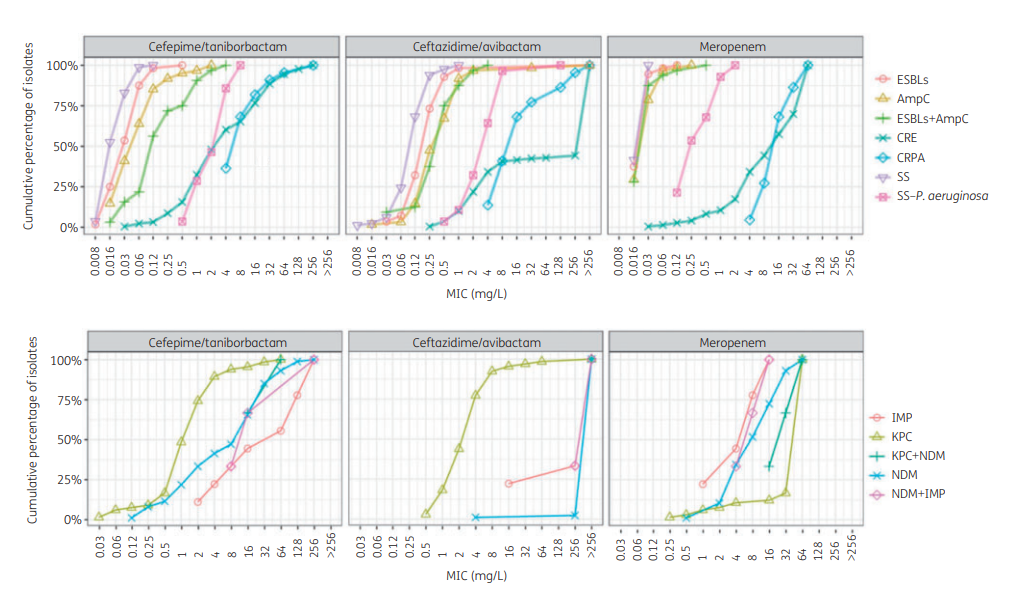
The cumulative MIC distributions of Cefepime/Taniborbactam, Ceftazidime/Avibactam and comparator Meropenem for 500 tested isolates. The MICs of cefepime and Cefepime/Taniborbactam shown in the figure were tested by the broth microdilution method. The MICs of Meropenem shown in the figure were tested by the agar dilution method. SS, susceptible to all tested β-lactams. SS-P. aeruginosa, meropenem-susceptible P. aeruginosa. Nine IMP producers included three blaIMP-producing P. aeruginosa.
-
-
AMB Express
Repurposing pinaverium bromide against Staphylococcus and its biofilms with new mechanisms. [Abstract]2024 Dec 24;14(1):141. PMID: 39718732
Ceftazidime pentahydrate purchased from MedChemExpress. Usage Cited in: AMB Express. 2024 Dec 24;14(1):141. [Abstract]
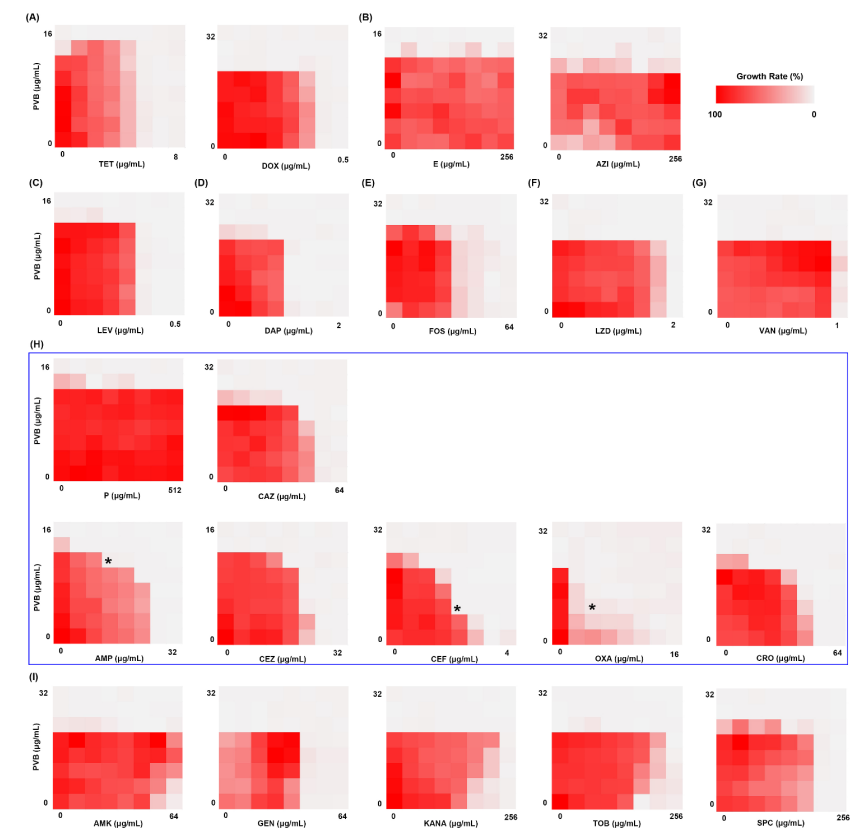
Combinational antimicrobial effects between PVB and conventional antibiotics against MRSA ATCC 43,300. TET, Tetracycline. DOX, Doxycycline. E, Erythromycin. AZI, Azithromycin. P, Penicillin. CAZ, Ceftazidime. AMP, Ampicillin. CEZ, Cefazolin. CEF, Cefotaxime. OXA, Oxacillin. CRO, Ceftriaxone. AMK, Amikacin. GEN, Gentamycin, KANA, Kanamycin. TOB, Tobramycin. SPC, Spectinomycin.
-
-
Eur J Clin Microbiol Infect Dis
Evaluation of EUCAST rapid antimicrobial susceptibility testing (RAST) for carbapenemase-producing Klebsiella pneumoniae with focus on KPC variants. [Abstract]2025 Sep 29. PMID: 41023358 -
Eur J Clin Microbiol Infect Dis
Pharmacodynamic target attainment of the synergism of ceftazidime-avibactam in combination with amikacin against OXA-producing extensively drug-resistant or pan drug-resistant (XDR/PDR) Pseudomonas aeruginosa. [Abstract]2025 Jun;44(6):1493-1500. PMID: 40056304 -
-
Infect Drug Resist
In vitro Activity of Meropenem-Vaborbactam versus Other Antibiotics Against Carbapenem-Resistant Escherichia coli from Southeastern China. [Abstract]2021 Jun 30;14:2499-2507. PMID: 34234477 -
Infect Genet Evol
Polymyxin B combined with amikacin delays the resistance of Klebsiella pneumoniae to polymyxin B by modulating the expression of NlpE. [Abstract]2025 Sep:133:105780. PMID: 40480594 -
J Antibiot (Tokyo)
Meropenem, Ceftazidime, and Polymyxin B combination therapy: a novel approach to combat antimicrobial resistance in MDR, XDR and PDR Escherichia coli. [Abstract]2026 Feb 17. PMID: 41703045 -
J Antibiot (Tokyo)
Impact of short chain fatty acids (SCFAs) on antimicrobial activity of new β-lactam/β-lactamase inhibitor combinations and on virulence of Escherichia coli isolates. [Abstract]2023 Apr;76(4):225-235. PMID: 36726014 -
-
-
-
-
-
Biomed Pharmacother
The enhancement effect of small molecule Lyb24 reveals AzoR as a novel target of polymyxin B. [Abstract]2023 Dec 31:169:115856. PMID: 37949698 -


Solvent & Solubility
In Vitro:
DMSO : 50 mg/mL (78.54 mM; ultrasonic and warming and heat to 60°C; Hygroscopic DMSO has a significant impact on the solubility of product, please use newly opened DMSO)
H2O : 29.17 mg/mL (45.82 mM; Need ultrasonic)
Please refer to the solubility information to select the appropriate solvent. Once prepared, please aliquot and store the solution to prevent product inactivation from repeated freeze-thaw cycles.
Storage method and period of stock solution: -80°C, 6 months; -20°C, 1 month (sealed storage, away from moisture). When stored at -80°C, please use it within 6 months. When stored at -20°C, please use it within 1 month.
* Note: If you choose water as the stock solution, please dilute it to the working solution, then filter and sterilize it with a 0.22 μm filter before use.
Please refer to the solubility information to select the appropriate solvent. Once prepared, please aliquot and store the solution to prevent product inactivation from repeated freeze-thaw cycles.
Storage method and period of stock solution: -80°C, 6 months; -20°C, 1 month (sealed storage, away from moisture). When stored at -80°C, please use it within 6 months. When stored at -20°C, please use it within 1 month.
* Note: If you choose water as the stock solution, please dilute it to the working solution, then filter and sterilize it with a 0.22 μm filter before use.
Concentration (start) × Volume (start) = Concentration (final) × Volume (final)
In Vivo:
Select the appropriate dissolution method based on your experimental animal and administration route.
- For the following dissolution methods, please ensure to first prepare a clear stock solution using an In Vitro approach and then sequentially add co-solvents:
- To ensure reliable experimental results, the clarified stock solution can be appropriately stored based on storage conditions. As for the working solution for In Vivo experiments, it is recommended to prepare freshly and use it on the same day.
- The percentages shown for the solvents indicate their volumetric ratio in the final prepared solution. If precipitation or phase separation occurs during preparation, heat and/or sonication can be used to aid dissolution.
Add each solvent one by one: 10% DMSO 40% PEG300 5% Tween-80 45% Saline
Solubility: 2.5 mg/mL (3.93 mM); Suspended solution; Need ultrasonic
This protocol yields a suspended solution of 2.5 mg/mL. Suspended solution can be used for oral and intraperitoneal injection.
Taking 1 mL working solution as an example, add 100 μL DMSO stock solution (25.0 mg/mL) to 400 μL PEG300, and mix evenly; then add 50 μL Tween-80 and mix evenly; then add 450 μL Saline to adjust the volume to 1 mL.
Preparation of Saline: Dissolve 0.9 g sodium chloride in ddH₂O and dilute to 100 mL to obtain a clear Saline solution.
In Vivo Dissolution Calculator
Please enter the basic information of animal experiments:
-
-
-
-
Recommended: Prepare an additional quantity of animals to account for potential losses during experiments.
Working solution concentration: 0.22 mg/mL
This product has good water solubility, please refer to the measured solubility data in water/PBS/Saline for details.


Purity & Documentation
-
Data Sheet (281 KB)
-
SDS (399 KB)
- English - EN (399 KB)
- Français - FR (399 KB)
- Deutsch - DE (399 KB)
- Norwegian - NO (399 KB)
- Español - ES (399 KB)
- Swedish - SV (399 KB)
- Italian - IT (399 KB)
- Korean - KR (399 KB)
- Portuguese - PT (399 KB)
-
Handling Instructions (2659 KB)
References
[1]. Richards DM, et al. Ceftazidime. A review of its antibacterial activity, pharmacokinetic properties and therapeutic use. Drugs. 1985 Feb;29(2):105-61. [Content Brief]
[2]. Esmat Kamali, et al. In vitro activities of cellulase and ceftazidime, alone and in combination against Pseudomonas aeruginosa biofilms. BMC Microbiol. 2021 Dec 16;21(1):347. [Content Brief]
[3]. Qiuxia Lin, et al. Avibactam potentiated the activity of both ceftazidime and aztreonam against S. maltophilia clinical isolates in vitro. BMC Microbiol. 2021 Feb 22;21(1):60. [Content Brief]
[4]. Shawn H MacVane, et al. Unexpected in vivo activity of ceftazidime alone and in combination with avibactam against New Delhi metallo-β-lactamase-producing Enterobacteriaceae in a murine thigh infection model. Antimicrob Agents Chemother. 2014 Nov;58(11):7007-9. [Content Brief]


Complete Stock Solution Preparation Table
Please refer to the solubility information to select the appropriate solvent. Once prepared, please aliquot and store the solution to prevent product inactivation from repeated freeze-thaw cycles.
Storage method and period of stock solution: -80°C, 6 months; -20°C, 1 month (sealed storage, away from moisture). When stored at -80°C, please use it within 6 months. When stored at -20°C, please use it within 1 month.
| Optional Solvent | Concentration Solvent Mass | 1 mg | 5 mg | 10 mg | 25 mg |
|---|---|---|---|---|---|
| H2O / DMSO | 1 mM | 1.5707 mL | 7.8536 mL | 15.7072 mL | 39.2680 mL |
| 5 mM | 0.3141 mL | 1.5707 mL | 3.1414 mL | 7.8536 mL | |
| 10 mM | 0.1571 mL | 0.7854 mL | 1.5707 mL | 3.9268 mL | |
| 15 mM | 0.1047 mL | 0.5236 mL | 1.0471 mL | 2.6179 mL | |
| 20 mM | 0.0785 mL | 0.3927 mL | 0.7854 mL | 1.9634 mL | |
| 25 mM | 0.0628 mL | 0.3141 mL | 0.6283 mL | 1.5707 mL | |
| 30 mM | 0.0524 mL | 0.2618 mL | 0.5236 mL | 1.3089 mL | |
| 40 mM | 0.0393 mL | 0.1963 mL | 0.3927 mL | 0.9817 mL | |
| DMSO | 50 mM | 0.0314 mL | 0.1571 mL | 0.3141 mL | 0.7854 mL |
| 60 mM | 0.0262 mL | 0.1309 mL | 0.2618 mL | 0.6545 mL |
* Note: If you choose water as the stock solution, please dilute it to the working solution, then filter and sterilize it with a 0.22 μm filter before use.


Ceftazidime pentahydrate Related Classifications
HY-B0593A Related Classifications
 Powered by Bioz