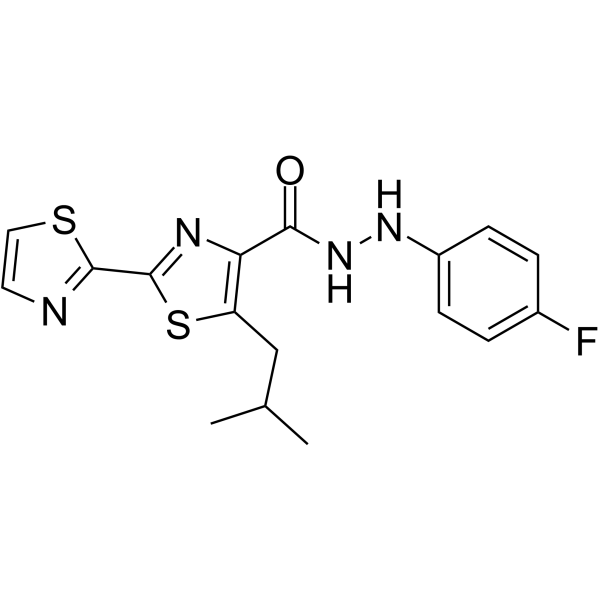
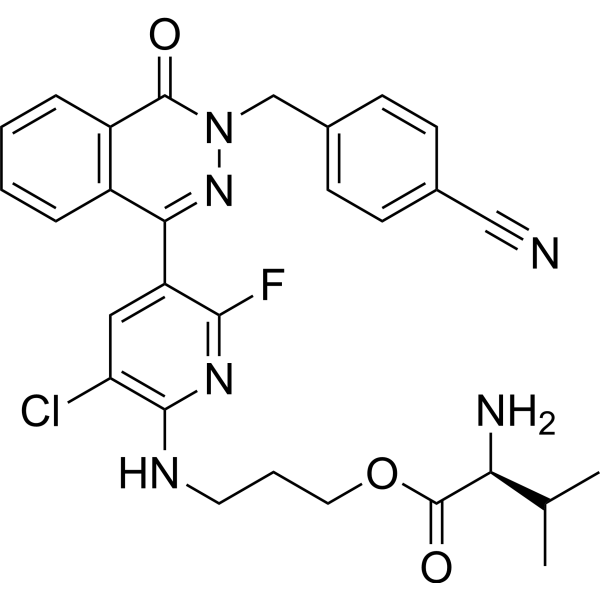
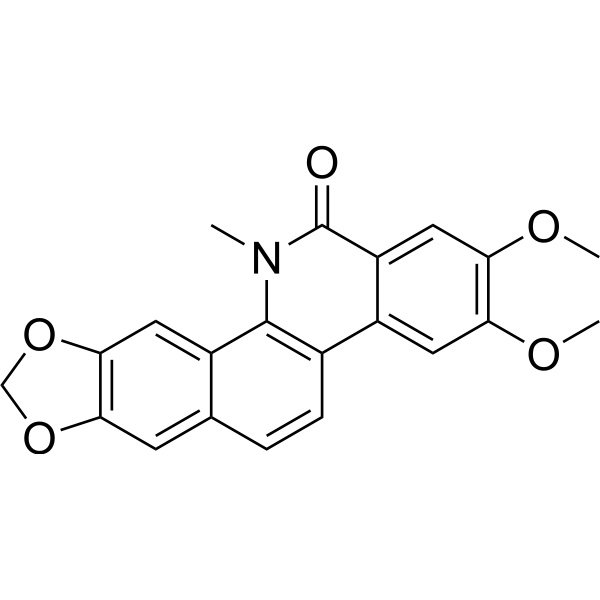
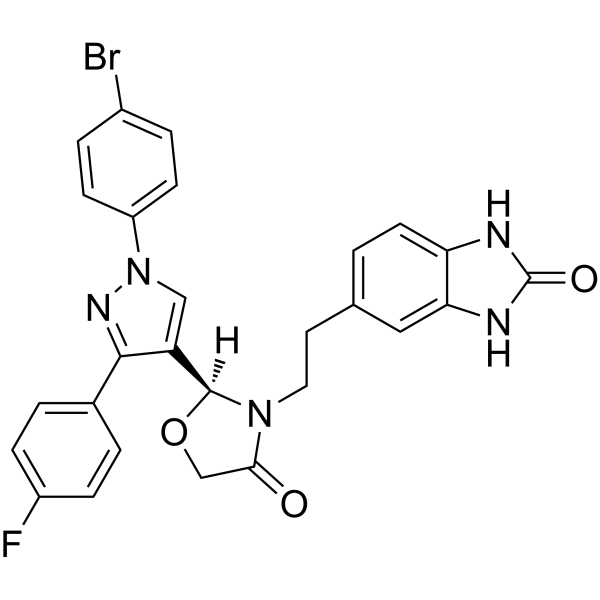
1. Search Result
Search Result
Results for "

HBV replication

" in MedChemExpress (MCE) Product Catalog:

84

Inhibitors & Agonists

1

Screening Libraries

15

Natural
Products

6

Isotope-Labeled Compounds

1

Click Chemistry

6

Oligonucleotides

Targets Recommended:
Cat. No. 상품명 Target 연구분야 Chemical Structure
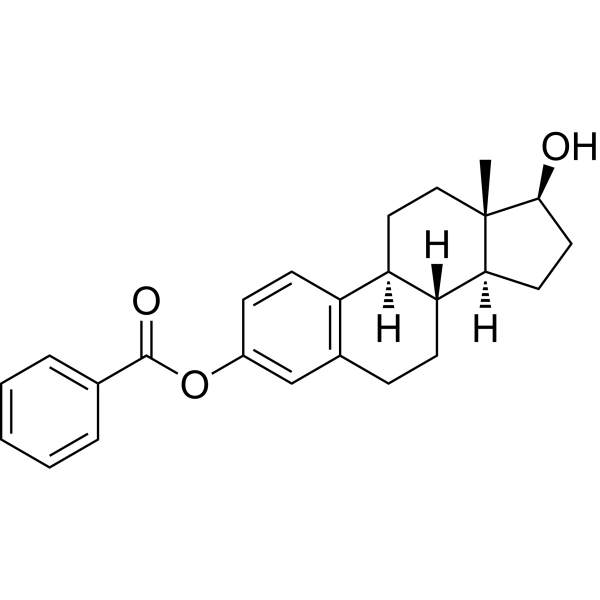
  • HY-B1192
    Estradiol benzoate
    Maximum Cited Publications
    16 Publications Verification

    β-Estradiol 3-benzoate; 17β-Estradiol 3-benzoate

    Estrogen Receptor/ERR HBV Bcl-2 Family Neurological Disease
    Estradiol benzoate (β-Estradiol 3-benzoate) is a HBx protein inhibitor and inhibits androgen and hepatitis B virus (HBV) transcription, replication. Estradiol benzoate shows antifertility effects, anti- Toxoplasma gondii activity and can improve memory behavior of Ovariectomy (Ovx) female mice .
    Estradiol benzoate
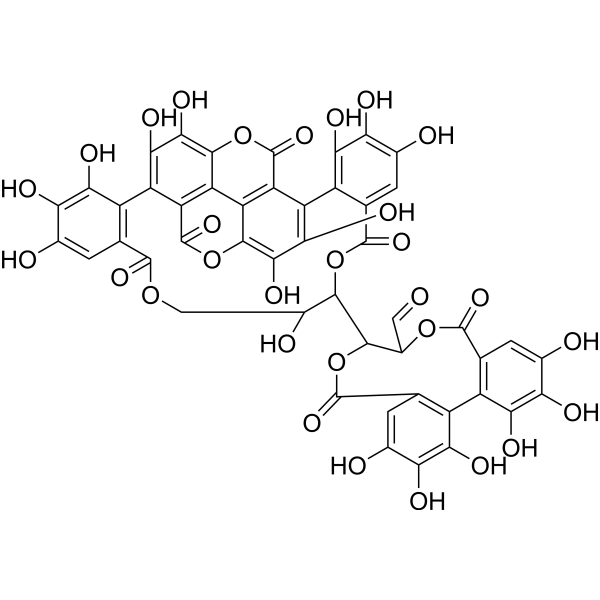
  • HY-N0063
    Punicalagin
    10+ Cited Publications

    SARS-CoV HBV Infection Metabolic Disease Cancer
    Punicalagin is a polyphenol ingredient isolated from Pomegranate (Punica granatum L.) or the leaves of Terminalia catappa L.. Punicalagin is a reversible and non-competitive 3CL pro inhibitor and inhibits SARS-CoV-2 replication in vitro. Punicalagin is an anti-hepatitis B virus (HBV) agent and has antioxidant, anti-inflammatory, and anticancer effects. Punicalagin has the potential for the research of COVID-19 .
    Punicalagin
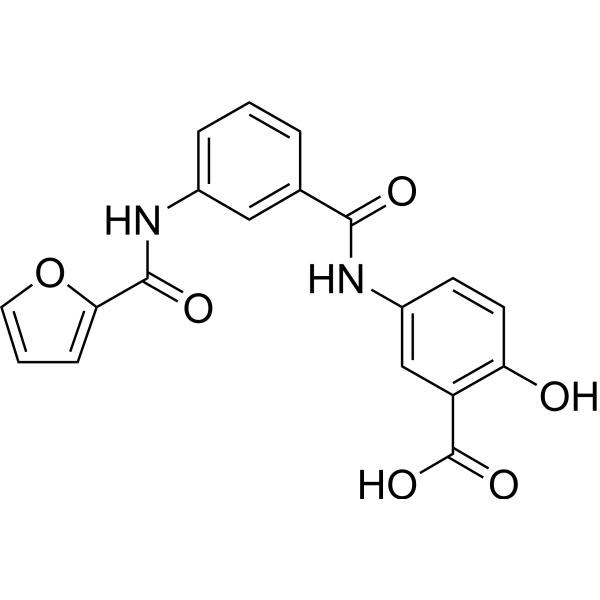
  • HY-107454
    OSS_128167
    Maximum Cited Publications
    31 Publications Verification

    Sirtuin HBV Infection Metabolic Disease Inflammation/Immunology Cancer
    OSS_128167 is a potent selective sirtuin 6 (SIRT6) inhibitor with IC50s of 89 μM, 1578 μM and 751 μM for SIRT6, SIRT1 and SIRT2, respectively. OSS_128167 has anti-HBV activity that inhibits HBV transcription and replication. OSS_128167 has anti-cancer, anti-inflammation and anti-viral effects .
    OSS_128167
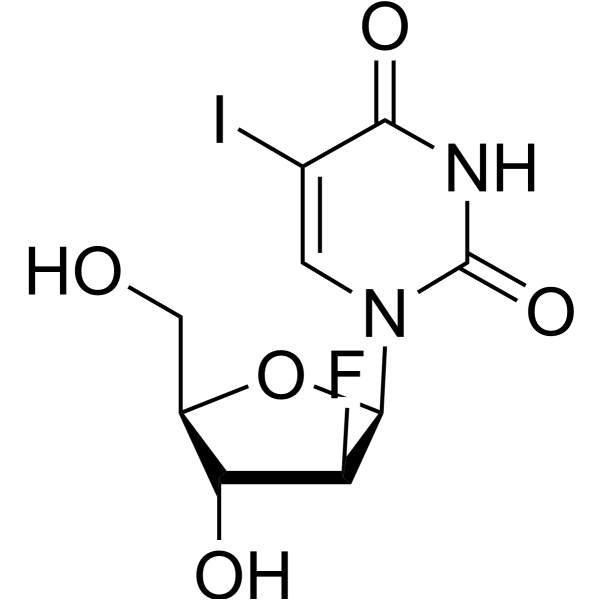
  • HY-118122

    FIAU; DRG-0098; NSC 678514

    HSV HBV DNA/RNA Synthesis Orthopoxvirus Nucleoside Antimetabolite/Analog Infection
    Fialuridine (FIAU), a nucleoside analog, is a HSV-1 and HSV-2 inhibitor with Kis of 0.14 μM and 0.95 μM, respectively. Fialuridine shows anti-orthopoxvirus and anti-hepatitis B virus (HBV) activities. Fialuridine inhibits duck HBV DNA replication with IC50 values of 0.075 μM and 156 μM in human hepatoma cells and in chicken liver cells, respectively .
    Fialuridine
  • HY-113308
    Taurolithocholic acid
    5+ Cited Publications

    Calcium Channel Ferroptosis PI3K Akt HBV Reactive Oxygen Species (ROS) Cardiovascular Disease Infection Inflammation/Immunology
    Taurolithocholic acid is an orally active bile acid and antiviral agent. Taurolithocholic acid upregulates FADS2 by activating the TGR5-PI3K/AKT-SREBP2 signaling axis, inhibits SFTSV-induced ferroptosis (Ferroptosis), viral replication and viral entry of HBV/HDV, while reducing the release of IL-1β, lipid ROS and LDH. While exerting antiviral protective effects, Taurolithocholic acid also stimulates the recycling of hepatocellular membrane transporters, impairs canalicular bile acid secretion function, and induces hepatocyte cholestasis, apoptosis and acute hepatocellular injury. Taurolithocholic acid serves as an experimental model compound for hepatocellular cholestasis. At concentrations ≤200 μM, Taurolithocholic acid shows no cytotoxicity and does not activate the interferon pathway. Taurolithocholic acid not only protects mice from lethal SFTSV infection but also is suitable for studies related to severe fever with thrombocytopenia syndrome and cholestasis .
    Taurolithocholic acid
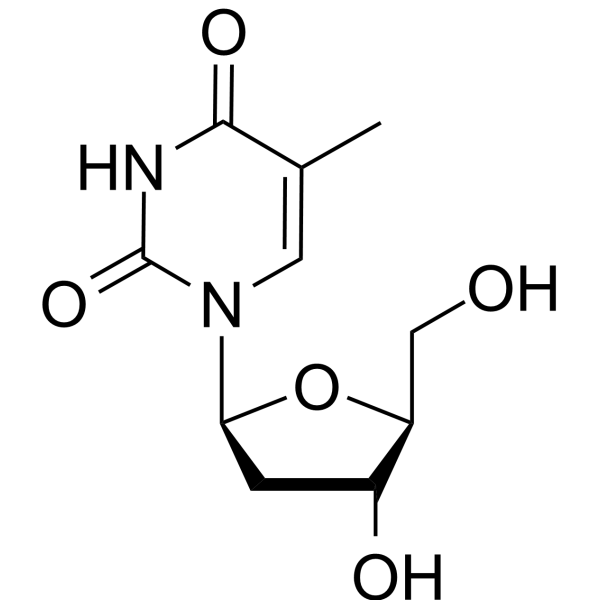
  • HY-B0017
    Telbivudine
    1 Publications Verification

    Epavudine; L-Thymidine; NV 02B

    HBV Infection
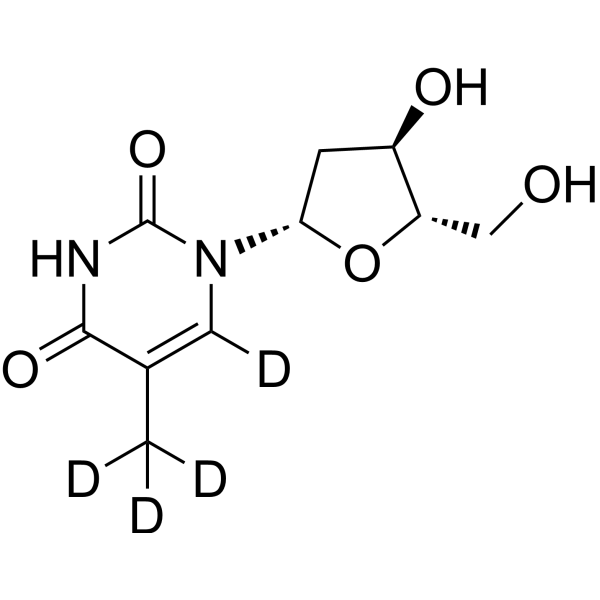
    Telbivudine (Epavudine), an orally active thymidine nucleoside analog, is a potent antiviral inhibitor of hepatitis B virus (HBV) replication .
    Telbivudine
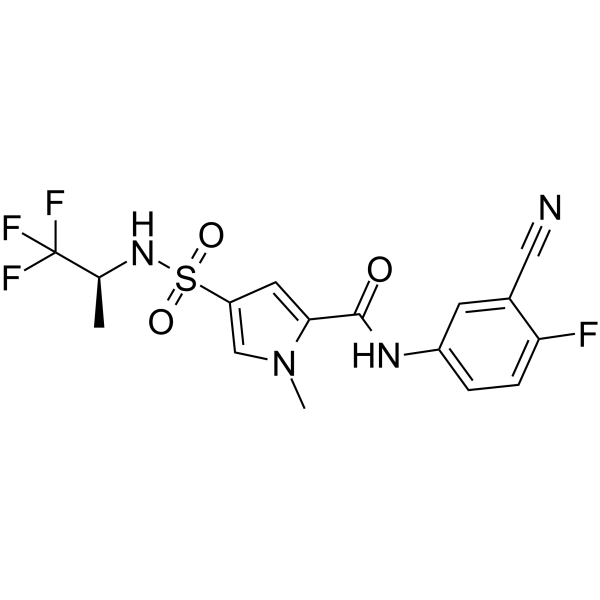
  • HY-109168
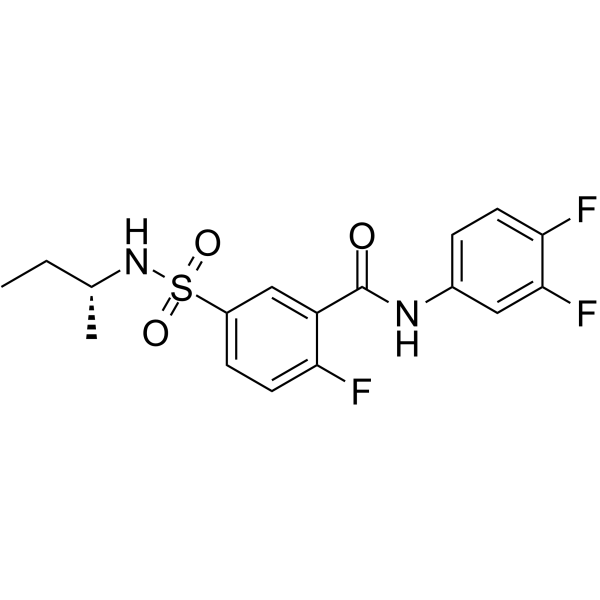
    Bersacapavir
    2 Publications Verification

    JNJ-6379; JNJ-56136379

    HBV DNA/RNA Synthesis Infection
    Bersacapavir (JNJ-6379) is an HBV capsid assembly modulator. Bersacapavir exerts a dual mechanism of action against both early and late stages of HBV infection by forming complete genome-free empty capsids and inhibiting de novo synthesis of cccDNA. Bersacapavir inhibits HBV replication. Bersacapavir can be used in the research of hepatitis B .
    Bersacapavir
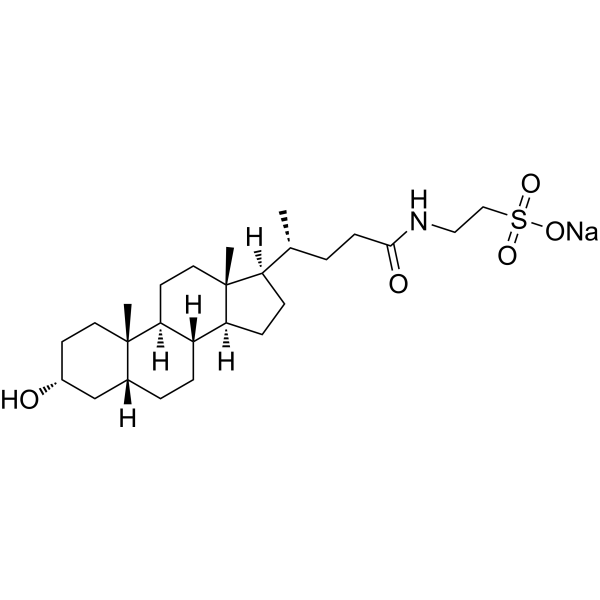
  • HY-113308A

    Calcium Channel Ferroptosis PI3K Reactive Oxygen Species (ROS) Akt HBV Metabolic Disease
    Taurolithocholic acid sodium salt is an orally active bile acid and antiviral agent. Taurolithocholic acid sodium salt upregulates FADS2 by activating the TGR5-PI3K/AKT-SREBP2 signaling axis, inhibits SFTSV-induced ferroptosis, viral replication and viral entry of HBV/HDV, while reducing the release of IL-1β, lipid ROS and LDH. While exerting antiviral protective effects, Taurolithocholic acid sodium salt also stimulates the recycling of hepatocellular membrane transporters, impairs canalicular bile acid secretion function, and induces hepatocyte cholestasis, apoptosis and acute hepatocellular injury. Taurolithocholic acid sodium salt serves as an experimental model compound for hepatocellular cholestasis. At concentrations ≤200 μM, Taurolithocholic acid sodium salt shows no cytotoxicity and does not activate the interferon pathway. Taurolithocholic acid sodium salt not only protects mice from lethal SFTSV infection but also is suitable for studies related to severe fever with thrombocytopenia syndrome and cholestasis .
    Taurolithocholic acid sodium salt
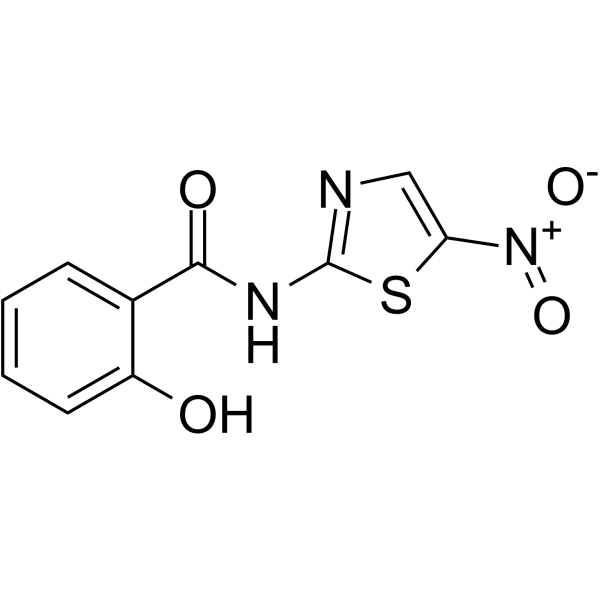
  • HY-12687
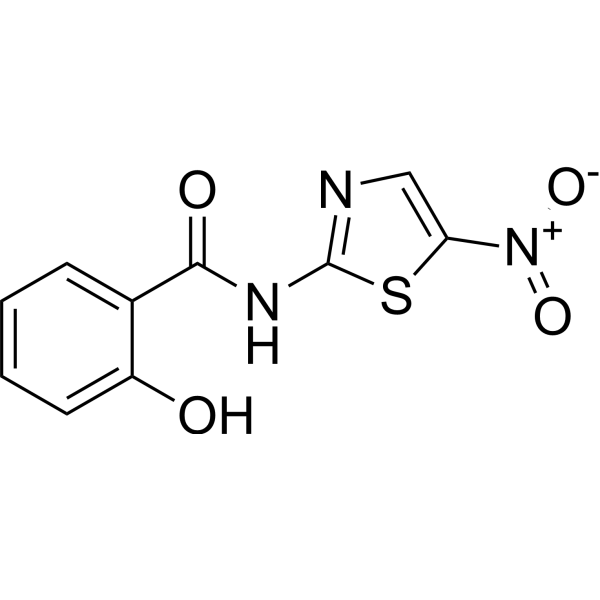
    Tizoxanide
    10+ Cited Publications

    TIZ

    Bacterial HIV Autophagy Parasite IKK Influenza Virus Infection Cancer
    Tizoxanide (TIZ) is the active metabolite of Nitazoxanide, which is a thiazolide anti-infective compound against anaerobic bacteria, protozoa, and a range of viruses. Tizoxanide (TIZ) has anti-HIV-1 activities and potent inhibition of both HBV and HCV replication with values EC50 of 0.46μM and 0.15 μM, respectively. Tizoxanide also exerts anti-inflammatory effects by inhibiting the production of pro-inflammatory cytokines and suppressing of the activation of the NF-κB and the MAPK signaling pathways in LPS-treated macrophage cells .
    Tizoxanide
  • HY-108917
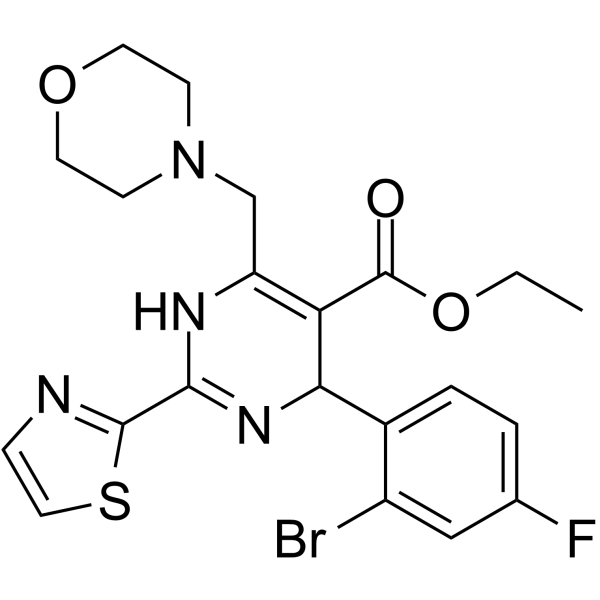
    Morphothiadin
    5+ Cited Publications

    GLS4

    HBV Infection
    Morphothiadin is a potent inhibitor on the replication of both wild-type and adefovir (HY-B1826)-resistant HBV with an IC50 of 12 nM.
    Morphothiadin
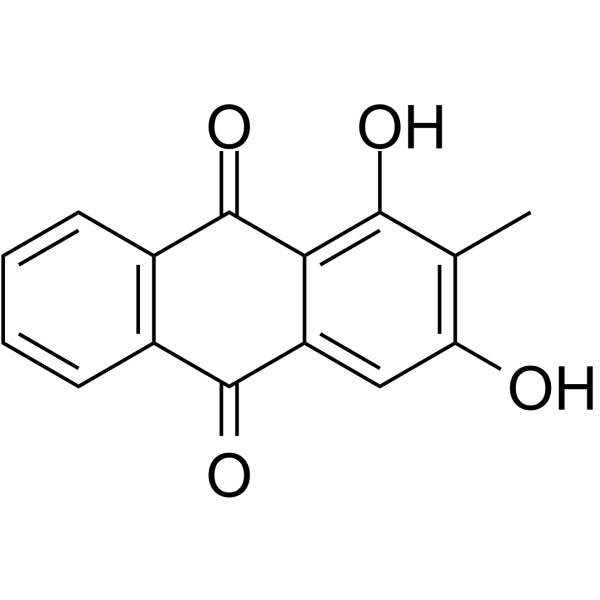
  • HY-N0444

    Reactive Oxygen Species (ROS) NF-κB HBV Apoptosis Bacterial Fungal Parasite Infection Neurological Disease Metabolic Disease Inflammation/Immunology Cancer
    Rubiadin is an orally active free radical scavenger that inhibits the activation of the NF-κB pathway. Rubiadin inhibits osteoclast formation, bone resorption, lipid peroxidation, HBV DNA replication and cancer cell proliferation; reduces pro-inflammatory cytokine levels; induces cancer cell apoptosis; and possesses antifungal, antimalarial, antibacterial and anticonvulsant activities. Rubiadin can be used in the research of osteoporosis, acute inflammation, chronic inflammation, carbon tetrachloride-induced liver injury, Alzheimer's disease, breast cancer, iron overload disorders, hepatitis B virus infection, colon cancer, liver cancer, T-lymphocytic leukemia, cervical cancer, diabetic nephropathy, epileptic seizures, fungal infections, malaria and bacterial infections .
    Rubiadin
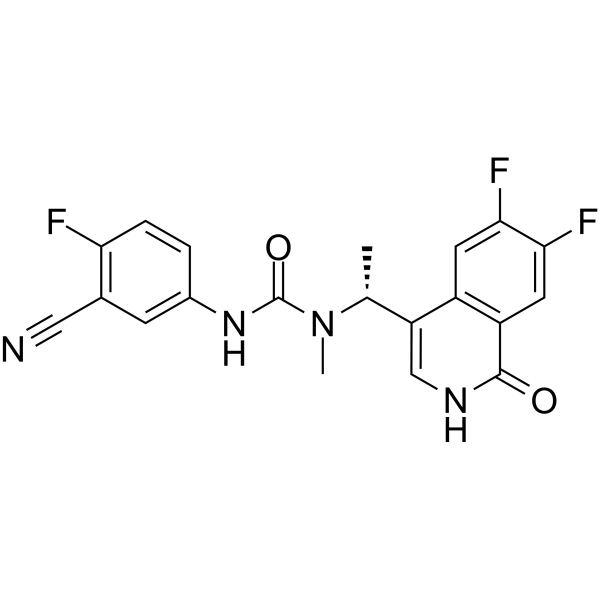
  • HY-148348

    HBV Infection
    AB-836 is an orally active HBV capsid inhibitor. AB-836 inhibits viral replication by interacting with HBV core protein. AB-836 can be used in research related to chronic hepatitis B .
    AB-836
  • HY-147255

    ZM-H1505R

    HBV Infection
    Canocapavir (ZM-H1505R) is an orally active HBV core protein-targeting antiviral agent. Canocapavir binds to the hydrophobic pocket at the dimer-dimer interface of HBV core protein (HBc), stimulating intracellular accumulation of nonfunctional HBV capsids, disrupting viral replication. Canocapavir interferes with the interaction between HBc and HBV large surface protein, resulting in diminished
    production of empty virionsis. Canocapavir can be used for the research of hepatitis B virus (HBV) infection .
    Canocapavir
  • HY-N1365
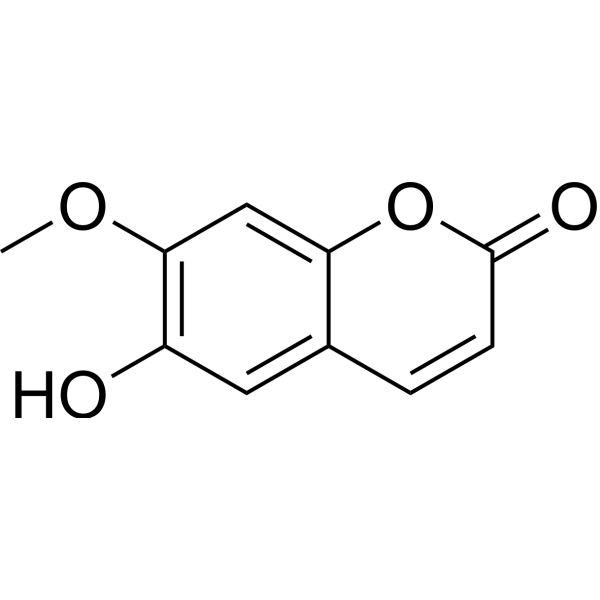
    Isoscopoletin
    1 Publications Verification

    6-Hydroxy-7-methoxycoumarin

    HBV p38 MAPK NF-κB STAT Akt ERK JNK Infection Inflammation/Immunology Cancer
    Isoscopoletin (6-Hydroxy-7-methoxycoumarin) is an active constituent in Artemisia argyi leaves. Isoscopoletin shows substantial inhibition against cell proliferation, with IC50s of 4.0 μM and 1.6 μM for human CCRF-CEM leukaemia cells and multidrug resistant subline CEM/ADR5000, respectively . Isoscopoletin (6-Hydroxy-7-methoxycoumarin) possesses inhibitory activity against HBV replication . Isoscopoletin exhibits anti-inflammatory activity through inhibition of MAPK/NF-κB/STAT/AKT signaling pathway .
    Isoscopoletin
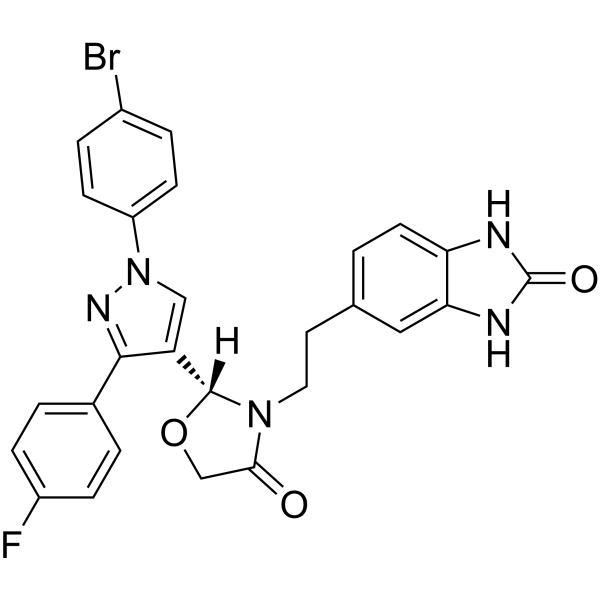
  • HY-157993

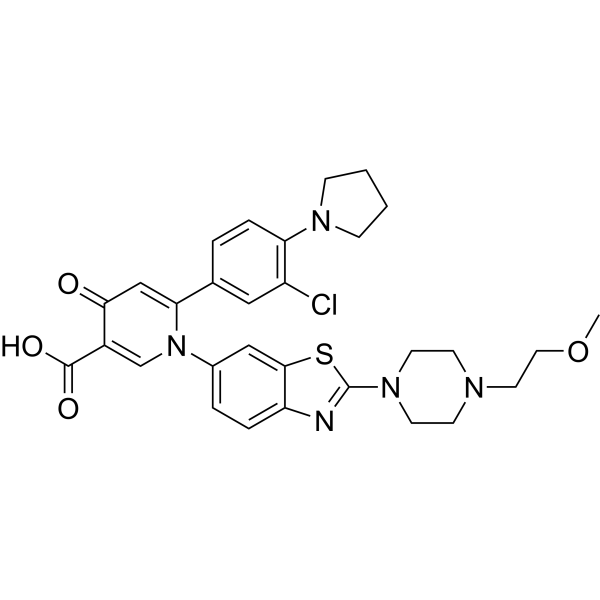
    HBV Infection
    SAG-524 is a potent oral small molecule HBV viral replication inhibitor. SAG-524 decreased HBV-DNA and HbsAg levels in supernatant of HepG2.2.15 cells, IC50 0.92 and 1.4 nM, respectively .
    SAG-524
  • HY-124614
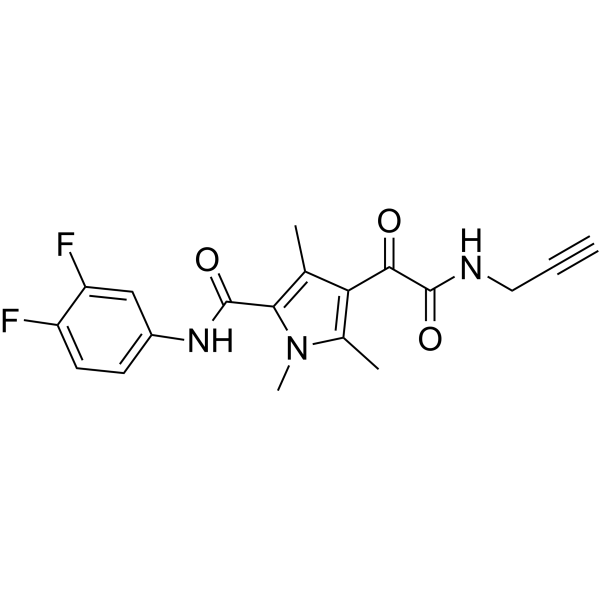
    GLP-26
    2 Publications Verification

    HBV Infection
    GLP-26 is a HBV capsid assembly modulators (CAM), inhibits HBV DNA replication in Hep AD38 system (IC50=3 nM), and reduces cccDNA by >90% at 1 μM. GLP-26 disrupts the encapsidation of pre-genomic RNA, causes nucleocapsid disassembly and reduces cccDNA pools . GLP-26 is a click chemistry reagent, it contains an Alkyne group and can undergo copper-catalyzed azide-alkyne cycloaddition (CuAAc) with molecules containing Azide groups.
    GLP-26
  • HY-131603

    3TCTP

    Reverse Transcriptase HCV HBV SARS-CoV Drug Derivative Infection
    Lamivudine triphosphate (3TCTP) is a phosphorylated Lamivudine (HY-B0250) (a nucleoside analogue). Lamivudine triphosphate inhibits the reverse transcriptase of HIV or HBV viruses to block viral replication by chain termination. Lamivudine triphosphate is also an inhibitor of the RdRp activity of the NS5B subunit of the HCV. Lamivudine triphosphate can be incorporated into the nascent RNA by the SARS-CoV-2 RdRp, thus halting mutations in the nascent SARS-CoV-2 RNA .
    Lamivudine triphosphate
  • HY-112142
    AB-423
    3 Publications Verification

    (R)-DVR-23

    HBV Infection
    AB-423 is an inhibitor of HBV capsid assembly, and potent inhibits HBV replication with EC50/EC90 of 0.08-0.27 μM/0.33-1.32 μM in cells.
    AB-423
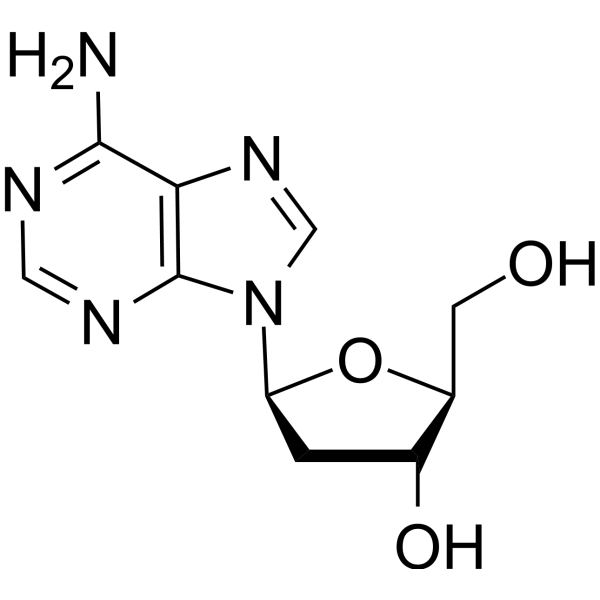
  • HY-W352344

    HBV Infection
    2'-Deoxy-L-adenosine is an orally active synthon for modified oligodeoxyribonucleotides. 2'-Deoxy-L-adenosine is a potent, specific and selective inhibitor of the replication of hepatitis B virus (HBV) as well as the closely related duck and woodchuck hepatitis viruses (WHV) .
    2'-Deoxy-L-adenosine
  • HY-145592

    RO7020531; RG7854

    Toll-like Receptor (TLR) SARS-CoV HBV Infection
    Ruzotolimod (RO7020531) is an orally active TLR7 agonist. Ruzotolimod inhibits WHV viral replication and, in combination with RO-7049389 (HY-145579), inhibits AAV-HBV viral load. Ruzotolimod can be used to study infection with COVID-19 or SARS-CoV-2 .
    Ruzotolimod
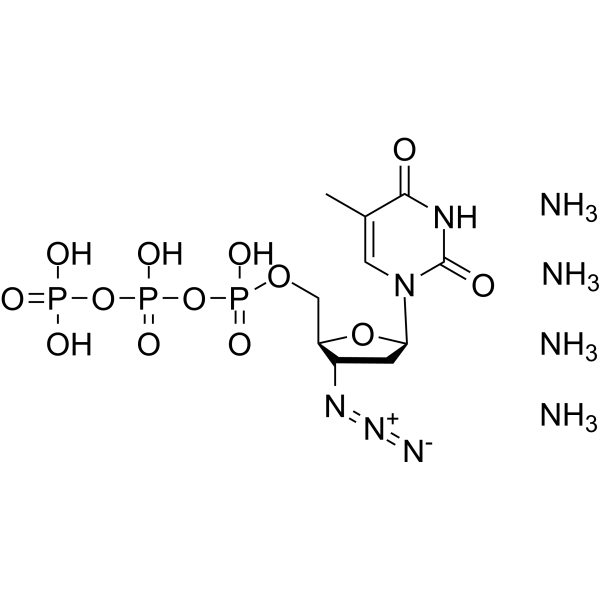
  • HY-116364B

    3'-Azido-3'-deoxythymidine-5'-triphosphate tetraammonium

    HIV DNA/RNA Synthesis HBV Reactive Oxygen Species (ROS) Apoptosis Infection
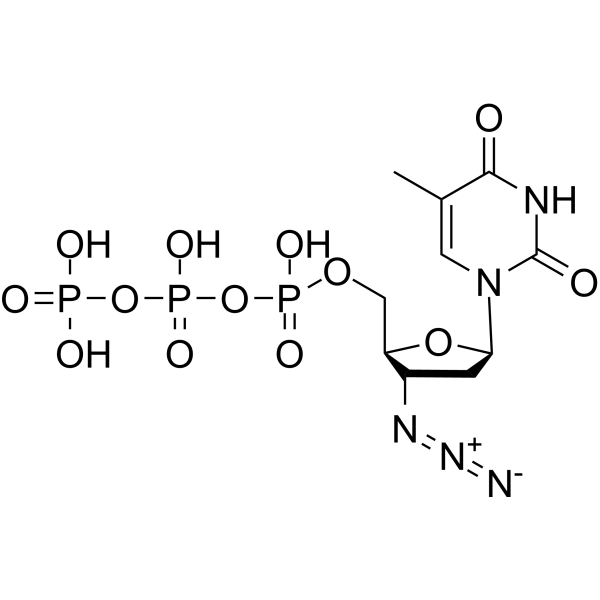
    AZT triphosphate (3'-Azido-3'-deoxythymidine-5'-triphosphate) tetraammonium is an active triphosphate metabolite of Zidovudine (AZT). AZT triphosphate tetraammonium exhibits antiretroviral activity and inhibits replication of HIV. AZT triphosphate tetraammonium also inhibits the DNA polymerase of HBV. AZT triphosphate tetraammonium activates the mitochondria-mediated apoptosis pathway .
    AZT triphosphate tetraammonium
  • HY-N0063R

    Reference Standards SARS-CoV HBV Infection Metabolic Disease Cancer
    Punicalagin (Standard) is the analytical standard of Punicalagin. This product is intended for research and analytical applications. Punicalagin is a polyphenol ingredient isolated from Pomegranate (Punica granatum L.) or the leaves of Terminalia catappa L.. Punicalagin is a reversible and non-competitive 3CLpro inhibitor and inhibits SARS-CoV-2 replication in vitro. Punicalagin is an anti-hepatitis B virus (HBV) agent and has antioxidant, anti-inflammatory, and anticancer effects. Punicalagin has the potential for the research of COVID-19 .
    Punicalagin (Standard)
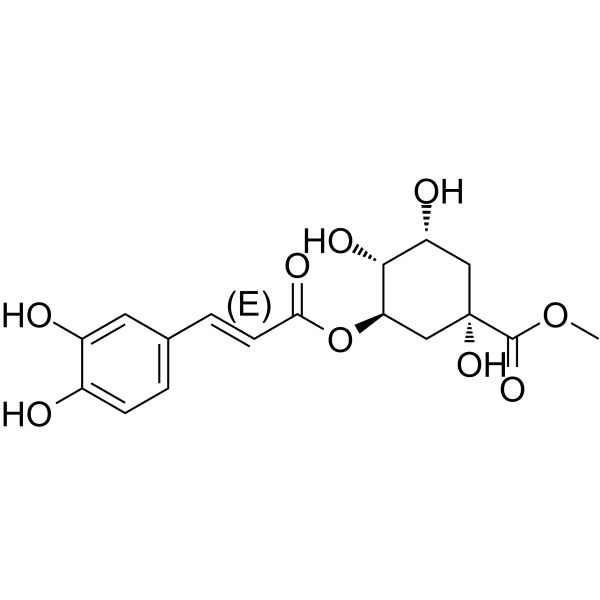
  • HY-N4168

    HBV Infection Cancer
    3-O-Caffeoylquinic acid methyl ester is a monocaffeoylquinic acid derivative and phenolic acid component, which can be found in the whole plant of Pyrrosia calvata (Backer) Ching and the flower buds of Lonicera japonica Thunb .
    3-O-Caffeoylquinic acid methyl ester
  • HY-116999

    HBV Infection
    IR415 is a potent anti-HBV agent and inhibits HBV replication by blocking the HBx activity. IR415 selectively interacts with HBx (Kd=2 nM) and blocks HBV-mediated RNAi suppression, reverses the inhibitory effect of HBx protein on the activity of the dicer endoribonuclease . HBx: hepatitis B virus X protein.
    IR415
  • HY-100028
    AT-130
    2 Publications Verification

    HBV DNA/RNA Synthesis Infection Cancer
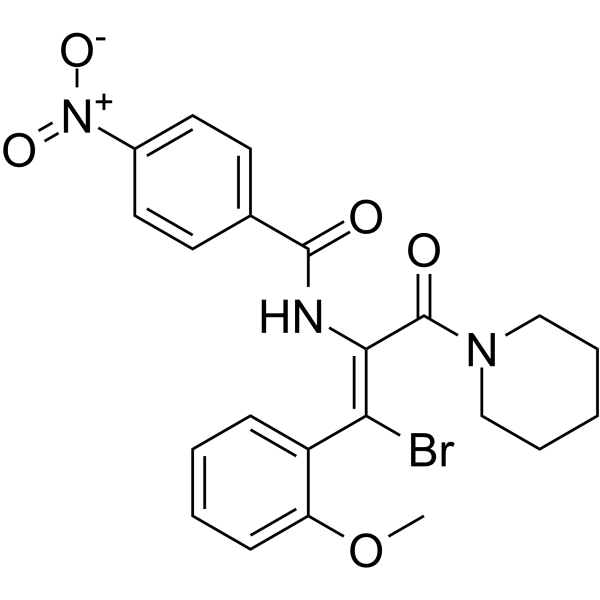
    AT-130, a phenylpropenamide derivative, is a potent hepatitis B virus (HBV) replication non-nucleoside inhibitor. AT-130 inhibits the viral DNA synthesis with an EC50 of 0.13 μM. AT-130 inhibits both wt and mutant HBVs. AT-130 has anti-HBV activity in hepatoma cells .
    AT-130
  • HY-W060316

    3-Hydroxy-5-isopropyltropolone

    HBV DNA/RNA Synthesis Infection
    β-Thujaplicinol (3-Hydroxy-5-isopropyltropolone) is an inhibitor of hepatitis B virus (HBV) ribonuclease H. β-Thujaplicinol inhibits RNAseHs of HBV genotypes D and H with IC50 values of 5.9 and 2.3 μM, respectively .
    β-Thujaplicinol
  • HY-16680

    Helioxanthin analogue 8-1

    HBV Infection
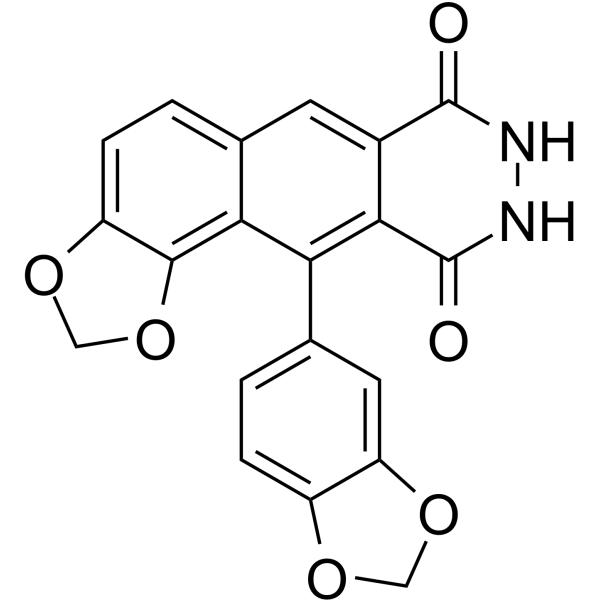
    Helioxanthin 8-1(Helioxanthin analogue 8-1) is an anti-HBV agent. Helioxanthin 8-1 exhibits anti-hepatitis B virus activity in both in vitro human hepatitis B virus models and animal models. Helioxanthin 8-1 inhibits the synthesis of duck hepatitis B virus (DHBV) DNA, covalently closed circular DNA, RNA and proteins, thereby blocking DHBV replication. Helioxanthin 8-1 shows higher cytotoxicity in virus-induced cells than in non-induced cells. Helioxanthin 8-1 can be used in studies related to hepatitis B virus infection .
    Helioxanthin 8-1
  • HY-116364

    3'-Azido-3'-deoxythymidine-5'-triphosphate

    HIV DNA/RNA Synthesis HBV Reactive Oxygen Species (ROS) Apoptosis Infection
    AZT triphosphate (3'-Azido-3'-deoxythymidine-5'-triphosphate) is a active triphosphate metabolite of Zidovudine (AZT). AZT triphosphate exhibits antiretroviral activity and inhibits replication of HIV. AZT triphosphate also inhibits the DNA polymerase of HBV. AZT triphosphate activates the mitochondria-mediated apoptosis pathway .
    AZT triphosphate
  • HY-B1192R

    β-Estradiol 3-benzoate (Standard); 17β-Estradiol 3-benzoate (Standard)

    Reference Standards Estrogen Receptor/ERR HBV Bcl-2 Family Neurological Disease
    Estradiol benzoate (Standard) is the analytical standard of Estradiol benzoate. This product is intended for research and analytical applications. Estradiol benzoate (β-Estradiol 3-benzoate) is a HBx protein inhibitor and inhibits androgen and hepatitis B virus (HBV) transcription, replication. Estradiol benzoate shows antifertility effects, anti- Toxoplasma gondii activity and can improve memory behavior of Ovariectomy (Ovx) female mice .
    Estradiol benzoate (Standard)
  • HY-N1365R

    6-Hydroxy-7-methoxycoumarin (Standard)

    Reference Standards HBV p38 MAPK NF-κB STAT Akt ERK JNK Infection Inflammation/Immunology Cancer
    Isoscopoletin (Standard) is the analytical standard of Isoscopoletin. This product is intended for research and analytical applications. Isoscopoletin (6-Hydroxy-7-methoxycoumarin) is an active constituent in Artemisia argyi leaves. Isoscopoletin shows substantial inhibition against cell proliferation, with IC50s of 4.0 μM and 1.6 μM for human CCRF-CEM leukaemia cells and multidrug resistant subline CEM/ADR5000, respectively . Isoscopoletin (6-Hydroxy-7-methoxycoumarin) possesses inhibitory activity against HBV replication . Isoscopoletin exhibits anti-inflammatory activity through inhibition of MAPK/NF-κB/STAT/AKT signaling pathway .
    Isoscopoletin (Standard)
  • HY-113308S1

    Isotope-Labeled Compounds Calcium Channel Ferroptosis PI3K Reactive Oxygen Species (ROS) Akt HBV Others
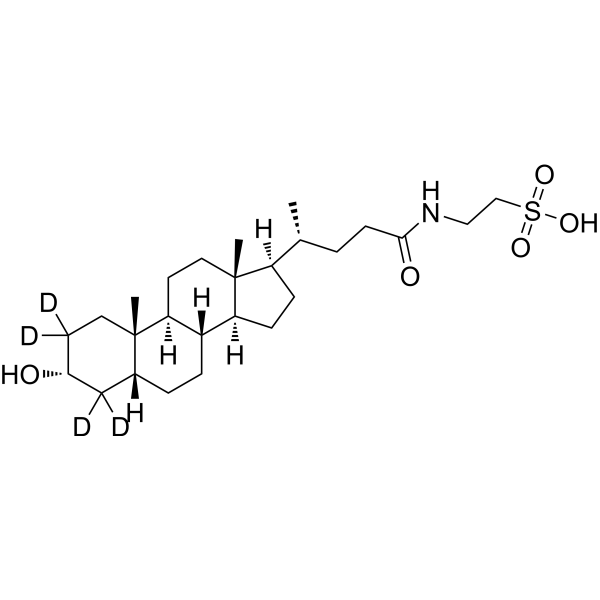
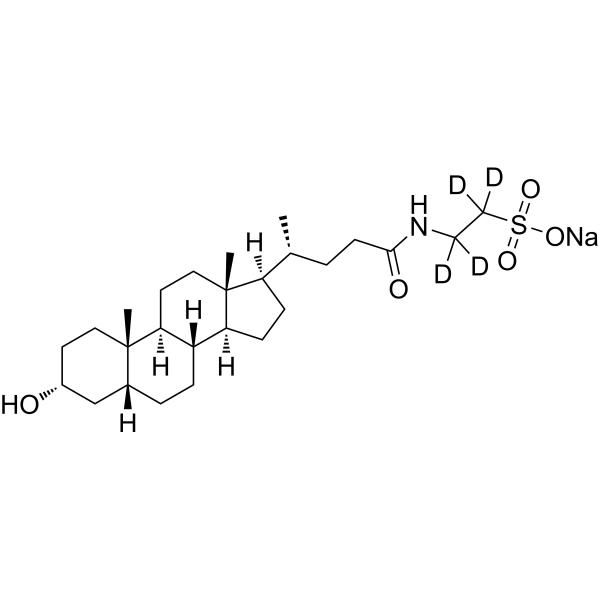
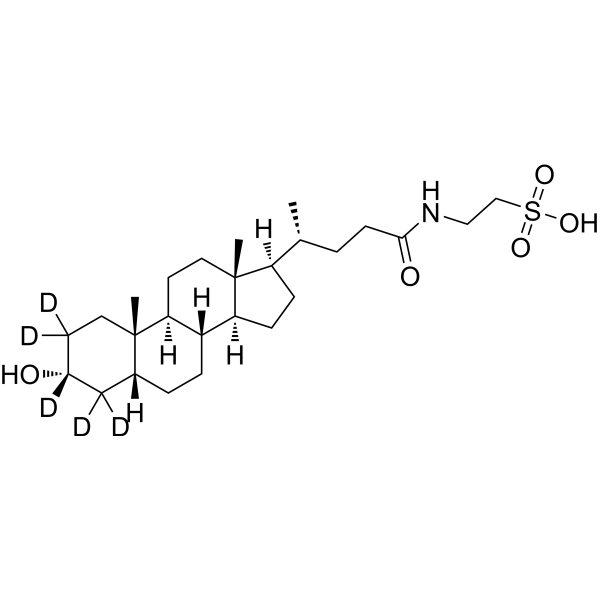
    Taurolithocholic acid-d4 is deuterium labeled Taurolithocholic acid. Taurolithocholic acid is an orally active bile acid and antiviral agent. Taurolithocholic acid upregulates FADS2 by activating the TGR5-PI3K/AKT-SREBP2 signaling axis, inhibits SFTSV-induced ferroptosis, viral replication and viral entry of HBV/HDV, while reducing the release of IL-1β, lipid ROS and LDH. While exerting antiviral protective effects, Taurolithocholic acid also stimulates the recycling of hepatocellular membrane transporters, impairs canalicular bile acid secretion function, and induces hepatocyte cholestasis, apoptosis and acute hepatocellular injury. Taurolithocholic acid serves as an experimental model compound for hepatocellular cholestasis. At concentrations ≤200 μM, Taurolithocholic acid shows no cytotoxicity and does not activate the interferon pathway. Taurolithocholic acid not only protects mice from lethal SFTSV infection but also is suitable for studies related to severe fever with thrombocytopenia syndrome and cholestasis .
    Taurolithocholic acid-d4
  • HY-14844

    MIV-210

    HBV Infection
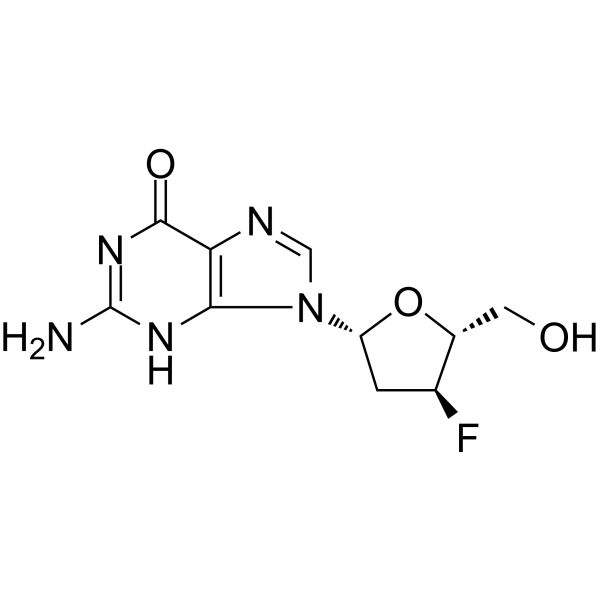
    Lagociclovir (FLG) is a nucleoside analogue that inhibits wild-type hepatitis B virus (HBV) replication in a human hepatoma cell line permanently expressing HBV .
    Lagociclovir
  • HY-146394

    HBV DNA/RNA Synthesis Infection
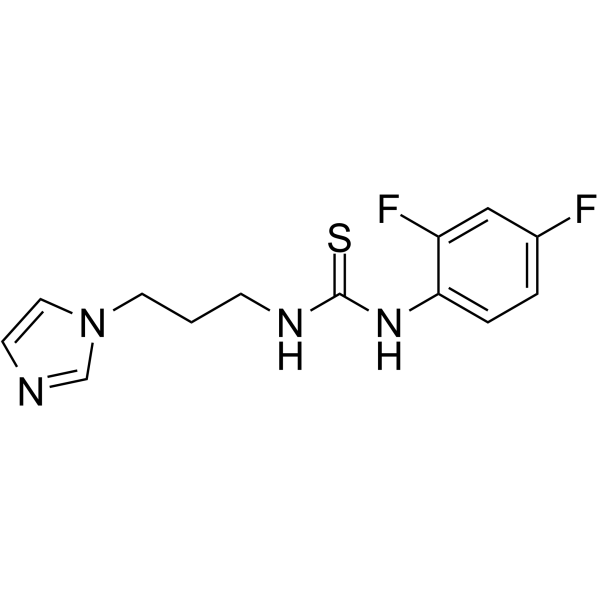
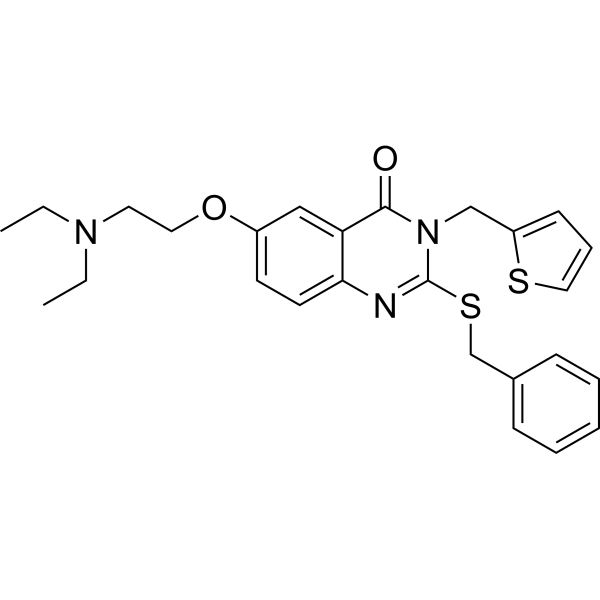
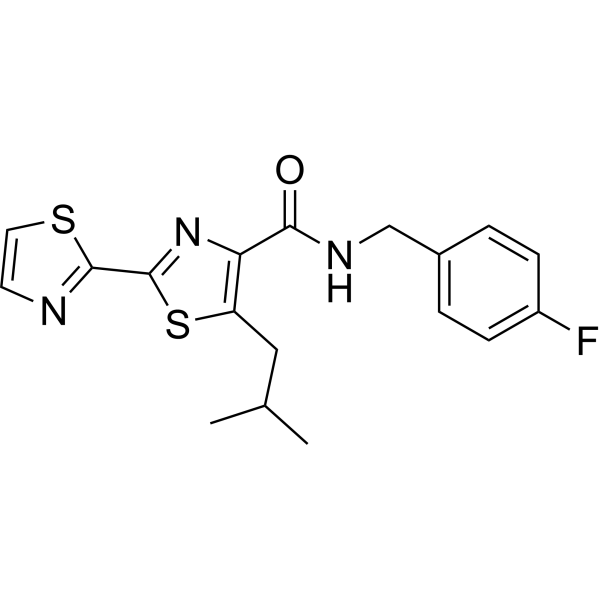
    HBV-IN-22 (Compound LC5f) is an inhibitor of HBV DNA replication with IC50 values of 0.71 μM and 0.84 μM against wild-type and agent resistant HBV strains, respectively .
    HBV-IN-22
  • HY-119691

    LY582563; MCC-478

    HBV Infection
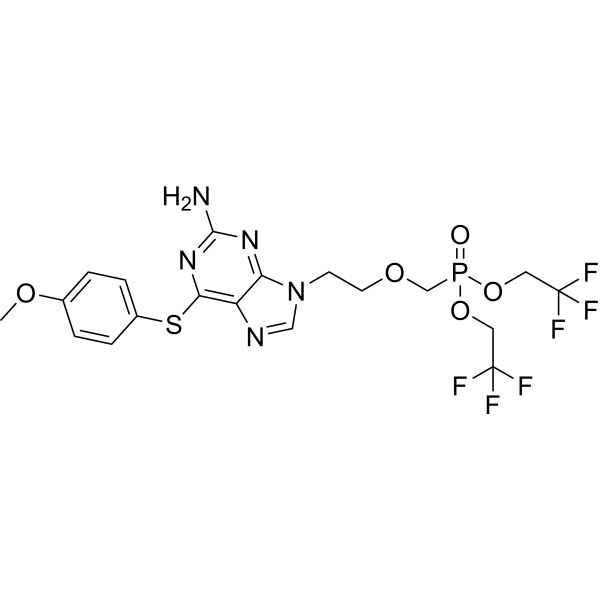
    Alamifovir (LY582563; MCC-478), a purine nucleotide analogue proagent, shows potent activity against wild type and lamivudine resistant hepatitis B virus (HBV). Alamifovir has high activity against HBV replication and sustained antiviral effect .
    Alamifovir
  • HY-111003

    NZ-4

    HBV Infection
    Isothiafludine is an orally active non-nucleosidic anti-HBV compound. Isothiafludine inhibits hepatitis B virus replication by blocking pregenomic RNA encapsidation .
    Isothiafludine
  • HY-113308AR

    Reference Standards Calcium Channel Ferroptosis PI3K Reactive Oxygen Species (ROS) Akt HBV Metabolic Disease
    Taurolithocholic acid (sodium salt) (Standard) is the analytical standard of Taurolithocholic acid (sodium salt). This product is intended for research and analytical applications. Taurolithocholic acid sodium salt is an orally active bile acid and antiviral agent. Taurolithocholic acid sodium salt upregulates FADS2 by activating the TGR5-PI3K/AKT-SREBP2 signaling axis, inhibits SFTSV-induced ferroptosis, viral replication and viral entry of HBV/HDV, while reducing the release of IL-1β, lipid ROS and LDH. While exerting antiviral protective effects, Taurolithocholic acid sodium salt also stimulates the recycling of hepatocellular membrane transporters, impairs canalicular bile acid secretion function, and induces hepatocyte cholestasis, apoptosis and acute hepatocellular injury. Taurolithocholic acid sodium salt serves as an experimental model compound for hepatocellular cholestasis. At concentrations ≤200 μM, Taurolithocholic acid sodium salt shows no cytotoxicity and does not activate the interferon pathway. Taurolithocholic acid sodium salt not only protects mice from lethal SFTSV infection but also is suitable for studies related to severe fever with thrombocytopenia syndrome and cholestasis .
    Taurolithocholic acid sodium salt (Standard)
  • HY-177625

    HBV Infection
    Daplusiran is a siRNA in JNJ-3989 (JNJ-73763989). JNJ-3989 is comprised of 2 siRNAs (Daplusiran and Tomligisiran), that target hepatitis B virus (HBV) mRNAs for degradation, thereby inhibiting HBV replication.
    Daplusiran
  • HY-177667

    HBV Infection
    Tomligisiran is a siRNA in JNJ-3989 (JNJ-73763989). JNJ-3989 is comprised of 2 siRNAs (Daplusiran and Tomligisiran), that target hepatitis B virus (HBV) mRNAs for degradation, thereby inhibiting HBV replication.
    Tomligisiran
  • HY-148768

    HBV Inflammation/Immunology
    AB-506 is an orally active inhibitor of HBV replication targeting the viral core protein. AB-506 can bind to HBV core protein, accelerate capsid assembly and inhibit HBV pgRNA encapsidation. AB-506 can be used in chronic hepatitis B (CHB) research .
    AB-506
  • HY-148151

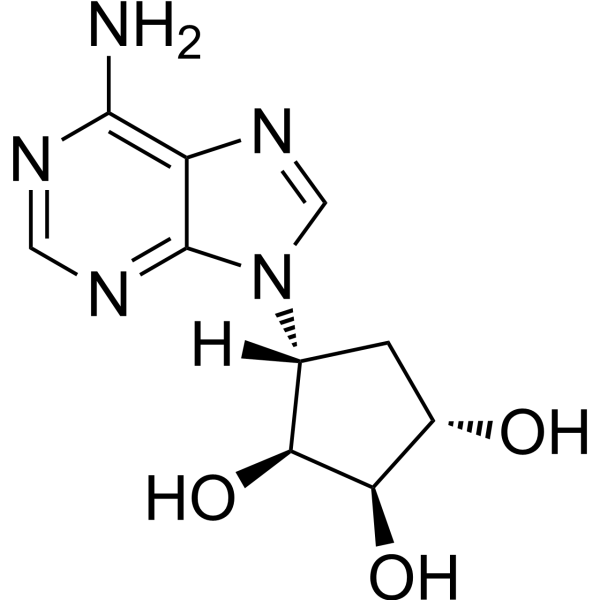
    HBV Cancer
    (-)-5′-Noraristeromycin is an antiviral agent. (-)-5′-Noraristeromycin also is an enantiomer of 5'-noraristeromycin and can inhibit intracellular HBV replication and virion production. (-)-5′-Noraristeromycin can be used for the research of cancer .
    (-)-5′-Noraristeromycin
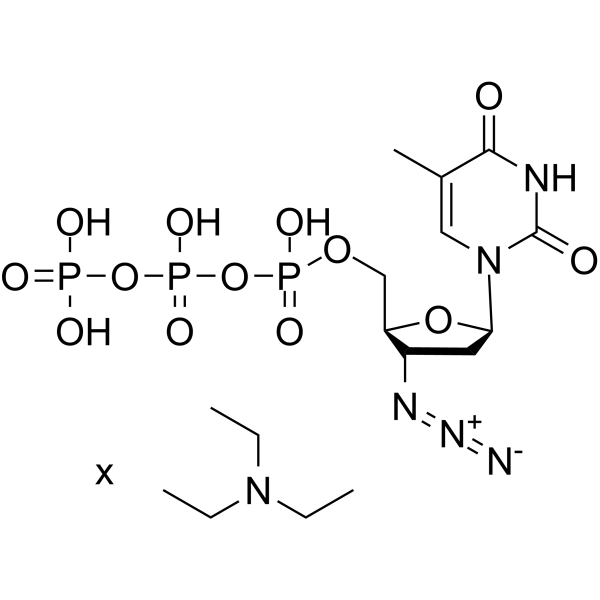
  • HY-116364A

    3'-Azido-3'-deoxythymidine-5'-triphosphate TEA

    HIV DNA/RNA Synthesis HBV Reactive Oxygen Species (ROS) Apoptosis Infection
    AZT triphosphate (3'-Azido-3'-deoxythymidine-5'-triphosphate) TEA is a active triphosphate metabolite of Zidovudine (AZT). AZT triphosphate TEA exhibits antiretroviral activity and inhibits replication of HIV. AZT triphosphate TEA also inhibits the DNA polymerase of HBV. AZT triphosphate TEA activates the mitochondria-mediated apoptosis pathway .
    AZT triphosphate TEA
  • HY-131603B

    3TCTP TEA

    Reverse Transcriptase HCV HBV SARS-CoV Drug Derivative Infection
    Lamivudine triphosphate (3TCTP) TEA is a phosphorylated Lamivudine (HY-B0250) (a nucleoside analogue). Lamivudine triphosphate TEA inhibits the reverse transcriptase of HIV or HBV viruses to block viral replication by chain termination. Lamivudine triphosphate TEA is also an inhibitor of the RdRp activity of the NS5B subunit of the HCV. Lamivudine triphosphate TEA can be incorporated into the nascent RNA by the SARS-CoV-2 RdRp, thus halting mutations in the nascent SARS-CoV-2 RNA .
    Lamivudine triphosphate TEA
  • HY-12687R

    TIZ (Standard)

    Reference Standards Bacterial HIV Autophagy Parasite IKK Influenza Virus Infection Cancer
    Tizoxanide (Standard) is the analytical standard of Tizoxanide. This product is intended for research and analytical applications. Tizoxanide (TIZ) is the active metabolite of Nitazoxanide, which is a thiazolide anti-infective compound against anaerobic bacteria, protozoa, and a range of viruses. Tizoxanide (TIZ) has anti-HIV-1 activities and potent inhibition of both HBV and HCV replication with values EC50 of 0.46μM and 0.15 μM, respectively. Tizoxanide also exerts anti-inflammatory effects by inhibiting the production of pro-inflammatory cytokines and suppressing of the activation of the NF-κB and the MAPK signaling pathways in LPS-treated macrophage cells .
    Tizoxanide (Standard)
  • HY-N0444R

    Reference Standards Reactive Oxygen Species (ROS) Apoptosis Fungal Parasite NF-κB HBV Bacterial Infection Neurological Disease Metabolic Disease Inflammation/Immunology Cancer
    Rubiadin (Standard) is the analytical standard of Rubiadin (HY-N0444). This product is intended for research and analytical applications. Rubiadin is an orally active free radical scavenger that inhibits the activation of the NF-κB pathway. Rubiadin inhibits osteoclast formation, bone resorption, lipid peroxidation, HBV DNA replication and cancer cell proliferation; reduces pro-inflammatory cytokine levels; induces cancer cell apoptosis; and possesses antifungal, antimalarial, antibacterial and anticonvulsant activities. Rubiadin can be used in the research of osteoporosis, acute inflammation, chronic inflammation, carbon tetrachloride-induced liver injury, Alzheimer's disease, breast cancer, iron overload disorders, hepatitis B virus infection, colon cancer, liver cancer, T-lymphocytic leukemia, cervical cancer, diabetic nephropathy, epileptic seizures, fungal infections, malaria and bacterial infections.
    Rubiadin (Standard)
  • HY-N10404

    HBV Inflammation/Immunology
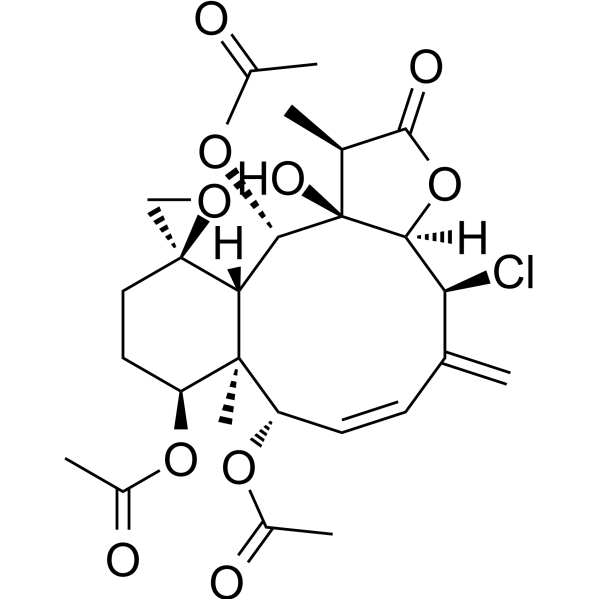
    Junceellolide C is a transcription inhibitor of cccDNA. Junceellolide C inhibits HBV DNA replication and significantly decreases the level of supernatant HBV RNA with EC50 values of 5.19, 3.52 μM respectively in HepAD38 cells. Junceellolide C is a potent anti-HBV agent .
    Junceellolide C
  • HY-145871

    HBV Infection
    BA38017 is a potent HBV core protein assembly modulator. BA38017 inhibits HBV replication with an EC50 of 0.20 μM .
    BA38017
  • HY-113308AS1

    Isotope-Labeled Compounds Calcium Channel Ferroptosis PI3K Reactive Oxygen Species (ROS) Akt HBV Metabolic Disease
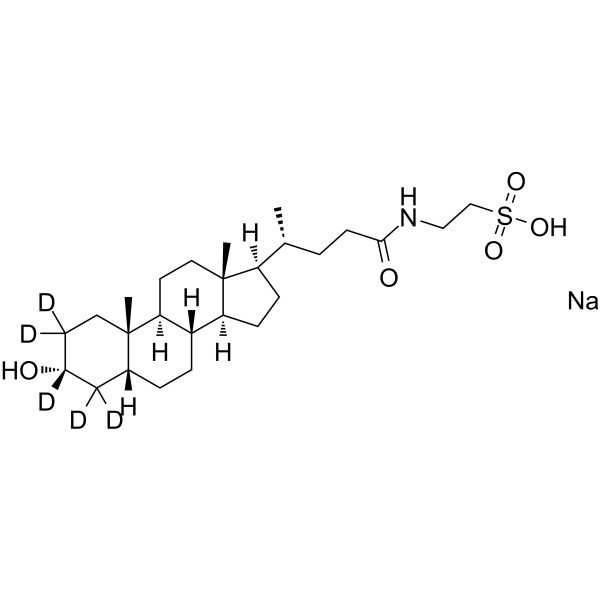
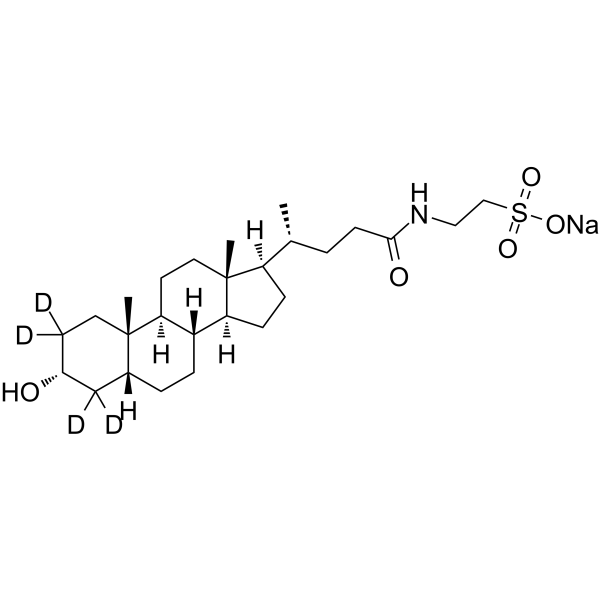
    Taurolithocholic Acid-d5 (sodium) is the deuterium labeled Taurolithocholic acid sodium salt. Taurolithocholic Acid sodium salt is an orally active bile acid and antiviral agent. Taurolithocholic Acid sodium salt upregulates FADS2 by activating the TGR5-PI3K/AKT-SREBP2 signaling axis, inhibits SFTSV-induced ferroptosis, viral replication and viral entry of HBV/HDV, while reducing the release of IL-1β, lipid ROS and LDH. While exerting antiviral protective effects, Taurolithocholic Acid sodium salt also stimulates the recycling of hepatocellular membrane transporters, impairs canalicular bile acid secretion function, and induces hepatocyte cholestasis, apoptosis and acute hepatocellular injury. Taurolithocholic Acid sodium salt serves as an experimental model compound for hepatocellular cholestasis. At concentrations ≤200 μM, Taurolithocholic Acid sodium salt shows no cytotoxicity and does not activate the interferon pathway. Taurolithocholic Acid sodium salt not only protects mice from lethal SFTSV infection but also is suitable for studies related to severe fever with thrombocytopenia syndrome and cholestasis .
    Taurolithocholic Acid-d5 sodium salt
  • HY-108917A

    GLS4 mesylate

    HBV Infection
    Morphothiadin (GLS4) mesylate is a potent inhibitor of wild-type and Adefovir (HY-B1826)-resistant HBV replication with an IC50 value of 12 nM .
    Morphothiadin mesylate
  • HY-146395

    HBV DNA/RNA Synthesis Apoptosis Infection Cancer
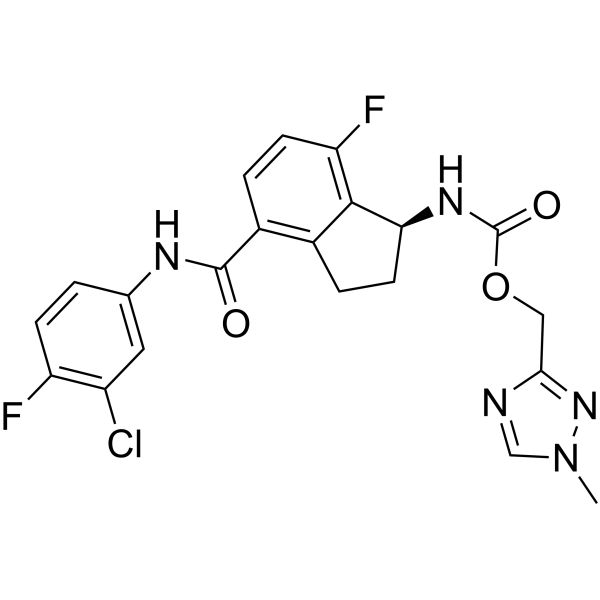
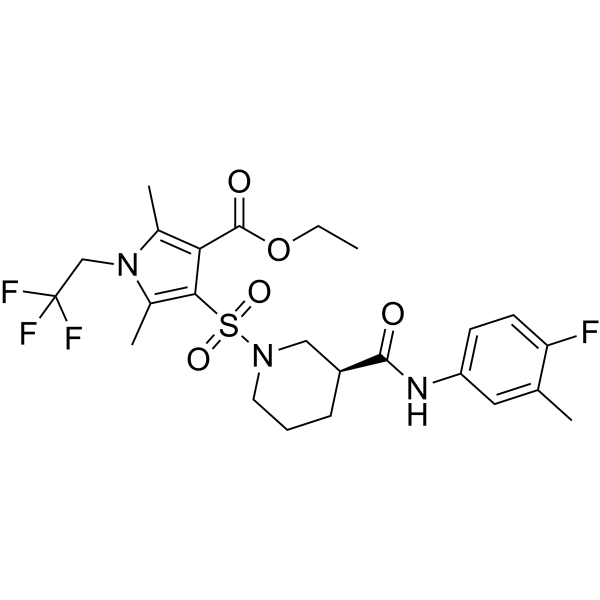
    HBV-IN-23 (Compound 5k) is an inhibitor of HBV DNA replication with an IC50 of 0.58 μM. HBV-IN-23 inhibits HBV DNA replication in both agent sensitive and resistant HBV strains. HBV-IN-23 shows anti-hepatocellular carcinoma cell (HCC) activities. HBV-IN-23 induces HepG2 cells apoptosis .
    HBV-IN-23
  • HY-149815

    HBV Infection Inflammation/Immunology
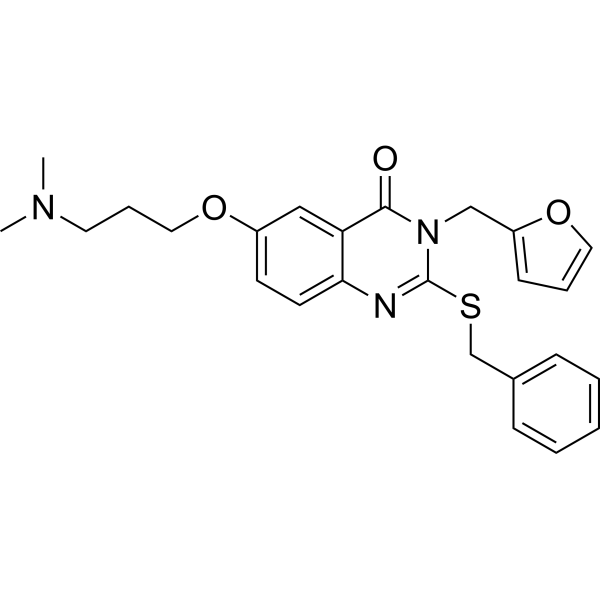
    HBV-IN-33 (C-49), a HBV inhibitor, notably suppresses HBV replication in HepAD38, HepG2-HBV1.3 and HepG2-NTCP cells .
    HBV-IN-33

온라인 문의

Your information is safe with us. * Required Fields.

호칭


Country or Region *

고객명 *


회사명 *

Department *


메일주소 *


상품명 *

Cat. No.


Requested quantity *

전화번호 *


비고

온라인 문의

Inquiry Information

상품명:
Cat. No.:
수량:
MCE Japan Authorized Agent: