Search Result
Results for "
HSP90+inhibitor
" in MedChemExpress (MCE) Product Catalog:
1
Isotope-Labeled Compounds
| Cat. No. |
Product Name |
Target |
Research Areas |
Chemical Structure |
-
- HY-10211
-
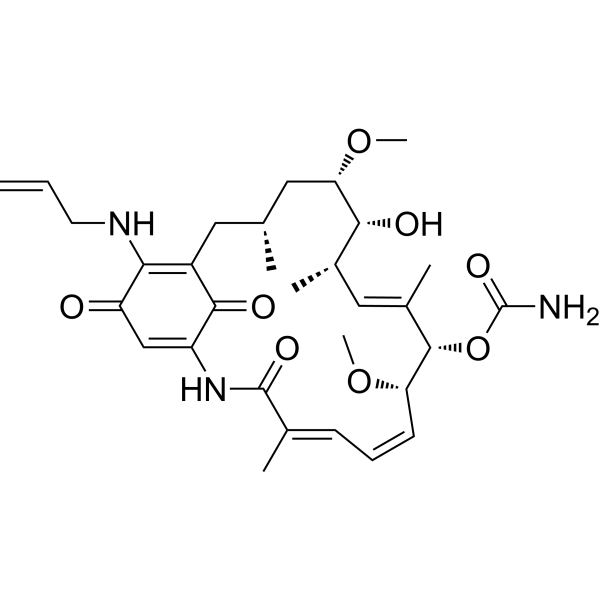
Tanespimycin
Maximum Cited Publications
69 Publications Verification
17-AAG; NSC 330507; CP 127374
|
HSP
Autophagy
Mitophagy
Bacterial
Apoptosis
Antibiotic
|
Infection
Cancer
|
|
Tanespimycin (17-AAG) is a potent HSP90 inhibitor with an IC50 of 5 nM, having a 100-fold higher binding affinity for tumour cell derived HSP90 than normal cell derived HSP90 . Tanespimycin depletes cellular STK38/NDR1 and reduces STK38 kinase activity. Tanespimycin also downregulates the stk38 gene expression .
|
-
-
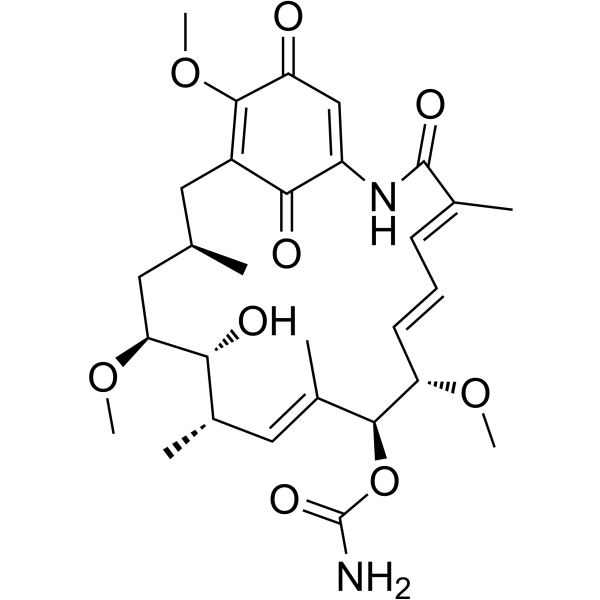
- HY-15230
-
-
-
- HY-15205
-
|
STA-9090
|
HSP
Apoptosis
|
Cancer
|
|
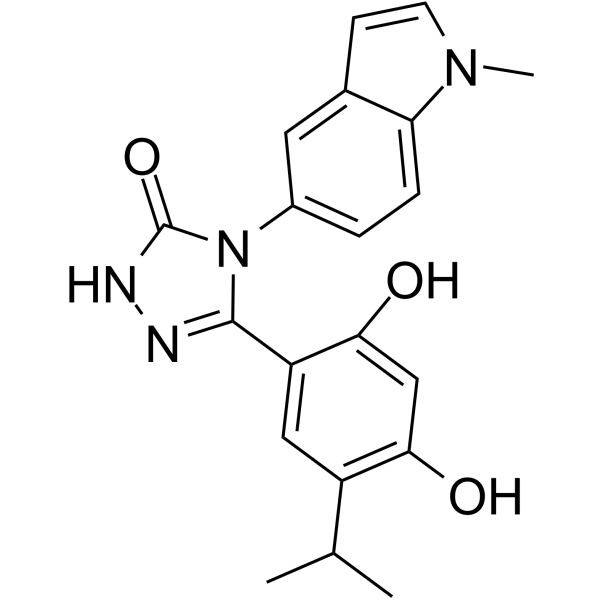
Ganetespib (STA-9090) is a heat shock protein 90 (HSP90) inhibitor which exhibits potent cytotoxicity in a wide variety of hematological and solid tumor cell lines. Ganetespib has antiangiogenic effects in colorectal cancer mediated through inhibition of HIF-1α and STAT3 .
|
-
-
- HY-102007A
-
|
|
HSP
|
Cancer
|
|
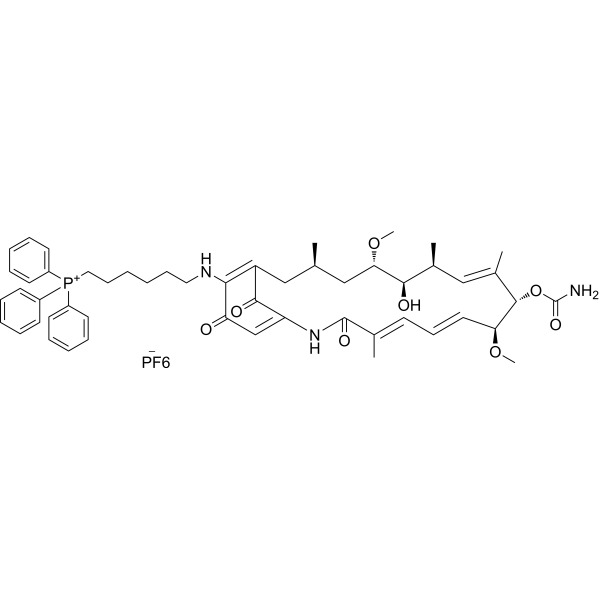
Gamitrinib TPP hexafluorophosphate is a Gamitrinib (GA) mitochondrial matrix inhibitor. Gamitrinib TPP hexafluorophosphate is a mitochondrial targeted HSP90 inhibitor with anti-cancer activity.
|
-
-
- HY-10215
-
|
VER-52296; AUY922; NVP-AUY922
|
HSP
Autophagy
Apoptosis
|
Cancer
|
|
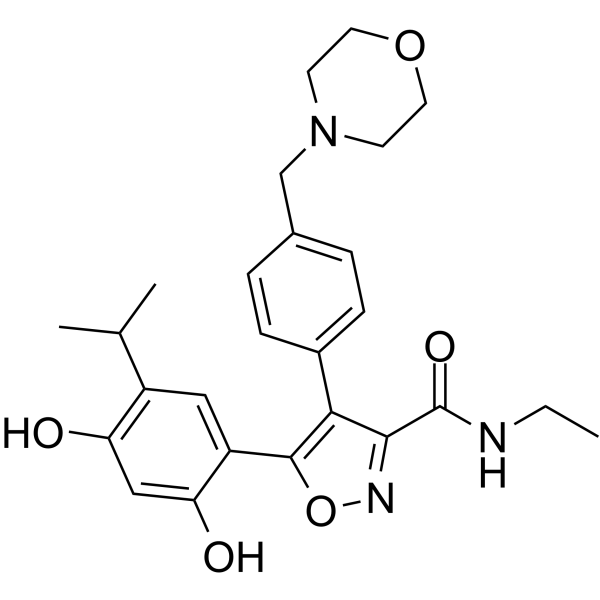
Luminespib (VER-52296) is a potent HSP90 inhibitor with IC50s of 7.8 and 21 nM for HSP90α and HSP90β, respectively .
|
-
-
- HY-11038
-
|
PU-H71
|
HSP
|
Cancer
|
|
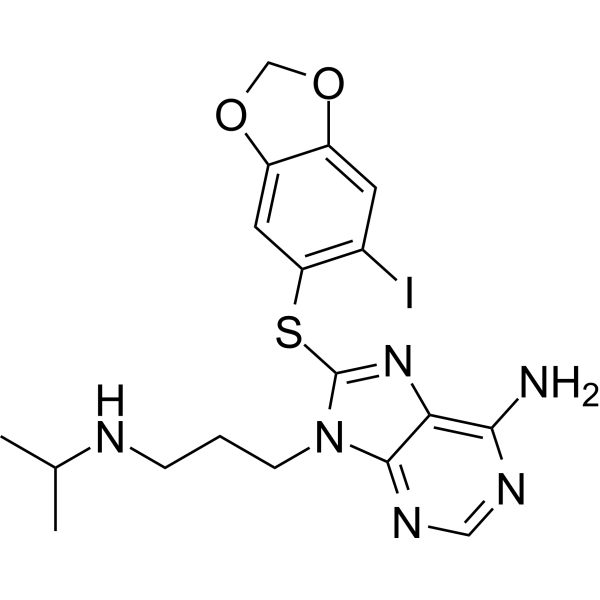
Zelavespib (PU-H71) is a potent Hsp90 inhibitor, with an IC50 of 51 nM in MDA-MB-468 cells.
|
-
-
- HY-15190
-
|
HSP-990
|
HSP
Apoptosis
|
Cancer
|
|
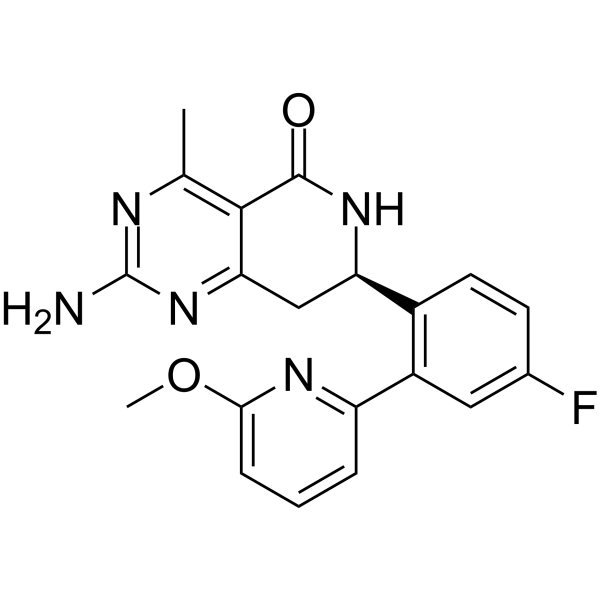
NVP-HSP990 is a potent, selective and orally active Hsp90 inhibitor, with IC50 values of 0.6, 0.8, and 8.5 nM for Hsp90α, Hsp90β, and Grp94, respectively.
|
-
-
- HY-14463
-
|
AT13387
|
HSP
|
Cancer
|
|
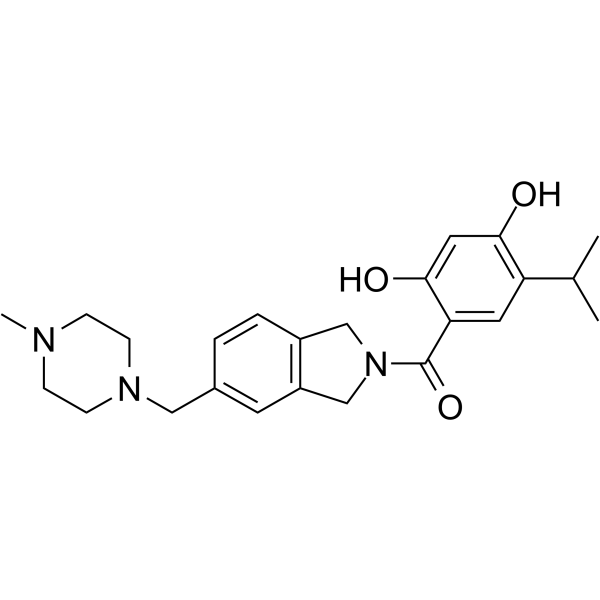
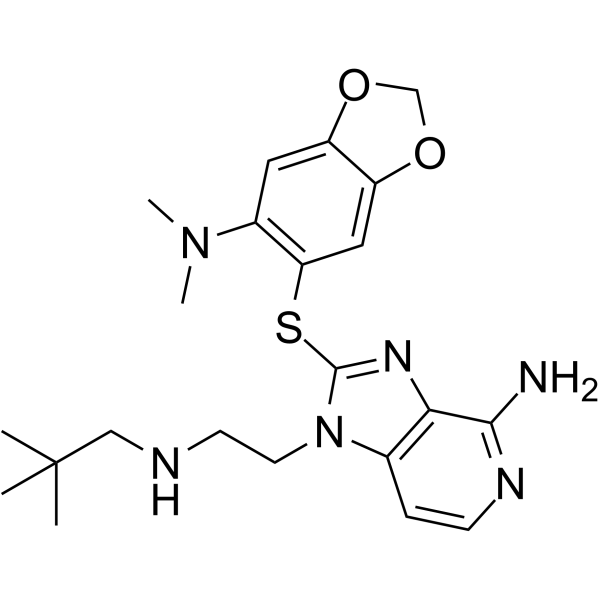
Onalespib (AT13387) is a potent and cross the blood-brain barrier heat-shock-protein-90 (Hsp90) inhibitor. Onalespib inhibits the proliferation, survival and migration. Onalespib decreases the expression of EGFR, p-EGFR, AKT, P-AKT, ERK1/2, P-ERK1/2, S6, P-S6 protein. Onalespib shows antitumor activity. Onalespib has the potential for the research of non-small cell lung cancer (NSCLC) .
|
-
-
- HY-13469
-
|
CUDC-305
|
HSP
|
Cancer
|
|
Debio 0932 (CUDC-305) is an orally active HSP90 inhibitor, with IC50s of 100 and 103 nM for HSP90α and HSP90β, respectively .
|
-
-
- HY-13313
-
XL888
5 Publications Verification
|
HSP
Apoptosis
|
Cancer
|
|
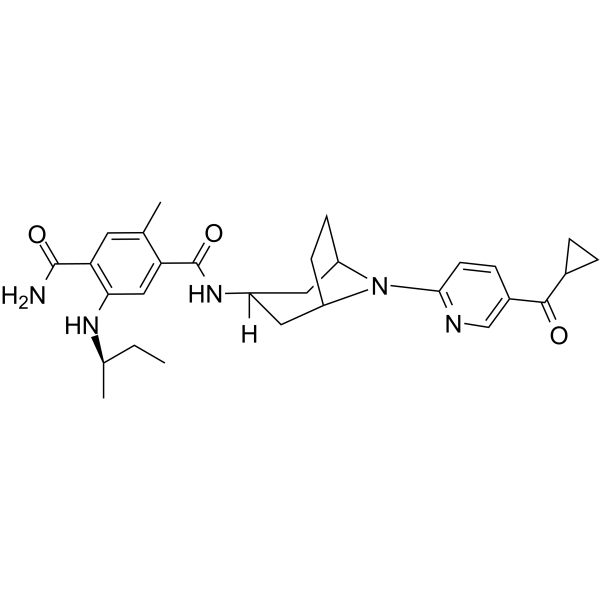
XL888 is a potent and orally active HSP90 inhibitor with an IC50 value of 24 nM. XL888 shows anti-proliferation activity and induces Apoptosis. XL888 shows anti-tumor activity .
|
-
-
- HY-10214
-
|
PF-04928473
|
HSP
Autophagy
|
Cancer
|
|
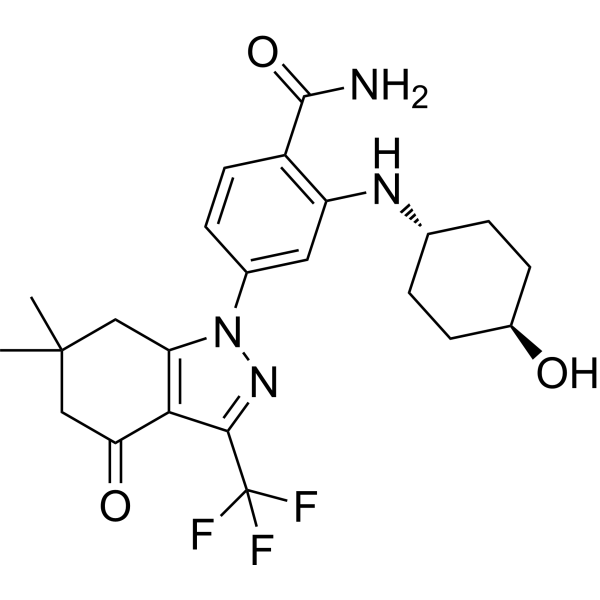
SNX-2112 (PF 04928473) is an orally active Hsp90 inhibitor, with a Kd of 16 nM for Hsp90 and IC50s of 30 nM, 30 nM for Hsp90 α and Hsp90 β, also induces Her-2 degradation, and inhibits Grp94 and Trap-1, with IC50s of 10 nM, 4.275 μM and 0.862 μM, respectively . SNX-2112 (PF 04928473) binds Hsp90 isoforms Hsp90α, Hsp90β and Hsp90b1/Grp94 with Kds of 4 nM, 6 nM and 484 nM, respectively .
|
-
-
- HY-10213
-
|
PF-04929113
|
HSP
|
Cancer
|
|
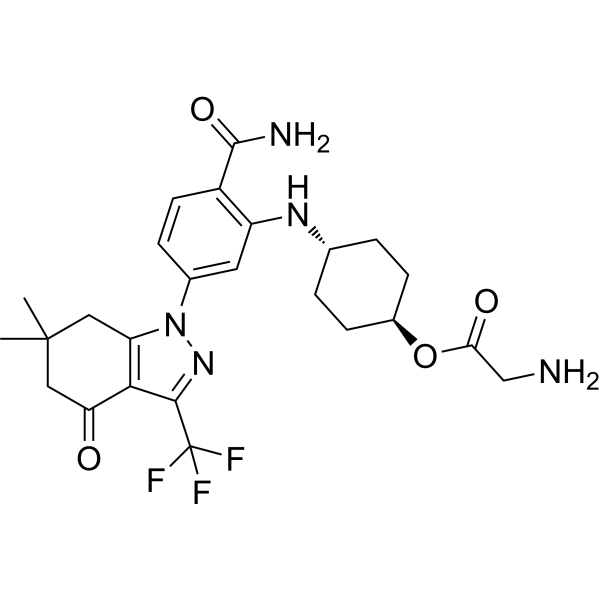
SNX-5422 (PF-04929113), a prodrug of SNX-2112, is an orally active Hsp90 inhibitor, with a Kd of 41 nM, and also induces Her-2 degradation, with an IC50 of 37 nM.
|
-
-
- HY-107577
-
|
|
HSP
|
Infection
Inflammation/Immunology
Cancer
|
|
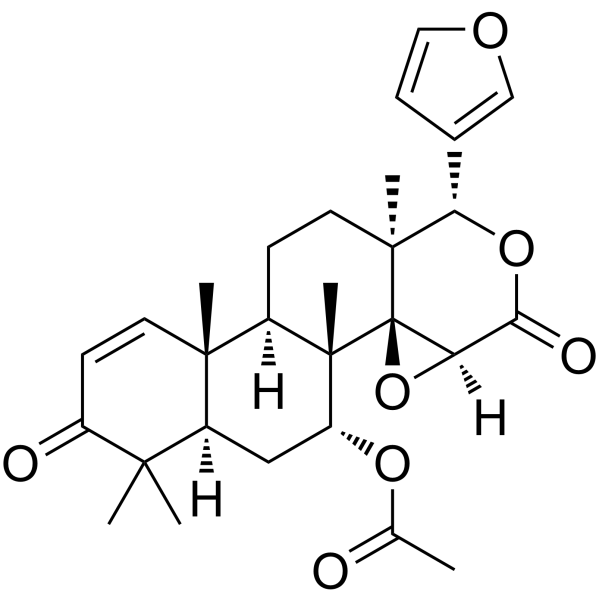
Gedunin is a limonoid with anti-cancer, anti-viral, anti-inflammatory and insecticidal activities. Gedunin acts as a potent Hsp90 inhibitor and induces the degradation of Hsp90-dependent client proteins. Geduni may obstructs the entry of SARS-CoV-2 virus into human host cells and can be used for COVID-19 research .
|
-
-
- HY-13468
-
KW-2478
4 Publications Verification
|
HSP
Apoptosis
Bcr-Abl
p38 MAPK
CDK
STAT
|
Cancer
|
|
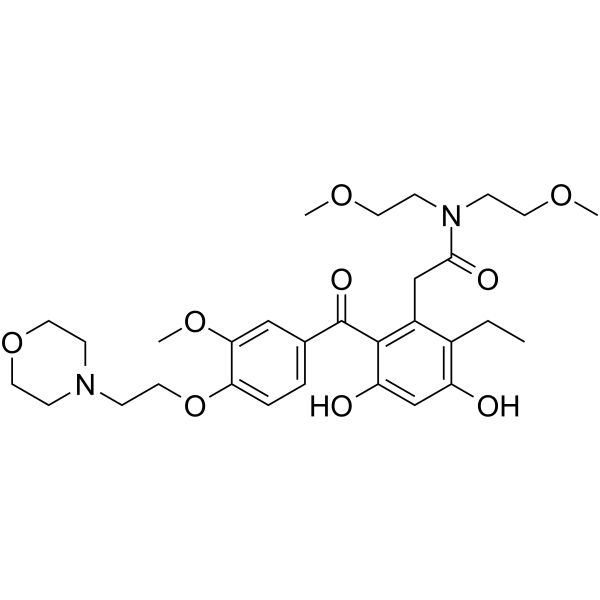
KW-2478 is an HSP90 inhibitor (IC50 = 3.8 nM). KW-2478 inhibits the growth and induces apoptosis in chronic myeloid leukemia (CML) cells and liver cancer cells. KW-2478 weakens the BCR/ABL and MAPK signaling pathways, leading to increased p27 and p21 expression and decreased cyclin B1 expression. KW-2478 downregulates STAT3 expression. KW-2478 may be used in research on cancers such as CML and liver cancer .
|
-
-
- HY-15986
-
|
CCT 129397
|
HSP
|
Cancer
|
|
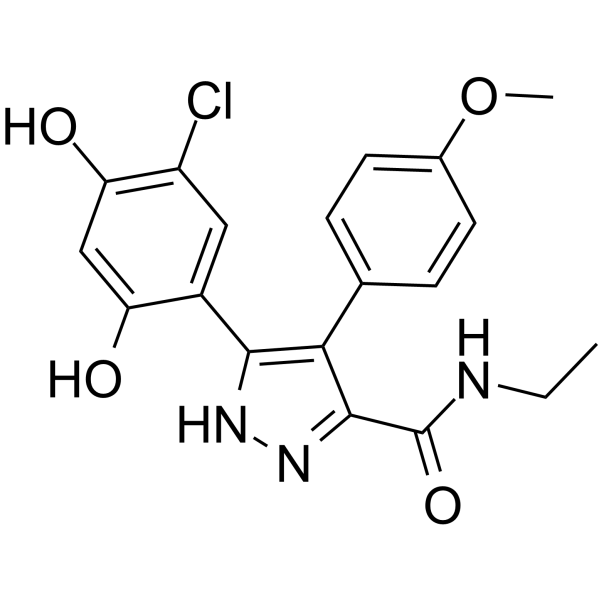
VER-49009 is a Hsp90 inhibitor, with an IC50 of 25 nM and a Kd of 78 nM.
|
-
-
- HY-15984
-
|
|
HSP
Apoptosis
|
Cancer
|
|
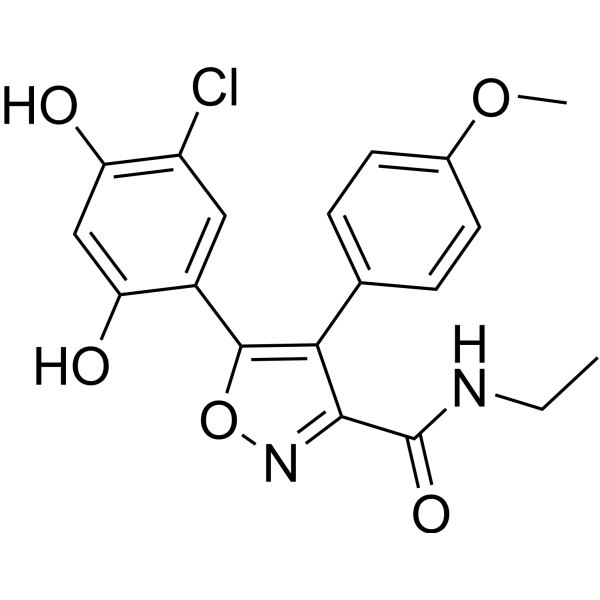
VER-50589 is a Hsp90 inhibitor, with an IC50 of 21 nM and a Kd of 4.5 nM.
|
-
-
- HY-130851
-
|
|
HSP
|
Cancer
|
|
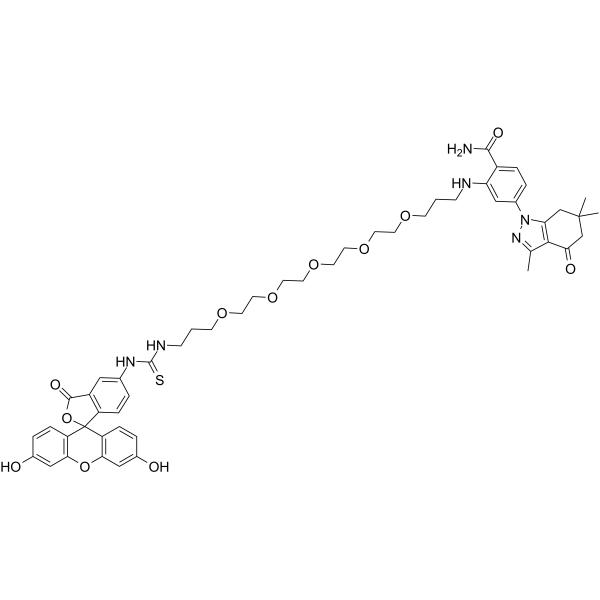
HS-27, a fluorescently-tethered Hsp90 inhibitor, assays surface Hsp90 expression on intact tissue specimens. HS-27 is made up of the core elements of SNX-5422, an Hsp90 inhibitor, tethered via a PEG linker to a fluorescein derivative (fluorescein isothiocyanate or FITC), that binds to ectopically expressed Hsp90. HS-27 has potential use in a see-and-treat paradigm in breast cancer .
|
-
-
- HY-10942
-
|
NVP-BEP800
|
HSP
|
Cancer
|
|
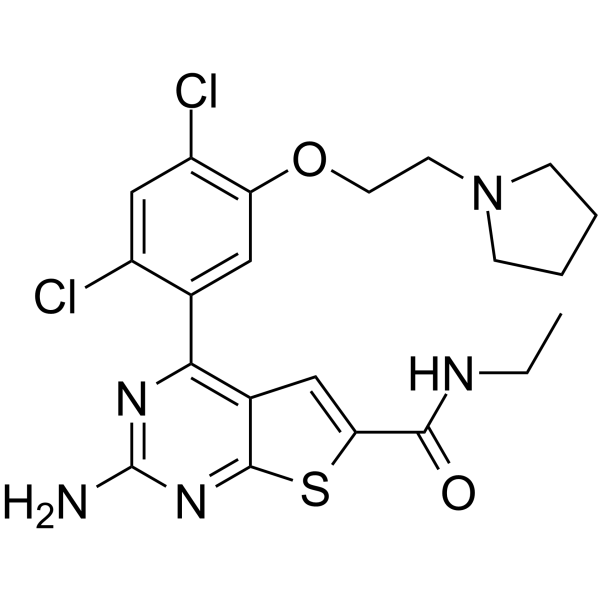
VER-82576 (NVP-BEP800) is a potent, orally available and selective Hsp90 inhibitor, with an IC50 of 58 nM for Hsp90β; VER-82576 also slightly blocks Grp94 and Trap-1, with IC50s of 4.1 and 5.5 μM, respectively.
|
-
-
- HY-102007
-
|
|
HSP
|
Cancer
|
|
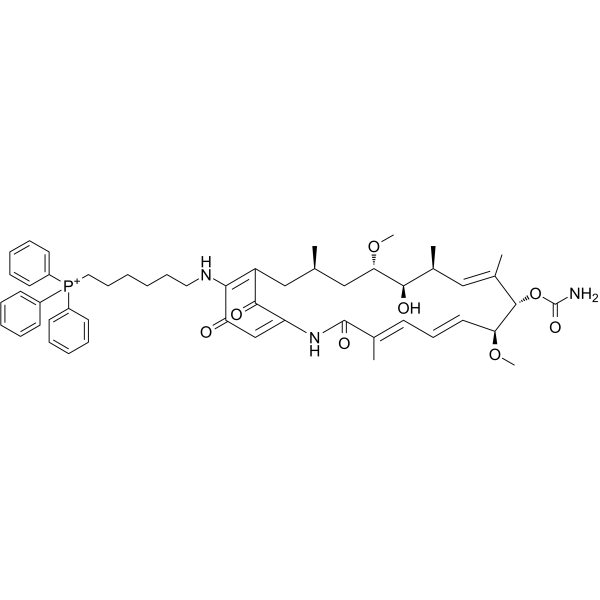
Gamitrinib TPP is a Gamitrinib (GA) mitochondrial matrix inhibitor. Gamitrinib TPP is a mitochondrial targeted HSP90 inhibitor with anti-cancer activity.
|
-
-
- HY-N1455
-
|
Panaxynol; Carotatoxin
|
HSP
Apoptosis
|
Cancer
|
|
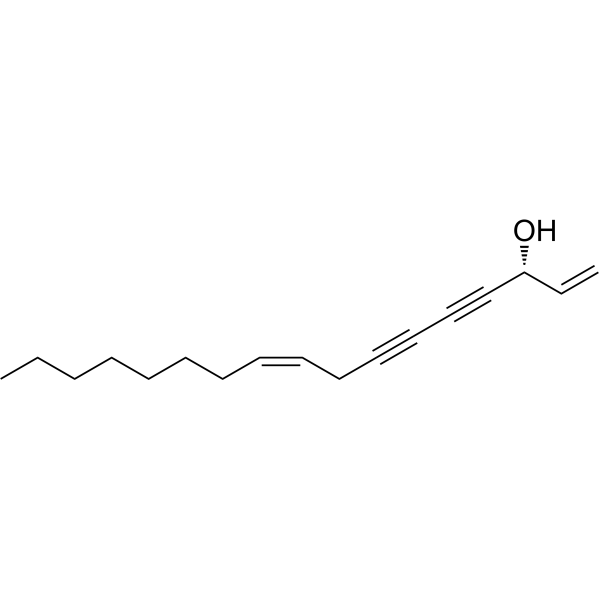
Falcarinol (Panaxynol) is a natural, orally active Hsp90 inhibitor targeting both the N-terminal and C-terminal of Hsp90 with limited toxicities. Falcarinol (Panaxynol) induces apoptosis . Falcarinol is a click chemistry reagent, it contains an Alkyne group and can undergo copper-catalyzed azide-alkyne cycloaddition (CuAAc) with molecules containing Azide groups.
|
-
-
- HY-W010649
-
|
|
HSP
Epigenetic Reader Domain
ATP-binding cassette (ABC) transporters
Bacterial
Fungal
Antibiotic
|
Infection
Metabolic Disease
Inflammation/Immunology
Cancer
|
|
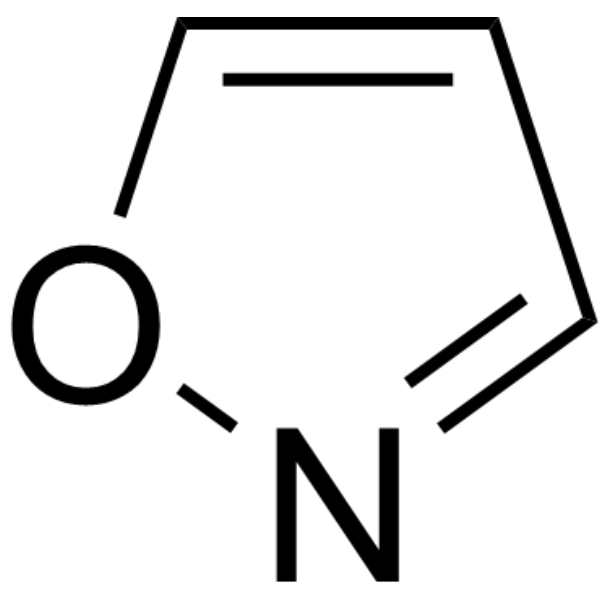
Isoxazole is a member of the five-membered heterocycle drug scaffold. Isoxazole has been used as a BET bromodomain inhibitor and can improve β-cell function in a diabetic mouse model. Isoxazole and its derivatives exhibit broad biological activities (such as antimicrobial, antibacterial, antifungal, antiviral, anticancer, anti-inflammatory, immunomodulatory, analgesic, anti-tuberculosis, and anti-diabetic effects). For example, the bicyclic Isoxazole can act as an HSP90 inhibitor, and the tricyclic Isoxazole is promising as a selective multidrug resistance protein (MRP1) inhibitor .
|
-
-
- HY-148215A
-
|
|
HSP
|
Neurological Disease
Cancer
|
|
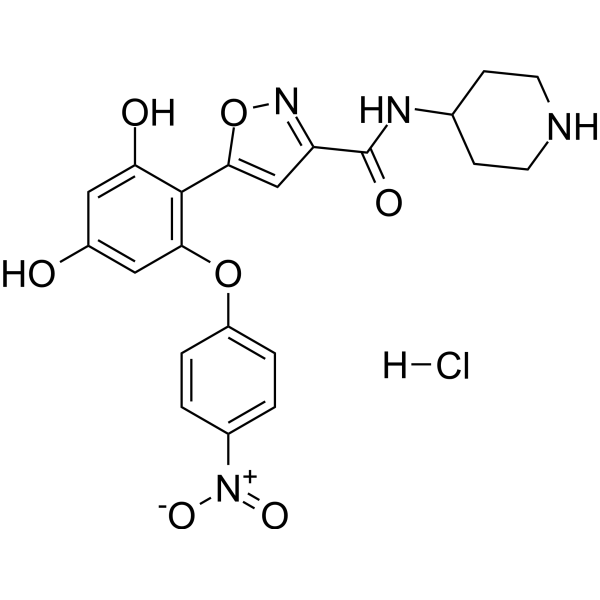
Hsp90-IN-17 (Example 5) hydrochloride is an HSP90 inhibitor that can be used in the study of proliferative diseases, such as cancer and neurodegenerative diseases .
|
-
-
- HY-133705
-
|
|
HSP
|
Others
|
|
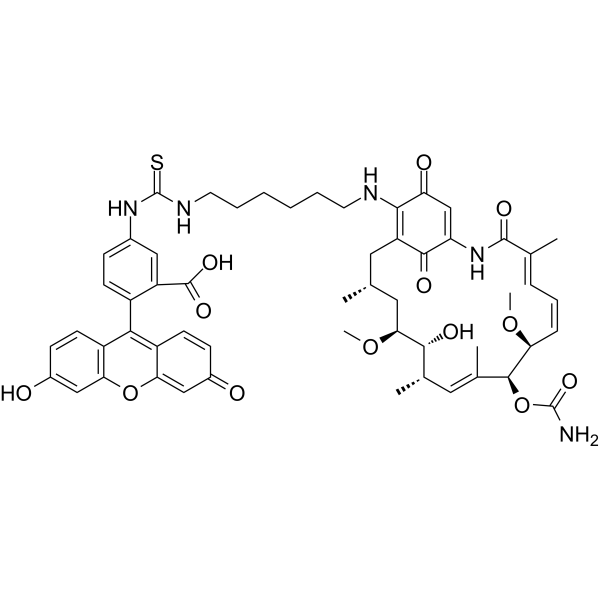
Geldanamycin-FITC, a Geldanamycin fluorescent probe, can be used in a fluorescence polarization assay for HSP90 inhibitors. Geldanamycin-FITC also can be used for detection of cell surface HSP90 (Ex/Em = 488/515 nm) .
|
-
-
- HY-W013675
-
|
|
HSP
|
Inflammation/Immunology
|
|
2-Methoxyhydroquinone is a phenolic compound that reduces TNF-α-induced production of chemokine (C-C motif) ligand 2 (CCL2) with an IC50 value of 64.3 µM. 2-Methoxyhydroquinone is also a precursor in the synthesis of the Hsp90 inhibitor Geldanamycin (HY-15230) .
|
-

-
- HY-119046
-
|
|
HSP
Parasite
|
Infection
|
|
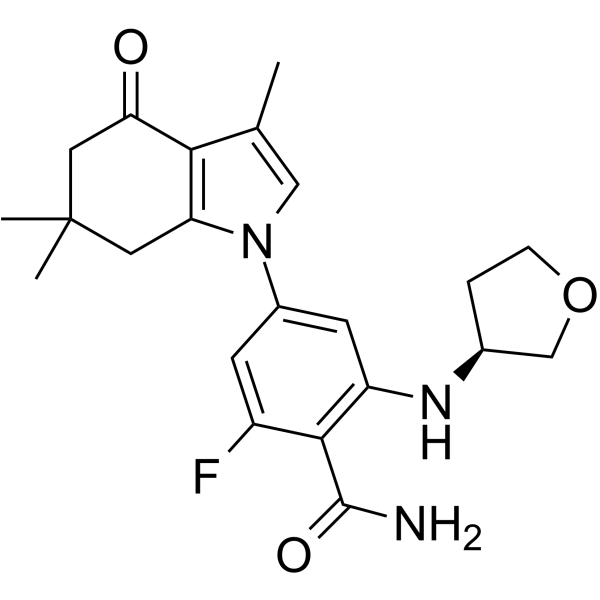
SNX-0723 is a potent Hsp90 Inhibitor with anti-Plasmodium activity. SNX-0723 shows high binding affinity for HsHsp90 and PfHsp90 with Kis of 4.4 and 47 nM, respectively. SNX-0723 inhibits liver-stage P. berghei ANKA parasites with the EC50 of 3.3 μM .
|
-
-
- HY-119906
-
|
FW-04-806
|
HSP
Apoptosis
|
Cancer
|
|
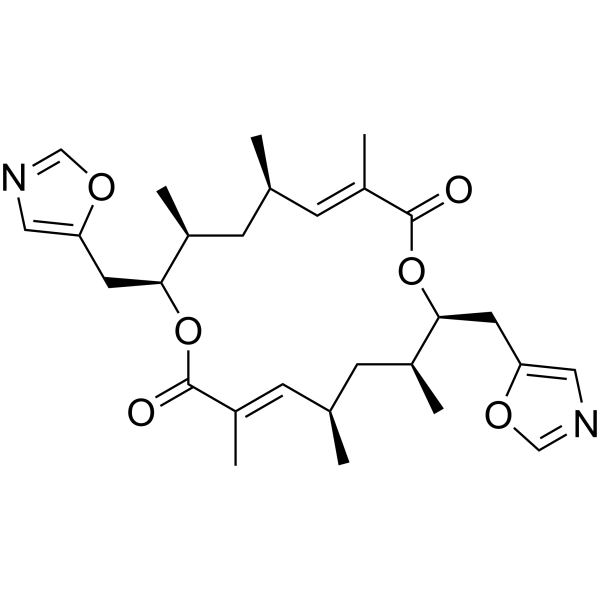
Conglobatin (FW-04-806), a macrolide dilactone, is isolated from the culture of Streptomyces conglobatus. Conglobatin is an orally active Hsp90 inhibitor. Conglobatin can bind to the N-terminal domain of Hsp90 and disrupt Hsp90-Cdc37 complex formation. Conglobatin induces apoptosis in human breast cancer cells and esophageal squamous cell carcinoma cells, and exhibits antitumor activity in vivo .
|
-
-
- HY-100555
-
|
|
HSP
|
Infection
Cancer
|
|
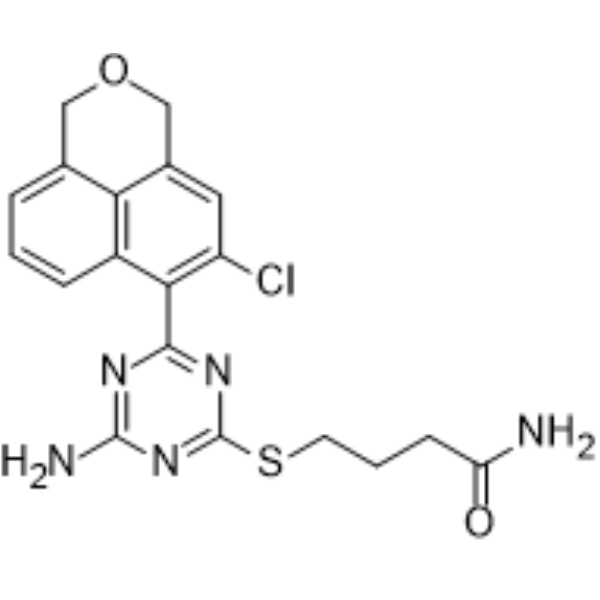
CH5138303 is a potent and orally active Hsp90 inhibitor. CH5138303 shows high binding affinity for N-terminal Hsp90α, with Kd of 0.52 nM. CH5138303 shows potent anti-proliferative activity against human cancer cell lines (HCT116 and NCI-N87), with IC50 values of 0.098 and 0.066 μM, respectively. CH5138303 shows high oral bioavailability in mice (F=44.0%). CH5138303 shows potent antitumor efficacy in a human NCI-N87 gastric cancer xenograft model .
|
-
-
- HY-11038B
-
|
PU-H71 hydrochloride
|
HSP
|
Cancer
|
|
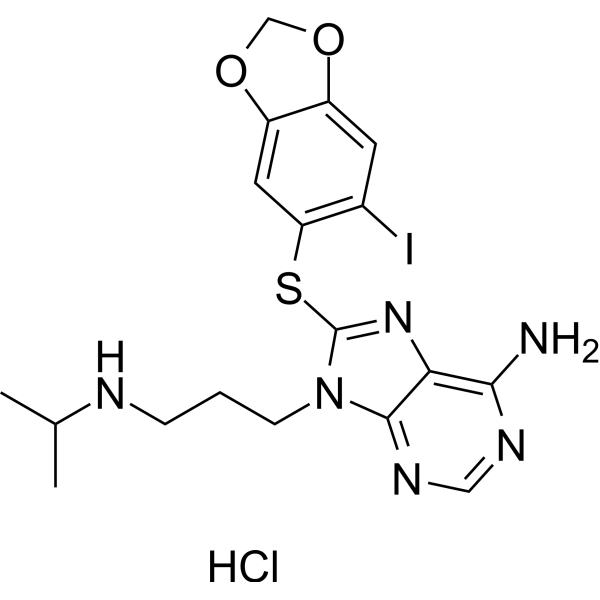
Zelavespib (PU-H71) hydrochloride is a potent Hsp90 inhibitor, with an IC50 of 51 nM in MDA-MB-468 cells.
|
-
-
- HY-11038D
-
|
PU-H71 formic
|
HSP
|
Cancer
|
|
Zelavespib formic (PU-H71 formic) is a potent Hsp90 inhibitor with an IC50 value of 51 nM for Hsp90 in MDA-MB-468 cells .
|
-

-
- HY-132995
-
|
|
Drug Metabolite
|
Others
|
|
DP-1, a degradation product of SDC-TRAP-0063, is a fragment of Ganetespib. Ganetespib is a heat shock protein 90 (HSP90) inhibitor with anti-tumor activity .
|
-
-
- HY-W107935
-
|
|
HSP
|
Cancer
|
|
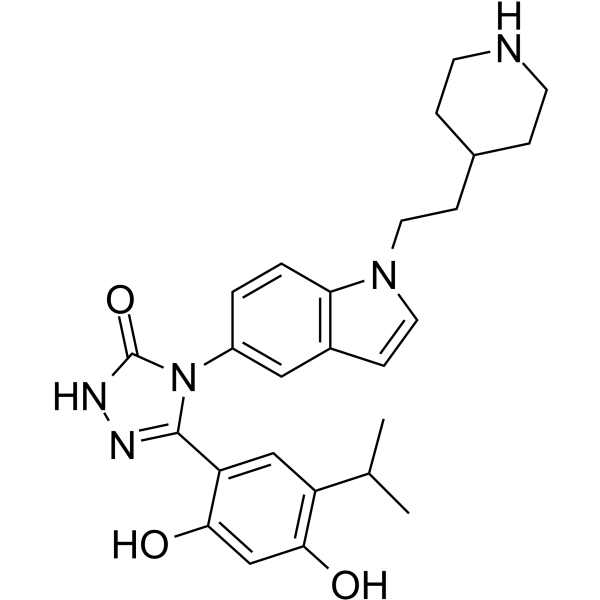
Hsp90-IN-37 (Z-2) is a heat shock protein 90 (Hsp90) inhibitor that inhibits Hsp90 enzymatic activity by 69%. Hsp90-IN-37 has antitumor activity .
|
-

-
- HY-153588
-
|
|
HSP
|
Cancer
|
|
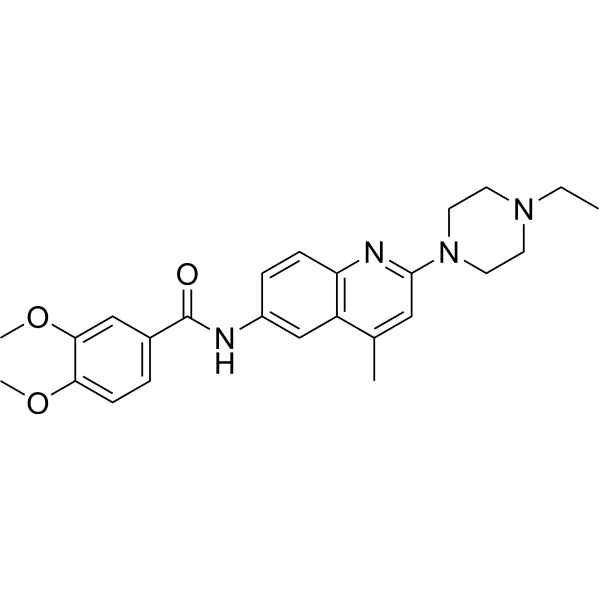
HSP90-IN-22 (Compound 35) is an Hsp90 inhibitor with antiproliferative properties on cells with IC50 values of 3.65 μM for MCF7 breast cancer cells and 2.71 μM for SKBr3 breast cancer cells, respectively.
|
-
-
- HY-N3417
-
|
|
HSP
RIP kinase
Apoptosis
Necroptosis
|
Inflammation/Immunology
Cancer
|
|
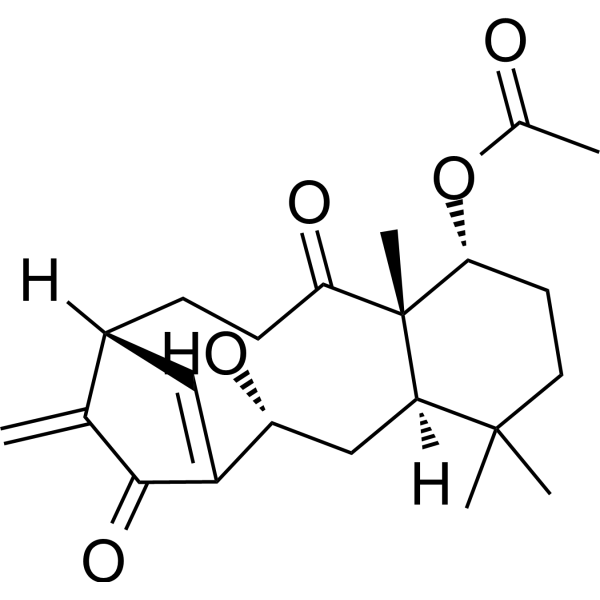
Kongensin A is a natural product isolated from Croton kongensis. Kongensin A is an effective, covalent HSP90 inhibitor that blocks RIP3-dependent necroptosishas. Kongensin A is a potent necroptosis inhibitor and an apoptosis inducer. Kongensin A has potential anti-necroptosis and anti-inflammation applications .
|
-
-
- HY-162589
-
|
|
PROTACs
HSP
Apoptosis
|
Cancer
|
|
Lw13 is a Hsp90-targeting PROTAC and achieves maximum degradation at a concentration of 0.05 μM in Siha cells. Lw13 induces cell apoptosis and exhibits potent anti-tumor activity both in vitro and in vivo(Sturcture Note:(Blue: Cereblon ligand (HY-A0003), Black: linker;Pink: Hsp90 inhibitor SNX-5422 (HY-10213)) .
|
-

-
- HY-10211R
-
|
17-AAG (Standard); NSC 330507 (Standard); CP 127374 (Standard)
|
Reference Standards
HSP
Autophagy
Mitophagy
Bacterial
Apoptosis
Antibiotic
|
Infection
Cancer
|
|
Tanespimycin (Standard) is the analytical standard of Tanespimycin. This product is intended for research and analytical applications. Tanespimycin (17-AAG) is a potent HSP90 inhibitor with an IC50 of 5 nM, having a 100-fold higher binding affinity for tumour cell derived HSP90 than normal cell derived HSP90 . Tanespimycin depletes cellular STK38/NDR1 and reduces STK38 kinase activity. Tanespimycin also downregulates the stk38 gene expression .
|
-

-
- HY-113916
-
|
AT13387 lactate
|
HSP
|
Cancer
|
|
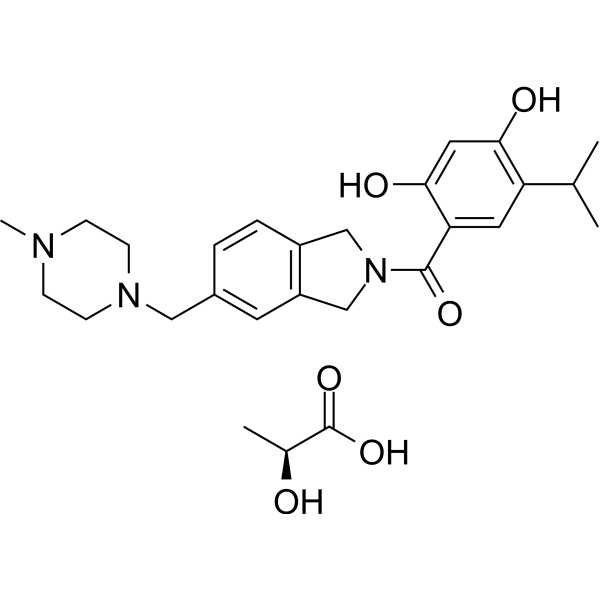
Onalespib lactate is a potent and cross the blood-brain barrier heat-shock-protein-90 (Hsp90) inhibitor with an Kd value of 0.71 nM. Onalespib lactate inhibits the proliferation, survival and migration. Onalespib lactate decreases the expression of EGFR, p-EGFR, AKT, P-AKT, ERK1/2, P-ERK1/2, S6, P-S6 protein. Onalespib lactate shows antitumor activity. Onalespib lactate has the potential for the research of non-small cell lung cancer (NSCLC) .
|
-
-
- HY-164399
-
|
|
HSP
EGFR
CDK
Akt
|
Cancer
|
|
SST0116CL1 is a HSP90 inhibitor (IC50: 0.21 μM). SST0116CL1 binds to the ATP binding pocket of Hsp90, and interferes with Hsp90 chaperone function thus resulting in client protein (EGFR, CDK4 and AKT) degradation. SST0116CL1 induces degradation of Her2 in BT-474 cell (IC50: 0.2 μM). SST0116CL1 has antiproliferative activity and inhibits tumor growth. SST0116CL1 can be used for the study of leukemia, gastric and ovarian carcinoma .
|
-

-
- HY-176279
-
|
|
HSP
|
Cancer
|
|
Hsp90-IN-42 (Compound 13l) is a potent heat shock protein 90 (Hsp90) inhibitor (IC50=15.65 nM). Hsp90-IN-42 reduces the stability of the epidermal growth factor receptor (EGFR), suppressing the activation of the EGFR-Akt signaling pathway, inducing G0/G1 phase arrest in colorectal cancer cells (such as HT-29 cells), and slightly triggering apoptosis. Hsp90-IN-42 also inhibits cell proliferation and migration by down-regulating the expression of CDK12, CDK13, and Bcl-2 proteins, and up-regulating the expression of Bax protein. Hsp90-IN-42 is promising for research of colorectal cancer .
|
-

-
- HY-133571
-
|
AHGDM
|
HSP
ADC Payload
|
Cancer
|
|
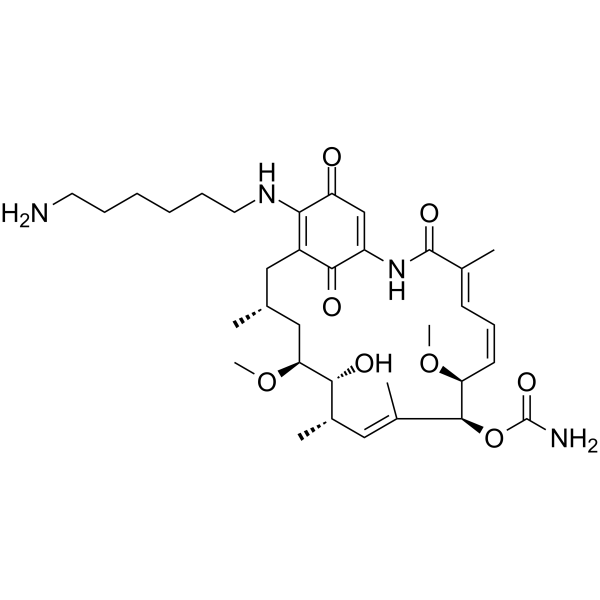
Aminohexylgeldanamycin (AHGDM), a Geldanamycin derivative, is a potent HSP90 inhibitor. Aminohexylgeldanamycin shows antiangiogenic and antitumor activities .
|
-
-
- HY-108248
-
-
-
- HY-174476
-
|
|
HSP
Drug Intermediate
|
Cancer
|
|
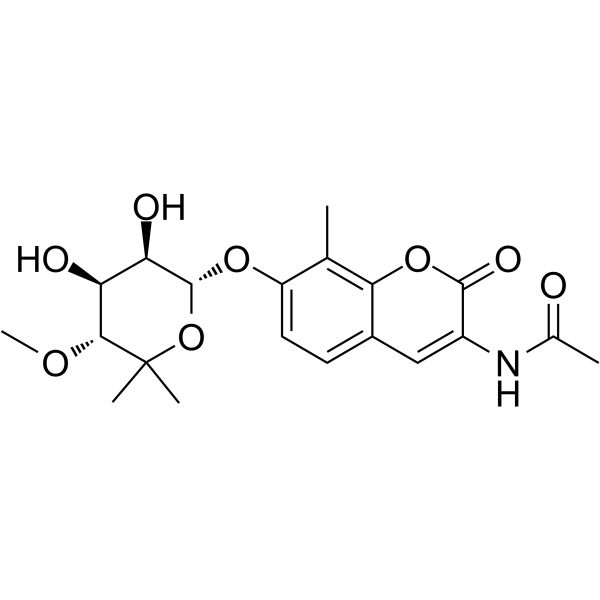
HSP90i is a HSP90 inhibitor. HSP90i can be used as a drug intermediate to synthesize LYTACs, such as dPDL1-4 (HY-174468) .
|
-

-
- HY-122878
-
|
|
HSP
|
Cancer
|
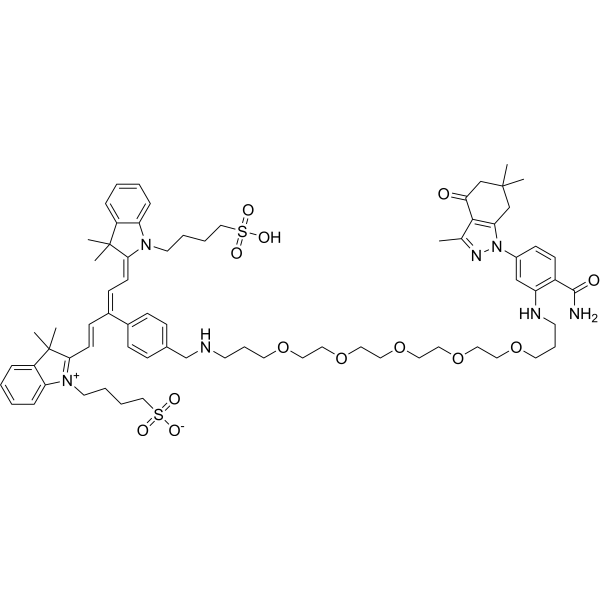
HS-131, a near infrared dye tethered Hsp90 inhibitor, is able to detect oncogene-driven breast cancers, including multiple different molecular subtypes of human breast cancers .
|
-
-
- HY-15230R
-
-

-
- HY-13468A
-
|
|
HSP
Apoptosis
Bcr-Abl
p38 MAPK
CDK
STAT
|
Cancer
|
|
KW-2478 hydrochloride is an HSP90 inhibitor (IC50 = 3.8 nM). KW-2478 hydrochloride inhibits the growth and induces apoptosis in chronic myeloid leukemia (CML) cells and liver cancer cells. KW-2478 hydrochloride weakens the BCR/ABL and MAPK signaling pathways, leading to increased p27 and p21 expression and decreased cyclin B1 expression. KW-2478 hydrochloride downregulates STAT3 expression. KW-2478 hydrochloride may be used in research on cancers such as CML and liver cancer .
|
-

-
- HY-147125
-
|
|
HSP
Akt
CDK
Raf
Apoptosis
|
Cancer
|
|
DDO-6600 is a covalent Hsp90 inhibitor. DDO-6600 disrupts the interaction between Hsp90 and its co-chaperone protein Cdc37, thereby inducing the degradation of kinase client proteins (such as AKT, CDK4, c-Raf). DDO-6600 has inhibitory activity against various cancer cells. DDO-6600 inhibits the migration and invasion of HCT-116 cells, and induces cell cycle arrest and apoptosis. DDO-6600 significantly inhibits tumor growth in the HCT-116 xenograft tumor model. DDO-6600 can be used for research on colorectal cancer .
|
-

-
- HY-133571A
-
|
AHGDM hydrochloride
|
HSP
ADC Payload
|
Cancer
|
|
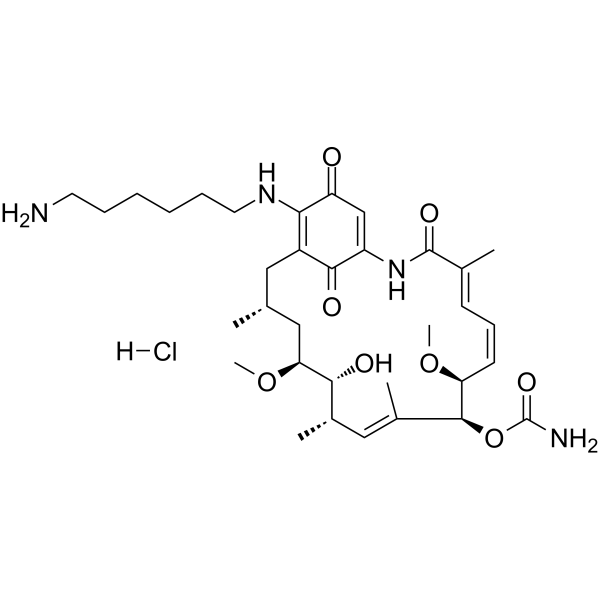
Aminohexylgeldanamycin (AHGDM) hydrochloride, a Geldanamycin derivative, is a potent HSP90 inhibitor. Aminohexylgeldanamycin hydrochloride shows antiangiogenic and antitumor activities .
|
-
-
- HY-148215
-
|
|
HSP
|
Cancer
|
|
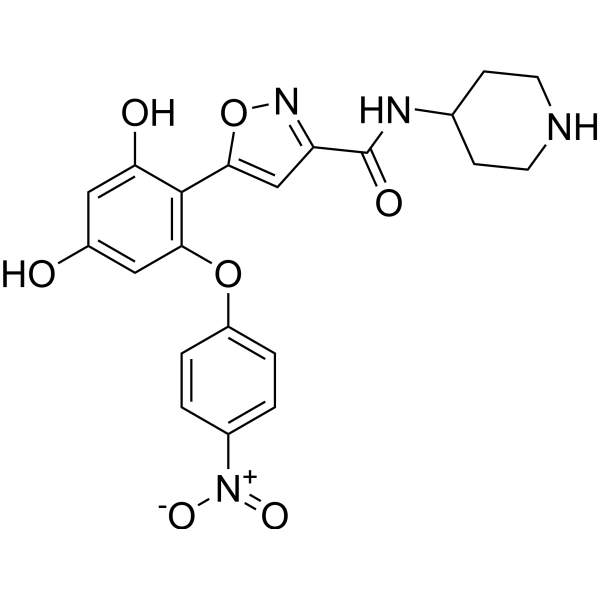
Hsp90-IN-17 (Example 5) is an HSP90 inhibitor that can be used in the study of proliferative diseases, such as cancer and neurodegenerative diseases .
|
-
-
- HY-162365
-
|
|
HSP
Apoptosis
Autophagy
|
Cancer
|
|
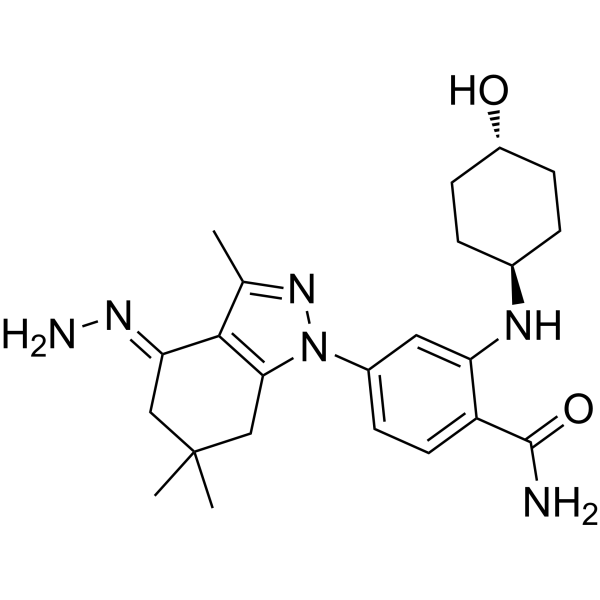
JD-02 is a novel Hsp90 inhibitor. JD-02 can induce autophagy and apoptosis. JD-02 increses the level of reactive oxygen species .
|
-
-
- HY-10213A
-
|
PF-04929113 mesylate
|
HSP
|
Cancer
|
|
SNX-5422 Mesylate (PF-04929113 Mesylate), a prodrug of SNX-2112, is an orally active Hsp90 inhibitor, with a Kd of 41 nM, and also induces Her-2 degradation, with an IC50 of 37 nM.
|
-

-
- HY-148963
-
|
|
HSP
|
Cancer
|
|
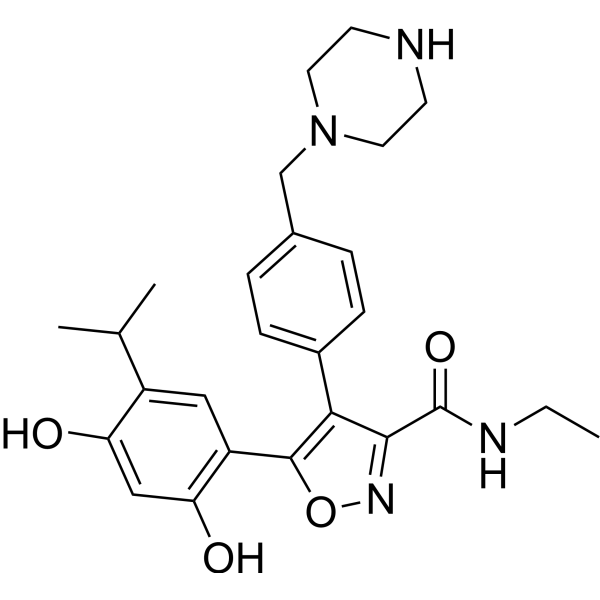
HSP90-IN-20 (compound 78p) is a potent HSP90 inhibitor with an IC50 of ≤10 μM. HSP90-IN-20 has the potential for cancers research .
|
-
- HY-125759
-
|
|
HSP
|
Cancer
|
|
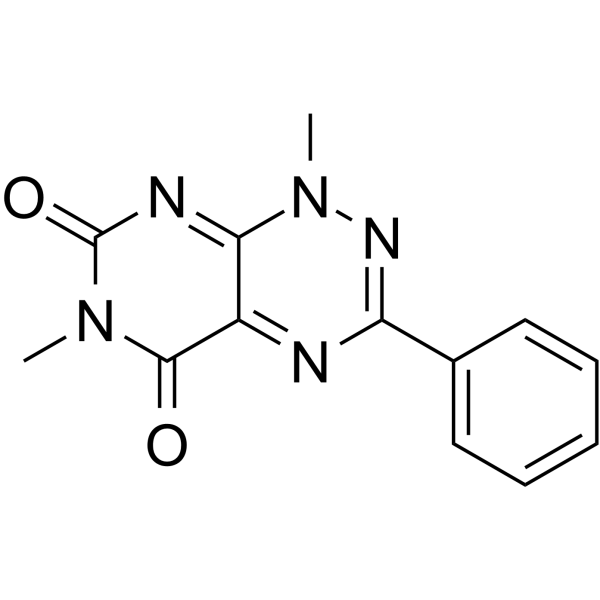
3-Phenyltoxoflavin, a derivative of Toxoflavin, is an Hsp90 inhibitor, with a Kd of 585 nM for the interaction of Hsp90-TPR2A. 3-Phenyltoxoflavin has anti-cancer activity .
|
-
- HY-113574
-
|
|
HSP
|
Cancer
|
|
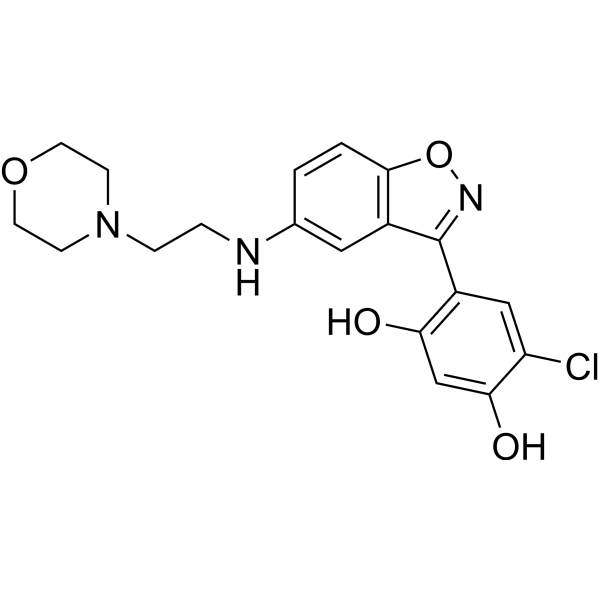
HSP90-IN-29 (Compound 13), a benzoxazole derivative, is a potent and selective HSP-90 inhibitor with an IC50 value of 30 nM. HSP90-IN-29 has antitumor activity .
|
-
- HY-150655
-
|
|
HSP
|
Cancer
|
|
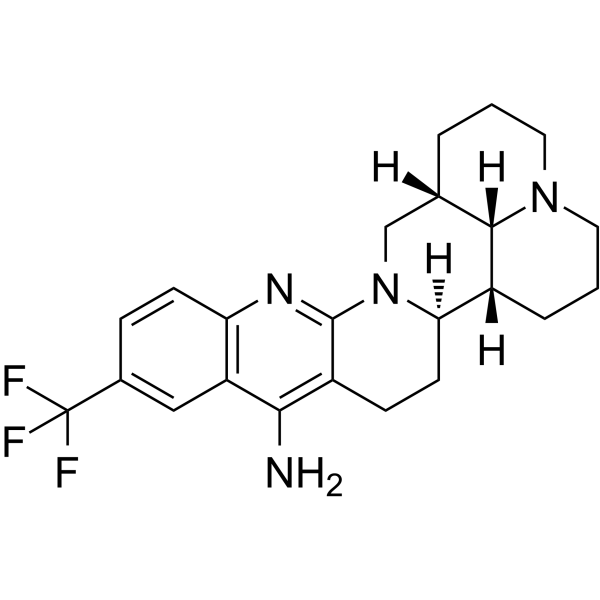
Hsp90-IN-15 is an Hsp90 inhibitor with anticancer activity. Hsp90-IN-15 induces cell apoptosis, arrests the cell cycle at S phase and decreases the expression level of Hsp90 in Hela cell .
|
-
- HY-157085
-
|
|
HSP
|
Cancer
|
|
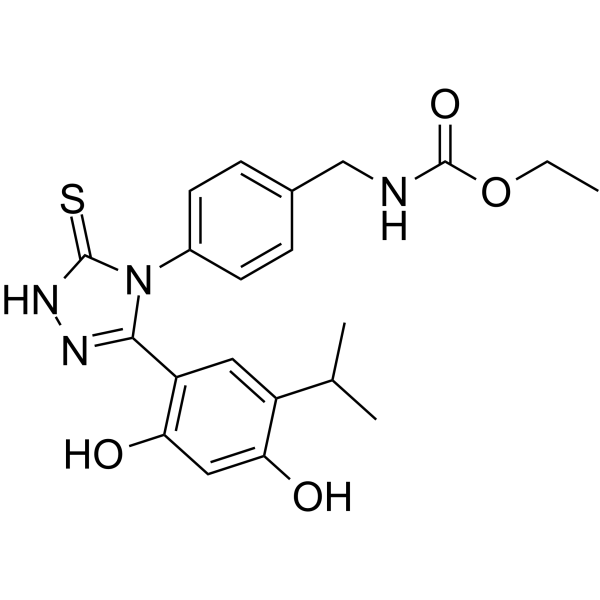
BX-2819 is a Hsp90 inhibitor with an IC50 value of 41 nM. BX-2819 inhibits the proliferation of cancer cells. BX-2819 can significantly inhibit the growth of NCI-N87 and HT-29 tumors in nude mice .
|
-
- HY-179211
-
|
|
HSP
MHC
|
Cancer
|
|
CliMB-325 is an HSP90 inhibitor that can induce MHC-I (EC50 = 498 nM) expression on the surface of CT26 murine colorectal cancer cells. CliMB-325 enhances T cell activation and exhibits lower toxicity. CliMB-325 can be used for the study of colorectal cancer .
|
-

- HY-149914
-
|
|
Androgen Receptor
|
Cancer
|
|
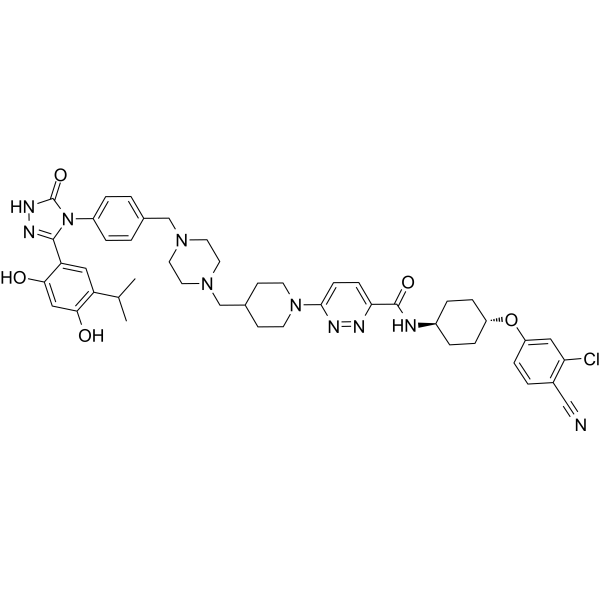
WCA-814 is an androgen receptor (AR) antagonist-Hsp90 inhibitor conjugate. WCA-814 induces the degradation of full-length and AR-V7. WCA-814 has cytotoxic effect in prostatic cancer cells (IC50: 171.2 nM, 26.5 nM for LNCaP, 22Rv1 cell) .
|
-
- HY-176538
-
|
|
HSP
|
Cancer
|
|
Antiproliferative agent-72 (Compound 10) is a Hsp90 inhibitor with a Kd of 11 nM. Antiproliferative agent-72 has antiproliferative activity with IC50s of 1.5 μM and 1.1 μM for HCT116 and NCI-N87 cells, respectively. Antiproliferative agent-72 can be used for cancers research .
|
-

- HY-121881
-
|
|
HSP
|
Cancer
|
|
PU3 is an Hsp90 inhibitor that competes with geldanamycin (GM) and others for the conserved ATP/ADP pocket of Hsp90. PU3 also induces degradation of proteins such as Her2 and inhibits breast cancer cell growth by causing retinoblastoma protein hypophosphorylation, G1 arrest, and cell differentiation. PU3 has the potential to be a cancer inhibitor. .
|
-

- HY-170910
-
|
|
HSP
|
Cancer
|
|
Hsp90-IN-39 (Compound 16t) is a HSP90 inhibitor with notable selectivity for the HSP90α isoform. Hsp90-IN-39 demonstrates significant antiproliferative activity in various cancer cell lines, including MCF-7, HCT116, SKBr3, K562, and A549. Hsp90-IN-39 holds potential for cancer research .
|
-

- HY-15205R
-
|
STA-9090 (Standard)
|
HSP
Apoptosis
Reference Standards
|
Cancer
|
|
Ganetespib (Standard) is the analytical standard of Ganetespib. This product is intended for research and analytical applications. Ganetespib (STA-9090) is a heat shock protein 90 (HSP90) inhibitor which exhibits potent cytotoxicity in a wide variety of hematological and solid tumor cell lines. Ganetespib has antiangiogenic effects in colorectal cancer mediated through inhibition of HIF-1α and STAT3 .
|
-

- HY-13752
-
|
|
HSP
|
Cancer
|
|
STA-1474 is an orally active and highly selective HSP90 inhibitor. STA-1474 can trigger tumor cell apoptosis. STA-1474 demonstrates significant antitumor efficacy in spontaneous canine cancer models (e.g., osteosarcoma, thyroid carcinoma). STA-1474 is promising for research of solid tumors (e.g., osteosarcoma, breast cancer) and HSP90-driven cancers .
|
-

- HY-120923
-
|
|
HSP
NF-κB
HIV
Apoptosis
Caspase
|
Infection
Cancer
|
|
GUT-70, a tricyclic coumarin, is a Hsp90 inhibitor. GUT-70 activates the caspase 2, 3, 8 and 9, and induces the apoptosis in leukemic cells. GUT-70 inhibits HIV-1 replication in chronically infected cells via suppression of the NF-κB pathway. GUT-70 can be used for the study of leukemic, mantle cell lymphoma (MCL) and HIV-1 infection .
|
-

- HY-168205
-
|
|
HSP
Apoptosis
|
Cancer
|
|
HSP90-IN-33 (compound 24e) is a potent Hsp90 inhibitor with Kd values of ≥200, 7.3 µM for Hsp90α, Hsp90β, respectively. HSP90-IN-33 induces apoptosis and cell cycle arrest at G0/G1 phase. HSP90-IN-33 decreases the protein expression of ERα, CDK4 and Akt .
|
-

- HY-145814
-
|
|
HSP
Fungal
|
Infection
|
|
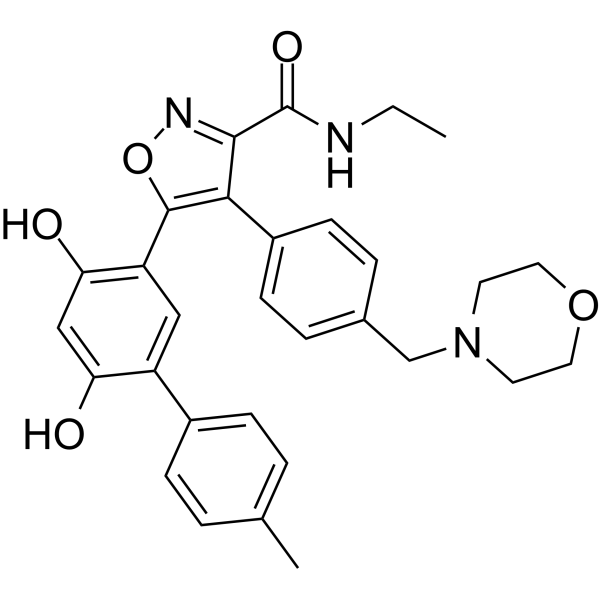
HSP90-IN-9 is a potent and selective HSP90 inhibitor. HSP90-IN-9 displays a fungicidal effect in a dose-dependent manner. HSP90-IN-9 inhibits fungal biofilm formation and fungal morphological changes after being combined with FLC. HSP90-IN-9 recovers FLC resistance by down-regulating the expression of related genes (ERG11, CDR1 and CDR2) .
|
-
- HY-10211S
-
|
17-AAG-d5; NSC 330507-d5; CP 127374-d5
|
Isotope-Labeled Compounds
Apoptosis
Bacterial
Autophagy
HSP
Mitophagy
Antibiotic
|
Cancer
|
|
Tanespimycin-d5 (17-AAG-d5; NSC 330507-d5; CP 127374-d5) is the deuterium labeled Tanespimycin (HY-10211). Tanespimycin (17-AAG) is a potent HSP90 inhibitor with an IC50 of 5 nM, having a 100-fold higher binding affinity for tumour cell derived HSP90 than normal cell derived HSP90 . Tanespimycin depletes cellular STK38/NDR1 and reduces STK38 kinase activity. Tanespimycin also downregulates the stk38 gene expression .
|
-

- HY-179012
-
|
|
APC
CDK
Raf
Akt
HSP
|
Cancer
|
|
CDC20/HSP90-IN-1 (Compound 2b) is a Cdc20/Hsp90 inhibitor with a Kd of 16.2 μM for Cdc20 and a Kd of 0.241 μM for Hsp90α. CDC20/HSP90-IN-1 exerts potent antitumor activity through reducing p53-mediated Cdc20, upregulating Bim, downregulating Cyclin B1 expression, and disturbing B-Raf and AKT pathways via destroying Hsp90 chaperone function. CDC20/HSP90-IN-1 overcomes Vemurafenib (HY-12057)-induced resistant melanoma .
|
-

- HY-156779
-
|
|
HSP
|
Cancer
|
|
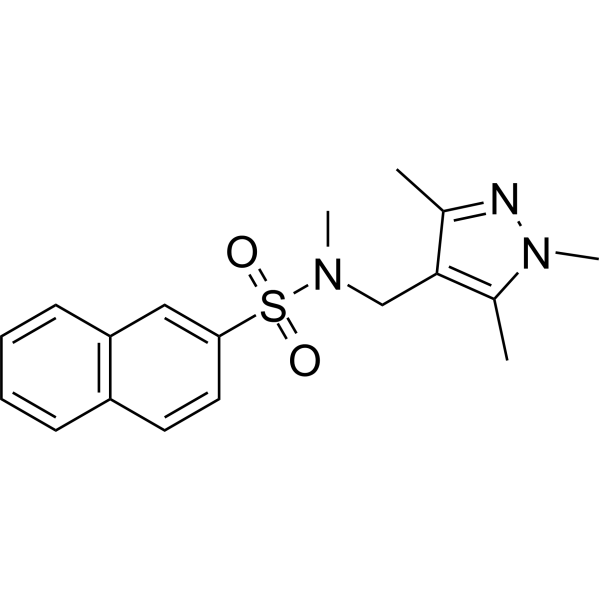
HSP90-IN-27 (compound 19) is an HSP90 inhibitor .
|
-
- HY-167731
-
|
|
HSP
|
Infection
|
|
Monorden diacetate serves as a promising lead compound in the development of novel fungicides due to its potential as an Hsp90 inhibitor.
|
-

- HY-127183
-
|
|
HSP
|
Infection
|
|
ML229 is an HSP90 inhibitor. ML229 can be used in the research of infectious diseases such as candidiasis .
|
-

- HY-127179
-
|
|
HSP
|
Infection
|
|
ML189 is an HSP90 inhibitor. ML189 can be used in the research of infectious diseases such as candidiasis .
|
-

- HY-149531
-
|
|
HSP
|
Cancer
|
|
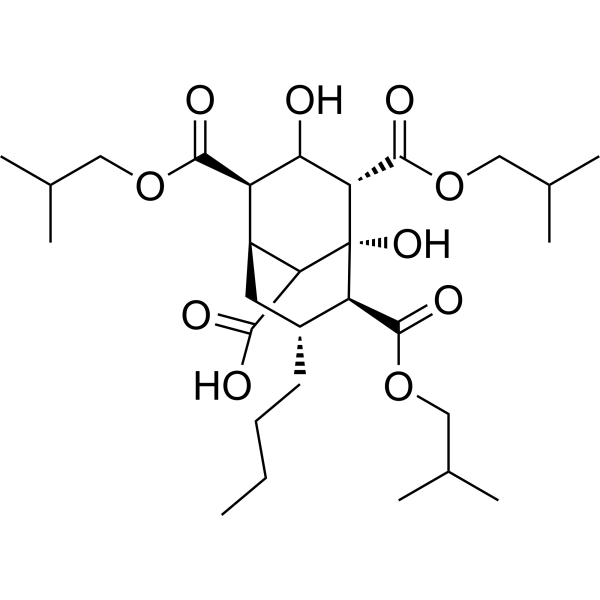
HSP90-IN-25 (compound 4a) is an HSP90 inhibitor that specifically inhibits the ATPase activity of HSP90 .
|
-
- HY-149780
-
|
DiNap
|
HSP
|
Cancer
|
|
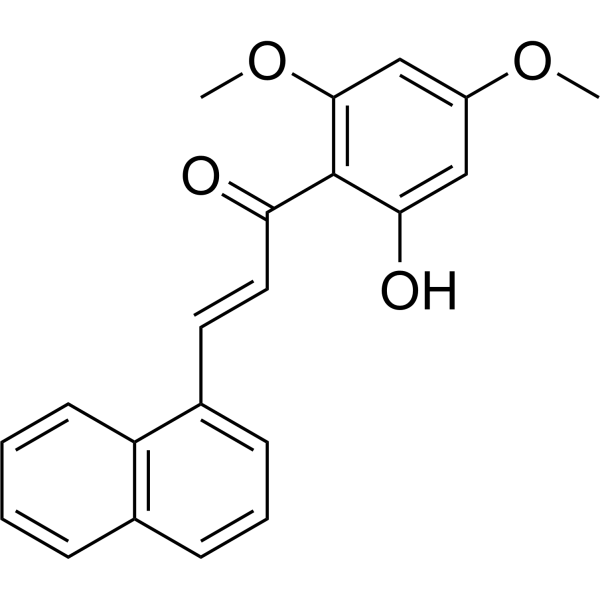
Flavokawain 1i (DiNap) is an Hsp90 inhibitor. Flavokawain 1i (DiNap) has anti-cell proliferation activity and can be used in cancer research .
|
-
- HY-170328
-
|
|
HSP
|
Cancer
|
|
Hsp90-IN-36 (compound 5) is a Hsp90 inhibitor with anticancer activity (MCF-7, IC50=14.74 μM) .
|
-

- HY-132995A
-
|
|
Drug Metabolite
|
Cancer
|
|
DP-1 hydrochloride, a degradation product of SDC-TRAP-0063, is a fragment of Ganetespib. Ganetespib is a heat shock protein 90 (HSP90) inhibitor with anti-tumor activity .
|
-

- HY-130997
-
|
|
ADC Payload
HSP
|
Infection
Cancer
|
|
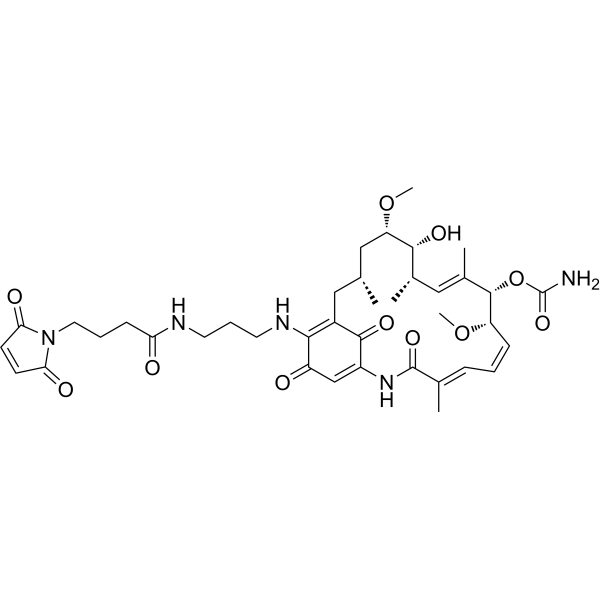
17-GMB-APA-GA is an ADC Cytotoxin. 17-GMB-APA-GA is a potent HSP90 inhibitor and used for latent T. gondii infection research .
|
-
- HY-115499
-
|
|
HSP
|
Cancer
|
|
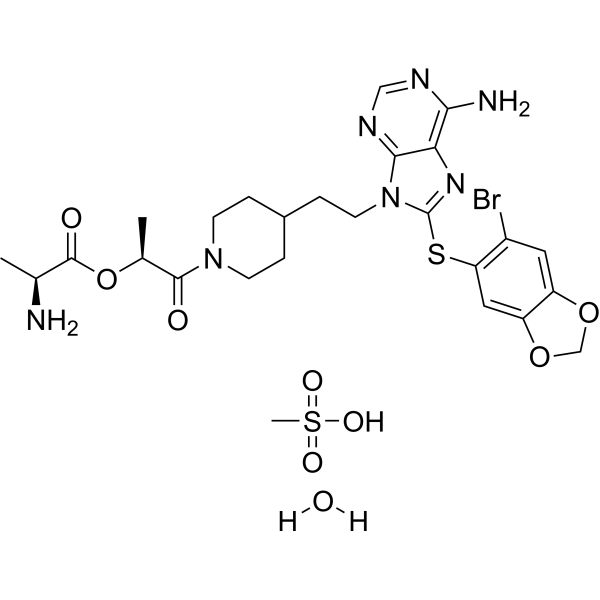
MPC-0767 is a potent, selective, and orally active hsp90 inhibitor. MPC-0767 is an L-alanine ester proagent of MPC-3100 with improved chemical stability .
|
-
- HY-164465
-
|
|
HSP
|
Cancer
|
|
C086, a novel potent Hsp90 inhibitor, could inhibit cell cycle progression and induce cell apoptosis and anti-metastasis by regulating various mechanisms in different cell types .
|
-

- HY-10215R
-
|
VER-52296 (Standard); AUY922 (Standard); NVP-AUY922 (Standard)
|
Reference Standards
HSP
Autophagy
Apoptosis
|
Cancer
|
|
Luminespib (Standard) is the analytical standard of Luminespib. This product is intended for research and analytical applications. Luminespib (VER-52296) is a potent HSP90 inhibitor with IC50s of 7.8 and 21 nM for HSP90α and HSP90β, respectively .
|
-

- HY-111524
-
|
|
HSP
Apoptosis
|
Cancer
|
|
CPUY201112 is a potent heat shock protein Hsp90 inhibitor with Kd of 27 nM. CPUY201112 induces p53-mediated apoptosis in MCF-7 cells, resulting in cell cycle arrest, which can be used in cancer research .
|
-
- HY-152028
-
|
|
HSP
|
Infection
Neurological Disease
Inflammation/Immunology
Cancer
|
|
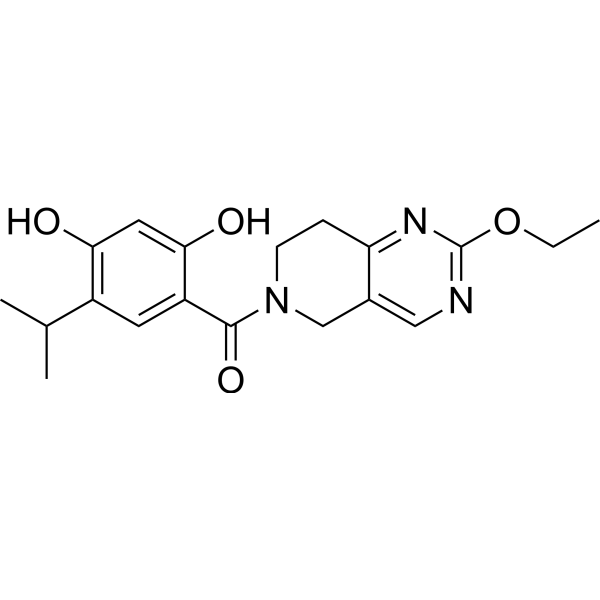
HSP90-IN-19 is an effective heat shock protein 90 (Hsp90) inhibitor. HSP90-IN-19 has effective Hsp90 inhibitory activity with an IC50 value of 0.27 μM. HSP90-IN-19 can be used for the research of viral infection, neurodegenerative disease, and inflammation .
|
-
- HY-152027
-
-
- HY-176404
-
|
|
HSP
|
Cancer
|
|
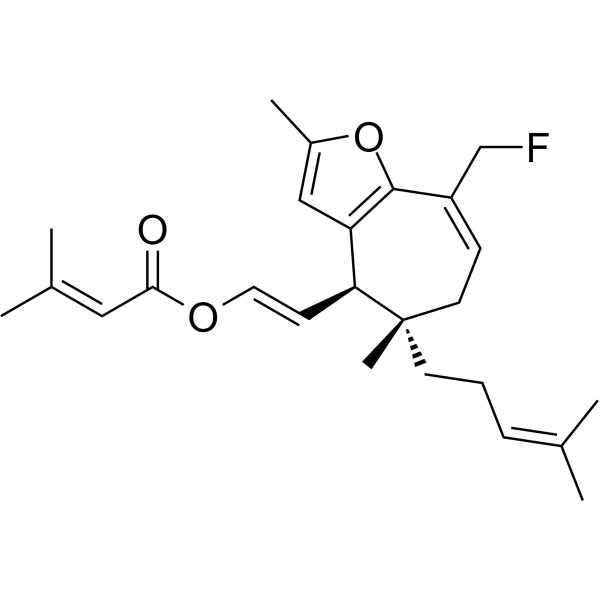
DDO-6691 is a heat shock protein 90 (HSP90) inhibitor. DDO-6691 has antiproliferative effects on a variety of tumor cells, with HCT-116 colon cancer cells being the most sensitive (IC50: 1.08 μM). DDO-6691 exhibits potent tumor growth inhibition in the HCT-116 xenograft mouse model .
|
-

- HY-175467
-
|
|
HSP
HDAC
|
Cancer
|
|
HDAC6/HSP90-IN-3 (Compound 17) is an orally active dual histone deacetylase 6 (HDAC6) and heat shock protein 90 (HSP90) inhibitor with IC50 values of 28 nM and 0.88 μM, respectively. HDAC6/HSP90-IN-3 is promising for research of malignant tumors such as prostate cancer .
|
-

- HY-111007
-
|
|
HSP
|
Cancer
|
|
CH5015765 is an orally available Hsp90 inhibitor bound to the N-terminal ATP binding site, with a dissociation constant of 3.4 nM, CH5015765 exerts antiproliferative activity against human cancer cell lines, with IC50 values of 0.46 μM for HCT116 colorectal cancer cells and 0.57 μM for NCI-N87 gastric cancer cells. CH5015765 can be used for the study of cancer .
|
-

- HY-170816
-
|
|
HSP
Cytochrome P450
Fungal
|
Infection
|
|
CYP51/Hsp90-IN-1 (Compound MM4) is a dual CYP51/Hsp90 inhibitor. CYP51/Hsp90-IN-1 shows antifungal activity against Candida albicans and effectively inhibits important fungal virulence factors. CYP51/Hsp90-IN-1 is promising for research of invasive candidiasis .
|
-

- HY-10212A
-
|
CNF2024 mesylate
|
HSP
β-catenin
c-Myc
Autophagy
|
Cancer
|
|
BIIB021 (CNF2024) mesylate is the mesylate of BIIB021 (HY-10212). BIIB021 is an orally active Hsp90 inhibitor. BIIB021 inhibits the proliferation of chronic myeloid leukemia (CML) cells, with IC50 values of K562, K562/G, 32Dp210, and 32Dp210-T315I cells are 513.99, 603.53, 110.08, and 148.07 nM, respectively. BIIB021 degrades BCR-ABL protein and inhibits the β-catenin/c-Myc pathway. BIIB021 can also induce autophagy in CML cells. BIIB021 can be used for the research of CML .
|
-

- HY-164399A
-
|
|
HSP
ERK
CDK
Akt
|
Cancer
|
|
SST0116CL1 free base is a HSP90 inhibitor (IC50: 0.21 μM). SST0116CL1 free base binds to the ATP binding pocket of Hsp90, and interferes with Hsp90 chaperone function thus resulting in client protein (EGFR, CDK4 and AKT) degradation. SST0116CL1 free base induces degradation of Her2 in BT-474 cell (IC50: 0.2 μM). SST0116CL1 free base has antiproliferative activity and inhibits tumor growth. SST0116CL1 free base has antiproliferative activity and inhibits tumor growth. SST0116CL1 free base can be used for the study of leukemia, gastric and ovarian carcinoma .
|
-

- HY-121708
-
|
|
c-Kit
|
Cancer
|
|
KI-328 is a novel inhibitor targeting KIT kinase that has selective activity against some KIT mutant kinases commonly found in acute myeloid leukemia (AML). KI-328 showed specificity for KIT kinase in in vitro kinase assays and inhibited the growth of wild-type (Wt) and mutant KIT-expressing cells, but had lower activity against D816V-KIT. Comparative analysis of the inhibitory effects of several potent KIT inhibitors on the growth of multiple mutant KIT-expressing cells showed that the multi-kinase inhibitors had comparable activity against D816V-KIT as against other mutant KITs; however, heat shock protein 90 (HSP90) inhibitors showed significant activity against D816V-KIT, inhibiting the growth of D816V-KIT-expressing cells at concentrations that did not affect the growth of other mutant KIT-expressing cells. These results suggest that potent KIT inhibitors have different activities against different types of KIT mutant kinases. Therefore, in clinical development, KIT inhibitors need to validate their activity against multiple types of KIT mutant kinases.
|
-

- HY-177875
-
|
|
HSP
|
Cancer
|
|
Hsp90-IN-44 (compound 16) is a Hsp90 inhibitor with an IC50 of 9.8 µM. Hsp90-IN-44 can be used for cancer research .
|
-

- HY-102007AR
-
|
|
Reference Standards
HSP
|
Cancer
|
|
Gamitrinib TPP hexafluorophosphate (Standard) is the analytical standard of Gamitrinib TPP hexafluorophosphate (HY-102007A). This product is intended for research and analytical applications. Gamitrinib TPP hexafluorophosphate is a Gamitrinib (GA) mitochondrial matrix inhibitor. Gamitrinib TPP hexafluorophosphate is a mitochondrial targeted HSP90 inhibitor with anti-cancer activity.
|
-

- HY-160430
-
|
|
HSP
|
Cancer
|
|
HSP90-IN-28 (compound 12 h) is a potent and selective Hsp90 inhibitor with an IC50 of 0.46 μM for Hsp90α. HSP90-IN-28 exhibits ~48 fold selectivity versus other Hsp90β (IC50 = 22.28 μM) .
|
-

- HY-186076
-
|
|
HSP
Fungal
|
Infection
Cancer
|
|
Hsp90-IN-47 (Compound C15) is a Hsp90 inhibitor and antifungal agent, with an IC50 of 0.014 μM against Hsp90α. When combined with Fluconazole (HY-B0101), Hsp90-IN-47 exerts significant synergistic antifungal effects against fluconazole-resistant Candida albicans 0304103. Hsp90-IN-47 exhibits antitumor activity against acute myeloid leukemia and non-small cell lung cancer .
|
-

- HY-121706
-
|
|
HSP
|
Cancer
|
|
PU-20F is a Hsp90 inhibitor with an EC50 of 6.8 μM. PU-20F competes with Geldanamycin (HY-15230) for binding to Hsp90 and regulates the function of this molecular chaperone. PU-20F induces the degradation of oncogenic Her2 tyrosine kinase. PU-20F blocks the growth of breast cancer cells. PU-20F can be used in breast cancer-related research .
|
-

- HY-181478
-
|
|
HSP
|
Cancer
|
|
Hsp90-IN-45 is a Hsp90 inhibitor. Hsp90-IN-45 competitively binds to the ATP-binding site of purified Hsp90α with a Kd of 70 nM, blocks ATP hydrolysis, and disrupts Hsp90 client signaling. Hsp90-IN-45 inhibits ATPase activity of purified Hsp90α. Hsp90-IN-45 will be radiolabeled with 76/ 77Br for use as a radiotheragnostic agent for PET imaging and Meitner-Auger electron therapy. Hsp90-IN-45 can be used for the research of cancer .
|
-

- HY-111165
-
|
|
HSP
NF-κB
ERK
JNK
PDGFR
c-Myc
DNA/RNA Synthesis
Apoptosis
|
Inflammation/Immunology
Cancer
|
|
SNX-7081 is an Hsp90 inhibitor with Ki and IC50 values of 26 nM and 44 nM, respectively. SNX-7081 blocks the nuclear translocation of NF-κB, inhibits the production of pro-inflammatory cytokines, attenuates the ERK/JNK and PDGF signaling pathways, and suppresses LPS (HY-D1056)-induced nitric oxide production. SNX-7081 inhibits DNA repair, induces G2/M cell cycle arrest, and triggers apoptosis via downregulation of MYC/nucleolin and activation of Fas. SNX-7081 can be used in research related to rheumatoid arthritis and cancer .
|
-

- HY-10214R
-
|
PF-04928473 (Standard)
|
Reference Standards
HSP
Autophagy
|
Cancer
|
|
SNX-2112 (Standard) is the analytical standard of SNX-2112 (HY-10214). This product is intended for research and analytical applications. SNX-2112 (PF 04928473) is an orally active Hsp90 inhibitor, with a Kd of 16 nM for Hsp90 and IC50s of 30 nM, 30 nM for Hsp90 α and Hsp90 β, also induces Her-2 degradation, and inhibits Grp94 and Trap-1, with IC50s of 10 nM, 4.275 μM and 0.862 μM, respectively . SNX-2112 (PF 04928473) binds Hsp90 isoforms Hsp90α, Hsp90β and Hsp90b1/Grp94 with Kds of 4 nM, 6 nM and 484 nM, respectively .
|
-

- HY-181687
-
|
|
HSP
CDK
|
Cancer
|
|
Hsp90-IN-46 is a Hsp90 inhibitor. Hsp90-IN-46 exhibits broad-spectrum antiproliferative activity against tumor cell lines. Hsp90-IN-46 inhibits breast cancer cell proliferation by reducing colony formation and downregulating the proliferation marker Ki-67. Hsp90-IN-46 inhibits Hsp90 and its ATPase activity, downregulates the downstream substrate oncoproteins HER2 and CDK4, and moderately induces the heat shock response. Hsp90-IN-46 shows significant antitumor activity in a mouse model of triple-negative breast cancer tumor xenografts. Hsp90-IN-46 can be used for research on various cancers including triple-negative breast cancer, leukemia, non-small cell lung cancer, colon cancer, ovarian cancer, renal cancer, prostate cancer .
|
-

| Cat. No. |
Product Name |
Type |
-
- HY-133705
-
|
|
Fluorescent Dyes
|
|
Geldanamycin-FITC, a Geldanamycin fluorescent probe, can be used in a fluorescence polarization assay for HSP90 inhibitors. Geldanamycin-FITC also can be used for detection of cell surface HSP90 (Ex/Em = 488/515 nm) .
|
-
- HY-122878
-
|
|
Fluorescent Dyes
|
HS-131, a near infrared dye tethered Hsp90 inhibitor, is able to detect oncogene-driven breast cancers, including multiple different molecular subtypes of human breast cancers .
|
| Cat. No. |
Product Name |
Category |
Target |
Chemical Structure |
| Cat. No. |
Product Name |
Chemical Structure |
-
- HY-10211S
-
|
|
|
Tanespimycin-d5 (17-AAG-d5; NSC 330507-d5; CP 127374-d5) is the deuterium labeled Tanespimycin (HY-10211). Tanespimycin (17-AAG) is a potent HSP90 inhibitor with an IC50 of 5 nM, having a 100-fold higher binding affinity for tumour cell derived HSP90 than normal cell derived HSP90 . Tanespimycin depletes cellular STK38/NDR1 and reduces STK38 kinase activity. Tanespimycin also downregulates the stk38 gene expression .
|
-
Your information is safe with us. * Required Fields.
Inquiry Information
- Product Name:
- Cat. No.:
- Quantity:
- MCE Japan Authorized Agent:








