



KU-32
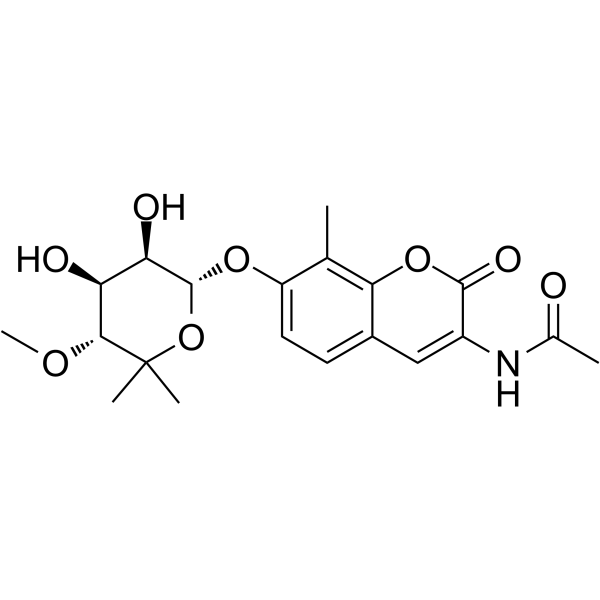
KU-32 is a novel, novobiocin-based Hsp90 inhibitor that can protect against neuronal cell death.
연구목적의 판매만을 진행합니다. 환자를 대상으로 한 판매는 하지 않습니다.
- CAS No.: 956498-70-7
- 화학식: C20H25NO8
- 분자량:407.41
-
보관:
Please store the product under the recommended conditions in the Certificate of Analysis.

To place orders, for customer services and technical support, please contact: MedChemExpress USA
Tel: 609-228-6898 E-mail: [email protected] [email protected]


-
 Biological Activity
-
Chemical Information
- Protocol
- 순도&문서
- References
-
 Help & FAQs


-
HY-15230
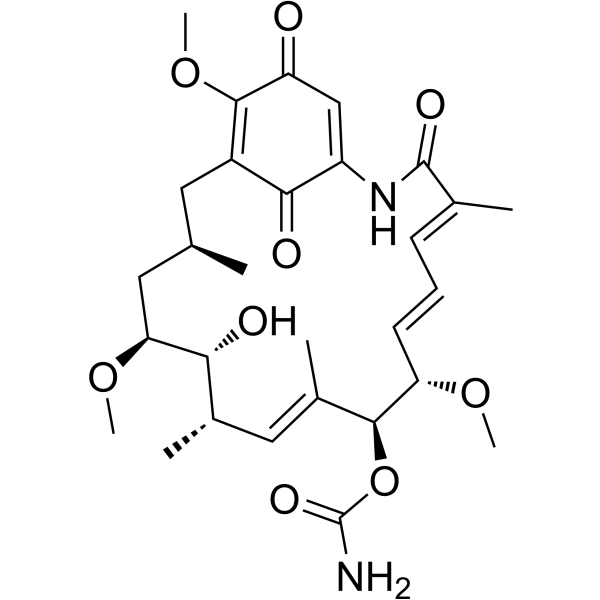
GeldanamycinHsp90 Inhibitor -
HY-15785
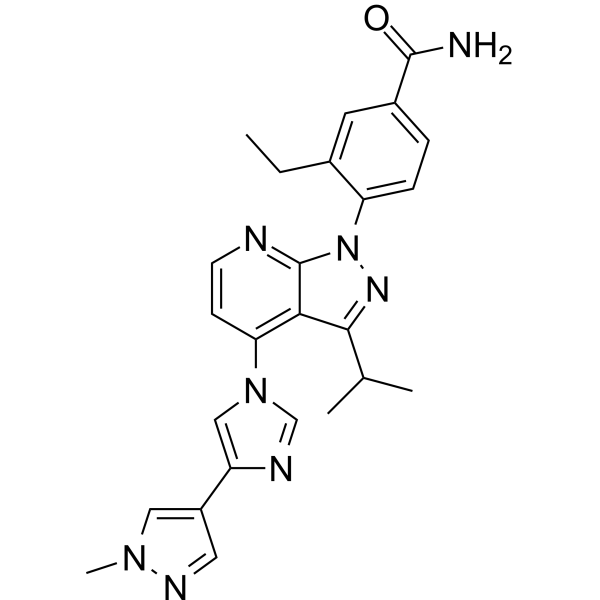
PimitespibHSP90α/HSP90β Inhibitor -
HY-10389
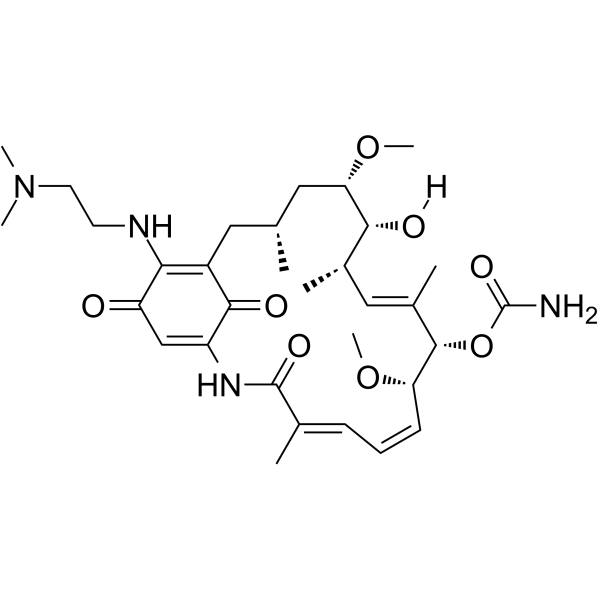
AlvespimycinHsp90 Inhibitor -
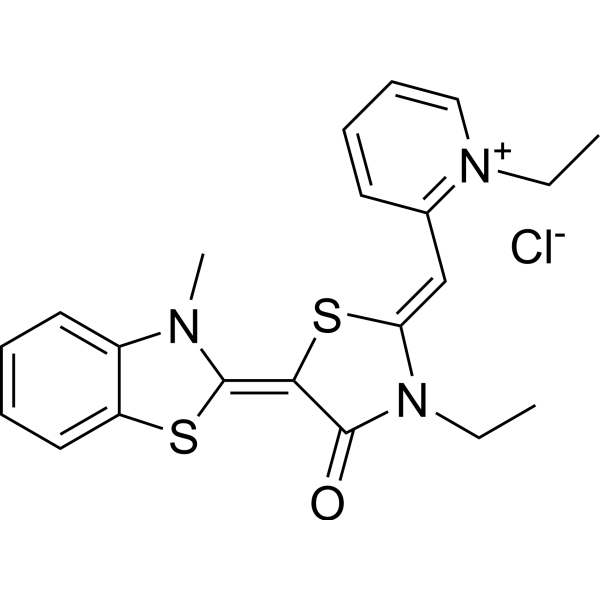
HY-15096
MKT-077Hsp70 Inhibitor -
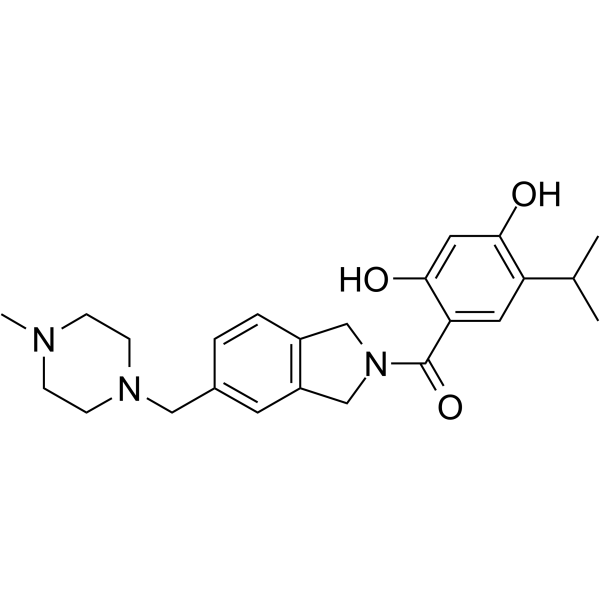
HY-14463
OnalespibHsp90 Inhibitor -
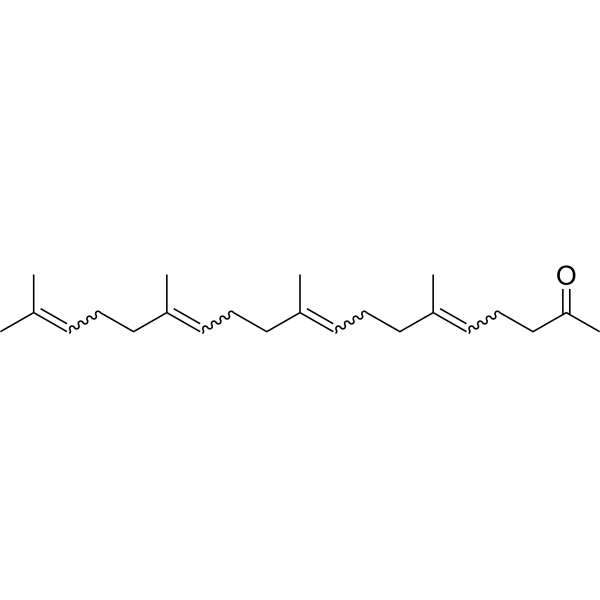
HY-B0779
TeprenoneHSP Inducer -
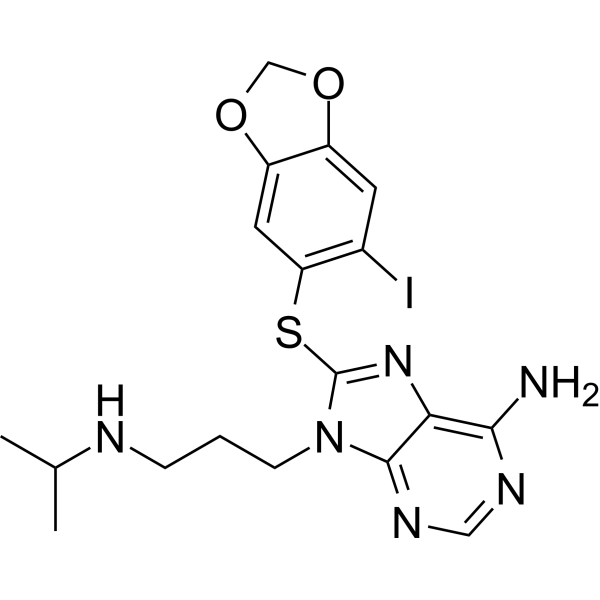
HY-11038
ZelavespibHsp90 Inhibitor -
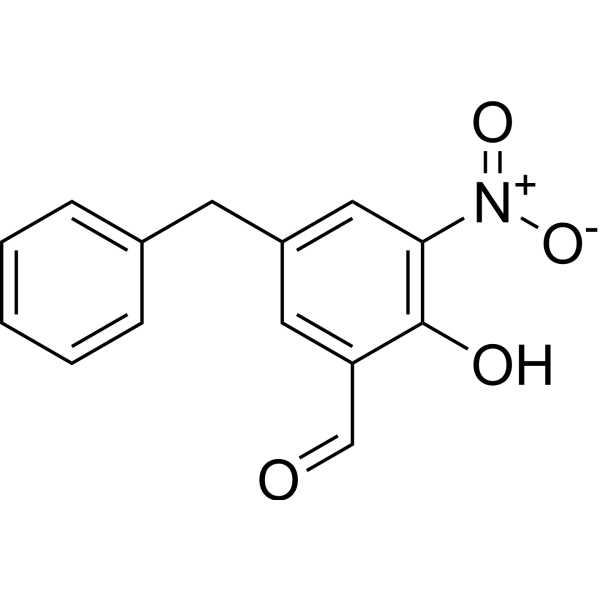
HY-124817
Col003Hsp47 Inhibitor -
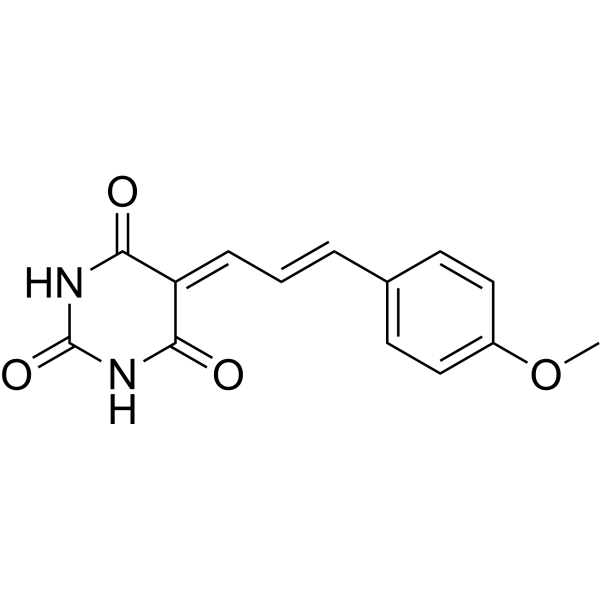
HY-18669
ML346Hsp70 Activator -
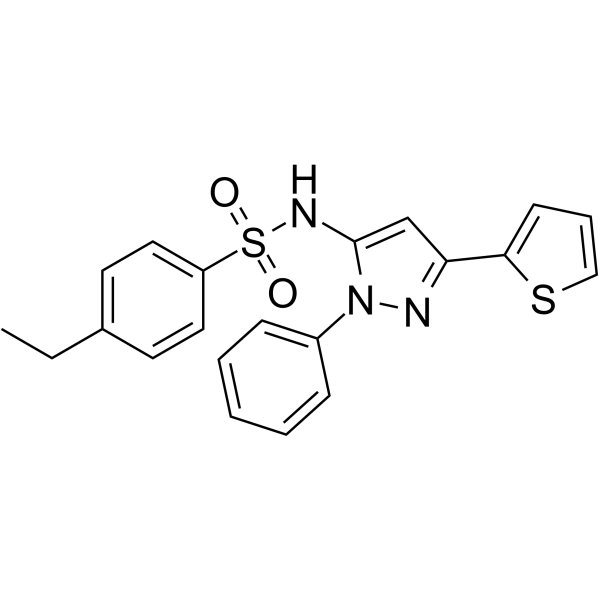
HY-103000
HSF1AHSF1 Activator -
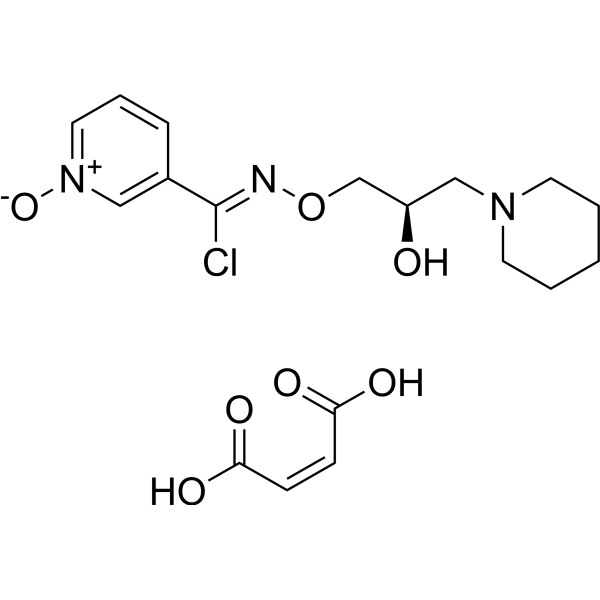
HY-106443A
Arimoclomol maleateHSP Co-Inducer -
HY-13468
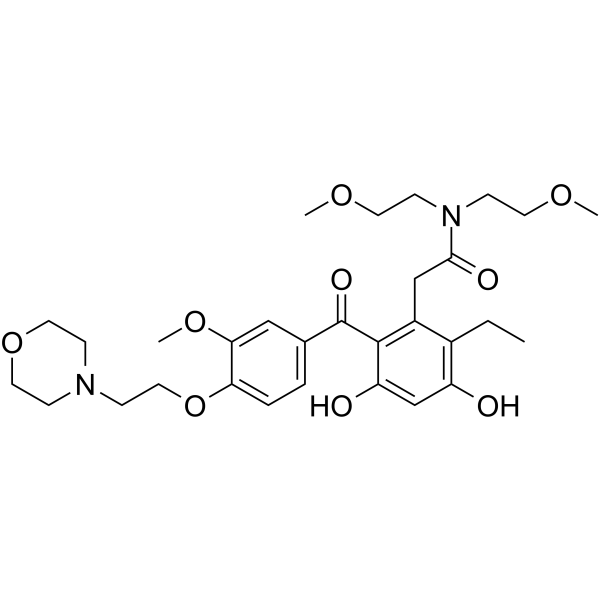
KW-2478


Biological Activity
제품 설명
IC50 & Target
Hsp90[1]
Cellular Effect
|
Cell Line

|
Type | Value | Description | References |
|---|---|---|---|---|
| SH-SY5Y | EC50 |
1.49 nM
Compound: KU32
|
Neuroprotection against beta-amyloid peptide 1-42-induced toxicity in human SH-SY5Y cells assessed as lactate dehydrogenase release
Neuroprotection against beta-amyloid peptide 1-42-induced toxicity in human SH-SY5Y cells assessed as lactate dehydrogenase release
|
[PMID: 19138859] |
| SK-BR-3 | EC50 |
10 nM
Compound: 2, KU-32
|
Antiproliferative activity against human SKBR3 cells
Antiproliferative activity against human SKBR3 cells
|
[PMID: 24953820] |
| SK-BR-3 | IC50 |
>900 μM
Compound: KU32
|
Antiproliferative activity against human SK-BR-3 cells
Antiproliferative activity against human SK-BR-3 cells
|
[PMID: 27563408] |
In Vitro
Treating human islets with KU-32 for 24 hours shows no toxicity. With a minimum of 2-day exposure, KU-32 improves cellular viability by blocking apoptosis. Functionally, isolated human islets release more glucose-stimulated insulin when preincubate in KU-32[1]. KU-32 protects against glucose-induced death of embryonic DRG (dorsal root ganglia) neurons cultured for 3 days in vitro[2].
MedChemExpress (MCE) has not independently confirmed the accuracy of these methods. They are for reference only.
In Vivo
MedChemExpress (MCE) has not independently confirmed the accuracy of these methods. They are for reference only.


Chemical Information
-
CAS No. 956498-70-7
-
분자량 407.41
-
화학식 C20H25NO8
-
SMILES
CC1=C(O2)C(C=C(NC(C)=O)C2=O)=CC=C1O[C@H]3[C@@H]([C@@H]([C@@H](OC)C(C)(C)O3)O)O
-
선적
Room temperature in continental US; may vary elsewhere.
-
보관
Please store the product under the recommended conditions in the Certificate of Analysis.


순도&문서
References
[1]. Farmer K, et al. KU-32, a novel drug for diabetic neuropathy, is safe for human islets and improves in vitro insulin secretion and viability. Exp Diabetes Res. 2012;2012:671673. [Content Brief]
[2]. Urban MJ, et al. Inhibiting heat-shock protein 90 reverses sensory hypoalgesia in diabetic mice. ASN Neuro. 2010 Aug 11;2(4):e00040. [Content Brief]

Calculators
Concentration (start) × Volume (start) = Concentration (final) × Volume (final)


KU-32 Related Classifications
HY-108248 Related Classifications
 Powered by Bioz