1. Search Result
Search Result
Pathways Recommended: Stem Cell/Wnt Cell Cycle/DNA Damage
Results for "

SW620 cells

" in MedChemExpress (MCE) Product Catalog:

72

Inhibitors & Agonists

1

Biochemical Assay Reagents

1

Inhibitory Antibodies

6

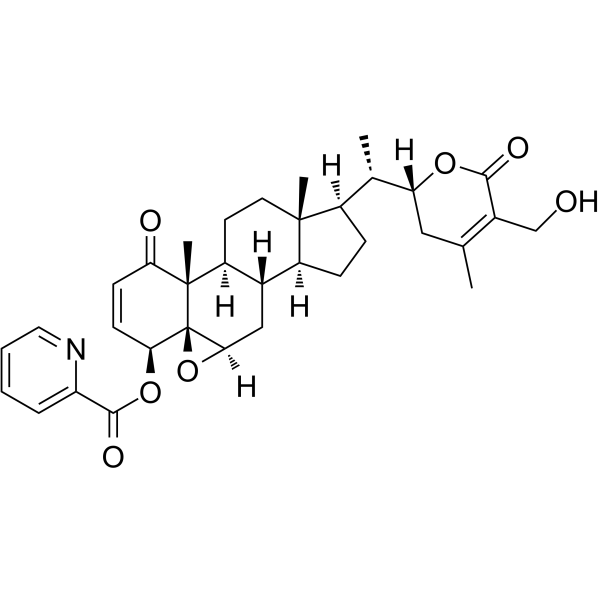
Natural
Products

Cat. No. Nom du produit Target Áreas de investigación Chemical Structure
  • HY-136057
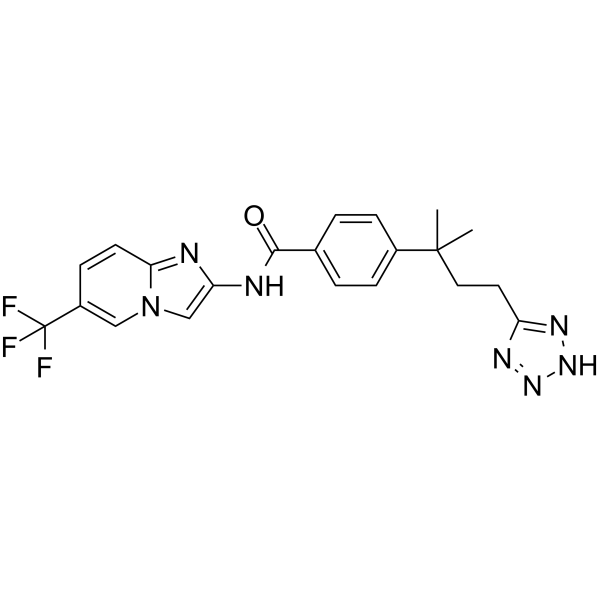
    iFSP1
    Maximum Cited Publications
    29 Publications Verification

    Ferroptosis Ligands for Target Protein for PROTAC Cancer
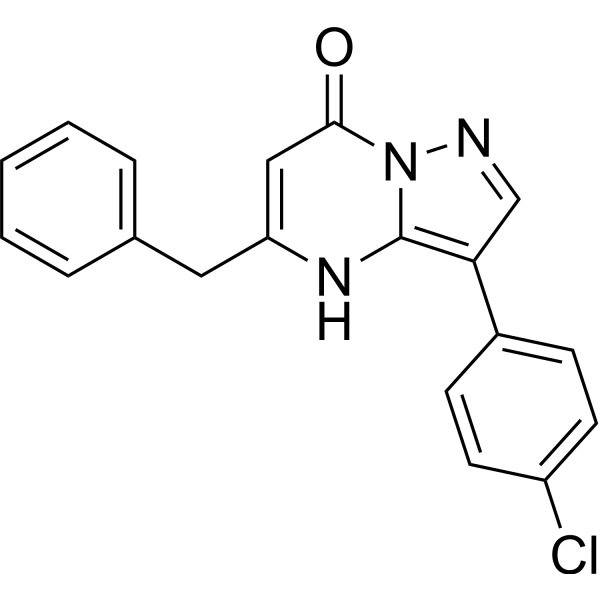
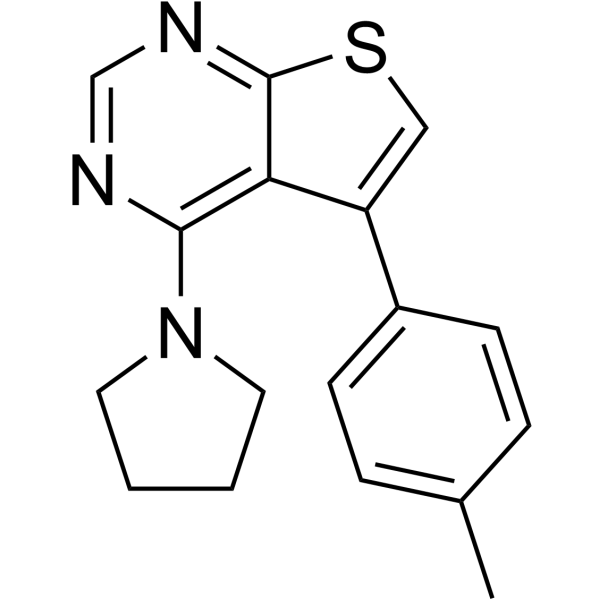
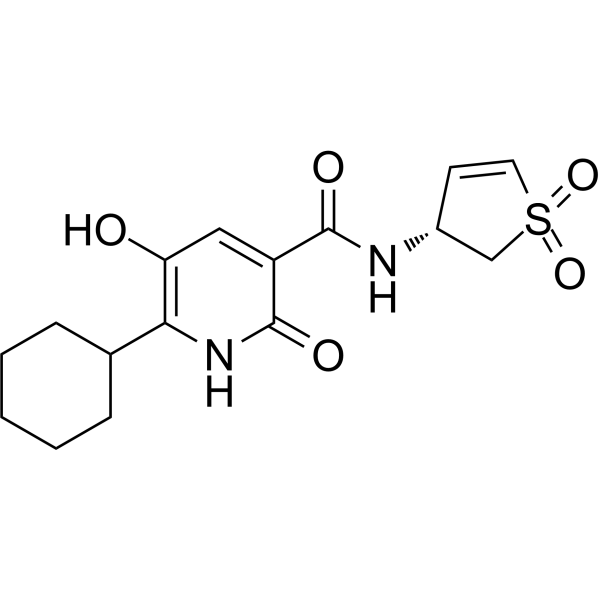
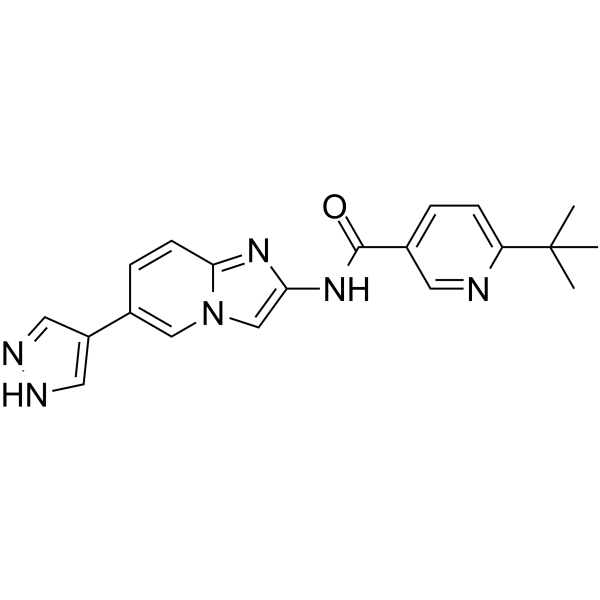
    iFSP1 is a potent, selective and glutathione-independent inhibitor of ferroptosis suppressor protein 1 (FSP1) (AIFM2) with an EC50 of 103 nM. iFSP1 selectively induces ferroptosis in GPX4-knockout cells which overexpressed FSP1. iFSP1 is able to sensitize a variety of human cancer cell lines to the ferroptosis inducer, such as (1S,3R)-RSL3 (HY-100218A) .
    iFSP1
  • HY-12032
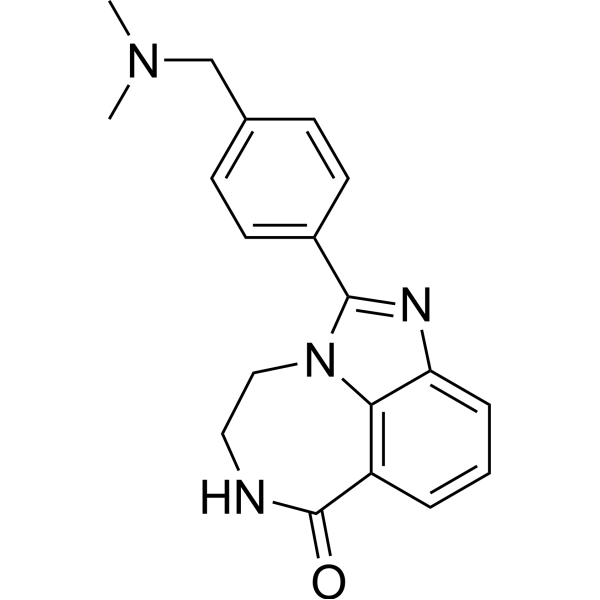
    AG14361
    5+ Cited Publications

    PARP Cancer
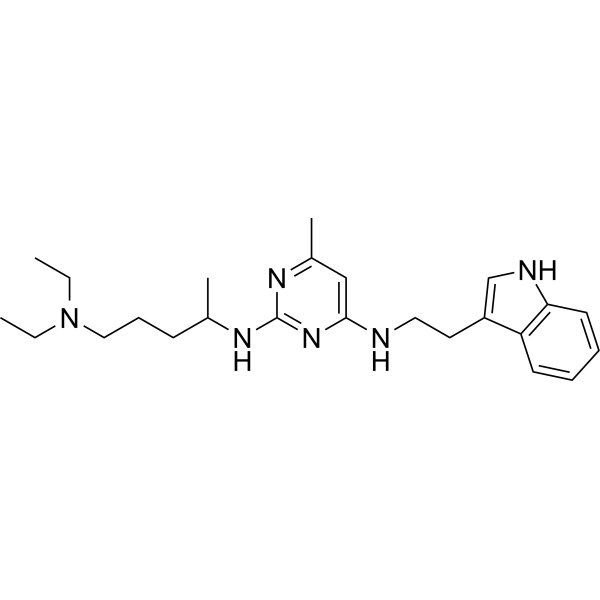
    AG14361 is a potent PARP-1 inhibitor, with a Ki of < 5 nM, and in permeabilized SW620 and intact SW620 cells, the IC50s are 29 nM and 14 nM, respectively.
    AG14361
  • HY-159788

    PROTACs Ras Cancer
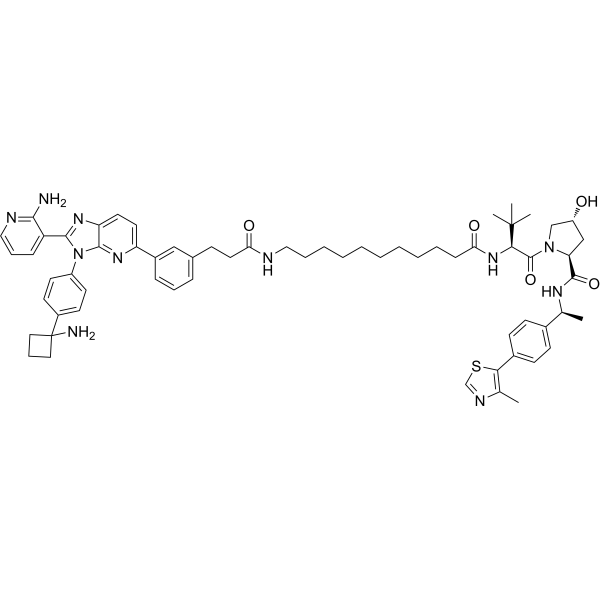
    PROTAC K-Ras Degrader-4 (Compound 4) is a PROTAC degrader for KRAS that degrades KRAS G12D in GP5d and degrades KRAS G12V in cell SW620 with DC50s of 1 nM and 13 nM. PROTAC K-Ras Degrader-4 inhibits MAPK signaling pathway . (Pink: ligand for target protein pan-KRAS degrader 1 (HY-162960); Black: linker (HY-159790); Blue: ligand for E3 ligase VHL (HY-W998248))
    PROTAC K-Ras Degrader-4
  • HY-139156
    SK-575
    5 Publications Verification
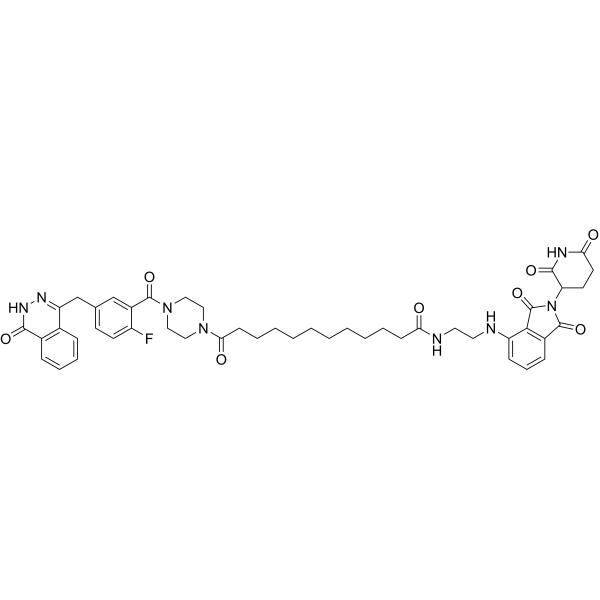
    PROTACs PARP Cancer
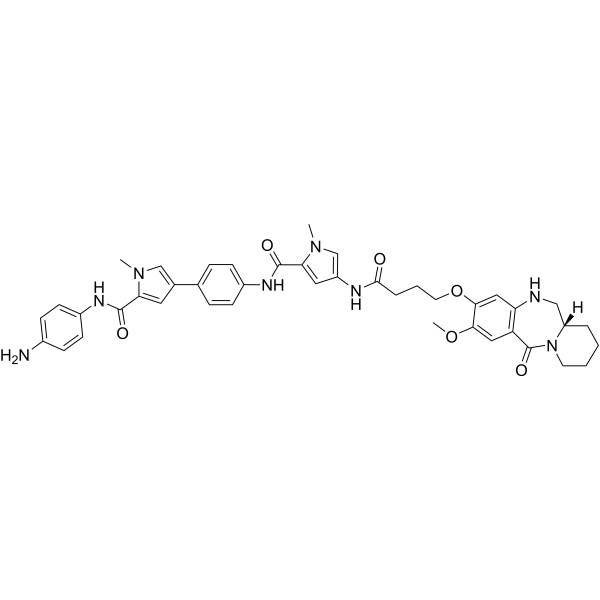
    SK-575 is a highly potent and specific proteolysis-targeting chimera (PROTAC) degrader of PARP1, with an IC50 of 2.30 nM. SK-575 potently inhibits the growth of cancer cells bearing BRCA1/2 mutations .
    SK-575
  • HY-N0589
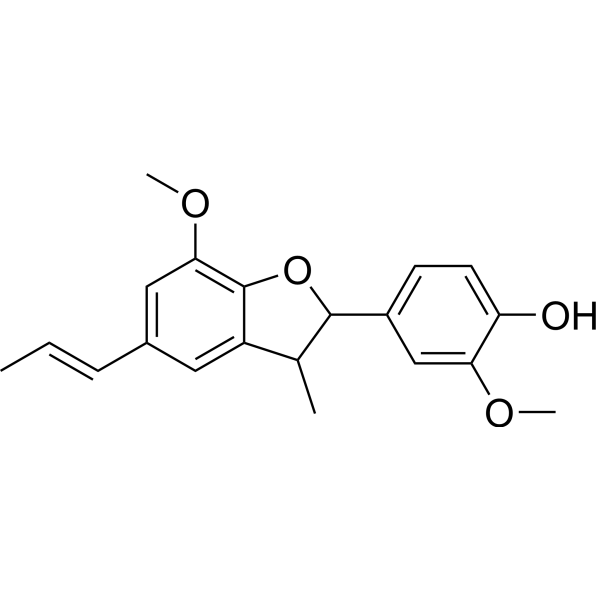
    Dehydrodiisoeugenol
    4 Publications Verification
    NF-κB COX Apoptosis Autophagy NO Synthase PERK JNK p38 MAPK CDK NOD-like Receptor (NLR) Infection Neurological Disease Metabolic Disease Inflammation/Immunology Cancer
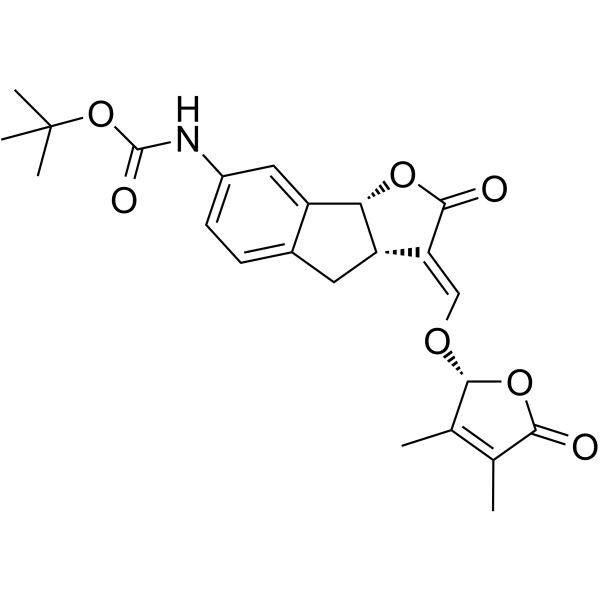
    Dehydrodiisoeugenol is an orally active anti-inflammatory and anti-tumor agent. Dehydrodiisoeugenol inhibits the proliferation of colorectal cancer cells, and induces apoptosis, autophagy, endoplasmic reticulum stress and cell cycle arrest. Dehydrodiisoeugenol also exerts anti-inflammatory effects by inhibiting the activation of NF-κB and the expression of COX-2. Dehydrodiisoeugenol can be used in the research related to colorectal cancer, inflammatory diseases and ulcerative colitis .
    Dehydrodiisoeugenol
  • HY-168054

    PROTACs Ras Cancer
    PROTAC K-Ras Degrader-3 (compound 40) is a PROTAC degrader of K-Ras with a DC50 of ≤ 1 nM against SW620 KRAS G12D, and a GI50 of ≤ 10 nM against SW620 3D cell growth. PROTAC K-Ras Degrader-3 can be utilized in cancer research, such as non-small-cell lung cancer (NSCLC) .
    PROTAC K-Ras Degrader-3
  • HY-144899

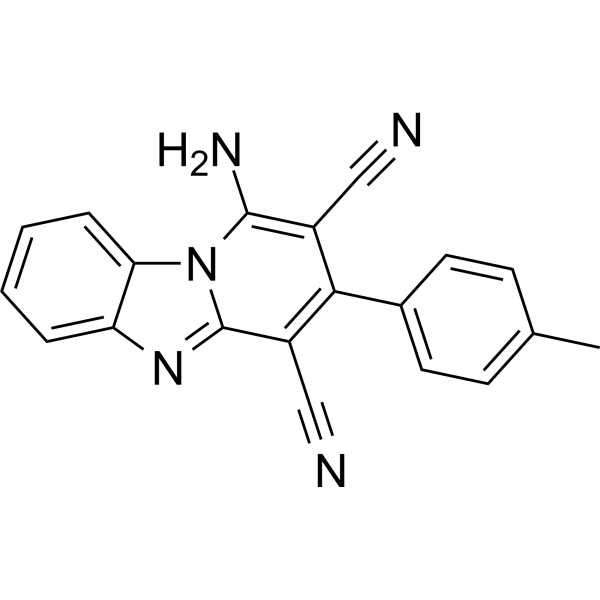
    Notch Cancer
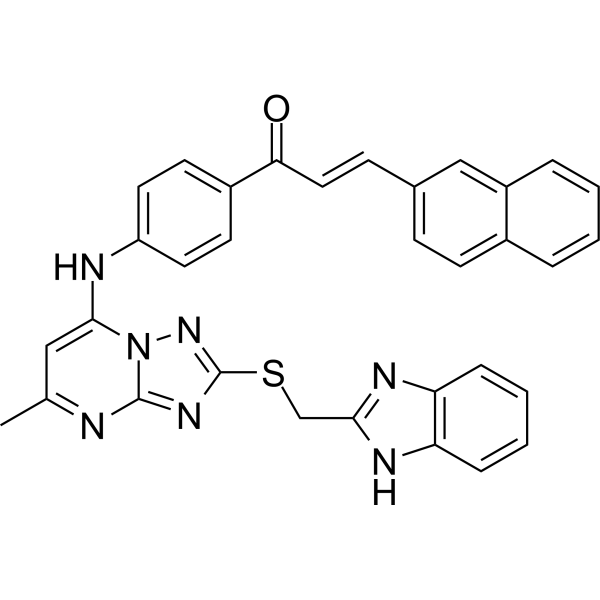
    ASR-490 reduces the viability of HCT116 and SW620 cells by downregulating Notch1 signaling. ASR-490 overcomes Notch1 overexpression and inhibits the growth of HCT/Notch1 transfectants. ASR-490 inhibits the tumor growth in control (pCMV/HCT116) and Notch1/HCT116 in xenotransplanted mice .
    ASR-490
  • HY-12838
    RO5454948
    1 Publications Verification

    Mirk-IN-1; Dyrk1B/A-IN-1

    DYRK Cancer
    RO5454948 (Compound 9) is the inhibitor for Dyrk1B and Dyrk1A with IC50 of 68 nM and 22 nM. RO5454948 exhibits cytotoxicity in cancer cell SW620 with EC50 of 1.9 μM .
    RO5454948
  • HY-153090

    Transketolase Infection Cancer
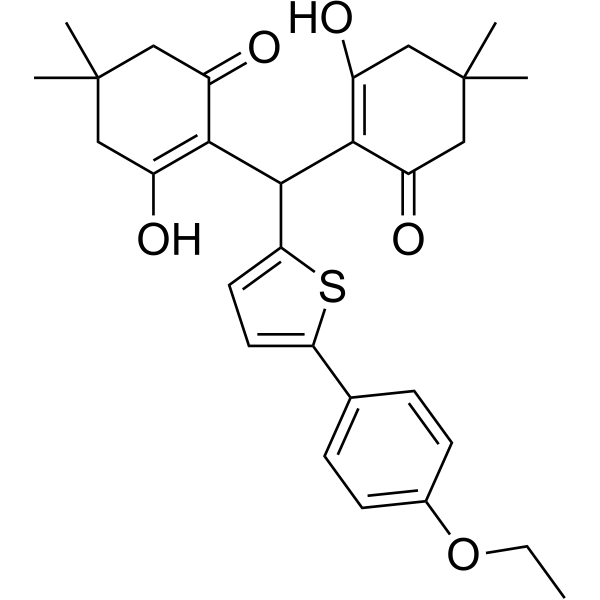
    Transketolase-IN-4 is a potent inhibitor of transketolase with an IC50 value of 3.9 μM. Transketolase-IN-4 inhibits the proliferation of tumor cells including SW620, LS174T and MIA PaCa-2. Transketolase-IN-4 can be used for tumor research .
    Transketolase-IN-4
  • HY-150287A

    ITS-X

    Biochemical Assay Reagents Others
    Insulin-Transferrin-Selenium-Ethanolamine (ITS-X) is a cell culture supplement as well as a cell growth and adhesion promoter. Insulin-Transferrin-Selenium-Ethanolamine supports adhesion, pseudopodium formation, pseudopodium elongation and proliferation of adherent cancer cells in serum-free culture systems .
    Insulin-Transferrin-Selenium-Ethanolamine
  • HY-P991372

    RN927C antibody

    TROP2 Cancer
    Anti-TROP2 Antibody (RN927C antibody) is a human monoclonal antibody targeting Trop-2. Anti-TROP2 Antibody exerts in vitro inhibitory effects on a variety of tumor cell lines. Anti-TROP2 Antibody exhibits anti-tumor activity in mouse pancreatic PDX, ovarian PDX, lung PDX and triple-negative breast cancer (TNB) PDX models. Anti-TROP2 Antibody can be used for research on pancreatic cancer, ovarian cancer, lung cancer and triple-negative breast cancer .
    Anti-TROP2 Antibody
  • HY-164350

    Ras ERK p38 MAPK Cancer
    KRAS inhibitor-27 (Compound 15h) is the inhibitor for KRAS. KRAS inhibitor-27 inhibits KRAS G12D/G12V mutated cells AsPC-1, SW620 and KRAS wildtype cell HT-29 with IC50 of 378, 0.6 and 3230 nM, respectively. KRAS inhibitor-27 inhibits ERK phosphorylation (IC50 in cell AsPC-1 and SW620 is 0.6 nM and 1 nM), reduces the expression of DUSP4, thereby inhibiting MAPK signaling pathway .
    KRAS inhibitor-27
  • HY-100195
    SAR-020106
    1 Publications Verification

    Checkpoint Kinase (Chk) Cancer
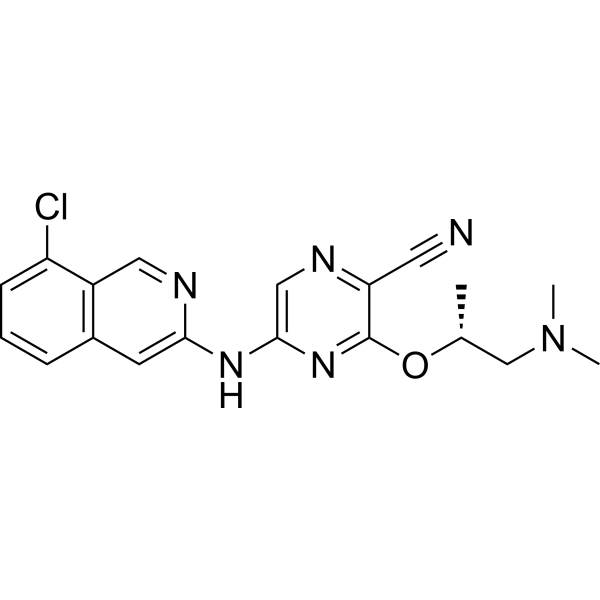
    SAR-020106 is an ATP-competitive, potent, and selective CHK1 inhibitor with an IC50 of 13.3 nM for human CHK1. SAR-020106 shows excellent selectivity over CHK2. SAR-020106 significantly enhances the cell killing of Gemcitabine and SN38 by 3- to 29-fold in several colon tumor lines and in a p53-dependent fashion. SAR-020106 can enhance antitumor activity with selected anticancer agents .
    SAR-020106
  • HY-175870

    Ras Cancer
    Eras-4001 (Compound 14-1) is a pan-KRAS inhibitor. Eras-4001 has potent antitumor activities and significantly inhibits the proliferation of wild-type and mutant (such as KRAS G12D, KRAS G12V and KRAS G12C) cancer cells. Eras-4001 effectively inhibits tumor growth in GP2D and Panc0403 xenograft mouse models .
    Eras-4001
  • HY-122236

    Mitosis Kinesin Microtubule/Tubulin Aurora Kinase Cancer
    UMK57 is a MCAK activator and kinetochore-microtubule destabilizer. UMK57 enhances MCAK-dependent microtubule depolymerization, increases kinetochore-microtubule turnover, reduces chromosome mis-segregation and lagging chromosomes, and inhibits cancer cell proliferation. UMK57 triggers adaptive resistance in Aurora B cancer cells via reversible Aurora B signaling pathway alterations. UMK57 can be used for the research of solid tumors .
    UMK57
  • HY-139848

    P-glycoprotein Cancer
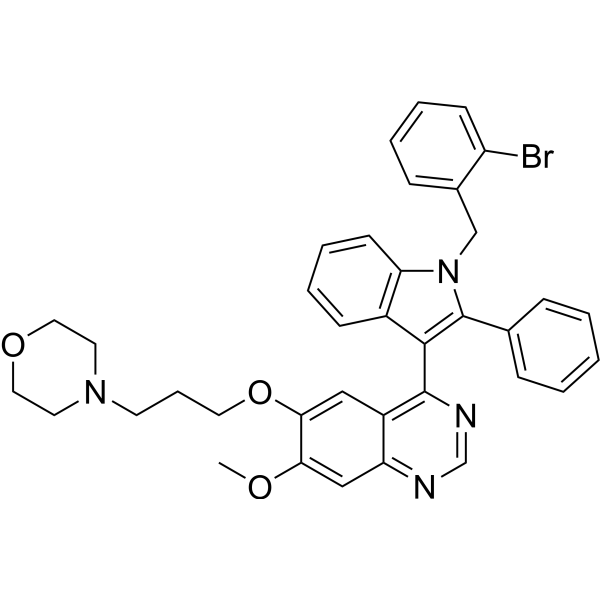
    WS-898 is a highly effective ABCB1 inhibitor capable of reversing paclitaxel (PTX) resistance in drug-resistant SW620/Ad300, KB-C2, and HEK293/ABCB1 cells (IC50 = 5.0, 3.67, and 3.68 nM, respectively).
    WS-898
  • HY-151613A

    PROTACs Akt Cancer
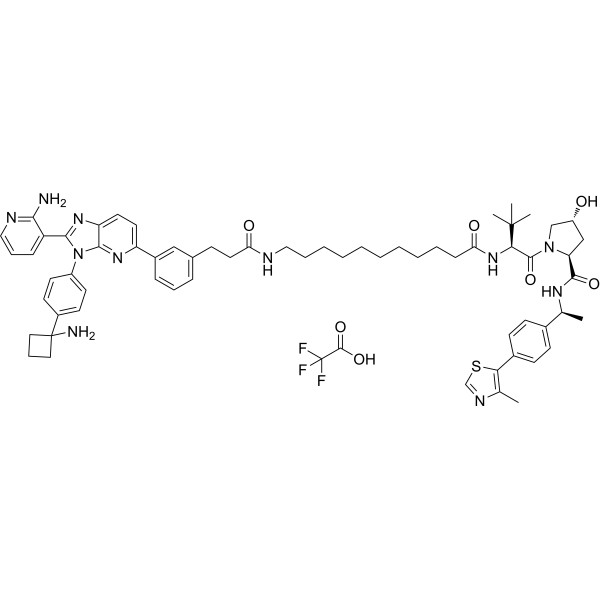
    MS15 TFA is a potent and selective AKT PROTAC degrader. MS15 TFA inhibits the AKT1, -2, and -3 activities, with IC50 values of 798 nM, 90 nM, and 544 nM, respectively .
    MS15 TFA
  • HY-162471

    DNA/RNA Synthesis ATM/ATR Cancer
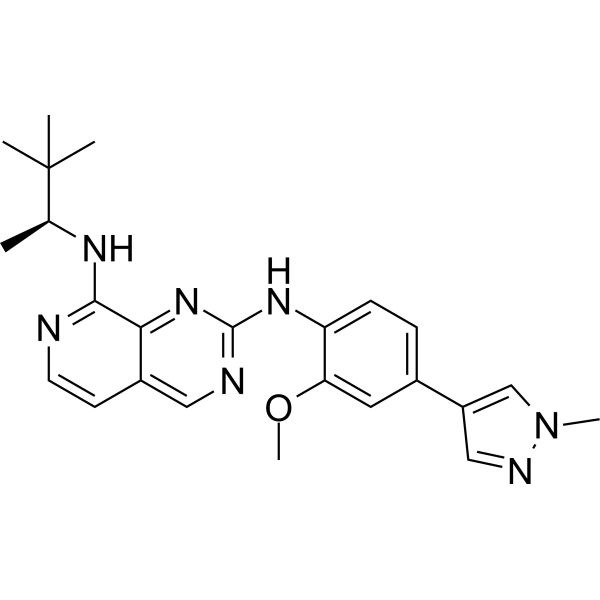
    GSK_WRN3 is selective WRN helicase inhibitor (pIC50 = 8.6). SK_WRN3 can selectively inhibit the growth of microsatellite unstable (MSI) cancer cells, induce DNA damage, and cause cell cycle arrest. GSK_WRN3 has anti-tumor activity .
    GSK_WRN3
  • HY-155219

    Methylenetetrahydrofolate Dehydrogenase (MTHFD) Apoptosis DNA/RNA Synthesis Cancer
    TH9028 is an inhibitor of MTHFD1, MTHFD2 and MTHFD2L, with IC50 values of 0.5 nM, 11 nM and 27 nM, respectively. TH9028 reduces replication fork speed, induces replication stress, triggers S-phase arrest, initiates apoptosis, impairs thymidine production, and causes erroneous uracil incorporation into DNA. TH9028 can be used in research related to acute myeloid leukemia .
    TH9028
  • HY-158345

    PROTACs ATM/ATR DNA/RNA Synthesis Apoptosis Cancer
    PROTAC ATM degrader-1 is a ATM PROTAC degrader with a KD value of 1.17 nM. PROTAC ATM degrader-1 triggers DNA damage response, cell cycle arrest, and apoptosis in cancer cells via the ubiquitin-proteasome-dependent degradation pathway. PROTAC ATM degrader-1 can be used for research on colorectal cancer .
    PROTAC ATM degrader-1
  • HY-119715

    CDK Apoptosis Inflammation/Immunology Cancer
    AG-012986 is a pan-CDK inhibitor with Ki values of 44 nM (CDK1), 9.2 nM (CDK4), 94 nM (CDK2), and IC50 values of 22 nM (CDK5), 4 nM (CDK9). AG-012986 causes apoptosis of T-cells by targeting upstream kinases in the p38 Mitogen-activated protein kinase (MAPK) pathway and impairing cellular survival. AG-012986 induces cell cycle arrest, retinoblastoma protein hypophosphorylation, and reduces Ki-67 expression. AG-012986 exerts antiproliferative activity in tumor cells, demonstrates antitumor efficacy in human xenograft models, and causes retinal and peripheral neurotoxicity, plus immune cell toxicity. AG-012986 can be used for the research of colon carcinoma, non-small cell lung carcinoma, lung carcinoma, breast carcinoma, ovarian tumor, pancreatic carcinoma, osteosarcoma, lymphoma, leukemia, retinotoxicity .
    AG-012986
  • HY-N10113
    Verrucarin J
    1 Publications Verification

    Muconomycin B

    Apoptosis Arenavirus Fungal Antibiotic Reactive Oxygen Species (ROS) Infection Cancer
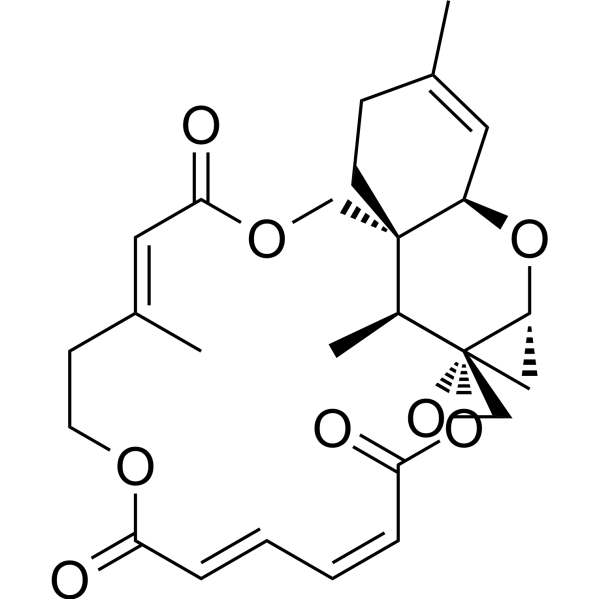
    Verrucarin J (Muconomycin B) is a metabolite of the Myrothecium fungus family. Verrucarin J generates reactive oxygen species (ROS) and induces apoptosis of cancer cell lines, such as A549, HCT 116 and SW-620 cells. Verrucarin J shows activities against Candida albicans and Mucor miehei. Verrucarin J inhibits arenavirus Junin (JUNV) yield with an IC50 of 1.2 ng/mL .
    Verrucarin J
  • HY-176165

    CDK Histone Methyltransferase Cancer
    CDK9/EZH2-IN-1 (Compound D16) is a CDK9/EZH2 dual-target inhibitor (IC50: 83.9/108.6 nM). CDK9/EZH2-IN-1 induces apoptosis and DNA double-strand breaks (DSBs). CDK9/EZH2-IN-1 inhibits the proliferation activity of MKN45, MDA-MB-453 and SW620 cancer cells (IC50 values are 136.3, 171.3 and 315.7 nM, respectively) .
    CDK9/EZH2-IN-1
  • HY-132866

    P-glycoprotein Cancer
    YS-370 (compound 44) is a potent, high selective, and orally active inhibitor of P-glycoprotein (P-gp). YS-370 stimulates the P-gp ATPase activity and has moderate inhibition against CYP3A4. YS-370 effectively reverses multidrug resistance (MDR) to paclitaxel and colchicine in SW620/AD300 and HEK293T-ABCB1 cells. YS-370 in combination with paclitaxel achieves much stronger antitumor activity .
    YS-370
  • HY-116269

    Ras Apoptosis PAK ERK Cancer
    AZA197 is a selective small molecule inhibitor of Cdc42.AZA197 suppresses colon cancer cell proliferation, cell migration, invasion and increases apoptosis by down-regulating the PAK1 and ERK signaling pathways in vitro. AZA197 reduces tumor growth and significantly increases mouse survival in SW620 tumor xenografts. AZA197 can be used for the study of colon cancer .
    AZA197
  • HY-169311

    Ras Cancer
    KRAS inhibitor-37 (compound 2) is a potent KRAS inhibitor with KDs of 0.004 nM, 0.041 nM, 0.019 nM and 0.144 nM for KRAS wild type, KRAS G12D, KRAS G12C and KRAS G12V by SPR binding assay, respectively. KRAS inhibitor-37 inhibits cell proliferation with IC50s of <2 nM-14 nM for H358, SW620, PANC08.13 cells, respectively. KRAS inhibitor-37 has the potential for cancer research .
    KRAS inhibitor-37
  • HY-151613

    PROTACs Akt Cancer
    MS15 is a potent and selective AKT PROTAC degrader. MS15 inhibits the AKT1, -2, and -3 activities, with IC50 values of 798 nM, 90 nM, and 544 nM, respectively .
    MS15
  • HY-113825

    CDK Cancer
    CLK1/2-IN-2 is CLK1 and CLK2 inhibitor with IC50 values of 16 nM and 45 nM, respectively. CLK1/2-IN-2 exhibits potent anti-cancer activities [1] .
    CLK1/2-IN-1
  • HY-164365

    PROTACs Ras Cancer
    PROTAC K-Ras degrader-2 (compound 48) is a KRAS G12V PROTAC degrader with an IC50 of 20-200 nM for KRAS G12V/RAF1. PROTAC K-Ras degrader-2 degrades SW620 KRAS G12V with a DC50 of 1-10 nM. PROTAC K-Ras degrader-2 inhibits cell growth of SW620 3D cell with an IC50 of ≤10 nM. PROTAC K-Ras degrader-2 can be used for the study of colorectal cancer (CRC) .
    PROTAC K-Ras Degrader-2
  • HY-12862

    Mps1 Cancer
    Mps1-IN-7 is a potent MPS1 inhibitor (IC50 of 0.020 μM) over JNK1 and JNK2 (JNK1 IC50= 0.11 μM, JNK2 IC50=0.22 μM). Mps1-IN-7 inhibit SW620, CAL51, Miapaca-2, RMG1 cell growth with GI50 values of 0.065, 0.068, 0.25, and 0.110 μM,respectively .
    Mps1-IN-7
  • HY-168528
    WS-917
    1 Publications Verification

    P-glycoprotein Cancer
    WS-917 is a potent and orally active ABCB1 modulator. WS-917 enhances ABCB1 ATPase activity. WS-917 significantly enhances the antitumor effect of paclitaxel combined with anti-PD-1 antibody. WS-917 promotes CD8 + T-cell activation .
    WS-917
  • HY-153067

    Drug-Linker Conjugates for ADC Topoisomerase Cancer
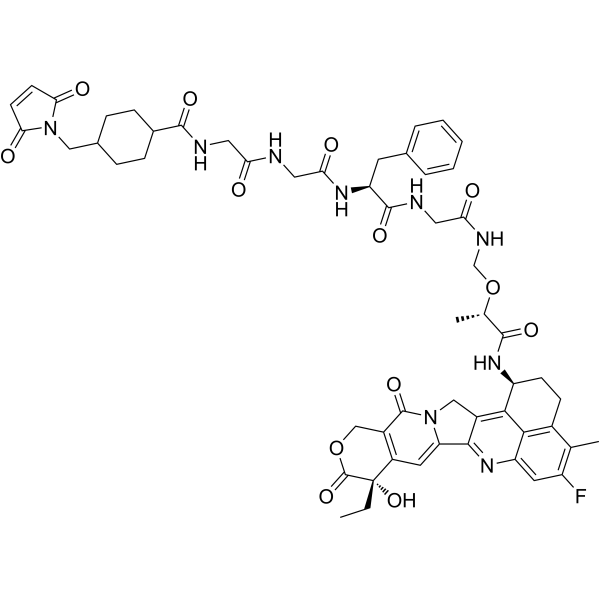
    Mal-cyclohexane-Gly-Gly-Phe-Gly-Exatecan (Compound 11) is a bioactive compound-linker conjugate for ADC. Mal-cyclohexane-Gly-Gly-Phe-Gly-Exatecan can conjugate with antibodies to form ADC (C-11) with anti-tumor activity. Exatecan is a DNA Topoisomerase I inhibitor. Mal-cyclohexane-Gly-Gly-Phe-Gly-Exatecan can be used in the research of squamous cell carcinoma, pancreatic adenocarcinoma and colorectal cancer .
    Mal-cyclohexane-Gly-Gly-Phe-Gly-Exatecan
  • HY-161654

    SOS1 PROTACs Ras Cancer
    PROTAC SOS1 degrader-10 (Compound 11o) is a degrader for son of sevenless 1 (SOS1) in a CRBN and proteasome dependent manner. PROTAC SOS1 degrader-10 degrades SOS1 in KRAS mutant cancer cells SW620, A549 and DLD-1, with DC50s of 2.23, 1.85 and 7.53 nM, respectively. PROTAC SOS1 degrader-10 inhibits the proliferations of cells SW620, A549 and DLD-1, with IC50s of 36.7, 52.2 and 107 nM, respectively. PROTAC SOS1 degrader-10 inhibits phosphorylation of ERK. (Pink: SOS1 ligand (HY-161655); Black: linker (HY-161656); Blue: E3 ligase ligand (HY-W249500))
    PROTAC SOS1 degrader-10
  • HY-173329

    Ras Cancer
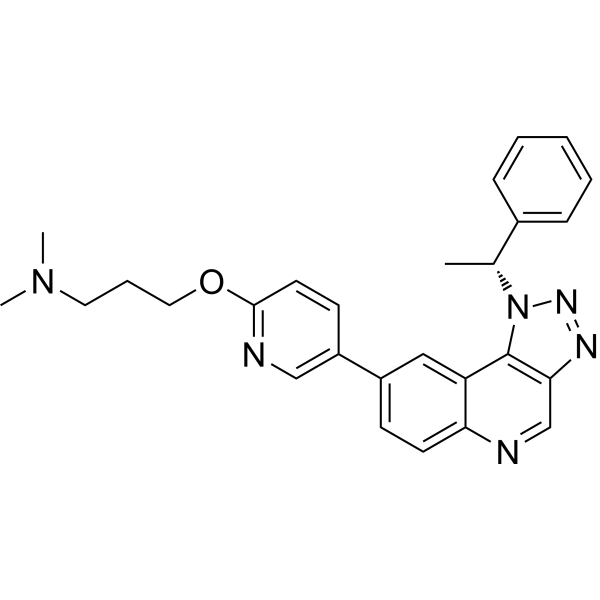
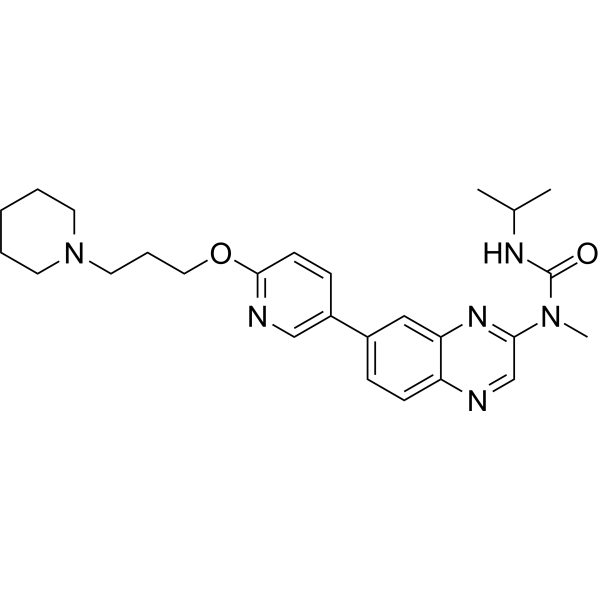
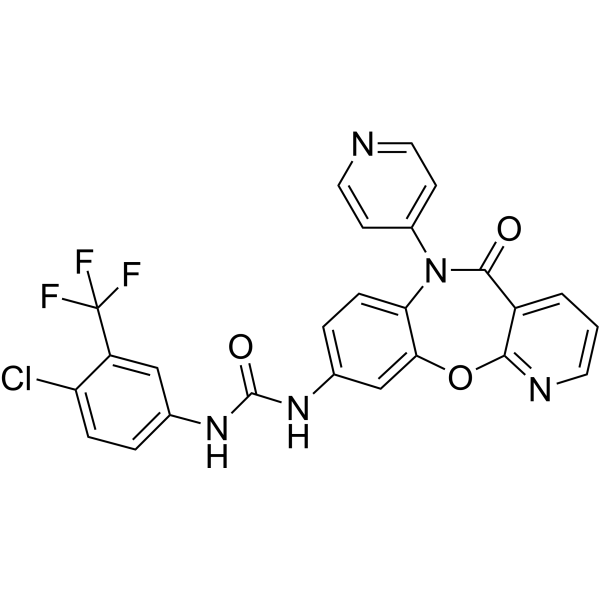
    KRAS-IN-41 is an inhibitor of KRAS with IC50 values of <0.01 μM for KRAS G12D and KRAS G12V. KRAS-IN-41 inhibits RAS mutant cell lines, GP2D (KRAS-G12D) and SW620 (KRAS-G12V). KRAS-IN-41 can be used in cancer research .
    KRAS-IN-41
  • HY-168722

    PARP PROTACs Cancer
    PROTAC PARP1 degrader-3 (Compound C6) is a PROTAC degrader for PARP1 with a DC50 of 58.14 nM. PROTAC PARP1 degrader-3 exhibits cytotoxicity in cancer cell SW-620 and LOVO with IC50 of 1.63 μM and 2.84 μM. PROTAC PARP1 degrader-3 exhibits a synergistic effect with SN-38 (HY-13704) in BRCA-mutated colon cancer cell with a combination index (CI) of 0.487. (Blue: Ligand for E3 ligase Cereblon (HY-23095); Pink: Ligand for target protein (HY-10619); Black: Linker (HY-16872))
    PROTAC PARP1 degrader-3
  • HY-171174

    CDK STAT Wnt Cancer
    CDK8-IN-16 (Compound 51) is an orally active dual inhibitor for CDK8 and CDK19 wih IC50 of 5.1 nM and 5.6 nM. CDK8-IN-16 inhibits the phospho-STAT1 SER727 with an IC50 of 17.9 nM in SW620 cell, inhibits WNT signaling pathway with an IC50 of 7.2 nM in 7dF3 cell. CDK8-IN-16 exhibits good pharmacokinetic characteristics in rat models with an oral bioavailability of 57% .
    CDK8-IN-16
  • HY-135900

    ADC Payload Bacterial Cancer
    Aniline-MPB-amino-C3-PBD is a cytotoxic agent comprised non-alkylating group. Aniline-MPB-amino-C3-PBD is a sequence-selective DNA minor-groove binding agent. Aniline-MPB-amino-C3-PBD acts as the payload for ADCs. Antimicrobial activity .
    Aniline-MPB-amino-C3-PBD
  • HY-150636

    Autophagy Apoptosis Cancer
    Autophagy-IN-1 is a potent autophagy/mitophagy inhibitor, acts by selectively increasing the autophagic flux while blocking the autophagosome-lysosome fusion in cancer cells. Autophagy-IN-1 can induce apoptosis and cell cycle arrest. Autophagy-IN-1 significantly inhibits tumor growth in an HCT116 xenograft mouse model and with low toxicity. Autophagy-IN-1 can be used for researching colorectal cancer .
    Autophagy-IN-1
  • HY-158368

    Apoptosis Reactive Oxygen Species (ROS) Cancer
    PRDX1-IN-2 (compound 15) is a selective inhibitor of the antioxidant enzyme Peroxiredoxin 1 (PRDX1) (IC50=0.35 μM). PRDX1-IN-2 decreases the mitochondria membrane potential of SW620 cells, probably due to ROS induced by PRDX1 inhibition, leading to cell apoptosis. PRDX1-IN-2 can be used for colorectal cancer research .
    PRDX1-IN-2
  • HY-N3626

    Others Cancer
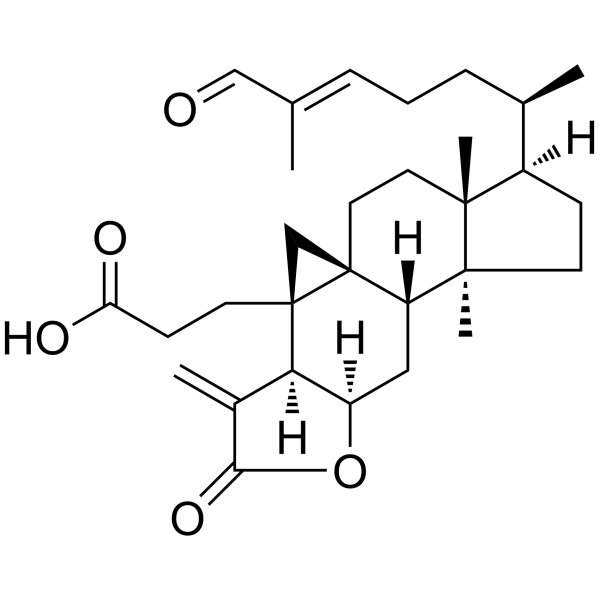
    Coronalolide is a natural triterpene with anticancer effects. Coronalolide exhibits a broad cytotoxic activity for human breast (BT474), gastric (KATO-3), lung (CHAGO), colon (SW-620), and liver (Hep-G2) cancer cell lines, with IC50 values of 6.59 µg/mL, 5.85 µg/mL, 5.42 µg/mL, 4.98 µg/mL, and 6.41 µg/mL, respectively .
    Coronalolide
  • HY-161425

    Apoptosis Cancer
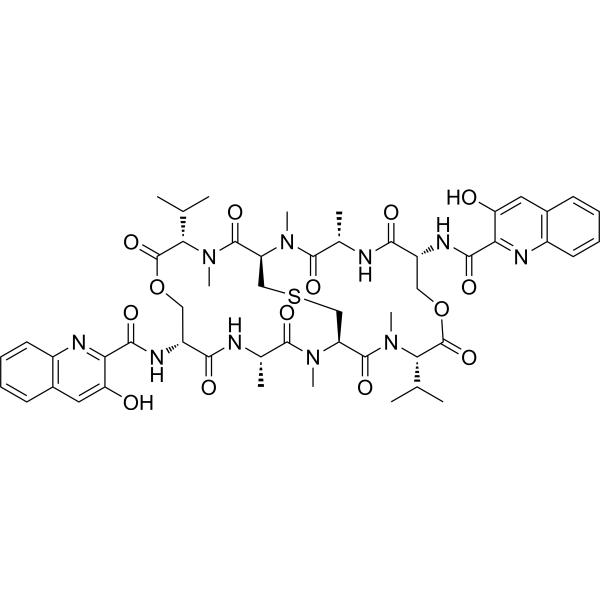
    Antitumor agent-149 (Compound 3) is an analogue of Echinomycin (HY-106101). Antitumor agent-149 inhibits HIF-1α-mediated transcription. Antitumor agent-149 induces cancer cell apoptosis. Antitumor agent-149 inhibits tumor growth in SW620 xenograft mice model .
    Antitumor agent-149
  • HY-178038

    Microtubule/Tubulin Reactive Oxygen Species (ROS) Cancer
    Tubulin-IN-56 is a tubulin inhibitor. Tubulin-IN-56 exerts cytotoxic effects against colon cancer cell lines (LS180, HCT116, SW620, LoVo). Tubulin-IN-56 downregulates βIII-tubulin and upregulates βIVa-tubulin in colon cancer cell lines. Tubulin-IN-56 inhibits cell invasiveness and elevates intracellular ROS levels in colon cancer cell lines. Tubulin-IN-56 can be used for the study of colon cancer .
    Tubulin-IN-56
  • HY-146366

    Microtubule/Tubulin Cancer
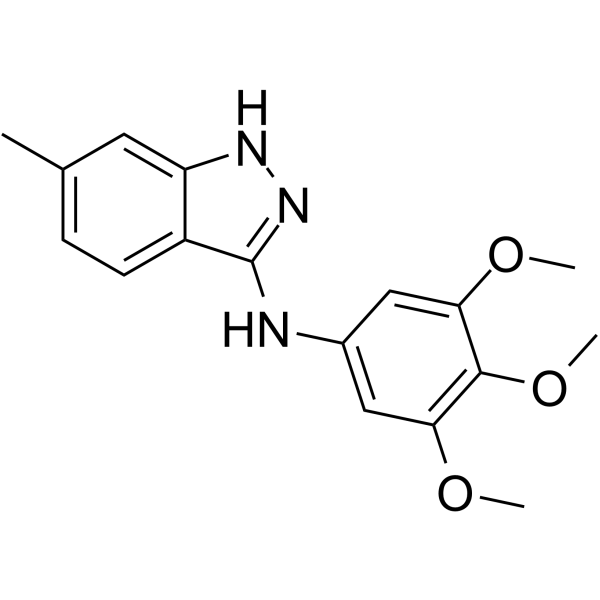
    Tubulin inhibitor 26 (compound 3c) is a potent inhibitor of tubulin. Tubulin inhibitor 26 is an indazole derivative compound. Tubulin inhibitor 26 shows noteworthy low nanomolar potency against HepG2, HCT116, SW620, HT29 and A549 cancer cell lines. Tubulin inhibitor 26 arrests tumor cell in G2/M phase and induced cell apoptosis. Tubulin inhibitor 26 suppresses tumor growth in vivo without affecting the mice body weight .
    Tubulin inhibitor 26
  • HY-156018

    PI3K Cancer
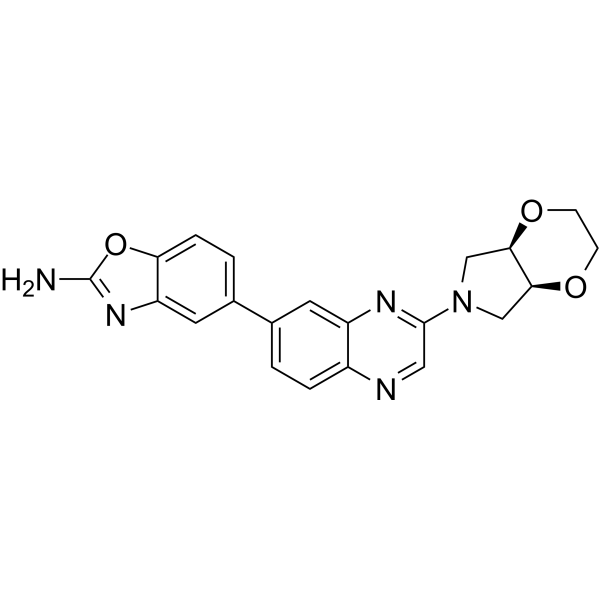
    PI3Kα-IN-13 (Compound 18a) is a PI3Kα inhibitor (IC50: 2.5 nM). PI3Kα-IN-13 induces tumor cell apoptosis. PI3Kα-IN-13 inhibits cancer cell proliferation with IC50s of 0.75 μM (MCF-7), 3.79 μM (HCT-116), 13.71 μM (MDA-MB-231), 9.85 μM (SW620), respectively. PI3Kα-IN-13 inhibits tumor cell colony formation, migration and invasion .
    PI3Kα-IN-13
  • HY-174989

    ATM/ATR Apoptosis Cancer
    ATM-IN-2 is a selective and orally active ATM inhibitor with an IC50 of 4 nM. ATM-IN-2 exhibits excellent kinase selectivity (>700-fold over PIKK family members). ATM-IN-2 exerts its anti-tumor effect by inhibiting ATM phosphorylation and the downstream signaling pathways (p53, H2AX), and promotes cell apoptosis. ATM-IN-2 can be used for the study of chemosensitizer candidate such as colon cancer .
    ATM-IN-2
  • HY-174412

    Reactive Oxygen Species (ROS) Cancer
    LC-PDin06 is a selective PRDX1 inhibitor with an IC50 of 0.042 μM. LC-PDin06, a Celastrol (HY-13067) derivative, shows potent antiproliferative activity against colorectal cancer cells by significantly increasing ROS levels .
    LC-PDin06
  • HY-176219

    Bcl-2 Family Apoptosis Necroptosis Cancer
    Bcl-2-IN-23 (compound 5) is a selective inhibitor targeting Bcl-2. The IC50 of Bcl-2-IN-23 in HTB-140, HeLa and SW620 cells is 25.7-33.7 μM. Bcl-2-IN-23 can non-covalently competitively bind to Bcl-2 protein, significantly reduce its expression, and induce late apoptosis and necroptosis of cancer cells. Bcl-2-IN-23 enhances the sensitivity of cancer cells to apoptosis and reduces the release of IL-6 inflammatory factors by disrupting the Bcl-2-mediated mitochondrial apoptosis inhibition pathway. Bcl-2-IN-23 can be used for anti-apoptosis research of malignant tumors such as melanoma, cervical cancer, and colorectal cancer .
    Bcl-2-IN-23
  • HY-W1126467

    Ras Cancer
    RAS-IN-5 (Example 2) is a RAS inhibitor. RAS-IN-5 significantly inhibits the interaction between RAF1 and active KRAS mutant protein or HRAS WT protein. RAS-IN-5 significantly inhibits the cell viability of KRAS, NRAS, and EGFR mutant cells. RAS-IN-5 can be used in the research of colorectal cancer, liver cancer, and non-small cell lung cancer .
    RAS-IN-5
  • HY-172364

    Polo-like Kinase (PLK) Cancer
    PLK1-IN-12 is a highly selective and orally active PLK1 inhibitor with an IC50 of 20 nM. PLK1-IN-12 shows more selective for PLK1 than PLK2 (IC50: >10000 nM) and PLK3 (IC50: 3953 nM). PLK1-IN-12 exhibits anticancer potency across a broad spectrum of cell lines. PLK1-IN-12 can be used in anti-leukemia research .
    PLK1-IN-12
  • HY-N3627

    NSC 680073

    Others Cancer
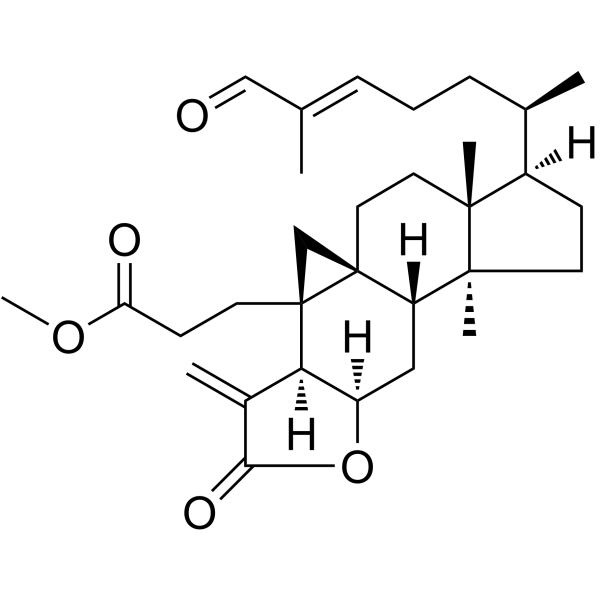
    Coronalolide methyl ester (NSC 680073) is a natural triterpene with anticancer effects. Coronalolide methyl ester shows moderately cytotoxic to KATO-3, SW-620, and Hep-G2 cells., with IC50 values of 8.64 µg/mL, 6.19 µg/mL, and 6.8 µg/mL, respectively .
    Coronalolide methyl este

Demande en ligne

Your information is safe with us. * Required Fields.

Civilité


Country or Region *

Nom du demandeur *


Nom de l'organisation *

Department *


Adresse e-mail *


Nom du produit *

Cat. No.


Requested quantity *

Numéro de téléphone *


Remarques

Demande en ligne

Inquiry Information

Nom du produit:
Cat. No.:
Quantité:
MCE Japan Authorized Agent: