Search Result
Results for "
Spontaneously hypertensive
" in MedChemExpress (MCE) Product Catalog:
| Cat. No. |
Product Name |
Target |
Research Areas |
Chemical Structure |
-
- HY-B0464
-
|
|
PGE synthase
NO Synthase
Reactive Oxygen Species (ROS)
DNA Methyltransferase
COX
|
Cardiovascular Disease
Inflammation/Immunology
Cancer
|
|
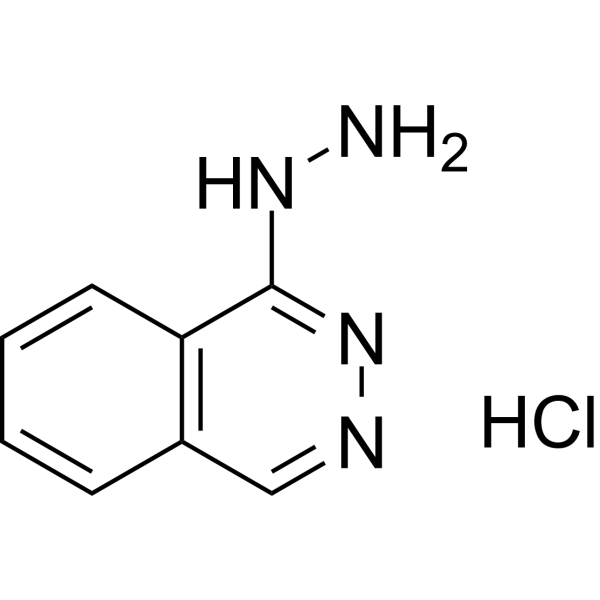
Hydralazine hydrochloride is an orally active, blood-brain barrier-permeable DNA methyltransferase inhibitor with vasodilatory, arterial smooth muscle relaxant and hypotensive activities. Hydralazine hydrochloride reactivates silenced tumor suppressor genes via mediating DNA demethylation, while exerting neuroprotective and anti-inflammatory properties. Hydralazine hydrochloride inhibits NOS-2 (iNOS) and COX-2, and reduces the production of NO and PGEE2; meanwhile, Hydralazine hydrochloride scavenges reactive oxygen species and inhibits macrophage activation. Hydralazine hydrochloride alleviates motor dysfunction, neuropathic inflammatory pain, and formalin-induced somatic and emotional pain responses. In addition, Hydralazine hydrochloride directly induces DNA strand breaks and sister chromatid exchange, exhibiting certain mutagenic characteristics. Hydralazine hydrochloride has been widely used in studies on hypertension, various cancers (such as cervical cancer, leukemia), spinal cord injury and the mechanisms of inflammatory pain .
|
-
-
- HY-W001083
-
-
-
- HY-B0592
-
|
RU44570
|
Angiotensin-converting Enzyme (ACE)
|
Cardiovascular Disease
|
|
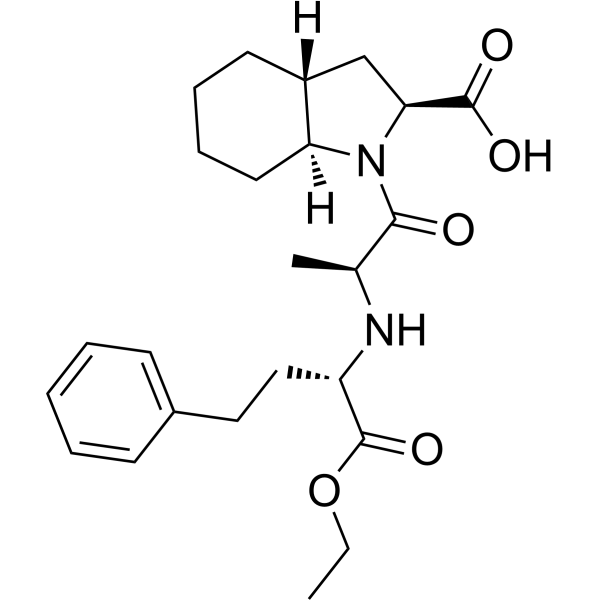
Trandolapril (RU44570) is a nonsulfhydryl proagent that is hydrolysed to the active diacid Trandolaprilat. Trandolapril is an orally administered angiotensin converting enzyme (ACE) inhibitor that has been used in the treatment of hypertension and congestive heart failure (CHF), and after myocardial infarction (MI) .
|
-
-
- HY-W012814
-
|
|
Endogenous Metabolite
Apoptosis
Reactive Oxygen Species (ROS)
|
Cardiovascular Disease
Inflammation/Immunology
Cancer
|
|
4-Methylcatechol is an intermediate in the degradation of some alkylbenzenes and an orally active suicide inhibitor of catechol 2,3-dioxygenase (C23O). 4-Methylcatechol induces apoptosis in melanoma cells through oxidative stress, but some studies have also shown that 4-Methylcatechol is carcinogenic. In addition, 4-Methylcatechol has antiplatelet and blood pressure-lowering activities. 4-Methylcatechol can also inhibit protein oxidation in beef but does not disulfide formation .
|
-
-
- HY-B0569
-
|
|
nAChR
Apoptosis
|
Cardiovascular Disease
Neurological Disease
|
|
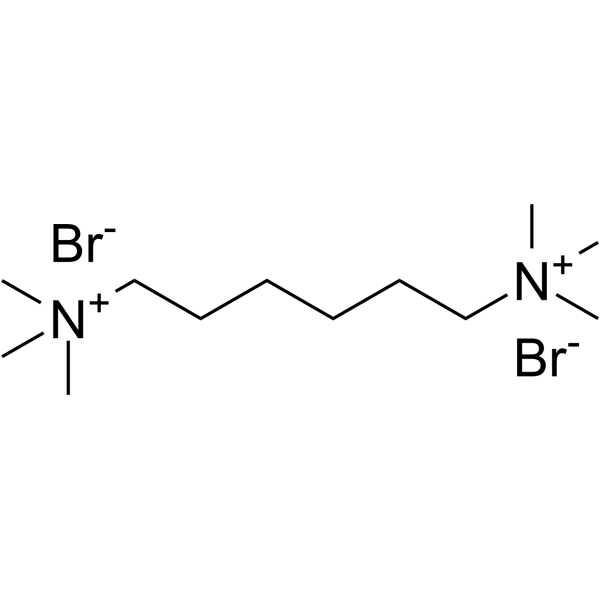
Hexamethonium Bromide is a non-selective ganglionic nicotinic-receptor antagonist (nAChR) antagonist, with mixed competitive and noncompetitive activity. Hexamethonium Bromide has anti-hypertensive activity. Hexamethonium Bromide attenuates sympathetic activity and blood pressure in spontaneously hypertensive animal models .
|
-
-
- HY-107322
-
|
Mepirodipine hydrochloride; YM-09730-5
|
Calcium Channel
|
Cardiovascular Disease
|
|
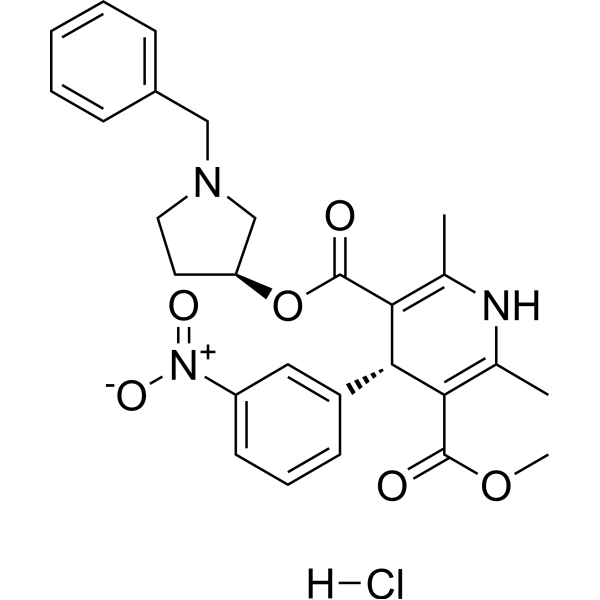
Barnidipine (Mepirodipine) hydrochloride is an L-type calcium antagonist (CaA) with high affinity for [ 3H] initrendipine binding sites (Ki = 0.21 nmol/L, has selective action against CaA receptors. Barnidipine hydrochloride is an orally active antihypertensive agent that can reduce the level of platelet-derived growth factor B-chain mRNA and peripheral vascular resistance .
|
-
-
- HY-W005255
-
|
|
Endogenous Metabolite
|
Cardiovascular Disease
|
|
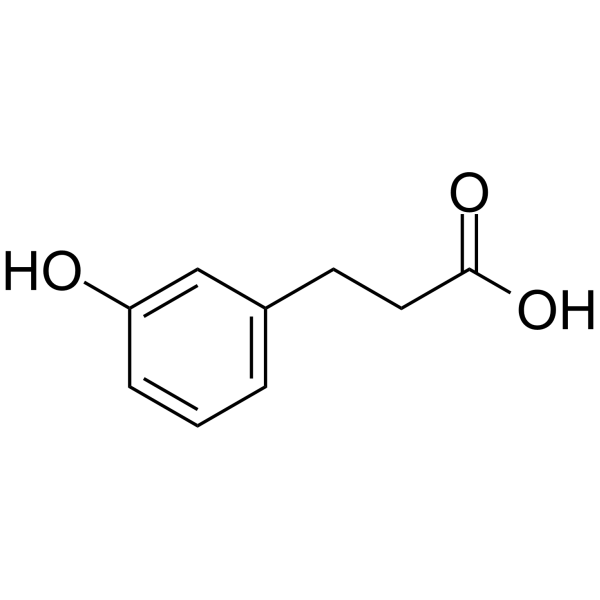
3-(3-Hydroxyphenyl)propionic acid (3HPPA) is an endothelium-dependent nitric oxide (NO) release promoter and endothelial nitric oxide synthase (eNOS) activator. 3-(3-Hydroxyphenyl)propionic acid activates eNOS to mediate vascular smooth muscle relaxation and enhances endothelial cell NO synthesis, inducing vasodilation and reducing peripheral vascular resistance. 3-(3-Hydroxyphenyl)propionic acid can dose-dependently reduce systolic and diastolic blood pressure in spontaneously hypertensive rats (SHR) without affecting cardiac contractility or heart rate. 3-(3-Hydroxyphenyl)propionic acid has antihypertensive and vascular protective effects and can be used in the prevention and treatment of cardiovascular diseases .
|
-
-
- HY-162596
-
|
BA-1049 free base
|
ROCK
|
Neurological Disease
|
|
NRL-1049 (BA-1049 (free base)) is an orally available and selective ROCK2 inhibitor with IC50 values of 0.59 µM for ROCK2 and 26 µM for ROCK1, respectively. NRL-1049 modulates ROCK signaling, preserves blood-brain barrier integrity, reduces edema, seizures and hemorrhage, and alleviates cerebral cavernous malformation lesion burden. NRL-1049 can be used for the study of acute brain injury, ischemic stroke, and cerebral cavernous malformations .
|
-

-
- HY-118060
-
|
N-Valyltryptophan; Val-Trp
|
Angiotensin-converting Enzyme (ACE)
Calcium Channel
NO Synthase
|
Cardiovascular Disease
|
|
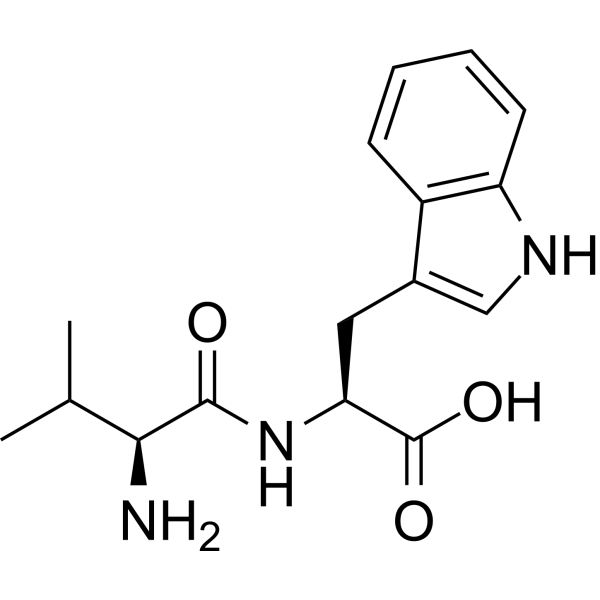
Dipeptide 2 (N-Valyltryptophan) is an orally active, competitive angiotensin-converting enzyme (ACE) inhibitory peptide with an IC50 of 10.50 μM. Dipeptide 2 reduces intracellular Calcium ions. Dipeptide 2 significantly increases the content of NO, inhibits the production of ET-1, and induces the phosphorylation of eNOS. Dipeptide 2 decreases the systolic and diastolic blood pressure of spontaneously hypertensive rats .
|
-
-
- HY-100554
-
|
|
Adrenergic Receptor
5-HT Receptor
|
Cardiovascular Disease
|
|
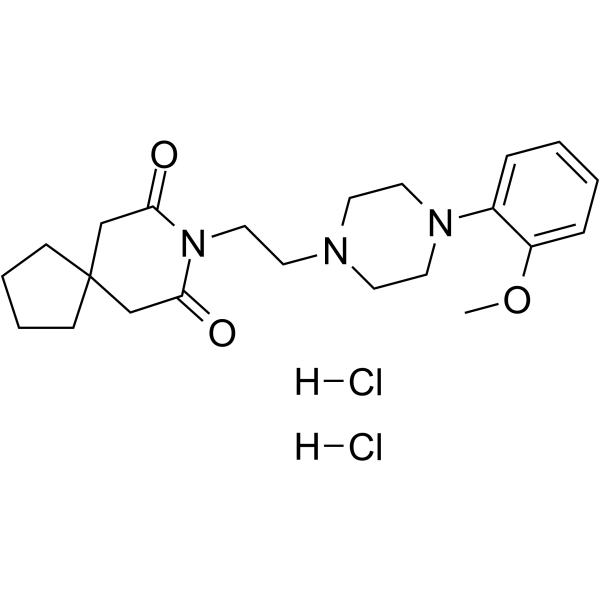
BMY 7378 is a selective antagonist of α1D-adrenoceptor (α1D-AR). BMY 7378 binds to membranes expressing the cloned rat α1D-AR with a >100-fold higher affinity (Ki=2 nM) than binding to either the cloned rat α1A-AR (Ki=800 nM) or the hamster α1B-AR (Ki=600 nM). BMY 7378 is a 5-HT1A receptor partial agonist .
|
-
-
- HY-114782
-
|
L-Tyrosyl-L-tyrosine
|
Angiotensin-converting Enzyme (ACE)
|
Cardiovascular Disease
|
|
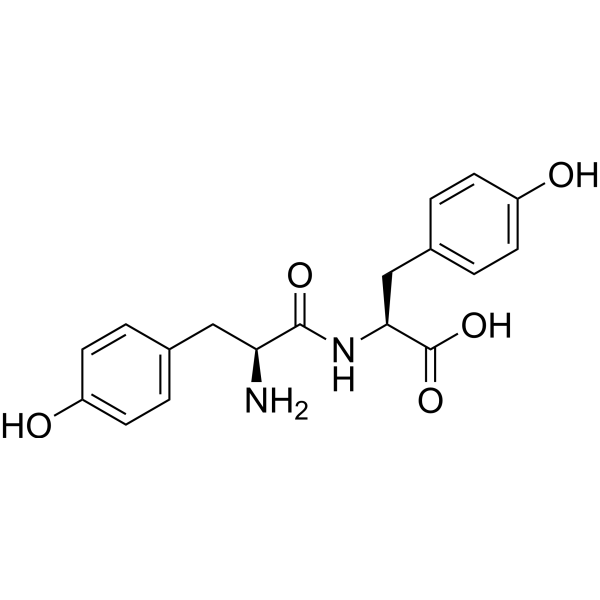
H-Tyr-Tyr-OH (L-Tyrosyl-L-tyrosine) is an antihypertensive peptide. H-Tyr-Tyr-OH inhibits angiotensin I-converting enzyme (ACE) with an IC50 value of 0.028 mg/mL. H-Tyr-Tyr-OH can be used for the research of high blood pressure .
|
-
-
- HY-P2469
-
|
BNP-45, mouse
|
Natriuretic Peptide Receptor (NPR)
|
Cardiovascular Disease
|
Brain Natriuretic Peptide-45, mouse (BNP-45, mouse) is a 45-amino-acid peptide derived from the mouse BNP prohormone, which exhibits natriuretic, diuretic, and vasoactive effects. Brain Natriuretic Peptide-45, mouse contains all amino acid residues deemed critical for the biological activity of natriuretic peptides. Brain Natriuretic Peptide-45, mouse possesses hypotensive and diuretic activities .
|
-

-
- HY-107398
-
|
|
Adrenergic Receptor
Amine N-methyltransferase
|
Cardiovascular Disease
|
|
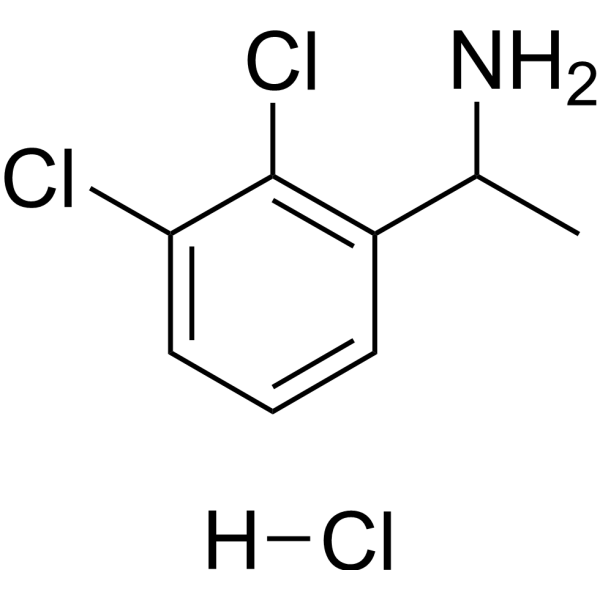
1-(2,3-Dichlorophenyl)ethanamine hydrochloride is a phenylethanolamine N-methyltransferase (PNMT) inhibitor. 1-(2,3-Dichlorophenyl)ethanamine hydrochloride effectively reduces blood pressure of spontaneously hypertensive. 1-(2,3-Dichlorophenyl)ethanamine hydrochloride can be used for the research of blood pressure .
|
-
-
- HY-123068
-
|
SQ 14551
|
Drug Derivative
|
Cardiovascular Disease
|
|
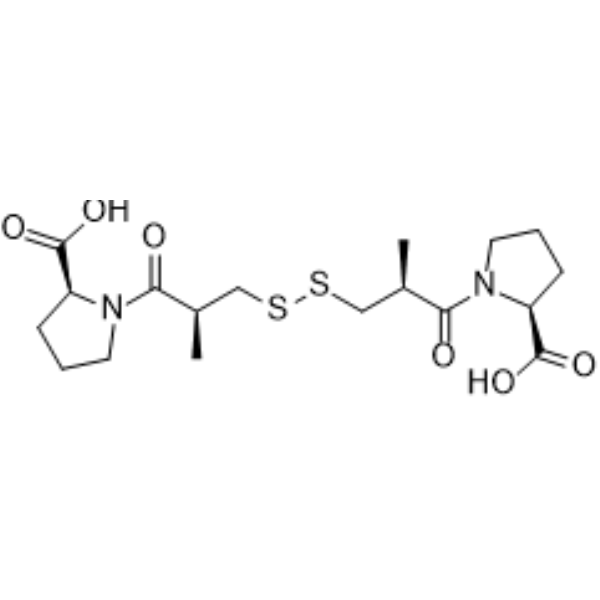
Captopril disulfide (SQ 14551) is an orally active disulfide dimer prodrug. Captopril disulfide is metabolized to Captopril and acts as a Bradykinin potentiator. Captopril disulfide enhances the vasodilatory effect of Bradykinin in anesthetized rats and the contractile response of isolated guinea pig ileum to Bradykinin. Captopril disulfide exhibits antihypertensive activity in spontaneously hypertensive rats. Captopril disulfide can be used in hypertension-related research .
|
-
-
- HY-W010144
-
|
|
COX
Lipoxygenase
|
Cardiovascular Disease
Inflammation/Immunology
|
|
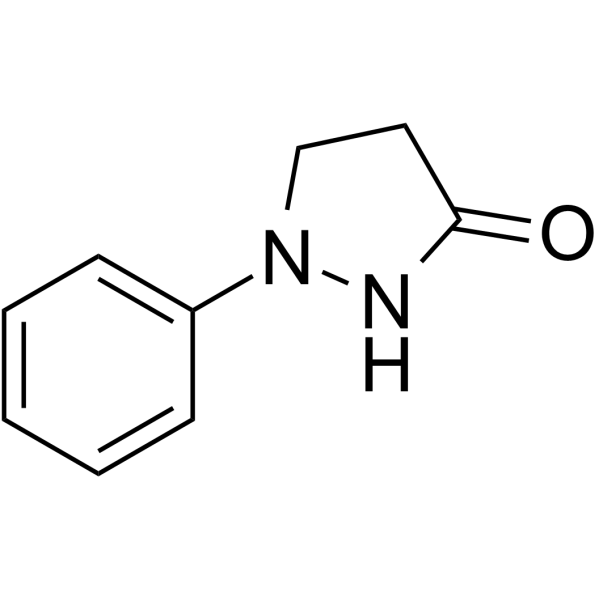
Phenidone, an orally active dual inhibitor of cyclooxygenase (COX) and lipoxygenase (LOX), ameliorates rat paralysis in experimental autoimmune encephalomyelitis. Phenidone is a potent hypotensive agent in the spontaneously hypertensive rat . Phenidone is used as a photographic developer .
|
-
-
- HY-111827
-
-
-
- HY-E70199
-
|
APN/CD13
|
Aminopeptidase
|
Cardiovascular Disease
|
|
Aminopeptidase N (rat) (APN/CD13) is a Zn 2+-dependent membrane-bound exopeptidase that preferentially degrades proteins and peptides with N-terminal neutral amino acids. Aminopeptidase N (rat) is inhibited by angiotensin IV and participates in the regulation of angiotensin IV half-life in the rat striatum .
|
-
-
- HY-W013989
-
|
|
Epoxide Hydrolase
|
Cardiovascular Disease
|
|
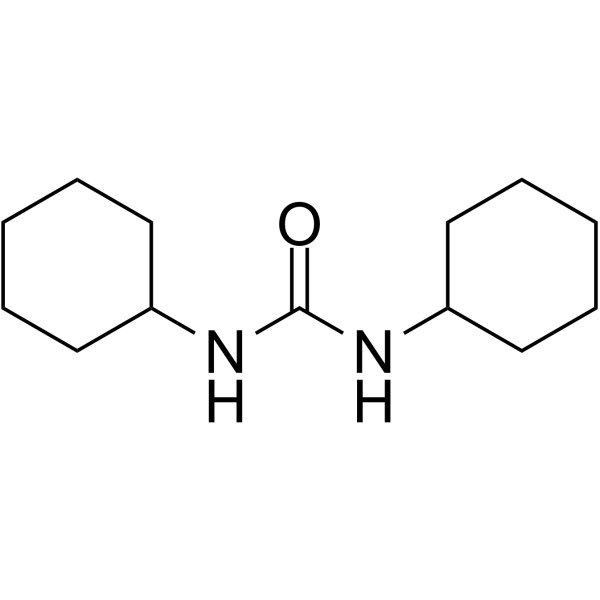
1,3-Dicyclohexylurea (DCU) is an orally active and potent sEH (soluble epoxide hydrolase) inhibitor. Oral Delivery of 1,3-Dicyclohexylurea nanosuspension enhances exposure and lowers blood pressure in hypertensive Rats .
|
-
-
- HY-19664
-
|
OPC-13340
|
Calcium Channel
NO Synthase
|
Cardiovascular Disease
|
|
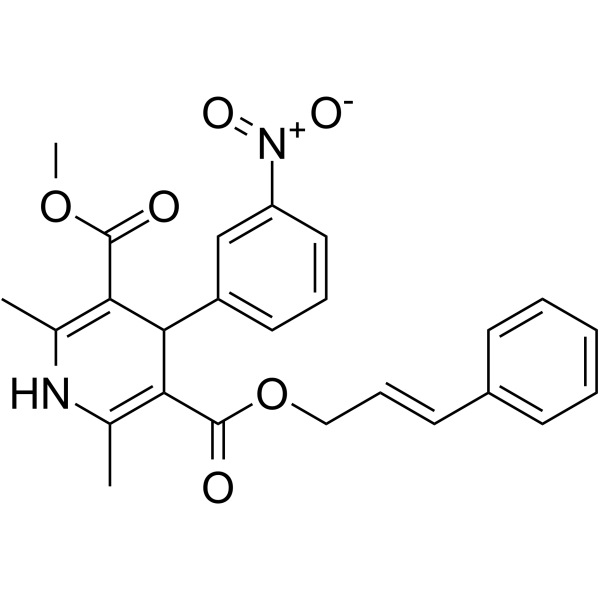
Pranidipine (OPC-13340) is an orally active L-type voltage-dependent calcium channel (L-VDCC) blocker with a Ki value of 0.16 nM. Pranidipine inhibits calcium-induced contraction, suppresses slow-response action potentials, shortens action potential duration, reduces systolic and diastolic blood pressure, and exerts vasodilatory effects. Pranidipine enhances its vasodilatory effect by blocking NO decomposition. Pranidipine can be used in research related to essential hypertension, angina pectoris, myocardial infarction, and dilated cardiomyopathy .
|
-
-
- HY-123983
-
|
|
Pim
DAPK
|
Cardiovascular Disease
|
|
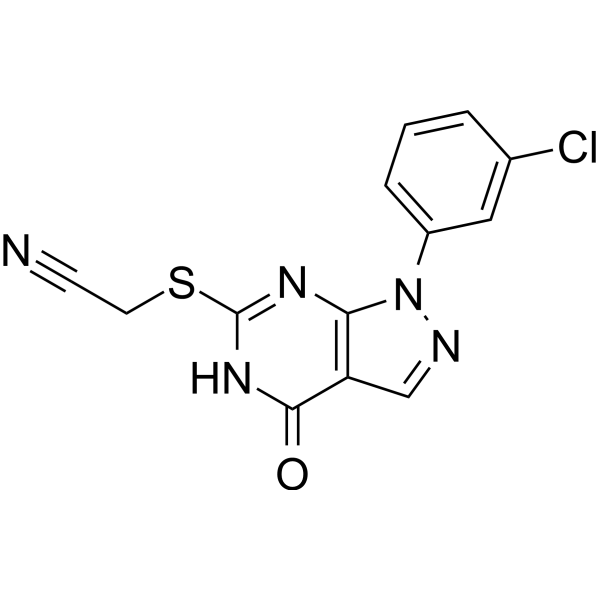
HS56 is an ATP-competitive dual Pim/DAPK3 inhibitor with Ki values of 0.26, 0.208, 2.94, and >100 μM for DAPK3, Pim-3, Pim-1, and Pim-2, respectively. HS56 inhibits LC20 phosphorylation and smooth muscle contraction. HS56 decreases blood pressure in spontaneously hypertensive mice. HS56 can be used in research of hypertension .
|
-
-
- HY-18006
-
NKP608
1 Publications Verification
|
Neurokinin Receptor
Wnt
Bcl-2 Family
β-catenin
Cyclin G-associated Kinase (GAK)
VEGFR
Caspase
Cadherin
Apoptosis
|
Neurological Disease
Metabolic Disease
Inflammation/Immunology
Cancer
|
|
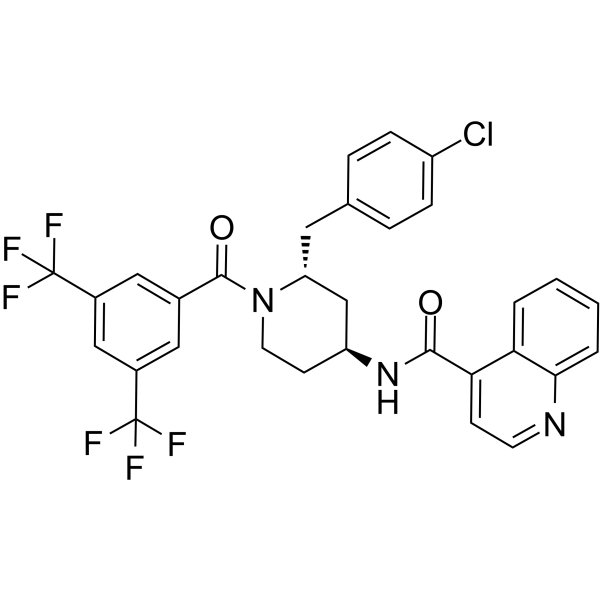
NKP608 is a non-peptidic derivative of 4-aminopiperidine, a highly selective, orally active, neurokinin-1 (NK1) receptor antagonist with IC50 of 2.6 nM. NKP608 is active both in vitro and in vivo, showing extremely low affinity for NK2, NK3 receptors. NKP608 exerts its effects by blocking the NK₁ receptor, regulate cell proliferation and apoptosis, affect neurotransmitter functions and gastric mucosal repair mechanisms, and suppress the Wnt/β-catenin pathway in antitumor research. NKP608 is applicable to research related to various diseases, including cough, anxiety disorders, depression, gastric mucosal injury, and colorectal cancer .
|
-
-
- HY-W012814R
-
|
|
Reference Standards
Endogenous Metabolite
Apoptosis
Reactive Oxygen Species (ROS)
|
Cardiovascular Disease
Inflammation/Immunology
Cancer
|
|
4-Methylcatechol (Standard) is the analytical standard of 4-Methylcatechol. This product is intended for research and analytical applications. 4-Methylcatechol is an intermediate in the degradation of some alkylbenzenes and an orally active suicide inhibitor of catechol 2,3-dioxygenase (C23O). 4-Methylcatechol induces apoptosis in melanoma cells through oxidative stress, but some studies have also shown that 4-Methylcatechol is carcinogenic. In addition, 4-Methylcatechol has antiplatelet and blood pressure-lowering activities. 4-Methylcatechol can also inhibit protein oxidation in beef but does not disulfide formation[1][2][3][4][5][6].
|
-

-
- HY-P3976
-
|
|
Angiotensin-converting Enzyme (ACE)
|
Cardiovascular Disease
|
|
Lactalbumin B (50-53) Alpha [Lactorphin Alpha], bovine is a blood pressure lowering peptide containing 4 amino acids. Lactalbumin B (50-53) Alpha [Lactorphin Alpha], bovine is an angiotensin-converting Enzyme (ACE) inhibitor. Lactalbumin B (50-53) Alpha [Lactorphin Alpha], bovine can be used in research of high blood pressure .
|
-
![Lactalbumin B (50-53) Alpha [Lactorphin Alpha], bovine](//file.medchemexpress.com/product_pic/hy-p3976.gif)
-
- HY-153369
-
|
BAY 1165747
|
Guanylate Cyclase
|
Cardiovascular Disease
Neurological Disease
|
|
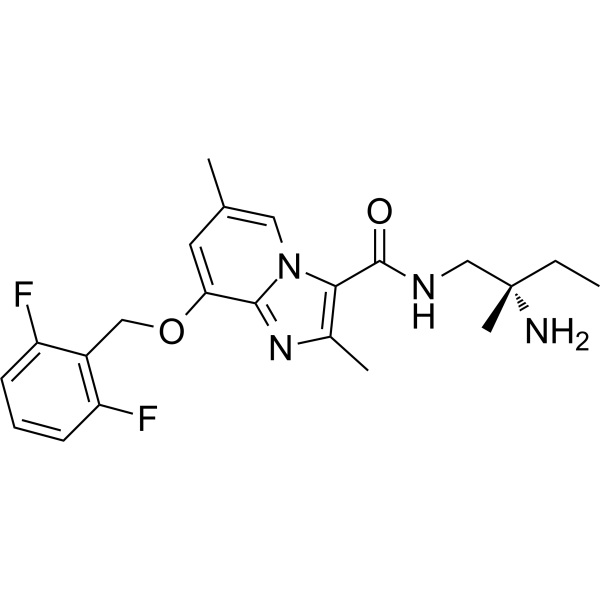
BAY-747 (BAY 1165747) is an orally active and brain-penetrant stimulator of soluble guanylate cyclase (sGC). BAY-747 reverses L-NAME induced memory impairments and enhances cognition of rats in the object location task (OLT). BAY-747 also decreases blood pressure in both conscious normotensive and spontaneously hypertensive rats (SHR). BAY-747 improves function of the skeletal muscle associated with Duchenne muscular dystrophy (DMD) in mdx/mTRG2 mice model .
|
-
-
- HY-116680
-
|
|
5-HT Receptor
|
Cardiovascular Disease
Neurological Disease
|
|
LY53857 is a potent antagonist of vasoconstriction and serotonin-mediated 5-HT2 receptors. LY53857 did not reduce mean arterial blood pressure in spontaneously hypertensive rats (SHR) at doses that blocked the depressor response to serotonin and blocked central serotonin receptors. In addition, LY53857 was able to enhance neurotransmitter release in rat vas deferens and guinea pig ileal nerves .
|
-

-
- HY-101390D
-
|
|
Calcium Channel
|
Cardiovascular Disease
|
|
(R)-Niguldipine, a R-epimer of Niguldipine (HY-101390B), is a calcium channel antagonist. (R)-Niguldipine exerts a vasodilatory effect by blocking calcium channels and reducing the transmembrane influx of calcium ions. (R)-Niguldipine can inhibit U-46619 (HY-108566)-induced coronary artery contraction in guinea pig Langendorff hearts (pID50 of 9.93), has high affinity for calcium channel binding sites on guinea pig skeletal muscle membranes (Ki of 8.10), and lowers blood pressure in spontaneously hypertensive rats (pED30 of 5.55). (R)-Niguldipine can improve cardiovascular diseases such as hypertension, angina pectoris, and arrhythmias .
|
-

-
- HY-127152
-
|
Pratorine
|
Endogenous Metabolite
|
Cardiovascular Disease
|
|
Hippadine (Pratorine) is an alkaloid, which can be isolated from the plant Crinum macowanii. Hippadine exhibits heart-rate lowering and blood-pressure lowering effects in rats models with spontaneously hypertensive .
|
-

-
- HY-19291
-
-

-
- HY-106780
-
|
DQ 2511
|
Biochemical Assay Reagents
|
Neurological Disease
|
|
Ecabapide (DQ 2511) is an orally active gastroprokinetic agent. Ecabapide can ameliorate gastric emptying of stroke-prone spontaneously hypertensive rat model. Ecabapide can be studied in research on autonomic nervous system disorder .
|
-

-
- HY-19253A
-
-

-
- HY-19070
-
|
|
Opioid Receptor
|
Cardiovascular Disease
|
|
BRL-52656 is a blood-brain barrier (BBB)-penetrable KOR receptor agonist that exhibits a biphasic effect. At low doses, BRL-52656 decreases blood pressure, whereas high doses have the opposite effect in spontaneously hypertensive rats. Additionally, BRL-52656 induces water diuresis by inhibiting the secretion of vasopressin (AVP) .
|
-

-
- HY-N4209
-
|
|
Others
|
Cardiovascular Disease
|
|
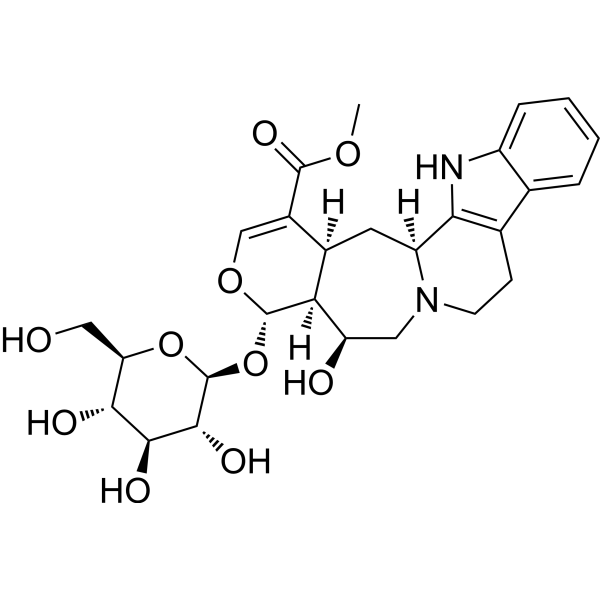
3α-Dihydrocadambine is a natural product isolated from the heartwoods of Anthocephalus cadamba.3α-Dihydrocadambine exhibits dose-dependent hypotensive and anti-hypertensive effects in anesthetized normotensive rats and in conscious spontaneously hypertensive rats .
|
-
-
- HY-W752502
-
|
|
Dopamine Receptor
Vasopressin Receptor
Adrenergic Receptor
|
Cardiovascular Disease
|
|
Docarpamine is an orally active dopamine prodrug that can be hydroxylated in the small intestine and liver to form active dopamine. Docarpamine mainly activates D1-like receptors in peripheral blood vessels to lower blood pressure and heart rate in a state of spontaneous hypertension. Docarpamine exerts a pressor and tachycardic effect by activating D1-like receptors, vasopressin V1 receptors, and α-adrenergic receptors in normal blood pressure conditions. Docarpamine can be used for research on renal vascular dilation and diuresis .
|
-

-
- HY-116262
-
|
|
Phosphodiesterase (PDE)
|
Cardiovascular Disease
Inflammation/Immunology
|
|
SCH 51866 is a potent, selective and orally active inhibitor of PDE1 (IC50=70 nM) and PDE5 (IC50=60 nM). SCH 51866 inhibits collagen-induced aggregation of human washed platelets (IC50=10 μM), prevents neointimal formation in balloon catheter-injured carotid arteries of spontaneously hypertensive rats (SHR), and reduces blood pressure in SHR. SCH 51866 can be used in the study of hypertension .
|
-

-
- HY-19200
-
|
|
Neprilysin
Angiotensin-converting Enzyme (ACE)
|
Cardiovascular Disease
|
|
RB-105 is an inhibitor of angiotensin-converting enzyme (ACE) (Ki = 4.2 nM) and neutral endopeptidase (NEP) (Ki = 1.7 nM). RB-105 after inhibiting ACE reduces the production of Ang II and increase the level of bradykinin. RB-105 after inhibiting NEP increases the level of natriuretic peptide and further increases the level of bradykinin, thereby generating a powerful synergistic effect. RB-105 has significant antihypertensive and natriuretic effects in both spontaneously hypertensive rats and normal blood pressure rats. RB-105 can be used for research on hypertension .
|
-

-
- HY-101390A
-
|
(R)-Niguldipine hydrochloride
|
Calcium Channel
|
Cardiovascular Disease
|
|
(-)-Niguldipine ((R)-Niguldipine) hydrochloride is a calcium channel antagonist. (-)-Niguldipine hydrochloride exerts a vasodilatory effect by blocking calcium channels and reducing the transmembrane influx of calcium ions. (-)-Niguldipine can inhibit U-46619 (HY-108566)-induced coronary artery contraction in guinea pig Langendorff hearts (pID50 of 9.93), has high affinity for calcium channel binding sites on guinea pig skeletal muscle membranes (Ki of 8.10), and lowers blood pressure in spontaneously hypertensive rats (pED30 of 5.55). (-)-Niguldipine hydrochloride can improve cardiovascular diseases such as hypertension, angina pectoris, and arrhythmias .
|
-

-
- HY-19053
-
-

-
- HY-155042
-
|
|
Angiotensin Receptor
|
Cardiovascular Disease
|
|
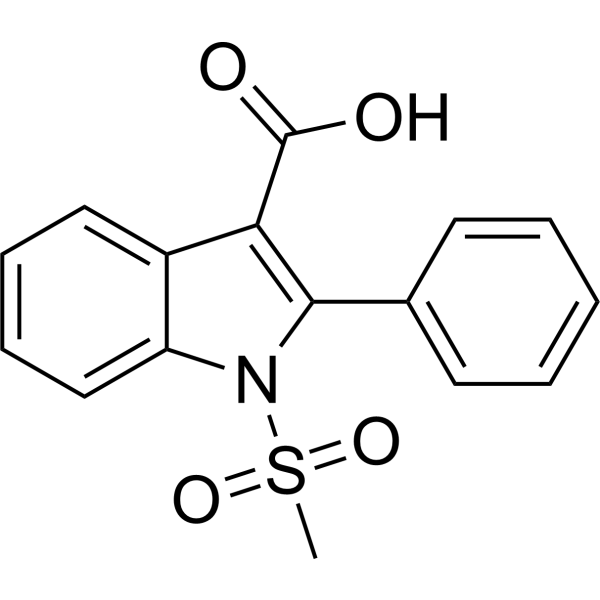
Antihypertensive agent 3 (compound 4a) is an antagonis of angiotensin II receptor 1. Antihypertensive agent 3 exhibits antihypertensive activity in a spontaneously hypertensive rats (SHRs) model .
|
-
-
- HY-136880
-
|
Sgd 195/78
|
5-HT Receptor
|
Cardiovascular Disease
|
|
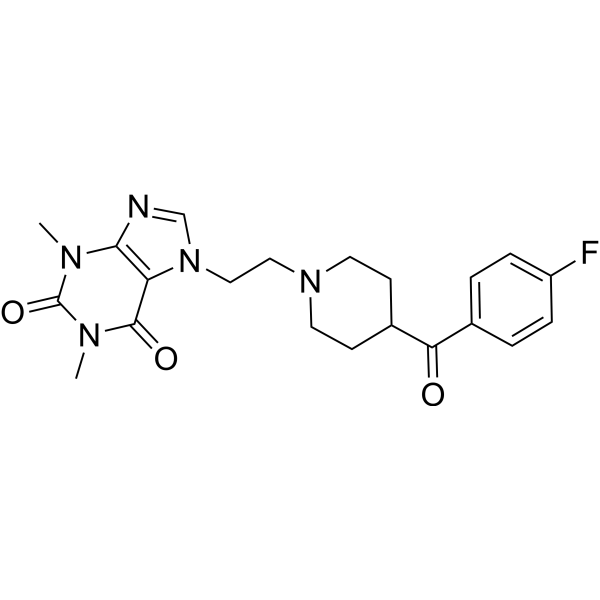
Flufylline shows antihypertensive properties in spontaneously hypertensive rats and display antagonism towards 5-HT receptors in various animal models. Flufylline can be used for cardiovascular disease research .
|
-
-
- HY-129706
-
|
|
Others
|
Cardiovascular Disease
|
|
LY127210 (free base) is a potent vasodilator with antihypertensive effects that reduces pressure in chloralose-anesthetized spontaneously hypertensive rats primarily by direct arteriolar dilation and to a lesser extent by decreasing cardiac output. LY127210 (free base) reduces blood pressure, heart rate and left ventricular end-diastolic pressure in hypertensive rats by reducing vascular resistance .
|
-

-
- HY-W010144R
-
-

-
- HY-123226
-
-

-
- HY-121550
-
|
|
Angiotensin-converting Enzyme (ACE)
|
Cardiovascular Disease
|
|
ME3221 is an angiotensin AT1 receptor antagonist that effectively antagonizes the pressor response to angiotensin II in rats and marmosets without affecting the hypotensive response to bradykinin. It demonstrates potent antihypertensive effects in renal hypertensive rats and spontaneously hypertensive rats (SHR). ME3221's repeated administration in SHR results in sustained and stable hypotensive effects without affecting heart rate, indicating its potential for studying both renal and essential hypertension .
|
-

-
- HY-P4296
-
|
|
Amino Acid Derivatives
|
Others
|
|
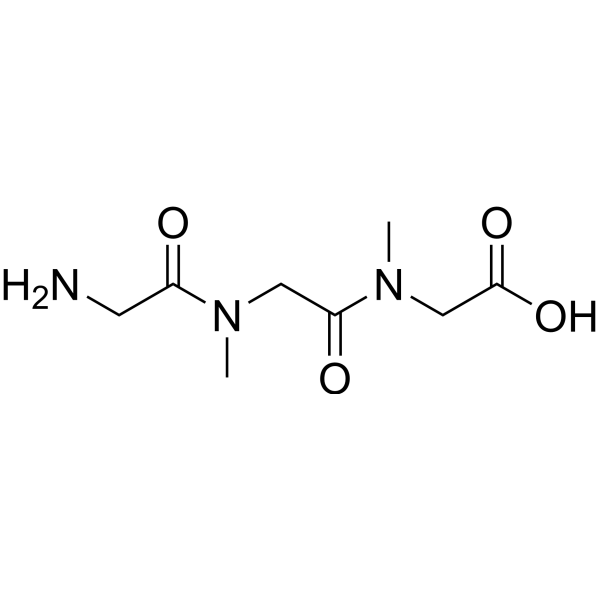
H-Gly-Sar-Sar-OH is an orally active tripeptide. H-Gly-Sar-Sar-OH is transported through PepT1 within Caco-2 cells. H-Gly Sar Sar OH has potential applications in material transportation .
|
-
-
- HY-103247B
-
|
|
Angiotensin Receptor
|
Cardiovascular Disease
|
|
EMD-66684 potassium salt is a non-peptide angiotensin II receptor antagonist that demonstrates significant antihypertensive effects in spontaneously hypertensive rats. EMD-66684 potassium salt exhibits nanomolar affinity for angiotensin II receptors, comparable to losartan in potency. EMD-66684 potassium salt shows increased activity when modified with acetamides, leading to superior blood pressure reduction.
|
-

-
- HY-19078
-
|
|
Prostaglandin Receptor
|
Cardiovascular Disease
|
|
SQ-30741 is a thromboxane A2 receptor antagonist. SQ-30741 reduces vasoconstriction in a feline pulmonary vascular bed model. SQ-30741 increases relaxation of aortic endothelium and vascular smooth muscle in adult rats in a spontaneously hypertensive rat model. SQ-30741 can be used in research on cardiovascular diseases such as hypertension .
|
-

-
- HY-A0117
-
|
Temocapril diacid; Temocaprilate; RS 5139
|
Angiotensin-converting Enzyme (ACE)
|
Cardiovascular Disease
|
|
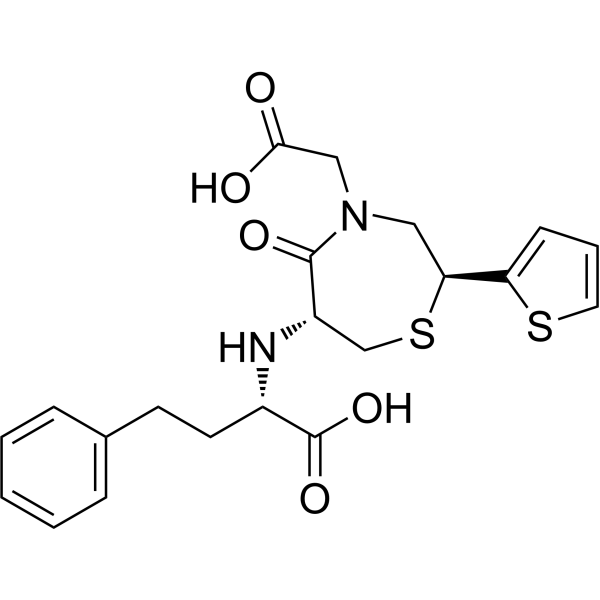
Temocaprilat (Temocapril diacid) is an inhibitor of angiotensin-converting enzyme (ACE). Temocaprilat alleviates the inhibitory effect of high glucose on the proliferation of aortic endothelial cells. Temocaprilat has potential applications in hypertension and vascular inflammation .
|
-
-
- HY-106832
-
|
Watanidipine; AE0047 free base
|
Calcium Channel
|
Cardiovascular Disease
Neurological Disease
|
|
Vatanidipine (Watanidipine) is an orally active dihydropyridine (DHP)-type calcium channel blocker and a useful antihypertensive agent. Vatanidipine shows vasodilatory effects and also suppresses noradrenaline release from sympathetic nerve endings .
|
-

-
- HY-B0464R
-
|
|
Reference Standards
PGE synthase
NO Synthase
Reactive Oxygen Species (ROS)
DNA Methyltransferase
COX
|
Cardiovascular Disease
Inflammation/Immunology
Cancer
|
|
Hydralazine (hydrochloride) (Standard) is the analytical standard of Hydralazine (hydrochloride). This product is intended for research and analytical applications. Hydralazine hydrochloride is an orally active, blood-brain barrier-permeable DNA methyltransferase inhibitor with vasodilatory, arterial smooth muscle relaxant and hypotensive activities. Hydralazine hydrochloride reactivates silenced tumor suppressor genes via mediating DNA demethylation, while exerting neuroprotective and anti-inflammatory properties. Hydralazine hydrochloride inhibits NOS-2 (iNOS) and COX-2, and reduces the production of NO and PGEE2; meanwhile, Hydralazine hydrochloride scavenges reactive oxygen species and inhibits macrophage activation. Hydralazine hydrochloride alleviates motor dysfunction, neuropathic inflammatory pain, and formalin-induced somatic and emotional pain responses. In addition, Hydralazine hydrochloride directly induces DNA strand breaks and sister chromatid exchange, exhibiting certain mutagenic characteristics. Hydralazine hydrochloride has been widely used in studies on hypertension, various cancers (such as cervical cancer, leukemia), spinal cord injury and the mechanisms of inflammatory pain .
|
-

-
- HY-106720
-
|
YM 09538
|
Adrenergic Receptor
|
Cardiovascular Disease
|
|
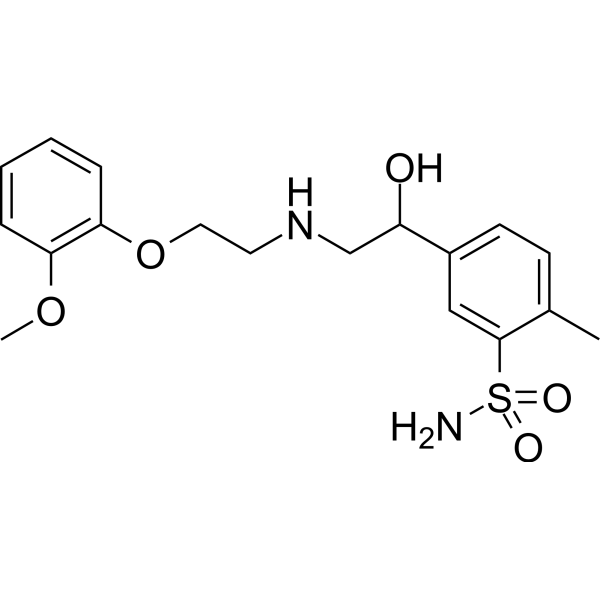
Amosulalol (YM 09538) is an orally active and dual inhibitor of α1/β1-Adrenergic Receptor. Amosulalol exhibits antihypertensive activity via α1-Adrenergic Receptor inhibition. Amosulalol decreases reflexogenic increases in heart rate and plasma renin activity (PRA) via β1-Adrenergic Receptor inhibition in spontaneously hypertensive rats (SHR) .
|
-
- HY-106720A
-
|
YM 09538 hydrochloride
|
Adrenergic Receptor
|
Cardiovascular Disease
|
|
Amosulalol (YM 09538) hydrochloride is an orally active and dual inhibitor of α1/β1-Adrenergic Receptor. Amosulalol hydrochloride exhibits antihypertensive activity via α1-Adrenergic Receptor inhibition. Amosulalol hydrochloride decreases reflexogenic increases in heart rate and plasma renin activity (PRA) via β1-Adrenergic Receptor inhibition in spontaneously hypertensive rats (SHR) .
|
-

- HY-106720C
-
|
(+)-YM 09538
|
Adrenergic Receptor
|
Others
|
|
(+)-Amosulalol ((+)-YM 09538) is an isomer of Amosulalol (HY-106720), an orally active dual inhibitor of α1/β1-adrenergic receptors. Amosulalol exhibits antihypertensive activity by inhibiting α1-adrenergic receptors. Amosulalol reduces the reflex increase in heart rate and plasma renin activity (PRA) in spontaneously hypertensive rats (SHR) by inhibiting β1-adrenergic receptors.
|
-

- HY-106720B
-
|
(-)-YM 09538
|
Adrenergic Receptor
|
Others
|
|
(-)-Amosulalol ((-)-YM 09538) is an isomer of Amosulalol (HY-106720), an orally active dual inhibitor of α1/β1-adrenergic receptors. Amosulalol exhibits antihypertensive activity by inhibiting α1-adrenergic receptors. Amosulalol reduces the reflex increase in heart rate and plasma renin activity (PRA) in spontaneously hypertensive rats (SHR) by inhibiting β1-adrenergic receptors.
|
-

- HY-111827R
-
|
|
Histamine Receptor
|
Cardiovascular Disease
Others
Metabolic Disease
Inflammation/Immunology
|
|
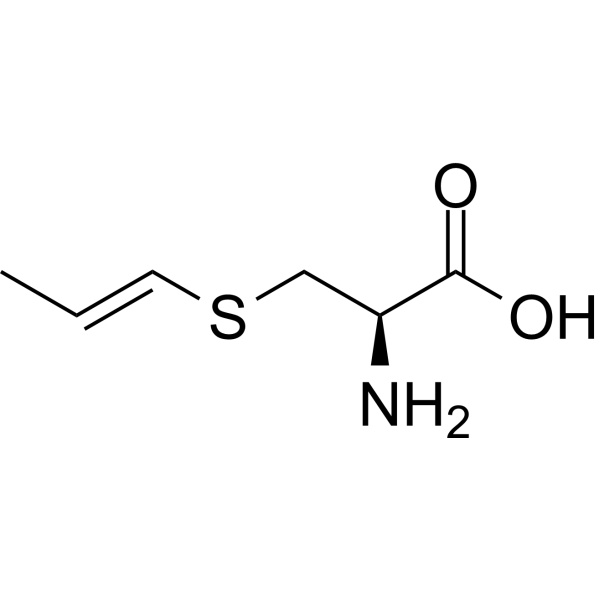
S-1-Propenyl-L-cysteine (Standard) is the analytical standard of S-1-Propenyl-L-cysteine. This product is intended for research and analytical applications. S-1-Propenyl-L-cysteine is a stereoisomer of S-allyl-l-cysteine, extracted from garlic, with immunomodulatory effects and reduces blood pressure in a hypertensive animal model . S-1-Propenyl-L-cysteine exhibits antioxidative efficacy through a NO-dependent BACH1 signaling pathway . S-1-Propenyl-L-cysteine is orally active.
|
-

- HY-171469
-
|
|
Potassium Channel
|
Cardiovascular Disease
|
|
SKP-451 is an ATP-sensitive potassium (K +) channel agonist. SKP-451 activates the ATP-sensitive K + channels, promotes the efflux of K +, causes membrane hyperpolarization, and inhibits the influx of Ca 2+, thereby relaxing the vascular smooth muscle. SKP-451 relaxs the canine coronary artery, rabbit basilar artery, and vertebral artery. SKP-451 also reduces the mean arterial blood pressure of conscious spontaneously hypertensive rats (SHR). SKP-451 is promising for research of cardiovascular diseases .
|
-

- HY-123449A
-
|
|
Adrenergic Receptor
|
Cardiovascular Disease
Neurological Disease
|
|
MK-761 TFA is an orally effective β2-adrenergic receptor antagonist. MK-761 TFA attenuates positive inotropic effects, reduces arterial pressure, enhances the contractility of papillary muscles in cat hearts, and exerts effects mediated by catecholamine release. MK-761 TFA can be used in the research of hypertension .
|
-

- HY-123449
-
|
|
Adrenergic Receptor
|
Cardiovascular Disease
|
|
MK-761 free base is an orally effective β2-adrenergic receptor antagonist. MK-761 free base attenuates positive inotropic effects, reduces arterial pressure, enhances the contractility of papillary muscles in cat hearts, and exerts effects mediated by catecholamine release. MK-761 free base can be used in the research of hypertension .
|
-

- HY-105527
-
|
|
Adrenergic Receptor
|
Cardiovascular Disease
|
|
Flavodilol is an orally active antihypertensive agent. Flavodilol extensively depletes catecholamines and serotonin in heart tissue of normotensive and spontaneously hypertensive rats (SHR). Flavodilol can be used for hypertension research .
|
-

- HY-103247
-
|
|
Angiotensin Receptor
|
Cardiovascular Disease
|
|
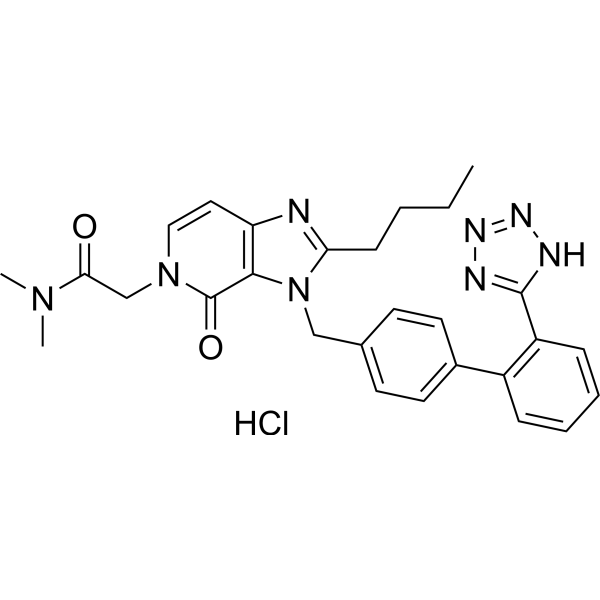
EMD 66684 is an antagonist of Angiotensin II Type 1 (AT1) receptor. EMD 66684 shows potent binding affinities for the AT1 subtype Ang II receptor with an IC50 value of 0.7 nM. EMD 66684 also serves as an antiischemic cytoprotectant - .
|
-
- HY-B0592R
-
|
RU44570 (Standard)
|
Reference Standards
Angiotensin-converting Enzyme (ACE)
|
Cardiovascular Disease
|
|
Trandolapril (Standard) is the analytical standard of Trandolapril. This product is intended for research and analytical applications. Trandolapril (RU44570) is a nonsulfhydryl proagent that is hydrolysed to the active diacid Trandolaprilat. Trandolapril is an orally administered angiotensin converting enzyme (ACE) inhibitor that has been used in the treatment of hypertension and congestive heart failure (CHF), and after myocardial infarction (MI) .
|
-

- HY-B0592A
-
|
RU44570 hydrochloride
|
Angiotensin-converting Enzyme (ACE)
|
Cardiovascular Disease
|
|
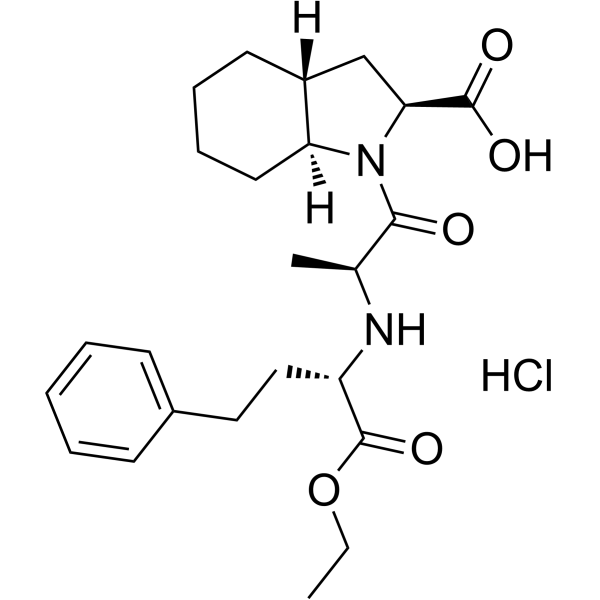
Trandolapril (RU44570) hydrochloride is a nonsulfhydryl proagent that is hydrolysed to the active diacid Trandolapril hydrochlorideat. Trandolapril hydrochloride is an orally active angiotensin converting enzyme (ACE) inhibitor that has been used in the treatment of hypertension and congestive heart failure (CHF), and after myocardial infarction (MI) .
|
-
- HY-107398R
-
|
|
Adrenergic Receptor
Amine N-methyltransferase
Reference Standards
|
Cardiovascular Disease
|
|
1-(2,3-Dichlorophenyl)ethanamine hydrochloride (Standard) is the analytical standard of 1-(2,3-Dichlorophenyl)ethanamine (hydrochloride) (HY-107398). This product is intended for research and analytical applications. 1-(2,3-Dichlorophenyl)ethanamine hydrochloride is a phenylethanolamine N-methyltransferase (PNMT) inhibitor. 1-(2,3-Dichlorophenyl)ethanamine hydrochloride effectively reduces blood pressure of spontaneously hypertensive. 1-(2,3-Dichlorophenyl)ethanamine hydrochloride can be used for the research of blood pressure .
|
-

- HY-129599
-
|
|
PARP
NF-κB
|
Cardiovascular Disease
Neurological Disease
|
|
L-2286 is an orally active PARP-1 inhibitor. L-2286 alleviates carotid artery remodeling, oxidative stress and inflammation in spontaneously hypertensive rats, protects neurons in the dorsal hippocampus, and reduces pyramidal cell loss and gliosis without affecting blood pressure. L-2286 can be used in research related to hypertension .
|
-

- HY-171798
-
|
|
Drug Derivative
|
Cardiovascular Disease
|
|
BAM-2101 is an ergoline derivative with antihypertensive activity. BAM-2101 is orally active and lowers blood pressure in spontaneously hypertensive rats .
|
-

- HY-107322R
-
|
Mepirodipine hydrochloride (Standard); YM-09730-5 (Standard)
|
Reference Standards
Calcium Channel
|
Cardiovascular Disease
|
|
Barnidipine hydrochloride (Standard) (Mepirodipine hydrochloride (Standard)) is the analytical standard of Barnidipine (hydrochloride) (HY-107322). This product is intended for research and analytical applications. Barnidipine (Mepirodipine) hydrochloride is an L-type calcium antagonist (CaA) with high affinity for [3H] initrendipine binding sites (Ki = 0.21 nmol/L, has selective action against CaA receptors. Barnidipine hydrochloride is an orally active antihypertensive agent that can reduce the level of platelet-derived growth factor B-chain mRNA and peripheral vascular resistance .
|
-

- HY-180354
-
|
MDL-899
|
Drug Derivative
|
Cardiovascular Disease
|
|
Mopidralazine hydrochloride (MDL-899) (Compound 30) is an orally active antihypertensive agent. Mopidralazine hydrochloride significantly reduces systolic blood pressure (ED50 = 1.94 mg/kg) in spontaneously hypertensive rats models. Mopidralazine hydrochloride has a slower onset of action but a longer duration of action and has a significantly smaller effect on increasing heart rate in canine model of renal hypertension. Mopidralazine hydrochloride can be used for the research of hypertension .
|
-

- HY-100554R
-
|
|
Adrenergic Receptor
Reference Standards
5-HT Receptor
|
Cardiovascular Disease
|
|
BMY 7378 (Standard) is the analytical standard of BMY 7378 (HY-100554). This product is intended for research and analytical applications. BMY 7378 is a selective antagonist of α1D-adrenoceptor (α1D-AR). BMY 7378 binds to membranes expressing the cloned rat α1D-AR with a >100-fold higher affinity (Ki=2 nM) than binding to either the cloned rat α1A-AR (Ki=800 nM) or the hamster α1B-AR (Ki=600 nM). BMY 7378 is a 5-HT1A receptor partial agonist .
|
-

- HY-170918
-
|
|
Potassium Channel
|
Others
|
|
BKCa activator-1 (Compound 51b) is the orally active activator for the calcium-activated potassium channel BKCa with an EC50 of 2.82 μM. BKCa activator-1 increases K+ efflux, leads to cell membrane hyperpolarization, thereby inhibiting smooth muscle contraction. BKCa activator-1 alleviates urinary incontinence in spontaneously hypertensive rat (SHR) model, exhibits antitussive effect in puinea pig cough model .
|
-

- HY-182407
-
|
|
Angiotensin-converting Enzyme (ACE)
|
Cardiovascular Disease
|
|
CV 5975 is an orally active angiotensin converting enzyme (ACE) competitive inhibitor with a rabbit lung ACE IC50 of 3.1 nM and Ki values of 2.6 nM. CV 5975 inhibits ACE in plasma, aorta, kidney, and brain, intensifying inhibition with repeated administration. CV 5975 inhibits Angiotensin I (HY-P1032)-induced pressor responses and ileum contraction, and augments bradykinin-induced ileum contraction and depressor responses. CV 5975 reduces blood pressure via ACE-independent mechanisms, with sustained action across multiple hypertensive and normotensive animal models, intensified by repeated dosing or Hydrochlorothiazide (HY-B0252) co-administration. CV 5975 can be used for the research of hypertension .
|
-

- HY-P11411
-
|
|
Neuropeptide Y Receptor
Histamine Receptor
|
Cardiovascular Disease
|
|
[D-Tyr27,36, D-Thr32]-Neuropeptide Y (27-36), rat is a fragment analogue of a neuropeptide Y (NPY) with cardiovascular activity. [D-Tyr27,36, D-Thr32]-Neuropeptide Y (27-36), rat can induce profound and sustained hypotension in both hypertensive and normotensive rats and its antihypertensive effect is partly attributed to its activity on histamine receptor. [D-Tyr27,36, D-Thr32]-Neuropeptide Y (27-36), rat can be used for studying antihypertensive effects .
|
-
![[D-Tyr27,36, D-Thr32]-Neuropeptide Y (27-36), rat](//file.medchemexpress.com/product_pic/hy-p11411.gif)
| Cat. No. |
Product Name |
Target |
Research Area |
-
- HY-118060
-
|
N-Valyltryptophan; Val-Trp
|
Angiotensin-converting Enzyme (ACE)
Calcium Channel
NO Synthase
|
Cardiovascular Disease
|
|
Dipeptide 2 (N-Valyltryptophan) is an orally active, competitive angiotensin-converting enzyme (ACE) inhibitory peptide with an IC50 of 10.50 μM. Dipeptide 2 reduces intracellular Calcium ions. Dipeptide 2 significantly increases the content of NO, inhibits the production of ET-1, and induces the phosphorylation of eNOS. Dipeptide 2 decreases the systolic and diastolic blood pressure of spontaneously hypertensive rats .
|
-
- HY-P2469
-
|
BNP-45, mouse
|
Natriuretic Peptide Receptor (NPR)
|
Cardiovascular Disease
|
Brain Natriuretic Peptide-45, mouse (BNP-45, mouse) is a 45-amino-acid peptide derived from the mouse BNP prohormone, which exhibits natriuretic, diuretic, and vasoactive effects. Brain Natriuretic Peptide-45, mouse contains all amino acid residues deemed critical for the biological activity of natriuretic peptides. Brain Natriuretic Peptide-45, mouse possesses hypotensive and diuretic activities .
|
-
- HY-P3976
-
|
|
Angiotensin-converting Enzyme (ACE)
|
Cardiovascular Disease
|
|
Lactalbumin B (50-53) Alpha [Lactorphin Alpha], bovine is a blood pressure lowering peptide containing 4 amino acids. Lactalbumin B (50-53) Alpha [Lactorphin Alpha], bovine is an angiotensin-converting Enzyme (ACE) inhibitor. Lactalbumin B (50-53) Alpha [Lactorphin Alpha], bovine can be used in research of high blood pressure .
|
-
- HY-P4296
-
|
|
Amino Acid Derivatives
|
Others
|
|
H-Gly-Sar-Sar-OH is an orally active tripeptide. H-Gly-Sar-Sar-OH is transported through PepT1 within Caco-2 cells. H-Gly Sar Sar OH has potential applications in material transportation .
|
-
- HY-P11411
-
|
|
Neuropeptide Y Receptor
Histamine Receptor
|
Cardiovascular Disease
|
|
[D-Tyr27,36, D-Thr32]-Neuropeptide Y (27-36), rat is a fragment analogue of a neuropeptide Y (NPY) with cardiovascular activity. [D-Tyr27,36, D-Thr32]-Neuropeptide Y (27-36), rat can induce profound and sustained hypotension in both hypertensive and normotensive rats and its antihypertensive effect is partly attributed to its activity on histamine receptor. [D-Tyr27,36, D-Thr32]-Neuropeptide Y (27-36), rat can be used for studying antihypertensive effects .
|
| Cat. No. |
Product Name |
Category |
Target |
Chemical Structure |
Your information is safe with us. * Required Fields.
Inquiry Information
- Product Name:
- Cat. No.:
- Quantity:
- MCE Japan Authorized Agent:





![Lactalbumin B (50-53) Alpha [Lactorphin Alpha], bovine](http://file.medchemexpress.com/product_pic/hy-p3976.gif)


![[D-Tyr27,36, D-Thr32]-Neuropeptide Y (27-36), rat](http://file.medchemexpress.com/product_pic/hy-p11411.gif)





