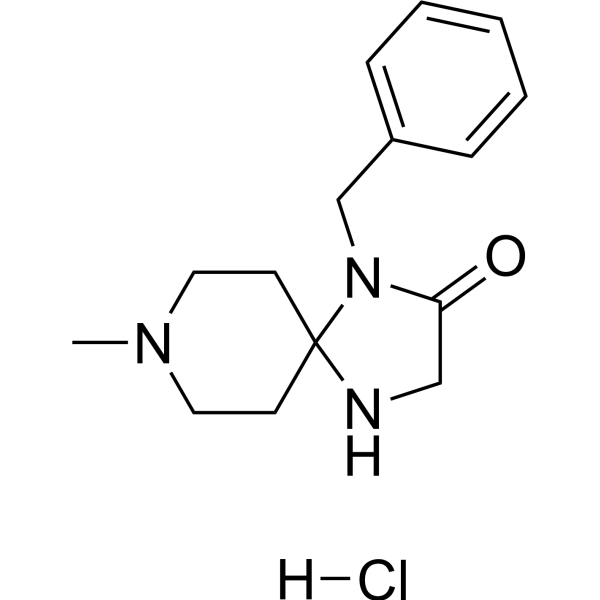
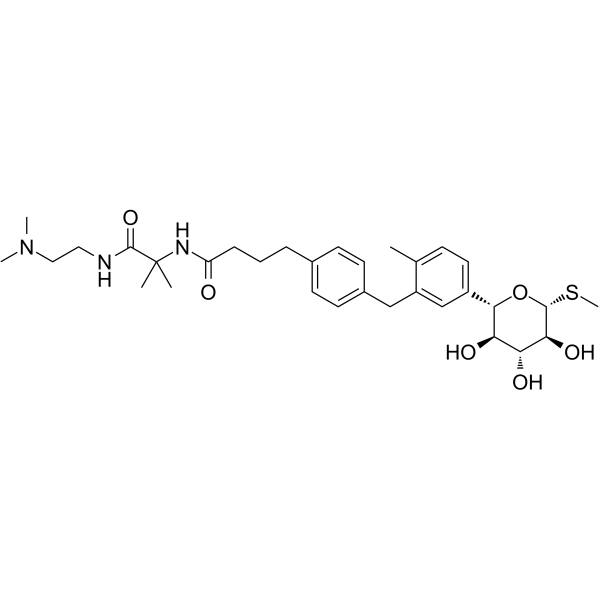
1. Search Result
Search Result
Results for "

active conformation

" in MedChemExpress (MCE) Product Catalog:

82

阻害剤およびアゴニスト

1

スクリーニングライブラリ

1

蛍光色素

3

生化学アッセイ試薬

6

ペプチド

4

阻害性抗体

6

天然物

2

同位体標識化合物

1

クリックケミストリー

製品番号 製品名 Target 研究分野 構造式
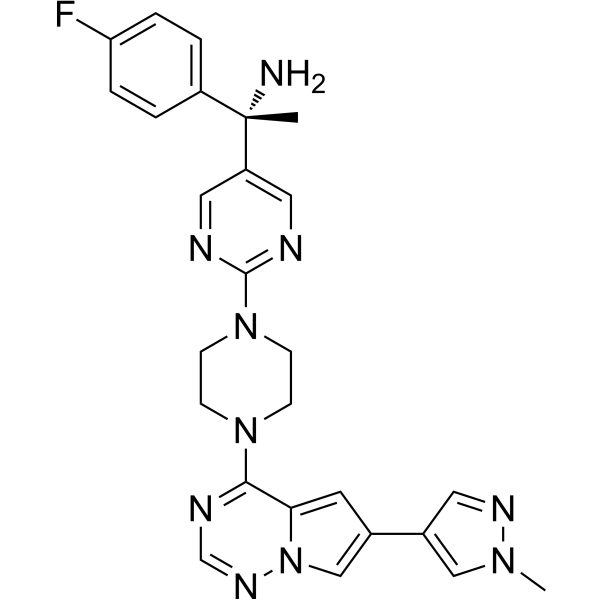
  • HY-101561
    Avapritinib
    Maximum Cited Publications
    12 Publications Verification

    BLU-285

    c-Kit PDGFR Cancer
    Avapritinib (BLU-285) is a highly potent, selective, and orally active KIT and PDGFRA activation loop mutant kinases inhibitor with IC50s of 0.27 and 0.24 nM for KIT D816V and PDGFRA D842V, respectively. Avapritinib (BLU-285) binds the active conformation of the kinase and shows antitumor activity. Avapritinib (BLU-285) attenuates the transport function of both ABCB1 and ABCG2 .
    Avapritinib
  • HY-109176
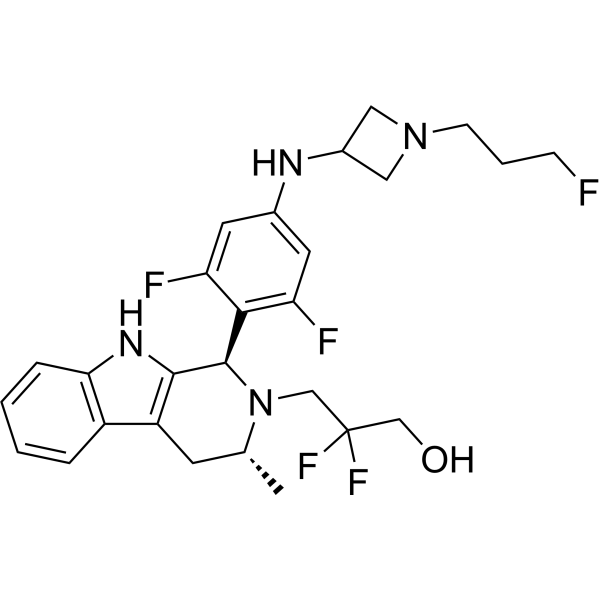
    Giredestrant
    5 Publications Verification

    GDC-9545; RG6171

    Estrogen Receptor/ERR Cancer
    Giredestrant (GDC-9545), a non-steroidal estrogen receptor (ER) ligand, is an orally active and selective ER antagonist. Giredestrant potently competes with Estradiol for binding and induces a conformational change within the ER ligand binding domain. Giredestrant has anti-tumor activity .
    Giredestrant
  • HY-160412

    SAR-441566; TNFα activity modulator 3

    TNF Receptor Inflammation/Immunology
    Balinatunfib (SAR-441566) is an orally active inhibitor of TNFR1 signaling. By binding to the central pocket of the soluble TNFα (sTNFα) trimer, Balinatunfib stabilizes an asymmetric conformation, blocking its binding to TNFR1 (without affecting TNFR2) and thus inhibiting downstream pathways. Balinatunfib has anti-inflammatory activity, and can be used in the study of autoimmune diseases .
    Balinatunfib
  • HY-112306
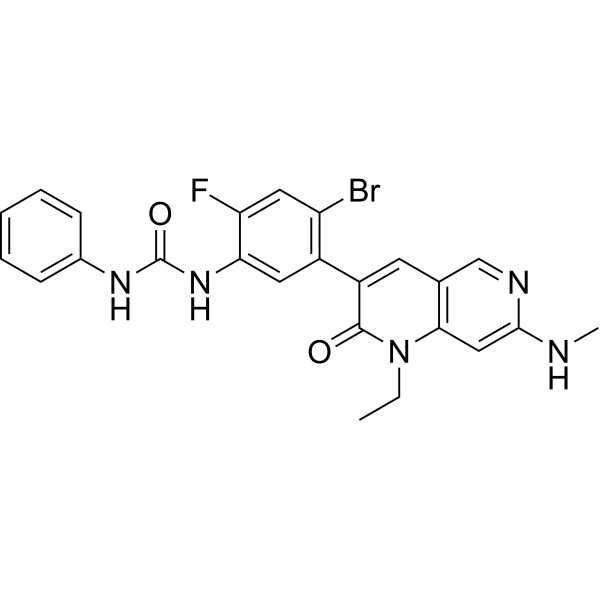
    Ripretinib
    5+ Cited Publications

    DCC-2618

    c-Kit PDGFR FLT3 VEGFR Apoptosis Cancer
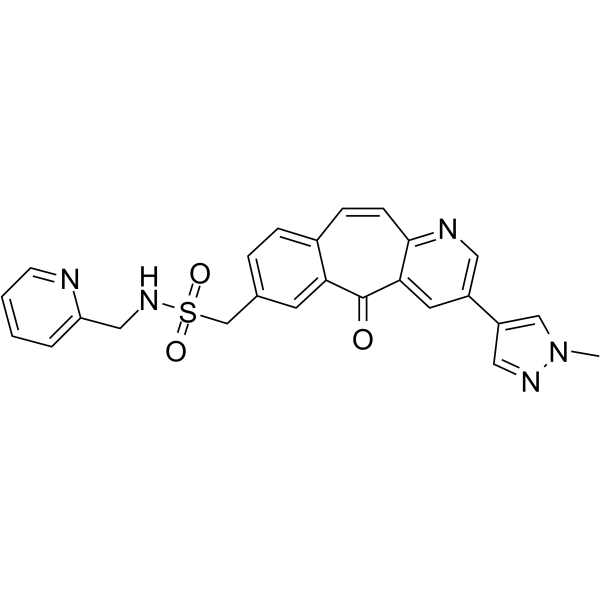
    Ripretinib (DCC-2618) is an orally bioavailable, selective KIT and PDGFRA switch-control inhibitor. Ripretinib (DCC-2618) targets and binds to both wild-type and mutant forms of KIT and PDGFRA specifically at their switch pocket binding sites, thereby preventing the switch from inactive to active conformations of these kinases and inactivating their wild-type and mutant forms. Ripretinib (DCC-2618) also inhibits multiple other kinase targets, such as FLT3 and KDR (or VEGFR-2) . DCC-2618 exerts antineoplastic effect and induces apoptosis .
    Ripretinib
  • HY-113298
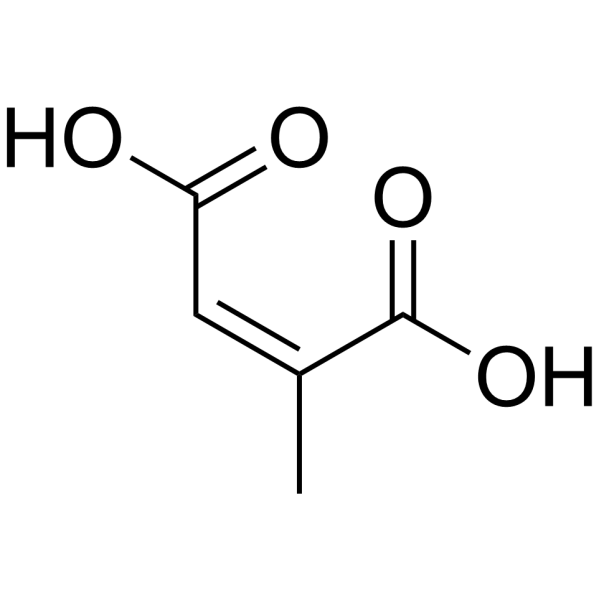
    Citraconic acid
    4 Publications Verification

    Methylmaleic acid

    NOD-like Receptor (NLR) Keap1-Nrf2 Reactive Oxygen Species (ROS) Cardiovascular Disease Inflammation/Immunology
    Citraconic acid (Methylmaleic acid) is an orally active inhibitor targeting the NLRP3 inflammasome and Keap1-Nrf2 pathway. Citraconic acid reduces reactive oxygen species (ROS) generation by inhibiting succinate dehydrogenase (SDH) activity. Citraconic acid also modifies the conformation of Keap1 protein, relieves its inhibition of Nrf2, promotes antioxidant gene expression, and inhibits NLRP3 activation and the release of pro-inflammatory factors such as IL-1β and IL-18. Citraconic acid has anti-inflammatory and antioxidant activities, can reduce oxidative stress and cell pyroptosis, improve tissue damage, and can be used for the research of inflammation-related diseases such as acute renal ischemia-reperfusion injury. Citraconic acid is an isomer of Itaconic acid (HY-Y052) .
    Citraconic acid
  • HY-112096
    eCF506
    5+ Cited Publications

    NXP900

    Src Cancer
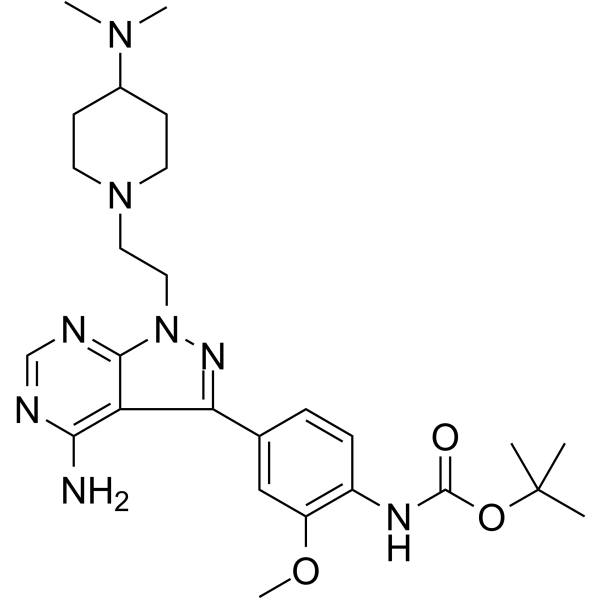
    eCF506 (NXP900) is a highly potent and orally active YES1/SRC kinase inhibitor with an IC50 of 0.47 nM. eCF506 locks its target into its native “closed” conformation, thereby inhibiting both kinase activity and complex formation with protein partners. eCF506 can be used for the study of esophageal squamous cancer and breast cancer .
    eCF506
  • HY-144998
    NVP-DKY709
    1 Publications Verification

    IKZF Family Molecular Glues Inflammation/Immunology Cancer
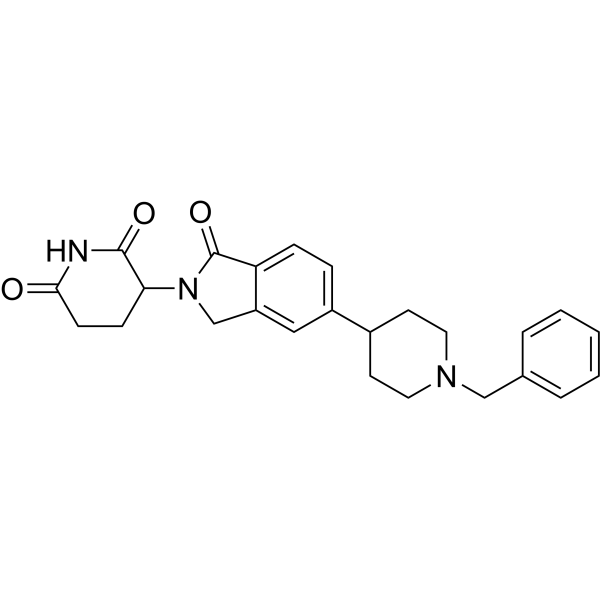
    NVP-DKY709 is an orally active and selective IKZF2 molecular glue degrader with the Dmax and DC50 of 53% and 4 nM, respectively. In addition, NVP-DKY709 can degrade IKZF4 (DC50: 13 nM) and SALL4 (DC50: 2 nM). NVP-DKY709 exerts anti-tumor activity by binding with CRBN to change conformation and recruit and degrade IKZF2 .
    NVP-DKY709
  • HY-102020
    RG3039
    3 Publications Verification

    PF-06687859

    DNA/RNA Synthesis Neurological Disease
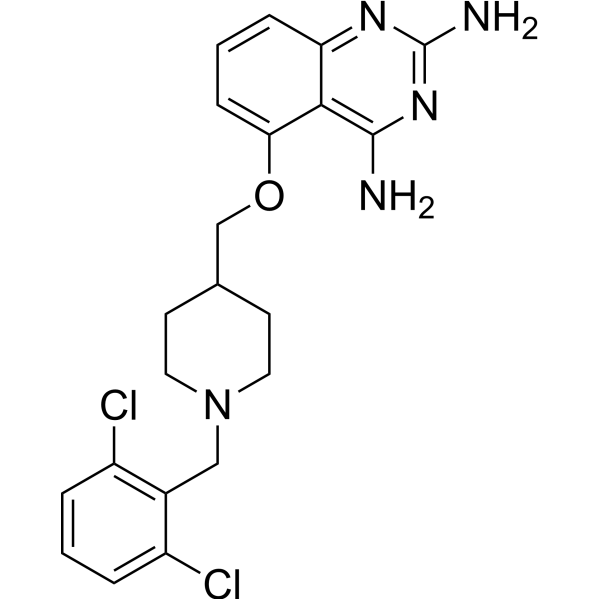
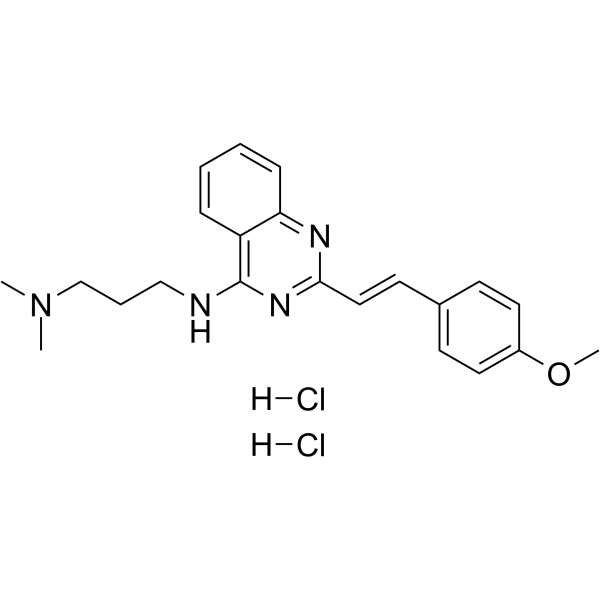
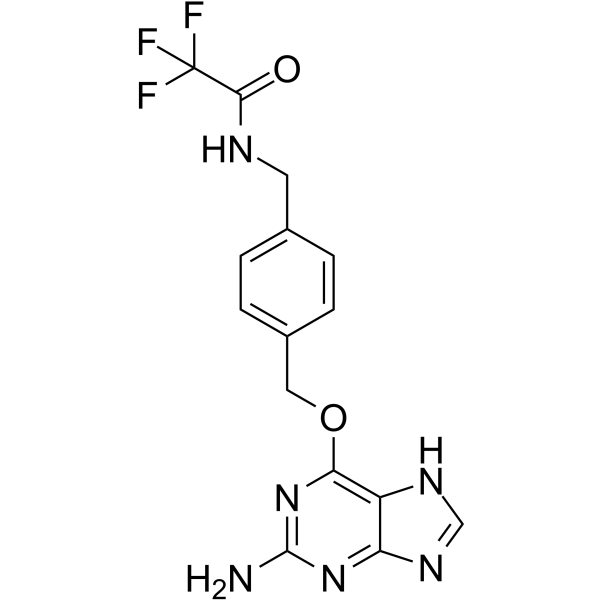
    RG3039 (PF-06687859) is an orally active, blood-brain barrier-permeable DcpS inhibitor with an IC50 of 4.2 nM against hDcpS. RG3039 inhibits the decapping activity of DcpS and maintains DcpS in a catalytically inactive conformation in the central nervous system and other tissues. RG3039 extends survival and improves function in spinal muscular atrophy mice. RG3039 is applicable to research related to spinal muscular atrophy .
    RG3039
  • HY-P1928

    Bcl-2 Family Neurological Disease Endocrinology
    Humanin, an anti-apoptotic peptide of 24 amino acids, is a Bax inhibitor. Humanin prevents the translocation of Bax from cytosol to mitochondria, blocks Bax from the inactive to active conformation. Humanin is a mitochondria-associated peptide with a neuroprotective effect against AD-related neurotoxicity. Humanin also improves overall insulin sensitivity in animal. Humanin are related to aging .
    Humanin analogue, in which the serine at position 14 is replaced by glycine, names HNG .
    Humanin
  • HY-159520

    Ofirnoflast; HT-6184

    NEKs NOD-like Receptor (NLR) Caspase Apoptosis Pyroptosis NF-κB Cardiovascular Disease Inflammation/Immunology Cancer
    Ofirnoflastum (Ofirnoflast) is an orally active first-in-class allosteric NEK7 inhibitor with an IC50 of 46 nM. Ofirnoflastum binds an allosteric site adjacent to NEK7’s ATP-binding pocket, induces conformational shifts, disrupts NEK7-NLRP3 binding, blocks NLRP3 inflammasome assembly, spares NEK7’s physiological functions, and suppresses caspase-1, caspase-8, NF-κB, and TNF activity. Ofirnoflastum reduces pro-inflammatory cytokine production, suppresses ASC specks, IL-1β release, pyroptotic cell death, and leukemic burden, induces apoptosis and erythroid differentiation, restores hematopoiesis, and improves outcomes in colitis models. Ofirnoflastum can be used for the research of myelodysplastic syndromes, chronic myelomonocytic leukemia, and acute myeloid leukemia .
    Ofirnoflastum
  • HY-110112
    BTT-3033
    1 Publications Verification

    Integrin Apoptosis Cardiovascular Disease Inflammation/Immunology Cancer
    BTT-3033 is an orally active conformation-selective inhibitor of α2β1 (EC50: 130 nM) by binding to the α2I domain. BTT-3033 inhibits platelet binding to collagen I and cell proliferation, and induces cell apoptosis. BTT-3033 can be used in the research of prostate cancer, inflammation and cardiovascular disease .
    BTT-3033
  • HY-169996

    Molecular Glues NOD-like Receptor (NLR) Interleukin Related Neurological Disease Inflammation/Immunology
    NP3-253 is an orally active and brain-penetranted NLRP3 inflammasome inhibitor. NP3-253 functions as a molecular glue that prevents NACHT-subdomain rearrangements, locking NLRP3 in an inactive conformation. NP3-253 inhibits production of pro-inflammatory cytokines IL-1β and IL-18. NP3-253 can be used for the research of inflammation and neurological disease, suah as peritonitis .
    NP3-253
  • HY-N0735
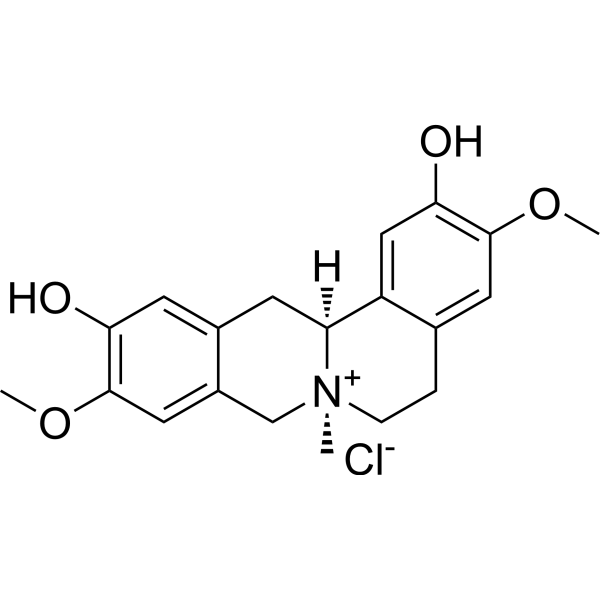
    Phellodendrine chloride
    2 Publications Verification

    Autophagy Apoptosis AMPK mTOR STAT Interleukin Related PKC p38 MAPK NF-κB COX Reactive Oxygen Species (ROS) PI3K Akt MMP Neurological Disease Inflammation/Immunology Cancer
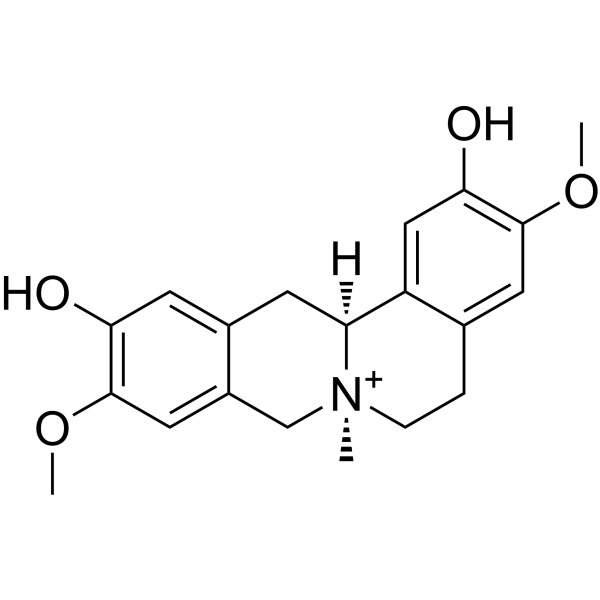
    Phellodendrine chloride is an orally active plant alkaloid. Phellodendrine chloride inhibits the proliferation of KRAS-mutated pancreatic cancer cells by suppressing macropinocytosis and glutamine metabolism, inducing ROS accumulation and mitochondrial apoptosis. Phellodendrine chloride promotes autophagy by activating the AMPK/mTOR pathway, alleviating intestinal damage in ulcerative colitis. Phellodendrine chloride can alleviate gouty arthritis by inhibiting the IL-6/STAT3 signaling pathway. Phellodendrine chloride suppresses allergic reactions by altering the conformation of MRGPRB3/MRGPRX2 protein, thereby inhibiting the activation of PKC and subsequent downstream MAPK and NF-κB signaling. Phellodendrine chloride inhibits the AKT/NF-κB pathway and down-regulates the expression of COX-2, thereby protecting zebrafish embryos from oxidative stress. Phellodendrine chloride has an anti-major depressive disorder (MDD) effect by down-regulating CHRM1, HTR1A, and the PI3K/Akt signaling pathway .
    Phellodendrine chloride
  • HY-123054
    BTSA1
    1 Publications Verification

    Bcl-2 Family Apoptosis Cancer
    BTSA1 is a potent, high affinity and orally active BAX activator with an IC50 of 250 nM and an EC50 of 144 nM. BTSA1 binds with high affinity and specificity to the N-terminal activation site and induces conformational changes to BAX leading to BAX-mediated apoptosis .
    BTSA1
  • HY-W039897
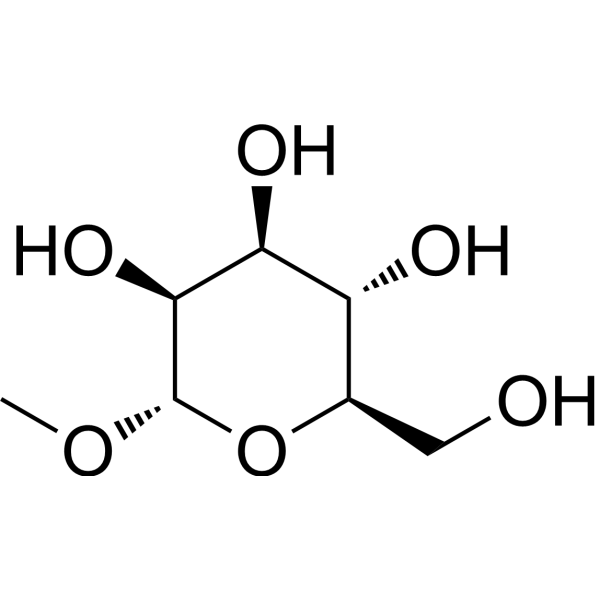
    Methyl α-D-mannopyranoside
    1 Publications Verification

    α-Methyl-D-mannoside

    Environmental Pollutants Bacterial Infection
    Methyl α-D-mannopyranoside (α-Methyl-D-mannoside) is a methyl glycoside derivative and conformational stabilizer of α-D-mannopyranose. The glycosidic bond conformation of Methyl α-D-mannopyranoside is significantly affected by the environment. In aqueous solution, Methyl α-D-mannopyranoside stabilizes into a trans conformation via intermolecular hydrogen bonds; in the gas phase, however, steric interactions drive Methyl α-D-mannopyranoside to prefer a clockwise gauche conformation. Methyl α-D-mannopyranoside also serves as a major component of secondary cell wall polymers in some bacteria and an active precursor site for virus-targeted glycoproteins. Methyl α-D-mannopyranoside acts as an acceptor substrate for alternansucrase, mediating the transfer of D-glucopyranosyl groups to generate a variety of glycosylated oligosaccharide products, with methyl α-D-glucopyranosyl-(1→6)-α-D-mannopyranoside as the main component. Methyl α-D-mannopyranoside is applicable to studies on bacterial pathogenic mechanisms associated with mannose-specific fimbrial lectins .
    Methyl α-D-mannopyranoside
  • HY-157887
    ADT-007
    1 Publications Verification

    Ras Cancer
    ADT-007 is a potent and orally active pan-RAS inhibitor with strong anticancer effects. ADT-007 binds RAS in a nucleotide-free conformation to block GTP activation. ADT-007 potently and selectively inhibits the growth of cancer cells with mutated or hyper-activated wild-type RAS isozymes .
    ADT-007
  • HY-13299
    MK-8033
    3 Publications Verification

    c-Met/HGFR Cancer
    MK-8033 is an orally active ATP competitive c-Met/Ron dual inhibitor (IC50s: 1 nM (c-Met),7 nM (Ron)), with preferential binding to the activated kinase conformation. MK-8033 can be used in the research of cancers, such as breast and bladder cancers, non-small cell lung cancers (NSCLCs) .
    MK-8033
  • HY-139142
    Simufilam
    1 Publications Verification

    PTI-125

    mTOR iGluR Amyloid-β Tau Protein Neurological Disease Metabolic Disease Inflammation/Immunology Cancer
    Simufilam (PTI-125) is an orally active FLNA modulator. Simufilam restores NMDAR signaling and Arc expression. Simufilam inhibits overactive mTOR signaling by restoring the normal conformation of FLNA, improves insulin sensitivity, reduces Aβ42-induced neuroinflammation and tau protein hyperphosphorylation. Simufilam can be used for research of Alzheimer's disease .
    Simufilam
  • HY-110088
    SCH529074
    3 Publications Verification

    MDM-2/p53 Cancer
    SCH529074 is a potent and orally active p53 activator. SCH529074 binds specifically and conformation-dependently to p53 DBD ( DNA binding domain) with a Ki of 1-2 μM in a saturable manner. SCH529074 restores mutant p53 function and interrupts HDM2-mediated ubiquitination of wild Type p53. SCH529074 can be used for the study of non-small-cell lung carcinoma (NSCLC) .
    SCH529074
  • HY-18343A

    MDM-2/p53 Cancer
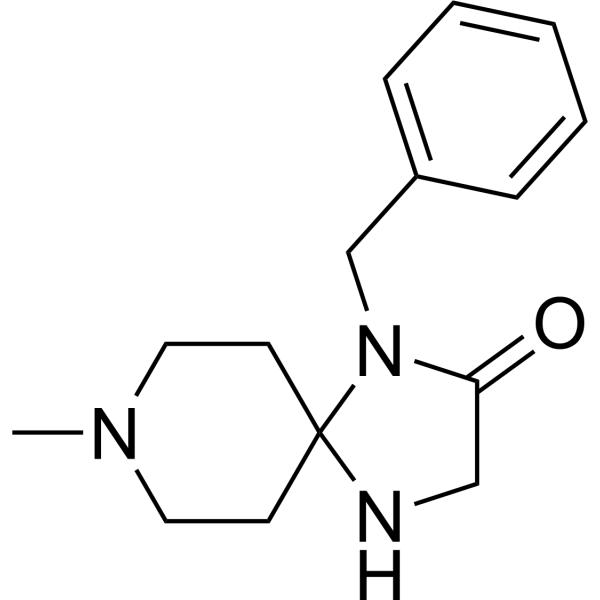
    CP-31398 dihydrochloride stabilizes the active conformation of p53 and promotes p53 activity in cancer cell lines with mutant or wild-type p53 .
    CP-31398 dihydrochloride
  • HY-P99155

    2F8; HUMAX-EGFR

    EGFR Cancer
    Zalutumumab is a high affinity, completely human IgG1 monoclonal antibody targeting EGFR. Zalutumumab binds to domain III of the EGF receptor and acts by blocking the binding of EGF and by sterically interfering with the active conformation of the receptor. Zalutumumab binds with IgG and its Fab fragment with EC50s of 7 and 19 nM, respectively. Zalutumumab can be used for the research of cancer .
    Zalutumumab
  • HY-145580

    UCB0599; (R)-NPT200-11

    α-synuclein Neurological Disease
    Minzasolmin (UCB0599; (R)-NPT200-11) is an orally active, blood-brain-permeable α-synuclein (α-Syn) inhibitor that selectively binds to α-Syn misfolded intermediates (such as oligomers) and inhibits aggregation and fibril formation by regulating their conformational stability. Minzasolmin can reduce the generation of pathological oligomers and block neurotoxic signaling, thereby reducing the abnormal accumulation of α-Syn in the brain. Minzasolmin significantly improved motor deficits, reduced neuroinflammatory markers, and α-Syn-related pathological deposition in transgenic mouse models .
    Minzasolmin
  • HY-160406

    STING IFNAR Interleukin Related Inflammation/Immunology Cancer
    SNX281 is a selective STING agonist, with IC50 values of 4.1, 4.5, 10.7, and 3.7 μM against human, mouse, rat, and monkey STING, respectively. SNX281 undergoes homodimerization at the STING binding site, triggering a conformational shift of STING from an inactive open state to an active closed state, thereby driving downstream STING-dependent signaling pathways. SNX281 induces type I interferons, IFN-β, TNF-α, IL-6, cytokine release, T cell responses, and long-lasting immune memory. SNX281 exhibits anti-tumor activity and is applicable to research related to colorectal cancer, melanoma, advanced solid tumors, lymphoma, and ovarian cancer .
    SNX281
  • HY-139984

    Btk Neurological Disease Inflammation/Immunology
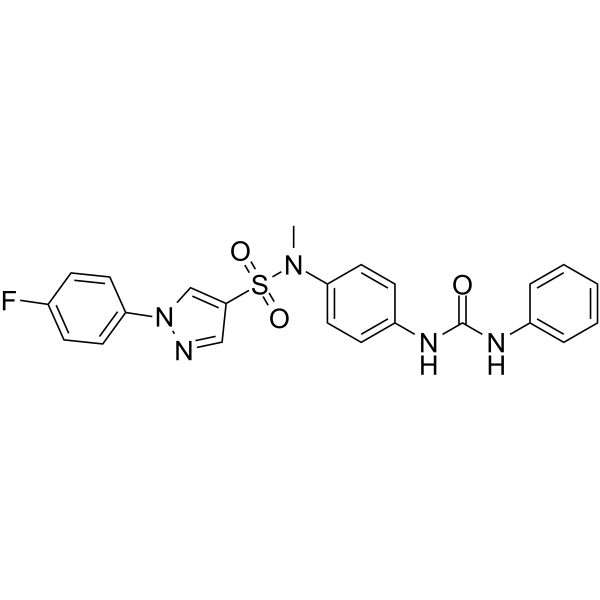
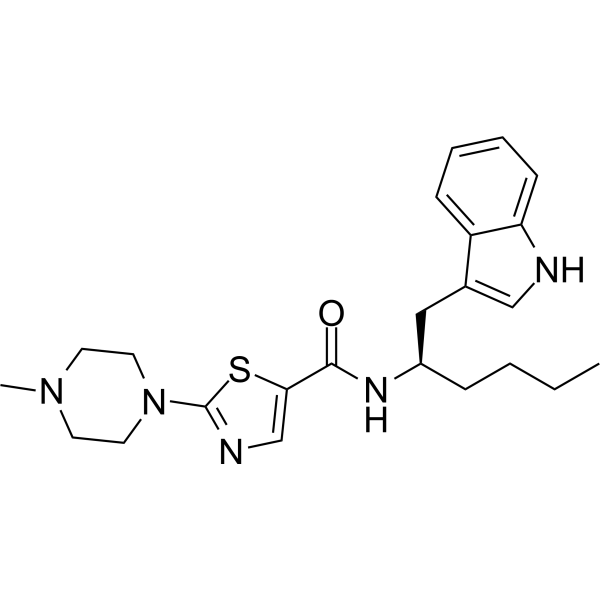
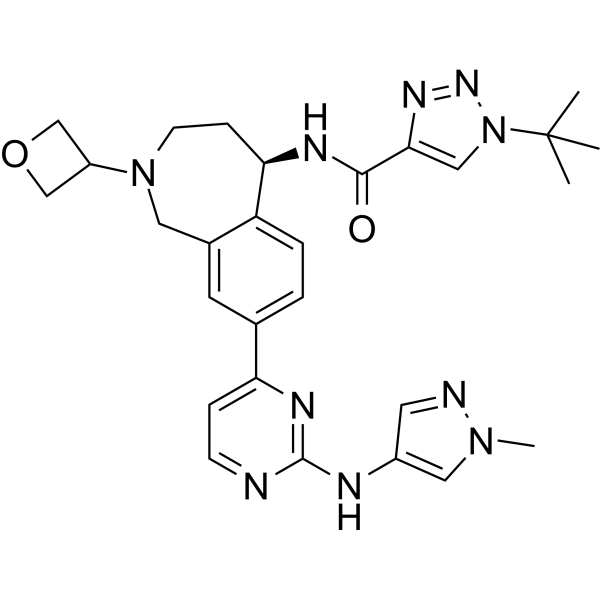
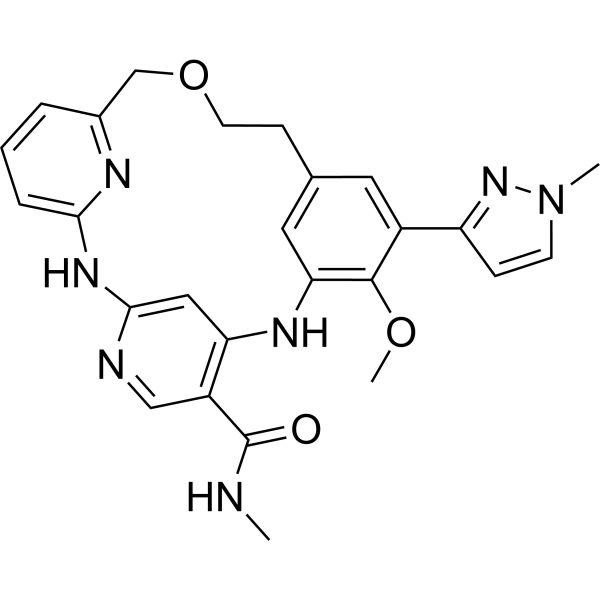
    BIIB091 is a potent, selective, orally active and reversible BTK inhibitor, with an IC50 of <0.5 nM. BIIB091 binds the BTK protein to sequester TYR-551 into an inactive conformation with excellent affinity. BIIB091 can be used for the research of multiple sclerosis .
    BIIB091
  • HY-173521

    SARS-CoV DNA/RNA Synthesis Virus Protease Infection
    JNJ-9676 is an orally active Coronavirus M protein inhibitor and selective Sarbecovirus inhibitor. JNJ-9676 binds to the M protein dimer and forces the protein into an alternative conformational state with a compound-induced binding pocket. JNJ-9676 demonstrates in vitro nanomolar antiviral activity against SARS-CoV-2, SARS-CoV and Sarbecovirus strains from bat and pangolin zoonotic origin .
    JNJ-9676
  • HY-116716
    PIN1 inhibitor API-1
    1 Publications Verification

    MicroRNA Cancer
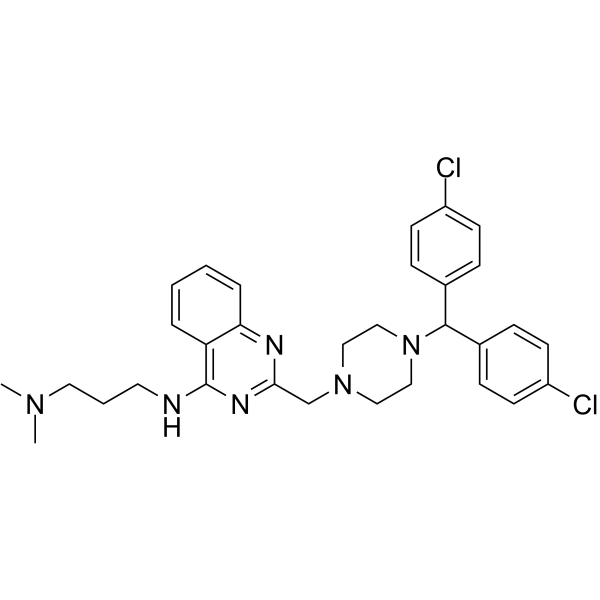
    PIN1 inhibitor API-1 is a specific Pin1 (peptidyl-prolyl cis-trans isomerase NIMA-interacting 1) inhibitor (API-1) with an IC50 of 72.3 nM. PIN1 inhibitor API-1 directly and specifically binds to the Pin1 peptidyl-prolyl isomerase (PPIase) domain and potently inhibits Pin1 cis-trans isomerizing activity. PIN1 inhibitor API-1 retains the active conformation of pXPO5 and restores the ability of pXPO5 to transport pre-miRNAs from nucleus to cytoplasm, thus up-regulating the anticancer miRNA biogenesis to suppress both in vitro and in vivo hepatocellular carcinoma development .
    PIN1 inhibitor API-1
  • HY-159805

    CDK Cancer
    CDK2-IN-31 is a CCNE1:CDK2 complex inhibitor with an IC50 of 0.13 μM. CDK2-IN-31 binds to a cryptic allosteric pocket at the CCNE1:CDK2 interface, inducing structural rearrangements of the CDK2 A-loop that disrupt the kinase's active conformation and interfere with substrate binding. CDK2-IN-31 inhibits phosphorylation of retinoblastoma protein 1 (RB1) in CCNE1-dependent ovarian cancer cells. CDK2-IN-31 impairs coenrichment of protein PRC1 with CCNE1-N112C:CDK2 complexes. CDK2-IN-31 can be used for the research of ovarian cancer .
    CDK2-IN-31
  • HY-N0427

    Akt NF-κB AMPK mTOR PKC STAT Interleukin Related p38 MAPK COX Reactive Oxygen Species (ROS) Apoptosis Autophagy PI3K MMP Neurological Disease Inflammation/Immunology Cancer
    Phellodendrine is an orally active plant alkaloid. Phellodendrine inhibits the proliferation of KRAS-mutated pancreatic cancer cells by suppressing macropinocytosis and glutamine metabolism, inducing ROS accumulation and mitochondrial apoptosis. Phellodendrine promotes autophagy by activating the AMPK/mTOR pathway, alleviating intestinal damage in ulcerative colitis. Phellodendrine can alleviate gouty arthritis by inhibiting the IL-6/STAT3 signaling pathway. Phellodendrine suppresses allergic reactions by altering the conformation of MRGPRB3/MRGPRX2 protein, thereby inhibiting the activation of PKC and subsequent downstream MAPK and NF-κB signaling. Phellodendrine inhibits the AKT/NF-κB pathway and down-regulates the expression of COX-2, thereby protecting zebrafish embryos from oxidative stress. Phellodendrine has an anti-major depressive disorder (MDD) effect by down-regulating CHRM1, HTR1A, and the PI3K/Akt signaling pathway .
    Phellodendrine
  • HY-139142B
    Simufilam hydrochloride
    1 Publications Verification

    PTI-125 hydrochloride

    mTOR iGluR Amyloid-β Tau Protein Neurological Disease Metabolic Disease Inflammation/Immunology Cancer
    Simufilam hydrochloride (PTI-125 hydrochloride) is an orally active FLNA modulator. Simufilam hydrochloride restores NMDAR signaling and Arc expression. Simufilam hydrochloride inhibits overactive mTOR signaling by restoring the normal conformation of FLNA, improves insulin sensitivity, reduces Aβ42-induced neuroinflammation and tau protein hyperphosphorylation. Simufilam hydrochloride can be used for research of Alzheimer's disease .
    Simufilam hydrochloride
  • HY-177106

    Drug Intermediate Ras Cancer
    ADT-1004 is an orally active prodrug of ADT-007 (HY-157887). ADT-007 is a reversible, highly potent and selective pan-RAS inhibitor that binds to the nucleotide-free conformation of RAS proteins and blocks their GTP activation, thereby inhibiting the downstream MAPK and AKT signaling pathways. ADT-1004 can be used for the research of pancreatic ductal adenocarcinoma .
    ADT-1004
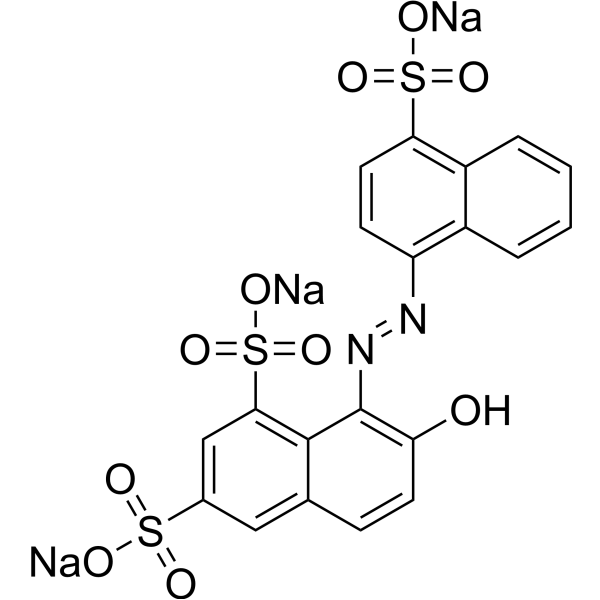
  • HY-D0193A

    Acid Red 18 (85%); New Coccine (85%)

    Environmental Pollutants Drug Derivative Neurological Disease Inflammation/Immunology
    Ponceau 4R (85%) (Acid Red 18 (85%); New Coccine (85%)) is an orally active synthetic food colorant and a HSA-binding aggregator. Ponceau 4R (85%) binds to HSA, inducing its partial unfolding, conformational changes and aggregation. Ponceau 4R (85%) serves as a food colorant and can be used in research on diseases including type Ⅱ diabetes, Parkinson's disease, Huntington's disease and spongiform encephalopathy .
    Ponceau 4R (85%)
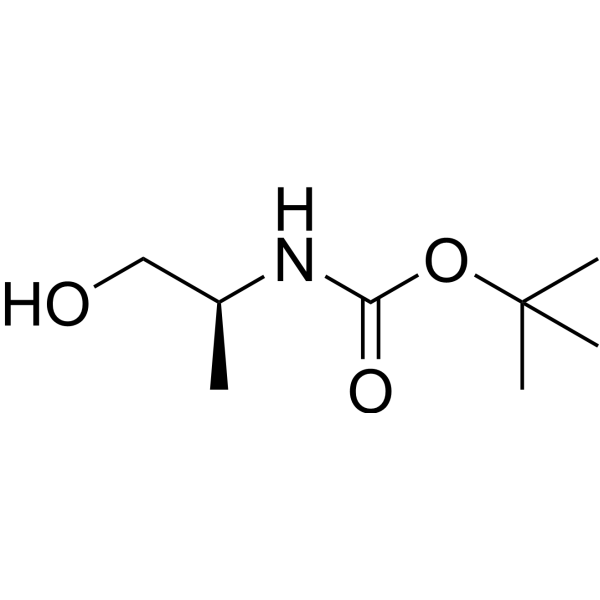
  • HY-W007729

    Biochemical Assay Reagents Others
    Boc-L-Alaninol is a Boc-protected chiral amino alcohol. Boc-L-Alaninol can be used in the synthesis of optically active bipyridine-containing polymers .
    Boc-L-Alaninol
  • HY-P1341

    Orexin A (17-33) (human, mouse, rat, bovine)

    Orexin Receptor (OX Receptor) Sigma Receptor Phospholipase Neurological Disease
    OXA (17-33) (Orexin A (17-33) (human, mouse, rat, bovine)) is the shortest active orexin peptide that selectively targets OX1 (EC50=8.29 nM), with 23-fold selectivity for the OX1 receptor over the OX2 receptor. The activity of OXA (17-33) depends on the Tyr17, Leu20, Asn25, His26 residues and the spatial conformation of the α-helix. OXA (17-33) activates signaling pathways involving inositol-1,4,5-trisphosphate receptor (IP3R), phospholipase D (PL-D) and choline-Sigma-1R, thereby increasing the cytoplasmic Ca 2+ level in nucleus accumbens neurons, an effect that is blocked by Sigma-1R antagonists. OXA (17-33) serves as an important biological probe for investigating the function of the OX1 receptor. OXA (17-33) can be modified via incorporation of mixed disulfide bonds of homocysteine and cysteamine, and is widely used in studies related to insomnia and narcolepsy .
    OXA(17-33)
  • HY-177425

    Cannabinoid Receptor Metabolic Disease
    AM11542 is a cannabinoid receptor 1 (CB1) agonist with a human CB1 Ki of 0.11 nM. AM11542 stabilizes the active conformational state of the CB1 receptor. AM11542 can be used for the research of obesity .
    AM11542
  • HY-B0956A

    Aminosidine

    Bacterial Parasite Endogenous Metabolite Infection
    Paromomycin (Aminosidine) is an orally active broad-spectrum aminoglycoside aminocyclitol. Paromomycin is produced by Streptomyces riomosus var. Paromomycinus. Paromomycin binding induces local conformational changes in the 16S rRNA A-site. Paromomycin exhibits inhibitory activity against C. parvum. Paromomycin can be used in research related to leishmaniasis, amoebiasis and cryptosporidiosis .
    Paromomycin
  • HY-107401

    SCH-351125

    HIV CCR Calcium Channel Infection
    Ancriviroc (SCH-351125) is an orally active CCR5 antagonist with an IC50 value of 13 nM against hCCR5. Ancriviroc specifically binds to hCCR5, blocks ligand-induced signal transduction, calcium influx, GTPγS binding, chemotaxis, ligand binding, and HIV-1 entry, induces conformational changes in CCR5, and inhibits infection and replication of R5-tropic HIV-1 .
    Ancriviroc
  • HY-101122

    SGLT GLP Receptor Metabolic Disease
    LX2761 is an orally active, dual SGLT1/SGLT2 inhibitor with IC50 values of 2.2 nM and 2.7 nM against human SGLT1 and SGLT2, respectively. LX2761 locks human SGLT1 in an outward-open conformation and blocks its putative water permeation pathway. After oral administration, LX2761 is confined exclusively to the intestinal lumen, delays intestinal glucose absorption, regulates intestinal glucose metabolism, increases cecal glucose levels, reduces cecal pH, improves glycemic control and elevates plasma total GLP-1 levels. However, LX2761 induces diarrhea in a dose-dependent manner. LX2761 can be used in diabetes-related research .
    LX2761
  • HY-156466

    STAT Interleukin Related IFNAR Inflammation/Immunology
    QL-1200186 is a selective, orally active, allosteric inhibitor targeting the tyrosine kinase TYK2 pseudokinase domain JH2 (IC50=0.06 nM, TYK2 JH2), with 164-fold selectivity over TYK1 JH2 (IC50=9.85 nM,TYK1 JH2). QL-1200186 first stabilizes the TYK2 JH2 conformation, inhibits the activity of the JH1 catalytic domain, and blocks the IFNα, IL-12/IL-23-mediated JAK-STAT signaling pathway. QL-1200186 can inhibit the production of Th1/Th17 cell-related cytokines (such as IFNγ, IL-23), reduce immune cell activation, and has no significant effect on JAK1/2/3 kinase activity. QL-1200186 can significantly improve skin inflammation in the Imiquimod (HY-B0180)-induced psoriasis mouse model and reduce the Psoriasis Area and Severity Index (PASI) score. QL-1200186 can be used in the study of autoimmune diseases such as psoriasis and systemic lupus erythematosus (SLE) .
    QL-1200186
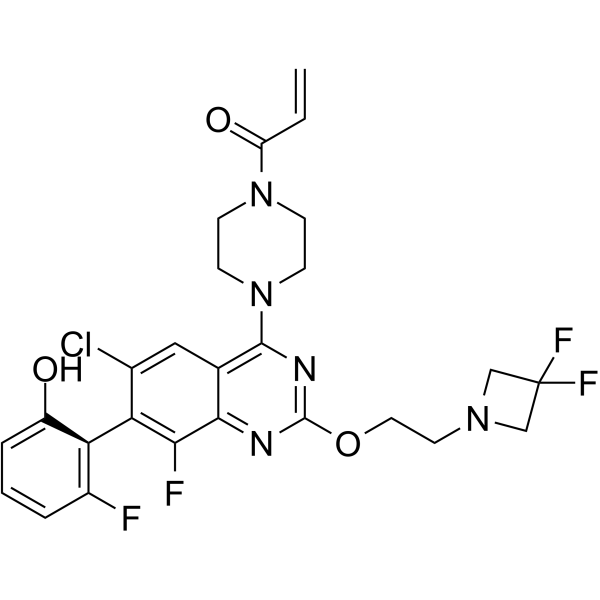
  • HY-135865

    Ras Cancer
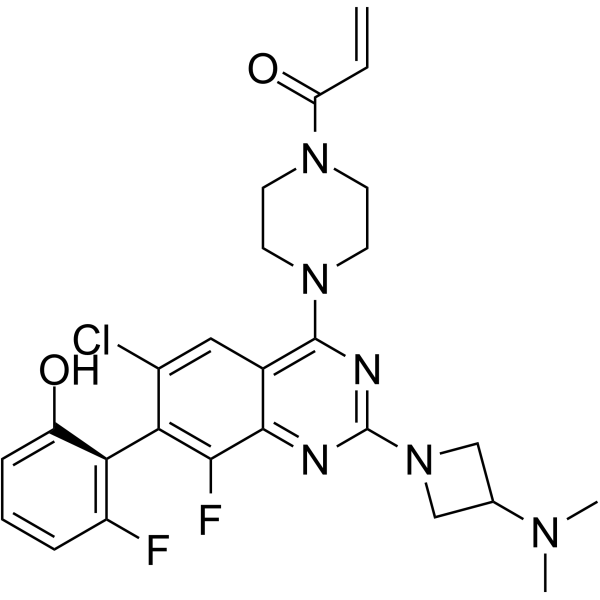
    KRAS inhibitor-7 is a potent KRAS G12C inhibitor, extracted from patent WO2017087528A1, compound B .
    KRAS inhibitor-7
  • HY-139142A

    PTI-125 dihydrochloride

    Tau Protein Amyloid-β mTOR iGluR Neurological Disease
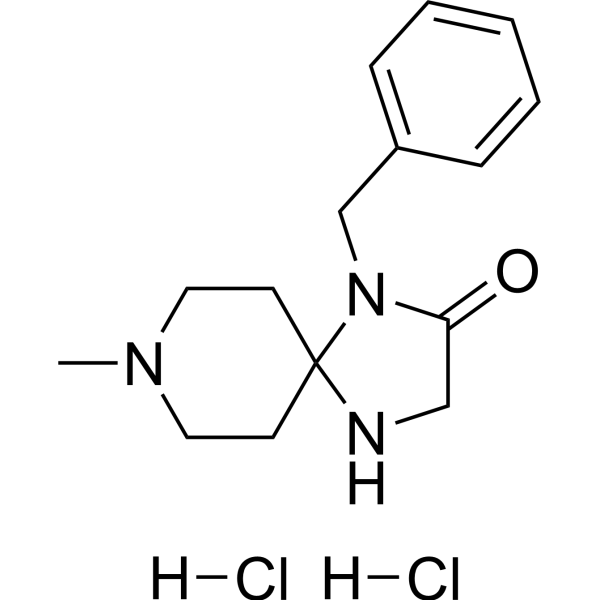
    Simufilam dihydrochloride (PTI-125 dihydrochloride) is an orally active FLNA modulator. Simufilam dihydrochloride restores NMDAR signaling and Arc expression. Simufilam dihydrochloride inhibits overactive mTOR signaling by restoring the normal conformation of FLNA, improves insulin sensitivity, reduces Aβ42-induced neuroinflammation and tau protein hyperphosphorylation. Simufilam dihydrochloride can be used for research of Alzheimer's disease .
    Simufilam dihydrochloride
  • HY-P99155A

    EGFR Cancer
    Zalutumumab (powder) is a high affinity, completely human IgG1 monoclonal antibody targeting EGFR. Zalutumumab (powder) binds to domain III of the EGF receptor and acts by blocking the binding of EGF and by sterically interfering with the active conformation of the receptor. Zalutumumab (powder) binds with IgG and its Fab fragment with EC50s of 7 and 19 nM, respectively. Zalutumumab (powder) can be used for the research of cancer .
    Zalutumumab (powder)
  • HY-176921

    Leukotriene Receptor Inflammation/Immunology
    ONO-2570366 (Compound 11a) is an antagonist of the cysteinyl leukotriene receptors CysLT1R and CysLT2R (IC50 = 14 nM). ONO-2570366 inhibits the binding of LTD4active form of CysLTs) to CysLT1R/CysLT2R by stabilizing the inactive receptor conformation, thereby preventing the Gq signaling pathway mediated by receptor activation. ONO-2570366 can be used for the researches of inflammation and immunology, such as asthma .
    ONO-2570366
  • HY-179403

    Ras Cancer
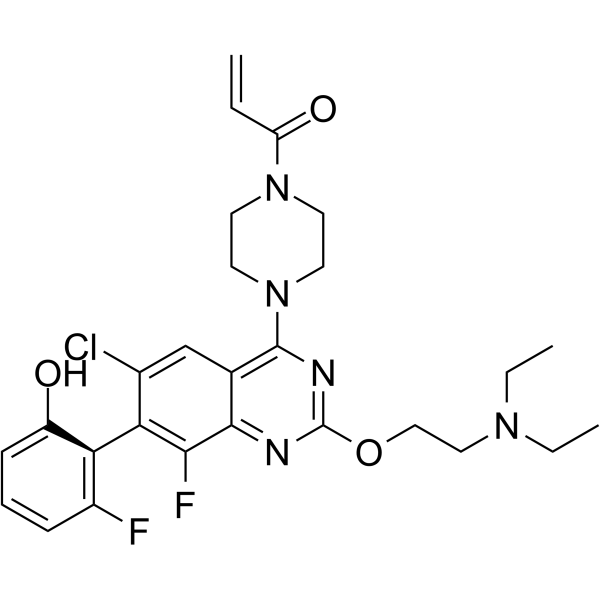
    KRASG12C IN-17 is an orally active covalent KRAS G12C inhibitor, showing strong inhibitory activity in KRAS G12C-mutant cancer cells (NCI-H23 IC50 = 0.7 nM; NCI-H358 IC50 = 0.5 nM). KRASG12C IN-17 covalently and irreversibly binds to KRAS G12C with > 96% modification efficiency in both GDP-bound and GMPPNP-bound conformations. KRASG12C IN-17 can be used for studies of KRAS-driven cancers, including colorectal cancer .
    KRASG12C IN-17
  • HY-135864

    Ras Cancer
    KRAS inhibitor-6 is a potent KRAS G12C inhibitor, extracted from patent WO2017087528A1, compound A .
    KRAS inhibitor-6
  • HY-135903

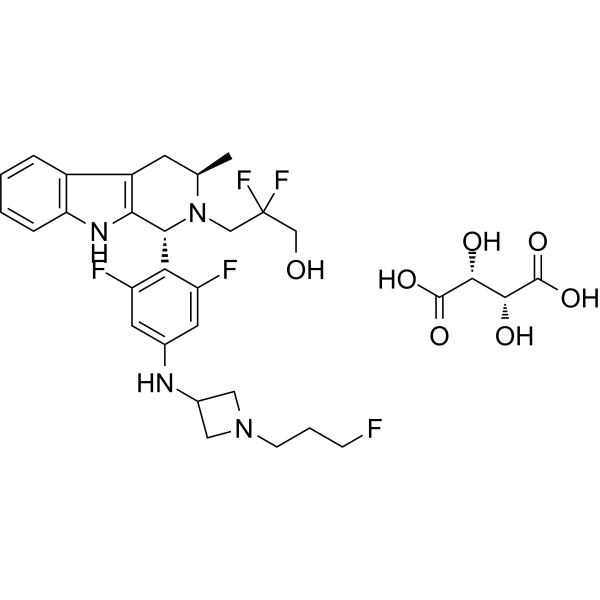
    GDC-9545 tartrate; RG6171 tartrate

    Estrogen Receptor/ERR Cancer
    Giredestrant tartrate (GDC-9545 tartrate), a non-steroidal ER ligand, is an orally active and selective estrogen receptor (ER) antagonist. Giredestrant tartrate potently competes with estradiol for binding and induces a conformational change within the ER ligand binding domain. Anti-tumor activity .
    Giredestrant tartrate
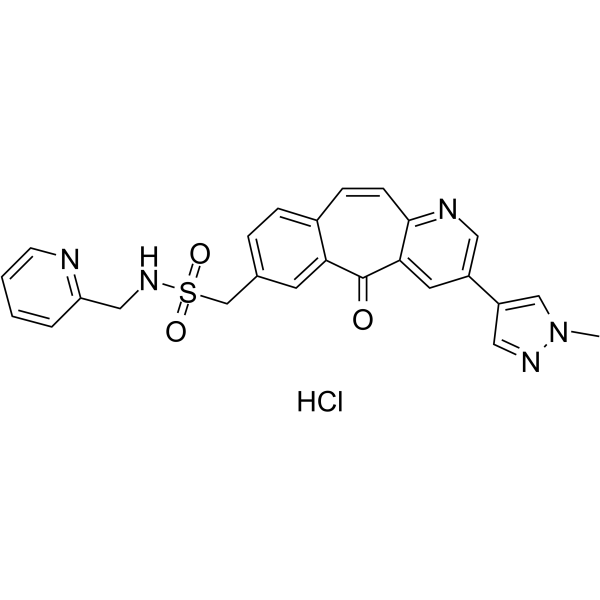
  • HY-13299A
    MK-8033 hydrochloride
    3 Publications Verification

    c-Met/HGFR Cancer
    MK-8033 hydrochloride is an orally active ATP competitive c-Met/Ron dual inhibitor (IC50s: 1 nM (c-Met),7 nM (Ron)), with preferential binding to the activated kinase conformation. MK-8033 hydrochloride can be used in the research of cancers, such as breast and bladder cancers, non-small cell lung cancers (NSCLCs) .
    MK-8033 hydrochloride
  • HY-101561R

    BLU-285 (Standard)

    Reference Standards c-Kit PDGFR Cancer
    Avapritinib (Standard) is the analytical standard of Avapritinib. This product is intended for research and analytical applications. Avapritinib (BLU-285) is a highly potent, selective, and orally active KIT and PDGFRA activation loop mutant kinases inhibitor with IC50s of 0.27 and 0.24 nM for KIT D816V and PDGFRA D842V, respectively. Avapritinib (BLU-285) binds the active conformation of the kinase and shows antitumor activity. Avapritinib (BLU-285) attenuates the transport function of both ABCB1 and ABCG2 .
    Avapritinib (Standard)
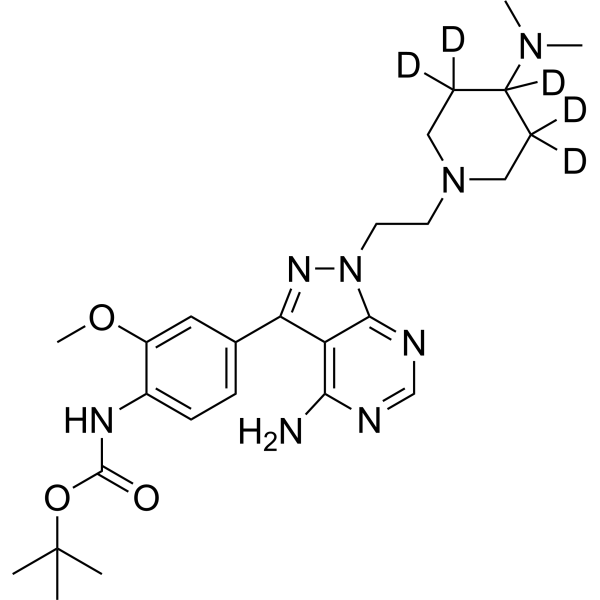
  • HY-W754911

    BLU-285-d3

    Isotope-Labeled Compounds PDGFR c-Kit Cancer
    Avapritinib-d3 (BLU-285-d3) is deuterium labeled Avapritinib. Avapritinib (BLU-285) is a highly potent, selective, and orally active KIT and PDGFRA activation loop mutant kinases inhibitor with IC50s of 0.27 and 0.24 nM for KIT D816V and PDGFRA D842V, respectively. Avapritinib (BLU-285) binds the active conformation of the kinase and shows antitumor activity. Avapritinib (BLU-285) attenuates the transport function of both ABCB1 and ABCG2 .
    Avapritinib-d3
  • HY-E70763

    PDGFR Cancer
    PDGFRalpha is a receptor tyrosine kinases that stimulate cell survival, proliferation and motility. Upon PDGF binding, the receptor dimerizes and undergoes a conformational change, which activates the kinase domain. PDGFRalpha T674I is a mutant of PDGFRalpha. PDGFRalpha T674I Recombinant Human Active Protein Kinase is a recombinant PDGFRalpha T674I protein that can be used to study PDGFRalpha T674I-related functions .
    PDGFRalpha T674I Recombinant Human Active Protein Kinase
  • HY-18343

    MDM-2/p53 Apoptosis Cancer
    CP-31398 can stabilize the active conformation of p53 and promote p53 activity in cancer cells with either mutant or wild-type p53. In addition, CP-31398 can upregulate p53 target genes, such as p21WAF1/Cip1 and KILLER/DR5. CP-31398 exerts an inhibitory effect on tumor growth .
    CP-31398

オンラインお問い合わせ

入力情報は安全に管理されます. 必須入力項目.

タイトル


国或いは地域 *

お名前 *


組纖名 *

デパートメント *


メールアドレス *


製品名 *

製品番号


カスタマ需要量 *

電話番号 *


必ず会社名を記載ください。個人への返信は行いません。

備考

バルクお問い合わせ

Inquiry Information

製品名:
製品番号:
数量:
MCE 日本正規代理店: