Search Result
Results for "
allergic+diseases
" in MedChemExpress (MCE) Product Catalog:
2
Biochemical Assay Reagents
4
Isotope-Labeled Compounds
| Cat. No. |
Product Name |
Target |
Research Areas |
Chemical Structure |
-
- HY-153192
-
-
-
- HY-B0286
-
-
-
- HY-W015240
-
|
|
Endogenous Metabolite
|
Metabolic Disease
Inflammation/Immunology
|
|
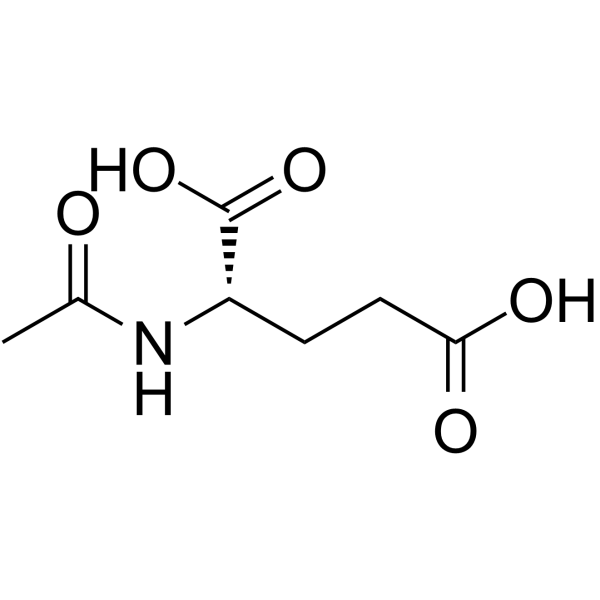
N-Acetyl-L-glutamic acid is a type of glutamic acid that can serve as a component of cell culture media. When combined with media containing inorganic salts, carbohydrates, vitamins, and amino acids, N-Acetyl-L-glutamic acid plays roles in promoting cell growth, enhancing antibody production, etc. N-Acetyl-L-glutamic acid is also an endogenous metabolite that can be found in the brain. Additionally, as an IgE blocker, N-Acetyl-L-glutamic acid can be used in the research of allergic diseases .
|
-
-
- HY-A0059
-
|
NF 113; SAP 113; Methylmercadone
|
Bacterial
Parasite
Antibiotic
Fungal
Apoptosis
STAT
Interleukin Related
TNF Receptor
|
Infection
Inflammation/Immunology
Cancer
|
|
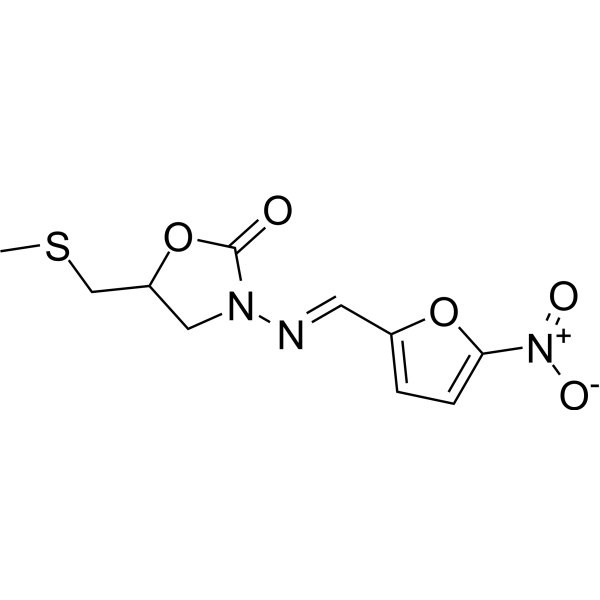
Nifuratel (NF 113) is an orally active broad-spectrum antibiotic with antiprotozoal, antibacterial, anticancer and anti-inflammatory activities, and has good inhibitory effects on Candida and Trichomonas. Nifuratel is also a STAT3 inhibitor, which significantly inhibits the growth and proliferation of human gastric cancer cells and induces apoptosis. In addition, Nifuratel also inhibits mast cell-mediated antigen hypersensitivity reactions and can be used in the study of IgE-mediated allergic diseases .
|
-
-
- HY-P99300
-
|
QGE 031; Anti-IGHE Recombinant Antibody
|
Fc Receptor (FcR)
|
Inflammation/Immunology
|
|
Ligelizumab (QGE 031) is a humanized high-affinity anti-immunoglobulin IgE monoclonal antibody. Ligelizumab selectively inhibits the binding of IgE to the high-affinity receptor FcεRI, while the inhibitory effect on the low-affinity receptor CD23 is weak. Ligelizumab can inhibit the activation of effector cells such as mast cells and Basophil, while reducing the production of IgE by B cells, and restoring the IFN-α production and regulatory T cell (Treg) induction function of plasmacytoid dendritic cells (pDC). Ligelizumab can be used in the study of allergic diseases (such as chronic spontaneous urticaria, allergic asthma) .
|
-

-
- HY-B0640
-
-
-
- HY-N0493
-
|
|
COX
Lipoxygenase
NF-κB
p38 MAPK
ERK
HIF/HIF Prolyl-Hydroxylase
Keap1-Nrf2
PI3K
Apoptosis
Autophagy
|
Neurological Disease
Inflammation/Immunology
Cancer
|
|
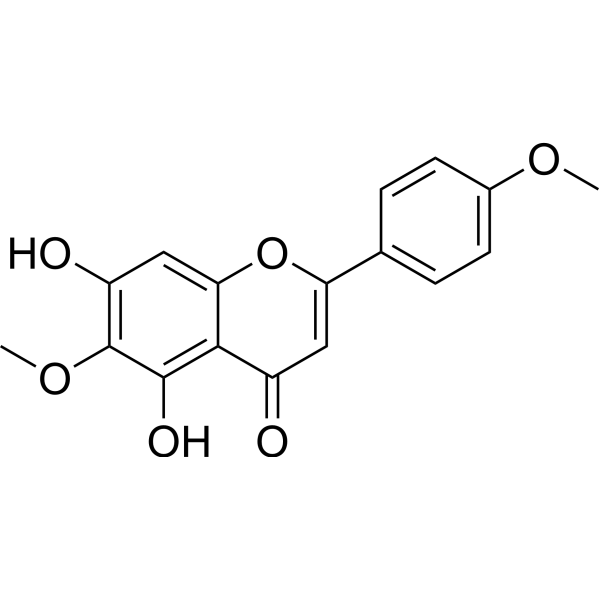
Pectolinarigenin is an orally active dual inhibitor of COX-2/5-LOX with anti-inflammatory, antioxidant, antitumor and neuroprotective activities. Pectolinarigenin exerts neuroprotective and anti-inflammatory effects on astrocyte inflammation via the NFκB and MAPK pathways. Pectolinarigenin inhibits LPS-induced phosphorylation of ERK1/2, N-FκB and p38MAPK, directly inhibits the enzymatic activity or binding of COX-2, 5-LOX and HIF-1α, and reduces the level of XIAP. Pectolinarigenin modifies Keap1 to promote nuclear accumulation of Nrf2, induces ARE-mediated antioxidant enzyme expression, and possesses direct free radical scavenging activity. Pectolinarigenin reduces the release of NO, proinflammatory mediators and leukotrienes, and increases the level of IL-10. Pectolinarigenin induces G2/M cell cycle arrest, apoptosis (Apoptosis) and autophagy (Autophagy) via the PI3K/AKT/mTOR signaling pathway. Pectolinarigenin reduces renal crystal deposition and inhibits melanin synthesis. Pectolinarigenin inhibits inflammation and alleviates allergy in mouse models of inflammation. Pectolinarigenin alleviates renal injury, inflammation and oxidative stress in mice by inhibiting HIF-1α activity. Pectolinarigenin can be used for the research of neurodegenerative diseases, inflammatory/allergic diseases, calcium oxalate nephrocalcinosis, gastric cancer, melasma, post-inflammatory diseases and chloasma .
|
-
-
- HY-158398
-
|
|
STAT
|
Inflammation/Immunology
|
|
STAT6-IN-4 (Ex. 78) is a STAT6 inhibitor, with an IC50 of 0.34 μM. STAT6-IN-4 can be used in the research of diseases such as inflammatory and allergic diseases .
|
-

-
- HY-158399
-
|
|
STAT
|
Inflammation/Immunology
|
|
STAT6-IN-5 (compound 84) is a STAT6 inhibitor (IC50=0.24 μM), which can be used for the research of inflammatory diseases and allergic diseases (e.g. atopic dermatitis) .
|
-

-
- HY-153192A
-
|
BI 1015550 dihydrate
|
Phosphodiesterase (PDE)
|
Inflammation/Immunology
|
|
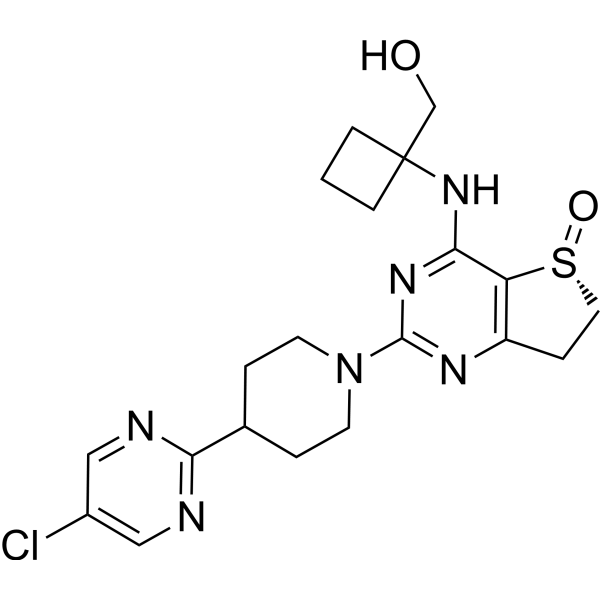
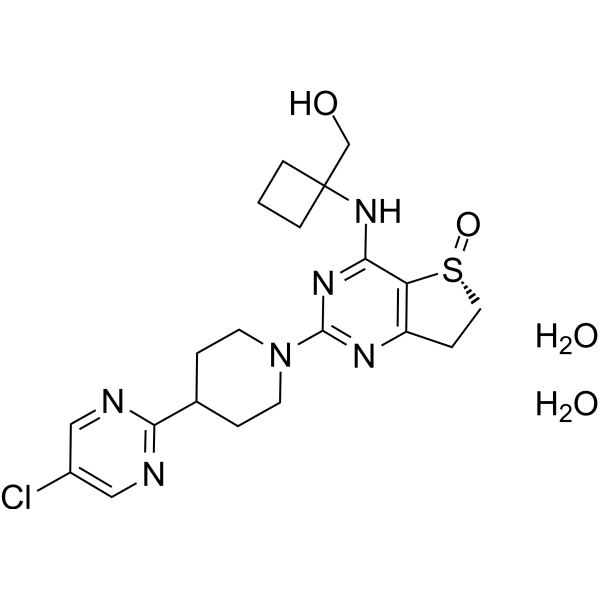
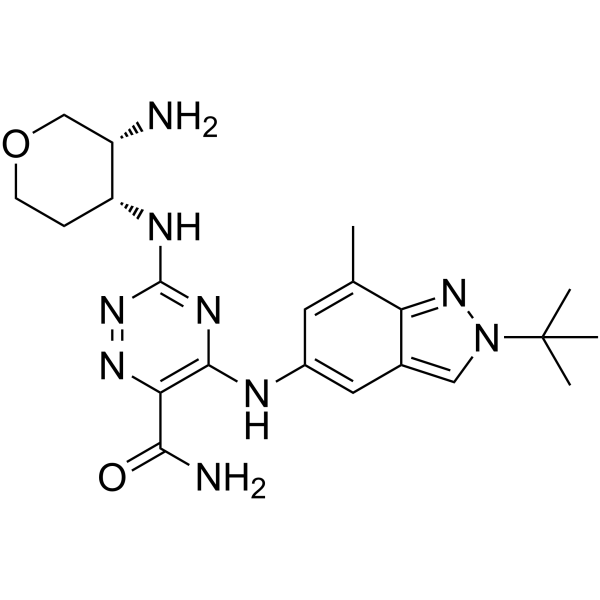
Nerandomilast (BI 1015550) dihydrate is an orally active inhibitor of PDE4B with an IC50 value of 7.2 nM. Nerandomilast (dihydrate) has good safety and potential applications in inflammation, allergic diseases, pulmonary fibrosis, and chronic obstructive pulmonary disease (COPD) .
|
-
-
- HY-134772
-
|
|
STAT
Cytochrome P450
|
Inflammation/Immunology
|
|
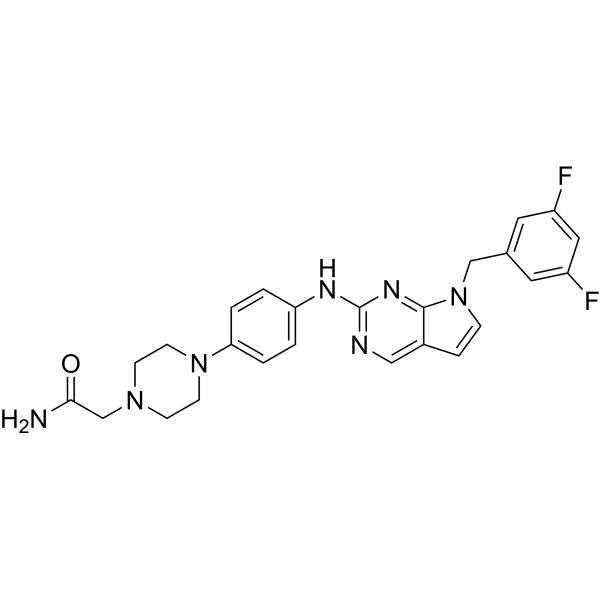
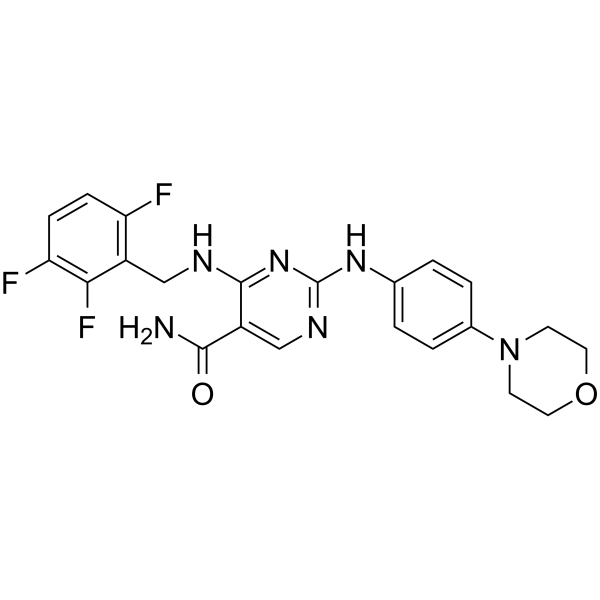
AS1810722 is an orally active and potent STAT6 inhibitor with an IC50 of 1.9 nM. AS1810722 shows a good profile of CYP3A4 inhibition. AS1810722, a derivative of fused bicyclic pyrimidine, has the potential for allergic diseases such as asthma and atopic diseases research .
|
-
-
- HY-134771
-
|
AS1617612
|
STAT
|
Inflammation/Immunology
|
|
YM-341619 (AS1617612) is a potent and orally active STAT6 inhibitor with an IC50 of 0.70 nM. YM-341619 inhibits Th2 differentiation in mouse spleen T cells induced by IL-4 (IC50=0.28 nM) without affecting Th1 cell differentiation . YM-341619 is a promising compound for the the research of allergic diseases, such as allergic asthma .
|
-
-
- HY-128726
-
|
|
Itk
|
Inflammation/Immunology
|
|
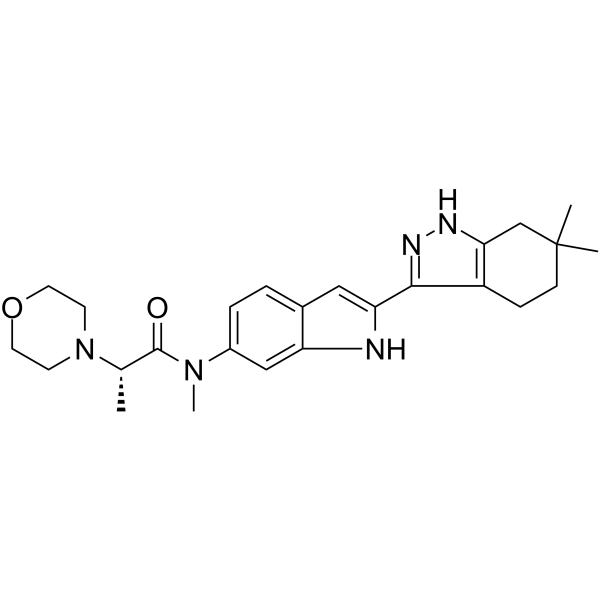
ITK inhibitor 2 is a ITK inhibitor with an IC50 of 2 nM. ITK inhibitor 2 is used for research on inflammatory diseases, allergic diseases, autoimmune diseases and transplant rejection .
|
-
-
- HY-123205
-
-
-
- HY-B0640A
-
|
WAL801 hydrochloride
|
Histamine Receptor
Transmembrane Glycoprotein
Interleukin Related
|
Cardiovascular Disease
Neurological Disease
Inflammation/Immunology
Cancer
|
|
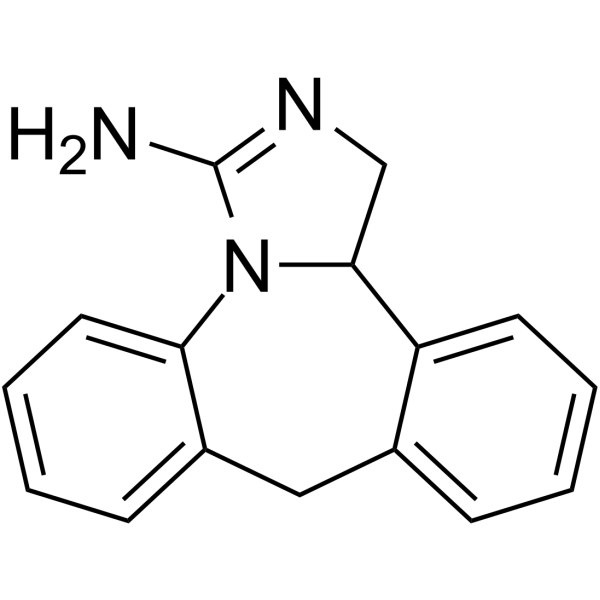
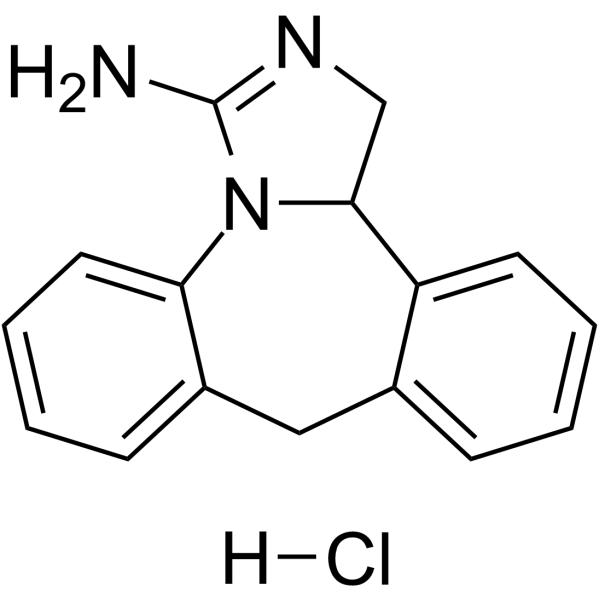
Epinastine hydrochloride (WAL801 hydrochloride) is a selective and orally active histamine H1 receptor antagonist, CD96/PVR inhibitor and mast cell stabilizer. Epinastine hydrochloride has high affinity for neuronal octopamine receptors in locusts (Ki = 2 nM) and honeybees (Ki = 1.1 nM). Epinastine hydrochloride inhibits TARC, IL-8, and IL-4. Epinastine hydrochloride activates anti-colon cancer immunity and inhibits Substance P (HY-P0201)-induced scratching behavior and increased vascular permeability. Epinastine hydrochloride can be used in the research of allergic diseases .
|
-
-
- HY-162231
-
|
|
Histamine Receptor
mAChR
|
Inflammation/Immunology
|
|
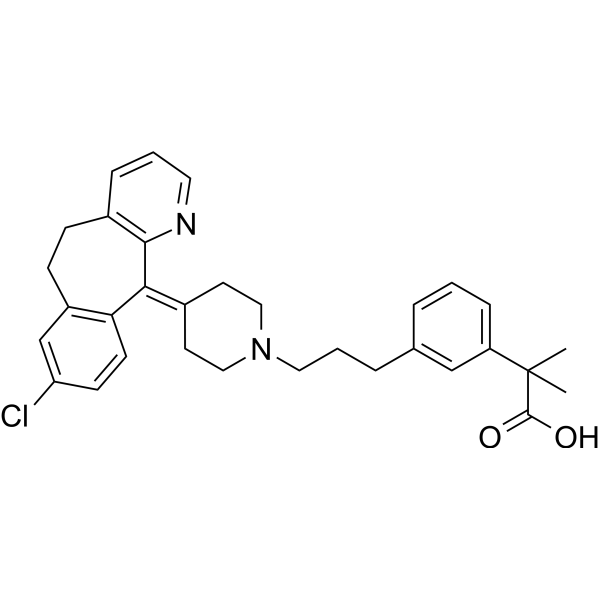
HY-078020 (compound III-4) is a selective, orally active antagonist for histamine H1 receptor with an IC50 of 24.12 nM. HY-078020 exhibits an anti-inflammatory effect in allergic diseases .
|
-
-
- HY-Y0047
-
|
Picolamine; 3-Pyridinemethanamine; Pyridin-3-ylmethanamine
|
Biochemical Assay Reagents
|
Inflammation/Immunology
|
|
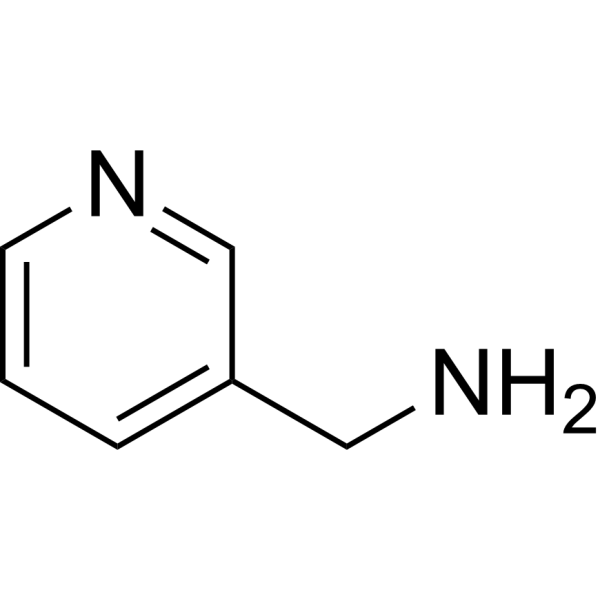
3-Picolylamine is a primary amine compound containing a pyridine ring structure. 3-Picolylamine inhibits histaminase (diamine oxidase) activity in pig kidneys. 3-Picolylamine significantly enhances the contractile response of isolated guinea pig ileum to Histamine (HY-B1204). 3-Picolylamine can be used to study histamine-related physiological mechanisms or allergic diseases (such as histamine-mediated inflammatory responses) .
|
-
-
- HY-16289
-
-
-
- HY-110207
-
|
|
Toll-like Receptor (TLR)
|
Inflammation/Immunology
|
|
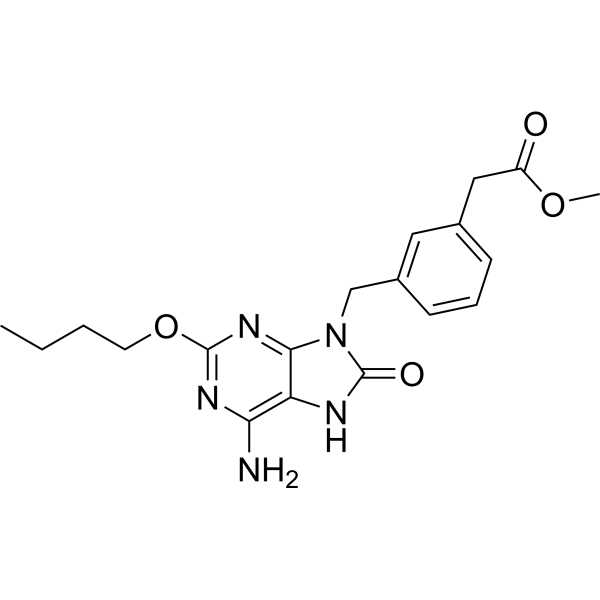
SM-324405 is a TLR7 agonistic antedrug (EC50 = 50 nM), with pEC50 values of 7.3 and 6.6 for human TLR7 and Rat TLR7, respectively. SM-324405 is used for immunoresearch of allergic diseases. An antedrug is defined as a locally active compound that is designed to be rapidly metabolized to an inactive form upon entry into the circulation and prevents systemic toxicity by losing its agonistic activity in a plasmatic environment .
|
-
-
- HY-P1793
-
|
|
Opioid Receptor
Biochemical Assay Reagents
|
Neurological Disease
Inflammation/Immunology
Cancer
|
|
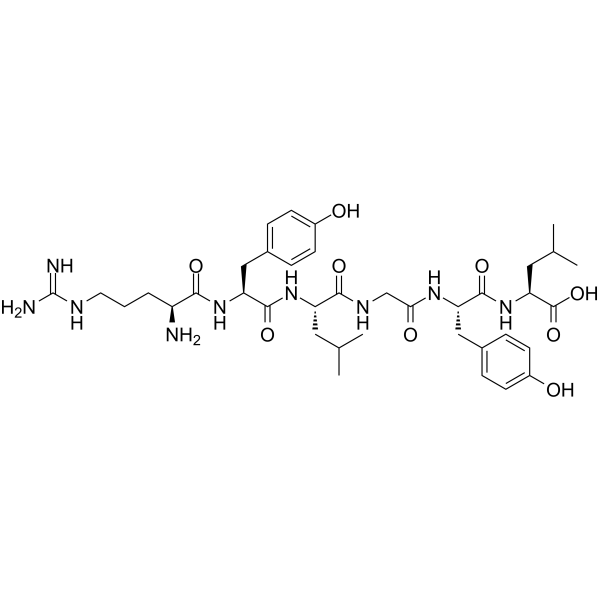
α-Casein (90-95) is a partial agonist of opioid receptors and a copper ion ligand, with opioid activity. α-Casein (90-95) inhibits the secretion of β-hexosaminidase by rat peritoneal mast cells (PMC) with IC50= 0.1 μM. α-Casein (90-95) inhibits the proliferation of prostate cancer cells LNCaP, DU145, and PC3 with IC50 of 0.94 nM, 137 nM, and 6.92 nM, respectively. α-Casein (90-95) activates Gi-like proteins through a membrane-assisted, receptor-independent pathway, or reversibly binds to opioid receptors, inducing intracellular calcium release and conformational changes, and exerts the activity of promoting mast cell secretion and inhibiting tumor cell proliferation. α-Casein (90-95) can be used in the study of the mechanisms of allergic diseases and prostate cancer .
|
-
-
- HY-136881
-
|
|
CCR
|
Inflammation/Immunology
|
|
CH0076989 is a specific CCR3 agonist. CH0076989 activates eosinophils and transfectants expressing both wild-type CCR3 and a CCR1:CCR3 chimaeric receptor lacking the CCR3 amino-terminus. CH0076989 has a direct interaction with the transmembrane helices of CCR3, supported by the complete loss of its activity due to mutations of the residues Y41, Y113 and E287. CH0076989 can be used for the study of inflammation and allergic diseases (such as asthma) .
|
-

-
- HY-B1317
-
|
Neohetramine
|
Histamine Receptor
|
Inflammation/Immunology
|
|
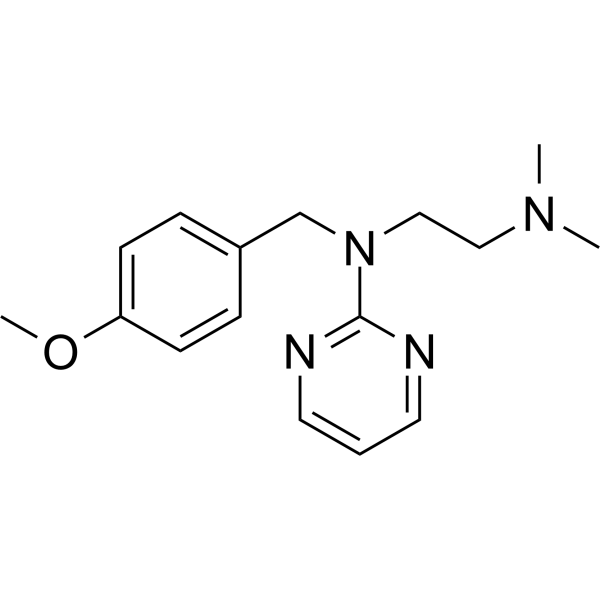
Thonzylamine is an orally active H1 histamine receptor antagonist with good antihistaminic and antianaphylactic properties. Thonzylamine can be used for the research of hypersensitivity diseases, nasal congestion, allergic conjunctivitis and other allergic diseases .
|
-
-
- HY-119832B
-
|
(S)-EGIS-2062 free acid; (S)-EGYT-2062 free acid
|
Histamine Receptor
|
Inflammation/Immunology
|
|
(S)-Setastine ((S)-EGIS-2062 free acid) is a non-sedating, highly potent antagonist of H1 receptor-mediated responses. (S)-Setastine has a long-lasting antihistamine effect and good oral efficacy. (S)-Setastine can be used in the research of allergic diseases .
|
-

-
- HY-W015240S
-
|
|
Isotope-Labeled Compounds
Endogenous Metabolite
|
Metabolic Disease
Inflammation/Immunology
|
|
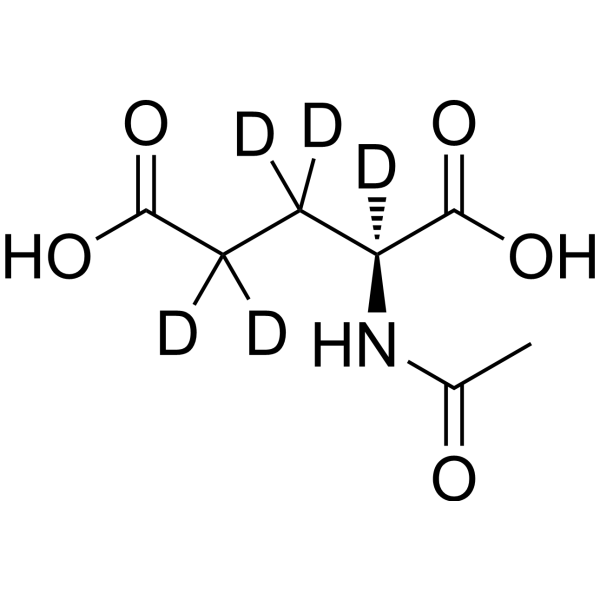
N-Acetyl-L-glutamic acid-d5 is the deuterium labeled N-Acetyl-L-glutamic acid (HY-W015240). N-Acetyl-L-glutamic acid is a type of glutamic acid that can serve as a component of cell culture media. When combined with media containing inorganic salts, carbohydrates, vitamins, and amino acids, N-Acetyl-L-glutamic acid plays roles in promoting cell growth, enhancing antibody production, etc. N-Acetyl-L-glutamic acid is also an endogenous metabolite that can be found in the brain. Additionally, as an IgE blocker, N-Acetyl-L-glutamic acid can be used in the research of allergic diseases .
|
-
-
- HY-B1015
-
|
Ethosalamide
|
Others
|
Inflammation/Immunology
|
|
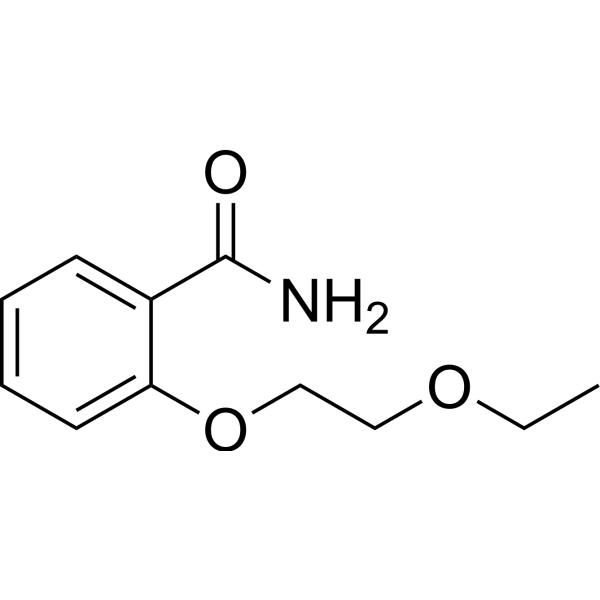
Etosalamide (Ethosalamide) is an antipyretic and analgesic agent. Etosalamide has anti-inflammatory activity and can be used for allergic disease research .
|
-
-
- HY-U00347
-
|
Atreleuton analog
|
COX
Lipoxygenase
|
Inflammation/Immunology
|
|
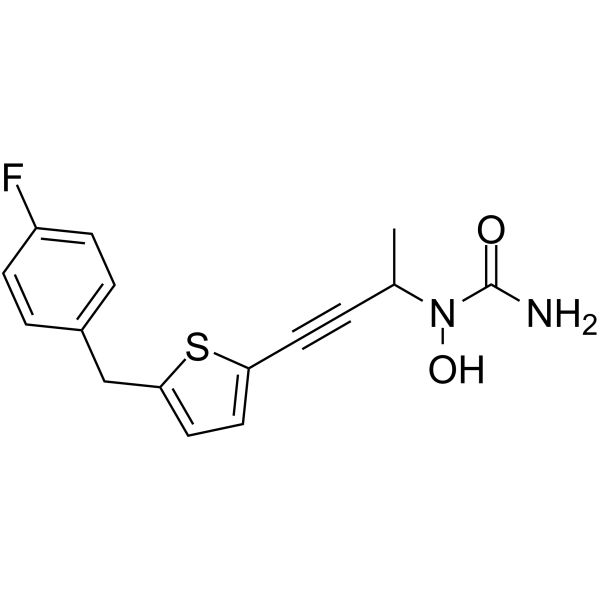
COX/5-LO-IN-1 (Atreleuton analog) is an inhibitor of cylooxygenase and 5-lipoxygenase (5-LO), used for the research of inflammatory and allergic disease states.
|
-
-
- HY-DNP159AF
-
|
|
Biochemical Assay Reagents
|
Others
|
|
House dust mite extract, from D.pteronyssinus (biotinylated), the most common source of indoor allergens, induces a variety of allergic diseases, including allergic rhinitis, conjunctivitis, allergic asthma, and atopic dermatitis .
|
-

-
- HY-165155
-
|
|
Leukotriene Receptor
|
Inflammation/Immunology
|
|
CysLT1 receptor antagonist-1 (Compound 4) is an antagonist for cysteinyl leukotriene receptor 1 (CysLT1R) with an IC50 of 3.9 μM. CysLT1 receptor antagonist-1 exhibits weak agonist activity against G-protein-coupled bile acid receptor 1 (GPBAR1) with an efficact of 23% at 10 μM. CysLT1 receptor antagonist-1 can be used for asthma and allergic diseases researchs .
|
-

-
- HY-U00148
-
-
-
- HY-105999B
-
-
-
- HY-B1062R
-
|
S-(+)-Chlorpheniramine maleate salt (Standard)
|
Reference Standards
Histamine Receptor
|
Inflammation/Immunology
Endocrinology
|
|
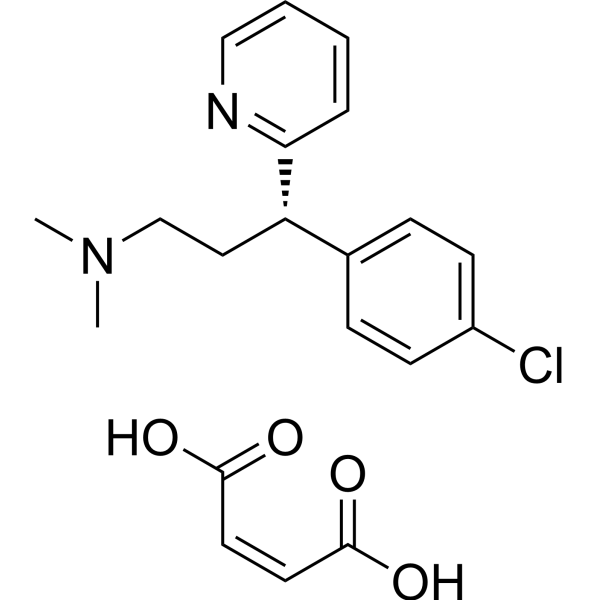
Dexchlorpheniramine (maleate) (Standard) is the analytical standard of Dexchlorpheniramine (maleate). This product is intended for research and analytical applications. Dexchlorpheniramine maleate is an antihistamine with anticholinergic properties used in the study of allergic diseases.
|
-
-
- HY-B0286R
-
|
Chlorphenamine (Standard)
|
Reference Standards
Histamine Receptor
|
Inflammation/Immunology
|
|
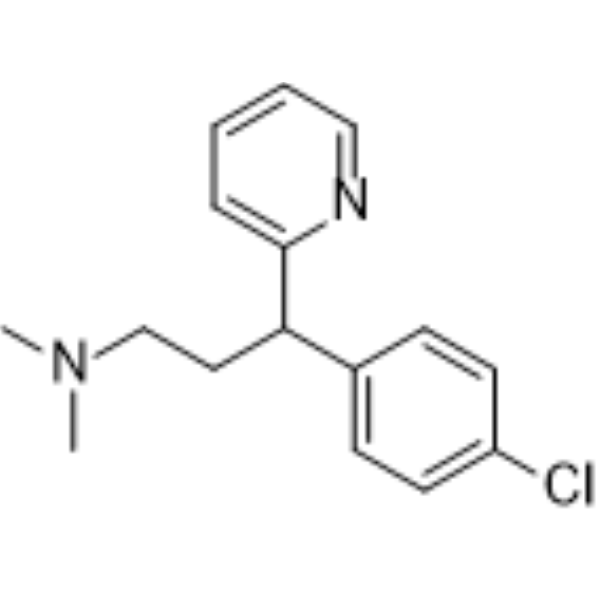
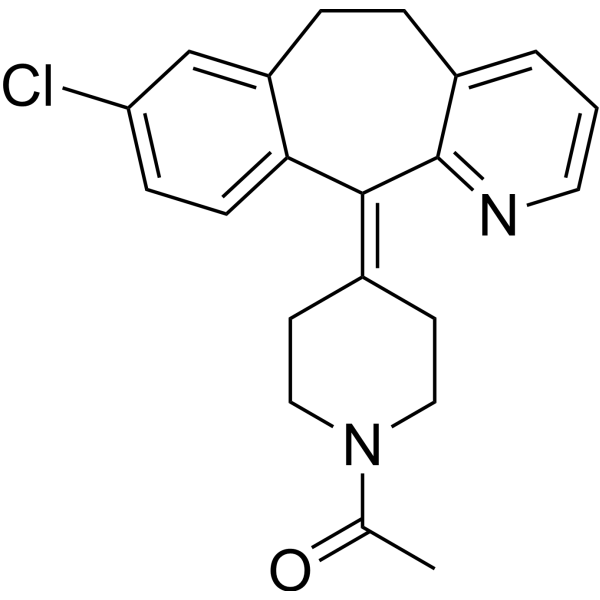
Chlorpheniramine (Standard) is the analytical standard of Chlorpheniramine. This product is intended for research and analytical applications. Chlorpheniramine is a H1 antihistamines commonly used in allergic diseases research .
|
-

-
- HY-125137
-
|
|
Histamine Receptor
|
Inflammation/Immunology
|
|
(R)-(-)-Chlorpheniramine maleate is an enantiomer of Chlorpheniramine maleate (HY-B0286A). Chlorpheniramine maleate is a H1 antihistamines. (R)-(-)-Chlorpheniramine maleate can be used for allergic diseases such as rhinitis and urticaria research .
|
-

-
- HY-116120
-
-
-
- HY-138961
-
|
|
Syk
|
Inflammation/Immunology
|
|
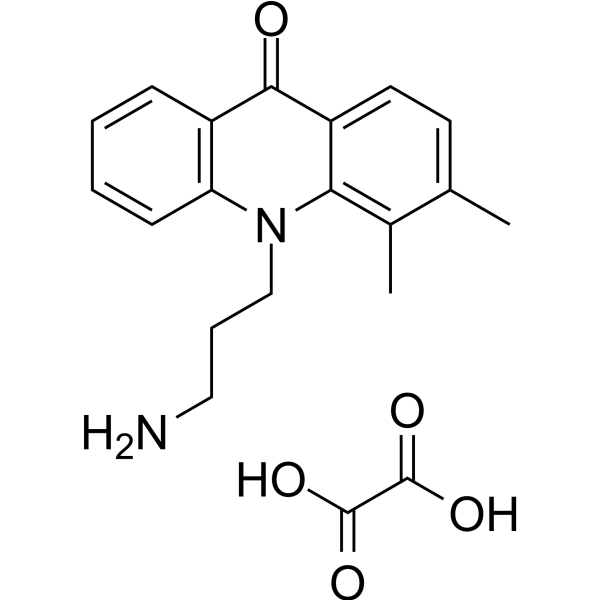
ER-27319, an acridone derivative, is a potent and selective SYK inhibitor, and inhibits the tyrosine phosphorylation of SYK and its activity. ER-27319 inhibits the release of antigen-induced allergic mediators from human and rat mast cells with an IC50 of 10 μM and can be used for study in allergic diseases .
|
-
-
- HY-P1793A
-
|
|
Opioid Receptor
Biochemical Assay Reagents
|
Neurological Disease
Inflammation/Immunology
Cancer
|
|
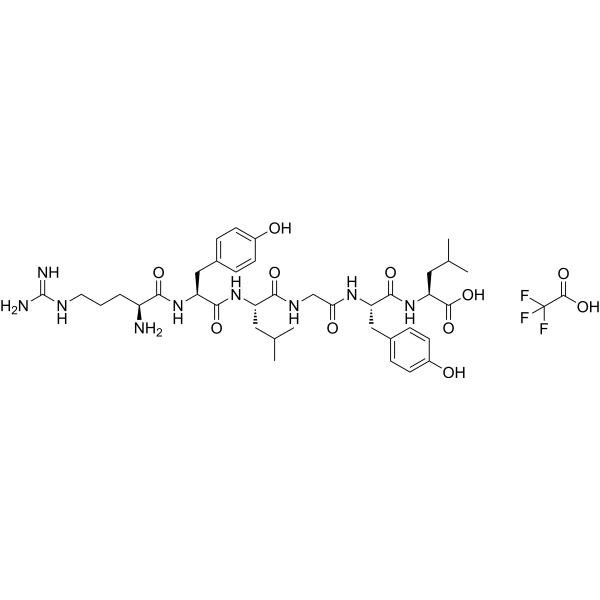
α-Casein (90-95) TFA is a partial agonist of opioid receptors and a copper ion ligand, with opioid activity. α-Casein (90-95) TFA inhibits the secretion of β-hexosaminidase by rat peritoneal mast cells (PMC) with IC50= 0.1 μM. α-Casein (90-95) TFA inhibits the proliferation of prostate cancer cells LNCaP, DU145, and PC3 with IC50 of 0.94 nM, 137 nM, and 6.92 nM, respectively. α-Casein (90-95) TFA activates Gi-like proteins through a membrane-assisted, receptor-independent pathway, or reversibly binds to opioid receptors, inducing intracellular calcium release and conformational changes, and exerts the activity of promoting mast cell secretion and inhibiting tumor cell proliferation. α-Casein (90-95) TFA can be used in the study of the mechanisms of allergic diseases and prostate cancer .
|
-
-
- HY-W300403A
-
-

-
- HY-106957
-
|
|
Histamine Receptor
|
Inflammation/Immunology
|
|
Efletirizine (EFZ) is an orally active antihistamine with high selectivity and affinity to the H1-receptor. Efletirizine can be used for allergic disease research .
|
-

-
- HY-B0286S2
-
-

-
- HY-117514
-
-

-
- HY-B1317A
-
|
Neohetramine hydrochloride
|
Histamine Receptor
|
Inflammation/Immunology
|
|
Thonzylamine hydrochloride is an orally active H1 histamine receptor antagonist with good antihistaminic and antianaphylactic properties. Thonzylamine hydrochloride can be used for the research of hypersensitivity diseases, nasal congestion, allergic conjunctivitis and other allergic diseases .
|
-

-
- HY-16289R
-
|
U-42585E (Standard)
|
Histamine Receptor
Reference Standards
|
Inflammation/Immunology
Endocrinology
|
|
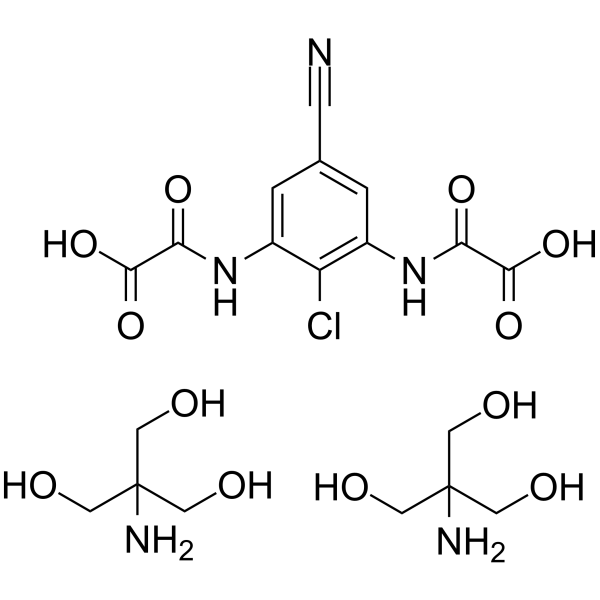
Lodoxamide (tromethamine) (Standard) is the analytical standard of Lodoxamide (tromethamine). This product is intended for research and analytical applications. Lodoxamide tromethamine (U-42585E) is a medication for the treatment of prophylaxis of mast cell-mediated allergic disease.
|
-

-
- HY-N10397
-
|
|
CCR
|
Inflammation/Immunology
|
|
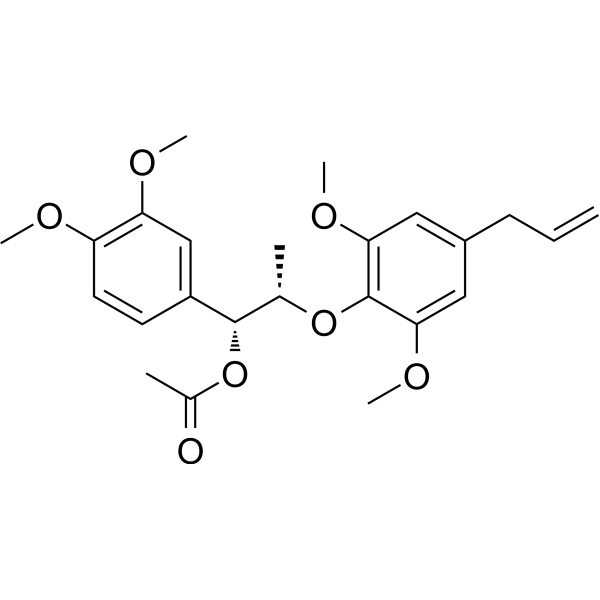
Maceneolignan H (Compound 8) is a neolignane compound isolated from the arils of Myristica fragrans. Maceneolignan H is a selective CCR3 antagonist (EC50 = 1.4 μM). Maceneolignan H has the potential for the research of allergic diseases .
|
-
-
- HY-107431
-
|
|
Histamine Receptor
|
Inflammation/Immunology
|
|
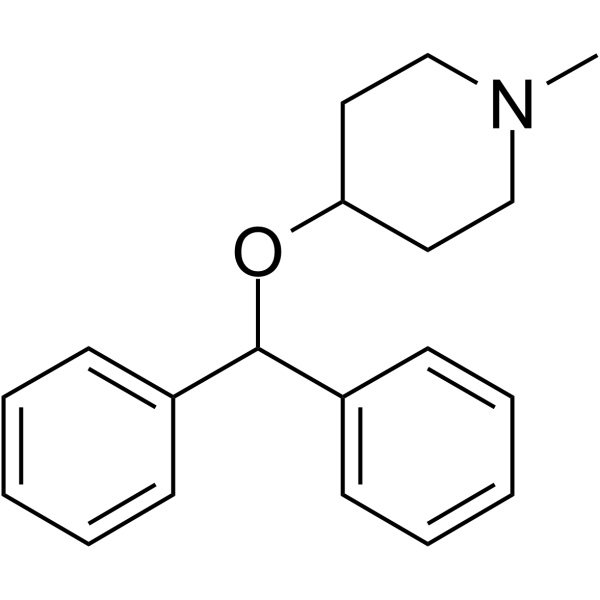
Diphenylpyraline is a potent histamine H1 receptor antagonist. Diphenylpyraline acts as an orally active antihistamine agent with antimuscarinic and antiallergic effects. Diphenylpyraline can be used for the research of allergic diseases, including rhinitis and hay fever, and pruritic skin disorders et.al .
|
-
-
- HY-112549
-
-
-
- HY-116890
-
|
|
Prostaglandin Receptor
|
Inflammation/Immunology
|
|
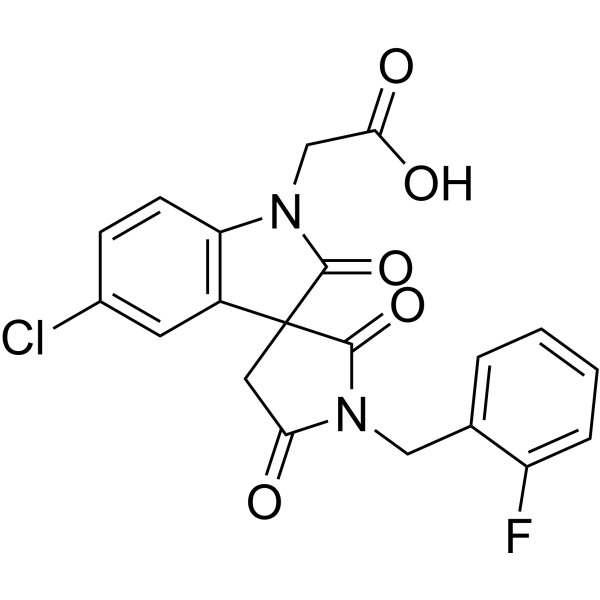
CRTh2 antagonist 4 (compound 58) is an inhibitor (IC50: 212 nM) of TH2 lymphocyte (CRTH2 or DP2) receptor with high binding affinity (Ki= 37 nM). CRTh2 antagonist 4 can be used in the study of severe allergic diseases .
|
-
-
- HY-147579
-
|
|
TAM Receptor
|
Infection
Inflammation/Immunology
Cancer
|
|
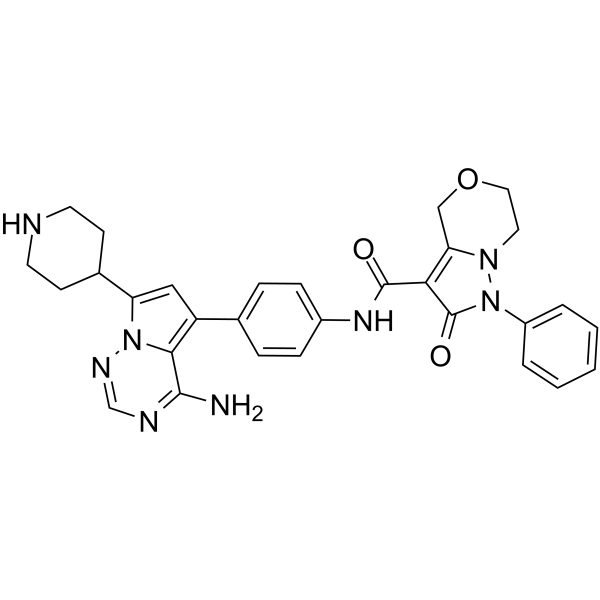
Axl-IN-12 (Example 2) is a potent AXL inhibitor. Axl-IN-12 can be used for the research of proliferative diseases, autoimmune diseases, allergic diseases, inflammatory diseases, transplant rejection, cancers, viral infectious diseases or other diseases of mammals .
|
-
-
- HY-147578
-
|
|
TAM Receptor
|
Infection
Inflammation/Immunology
Cancer
|
|
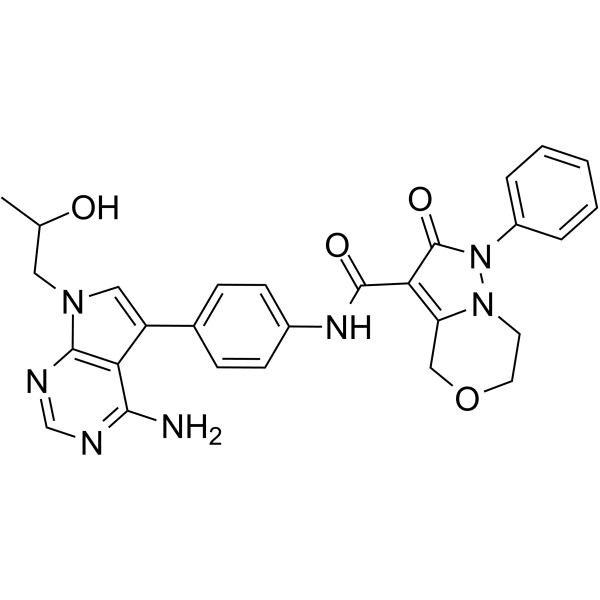
Axl-IN-11 (Example 1) is a potent AXL inhibitor. Axl-IN-11 can be used for the research of proliferative diseases, autoimmune diseases, allergic diseases, inflammatory diseases, transplant rejection, cancers, viral infectious diseases or other diseases of mammals .
|
-
-
- HY-B1317R
-
|
Neohetramine (Standard)
|
Reference Standards
Histamine Receptor
|
Inflammation/Immunology
|
|
Thonzylamine (Standard) is the analytical standard of Thonzylamine. This product is intended for research and analytical applications. Thonzylamine is an orally active H1 histamine receptor antagonist, exhibits good antihistaminic and antianaphylactic properties. Thonzylamine can be used for the research of hypersensitivity diseases, nasal congestion, allergic conjunctivitis and other allergic diseases .
|
-

-
- HY-108489
-
|
|
Syk
|
Inflammation/Immunology
|
|
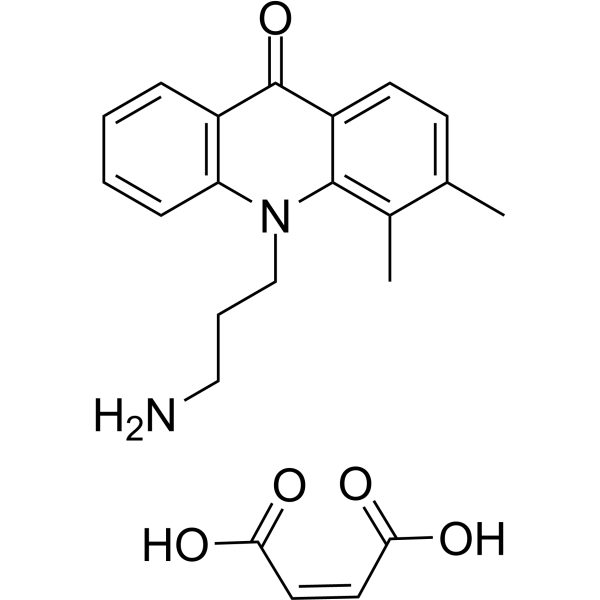
ER-27319 (maleate), an acridone derivative, is a potent and selective SKY inhibitor, and inhibits the tyrosine phosphorylation of SYK and its activity. ER-27319 (maleate) inhibits the release of antigen-induced allergic mediators from human and rat mast cells with an IC50 of 10 μM and can be used for study in allergic diseases [1] [2] .
|
-
- HY-17042B
-
|
(S)-P071
|
Histamine Receptor
|
Inflammation/Immunology
|
|
(S)-Cetirizine dihydrochloride ((S)-P071) is an orally active antagonist of the histamine H1 receptor with a Ki value of 39.1 nM. (S)-Cetirizine dihydrochloride exerts anti-allergic activity by binding to the histamine H1 receptor and blocking the action of histamine. (S)-Cetirizine dihydrochloride is promising for research of allergic diseases such as allergic rhinitis .
|
-

- HY-117628
-
|
|
Btk
|
Inflammation/Immunology
|
|
RN983 (Compound 1) is a highly selective Bruton's tyrosine kinase (Btk) inhibitor. RN983 inhibits IgG production in B-cells with an IC50 of 2.5 nM and PGD2 production from mast cells with an IC50 of 8.3 nM. RN983 is promising for research of asthma and other allergic diseases .
|
-

- HY-107431R
-
|
|
Reference Standards
Histamine Receptor
|
Inflammation/Immunology
|
|
Diphenylpyraline (Standard) is the analytical standard of Diphenylpyraline. This product is intended for research and analytical applications. Diphenylpyraline is a potent histamine H1?receptor antagonist. Diphenylpyraline acts as an orally active antihistamine agent?with antimuscarinic and antiallergic effects. Diphenylpyraline can be used for the research of allergic diseases, including rhinitis and hay fever, and pruritic skin disorders et.al .
|
-

- HY-147577
-
|
|
TAM Receptor
|
Inflammation/Immunology
Cancer
|
|
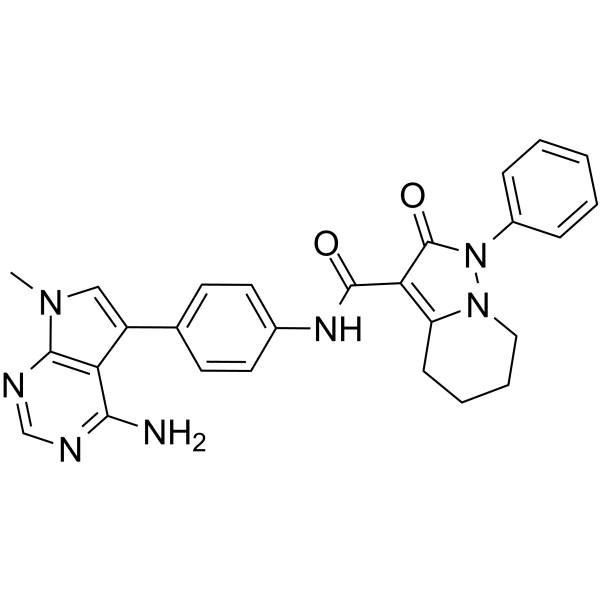
Axl-IN-10 (Example 1) is a potent AXL inhibitor, with an IC50 of 5 nM. Axl-IN-10 has excellent transmembrane properties.Axl-IN-10 exhibits excellent pharmacokinetic properties in an animal body. Axl-IN-10 can be used for the research of proliferative diseases, autoimmune diseases, allergic diseases, inflammatory diseases, transplant rejection, cancer, or other diseases in mammals .
|
-
- HY-147576
-
|
|
TAM Receptor
|
Inflammation/Immunology
Cancer
|
|
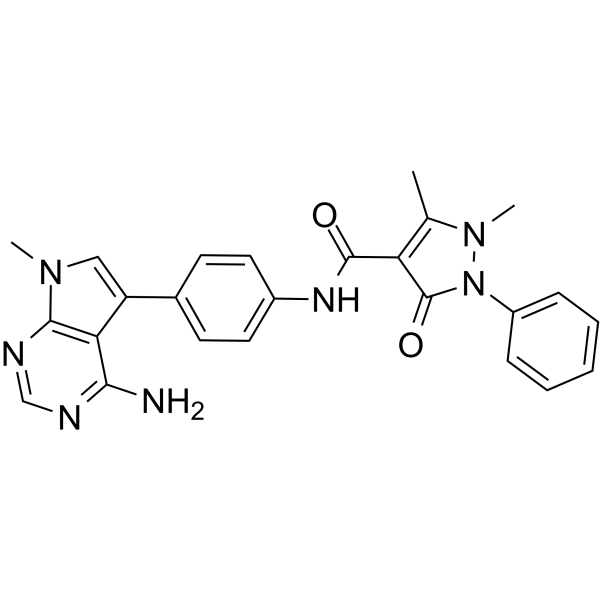
Axl-IN-9 (Example 10) is a potent AXL inhibitor, with an IC50 of 26 nM. Axl-IN-9 has excellent transmembrane properties. Axl-IN-9 exhibits excellent pharmacokinetic properties in an animal body. Axl-IN-9 can be used for the research of proliferative diseases, autoimmune diseases, allergic diseases, inflammatory diseases, transplant rejection, cancer, or other diseases in mammals .
|
-
- HY-12284
-
|
|
Prostaglandin Receptor
|
Inflammation/Immunology
|
|
NVP-QAV680 is a potent and selective CRTh2 receptor antagonist with low nanomolar (nM) functional potency to inhibit CRTh2-driven activation of human eosinophils and Th2 lymphocytes. NVP-QAV680 exhibits good oral bioavailability and demonstrates efficacy in CRTh2-dependent mechanisms and allergic disease models in rats .
|
-

- HY-120214
-
|
|
Syk
RET
|
Inflammation/Immunology
|
|
TAS05567 is a potent, highly selective, ATP-competitive and orally active Syk inhibitor with an IC50 of 0.37 nM. In a panel of 192 kinases, TAS05567 only shows >70% inhibition of Syk and 4 other kinases (FLT3, JAK2, KDR and RET with IC50s of 10 nM, 4.8 nM, 600 nM and 29 nM, respectively). TAS05567 can be used for humoral immune-mediated inflammatory conditions such as autoimmune and allergic diseases .
|
-
- HY-123205R
-
|
KW-4354 (Standard)
|
Reference Standards
Histamine Receptor
P2X Receptor
5-HT Receptor
Apoptosis
PERK
p38 MAPK
COX
|
Inflammation/Immunology
|
|
Oxatomide (Standard) (KW-4354 (Standard)) is the analytical standard of Oxatomide (HY-123205). This product is intended for research and analytical applications. Oxatomide (KW-4354) is an orally active dual antagonist of the H1-histamine receptor and the P2X7 receptor, as well as an inhibitor of serotonin. Oxatomide possesses antihistaminic, antiallergic and anti-inflammatory activities. Oxatomide can be used in the research of allergic diseases .
|
-

- HY-124626
-
|
|
Histamine Receptor
|
Inflammation/Immunology
|
(R)-(+)-Mequitazine is a histamine H1 receptor antagonist that mainly undergoes bio-transformation via human liver microsomes, resulting in hydroxylated and S-oxidized metabolites. (R)-(+)-Mequitazine competitively binds to the H1 receptors in gastrointestinal, vascular, and respiratory effect cells, thus blocking the endogenous activity of histamine. (R)-(+)-Mequitazine has an inhibitory effect on CYP3A-catalyzed midazolam 1’-hydroxylase. (R)-(+)-Mequitazine can be used in the study of various allergic diseases .
|
-

- HY-W015240S1
-
|
|
Isotope-Labeled Compounds
Endogenous Metabolite
|
Metabolic Disease
Inflammation/Immunology
|
|
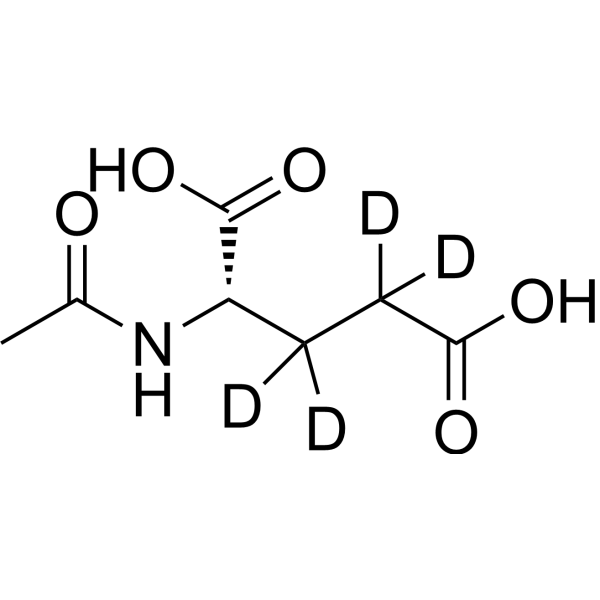
N-Acetyl-L-glutamic acid-d4 is the deuterium labeled N-Acetyl-L-glutamic acid (HY-W015240). N-Acetyl-L-glutamic acid is a type of glutamic acid that can serve as a component of cell culture media. When combined with media containing inorganic salts, carbohydrates, vitamins, and amino acids, N-Acetyl-L-glutamic acid plays roles in promoting cell growth, enhancing antibody production, etc. N-Acetyl-L-glutamic acid is also an endogenous metabolite that can be found in the brain. Additionally, as an IgE blocker, N-Acetyl-L-glutamic acid can be used in the research of allergic diseases .
|
-
- HY-W015240R
-
|
|
Reference Standards
Endogenous Metabolite
|
Metabolic Disease
Inflammation/Immunology
|
|
N-Acetyl-L-glutamic acid (Standard) is the analytical standard of N-Acetyl-L-glutamic acid (HY-W015240). This product is intended for research and analytical applications. N-Acetyl-L-glutamic acid is a type of glutamic acid that can serve as a component of cell culture media. When combined with media containing inorganic salts, carbohydrates, vitamins, and amino acids, N-Acetyl-L-glutamic acid plays roles in promoting cell growth, enhancing antibody production, etc. N-Acetyl-L-glutamic acid is also an endogenous metabolite that can be found in the brain. Additionally, as an IgE blocker, N-Acetyl-L-glutamic acid can be used in the research of allergic diseases .
|
-

- HY-138110
-
|
4-Methyldiphenhydramine
|
Endogenous Metabolite
iGluR
Histamine Receptor
|
Neurological Disease
Inflammation/Immunology
|
|
Toladryl is a derivative of Diphenhydramine (HY-B0303), capable of penetrating the blood-brain barrier and possessing oral activity, as well as antihistamine and anticholinergic activities. The anticholinergic activity of Toladryl is approximately one-tenth that of Diphenhydramine (HY-B0303), and its protective effect against lethal doses of histamine in guinea pigs is 2 to 4 times that of Diphenhydramine (HY-B0303). The side effects of Toladryl are fewer and milder than those of Diphenhydramine (HY-B0303), but at higher doses, it may cause central nervous system symptoms such as insomnia, agitation, and disorientation. Toladryl can be used for research in allergic diseases .
|
-

- HY-19108
-
|
|
Reactive Oxygen Species (ROS)
Histamine Receptor
|
Inflammation/Immunology
Endocrinology
|
|
CI-959 is an inhibitor of inflammatory cell activation. CI-959 exhibits anti-inflammatory and anti-allergic activities. CI-959 can inhibit the production of reactive oxygen species by neutrophils, as well as neutrophil adhesion, respiratory burst, and histamine release from mast cells. CI-959 can also inhibit the release of inflammatory mediators such as histamine, leukotrienes, and thromboxane from guinea-pig and human lung tissues, and effectively suppress anti-IgE-induced contractions of human bronchial smooth muscle. CI-959 can be used in the research of inflammatory and allergic diseases, such as asthma .
|
-

- HY-138110R
-
|
4-Methyldiphenhydramine (Standard)
|
Reference Standards
Endogenous Metabolite
iGluR
Histamine Receptor
|
Neurological Disease
Inflammation/Immunology
|
|
Toladryl (Standard) is the analytical standard of Toladryl. This product is intended for research and analytical applications. Toladryl is a derivative of Diphenhydramine (HY-B0303), capable of penetrating the blood-brain barrier and possessing oral activity, as well as antihistamine and anticholinergic activities. The anticholinergic activity of Toladryl is approximately one-tenth that of Diphenhydramine (HY-B0303), and its protective effect against lethal doses of histamine in guinea pigs is 2 to 4 times that of Diphenhydramine (HY-B0303). The side effects of Toladryl are fewer and milder than those of Diphenhydramine (HY-B0303), but at higher doses, it may cause central nervous system symptoms such as insomnia, agitation, and disorientation. Toladryl can be used for research in allergic diseases .
|
-

- HY-B0640AR
-
|
WAL801 hydrochloride (Standard)
|
Reference Standards
Histamine Receptor
Transmembrane Glycoprotein
Interleukin Related
|
Cardiovascular Disease
Neurological Disease
Inflammation/Immunology
Cancer
|
|
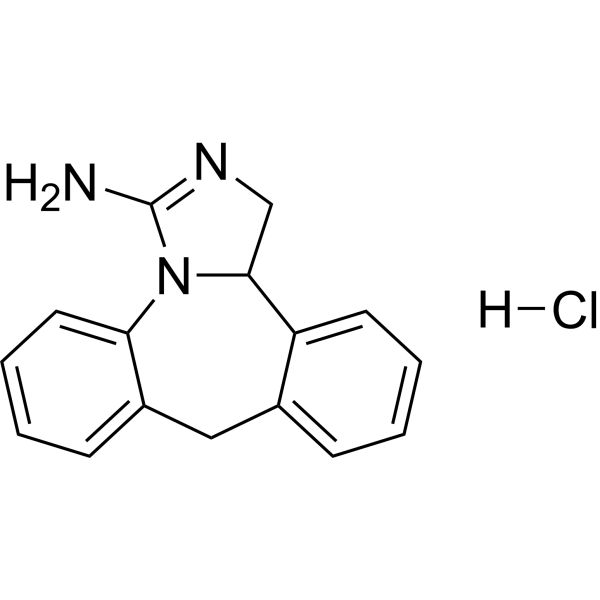
Epinastine (hydrochloride) (Standard) is the analytical standard of Epinastine hydrochloride (HY-B0640A). This product is intended for research and analytical applications. Epinastine hydrochloride (WAL801 hydrochloride) is a selective and orally active histamine H1 receptor antagonist, CD96/PVR inhibitor and mast cell stabilizer. Epinastine hydrochloride has high affinity for neuronal octopamine receptors in locusts (Ki = 2 nM) and honeybees (Ki = 1.1 nM). Epinastine hydrochloride inhibits TARC, IL-8, and IL-4. Epinastine hydrochloride activates anti-colon cancer immunity and inhibits Substance P (HY-P0201)-induced scratching behavior and increased vascular permeability. Epinastine hydrochloride can be used in the research of allergic diseases .
|
-
- HY-N0493R
-
|
|
Reference Standards
COX
Lipoxygenase
NF-κB
p38 MAPK
ERK
HIF/HIF Prolyl-Hydroxylase
Keap1-Nrf2
PI3K
Apoptosis
Autophagy
|
Inflammation/Immunology
|
|
Pectolinarigenin (Standard) is the analytical standard of Pectolinarigenin. This product is intended for research and analytical applications. Pectolinarigenin is an orally active dual inhibitor of COX-2/5-LOX with anti-inflammatory, antioxidant, antitumor and neuroprotective activities. Pectolinarigenin exerts neuroprotective and anti-inflammatory effects on astrocyte inflammation via the NFκB and MAPK pathways. Pectolinarigenin inhibits LPS-induced phosphorylation of ERK1/2, N-FκB and p38MAPK, directly inhibits the enzymatic activity or binding of COX-2, 5-LOX and HIF-1α, and reduces the level of XIAP. Pectolinarigenin modifies Keap1 to promote nuclear accumulation of Nrf2, induces ARE-mediated antioxidant enzyme expression, and possesses direct free radical scavenging activity. Pectolinarigenin reduces the release of NO, proinflammatory mediators and leukotrienes, and increases the level of IL-10. Pectolinarigenin induces G2/M cell cycle arrest, apoptosis (Apoptosis) and autophagy (Autophagy) via the PI3K/AKT/mTOR signaling pathway. Pectolinarigenin reduces renal crystal deposition and inhibits melanin synthesis. Pectolinarigenin inhibits inflammation and alleviates allergy in mouse models of inflammation. Pectolinarigenin alleviates renal injury, inflammation and oxidative stress in mice by inhibiting HIF-1α activity. Pectolinarigenin can be used for the research of neurodegenerative diseases, inflammatory/allergic diseases, calcium oxalate nephrocalcinosis, gastric cancer, melasma, post-inflammatory diseases and chloasma.
|
-

- HY-182627
-
-

- HY-B0286S1
-
-

- HY-174609
-
|
|
mRNA
|
Inflammation/Immunology
|
|
Human IL31 mRNA encodes the human interleukin 31 (IL31) protein, which may be involved in the promotion of allergic skin disorders and in regulating other allergic diseases, such as asthma.
|
-

- HY-DNP159F
-
|
|
Biochemical Assay Reagents
|
Others
|
|
House dust mite extract, from D.farinae (biotinylated), the most common source of indoor allergens, induces a variety of allergic diseases, including allergic rhinitis, conjunctivitis, allergic asthma, and atopic dermatitis .
|
-

- HY-126980
-
|
|
Ser/Thr Protease
|
Inflammation/Immunology
|
|
AMG-126737 is an orally active and highly selective human mast cell tryptase inhibitor with a Ki of 90 nM. AMG-126737 suppresses early/late-phase bronchoconstriction in sheep models. AMG-126737 is promising for research of asthma and allergic diseases .
|
-

- HY-116435
-
-

- HY-181891
-
-

- HY-Y0823
-
|
|
Parasite
|
Inflammation/Immunology
|
|
Benzoyl isothiocyanate is an aromatic isothiocyanate compound found in Sinapis alba L.. Benzoyl isothiocyanate exerts acaricidal activity against Dermatophagoides farina and D. pteronyssinus with LD50 values of 13.8 and 7.63 µg/cm 2. Benzoyl isothiocyanate can be used for the research on house dust mite-related allergic disease .
|
-

- HY-133727
-
|
|
Histamine Receptor
Potassium Channel
|
Cardiovascular Disease
Inflammation/Immunology
|
|
Terfenadine N-oxide, an N-oxide derivative of Terfenadine (HY-B1193), is a histamine H1 receptor antagonist (IC50 = 2.73 μM) and an hERG potassium channel inhibitor (IC50 = 0.698 μM). Terfenadine N-oxide is can be used for the research of histamine-related allergic diseases and hERG channel-associated arrhythmias .
|
-

- HY-P992440
-
|
|
Interleukin Related
|
Inflammation/Immunology
|
|
PF-06817024 is a high affinity, humanized antibody that binds IL-33. PF-06817024 binds to IL-33, prevents IL-33 from binding to receptor ST2, and inhibits downstream type 2 inflammatory responses. PF-06817024 can be used for the research of allergic diseases .
|
-

- HY-119050
-
|
|
CCR
|
Inflammation/Immunology
|
|
Anti-inflammatory agent 87 (compound 72) is a potential anti-inflammatory agent, whose precursor is an inhibitor targeting the binding of thymus and activation-regulated chemokine (TARC/CCL17) to Hut78 cells. Anti-inflammatory agent 87 can be used in the research of allergic diseases, autoimmune diseases, transplant rejection and other conditions .
|
-

- HY-P992378
-
|
|
CCR
STAT
|
Inflammation/Immunology
Cancer
|
|
HZ-1127 is a thymic stromal lymphopoietin (TSLP) inhibitor. HZ-1127 selectively binds to TSLP, blocks receptor complex interaction, inhibits STAT5 activation, downstream inflammatory signaling, and TSLP-induced CCL17 and CCL22 secretion. HZ-1127 can be used for the research of allergic diseases and cancer .
|
-

- HY-N17651
-
|
|
Reactive Oxygen Species (ROS)
Fc Receptor (FcR)
Heme Oxygenase (HO)
|
Inflammation/Immunology
|
|
Tricetinidin chloride is an antioxidant. Tricetinidin chloride protects rat renal cells against oxidative stress and DNA damage by reducing ROS production, increasing GSH levels, restoring mitochondrial membrane potential, and upregulating HO-1 expression. Tricetinidin chloride also inhibits the expression of IgE receptors on human mast cells. Tricetinidin chloride can be used in the research of inflammatory and allergic diseases .
|
-

- HY-W347202
-
|
|
COX
|
Neurological Disease
Inflammation/Immunology
|
|
N-Caffeoyl serotonin is a COX-2 inhibitor, with IC50 and Kᵢ values of 42.5 μM and 65.5 μM against COX-2, respectively. N-Caffeoyl serotonin exhibits weak inhibitory activity against BACE1, with an IC50 > 400 μM. N-Caffeoyl serotonin has free radical scavenging activity. N-Caffeoyl serotonin can be used in the research of allergic diseases and Alzheimer's disease .
|
-

- HY-182414
-
|
|
Ser/Thr Protease
|
Inflammation/Immunology
|
|
NCO-650 free base is an antiallergic agent that acts by inhibiting tryptase, a key trypsin-like protease in mast cells. NCO-650 free base inhibits mast cell histamine release, increases intracellular cAMP levels in mast cells, suppresses bronchoconstriction, and prevents decreases in perfusion pressure and systemic blood pressure. NCO-650 free base is applicable to the research of allergic diseases and bronchial asthma .
|
-

- HY-N18182
-
|
|
Glycosidase
|
Inflammation/Immunology
|
|
Mudanpioside E is an orally effective paeoniflorin-type monoterpene glycoside antiallergic agent, with an IC50 of 40.34 μM against IgE-mediated β-hexosaminidase release. Mudanpioside E reverses the inhibitory effect of the modified Xiaoqinglong Decoction extract (paeonia root component removed) on passive cutaneous anaphylaxis in mice. Mudanpioside E itself shows no activity against passive cutaneous anaphylaxis. Mudanpioside E can be used in research related to allergic diseases .
|
-

- HY-115314
-
|
LG 30435
|
Histamine Receptor
|
Inflammation/Immunology
|
|
Mequitamium iodide (LG 30435) is an antihistamine drug with antiallergic and bronchodilatory activity. Mequitamium iodide can effectively antagonize airway contraction and inflammatory responses induced by histamine and antigens. Mequitamium iodide has nanomolar affinity for the H1 and smooth muscle receptors of histamine and mequitin. Mequitamium iodide, when administered in aerosol form, significantly inhibits histamine- and antigen-induced increases in airway pressure in allergic mice. Mequitamium iodide reduces antigen-induced eosinophil accumulation in the airways. Mequitamium iodide also exhibits inhibitory effects on PAF-induced platelet aggregation and bronchoconstriction, and can be used in the study of allergic diseases such as rhinitis and asthma .
|
-

| Cat. No. |
Product Name |
Type |
-
- HY-DNP159AF
-
|
|
Biochemical Assay Reagents
|
|
House dust mite extract, from D.pteronyssinus (biotinylated), the most common source of indoor allergens, induces a variety of allergic diseases, including allergic rhinitis, conjunctivitis, allergic asthma, and atopic dermatitis .
|
-
- HY-DNP159F
-
|
|
Biochemical Assay Reagents
|
|
House dust mite extract, from D.farinae (biotinylated), the most common source of indoor allergens, induces a variety of allergic diseases, including allergic rhinitis, conjunctivitis, allergic asthma, and atopic dermatitis .
|
| Cat. No. |
Product Name |
Target |
Research Area |
-
- HY-P1793
-
|
|
Opioid Receptor
Biochemical Assay Reagents
|
Neurological Disease
Inflammation/Immunology
Cancer
|
|
α-Casein (90-95) is a partial agonist of opioid receptors and a copper ion ligand, with opioid activity. α-Casein (90-95) inhibits the secretion of β-hexosaminidase by rat peritoneal mast cells (PMC) with IC50= 0.1 μM. α-Casein (90-95) inhibits the proliferation of prostate cancer cells LNCaP, DU145, and PC3 with IC50 of 0.94 nM, 137 nM, and 6.92 nM, respectively. α-Casein (90-95) activates Gi-like proteins through a membrane-assisted, receptor-independent pathway, or reversibly binds to opioid receptors, inducing intracellular calcium release and conformational changes, and exerts the activity of promoting mast cell secretion and inhibiting tumor cell proliferation. α-Casein (90-95) can be used in the study of the mechanisms of allergic diseases and prostate cancer .
|
-
- HY-P1793A
-
|
|
Opioid Receptor
Biochemical Assay Reagents
|
Neurological Disease
Inflammation/Immunology
Cancer
|
|
α-Casein (90-95) TFA is a partial agonist of opioid receptors and a copper ion ligand, with opioid activity. α-Casein (90-95) TFA inhibits the secretion of β-hexosaminidase by rat peritoneal mast cells (PMC) with IC50= 0.1 μM. α-Casein (90-95) TFA inhibits the proliferation of prostate cancer cells LNCaP, DU145, and PC3 with IC50 of 0.94 nM, 137 nM, and 6.92 nM, respectively. α-Casein (90-95) TFA activates Gi-like proteins through a membrane-assisted, receptor-independent pathway, or reversibly binds to opioid receptors, inducing intracellular calcium release and conformational changes, and exerts the activity of promoting mast cell secretion and inhibiting tumor cell proliferation. α-Casein (90-95) TFA can be used in the study of the mechanisms of allergic diseases and prostate cancer .
|
| Cat. No. |
Product Name |
Target |
Research Area |
Image |
-
- HY-P99300
-
|
QGE 031; Anti-IGHE Recombinant Antibody
|
Fc Receptor (FcR)
|
Inflammation/Immunology
|
|
Ligelizumab (QGE 031) is a humanized high-affinity anti-immunoglobulin IgE monoclonal antibody. Ligelizumab selectively inhibits the binding of IgE to the high-affinity receptor FcεRI, while the inhibitory effect on the low-affinity receptor CD23 is weak. Ligelizumab can inhibit the activation of effector cells such as mast cells and Basophil, while reducing the production of IgE by B cells, and restoring the IFN-α production and regulatory T cell (Treg) induction function of plasmacytoid dendritic cells (pDC). Ligelizumab can be used in the study of allergic diseases (such as chronic spontaneous urticaria, allergic asthma) .
|
-

(5)
-
- HY-P992440
-
|
|
Interleukin Related
|
Inflammation/Immunology
|
|
PF-06817024 is a high affinity, humanized antibody that binds IL-33. PF-06817024 binds to IL-33, prevents IL-33 from binding to receptor ST2, and inhibits downstream type 2 inflammatory responses. PF-06817024 can be used for the research of allergic diseases .
|
-
(5)
-
- HY-P992378
-
|
|
CCR
STAT
|
Inflammation/Immunology
Cancer
|
|
HZ-1127 is a thymic stromal lymphopoietin (TSLP) inhibitor. HZ-1127 selectively binds to TSLP, blocks receptor complex interaction, inhibits STAT5 activation, downstream inflammatory signaling, and TSLP-induced CCL17 and CCL22 secretion. HZ-1127 can be used for the research of allergic diseases and cancer .
|
-
(5)
| Cat. No. |
Product Name |
Category |
Target |
Chemical Structure |
-
- HY-W015240
-
-
-
- HY-N0493
-
|
|
Structural Classification
Flavonoids
Classification of Application Fields
Flavones
Campylotropis hirtella (Franch.) Schindl.
Phenols
Polyphenols
Plants
Compositae
Inflammation/Immunology
Disease Research Fields
Source Classification
|
COX
Lipoxygenase
NF-κB
p38 MAPK
ERK
HIF/HIF Prolyl-Hydroxylase
Keap1-Nrf2
PI3K
Apoptosis
Autophagy
|
|
Pectolinarigenin is an orally active dual inhibitor of COX-2/5-LOX with anti-inflammatory, antioxidant, antitumor and neuroprotective activities. Pectolinarigenin exerts neuroprotective and anti-inflammatory effects on astrocyte inflammation via the NFκB and MAPK pathways. Pectolinarigenin inhibits LPS-induced phosphorylation of ERK1/2, N-FκB and p38MAPK, directly inhibits the enzymatic activity or binding of COX-2, 5-LOX and HIF-1α, and reduces the level of XIAP. Pectolinarigenin modifies Keap1 to promote nuclear accumulation of Nrf2, induces ARE-mediated antioxidant enzyme expression, and possesses direct free radical scavenging activity. Pectolinarigenin reduces the release of NO, proinflammatory mediators and leukotrienes, and increases the level of IL-10. Pectolinarigenin induces G2/M cell cycle arrest, apoptosis (Apoptosis) and autophagy (Autophagy) via the PI3K/AKT/mTOR signaling pathway. Pectolinarigenin reduces renal crystal deposition and inhibits melanin synthesis. Pectolinarigenin inhibits inflammation and alleviates allergy in mouse models of inflammation. Pectolinarigenin alleviates renal injury, inflammation and oxidative stress in mice by inhibiting HIF-1α activity. Pectolinarigenin can be used for the research of neurodegenerative diseases, inflammatory/allergic diseases, calcium oxalate nephrocalcinosis, gastric cancer, melasma, post-inflammatory diseases and chloasma .
|
-
-
- HY-N10397
-
-
-
- HY-W015240R
-
|
|
Microorganisms
Amino acids
Endogenous metabolite
Source Classification
|
Reference Standards
Endogenous Metabolite
|
|
N-Acetyl-L-glutamic acid (Standard) is the analytical standard of N-Acetyl-L-glutamic acid (HY-W015240). This product is intended for research and analytical applications. N-Acetyl-L-glutamic acid is a type of glutamic acid that can serve as a component of cell culture media. When combined with media containing inorganic salts, carbohydrates, vitamins, and amino acids, N-Acetyl-L-glutamic acid plays roles in promoting cell growth, enhancing antibody production, etc. N-Acetyl-L-glutamic acid is also an endogenous metabolite that can be found in the brain. Additionally, as an IgE blocker, N-Acetyl-L-glutamic acid can be used in the research of allergic diseases .
|
-
-
- HY-N0493R
-
|
|
Structural Classification
Flavonoids
Flavones
Campylotropis hirtella (Franch.) Schindl.
Phenols
Polyphenols
Plants
Compositae
Source Classification
|
Reference Standards
COX
Lipoxygenase
NF-κB
p38 MAPK
ERK
HIF/HIF Prolyl-Hydroxylase
Keap1-Nrf2
PI3K
Apoptosis
Autophagy
|
|
Pectolinarigenin (Standard) is the analytical standard of Pectolinarigenin. This product is intended for research and analytical applications. Pectolinarigenin is an orally active dual inhibitor of COX-2/5-LOX with anti-inflammatory, antioxidant, antitumor and neuroprotective activities. Pectolinarigenin exerts neuroprotective and anti-inflammatory effects on astrocyte inflammation via the NFκB and MAPK pathways. Pectolinarigenin inhibits LPS-induced phosphorylation of ERK1/2, N-FκB and p38MAPK, directly inhibits the enzymatic activity or binding of COX-2, 5-LOX and HIF-1α, and reduces the level of XIAP. Pectolinarigenin modifies Keap1 to promote nuclear accumulation of Nrf2, induces ARE-mediated antioxidant enzyme expression, and possesses direct free radical scavenging activity. Pectolinarigenin reduces the release of NO, proinflammatory mediators and leukotrienes, and increases the level of IL-10. Pectolinarigenin induces G2/M cell cycle arrest, apoptosis (Apoptosis) and autophagy (Autophagy) via the PI3K/AKT/mTOR signaling pathway. Pectolinarigenin reduces renal crystal deposition and inhibits melanin synthesis. Pectolinarigenin inhibits inflammation and alleviates allergy in mouse models of inflammation. Pectolinarigenin alleviates renal injury, inflammation and oxidative stress in mice by inhibiting HIF-1α activity. Pectolinarigenin can be used for the research of neurodegenerative diseases, inflammatory/allergic diseases, calcium oxalate nephrocalcinosis, gastric cancer, melasma, post-inflammatory diseases and chloasma.
|
-
-
- HY-N17651
-
-
-
- HY-N18182
-
|
|
Structural Classification
Monophenols
Paeonia lactiflora Pall.
Phenols
Plants
Paeoniaceae
Source Classification
|
Glycosidase
|
|
Mudanpioside E is an orally effective paeoniflorin-type monoterpene glycoside antiallergic agent, with an IC50 of 40.34 μM against IgE-mediated β-hexosaminidase release. Mudanpioside E reverses the inhibitory effect of the modified Xiaoqinglong Decoction extract (paeonia root component removed) on passive cutaneous anaphylaxis in mice. Mudanpioside E itself shows no activity against passive cutaneous anaphylaxis. Mudanpioside E can be used in research related to allergic diseases .
|
-
| Cat. No. |
Product Name |
Chemical Structure |
-
- HY-W015240S
-
|
|
|
N-Acetyl-L-glutamic acid-d5 is the deuterium labeled N-Acetyl-L-glutamic acid (HY-W015240). N-Acetyl-L-glutamic acid is a type of glutamic acid that can serve as a component of cell culture media. When combined with media containing inorganic salts, carbohydrates, vitamins, and amino acids, N-Acetyl-L-glutamic acid plays roles in promoting cell growth, enhancing antibody production, etc. N-Acetyl-L-glutamic acid is also an endogenous metabolite that can be found in the brain. Additionally, as an IgE blocker, N-Acetyl-L-glutamic acid can be used in the research of allergic diseases .
|
-
-
- HY-B0286S2
-
|
|
|
Chlorpheniramine-d6 (Chlorphenamine-d6) is deuterium labeled Chlorpheniramine. Chlorpheniramine is a H1 antihistamines commonly used in allergic diseases research .
|
-
-
- HY-W015240S1
-
|
|
|
N-Acetyl-L-glutamic acid-d4 is the deuterium labeled N-Acetyl-L-glutamic acid (HY-W015240). N-Acetyl-L-glutamic acid is a type of glutamic acid that can serve as a component of cell culture media. When combined with media containing inorganic salts, carbohydrates, vitamins, and amino acids, N-Acetyl-L-glutamic acid plays roles in promoting cell growth, enhancing antibody production, etc. N-Acetyl-L-glutamic acid is also an endogenous metabolite that can be found in the brain. Additionally, as an IgE blocker, N-Acetyl-L-glutamic acid can be used in the research of allergic diseases .
|
-
-
- HY-B0286S1
-
|
|
|
Chlorpheniramine-d4 (Chlorphenamine-d4) is deuterium labeled Chlorpheniramine. Chlorpheniramine is a H1 antihistamines commonly used in allergic diseases research .
|
-
| Cat. No. |
Product Name |
|
Classification |
-
- HY-174609
-
|
|
|
mRNA
Interleukin & Receptors
|
|
Human IL31 mRNA encodes the human interleukin 31 (IL31) protein, which may be involved in the promotion of allergic skin disorders and in regulating other allergic diseases, such as asthma.
|
Your information is safe with us. * Required Fields.
Inquiry Information
- Product Name:
- Cat. No.:
- Quantity:
- MCE Japan Authorized Agent:








