1. Search Result
Search Result
Results for "

covalent bond

" in MedChemExpress (MCE) Product Catalog:

125

Inhibitors & Agonists

3

Bibliotecas de Screening

12

Fluorescent Dyes

33

Biochemical Assay Reagents

2

Inhibitory Antibodies

9

Click Chemistry

10

Oligonucleotides

Cat. No. Nombre del producto Target Áreas de investigación Chemical Structure
  • HY-152857

    LY3473329

    LDLR Cardiovascular Disease
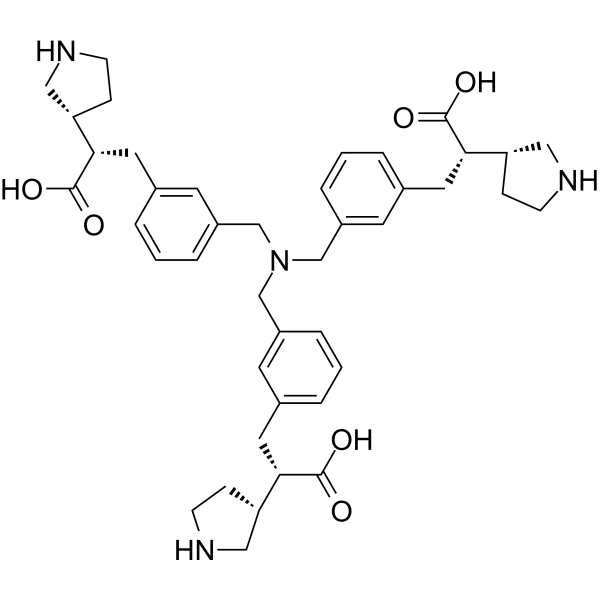
    Muvalaplin (LY3473329) is an orally active, selective small molecule inhibitor of lipoprotein (a) (Lp (a)) that disrupts the initial non-covalent interaction between apo(a) and apoB100, preventing the disulphide bond and Lp(a) formation. Muvalaplin reduces the levels of Lp (a) in transgenic mice and in cynomolgus monkeys .
    Muvalaplin
  • HY-79647

    N-(Fmoc-oxy)succinimide

    Biochemical Assay Reagents Others
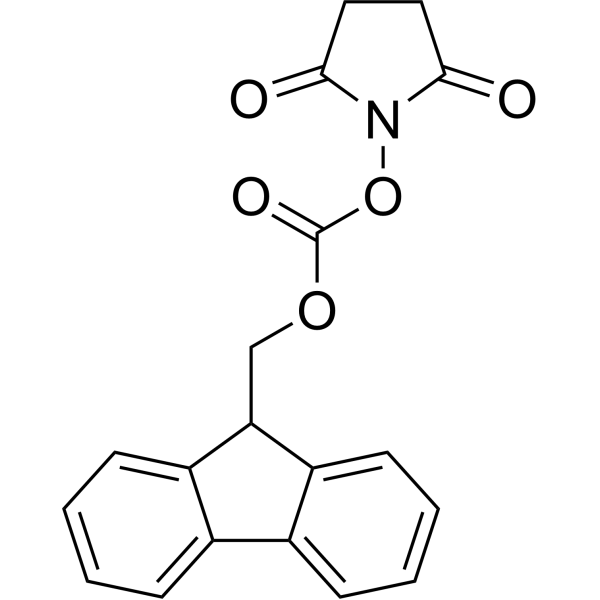
    Fmoc-OSu (N-(Fmoc-oxy)succinimide) is an acylating agent that targets amino groups (-NH2). It can selectively protect the amino groups of amino acids by covalently binding with primary or secondary amines through nucleophilic substitution reactions. Fmoc-OSu forms a stable amide bond with the amino group to avoid side reactions of the amino group in peptide synthesis. It can also be used as a fluorescent labeling reagent to react with glycosylamines for efficient labeling of N-sugar chains. Fmoc-OSu can be used as an Fmoc protection strategy in peptide synthesis, and as a fluorescent labeling and analysis method for N-sugar chains .
    Fmoc-OSu
  • HY-100848
    TX1-85-1
    2 Publications Verification

    EGFR Cancer
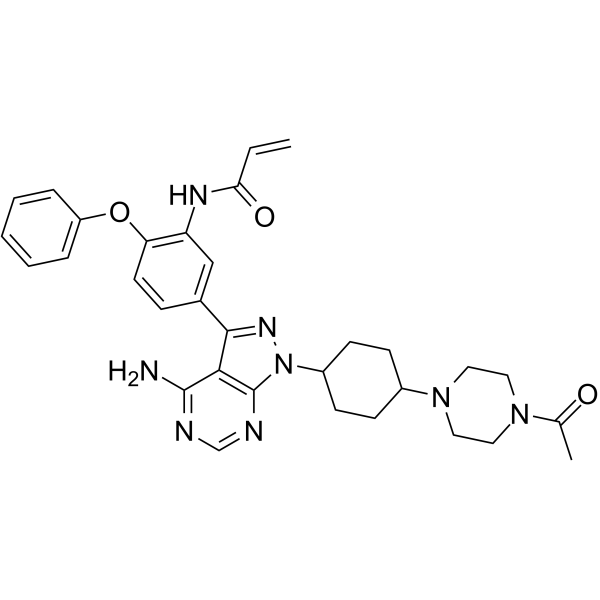
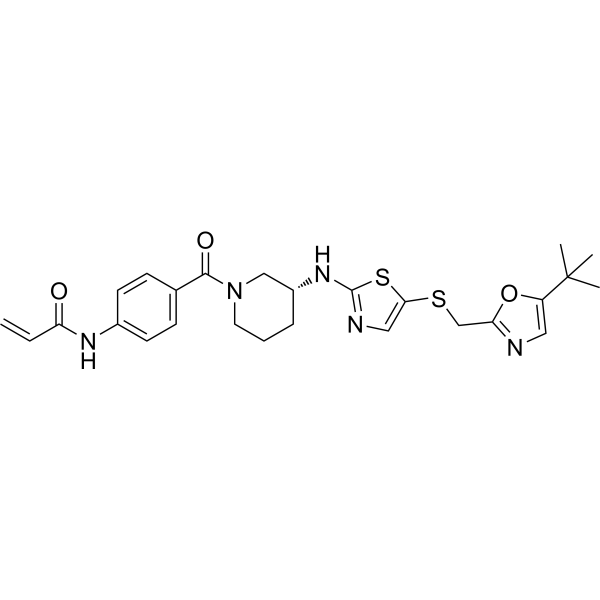
    TX1-85-1 is an irreversible Her3 (ErbB3) inhibitor with an IC50 of 23 nM. TX1-85-1 is also the first selective Her3 ligand, which forms a covalent bond with Cys721 located in the ATP-binding site of Her3. TX1-85-1 induces partial degradation of Her3 protein and attenuates Her3-dependent signaling .
    TX1-85-1
  • HY-W068119A

    2-Maleimidoethylamine hydrochloride

    Biochemical Assay Reagents Cancer
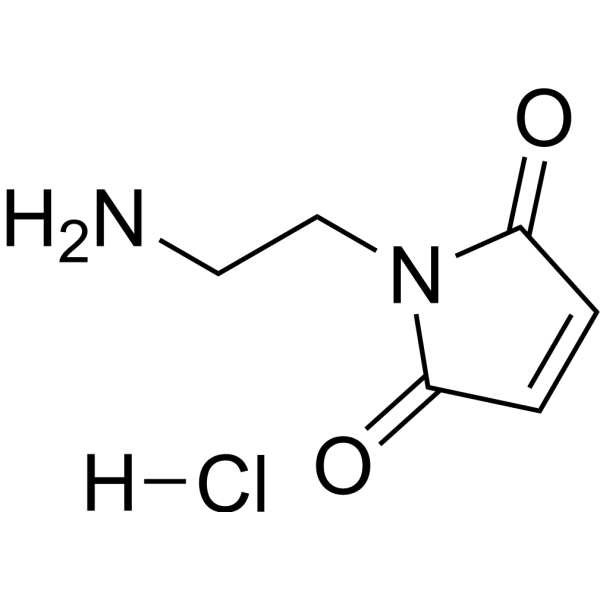
    N-(2-Aminoethyl)maleimide (2-Maleimidoethylamine) hydrochloride is a selective covalent binding agent for thiol groups (RSGs), covalently binding to thiols via an irreversible thioether bond to prepare MMP-2-sensitive nanosystems. Under near-neutral conditions, the maleimide group in N-(2-Aminoethyl)maleimide hydrochloride binds to thiol groups via a nucleophilic addition reaction, and can be used to modify polymers or biological interfaces, enhancing mucosal adhesion and regulating the surface charge of biological interfaces. N-(2-Aminoethyl)maleimide hydrochloride can optimize the adhesion performance of drug delivery carriers and cell interactions with biological interfaces, and is applied in transmucosal drug delivery systems (such as drug carriers for oral and bladder sites) and biomaterial surface engineering research, providing support for tissue implantation, regeneration, and related drug delivery .
    N-(2-Aminoethyl)maleimide hydrochloride
  • HY-100433
    PACMA 31
    5 Publications Verification

    PDI Cancer
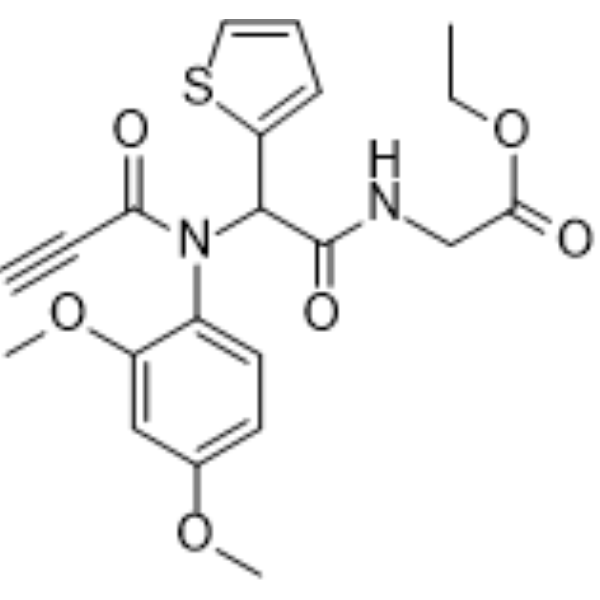
    PACMA 31 is an irreversible, orally active protein disulfide isomerase (PDI) inhibitor with an IC50 of 10 μM. PACMA 31 forms a covalent bond with the active site cysteines of PDI. PACMA 31 shows tumor targeting ability and significantly suppresses ovarian tumor growth without causing toxicity to normal tissues . PACMA 31 is a click chemistry reagent, it contains an Alkyne group and can undergo copper-catalyzed azide-alkyne cycloaddition (CuAAc) with molecules containing Azide groups.
    PACMA 31
  • HY-12903
    Macozinone
    5 Publications Verification

    PBTZ169

    Bacterial Antibiotic Infection
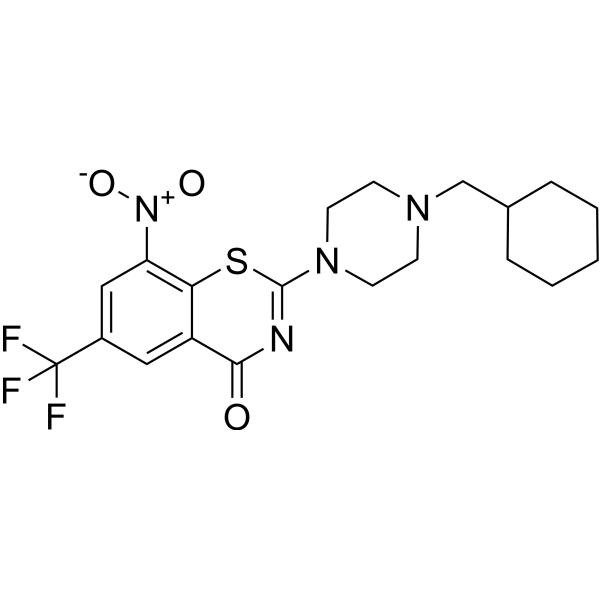
    Macozinone (PBTZ169) is a bactericidal benzothiazinone and a potent DprE1 (decaprenylphosphoryl-β-d-ribose 2′-oxidase) inhibitor. Macozinone inhibits the essential flavoprotein DprE1 by forming a covalent bond with the active-site Cys387 residue. Macozinone has antituberculosis effect .
    Macozinone
  • HY-112624J

    Dextran 4; Dextran D4; Dextran T4(MW 3200-4800)

    Bacterial Others
    Dextran 4,000 is a mucus rheology modifier. The dextran molecules in Dextran 4,000 can reduce the cross-link density of mucus through osmotic effects and hydrogen bond substitution, and reduce viscoelasticity and improve the mucociliary/cough clearance index by destroying the DNA-mucin network structure in mucus. Dextran 4,000 has the ability to improve the rheological properties and clearance ability of cystic fibrosis (CF) sputum, and can be used in the study of inhalation therapy or aerosol delivery of mucostatic respiratory diseases. The Dextran series of compounds are also natural polysaccharide drug carriers that can be connected to drugs through covalent bonding methods such as ester bonds, amide bonds or click chemistry, or self-assembled to form carriers such as nanoparticles and hydrogels. Dextran is biodegradable and biocompatible, and can achieve targeted delivery and controlled release of drugs. Dextran derivatives can prolong the half-life of drugs, increase local concentrations, and reduce the activity of immune clearance .
    Dextran T4 (MW 4,000)
  • HY-172437

    S-892216

    Virus Protease SARS-CoV Infection
    Secutrelvir is an oral SARS-CoV-2 3C-like protease (3CLpro) inhibitor and antiviral agent, with IC50 values of 0.655 nM and 0.697 nM against SARS-CoV-2 3CLpro, respectively. Secutrelvir forms a reversible covalent bond with the catalytic cysteine C145 of SARS-CoV-2 3CLpro, thereby inhibiting viral replication. Secutrelvir exhibits activity against multiple SARS-CoV-2 variants and can be used in research related to coronavirus disease 2019 (COVID-19) .
    Secutrelvir
  • HY-W440719

    Liposome Cancer
    Cholesterol-PEG2000-MAL is a PEG derivative and can be used to prepare liposome or nanoparticle due to its ability to self-assemble in water. The maleimide moiety is reactive with thiol molecule to form a covalent thioether bond.
    Cholesterol-PEG2000-MAL
  • HY-100338

    Btk Cancer
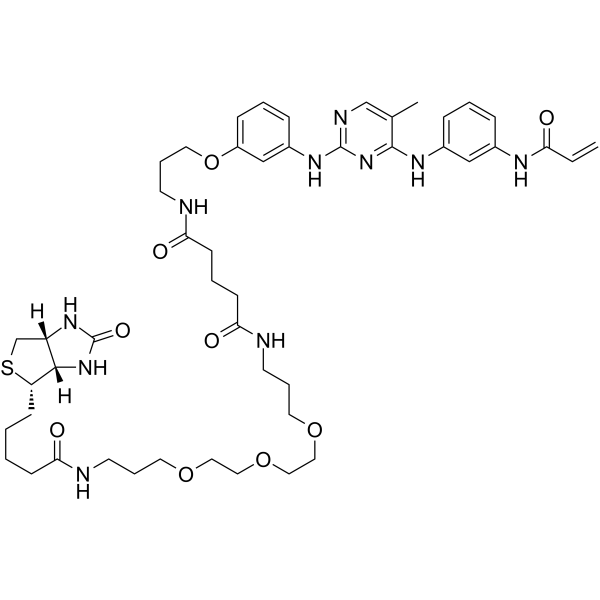
    CNX-500 is a probe consisting of a covalent Btk inhibitor (CC-292) chemically linked to biotin. CNX-500 retains inhibitory activity against Btk (IC50 of 0.5 nM) and the ability to form a covalent bond with Btk. CNX-500 has low inhibitory effects on kinase epidermal growth factor receptor, and upstream Src-family kinases including Syk and Lyn .
    CNX-500
  • HY-106991A

    S-303 dihydrochloride

    HIV Bacterial CHIKV Infection
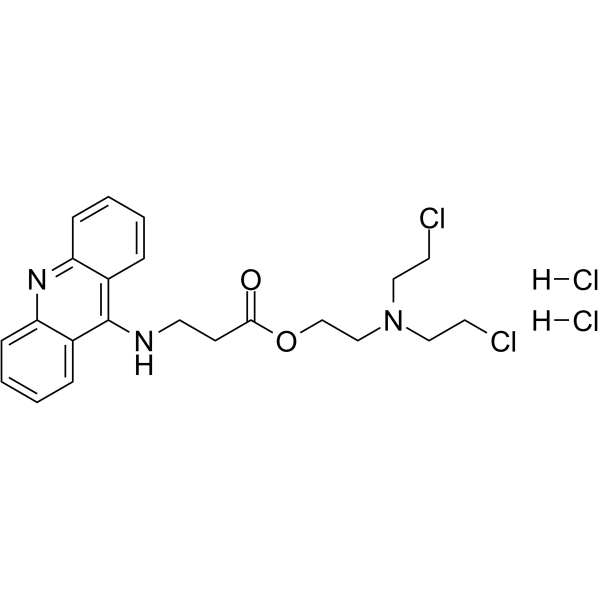
    Amustaline (S-303) dihydrochloride, a nucleic acid-targeted alkylator, is an efficient pathogen inactivation agent for blood components containing red blood cells. Amustaline dihydrochloride has three components: an acridine anchor (an intercalator that targets nucleic acids non-covalently), an effector (a bis-alkylator group that reacts with nucleophiles), and a linker (a small flexible carbon chain containing a labile ester bond that hydrolyzes at neutral pH to yield non-reactive breakdown products) .
    Amustaline dihydrochloride
  • HY-153244
    MFH290
    1 Publications Verification

    CDK Cancer
    MFH290 is a potent and highly selective cyclin-dependent kinase 12/13 (CDK12/13) covalent inhibitor. MFH290 forms a covalent bond with Cys-1039 of CDK12 and exhibits excellent kinome selectivity and inhibits the phosphorylation of serine-2 in the C-terminal domain (CTD) of RNA-polymerase II (Pol II). MFH290 is used for cancer research .
    MFH290
  • HY-P99493
    Cantuzumab ravtansine
    1 Publications Verification

    IMGN242; huC242-DM4

    Antibody-Drug Conjugates (ADCs) Microtubule/Tubulin Cancer
    Cantuzumab ravtansine (IMGN242; huC242-DM4), an ADC, is a humanized monoclonal antibody, huC242, covalently linked via a disulfide bond to DM4 (HY-12454). Cantuzumab ravtansine has broad antitumor efficacy against a range of CanAg-positive human tumor xenografts .
    Cantuzumab ravtansine
  • HY-D1364

    Biochemical Assay Reagents Others
    Pyrene maleimide is a polyaromatic fluorescent hydrocarbon with a termininal maleimide group. The maleimide group will react with a thiol group to form a covalent bond.
    Pyrene maleimide
  • HY-W190932

    Fluorescent Dye Others
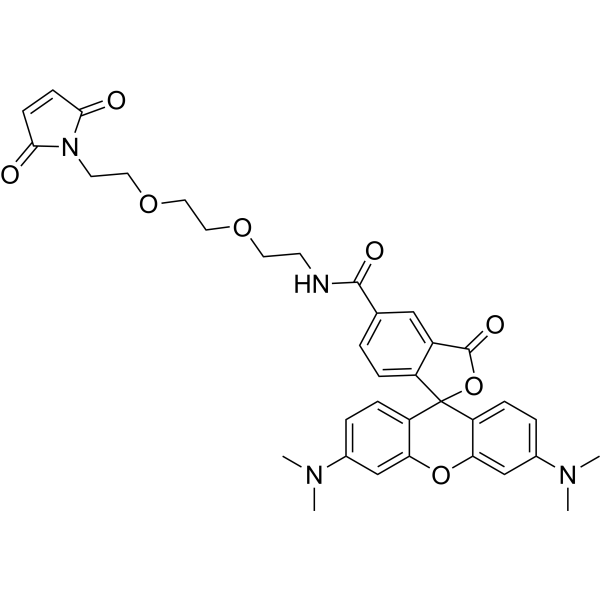
    TAMRA-PEG2-Maleimide is a dye derivative of TAMRA (HY-135640) containing 4 PEG units. TAMRA-PEG2-Maleimide contains a maleimide group that can react with a thiol group to form a covalent bond.
    TAMRA-PEG2-Maleimide
  • HY-W800805

    Liposome Cancer
    DOPE-Mal is a synthetic analog of naturally-occurring PE containing 18:1 fatty acids at the sn-1 and sn-2 positions with a terminal maliemide group. The maleimide group will react with a thiol group to form a covalent bond. The hydrophilic PEG spacer increases solubility in aqueous media.
    DOPE-Mal
  • HY-W440833

    Liposome Others
    DSPE-PEG3400-azide is a polydisperse PEG covalently attached to a phospholipid. The polymer is an amphiphilic molecule with hydrophobic fatty acid chains and hydrophilic PEG head which enables lipid bilayer or micelles formation in water. The phospholipid PEG can be used to prepare liposome or nanoparticles for targeted drug delivery and is reactive with alkyne to form triazole bond.
    DSPE-PEG3400-azide
  • HY-100849

    JAK Inflammation/Immunology
    JAK3i is a highly selective JAK3 inhibitor (IC50: 0.43 nM). JAK3i forms a covalent bond with a cysteine in JAK3, but not the closely related kinase domains in JAK1, JAK2, or TYK2. JAK3i abolishes IL-2-driven T-cell proliferation in vivo and has the potential for  autoimmune disease research .
    JAK 3i
  • HY-W190862

    Biotin-PEG10-N3

    Biochemical Assay Reagents Others
    Biotin-PEG10-azide (Biotin-PEG10-N3) is a PEG derivative composed of biotin, 10 PEG units, and an azide group. Biotin can form a stable non-covalent bond with streptavidin. It contains an azide group and can undergo copper-catalyzed azide-alkyne cycloaddition (CuAAc) with molecules containing alkyne groups. It can also undergo ring strain-driven alkyne-azide cycloaddition (SPAAC) with molecules containing DBCO or BCN groups.
    Biotin-PEG10-azide
  • HY-W800839

    Biochemical Assay Reagents Others
    TCO-PEG4-TFP Ester is an amine-reactive labeling reagent used to modify proteins, antibodies, and other amine-containing biopolymers. A 2,3,5,6-tetrafluorophenol (TFP) is a reactive ester that displays much better stability toward hydrolysis in aqueous media resulting in more efficiency and better reproducible labeling of biopolymers. TFP ester of carboxylic acids react with primary amines at the same rate as NHS ester forming covalent amide bond that is identical to one formed by the reaction between primary amines and NHS esters or sulfo-NHS esters.
    TCO-PEG4-TFP ester
  • HY-179237

    MAPKAPK2 (MK2) Others
    MK2-IN-8 (Compound 42) is a covalent MK2 kinase inhibitor. MK2-IN-8 forms a unique covalent bond with the catalytic lysine, thereby demonstrating that the fluorosulfonate can effectively target the catalytic lysine in kinases.
    MK2-IN-8
  • HY-174914

    Biochemical Assay Reagents Others
    Biotin-PEG4-mal is a PEG derivative composed of Biotin, 4 PEG units and Maleimide. Biotin can form a stable non-covalent bond with streptavidin.
    Biotin-PEG4-mal
  • HY-174938

    Biochemical Assay Reagents Others
    Biotin-PEG3-Iodoacetamide is a PEG derivative composed of Biotin, 3 PEG units, and Iodoacetamide. Biotin can form a stable non-covalent bond with streptavidin.
    Biotin-PEG3-Iodoacetamide
  • HY-D2317

    Fluorescent Dye Others
    HaloFlipper 30 is a fluorescent probe that covalently reacts with HaloTag fusion proteins to form an ester bond, which allows the probe to be stably attached to membrane structures. HaloFlipper 30 has high specificity, precision and good cell permeability .
    HaloFlipper 30
  • HY-W848699

    Fluorescent Dye Others
    FAM NHS ester, 6-isomer is a hydrophilic fluorophore. The NHS ester can react specifically and efficiently with primary amines such as the side chain of lysine residue or aminosilane-coated surfaces at neutral or slight basic conditions to form a covalent bond.
    FAM NHS ester, 6-isomer
  • HY-W615327

    Biochemical Assay Reagents Others
    Bis-sulfone NHS Ester is a bis-alkylating labeling reagent that is selective for the cysteine sulfur atoms from a native disulfide. These reagents undergo bis-alkylation to conjugate both thiols derived from the two cysteine residues of a reduced native disulfide bond such as the interchain disulfide bonds of an antibody. The reaction results in covalent rebridging of the disulfide bond via a three carbon bridge leaving the protein structurally intact.
    Bis-sulfone NHS ester
  • HY-D2956

    CLIP-GLA-NHS

    Biochemical Assay Reagents Others
    BC-GLA-NHS (CLIP-GLA-NHS) is a NHS-labeled CLIP tag, which is an amine-reactive crosslinker and can achieve site-specific protein labeling. The NHS ester of BC-GLA-NHS reacts with the primary amine of the target molecule (such as antibodies, quantum dots) in a pH 7.5-8.5 buffer solution to form a stable amide bond. After coupling, the BC molecule undergoes a nucleophilic substitution reaction with the active site (Cys) of the CLIP-tagged fusion protein, releasing benzylcytosine and forming an irreversible thioether bond, achieving covalent labeling. BC-GLA-NHS can be used for click chemistry labeling .
    BC-GLA-NHS
  • HY-173301

    PDHK Inflammation/Immunology Cancer
    PDHK1-IN-3 (Compound 29) is a selective PDHK1 inhibitor with an IC50 of 0.028 μM against PDHK1 and an IC50 of 0.120 μM against PDHK2. PDHK1-IN-3 inhibits the activity of PDHK1 by forming a covalent bond with Lys299 in PDHK1. PDHK1-IN-3 can be used in the research of autoimmune diseases, inflammatory diseases, and cancer .
    PDHK1-IN-3
  • HY-D1886

    Fluorescent Dye Others
    Vari Fluor 647 SE is a fluorescent dye, SE stands for "succinimidyl ester". Vari Fluor 647 SE belongs to the Vari Fluor family of labeling reagents used in cell and molecular biology research. Vari Fluor 647 SE can react with an amino group to form a covalent bond, thereby introducing Vari Fluor 647 dye into the target molecule or cell. Vari Fluor 647 SE is a reactive dye that produces a fluorescent signal after binding to a target molecule or cell.
    Vari Fluor 647 SE
  • HY-164895

    PIN1 Cancer
    PIN1 degrader-1 (Compound 158H9) is the inhibitor for proline cis trans isomerase (Pin1) with an IC50 of 21.5 nM. PIN1 degrader-1 forms covalent bond with Cys113 of Pin1, induces conformational changes in Pin1, reduces its stability, and leads to a proteasome-dependently degradation. PIN1 degrader-1 inhibits the cell viability of multi cancer cells, and can be used in cancer research .
    PIN1 degrader-1
  • HY-W1048669B

    Biochemical Assay Reagents Others
    Biotin-PEG10000-DMG is a compound composed of biotin, PEG, and myristoyl-sn-glycerol, used for drug delivery. Biotin forms a stable non-covalent bond with streptavidin.
    Biotin-PEG10000-DMG
  • HY-118112

    Biochemical Assay Reagents Others
    4-N-Maleimidobenzoicacid-NHS is a PEG linker that finds utility in bioconjugation endeavors and protein labeling ventures. Specifically designed for selective reaction with thiol groups, the maleimide group establishes covalent linkages, thereby facilitating the coupling of proteins, peptides, or diverse molecules to thiol-bearing biomolecules. The NHS ester is able to react specifically and efficiently with primary amines (e.g. the side chain of lysine residues or aminosilane-coated surfaces) at neutral or slightly basic conditions to form a covalent bond.
    4-N-Maleimidobenzoicacid-NHS
  • HY-170429

    PIN1 Cancer
    BJP-07-017-3 is the inhibitor for proline cis trans isomerase (Pin1) with an IC50 of 9 nM. BJP-07-017-3 forms covalent bond with Cys113 of Pin1, induces conformational changes in Pin1, reduces its stability, and leads to a proteasome-dependently degradation .
    BJP-07-017-3
  • HY-164002

    Btk Others
    PF-303 is a potent, oral inhibitor of Bruton's tyrosine kinase (BTK) (IC50=0.64 nM). The melamine portion of PF-303 forms a covalent bond with BTK's Cys481, which is reversible and exhibits a high selectivity compared to irreversible covalent BTK inhibitors. PF-303 can be used to model and study the effects of BTK inhibition on the mature immune system, including effects on B-cell subsets, antibody responses, and T-cell-mediated activation .
    PF-303
  • HY-138966

    Akt Cancer
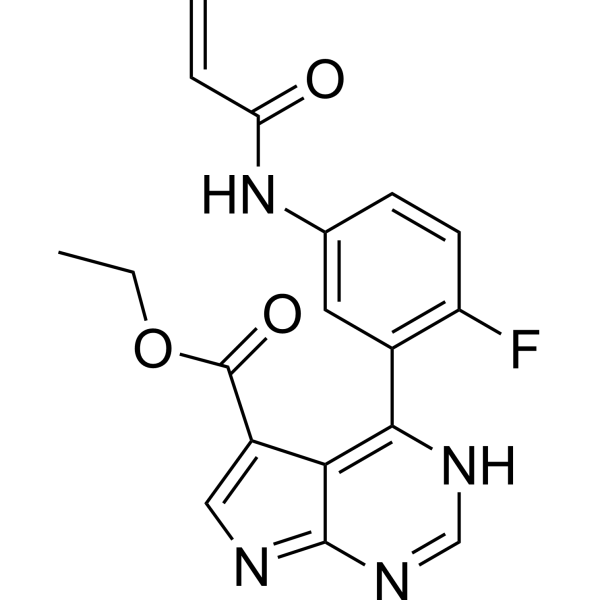
    SM1-71-R is a reversible analog o SM1-71 (HY-136848). SM1-71-R lacks the acrylamide warhead and therefore cannot form a covalent bond with the kinase. SM1-71-R can be used as a control compound for SM1-71 .
    SM1-71-R
  • HY-W591479

    ADC Linker Cancer
    MC-Val-Ala-NHS ester is a cleavable ADC linker with a malimide group and an NHS ester group. The Val-Ala linkers can be cleaved by Cathepsin B. Maleimide group is reactive toward thiol groups. MC is reactive with thiol moieties. The NHS ester is able to react specifically and efficiently with amines (e.g. the side chain of lysine residues or aminosilane-coated surfaces) at neutral or slightly basic condition to form a covalent bond.
    MC-Val-Ala-NHS ester
  • HY-133883

    Fluorescent Dye Others
    Cyanine7.5 amine is a near-infrared Cy7.5-based dye and also a substrate for amide bond coupling (Ex/Em = 788 nm/808 nm). Cyanine7.5 amine contains a free amino group and can be used for coupling with activated carboxylic acid derivatives .
    Cyanine7.5 amine
  • HY-178321

    Molecular Glues Histone Methyltransferase Cancer
    UNC10088 is a molecular glue targeting NSD2. UNC10088 mediates the formation of a stable ternary complex between SCFFBXO22 and the NSD2 PWWP1 domain. UNC10088 promotes ubiquitination of the SCFFBXO22-dependent NSD2 PWWP1 domain through reversible covalent bonding with the C326 region of FBXO22. UNC10088 could be used in cancer research .
    UNC10088
  • HY-178692

    JNK Neurological Disease Inflammation/Immunology Cancer
    JNK-IN-25 is a potent and selective JNK1/2/3 inhibitor with IC50 values of 1.54 (JNK1), 1.99 (JNK2), and 0.75 nM (JNK3), respectively. JNK-IN-25 inhibits phosphorylation of c-Jun in cells via covalently bonding with the conserved cysteine of JNK1/2/3. JNK-IN-25 can be used for research of  cancer, inflammatory and neurodegenerative diseases .
    JNK-IN-25
  • HY-W096120A

    Biochemical Assay Reagents Others
    Azide-PEG1-Desthiobiotin is a PEG derivative consisting of desthiobiotin, 1 PEG unit, and an azide group. Biotin can form a stable non-covalent bond with streptavidin. It contains an azide group and can undergo copper-catalyzed azide-alkyne cycloaddition (CuAAc) with molecules containing alkyne groups. It can also undergo ring strain-driven alkyne-azide cycloaddition (SPAAC) with molecules containing DBCO or BCN groups .
    Azide-PEG1-Desthiobiotin
  • HY-161912

    JAK Others
    5TTU is a covalent JAK3 inhibitor. 5TTU not only forms a covalent bond with CYS909 but also establishes a hydrogen bond with the NH group of CYS909 .
    5TTU
  • HY-151758

    ADC Linker Others
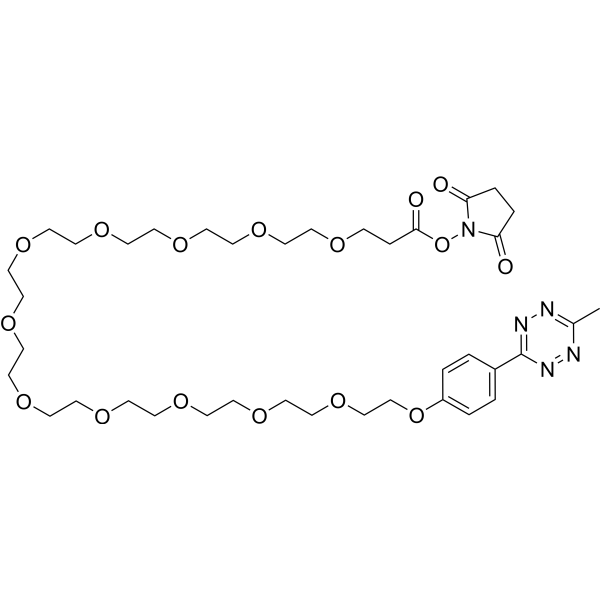
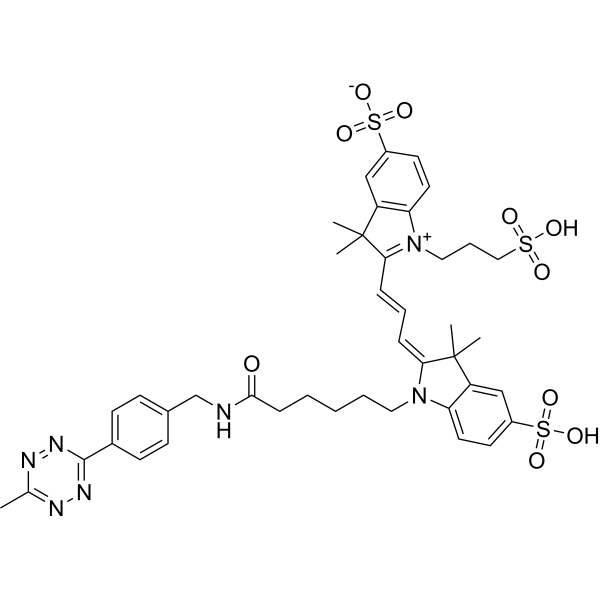
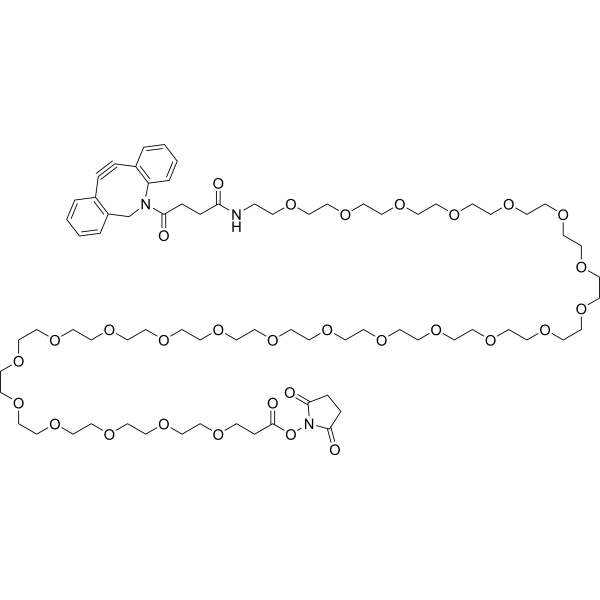
    Methyltetrazine-PEG12-NHS ester is a click chemistry reagent containing an azide group. Methyltetrazine-PEG12-NHS ester reacts with compounds containing TCO to form stable covalent bonds .
    Methyltetrazine-PEG12-NHS ester
  • HY-174917

    Biochemical Assay Reagents Others
    Biotin-PEG Acrylamide is a PEG derivative composed of Biotin, 4 PEG units and Acrylamide. Biotin can form a stable non-covalent bond with streptavidin.
    Biotin-PEG4-Acrylamide
  • HY-174956H

    Biochemical Assay Reagents Others
    6-Arm-PEG10000-Biotin is a PEG derivative containing a biotin group. Biotin can form a stable non-covalent bond with streptavidin .
    6-Arm-PEG10000-Biotin
  • HY-W440831

    Liposome Others
    DSPE-PEG1000-azide is a phospholipid with covalently attached polydisperse PEG. This polymer is commonly used for the preparation of long circulating liposomes. The azide moiety is reactive with alkyne to form a stable triazole bond.
    DSPE-PEG1000-azide
  • HY-W395122

    Biochemical Assay Reagents Others
    Mal-PEG1-PNP-carbonate is a amine-reactive compound. PNP is a good leaving group. The maleimide group will react with a thiol group to form a covalent bond, enabling the connection of biomolecule with a thiol.
    Mal-PEG1-PNP-carbonate
  • HY-155979

    SARS-CoV Infection
    SARS-CoV-2 3CLpro-IN-16 (Compound 3a) is a covalent SARS-CoV-2 3CLpro inhibitor (IC50: 2.124 μM). SARS-CoV-2 3CLpro-IN-16 binds to the active site and forms a covalent bond with Cys145 of 3CLpro .
    SARS-CoV-2 3CLpro-IN-16
  • HY-158378

    R-AST-OH

    Glutaminase Cancer
    Trivalent hydroxyarsinothricn (R-AST-OH) is a covalent and irreversible kidney-type glutaminase (KGA) inhibitor. Trivalent hydroxyarsinothricn binds to the glutamine binding site and forms a covalent bond with an active site cysteine residue. Trivalent hydroxyarsinothricn selectively kills triple-negative breast cancer (TNBC) cells and is not cytotoxic to the control cell line. KGA is the enzyme that controls glutamine metabolism and is correlated with tumor malignancy .
    Trivalent hydroxyarsinothricn
  • HY-D2104

    Fluorescent Dye Others
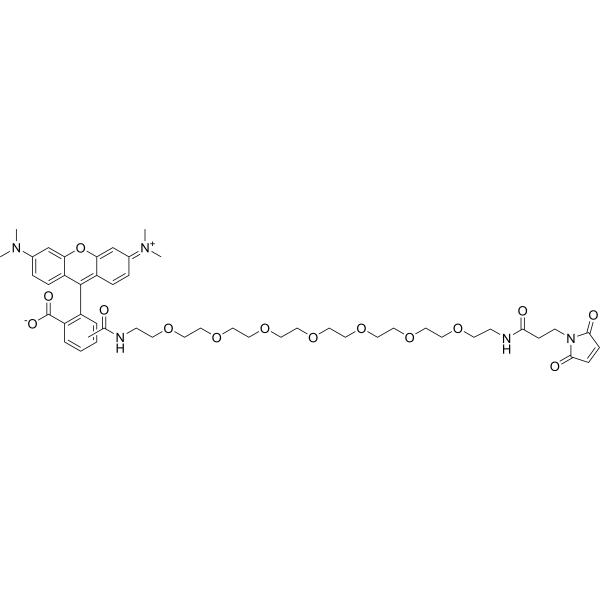
    TAMRA-PEG7-Maleimide is a dye derivative of TAMRA (HY-135640) containing 7 PEG units. TAMRA-PEG7-Maleimide contains a maleimide group that can react with a thiol group to form a covalent bond.
    TAMRA-PEG7-Maleimide
  • HY-W591975

    Biochemical Assay Reagents Others
    Alkyne maleimide is a bifunctional linker reagent with a terminal malimide group and a propargyl group. The maleimide group will react with a thiol group to form a covalent bond, enabling the connection of biomolecule with a thiol. The propargyl group can be linked to azide-containing biomolecules via Click Chemistry.
    Alkyne maleimide

Consulta en línea

Your information is safe with us. * Required Fields.

Saludo


Country or Region *

Nombre del solicitante *


Nombre de la Organizaciòn *

Department *


Direcciòn del E-mail *


Nombre del producto *

Cat. No.


Requested quantity *

Número de teléfono *


Observaciones

Consulta en línea

Inquiry Information

Nombre del producto:
Cat. No.:
Cantidad:
MCE Japan Authorized Agent: