1. Search Result
Search Result
Results for "

deaminase

" in MedChemExpress (MCE) Product Catalog:

76

Inhibitors & Agonists

4

Biochemical Assay Reagents

12

Natural
Products

10

Recombinant Proteins

12

Isotope-Labeled Compounds

13

Antibodies

7

Oligonucleotides

Targets Recommended:
Cat. No. Product Name Target Research Areas Chemical Structure
  • HY-A0006
    Pentostatin
    Maximum Cited Publications
    10 Publications Verification

    CI-825; Deoxycoformycin

    Adenosine Deaminase Antibiotic Cancer
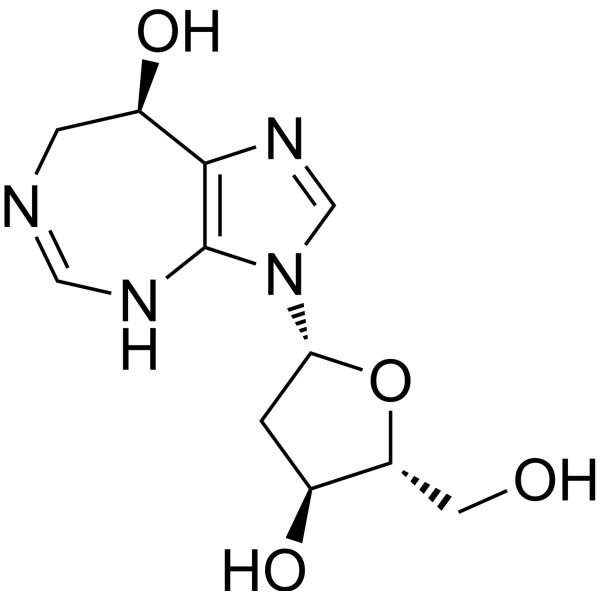
    Pentostatin (CI-825; Deoxycoformycin) is an irreversible inhibitor of adenosine deaminase with Ki of 2.5 pM.
    Pentostatin
  • HY-15345A
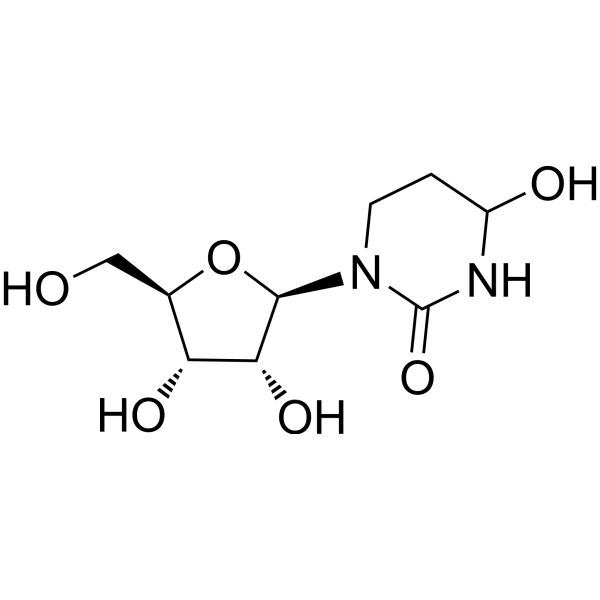
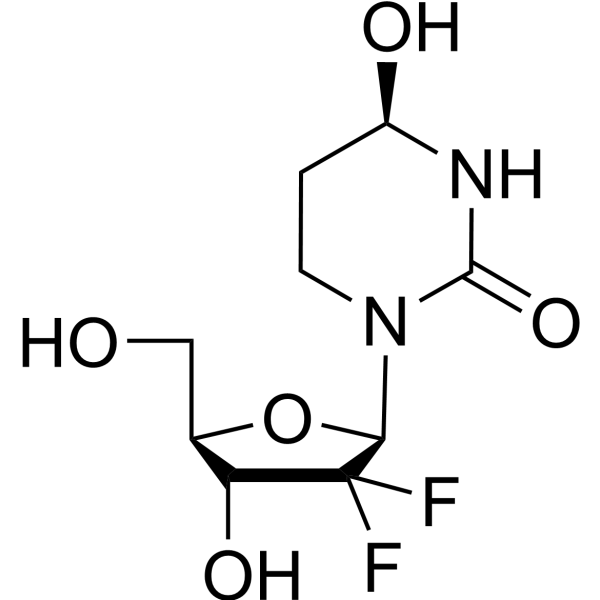
    Tetrahydrouridine
    3 Publications Verification

    THU; NSC-112907

    DNA/RNA Synthesis Cancer
    Tetrahydrouridine dihydrate is potent inhibitor of cytidine deaminase (CDA), which competitively blocks the enzyme's active site more effectively than intrinsic cytidine .
    Tetrahydrouridine
  • HY-103160A
    EHNA hydrochloride
    5 Publications Verification

    Adenosine Deaminase Phosphodiesterase (PDE) Influenza Virus Infection Cardiovascular Disease Neurological Disease Cancer
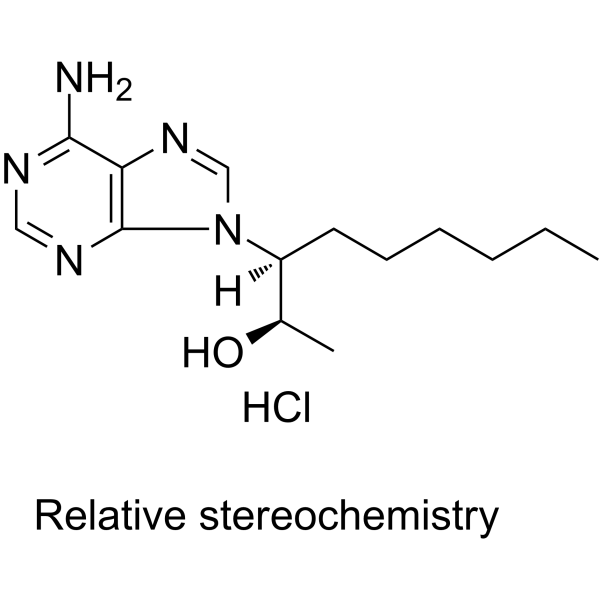
    EHNA hydrochloride is a potent and selective dual inhibitor of cyclic nucleotide phosphodiesterase 2 (PDE2)(IC50=4 μM) and adenosine deaminase (ADA). EHNA hydrochloride exerts a concentration inhibition of the cGMP-stimulated PDE II (cGs-PDE)(IC50:0.8 μM (human), 2 μM (porcine myocardium)), but has smaller inhibitory effect on the unstimulated PDE2 activity. EHNA hydrochloride play roles in mediating diverse pharmacological responses, including antiviral, antitumour and antiarrhythmic effects .
    EHNA hydrochloride
  • HY-13599
    Cladribine
    5+ Cited Publications

    2-Chloro-2′-deoxyadenosine; CldAdo; 2CdA

    Adenosine Deaminase Apoptosis Cardiovascular Disease Cancer
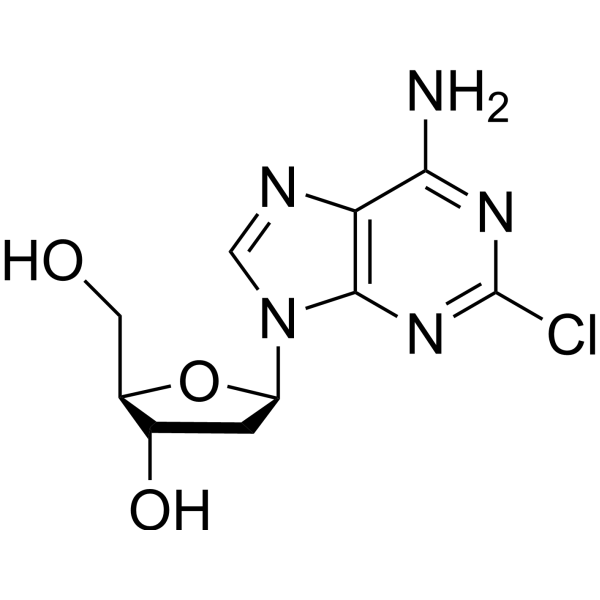
    Cladribine (2-Chloro-2′-deoxyadenosine), a purine nucleoside analog, is an orally active adenosine deaminase inhibitor. Cladribine functions as an inhibitor of DNA synthesis to block the repair of the damaged DNA. Cladribine can inhibit DNA methylation. Cladribine has anti-lymphoma activity. Cladribine can be used for the research of several hematologic malignancies and multiple sclerosis .
    Cladribine
  • HY-109081
    Cedazuridine
    1 Publications Verification

    E7727

    DNA/RNA Synthesis Cancer
    Cedazuridine (E7727) (Compound 7a) is an orally active cytidine deaminase (CDA) inhibitor with an IC50 value of 0.4 μM. Cedazuridine can be used for cancer research .
    Cedazuridine
  • HY-13420
    Zebularine
    5 Publications Verification

    NSC309132; 4-Deoxyuridine

    DNA Methyltransferase Autophagy Cancer
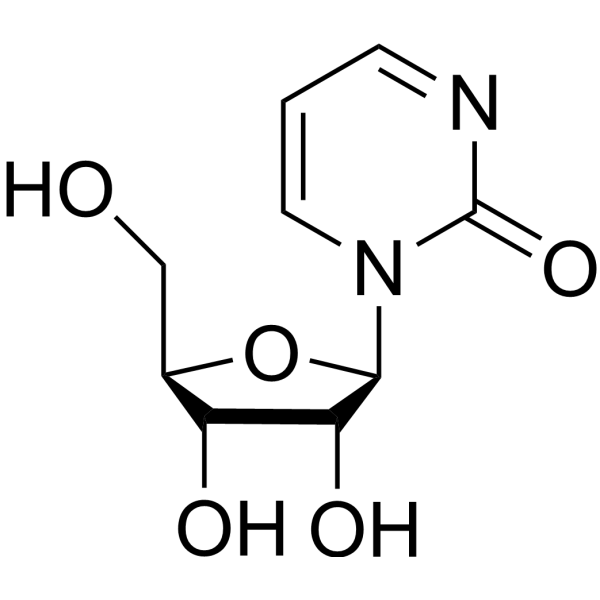
    Zebularine (NSC309132; 4-Deoxyuridine) is a DNA methyltransferase inhibitor. Zebularine also inhibits cytidine deaminase with a Ki of 0.95 μM.
    Zebularine
  • HY-N7368

    Adenosine Deaminase Bacterial Caspase Infection Neurological Disease Inflammation/Immunology Cancer
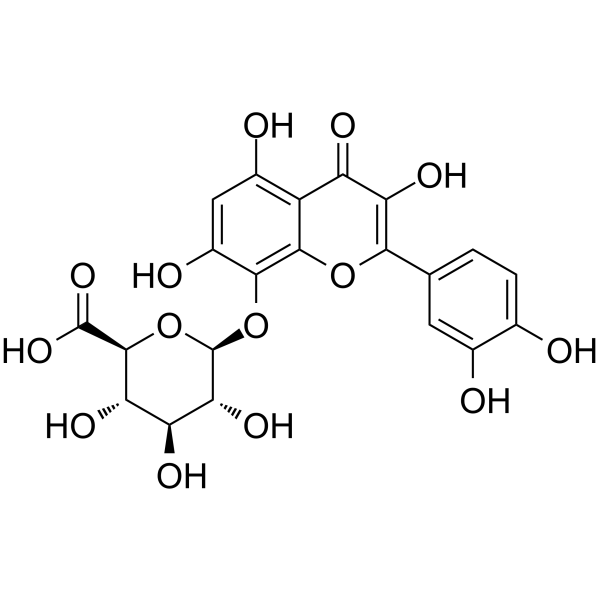
    Hibifolin is a flavonol glycoside that can be isolated from Helicteres isora. Hibifolin is an inhibitor of adenosine deaminase (ADA) (Ki = 49.92 μM). Hibifolin protects neurons against β-amyloid-induced neurotoxicity. Hibifolin possesses a potent protective activity against cell death induced by aggregated Aβ. Hibifolin can abolish Aβ-induced caspase-3 and caspase-7 activation. Hibifolin induces Akt phosphorylation in cortical neurons. Hibifolin is also a natural sortase A (SrtA) inhibitor (IC50 = 31.2 μM) through direct binding to SrtA protein. Hibifolin attenuates the pathogenic behavior of Staphylococcus aureus including adhesion, invasion, and biofilm formation. Hibifolin improves the survival of pneumonia induced by Staphylococcus aureus in mouse model and alleviates pathological damage. Hibifolin shows a synergistic antibacterial effect with Cefotaxime (HY-A0088A) .
    Hibifolin
  • HY-W011256

    Endogenous Metabolite Adenosine Deaminase Metabolic Disease
    Adenosine 2',3'-cyclic phosphate sodium is a 2',3'-cyclic purine nucleotide. Adenosine 2',3'-cyclic phosphate sodium is deaminated by the adenosine deaminase. Adenosine 2',3'-cyclic phosphate sodium can be degrade to 2'-AMP and 3'-AMP .
    Adenosine 2',3'-cyclic phosphate sodium
  • HY-17026E

    dFdCTP trisodium

    Drug Metabolite DNA/RNA Synthesis Apoptosis Cancer
    Gemcitabine triphosphate (dFdCTP) trisodium is the active metabolite of Gemcitabine (HY-17026). The mechanism of Gemcitabine triphosphate trisodium cell-killing is its competition with cytidine triphosphate during DNA replication, which results in the inhibition of chain elongation. Gemcitabine triphosphate trisodium shows a Ki of 11.2 μM against DNA polymerase α and 14.4 μM against DNA polymerase ε. Gemcitabine triphosphate trisodium partially inhibits dCMP deaminase and acts as a substrate for DNA synthesis to incorporate into cellular DNA and RNA. Gemcitabine triphosphate trisodium disrupts DNA and RNA synthesis, arrests cell cycle in G0/G1 and S phases, triggers apoptosis, reduces tumor cell proliferation. Gemcitabine triphosphate trisodium can be used for the research of pancreatic cancer and non-small cell lung cancer .
    Gemcitabine triphosphate trisodium
  • HY-114175
    Adenosine deaminase, microorganism
    1 Publications Verification

    RnADA

    Adenosine Deaminase Inflammation/Immunology
    Adenosine deaminase (RnADA) (EC 3.5.4.4) is an enzyme that catalyzes the irreversible deamination of adenosine and 2'-deoxyadenosine to inosine and 2'-deoxyinosine, respectively.
    Adenosine deaminase, microorganism
  • HY-145443
    Fludarabine-Cl
    1 Publications Verification

    Adenosine Deaminase Cancer
    Fludarabine-Cl has an inhibitory effect on RNA adenosine deaminase 1 (ADAR1) with an IC50 of 0.87 μM and can be used to prevent and/or study cancer or tumor-related diseases .
    Fludarabine-Cl
  • HY-103237

    Adenosine Deaminase Neurological Disease
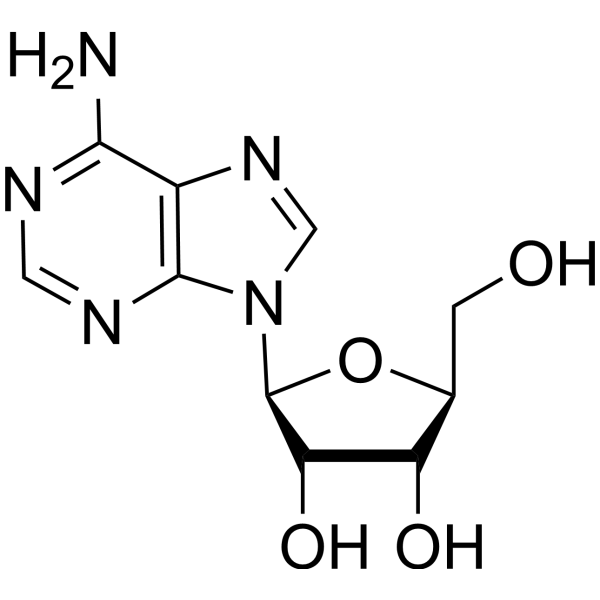
    L-Adenosine is a metabolically stable enantiomeric analog and also is a potential probe. L-Adenosine has weakly inhibitory adenosine deaminase (ADA) activity with an Ki value of 385 μM. L-Adenosine can be used for the research of adenosine uptake and accumulation .
    L-Adenosine
  • HY-107373
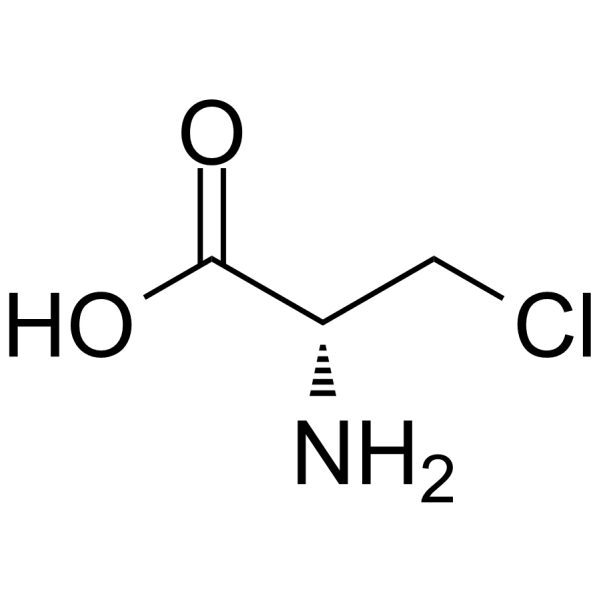
    β-Chloro-L-alanine
    1 Publications Verification

    L-β-Chloroalanine

    Bacterial Infection
    β-Chloro-L-alanine is a bacteriostatic amino acid analog which inhibits a number of enzymes, including threonine deaminase and alanine racemase.
    β-Chloro-L-alanine
  • HY-W011552

    Endogenous Metabolite Cardiovascular Disease
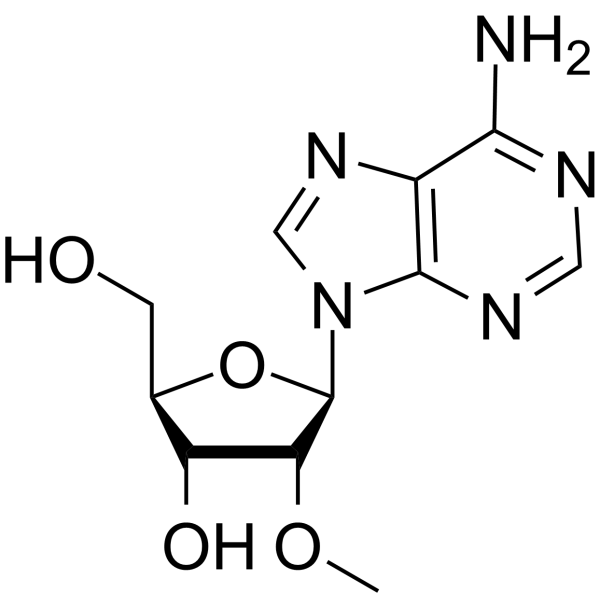
    2'-O-Methyladenosine, a methylated adenine residue is found in urine of normals as well as in urine of adenosine deaminase (ADA) deficient patients. 2'-O-Methyladenosine exhibits unique hypotensive activities .
    2'-O-Methyladenosine
  • HY-113139
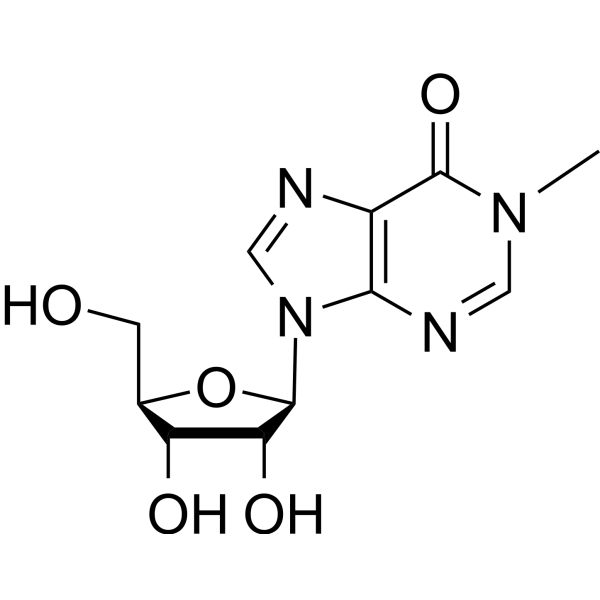
    1-Methylinosine
    3 Publications Verification

    N1-Methylinosine

    Nucleoside Antimetabolite/Analog Endogenous Metabolite Cancer
    1-Methylinosine (N1-MetHYlinosine) is a modified nucleotide located at position 37 of eukaryotic tRNA, 3' to the tRNA anticodon. 1-Methylinosine is a minor metabolite of 1-methyladenosine (HY-113081). The level of 1-Methylinosine is significantly elevated in urine samples from breast cancer models .
    1-Methylinosine
  • HY-N0165

    HIV Reverse Transcriptase Cardiovascular Disease Infection Inflammation/Immunology
    Methyl-Hesperidin is a glycoside compound. Methyl-Hesperidin has hypotensive, coronary dilating, smooth muscle relaxing, capillary stabilizing, choleretic, and anti-ulcer activities. Methyl-Hesperidin act as a competitive substrate to inhibit HIV-1 reverse transcriptase activity. Methyl-Hesperidin potentiates coronary dilating actions of adenine nucleotides and 3'-AMP, enhances depressant action on isolated atria, and prolongs adenosine- and ATP-induced heart block in guinea pigs .
    Methyl-Hesperidin
  • HY-136648A

    dATP trisodium

    Endogenous Metabolite DNA/RNA Synthesis Cancer
    2'-Deoxyadenosine-5'-triphosphate (dATP) trisodium is a nucleotide used in cells for DNA synthesis (or replication), as a substrate of DNA polymerase. 2'-Deoxyadenosine-5'-triphosphate is promising for research of genetic immunodeficiency diseases adenosine deaminase deficiency and purine nucleotide phosphorylase deficiency .
    2'-Deoxyadenosine-5'-triphosphate trisodium
  • HY-W012282

    HCV Infection
    3′-Deoxyuridine is a 3'-deoxynucleoside analog and a 2',3'-dideoxynucleoside. 3′-Deoxyuridine does not inhibit the replication of HCV-like RNA templates or luciferase levels in human cells at the tested concentrations. 3′-Deoxyuridine serves as a substrate for microbial dideoxyribosylation reactions to generate various 2',3'-dideoxynucleosides, but cannot be converted into 2',3'-dideoxycytidine by resting E. coli AJ 2595 cells. 3′-Deoxyuridine can be formed by the deamination of 3'-deoxycytidine by E. coli BM-11 cytidine deaminase, and can also undergo phosphorolytic cleavage to produce uracil and the corresponding pentose phosphate. 3′-Deoxyuridine has been used in research related to HCV and other relevant fields .
    3′-Deoxyuridine
  • HY-17026A

    dFdCTP

    Drug Metabolite DNA/RNA Synthesis Apoptosis Cancer
    Gemcitabine triphosphate (dFdCTP) is the active metabolite of Gemcitabine (HY-17026). The mechanism of Gemcitabine triphosphate cell-killing is its competition with cytidine triphosphate during DNA replication, which results in the inhibition of chain elongation. Gemcitabine triphosphate shows a Ki of 11.2 μM against DNA polymerase α and 14.4 μM against DNA polymerase ε. Gemcitabine triphosphate partially inhibits dCMP deaminase and acts as a substrate for DNA synthesis to incorporate into cellular DNA and RNA. Gemcitabine triphosphate disrupts DNA and RNA synthesis, arrests cell cycle in G0/G1 and S phases, triggers apoptosis, reduces tumor cell proliferation. Gemcitabine triphosphate can be used for the research of pancreatic cancer and non-small cell lung cancer .
    Gemcitabine triphosphate
  • HY-W009538

    5-Fluoro-5'-deoxycytidine

    Nucleoside Antimetabolite/Analog DNA/RNA Synthesis Drug Metabolite Cancer
    5'-Deoxy-5-fluorocytidine (5-Fluoro-5'-deoxycytidine) is a cytidine analog and metabolite of Capecitabine (HY-B0016). 5'-Deoxy-5-fluorocytidine is converted from Capecitabine by carboxylesterase in the liver. 5'-Deoxy-5-fluorocytidine is deaminated by cytidine deaminase to generate 5'-deoxy-5-fluorouridine, which is finally converted into 5-fluorouracil (HY-90006) by thymidine phosphorylase in tumor tissues to exert anti-tumor effects. 5'-Deoxy-5-fluorocytidine is used in the researches for solid tumors such as colorectal cancer, non-small cell lung cancer and breast cancer .
    5'-Deoxy-5-fluorocytidine
  • HY-N0093
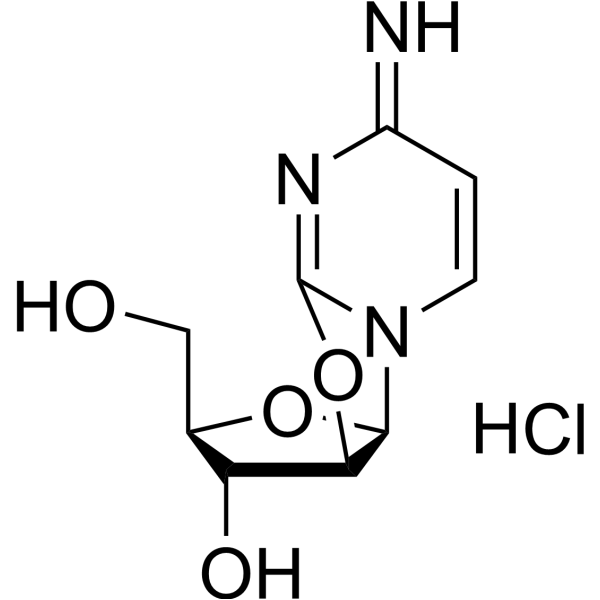
    Ancitabine hydrochloride
    1 Publications Verification

    Cyclocytidine hydrochloride; Cyclo-CMP hydrochloride; Cyclo-C

    Autophagy CMV DNA/RNA Synthesis Infection Cancer
    Ancitabine hydrochloride is a cytarabine derivative that inhibits viral replication. Ancitabine hydrochloride blocks vaccinia virus DNA replication, the progression of viral protein synthesis from early to late stages, and one-step growth of vaccinia virus. Ancitabine hydrochloride is applicable to research related to vaccinia virus infection, leukemia, human cytomegalovirus infection and colorectal cancer .
    Ancitabine hydrochloride
  • HY-114175A

    RnADA, Calf Spleen

    Adenosine Deaminase Inflammation/Immunology
    Adenosine deaminase, Calf Spleen is an enzyme that catalyzes the irreversible deamination of adenosine and 2'-deoxyadenosine to inosine and 2'-deoxyinosine, respectively .
    Adenosine deaminase, Calf Spleen
  • HY-117260

    Adenosine Deaminase Bacterial Antibiotic Infection Cancer
    Coformycin, a nucleoside antibiotic, is a potent inhibitor of adenosine deaminase (ADA) from Streptomyces species. Coformycin possesses anti-tumor and anti-bacterial activity .
    Coformycin
  • HY-103673

    Adenosine Deaminase Neurological Disease
    AMPD2 inhibitor 1 is an adenosine monophosphate deaminase 2 (AMPD2) inhibitor, used in the research of sugar craving, salt craving, umami craving, and addictions including agent, tobacco, nicotine and alcohol addictions.
    AMPD2 inhibitor 1
  • HY-23789

    2'-O-MOE-rG

    Nucleoside Antimetabolite/Analog DNA/RNA Synthesis Others
    2′-O-(2-Methoxyethyl)guanosine (2'-O-MOE-rG) is a 2'-O-methoxyethyl-modified nucleoside analogue and an important intermediate in the synthesis of nucleic acid drugs. 2′-O-(2-Methoxyethyl)guanosine neither effectively phosphorylated by cytosolic nucleoside kinases, nor are they incorporated into cellular DNA or RNA .
    2′-O-(2-Methoxyethyl)guanosine
  • HY-15345
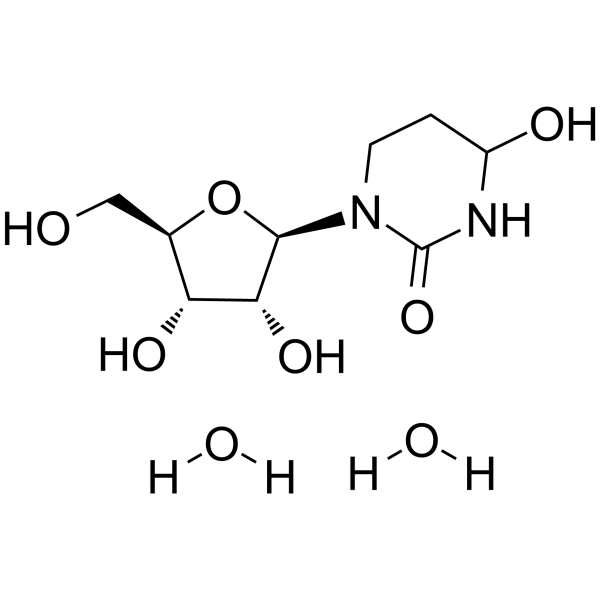
    Tetrahydrouridine dihydrate
    3 Publications Verification

    THU dihydrate; NSC-112907 dihydrate

    DNA/RNA Synthesis Cancer
    Tetrahydrouridine dihydrate (THU dihydrate) is potent inhibitor of cytidine deaminase (CDA), which competitively blocks the enzyme's active site more effectively than intrinsic cytidine.
    Tetrahydrouridine dihydrate
  • HY-148138

    HIV Infection
    Deaminase inhibitor-1 is a small molecule inhibitor of APOBEC3G DNA Deaminase, with an IC50 value of 18.9 μM .
    Deaminase inhibitor-1
  • HY-103159

    Adenosine Deaminase Cancer
    1-Deazaadenosine is a potent Adenosine deaminase (ADA) inhibitor with a Ki value of 0.66 μM. 1-Deazaadenosine exhibits anti-cancer activities in vitro and has the potential to be a chemotherapy agent for lymphoproliferative disorders .
    1-Deazaadenosine
  • HY-150307

    Protein Arginine Deiminase Inflammation/Immunology
    KP-302 (Compound 23) is a selective inhibitor of protein arginine deaminase PAD2 with a Ki of 60 μM. KP-302 also reverses physical disability in the EAE mouse model of multiple sclerosis (MS) and eliminates T cell infiltration in the brain. KP-302 can be studied in research as a disease-modifying agent for MS .
    KP-302
  • HY-105017

    ATL 313; DE 112

    Adenosine Receptor Infection Inflammation/Immunology
    Evodenoson is a selective agonist of the A2A adenosine receptor. Evodenoson’s primary actions include reducing inflammatory responses, decreasing intestinal fluid secretion, edema, tissue damage, and neutrophil infiltration induced by Clostridium difficile toxin A. Evodenoson’s protective effect is achieved by reducing myeloperoxidase (MPO) and adenosine deaminase (ADA) activities, and by lowering the production of tumor necrosis factor-alpha (TNF-α) .
    Evodenoson
  • HY-D0855A

    Biochemical Assay Reagents Others
    ADA (disodium) is a buffer salt derived from ADA (adenosine deaminase) and is widely used in biochemical research, especially in the preparation of enzyme buffers.
    ADA disodium
  • HY-W011552R
    2'-O-Methyladenosine (Standard)
    1 Publications Verification

    Reference Standards Endogenous Metabolite Cardiovascular Disease
    2'-O-Methyladenosine (Standard) is the analytical standard of 2'-O-Methyladenosine. This product is intended for research and analytical applications. 2'-O-Methyladenosine, a methylated adenine residue is found in urine of normals as well as in urine of adenosine deaminase (ADA) deficient patients. 2'-O-Methyladenosine exhibits unique hypotensive activities .
    2'-O-Methyladenosine (Standard)
  • HY-N5134S5

    5'-GMP-13C10,15N5 dilithium; 5'-guanosine monophosphate-13C10,15N5 dilithium

    Isotope-Labeled Compounds Endogenous Metabolite Metabolic Disease
    5'-Guanylic acid- 13C10, 15N5 (5'-GMP- 13C10, 15N5 dilithium; 5'-guanosine monophosphate- 13C10, 15N5) dilithium is 13C and 15N-labeled 5'-Guanylic acid (HY-N5134). 5'-Guanylic acid (5'-GMP) is involved in several metabolic disorders, including the AICA-ribosiduria pathway, adenosine deaminase deficiency, adenine phosphoribosyltransferase deficiency (aprt), and the 2-hydroxyglutric aciduria pathway.
    5'-Guanylic acid-13C10,15N5 dilithium
  • HY-W009538R

    5-Fluoro-5'-deoxycytidine (Standard)

    Nucleoside Antimetabolite/Analog Reference Standards DNA/RNA Synthesis Drug Metabolite Cancer
    5'-Deoxy-5-fluorocytidine (Standard) is the analytical standard of 5'-Deoxy-5-fluorocytidine (HY-W009538). This product is intended for research and analytical applications. 5'-Deoxy-5-fluorocytidine (5-Fluoro-5'-deoxycytidine) is a cytidine analog and metabolite of Capecitabine (HY-B0016). 5'-Deoxy-5-fluorocytidine is converted from Capecitabine by carboxylesterase in the liver. 5'-Deoxy-5-fluorocytidine is deaminated by cytidine deaminase to generate 5'-deoxy-5-fluorouridine, which is finally converted into 5-fluorouracil (HY-90006) by thymidine phosphorylase in tumor tissues to exert anti-tumor effects. 5'-Deoxy-5-fluorocytidine is used in the researches for solid tumors such as colorectal cancer, non-small cell lung cancer and breast cancer .
    5'-Deoxy-5-fluorocytidine (Standard)
  • HY-152199

    Adenosine Deaminase Metabolic Disease
    AMPD2 inhibitor 2 (compound 21) is a potent AMP deaminase 2 (AMPD2) inhibitor with IC50s of 0.1 μM and 0.28μM for hAMPD2 and mAMPD2, respectively. AMPD2 inhibitor 2 has the potential for evaluating the physiological role of AMPD2 in mice maintained on a high fat diet .
    AMPD2 inhibitor 2
  • HY-E70582

    Adenosine Deaminase Others
    E.coli tRNA adenosine deaminase is derived from E.coli and is an adenine deaminase that can deaminate adenine in single-stranded RNA (ssRNA, mainly the loop region within tRNA) or double-stranded RNA (dsRNA), but has no deamination activity on DNA. E.coli tRNA adenosine deaminase is a protein-modified mutant of adenine deaminase, which can efficiently deaminate adenine in ssDNA and can be applied to adenine base editors (ABE) and RNA m6A methylation sequencing .
    E.coli tRNA adenosine deaminase
  • HY-W002114

    Bacterial Infection
    4-Amino-3-hydroxybenzoic acid is an aromatic substrate degradable by Bordetella sp. strain 10d. 4-Amino-3-hydroxybenzoic acid can serve as a carbon source, nitrogen source and energy source for the growth of Bordetella sp. strain 10d. 4-Amino-3-hydroxybenzoic acid acts as a substrate for 2-amino-5-carboxymuconate-6-semialdehyde deaminase and 4-amino-3-hydroxybenzoate 2,3-dioxygenase .
    4-Amino-3-hydroxybenzoic acid
  • HY-W754718

    Others Cancer
    Azepinomycin is found in the strain of Streptomyces toyokaensis MF71803. Azepinomycin can inhibit guanine deaminase (IC50 of 4.9 μM) and tumor cell .
    Azepinomycin
  • HY-13599R

    2-Chloro-2′-deoxyadenosine (Standard); CldAdo (Standard); 2CdA (Standard)

    Reference Standards Adenosine Deaminase Apoptosis Cardiovascular Disease Cancer
    Cladribine (Standard) is the analytical standard of Cladribine. This product is intended for research and analytical applications. Cladribine (2-Chloro-2′-deoxyadenosine), a purine nucleoside analog, is an orally active adenosine deaminase inhibitor. Cladribine functions as an inhibitor of DNA synthesis to block the repair of the damaged DNA. Cladribine can inhibit DNA methylation. Cladribine has anti-lymphoma activity. Cladribine can be used for the research of several hematologic malignancies and multiple sclerosis .
    Cladribine (Standard)
  • HY-103160B

    Adenosine Deaminase Phosphodiesterase (PDE) Influenza Virus Infection Cardiovascular Disease Neurological Disease Cancer
    EHNA is a potent and selective dual inhibitor of cyclic nucleotide phosphodiesterase 2 (PDE2)(IC50=4 μM) and adenosine deaminase (ADA). EHNA exerts a concentration inhibition of the cGMP-stimulated PDE II (cGs-PDE)(IC50:0.8 μM (human), 2 μM (porcine myocardium)), but has smaller inhibitory effect on the unstimulated PDE2 activity. EHNA play roles in mediating diverse pharmacological responses, including antiviral, antitumour and antiarrhythmic effects .
    EHNA
  • HY-19130

    Adenosine Receptor Neurological Disease
    BW-534U87 is an orally active adenosine A1 receptor agonist and competitive adenosine deaminase (ADA) inhibitor (Ki=7 μM). BW-534U87 elevates brain adenosine levels and suppresses epileptiform activity. BW-534U87 demonstrate anticonvulsant efficacy in animal seizure models. BW-534U87 is promising for research of epilepsy and adenosine-related neuropsychiatric disorders .
    BW-534U87
  • HY-120248

    Adenosine Deaminase Cancer
    FR221647 is an orally active non-nucleoside inhibitor of adenosine deaminase. FR221647 is not cytotoxic at a concentration of 100 μM .
    FR221647
  • HY-122154

    Adenosine Deaminase Inflammation/Immunology
    FR234938 is a non-nucleoside adenosine deaminase inhibitor with an IC50 of 17 nM for recombinant human adenosine deaminase enzyme. FR234938 has anti-rheumatic and anti-inflammatory effects .
    FR234938
  • HY-W415818

    Adenosine Deaminase Antibiotic Cancer
    Oxanosine is an antibiotic isolated from the streptomyces MG265-CF34, which has anti-tumor activity. Oxanosine is also a substrate for adenosine deaminase .
    Oxanosine
  • HY-109081A

    E7727 hydrochloride

    DNA/RNA Synthesis Cancer
    Cedazuridine (E7727) (Compound 7a) hydrochloride is an orally active cytidine deaminase (CDA) inhibitor with an IC50 value of 0.4 μM. Cedazuridine hydrochloride can be used for cancer research .
    Cedazuridine hydrochloride
  • HY-E70584

    DNA/RNA Synthesis Infection
    Recombinant APOBEC3A (A3A) Protein is a single-domain cytosine deaminase with antiviral activity that deaminates cytosine to uracil, thereby specifically detecting DNA methylation levels. Recombinant APOBEC3A (A3A) Protein is recombinantly expressed in E.coli and is suitable for bisulfite-free 5-hydroxymethylcytosine whole-genome sequencing (such as ACE-Seq), cytosine deamination, etc .
    Recombinant APOBEC3A (A3A) Protein
  • HY-109081R

    E7727 (Standard)

    Others Reference Standards Cancer
    Cedazuridine (Standard) is the analytical standard of Cedazuridine. This product is intended for research and analytical applications. Cedazuridine (E7727) (Compound 7a) is an orally active cytidine deaminase (CDA) inhibitor with an IC50 value of 0.4 μM. Cedazuridine can be used for cancer research .
    Cedazuridine (Standard)
  • HY-N7368R

    Reference Standards Adenosine Deaminase Bacterial Caspase Neurological Disease Inflammation/Immunology Cancer
    Hibifolin (Standard) is the analytical standard of Hibifolin. This product is intended for research and analytical applications. Hibifolin is a flavonol glycoside that can be isolated from Helicteres isora. Hibifolin is an inhibitor of adenosine deaminase (ADA) (Ki = 49.92 μM). Hibifolin protects neurons against β-amyloid-induced neurotoxicity. Hibifolin possesses a potent protective activity against cell death induced by aggregated Aβ. Hibifolin can abolish Aβ-induced caspase-3 and caspase-7 activation. Hibifolin induces Akt phosphorylation in cortical neurons. Hibifolin is also a natural sortase A (SrtA) inhibitor (IC50 = 31.2 μM) through direct binding to SrtA protein. Hibifolin attenuates the pathogenic behavior of Staphylococcus aureus including adhesion, invasion, and biofilm formation. Hibifolin improves the survival of pneumonia induced by Staphylococcus aureus in mouse model and alleviates pathological damage. Hibifolin shows a synergistic antibacterial effect with Cefotaxime (HY-A0088A) .
    Hibifolin (Standard)
  • HY-106349

    Cytarabine ocfosfate; YNK 01

    Nucleoside Antimetabolite/Analog Cancer
    Fosteabine is an oral and proagent analogue of cytarabine which is resistant to deoxycytidine deaminase.
    Fosteabine
  • HY-133216

    Environmental Pollutants Adenosine Deaminase Fungal Infection
    Bupirimate is a systemic fungicide that inhibits adenosine deaminase (ADA). Bupirimate is widely used in the cultivation of fruit trees, vegetables, flowers, and other crops to control powdery mildew .
    Bupirimate

Inquiry Online

Your information is safe with us. * Required Fields.

Salutation


Country or Region *

Applicant Name *


Organization Name *

Department *


Email Address *


Product Name *

Cat. No.


Requested quantity *

Phone Number *


Remarks

Inquiry Online

Inquiry Information

Product Name:
Cat. No.:
Quantity:
MCE Japan Authorized Agent:

