


From 11:00 pm to 12:00 pm EST ( 8:00 pm to 9:00 pm PST ) on January 6th, the website will be under maintenance. We are sorry for the inconvenience. Please arrange your schedule properly.
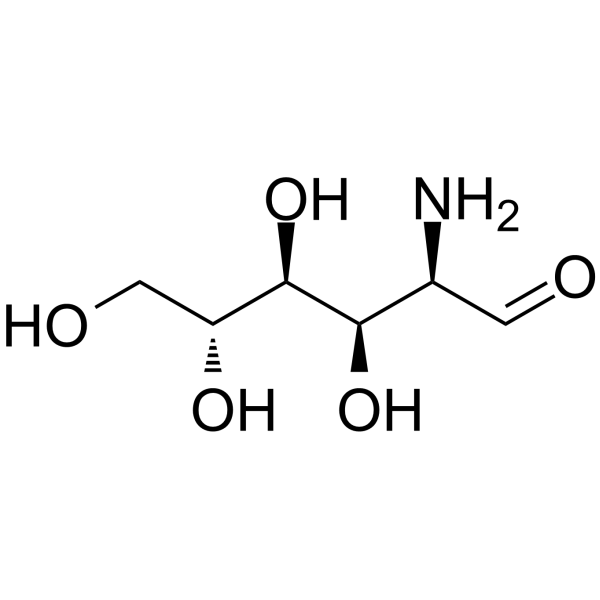
Glucosamine (D-Glucosamine) is an amino sugar and a prominent precursor in the biochemical synthesis of glycosylated proteins and lipids, is used as a dietary supplement. Glucosamine also is a natural constituent of glycosaminoglycans in the cartilage matrix and synovial fluid, which when administered exogenously, exerts pharmacological effects on osteoarthritic cartilage and chondrocytes .
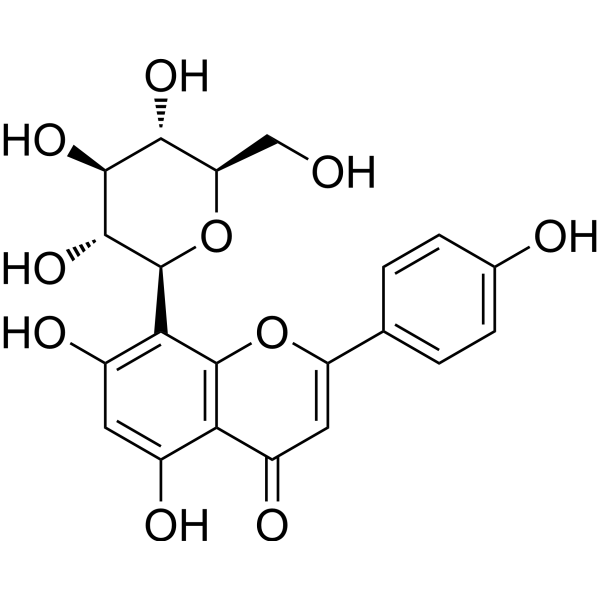
Vitexin is a c-glycosylated flavone, and is found in various medicinal plants species such as Trigonella foenum-graecum Linn. Vitexin has a wide range of pharmacological effects, including anti-oxidant, anti-cancer, anti-inflammatory, anti-hyperalgesic, and neuroprotective effects .
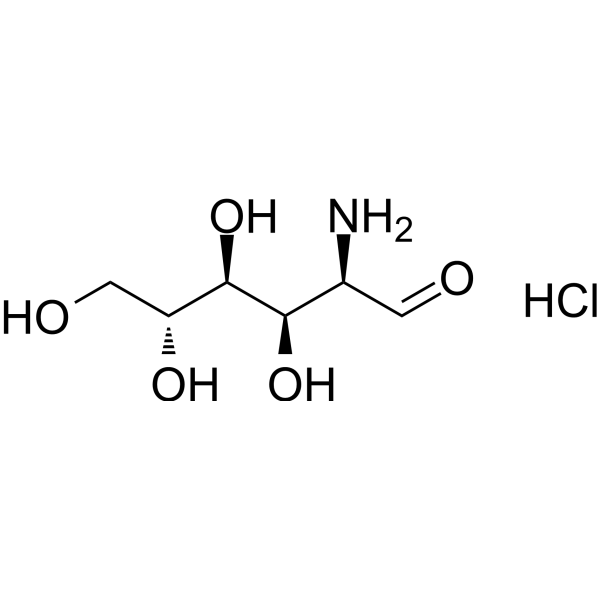
Glucosamine hydrochloride (D-Glucosamine hydrochloride) is an amino sugar and a prominent precursor in the biochemical synthesis of glycosylated proteins and lipids, is used as a dietary supplement. Glucosamine hydrochloride also is a natural constituent of glycosaminoglycans in the cartilage matrix and synovial fluid, which when administered exogenously, exerts pharmacological effects on osteoarthritic cartilage and chondrocytes .
Nipocalimab (M281) is a fully humanized, recombinant, and non-glycosylated IgG1 monoclonal antibody. Nipocalimab can bind to the IgG-binding site of FcRn with high affinity and inhibit the transplacental transfer of IgG. Nipocalimab can be used in the research of fetal and neonatal hemolytic disease, myasthenia gravis, and various IgG-mediated autoimmune diseases .
Recombinant Human Serum Albumin (rHSA) is a non-glycosylatedmonomeric plasma protein that acts as a core factor for maintaining plasma colloid osmotic pressure. Recombinant Human Serum Albumin (rHSA) possesses multiple physiological functions including carrier, metabolic regulation, detoxification, antioxidation and enzyme mimicking. Recombinant Human Serum Albumin (rHSA) not only scavenges reactive oxygen and nitrogen species via specific residues and binds a variety of endogenous and exogenous compounds to maintain redox homeostasis, but also serves as a biomarker for multiple diseases such as cancer and inflammation. Recombinant Human Serum Albumin (rHSA) broadly supports the development of implantable materials, surgical adhesives and ligand capture, and can be used for research on critical illnesses including hypovolemia, liver failure, severe sepsis and various types of trauma resuscitation .
RNase A (Bovine pancreatic RNase) is a widely used Endonuclease in DNA purification by specifically hydrolyzing cytosine or uracil residues of RNA. RNase A degrades the RNA in the RNA/DNA duplex. RNase A catalyses the breakdown of 3',5'-phosphodiester linkages of single stranded RNA. RNase A family members in organisms are tightly involved in various physiological and pathological processes including cell growth and development, proliferation, differentiation and migration. Dysregulation of RNase A activity or expression level is closely related to pancreatic, ovarian, bladder and thyroid cancer. RNase A has tumor cell-killing ability. RNase B, Bovine Pancreas (Ribonuclease B, Bovine Pancreas) is the N-glycosylated form of RNase A. RNase B, Bovine Pancreas can promote the folding of polypeptide chains and play a role similar to molecular chaperones .
Certolizumab pegol (Certolizumab) is a recombinant, polyethylene glycosylated, antigen-binding fragment of a humanized monoclonal antibody that selectively targets and neutralizes tumour necrosis factor-α (TNF-α). Certolizumab pegol can be used for rheumatoid arthritis and Crohn disease research .
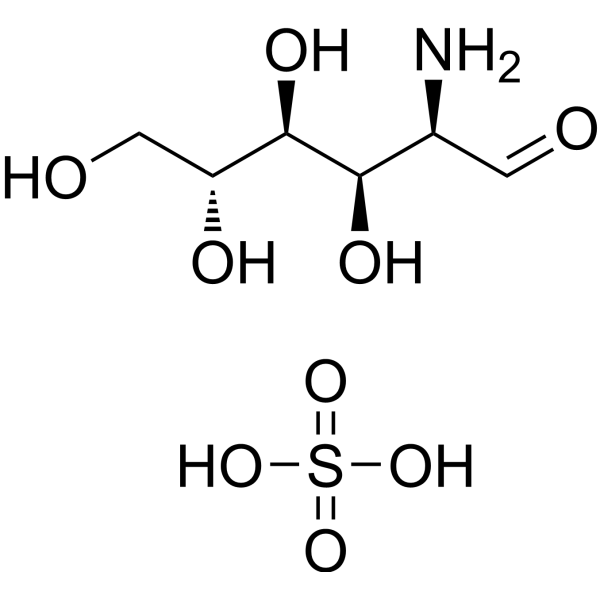
Glucosamine sulfate (D-Glucosamine sulfate) is an amino sugar and a prominent precursor in the biochemical synthesis of glycosylated proteins and lipids, is used as a dietary supplement. Glucosamine sulfate also is a natural constituent of glycosaminoglycans in the cartilage matrix and synovial fluid, which when administered exogenously, exerts pharmacological effects on osteoarthritic cartilage and chondrocytes .
Concanavalin A-HRP (Con A-HRP) is a HRP-labled Concanavalin A (HY-P2149). Concanavalin A is a Ca 2+/Mn 2+-dependent and mannose/glucose-binding plant lectin. Concanavalin A binds the N- and O-glycosylated proteins of head and neck carcinoma cells glycoproteins .
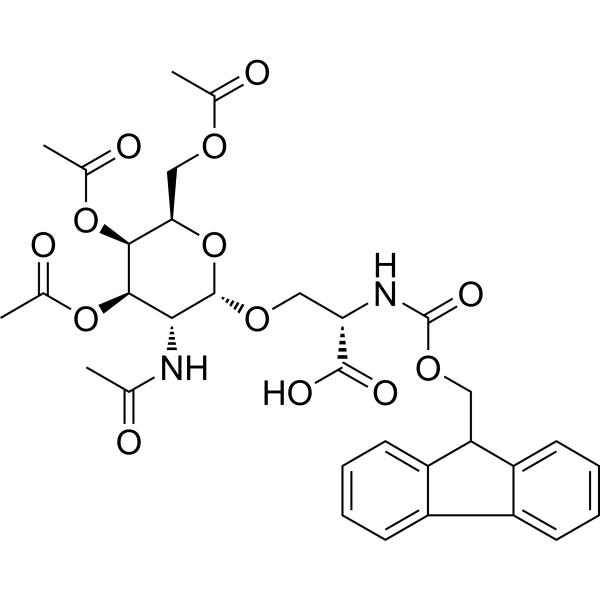
Fmoc-Ser (O-α-D-GalNAc (OAc) 3)-OH (Fmoc-Ser-(GalNAc(Ac)3-alpha-D)-OH) is a protected glycosylated amino acid and Tn antigen. Fmoc-Ser (O-α-D-GalNAc (OAc) 3)-OH serves as a building block in the solid-phase synthesis of Tn-based cancer vaccine constructs. Fmoc-Ser (O-α-D-GalNAc (OAc) 3)-OH supports solid-phase peptide synthesis .
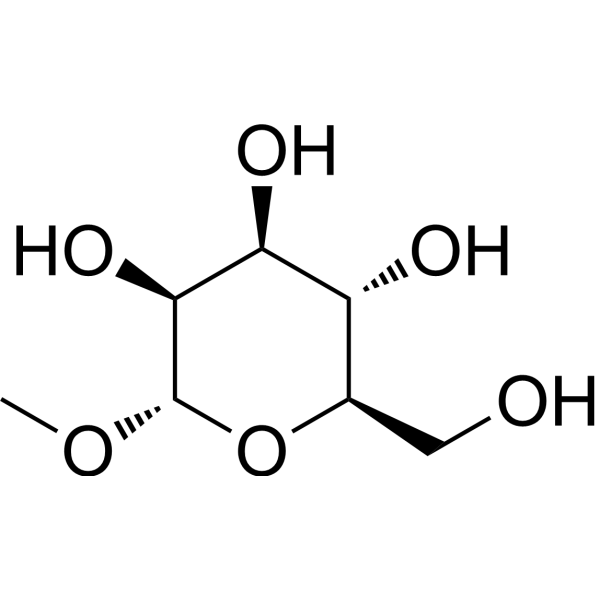
Methyl α-D-mannopyranoside (α-Methyl-D-mannoside) is a methyl glycoside derivative and conformational stabilizer of α-D-mannopyranose. The glycosidic bond conformation of Methyl α-D-mannopyranoside is significantly affected by the environment. In aqueous solution, Methyl α-D-mannopyranoside stabilizes into a trans conformation via intermolecular hydrogen bonds; in the gas phase, however, steric interactions drive Methyl α-D-mannopyranoside to prefer a clockwise gauche conformation. Methyl α-D-mannopyranoside also serves as a major component of secondary cell wall polymers in some bacteria and an active precursor site for virus-targeted glycoproteins. Methyl α-D-mannopyranoside acts as an acceptor substrate for alternansucrase, mediating the transfer of D-glucopyranosyl groups to generate a variety of glycosylated oligosaccharide products, with methyl α-D-glucopyranosyl-(1→6)-α-D-mannopyranoside as the main component. Methyl α-D-mannopyranoside is applicable to studies on bacterial pathogenic mechanisms associated with mannose-specific fimbrial lectins .
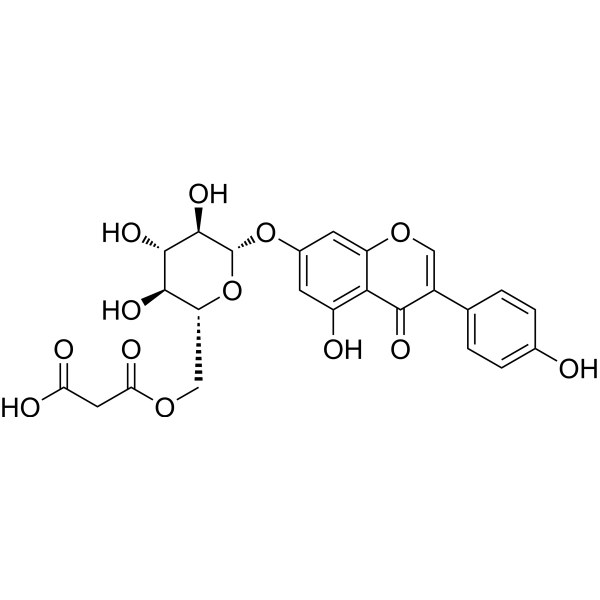
6''-O-Malonylgenistin (Malonylgenistin) is a glycosylated isoflavone and metabolite of Genistin (HY-N0595). 6''-O-Malonylgenistin activates hTAS2R39. 6''-O-Malonylgenistin can be used in the research of bitter taste .
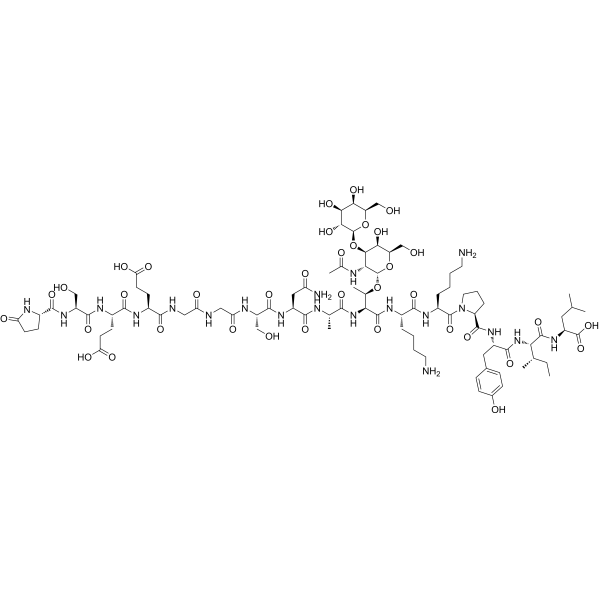
Contulakin G is an O-glycosylated invertebrate neurotensin. Contulakin-G is a weaker agonist for the neurotensin receptor. Contulakin G is also a potent antinociceptive agent .
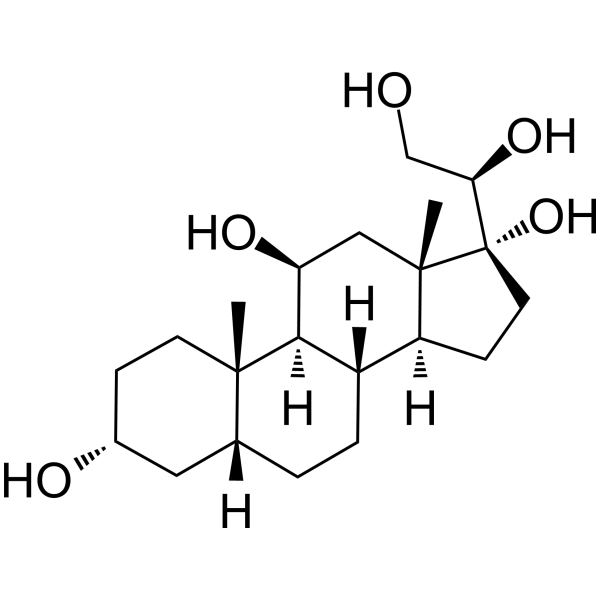
Beta-Cortol is an O-glycosylated compound and cortisol metabolite. It can be isolated from the leaves of mulberry cultivar Yu 711, and its concentration decreases significantly when the plant is subjected to drought stress. Beta-Cortol serves as a biomarker, as serum Beta-Cortol levels in early non-small cell lung cancer models are downregulated to 1/8 of the preoperative level after tumor resection. Due to such dramatic changes under specific pathological conditions, Beta-Cortol is currently widely used in studies related to early non-small cell lung cancer .
MUC1, mucin core is the region of the MUC1 mucin core. MUC1 is a type I transmembrane glycoprotein, and is overexpressed and aberrantly glycosylated in carcinoma cells. MUC1, mucin core protein binds to domain 1 of ICAM-1 .
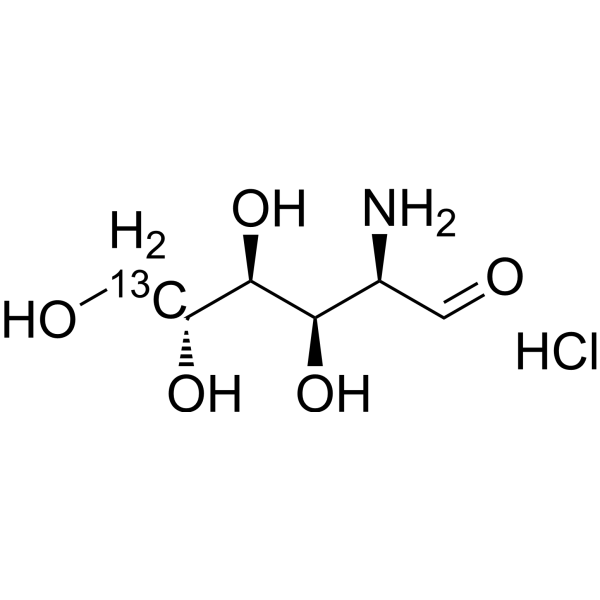
Glucosamine-6- 13C (hydrochloride) is the 13C labeled Glucosamine hydrochloride. Glucosamine hydrochloride (D-Glucosamine hydrochloride) is an amino sugar and a prominent precursor in the biochemical synthesis of glycosylated proteins and lipids, is used as
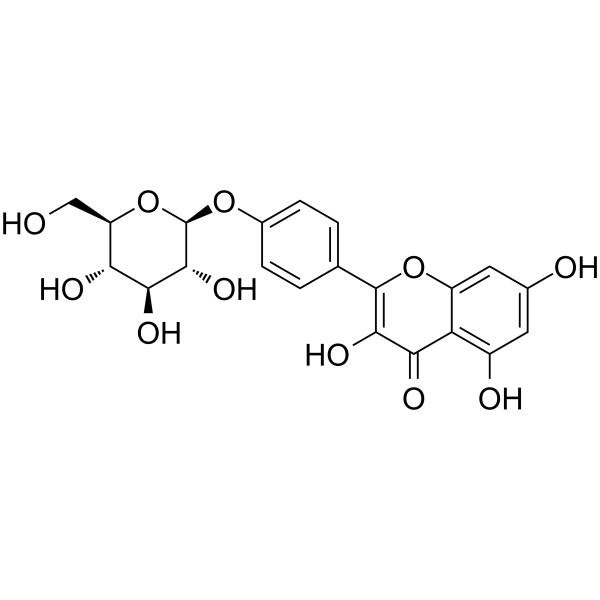
Kaempferol 4'-glucoside (Kaempferol 4'-β-glucoside) is a glycosylated form of Kaempferol (HY-14590). Kaempferol 4'-glucoside interacts with SBE-β-CD (HY-17031). Kaempferol 4'-glucoside can be used in the food and active compound industries .
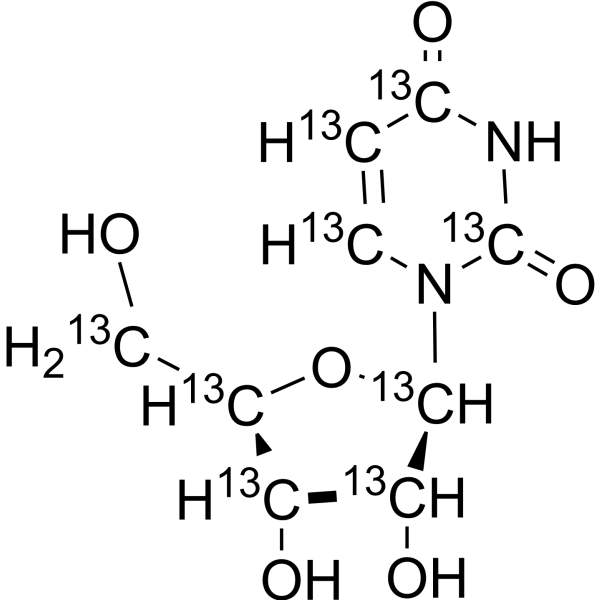
Uridine- 13C9 (β-Uridine- 13C9) is a 13C9-labeled form of Uridine (HY-B1449). Uridine (β-Uridine) is a glycosylated pyrimidine-analog containing uracil attached to a ribose ring (or more specifically, aribofuranose) via a β-N1-glycosidic bond .
CDE-096 is a potent inhibitor of PAI-1. CDE-096 prevents PAI-1 from inactivating tPA and uPA with similar potency (IC50=30 and 25 nM, respectively) and is active against glycosylated PAI-1, as well as PAI-1 derived from several species (IC50=19, 22 and 18 nM for murine, rat, and Porcine PAI-1, respectively) .
Albiglutide fragment (GLP-1 (7-36) analog) is an active fragment of Albiglutide (7-36) and a glucagon-like peptide-1 (GLP-1) analog (a long-acting GLP-1 receptor agonist). Albiglutide is produced by the fusion of DPP-4 resistant GLP-1 dimer with the human albumin gene. Moreover, Albiglutide fragment significantly reduces glycosylated hemoglobin (A1C) and is used in type 2 diabetes (T2D) studies .
Glucosamine (hydrochloride) (Standard) is the analytical standard of Glucosamine (hydrochloride). This product is intended for research and analytical applications. Glucosamine hydrochloride (D-Glucosamine hydrochloride) is an amino sugar and a prominent precursor in the biochemical synthesis of glycosylated proteins and lipids, is used as a dietary supplement. Glucosamine hydrochloride also is a natural constituent of glycosaminoglycans in the cartilage matrix and synovial fluid, which when administered exogenously, exerts pharmacological effects on osteoarthritic cartilage and chondrocytes .
Quercetin 5-O-β-D-glucopyranoside is a glycosylated flavonoid metabolite and flavonoid compound. Quercetin 5-O-β-D-glucopyranoside can be produced by microbial transformation of Quercetin (HY-18085) via Mucor hiemalis. Quercetin 5-O-β-D-glucopyranoside can be used in studies related to benign prostatic hyperplasia .
Uridine-13C9,15N2 (β-Uridine-13C9,15N2) is 13C and 15N labeled Uridine (HY-B1449). Uridine is a glycosylated pyrimidine-analog containing uracil attached to a ribose ring (or more specifically, aribofuranose) via a β-N1-glycosidic bond .
Anti-MUC1/CD227 Antibody (C595 (NCRC48)) is a kind of mouse IgG3 κ chimeric antibody inhibitor, targeting to human MUC1/CD227. Anti-MUC1/CD227 Antibody (C595 (NCRC48)) specifically recognizes and binds to the MUC1 protein, which is overexpressed and abnormally glycosylated on the surface of tumor cells, thereby precisely killing cancer cells. Anti-MUC1/CD227 Antibody (C595 (NCRC48)) can be used for the researches of cancer, such as ovarian cancer .
Glucosamine- 13C (hydrochloride) is the 13C labeled Glucosamine hydrochloride. Glucosamine hydrochloride (D-Glucosamine hydrochloride) is an amino sugar and a prominent precursor in the biochemical synthesis of glycosylated proteins and lipids, is used as a
Endo-β-N-acetylglucosaminidase (ENGase) is cytosolic deglycosylating enzyme that hydrolyzes the N-linked oligosaccharides. Endo-β-N-acetylglucosaminidase can be used for glycan analysis on glycoproteins and preparation of precursors for glycosylated compounds, is often used in biochemical studies .
Endoglycosidase S (D233Q mutant) (EndoS D233Q) is a mutant endoglycosidase, which catalyzes the glycosylation of Trastuzumab (HY-P9907)-GlcNAc with the functionalized, non-natural glycans to give glycosylated monoclonal Abs (mAbs) carrying two glycans each functionalized with two reaction handles .
PNGase F (Immobilized, Microspin) is a resin in which PNGase F (peptide N-glycosidase F) is covalently coupled to agarose beads, and it is used to remove N-glycans from antibodies, fusion proteins and other N-glycosylated proteins. The enzyme is recombinantly expressed in Escherichia coli, with its sequence derived from Flavobacterium meningsepticum .
Concanavalin A-AF488 (Con A-AF488) is an AF488-labled Concanavalin A (HY-P2149). Concanavalin A is a Ca 2+/Mn 2+-dependent and mannose/glucose-binding plant lectin. Concanavalin A binds the N- and O-glycosylated proteins of head and neck carcinoma cells glycoproteins .
O-Glycoprotease is an O-glycoprotein-specific endoprotease that catalyzes the hydrolysis of peptide bonds directly adjacent to the O-polymer in native mucin-type O-glycosylated proteins. O-Glycoprotease sequence is from Akkermansia muciniphila, recombinantly expressed in E.coli, with a 6×His tag at the C-terminus.
The enzyme maintains high activity between pH 5.5-7.5 and is resistant to 1M NaCl, but is highly sensitive to EDTA (0.5 mM EDTA) and can be inhibited by Zn 2+.
Fructosyl amino acid oxidase can be used to measure glycosylated protein. Glycosylated protein, especially glycosylated hemoglobin A1c, is an important marker to evaluate the efficacy of diabetes treatment .
Tridecyl β-D-maltopyranoside is a synthetic sugar, modified by fluorination and methylation. Carbohydrates can be used for the synthesis of glycosylated proteins (biosynth: W-204093).
2-Azido-2-deoxy-D-galactose, 98% can be applied in glycobiology, can be glycosylated by glycopeptides, and can be used for the synthesis of glycoconjugates.
Sibiromycin is a naturally produced glycosylated pyrrolobenzodiazepines (PBDs). Sibiromycin is also a potent antitumor antibiotic that binds covalently to DNA in the minor groove at the NH2 of guanine .
2,3,4,6-Tetra-O-benzyl-D-glucopyranose is a glucose derivative that serves as an important intermediate in the synthesis of complex glycoconjugates, oligosaccharides, and glycosylated drug molecules .
Mulberry Leaf Extract is a mulberry leaf extract, and its components include: 1-Deoxynojirimycin. Mulberry Leaf Extract can effectively alleviate the adverse effects of high-fat diet on blood lipids and renal function, regulate lipid metabolism abnormalities, and significantly inhibit the accumulation of glycosylated substances in glomeruli. Mulberry Leaf Extract can regulate the key signaling pathways of diabetic nephropathy, but does not directly affect blood glucose levels. .
SCR007 is a synthetic carbohydrate receptor (SCR) with broad-spectrum antiviral activity. SCR007 inhibits the entry of enveloped viruses across multiple families (Coronaviridae: SARS-CoV-1, SARS-CoV-2, MERS-CoV; Filoviridae: EBOV, MARV; Paramyxoviridae: NiV, HeV) and the glycosylated nonenveloped rotavirus. SCR007 binds viral envelope N-glycans, blocking viral binding to host cells or both binding and membrane fusion. SCR007 exerts prophylactic effects in hACE2 mice infected with SARS-CoV-2. SCR007 can be used for the study and prevention of enveloped virus pandemics .
Protocatechuic acid 4-glucoside is a glycosylated phenolic acid. Protocatechuic acid 4-glucoside exhibits antioxidant activity and can alleviate atherosclerotic lesions in rats fed a high-fat diet. Protocatechuic acid 4-glucoside can be used for the study of metabolism-related diseases .
Glucosamine- 15N (hydrochloride) is the 15N labeled Glucosamine hydrochloride. Glucosamine hydrochloride (D-Glucosamine hydrochloride) is an amino sugar and a prominent precursor in the biochemical synthesis of glycosylated proteins and lipids, is used as a
Glucosamine-2- 13C (hydrochloride) is the 13C labeled Glucosamine hydrochloride. Glucosamine hydrochloride (D-Glucosamine hydrochloride) is an amino sugar and a prominent precursor in the biochemical synthesis of glycosylated proteins and lipids, is used as
Glucosamine- 13C, 15N (hydrochloride) is the 13C and 15N labeled Glucosamine hydrochloride. Glucosamine hydrochloride (D-Glucosamine hydrochloride) is an amino sugar and a prominent precursor in the biochemical synthesis of glycosylated proteins and lipids, i
Glucosamine- 13C6, 15N hydrochloride is the 13C and 15N labeled Glucosamine hydrochloride. Glucosamine hydrochloride (D-Glucosamine hydrochloride) is an amino sugar and a prominent precursor in the biochemical synthesis of glycosylated proteins and lipids.
Glucosamine sulfate potassium chloride is an amino sugar and a prominent precursor in the biochemical synthesis of glycosylated proteins and lipids, is used as a dietary supplement. Glucosamine sulfate potassium chloride also is a natural constituent of glycosaminoglycans in the cartilage matrix and synovial fluid, which when administered exogenously, exerts pharmacological effects on osteoarthritic cartilage and chondrocytes .
Uridine-d12 (β-Uridine-d12) is the deuterium labeled Uridine (HY-B1449). Uridine is a glycosylated pyrimidine-analog containing uracil attached to a ribose ring (or more specifically, aribofuranose) via a β-N1-glycosidic bond .
Vitexin (Standard) is the analytical standard of Vitexin. This product is intended for research and analytical applications. Vitexin is a c-glycosylated flavone, and is found in various medicinal plants species such as Trigonella foenum-graecum Linn. Vitexin has a wide range of pharmacological effects, including anti-oxidant, anti-cancer, anti-inflammatory, anti-hyperalgesic, and neuroprotective effects .
Fucosyltransferase 7 (FUT7) is a golgi stack membrane protein. Fucosyltransferase 7catalyzes the final fucosylation step in the synthesis of Lewis antigens and generates a unique glycosylated product sialyl Lewis X (sLeX). Fucosyltransferase 7 catalyzes alpha-1,3 glycosidic linkages involved in the expression of sialyl Lewis X antigens .
Glucosamine (sulfate) (Standard) is the analytical standard of Glucosamine (sulfate). This product is intended for research and analytical applications. Glucosamine sulfate (D-Glucosamine sulfate) is an amino sugar and a prominent precursor in the biochemical synthesis of glycosylated proteins and lipids, is used as a dietary supplement. Glucosamine sulfate also is a natural constituent of glycosaminoglycans in the cartilage matrix and synovial fluid, which when administered exogenously, exerts pharmacological effects on osteoarthritic cartilage and chondrocytes .
SCR005 is a synthetic carbohydrate receptor (SCR) with broad-spectrum antiviral activity. SCR005 inhibits the entry of enveloped viruses across multiple families (Coronaviridae: SARS-CoV-1, SARS-CoV-2, MERS-CoV; Filoviridae: EBOV, MARV; Paramyxoviridae: NiV, HeV) and the glycosylated nonenveloped rotavirus. SCR005 binds viral envelope N-glycans, blocking viral binding to host cells or both binding and membrane fusion. SCR005 exerts prophylactic effects in hACE2 mice infected with SARS-CoV-2. SCR005 can be used for the study and prevention of enveloped virus pandemics .
Saccharothrixin K, a glycosylated saccharothrixin, shows moderate inhibition against Helicobacter pylori G27, H. pylori 159, and Staphylococcus aureus ATCC25923 with MIC values of 16 μg/mL .
Gal-C4-Chol is a glycosylated cholesterol derivative. Gal-C4-Chol can be used as a ligand for asialoglycoprotein receptors (ASGPR) to prepare Galactosylated (Gal) liposomes. Gal-C4-Chol can be used to prepare simple lipid-based nanoparticles .
Amycolatopsin C is a glycosylated macrolactone with antibacterial activity. Amycolatopsin C selectively inhibits the growth of Mycobacterium bovis (BCG) and Mycobacterium tuberculosis (H37Rv) compared to other Gram-positive and Gram-negative bacteria. Amycolatopsin C demonstrates low levels of cytotoxicity toward mammalian cells and can be utilized in antibacterial research .
Albiglutide fragment (GLP-1 (7-36) analog) TFA is an active fragment of Albiglutide (7-36) and a glucagon-like peptide-1 (GLP-1) analog (a long-acting GLP-1 receptor agonist). Albiglutide is produced by the fusion of DPP-4 resistant GLP-1 dimer with the human albumin gene. Moreover, Albiglutide fragment TFA significantly reduces glycosylated hemoglobin (A1C) and is used in type 2 diabetes (T2D) studies .
N-Acetylgalactosaminyltransferase 13 (GALNT13) is a glycosaminyltransferase. N-Acetylgalactosaminyltransferase 13 participates in neuronal differentiation by glycosylating and stabilizing PDPN .
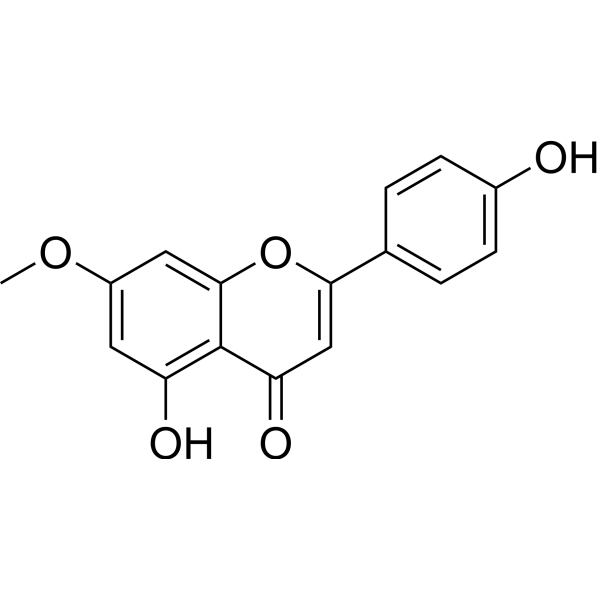
Genkwanin (Standard) is the analytical standard of Genkwanin. This product is intended for research and analytical applications. Genkwanin is a major non-glycosylated flavonoid with anti-flammatory activities.
Amycolatopsin B (compound 2) is a glycosylated polyketide macrolide with antifungal activity that was isolated from the soil isolate Amycolatopsis sp. MST-108494 .
Human IGFBP4 mRNA encodes the human insulin like growth factor binding protein 4 (IGFBP4) protein, a member of the insulin-like growth factor binding protein (IGFBP) family. IGFBP4 can bind both insulin-like growth factors (IGFs) I and II and circulates in the plasma in both glycosylated and non-glycosylated forms. Binding of this protein prolongs the half-life of the IGFs and alters their interaction with cell surface receptors.
Protease (O-glycan Cleaving) is recombinantly expressed from E.coli and contains a His tag. Protease (O-glycan Cleaving) is an O-glycan-dependent protease that digests proteins carrying mucin-type O-glycans, including sialylated substrates, glycosylated Ser and Thr residues at the N terminus. Protease (O-glycan Cleaving) digests a variety of O-glycan structures, including sialylated glycosylated core 1 and core 2 structures and Tn antigen. Protease (O-glycan Cleaving) does not digest terminally modified serine or threonine residues, nor does it digest N-glycosylation sites on glycoproteins.
A3G3S3 glycan (A3G3S3 N-linked oligosaccharide) is an N-glycosylated plasma protein that plays an important role in indicating different stages of type 1 diabetes .
Vitexin arginine is a c-glycosylated flavone, and is found in various medicinal plants species such as Ficus deltoid and Spirodela polyrhiza. Vitexin arginine has a wide range of pharmacological effects, including anti-oxidant, anti-cancer, anti-inflammatory, anti-hyperalgesic, and neuroprotective effects .
Endoglycosidase D (N322Q mutant) (EndoD N322Q) is a mutant endoglycosidase, which can be highly efficient to transfer Man5GlcNAc oxazoline to a similar cyclic glycopeptide carrying two free GlcNAc moieties to give a doubly glycosylated peptide .
Glucosamine sulfate sodium chloride is an amino sugar and a prominent precursor in the biochemical synthesis of glycosylated proteins and lipids, is used as a dietary supplement. Glucosamine sulfate sodium chloride also is a natural constituent of glycosaminoglycans in the cartilage matrix and synovial fluid, which when administered exogenously, exerts pharmacological effects on osteoarthritic cartilage and chondrocytes .
N-Acetylgalactosaminyltransferase 14 (GALNT14) is a mucin-type glycosylating enzyme polypeptide that promotes the migration of ovarian cancer by modifying mucin 13 (MUC13). GALNT14 can regulate the O-glycosylation and stability of MUC13, thereby mediating the malignant behavior of ovarian cancer cells .
Concanavalin A-AF568 (Con A-AF546) is an AF568-labled Concanavalin A (HY-P2149). Concanavalin A is a Ca 2+/Mn 2+-dependent and mannose/glucose-binding plant lectin. Concanavalin A binds the N- and O-glycosylated proteins of head and neck carcinoma cells glycoproteins .
Concanavalin A-AF680 (Con A-AF680) is an AF680-labled Concanavalin A (HY-P2149). Concanavalin A is a Ca 2+/Mn 2+-dependent and mannose/glucose-binding plant lectin. Concanavalin A binds the N- and O-glycosylated proteins of head and neck carcinoma cells glycoproteins .
Concanavalin A-AF405 (Con A-AF405) is an AF405-labled Concanavalin A (HY-P2149). Concanavalin A is a Ca 2+/Mn 2+-dependent and mannose/glucose-binding plant lectin. Concanavalin A binds the N- and O-glycosylated proteins of head and neck carcinoma cells glycoproteins .
Concanavalin A-AF546 (Con A-AF546) is an AF546-labled Concanavalin A (HY-P2149). Concanavalin A is a Ca 2+/Mn 2+-dependent and mannose/glucose-binding plant lectin. Concanavalin A binds the N- and O-glycosylated proteins of head and neck carcinoma cells glycoproteins .
Concanavalin A-AF430 (Con A-AF430) is an AF430-labled Concanavalin A (HY-P2149). Concanavalin A is a Ca 2+/Mn 2+-dependent and mannose/glucose-binding plant lectin. Concanavalin A binds the N- and O-glycosylated proteins of head and neck carcinoma cells glycoproteins .
Glucosamine- 13C6 (D-Glucosamine- 13C6) is 13C labeled Glucosamine. Glucosamine (D-Glucosamine) is an amino sugar and a prominent precursor in the biochemical synthesis of glycosylated proteins and lipids, is used as a dietary supplement. Glucosamine also is a natural constituent of glycosaminoglycans in the cartilage matrix and synovial fluid, which when administered exogenously, exerts pharmacological effects on osteoarthritic cartilage and chondrocytes .
Concanavalin A-Cy5 (Con A-Cy5) is a Cy5 (HY-D0821)-labled Concanavalin A (HY-P2149). Concanavalin A is a Ca 2+/Mn 2+-dependent and mannose/glucose-binding plant lectin. Concanavalin A binds the N- and O-glycosylated proteins of head and neck carcinoma cells glycoproteins (Ex/Em = 630/670 nm) .
Tumour-associated MUC1 epitope is a biological active peptide. (This sequence is the hallmark of MUC1 mucin. MUC1 is a highly glycosylated type I transmembrane glycoprotein with a unique extracellular domain consisting of a variable number of tandem repeats (VNTR) of this 20 amino acid peptide. It is overexpressed on the cell surface of many human adenocarcinomas and hematological malignancies, including multiple myeloma and B-cell lymphoma, making MUC1 broadly applicable target for immunotherapeutic strategies.)
Albiglutide fragment (Standard) is the analytical standard of Albiglutide fragment (HY-108795). This product is intended for research and analytical applications. Albiglutide fragment (GLP-1 (7-36) analog) is an active fragment of Albiglutide (7-36) and a glucagon-like peptide-1 (GLP-1) analog (a long-acting GLP-1 receptor agonist). Albiglutide is produced by the fusion of DPP-4 resistant GLP-1 dimer with the human albumin gene. Moreover, Albiglutide fragment significantly reduces glycosylated hemoglobin (A1C) and is used in type 2 diabetes (T2D) studies .
ToP-DNJ is a selective endoplasmic reticulum α-glucosidase II (GluII) inhibitor with an IC50 value of 9.0 μM. ToP-DNJ selectively inhibits the two catalytic reactions of GluII, and exhibits stronger activity in the first step of converting di-glycosylated glycans to mono-glycosylated glycans. ToP-DNJ exhibits anti-DENV activity. ToP-DNJ can be used in studies related to dengue virus infection .
Human IL27RA mRNA encodes the human interleukin 27 receptor subunit alpha (IL27RA) protein, a protein that is similar to the mouse T-cell cytokine receptor (Tccr) at the amino acid level. IL27RA is predicted to be a glycosylated transmembrane protein.
EBC-129 Antibody is a specific antibody for the synthetic antibody-drug conjugate (ADC) EBC-129, which specifically targets CEACAM5 and CEACAM6glycosylated at N256. EBC-129 Antibody can be used for the research of pancreatic ductal adenocarcinoma .
Concanavalin A-FITC is a FITC (HY-66019)-labled Concanavalin A (HY-P2149). Concanavalin A is a Ca 2+/Mn 2+-dependent and mannose/glucose-binding plant lectin. Concanavalin A binds the N- and O-glycosylated proteins of head and neck carcinoma cells glycoproteins (Ex/Em = 488/525 nm) .
Concanavalin A-AF647 (Con A-AF647) is an AF647-labled Concanavalin A (HY-P2149). Concanavalin A is a Ca 2+/Mn 2+-dependent and mannose/glucose-binding plant lectin. Concanavalin A binds the N- and O-glycosylated proteins of head and neck carcinoma cells glycoproteins .
Concanavalin A-AF555 (Con A-AF555) is an AF555-labled Concanavalin A (HY-P2149). Concanavalin A is a Ca 2+/Mn 2+-dependent and mannose/glucose-binding plant lectin. Concanavalin A binds the N- and O-glycosylated proteins of head and neck carcinoma cells glycoproteins .
Concanavalin A-TRITC is a TRITC (HY-D0791)-labled Concanavalin A (HY-P2149). Concanavalin A is a Ca 2+/Mn 2+-dependent and mannose/glucose-binding plant lectin. Concanavalin A binds the N- and O-glycosylated proteins of head and neck carcinoma cells glycoproteins (Ex/Em = 544/570 nm) .
Concanavalin A-AF350 (Con A-AF350) is an AF350-labled Concanavalin A (HY-P2149). Concanavalin A is a Ca 2+/Mn 2+-dependent and mannose/glucose-binding plant lectin. Concanavalin A binds the N- and O-glycosylated proteins of head and neck carcinoma cells glycoproteins .
Concanavalin A-AF532 (Con A-AF532) is an AF532-labled Concanavalin A (HY-P2149). Concanavalin A is a Ca 2+/Mn 2+-dependent and mannose/glucose-binding plant lectin. Concanavalin A binds the N- and O-glycosylated proteins of head and neck carcinoma cells glycoproteins .
4-(β-D-Glucopyranosyloxy) benzenepropanoic acid is a phenolic acid glycoside natural product, which has an O-β-D-glucoside structure formed by a phenylpropanoic acid derivative and glucose .
Concanavalin A-Cy3 (Con A-Cy3) is a Cy5 (HY-D0822)-labled Concanavalin A (HY-P2149). Concanavalin A is a Ca 2+/Mn 2+-dependent and mannose/glucose-binding plant lectin. Concanavalin A binds the N- and O-glycosylated proteins of head and neck carcinoma cells glycoproteins (Ex/Em = 554/568 nm) .
Concanavalin A-Cy5.5 (Con A-Cy5.5) is a Cy5.5 (HY-D0924)-labled Concanavalin A (HY-P2149). Concanavalin A is a Ca 2+/Mn 2+-dependent and mannose/glucose-binding plant lectin. Concanavalin A binds the N- and O-glycosylated proteins of head and neck carcinoma cells glycoproteins .
Glycopeptidase A, Almonds (EC 3.5.1.52) is an enzyme that catalyzes a chemical reaction that cleaves a N4-(acetyl-beta-D-glucosaminyl)asparagine residue in which the glucosamine residue may be further glycosylated, to yield a (substituted) N-acetyl-beta-D-glucosaminylamine and a peptide containing an aspartate residue. Glycopeptidase A, Almonds (EC 3.5.1.52) belongs to the family of hydrolases, specifically those acting on carbon-nitrogen bonds other than peptide bonds in linear amides.
PNA5 is a novel, blood-brain barrier permeable glycosylated angiotensin-(1-7) peptide and MasR agonist. PNA5 inhibits IL-7, increases IL-10. PNA5 inhibits ROS generation, decreases Iba-1 expression. PNA5 exhibits sustained cognitive protective effects. PNA5 rescues blunted cerebral functional hyperemia. PNA5 can be used in the research of inflammation-related brain diseases .
PA-IIL (LecB) is a lectin produced by Pseudomonas aeruginosa. PA-IIL binds to glycosylated β1-integrin, fucose-containing glycosphingolipids, fucosylated/mannosylated neutrophil glycoconjugates, and pre-formed neutrophil extracellular traps. PA-IIL disrupts host defenses: it creates favorable conditions for Pseudomonas aeruginosa infection and dissemination by modulating the bactericidal activity of neutrophils, impairing the trafficking and recruitment of immune cells, and compromising the repair capacity of epithelial barriers. PA-IIL can be used in studies related to Pseudomonas aeruginosa infection .
GT-002 is a partial positive allosteric modulator targeting the α3 subtype of GABAA receptors, as well as a specific binder of tumor-associated TF-glycosylated LYPD3. GT-002 mildly enhances GABA-induced chloride currents by binding to the benzodiazepine site of GABAA receptors, thereby alleviating prefrontal hypofunction and improving cognitive, memory and social interaction abilities. GT-002 can be used in research related to schizophrenia spectrum disorders, various squamous cell carcinomas, colorectal cancer, non-small cell lung cancer, and aromatic L-amino acid decarboxylase deficiency .
Anti-Nicastrin Antibody (A5226A) is a monoclonal antibody against Nicastrin and an inhibitor of γ-secretase. Anti-Nicastrin Antibody (A5226A) recognizes the fully glycosylated mature presenilin enhancer in the active γ-secretase complex and inhibits its activity via competition for substrate binding. Anti-Nicastrin Antibody (A5226A) abrogates the growth of cancer cells dependent on γ-secretase activity. Anti-Nicastrin Antibody (A5226A) serves as an imaging tool to visualize the endocytic trafficking of active γ-secretase, and also acts as a detection reagent to evaluate the endocytic efficiency of γ-secretase. Anti-Nicastrin Antibody (A5226A) can be used in studies related to non-small cell lung cancer, T-cell acute lymphoblastic leukemia and Alzheimer's disease .
Fmoc-Ser(O-α-D-GalNAc(OAc)3)-OH (Standard) is the analytical standard of Fmoc-Ser(O-α-D-GalNAc(OAc)3)-OH (HY-104004). This product is intended for research and analytical applications. Fmoc-Ser (O-α-D-GalNAc (OAc) 3)-OH (Fmoc-Ser-(GalNAc(Ac)3-alpha-D)-OH) is a protected glycosylated amino acid and Tn antigen. Fmoc-Ser (O-α-D-GalNAc (OAc) 3)-OH serves as a building block in the solid-phase synthesis of Tn-based cancer vaccine constructs. Fmoc-Ser (O-α-D-GalNAc (OAc) 3)-OH supports solid-phase peptide synthesis .
Concanavalin A-FITC is a FITC (HY-66019)-labled Concanavalin A (HY-P2149). Concanavalin A is a Ca 2+/Mn 2+-dependent and mannose/glucose-binding plant lectin. Concanavalin A binds the N- and O-glycosylated proteins of head and neck carcinoma cells glycoproteins (Ex/Em = 488/525 nm) .
Concanavalin A-TRITC is a TRITC (HY-D0791)-labled Concanavalin A (HY-P2149). Concanavalin A is a Ca 2+/Mn 2+-dependent and mannose/glucose-binding plant lectin. Concanavalin A binds the N- and O-glycosylated proteins of head and neck carcinoma cells glycoproteins (Ex/Em = 544/570 nm) .
Recombinant Human Serum Albumin (rHSA) is a non-glycosylatedmonomeric plasma protein that acts as a core factor for maintaining plasma colloid osmotic pressure. Recombinant Human Serum Albumin (rHSA) possesses multiple physiological functions including carrier, metabolic regulation, detoxification, antioxidation and enzyme mimicking. Recombinant Human Serum Albumin (rHSA) not only scavenges reactive oxygen and nitrogen species via specific residues and binds a variety of endogenous and exogenous compounds to maintain redox homeostasis, but also serves as a biomarker for multiple diseases such as cancer and inflammation. Recombinant Human Serum Albumin (rHSA) broadly supports the development of implantable materials, surgical adhesives and ligand capture, and can be used for research on critical illnesses including hypovolemia, liver failure, severe sepsis and various types of trauma resuscitation .
Concanavalin A-HRP (Con A-HRP) is a HRP-labled Concanavalin A (HY-P2149). Concanavalin A is a Ca 2+/Mn 2+-dependent and mannose/glucose-binding plant lectin. Concanavalin A binds the N- and O-glycosylated proteins of head and neck carcinoma cells glycoproteins .
Concanavalin A-AF488 (Con A-AF488) is an AF488-labled Concanavalin A (HY-P2149). Concanavalin A is a Ca 2+/Mn 2+-dependent and mannose/glucose-binding plant lectin. Concanavalin A binds the N- and O-glycosylated proteins of head and neck carcinoma cells glycoproteins .
Tridecyl β-D-maltopyranoside is a synthetic sugar, modified by fluorination and methylation. Carbohydrates can be used for the synthesis of glycosylated proteins (biosynth: W-204093).
2-Azido-2-deoxy-D-galactose, 98% can be applied in glycobiology, can be glycosylated by glycopeptides, and can be used for the synthesis of glycoconjugates.
2,3,4,6-Tetra-O-benzyl-D-glucopyranose is a glucose derivative that serves as an important intermediate in the synthesis of complex glycoconjugates, oligosaccharides, and glycosylated drug molecules .
Glucosamine sulfate potassium chloride is an amino sugar and a prominent precursor in the biochemical synthesis of glycosylated proteins and lipids, is used as a dietary supplement. Glucosamine sulfate potassium chloride also is a natural constituent of glycosaminoglycans in the cartilage matrix and synovial fluid, which when administered exogenously, exerts pharmacological effects on osteoarthritic cartilage and chondrocytes .
Fucosyltransferase 7 (FUT7) is a golgi stack membrane protein. Fucosyltransferase 7catalyzes the final fucosylation step in the synthesis of Lewis antigens and generates a unique glycosylated product sialyl Lewis X (sLeX). Fucosyltransferase 7 catalyzes alpha-1,3 glycosidic linkages involved in the expression of sialyl Lewis X antigens .
Gal-C4-Chol is a glycosylated cholesterol derivative. Gal-C4-Chol can be used as a ligand for asialoglycoprotein receptors (ASGPR) to prepare Galactosylated (Gal) liposomes. Gal-C4-Chol can be used to prepare simple lipid-based nanoparticles .
A3G3S3 glycan (A3G3S3 N-linked oligosaccharide) is an N-glycosylated plasma protein that plays an important role in indicating different stages of type 1 diabetes .
Glucosamine sulfate sodium chloride is an amino sugar and a prominent precursor in the biochemical synthesis of glycosylated proteins and lipids, is used as a dietary supplement. Glucosamine sulfate sodium chloride also is a natural constituent of glycosaminoglycans in the cartilage matrix and synovial fluid, which when administered exogenously, exerts pharmacological effects on osteoarthritic cartilage and chondrocytes .
Concanavalin A-AF568 (Con A-AF546) is an AF568-labled Concanavalin A (HY-P2149). Concanavalin A is a Ca 2+/Mn 2+-dependent and mannose/glucose-binding plant lectin. Concanavalin A binds the N- and O-glycosylated proteins of head and neck carcinoma cells glycoproteins .
Concanavalin A-AF680 (Con A-AF680) is an AF680-labled Concanavalin A (HY-P2149). Concanavalin A is a Ca 2+/Mn 2+-dependent and mannose/glucose-binding plant lectin. Concanavalin A binds the N- and O-glycosylated proteins of head and neck carcinoma cells glycoproteins .
Concanavalin A-AF405 (Con A-AF405) is an AF405-labled Concanavalin A (HY-P2149). Concanavalin A is a Ca 2+/Mn 2+-dependent and mannose/glucose-binding plant lectin. Concanavalin A binds the N- and O-glycosylated proteins of head and neck carcinoma cells glycoproteins .
Concanavalin A-AF546 (Con A-AF546) is an AF546-labled Concanavalin A (HY-P2149). Concanavalin A is a Ca 2+/Mn 2+-dependent and mannose/glucose-binding plant lectin. Concanavalin A binds the N- and O-glycosylated proteins of head and neck carcinoma cells glycoproteins .
Concanavalin A-AF430 (Con A-AF430) is an AF430-labled Concanavalin A (HY-P2149). Concanavalin A is a Ca 2+/Mn 2+-dependent and mannose/glucose-binding plant lectin. Concanavalin A binds the N- and O-glycosylated proteins of head and neck carcinoma cells glycoproteins .
Concanavalin A-Cy5 (Con A-Cy5) is a Cy5 (HY-D0821)-labled Concanavalin A (HY-P2149). Concanavalin A is a Ca 2+/Mn 2+-dependent and mannose/glucose-binding plant lectin. Concanavalin A binds the N- and O-glycosylated proteins of head and neck carcinoma cells glycoproteins (Ex/Em = 630/670 nm) .
Concanavalin A-AF647 (Con A-AF647) is an AF647-labled Concanavalin A (HY-P2149). Concanavalin A is a Ca 2+/Mn 2+-dependent and mannose/glucose-binding plant lectin. Concanavalin A binds the N- and O-glycosylated proteins of head and neck carcinoma cells glycoproteins .
Concanavalin A-AF555 (Con A-AF555) is an AF555-labled Concanavalin A (HY-P2149). Concanavalin A is a Ca 2+/Mn 2+-dependent and mannose/glucose-binding plant lectin. Concanavalin A binds the N- and O-glycosylated proteins of head and neck carcinoma cells glycoproteins .
Concanavalin A-AF350 (Con A-AF350) is an AF350-labled Concanavalin A (HY-P2149). Concanavalin A is a Ca 2+/Mn 2+-dependent and mannose/glucose-binding plant lectin. Concanavalin A binds the N- and O-glycosylated proteins of head and neck carcinoma cells glycoproteins .
Concanavalin A-AF532 (Con A-AF532) is an AF532-labled Concanavalin A (HY-P2149). Concanavalin A is a Ca 2+/Mn 2+-dependent and mannose/glucose-binding plant lectin. Concanavalin A binds the N- and O-glycosylated proteins of head and neck carcinoma cells glycoproteins .
Concanavalin A-Cy3 (Con A-Cy3) is a Cy5 (HY-D0822)-labled Concanavalin A (HY-P2149). Concanavalin A is a Ca 2+/Mn 2+-dependent and mannose/glucose-binding plant lectin. Concanavalin A binds the N- and O-glycosylated proteins of head and neck carcinoma cells glycoproteins (Ex/Em = 554/568 nm) .
Concanavalin A-Cy5.5 (Con A-Cy5.5) is a Cy5.5 (HY-D0924)-labled Concanavalin A (HY-P2149). Concanavalin A is a Ca 2+/Mn 2+-dependent and mannose/glucose-binding plant lectin. Concanavalin A binds the N- and O-glycosylated proteins of head and neck carcinoma cells glycoproteins .
PA-IIL (LecB) is a lectin produced by Pseudomonas aeruginosa. PA-IIL binds to glycosylated β1-integrin, fucose-containing glycosphingolipids, fucosylated/mannosylated neutrophil glycoconjugates, and pre-formed neutrophil extracellular traps. PA-IIL disrupts host defenses: it creates favorable conditions for Pseudomonas aeruginosa infection and dissemination by modulating the bactericidal activity of neutrophils, impairing the trafficking and recruitment of immune cells, and compromising the repair capacity of epithelial barriers. PA-IIL can be used in studies related to Pseudomonas aeruginosa infection .
Contulakin G is an O-glycosylated invertebrate neurotensin. Contulakin-G is a weaker agonist for the neurotensin receptor. Contulakin G is also a potent antinociceptive agent .
MUC1, mucin core is the region of the MUC1 mucin core. MUC1 is a type I transmembrane glycoprotein, and is overexpressed and aberrantly glycosylated in carcinoma cells. MUC1, mucin core protein binds to domain 1 of ICAM-1 .
Albiglutide fragment (GLP-1 (7-36) analog) is an active fragment of Albiglutide (7-36) and a glucagon-like peptide-1 (GLP-1) analog (a long-acting GLP-1 receptor agonist). Albiglutide is produced by the fusion of DPP-4 resistant GLP-1 dimer with the human albumin gene. Moreover, Albiglutide fragment significantly reduces glycosylated hemoglobin (A1C) and is used in type 2 diabetes (T2D) studies .
Serylleucine (H-Ser-Leu-OH) is a dipeptide. Serylleucine's core 1 o-glycosylated peptide (SLC1G) can be detected in urine as a metabolite and is a biomarker in TB studies .
Albiglutide fragment (GLP-1 (7-36) analog) TFA is an active fragment of Albiglutide (7-36) and a glucagon-like peptide-1 (GLP-1) analog (a long-acting GLP-1 receptor agonist). Albiglutide is produced by the fusion of DPP-4 resistant GLP-1 dimer with the human albumin gene. Moreover, Albiglutide fragment TFA significantly reduces glycosylated hemoglobin (A1C) and is used in type 2 diabetes (T2D) studies .
Tumour-associated MUC1 epitope is a biological active peptide. (This sequence is the hallmark of MUC1 mucin. MUC1 is a highly glycosylated type I transmembrane glycoprotein with a unique extracellular domain consisting of a variable number of tandem repeats (VNTR) of this 20 amino acid peptide. It is overexpressed on the cell surface of many human adenocarcinomas and hematological malignancies, including multiple myeloma and B-cell lymphoma, making MUC1 broadly applicable target for immunotherapeutic strategies.)
Albiglutide fragment (Standard) is the analytical standard of Albiglutide fragment (HY-108795). This product is intended for research and analytical applications. Albiglutide fragment (GLP-1 (7-36) analog) is an active fragment of Albiglutide (7-36) and a glucagon-like peptide-1 (GLP-1) analog (a long-acting GLP-1 receptor agonist). Albiglutide is produced by the fusion of DPP-4 resistant GLP-1 dimer with the human albumin gene. Moreover, Albiglutide fragment significantly reduces glycosylated hemoglobin (A1C) and is used in type 2 diabetes (T2D) studies .
PNA5 is a novel, blood-brain barrier permeable glycosylated angiotensin-(1-7) peptide and MasR agonist. PNA5 inhibits IL-7, increases IL-10. PNA5 inhibits ROS generation, decreases Iba-1 expression. PNA5 exhibits sustained cognitive protective effects. PNA5 rescues blunted cerebral functional hyperemia. PNA5 can be used in the research of inflammation-related brain diseases .
Nipocalimab (M281) is a fully humanized, recombinant, and non-glycosylated IgG1 monoclonal antibody. Nipocalimab can bind to the IgG-binding site of FcRn with high affinity and inhibit the transplacental transfer of IgG. Nipocalimab can be used in the research of fetal and neonatal hemolytic disease, myasthenia gravis, and various IgG-mediated autoimmune diseases .
Certolizumab pegol (Certolizumab) is a recombinant, polyethylene glycosylated, antigen-binding fragment of a humanized monoclonal antibody that selectively targets and neutralizes tumour necrosis factor-α (TNF-α). Certolizumab pegol can be used for rheumatoid arthritis and Crohn disease research .
Anti-MUC1/CD227 Antibody (C595 (NCRC48)) is a kind of mouse IgG3 κ chimeric antibody inhibitor, targeting to human MUC1/CD227. Anti-MUC1/CD227 Antibody (C595 (NCRC48)) specifically recognizes and binds to the MUC1 protein, which is overexpressed and abnormally glycosylated on the surface of tumor cells, thereby precisely killing cancer cells. Anti-MUC1/CD227 Antibody (C595 (NCRC48)) can be used for the researches of cancer, such as ovarian cancer .
EBC-129 Antibody is a specific antibody for the synthetic antibody-drug conjugate (ADC) EBC-129, which specifically targets CEACAM5 and CEACAM6glycosylated at N256. EBC-129 Antibody can be used for the research of pancreatic ductal adenocarcinoma .
GT-002 is a partial positive allosteric modulator targeting the α3 subtype of GABAA receptors, as well as a specific binder of tumor-associated TF-glycosylated LYPD3. GT-002 mildly enhances GABA-induced chloride currents by binding to the benzodiazepine site of GABAA receptors, thereby alleviating prefrontal hypofunction and improving cognitive, memory and social interaction abilities. GT-002 can be used in research related to schizophrenia spectrum disorders, various squamous cell carcinomas, colorectal cancer, non-small cell lung cancer, and aromatic L-amino acid decarboxylase deficiency .
Anti-Nicastrin Antibody (A5226A) is a monoclonal antibody against Nicastrin and an inhibitor of γ-secretase. Anti-Nicastrin Antibody (A5226A) recognizes the fully glycosylated mature presenilin enhancer in the active γ-secretase complex and inhibits its activity via competition for substrate binding. Anti-Nicastrin Antibody (A5226A) abrogates the growth of cancer cells dependent on γ-secretase activity. Anti-Nicastrin Antibody (A5226A) serves as an imaging tool to visualize the endocytic trafficking of active γ-secretase, and also acts as a detection reagent to evaluate the endocytic efficiency of γ-secretase. Anti-Nicastrin Antibody (A5226A) can be used in studies related to non-small cell lung cancer, T-cell acute lymphoblastic leukemia and Alzheimer's disease .
Glucosamine (D-Glucosamine) is an amino sugar and a prominent precursor in the biochemical synthesis of glycosylated proteins and lipids, is used as a dietary supplement. Glucosamine also is a natural constituent of glycosaminoglycans in the cartilage matrix and synovial fluid, which when administered exogenously, exerts pharmacological effects on osteoarthritic cartilage and chondrocytes .
Vitexin is a c-glycosylated flavone, and is found in various medicinal plants species such as Trigonella foenum-graecum Linn. Vitexin has a wide range of pharmacological effects, including anti-oxidant, anti-cancer, anti-inflammatory, anti-hyperalgesic, and neuroprotective effects .
Glucosamine hydrochloride (D-Glucosamine hydrochloride) is an amino sugar and a prominent precursor in the biochemical synthesis of glycosylated proteins and lipids, is used as a dietary supplement. Glucosamine hydrochloride also is a natural constituent of glycosaminoglycans in the cartilage matrix and synovial fluid, which when administered exogenously, exerts pharmacological effects on osteoarthritic cartilage and chondrocytes .
Glucosamine sulfate (D-Glucosamine sulfate) is an amino sugar and a prominent precursor in the biochemical synthesis of glycosylated proteins and lipids, is used as a dietary supplement. Glucosamine sulfate also is a natural constituent of glycosaminoglycans in the cartilage matrix and synovial fluid, which when administered exogenously, exerts pharmacological effects on osteoarthritic cartilage and chondrocytes .
6''-O-Malonylgenistin (Malonylgenistin) is a glycosylated isoflavone and metabolite of Genistin (HY-N0595). 6''-O-Malonylgenistin activates hTAS2R39. 6''-O-Malonylgenistin can be used in the research of bitter taste .
Beta-Cortol is an O-glycosylated compound and cortisol metabolite. It can be isolated from the leaves of mulberry cultivar Yu 711, and its concentration decreases significantly when the plant is subjected to drought stress. Beta-Cortol serves as a biomarker, as serum Beta-Cortol levels in early non-small cell lung cancer models are downregulated to 1/8 of the preoperative level after tumor resection. Due to such dramatic changes under specific pathological conditions, Beta-Cortol is currently widely used in studies related to early non-small cell lung cancer .
Kaempferol 4'-glucoside (Kaempferol 4'-β-glucoside) is a glycosylated form of Kaempferol (HY-14590). Kaempferol 4'-glucoside interacts with SBE-β-CD (HY-17031). Kaempferol 4'-glucoside can be used in the food and active compound industries .
Glucosamine (hydrochloride) (Standard) is the analytical standard of Glucosamine (hydrochloride). This product is intended for research and analytical applications. Glucosamine hydrochloride (D-Glucosamine hydrochloride) is an amino sugar and a prominent precursor in the biochemical synthesis of glycosylated proteins and lipids, is used as a dietary supplement. Glucosamine hydrochloride also is a natural constituent of glycosaminoglycans in the cartilage matrix and synovial fluid, which when administered exogenously, exerts pharmacological effects on osteoarthritic cartilage and chondrocytes .
Quercetin 5-O-β-D-glucopyranoside is a glycosylated flavonoid metabolite and flavonoid compound. Quercetin 5-O-β-D-glucopyranoside can be produced by microbial transformation of Quercetin (HY-18085) via Mucor hiemalis. Quercetin 5-O-β-D-glucopyranoside can be used in studies related to benign prostatic hyperplasia .
Sibiromycin is a naturally produced glycosylated pyrrolobenzodiazepines (PBDs). Sibiromycin is also a potent antitumor antibiotic that binds covalently to DNA in the minor groove at the NH2 of guanine .
Protocatechuic acid 4-glucoside is a glycosylated phenolic acid. Protocatechuic acid 4-glucoside exhibits antioxidant activity and can alleviate atherosclerotic lesions in rats fed a high-fat diet. Protocatechuic acid 4-glucoside can be used for the study of metabolism-related diseases .
Vitexin (Standard) is the analytical standard of Vitexin. This product is intended for research and analytical applications. Vitexin is a c-glycosylated flavone, and is found in various medicinal plants species such as Trigonella foenum-graecum Linn. Vitexin has a wide range of pharmacological effects, including anti-oxidant, anti-cancer, anti-inflammatory, anti-hyperalgesic, and neuroprotective effects .
Glucosamine (sulfate) (Standard) is the analytical standard of Glucosamine (sulfate). This product is intended for research and analytical applications. Glucosamine sulfate (D-Glucosamine sulfate) is an amino sugar and a prominent precursor in the biochemical synthesis of glycosylated proteins and lipids, is used as a dietary supplement. Glucosamine sulfate also is a natural constituent of glycosaminoglycans in the cartilage matrix and synovial fluid, which when administered exogenously, exerts pharmacological effects on osteoarthritic cartilage and chondrocytes .
Saccharothrixin K, a glycosylated saccharothrixin, shows moderate inhibition against Helicobacter pylori G27, H. pylori 159, and Staphylococcus aureus ATCC25923 with MIC values of 16 μg/mL .
Amycolatopsin C is a glycosylated macrolactone with antibacterial activity. Amycolatopsin C selectively inhibits the growth of Mycobacterium bovis (BCG) and Mycobacterium tuberculosis (H37Rv) compared to other Gram-positive and Gram-negative bacteria. Amycolatopsin C demonstrates low levels of cytotoxicity toward mammalian cells and can be utilized in antibacterial research .
Genkwanin (Standard) is the analytical standard of Genkwanin. This product is intended for research and analytical applications. Genkwanin is a major non-glycosylated flavonoid with anti-flammatory activities.
Amycolatopsin B (compound 2) is a glycosylated polyketide macrolide with antifungal activity that was isolated from the soil isolate Amycolatopsis sp. MST-108494 .
Vitexin arginine is a c-glycosylated flavone, and is found in various medicinal plants species such as Ficus deltoid and Spirodela polyrhiza. Vitexin arginine has a wide range of pharmacological effects, including anti-oxidant, anti-cancer, anti-inflammatory, anti-hyperalgesic, and neuroprotective effects .
4-(β-D-Glucopyranosyloxy) benzenepropanoic acid is a phenolic acid glycoside natural product, which has an O-β-D-glucoside structure formed by a phenylpropanoic acid derivative and glucose .
SPESP1 protein is crucial for sperm fertilization ability. SPESP1 Protein, Human (HEK293, His) is the recombinant human-derived SPESP1 protein, expressed by HEK293 , with C-6*His labeled tag.
C7, also known as complement component C7 protein, is a key component of the membrane attack complex (MAC) and plays a key role in innate and adaptive immune responses. As a component of MAC, C7 actively participates in the formation of target cell plasma membrane pores. C7/Complement component C7 Protein, Human (HEK293, C-10*His) is the recombinant human-derived C7/Complement component C7 protein, expressed by HEK293, with C-10*His labeled tag.
Glucosamine-6- 13C (hydrochloride) is the 13C labeled Glucosamine hydrochloride. Glucosamine hydrochloride (D-Glucosamine hydrochloride) is an amino sugar and a prominent precursor in the biochemical synthesis of glycosylated proteins and lipids, is used as
Uridine- 13C9 (β-Uridine- 13C9) is a 13C9-labeled form of Uridine (HY-B1449). Uridine (β-Uridine) is a glycosylated pyrimidine-analog containing uracil attached to a ribose ring (or more specifically, aribofuranose) via a β-N1-glycosidic bond .
Uridine-13C9,15N2 (β-Uridine-13C9,15N2) is 13C and 15N labeled Uridine (HY-B1449). Uridine is a glycosylated pyrimidine-analog containing uracil attached to a ribose ring (or more specifically, aribofuranose) via a β-N1-glycosidic bond .
Glucosamine- 13C (hydrochloride) is the 13C labeled Glucosamine hydrochloride. Glucosamine hydrochloride (D-Glucosamine hydrochloride) is an amino sugar and a prominent precursor in the biochemical synthesis of glycosylated proteins and lipids, is used as a
Glucosamine- 15N (hydrochloride) is the 15N labeled Glucosamine hydrochloride. Glucosamine hydrochloride (D-Glucosamine hydrochloride) is an amino sugar and a prominent precursor in the biochemical synthesis of glycosylated proteins and lipids, is used as a
Glucosamine-2- 13C (hydrochloride) is the 13C labeled Glucosamine hydrochloride. Glucosamine hydrochloride (D-Glucosamine hydrochloride) is an amino sugar and a prominent precursor in the biochemical synthesis of glycosylated proteins and lipids, is used as
Glucosamine- 13C, 15N (hydrochloride) is the 13C and 15N labeled Glucosamine hydrochloride. Glucosamine hydrochloride (D-Glucosamine hydrochloride) is an amino sugar and a prominent precursor in the biochemical synthesis of glycosylated proteins and lipids, i
Glucosamine- 13C6, 15N hydrochloride is the 13C and 15N labeled Glucosamine hydrochloride. Glucosamine hydrochloride (D-Glucosamine hydrochloride) is an amino sugar and a prominent precursor in the biochemical synthesis of glycosylated proteins and lipids.
Uridine-d12 (β-Uridine-d12) is the deuterium labeled Uridine (HY-B1449). Uridine is a glycosylated pyrimidine-analog containing uracil attached to a ribose ring (or more specifically, aribofuranose) via a β-N1-glycosidic bond .
Glucosamine- 13C6 (D-Glucosamine- 13C6) is 13C labeled Glucosamine. Glucosamine (D-Glucosamine) is an amino sugar and a prominent precursor in the biochemical synthesis of glycosylated proteins and lipids, is used as a dietary supplement. Glucosamine also is a natural constituent of glycosaminoglycans in the cartilage matrix and synovial fluid, which when administered exogenously, exerts pharmacological effects on osteoarthritic cartilage and chondrocytes .
2-Azido-2-deoxy-D-galactose, 98% can be applied in glycobiology, can be glycosylated by glycopeptides, and can be used for the synthesis of glycoconjugates.
Gal-C4-Chol is a glycosylated cholesterol derivative. Gal-C4-Chol can be used as a ligand for asialoglycoprotein receptors (ASGPR) to prepare Galactosylated (Gal) liposomes. Gal-C4-Chol can be used to prepare simple lipid-based nanoparticles .
Human IGFBP4 mRNA encodes the human insulin like growth factor binding protein 4 (IGFBP4) protein, a member of the insulin-like growth factor binding protein (IGFBP) family. IGFBP4 can bind both insulin-like growth factors (IGFs) I and II and circulates in the plasma in both glycosylated and non-glycosylated forms. Binding of this protein prolongs the half-life of the IGFs and alters their interaction with cell surface receptors.
Human IL27RA mRNA encodes the human interleukin 27 receptor subunit alpha (IL27RA) protein, a protein that is similar to the mouse T-cell cytokine receptor (Tccr) at the amino acid level. IL27RA is predicted to be a glycosylated transmembrane protein.
Inquiry Online
Your information is safe with us. * Required Fields.
Western blot analysis of extracts from THP-1(lane 2(20μg), Jurkat (lane 3(20μg) and NIH3T3(lane 4(20μg) using FOXO1A (HY-P80132) Rabbit mAb. Proteins were transferred
to a PVDF membrane and blocked with 5% non-fat milk in TBST for 2 hour at room temperature. The primary antibody (1/1000) and Loading control antibody (Beta Actin, HY-P80438, 1/10000) was
used in 5% non-fat milk in TBST at 4°C overnight. Goat Anti-Mouse/Rabbit IgG-HRP Secondary Antibody (1/10000) was used for 1 hour at room temperature.
Western blot analysis of extracts from THP-1(lane 2(20μg), Jurkat (lane 3(20μg) and NIH3T3(lane 4(20μg) using FOXO1A (HY-P80132) Rabbit mAb. Proteins were transferred
to a PVDF membrane and blocked with 5% non-fat milk in TBST for 2 hour at room temperature. The primary antibody (1/1000) and Loading control antibody (Beta Actin, HY-P80438, 1/10000) was
used in 5% non-fat milk in TBST at 4°C overnight. Goat Anti-Mouse/Rabbit IgG-HRP Secondary Antibody (1/10000) was used for 1 hour at room temperature.
Western blot analysis of extracts from THP-1(lane 2(20μg), Jurkat (lane 3(20μg) and NIH3T3(lane 4(20μg) using FOXO1A (HY-P80132) Rabbit mAb. Proteins were transferred
to a PVDF membrane and blocked with 5% non-fat milk in TBST for 2 hour at room temperature. The primary antibody (1/1000) and Loading control antibody (Beta Actin, HY-P80438, 1/10000) was
used in 5% non-fat milk in TBST at 4°C overnight. Goat Anti-Mouse/Rabbit IgG-HRP Secondary Antibody (1/10000) was used for 1 hour at room temperature.
Western blot analysis of extracts from THP-1(lane 2(20μg), Jurkat (lane 3(20μg) and NIH3T3(lane 4(20μg) using FOXO1A (HY-P80132) Rabbit mAb. Proteins were transferred
to a PVDF membrane and blocked with 5% non-fat milk in TBST for 2 hour at room temperature. The primary antibody (1/1000) and Loading control antibody (Beta Actin, HY-P80438, 1/10000) was
MedchemExpress Validation 03
Western blot analysis of extracts from THP-1(lane 2(20μg), Jurkat (lane 3(20μg) and NIH3T3(lane 4(20μg) using FOXO1A (HY-P80132) Rabbit mAb. Proteins were transferred
MedchemExpress Validation 04
Western blot analysis of extracts from THP-1(lane 2(20μg), Jurkat (lane 3(20μg) and NIH3T3(lane 4(20μg) using FOXO1A (HY-P80132) Rabbit mAb. Proteins were transferred
to a PVDF membrane and blocked with 5% non-fat milk in TBST for 2 hour at room temperature. The primary antibody (1/1000) and Loading control antibody (Beta Actin, HY-P80438, 1/10000) was
used in 5% non-fat milk in TBST at 4°C overnight. Goat Anti-Mouse/Rabbit IgG-HRP Secondary Antibody (1/10000) was used for 1 hour at room temperature.
MedchemExpress Validation
Western blot analysis of extracts from THP-1(lane 2(20μg), Jurkat (lane 3(20μg) and NIH3T3(lane 4(20μg) using FOXO1A (HY-P80132) Rabbit mAb. Proteins were transferred
to a PVDF membrane and blocked with 5% non-fat milk in TBST for 2 hour at room temperature. The primary antibody (1/1000) and Loading control antibody (Beta Actin, HY-P80438, 1/10000) was
used in 5% non-fat milk in TBST at 4°C overnight. Goat Anti-Mouse/Rabbit IgG-HRP Secondary Antibody (1/10000) was used for 1 hour at room temperature.
Western blot analysis of extracts from THP-1(lane 2(20μg), Jurkat (lane 3(20μg) and NIH3T3(lane 4(20μg) using FOXO1A (HY-P80132) Rabbit mAb. Proteins were transferred
to a PVDF membrane and blocked with 5% non-fat milk in TBST for 2 hour at room temperature. The primary antibody (1/1000) and Loading control antibody (Beta Actin, HY-P80438, 1/10000) was
used in 5% non-fat milk in TBST at 4°C overnight. Goat Anti-Mouse/Rabbit IgG-HRP Secondary Antibody (1/10000) was used for 1 hour at room temperature.
MedchemExpress Validation
Western blot analysis of extracts from THP-1(lane 2(20μg), Jurkat (lane 3(20μg) and NIH3T3(lane 4(20μg) using FOXO1A (HY-P80132) Rabbit mAb. Proteins were transferred
to a PVDF membrane and blocked with 5% non-fat milk in TBST for 2 hour at room temperature. The primary antibody (1/1000) and Loading control antibody (Beta Actin, HY-P80438, 1/10000) was
used in 5% non-fat milk in TBST at 4°C overnight. Goat Anti-Mouse/Rabbit IgG-HRP Secondary Antibody (1/10000) was used for 1 hour at room temperature.
MedchemExpress Validation
Western blot analysis of extracts from THP-1(lane 2(20μg), Jurkat (lane 3(20μg) and NIH3T3(lane 4(20μg) using FOXO1A (HY-P80132) Rabbit mAb. Proteins were transferred
to a PVDF membrane and blocked with 5% non-fat milk in TBST for 2 hour at room temperature. The primary antibody (1/1000) and Loading control antibody (Beta Actin, HY-P80438, 1/10000) was
used in 5% non-fat milk in TBST at 4°C overnight. Goat Anti-Mouse/Rabbit IgG-HRP Secondary Antibody (1/10000) was used for 1 hour at room temperature.
MedchemExpress Validation
Western blot analysis of extracts from THP-1(lane 2(20μg), Jurkat (lane 3(20μg) and NIH3T3(lane 4(20μg) using FOXO1A (HY-P80132) Rabbit mAb. Proteins were transferred
to a PVDF membrane and blocked with 5% non-fat milk in TBST for 2 hour at room temperature. The primary antibody (1/1000) and Loading control antibody (Beta Actin, HY-P80438, 1/10000) was
used in 5% non-fat milk in TBST at 4°C overnight. Goat Anti-Mouse/Rabbit IgG-HRP Secondary Antibody (1/10000) was used for 1 hour at room temperature.
MedchemExpress Validation
Western blot analysis of extracts from THP-1(lane 2(20μg), Jurkat (lane 3(20μg) and NIH3T3(lane 4(20μg) using FOXO1A (HY-P80132) Rabbit mAb. Proteins were transferred
to a PVDF membrane and blocked with 5% non-fat milk in TBST for 2 hour at room temperature. The primary antibody (1/1000) and Loading control antibody (Beta Actin, HY-P80438, 1/10000) was
used in 5% non-fat milk in TBST at 4°C overnight. Goat Anti-Mouse/Rabbit IgG-HRP Secondary Antibody (1/10000) was used for 1 hour at room temperature.
MedchemExpress Validation
Western blot analysis of extracts from THP-1(lane 2(20μg), Jurkat (lane 3(20μg) and NIH3T3(lane 4(20μg) using FOXO1A (HY-P80132) Rabbit mAb. Proteins were transferred
to a PVDF membrane and blocked with 5% non-fat milk in TBST for 2 hour at room temperature. The primary antibody (1/1000) and Loading control antibody (Beta Actin, HY-P80438, 1/10000) was
used in 5% non-fat milk in TBST at 4°C overnight. Goat Anti-Mouse/Rabbit IgG-HRP Secondary Antibody (1/10000) was used for 1 hour at room temperature.
MedchemExpress Validation
Western blot analysis of extracts from THP-1(lane 2(20μg), Jurkat (lane 3(20μg) and NIH3T3(lane 4(20μg) using FOXO1A (HY-P80132) Rabbit mAb. Proteins were transferred
to a PVDF membrane and blocked with 5% non-fat milk in TBST for 2 hour at room temperature. The primary antibody (1/1000) and Loading control antibody (Beta Actin, HY-P80438, 1/10000) was
used in 5% non-fat milk in TBST at 4°C overnight. Goat Anti-Mouse/Rabbit IgG-HRP Secondary Antibody (1/10000) was used for 1 hour at room temperature.
MedChemExpress values your privacy and your trust is important to us. We use cookies to enhance your website experience. Some cookies are necessary to run the website.
Privacy and Cookie Policy

