



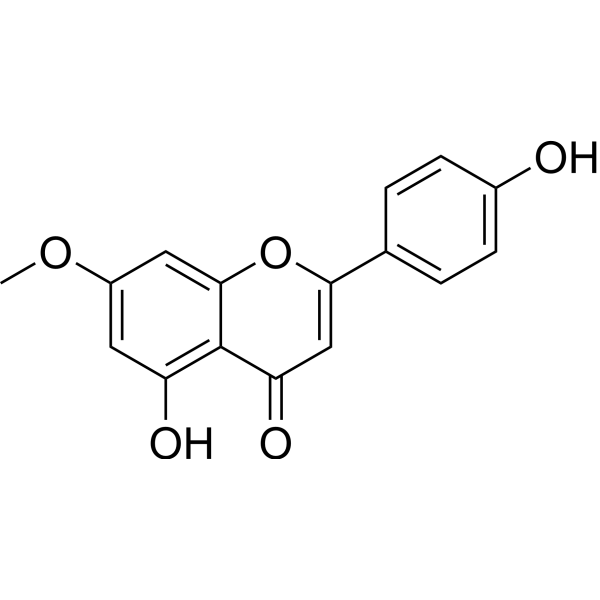
Genkwanin
Based on 9 publication(s) in Google Scholar
Genkwanin is a major non-glycosylated flavonoid with anti-flammatory activities.
For research use only. We do not sell to patients.
- Purity : 99.52%
- CAS No.: 437-64-9
- Formula: C16H12O5
- Molecular Weight:284.26
-
Storage:
4°C, protect from light
* In solvent : -80°C, 6 months; -20°C, 1 month (protect from light)

To place orders, for customer services and technical support, please contact: MedChemExpress USA
Tel: 609-228-6898 E-mail: [email protected] [email protected]


-
 Biological Activity
-
Chemical Information
-
Solvent & Solubility
- Purity & Documentation
- References
-
 Help & FAQs


-
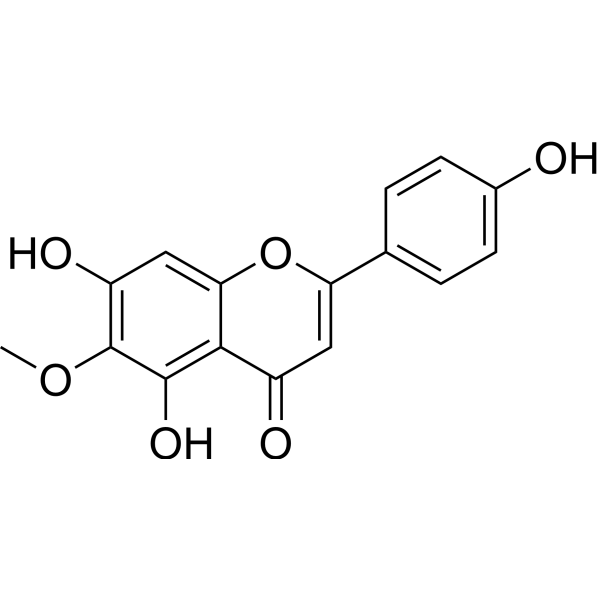
HY-N1950
HispidulinPim-1 Inhibitor -
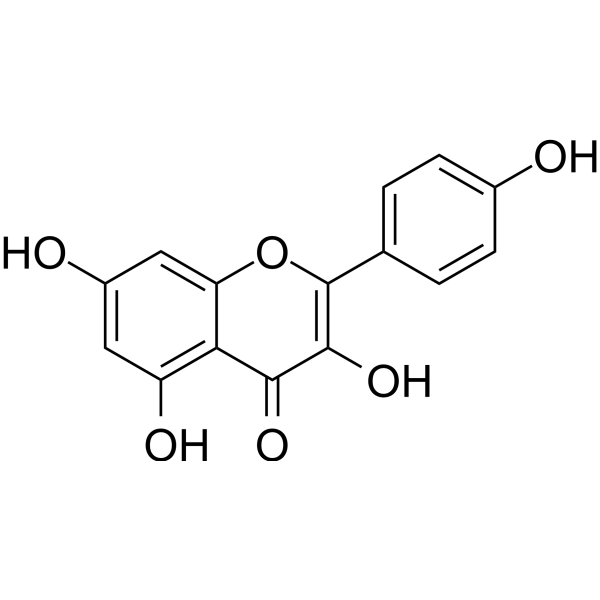
HY-14590
KaempferolEstrogen Receptor α Inhibitor -
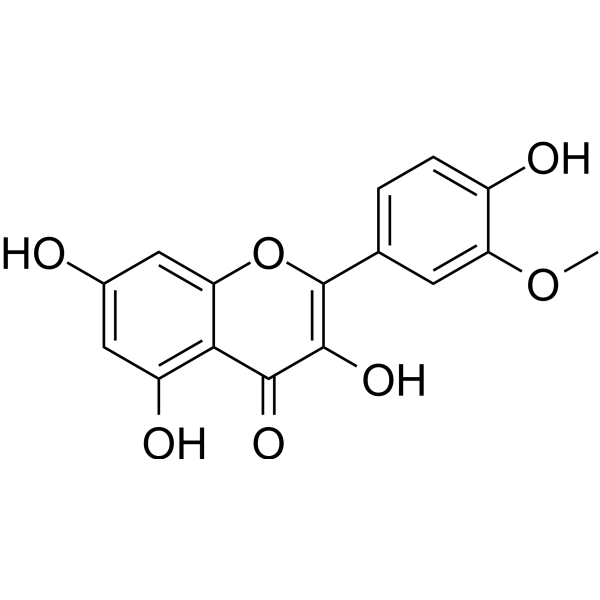
HY-N0776
IsorhamnetinEndogenous Metabolite -
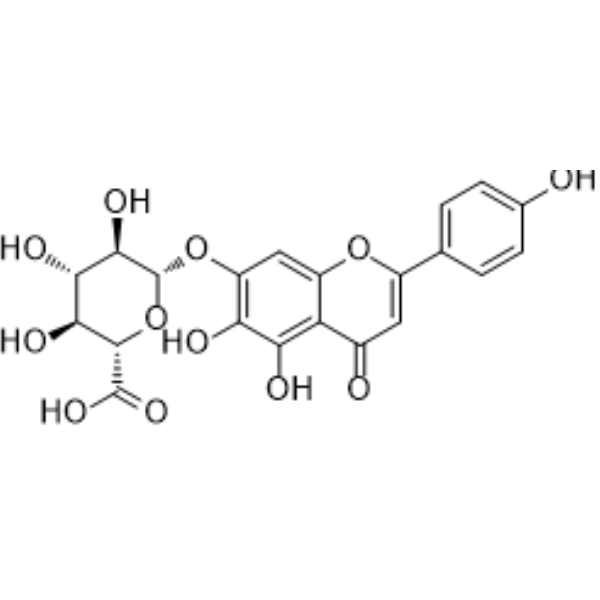
HY-N0751
ScutellarinSTAT Inhibitor -
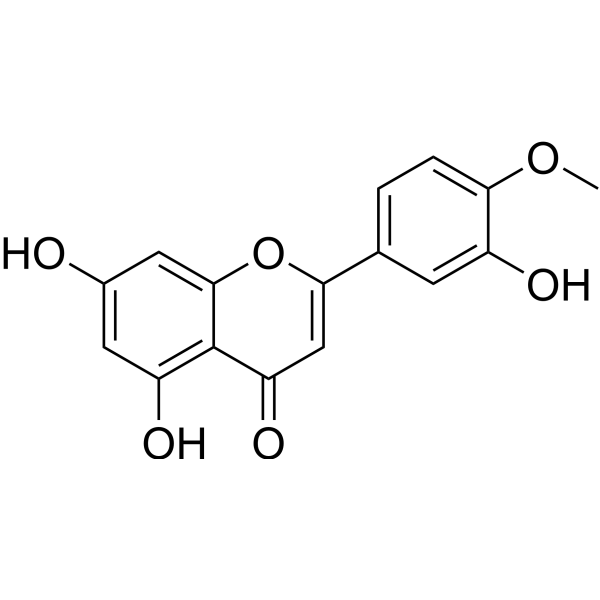
HY-N0125
DiosmetinCytochrome P450 Inhibitor -
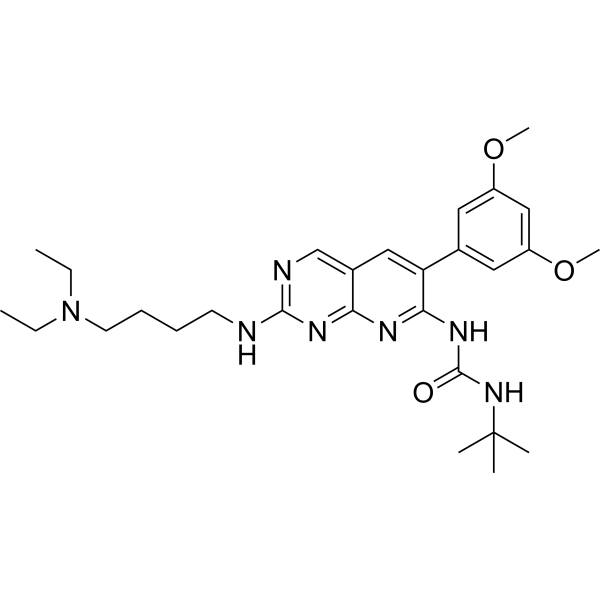
HY-10321
PD173074FGFR1 Inhibitor -
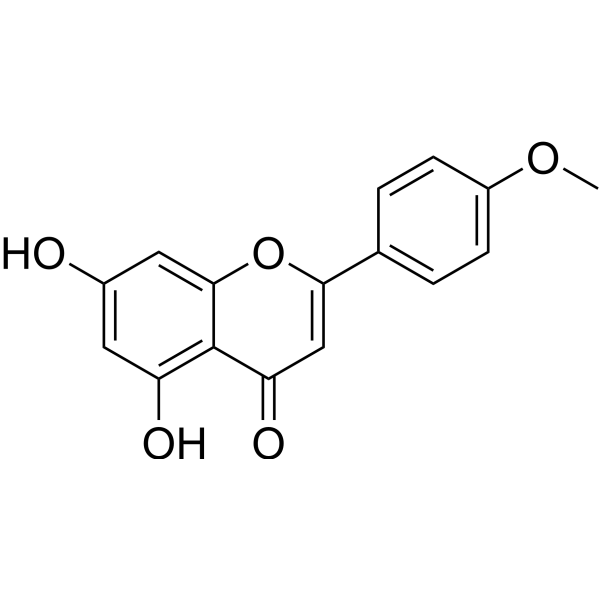
HY-N0451
AcacetinAutophagy Inducer -
HY-N0140
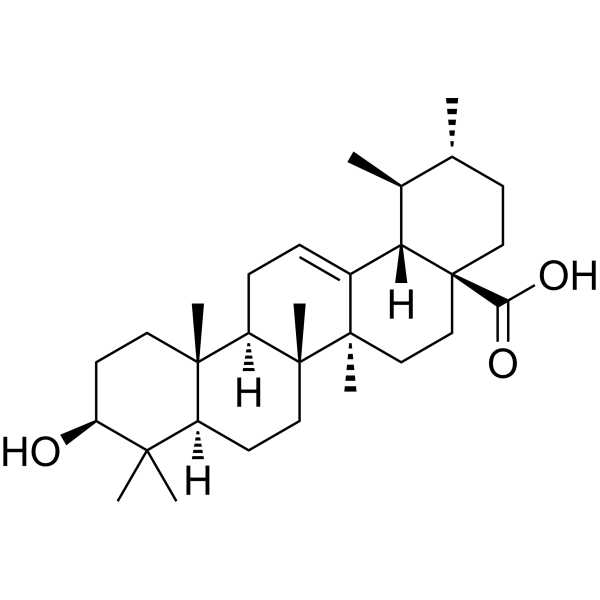
Ursolic acidAutophagy Inducer -
HY-N1438
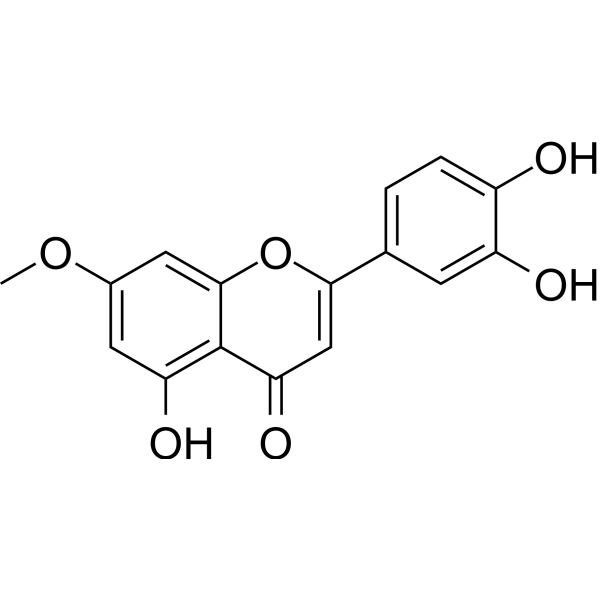
HydroxygenkwaninAnticancer Agent -
HY-B0183
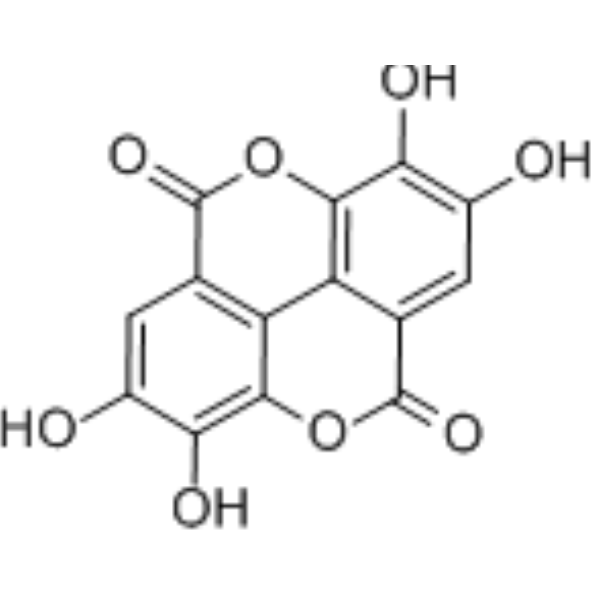
Ellagic acidSHP2 Inhibitor -

HY-P7617
ATG3 Protein, Human -

HY-N0731R
Genkwanin (Standard)Virus Protease Inhibitor
Publications Citing Use of MedChemExpress (MCE) Genkwanin
More- Phytomedicine. 2025 Sep 24:148:157306. [Abstract]
- Food Chem. 2025 Dec 30:497:146992. [Abstract]
- Food Chem. 2025 Oct 15:489:144992. [Abstract]
- Eur J Pharmacol. 2025 Jul 15:999:177687. [Abstract]
- Int Immunopharmacol. 2024 May 30:133:112101. [Abstract]
- Naunyn Schmiedebergs Arch Pharmacol. 2025 Oct 17. [Abstract]
- Vet Microbiol. 2026 May:316:110992. [Abstract]
- Biol Pharm Bull. 2022;45(8):1116-1123. [Abstract]
- Aging (Albany NY). 2021 Jul 27;13(14):18993-19012. [Abstract]
 Customer Validation & Images

-
Histological Imaging/Staining
-
WB
-
Flow Cytometry
-
IF
-
Cell Proliferation/Viability Assay


Biological Activity
Description
Cellular Effect
|
Cell Line

|
Type | Value | Description | References |
|---|---|---|---|---|
| A2780 | IC50 |
>20 μg/mL
Compound: 4',5-dihydroxy-7-methoxyflavone
|
Cytotoxicity against human A2780 cells
Cytotoxicity against human A2780 cells
|
[PMID: 15217279] |
| A549 | IC50 |
0.4 μg/mL
Compound: Genkwanin
|
Cytotoxicity against human A549 cells by SRB assay
Cytotoxicity against human A549 cells by SRB assay
|
[PMID: 31784199] |
| Col2 | ED50 |
>20 μg/mL
Compound: genkwanin
|
Cytotoxicity against human Col2 cells
Cytotoxicity against human Col2 cells
|
[PMID: 17279798] |
| HCT-15 | IC50 |
0.4 μg/mL
Compound: Genkwanin
|
Cytotoxicity against human HCT15 cells by SRB assay
Cytotoxicity against human HCT15 cells by SRB assay
|
[PMID: 31784199] |
| HeLa | IC50 |
8.1 μM
Compound: Genkwanin
|
Cytotoxicity against human HeLa cells assessed as reduction in cell viability incubated for 48 hrs by MTT assay
Cytotoxicity against human HeLa cells assessed as reduction in cell viability incubated for 48 hrs by MTT assay
|
[PMID: 31784199] |
| HUVEC | ED50 |
>20 μg/mL
Compound: genkwanin
|
Cytotoxicity against human HUVEC cells
Cytotoxicity against human HUVEC cells
|
[PMID: 17279798] |
| LNCaP | ED50 |
>20 μg/mL
Compound: genkwanin
|
Cytotoxicity against human LNCaP cells
Cytotoxicity against human LNCaP cells
|
[PMID: 17279798] |
| Lu1 | ED50 |
>20 μg/mL
Compound: genkwanin
|
Cytotoxicity against human Lu1 cells
Cytotoxicity against human Lu1 cells
|
[PMID: 17279798] |
| MCF-10A | IC50 |
75 μM
Compound: Genkwanin
|
Cytotoxicity against human MCF-10A cells assessed as inhibition of cell growth by MTT assay
Cytotoxicity against human MCF-10A cells assessed as inhibition of cell growth by MTT assay
|
[PMID: 33257172] |
| MCF7 | IC50 |
10.3 μM
Compound: Genkwanin
|
Cytotoxicity against human MCF7 cells assessed as reduction in cell viability incubated for 48 hrs by MTT assay
Cytotoxicity against human MCF7 cells assessed as reduction in cell viability incubated for 48 hrs by MTT assay
|
[PMID: 31784199] |
| MDA-MB-468 | IC50 |
1.6 μM
Compound: Genkwanin
|
Antiproliferative activity against human MDA-MB-468 cells assessed as inhibition of cell growth by MTT assay
Antiproliferative activity against human MDA-MB-468 cells assessed as inhibition of cell growth by MTT assay
|
[PMID: 33257172] |
| MOLM-13 | IC50 |
>10 μM
Compound: 16
|
Cytotoxicity against human MOLM-13 cells assessed as reduction in cell viability after 72 hrs by MTT assay
Cytotoxicity against human MOLM-13 cells assessed as reduction in cell viability after 72 hrs by MTT assay
|
[PMID: 33026809] |
| MV4-11 | IC50 |
>10 μM
Compound: 16
|
Cytotoxicity against human MV4-11 cells assessed as reduction in cell viability after 72 hrs by MTT assay
Cytotoxicity against human MV4-11 cells assessed as reduction in cell viability after 72 hrs by MTT assay
|
[PMID: 33026809] |
| P388 | IC50 |
10 μg/mL
Compound: 6, genkwanin
|
Cytotoxicity against mouse P388 cells
Cytotoxicity against mouse P388 cells
|
[PMID: 8759170] |
| RAW264.7 | IC50 |
5.64 μM
Compound: 14
|
Anti-inflammatory activity in LPS-stimulated mouse RAW264.7 cells assessed as inhibition of NO production incubated for 24 hrs by Griess reagent based assay
Anti-inflammatory activity in LPS-stimulated mouse RAW264.7 cells assessed as inhibition of NO production incubated for 24 hrs by Griess reagent based assay
|
[PMID: 37683361] |
| SK-MEL-2 | IC50 |
0.4 μg/mL
Compound: Genkwanin
|
Cytotoxicity against human SK-MEL-2 cells by SRB assay
Cytotoxicity against human SK-MEL-2 cells by SRB assay
|
[PMID: 31784199] |
| SK-OV-3 | IC50 |
0.4 μg/mL
Compound: Genkwanin
|
Cytotoxicity against human SKOV3 cells by SRB assay
Cytotoxicity against human SKOV3 cells by SRB assay
|
[PMID: 31784199] |
| TERT-RPE1 | ED50 |
3.9 μg/mL
Compound: genkwanin
|
Cytotoxicity against human TERT-RPE1 cells
Cytotoxicity against human TERT-RPE1 cells
|
[PMID: 17279798] |
| XF498 | IC50 |
0.4 μg/mL
Compound: Genkwanin
|
Cytotoxicity against human XF498 cells by SRB assay
Cytotoxicity against human XF498 cells by SRB assay
|
[PMID: 31784199] |
In Vitro
Cell viability analysis shows that Genkwanin does not affect the cell viability up to a concentration of 50 μM. Genkwanin inhibits the LPS-induced production of NO in a concentration-dependent manner. iNOS only expresses in the present of external stimulus. Genkwanin could not significantly affect the activity of iNOS. The effect of Genkwanin on the production of proinflammatory cytokines is examined. Genkwanin suppresses the productions of TNF-a, IL-1b and IL-6 in LPS stimulated RAW264.7 macrophages in a concentration-dependent manner. Genkwanin significantly suppresses the AP-1 signaling pathway but has little effect on the NF-kB signaling pathway. It is indicated that Genkwanin suppresses the phosphorylation of p38 and JNK in a concentration-dependent manner, but little affects ERK1/2 phosphorylation. Originally identified as an immediate early gene, MKP-1 is then found to be a dual specificity phosphatase acting as a negative regulator of ERK1/2, JNK and p38 MAPK activities, with predominant effects on the latter two. Pretreatment with Genkwanin markedly up-regulates the expression of MKP-1 without affecting MKP-1 mRNA[1].
MedChemExpress (MCE) has not independently confirmed the accuracy of these methods. They are for reference only.


Chemical Information
-
CAS No. 437-64-9
-
Appearance Solid
-
Molecular Weight 284.26
-
Formula C16H12O5
-
Color Light yellow to yellow
-
SMILES
O=C1C=C(C2=CC=C(O)C=C2)OC3=CC(OC)=CC(O)=C13
-
Synonyms
Puddumetin
-
Structure Classification
-
Initial Source
-
Shipping
Room temperature in continental US; may vary elsewhere.
-
Storage
4°C, protect from light
* In solvent : -80°C, 6 months; -20°C, 1 month (protect from light)


Publications (9)
-
Journal Impact Factor
-
Most Recent
-
Phytomedicine
Genkwanin reduces airway epithelial cell ferroptosis and alleviates asthma symptoms in mice. [Abstract]2025 Sep 24:148:157306. PMID: 41046685
Genkwanin purchased from MedChemExpress. Usage Cited in: Phytomedicine. 2025 Sep 24:148:157306. [Abstract]
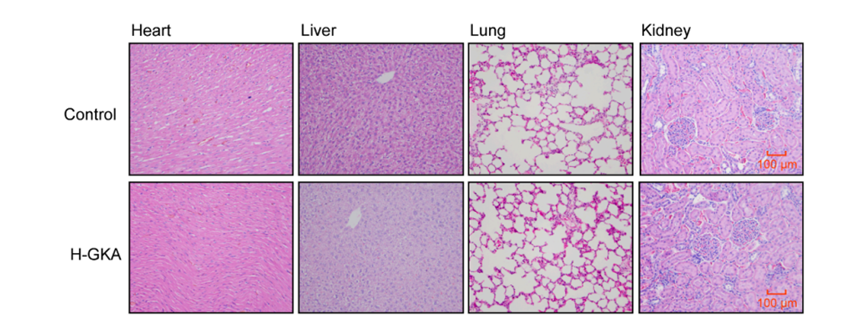
HE staining analysis of pathological damage in the heart, liver, lung, and kidney tissues of mice treated with H-GKA (20 mg/kg, i.p.).
Genkwanin purchased from MedChemExpress. Usage Cited in: Phytomedicine. 2025 Sep 24:148:157306. [Abstract]
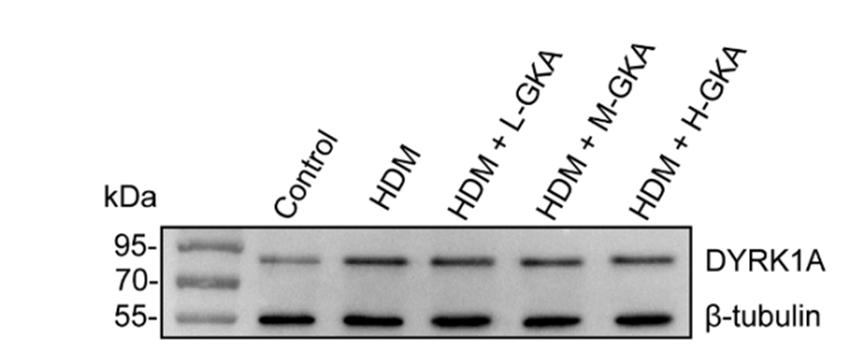
DYRK1A expression in lung tissues of asthmatic mice and mice after GKA (5, 10, 20 mg/kg, i.p.) treatment was examined using immunoblotting.
Genkwanin purchased from MedChemExpress. Usage Cited in: Phytomedicine. 2025 Sep 24:148:157306. [Abstract]
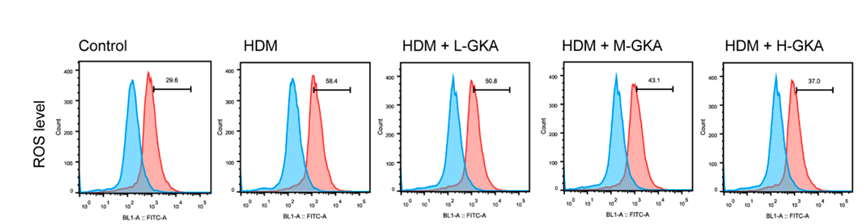
Detection of ROS in lung tissues of mice by DCFH-DA with GKA (5, 10, 20 mg/kg, i.p.) treatment.
Genkwanin purchased from MedChemExpress. Usage Cited in: Phytomedicine. 2025 Sep 24:148:157306. [Abstract]
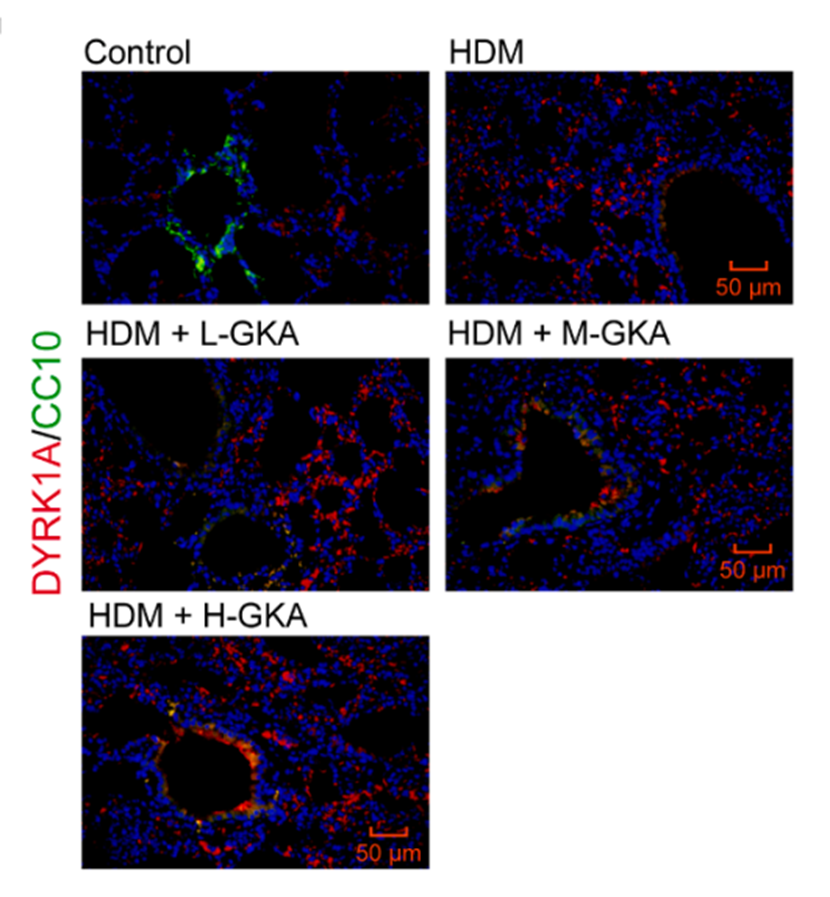
DYRK1A expression in lung tissues of asthmatic mice and mice after GKA (5, 10, 20 mg/kg, i.p.) treatment was examined using g dual-labeling immunofluorescence.
Genkwanin purchased from MedChemExpress. Usage Cited in: Phytomedicine. 2025 Sep 24:148:157306. [Abstract]
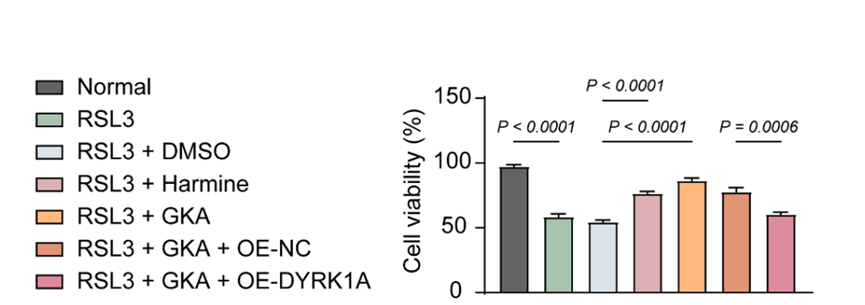
The cell viability of BEAS-2B cells was examined using CCK-8 assays after GKA (30 μM) treatment.
-
Food Chem
Effects of sun drying combined with baking processes on the flavor quality of Chongqing Tuocha raw tea. [Abstract]2025 Dec 30:497:146992. PMID: 41285060 -
Food Chem
Flavonoid-mediated metabolic underpinning quality variation in red bud-sport pear mutants. [Abstract]2025 Oct 15:489:144992. PMID: 40466530 -
Eur J Pharmacol
Genkwanin blocks the interaction between phosphorylated JNK and NFATc1 to promote osteogenic differentiation and collagen Ⅰ α1 production. [Abstract]2025 Jul 15:999:177687. PMID: 40311832 -
Int Immunopharmacol
Genkwanin alleviates intervertebral disc degeneration via regulating ITGA2/PI3K/AKT pathway and inhibiting apoptosis and senescence. [Abstract]2024 May 30:133:112101. PMID: 38640717 -
Naunyn Schmiedebergs Arch Pharmacol
Genkwanin alleviates paraquat-induced acute lung injury by activating SIRT1-mediated Nrf2/HO-1 signaling pathway. [Abstract]2025 Oct 17. PMID: 41105248 -
Vet Microbiol
The Chinese medicine monomer Schisandrin C inhibits PRRSV infection by regulating the OGT-PI3K/AKT/mTOR signaling pathway. [Abstract]2026 May:316:110992. PMID: 41865607 -
Biol Pharm Bull
Regioselective Glucuronidation of Flavones at C5, C7, and C4' Positions in Human Liver and Intestinal Microsomes: Comparison among Apigenin, Acacetin, and Genkwanin. [Abstract]2022;45(8):1116-1123. PMID: 35908893 -
Aging (Albany NY)
A network pharmacology approach to uncover the key ingredients in Ginkgo Folium and their anti-Alzheimer's disease mechanisms. [Abstract]2021 Jul 27;13(14):18993-19012. PMID: 34315132


Solvent & Solubility
In Vitro:
DMSO : 31.25 mg/mL (109.93 mM; Need ultrasonic; Hygroscopic DMSO has a significant impact on the solubility of product, please use newly opened DMSO)
Please refer to the solubility information to select the appropriate solvent. Once prepared, please aliquot and store the solution to prevent product inactivation from repeated freeze-thaw cycles.
Storage method and period of stock solution: -80°C, 6 months; -20°C, 1 month (protect from light). When stored at -80°C, please use it within 6 months. When stored at -20°C, please use it within 1 month.
Please refer to the solubility information to select the appropriate solvent. Once prepared, please aliquot and store the solution to prevent product inactivation from repeated freeze-thaw cycles.
Storage method and period of stock solution: -80°C, 6 months; -20°C, 1 month (protect from light). When stored at -80°C, please use it within 6 months. When stored at -20°C, please use it within 1 month.
Concentration (start) × Volume (start) = Concentration (final) × Volume (final)
In Vivo:
Select the appropriate dissolution method based on your experimental animal and administration route.
- For the following dissolution methods, please ensure to first prepare a clear stock solution using an In Vitro approach and then sequentially add co-solvents:
- To ensure reliable experimental results, the clarified stock solution can be appropriately stored based on storage conditions. As for the working solution for In Vivo experiments, it is recommended to prepare freshly and use it on the same day.
- The percentages shown for the solvents indicate their volumetric ratio in the final prepared solution. If precipitation or phase separation occurs during preparation, heat and/or sonication can be used to aid dissolution.
Add each solvent one by one: 10% DMSO 40% PEG300 5% Tween-80 45% Saline
Solubility: ≥ 0.5 mg/mL (1.76 mM); Clear solution
This protocol yields a clear solution of ≥ 0.5 mg/mL (saturation unknown).
Taking 1 mL working solution as an example, add 100 μL DMSO stock solution (5.0 mg/mL) to 400 μL PEG300, and mix evenly; then add 50 μL Tween-80 and mix evenly; then add 450 μL Saline to adjust the volume to 1 mL.
Preparation of Saline: Dissolve 0.9 g sodium chloride in ddH₂O and dilute to 100 mL to obtain a clear Saline solution.
Add each solvent one by one: 10% DMSO 90% (20% SBE-β-CD in Saline)
Solubility: 0.5 mg/mL (1.76 mM); Suspended solution; Need ultrasonic
This protocol yields a suspended solution of 0.5 mg/mL. Suspended solution can be used for oral and intraperitoneal injection.
Taking 1 mL working solution as an example, add 100 μL DMSO stock solution (5.0 mg/mL) to 900 μL 20% SBE-β-CD in Saline, and mix evenly.
Preparation of 20% SBE-β-CD in Saline (4°C, storage for one week): 2 g SBE-β-CD powder is dissolved in 10 mL Saline, completely dissolve until clear.
In Vivo Dissolution Calculator
Please enter the basic information of animal experiments:
-
-
-
-
Recommended: Prepare an additional quantity of animals to account for potential losses during experiments.
Please enter your animal formula composition:
-
%DMSO +
Recommended: Keep the proportion of DMSO in working solution below 2% if your animal is weak.
-
%+
-
+%Tween-80 + +
-
%Saline +
The co-solvents required include: DMSO, . All of co-solvents are available by MedChemExpress (MCE). , Tween 80. All of co-solvents are available by MedChemExpress (MCE).
Working solution concentration: 0.22 mg/mL
Method for preparing stock solution: mg drug dissolved in μL DMSO. Stock solution concentration: mg/mL. * In solvent : -80°C, 6 months; -20°C, 1 month (protect from light)
1. Take μL DMSO stock solution;
2. Add μL .
μL , mix evenly;
3. Then add μL Tween 80, mix evenly;
4. Then add μL
Please ensure that the stock solution in the first step is dissolved to a clear state, and add co-solvents in sequence. You can use ultrasonic heating (ultrasonic cleaner, recommended frequency 20-40 kHz), vortexing, etc. to assist dissolution.


Purity & Documentation
-
Data Sheet (282 KB)
-
SDS (394 KB)
- English - EN (394 KB)
- Français - FR (394 KB)
- Deutsch - DE (394 KB)
- Norwegian - NO (394 KB)
- Español - ES (394 KB)
- Swedish - SV (394 KB)
- Italian - IT (394 KB)
- Korean - KR (394 KB)
- Portuguese - PT (394 KB)
-
Handling Instructions (2659 KB)
References


Complete Stock Solution Preparation Table
Please refer to the solubility information to select the appropriate solvent. Once prepared, please aliquot and store the solution to prevent product inactivation from repeated freeze-thaw cycles.
Storage method and period of stock solution: -80°C, 6 months; -20°C, 1 month (protect from light). When stored at -80°C, please use it within 6 months. When stored at -20°C, please use it within 1 month.
| Optional Solvent | Concentration Solvent Mass | 1 mg | 5 mg | 10 mg | 25 mg |
|---|---|---|---|---|---|
| DMSO | 1 mM | 3.5179 mL | 17.5895 mL | 35.1791 mL | 87.9477 mL |
| 5 mM | 0.7036 mL | 3.5179 mL | 7.0358 mL | 17.5895 mL | |
| 10 mM | 0.3518 mL | 1.7590 mL | 3.5179 mL | 8.7948 mL | |
| 15 mM | 0.2345 mL | 1.1726 mL | 2.3453 mL | 5.8632 mL | |
| 20 mM | 0.1759 mL | 0.8795 mL | 1.7590 mL | 4.3974 mL | |
| 25 mM | 0.1407 mL | 0.7036 mL | 1.4072 mL | 3.5179 mL | |
| 30 mM | 0.1173 mL | 0.5863 mL | 1.1726 mL | 2.9316 mL | |
| 40 mM | 0.0879 mL | 0.4397 mL | 0.8795 mL | 2.1987 mL | |
| 50 mM | 0.0704 mL | 0.3518 mL | 0.7036 mL | 1.7590 mL | |
| 60 mM | 0.0586 mL | 0.2932 mL | 0.5863 mL | 1.4658 mL | |
| 80 mM | 0.0440 mL | 0.2199 mL | 0.4397 mL | 1.0993 mL | |
| 100 mM | 0.0352 mL | 0.1759 mL | 0.3518 mL | 0.8795 mL |


Genkwanin Related Classifications
HY-N0731 Related Classifications
 Powered by Bioz