



Thymelaeaceae
-
- Aquilaria sinensis (Lour.) Spreng. (31)
- Stellera chamaejasme Linn. (17)
- Daphne genkwa Sieb. et Zucc. (15)
- Wikstroemia indica (11)
- Daphne giraldii Nitsche (6)
- Stellera chamaejasme L. (6)
- Daphne odora Thunb. (4)
- Daphne oleoides Schreb. (3)
- Edgeworthia chrysantha Lindl. (3)
- Aquilaria malaccensis Lam. (2)
- Daphne (2)
- Pimelea simplex F.Muell. (2)
- Wikstroemia elliptica Merr. (2)
- Aquilaria agallocha Roxb. (1)
- Daphne acutiloba Rehd. (1)
- Daphne aurantiaca Diels (1)
- Daphne gnidium L. (1)
- Daphne gracilis E. Pritz. (1)
- Daphne kiusiana Miq. (1)
- Daphne mezereum L. (1)
- Daphne retusa Hemsl. (1)
- Daphne sericea Vahl (1)
- Daphnopsis sellowiana Taub. (1)
- Edgeworthia gardneri Meisn. (1)
- Gyrinops salicifolia Ridl. (1)
- Gyrinops walla Gaertn. (1)
- Pimelea elongata Threlfall (1)
- Wikstroemia canescens (Wall.) Meisn. (1)
- Wikstroemia chamaedaphne Meisn. (1)
- Wikstroemia lanceolata Merr. (1)
- Wikstroemia retusa A. Gray (1)
- Wikstroemia scytophylla Diels (1)
- Wikstroemia sikokiana Franch. & Sav. (1)
- Agalwood "Jinko" (1)
-
Thymelaeaceae (125)

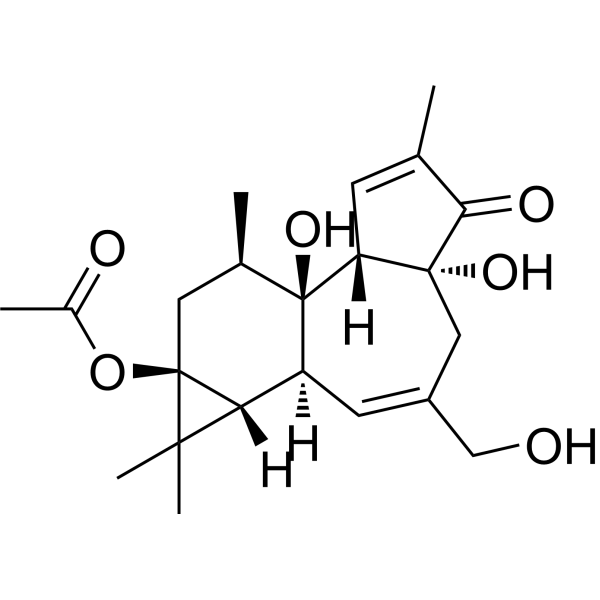
- Formula: C22H30O6
- Molecular Weight: 390.47
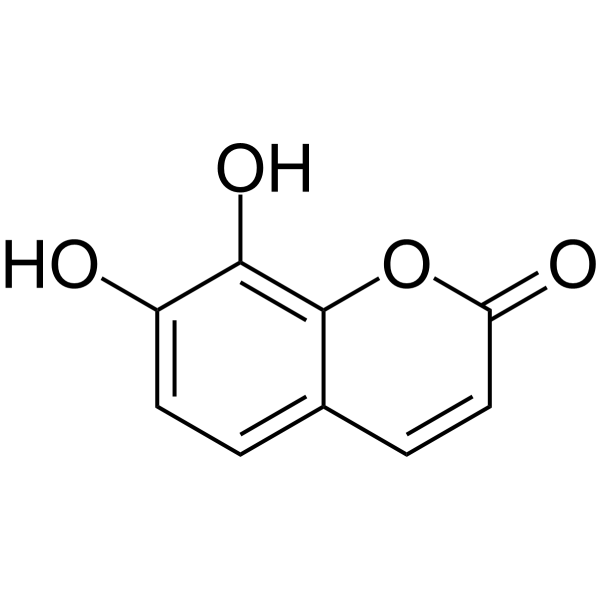
- Formula: C9H6O4
- Molecular Weight: 178.14
Daphnetin (7,8-dihydroxycoumarin), one coumarin derivative can be found in plants of the Genus Daphne, is a potent, oral active protein kinase inhibitor, with IC50s of 7.67 μM, 9.33 μM and 25.01 μM for EGFR, PKA and PKC in vitro, respectively. Daphnetin triggers ROS-induced cell apoptosis and induces cytoprotective autophagy by modulating the AMPK/Akt/mTOR pathway. Daphnetin has anti-inflammation activitity and inhibits TNF-α, IL-1β, ROS, and MDA production. Daphnetin has schizontocidal activity against malaria parasites. Daphnetin can be used for rheumatoid arthritis , cancer and anti-malarian research.
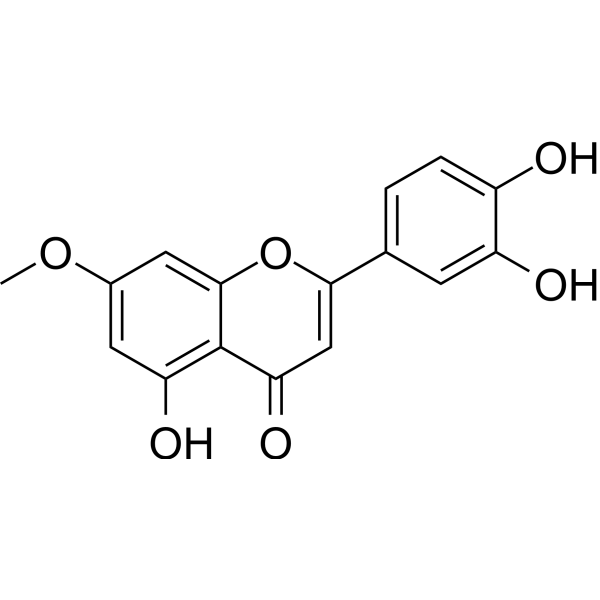
- Formula: C16H12O6
- Molecular Weight: 300.26
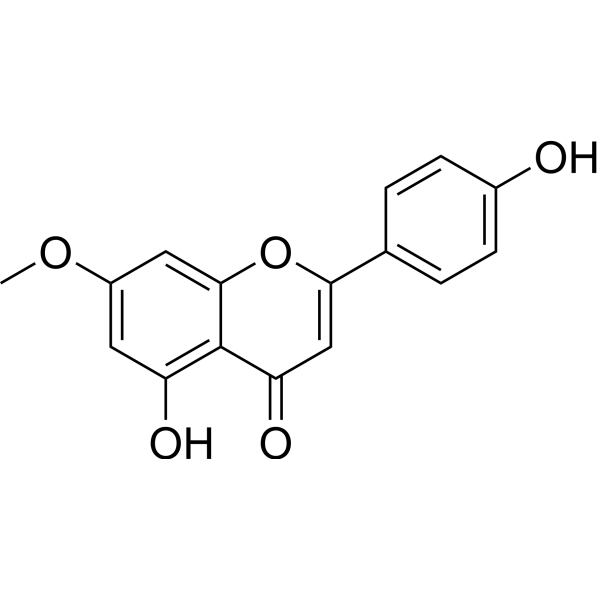
Hydroxygenkwanin (7-O-Methylluteolin), a natural flavonoid compound, is one of the main components of Lilac Daphne. Hydroxygenkwanin has anti-oxidant ability, anti-glioma ability and anticancer effect.
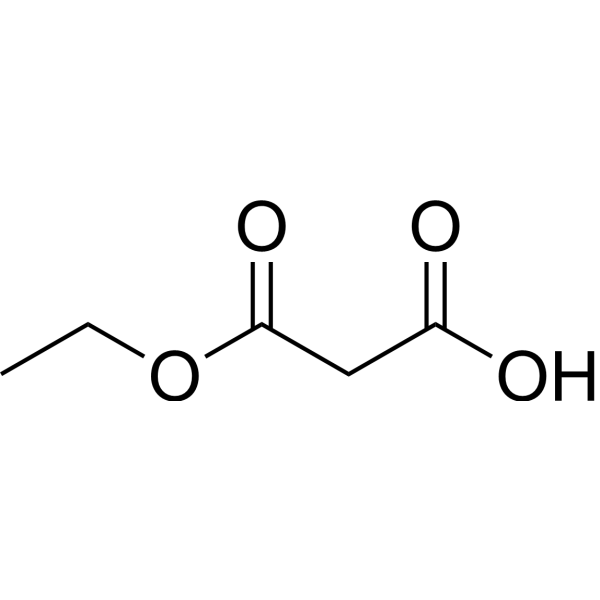
- Formula: C5H8O4
- Molecular Weight: 132.11
3-Ethoxy-3-oxopropanoic acid is an endogenous metabolite. 3-Ethoxy-3-oxopropanoic acid promotes plant growth.
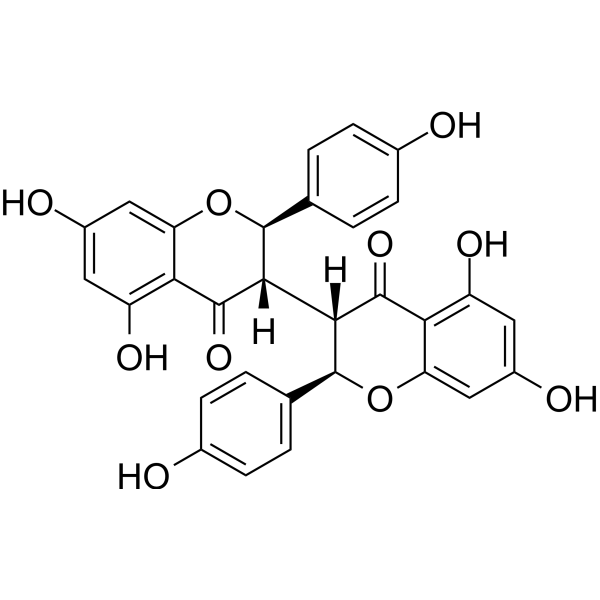
- Formula: C30H22O10
- Molecular Weight: 542.49
Chamaejasmine (Chamaejasmin) is a natural biflavonoid found in the roots of Stellera chamaejasme, exhibiting antitumor activity. Chamaejasmine inhibits Bcl-2, upregulates Bax, and induces cleavage of caspase-9/-3 and PARP. Chamaejasmine induces ROS production, Δψm loss, cytochrome c release, G2/M arrest, apoptosis, and autophagy. Chamaejasmine induces apoptosis and autophagy through activation of AMPK and inhibition of mTOR, and inhibits microtubule depolymerization by binding to β-tubulin. Chamaejasmine inhibits IL-4, IgE, β-hexosaminidase, and mast cell infiltration, and improves skin barrier function in AD models. Chamaejasmine exhibits cytotoxicity against various cancer cells. Chamaejasmine can be used in research related to various cancers such as lung adenocarcinoma and osteosarcoma, as well as atopic dermatitis.

- Formula: C18H20O8
- Molecular Weight: 364.35

- Formula: C15H24O3
- Molecular Weight: 252.35
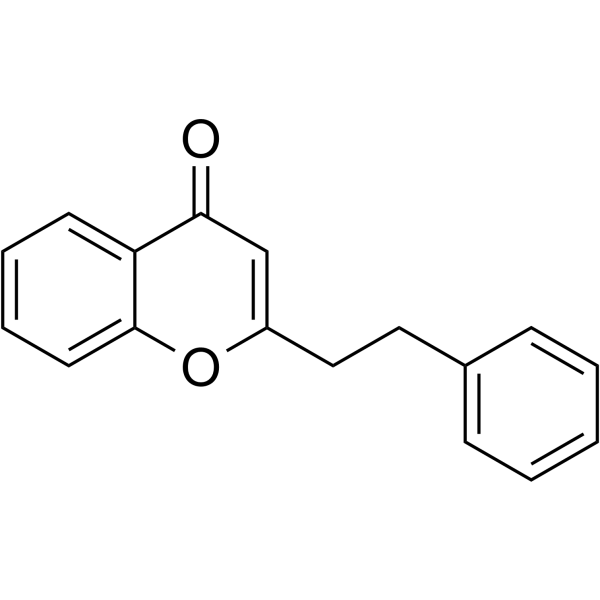
- Formula: C17H14O2
- Molecular Weight: 250.29
2-(2-Phenylethyl) chromone (Flidersiachromone) is a chromone derivative and antioxidant. 2-(2-Phenylethyl) chromone scavenges ABTS·+ free radicals, and its derivatives exhibit diverse activities including anti-inflammatory, neuroprotective, anti-tumor, and α-glucosidase inhibitory effects. 2-(2-Phenylethyl) chromone is applicable to experimental research in fields such as inflammation-related diseases, tumors, and neurodegenerative diseases.
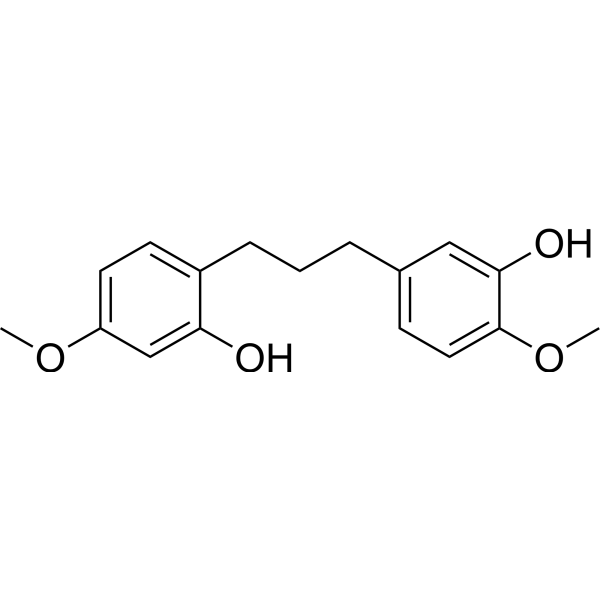
- Formula: C17H20O4
- Molecular Weight: 288.34
Broussonin E is a phenolic compound and shows anti-inflammatory activity. Broussonin E can suppress inflammation by modulating macrophages activation statevia inhibiting the ERK and p38 MAPK and enhancing JAK2-STAT3 signaling pathway. Broussonin E can be used for the research of inflammation-related diseases such as atherosclerosis.
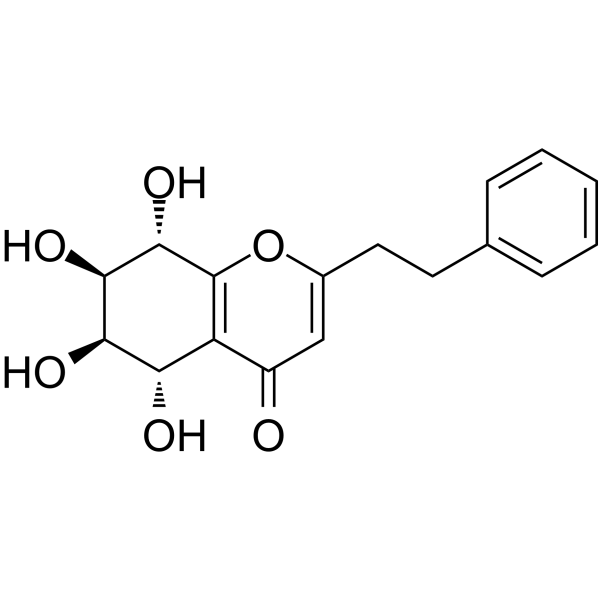
- Formula: C17H18O6
- Molecular Weight: 318.32
Agarotetrol is a chromone derivative isolated from Agarwood.
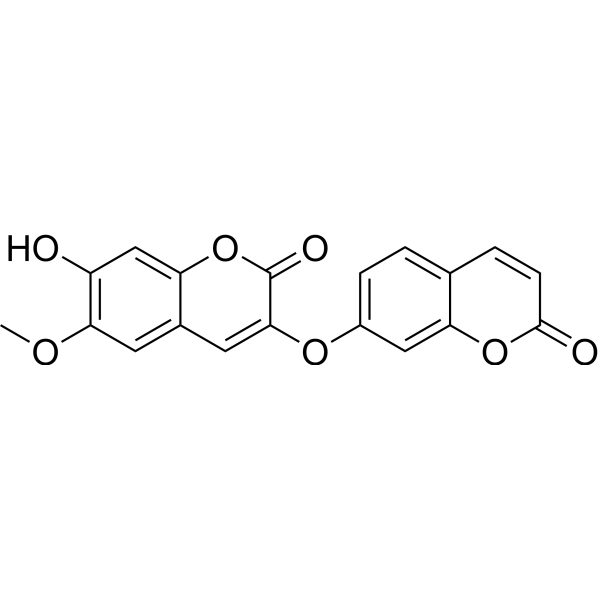
- Formula: C19H12O7
- Molecular Weight: 352.29
Daphnoretin (Dephnoretin; Thymelol) is a protein kinase C (PKC) activator that inhibits the expression of hepatitis B virus (HBV) surface antigen (HBsAg) and exhibits antiviral activity. Daphnoretin exerts its antitumor effects by inhibiting the activation of the PI3K/AKT signaling pathway and triggers the mitochondrial apoptosis pathway. Daphnoretin alleviates chondrocyte apoptosis and inflammatory responses by inhibiting endoplasmic reticulum stress and activation of the NLRP3 inflammasome. Daphnoretin regulates the differentiation and maturation of dendritic cells, inhibits their immunostimulatory function by downregulating the phosphorylation level of JNK, and thus exerts a protective effect in skin graft rejection.
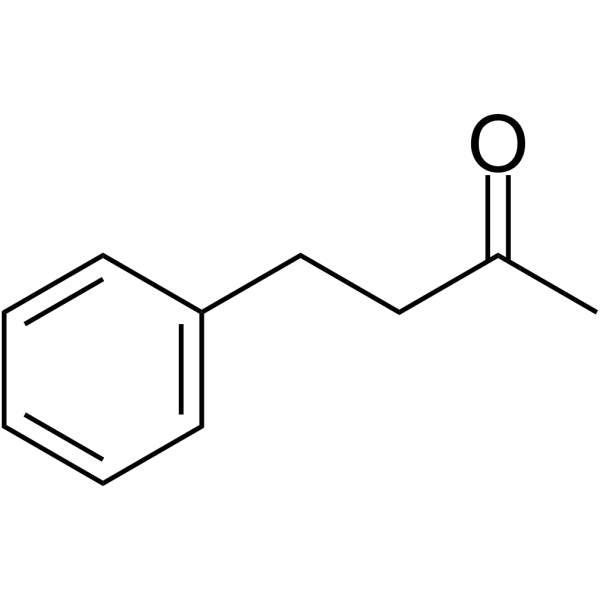
- Formula: C10H12O
- Molecular Weight: 148.21
Benzylacetone (4-Penylbutan-2-one) is an aromatic compound. Benzylacetone is a mushroom tyrosinase inhibitor with an IC50 of 2.8 mM, a Ki of 1.25 mM for monophenolase and an IC50 of 0.6 mM, a Ki of 0.39 mM for diphenolase. Benzylacetone inhibits free mushroom tyrosinase and enzyme-substrate complex. Benzylacetone acts as an appetite enhancer via olfactory stimulation, reduces spontaneous locomotor activity, induces weight gain. Benzylacetone exhibits repellent, fumigant, and contact toxicity against Tribolium castaneum adults.
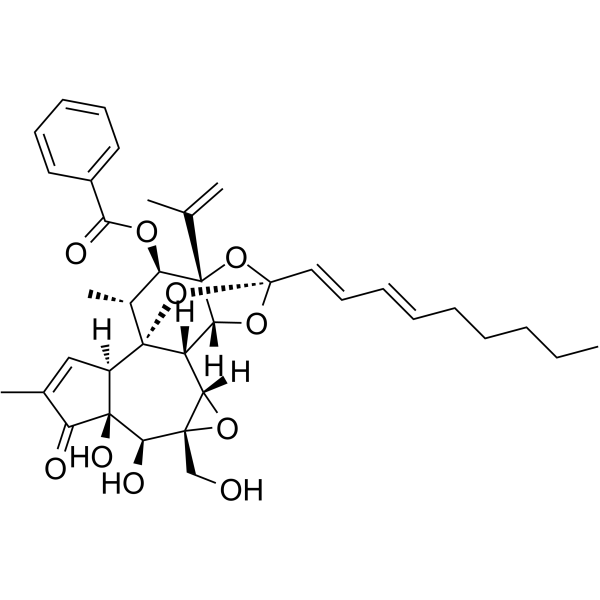
- Formula: C37H44O10
- Molecular Weight: 648.74
Yuanhuacine (Gnidilatidin), a diterpene from Daphne genkwa, is an effective and highly selective inhibitor of the basal-like 2 (BL2) subtype of TNBC. Yuanhuacine can induce G2/M cell cycle arrest and has broad anti-tumor activity. Yuanhuacine is an orally active DNA damaging agent.

- Formula: C17H18O6
- Molecular Weight: 318.32
Agarotetrol (Standard) is the analytical standard of Agarotetrol. This product is intended for research and analytical applications. Agarotetrol is a chromone derivative isolated from Agarwood.
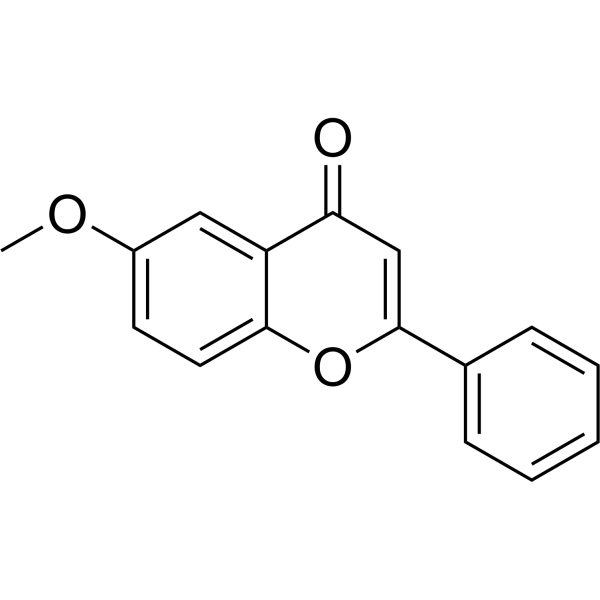
- Formula: C16H12O3
- Molecular Weight: 252.27
6-Methoxyflavone is an orally active methoxyflavone. 6-Methoxyflavone suppresses neuroinflammation in microglia through the inhibition of TLR4/MyD88/p38 MAPK/NF-κB dependent pathways and the activation of HO-1/NQO-1 signaling. 6-Methoxyflavone induces S-phase arrest through the CCNA2/CDK2/p21CIP1 signaling pathway in HeLa cells. 6-Methoxyflavone inhibits NFAT Translocation into the nucleus and suppresses T cell activation. 6-Methoxyflavone partially restores chronic ethanol-induced behavioral deficits in mice. 6-Methoxyflavone antagonizes chronic constriction injury and diabetes associated neuropathic nociception expression. 6-Methoxyflavone can be used for the study of cancer, inflammation and neurological diseases.
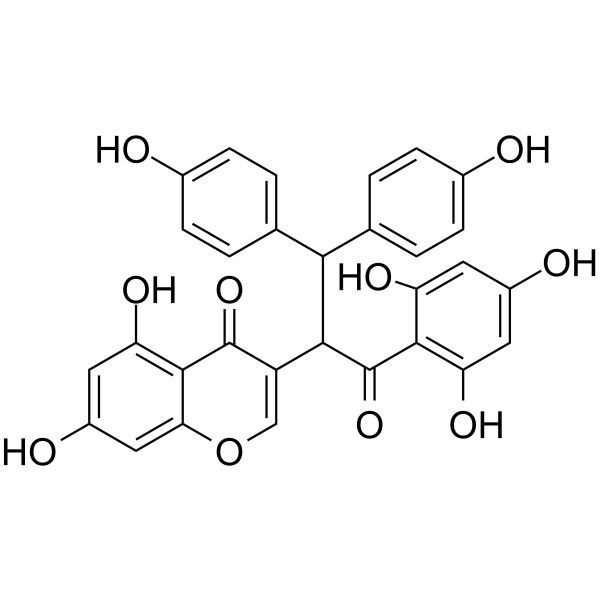
- Formula: C30H22O10
- Molecular Weight: 542.49
Chamaechromone is a biflavonoid ingredient isolated from the roots of Stellera chamaejasme L. (Thymelaeaceae). Chamaechromone possesses anti-hepatitis B virus (HBV) effects against the surface antigen of HBV (HBsAg) secretion and has insecticidal activities.
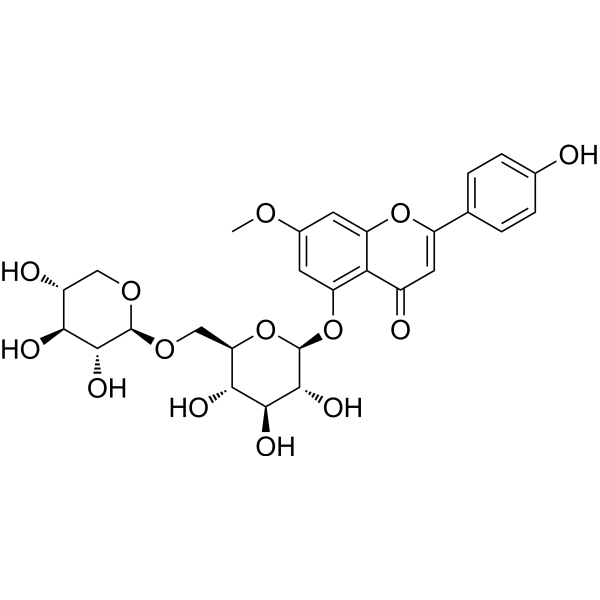
- Formula: C27H30O14
- Molecular Weight: 578.52
Yuankanin is a genkwanin-5-bioside, the sugar moiety being composed of xylose and glucose. Yuankanin can be isolated from the methanol extract of the aerial parts of Gnidia involucrata (Thymelaeaceae).
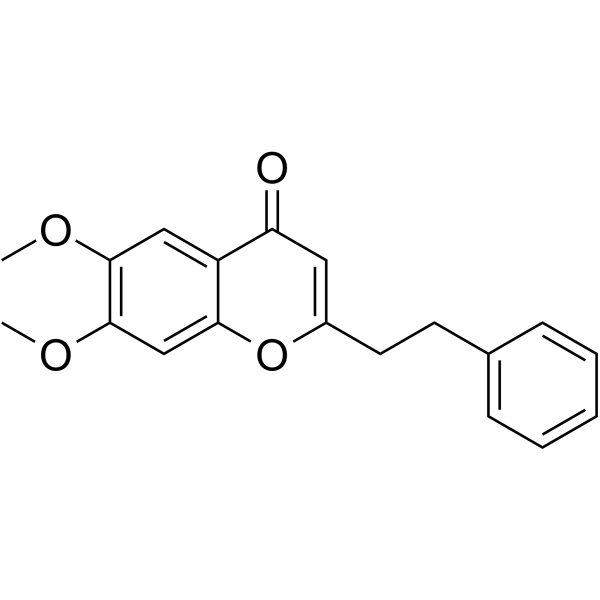
- Formula: C19H18O4
- Molecular Weight: 310.34
6,7-Dimethoxy-2-(2-phenylethyl)chromone is a natural compound.
![6-Methoxy-2-[2-(3′-methoxyphenyl)ethyl]chromone](https://file.medchemexpress.com/product_pic/hy-n12284.gif "Click to View 6-Methoxy-2-[2-(3′-methoxyphenyl)ethyl]chromone Product Detail")
- Formula: C19H18O4
- Molecular Weight: 310.34
6-Methoxy-2-[2-(3′-methoxyphenyl)ethyl]chromone (compound 12) is a chromenone.



