Search Result
Results for "
human+tumor+cell
" in MedChemExpress (MCE) Product Catalog:
1
Isotope-Labeled Compounds
| Cat. No. |
Product Name |
Target |
Research Areas |
Chemical Structure |
-
- HY-70062
-
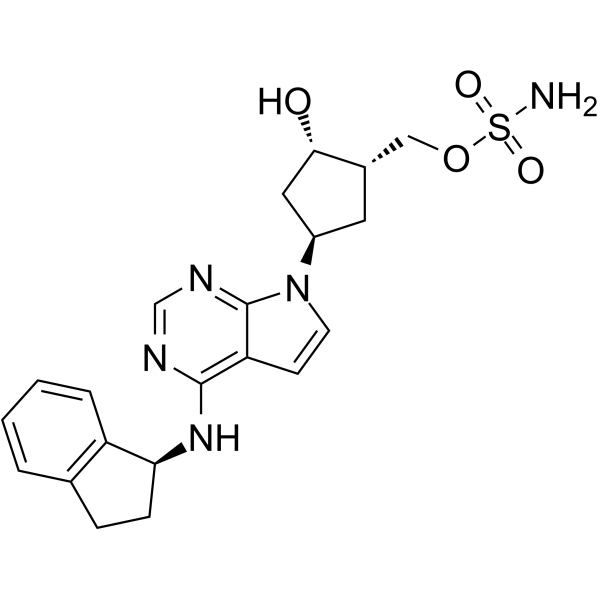
Pevonedistat
Maximum Cited Publications
212 Publications Verification
MLN4924
|
NEDD8-activating Enzyme
Apoptosis
|
Cancer
|
|
Pevonedistat (MLN4924) is a potent and selective NEDD8-activating enzyme (NAE) inhibitor with an IC50 of 4.7 nM. Pevonedistat induces the deregulation of S-phase DNA synthesis, thereby disrupting protein turnover mediated by cullin-RING ligase, leading to apoptosis of human tumor cells. Pevonedistat suppresses the growth of human tumour xenografts in mice .
|
-
-
- HY-N0034
-
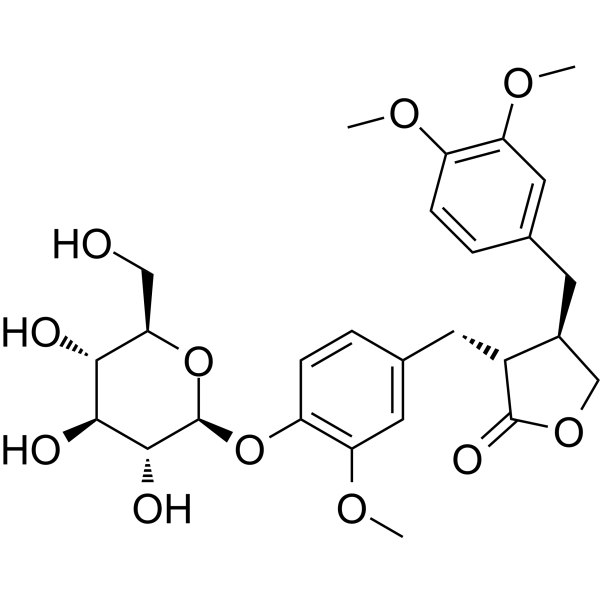
Arctiin
5 Publications Verification
Arctii; NSC 315527; Arctigenin-4-glucoside
|
NF-κB
|
Inflammation/Immunology
Cancer
|
|
Arctiin is an orally active inhibitor of NF-κB. Arctiin suppresses cyclin D1 protein expression in human tumor cells. Arctiin also reduces malondialdehyde and pro-in ammatory cytokines levels. Arctiin can used in study glomerulonephritis .
|
-
-
- HY-14949
-
|
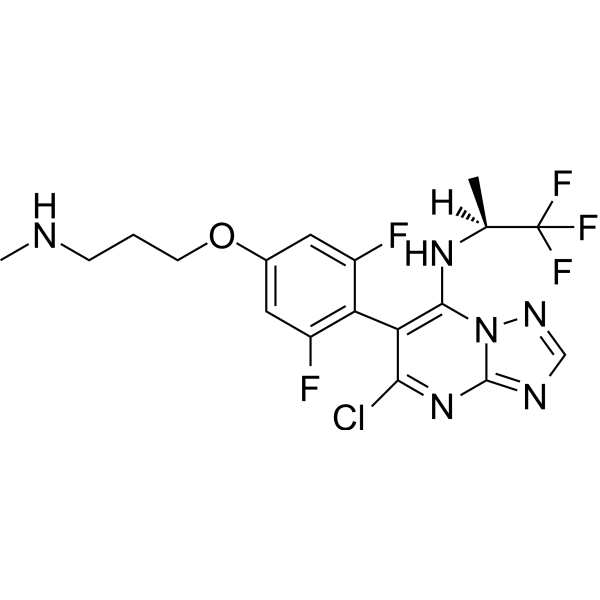
TTI-237
|
Microtubule/Tubulin
|
Cancer
|
|
Cevipabulin (TTI-237) is an oral, microtubule-active antitumor compound and inhibits the binding of [ 3H] vinblastine to tubulin, with an IC50 of 18-40 nM for cytotoxicity in human tumor cell line .
|
-
-
- HY-19896
-
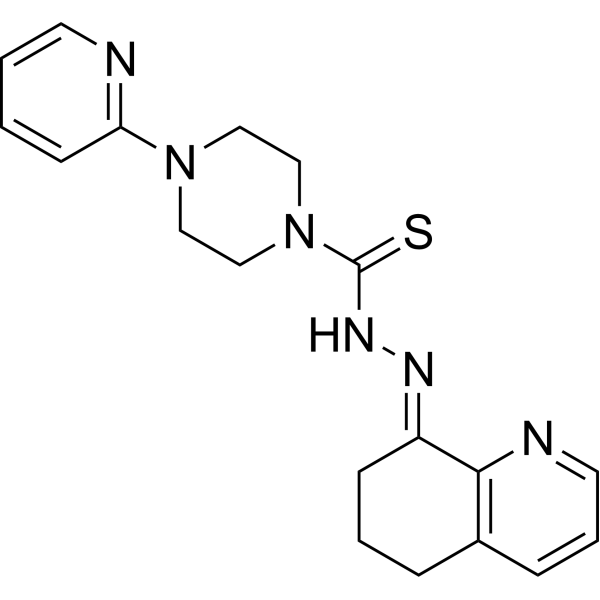
COTI-2
4 Publications Verification
|
MDM-2/p53
Apoptosis
|
Cancer
|
|
COTI-2, an anti-cancer agent with low toxicity, is an orally available third generation activator of p53 mutant forms. COTI-2 acts both by reactivating mutant p53 and inhibiting the PI3K/AKT/mTOR pathway. COTI-2 induces apoptosis in multiple human tumor cell lines. COTI-2 exhibits antitumor activity in HNSCC through p53-dependent and -independent mechanisms. COTI-2 converts mutant p53 to wild-type conformation .
|
-
-
- HY-14808
-
|
ST1926
|
Apoptosis
|
Cancer
|
|
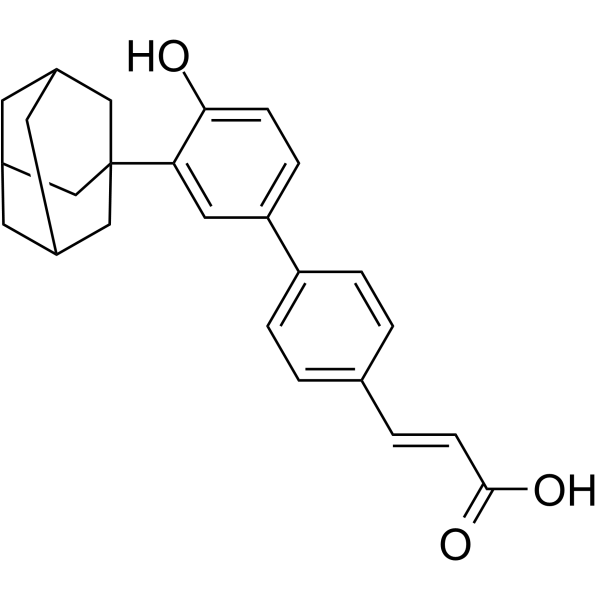
Adarotene is an effective apoptosis inducer, which surprisingly produces DNA damage and exhibites a potent antiproliferative activity on a large panel of human tumor cells.
|
-
-
- HY-10484
-
|
MLN4924 hydrochloride
|
NEDD8-activating Enzyme
Apoptosis
|
Cancer
|
|
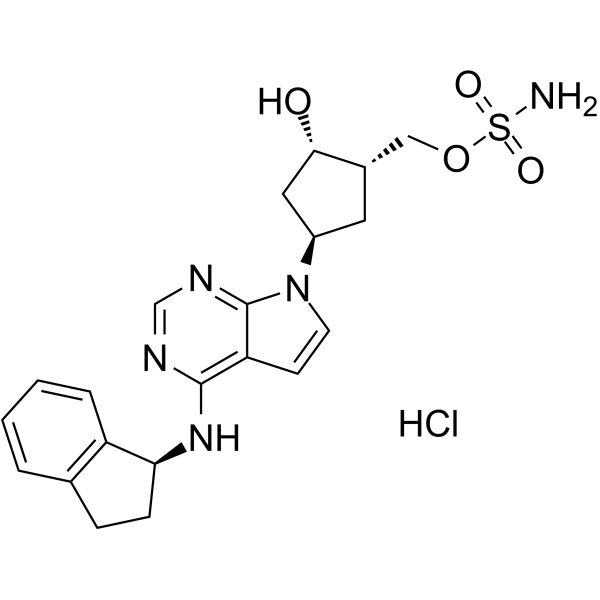
Pevonedistat (MLN4924) hydrochloride is a potent and selective NEDD8-activating enzyme (NAE) inhibitor, with an IC50 of 4.7 nM. Pevonedistat hydrochloride induces the deregulation of S-phase DNA synthesis, thereby disrupting protein turnover mediated by cullin-RING ligase, leading to apoptosis of human tumor cells. Pevonedistat hydrochloride suppresses the growth of human tumour xenografts in mice .
|
-
-
- HY-115453
-
|
|
Sirtuin
Autophagy
|
Cancer
|
|
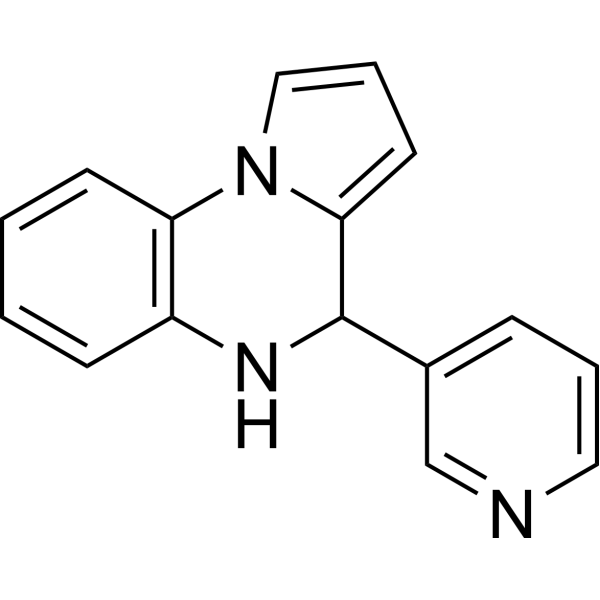
UBCS039 is the first synthetic, specific Sirtuin 6 (SIRT6) activator, inducing autophagy in human tumor cells, with an EC50 of 38 μM .
|
-
-
- HY-148385
-
|
|
Endogenous Metabolite
Integrin
FAK
Src
ERK
p38 MAPK
|
Neurological Disease
Cancer
|
|
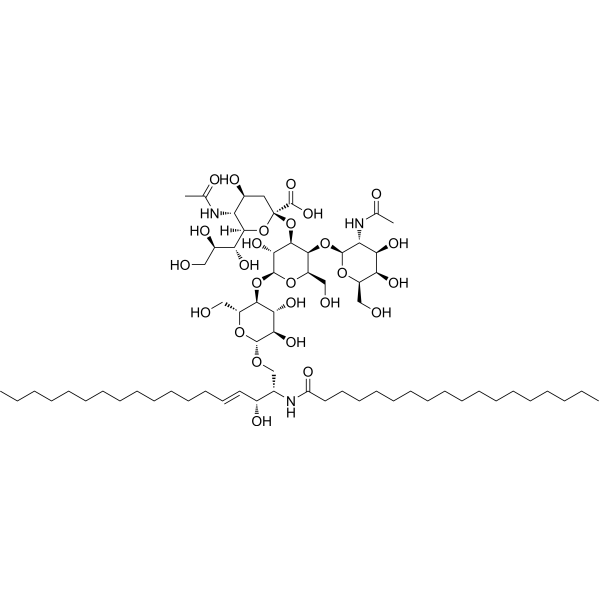
Ganglioside GM2 is a human tumor antigen predominantly found in human tumor cells and fetal brain tissue. As a sialylated glycosphingolipid, Ganglioside GM2 is involved in processes such as cell signaling, adhesion, and motility. Ganglioside GM2 abnormal expression and accumulation are associated with tumors and neurodegenerative disorders. Ganglioside GM2 promotes tumor cell migration and invasion by directly binding to the integrin β1 receptor, activating the FAK/Src/Erk-MAPK signaling pathway, and inducing actin cytoskeleton remodeling .
|
-
-
- HY-119529
-
|
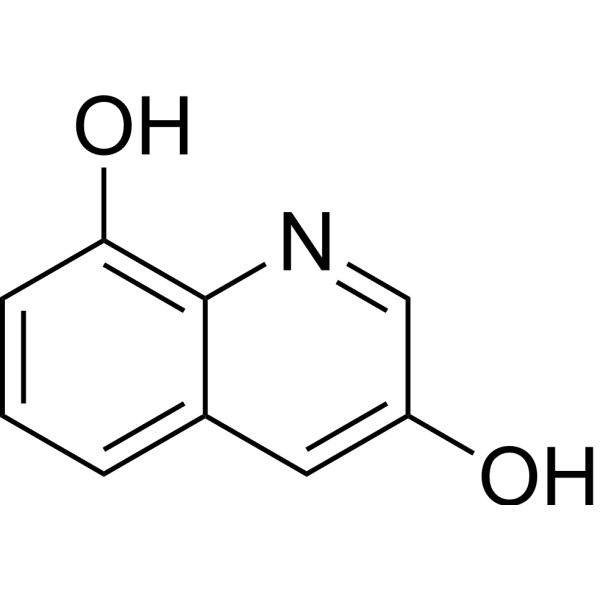
3,8-Quinolinediol
|
Tyrosinase
Bacterial
|
Cancer
|
|
Jineol is a cytotoxic alkaloid from the centipede Scolopendra subspinipes. Jineol exhibits modest cytotoxic activity in vitro against the growth of human tumor cell lines .
|
-
-
- HY-P1632
-
|
|
Bacterial
|
Infection
Cancer
|
|
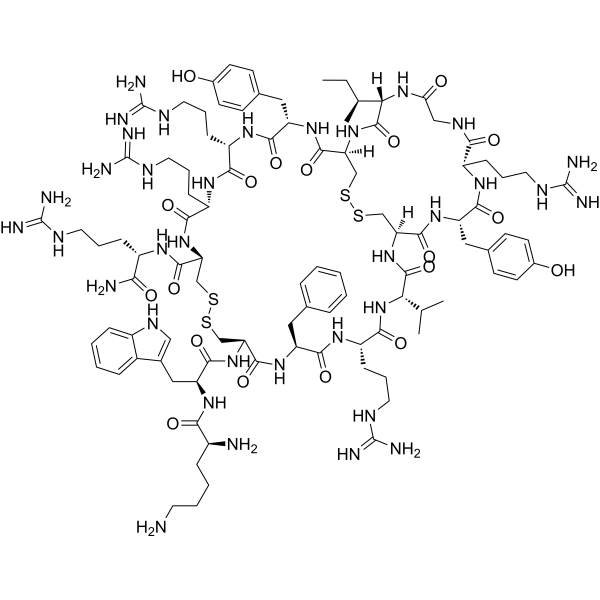
Tachyplesin I is a β-hairpin antimicrobial peptide that contains 17 amino acid residues. Tachyplesin I exhibits cytotoxic properties against various human tumor cell lines acting primarily by impairing the integrity of the outer cell membrane .
|
-
-
- HY-156278
-
|
|
Apoptosis
Autophagy
|
Cancer
|
|
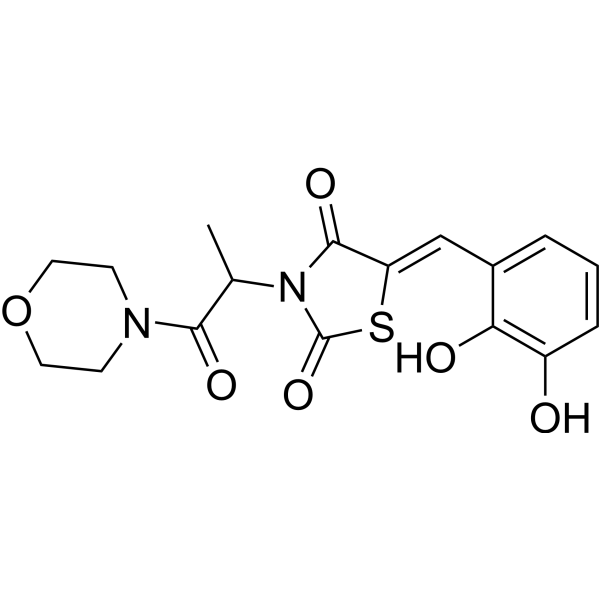
FB49 is a highly selective inhibitor of Bcl-2-associated athanogene 3 (BAG3), with the Ki of 45 μM. FB49 inhibits the cell growth in human tumoral cells, but has no toxicity in human peripheral mononuclear cells. FB49 block cell cycle in G1 phase and to induce apoptosis as well as autophagy in medulloblastoma HD-MB03 treated cells .
|
-
-
- HY-14949C
-
|
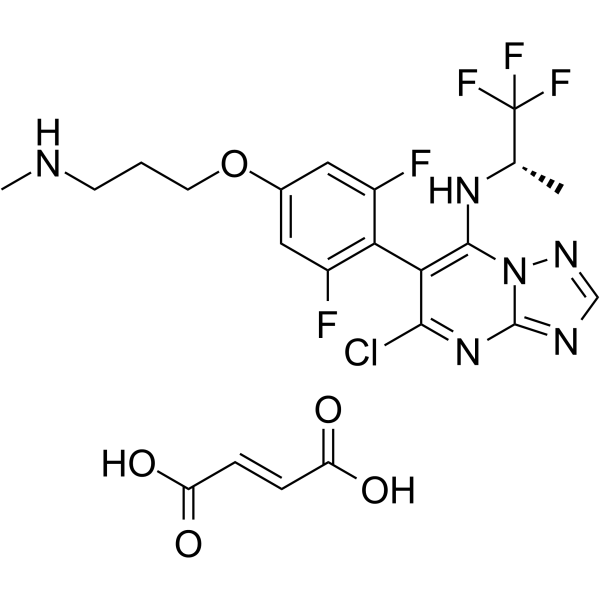
TTI-237 fumarate
|
Microtubule/Tubulin
|
Cancer
|
|
Cevipabulin fumarate (TTI-237 fumarate) is an oral, microtubule-active, antitumor compound and inhibits the binding of [ 3H]NSC 49842 to tubulin, with an IC50 of 18-40 nM for cytotoxicity in human tumor cell line .
|
-
-
- HY-148413
-
|
ISIS 3521 sodium
|
PKC
|
Cancer
|
|
Aprinocarsen (ISIS 3521) sodium, a specific antisense oligonucleotide inhibitor of protein kinase C-alpha (PKC-α). Aprinocarsen sodium is a 20-mer oligonucleotide, it regulates cell differentiation and proliferation. Aprinocarsen sodium inhibits the growth of human tumor cell lines in nude mice. Aprinocarsen sodium shows the value as a chemotherapeutic compound of human cancers .
|
-
-
- HY-N7205
-
|
|
Others
|
Cancer
|
|
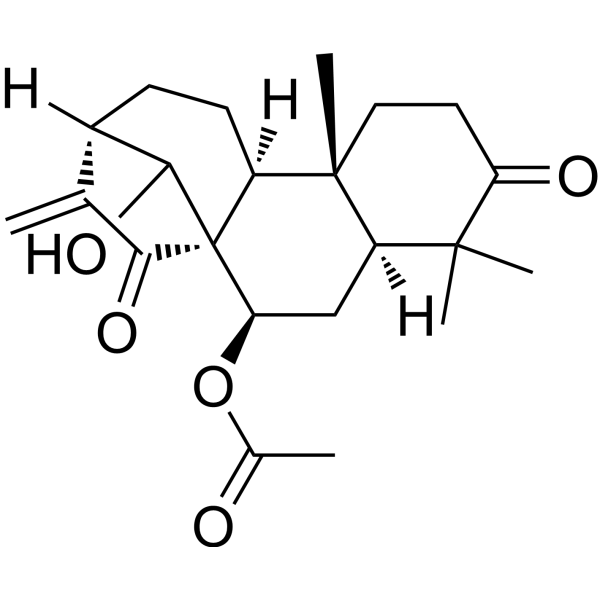
Glaucocalyxin D is a ent-kauranoid-type diterpenoid that can be isolated from Rabdosia japonica. Glaucocalyxin D shows cytotoxicity against various human tumor cell lines. Glaucocalyxin D can be used for cancer research .
|
-
-
- HY-N10904
-
|
|
Others
|
Cancer
|
|
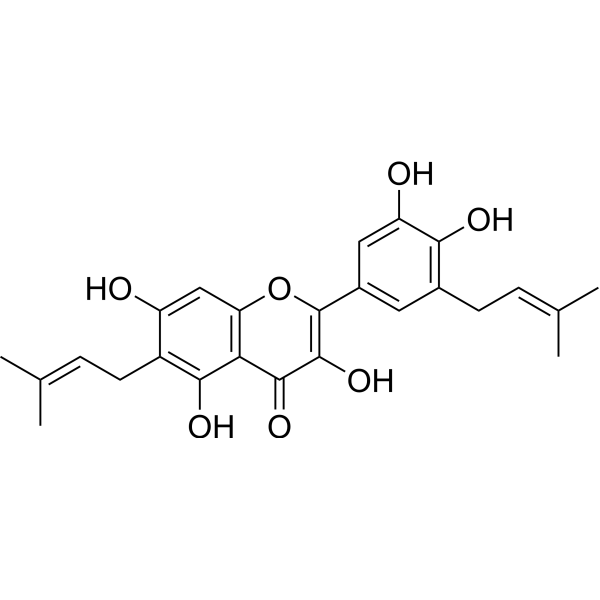
Broussonol E is a diprenylated flavonol. Broussonol E can be isolated from the leaves of Broussonetia kazinoki. Unlike some dinonylated flavonol derivatives, Broussonol E has no cytotoxicity to human tumor cell lines (A549, HCT-8, KB) .
|
-
-
- HY-N11928
-
|
|
Others
|
Cancer
|
|
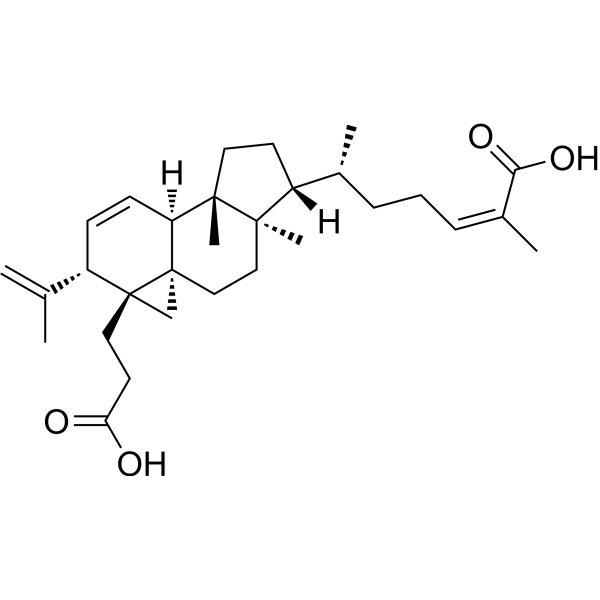
Changnanic acid (schisandrin) is a triterpene compound with potential anti-tumor effects. Changnanic acid exhibits moderate cytotoxic activity against human tumor cell lines Bel-7402, MCF-7 and HL-60, with IC50s of 100 μM, 100 μM and 50.51 μM respectively .
|
-
-
- HY-W034419
-
|
|
MDM-2/p53
Apoptosis
|
Cancer
|
|
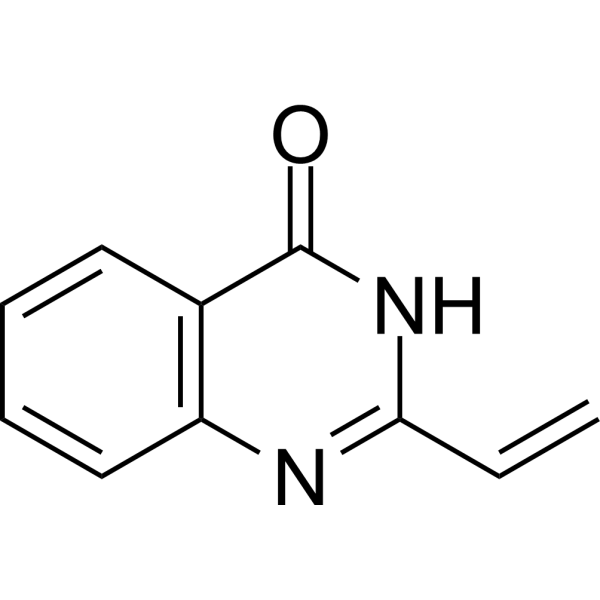
STIMA-1 can stimulate mutant p53 DNA binding in vitro and induce expression of p53 target proteins and trigger apoptosis in mutant p53-expressing human tumor cells .
|
-
-
- HY-167880
-
|
|
Macrophage migration inhibitory factor (MIF)
|
Cancer
|
|
BMY-25551 is a Mitomycin A (HY-130332) analogue that is 8 to 20 times more potent than Mitomycin C (HY-13316) in cytotoxicity to murine and human tumor cell lines. BMY-25551 can be utilized in cancer and hematologic depression research .
|
-

-
- HY-120574
-
|
|
ADC Payload
Topoisomerase
|
Cancer
|
|
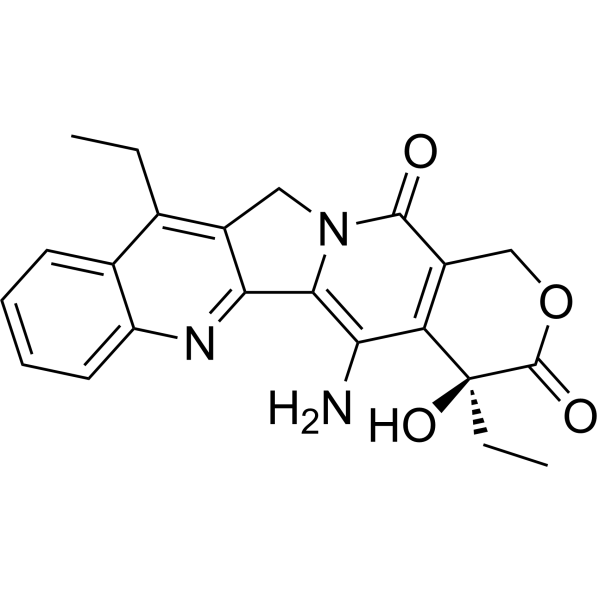
TH1338 (compound 3b), an orally active camptothecin derivative and a potent chemotherapeutic agent for cancer, demonstrates excellent cytotoxic potency against human tumor cell lines in vitro. TH1338 (compound 3b) possesses significant brain penetration, favorable efflux pump properties, and hematological toxicity profile .
|
-
-
- HY-N6578
-
|
|
Others
|
Cancer
|
|
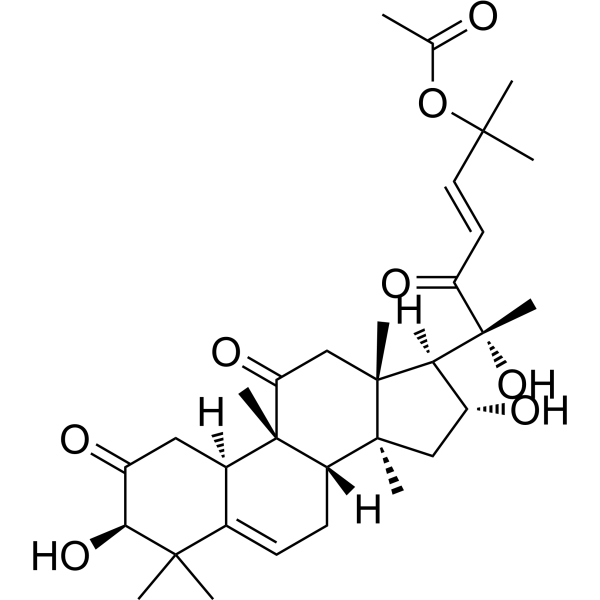
3-epi-Isocucurbitacin B (Compound 5) is a cucurbitane triterpene derived from Trichosanthes kirilowii. 3-epi-Isocucurbitacin B shows significant cytotoxicity to human tumor cells A-549, SK-OV-3, SK-MEL-2, XF-498 and HCT15 .
|
-
-
- HY-12458
-
|
|
DNA/RNA Synthesis
|
Infection
Cancer
|
|
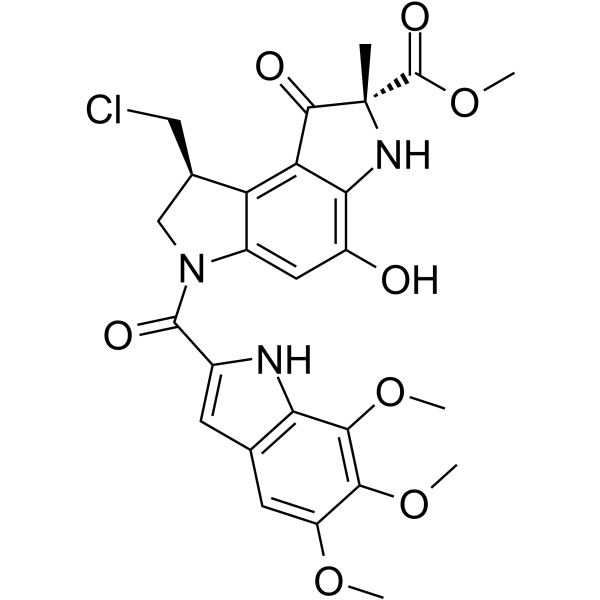
Pyrindamycin A is an antibiotic that inhibits DNA synthesis. Pyrindamycin A shows antitumor activities against murine leukemia, exhibits stronger cytotoxic activities towards murine and human tumor cell lines and especially towards doxorubicin-resistant cells, inhibits P388 and P388/ADR cells with the same IC50 of 3.9 μg/ml .
|
-
-
- HY-70062R
-
|
MLN4924 (Standard)
|
NEDD8-activating Enzyme
Apoptosis
Reference Standards
|
Cancer
|
|
Pevonedistat (Standard) is the analytical standard of Pevonedistat. This product is intended for research and analytical applications. Pevonedistat (MLN4924) is a potent and selective NEDD8-activating enzyme (NAE) inhibitor with an IC50 of 4.7 nM. Pevonedistat induces the deregulation of S-phase DNA synthesis, thereby disrupting protein turnover mediated by cullin-RING ligase, leading to apoptosis of human tumor cells. Pevonedistat suppresses the growth of human tumour xenografts in mice .
|
-

-
- HY-175171
-
|
|
Topoisomerase
VEGFR
c-Met/HGFR
EGFR
Estrogen Receptor/ERR
|
Cancer
|
|
Anticancer agent 276 (Compound 5) is a multi-target anticancer agent. Anticancer agent 276 has a potent anticancer activity against human tumor cells with IC50s of 6.90 and 4.48 μM for HEPG2 and MCF7 cells, respectively. Anticancer agent 276 shows strong and stable interactions across multiple targets, including Topoisomerase II, VEGFR2, c-Met, EGFR and ERα .
|
-

-
- HY-162098
-
|
|
PROTACs
Microtubule/Tubulin
Apoptosis
|
Cancer
|
|
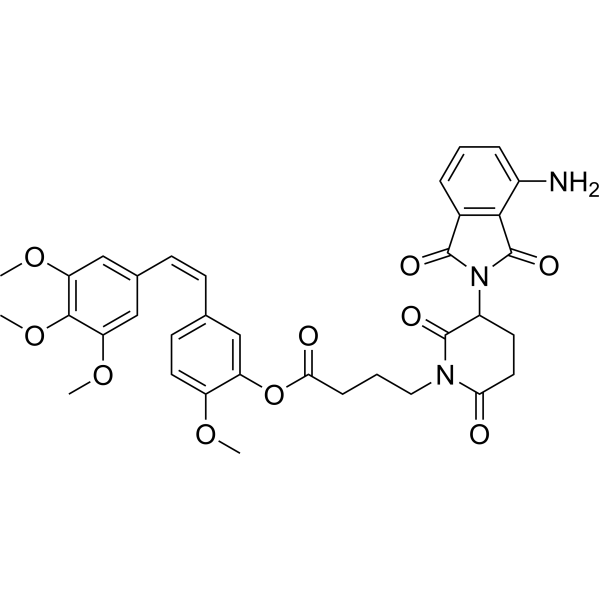
PROTAC tubulin-Degrader-1 is a α/β/β3-tubulin PROTAC degrader. PROTAC tubulin-Degrader-1 exhibits potent anti-proliferative activity against multiple human tumor cell lines. PROTAC tubulin-Degrader-1 induces G2/M phase arrest and apoptosis and inhibits colony formation in A549 and A549/Taxol cells. PROTAC tubulin-Degrader-1demonstrates potent anti-tumor efficacy in A549 and A549/Taxol (Taxol-resistant) xenograft model. PROTAC tubulin-Degrader-1 can be used for the study of non-small cell lung cancer (NSCLC). (Pink: Tubulin ligand (HY-N2146), Blue: CRBN Ligand (HY-10984), Black: Linker (HY-N6056)) .
|
-
-
- HY-N14293
-
-

-
- HY-N15081
-
|
|
Others
|
Cancer
|
|
5-N-Acetylardeemin potentiated the cytotoxicity of the anticancer agent Vinblastine (HY-13780) in multidrug resistant human tumor cells .
|
-

-
- HY-13547
-
|
|
Apoptosis
|
Cancer
|
|
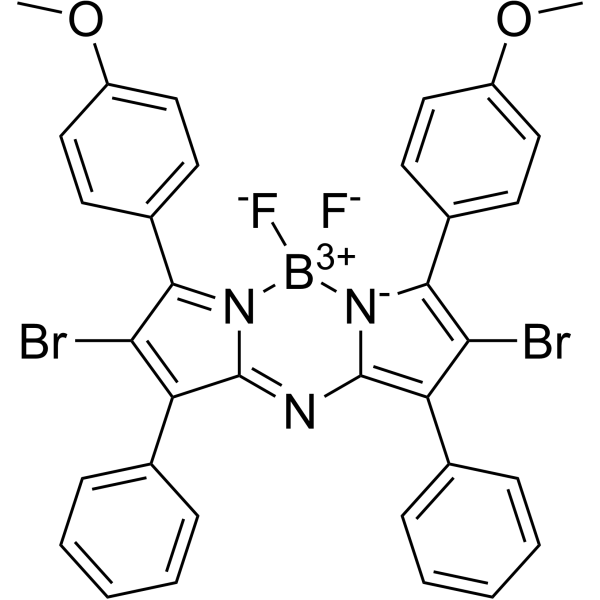
ADPM06, a lead candidate azadipyrromethene, is a novel nonporphyrin photodynamic therapeutic (PDT) agent. ADPM06 exhibits IC50 values in the micro-molar range in human tumor cells and induces apoptosis .
|
-
-
- HY-N10265
-
|
|
Endogenous Metabolite
|
Cancer
|
|
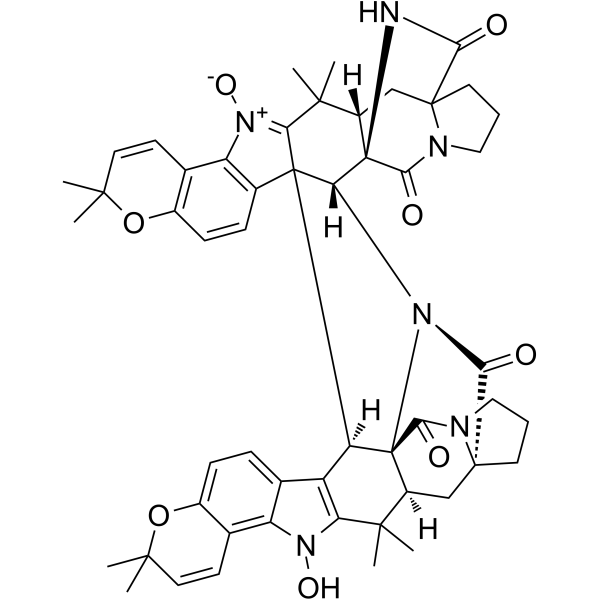
Stephacidin B is a fungal metabolite. Stephacidin B shows in vitro cytotoxicity against a panel of human tumor cell lines. Stephacidin B shows the strongest cytotoxicity against testosterone-dependent prostate LNCaP cancer cells .
|
-
-
- HY-N14892
-
|
|
Bacterial
|
Infection
Cancer
|
|
Cetoniacytone A has weak activity against Gram-positive and negative bacteria. Cetoniacytone A can inhibit the growth of HEPG2 and MCF7 human tumor cell lines, with GI50 values of 3.2 μM .
|
-

-
- HY-N14369
-
|
|
Bacterial
|
Infection
Cancer
|
|
9-Hydroxycrisamicin has weak anti-Gram-positive bacteria activity, MIC is 6.25-25 μg/mL. 9-Hydroxycrisamicin has a strong growth inhibitory effect on human tumor cell lines .
|
-

-
- HY-N12128
-
|
|
Others
|
Cancer
|
|
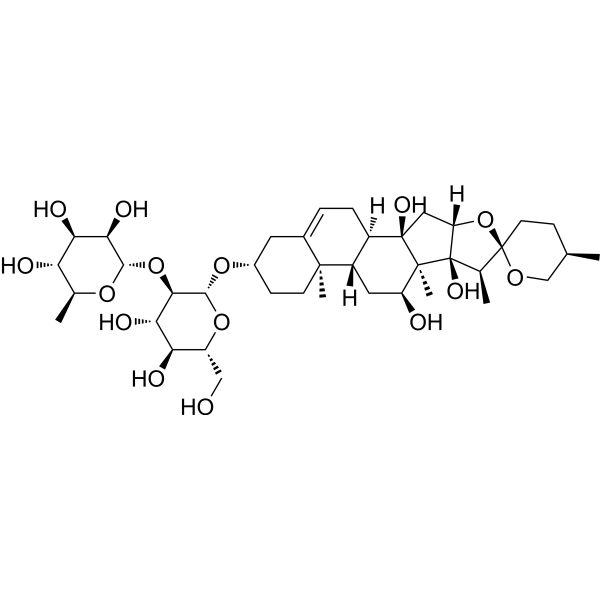
Ophiopogonin R (compound 3) is a steroid saponin. Ophiopogonin R was isolated and purified from natural ophiopogonin. Ophiopogonin R was not cytotoxic to five human tumor cell lines (HepG2, HLE, BEL7402, BEL7403 and Hela) .
|
-
-
- HY-P1632A
-
|
|
Bacterial
|
Infection
Cancer
|
|
Tachyplesin I TFA is a β-hairpin antimicrobial peptide that contains 17 amino acid residues. Tachyplesin I TFA exhibits cytotoxic properties against various human tumor cell lines acting primarily by impairing the integrity of the outer cell membrane .
|
-

-
- HY-136959
-
|
|
HDAC
|
Cancer
|
|
M133 is a HDAC1 and HDAC2 selective inhibitor which shows potent antiproliferative activity against diverse human tumor cell lines with IC50s of 0.75-1.94 μM. M133 can be used for cancer research .
|
-

-
- HY-N6679
-
|
|
Antibiotic
|
Cancer
|
|
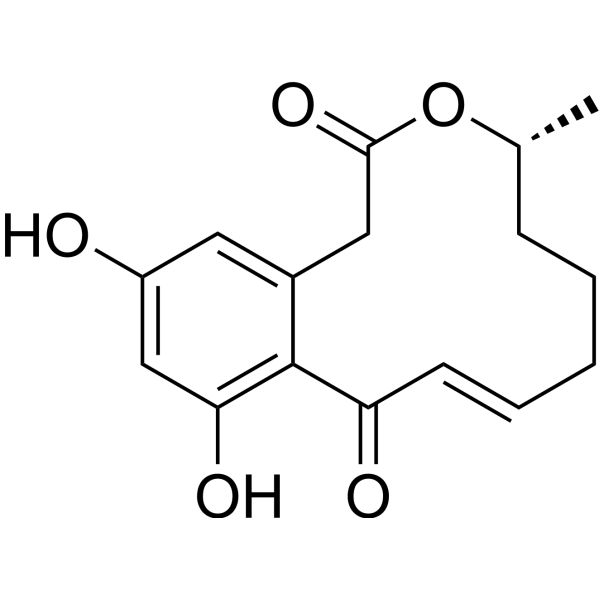
(R)-10,11-Dehydrocurvularin is a secondary metabolite isolated from Curvularia sp.. (R)-10,11-Dehydrocurvularin displays concentration-dependent cytotoxicity towards human tumor cell lines
with a mean IC50 value of 1.25 µM .
|
-
-
- HY-149375
-
|
|
Microtubule/Tubulin
|
Cancer
|
|
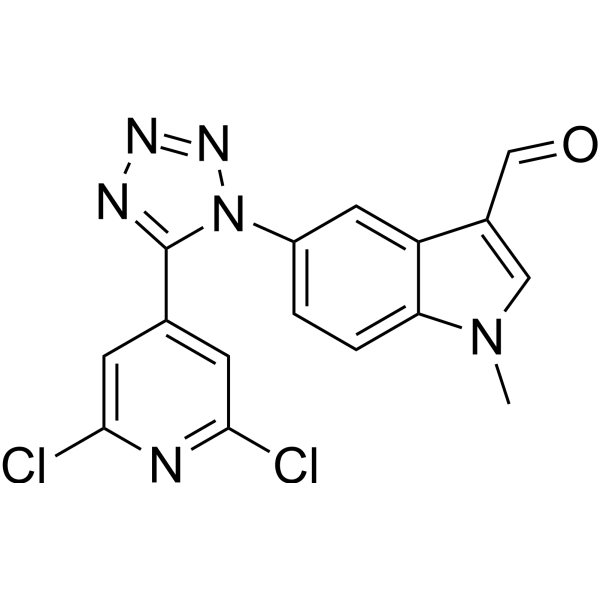
Tubulin inhibitor 37 (Compound 12) is a Tubulin inhibitor that can effectively inhibit Tubulin aggregation (IC50=1.3 µM). Tubulin inhibitor 37 exhibits antiproliferative activity against human tumor cell lines and has potential for studying cancer .
|
-
-
- HY-N5186
-
|
|
Antibiotic
Bacterial
|
Infection
Cancer
|
|
Cypemycin is a linaridin antibiotic that can inhibit cancer cell activity, inhibits P388 leukemia cells with IC50 of 1.3 μg/mL. Cypemycin can inhibit human tumor cells such as HeLa S3, HHCC-1, HCCS-M and Slex with IC50 of >25 μg/mL .
|
-

-
- HY-116621
-
|
|
DNA-PK
|
Cancer
|
|
NU-7163 is an ATP-competitive DNA-PK inhibitor (IC50=0.19 μM; Ki=24 nM). NU-7163 enhances the cytotoxicity of ionizing radiation against the HeLa human tumor cell line in vitro .
|
-

-
- HY-N15714
-
|
|
Drug Derivative
|
Cancer
|
|
Acoraminol A is one of the stereoisomers of phenylpropanoids, the other of which is Acoraminol B (HY-N15715), which can be isolated from the methanol extract of the rhizome of Acorus tatarinowii. Acoraminol A has weak cytotoxic effects on several human tumor cell lines (IC50>30 μM) .
|
-

-
- HY-N3615
-
|
|
Others
|
Cancer
|
|
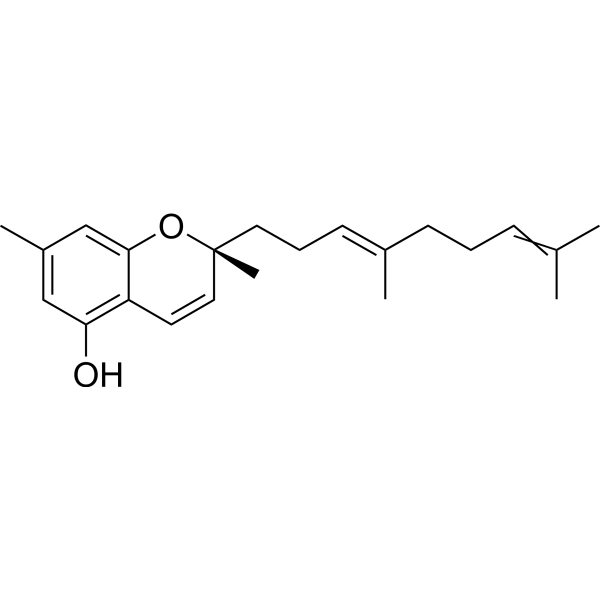
Confluentin can be isolated from Rhododendron dauricum. Confluentin shows weak cytotoxicity against human tumor cells (IC50: 15.05, 17.08, 18.48, and 23.01 μM for HL-60, SMMC-7712, A-549, and MCF-7) .
|
-
-
- HY-N15392
-
|
|
Antibiotic
Bacterial
|
Infection
|
|
Lactonamycin Z is an antitumor antibiotic. Lactonamycin Z has weak anti-Gram-positive bacterial activity. Lactonamycin Z can inhibit human tumor cells HMO2, MCF7 and Hep G2 with GI50 (μg/mL) of 1.9, 0.85 and 5.11, respectively .
|
-

-
- HY-N10307
-
|
|
Fungal
Bacterial
Endogenous Metabolite
|
Infection
Cancer
|
|
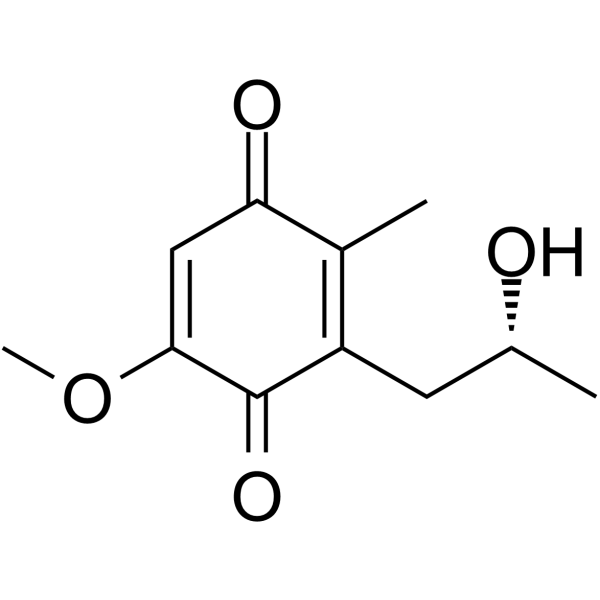
Anserinone B is an antifungal and antibacterial benzoquinone. Anserinone B causes radial growth reductions of 50% and 37% against S.fimicola and A. furfuraceus, respectively. Anserinones B also displays moderate cytotoxicity in the NCI’s 60 human tumor cell line panel (GI50=4.4 µg/mL) .
|
-
-
- HY-N6061
-
|
|
Others
|
Cancer
|
|
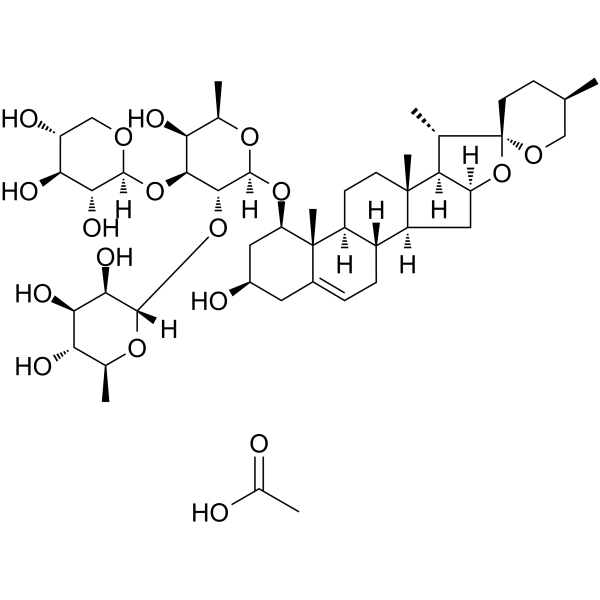
Ophiopogonin C, isolated from the tubers of Ophiopogon japonicus, is a rare naturally occurring C29 steroidal glycoside. Ophiopogonin C shows cytotoxic activity against two human tumor cell lines MG-63 and SNU387 with IC50s of 19.76 μM and 15.51 μM, respectively .
|
-
-
- HY-N0034R
-
|
Arctii (Standard); NSC 315527 (Standard); Arctigenin-4-glucoside (Standard)
|
Reference Standards
NF-κB
|
Inflammation/Immunology
Cancer
|
|
Arctiin (Standard) is the analytical standard of Arctiin. This product is intended for research and analytical applications. Arctiin is an orally active inhibitor of NF-κB. Arctiin suppresses cyclin D1 protein expression in human tumor cells. Arctiin also reduces malondialdehyde and pro-in?ammatory cytokines levels. Arctiin can used in study glomerulonephritis .
|
-

-
- HY-N10354
-
|
|
Apoptosis
|
Cancer
|
|
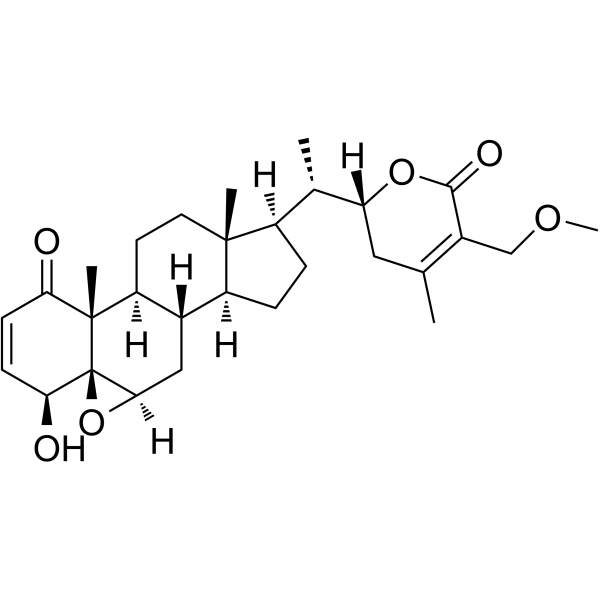
27-Methyl withaferin A (comppund 26) is an apoptosis inducer with anticancer effects. 27-Methyl withaferin A shows antiproliferative effects against HeLa, A-549 and MCF-7 human tumor cell lines with IC50 values of 3.2 μM, 4.2 μM and 1.4 μM, respectively .
|
-
-
- HY-161824
-
|
|
Drug Intermediate
|
Cancer
|
|
Antiproliferative agent-52 (Compound 4a) is an antiproliferative agent that exhibits significant antiproliferative activity against four human tumor cell lines (A549, A2780, SKOV3, HCC827), with IC50 values ranging from 5.83 to 8.63 nM. Antiproliferative agent-52 can be used in cancer research .
|
-

-
- HY-124083
-
|
|
Microtubule/Tubulin
Apoptosis
Caspase
Mitochondrial Metabolism
|
Cancer
|
MPT0B214 is a microtubule inhibitor that strongly binds to the colchicine binding site of tubulin, preventing tubulin polymerization. MPT0B214 induces apoptosis through a mitochondrial/caspase 9 dependent pathway and shows cytotoxicity across various human tumor cell lines. MPT0B214 can be used for cancer research .
|
-

-
- HY-N14135
-
|
|
Fungal
|
Infection
Cancer
|
|
Cystothiazole A has antifungal activity. Cystothiazole A can inhibit candida albicans, saccharomyces cerevisiae and aspergillus smoke with MIC values of 0.4 μg/mL, 0.1 μg/mL and 1.6 μg/mL, respectively. Cystothiazole A also inhibits human tumor cell, such as HPT-116 and K562 cells with MIC values of 130 ng/mL and 110 ng/mL, respectively. Cystothiazole A has no anti-bacterial effect .
|
-

-
- HY-170594
-
|
|
Atg7
Autophagy
|
Cancer
|
|
Antitumor agent-192 (Compound 2f) is a β-carboline antitumor agent. Antitumor agent-192 induces autophagy in HCT116 cells via the ATG5/ATG7 pathway. Antitumor agent-192 has an IC50 of less than 5 μM for human tumor cell lines and significantly inhibits tumor development and reduces tumor weight in a mouse colorectal cancer model transplanted with allografts [1].
|
-

-
- HY-W854934
-
|
|
Microtubule/Tubulin
|
Cancer
|
|
IKP-104 is a microtubule/tubulin inhibitor (IC50 = 1.31 μM). IKP-104 arrests cells in mitosis and the M phase by inhibiting microtubule polymerization and inducing cytoskeletal microtubule depolymerization. IKP-104 inhibits the growth of mouse and human tumor cell lines. IKP-104 exhibits anti-tumor effects in mouse ascites tumors and lung cancer models. IKP-104 is useful in the research of cancers such as leukemia, lung cancer and melanoma .
|
-

-
- HY-117803
-
|
OSI-461 free base
|
Apoptosis
|
Cancer
|
|
CP 461 free base (OSI-461 free base) is a novel pro-apoptotic compound with the activity of inhibiting cyclic guanosine monophosphate phosphodiesterase. CP 461 free base exhibits growth inhibitory activity against a variety of human tumor cell lines in vitro. CP 461 free base selectively induces apoptosis in cancer cell lines but has no effect on normal cells. CP 461 free base can be used in the study of renal cell carcinoma, prostate cancer and Crohn's disease .
|
-

- HY-N12834
-
|
|
Others
|
Inflammation/Immunology
Cancer
|
|
Ecdysoside B (compound 6b) is a pregnanoside compound isolated from the plant Ecdysanthera rosea. Ecdysoside B and its derivatives and isomers shows anticancer, immunosuppressive and anti-inflammatory activities. Ecdysoside B shows cytotoxicity to a variety of human tumor cell lines, including PANC-1 (human pancreatic cancer cells), A375 (human melanoma cells) and U87 (brain glioma U87 cells). Ecdysoside B can be used for research in the areas of cancer, immunomodulation and anti-inflammato .
|
-

- HY-159891
-
|
|
Microtubule/Tubulin
Apoptosis
Caspase
|
Cancer
|
|
Microtubule destabilizing agent-2 (Compound 21) is an orally active and selective antitumor compound targeting microtubule protein. Microtubule destabilizing agent-2 destabilizes microtubule proteins and inhibits microtubule polymers. Microtubule destabilizing agent-2 arrests the G0/G1 phase in human tumor cells. Microtubule destabilizing agent-2 induces Apoptosis by activating the cascade pathway of caspases. Microtubule destabilizing agent-2 has anti-inflammatory activity, as inhibiting TNF-α and IL-6 in vitro. Microtubule destabilizing agent-2 reduces tumors growth in xenograft mice .
|
-

- HY-152003S
-
|
|
Isotope-Labeled Compounds
|
Others
|
|
Ganglioside GM2-d3 (ammonium) is the deuterium labeled Ganglioside GM2 (HY-148385). Ganglioside GM2 is a human tumor antigen predominantly found in human tumor cells and fetal brain tissue. As a sialylated glycosphingolipid, Ganglioside GM2 is involved in processes such as cell signaling, adhesion, and motility. Ganglioside GM2 abnormal expression and accumulation are associated with tumors and neurodegenerative disorders. Ganglioside GM2 promotes tumor cell migration and invasion by directly binding to the integrin β1 receptor, activating the FAK/Src/Erk-MAPK signaling pathway, and inducing actin cytoskeleton remodeling .
|
-

- HY-N14893
-
|
|
Others
|
Cancer
|
|
Cetoniacytone B can inhibit the growth of HEPG2 and MCF7 human tumor cell lines, with GI50 values of 4.4 μM .
|
-

- HY-14949D
-
|
TTI-237 fumarate dihydrate
|
Microtubule/Tubulin
|
Cancer
|
|
Cevipabulin (TTI-237) fumarate dihydrate) is an oral, microtubule-active, antitumor compound and inhibits the binding of [ 3H]NSC 49842 to tubulin, with an IC50 of 18-40 nM for cytotoxicity in human tumor cell line .
|
-

- HY-N15715
-
|
|
Drug Derivative
|
Cancer
|
|
Acoraminol B is one of the stereoisomers of phenylpropanoids, the other of which is Acoraminol A (HY-N15714), which can be isolated from the methanol extract of the rhizome of Acorus tatarinowii. Acoraminol B has weak cytotoxic effects on several human tumor cell lines (IC50>30 μM) .
|
-

- HY-N6998A
-
|
|
Others
|
Infection
Cancer
|
|
6-epi-Paederosidic acid is a cyclopentanoid monoterpene glycoside found in the aerial parts of Paederia foetida L. 6-epi-Paederosidic acid does not exhibit cytotoxic activity against human tumor cells, hepatoprotective activity against APAP (HY-66005)-induced cellular toxicity, or inhibitory activity against LPS (HY-D1056)-induced nitric oxide production in murine microglia .
|
-

- HY-N17466
-
|
|
Others
|
Cancer
|
|
(7S,7′R,8S,8′S)-neo-Olivil is a lignan present in the rhizome of Iris tectorum. (7S,7′R,8S,8′S)-neo-Olivil shows no significant cytotoxicity against human tumor cells at a concentration of 10 μM .
|
-

- HY-171718
-
|
|
DNA Alkylator/Crosslinker
ADC Payload
|
Cancer
|
|
seco-CBI-PBD dimer is a CBI-PBD heterodimer and a minor groove DNA crosslinker. seco-CBI-PBD dimer exhibits cytotoxicity against human tumor cells at sub-pM to low nM levels, shows low sensitivity to P-glycoprotein-mediated drug resistance, and can serve as an ADC payload. seco-CBI-PBD dimer can be used in studies of uterine cancer, breast cancer, non-small cell lung cancer, etc.
|
-

- HY-W353474
-
|
|
Drug Derivative
|
Cancer
|
|
iso-Dehydrozingerone is a dehydrozingerone analog. iso-Dehydrozingerone exhibits moderate in vitro cytotoxic activity against human tumor cells, with IC50 values of 10.0 μg/mL, 8.2 μg/mL and >10 μg/mL against human nasopharyngeal carcinoma cells, multidrug-resistant nasopharyngeal carcinoma cells and human lung cancer cells, respectively. iso-Dehydrozingerone can be used in studies related to nasopharyngeal carcinoma, multidrug-resistant nasopharyngeal carcinoma and lung cancer .
|
-

- HY-W319584
-
|
|
Drug Derivative
|
Cancer
|
|
AMP-404 is an Imexon (HY-15385)-derived antitumor agent with dual functions as a cytotoxin and growth inhibitor. AMP-404 exerts significant cytotoxic effects against various sensitive, drug-resistant and primary human tumor cells, including myeloma, breast cancer, melanoma, ovarian cancer and sarcoma cells. AMP-404 effectively inhibits the growth of rat PIE 2-3 sarcoma in vivo and exhibits remarkable in vivo efficacy .
|
-

- HY-10484R
-
|
MLN4924 hydrochloride (Standard)
|
Reference Standards
NEDD8-activating Enzyme
Apoptosis
|
Cancer
|
|
Pevonedistat hydrochloride (Standard) is the analytical standard of Pevonedistat hydrochloride (HY-10484). This product is intended for research and analytical applications. Pevonedistat (MLN4924) hydrochloride is a potent and selective NEDD8-activating enzyme (NAE) inhibitor, with an IC50 of 4.7 nM. Pevonedistat hydrochloride induces the deregulation of S-phase DNA synthesis, thereby disrupting protein turnover mediated by cullin-RING ligase, leading to apoptosis of human tumor cells. Pevonedistat hydrochloride suppresses the growth of human tumour xenografts in mice .
|
-

- HY-179451
-
|
|
Apoptosis
p38 MAPK
Parasite
|
Infection
Inflammation/Immunology
Cancer
|
|
Apoptosis inducer 53 is an apoptosis inducer. Apoptosis inducer 53 can inhibit proliferation of human tumor cell lines (A549, HeLa, SW1573, T-47D, WiDr) with GI50 values of 2.5-9.1 μM. Apoptosis inducer 53 can induce cancer cells apoptosis and reduce colony formation. Apoptosis inducer 53 can activate p38α MAPK signaling and exerts anti-inflammatory effect. Apoptosis inducer 53 also shows anti-Leishmania donovani activity. Apoptosis inducer 53 can be used for the researches of cancer, infection and inflammation .
|
-

- HY-N16817
-
|
|
NO Synthase
|
Inflammation/Immunology
Cancer
|
|
Rabdoternin E is a potential anti-inflammatory and antitumor agent. 2α-Acetoxy-14,15-cyclopimara-7β,16-diol only inhibits nitric oxide (NO) production in lipopolysaccharide (LPS)-induced RAW264.7 macrophages (IC50=2.3 μM) and exhibits cytotoxicity against human tumor cells such as HL-60 and SW-480 (IC50 values ??of 2.6 μM and 4.1 μM, respectively). Rabdoternin E is an ent-kaurane-type diterpenoid compound that can be naturally extracted from the 70% acetone aqueous extract of the aerial parts of Isodon rosthornii (Diels) Hara (a plant of the Lamiaceae family, Isodon genus) .
|
-

- HY-138008
-
|
|
Microtubule/Tubulin
Apoptosis
|
Cancer
|
|
WX-132-18B is a tubulin inhibitor with an IC50 of 0.45-0.99 nM. WX-132-18B selectively binds to the colchicine-binding site on tubulin, reduces microtubule content via depolymerization, and inhibits tubulin polymerization. WX-132-18B induces tumor cell cycle arrest, apoptosis and changes in nuclear membrane permeability, and decreases mitochondrial membrane potential. WX-132-18B exhibits antiproliferative activity against endothelial cells and human tumor cells, and inhibits the proliferation and growth of xenograft tumors in mice. WX-132-18B can be used in research related to sarcoma, non-small cell lung cancer, gastric cancer and breast cancer .
|
-

| Cat. No. |
Product Name |
Target |
Research Area |
-
- HY-P1632
-
|
|
Bacterial
|
Infection
Cancer
|
|
Tachyplesin I is a β-hairpin antimicrobial peptide that contains 17 amino acid residues. Tachyplesin I exhibits cytotoxic properties against various human tumor cell lines acting primarily by impairing the integrity of the outer cell membrane .
|
-
- HY-P1632A
-
|
|
Bacterial
|
Infection
Cancer
|
|
Tachyplesin I TFA is a β-hairpin antimicrobial peptide that contains 17 amino acid residues. Tachyplesin I TFA exhibits cytotoxic properties against various human tumor cell lines acting primarily by impairing the integrity of the outer cell membrane .
|
| Cat. No. |
Product Name |
Category |
Target |
Chemical Structure |
-
- HY-N0034
-
-
-
- HY-119529
-
-
-
- HY-N7205
-
-
-
- HY-N10904
-
-
-
- HY-N11928
-
-
-
- HY-N6578
-
-
-
- HY-N14293
-
-
-
- HY-N15081
-
-
-
- HY-N10265
-
-
-
- HY-N14892
-
-
-
- HY-N14369
-
-
-
- HY-N12128
-
-
-
- HY-N6679
-
-
-
- HY-N5186
-
-
-
- HY-N15714
-
-
-
- HY-N3615
-
-
-
- HY-N15392
-
-
-
- HY-N10307
-
-
-
- HY-N6061
-
-
-
- HY-N0034R
-
-
-
- HY-N14135
-
|
|
Microorganisms
Antibiotics
Other Antibiotics
Source Classification
|
Fungal
|
|
Cystothiazole A has antifungal activity. Cystothiazole A can inhibit candida albicans, saccharomyces cerevisiae and aspergillus smoke with MIC values of 0.4 μg/mL, 0.1 μg/mL and 1.6 μg/mL, respectively. Cystothiazole A also inhibits human tumor cell, such as HPT-116 and K562 cells with MIC values of 130 ng/mL and 110 ng/mL, respectively. Cystothiazole A has no anti-bacterial effect .
|
-
-
- HY-N12834
-
|
|
Apocynaceae
Structural Classification
Plants
Urceola rosea (Hook. & Arn.) D. J. Middleton
Steroids
Source Classification
|
Others
|
|
Ecdysoside B (compound 6b) is a pregnanoside compound isolated from the plant Ecdysanthera rosea. Ecdysoside B and its derivatives and isomers shows anticancer, immunosuppressive and anti-inflammatory activities. Ecdysoside B shows cytotoxicity to a variety of human tumor cell lines, including PANC-1 (human pancreatic cancer cells), A375 (human melanoma cells) and U87 (brain glioma U87 cells). Ecdysoside B can be used for research in the areas of cancer, immunomodulation and anti-inflammato .
|
-
-
- HY-N14893
-
-
-
- HY-N15715
-
-
-
- HY-N6998A
-
-
-
- HY-N17466
-
-
-
- HY-N16817
-
|
|
Structural Classification
Terpenoids
Labiatae
Erythrina arborescensRoxb.
Diterpenoids
Plants
Source Classification
|
NO Synthase
|
|
Rabdoternin E is a potential anti-inflammatory and antitumor agent. 2α-Acetoxy-14,15-cyclopimara-7β,16-diol only inhibits nitric oxide (NO) production in lipopolysaccharide (LPS)-induced RAW264.7 macrophages (IC50=2.3 μM) and exhibits cytotoxicity against human tumor cells such as HL-60 and SW-480 (IC50 values ??of 2.6 μM and 4.1 μM, respectively). Rabdoternin E is an ent-kaurane-type diterpenoid compound that can be naturally extracted from the 70% acetone aqueous extract of the aerial parts of Isodon rosthornii (Diels) Hara (a plant of the Lamiaceae family, Isodon genus) .
|
-
| Cat. No. |
Product Name |
Chemical Structure |
-
- HY-152003S
-
|
|
|
Ganglioside GM2-d3 (ammonium) is the deuterium labeled Ganglioside GM2 (HY-148385). Ganglioside GM2 is a human tumor antigen predominantly found in human tumor cells and fetal brain tissue. As a sialylated glycosphingolipid, Ganglioside GM2 is involved in processes such as cell signaling, adhesion, and motility. Ganglioside GM2 abnormal expression and accumulation are associated with tumors and neurodegenerative disorders. Ganglioside GM2 promotes tumor cell migration and invasion by directly binding to the integrin β1 receptor, activating the FAK/Src/Erk-MAPK signaling pathway, and inducing actin cytoskeleton remodeling .
|
-
| Cat. No. |
Product Name |
|
Classification |
-
- HY-148413
-
|
ISIS 3521 sodium
|
|
Antisense Oligonucleotides
|
|
Aprinocarsen (ISIS 3521) sodium, a specific antisense oligonucleotide inhibitor of protein kinase C-alpha (PKC-α). Aprinocarsen sodium is a 20-mer oligonucleotide, it regulates cell differentiation and proliferation. Aprinocarsen sodium inhibits the growth of human tumor cell lines in nude mice. Aprinocarsen sodium shows the value as a chemotherapeutic compound of human cancers .
|
Your information is safe with us. * Required Fields.
Inquiry Information
- Product Name:
- Cat. No.:
- Quantity:
- MCE Japan Authorized Agent:








