Search Result
Results for "
human whole blood
" in MedChemExpress (MCE) Product Catalog:
4
Isotope-Labeled Compounds
| Cat. No. |
Product Name |
Target |
Research Areas |
Chemical Structure |
-
- HY-14166
-
MK-886
Maximum Cited Publications
13 Publications Verification
L 663536
|
FLAP
Leukotriene Receptor
PPAR
Apoptosis
|
Cancer
|
|
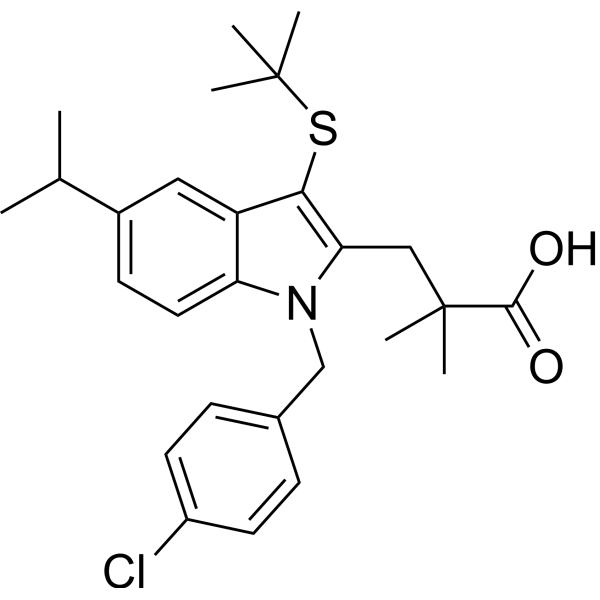
MK-886 (L 663536) is a potent, cell-permeable and orally active FLAP (IC50 of 30 nM) and leukotriene biosynthesis (IC50s of 3 nM and 1.1 μM in intact leukocytes and human whole blood, respectively) inhibitor. MK-886 is also a non-competitive PPARα antagonist and can induce apoptosis .
|
-
-
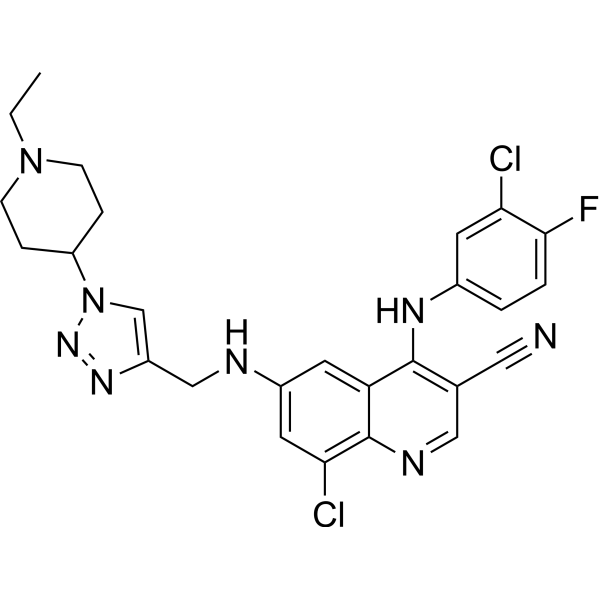
- HY-13344
-
-
-
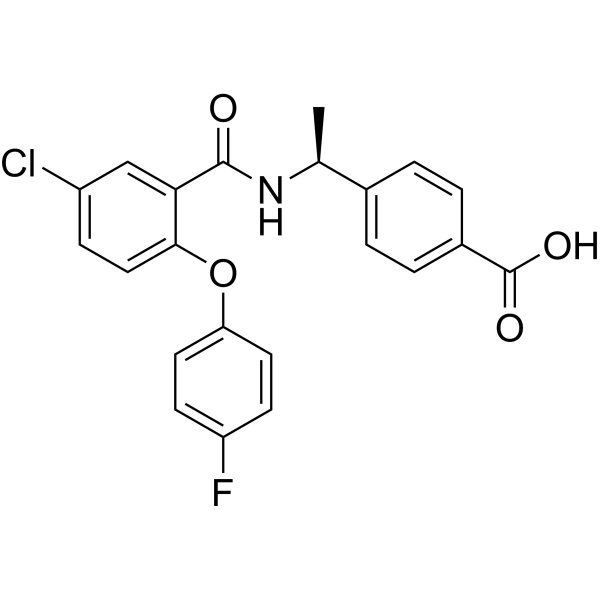
- HY-162457
-
|
|
DNA/RNA Synthesis
|
Infection
|
|
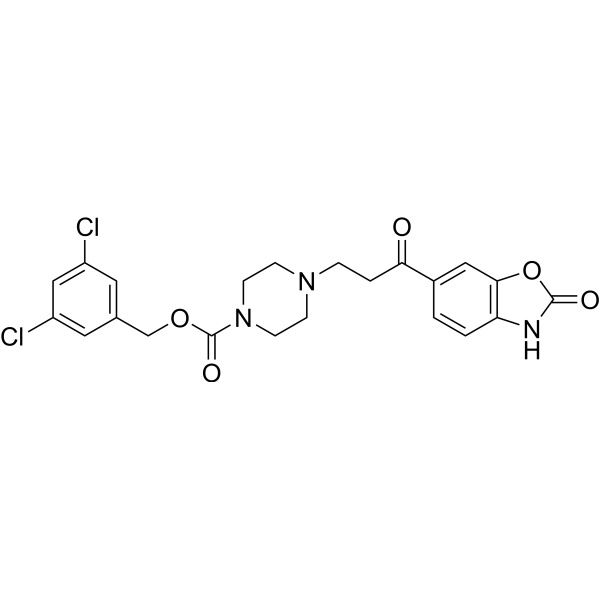
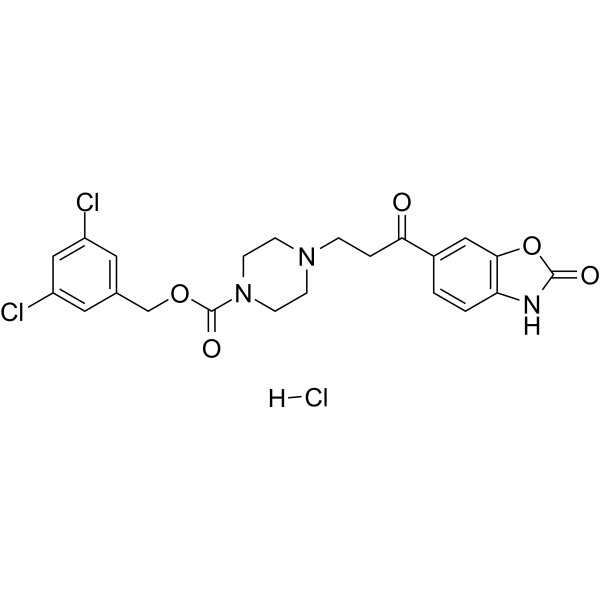
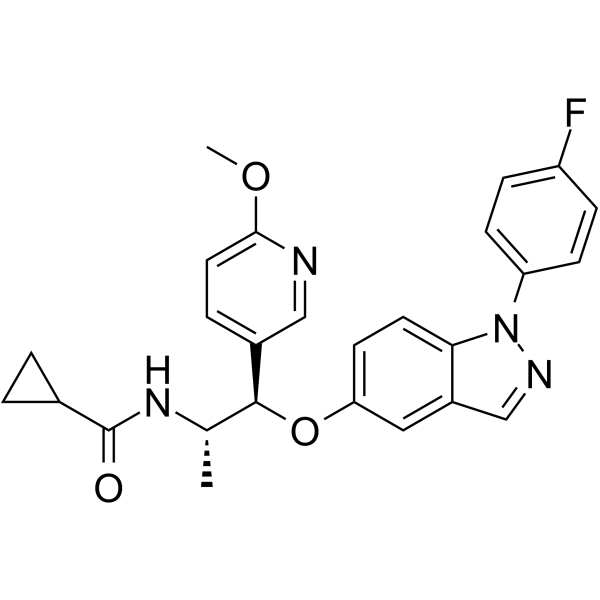
Mn007 is a potent inhibitor of bovine pancreatic DNase I, with the IC50 of 45 μM, by forming molecular aggregation. Mn007 shows suppression of S. pyogenes growth in human whole blood .
|
-
-
- HY-15321
-
|
MK-0663; L-791456
|
COX
|
Inflammation/Immunology
Cancer
|
|
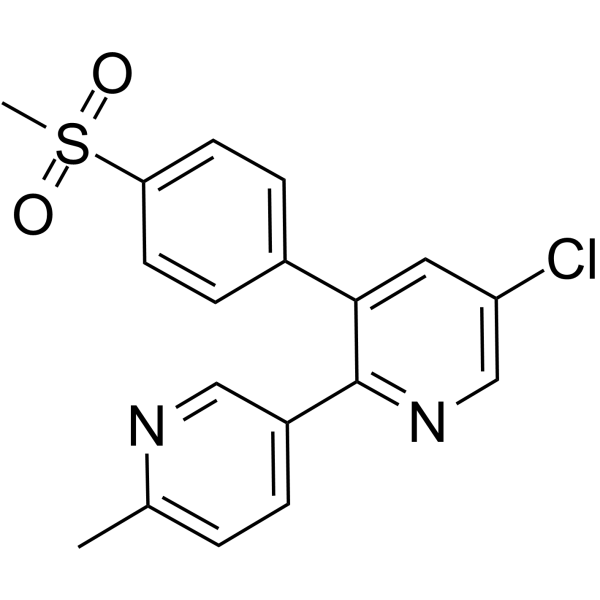
Etoricoxib (MK-0663) is a non steroidal anti-inflammatory agent, acting as a selective and orally active COX-2 inhibitor. Etoricoxib can cross the blood-brain barrier, with IC50s of 1.1 μM and 116 μM for COX-2 and COX-1 in human whole blood .
|
-
-
- HY-150508
-
MK-0159
1 Publications Verification
|
CD38
|
Cardiovascular Disease
Metabolic Disease
Inflammation/Immunology
|
|
MK-0159 is an orally active, potent and selective CD38 inhibitor, with IC50 values of 22, 3, and 70 nM for human, mouse and rat CD38, respectively. MK-0159 also shows good microsomal stability for human and rodent liver microsomes. MK-0159 increases NAD + (nicotinamide adenine dinucleotide) and reduces ADPR (adenosine diphosphate ribose) in whole blood and heart .
|
-
-
- HY-137892
-
|
|
Epigenetic Reader Domain
|
Inflammation/Immunology
|
|
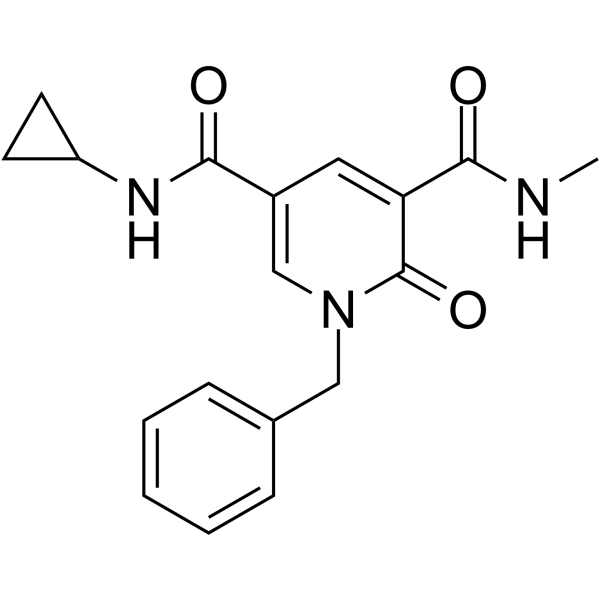
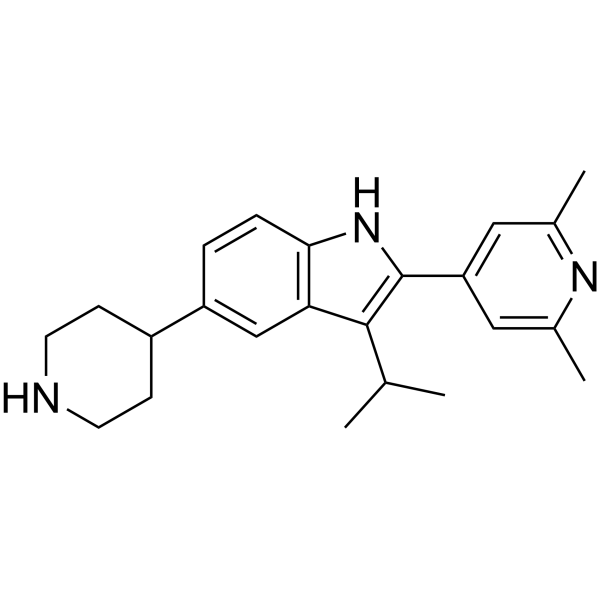
GSK620, a chemical probe, is a potent and orally active pan-BD2 inhibitor with excellent broad selectivity, developability and in vivo oral pharmacokinetics. GSK620 is highly selective for the BET-BD2 family of proteins, with >200-fold selectivity over all other bromodomains. GSK620 shows an anti-inflammatory phenotype in human whole blood .
|
-
-
- HY-176949
-
|
|
STAT
|
Inflammation/Immunology
|
|
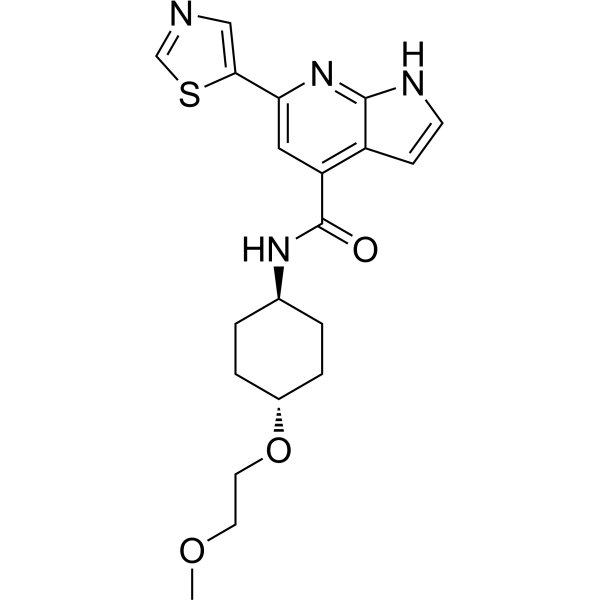
STAT6-IN-10 is a STAT6 (signal transducer and activator of transcription 6) inhibitor with an EC50 of 2 nM. STAT6-IN-10 can inhibit the secretion of CCL17 in human peripheral whole blood. STAT6-IN-10 can be used in the research of dermatological and respiratory system diseases .
|
-
-
- HY-10797
-
|
CJ-042794
|
Prostaglandin Receptor
|
Inflammation/Immunology
Endocrinology
|
|
CJ-42794 (CJ-042794) is a potent, orally active, selective prostaglandin E receptor 4 (EP4) antagonist with an IC50 value of 10 nM, which is 200-fold more selective than EP1, EP2 and EP3. CJ-42794 can be used in research of gastric ulcers .
|
-
-
- HY-20070
-
|
|
TNF Receptor
|
Inflammation/Immunology
|
|
BMS-566394 is a selective, orally active TACE (ADAM17) inhibitor. BMS-566394 inhibits LPS-induced TNF-α production in whole blood. BMS-566394 selectively inhibits TACE activity .
|
-
-
- HY-163159
-
|
|
NOD-like Receptor (NLR)
Interleukin Related
|
Inflammation/Immunology
|
|
NP3-562 is an orally active NLRP3 Inhibitor. NP3-562 inhibits IL-1β release in the supernatant of Nigericin (HY-127019)-stimulated THP-1 cells (IC50 = 66 nM), human whole blood (IC50 = 214 nM) and a mouse acute peritonitis model. NP3-562 can be used for the study of acute peritonitis .
|
-
-
- HY-120878
-
|
|
CXCR
|
Inflammation/Immunology
|
|
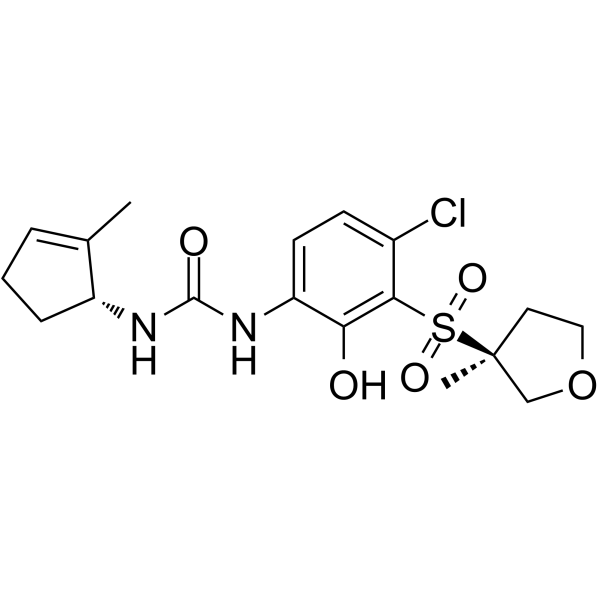
CXCR2-IN-2 is a selective, brain penetrant, and orally bioavailable CXCR2 antagonist (IC50=5.2 nM/1 nM in β-arrestin assay/CXCR2 Tango assay, respectively). CXCR2-IN-2 displays ~730-fold selectivity over CXCR1 and >1900-fold selectivity over all other chemokine receptors. CXCR2-IN-2 inhibits human whole blood Gro-α induced CD11b expression with an IC50 of 0.04 μM .
|
-
-
- HY-B0742
-
|
17α-Hydroxyprogesterone hexanoate; 17α-Hydroxyprogesterone caproate
|
Progesterone Receptor
|
Endocrinology
|
|
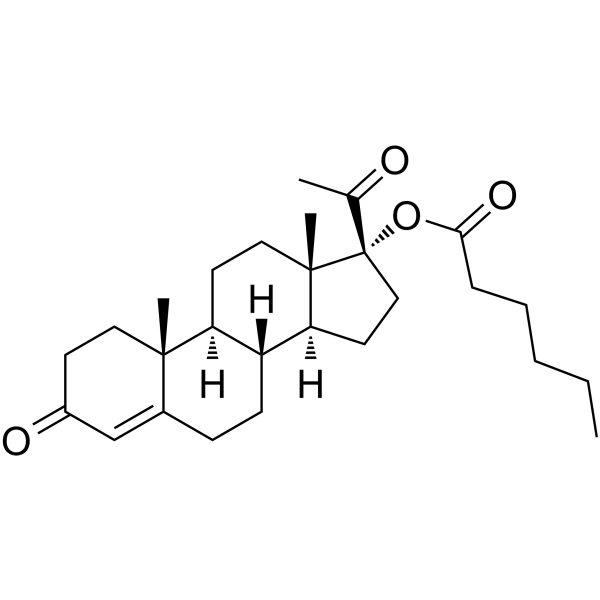
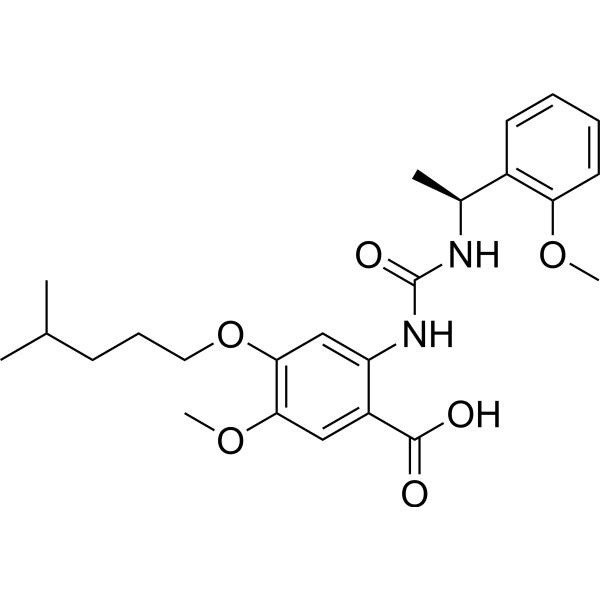
Hydroxyprogesterone caproate (17α-Hydroxyprogesterone hexanoate; 17α-Hydroxyprogesterone caproate) is a progesterone receptor (progesterone receptor) ligand and steroid hormone transcription inhibitor. Hydroxyprogesterone caproate downregulates estrogen receptors in target tissues and activates their metabolic pathways, and exhibits equivalent affinity for progesterone receptor A and progesterone receptor B. Hydroxyprogesterone caproate shows no consistent teratogenicity or developmental toxicity in rat, mouse and monkey models, but induces resorption or abortion in rhesus monkeys at human-equivalent doses. Hydroxyprogesterone caproate promotes the production of TNF-α in lipopolysaccharide-stimulated whole blood from non-pregnant women. Hydroxyprogesterone caproate can be used in scientific research related to preterm birth .
|
-
-
- HY-113854
-
AZD2906
1 Publications Verification
|
Glucocorticoid Receptor
|
Cardiovascular Disease
Endocrinology
|
|
AZD2906 is a selective glucocorticoid receptor (GR) agonist, increases micronucleated immature erythrocytes in the bone marrow of rats. AZD2906 shows IC50s of 2.2, 0.3, 41.6 and 7.5 nM at GR in human, rat PBMC and human, rat whole blood, respectively .
|
-
-
- HY-156961
-
|
GLPG3667
|
JAK
|
Inflammation/Immunology
|
|
Cadefrecitinib (GLPG3667) is a reversible, ATP-competitive and orally active TYK2 inhibitor with an IC50 of 2.3 nM. Cadefrecitinib inhibits IFNα/pSTAT1, and the IC50 values in human peripheral blood mononuclear cell (PBMC) and whole blood assays are 70 nM and 623 nM, respectively. Cadefrecitinib has the potential for the study of inflammatory and autoimmune diseases .
|
-
-
- HY-32018
-
|
|
MAP3K
|
Cancer
|
|
Cot inhibitor-2 is a potent, selective and orally active cot (Tpl2/MAP3K8) inhibitor with an IC50 of 1.6 nM. Cot inhibitor-2 inhibts TNF-α production in LPS-stimulated human whole blood with an IC50 of 0.3 μM .
|
-
-
- HY-128342
-
|
|
Complement System
|
Inflammation/Immunology
|
|
Compound C5-IN-1 (Compound 7) is a selective allosteric inhibitor of complement component protein C5. Compound C5-IN-1 prevents C5 from being cleaved by C5 convertase, inhibits the cleavage of C5 into C5a and C5b, and thus blocks the formation of membrane attack complex (MAC). Compound C5-IN-1 has an IC50 of 0.77 μM and 5 nM in 50% human whole blood and 2% human serum to block MAC deposition induced by zymosan, respectively. Compound C5-IN-1 can be used to study diseases related to complement overactivation, such as paroxysmal nocturnal hemoglobinuria (PNH) and atypical hemolytic uremic syndrome (aHUS) .
|
-
-
- HY-P99390
-
|
MCLA 117
|
CD3
Interleukin Related
IFNAR
TNF Receptor
|
Inflammation/Immunology
Cancer
|
|
Tepoditamab (MCLA-117) is a full-length human IgG1 bispecific monoclonal antibody that binds to CLEC12A of myeloid cells and CD3 of cytotoxic T cells. Among others, CLEC12A is a myeloid differentiation antigen. Tepoditamab kills AML leukaemia mother cells and AML leukaemia stem cells, induces T cell-mediated proliferative lysis of AML cells. Tepoditamab induces upto 30-fold T-cell expansion. Tepoditamab results in moderate to strong cytokine (IFNγ, IL-6, IL-8, IL-10, and TNFα) and IFNγ release in human whole blood and PBMC, respectively. Tepoditamab can be used in acute myeloid leukaemia (AML) research .
|
-
-
- HY-139589
-
|
ISC-27864; GRC-27864
|
PGE synthase
COX
Collagen
|
Neurological Disease
Inflammation/Immunology
|
|
Zaloglanstat (ISC-27864; GRC-27864) is a selective, orally active microsomal mPGES-1 inhibitor. Zaloglanstat has an IC50 of 5 nM for human mPGES-1 without significant inhibitory effect on COX-1/2 (IC50 >10 μM). Zaloglanstat blocks the conversion of arachidonic acid metabolite prostaglandin PGH2 to prostaglandin PGE2, thereby inhibiting inflammation-related PGE2 overproduction and reducing inflammatory responses and pain. Zaloglanstat inhibits IL-1β-induced PGE2 release in A549 cells and human synovial fibroblasts in vitro. Zaloglanstat inhibits PGE2 release in pig and dog whole blood with IC50s ??of 161 nM and 154 nM, respectively. Zaloglanstat can be used in the study of asthma, osteoarthritis, and neurodegenerative diseases .
|
-
-
- HY-153254
-
|
|
Toll-like Receptor (TLR)
|
Inflammation/Immunology
|
|
BMS905 is an orally active TLR7 and TLR8 dual inhibitor (IC50s: 0.7 and 3.2 nM respectively). BMS905 inhibits TLR7 or TLR8 induced IL-6 production in human/mouse whole blood. BMS905 can be used for research of lupus .
|
-
-
- HY-156409
-
|
|
JAK
|
Inflammation/Immunology
|
|
ABBV-712 is a selective and orally active inhibitor of Tyrosine kinase 2 (TYK2). ABBV-712 has EC50 values of 0.01, 0.19, and 0.17 μM for TYK2 JH2, TYK2 cells and human whole blood, respectively. ABBV-712 has anti-inflammatory activity and can be used in the research of autoimmune diseases .
|
-
-
- HY-150720
-
|
|
JAK
IFNAR
|
Inflammation/Immunology
|
|
TYK2-IN-12 (compound 30) is an orally active, potent and selective TYK2 (tyrosine kinase 2) inhibitor, with a Ki of 0.51 nM. TYK2-IN-12 inhibits IL-12 induced IFNγ, with IC50 values of 2.7 and 7.0 μM in human and mouse whole blood, respectively. TYK2-IN-12 can be used for psoriasis research .
|
-
-
- HY-18862
-
|
|
p38 MAPK
|
Inflammation/Immunology
|
|
PF-03715455 is a potent inhaled p38 MAPK inhibitor. PF-03715455 shows some selectivity for p38α over p38β with respective IC50 values of 0.88 and 23 nM. PF-03715455 potently inhibits LPS-induced TNFα production in human whole blood (IC50=1.7 nM). PF-03715455 has potential for the treatment of COPD (chronic obstructive pulmonary disease) .
|
-
-
- HY-P990068
-
|
SRF617
|
NTPDase
|
Inflammation/Immunology
Cancer
|
|
Perenostobart (SRF617) is a human IgG4 antibody with inhibitory activity against CD39 ATPase. Perenostobart inhibits CD39-mediated hydrolysis of extracellular ATP to AMP, with IC50 values of 1.9 nM (HEK293 OE cells), 0.7 nM (MOLP-8 cells), and 1.2 nM (RBC-lysed whole blood). Perenostobart enhances CD4 + T-cell proliferation, promotes dendritic cell maturation, and boosts inflammasome activation in macrophages in the presence of ATP. Perenostobart demonstrates significant single-agent anti-tumor efficacy in MOLP-8 and H520 xenograft models. Perenostobart can be used for the study of cancer .
|
-
-
- HY-173154B
-
|
|
Molecular Glues
NEKs
NOD-like Receptor (NLR)
Interleukin Related
|
Inflammation/Immunology
|
|
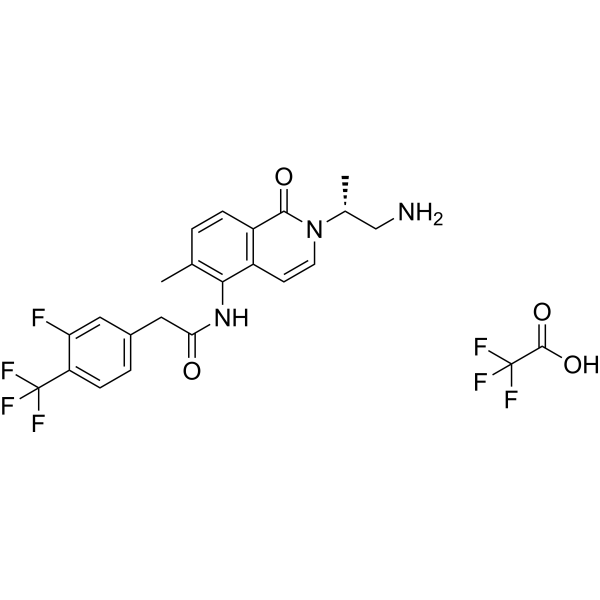
NK7-902 diTFA is a selective and orally active CRBN-dependent NEK7 molecular glue degrader with Kd values of 1.5 and 2.6 μM for hNEK7 and mNEK7. NK7-902 diTFA fully degrades NEK7 in human primary monocytes and whole blood but only partially inhibits NLRP3-dependent IL-1β production. NK7-902 diTFA shows activity in murine systems and induces a profound and long-lasting NEK7 degradation but only transiently blocks NLRP3 inflammasome activation. NK7-902 diTFA can be used for the research of inflammation, such as cryopyrin-associated periodic syndromes .
|
-
-
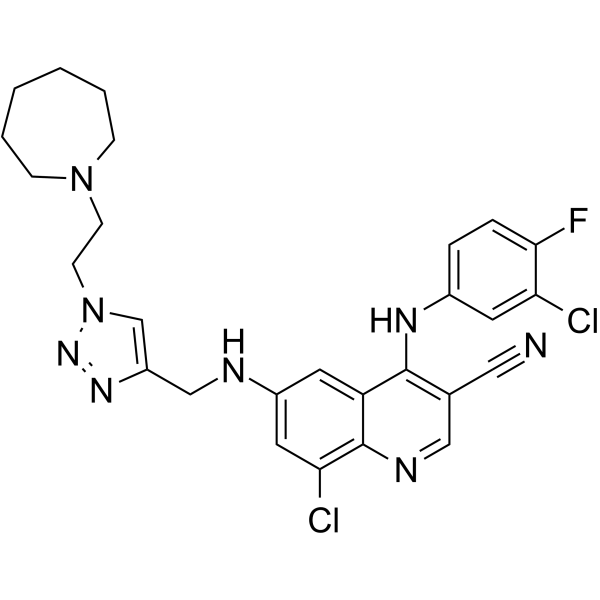
- HY-13344A
-
-
-
- HY-10437
-
|
MK-0633
|
Lipoxygenase
|
Inflammation/Immunology
|
|
Setileuton (MK-0633) is an inhibitor for 5-lipoxygenase, that inhibits the oxidation of arachidonic acid by recombinant human 5-LO, and the production of LTB4 in calcium ionophore-stimulated human whole blood, with IC50 of 3.9 and 52 nM, respectively .
|
-
-
- HY-15321S
-
|
MK-0663-d4; L-791456-d4
|
COX
|
Others
|
|
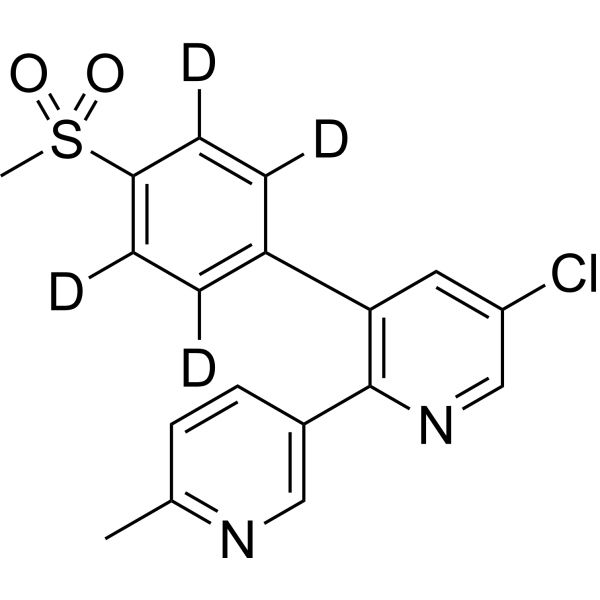
Etoricoxib-d4 (MK-0663-d4) is a deuterium labeled Etoricoxib. Etoricoxib is a non steroidal anti-inflammatory agent, acting as a selective and orally active COX-2 inhibitor, with IC50s of 1.1 μM and 116 μM for COX-2 and COX-1 in human whole blood.
|
-
-
- HY-138623
-
|
|
Epigenetic Reader Domain
TNF Receptor
Interleukin Related
|
Inflammation/Immunology
Cancer
|
|
GSK789 is a selective inhibitor of BET BD1. GSK789 inhibits the growth of leukemia cell lines. GSK789 inhibits LPS-stimulated production of MCP-1, TNFα and IL-6 in human whole blood. GSK789 exhibits antiproliferative, anti-inflammatory and immunomodulatory activities. GSK789 can be used in research related to cancers such as leukemia, as well as inflammatory and immune diseases .
|
-
-
- HY-111781
-
|
WS-413
|
Btk
|
Cancer
|
|
Civorebrutinib (WS-413) is a selective, orally active BTK and TEC inhibitor with an IC50 of <100 nM for both targets. Civorebrutinib inhibits B cell activation. Civorebrutinib significantly suppresses the in vivo growth of diffuse large B-cell lymphoma cells. Civorebrutinib can be used for the research of diffuse large B-cell lymphoma .
|
-
-
- HY-P990650
-
|
|
TREM receptor
|
Cancer
|
|
PY159 is a humanized antibody targeting TREM1/CD354. PY159 reprograms immunosuppressive intratumoral myeloid cells towards an inflammatory, anti-tumor phenotype, promotes anti-tumor immune responses, upregulates monocyte activation markers, and induces proinflammatory cytokines. PY159 can be used for the research of platinum-resistant ovarian cancer, advanced solid tumors, and advanced refractory solid tumors .
|
-
-
- HY-153673
-
|
|
IRAK
PROTACs
|
Cancer
|
|
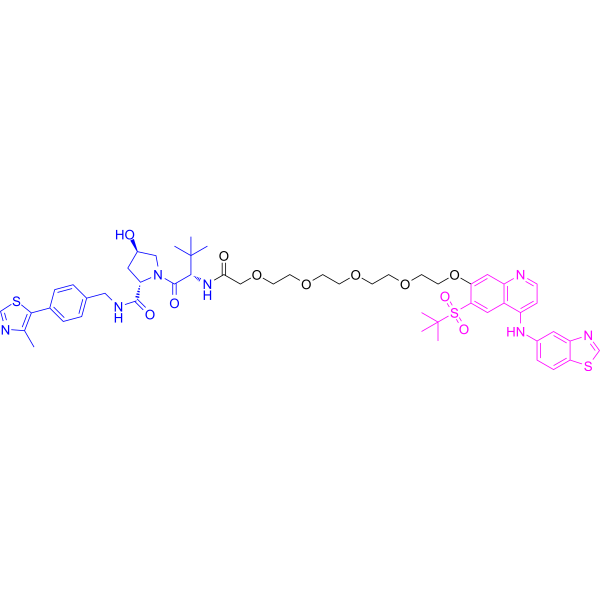
PROTAC IRAK4 degrader-8 (Compound 2) is a PROTAC IRAK4 degrader (IC50: 15.5 nM). PROTAC IRAK4 degrader-8 degrades IRAK4 in THP-1 cells (DC50: 1.8 nM)。PROTAC IRAK4 degrader-8 also inhibits L-6 production in human whole blood and LPS-induced human PBMC cells, with IC50s of 246 nM and 2.2 nM respectively .
|
-
-
- HY-153440
-
|
|
JAK
|
Cancer
|
|
JAK-IN-25 (compound 19) is a potent JAK inhibitor with IC50s of 6 nM, 21 nM, 8 nM, 1051 nM for TYK2, JAK1, JAK2, JAK3, respectively. JAK-IN-25 inhibits human whole blood IL-12 (HEB IL-12) with an IC50 of 28 nM. JAK-IN-25 has the potential for cancer research .
|
-
-
- HY-111140
-
|
|
PGE synthase
Lipoxygenase
PPAR
|
Inflammation/Immunology
|
|
YS121 is a dual inhibitor of microsomal prostaglandin E2 synthase-1 (mPGES-1; IC50 = 3.4 μM) and 5-lipoxygenase (5-LOX; IC50 = 6.5 μM). YS121 exhibits direct, reversible, and specific binding to mPGES-1 (KD = 10-14 μM) . YS121 dose-dependently reduces PGE2 production with an EC50 of 12 μM in IL-1β-stimulated A549 cells . YS121 (compound 9) activates PPAR-α and -γ (EC50 = 1 and 3.6 μM, respectively) . YS121 exhibits anti-inflammatory efficiency in human whole blood as well as in vivo. YS121 can be used for pleurisy research .
|
-
-
- HY-107275
-
|
|
Cholinesterase (ChE)
|
Neurological Disease
|
|
Ebeiedinone, a steroidal alkaloid from Fritillaria species, inhibits the bioactivity of human whole blood cholinesterase (ChE) at the concentration of 0.1 mM, with the inhibitory effects of 69.0% .
|
-
-
- HY-123789
-
|
|
Toll-like Receptor (TLR)
|
Inflammation/Immunology
|
|
T-5342126 is a toll-like receptor 4 (TLR4) antagonist. It reduces LPS-induced production of nitric oxide (NO) in RAW 264.7 cells (IC50=27.8 μM), as well as decreases LPS-induced IL-8, TNF-α, and IL-6 production in isolated human whole blood (IC50s=110.5, 315.6, and 318.4 μM, respectively). T-5342126 (82 mg/kg) reduces ethanol intake and the abundance of ionized calcium-binding adapter molecule 1 (Iba1), a marker of microglial activation, in the central nucleus of the amygdala in ethanol-dependent mice.
|
-
-
- HY-B0742R
-
|
17α-Hydroxyprogesterone hexanoate(Standard); 17α-Hydroxyprogesterone caproate (Standard)
|
Reference Standards
Progesterone Receptor
|
Others
|
|
Hydroxyprogesterone caproate (Standard) is the analytical standard of Hydroxyprogesterone caproate. This product is intended for research and analytical applications. Hydroxyprogesterone caproate (17α-Hydroxyprogesterone hexanoate; 17α-Hydroxyprogesterone caproate) is a progesterone receptor (progesterone receptor) ligand and steroid hormone transcription inhibitor. Hydroxyprogesterone caproate downregulates estrogen receptors in target tissues and activates their metabolic pathways, and exhibits equivalent affinity for progesterone receptor A and progesterone receptor B. Hydroxyprogesterone caproate shows no consistent teratogenicity or developmental toxicity in rat, mouse and monkey models, but induces resorption or abortion in rhesus monkeys at human-equivalent doses. Hydroxyprogesterone caproate promotes the production of TNF-α in lipopolysaccharide-stimulated whole blood from non-pregnant women. Hydroxyprogesterone caproate can be used in scientific research related to preterm birth .
|
-
-
- HY-136527
-
|
|
ROR
Interleukin Related
|
Inflammation/Immunology
|
|
BMS-986251 is an orally active and selective RORγt inverse agonist with an EC50 of 12 nM for RORγt GAL4. BMS-986251 inhibits IL-17 with an EC50 of 24 nM in human whole blood assay. BMS-986251 demonstrates robust efficacy in mouse acanthosis and Imiquimod-induced (HY-B0180) models (preclinical models of psoriasis) .
|
-
-
- HY-169430
-
|
|
PGE synthase
|
|
|
AGU654 (Compound 44) is a selective mPGES-1 inhibitor with an IC50 of 2.9 nM against mPGES-1. AGU654 inhibits mPGES-1 to block the pathway converting arachidonic acid into prostaglandin E2 (PGE2) by COX-1/2, thereby alleviating inflammatory responses, pain, and fever. In activated human monocyte-derived macrophages and human whole blood models, AGU654 selectively suppresses bacterial exotoxin-induced PGE2 production while preserving the production of other prostaglandins. In guinea pig models, AGU654 significantly alleviates fever, inflammation, and inflammatory pain, exhibiting excellent anti-inflammatory, analgesic, and antipyretic effects. AGU654 holds promise as a strategy for studying inflammatory diseases and pain .
|
-
-
- HY-169908
-
|
|
STAT
|
Cancer
|
|
STAT3-IN-37 (Compound 101) is the inhibitor for STAT3 with an IC50 of 15 nM (measuring by DNA-HTRF assay) or 2 nM (measuring by human whole blood SOCS3 qPCR assay) .
|
-
-
- HY-18725
-
-
-
- HY-151894
-
|
|
Epigenetic Reader Domain
|
Cancer
|
|
I-BET432 is a BET inhibitor. I-BET432 inhibits BRD4 N-terminal bromodomain (BD1) and the C-terminal bromodomain (BD2) with pIC50 values of 7.5 and 7.2, respectively. I-BET432 can be used as an oral candidate quality molecule for the research of multiple oncology and inflammatory diseases .
|
-
-
- HY-32015
-
|
|
MAP3K
|
Inflammation/Immunology
|
|
Cot inhibitor-1 (compound 28) is a selective tumor progression loci-2 (Tpl2) kinase inhibitor with an IC50 of 28 nM. Cot inhibitor-1 shows an inhibition of TNF-alpha production in human whole blood with an IC50 of 5.7 nM .
|
-
-
- HY-122558
-
|
|
Prostaglandin Receptor
|
Neurological Disease
|
|
AM432 (sodium) is a potent and selective antagonist of the DP2 receptor (CRTH2). AM432 (sodium) exhibits excellent potency in a human whole blood eosinophil shape change assay with prolonged incubation. AM432 (sodium) also demonstrates excellent pharmacokinetics in dog and mouse models of inflammatory disease .
|
-
-
- HY-14166A
-
|
L 663536 sodium salt
|
PPAR
Apoptosis
Leukotriene Receptor
FLAP
|
Cancer
|
|
MK-886 (L 663536) sodium salt is a potent, cell-permeable and orally active FLAP (IC50 of 30 nM) and leukotriene biosynthesis (IC50s of 3 nM and 1.1 μM in intact leukocytes and human whole blood, respectively) inhibitor. MK-886 sodium salt is also a non-competitive PPARα antagonist and can induce apoptosis .
|
-
-
- HY-15321R
-
|
MK-0663 (Standard); L-791456 (Standard)
|
Reference Standards
COX
|
Inflammation/Immunology
Cancer
|
|
Etoricoxib (Standard) is the analytical standard of Etoricoxib. This product is intended for research and analytical applications. Etoricoxib (MK-0663) is a non steroidal anti-inflammatory agent, acting as a selective and orally active COX-2 inhibitor, with IC50s of 1.1 μM and 116 μM for COX-2 and COX-1 in human whole blood.
|
-
-
- HY-15321S2
-
|
MK-0663-d3; L-791456-d3
|
COX
|
Inflammation/Immunology
|
|
Etoricoxib-d3 is the deuterium labeled Etoricoxib . Etoricoxib (MK-0663) is a non steroidal anti-inflammatory agent, acting as a selective and orally active COX-2 inhibitor, with IC50s of 1.1 μM and 116 μM for COX-2 and COX-1 in human whole blood .
|
-
-
- HY-100864
-
|
|
PGE synthase
|
Inflammation/Immunology
|
|
mPGES1-IN-3 (Compound 17d) is a potent and selective microsomal prostaglandin E2 synthase-1 (mPGES-1) inhibitor, which exhibits excellent mPGES-1 enzyme (IC50: 8 nM), cell (A549 IC50: 16.24 nM) and human whole blood potency (IC50: 249.9 nM) .
|
-
-
- HY-12995A
-
|
|
FLAP
|
Inflammation/Immunology
|
|
(S)-BI 665915 is an orally active oxadiazole-containing 5-lipoxygenase-activating protein (FLAP) inhibitor with an IC50 of 1.7 nM for FLAP binding. (S)-BI 665915 inhibits FLAP functional in human whole blood with an IC50 of 45 nM. (S)-BI 665915 demonstrates an excellent cross-species agent metabolism and pharmacokinetics (DMPK) profile and a dose-dependent inhibition of LTB4 production .
|
-
-
- HY-14166R
-
|
L 663536 (Standard)
|
FLAP
Leukotriene Receptor
PPAR
Apoptosis
Reference Standards
|
Cancer
|
|
MK-886 (Standard) is the analytical standard of MK-886. This product is intended for research and analytical applications. MK-886 (L 663536) is a potent, cell-permeable and orally active FLAP (IC50 of 30 nM) and leukotriene biosynthesis (IC50s of 3 nM and 1.1 μM in intact leukocytes and human whole blood, respectively) inhibitor. MK-886 is also a non-competitive PPARα antagonist and can induce apoptosis .
|
-
-
- HY-U00170
-
-
- HY-10437A
-
|
MK-0633 tosylate
|
Lipoxygenase
|
Inflammation/Immunology
|
|
Setileuton tosylate is an inhibitor for 5-lipoxygenase, that inhibits the oxidation of arachidonic acid by recombinant human 5-LO, and the production of LTB4 in calcium ionophore-stimulated human whole blood, with IC50 of 3.9 and 52 nM, respectively .
|
-
- HY-172195
-
|
|
p38 MAPK
|
Inflammation/Immunology
|
|
FS-694, a chemical probe, is the inhibitor for p38α with an IC50 of 0.2 nM. FS-694 inhibits the TNFα release in human whole blood with an IC50 of 35.0 nM .
|
-
- HY-106093
-
|
|
COX
|
Inflammation/Immunology
|
|
Eltenac, a non-steroidal anti-inflammatory drug (NSAID), is a COX inhibitor. Eltenac shows IC50 of 0.03 μM for both COX-1 and COX-2 in isolated human whole blood .
|
-
- HY-18725A
-
-
- HY-120606
-
|
|
Lipoxygenase
|
Inflammation/Immunology
|
A-78773 is a 5-lipoxygenase inhibitor. A-78773 can inhibit the formation of LTB4 in human whole blood and human neutrophils, with IC50 values of 85 nM and 20 nM, respectively. A-78773 can be used in the study of inflammation-related diseases .
|
-
- HY-13344AR
-
|
|
Phosphodiesterase (PDE)
|
Inflammation/Immunology
Cancer
|
|
PF-8380 (hydrochloride) (Standard) is the analytical standard of PF-8380 (hydrochloride). This product is intended for research and analytical applications. PF-8380 hydrochloride is a potent autotaxin inhibitor with an IC50 of 2.8 nM in isolated enzyme assay and 101 nM in human whole blood.
|
-
- HY-13344R
-
|
|
Phosphodiesterase (PDE)
|
Inflammation/Immunology
Cancer
|
|
PF-8380 (Standard) is the analytical standard of PF-8380. This product is intended for research and analytical applications. PF-8380 is a potent autotaxin inhibitor with an IC50 of 2.8 nM in isolated enzyme assay and 101 nM in human whole blood.
|
-
- HY-12159
-
|
|
Integrin
|
Inflammation/Immunology
|
|
MK-0668 is an amino acid-based, potent antagonist of unactivated VLA-4, with an IC50) of 0.13 nM in human whole blood. And MK-0668 exhibits IC50s of 0.19 nM in dogs, 0.21 nM in rhesus monkeys, and 0.4 nM in rats .
|
-
- HY-12159A
-
|
|
Integrin
|
Inflammation/Immunology
|
|
MK-0668 mesylate is an amino acid-based, potent antagonist of unactivated VLA-4, with an IC50) of 0.13 nM in human whole blood. And MK-0668 mesylate exhibits IC50s of 0.19 nM in dogs, 0.21 nM in rhesus monkeys, and 0.4 nM in rats .
|
-
- HY-W419570
-
|
|
P2Y Receptor
|
Cardiovascular Disease
|
|
(Rac)-BX 048 is a BX 048 racemate. BX 048 is a P2Y12 receptor antagonist. BX 048 inhibits ADP-induced platelet aggregation in human, dog and rat whole blood. BX 048 also inhibits Arachidonic acid (HY-109590) induced platelet aggregation (IC50 of 15 μM) .
|
-
- HY-105933
-
|
|
Lipoxygenase
COX
Leukotriene Receptor
|
Inflammation/Immunology
|
|
L-652343 is a dual cyclooxygenase/lipoxygenase inhibitor. L-652343 can inhibit the production of LTB4 in isolated human polymorphonuclear leukocytes treated with Calcimycin (HY-N6687) (IC50: 1.4 μM), but it is inactive in whole blood. L-652343 can be used in the research of inflammatory and immune diseases .
|
-
- HY-170364
-
-
- HY-14165A
-
|
(S)-BAY X 1005; (S)-DG-031
|
Leukotriene Receptor
FLAP
|
Inflammation/Immunology
|
|
(S)-Veliflapon ((S)-BAY X 1005) is an orally active inhibitor of leukotriene biosynthesis and 5-lipoxygenase activating protein (FLAP). (S)-Veliflapon inhibits the formation of leukotriene B4 (LTB4) in rat, mouse and human leukocytes with IC50 values of 0.026 µM, 0.039 µM and 0.22 µM respectively. (S)-Veliflapon showes enantioselectivity in human whole blood .
|
-
- HY-15321S1
-
|
MK-0663-13C,d3; L-791456-13C,d3
|
Isotope-Labeled Compounds
COX
|
Inflammation/Immunology
Cancer
|
|
Etoricoxib- 13C,d3 is the 13C- and deuterium labeled Etoricoxib. Etoricoxib (MK-0663) is a non steroidal anti-inflammatory agent, acting as a selective and orally active COX-2 inhibitor, with IC50s of 1.1 μM and 116 μM for COX-2 and COX-1 in human whole blood.
|
-
- HY-105424
-
|
|
COX
|
Inflammation/Immunology
|
|
Florifenine is a selective cyclooxygenase (COX) inhibitor with anti-inflammatory activity. Florifenine inhibits TXB2 in human whole blood with an IC50 of 32.5 nM. Florifenine exhibits anti-inflammatory effects in ear oedema. Florifenine inhibits neutrophil migration and reduces PGE2 levles in the inflamed ears. Florifenine inhibits leukocyte migration and PGE2 levels in the air pouch inflammation induced by Zymosan (HY-159069). Florifenine can be used for anti-inflammatory research .
|
-
- HY-125975
-
|
|
Lipoxygenase
|
Inflammation/Immunology
|
|
1-Naphthyl 3,5-dinitrobenzoate is a potent 5-lipoxygenase inhibitor with IC50 values of 1.04 µM and 3.6 µM for 5-LOX and mPGES-1, respectively. 1-Naphthyl 3,5-dinitrobenzoate has strong inhibition activity in the human whole blood (HWB) assay with an IC50 value of 8.6 μM. 1-Naphthyl 3,5-dinitrobenzoate can be used in research of inflammation .
|
-
- HY-118156
-
|
|
Others
|
Others
|
|
L-699333 is a 5-lipoxygenase (5-LO) inhibitor belonging to the thieno[2,3,4-cd]indole class. This compound has a 2-ethoxybutyric acid side chain and is a potent inhibitor of the biosynthesis of 5-HPETE and LTB4 produced from human 5-LO, with ICm values of 22 nM, 7 nM, and 3.8 pM for human neutrophils and whole blood, respectively. L-699333 has shown anti-inflammatory and antiasthmatic effects in a variety of animal models, including rat pleurisy models, antigen-induced wheezing models, and awake macaque and sheep asthma models. Its inhibition of 5-LO is highly selective, with higher ICm values or stronger competitive inhibition in FLAP binding assays compared to inhibition of human 15-LO, porcine 12-LO, and ram epididymal cyclooxygenase. The racemic enantiomer 14g of L-699333 is the most potent enantiomer to date, with inhibitory effects similar to those of the known MK-0591, which has been shown in clinical trials to inhibit the biochemical effects of LTB4 biosynthesis in vitro and LTE4 excretion in urine.
|
-
- HY-181884
-
|
|
|
Inflammation/Immunology
|
|
TLR9-IN-3 is a TLR9 antagonist with an IC50 of 0.4 μM. TLR9-IN-3 shows selectivity for TLR4 and TLR8, and inhibits CD69 activation in human whole blood with a corresponding IC50 of 1.1 μM. TLR9-IN-3 can be used in research related to pulmonary fibrosis .
|
-
- HY-185379
-
|
|
STING
|
Inflammation/Immunology
|
|
STING antagonist-3 is a potent STING antagonist with an IC50 of 2.3 nM against human wild-type STING. STING antagonist-3 inhibits human wild-type STING and the gain-of-function STING mutants N154S and V155M. STING antagonist-3 suppresses IFN‑α2a production in stimulated human whole blood. STING antagonist-3 inhibits IP-10 production in activated human dermal microvascular endothelial cells (HMVEC-d). STING antagonist-3 can be used for the research of autoimmune diseases, autoinflammatory diseases, interferonopathies, and fibrotic disorders .
|
-
- HY-171739
-
|
|
Endogenous Metabolite
|
Others
|
|
PLPEth (16:0/18:2 PEth) is a predominant phosphatidylethanol homologue and can be used as direct biomarker for long-term alcohol use .
|
-
- HY-181003
-
|
|
Epigenetic Reader Domain
|
Cancer
|
|
GSK785 is a BRD2/4-selective, BRD3-sparing bivalent BET inhibitor. GSK785 inhibits production of the MCP1 cytokine in human whole blood. GSK785 can be used for the research of cancer .
|
-
- HY-183750
-
|
|
Cholinesterase (ChE)
|
Metabolic Disease
|
|
BChE reactivator-1 is a human butyrylcholinesterase (BChE) activator and antidote, with a Ki value of 0.52 μM against human BChE. BChE reactivator-1 activates BChE inhibited by organophosphorus compounds, binds reversibly to native BChE, and restores cholinesterase activity in human whole blood. BChE reactivator-1 is applicable to research related to organophosphorus poisoning .
|
-
- HY-W741033
-
|
|
Drug Metabolite
|
Others
|
|
Demeton-S sulfone is an oxidative metabolite of the organophosphorus insecticide Disulfoton .
|
-
- HY-153504
-
|
|
TNF Receptor
|
Inflammation/Immunology
|
|
TACE-IN-1 is an orally active hydantoin-based tumor necrosis factor-α converting enzyme (TACE) inhibitor. TACE-IN-1 inhibits the production of TNF-α in human whole blood. TACE-IN-1 can be prepared as a stable neutral form. TACE-IN-1 can be used in anti-inflammatory research .
|
-
- HY-10797R
-
|
CJ-042794 (Standard)
|
Reference Standards
Prostaglandin Receptor
|
Inflammation/Immunology
Endocrinology
|
|
CJ-42794 (Standard) is the analytical standard of CJ-42794 (HY-10797). This product is intended for research and analytical applications. CJ-42794 (CJ-042794) is a potent, orally active, selective prostaglandin E receptor 4 (EP4) antagonist with an IC50 value of 10 nM, which is 200-fold more selective than EP1, EP2 and EP3. CJ-42794 can be used in research of gastric ulcers .
|
-
- HY-W1011921
-
-
- HY-18794
-
|
|
p38 MAPK
TNF Receptor
Interleukin Related
|
Inflammation/Immunology
|
|
R-03201195 is an efficient and selective p38 MAP kinase inhibitor with an IC50 for p38α of 0.7 nM. R-03201195 has inhibitory activity against TNF-α in THP-1 cells and against IL-1β in human whole blood, with IC50 values of 0.25 and 0.57 nM respectively. R-03201195 can be used for inflammatory diseases such as rheumatoid arthritis .
|
-
- HY-182630
-
|
|
Interleukin Related
TNF Receptor
|
Inflammation/Immunology
|
|
CJ-14897 is a cytokine production inhibitor, with IC50 values of 0.059 μM and 0.59 μM for IL-1β and TNF-α production, respectively, and an IC50 of 180 μM for leucine uptake. CJ-14897 is isolated from the fermentation broth of the basidiomycete Marasmius strain CL21624 .
|
-
- HY-125089
-
|
|
FLAP
|
Inflammation/Immunology
|
|
AM-643 is a FLAP inhibitor with human IC50 of 2 nM, oral activity, and dermal activity.AM-643 selectively inhibits FLAP, reduces leukotriene biosynthesis and reduces inflammatory ear swelling.AM-643 can be used for the research of skin disorders involving leukotriene production .
|
-
- HY-122144
-
|
Teroxirone
|
Endogenous Metabolite
|
Cancer
|
|
α-Triglycidyl isocyanurate (Teroxirone) is an antitumor compound with activity to inhibit DNA replication. α-Triglycidyl isocyanurate exerts its anticancer effect by alkylating and cross-linking DNA. α-Triglycidyl isocyanurate is relatively stable in fresh human plasma and whole blood, showing good biocompatibility. The metabolism of α-Triglycidyl isocyanurate mainly occurs in rat liver and is metabolized through an NADPH-independent pathway. The cytotoxicity of α-Triglycidyl isocyanurate can be partially restored under specific conditions, suggesting the complexity of its metabolic pathway .
|
-
- HY-D3274
-
|
|
Fluorescent Dye
|
Others
|
|
PE-Cy5 is a tandem fluorescent dye commonly used in flow cytometry, immunofluorescence, and cell biology research. It is formed by the covalent linkage of two fluorescent molecules, namely phycoerythrin and CY5. PE-Cy5 binds to human FcγRI (CD64), and this binding can be blocked by human pooled serum, anti-CD64 monoclonal antibodies targeting the ligand-binding region, or aggregated IgG. PE-Cy5 supports three-color flow cytometry analysis, and whole blood staining can partially reduce its non-specific binding (Ex/Em = 450-500 nm/665 nm) .
|
-
- HY-182406
-
|
|
Ser/Thr Protease
|
Cardiovascular Disease
|
|
CU-2010 is a Serine protease inhibitor. In canine models, CU-2010 reduces blood loss after cardiac surgery in a dose-dependent manner and improves post-ischemic recovery .
|
-
- HY-185073
-
|
|
STAT
|
Inflammation/Immunology
|
|
STAT6-IN-11 is a STAT6 inhibitor with an EC50 of 0.006 μM. STAT6-IN-11 can be used for the research of dermatological condition or respiratory conditions .
|
-
- HY-181929
-
|
H018
|
JAK
|
Inflammation/Immunology
|
RAI-20 (H018) is an orally active JAK1/JAK2 dual inhibitor (IC50=15.1 and 22.7 nM). RAI-20 exhibits excellent pharmacokinetic properties, including plasma stability, systemic exposure, and a long half-life. In a collagen-induced arthritis rat model, RAI-20 shows significant anti-inflammatory and anti-arthritic activities, effectively reducing paw swelling volume and arthritis index. RAI-20 can be used for research on the pathogenesis of rheumatoid arthritis .
|
-
- HY-182335
-
|
|
Itk
Trk Receptor
Interleukin Related
IFNAR
|
Inflammation/Immunology
|
|
PF-07245303 is a ITK/TRK inhibitor. PF-07245303 reduces the production of inflammatory cytokines such as IL-4 and IFNγ, and inhibits the phosphorylation of PLCγ1. PF-07245303 inhibits nerve growth factor-induced basophil activation and the phosphorylation of TRKA. PF-07245303 reduces oxazolone-induced ear swelling in mouse ear tissues. PF-07245303 is applicable to research related to atopic dermatitis .
|
-
- HY-182579
-
|
|
p38 MAPK
TNF Receptor
Interleukin Related
|
Inflammation/Immunology
|
|
CBS-3408 is an orally active p38α MAPK inhibitor. CBS-3408 inhibits the release of TNFα and IL-1β. CBS-3408 reduces the disease severity of arthritis in mice. CBS-3408 inhibits TNFα release in a rat endotoxemia model. CBS-3408 can be used in studies related to endotoxemia and arthritis .
|
-
- HY-B0742S1
-
|
17α-Hydroxyprogesterone hexanoate-d8; 17α-Hydroxyprogesterone caproate-d8
|
Isotope-Labeled Compounds
Progesterone Receptor
|
Others
|
|
Hydroxyprogesterone caproate-d8 (17α-Hydroxyprogesterone hexanoate-d8) is the deuterium labeled Hydroxyprogesterone caproate (HY-B0742). Hydroxyprogesterone caproate (17α-Hydroxyprogesterone hexanoate; 17α-Hydroxyprogesterone caproate) is a progesterone receptor (progesterone receptor) ligand and steroid hormone transcription inhibitor. Hydroxyprogesterone caproate downregulates estrogen receptors in target tissues and activates their metabolic pathways, and exhibits equivalent affinity for progesterone receptor A and progesterone receptor B. Hydroxyprogesterone caproate shows no consistent teratogenicity or developmental toxicity in rat, mouse and monkey models, but induces resorption or abortion in rhesus monkeys at human-equivalent doses. Hydroxyprogesterone caproate promotes the production of TNF-α in lipopolysaccharide-stimulated whole blood from non-pregnant women. Hydroxyprogesterone caproate can be used in scientific research related to preterm birth .
|
-
- HY-P991921
-
|
|
TNF Receptor
Fc Receptor (FcR)
|
Cardiovascular Disease
Endocrinology
|
|
TNX-1500 is a crystallizable fragment-modified anti-CD154 antibody. TNX-1500 contains the hu5c8 fragment antigen-binding (Fab) domain from Ruplizumab (HY-P99315) and an IgG4 Fc region engineered to reduce FcγRIIa binding. TNX-1500 has significantly weaker binding affinity to FcγRI, FcγRIIaH, FcγRIIbF, FcγRIIIaF, and FcγRIIIaV compared to hu5c8 (Kd values: 8.7 nM, 7100 nM, 4900 nM, 8000 nM, 6000 nM respectively). TNX-1500 prolongs nonhuman primate renal allograft survival, prolongs nonhuman primate cardiac allograft survival. TNX-1500 can be used for the research of allograft rejection [1] [2].
|
-
- HY-186072
-
|
|
NOD-like Receptor (NLR)
Interleukin Related
Cytochrome P450
|
Neurological Disease
Metabolic Disease
Inflammation/Immunology
|
|
NT-0527 is a selective, orally active, and brain-permeable NLRP3 inflammasome inhibitor. NT-0527 can specifically block the formation of the NLRP3 inflammasome, resulting in the reduction in the maturation and release of IL-1β, exhibit inhibition on CYP2C19. NT-0527 displays anti-inflammatory activity in the mouse LPS (HY-D1056) /ATP (HY-B2176)-induced peritonitis model. NT-0527 can be used for the research of neuroinflammatory disorders (Parkinson's disease, Alzheimer's disease, amyotrophic lateral sclerosis) and peripheral inflammatory disorders (type II diabetes, atherosclerosis, gout, etc.) associated with NLRP3 inflammasome .
|
-
| Cat. No. |
Product Name |
Type |
-
- HY-D3274
-
|
|
Fluorescent Dyes
|
|
PE-Cy5 is a tandem fluorescent dye commonly used in flow cytometry, immunofluorescence, and cell biology research. It is formed by the covalent linkage of two fluorescent molecules, namely phycoerythrin and CY5. PE-Cy5 binds to human FcγRI (CD64), and this binding can be blocked by human pooled serum, anti-CD64 monoclonal antibodies targeting the ligand-binding region, or aggregated IgG. PE-Cy5 supports three-color flow cytometry analysis, and whole blood staining can partially reduce its non-specific binding (Ex/Em = 450-500 nm/665 nm) .
|
| Cat. No. |
Product Name |
Target |
Research Area |
Image |
-
- HY-P99390
-
|
MCLA 117
|
CD3
Interleukin Related
IFNAR
TNF Receptor
|
Inflammation/Immunology
Cancer
|
|
Tepoditamab (MCLA-117) is a full-length human IgG1 bispecific monoclonal antibody that binds to CLEC12A of myeloid cells and CD3 of cytotoxic T cells. Among others, CLEC12A is a myeloid differentiation antigen. Tepoditamab kills AML leukaemia mother cells and AML leukaemia stem cells, induces T cell-mediated proliferative lysis of AML cells. Tepoditamab induces upto 30-fold T-cell expansion. Tepoditamab results in moderate to strong cytokine (IFNγ, IL-6, IL-8, IL-10, and TNFα) and IFNγ release in human whole blood and PBMC, respectively. Tepoditamab can be used in acute myeloid leukaemia (AML) research .
|
-
(5)
-
- HY-P990068
-
|
SRF617
|
NTPDase
|
Inflammation/Immunology
Cancer
|
|
Perenostobart (SRF617) is a human IgG4 antibody with inhibitory activity against CD39 ATPase. Perenostobart inhibits CD39-mediated hydrolysis of extracellular ATP to AMP, with IC50 values of 1.9 nM (HEK293 OE cells), 0.7 nM (MOLP-8 cells), and 1.2 nM (RBC-lysed whole blood). Perenostobart enhances CD4 + T-cell proliferation, promotes dendritic cell maturation, and boosts inflammasome activation in macrophages in the presence of ATP. Perenostobart demonstrates significant single-agent anti-tumor efficacy in MOLP-8 and H520 xenograft models. Perenostobart can be used for the study of cancer .
|
-
(5)
-
- HY-P990650
-
|
|
TREM receptor
|
Cancer
|
|
PY159 is a humanized antibody targeting TREM1/CD354. PY159 reprograms immunosuppressive intratumoral myeloid cells towards an inflammatory, anti-tumor phenotype, promotes anti-tumor immune responses, upregulates monocyte activation markers, and induces proinflammatory cytokines. PY159 can be used for the research of platinum-resistant ovarian cancer, advanced solid tumors, and advanced refractory solid tumors .
|
-
(5)
-
- HY-P991921
-
|
|
TNF Receptor
Fc Receptor (FcR)
|
Cardiovascular Disease
Endocrinology
|
|
TNX-1500 is a crystallizable fragment-modified anti-CD154 antibody. TNX-1500 contains the hu5c8 fragment antigen-binding (Fab) domain from Ruplizumab (HY-P99315) and an IgG4 Fc region engineered to reduce FcγRIIa binding. TNX-1500 has significantly weaker binding affinity to FcγRI, FcγRIIaH, FcγRIIbF, FcγRIIIaF, and FcγRIIIaV compared to hu5c8 (Kd values: 8.7 nM, 7100 nM, 4900 nM, 8000 nM, 6000 nM respectively). TNX-1500 prolongs nonhuman primate renal allograft survival, prolongs nonhuman primate cardiac allograft survival. TNX-1500 can be used for the research of allograft rejection [1] [2].
|
-
(5)
| Cat. No. |
Product Name |
Category |
Target |
Chemical Structure |
| Cat. No. |
Product Name |
Chemical Structure |
-
- HY-15321S
-
1 Publications Verification
|
|
Etoricoxib-d4 (MK-0663-d4) is a deuterium labeled Etoricoxib. Etoricoxib is a non steroidal anti-inflammatory agent, acting as a selective and orally active COX-2 inhibitor, with IC50s of 1.1 μM and 116 μM for COX-2 and COX-1 in human whole blood.
|
-
-
- HY-15321S2
-
|
|
|
Etoricoxib-d3 is the deuterium labeled Etoricoxib . Etoricoxib (MK-0663) is a non steroidal anti-inflammatory agent, acting as a selective and orally active COX-2 inhibitor, with IC50s of 1.1 μM and 116 μM for COX-2 and COX-1 in human whole blood .
|
-
-
- HY-15321S1
-
|
|
|
Etoricoxib- 13C,d3 is the 13C- and deuterium labeled Etoricoxib. Etoricoxib (MK-0663) is a non steroidal anti-inflammatory agent, acting as a selective and orally active COX-2 inhibitor, with IC50s of 1.1 μM and 116 μM for COX-2 and COX-1 in human whole blood.
|
-
-
- HY-B0742S1
-
|
|
|
Hydroxyprogesterone caproate-d8 (17α-Hydroxyprogesterone hexanoate-d8) is the deuterium labeled Hydroxyprogesterone caproate (HY-B0742). Hydroxyprogesterone caproate (17α-Hydroxyprogesterone hexanoate; 17α-Hydroxyprogesterone caproate) is a progesterone receptor (progesterone receptor) ligand and steroid hormone transcription inhibitor. Hydroxyprogesterone caproate downregulates estrogen receptors in target tissues and activates their metabolic pathways, and exhibits equivalent affinity for progesterone receptor A and progesterone receptor B. Hydroxyprogesterone caproate shows no consistent teratogenicity or developmental toxicity in rat, mouse and monkey models, but induces resorption or abortion in rhesus monkeys at human-equivalent doses. Hydroxyprogesterone caproate promotes the production of TNF-α in lipopolysaccharide-stimulated whole blood from non-pregnant women. Hydroxyprogesterone caproate can be used in scientific research related to preterm birth .
|
-
Your information is safe with us. * Required Fields.
Inquiry Information
- Product Name:
- Cat. No.:
- Quantity:
- MCE Japan Authorized Agent:

