1. Search Result
Search Result
Results for "

immune+function

" in MedChemExpress (MCE) Product Catalog:

47

Inhibitors & Agonists

4

Screening Libraries

2

Biochemical Assay Reagents

4

Peptides

5

Inhibitory Antibodies

17

Natural
Products

6

Isotope-Labeled Compounds

2

Oligonucleotides

Cat. No. Product Name Target Research Areas Chemical Structure
  • HY-10863
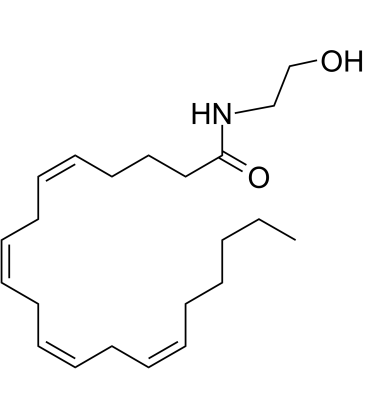
    Anandamide
    2 Publications Verification

    AEA; Arachidonoyl ethanolamide

    Cannabinoid Receptor PPAR TRP Channel GPR55 Fungal Tau Protein Endogenous Metabolite Infection Neurological Disease Metabolic Disease Inflammation/Immunology
    Anandamide is an endocannabinoid. Anandamide modulates both neuronal and immune functions through two protein-coupled cannabinoid receptors (CB1 and CB2). Anandamide can activate numerous other receptors like PPARS, TRPV1, and GPR18/GPR55. Anandamide also has potential anti-fungal and anti-inflammatory activities. Anandamide can be used for the research of Alzheimer’s disease (AD) and ulcerative colitis .
    Anandamide
  • HY-100196
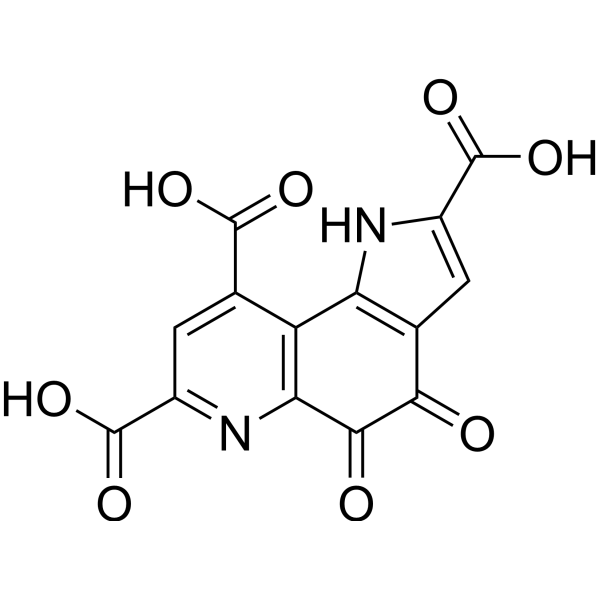
    Pyrroloquinoline quinone
    Maximum Cited Publications
    7 Publications Verification

    PQQ; Methoxatin

    Endogenous Metabolite Inflammation/Immunology
    Pyrroloquinoline quinone (PQQ), a redox co-factor, is an anionic, redox-cycling orthoquinone. Pyrroloquinoline quinone is isolated from cultures of methylotropic bacteria and tissues of mammals. Pyrroloquinoline quinone is an essential nutrient for mammals and is important for immune function .
    Pyrroloquinoline quinone
  • HY-100196A
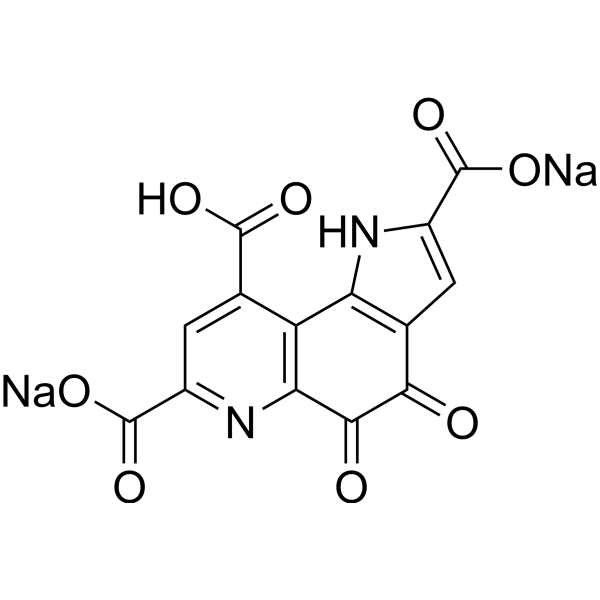
    Pyrroloquinoline quinone disodium salt
    Maximum Cited Publications
    7 Publications Verification

    PQQ disodium salt; Methoxatin disodium salt

    Endogenous Metabolite Inflammation/Immunology
    Pyrroloquinoline quinone disodium salt, a redox co-factor, is an anionic, redox-cycling orthoquinone. Pyrroloquinoline quinone disodium salt is isolated from cultures of methylotropic bacteria and tissues of mammals. Pyrroloquinoline quinone disodium salt is an essential nutrient for mammals and is important for immune function .
    Pyrroloquinoline quinone disodium salt
  • HY-W145499
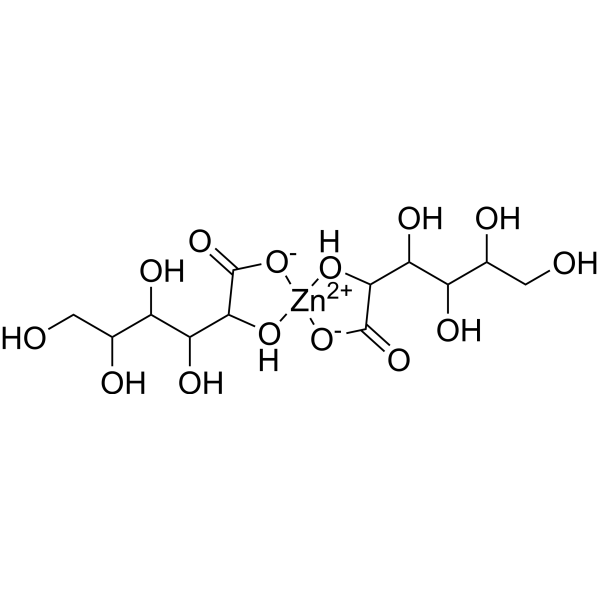
    Zinc Gluconate
    1 Publications Verification

    PPAR NF-κB Toll-like Receptor (TLR) Inflammation/Immunology Cancer
    Zinc Gluconate is a zinc supplement in the form of a gluconate salt, which plays a role in various physiological processes such as immune function, wound healing, and olfaction. Zinc Gluconate has a LD50 of 39.6 mg/kg in mice (Tail vein injection). Zinc Gluconate can be used in the research of inflammation, zinc deficiency, colds, cancer, and nutritional supplements .
    Zinc Gluconate
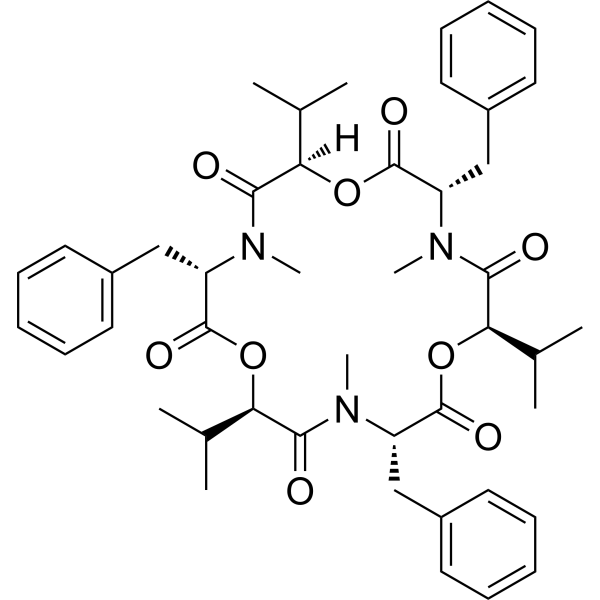
  • HY-N6739

    Bacterial Apoptosis Fungal PI3K Akt TNF Receptor Interleukin Related Infection Cancer
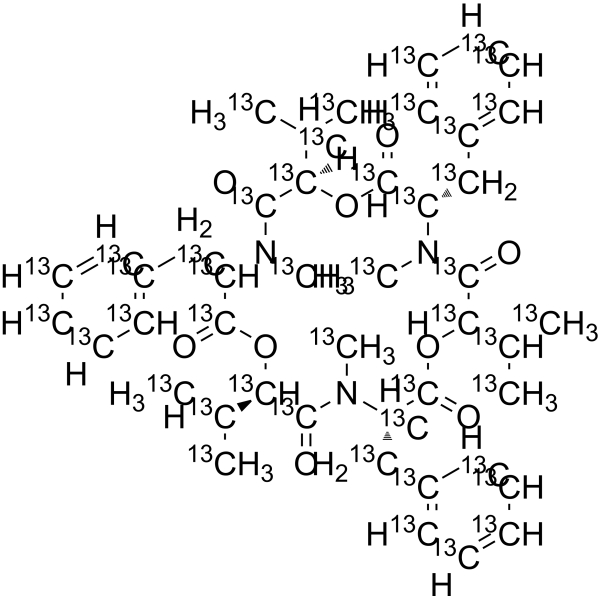
    Beauvericin is a cyclohexapeptide Fusarium toxin with insecticidal, antibacterial, anticancer, antiviral and cytotoxic activities. Beauvericin causes cellular genotoxicity by producing DNA breaks, chromosomal aberrations and micronuclei, and inhibits the PI3K/AKT pathway to induce apoptosis, thereby inhibiting the growth of HCC. In addition, Beauvericin affects immune function by inhibiting lymphocyte proliferation and interfering with the differentiation process of human monocytes into macrophages .
    Beauvericin
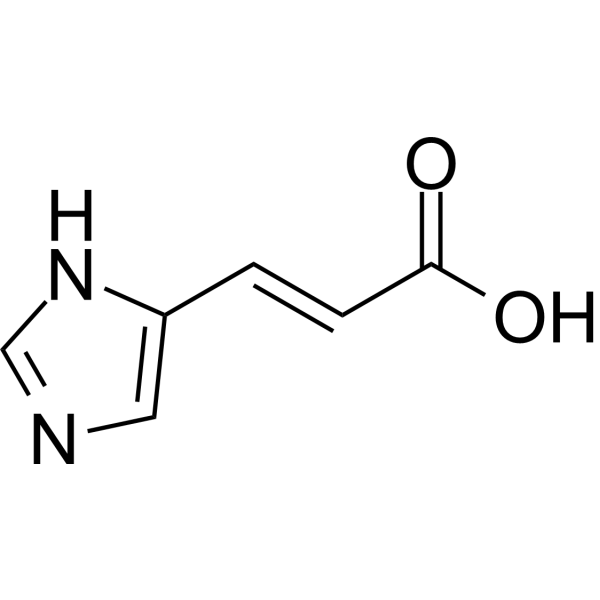
  • HY-113008B

    (E)-Urocanic acid; trans-UCA

    Endogenous Metabolite Inflammation/Immunology
    trans-urocanic acid (trans-UCA), a natural epidermal constituent, inhibits human natural killer cell (NK) activity in vitro. trans-urocanic acid is active in regulating an immune function .
    trans-Urocanic acid
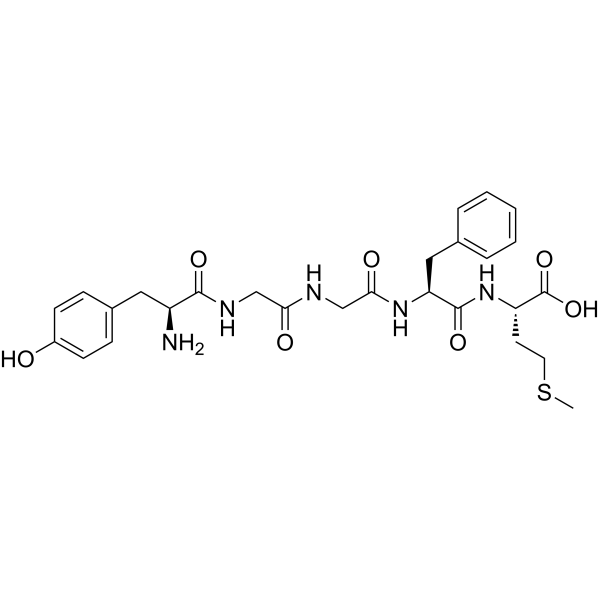
  • HY-P0073
    Tyr-Gly-Gly-Phe-Met-OH
    4 Publications Verification

    Met-Enkephalin; Methionine enkephalin; Metenkefalin

    Opioid Receptor Neurological Disease Cancer
    Tyr-Gly-Gly-Phe-Met-OH regulates human immune function and inhibits tumor growth via binding to the opioid receptor.
    Tyr-Gly-Gly-Phe-Met-OH
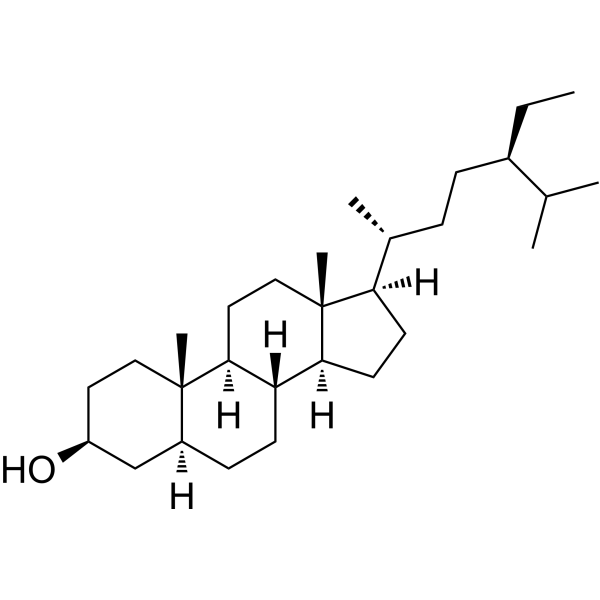
  • HY-113494
    Sitostanol
    1 Publications Verification

    Stigmastanol; 24α-Ethyl cholestanol

    Interleukin Related Others Metabolic Disease Inflammation/Immunology Cancer
    Stigmastanol is a 6-amino derivative. Stigmastanol can be isolated from Hypericum riparium. Stigmastanol increases the secretion of IL-2 and IL-10. Stigmastanol reduces the maximum mitochondrial respiration of cells. Stigmastanol has beneficial effects on the weakened immune function of asthma .
    Sitostanol
  • HY-100685
    MS-444
    2 Publications Verification

    BE-34776

    HuR Apoptosis COX Neurological Disease Cancer
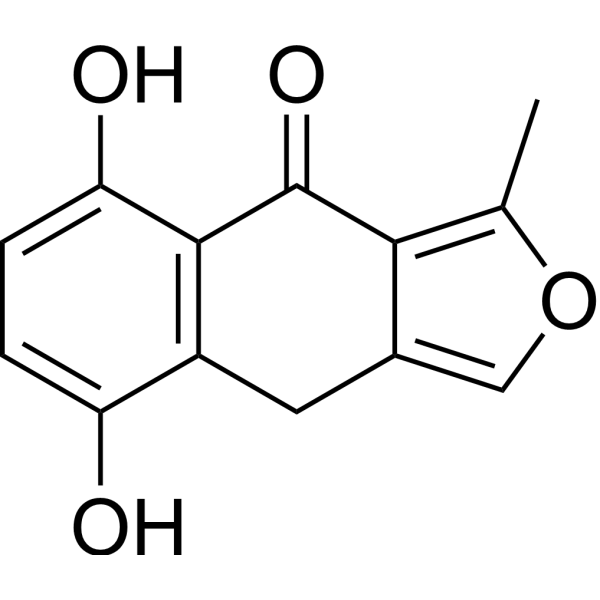
    MS-444 (BE-34776) is a HuR (ELAVL1) inhibitor that blocks the cytoplasmic translocation of HuR and inhibits its dimerization. MS-444 reduces cytoplasmic HuR levels by preventing the binding of HuR to ARE-mRNA, without altering the total expression of HuR. MS-444 induces apoptosis, inhibits cell growth, angiogenesis and invasion, and also regulates immune function and microbiota. MS-444 effectively alters the number, size and invasiveness of tumors in various cancer models. MS-444 is tolerable to intraperitoneal injection in vivo and can be applied to research related to colorectal cancer, familial adenomatous polyposis, colitis-associated cancer and glioblastoma .
    MS-444
  • HY-B0944
    Pidotimod
    2 Publications Verification

    Bacterial Inflammation/Immunology
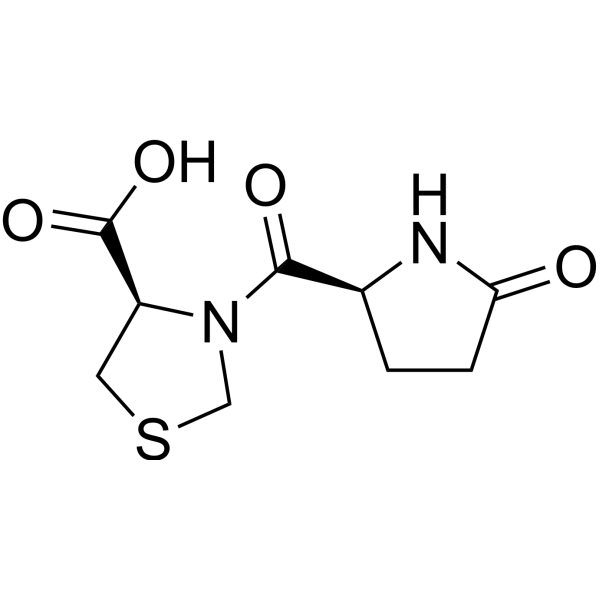
    Pidotimod is an orally active dipeptide immunostimulant with immunomodulatory properties on the adaptive and the innate immune responses. Pidotimod increases macrophage activity and humoral immune functions. Pidotimod can be used for the research of chronic bronchitis, chronic obstructive pulmonary disease (COPD), bronchiectasis, and chronic idiopathic urticaria,et al .
    Pidotimod
  • HY-N6727
    Gliotoxin
    2 Publications Verification

    Aspergillin

    Apoptosis PKA NF-κB Bacterial Fungal Antibiotic Infection Inflammation/Immunology Cancer
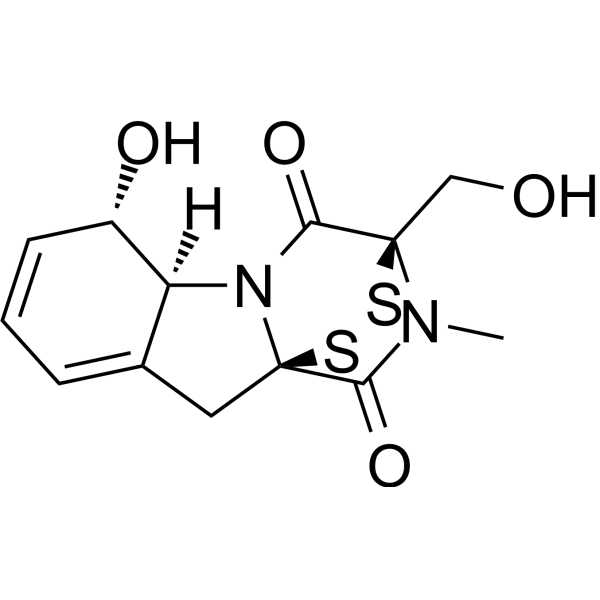
    Gliotoxin is a secondary metabolite, the most abundant mycotoxin secreted by A. fumigatus, inhibits the phagocytosis of macrophages and the immune functions of other immune cells . Gliotoxin inhibits inducible NF-κB activity by preventing IκB degradation, which consequently induces host-cell apoptosis . Gliotoxin activates PKA and increases intracellular cAMP concentration; modulates actin cytoskeleton rearrangement to facilitate A. fumigatus internalization into lung epithelial cells . Gliotoxin is a potent NOTCH2 transactivation inhibitor, can effectively induce apoptosis of chronic lymphocytic leukemia (CLL) cells .
    Gliotoxin
  • HY-P10373

    JAK IFNAR Interleukin Related Infection Inflammation/Immunology
    pJAK2(1001-1013) is a cell-penetrating peptide that corresponds to the activation loop of JAK2 tyrosine kinase and functions as a SOCS1/3antagonist. pJAK2 (1001-1013) blocks SOCS1-mediated negative regulation of immune function, and enhances the biological activity of cytokines such as IFNγ and IL6. pJAK2(1001-1013) inhibits the replication of a broad range of viruses and exerts dose-dependent protective efficacy against lethal viral infections. pJAK2(1001-1013) can be used for the study of immune regulation and infection .
    pJAK2(1001-1013)
  • HY-N0534

    DNA/RNA Synthesis Apoptosis PI3K Akt Caspase SOD Interleukin Related Cardiovascular Disease Inflammation/Immunology Cancer
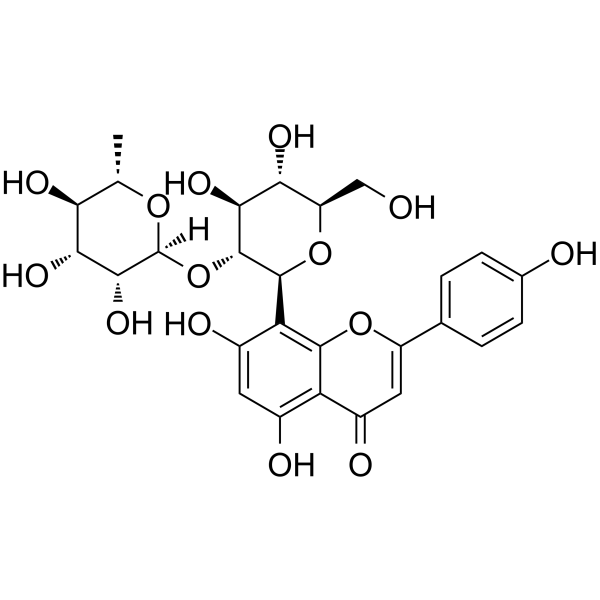
    Vitexin-2"-O-rhamnoside is an orally active flavonoid glycoside. Vitexin-2"-O-rhamnoside inhibits Apoptosis, increases the phosphorylation levels of PI3K/Akt, inhibits caspase-3, SOD activity, and promotes cytokine (IL-2, IL-6, and IL-12) secretion. Vitexin-2"-O-rhamnoside strongly inhibits DNA synthesis in MCF-7 cells with an IC50 of 17.5 μM. Vitexin-2"-O-rhamnoside enhances immune function and improves the absorption of active compounds. Vitexin-2"-O-rhamnoside has antioxidant activity. Vitexin-2"-O-rhamnoside is used in the study of cardiovascular disease and immune-related diseases .
    Vitexin-2
  • HY-P990023

    ADX-914

    Interleukin Related Metabolic Disease Inflammation/Immunology
    Bempikibart (ADX-914) is a fully human anti-IL-7Rα antibody that re-regulates adaptive immune function by blocking signaling mediated by both IL-7 and thymic stromal lymphopoietin (TSLP). Bempikibart can be used for the study of atopic dermatitis and alopecia areata .
    Bempikibart
  • HY-P990094

    CSL311

    c-Fms Inflammation/Immunology
    Trabikibart (CSL311) is a specific inhibitor targeting the βc receptor (CSF2RB) that inhibits signal transduction mediated by GM-CSF, IL-5, and IL-3. Trabikibart exhibits significant anti-inflammatory and anti-edema effects, reduces myeloid cell infiltration, and inhibits inflammatory cell survival. Trabikibart also possesses antiviral immune functions, which alleviate pulmonary inflammation, reverse airway dysfunction and fibrosis, and thereby restore impaired pulmonary function. Trabikibart can be used in research on related diseases such as acute respiratory distress syndrome, viral pneumonia, asthma, and chronic rhinosinusitis with nasal polyps .
    Trabikibart
  • HY-P3051

    Reverse Transcriptase Inflammation/Immunology
    CKS-17 is a synthetic retroviral envelope peptide. CKS-17 has the highly conserved amino acid sequences occurring within the transmembrane envelope protein of many animal and human retroviruses. CKS-17 acts as an immunomodulatory epitope and exhibits suppressive properties for numerous immune functions .
    CKS-17
  • HY-10018

    Toll-like Receptor (TLR) Inflammation/Immunology
    Toll-like receptor modulator is a modulator of TLR7/8, which modulates immune function.
    Toll-like receptor modulator
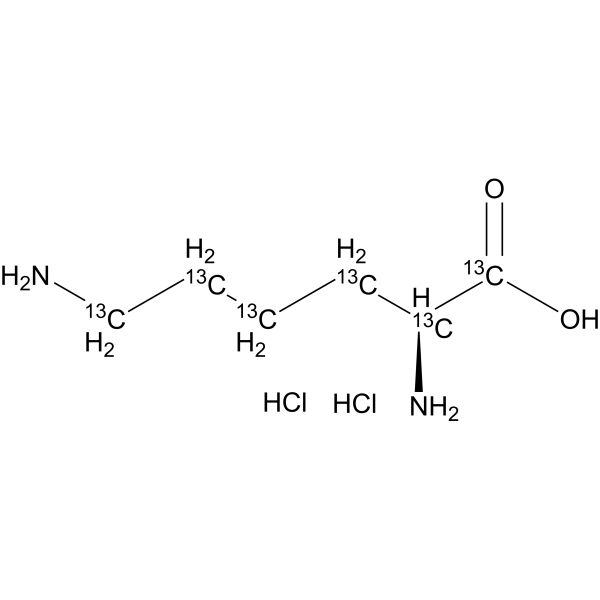
  • HY-N0469S1

    Endogenous Metabolite Virus Protease Inflammation/Immunology
    L-Lysine- 13C6 (dihydrochloride) is the 13C-labeled L-Lysine dihydrochloride. L-lysine dihydrochloride is an essential amino acid with important roles in connective tissues and carnitine synthesis, energy production, growth in children, and maintenance of immune functions .
    L-Lysine-13C6 dihydrochloride
  • HY-100196R

    PQQ (Standard); Methoxatin (Standard)

    Reference Standards Endogenous Metabolite Inflammation/Immunology
    Pyrroloquinoline quinone (Standard) is the analytical standard of Pyrroloquinoline quinone. This product is intended for research and analytical applications. Pyrroloquinoline quinone (PQQ), a redox co-factor, is an anionic, redox-cycling orthoquinone. Pyrroloquinoline quinone is isolated from cultures of methylotropic bacteria and tissues of mammals. Pyrroloquinoline quinone is an essential nutrient for mammals and is important for immune function .
    Pyrroloquinoline quinone (Standard)
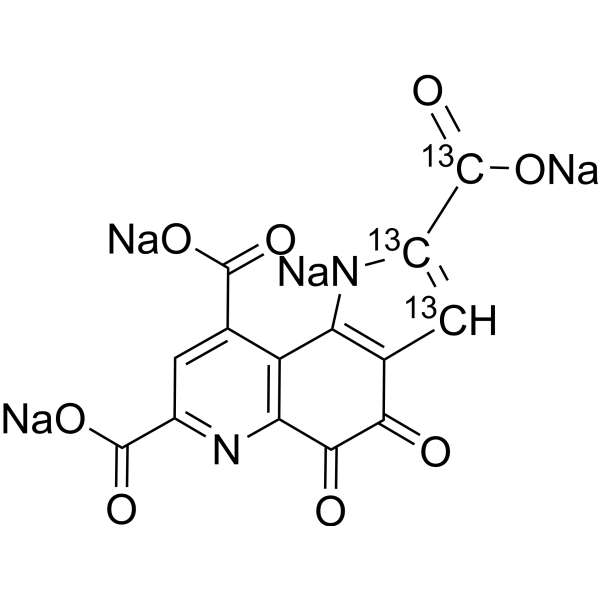
  • HY-100196S1

    PQQ-13C3 sodium; Methoxatin-13C3 sodium

    Endogenous Metabolite Inflammation/Immunology
    Pyrroloquinoline quinone- 13C3 (PQQ- 13C3) sodium is an isotope of Pyrroloquinoline quinone. Pyrroloquinoline quinone (PQQ), a redox co-factor, is an anionic, redox-cycling orthoquinone. Pyrroloquinoline quinone is isolated from cultures of methylotropic bacteria and tissues of mammals. Pyrroloquinoline quinone is an essential nutrient for mammals and is important for immune function .
    Pyrroloquinoline quinone-13C3 sodium
  • HY-W129233

    Dihydroartemisinin (α,β mixture)

    Parasite Autophagy Apoptosis Infection Cancer
    Dihydroartemisinin (mixture of α and β isomers) is an anti-malaria and anticancer agent, as well as an active metabolite of artemisinin and its derivatives. Dihydroartemisinin exerts anticancer effects through various molecular mechanisms, such as inhibiting proliferation, inducing apoptosis, inhibiting tumor metastasis and angiogenesis, promoting immune function, inducing autophagy and endoplasmic reticulum stress .
    Dihydroartemisinin (mixture of α and β isomers)
  • HY-10863S

    AEA-d8

    Isotope-Labeled Compounds Cannabinoid Receptor PPAR Endogenous Metabolite Tau Protein GPR55 Fungal TRP Channel Infection
    Anandamide-d8 is a deuterated labeled Anandamide . Anandamide is an endocannabinoid. Anandamide modulates both neuronal and immune functions through two protein-coupled cannabinoid receptors (CB1 and CB2). Anandamide can activate numerous other receptors like PPARS, TRPV1, and GPR18/GPR55. Anandamide also has potential anti-fungal and anti-inflammatory activities. Anandamide can be used for the research of Alzheimer’s disease (AD) and ulcerative colitis .
    Anandamide-d8
  • HY-D1056C3

    LPS, from Salmonella enterica (Serotype typhimurium)

    Toll-like Receptor (TLR) Inflammation/Immunology
    Lipopolysaccharides, from S. enterica (Salmonella enterica) serotype typhimurium are lipopolysaccharide endotoxins and TLR4 activators derived from serotype typhimurium of Salmonella enterica, and are classified as S-type LPS. Lipopolysaccharides, from S. enterica exhibit a typical three-part structure: O-antigen, core oligosaccharide, and lipid A. Lipopolysaccharides, from S. enterica serotype typhimurium can modulate the fate of bacteria in dendritic cells (DC), determining the uptake, degradation, and activation of immune functions by DC cells against the bacteria .
    It is recommended to prepare a solution with concentration ≥2 mg/mL. Vortex thoroughly for more than 10 minutes. Due to the adsorption characteristics of LPS, silanized container or low adsorption centrifuge tubes should be used for aliquoting and storage, and mix thoroughly before use.
    Lipopolysaccharides, from S. enterica serotype typhimurium
  • HY-133879

    1α,25-Dihydroxyvitamin D3-26,23-lactone

    Endogenous Metabolite Others Inflammation/Immunology
    Calcitriol lactone (1α,25-Dihydroxyvitamin D3-26,23-lactone) is a metabolite of vitamin D3. Calcitriol lactone is the active form of vitamin D and affects bone health, cell differentiation, immune function .
    Calcitriol lactone
  • HY-N0408R

    Reference Standards NF-κB Reactive Oxygen Species (ROS) Apoptosis Influenza Virus Infection Neurological Disease Inflammation/Immunology Cancer
    Picroside II (Standard) is the analytical standard of Picroside II. This product is intended for research and analytical applications. Picroside II, an iridoid compound extracted from Picrorhiza, exhibits anti-inflammatory and anti-apoptotic activities. picroside II alleviates the inflammatory response in sepsis and enhances immune function by inhibiting the activation of NLRP3 inflammasome and NF-κB pathways . Picroside II is an antioxidant, exhibits a significant neuroprotective effect through reducing ROS production and protects the blood-brain barrier (BBB) after cerebral ischemia-reperfusion (CI/R) injury. Picroside II has antioxidant, anti-inflammatory, immune regulatory, anti-virus and other pharmacological activities .
    Picroside II (Standard)
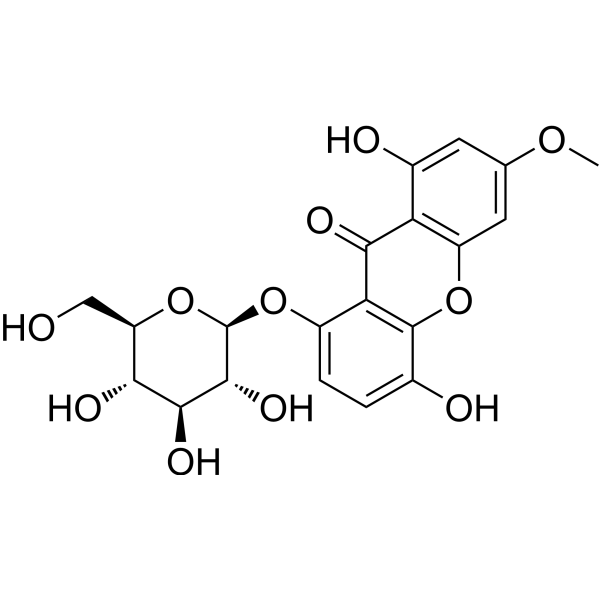
  • HY-N2192
    Swertianolin
    1 Publications Verification

    Bacterial p38 MAPK NF-κB NO Synthase Reactive Oxygen Species (ROS) Infection Neurological Disease Inflammation/Immunology
    Swertianolin is a xanthone glycoside. Swertianolin can be isolated from plants of the Gentianaceae family (e.g., Gentiana campestris and Swertia punicea). Swertianolin inhibits p38 phosphorylation and NF-κB activation, and reduces NO and ROS production. Swertianolin exhibits anti-Helicobacter pylori activity with an IC50 of 6.1 μM and a minimum bactericidal concentration of 91.7 μM. Swertianolin modulates immune function in sepsis. Swertianolin is useful in the research of diseases such as Alzheimer's disease, hepatitis B, Helicobacter pylori infection, and sepsis .
    Swertianolin
  • HY-N6739S

    Acyltransferase Isotope-Labeled Compounds Infection
    Beauvericin- 13C45 is 13C labeled Beauvericin (HY-N6739). Beauvericin is a cyclohexapeptide Fusarium toxin with insecticidal, antibacterial, anticancer, antiviral and cytotoxic activities. Beauvericin causes cellular genotoxicity by producing DNA breaks, chromosomal aberrations and micronuclei, and inhibits the PI3K/AKT pathway to induce apoptosis, thereby inhibiting the growth of HCC. In addition, Beauvericin affects immune function by inhibiting lymphocyte proliferation and interfering with the differentiation process of human monocytes into macrophages .
    Beauvericin-13C45
  • HY-N0469S

    Endogenous Metabolite Virus Protease Inflammation/Immunology
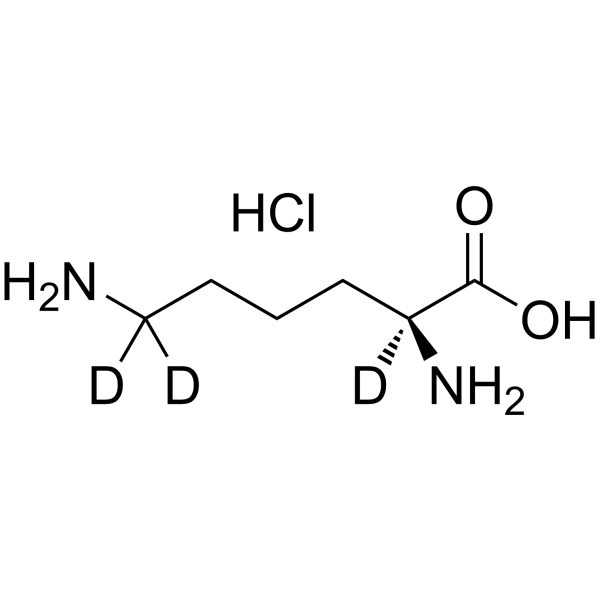
    L-Lysine-d3 (hydrochloride) is the deuterium labeled L-Lysine. L-lysine is an essential amino acid with important roles in connective tissues and carnitine synthesis, energy production, growth in children, and maintenance of immune functions .
    L-Lysine-d3 hydrochloride
  • HY-N0469S2

    Endogenous Metabolite Virus Protease Inflammation/Immunology
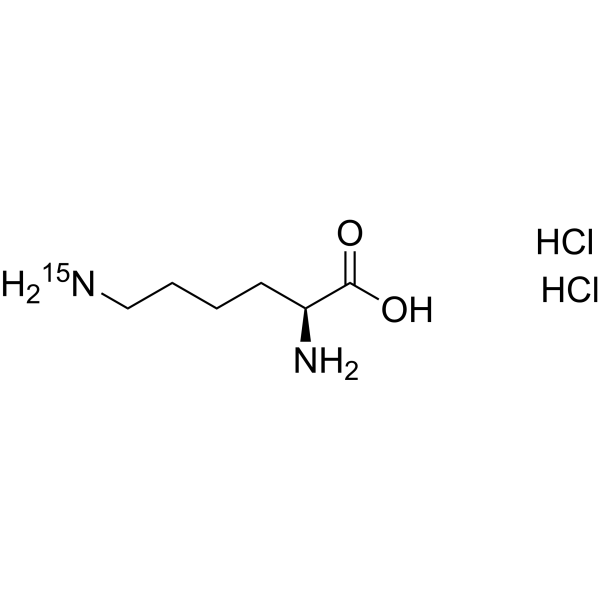
    L-Lysine- 15N-1 (dihydrochloride) is the 15N-labeled L-Lysine. L-lysine is an essential amino acid with important roles in connective tissues and carnitine synthesis, energy production, growth in children, and maintenance of immune functions .
    L-Lysine-15N-1 dihydrochloride
  • HY-P99660

    IGM-2323

    CD20 CD3 Inflammation/Immunology Cancer
    Imvotamab (IGM-2323) is a CD20 and CD3 bispecific IGM antibody with dual action mechanism. Imvotamab is used to induce physiological T cell activation to prevent over-stimulation and subsequent down-regulation of immune function. Imvotamab can be used for the study of B-cell malignant tumors, multiple myeloma (MM) and non-Hodgkin's lymphoma (NHL) .
    Imvotamab
  • HY-B0944R

    Reference Standards Bacterial Inflammation/Immunology
    Pidotimod (Standard) is the analytical standard of Pidotimod. This product is intended for research and analytical applications. Pidotimod is an orally active dipeptide immunostimulant with immunomodulatory properties on the adaptive and the innate immune responses. Pidotimod increases macrophage activity and humoral immune functions. Pidotimod can be used for the research of chronic bronchitis, chronic obstructive pulmonary disease (COPD), bronchiectasis, and chronic idiopathic urticaria,et al .
    Pidotimod (Standard)
  • HY-154921A

    LacCer (porcine RBC)

    Endogenous Metabolite Inflammation/Immunology
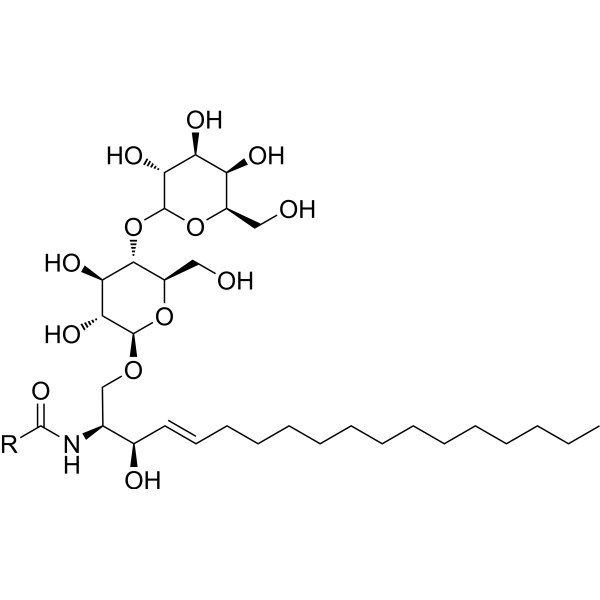
    Lactosylceramide (LacCer) (porcine RBC) is an endogenous bioactive sphingolipid. Lactosylceramide (porcine RBC) plays a pivotal role in mediating innate immune functions .
    Lactosylceramide (porcine RBC)
  • HY-141420

    Liposome Inflammation/Immunology
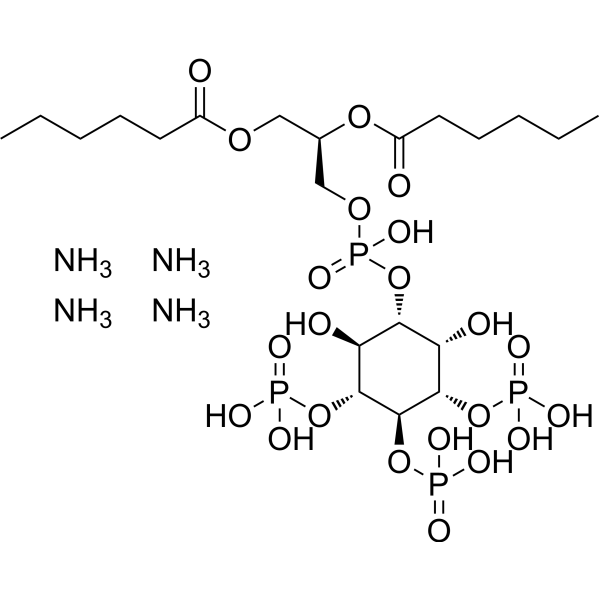
    PtdIns-(3,4,5)-P3(1,2-dihexanoyl) ammonium (compound 850176) is a vaccine adjuvant that enhances the immune function of vaccines .
    PtdIns-(3,4,5)-P3(1,2-dihexanoyl) ammonium
  • HY-113008BR

    (E)-Urocanic acid (Standard); trans-UCA (Standard)

    Endogenous Metabolite Reference Standards Inflammation/Immunology
    trans-Urocanic acid (Standard) is the analytical standard of trans-Urocanic acid. This product is intended for research and analytical applications. trans-urocanic acid (trans-UCA), a natural epidermal constituent, inhibits human natural killer cell (NK) activity in vitro. trans-urocanic acid is active in regulating an immune function .
    trans-Urocanic acid (Standard)
  • HY-147152

    Biochemical Assay Reagents Others
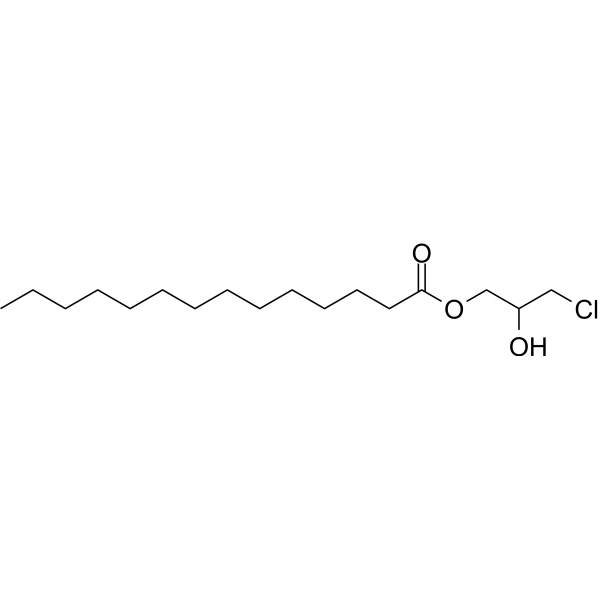
    1-Myristoyl-3-chloropropanediol is a 3-monochloropropanediol (3-MCPD) fatty acid ester. 3-MPCD causes nephropathy and tubular hyperplasia and adenomas by chronic oral administration; also reduces fertility, or provokes infertility in rats and suppresses the immune function .
    1-Myristoyl-3-chloropropanediol
  • HY-142032

    LPL Receptor Inflammation/Immunology
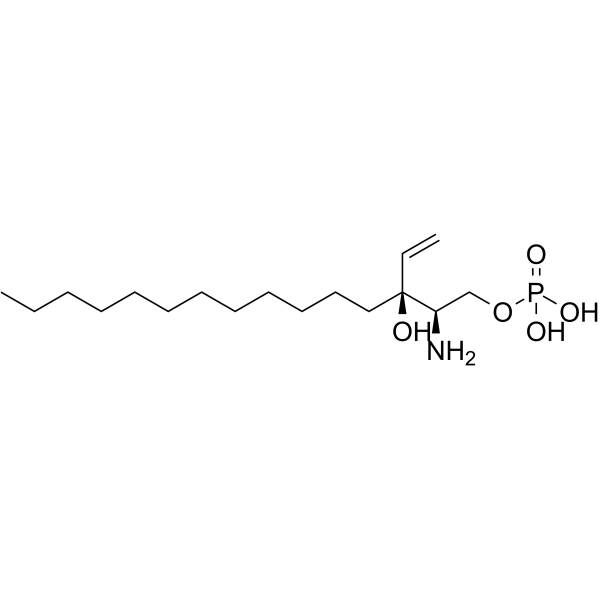
    RBM10-8 is irreversible inhibitor of recombinant  human sphingosine-1-phosphate lyase (hS1PL) . Sphingosine-1-phosphate (S1P) is a sphingolipid (SL) that acts as a signaling molecule regulating diverse cellular processes such as cell proliferation and differentiation, angiogenesis, immune function, inflammation, and development .
    RBM10-8
  • HY-113494R

    Stigmastanol (Standard); 24α-Ethyl cholestanol (Standard)

    Reference Standards Interleukin Related Others Metabolic Disease Inflammation/Immunology Cancer
    Stigmastanol (Standard) is the analytical standard of Stigmastanol. This product is intended for research and analytical applications. Stigmastanol is a 6-amino derivative. Stigmastanol can be isolated from Hypericum riparium. Stigmastanol increases the secretion of IL-2 and IL-10. Stigmastanol reduces the maximum mitochondrial respiration of cells. Stigmastanol has beneficial effects on the weakened immune function of asthma .
    Sitostanol (Standard)
  • HY-W1005647

    Biochemical Assay Reagents Others
    (rac)-Isoleucine is the racemic form of Isoleucine. Isoleucine is a mixture of the diastereomers L-isoleucine, L-alloisoleucine, D-isoleucine, and D-alloisoleucine. L-isoleucine is a branched-chain amino acid that acts as a nitrogen donor, and has roles in glucose consumption, fatty acid metabolism, as well as immune function. L-Alloisoleucine is generated by transamination of L-isoleucine. D-Isoleucine and D-alloisoleucine are enantiomers of L-isoleucine and L-alloisoleucine, respectively .
    (rac)-Isoleucine
  • HY-174568

    mRNA Inflammation/Immunology
    Human NFKB2 mRNA encodes the human nuclear factor kappa B subunit 2 (NFKB2) protein, a subunit of the transcription factor complex nuclear factor-kappa-B (NFkB). The NFkB complex is expressed in numerous cell types and functions as a central activator of genes involved in inflammation and immune function. NFKB2 can function as either a transcriptional activator or repressor depending on its dimerization partner.
    Human NFKB2 mRNA
  • HY-N2192R

    Reference Standards Bacterial p38 MAPK NF-κB NO Synthase Reactive Oxygen Species (ROS) Infection Neurological Disease Inflammation/Immunology
    Swertianolin (Standard) is the analytical standard of Swertianolin (HY-N2192). This product is intended for research and analytical applications. Swertianolin is a xanthone glycoside. Swertianolin can be isolated from plants of the Gentianaceae family (e.g., Gentiana campestris and Swertia punicea). Swertianolin inhibits p38 phosphorylation and NF-κB activation, and reduces NO and ROS production. Swertianolin exhibits anti-Helicobacter pylori activity with an IC50 of 6.1 μM and a minimum bactericidal concentration of 91.7 μM. Swertianolin modulates immune function in sepsis. Swertianolin is useful in the research of diseases such as Alzheimer's disease, hepatitis B, Helicobacter pylori infection, and sepsis .
    Swertianolin (Standard)
  • HY-N0534R

    Reference Standards DNA/RNA Synthesis Apoptosis PI3K Akt Caspase SOD Interleukin Related Cardiovascular Disease Inflammation/Immunology Cancer
    Vitexin-2"-O-rhamnoside (Standard) is the analytical standard of Vitexin-2"-O-rhamnoside (HY-N0534). This product is intended for research and analytical applications. Vitexin-2"-O-rhamnoside is an orally active flavonoid glycoside. Vitexin-2"-O-rhamnoside inhibits Apoptosis, increases the phosphorylation levels of PI3K/Akt, inhibits caspase-3, SOD activity, and promotes cytokine (IL-2, IL-6, and IL-12) secretion. Vitexin-2"-O-rhamnoside strongly inhibits DNA synthesis in MCF-7 cells with an IC50 of 17.5 μM. Vitexin-2"-O-rhamnoside enhances immune function and improves the absorption of active compounds. Vitexin-2"-O-rhamnoside has antioxidant activity. Vitexin-2"-O-rhamnoside is used in the study of cardiovascular disease and immune-related diseases .
    Vitexin-2
  • HY-N13180

    Others Others
    8,3′-Dihydroxy-7,4′-dimethoxyisoflavone is an isoflavone compound that has the ability to enhance immune function .
    8,3′-Dihydroxy-7,4′-dimethoxyisoflavone
  • HY-N19065

    Bacterial Infection Inflammation/Immunology
    Dalchini extract is rich in various bioactive compounds, including cinnamaldehyde, eugenol, tannins, polyphenols, and aromatic essential oils. Dalchini extract helps regulate blood sugar levels and improve insulin sensitivity. It also possesses anti-inflammatory, antioxidant, and antibacterial properties, which help enhance immune function, prevent infection, and reduce inflammation.
    Dalchini extract
  • HY-182719

    Arginase Cancer
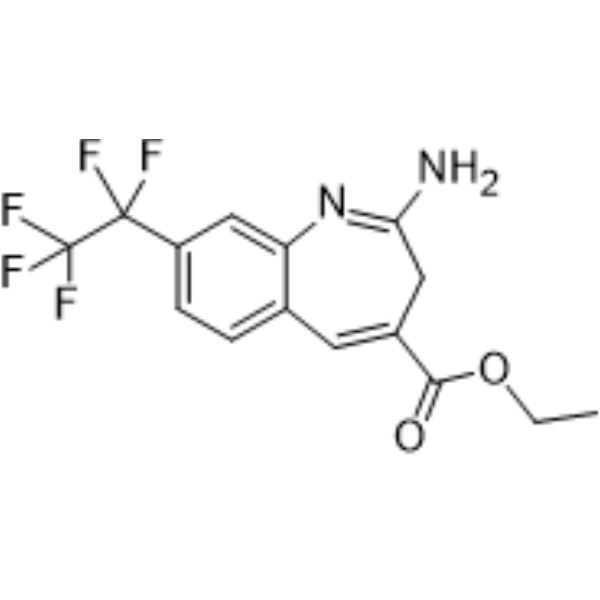
    AZD0011, a prodrug of AZD0011-PL (HY-182718), is an orally active arginase 1 inhibitor with an IC50 of 328 nM. AZD0011 undergoes in vivo hydrolysis to release an arginase inhibitor payload, inhibiting arginine hydrolysis, increases arginine levels in plasma and the tumor microenvironment. AZD0011 restores innate immune function and inhibits tumor growth. AZD0011 can be used for the research of cancer, such as fibrosarcoma .
    AZD0011
  • HY-182693

    PI3K IFNAR Reactive Oxygen Species (ROS) Interleukin Related Inflammation/Immunology
    CPL302-253 is a PI3Kδ inhibitor with an IC50 of 12.20 nM and a human Ka of 0.85 nM. CPL302-253 functionally regulates PI3Kδ activity, blocks the production of IFNγ, IL-33 and ROS in immune cells, and affects immune function. CPL302-253 blocks the progression of asthma-inducing inflammatory responses in a mouse model of asthma. CPL302-253 can be used for research related to asthma .
    CPL302-253
  • HY-P3051A

    Drug Derivative Infection Inflammation/Immunology
    CKS-17 (dimer) is the dimer of CKS-17 (HY-P3051). CKS-17 (dimer) can be prepared by introducing a naturally occurring cysteine at the carboxyl terminus and dimerizing via a cysteine-disulfide bond. CKS-17 is a synthetic retroviral envelope peptide. CKS-17 has a highly conserved amino acid sequence present in the transmembrane envelope proteins of numerous animal and human retroviruses. As an immunomodulatory epitope, CKS-17 exhibits inhibitory properties on a variety of immune functions .
    CKS-17 (dimer)
  • HY-182047

    PD-1/PD-L1 Cancer
    PD-1/PD-L1-IN-61 is a PD-1/PD-L1 interaction inhibitor with a human IC50 of 5.3 nM. PD-1/PD-L1-IN-61 embeds into the hydrophobic pocket at the PD-L1 dimer interface, stabilizing binding through hydrogen bonds and π-π stacking with PD-L1 residues. PD-1/PD-L1-IN-61 acts as an immune activator, enhances immune-killing activity of peripheral blood mononuclear cells against cancer cells, restores T-cell immune function, and promotes IFN-γ secretion. PD-1/PD-L1-IN-61 can be used for the research of triple-negative breast cancer .
    PD-1/PD-L1-IN-61

Inquiry Online

Your information is safe with us. * Required Fields.

Salutation


Country or Region *

Applicant Name *


Organization Name *

Department *


Email Address *


Product Name *

Cat. No.


Requested quantity *

Phone Number *


Remarks

Inquiry Online

Inquiry Information

Product Name:
Cat. No.:
Quantity:
MCE Japan Authorized Agent: