Search Result
Results for "
methicillin-resistant Staphylococcus aureus(MRSA)
" in MedChemExpress (MCE) Product Catalog:
3
Biochemical Assay Reagents
| Cat. No. |
Product Name |
Target |
Research Areas |
Chemical Structure |
-
- HY-13067
-
-
-
- HY-14737
-
|
TAK-599; PPI0903
|
Bacterial
Antibiotic
|
Infection
|
|
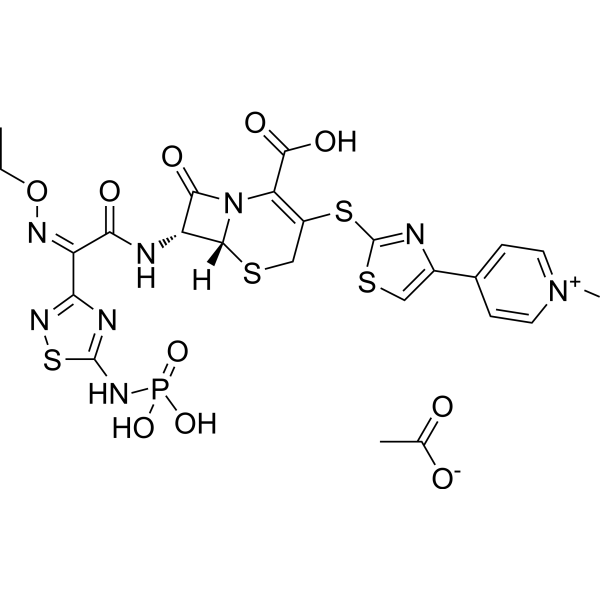
Ceftaroline fosamil (TAK-599), a cephalosporin derivative, is an N-phosphono proagent of anti-methicillin-resistant Staphylococcus aureus (MRSA) T-91825. Ceftaroline fosamil can be used for the research of MRSA infection .
|
-
-
- HY-16764
-
|
JNJ-Q2
|
Bacterial
Antibiotic
|
Infection
Inflammation/Immunology
|
|
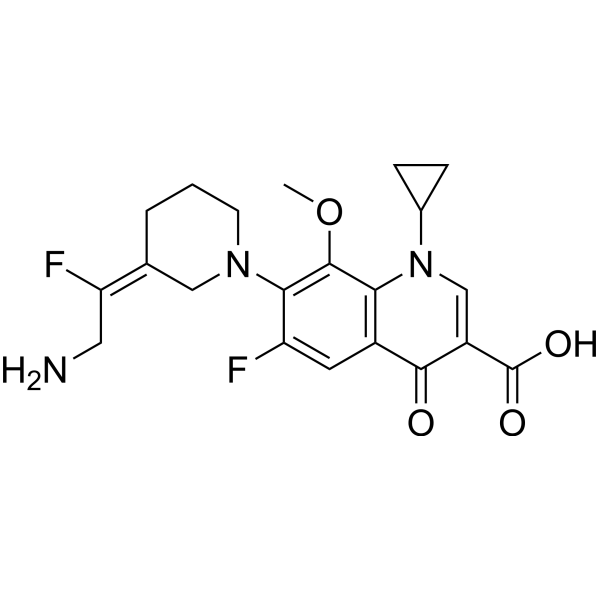
Avarofloxacin (JNJ-Q2) is a broad-spectrum fluoroquinolone antibacterial agent being developed for the treatment of acute bacterial skin and skin-structure infections and community-acquired pneumonia with oral activity. Avarofloxacin (JNJ-Q2) is an aminoethylidenylpiperidine fluoroquinolone that demonstrates antibacterial effect against numerous Gram-positive bacteria with a mean 0.12 mg/L MIC90 value. Avarofloxacin (JNJ-Q2) has potential for treatment of methicillin-resistant Staphylococcus aureus (MRSA) infections .
|
-
-
- HY-B1924
-
|
N-Demethylvancomycin monohydrochloride; NVCM monohydrochloride
|
Bacterial
|
Infection
|
|
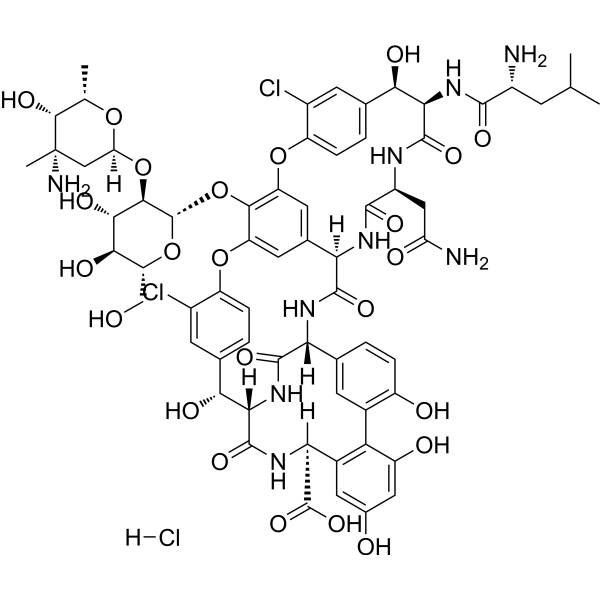
Norvancomycin hydrochloride is a cell wall synthesis inhibitor targeting peptidoglycan precursors of Gram-positive bacteria and cannot pass the blood-brain barrier. Norvancomycin hydrochloride can competitively bind to peptidoglycan precursors, irreversibly inhibit bacterial cell wall synthesis, and exert antibacterial activity. Norvancomycin hydrochloride is mainly used in the study of Gram-positive bacterial infections, especially infections caused by methicillin-resistant Staphylococcus aureus (MRSA) and methicillin-resistant Staphylococcus epidermidis (MRSE). Norvancomycin hydrochloride can also be incorporated into the bionic calcium phosphate coating of titanium implants to enhance antibacterial activity and inhibit postoperative orthopedic infections .
|
-
-
- HY-112959
-
|
TD-6424
|
Antibiotic
Bacterial
|
Infection
|
|
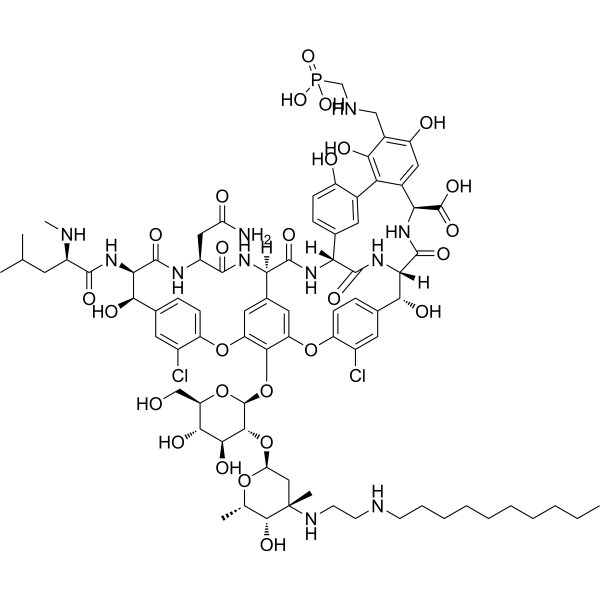
Telavancin (TD-6424) is a semisynthetic lipoglycopeptide vancomycin-derivative, is a novel antimicrobial agent developed by Theravance for overcoming resistant Gram-positive bacterial infections, specifically methicillin-resistant Staphylococcus aureus (MRSA). Telavancin disrupts cell membrane integrity, can be used for research of complicated skin and skin structure infections (cSSSIs) caused by Gram-positive bacteria .
|
-
-
- HY-A0279
-
|
Pristinamycine
|
Bacterial
Antibiotic
|
Infection
|
|
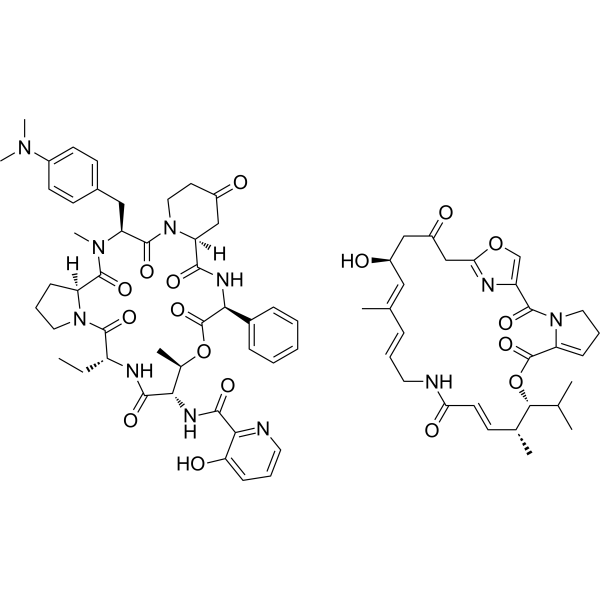
Pristinamycin, produced by Streptomyces pristinaespiralis, is an orally active streptogramin-like antibiotic consisting of two chemically unrelated components: Pristinamycin I (PI) and Pristinamycin II (PII). Pristinamycin is highly active against many antibiotic-resistant pathogens, particularly Gram-positive bacteria, including Methicillin-resistant Staphylococcus aureus (MRSA), Vancomycin-resistant S. aureus (VRSA) and Enterococcus faecium (VREF) .
|
-
-
- HY-N10765
-
|
|
Bacterial
|
Inflammation/Immunology
Cancer
|
|
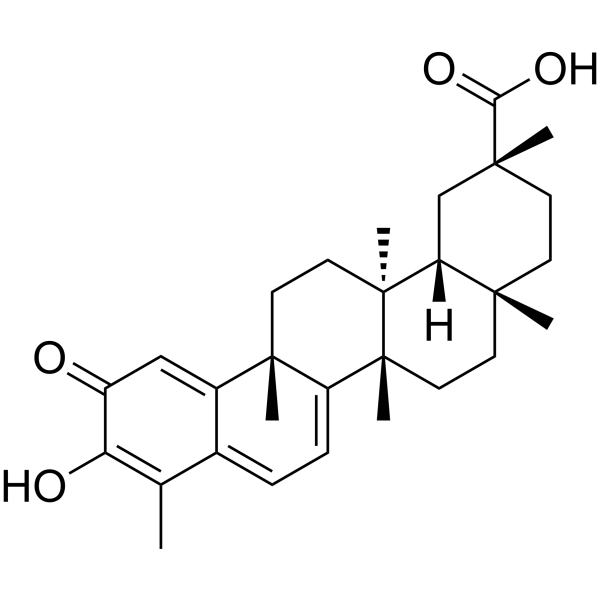
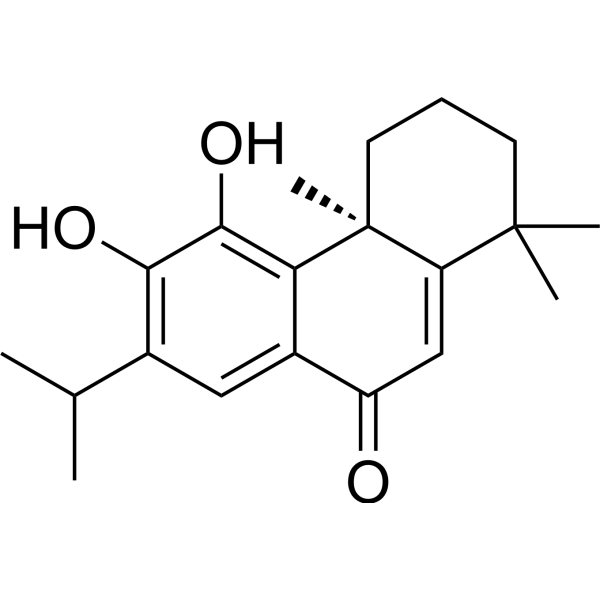
Salvinolone is active against methicillin-resistant Staphylococcus aureus (MRSA) and vancomycin-resistant Enterococcus (VRE). Salvinolone shows cytotoxic activity with an IC50 of 47.6 μM against the HL-60 tumor cell line for 72 h .
|
-
-
- HY-14926
-
|
(S)-(-)-Nadifloxacin; WCK 771
|
Antibiotic
Bacterial
|
Infection
|
|
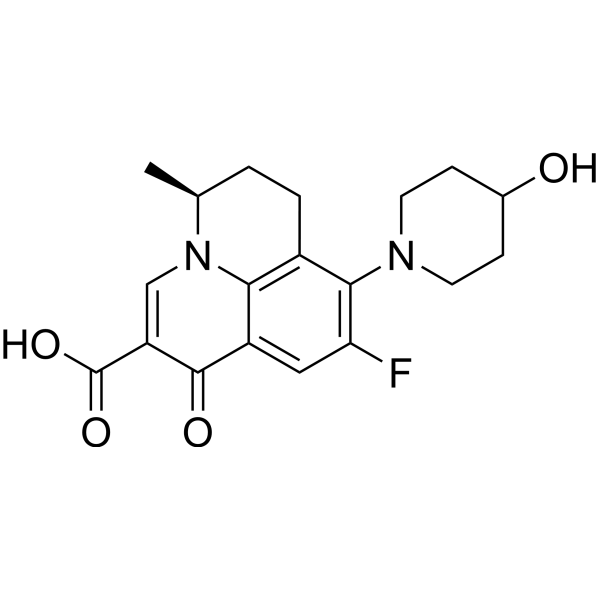
Levonadifloxacin ((S)-(-)-Nadifloxacin; WCK 771) is a broad-spectrum anti-staphylococcal agent. Levonadifloxacin shows antibacterial activity against Methicillin (HY-121544)-susceptible Staphylococcus aureus (MSSA) and Methicillin-resistant S. aureus (MRSA) strains, with a reduction of which phagocytized in THP-1 monocytes .
|
-
-
- HY-14737A
-
|
TAK-599 hydrate; PPI0903 hydrate
|
Antibiotic
Bacterial
|
Infection
|
|
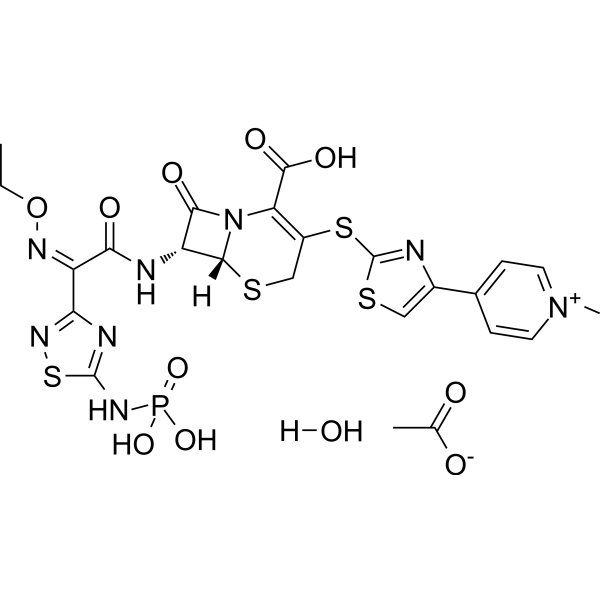
Ceftaroline fosamil hydrate is a potent cephalosporin antibiotic. Ceftaroline fosamil hydrateshows broad-spectrum activity against Gram-positive pathogens, including methicillin-resistant Staphylococcus aureus (MRSA) and multidrug-resistant Streptococcus pneumoniae, and common Gram-negative organisms. Ceftaroline fosamil hydrate has anti-infective activity, and can be used for the research of complicated skin and skin structure infections (cSSSIs) and community-acquired bacterial pneumonia (CABP) .
|
-
-
- HY-121300
-
|
(-)-TAN2162
|
Antibiotic
Bacterial
Endothelin Receptor
CGRP Receptor
|
Infection
Cancer
|
|
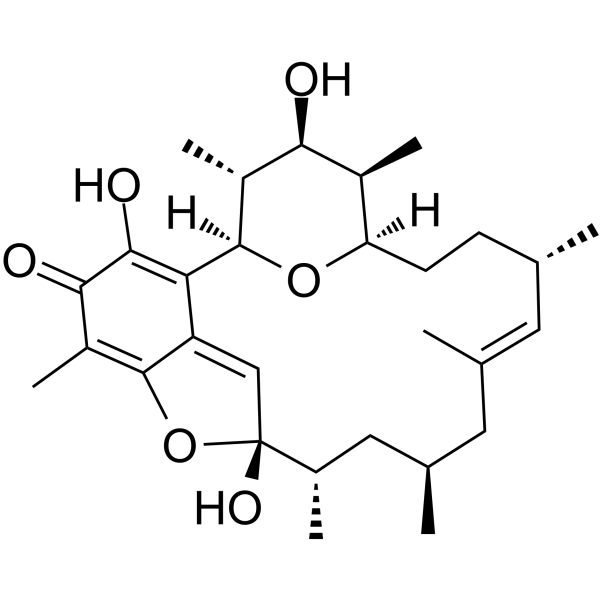
Kendomycin ((−)-TAN 2162) is a polyketide antibiotic with remarkable antibacterial and cancer cells cytotoxic activities. Kendomycin tends to be bacteriostatic rather than bactericidal and inhibits the growth of the methicillin-resistant Staphylococcus aureus (MRSA) strain COL at a low concentration (MIC of 5 μg/mL). Kendomycin is a potent antagonist of the endothelin receptor and a calcitonin receptor agonist which plays its role as an anti-osteoporotic agent .
|
-
-
- HY-142124
-
|
|
Antibiotic
Bacterial
|
Infection
|
|
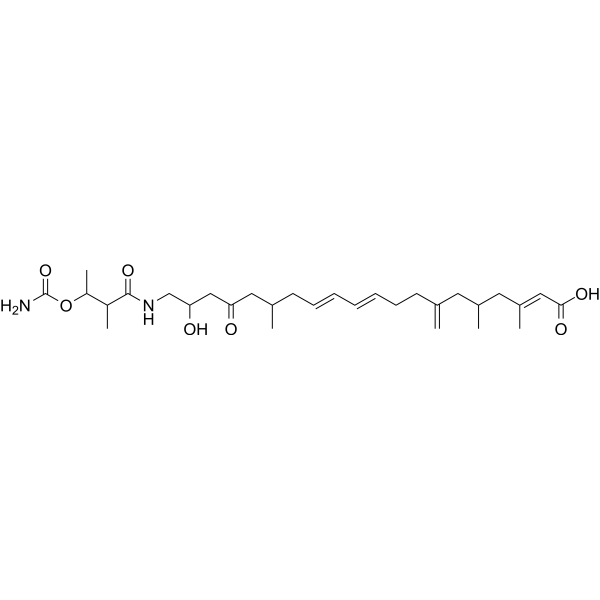
Kalimantacin A is a potent antibiotic. Kalimantacin A shows antibacterial activity against staphylococcus including methicillin-resistant staphylococcus aureus (MRSA) .
|
-
-
- HY-156198
-
|
|
Antibiotic
Bacterial
|
Infection
|
|
Bottromycin A2 is a natural antibiotic. Bottromycin A2 is active against methicillin-resistant Staphylococcus aureus (MRSA) and vancomycin-resistant Enterococci (VRE) .
|
-

-
- HY-127155
-
|
|
Bacterial
Antibiotic
|
Infection
Cancer
|
|
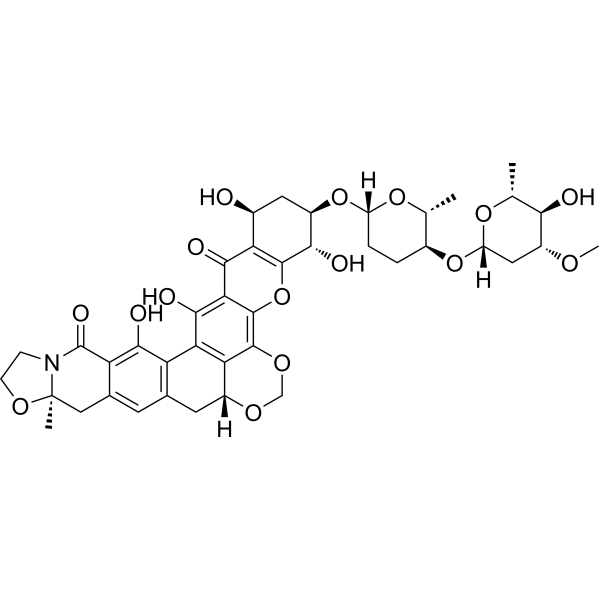
Kigamicin C is an anti-tumor antibiotic that selectively kills pancreatic cancer PANC-1 cells only in nutrient-poor conditions. Kigamicin C has antimicrobial activity against Gram-positive bacteria including methicillin-resistant Staphylococcus aureus (MRSA) .
|
-
-
- HY-128384
-
|
|
Bacterial
|
Infection
|
|
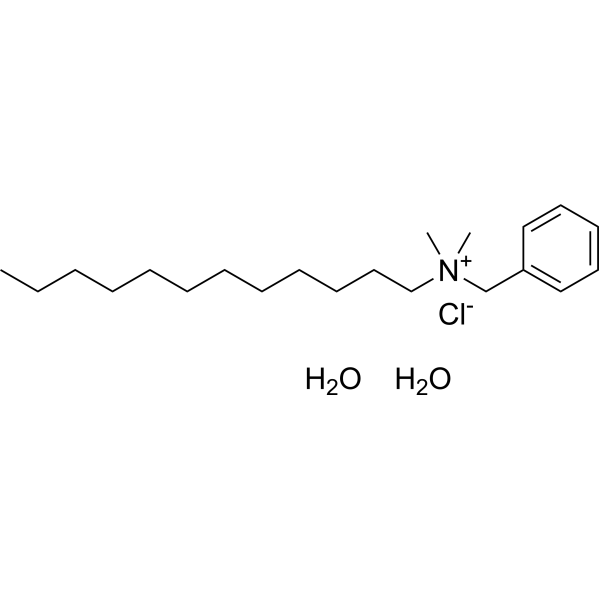
Benzyldodecyldimethylammonium chloride dihydrate is a quaternary ammonium compound (QAC) and can be used as a biocide to target antibiotic-resistant bacteria, such as methicillin-resistant Staphylococcus aureus (MRSA), multidrug-resistant (MDR) P. aeruginosa et. al. Benzyldodecyldimethylammonium chloride dihydrate, an antimicrobial agent, bacteriostatic or bactericidal properties depending on the concentration.
|
-
-
- HY-W060074
-
|
|
Endogenous Metabolite
Bacterial
Tyrosinase
PERK
|
Infection
Endocrinology
|
|
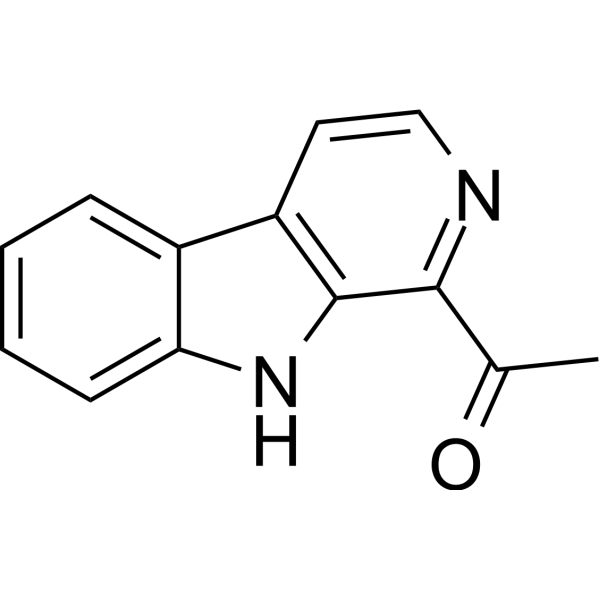
1-Acetyl-β-carboline is a metabolite of Streptomyces kasugaensis and antibacterial agent. 1-Acetyl-β-carboline increases tyrosinase activity, reduces ERK phosphorylation. 1-Acetyl-β-carboline exhibits antibacterial activity against methicillin-resistant Staphylococcus aureus (MRSA) strains with MICs ranging from 128 to 256 ug/mL. 1-Acetyl-β-carboline increases the melanin .
|
-
-
- HY-14738
-
|
TAK-599 free acid; PPI0903 free acid
|
Bacterial
Antibiotic
|
Infection
|
|
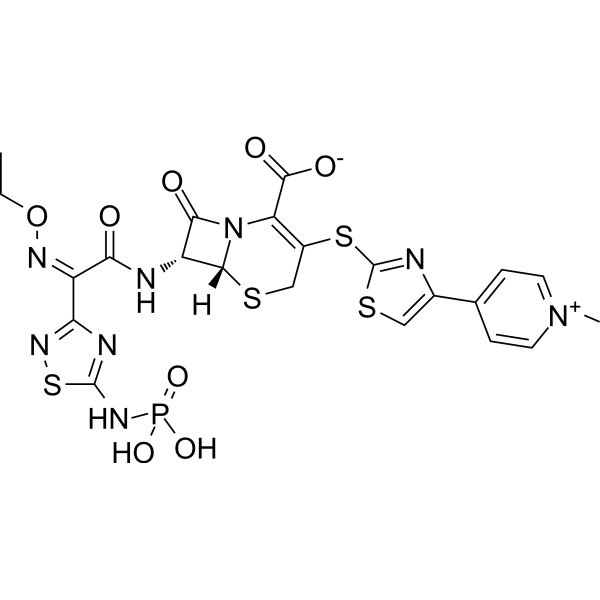
Ceftaroline fosamil (inner) (TAK-599 free acid), a cephalosporin derivative, is an N-phosphono proagent of anti-methicillin-resistant Staphylococcus aureus (MRSA) T-91825. Ceftaroline fosamil (inner) can be used for the research of MRSA infection .
|
-
-
- HY-122735
-
|
|
Ser/Thr Kinase
Bacterial
|
Infection
|
|
Inh2-B1 is a Ser/Thr protein kinase (STK1) inhibitor. Inh2-B1 specifically inhibits STK1 activity by directly binding to its ATP-binding catalytic domain. Inh2-B1 down-regulates cell wall hydrolase genes and disrupts the biofilm formation of Methicillin-resistant Staphylococcus aureus (MRSA) clearly .
|
-

-
- HY-175301
-
|
|
Bacterial
Reactive Oxygen Species (ROS)
|
Infection
|
|
TH16 is an antibacterial agent (MIC=2 μg/mL against methicillin-resistant Staphylococcus aureus, MRSA). TH16 disrupts bacterial cytoplasmic membrane integrity, elevating intracellular reactive oxygen species (ROS) levels to induce bacterial death. TH16 is promising for research of bacterial infection .
|
-

-
- HY-124199
-
|
|
Antibiotic
Bacterial
|
Infection
|
|
Cephalochromin is an antibiotic and an inhibitor for bacterial fatty acid synthase (FabI). Cephalochromin inhibits FabI of Staphylococcus aureus and Escherichia coli with IC50 of 1.9 and 1.8 μM. Cephalochromin inhibits gram-positive methicillin-resistant S. aureus (MRSA) and quinolone-resistant S. aureus (QRSA), with MIC of 2-8 µg/mL .
|
-

-
- HY-146458
-
|
|
Bacterial
Cytochrome P450
|
Infection
|
|
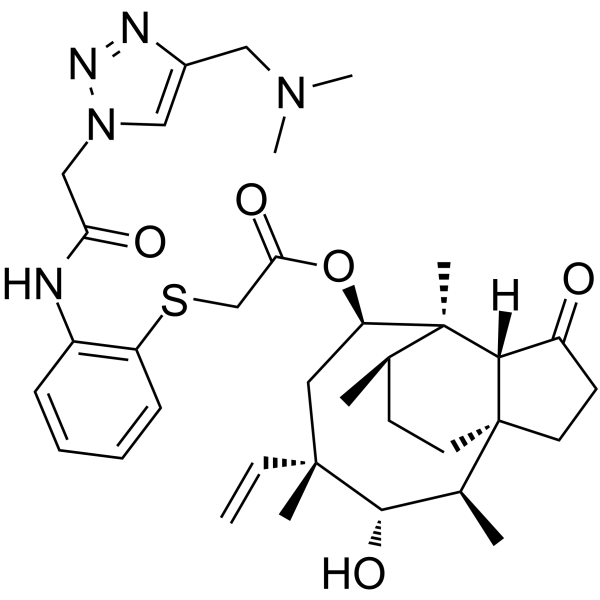
Antibacterial agent 102 (compound 32) possesses potent in vitro and in vivo antibacterial activity, with MICs < 0.5 μg/mL in Staphylococcus aureus (S. aureus). Antibacterial agent 102 also moderately inhibits CYP3A4 with an IC50 value of 6.148 μM. Antibacterial agent 102 can reduce Methicillin-resistant Staphylococcus aureus (MRSA) load in thigh infected mice .
|
-
-
- HY-143326
-
|
|
Bacterial
|
Infection
|
|
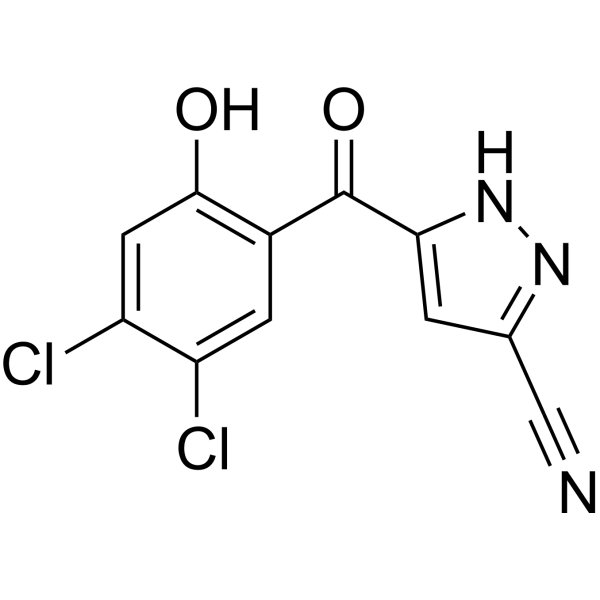
Antibacterial agent 83 (compound 17h) displays potent antibacterial activity against various vancomycin-resistant Enterococcus faecalis (VRE) and methicillin-resistant Staphylococcus aureus (MRSA). Antibacterial agent 83 can significantly reduce the biofilm formation of MRSA and exhibited promising selectivity. Antibacterial agent 83 is metabolically stable in human liver microsomes .
|
-
-
- HY-173478
-
|
|
Topoisomerase
Bacterial
Antibiotic
|
Infection
|
|
OSUAB-0284 is a bacterial topoisomerase inhibitor. OSUAB-0284 has significant anti-staphylococcal activity, especially against methicillin-resistant Staphylococcus aureus (MRSA). OSUAB-0284 exerts its antibacterial effect by inhibiting bacterial topoisomerase. OSUAB-0284 can be used to study infections caused by drug-resistant bacteria such as MRSA .
|
-

-
- HY-N15272
-
-

-
- HY-163463
-
|
|
Phosphatase
Fungal
HIV
Bacterial
|
Infection
Metabolic Disease
|
|
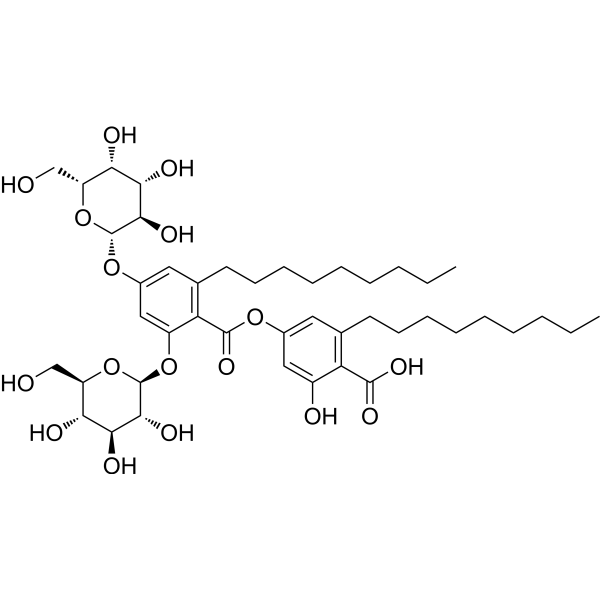
PTP1B-IN-25 (Compound 19) is a PTP1B inhibitor with remarkable antiviral, antibacterial, and antidiabetic activities. PTP1B-IN-25 has IC50 values of 0.37 μM, 8.6 μM, 3.7 μM, and 29 μM against PTP1B, HIV, α-Glucosidase, and methicillin-resistant Staphylococcus aureus (MRSA) respectively .
|
-
-
- HY-14737R
-
|
TAK-599 (Standard); PPI0903 (Standard)
|
Reference Standards
Bacterial
Antibiotic
|
Infection
|
|
Ceftaroline fosamil (Standard) is the analytical standard of Ceftaroline fosamil. This product is intended for research and analytical applications. Ceftaroline fosamil (TAK-599), a cephalosporin derivative, is an N-phosphono proagent of anti-methicillin-resistant Staphylococcus aureus (MRSA) T-91825. Ceftaroline fosamil can be used for the research of MRSA infection[1][2][3].
|
-

-
- HY-13067G
-
|
Tripterine; Tripterin
|
Endogenous Metabolite
Proteasome
Antibiotic
Apoptosis
Bacterial
Autophagy
Mitophagy
|
Infection
Inflammation/Immunology
Cancer
|
|
Celastrol (GMP) (Tripterine (GMP)) is Celastrol (HY-10227) produced by using GMP guidelines. GMP small molecules works appropriately as an auxiliary reagent for cell therapy manufacture. Celastrol (Tripterine;Tripterin) is a proteasome inhibitor which potently and preferentially inhibits the chymotrypsin-like activity of a purified 20S proteasome with IC50 of 2.5 μM. In addition, Celastrol is also an antibiotic with potent antimicrobial activity against standard and clinical methicillin-resistant Staphylococcus aureus (MRSA) strains, inducing oxidative stress and inhibiting DNA synthesis by binding to P5CDH .
|
-

-
- HY-N3789
-
|
|
Bacterial
|
Infection
|
|
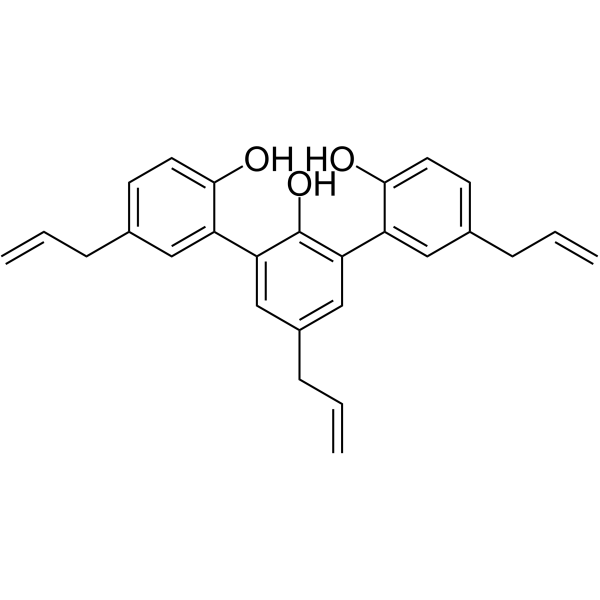
Dunnianol is a natural sesqui-neoligan with moderate antibacterial activity. Dunnianol inhibits Staphylococcus aureus and methicillin-resistant Staphylococcus aureus (MRSA).
|
-
-
- HY-N14125
-
|
|
Bacterial
|
Infection
|
|
Chloroquinocin has moderate activity against Gram-positive bacteria, including methicillin-resistant Staphylococcus aureus (MRSA) .
|
-

-
- HY-163716
-
|
|
Bacterial
|
Infection
|
|
Antibacterial agent 222 ((R)-O30 (5)) is a antimicrobial agent that inhibits methicillin-resistant Staphylococcus aureus (MRSA) .
|
-

-
- HY-N13885
-
|
|
Antibiotic
Bacterial
Parasite
|
Infection
|
|
Amythiamicin A is an antimicrobial antibiotic against Gram-positive bacteria (including methicillin-resistant Staphylococcus aureus (MRSA)) and activity against Plasmodium falciparum .
|
-

-
- HY-N14118
-
|
|
Bacterial
|
Infection
|
|
Chloropolysporin B has strong activity of anti-Gram-positive bacteria, including methicillin-resistant Staphylococcus aureus (MRSA) and enterococcus bacteria .
|
-

-
- HY-N13881
-
|
|
Antibiotic
Bacterial
Parasite
|
Infection
|
|
Amythiamicin C is an antimicrobial antibiotic against Gram-positive bacteria (including methicillin-resistant Staphylococcus aureus (MRSA)) and activity against Plasmodium falciparum .
|
-

-
- HY-157142
-
|
|
Bacterial
|
Infection
|
|
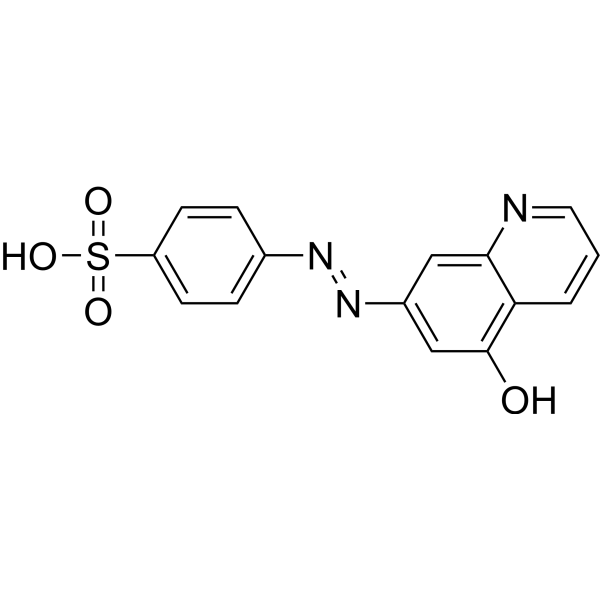
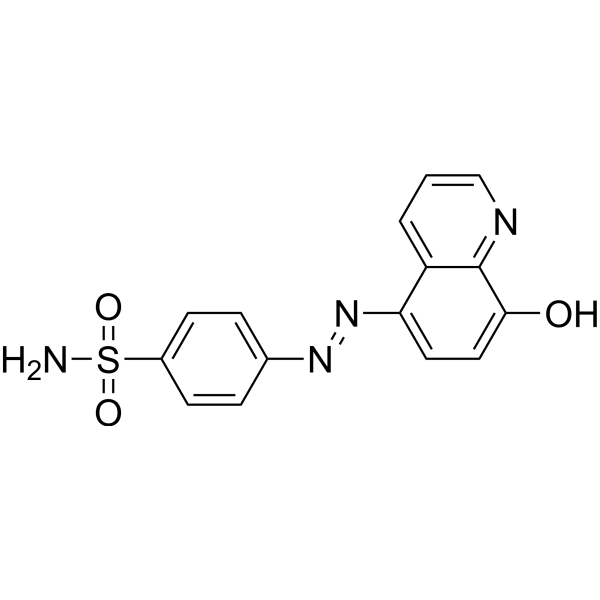
Antibacterial agent 165 (compound 3), a hydroxyquinoline derivative, is a potent bacterial inhibitor. Antibacterial agent 165 inhibits methicillin-resistant Staphylococcus aureus (MRSA) .
|
-
-
- HY-157141
-
|
|
Bacterial
|
Infection
|
|
Antibacterial agent 163 (compound 1), a hydroxyquinoline derivative, is a potent bacterial inhibitor. Antibacterial agent 163 inhibits methicillin-resistant Staphylococcus aureus (MRSA) .
|
-
-
- HY-N14470
-
|
|
Bacterial
|
Infection
|
|
Kigamicin A shows activity against Gram-positive bacteria including methicillin-resistant Staphylococcus aureus (MRSA) with MICs of 0.025-0.78 μg/mL .
|
-

-
- HY-N8186
-
|
|
Bacterial
|
Infection
|
|
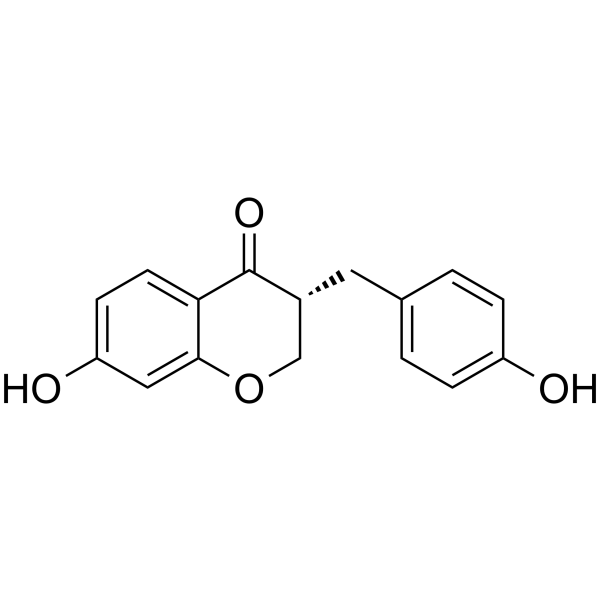
(3R)-7,4’-Dihydrohomoisoflavanone is a natural product with antibacterial activities against S. aureus and methicillin-resistant Staphylococcus aureus (MRSA) .
|
-
-
- HY-N14476
-
|
|
Bacterial
|
Infection
|
|
Kigamicin B shows activity against Gram-positive bacteria including methicillin-resistant Staphylococcus aureus (MRSA) with MICs of 0.025-0.78 μg/mL .
|
-

-
- HY-116168
-
|
|
Antibiotic
Bacterial
|
Infection
|
|
Aldecalmycin is an antibiotic showing antimicrobial activities against Gram-positive bacteria including methicillin-resistant Staphylococcus aureus (MRSA) with MICs values of 6.25-25 μg/mL .
|
-

-
- HY-115965
-
|
|
Bacterial
Antibiotic
|
Infection
|
|
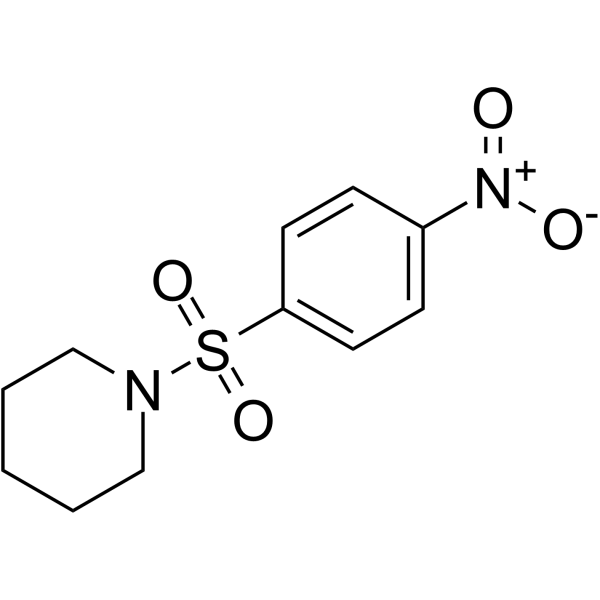
VP-4604 is a potent anti-methicillin-resistant Staphylococcus aureus (MRSA) agent. VP-4604 exhibits significant microbial growth inhibition toward Staphylococcus aureus (ATCC 43300) with MIC of 4-8 µg/mL. VP-4604 inhibits the growth of methicillin‐resistant Staphylococcus aureus with growth inhibition >95% .
|
-
-
- HY-115964
-
|
|
Bacterial
Antibiotic
|
Infection
|
|
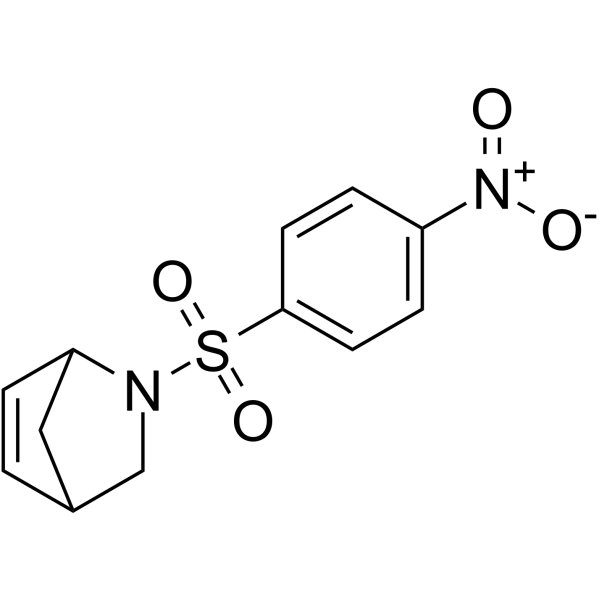
VP-4556 is a potent anti-methicillin-resistant Staphylococcus aureus (MRSA) agent. VP-4556 exhibits significant microbial growth inhibition toward Staphylococcus aureus (ATCC 43300) with MIC of 8 µg/mL. VP-4556 inhibits the growth of methicillin‐resistant Staphylococcus aureus with growth inhibition >95% .
|
-
-
- HY-163906
-
|
|
Bacterial
|
Infection
|
|
Anti-MRSA agent 16 (Compound 4) is an inhibitor of methicillin-resistant Staphylococcus aureus (MRSA). Anti-MRSA agent 16 is effective in combination with oxacillin or meropenem in infected mice .
|
-

-
- HY-N5195
-
|
Nocathiacine II
|
Bacterial
|
Infection
|
|
Nocathiacin II (Nocathiacine II) is highly resistant to Gram-positive bacteria, including methicillin-resistant Staphylococcus aureus (MRSA), penicillin-resistant Streptococcus pneumoniae (PRSP) and multidrug resistant Enterococcus faecalis (MREF) .
|
-

-
- HY-N5184
-
|
Nocathiacine III
|
Bacterial
|
Infection
|
|
Nocathiacin III (Nocathiacine III) is highly resistant to Gram-positive bacteria, including methicillin-resistant Staphylococcus aureus (MRSA), penicillin-resistant Streptococcus pneumoniae (PRSP) and multidrug resistant Enterococcus faecalis (MREF) .
|
-

-
- HY-175338
-
|
|
Bacterial
|
Infection
|
|
Anti-MRSA agent 34 (Compound 6) is an antimicrobial agent targeting methicillin-resistant Staphylococcus aureus (MRSA) (MIC=14 μg/mL). Anti-MRSA agent 34 is promising for research of microbial infection .
|
-

-
- HY-174273
-
|
|
Bacterial
|
Infection
|
|
Antibacterial agent 280 (Compound 7af) is an antibacterial agent targeting methicillin-resistant and vancomycin-resistant Staphylococcus aureus (MRSA, VRSA). Antibacterial agent 280 is promising for research of is promising for research of S. aureus infections .
|
-

-
- HY-173080
-
|
|
Bacterial
|
Infection
|
|
Antibacterial agent 267 (Compound h19) is a pleuromutilin derivative with a potent antibacterial activity on Gram-positive bacteria. Antibacterial agent 267 shows an antibacterial activity in methicillin-resistant Staphylococcus aureus (MRSA)-infected mouse models .
|
-

-
- HY-W112166A
-
|
|
Bacterial
|
Infection
|
|
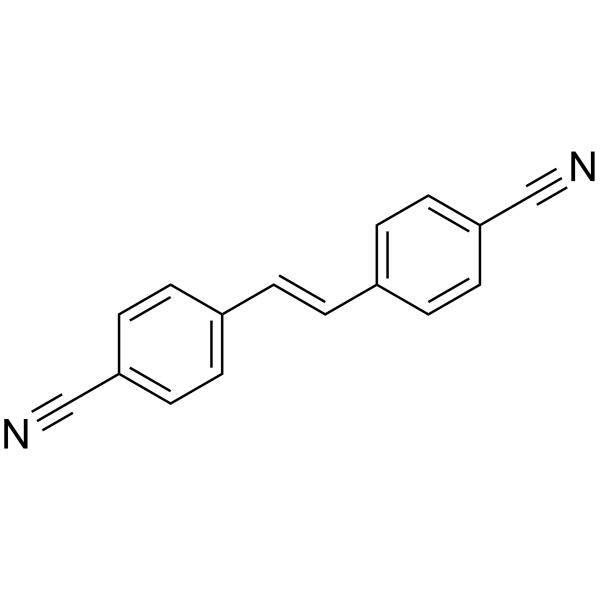
4,4'-Dicyanostilbene (compound 43) is a potent antimalarial agent against the Dd2 strain, with an EC50 of 27 nM. 4,4'-Dicyanostilbene exhibits in vivo efficacy against methicillin-resistant Staphylococcus aureus (MRSA) .
|
-
-
- HY-162564
-
|
|
Bacterial
|
Infection
|
|
Antibacterial agent 221 (compound 3k) is a potent inhibitor of Gram-positive Methicillin-resistant Staphylococcus aureus (MRSA). Antibacterial agent 221 shows significant cytotoxicity against human LO2 and HepG2 cells .
|
-

-
- HY-N14955
-
|
|
Antibiotic
Bacterial
|
Infection
|
|
3-O-α-D-Forosaminyl-(+)-griseusin is a memberof naphthoquinone antibiotic. 3-O-α-D-Forosaminyl-(+)-griseusin is active against Gram-positive bacteria including methicillin-resistant strain of Staphylococcus aureus (MRSA) .
|
-

-
- HY-161018
-
|
|
Bacterial
Antibiotic
|
Infection
|
|
CF3–K11 is a stable antibiotic with antibacterial activity. CF3–K11 has strong antibacterial activity against Pseudomonas aeruginosa and methicillin-resistant Staphylococcus aureus (MRSA).
|
-
- HY-N15019
-
|
|
Antibiotic
Bacterial
|
Infection
|
|
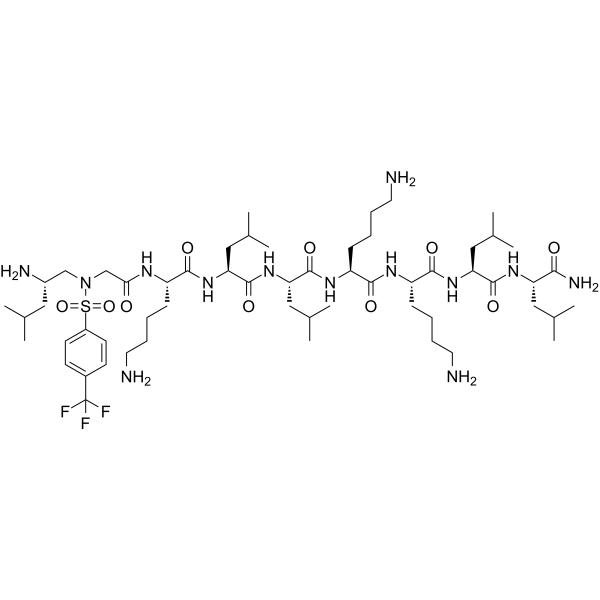
Glycothiohexide α is a peptide antibiotic. Glycothiohexide α has strong activity against Gram-positive bacteria including methicillin-resistant Staphylococcus aureus (MRSA) and vancomycin resistant enterococcus (VREF), MIC values of 0.03-0.06 μg/mL .
|
-

- HY-115965R
-
|
|
Reference Standards
Bacterial
Antibiotic
|
Infection
|
|
VP-4604 (Standard) is the analytical standard of VP-4604. This product is intended for research and analytical applications. VP-4604 is a potent anti-methicillin-resistant Staphylococcus aureus (MRSA) agent. VP-4604 exhibits significant microbial growth inhibition toward Staphylococcus aureus (ATCC 43300) with MIC of 4-8 μg/mL. VP-4604 inhibits the growth of methicillin‐resistant Staphylococcus aureus with growth inhibition >95%[1].
|
-

- HY-N14171
-
|
|
Bacterial
Fungal
|
Infection
|
|
Epicorazine A has activity against Gram-positive bacteria, including methicillin-resistant Staphylococcus aureus (MRSA) and vancomycin resistant enterococcus (VRE), MICs of 12.5-25 μg/mL. Epicorazine A also has effect on Candida albicans with a MIC of 25 μg/mL .
|
-

- HY-163073
-
|
|
Bacterial
|
Infection
|
|
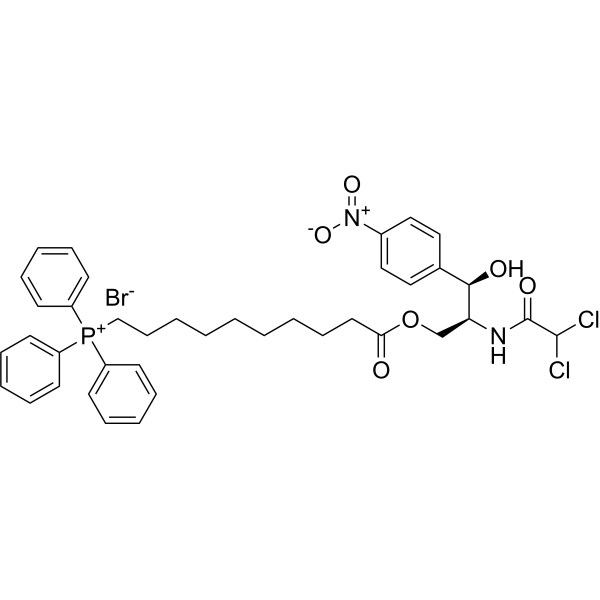
Anti-MRSA agent 9 (compound 39) shows antibacterial effects against clinically isolated methicillin-resistant Staphylococcus aureus (MRSA) with MIC values of 1 μg/ml. Anti-MRSA agent 9 also shows anti-MRSA efficacy in vivo .
|
-
- HY-17626B
-
|
WCK-2349 hydrochloride
|
Antibiotic
|
Infection
|
|
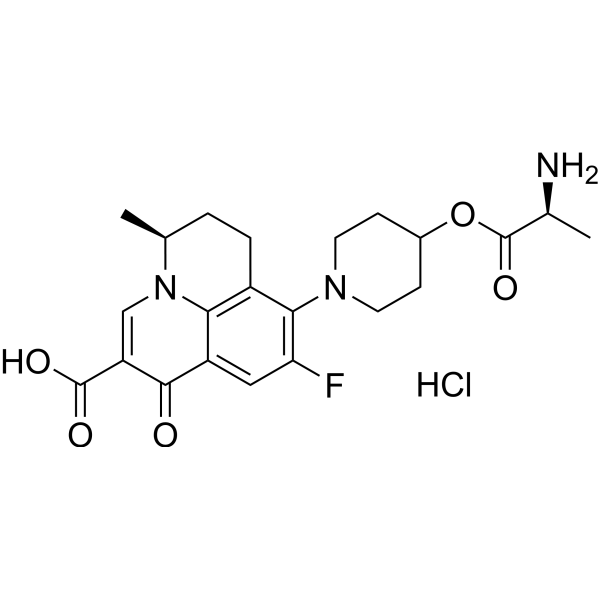
Alalevonadifloxacin (hydrochloride) (WCK-2349 (hydrochloride)) is a oraaly active anti-methicillin-resistant Staphylococcus aureus (MRSA) antibiotic .
|
-
- HY-146428
-
|
|
Bacterial
|
Infection
|
|
Anti-MRSA agent 4 (compound 7a) is a potent and selective growth inhibitor of Gram-positive Methicillin-resistant Staphylococcus aureus (MRSA), with MIC ≤ 0.26 µM. Anti-MRSA agent 4 exhibits no cytotoxic and no hemolytic activity in HEK293 cells .
|
-
- HY-Z8025
-
|
|
Bacterial
|
Infection
Inflammation/Immunology
|
|
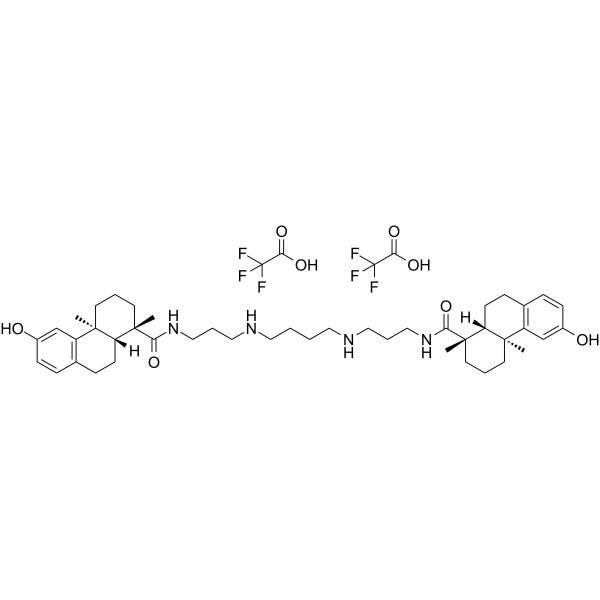
Deprodone is an active compound. Deprodone inhibits key processes such as bacterial cell wall synthesis by interacting with the hydrolase and transferase proteins of methicillin-resistant Staphylococcus aureus (MRSA). Deprodone is used in research on anti-MRSA infection, inflammatory skin disorders, bowel disease, and fatty acid metabolism disorders .
|
-

- HY-156289
-
|
|
Bacterial
|
Infection
|
|
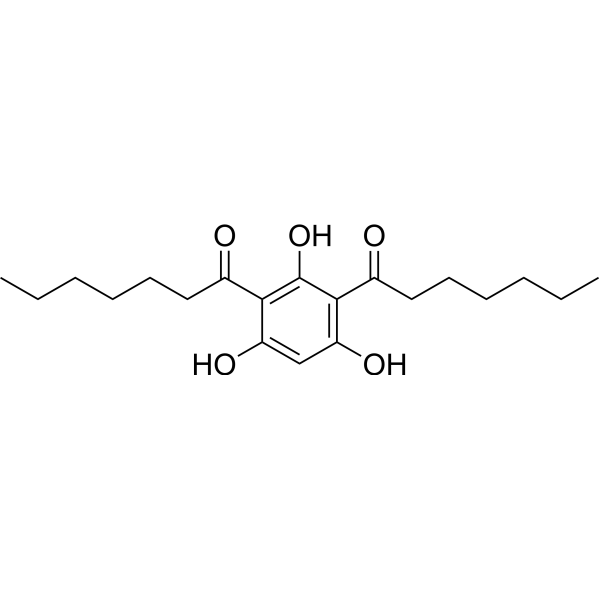
Anti-MRSA agent 8 (Compound 7g) is a DAPG derivative with strong antibacterial activity. Anti-MRSA agent 8 assertes its activity by targeting bacterial cell membranes. Anti-MRSA agent 8 can be used for the research of methicillin-resistant Staphylococcus aureus (MRSA) .
|
-
- HY-14926A
-
|
(S)-(-)-Nadifloxacin arginine hydrate; WCK-771A arginine hydrate
|
Antibiotic
Bacterial
|
Infection
|
|
Levonadifloxacin (arginine) hydrate is a broad-spectrum anti-staphylococcal agent. Levonadifloxacin (arginine) hydrate shows antibacterial activity against Methicillin (HY-121544)-susceptible Staphylococcus aureus (MSSA) and Methicillin-resistant S. aureus (MRSA) strains, with a reduction of which phagocytized in THP-1 monocytes .
|
-

- HY-108021
-
|
|
Bacterial
|
Infection
|
|
HT-61 is a quinolone antibacterial agent. HT-61 exhibits bactericidal activity against gram-positive bacteria including methicillin-susceptible Staphylococcus aureus (MSSA) and methicillin-resistant Staphylococcus aureus (MRSA). HT-61 can enhance the effect of Tobramycin (HY-B0441) against Pseudomonas aeruginosa .
|
-

- HY-122174
-
|
CP-5609
|
Antibiotic
Bacterial
|
Infection
|
|
ME-1036 (CP-5609) is a carbapenem antibiotic. ME-1036 against resistant Gram-positive organisms, including Methicillin-resistant Staphylococcus aureus (MRSA), and vancomycin-resistant Enterococci (VRE), and ESBL-producing E. coli and K. pneumoniae but is not effective against P. aeruginosa .
|
-

- HY-161893
-
|
|
Bacterial
|
Infection
|
|
Anti-MRSA agent 15 (Compound 9o10) exhibits antibacterial activity, that inhibits methicillin-resistant Staphylococcus aureus (MRSA) with a MIC of 0.0625 μg/mL. Anti-MRSA agent 15 exhibits low hemolysis and low cytotoxicity. Anti-MRSA agent 15 exhibits anti-infective in mice .
|
-

- HY-144822
-
|
|
Bacterial
|
Infection
|
|
Anti-MRSA agent 2 (compound 14) has highly inhibitory activity against Methicillin-resistant Staphylococcus aureus (MRSA) with MIC of 0.098 μg/ml, and relatively low cytotoxicity in normal cells. Anti-MRSA agent 2 has strong ability to destroy bacterial membrane and bind to genomic DNA .
|
-
- HY-N14144
-
|
|
Bacterial
|
Infection
Cancer
|
|
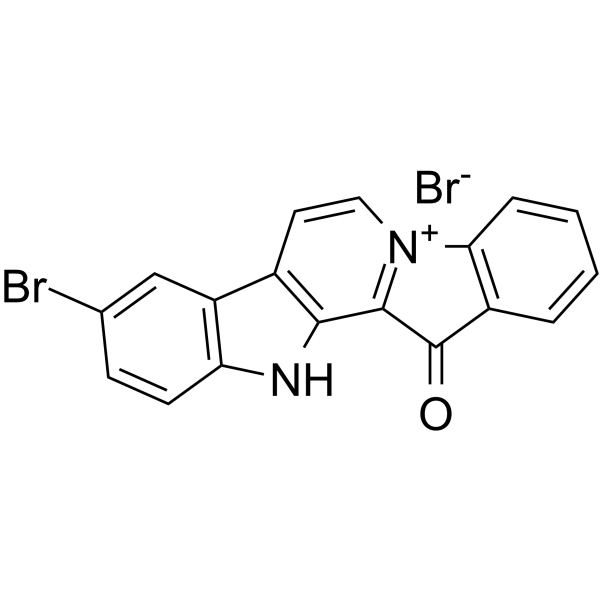
Cremimycin has anti-Gram-positive bacteria activity including methicillin-resistant Staphylococcus aureus (MRSA), MIC is 0.2-0.39 μg/mL. Cremimycin shows cytotoxicity to mouse tumor cell lines P388, L1210, IMC, S180, B16 and SS3 in vitro .
|
-

- HY-173240
-
|
|
Bacterial
|
Infection
|
|
IPMCL-28b is an antibacterial agent targeting the bacterial cell membrane. Its minimum inhibitory concentration (MIC) against Staphylococcus aureus ATCC 25923 is 1.56 μg/mL, and the MIC against methicillin-resistant Staphylococcus aureus (MRSA) is 6.25 μg/mL. IPMCL-28b is expected to be used in the research of the anti-infection field .
|
-

- HY-17626C
-
|
(R)-WCK-2349
|
Antibiotic
|
Others
|
|
(R)-Alalevonadifloxacin mesylate is an isomer of Alalevonadifloxacin mesylate (HY-17626B). Alalevonadifloxacin mesylate is a oraly active anti-methicillin-resistant Staphylococcus aureus (MRSA) antibiotic .
|
-

- HY-156122
-
|
|
Dihydrofolate reductase (DHFR)
Bacterial
|
Infection
|
|
DHFR-IN-8 (compound 6r) is a dihydrofolate reductase (DHFR) inhibitor that affects purine and thymidylate biosynthesis in cell proliferation and growth. DHFR-IN-8 inhibits methicillin-resistant Staphylococcus aureus (MRSA) ATCC 43300 (IC50=15.6 ng/mL) in mouse models of systemic infection and thigh infection .
|
-
- HY-161803
-
|
|
Antibiotic
Bacterial
|
Infection
|
|
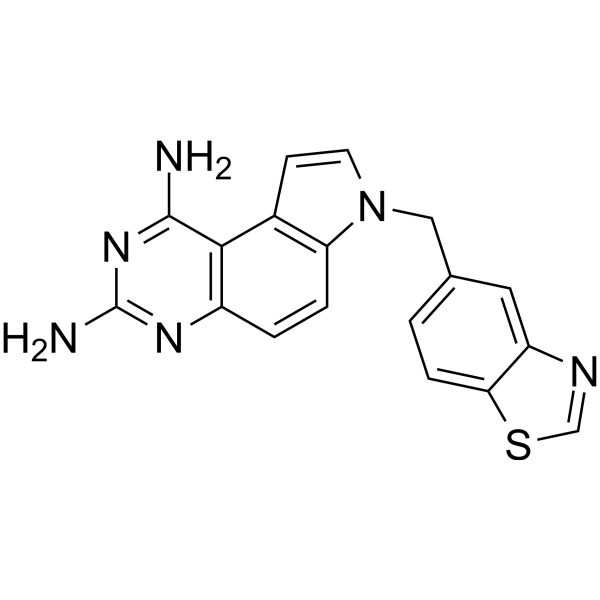
Anti-MRSA agent 12 (Compound SM-5) is an antibiotic, which exhibits antibacterial activity against Staphylococcus aureus, S. epidermidis and Escherichia coli with MIC of 7.81, 7.81 and 62.5 μM. Anti-MRSA agent 12 inhibits the methicillin-resistant S. aureus (MRSA) through inhibition of biofilm formation .
|
-

- HY-174158
-
|
|
Bacterial
|
Infection
|
|
Antibacterial agent 270 (Compound 3e) is an antibacterial agent that acts on bacterial membrane components phosphatidylglycerol (PG), cardiolipin (CL), and bacterial DNA. Antibacterial agent 270 disrupts bacterial membrane structure and binds to DNA to interfere with genetic information transmission. Antibacterial agent 270 is promising for research of infections caused by methicillin-resistant Staphylococcus aureus (MRSA) .
|
-

- HY-141648
-
|
|
Bacterial
|
Infection
|
|
Antibacterial agent 219 (Compound 2/75c) exhibits antibacterial activity by targeting cell wall biosynthesis. Antibacterial agent 219 inhibits methicillin-resistant Staphylococcus aureus (MRSA) strains (MIC=0.5-32 µg/mL), Enterococcus faecium (MIC=2 µg/mL) and S. aureus (MIC=2 µg/mL) .
|
-

- HY-144823
-
|
|
Bacterial
|
Infection
|
|
Anti-MRSA agent 3 (compound 18) has highly inhibitory activity against Methicillin-resistant Staphylococcus aureus (MRSA) with MIC of 0.098 μg/ml, and low cytotoxicity in normal cells. Anti-MRSA agent 3 has relatively strong ability to destroy bacterial cell wall and membrane, high binding affinity to bacterial genomic DNA .
|
-
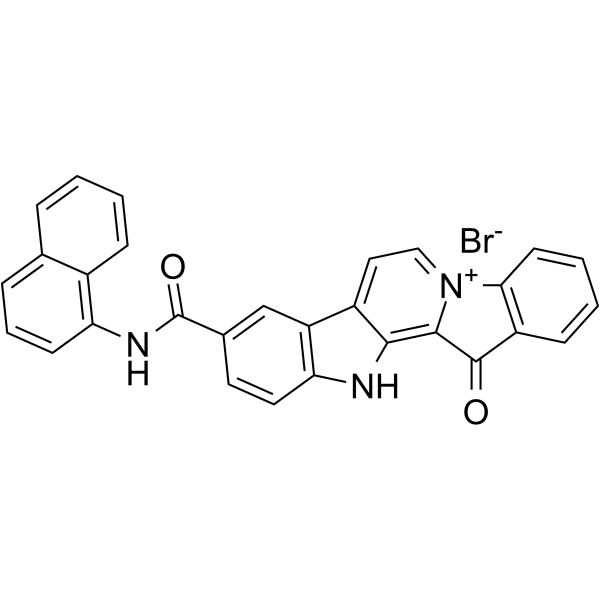
- HY-N11879
-
|
|
Bacterial
Antibiotic
|
Others
|
|
6-C-Methylquercetin-3,4'-dimethyl etheris a flavonol derivative isolated from the leaves of Bauhinia thonningii Schum. 6-C-Methylquercetin-3,4'-dimethyl ether has antibacterial activity against Gram-negative multidrug-resistant bacteria and against methicillin-resistant Staphylococcus aureus (MRSA) strains .
|
-
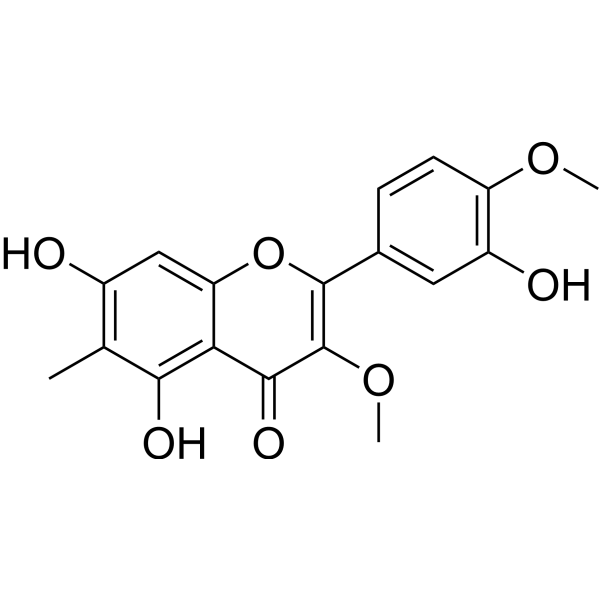
- HY-W112166
-
|
|
Parasite
Drug Isomer
|
Infection
|
|
(E/Z)-4,4'-Dicyanostilbene is the isomer of 4,4'-Dicyanostilbene (HY-W112166A), and can be used as an experimental control. 4,4'-Dicyanostilbene (compound 43) is a potent antimalarial agent against the Dd2 strain, with an EC50 of 27 nM. 4,4'-Dicyanostilbene exhibits in vivo efficacy against methicillin-resistant Staphylococcus aureus (MRSA) .
|
-
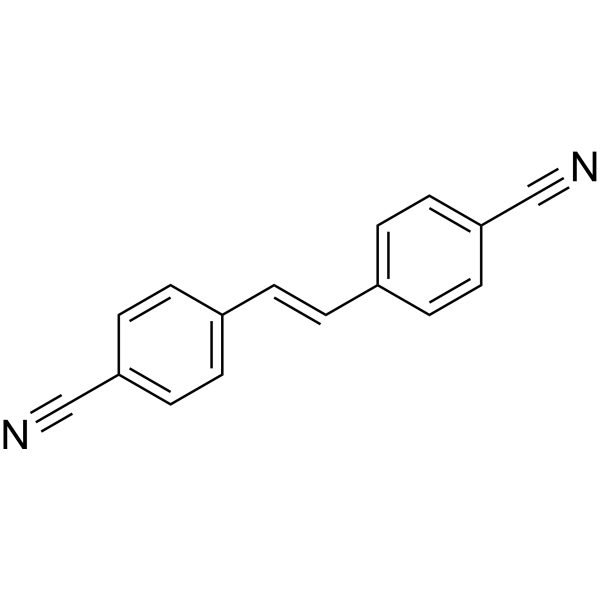
- HY-173225
-
|
|
Bacterial
|
Infection
|
|
MRSA/VRE-IN-1 (Compound 3e) is an inhibitor against methicillin-resistant Staphylococcus aureus (MRSA) and vancomycin-resistant Enterococcus (VRE). The MIC/MBC of MRSA/VRE-IN-1 against VRE is 3.6/7.3 µM, and against MRSA is 7.3/14.6 µM. MRSA/VRE-IN-1 can be used in the research of the anti-infection field .
|
-

- HY-14926R
-
|
(S)-(-)-Nadifloxacin (Standard); WCK 771 (Standard)
|
Reference Standards
Antibiotic
Bacterial
|
Infection
|
|
Levonadifloxacin (Standard) is the analytical standard of Levonadifloxacin. This product is intended for research and analytical applications. Levonadifloxacin ((S)-(-)-Nadifloxacin; WCK 771) is a broad-spectrum anti-staphylococcal agent. Levonadifloxacin shows antibacterial activity against Methicillin (HY-121544)-susceptible Staphylococcus aureus (MSSA) and Methicillin-resistant S. aureus (MRSA) strains, with a reduction of which phagocytized in THP-1 monocytes .
|
-

- HY-174985
-
|
|
Bacterial
|
Infection
|
|
Anti-MRSA agent 32 (Compound 26) is an orally active and selective SaClpP (Staphylococcus aureus ClpP protease) activator with an EC50 value of 0.98 μM. Anti-MRSA agent 32 activates SaClpP to abnormally degrade bacterial proteins, inhibiting the proliferation of Staphylococcus aureus. Anti-MRSA agent 32 promotes wound healing in a murine skin infection model. Anti-MRSA agent 32 is promising for research of infectious diseases such as methicillin-resistant Staphylococcus aureus (MRSA) infections .
|
-

- HY-178493
-
|
|
Bacterial
|
Infection
|
|
Anti-MRSA agent 37 (Compound 5B) is an antibacterial agent against methicillin-resistant Staphylococcus aureus (MRSA) (MIC=0.25-0.5 μg/mL). Anti-MRSA agent 37 inhibits biofilm formation, disrupts cell wall integrit, attacks cell membrane and induces oxidative stress. Anti-MRSA agent 37 is promising for research of MRSA-related diseases such as skin infections .
|
-

- HY-121000
-
|
Ingramycin
|
Antibiotic
Bacterial
|
Infection
|
|
Albocycline (Ingramycin) is a macrolide antibiotic, which exhibits antibacterial activities against methicillin-resistant Staphylococcus aureus (MRSA), Vancomycin (HY-B0671)-intermediate (VISA), and Vancomycin (HY-B0671)-resistant S. aureus (VRSA) strains with MICs ranging from 0.5 to 1.0 μg/mL. Albocycline exhibits no toxicity to human cells at concentration of ≤64 μg/mL .
|
-

- HY-W024297
-
|
|
Bacterial
|
Infection
|
|
VP-4509, an anti-methicillin‐resistant Staphylococcus aureus (MRSA) agent, with the MIC of 49.3 µM. VP-4509 also possesses high antibacterial activity towards gram-negative bacteria P. aeruginosa .
|
-
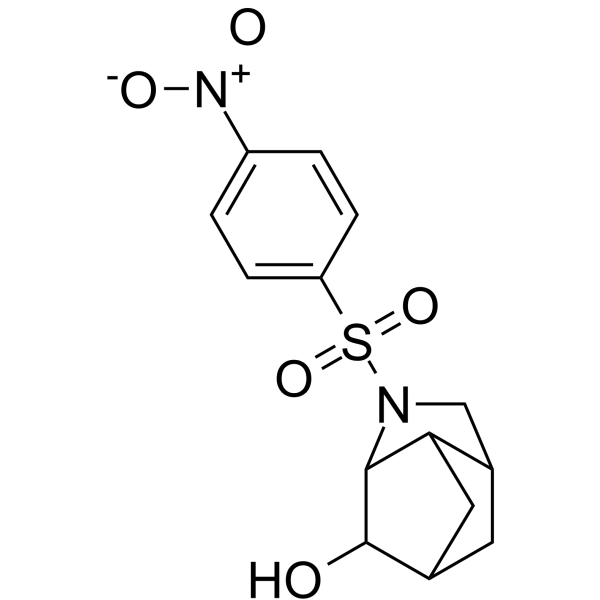
- HY-173197
-
|
|
Bacterial
|
Infection
|
|
PBP4-IN-1 (Compound 1) is an inhibitor of penicillin-binding protein 4 (PBP4) of Staphylococcus aureus. PBP4-IN-1 enhances the inhibitory activity of antibiotics against PBP2a-mediated methicillin-resistant Staphylococcus aureus (MRSA) by inhibiting the function of PBP4. PBP4-IN-1 can be used for the study of osteomyelitis caused by Staphylococcus aureus and for the study of reversing PBP4-mediated resistance to β-lactam antibiotics.
|
-

- HY-174333
-
|
|
Bacterial
Cytochrome P450
|
Infection
Cardiovascular Disease
|
|
CYP1A1-IN-1 (Compound 47) is a small-molecule cytochrome P4501A1 (CYP1A1) inhibitor. CYP1A1-IN-1 reduces the bacterial loads of methicillin-resistant Staphylococcus aureus (MRSA) and Acinetobacter baumannii by enhancing macrophage phagocytosis. CYP1A1-IN-1 is promising for research of sepsis caused by multidrug-resistant (MDR) bacteria .
|
-

- HY-16764A
-
|
JNJ-Q2 hydrochloride
|
Bacterial
|
Infection
Inflammation/Immunology
|
|
Acorafloxacin hydrochloride (JNJ-Q2 hydrochloride) is a broad-spectrum fluoroquinolone anti-bacterial drug being developed for the treatment of acute bacterial skin and skin-structure infections and community-acquired pneumonia . Acorafloxacin hydrochloride is an aminoethylidenylpiperidine fluoroquinolone that demonstrates antibacterial effect against numerous Gram-positive bacteria with a mean 0.12 mg/L MIC90 value . Acorafloxacin hydrochloride has potential for study of methicillin-resistant Staphylococcus aureus (MRSA) infections .
|
-

- HY-146460
-
|
|
Reactive Oxygen Species (ROS)
|
Infection
|
|
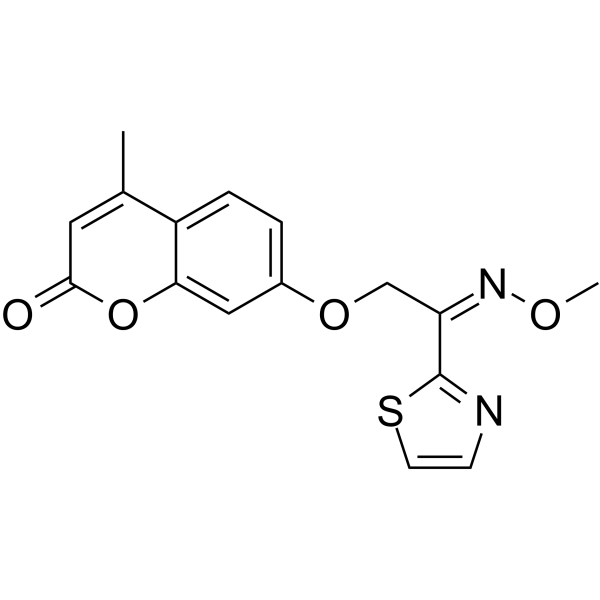
Antimicrobial agent-2 (compound V-a) is a broad-spectrum antimicrobial agent, possessing inhibitory activity against various Gram-positive and -negative bacteria. Antimicrobial agent-2 has excellent inhibitory effect on Methicillin-resistant Staphylococcus aureus (MRSA) with a MIC of 1 μg/mL. Antimicrobial agent-2 can effectively damage the membrane and lead to the leakage of protein, also can induce the generation of ROS. Antimicrobial agent-2 exhibits low toxicity, no obvious resistance and good bioavailability .
|
-
- HY-174459
-
|
|
Bacterial
Penicillin-binding protein (PBP)
|
Infection
|
|
Anti-MRSA agent 31 (Compound 6) is an anti-methicillin-resistant Staphylococcus aureus (MRSA) agent with a MIC of 97 μg/mL and a MBC of 781.25 μg/mL. Anti-MRSA agent 31 has a potent antibacterial activity and a strong Binding Protein 2a (PBP2a) inhibitory activity .
|
-

- HY-173318
-
|
|
Bacterial
|
Infection
|
|
Anti-MRSA agent 25 (Compound 10c) is an antibacterial agent with a MIC of 0.25 μg/mL against methicillin-resistant Staphylococcus aureus (MRSA). Anti-MRSA agent 25 exerts its antibacterial activity by inhibiting biofilm formation, disrupting the cell wall (interacting with peptidoglycan and lipoteichoic acids), acting on the cell membrane (causing depolarization, increasing permeability, and disrupting integrity), reducing metabolic activity, interfering with cellular redox homeostasis, and binding to DNA. Anti-MRSA agent 25 is expected to be used in the research of the anti-infection field .
|
-

- HY-N10907
-
|
|
Bacterial
|
Infection
|
|
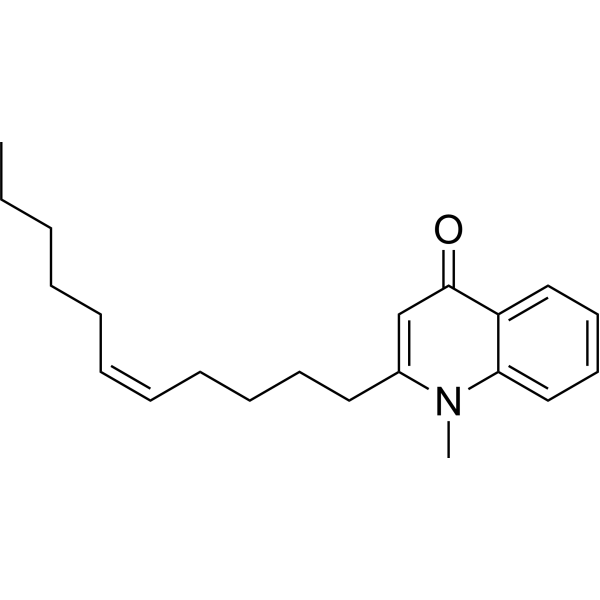
4(1H)-Quinolinone, 1-methyl-2-(5Z)-5-undecen-1-yl- (compound 2) is a quinolone alkaloid that can be isolated from Cnidium. 4(1H)-Quinolinone, 1-methyl-2-(5Z)-5-undecen-1-yl- has methicillin-resistant Staphylococcus aureus (MRSA) activity, with MIC values of 32 μg/mL (ATCC 33591) and 16 μM/mL (ATCC 25923), respectively .
|
-
- HY-161823
-
|
|
Bacterial
|
Infection
|
|
Anti-MRSA agent 13 (Compound 9b) is an agent against methicillin-resistant Staphylococcus aureus (MRSA), exhibiting a minimum inhibitory concentration (MIC) of 0.5–2 μg/mL against clinically isolated MRSA strains. Anti-MRSA agent 13 possesses favorable biosafety, plasma tolerance stability, and a low tendency to develop resistance. Anti-MRSA agent 13 disrupts cell walls and membranes, reduces metabolic activity, causes oxidative damage, affects DNA function, and ultimately leads to MRSA death through multi-target synergies .
|
-

- HY-N14119
-
|
|
Bacterial
|
Infection
|
|
Chloropolysporin C has strong activity of anti-Gram-positive bacteria, including methicillin-resistant Staphylococcus aureus (MRSA) and enterococcus bacteria .
|
-

- HY-105401
-
|
|
Bacterial
|
Infection
|
|
J-114870 is a bacterial penicillin-binding protein (PBPs) inhibitor. J-114870 is effective against methicillin-resistant Staphylococcus aureus (MRSA) and methicillin-resistant coagulase-negative staphylococci (MRCoNS). J-114870 can be used for research on bacterial infections .
|
-

- HY-N5196
-
|
Nocathiacine I
|
Bacterial
|
Infection
|
|
Nocathiacin I (Nocathiacine I) is highly resistant to Gram-positive bacteria, including methicillin-resistant Staphylococcus aureus (MRSA), penicillin-resistant Streptococcus pneumoniae (PRSP) and multidrug resistant Enterococcus faecalis (MREF) .
|
-

- HY-N9833
-
|
|
Bacterial
|
Infection
|
|
Sampsone B is a dihydrodibenzodioxinone-type antibacterial agent with a minimum inhibitory concentration (MIC) of ≥128 μg/mL against methicillin-resistant Staphylococcus aureus (MRSA). Sampsone B can be naturally extracted from the aerial parts (stems and leaves) of Hypericum sampsonii .
|
-

- HY-N14172
-
|
|
Bacterial
Fungal
|
Infection
|
|
Epicorazine B has activity against Gram-positive bacteria, including methicillin-resistant Staphylococcus aureus (MRSA) and vancomycin resistant enterococcus (VRE), MICs of 12.5-25 μg/mL. Epicorazine B also has effect on Candida albicans with a MIC of 25 μg/mL .
|
-

- HY-N9819
-
|
|
Bacterial
|
Infection
|
|
Jinflexin D is a potential antibacterial agent, without inhibitory activity against methicillin-resistant Staphylococcus aureus (MRSA). Jinflexin D is a dimeric phenanthrene natural product with a unique seven-membered ring system, naturally extracted from the methanol extract of the roots of Juncus inflexus (a plant of the Juncaceae family) .
|
-

- HY-105523
-
|
|
Bacterial
|
Infection
|
|
S 3578 sulfate is a broad-spectrum antibacterial agent, particularly effective against methicillin-resistant Staphylococcus aureus (MRSA) (MIC = 0.78-3.13 μg/mL) and Pseudomonas aeruginosa (MIC = 1.56-6.25 μg/mL). S 3578 sulfate can be used in the research of infectious conditions .
|
-

- HY-W034984
-
|
|
Bacterial
|
Infection
|
|
(1,5-Cyclooctadiene) dimethylplatinum (II) (Compound Pt3) is an Antibacterial agent. (1,5-Cyclooctadiene) dimethylplatinum (II) exhibits limited but selective activity against some Gram-positive Staphylococcus aureus strains, including methicillin-resistant Staphylococcus aureus (MRSA) and Glycopeptide-intermediate Staphylococcus aureus (GISA). (1,5-Cyclooctadiene) dimethylplatinum (II) shows no hemolytic activity .
|
-

- HY-N14530
-
|
|
Bacterial
|
Infection
Cancer
|
|
Cremeomycin has anti-Gram-positive bacteria activity including methicillin-resistant Staphylococcus aureus (MRSA), MIC is 0.2-0.39 μg/mL. Cremeomycin shows cytotoxicity to mouse tumor cell lines P388, L1210, IMC, S180, B16 and SS3 in vitro .
|
-

- HY-N14484
-
|
|
Bacterial
|
Infection
Cancer
|
|
Kigamicin D shows activity against Gram-positive bacteria including methicillin-resistant Staphylococcus aureus (MRSA) with MICs of 0.025-0.78 μg/mL. Kigamicin D also shows effect against L-1210 LB32T and other genera tumor cells with IC50 of 1 μg/mL .
|
-

- HY-N16526
-
|
|
Bacterial
|
Infection
|
|
Juncatrin B is a type of dihydrophenanthrene compound. Juncatrin B exhibits inhibitory activity against both Methicillin (HY-121544)-sensitive Staphylococcus aureus (MSSA) and Methicillin-resistant Staphylococcus aureus (MRSA). Juncatrin B can inhibit the formation of biofilms in MSSA and MRSA. Juncatrin B has no significant activity against Gram-negative bacteria. Juncatrin B can be used in the research of anti-Staphylococcus aureus .
|
-

- HY-179405
-
|
|
Bacterial
|
Infection
|
|
Antibacterial agent 301 (compound 14c) is a pyridine-amide pleuromutilin derivative with broad-spectrum antibacterial and pronounced antimycoplasmal activity. Antibacterial agent 301 inhibits peptidyl transferase center (PTC), breaks down biofilms, and disrupts cell membranes in multidrug-resistant (MDR) bacteria. Antibacterial agent 301 exhibits activity in a systemic methicillin-resistant Staphylococcus aureus (MRSA) infection mouse model. Antibacterial agent 301 can be used for MDR bacterial infection research .
|
-

- HY-179611
-
|
|
Bacterial
|
Infection
|
|
LP-03 is an antibacterial agent with selective activity against Methicillin-resistant Staphylococcus aureus (MRSA). Its minimum inhibitory concentration (MIC) is 6.2 μM. LP-03 has an inhibitory effect on biofilm formation, but it is unable to effectively remove the formed biofilms. LP-03 can enhance membrane permeability, disrupt the membrane structure of MRSA cells, and does not cause significant membrane depolarization. LP-03 has no hemolytic toxicity and shows low mammalian cell toxicity. It can be used for research on MRSA infections .
|
-

- HY-161935
-
|
|
Bacterial
|
Infection
Inflammation/Immunology
|
|
6-(12-Tridecene-1-yl)-2,4-Dihydroxy benzoic acid (Compound 2) exhibits antibacterial activity against methicillin-resistant Staphylococcus aureus (MRSA) and Vancomycin enterococci (VRE). 6-(12-Tridecene-1-yl)-2,4-Dihydroxy benzoic acid interfers with the integrity and function of the bacterial cell membrane, and affects metabolism in MRSA. 6-(12-Tridecene-1-yl)-2,4-Dihydroxy benzoic acid exhibits anti-inflammatory and anti-infective efficacy, and promotes angiogenesis in mice .
|
-

- HY-156123
-
|
|
Dihydrofolate reductase (DHFR)
Bacterial
|
Infection
Cancer
|
|
DHFR-IN-9 (compound 8A) is a dihydrofolate reductase (DHFR) inhibitor that affects purine and thymidylate biosynthesis in cell proliferation and growth. DHFR-IN-9 inhibits methicillin-resistant Staphylococcus aureus (MRSA) ATCC 43300 (IC50=0.25 μg/mL) and has anti-infective effects in mouse models of systemic infection and thigh infection caused by it (dose: 2.5 mg /kg, 5 mg/kg; ip). DHFR-IN-9 has stronger anticancer activity than paclitaxel (Y-B0015) in a mouse model of breast cancer (dose: 2.5 mg/kg; ip; once every 3 days) .
|
-
- HY-178912
-
|
|
Reactive Oxygen Species (ROS)
Bacterial
ClpP
|
Infection
Inflammation/Immunology
|
|
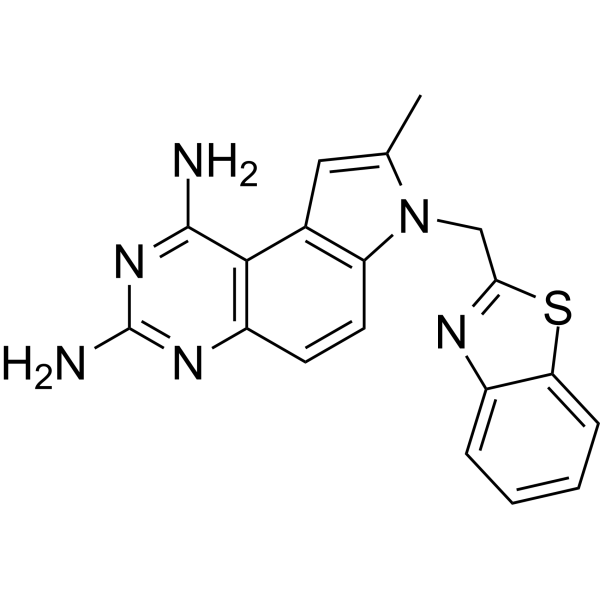
Anti-MRSA agent 39 is an orally active ClpX modulator that binds Staphylococcus aureus caseinolytic protease X (SaClpX) with high affinity (Kd = 3.6 μM). Anti-MRSA agent 39 exerts antibacterial effects through temperature-dependent inhibition of cell division. Anti-MRSA agent 39 elicits profound metabolic dysregulation in methicillin-resistant Staphylococcus aureus (MRSA), manifesting as significantly reduced ATP levels, elevated reactive oxygen species (ROS), and decreased NAD+/NADH ratio, and accelerates bacterial lysis rates in MRSA ATCC 33591. Anti-MRSA agent 39 significantly increases the proportion of MRSA cells in the mitotic phase, and the cells exhibit obvious morphological abnormalities. Anti-MRSA agent 39 can be used for the study of invasive MRSA infections .
|
-

- HY-158402
-
|
|
Bacterial
Fungal
|
Infection
Inflammation/Immunology
|
|
Anti-inflammatory agent 84 (Compound 4D) is a derivative of Coumarin (HY-N0709) with antimicrobial and anti-inflammatory activities. Anti-inflammatory agent 84 inhibits E. coli, Candida albicans, Staphylococcus aureus and methicillin-resistant S. aureus (MRSA), with MIC of 312, 156, 19 and 316 μg/mL, respectively. Anti-inflammatory agent 84 inhibits biofilm formation of S. aureus, E. coli and MRSA, with IC50 of 185, 321 and 99 μM, respectively. Anti-inflammatory agent 84 inhibits nitric oxide production in Lipopolysaccharide (HY-D1056)-stimulated RAW264.7 macrophage cell .
|
-

- HY-179059
-
|
|
Bacterial
Reactive Oxygen Species (ROS)
|
Infection
|
|
Anti-MRSA agent 40 (Compound 7-8) is a potent agent against Methicillin-resistant Staphylococcus aureus (MRSA). Anti-MRSA agent 40 exhibits significant antibacterial activity against MRSA2 and S. aureus ATCC 29213, with its MIC values being 1 μg/mL. Anti-MRSA agent 40 causes depolarization of the cell membrane, damages membrane integrity, and simultaneously increases the level of ROS within MRSA2, ultimately leading to cell lysis and death. Anti-MRSA agent 40 shows significant efficacy in the MRSA2 skin abscess model. Anti-MRSA agent 40 can be used for research on anti-MRSA infections .
|
-

- HY-69174
-
|
|
Bacterial
|
|
|
1-Amino-2,5-anhydro-1-deoxy-D-mannitol is a potent antibacterial compound with antibacterial activity against a variety of Gram-positive bacteria, including methicillin-resistant Staphylococcus aureus (MRSA) and vancomycin-resistant Enterococci (VRE). The application potential of 1-Amino-2,5-anhydro-1-deoxy-D-mannitol lies in its ability to effectively combat common drug-resistant bacterial infections. 1-Amino-2,5-anhydro-1-deoxy-D-mannitol may become an emerging antibacterial agent in clinical inhibition.
|
-

- HY-N0241
-
|
|
Cholinesterase (ChE)
Lipase
Bacterial
Cytochrome P450
|
Infection
Metabolic Disease
|
|
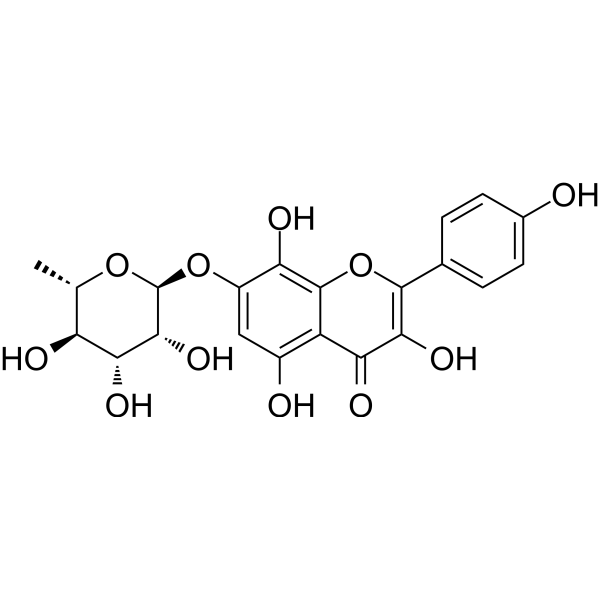
Rhodionin is an orally active, multifunctional antivirulence and cytoprotective agent that targets and inhibits Lipase, sortase A (SrtA), CYP2D6 (IC50=0.761 μM), AChE (IC50=2.43-57.5 μM), and DPPH free radicals (IC50=19.49 μM). Rhodionin is isolable from the roots of Rhodiola crenulata. Rhodionin reduces postprandial serum triglyceride levels in mice by inhibiting lipase activity. Rhodionin also binds directly to SrtA to inhibit its transpeptidase activity, thereby reducing the fibrinogen adhesion and surface protein A levels of MRSA, effectively inhibiting biofilm formation and protecting against MRSA-induced cell damage. Rhodionin improves the survival rate of infected mice without affecting MRSA growth, and finds wide application in studies related to hyperlipidemia, exogenous obesity, and pneumonia induced by methicillin-resistant Staphylococcus aureus (MRSA) .
|
-
- HY-180191
-
|
|
Bacterial
Reactive Oxygen Species (ROS)
DNA/RNA Synthesis
|
Infection
|
|
Anti-MRSA agent 42 (Compound 6d) is an anti-methicillin-resistant Staphylococcus aureus (MRSA) agent. Anti-MRSA agent 42 shows strong inhibitory effects on MRSA standard strains and 11 clinical isolates with MIC values of 0.25-0.5 μg/mL. Anti-MRSA agent 42 has low hemolytic activity and minimal cytotoxicity toward mammalian cells. Anti-MRSA agent 42 can suppress biofilm formation, compromise the cell wall, and disrupt the cytoplasmic membrane, which are accompanied by membrane depolarization, enhanced permeability, and loss of membrane integrity. Anti-MRSA agent 42 can induce ROS production and bind to DNA grooves, interfering with nucleic acid function. Anti-MRSA agent 42 can be used for the research of MRSA infection .
|
-

- HY-40181
-
|
|
Drug Intermediate
|
Infection
|
|
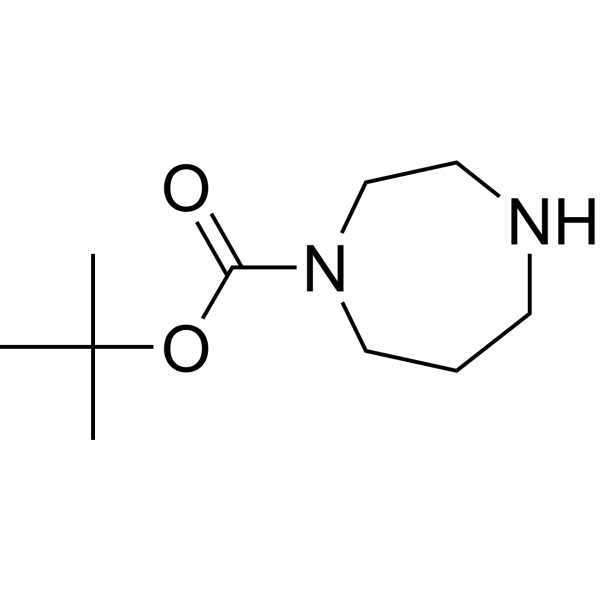
1-Boc-homopiperazine is a drug intermediate that can be used for the synthesis of bacterial FtsZ inhibitors .
|
-
- HY-N10834
-
|
|
Bacterial
|
Infection
|
|
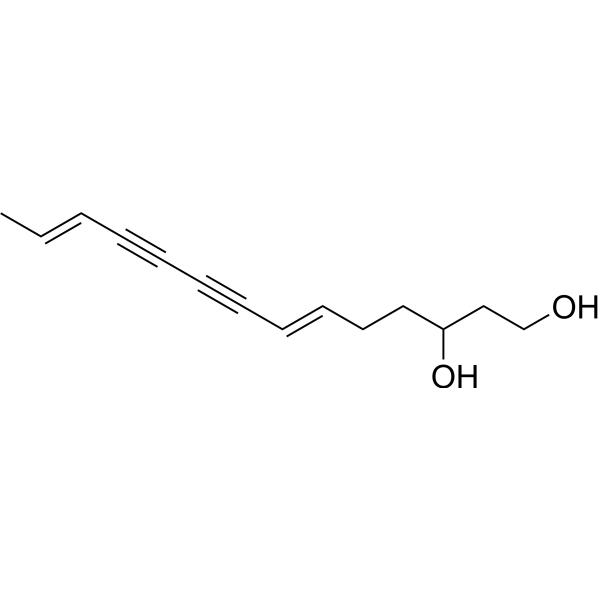
(6E,12E)-Tetradecadiene-8,10-diyne-1,3-diol is an antibacterial compound. (6E,12E)-Tetradecadiene-8,10-diyne-1,3-diol can be isolated from the roots of Atractylodes japonica. (6E,12E)-Tetradecadiene-8,10-diyne-1,3-diol has anti-methicillin-resistant Staphylococcus aureus (MRSA) activity with MIC values of 4-32 μg/mL. (6E,12E)-Tetradecadiene-8,10-diyne-1,3-diol can be used for the research of bacterial infection . (6E,12E)-Tetradecadiene-8,10-diyne-1,3-diol is a click chemistry reagent, it contains an Alkyne group and can undergo copper-catalyzed azide-alkyne cycloaddition (CuAAc) with molecules containing Azide groups.
|
-
| Cat. No. |
Product Name |
Type |
-
- HY-13067G
-
|
Tripterine; Tripterin
|
Fluorescent Dyes
|
|
Celastrol (GMP) (Tripterine (GMP)) is Celastrol (HY-10227) produced by using GMP guidelines. GMP small molecules works appropriately as an auxiliary reagent for cell therapy manufacture. Celastrol (Tripterine;Tripterin) is a proteasome inhibitor which potently and preferentially inhibits the chymotrypsin-like activity of a purified 20S proteasome with IC50 of 2.5 μM. In addition, Celastrol is also an antibiotic with potent antimicrobial activity against standard and clinical methicillin-resistant Staphylococcus aureus (MRSA) strains, inducing oxidative stress and inhibiting DNA synthesis by binding to P5CDH .
|
| Cat. No. |
Product Name |
Type |
-
- HY-40181
-
|
|
Biochemical Assay Reagents
|
|
1-Boc-homopiperazine is a drug intermediate that can be used for the synthesis of bacterial FtsZ inhibitors .
|
-
- HY-13067G
-
|
Tripterine; Tripterin
|
Biochemical Assay Reagents
|
|
Celastrol (GMP) (Tripterine (GMP)) is Celastrol (HY-10227) produced by using GMP guidelines. GMP small molecules works appropriately as an auxiliary reagent for cell therapy manufacture. Celastrol (Tripterine;Tripterin) is a proteasome inhibitor which potently and preferentially inhibits the chymotrypsin-like activity of a purified 20S proteasome with IC50 of 2.5 μM. In addition, Celastrol is also an antibiotic with potent antimicrobial activity against standard and clinical methicillin-resistant Staphylococcus aureus (MRSA) strains, inducing oxidative stress and inhibiting DNA synthesis by binding to P5CDH .
|
-
- HY-69174
-
|
|
Biochemical Assay Reagents
|
|
1-Amino-2,5-anhydro-1-deoxy-D-mannitol is a potent antibacterial compound with antibacterial activity against a variety of Gram-positive bacteria, including methicillin-resistant Staphylococcus aureus (MRSA) and vancomycin-resistant Enterococci (VRE). The application potential of 1-Amino-2,5-anhydro-1-deoxy-D-mannitol lies in its ability to effectively combat common drug-resistant bacterial infections. 1-Amino-2,5-anhydro-1-deoxy-D-mannitol may become an emerging antibacterial agent in clinical inhibition.
|
| Cat. No. |
Product Name |
Category |
Target |
Chemical Structure |
-
- HY-13067
-
-
-
- HY-A0279
-
-
-
- HY-N10765
-
-
-
- HY-142124
-
-
-
- HY-156198
-
-
-
- HY-N0241
-
|
|
Flavonols
Structural Classification
Classification of Application Fields
Crassulaceae
Metabolic Disease
Plants
Rhodiola crenulata (HK. f. et.Thoms) H. Ohba
Flavonoids
Rhodiola rosea Linn.
Phenols
Polyphenols
Disease Research Fields
Source Classification
|
Cholinesterase (ChE)
Lipase
Bacterial
Cytochrome P450
|
|
Rhodionin is an orally active, multifunctional antivirulence and cytoprotective agent that targets and inhibits Lipase, sortase A (SrtA), CYP2D6 (IC50=0.761 μM), AChE (IC50=2.43-57.5 μM), and DPPH free radicals (IC50=19.49 μM). Rhodionin is isolable from the roots of Rhodiola crenulata. Rhodionin reduces postprandial serum triglyceride levels in mice by inhibiting lipase activity. Rhodionin also binds directly to SrtA to inhibit its transpeptidase activity, thereby reducing the fibrinogen adhesion and surface protein A levels of MRSA, effectively inhibiting biofilm formation and protecting against MRSA-induced cell damage. Rhodionin improves the survival rate of infected mice without affecting MRSA growth, and finds wide application in studies related to hyperlipidemia, exogenous obesity, and pneumonia induced by methicillin-resistant Staphylococcus aureus (MRSA) .
|
-
-
- HY-127155
-
-
-
- HY-W060074
-
-
-
- HY-N10834
-
|
|
Natural Products
Plants
Compositae
Source Classification
Erythrina sigmoidea Hua
|
Bacterial
|
|
(6E,12E)-Tetradecadiene-8,10-diyne-1,3-diol is an antibacterial compound. (6E,12E)-Tetradecadiene-8,10-diyne-1,3-diol can be isolated from the roots of Atractylodes japonica. (6E,12E)-Tetradecadiene-8,10-diyne-1,3-diol has anti-methicillin-resistant Staphylococcus aureus (MRSA) activity with MIC values of 4-32 μg/mL. (6E,12E)-Tetradecadiene-8,10-diyne-1,3-diol can be used for the research of bacterial infection . (6E,12E)-Tetradecadiene-8,10-diyne-1,3-diol is a click chemistry reagent, it contains an Alkyne group and can undergo copper-catalyzed azide-alkyne cycloaddition (CuAAc) with molecules containing Azide groups.
|
-
-
- HY-124199
-
|
|
Microorganisms
Antibiotics
Other Antibiotics
Source Classification
|
Antibiotic
Bacterial
|
|
Cephalochromin is an antibiotic and an inhibitor for bacterial fatty acid synthase (FabI). Cephalochromin inhibits FabI of Staphylococcus aureus and Escherichia coli with IC50 of 1.9 and 1.8 μM. Cephalochromin inhibits gram-positive methicillin-resistant S. aureus (MRSA) and quinolone-resistant S. aureus (QRSA), with MIC of 2-8 µg/mL .
|
-
-
- HY-N15272
-
-
-
- HY-N3789
-
-
-
- HY-N14125
-
-
-
- HY-N13885
-
-
-
- HY-N14118
-
-
-
- HY-N13881
-
-
-
- HY-N14470
-
-
-
- HY-N8186
-
-
-
- HY-N14476
-
-
-
- HY-116168
-
-
-
- HY-N5195
-
-
-
- HY-N5184
-
-
-
- HY-N14955
-
-
-
- HY-N15019
-
-
-
- HY-N14171
-
-
-
- HY-N14144
-
-
-
- HY-N11879
-
-
-
- HY-121000
-
-
-
- HY-N10907
-
-
-
- HY-161935
-
|
|
Lysimachia tengyuehensis Hand.-Mazz.
Antibiotics
Plants
Primulaceae
Other Antibiotics
Source Classification
|
Bacterial
|
|
6-(12-Tridecene-1-yl)-2,4-Dihydroxy benzoic acid (Compound 2) exhibits antibacterial activity against methicillin-resistant Staphylococcus aureus (MRSA) and Vancomycin enterococci (VRE). 6-(12-Tridecene-1-yl)-2,4-Dihydroxy benzoic acid interfers with the integrity and function of the bacterial cell membrane, and affects metabolism in MRSA. 6-(12-Tridecene-1-yl)-2,4-Dihydroxy benzoic acid exhibits anti-inflammatory and anti-infective efficacy, and promotes angiogenesis in mice .
|
-
-
- HY-N14119
-
-
-
- HY-N5196
-
-
-
- HY-N9833
-
-
-
- HY-N14172
-
-
-
- HY-N9819
-
-
-
- HY-N14530
-
|
|
Natural Products
Microorganisms
Source Classification
|
Bacterial
|
|
Cremeomycin has anti-Gram-positive bacteria activity including methicillin-resistant Staphylococcus aureus (MRSA), MIC is 0.2-0.39 μg/mL. Cremeomycin shows cytotoxicity to mouse tumor cell lines P388, L1210, IMC, S180, B16 and SS3 in vitro .
|
-
-
- HY-N14484
-
|
|
Natural Products
Microorganisms
Source Classification
|
Bacterial
|
|
Kigamicin D shows activity against Gram-positive bacteria including methicillin-resistant Staphylococcus aureus (MRSA) with MICs of 0.025-0.78 μg/mL. Kigamicin D also shows effect against L-1210 LB32T and other genera tumor cells with IC50 of 1 μg/mL .
|
-
-
- HY-N16526
-
-
| Cat. No. |
Product Name |
|
Classification |
-
- HY-174333
-
|
|
|
Alkynes
|
|
CYP1A1-IN-1 (Compound 47) is a small-molecule cytochrome P4501A1 (CYP1A1) inhibitor. CYP1A1-IN-1 reduces the bacterial loads of methicillin-resistant Staphylococcus aureus (MRSA) and Acinetobacter baumannii by enhancing macrophage phagocytosis. CYP1A1-IN-1 is promising for research of sepsis caused by multidrug-resistant (MDR) bacteria .
|
-
- HY-N16526
-
|
|
|
Alkynes
|
|
Juncatrin B is a type of dihydrophenanthrene compound. Juncatrin B exhibits inhibitory activity against both Methicillin (HY-121544)-sensitive Staphylococcus aureus (MSSA) and Methicillin-resistant Staphylococcus aureus (MRSA). Juncatrin B can inhibit the formation of biofilms in MSSA and MRSA. Juncatrin B has no significant activity against Gram-negative bacteria. Juncatrin B can be used in the research of anti-Staphylococcus aureus .
|
| Cat. No. |
Product Name |
Target |
Research Areas |
Chemical Structure |
-
- HY-13067G
-
|
Tripterine; Tripterin
|
Endogenous Metabolite
Proteasome
Antibiotic
Apoptosis
Bacterial
Autophagy
Mitophagy
|
Infection
Inflammation/Immunology
Cancer
|
|
Celastrol (GMP) (Tripterine (GMP)) is Celastrol (HY-10227) produced by using GMP guidelines. GMP small molecules works appropriately as an auxiliary reagent for cell therapy manufacture. Celastrol (Tripterine;Tripterin) is a proteasome inhibitor which potently and preferentially inhibits the chymotrypsin-like activity of a purified 20S proteasome with IC50 of 2.5 μM. In addition, Celastrol is also an antibiotic with potent antimicrobial activity against standard and clinical methicillin-resistant Staphylococcus aureus (MRSA) strains, inducing oxidative stress and inhibiting DNA synthesis by binding to P5CDH .
|
-
Your information is safe with us. * Required Fields.
Inquiry Information
- Product Name:
- Cat. No.:
- Quantity:
- MCE Japan Authorized Agent:








