1. Search Result
Search Result
Results for "

mitochondrial depolarization

" in MedChemExpress (MCE) Product Catalog:

57

Inhibitors & Agonists

1

Fluorescent Dyes

2

Peptides

2

Inhibitory Antibodies

7

Natural
Products

6

Oligonucleotides

Cat. No. Product Name Target Research Areas Chemical Structure
  • HY-137371

    Bacterial Apoptosis Antibiotic Infection Cancer
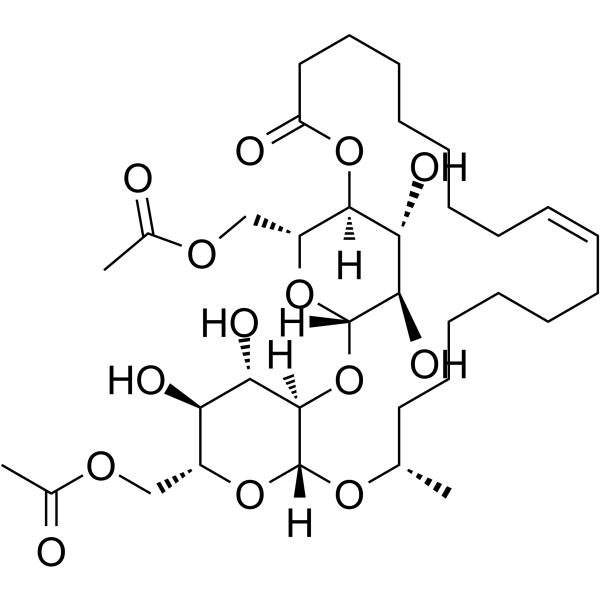
    Lactonic sophorolipid is an apoptosis inducer and antimicrobial surfactant with antitumor activity. Lactonic sophorolipid regulates Bax/Bcl-gene expression through caspase-3/9 and induces apoptosis in tumor cells. Lactonic sophorolipid can disrupt cell membrane permeability and exert antibacterial effects (MIC for oral pathogens is 100-400 μg/mL). Lactonic sophorolipid promotes mitochondrial membrane potential depolarization, activates the intrinsic apoptotic pathway, and can synergize with antibiotics to enhance the antibacterial effect. Lactonic sophorolipid can be used in liver cancer research and the development of oral hygiene antibacterial agents[1][2][3].
    Lactonic sophorolipid
  • HY-120380

    MOFs PARP Neurological Disease
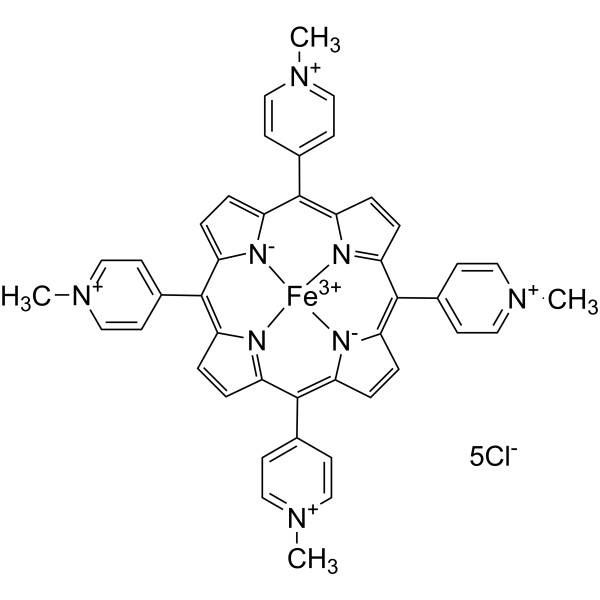
    FeTMPyP is an orally active poly (ADP-ribose) polymerase (PARP) inhibitor. FeTMPyP inhibits cell death, nitrotyrosine formation, and depolarization of mitochondrial transmembrane potential. FeTMPyP reduces homocysteine-induced nitrosative stress and partially restores TFEB protein and mRNA levels. FeTMPyP improves functional and behavioral deficits caused by chronic constriction injury in rats. FeTMPyP alleviates acute cerebral infarction in a rat model of middle cerebral artery occlusion with mild hyperglycemia. FeTMPyP can be used in studies related to neuropathic pain, renal aging, ischemic penumbra, and hyperglycemic stroke .
    FeTMPyP
  • HY-174374

    Topoisomerase Cardiovascular Disease
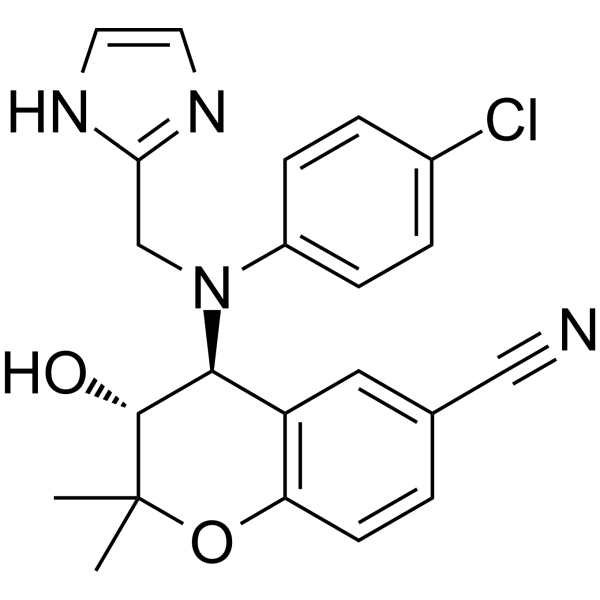
    Topobexin is a TOP2B-selective inhibitor with IC50 values of 0.19 μM and 4.8 μM for TOP2B and TOP2A (DNA decatenation assay). Topobexin binds to non-homologous residues in the obex pocket and targets the ATPase domain of TOP2B. Topobexin prevents anthracycline-induced DNA double-strand break formation, apoptotic signaling mediated by caspase 3/7, 8 and 9, cardiomyocyte morphological changes, mitochondrial depolarization/loss, left ventricular systolic dysfunction, extracellular matrix remodeling, fibrotic alterations, and increases in plasma cardiac troponin T and BNP. Topobexin does not impair the antiproliferative effects of anthracyclines in cancer cells, exhibits no intrinsic cytotoxicity in cardiomyocytes, and is well tolerated in rabbits. Topobexin can be used in studies related to anthracycline-induced cardiotoxicity .
    Topobexin
  • HY-119979

    Cardanol C15:1

    Apoptosis Reactive Oxygen Species (ROS) Mitochondrial Metabolism MMP CDK Caspase Bcl-2 Family PARP MDM-2/p53 Cholinesterase (ChE) Infection Inflammation/Immunology Cancer
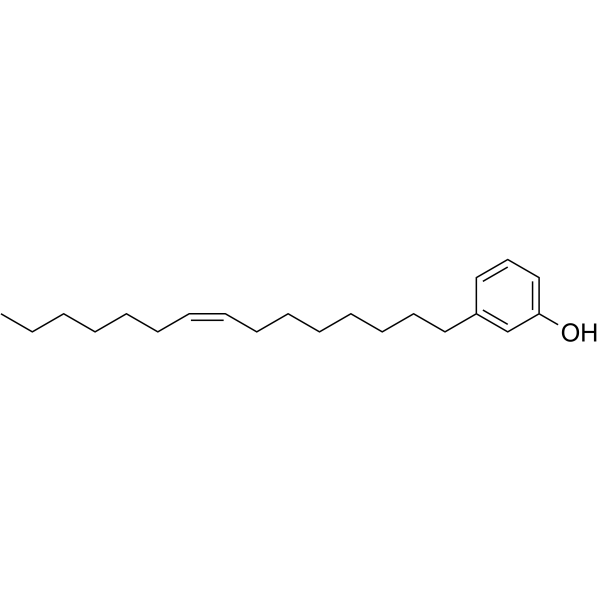
    Cardanol monoene (Cardanol C15:1) is a phenolic compound which can be found in cashew nut shell liquid. Cardanol monoene can inhibit cancer cells proliferation, migration, cause S phase arrest, induce apoptosis, ROS production and mitochondrial depolarization. Cardanol monoene downregulates MMP-2, MMP-9, cyclinA1 expression, regulates CDK2, p53, Bax, cytochrome c, cleaved caspase-3, cleaved PARP, Apaf-1 expression and Bax/Bcl-2 ratio. Cardanol monoene shows weak DPPH radical scavenging activity and AChE inhibition activity. Cardanol monoene is lethal to Artemia salina nauplii. Cardanol monoene. Cardanol monoene can be used for the research of cancer, infection and inflamation .
    Cardanol monoene
  • HY-126220

    Fluorescent Dye Others
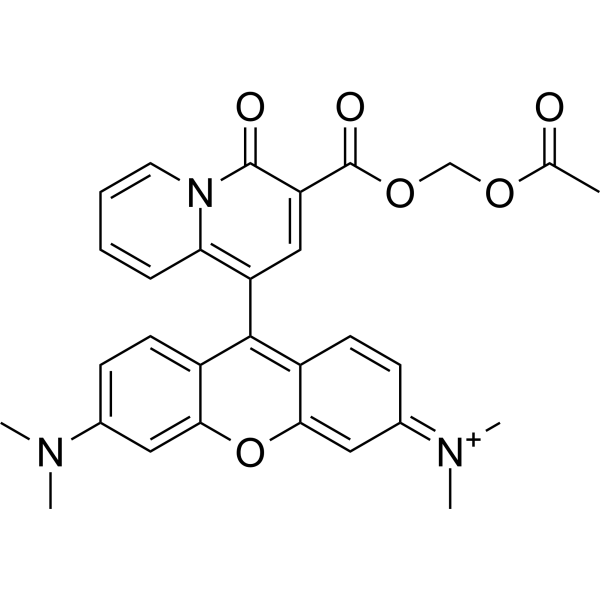
    KMG-301AM is the acetoxy methyl esterified form of KMG-301. KMG-301AM successfully accumulates in mitochondria and then it is hydrolyzed to KMG-301. KMG-301 is an Mg 2+-selective fluorescent probe functional in mitochondria in intact cells. Since the mitochondrial membrane is impermeable to KMG-301, it is not released upon depolarization of the mitochondrial membrane potential. KMG-301 can indicate changes in mitochondrial Mg2+ concentration and shows Mg 2+ transport across the mitochondrial membrane in the early phases of a cellular model .
    KMG-301AM
  • HY-W017424

    Drug Intermediate Caspase Apoptosis Neurological Disease Cancer
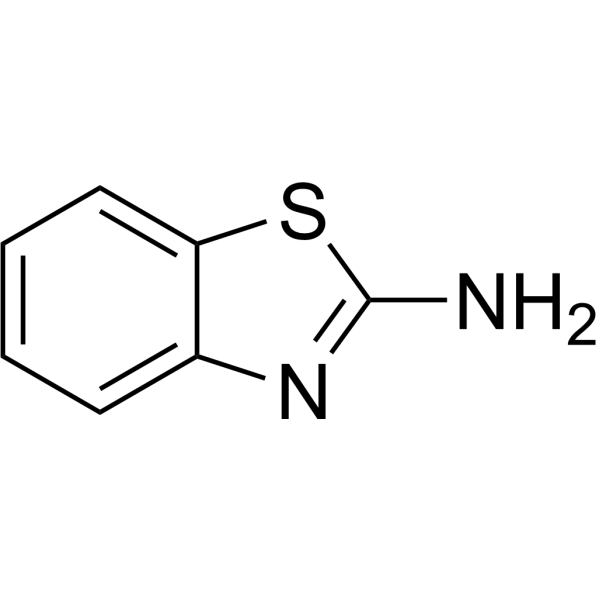
    2-Aminobenzothiazole acts as a caspase 3/7 activator, an anticancer cytotoxic agent, and also exhibits neurotoxicity. 2-Aminobenzothiazole drives the apoptotic pathway by activating caspase 3/7, induces mitochondrial inner membrane depolarization, and triggers both early and late apoptosis via a caspase-dependent pathway. In zebrafish models, 2-Aminobenzothiazole induces oxidative damage in brain tissues and inhibits genes related to GABA and 5-HT synthesis pathways. Long-term exposure to 2-Aminobenzothiazole impairs motor ability, social behavior, anxiety-like state and cognitive function. 2-Aminobenzothiazole can be used in studies of human laryngeal carcinoma and related neurotoxicity .
    2-Aminobenzothiazole
  • HY-126220A

    Fluorescent Dye Others
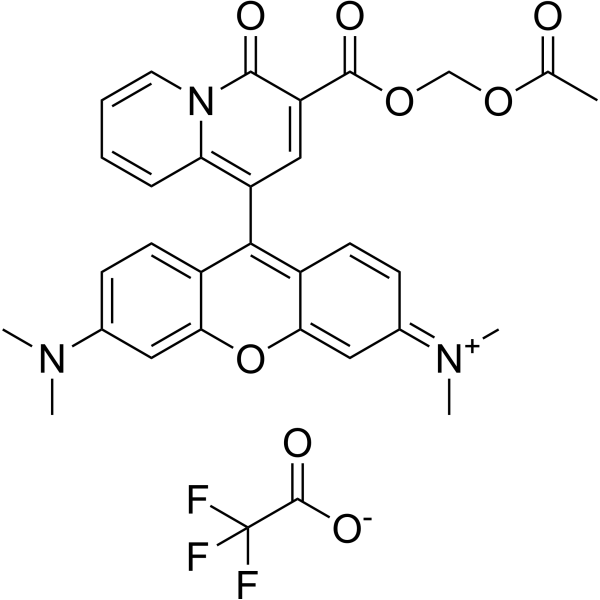
    KMG-301AM TFA is the acetoxy methyl esterified form of KMG-301. KMG-301AM TFA successfully accumulates in mitochondria and then it is hydrolyzed to KMG-301. KMG-301 is an Mg 2+-selective fluorescent probe functional in mitochondria in intact cells. Since the mitochondrial membrane is impermeable to KMG-301, it is not released upon depolarization of the mitochondrial membrane potential. KMG-301 can indicate changes in mitochondrial Mg2+ concentration and shows Mg 2+ transport across the mitochondrial membrane in the early phases of a cellular model .
    KMG-301AM TFA
  • HY-W141392

    Nucleoside Antimetabolite/Analog Xanthine Oxidase Phosphoramidites Cancer
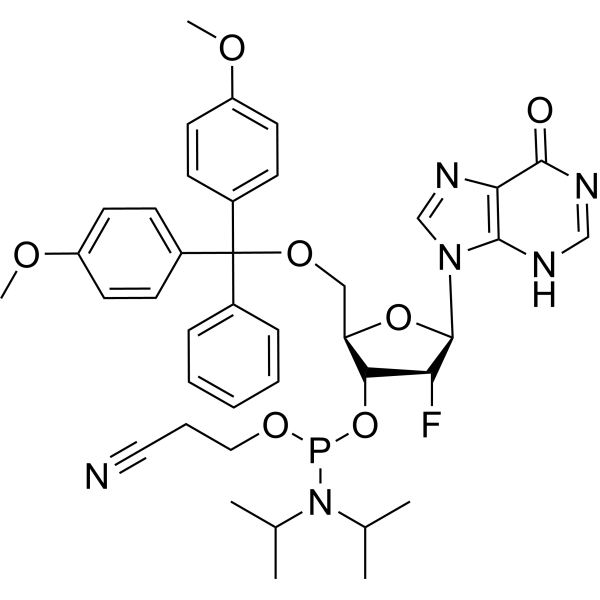
    2'-Fluoro-5'-O-DMT-2'-deoxyinosine-3'-CE-phosphoramidite is a hypoxanthine analog. Hypoxanthine is a kind of purine base mainly present in muscle tissue. And it is a metabolite produced by purine oxidase acting on xanthine. Hypoxanthine has typical anti-inflammatory effects and is a potential endogenous poly(ADP-ribose) polymerase (PARP) inhibitor. It is cytoprotective by inhibiting PAPR activity, inhibiting peroxynitrite-induced mitochondrial depolarization and secondary superoxide production. Hypoxanthine can also be used as an indicator of hypoxia .
    2'-Fluoro-5'-O-DMT-2'-deoxyinosine-3'-CE-phosphoramidite
  • HY-114410

    Mitochondrial Metabolism Cancer
    CCI-006 is a selective inhibitor and chemosensitizer of MLL-rearranged leukemia cells, by inhibits mitochondrial respiration resulting in insurmountable mitochondrial depolarization and a pro-apoptotic unfolded protein response (UPR) in a subset of MLL-r leukemia cells .
    CCI-006
  • HY-14256
    BMS-191095
    1 Publications Verification

    Potassium Channel Cardiovascular Disease Neurological Disease
    BMS-191095 is a selective activator of mitochondrial ATP-sensitive potassium (mitoKATP) channels. BMS-191095 inhibits human platelet aggregation by opening mitochondrial K(ATP) channels .
    BMS-191095
  • HY-W748509

    Caspase Apoptosis Cancer
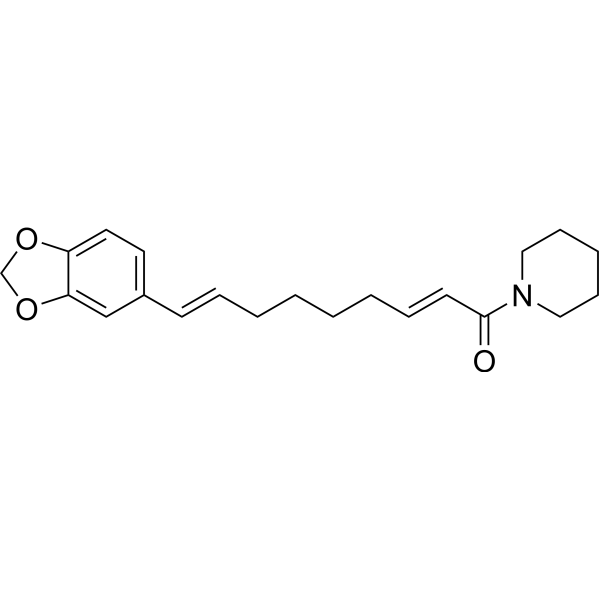
    Pipernonaline is a piperine derivative with antiprostate cancer activity. Pipernonaline inhibits the proliferation of androgen-dependent/independent LNCaP/PC-3 prostate cells. Pipernonaline activates caspase-3 and promotes procaspase-3/PARP cleavage. Pipernonaline also mediates reactive oxygen species (ROS) production, increased intracellular Ca(2+), and mitochondrial membrane depolarization .
    Pipernonaline
  • HY-152696

    Xanthine Oxidase Nucleoside Antimetabolite/Analog Others
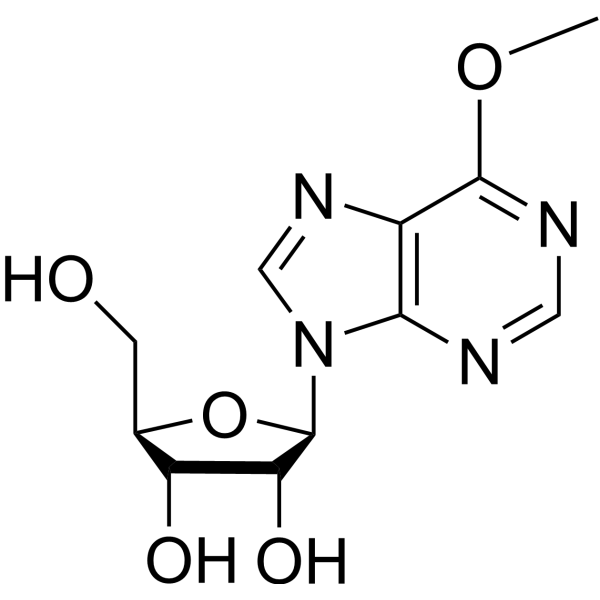
    6-O-Methylinosine is a hypoxanthine analogue. Hypoxanthine is a kind of purine base mainly present in muscle tissue. And it is a metabolite produced by purine oxidase acting on xanthine. Hypoxanthine has typical anti-inflammatory effects and is a potential endogenous poly(ADP-ribose) polymerase (PARP) inhibitor. It is cytoprotective by inhibiting PAPR activity, inhibiting peroxynitrite-induced mitochondrial depolarization and secondary superoxide production. Hypoxanthine can also be used as an indicator of hypoxia .
    6-O-Methylinosine
  • HY-114372

    Lipoxygenase Caspase Apoptosis Cancer
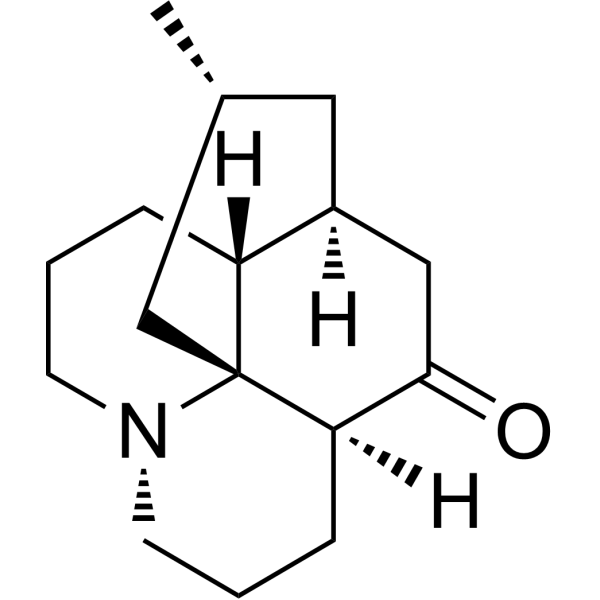
    Lycopodine, a pharmacologically important bioactive component derived from Lycopodium clavatumspores, triggers apoptosis by modulating 5-lipoxygenase, and depolarizing mitochondrial membrane potential in refractory prostate cancer cells without modulating p53 activity . Lycopodine inhibits proliferation of HeLa cells through induction of apoptosis via caspase-3 activation .
    Lycopodine
  • HY-153320

    MAP3K Cancer
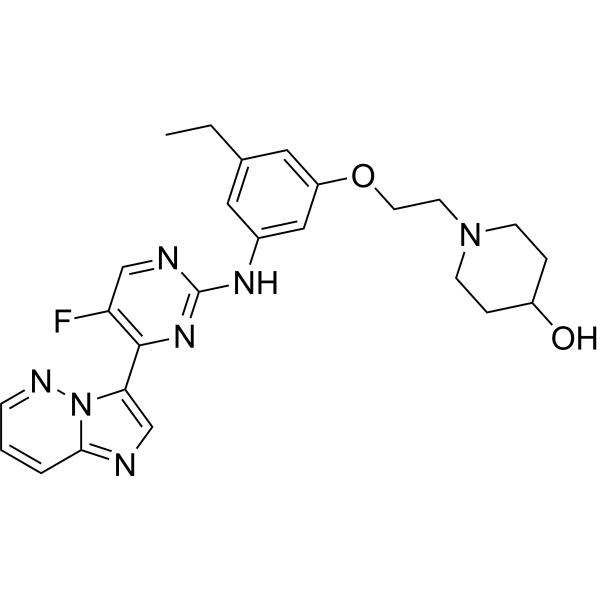
    AZ-TAK1, an ATP-competitive small molecule inhibitor of TAK1, dephosphorylates TAK1, p38, and IκB-α in lymphoma cell lines .
    AZ-TAK1
  • HY-W392836

    Nucleoside Antimetabolite/Analog Xanthine Oxidase Phosphoramidites Cancer
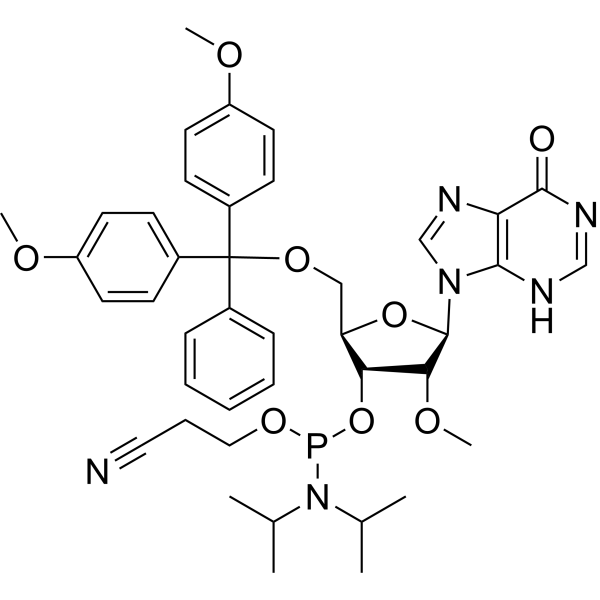
    2'-O-Methyl-5'-O-dmt-inosine-3'-CE-phosphoramidite is a hypoxanthine analog. Hypoxanthine is a kind of purine base mainly present in muscle tissue. And it is a metabolite produced by purine oxidase acting on xanthine. Hypoxanthine has typical anti-inflammatory effects and is a potential endogenous poly(ADP-ribose) polymerase (PARP) inhibitor. It is cytoprotective by inhibiting PAPR activity, inhibiting peroxynitrite-induced mitochondrial depolarization and secondary superoxide production. Hypoxanthine can also be used as an indicator of hypoxia .
    2'-O-Methyl-5'-O-dmt-inosine-3'-CE-phosphoramidite
  • HY-120035

    Proteasome Ribosomal S6 Kinase (RSK) Apoptosis Cancer
    DD1, a proteasome inhibitor, targets Bax activation and P70S6K degradation during acute myeloid leukemia (AML) apoptosis. DD1 induces apoptosis in the caspase-dependent manner. DD1 induces mitochondrial membrane depolarization and Bad dephosphorylation .
    DD1
  • HY-N6882

    G8CG

    Mitochondrial Metabolism Apoptosis Cancer
    Genistein 8-c-glucoside (G8CG) is a glucoside. Genistein 8-c-glucoside induces mitochondrial membrane depolarization and induces apoptosis .
    Genistein 8-c-glucoside
  • HY-14764

    SPI 8811

    Chloride Channel Mitochondrial Metabolism Inflammation/Immunology
    Cobiprostone (SPI 8811) is a type-2 chloride channel activator. Cobiprostone protects against Indomethacin (HY-14397)-induced depolarization of mitochondrial membrane potential and reverses the loss of mitochondrial membrane potential. Cobiprostone protects against NSAID-induced cellular damage .
    Cobiprostone
  • HY-N1306

    Bacterial Reactive Oxygen Species (ROS) Apoptosis Infection Cancer
    Sideroxylin is a C-methylated flavone isolated from Callistemon lanceolatus and exerts antimicrobial activity against Staphylococcus aureus. Sideroxylin inhibits ovarian cancer cell proliferation and induces apoptosis, causing DNA fragmentation, depolarization of the mitochondrial membrane, the generation of reactive oxygen species (ROS) .
    Sideroxylin
  • HY-W587938

    (+)-γ-Eudesmol

    Apoptosis Cancer
    γ-Eudesmol ((+)-γ-Eudesmol) is a mitochondrial-mediated apoptosis inducer. γ-Eudesmol binds mitochondrial membrane proteins, triggering depolarization of mitochondrial membrane potential and activating caspase cascades. γ-Eudesmol demonstrates cytotoxicity against multiple tumor cell lines (e.g., HepG2, B16-F10) with IC50 values ranging from 8.86-15.15 μg/mL. γ-Eudesmol is promising for research of cancers, such as hepatocellular carcinoma and melanoma .
    γ-Eudesmol
  • HY-127149

    Ro 40-8757

    Apoptosis Reactive Oxygen Species (ROS) Caspase Cancer
    Mofarotene (Ro 40-8757), an arotinoid, is anticancer compound. Mofarotene induces apoptosis, associated with mitochondrial membrane depolarization, activation of caspase-3 and -9, and enhanced production of reactive oxygen species. Mofarotene inhibits hematopoiesis in vitro by inhibiting maturation from primitive progenitor cells .
    Mofarotene
  • HY-162106

    Ferroptosis PROTACs Glutathione Peroxidase Cancer
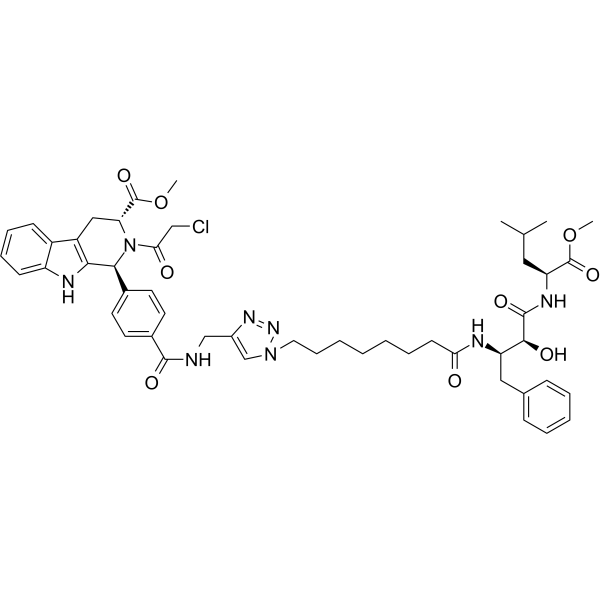
    PROTAC GPX4 degrader-2 (compound 18a) is a proteolysis targeting chimeras (PROTACs) that can degrade glutathione peroxidase 4 (GPX4), with the DC50, 48h value of 1.68 μM. PROTAC GPX4 degrader-2 induces the accumulation of lipid peroxides and mitochondrial depolarization, subsequently triggering ferroptosis. PROTAC GPX4 degrader-2 has anti-proliferative effect .
    PROTAC GPX4 degrader-2
  • HY-121746

    PPAR Calcium Channel Apoptosis Cardiovascular Disease Metabolic Disease
    GW7845 is an orally active non-thiazolidinedione, tyrosine-derived PPARγ agonist. GW7845 is effective at inhibiting voltage-dependent calcium channels (VDCC) and relaxing pressurized arteries with IC50 of 3 μM by using Ba 2+ as the charge carrier through VDCC. GW7845-induced apoptosis is mitochondria- and apoptosome-dependent. GW7845 induces rapid mitochondrial membrane depolarization and release of cytochrome c in primary pro-B cells and BU-11 cells .
    GW7845
  • HY-175558

    MMP Apoptosis Reactive Oxygen Species (ROS) Cancer
    MMP-9-IN-12 is a matrix metalloproteinase-9 (MMP-9) inhibitor with an IC50 of 6.57 μM. MMP-9-IN-12 shows an IC50 value of 1.54 μM for HCT-116 cells. MMP-9-IN-12 induces cell apoptosis, ROS production and mitochondrial depolarization. MMP-9-IN-12 inhibits cells migration and disrupts cell cycle progression. MMP-9-IN-12 can be used for the research of colorectal cancer (CRC) .
    MMP-9-IN-12
  • HY-177345

    Sigma Receptor Apoptosis Caspase Cancer
    SV119 is a selective sigma-2 (σ₂) receptor ligand (Ki ≈ 5-10 nM). SV119 induces apoptosis in various human cancer cell lines by activating caspase-3 and promoting mitochondrial depolarization. SV119 can enhance the effects of chemotherapeutic agents such as Paclitaxel (HY-B0015), increasing their cytotoxicity against tumor cells. SV119 significantly inhibits tumor growth in mouse xenograft models, both alone and in combination. SV119 is useful in the research of cancers such as breast, prostate, and pancreatic cancer .
    SV119
  • HY-178454

    Monoamine Oxidase Amyloid-β Mitochondrial Metabolism Apoptosis Reactive Oxygen Species (ROS) COX NF-κB Neurological Disease
    Multitarget AD-IN-3 is a brain-penetrant neuroprotective agent. Multitarget AD-IN-3 can selectively inhibit MAO-B with an IC50 of 4.42 μM and a SI of 18.12. Multitarget AD-IN-3 can eliminate ROS. Multitarget AD-IN-3 Multitarget AD-IN-3 can inhibit 1-42 self-aggregation and can reverse Aβ1-42-induced mitochondrial membrane depolarization and inhibit apoptosis. Multitarget AD-IN-3 can be used for the research of neurological disease, such as Alzheimer’s disease .
    Multitarget AD-IN-3
  • HY-179452

    Ras CDK Mitochondrial Metabolism Cancer
    KRAS G13D-IN-2 (compound 8B) is a potent orally active KRAS G13D inhibitor with IC50 values of 1.95 μM (HCT-116 G13D) and 2.16 μM (HCT-15 G13D). KRAS G13D-IN-2 induces G1-phase arrest and mitochondrial membrane depolarization. KRAS G13D-IN-2 induces senescence through CDK6/TWIST1 inhibition. KRAS G13D-IN-2 inhibits tumor growth in murine models. KRAS G13D-IN-2 can be used for KRAS G13D-mutant colorectal cancer research .
    KRAS G13D-IN-2
  • HY-108984

    5-(Benzylsulfonyl)-4-bromo-2-methyl-3(2H)-pyridazinone

    Mitochondrial Metabolism Neurological Disease
    BBMP is a permeability transition pore (PTP) inhibitor. BBMP prevents Ca 2+-induced permeability transition and mitochondrial depolarization. BBMP possess potential for the neurodegenerative disorders research .
    BBMP
  • HY-W039271

    2-Chloro-6-O-methyl-inosine

    Nucleoside Antimetabolite/Analog Xanthine Oxidase Cancer
    2-Chloro-6-methoxypurine riboside is a hypoxanthine analog. Hypoxanthine is a kind of purine base mainly present in muscle tissue. And it is a metabolite produced by purine oxidase acting on xanthine. Hypoxanthine has typical anti-inflammatory effects and is a potential endogenous poly(ADP-ribose) polymerase (PARP) inhibitor. It is cytoprotective by inhibiting PAPR activity, inhibiting peroxynitrite-induced mitochondrial depolarization and secondary superoxide production. Hypoxanthine can also be used as an indicator of hypoxia .
    2-Chloro-6-methoxypurine riboside
  • HY-154017

    Nucleoside Antimetabolite/Analog Xanthine Oxidase Cancer
    2′-C-Methyl-6-O-methylinosine is a hypoxanthine analog. Hypoxanthine is a kind of purine base mainly present in muscle tissue. And it is a metabolite produced by purine oxidase acting on xanthine. Hypoxanthine has typical anti-inflammatory effects and is a potential endogenous poly(ADP-ribose) polymerase (PARP) inhibitor. It is cytoprotective by inhibiting PAPR activity, inhibiting peroxynitrite-induced mitochondrial depolarization and secondary superoxide production. Hypoxanthine can also be used as an indicator of hypoxia .
    2′-C-Methyl-6-O-methylinosine
  • HY-154393

    Nucleoside Antimetabolite/Analog Xanthine Oxidase Cancer
    2-Chloro-2'-deoxy-6-O-methylinosine is a hypoxanthine analog. Hypoxanthine is a kind of purine base mainly present in muscle tissue. And it is a metabolite produced by purine oxidase acting on xanthine. Hypoxanthine has typical anti-inflammatory effects and is a potential endogenous poly(ADP-ribose) polymerase (PARP) inhibitor. It is cytoprotective by inhibiting PAPR activity, inhibiting peroxynitrite-induced mitochondrial depolarization and secondary superoxide production. Hypoxanthine can also be used as an indicator of hypoxia .
    2-Chloro-2'-deoxy-6-O-methylinosine
  • HY-152678

    Nucleoside Antimetabolite/Analog Xanthine Oxidase Cancer
    6-Methoxypurine-9-β-D-5’(R)-C-methylriboside is a hypoxanthine analog. Hypoxanthine is a kind of purine base mainly present in muscle tissue. And it is a metabolite produced by purine oxidase acting on xanthine. Hypoxanthine has typical anti-inflammatory effects and is a potential endogenous poly(ADP-ribose) polymerase (PARP) inhibitor. It is cytoprotective by inhibiting PAPR activity, inhibiting peroxynitrite-induced mitochondrial depolarization and secondary superoxide production. Hypoxanthine can also be used as an indicator of hypoxia .
    6-Methoxypurine-9-β-D-5’(R)-C-methylriboside
  • HY-158918

    4-CF3-Triphenylphosphonium-DC

    Biochemical Assay Reagents Others
    4-CF3-TPP-DC (4-CF3-Triphenylphosphonium-DC) is an inert mitochondrial targeting carrier, that delivers target drugs and probes to mitochondria without causing mitochondrial depolarization and cytotoxicity in cell C2C12 .
    4-CF3-TPP-DC
  • HY-172116

    Mitochondrial Metabolism Apoptosis Reactive Oxygen Species (ROS) Cancer
    Mitochondria modulator-2 (Compound Ir1) induces the depolarization of mitochondrial membrane potential, induces ROS generation, inhibits cell migration of A549, arrests the cell cycle at G2/M phase, and induces apoptosis in A549 .
    Mitochondria modulator-2
  • HY-170559

    EGFR Apoptosis Cancer
    EGFR-IN-141 (Compound 8I) is the inhibitor for EGFR with an IC50 of 2.67 nM. EGFR-IN-141 exhibits cytotoxicity in cancer cell A549 with an IC50 of 13.75 μM. EGFR-IN-141 induces apoptosis and mitochondrial membrane depolarization, and exhibits potential antitumor efficacy .
    EGFR-IN-141
  • HY-175567

    Apoptosis Reactive Oxygen Species (ROS) Cancer
    Apoptosis inducer 41 is an apoptosis inducer that induces apoptosis through the mitochondrial pathway. Apoptosis inducer 41 exhibits remarkable inhibitory effects against MCF-7 cells (IC50 = 6.2 μM). Apoptosis inducer 41 significantly arrests MCF-7 cells in the G2/M phase, increases ROS accumulation, induces mitochondrial membrane potential depolarization. Apoptosis inducer 41 can used for the study of breast cancer .
    Apoptosis inducer 41
  • HY-N9534

    Reactive Oxygen Species (ROS) Apoptosis Cancer
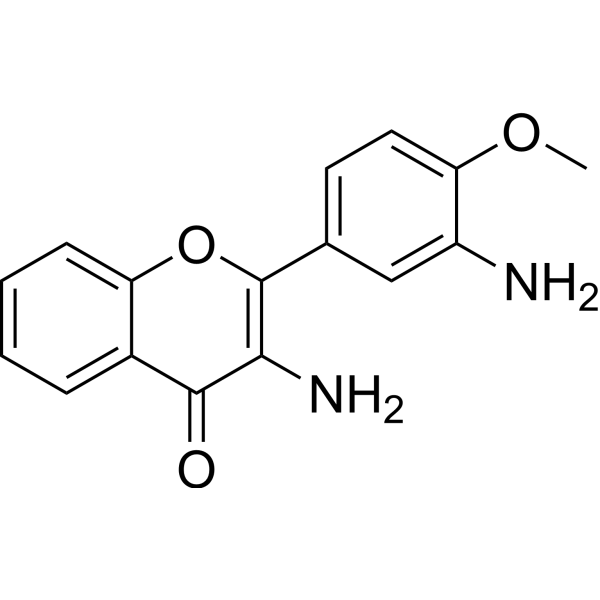
    Xylopine is an aporphine alkaloid with cytotoxic activity on cancer cells. Xylopine induces oxidative stress, causes G2/M cell cycle arrest and apoptosis in cancer cells .
    Xylopine
  • HY-P10402

    Bacterial Infection Cancer
    BMAP 28, bovine is an antibacterial peptide. BMAP 28, bovine exhibits antimicrobial activity against gram-positive and gram-negative bacteria, by increasing cell membrane permeability, and causing leakage of cell contents. BMAP 28, bovine exhibits cytotoxicity to cancer cells and activated human lymphocytes. BMAP 28, bovine induces apoptosis through depolarization of mitochondrial membrane potential .
    BMAP 28 (bovine)
  • HY-176775

    Oxidative Phosphorylation Mitochondrial Metabolism Apoptosis Neurological Disease
    TPP-IOA is a cytochrome c peroxidase inhibitor. TPP-IOA inhibits apoptosis by preventing cardiolipin oxidation and cytochrome c release to the cytosol. TPP-IOA disrupts oxidative phosphorylation in isolated mitochondria. TPP-IOA inhibits cell death in SH-SY5Y cells grown in glucose, but not galactose. TPP-IOA causes mitochondrial depolarization and network fragmentation. TPP-lOA mitigates radiation induced death in mice .
    TPP-IOA
  • HY-172873

    HDAC Caspase Apoptosis Cancer
    HDSI-18 is an orally active HDAC6 selective inhibitor (IC50: 1.6 nM). HDSI-18 is cytotoxic to K562, MV4-11, MOLM-13, THP-1, and Jurkat cells (IC50: 0.48, 0.58, 0.91, 1.79, and 4.31 μM, respectively). HDSI-18 activates Caspase-3, induces mitochondrial depolarization and apoptosis, and has antitumor activity .
    HDSI-18
  • HY-176485

    Ferroptosis Mitophagy Reactive Oxygen Species (ROS) Cancer
    Antiproliferative agent-70 (compound 23) is a potent antiproliferative agent. Antiproliferative agent-70 shows antiproliferative activities and induces MMP depolarization. Antiproliferative agent-70 induces mitochondrial dysfunction. Antiproliferative agent-70 induces mitophagy and ferroptosis. Antiproliferative agent-70 increases the protein expression of PINK1, p-Parkin, p53 and p21. Antiproliferative agent-70 increases intracellular ROS levels. Antiproliferative agent-70 shows anticancer activity .
    Antiproliferative agent-70
  • HY-172100

    Apoptosis Reactive Oxygen Species (ROS) p38 MAPK Cancer
    p38-α MAPK-IN-8 (Compound 13) is a lipophilic cationic derivative. p38-α MAPK-IN-8 is cytotoxic to various tumor cells, and can induce cell cycle arrest, apoptosis, increase reactive oxygen species (ROS) production, and induce mitochondrial membrane potential depolarization. The antitumor activity of p38-α MAPK-IN-8 may be related to p38α MAPK pathway, which can be used in the study of cancer .
    p38-α MAPK-IN-8
  • HY-179018

    Topoisomerase Reactive Oxygen Species (ROS) Apoptosis Cancer
    Topoisomerase II-IN-25 (Compound 6a) is a selective inhibitor of topoisomerase II and has no inhibitory activity on topoisomerase I. Topoisomerase II-IN-25 exhibits significant anti-PC-3 cell activity. Topoisomerase II-IN-25 significantly increases intracellular ROS levels, inducing oxidative stress. Topoisomerase II-IN-25 causes depolarization of mitochondrial membrane potential and promotes cell apoptosis. Topoisomerase II-IN-25 blocks PC-3 cells in the G2/M phase. Topoisomerase II-IN-25 can be used for the study of prostate cancer .
    Topoisomerase II-IN-25
  • HY-P991590

    MHC Apoptosis JNK Reactive Oxygen Species (ROS) Cancer
    1D09C3 is a fully human anti-HLA-DR monoclonal antibody. 1D09C3 induces apoptosis and cell death involving a cascade of events, including ROS generation, JNK activation, mitochondrial membrane depolarization, and AIF release from mitochondria. 1D09C3 shows potent anti-tumor activity and increases overall survival and median survival in JVM-2 cells and GRANTA-519 cells xenograft mice models. 1D09C3 can be used for the researches of cancer, such as chronic lymphocytic leukemia (CLL) .
    1D09C3
  • HY-W017424R

    Reference Standards Apoptosis Drug Intermediate Caspase Others
    2-Aminobenzothiazole (Standard) is the analytical standard of 2-Aminobenzothiazole. This product is intended for research and analytical applications. 2-Aminobenzothiazole acts as a caspase 3/7 activator, an anticancer cytotoxic agent, and also exhibits neurotoxicity. 2-Aminobenzothiazole drives the apoptotic pathway by activating caspase 3/7, induces mitochondrial inner membrane depolarization, and triggers both early and late apoptosis via a caspase-dependent pathway. In zebrafish models, 2-Aminobenzothiazole induces oxidative damage in brain tissues and inhibits genes related to GABA and 5-HT synthesis pathways. Long-term exposure to 2-Aminobenzothiazole impairs motor ability, social behavior, anxiety-like state and cognitive function. 2-Aminobenzothiazole can be used in studies of human laryngeal carcinoma and related neurotoxicity .
    2-Aminobenzothiazole (Standard)
  • HY-173007

    Akt PI3K Anaplastic lymphoma kinase (ALK) CDK Apoptosis Mitochondrial Metabolism Cancer
    ALK/PI3K/AKT-IN-1 (Compound 45) inhibits the proliferation of cancer cell A549, H1975 and PC9 with an IC50 of 0.44, 0.83 and 1.51 μM. ALK/PI3K/AKT-IN-1 increases the expression of p21 and p27, inhibits the activity of CDK2 and p-Rb, arrests the cell cycle at G1 phase. ALK/PI3K/AKT-IN-1 inhibits the ALK/PI3K/AKT signaling pathway, promotes the depolarization of mitochondrial membrane potential, and inducing apoptosis in A549 cell. ALK/PI3K/AKT-IN-1 inhibits the formation and growth of A549 cell spheroids .
    ALK/PI3K/AKT-IN-1
  • HY-167255

    Fluorescent Dye Others
    JC-10 is a lipophilic mitochondrial membrane potential indicator and is a fluorescent dye. JC-10 accumulates and aggregates in healthy mitochondria to emit red fluorescence; exists as a monomer emitting green fluorescence in the cytosol or apoptotic cells with collapsed mitochondrial membrane potential, enabling measurement of mitochondrial depolarization via the green/red fluorescence ratio .
    JC-10
  • HY-183364

    Methylenetetrahydrofolate Dehydrogenase (MTHFD) Reactive Oxygen Species (ROS) Apoptosis Mitochondrial Metabolism Cancer
    MTHFD2-IN-8 is a selective MTHFD2 inhibitor with an IC50 of 0.066 μM. MTHFD2-IN-8 directly binds to intracellular mitochondrially localized protein MTHFD2 and accumulates selectively in tumor mitochondria. MTHFD2-IN-8 increases intracellular ROS levels, induces mitochondrial membrane potential depolarization, arrests cell cycle at G0/G1 phase, promotes apoptosis in cancer cells. MTHFD2-IN-8 inhibits tumor growth in a mouse colon cancer graft model .
    MTHFD2-IN-8
  • HY-183621

    Parasite Reactive Oxygen Species (ROS) Autophagy Infection
    Antileishmanial agent-43 is a 3,4,5‑trisubstituted isoxazole with selective antileishmanial activity. Antileishmanial agent-43 shows IC50 values of 12.7 μM against Leishmania amazonensis promastigotes and 0.96 μM against intracellular amastigotes. Antileishmanial agent-43 induces ROS elevation, oxidative stress and mitochondrial dysfunction, resulting in lipid peroxidation, mitochondrial depolarization and ATP imbalance. Antileishmanial agent-43 causes cell shrinkage, phosphatidylserine externalization, plasma membrane permeabilization, and promotes autophagy. Antileishmanial agent-43 can be used for the research of leishmaniasis .
    Antileishmanial agent-43
  • HY-181746

    Bcl-2 Family Apoptosis Caspase PARP Cancer
    Bcl-2/Mcl-1-IN-5 (Compound S6) is a Bcl-2 and Mcl-1 inhibitor. Bcl-2/Mcl-1-IN-5 promotes Apoptosis, downregulates anti-apoptotic proteins Bcl-2 and Mcl-1, induces mitochondrial membrane potential depolarization, and activates the Caspase-dependent apoptotic cascade, as evidenced by Caspase-3 activation and PARP1 cleavage. Bcl-2/Mcl-1-IN-5 has anti-hepatocellular carcinoma activity .
    Bcl-2/Mcl-1-IN-5

Inquiry Online

Your information is safe with us. * Required Fields.

Salutation


Country or Region *

Applicant Name *


Organization Name *

Department *


Email Address *


Product Name *

Cat. No.


Requested quantity *

Phone Number *


Remarks

Inquiry Online

Inquiry Information

Product Name:
Cat. No.:
Quantity:
MCE Japan Authorized Agent:

