1. Search Result
Search Result
Results for "

mushroom+tyrosinase

" in MedChemExpress (MCE) Product Catalog:

46

阻害剤およびアゴニスト

1

ペプチド

34

天然物

1

同位体標識化合物

製品番号 製品名 Target 研究分野 構造式
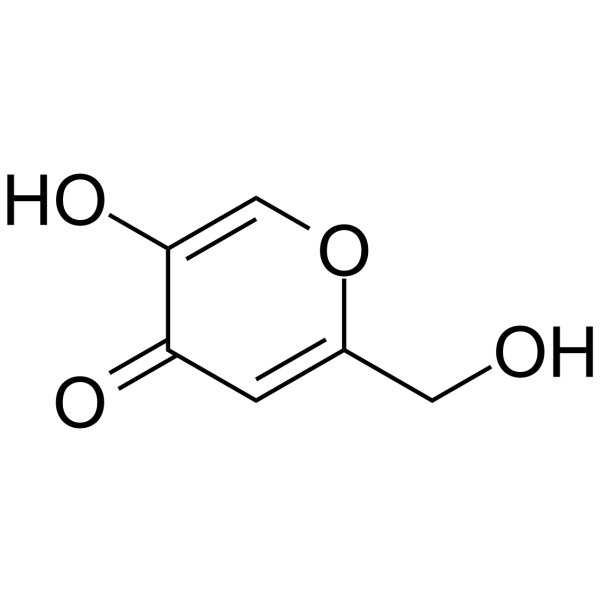
  • HY-W050154
    Kojic acid
    2 Publications Verification

    Parasite Tyrosinase NF-κB CDK Infection Inflammation/Immunology Cancer
    Kojic acid is a substance produced by Aspergillus oryzae that is orally effective and can also be absorbed transdermally. Kojic acid exhibits various biological activities, including anti-aging, anti-nematode, antimicrobial, antioxidant, and anti-inflammatory effects. Kojic acid is a Tyrosinase inhibitor with an Mushroom Tyrosinase IC50 of 182.7 μM. Kojic acid prevents melanin production by capturing copper ions that bind to the tyrosinase active site, thus inhibiting its activation. Kojic acid also suppresses the NF-κB and p21 signaling pathways in human keratinocytes. Kojic acid derivatives have anticancer activity .
    Kojic acid
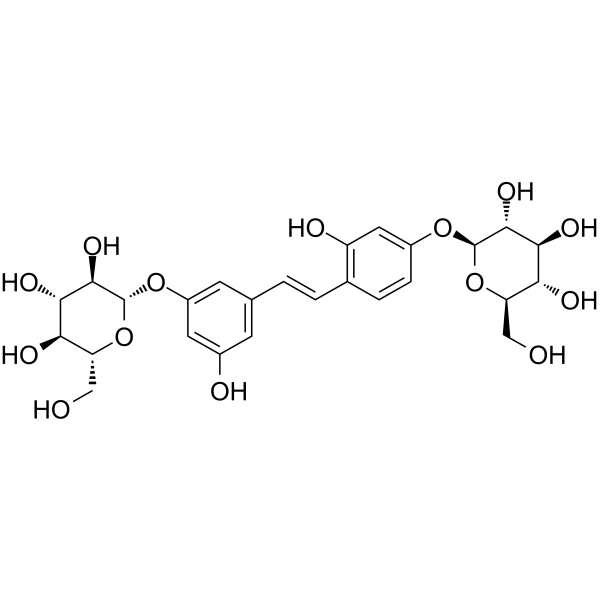
  • HY-N0619
    Mulberroside A
    4 Publications Verification

    TNF Receptor Interleukin Related Tyrosinase Inflammation/Immunology
    Mulberroside A is one of the main bioactive constituent in mulberry (Morus alba L.) . Mulberroside A decreases the expressions of TNF-α, IL-1β, and IL-6 and inhibits the activation of NALP3, caspase-1, and NF-κB and the phosphorylation of ERK, JNK, and p38, exhibiting anti-inflammatory antiapoptotic effects . Mulberroside A shows inhibitory activity against mushroom tyrosinase with an IC50 of 53.6 μM .
    Mulberroside A
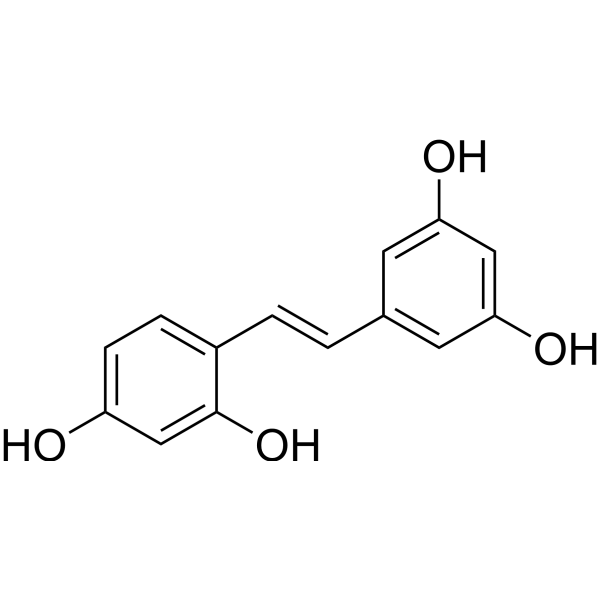
  • HY-N1430
    Oxyresveratrol
    3 Publications Verification

    trans-Oxyresveratrol

    Tyrosinase HSV Autophagy Others
    Oxyresveratrol (trans-Oxyresveratrol) is a potent naturally occurring antioxidant and free radical scavenger (IC50 of 28.9 µM against DPPH free radicals). Oxyresveratrol is potent and noncompetitive tyrosinase inhibitor with an IC50 value of 1.2 µM for mushroom tyrosinase. Oxyresveratrol is effective against HSV-1, HSV-2 and varicella-zoster virus, and has neuroprotective effects .
    Oxyresveratrol
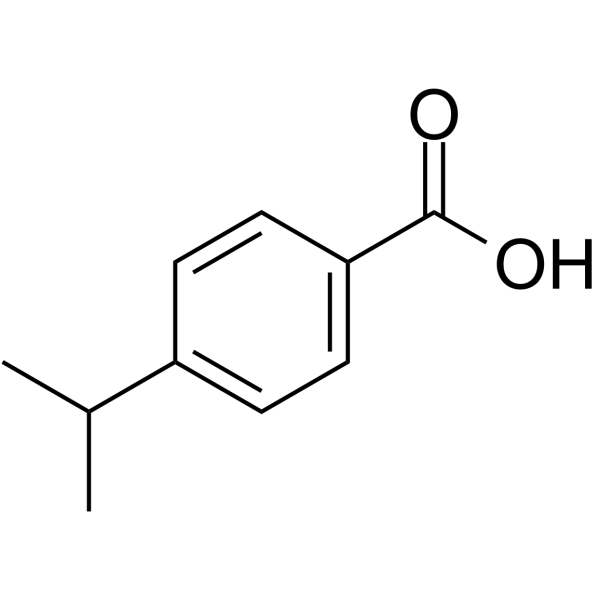
  • HY-W013571

    Cuminic acid; p-Isopropyl benzoic acid

    Fungal Infection
    4-Isopropylbenzoic acid (Cuminic acid; p-Isopropyl benzoic acid) an aromatic monoterpenoid, is isolated from the stem bark of Bridelia retusa. 4-Isopropylbenzoic acid exhibits antifungal activities. 4-Isopropylbenzoic acid is also a reversible and uncompetitive inhibitor of mushroom tyrosinase .
    4-Isopropylbenzoic acid
  • HY-W251181

    Tyrosinase Metabolic Disease
    Isobutylamido thiazolyl resorcinol is a selective hTyr inhibitor with an IC50 of 1.1  μM. Isobutylamido thiazolyl resorcinol shows an IC50 of 108  μM against mushroom Tyrosinase. Isobutylamido thiazolyl resorcinol effectively prevents pigmentation caused by UVB irradiation. Isobutylamido thiazolyl resorcinol significantly improves the visibility of acne-induced hyperpigmentation .
    Isobutylamido thiazolyl resorcinol
  • HY-N7135

    Tyrosinase Fungal Metabolic Disease Inflammation/Immunology Cancer
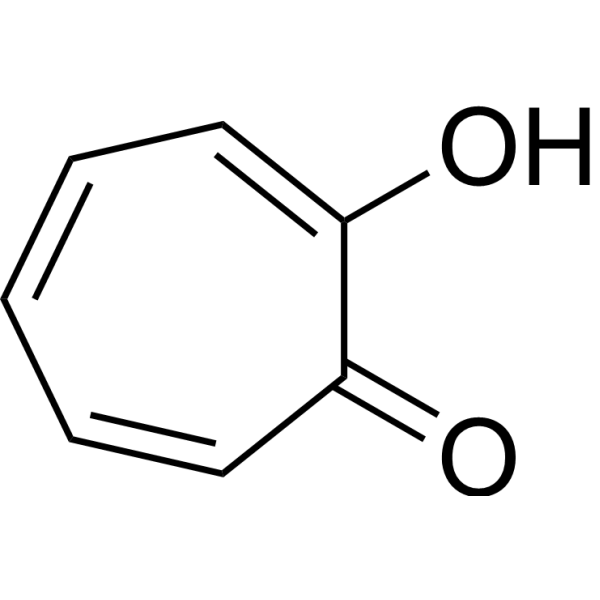
    Tropolone is a seven-membered non-benzenoid aromatic compound, which is the precursor of many Azulene derivatives. Tropolone is a potent mushroom tyrosinase inhibitor with an IC50 value of 0.4 μM. Its inhibitory effect can be achieved by dialysis or excess CU2+ Reversa. Tropolone exhibits broad anti-viral and anti-fungal activity and is synergistic upon co-treatment with nucleos(t)ide analog drugs. Tropolone is a promising candidate for research in osteosarcoma .
    Tropolone
  • HY-N9330

    Xanthine Oxidase Ras EGFR MEK PERK Apoptosis Cancer
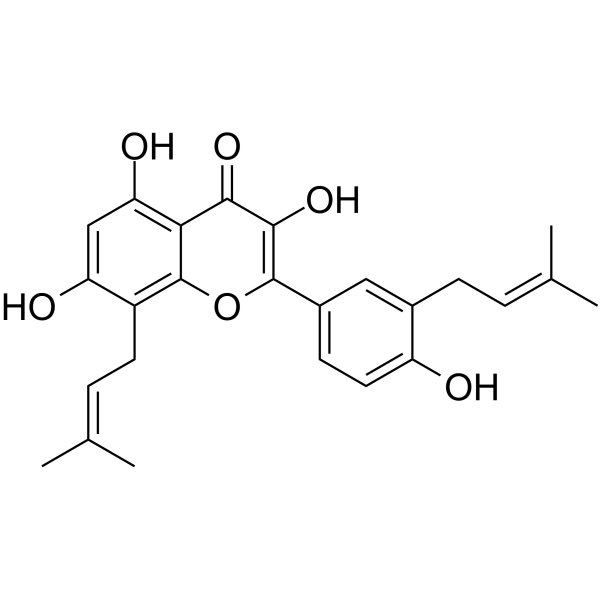
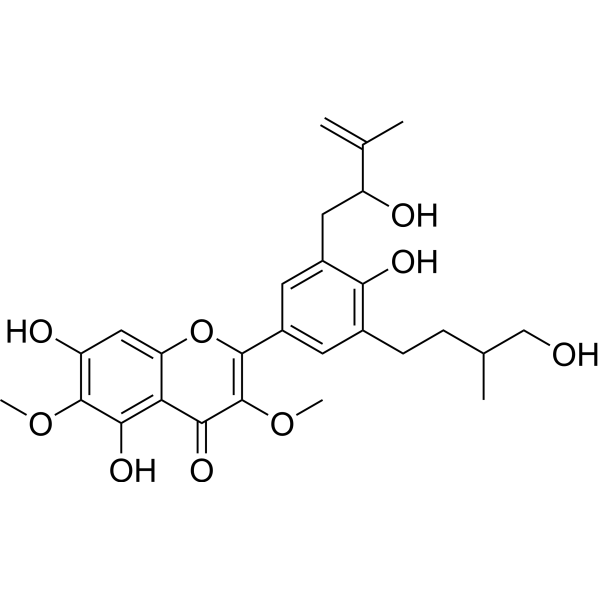
    Broussoflavonol F is a potent dual inhibitor of the HER2-RAS-MEK-ERK signaling pathway and mushroom tyrosinase with an IC50 value of 82.3 μM. Broussoflavonol F downregulates the expression of RAS, HER2, phosphorylated BRAF, phosphorylated MEK and phosphorylated Erk proteins. Broussoflavonol F induces cell cycle arrest and apoptosis, and exhibits cytotoxicity in colon cancer cells. Broussoflavonol F inhibits endothelial proliferation, migration and tube formation, suppresses subintestinal vascular development, and reduces the mRNA levels of angiogenesis-associated genes.Broussoflavonol F can be used for colon cancer research .
    Broussoflavonol F
  • HY-N1750

    Tyrosinase Metabolic Disease
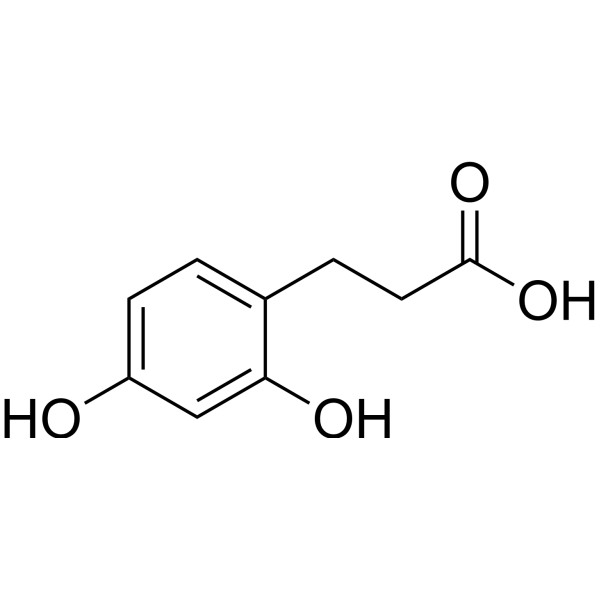
    3-(2,4-Dihydroxyphenyl) propanoic acid (DPPacid) is a competitive Tyrosinase inhibitor. It exhibits an IC50 value of 3.02 μM against mushroom tyrosinase with L-tyrosine as the substrate, an IC50 value of 62 μM with DL-DOPA as the substrate, and a Ki value of 11.5 μM. 3-(2,4-Dihydroxyphenyl) propanoic acid shows no DPPH radical scavenging activity. It can be used in studies related to ultraviolet B (UVB)-induced hyperpigmentation .
    3-(2,4-Dihydroxyphenyl)propanoic acid
  • HY-113404

    Tyrosinase Dopamine Receptor Neurological Disease
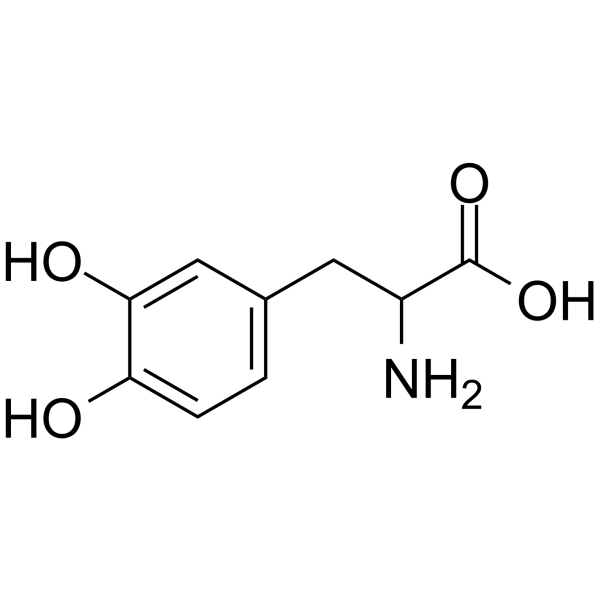
    DL-Dopa is a dopamine precursor. It serves as a substrate for Mushroom Tyrosinase, which oxidizes it to dopaquinone, an intermediate in the DOPA-melanin polymerization process, and this reaction can be detected at 475 nm. DL-Dopa also forms synergistic hydrophobic and π-π stacking interactions with cationic surfactants. Its binding to cetylpyridinium chloride (HY-B1464) is stronger and exhibits better thermodynamic stability than its binding to benzalkonium chloride (HY-B2232). DL-Dopa can compensate for dopamine depletion in the brain and is applicable to research related to Parkinson's disease .
    DL-Dopa
  • HY-N1775

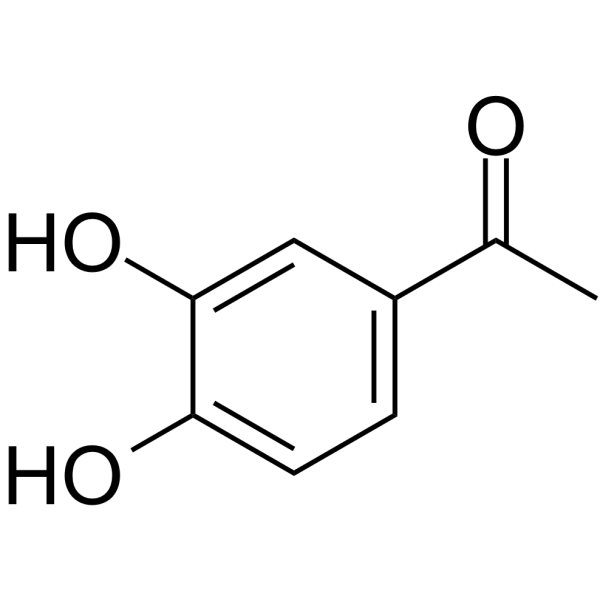
    3,4-DHAP

    Tyrosinase Reactive Oxygen Species (ROS) Keap1-Nrf2 PARP Autophagy Apoptosis Cardiovascular Disease Neurological Disease Metabolic Disease Inflammation/Immunology Cancer
    3',4'-Dihydroxyacetophenone (3,4-DHAP) is a phenolic compound with oral bioavailability, possessing potent antioxidant, anti-inflammatory, anticancer and cardiovascular protective activities. 3',4'-Dihydroxyacetophenone inhibits mushroom Tyrosinase activity with an IC50 of 10 μM, thereby suppressing melanogenesis . 3',4'-Dihydroxyacetophenone inhibits platelet aggregation in platelet-rich plasma. 3',4'-Dihydroxyacetophenone reduces ROS levels in human umbilical vein endothelial cells treated with high glucose, upregulates the expression of Nrf2, HO-1 and PARP-1 in cells, and promotes the nuclear translocation of Nrf2 . 3',4'-Dihydroxyacetophenone induces autophagy and apoptosis. 3',4'-Dihydroxyacetophenone inhibits seed germination/growth in most plants. 3',4'-Dihydroxyacetophenone can be used in the research of cancer, neurodegenerative diseases, non-alcoholic steatohepatitis, diabetes, obesity, skin pigmentation disorders, and cardiovascular and cerebrovascular diseases .
    3',4'-Dihydroxyacetophenone
  • HY-N3266

    Tyrosinase Phosphatase Cholinesterase (ChE) SARS-CoV PERK JNK p38 MAPK TGF-beta/Smad Apoptosis Reactive Oxygen Species (ROS) AMPK MMP Cardiovascular Disease Infection Neurological Disease Inflammation/Immunology Cancer
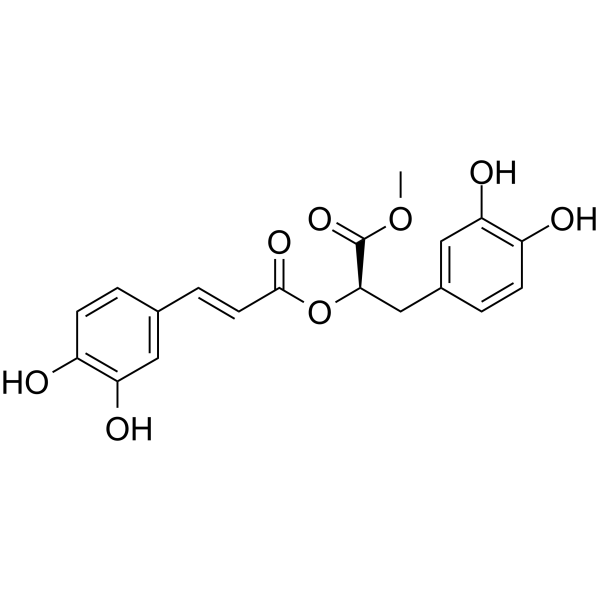
    Methyl rosmarinate is an orally active hydroxycinnamic acid. Methyl rosmarinate exhibits an IC50 of 24.70 μM and a Ki of 15.29 μM against PTP1B, an IC50 of 41.46 μg/mL against BChE, a Ki of 0.61 mM against mushroom tyrosinase, and an IC50 of 2.50 μM against SARS-CoV-2 3CLpro. Methyl rosmarinate downregulates the phosphorylation levels of ERK, JNK, p38, Smad2 and Smad3. Methyl rosmarinate activates erythrocyte BPGM and promotes the production of 2,3-BPG. Methyl rosmarinate induces apoptosis of fibroblasts. Methyl rosmarinate prolongs the survival time of hypoxic mice. Methyl rosmarinate improves insulin sensitivity. Methyl rosmarinate binds to SARS-CoV-2 3CLpro and inhibits viral replication. Methyl rosmarinate induces glioblastoma cell death. Methyl rosmarinate activates the TGR5/AMPK axis and reduces the levels of ROS and MDA. Methyl rosmarinate shows inhibitory activity against MMP-1. Methyl rosmarinate can be used in research related to pulmonary fibrosis, hypoxia-induced injury, type 2 diabetes, Alzheimer's disease, hyperpigmentation disorders, COVID-19, glioblastoma and myocardial ischemia-reperfusion injury .
    Methyl rosmarinate
  • HY-N2135

    Apoptosis Caspase Bcl-2 Family Tyrosinase Metabolic Disease Cancer
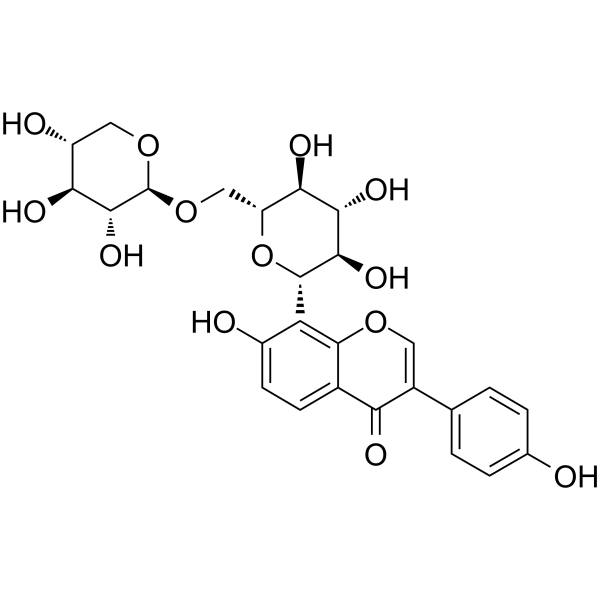
    Puerarin 6''-O-Xyloside is one of the major iso-flavones found in P. lobata. Puerarin 6''-O-Xyloside inhibits cancer cells proliferation, induces apoptosis by upregulating cleaved caspase-3, 7, 9, Bax and downregulating Bcl-2 levles and inhibits tumor growth in mice. Puerarin 6''-O-Xyloside has anti-osteoporotic activity in ovariectomized mice. Puerarin 6''-O-Xyloside inhibits mushroom tyrosinase with an IC50 of 513.8 μM. Puerarin 6''-O-Xyloside can be used for the research of human lung carcinoma, osteoporosis, melanosis and melanomar .
    Puerarin 6''-O-Xyloside
  • HY-N2101

    Tyrosinase NF-κB Inflammation/Immunology
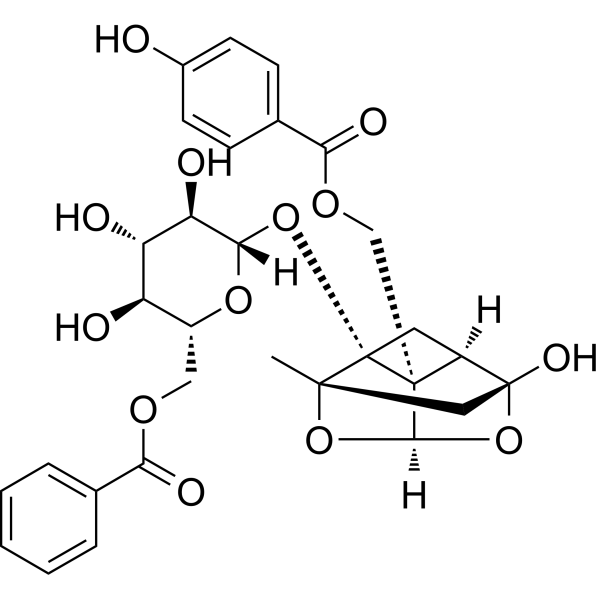
    Benzoyloxypaeoniflorin, isolated from the root of Paeonia suffruticosa, is a tyrosinase inhibitor against mushroom tyrosinase with IC50 of 0.453 mM. Benzoyloxypaeoniflorin is NF-κB Inhibitor and contributes to improving blood circulation through its inhibitory effect on both platelet aggregation and blood coagulation .
    Benzoyloxypaeoniflorin
  • HY-W115529

    Geranate; NSC 229335; GAGE

    Environmental Pollutants Fungal Tyrosinase Infection Cancer
    Geranic acid (Geranate) acts as a tyrosinase inhibitor and antifungal agent, with an IC50 value of 0.14-2.3 mM against mushroom tyrosinase. Geranic acid reduces the viability of human pancreatic cancer cells and B-lymphoma cells. Geranic acid inhibits mycelial growth of the maize pathogens Colletotrichum graminicola and Fusarium graminearum. Geranic acid is applicable to research related to fungal infections, pancreatic cancer and B-lymphoma .
    Geranic acid
  • HY-N1098

    Tyrosinase p38 MAPK NF-κB Bacterial Infection Metabolic Disease Inflammation/Immunology
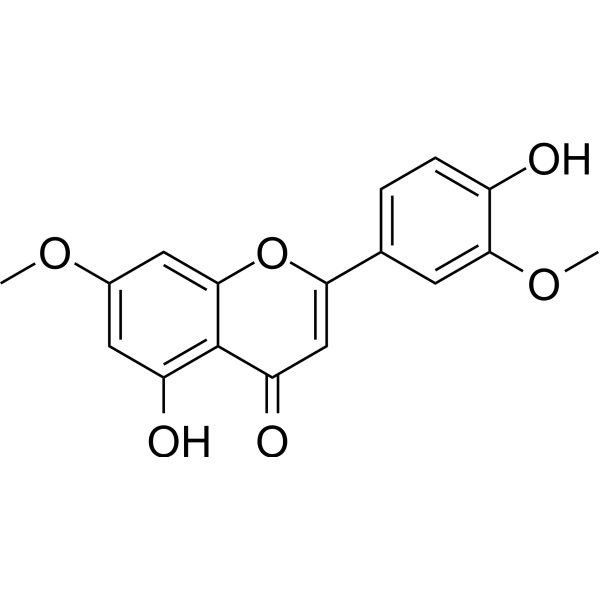
    Velutin is a flavonoid. Velutin can be extracted from mistletoe. Velutin inhibits mushroom Tyrosinase activity with an IC50 of 910.1 μM. Velutin inhibits p38 phosphorylation, the NF-κB pathway and the MAPK pathway. Velutin prevents articular cartilage degeneration and subchondral bone loss. Velutin slows down the progression of intervertebral disc degeneration. Velutin exhibits inhibitory effects on melanogenesis, skin whitening, anti-inflammatory, anti-allergic, anti-oxidant and antibacterial activities. Velutin can be used in studies related to pigmented diseases, osteoarthritis and intervertebral disc degeneration .
    Velutin
  • HY-W015616

    4-Penylbutan-2-one

    Environmental Pollutants Tyrosinase Infection Metabolic Disease
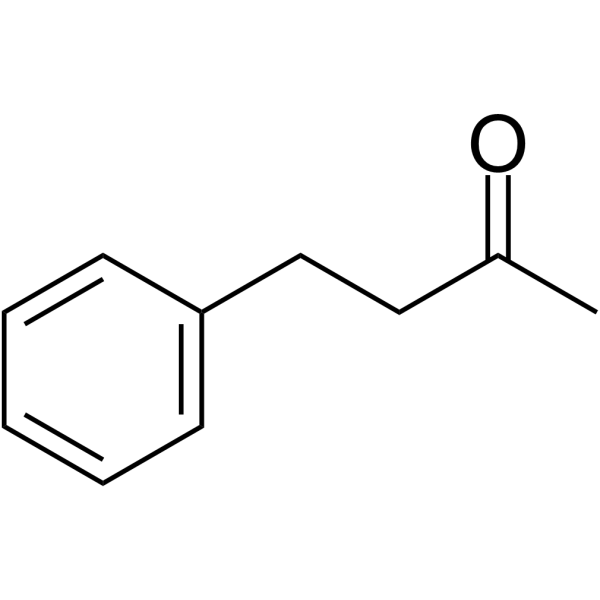
    Benzylacetone (4-Penylbutan-2-one) is an aromatic compound. Benzylacetone is a mushroom tyrosinase inhibitor with an IC50 of 2.8 mM, a Ki of 1.25 mM for monophenolase and an IC50 of 0.6 mM, a Ki of 0.39 mM for diphenolase. Benzylacetone inhibits free mushroom tyrosinase and enzyme-substrate complex. Benzylacetone acts as an appetite enhancer via olfactory stimulation, reduces spontaneous locomotor activity, induces weight gain. Benzylacetone exhibits repellent, fumigant, and contact toxicity against Tribolium castaneum adults .
    Benzylacetone
  • HY-P0096

    Tyrosinase Sirtuin Inflammation/Immunology Endocrinology
    Decapeptide-12, a small oligopeptide, is a tyrosinase inhibitor that interacts with C-terminal residue of tyrosinase (Kd: 61.1 μM). Decapeptide-12 is a competitive inhibitor of mushroom tyrosinase (IC50: 40 μM). Decapeptide-12 also increases transcription of SIRT. Decapeptide-12 reduces melanin content in melanocytes. Decapeptide-12 is used for the research of melanogenesis, senescence, inflammation .
    Decapeptide-12
  • HY-N12810

    Tyrosinase Others
    Sanggenon O is a mushroom tyrosinase inhibitor that can be isolated from Morus nigra, with an IC50 value of 1.15 μM .
    Sanggenon O
  • HY-Y0729
    4-Chlorocinnamic acid
    1 Publications Verification

    Tyrosinase Bacterial Fungal Drug Derivative Infection Neurological Disease
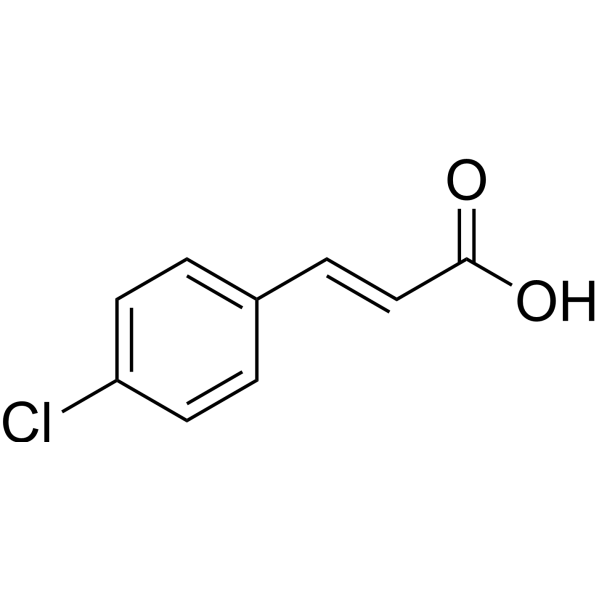
    4-Chlorocinnamic acid is a derivative of Cinnamic acid (HY-N0610A). 4-Chlorocinnamic acid inhibits the monophenolase and diphenolase activities of mushroom tyrosinase with IC50 values of 0.477 mM and 0.229 mM, respectively. 4-Chlorocinnamic acid inhibits the mycelial growth of Colletotrichum gloeosporioides. 4-Chlorocinnamic acid exhibits anticonvulsant activity against acute epilepsy induced by pentylenetetrazol .
    4-Chlorocinnamic acid
  • HY-117761

    PPAR Metabolic Disease Cancer
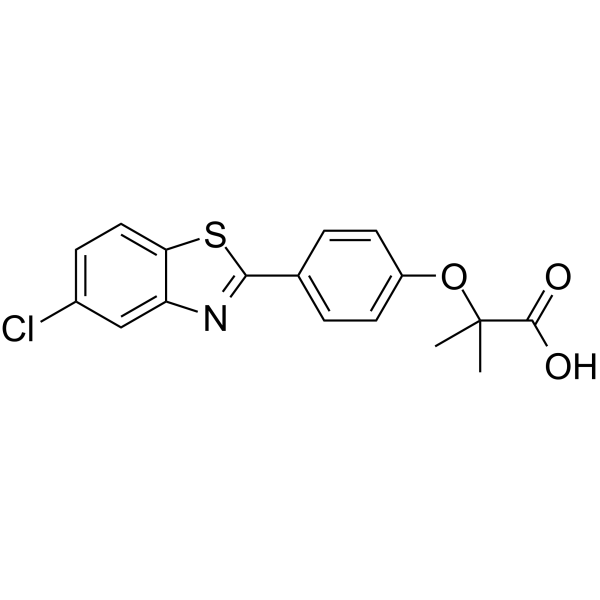
    MHY908 is a potent dual agonist of PPARα and PPARγ . MHY908 also inhibits melanogenesis through inhibition of mushroom tyrosinase activity .
    MHY908
  • HY-N10219

    Tyrosinase Fungal Infection
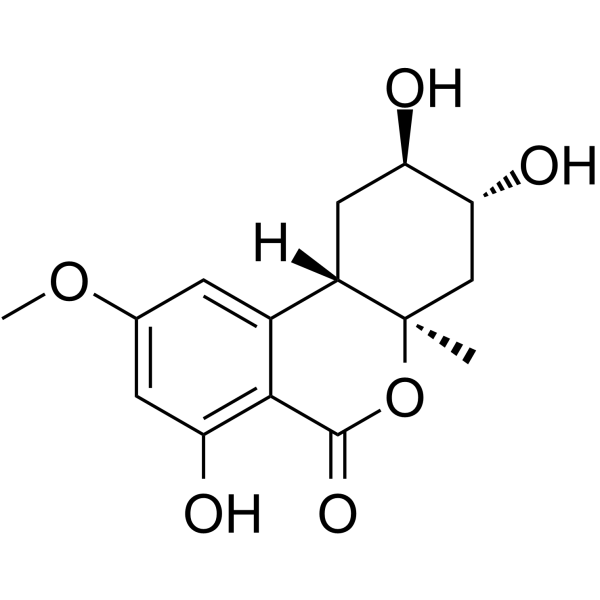
    Dihydroaltenuene B is a potent mushroom tyrosinase inhibitor with an IC50 of 38.33 µM. Dihydroaltenuene B shows the hydrogen bonding interactions between the 3-OH and 4’-OH and the His244, Met280 and Gly281 residues of tyrosinase .
    Dihydroaltenuene B
  • HY-W046353A

    (E)-o-Methoxycinnamaldehyde

    Tyrosinase Neurological Disease
    (E)-2-Methoxycinnamaldehyde ((E)-o-Methoxycinnamaldehyde) is a tyrosinase inhibitor with an IC50 of 0.42 mM for mushroom tyrosinase. (E)-2-Methoxycinnamaldehyde is found in the twigs of Cinnamomum cassia. (E)-2-Methoxycinnamaldehyde can be used for the research of Parkinson's disease .
    (E)-2-Methoxycinnamaldehyde
  • HY-N7135R

    Tyrosinase Reference Standards Fungal Metabolic Disease Inflammation/Immunology Cancer
    Tropolone is a seven-membered non-benzenoid aromatic compound, which is the precursor of many Azulene derivatives. Tropolone is a potent mushroom tyrosinase inhibitor with an IC50 value of 0.4 μM. Its inhibitory effect can be achieved by dialysis or excess CU2+ Reversa. Tropolone exhibits broad anti-viral and anti-fungal activity and is synergistic upon co-treatment with nucleos(t)ide analog drugs. Tropolone is a promising candidate for research in osteosarcoma .
    Tropolone (Standard)
  • HY-N1430R

    trans-Oxyresveratrol (Standard)

    Reference Standards Tyrosinase HSV Autophagy Others
    Oxyresveratrol (Standard) is the analytical standard of Oxyresveratrol. This product is intended for research and analytical applications. Oxyresveratrol (trans-Oxyresveratrol) is a potent naturally occurring antioxidant and free radical scavenger (IC50 of 28.9 μM against DPPH free radicals). Oxyresveratrol is potent and noncompetitive tyrosinase inhibitor with an IC50 value of 1.2 μM for mushroom tyrosinase. Oxyresveratrol is effective against HSV-1, HSV-2 and varicella-zoster virus, and has neuroprotective effects .
    Oxyresveratrol (Standard)
  • HY-W050154S

    Parasite Isotope-Labeled Compounds Infection
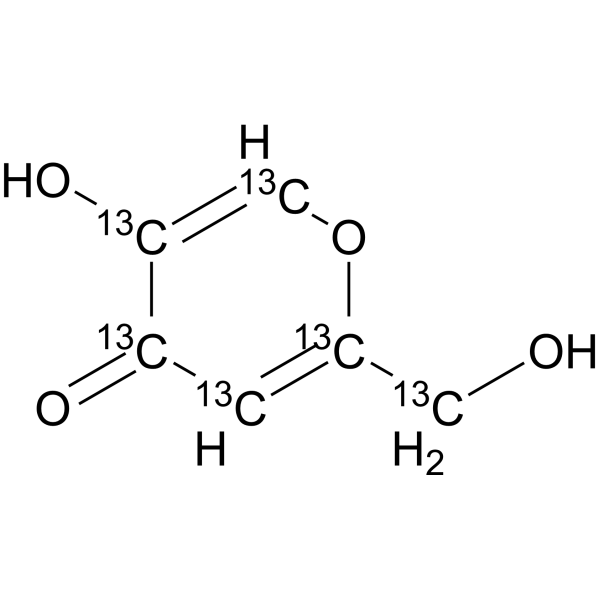
    Kojic acid- 13C6 is 13C labeled Kojic acid (HY-W050154). Kojic acid is a substance produced by Aspergillus oryzae that is orally effective and can also be absorbed transdermally. Kojic acid exhibits various biological activities, including anti-aging, anti-nematode, antimicrobial, antioxidant, and anti-inflammatory effects. Kojic acid is a Tyrosinase inhibitor with an Mushroom Tyrosinase IC50 of 182.7 μM. Kojic acid prevents melanin production by capturing copper ions that bind to the tyrosinase active site, thus inhibiting its activation. Kojic acid also suppresses the NF-κB and p21 signaling pathways in human keratinocytes. Kojic acid derivatives have anticancer activity .
    Kojic acid-13C6
  • HY-N10286

    Tyrosinase Others
    Chetoseminudin B possesses mushroom tyrosinase inhibitory activity with IC50 of 31.7 μM .
    Chetoseminudin B
  • HY-131327

    Tyrosinase Cancer
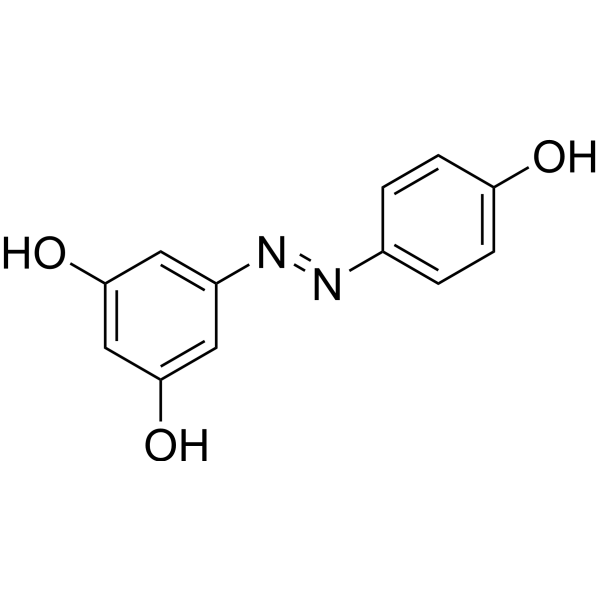
    Azo-resveratrol, an Azo compound, inhibits Mushroom tyrosinase (IC50=36.28 μM).
    Azo-resveratrol
  • HY-161289

    Tyrosinase Cancer
    Tyrosinase-IN-24 (compound 3b) is a tyrosinase inhibitor with inhibitory activity against mushroom tyrosinase .
    Tyrosinase-IN-24
  • HY-122933

    Tyrosinase Apoptosis Cardiovascular Disease Cancer
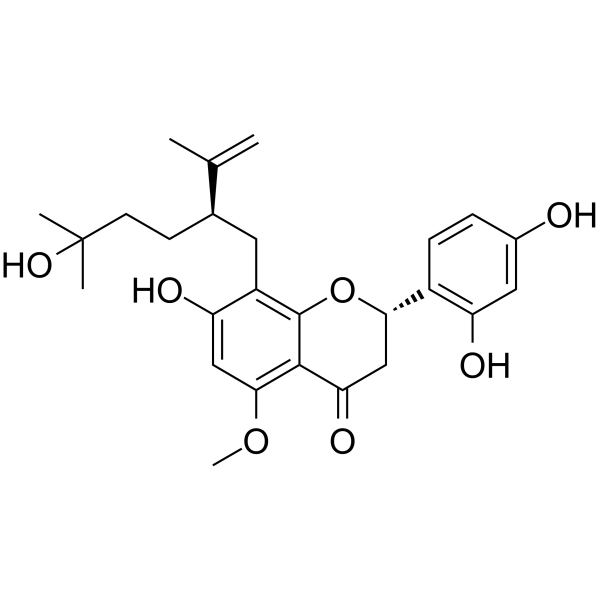
    Kurarinol is a flavanone found in the root of Sophora flavescens. Kurarinol is a competitive tyrosinase inhibitor, with IC50 of 0.1 μM for mushroom tyrosinase .
    Kurarinol
  • HY-121889

    Tyrosinase Inflammation/Immunology
    FQ is a tyrosinase inhibitor that effectively inhibits the diphenolase activity of mushroom tyrosinase (IC50=120 μM). FQ can be used in the study of pigmentation .
    FQ
  • HY-N10285

    Tyrosinase Infection
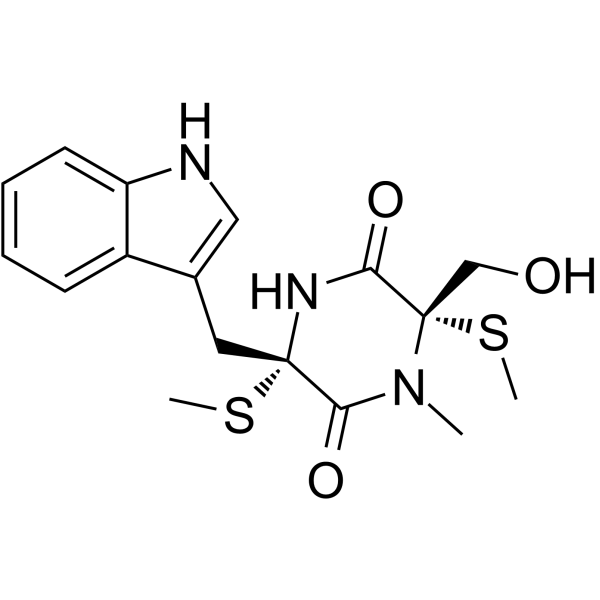
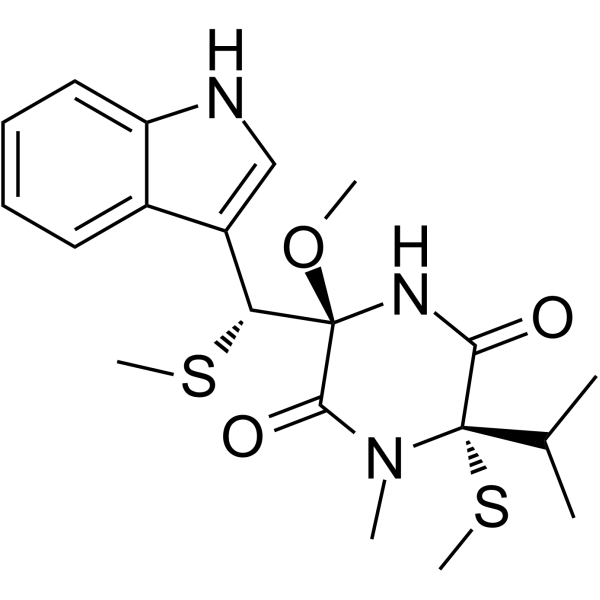
    Phaeosphaone D is a thiodiketopiperazine alkaloid compound isolated from Phaeosphaeria fuckelii, an endophytic fungus. Phaeosphaone D displays mushroom tyrosinase inhibitory activity with an IC50 value of 33.2 μM .
    Phaeosphaone D
  • HY-159586

    Tyrosinase Cancer
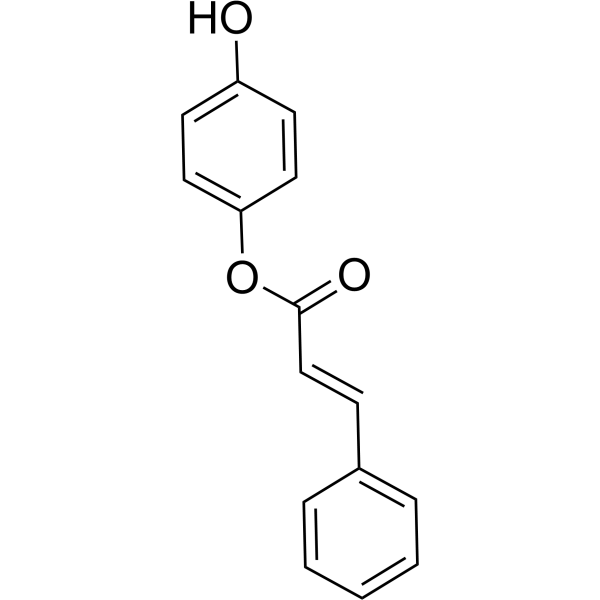
    Tyrosinase-IN-32 (compound 11) is a hydroxamate-based alkaloid and a mushroom tyrosinase inhibitor. Tyrosinase-IN-32 has antioxidant activity and can be isolated from black pepper (Piper nigrum L.) .
    Tyrosinase-IN-32
  • HY-161950

    Tyrosinase Metabolic Disease
    Tyrosinase-IN-33 (compound 5) a Pyridine-based compound, is a potent inhibitor of mushroom tyrosinase diphenolase activity. Tyrosinase-IN-33 significantly decreases the enzyme activity, with an IC50 of 9.0 μM .
    Tyrosinase-IN-33
  • HY-W013571R

    Cuminic acid (Standard); p-Isopropyl benzoic acid (Standard)

    Reference Standards Fungal Infection
    4-Isopropylbenzoic acid (Cuminic acid; p-Isopropyl benzoic acid) an aromatic monoterpenoid, is isolated from the stem bark of Bridelia retusa. 4-Isopropylbenzoic acid exhibits antifungal activities. 4-Isopropylbenzoic acid is also a reversible and uncompetitive inhibitor of mushroom tyrosinase .
    4-Isopropylbenzoic acid (Standard)
  • HY-N14245

    Melanocortin Receptor Cancer
    Melanoxazal is a Melanin biosynthesis inhibitor. Melanoxazal can inhibit melanin formation in the silkworm larva hemolymph (IC50 is 30.1 μg/mL), and also has stronger inhibitory effect against mushroom tyrosinase (IC50 is 4.2 μg/mL), but it has no antimicrobial effect .
    Melanoxazal
  • HY-101258

    Parasite Infection
    Cardol triene is a phenol found in cashew nut shell liquid that competitively and irreversibly inhibits mushroom tyrosinase (IC50=22.5 μM). It is schistosomicidal, killing 25, 75, and 100% of S. mansoni worms after 24 hours when used at concentrations of 50, 100, or 200 μM, respectively. It has been used as a starting material for the synthesis of bis-benzoxazines.
    Cardol triene
  • HY-141555

    Phosphodiesterase (PDE) Tyrosinase Others
    5,5′-(1,3-Propanediyl)bis-1,3,4-oxadiazole-2(3H)-thione is a weak inhibitor for snake venom and human recombinant phosphodiesterase 1 with IC50 of 429 and 467 μM. 5,5′-(1,3-Propanediyl)bis-1,3,4-oxadiazole-2(3H)-thione inhibits mushroom tyrosinase weakly, with Ki of 1.9 μM .
    5,5′-(1,3-Propanediyl)bis-1,3,4-oxadiazole-2(3H)-thione
  • HY-N3773

    Tyrosinase Cancer
    Dodoviscin A is a pigmentation-altering agent, which can be isolated from the aerial parts of Dodonaea viscosa. Dodoviscin A inhibits melanin production in B16-F10 melanoma cells. Dodoviscin A suppresses mushroom tyrosinase activity, and tyrosinase activity induced by 3-isobutyl-1-methylxanthine. Dodoviscin A also inhibits the phorphosylation of cAMP response element binding protein, induced by 3-isobutyl-1-methylxanthine and forskolin .
    Dodoviscin A
  • HY-N0619A

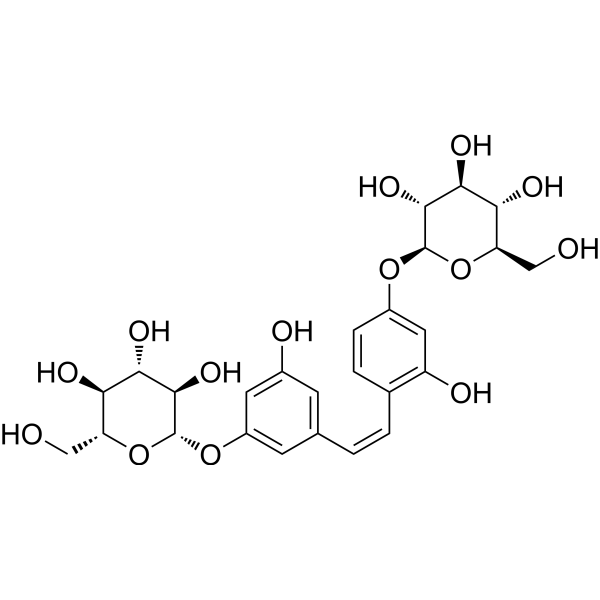
    Mulberroside D

    TNF Receptor Interleukin Related Tyrosinase Inflammation/Immunology
    cis-Mulberroside A (Mulberroside D) is the cis-isomer of Mulberroside A. Mulberroside A is one of the main bioactive constituent in mulberry (Morus alba L.) . Mulberroside A decreases the expressions of TNF-α, IL-1β, and IL-6 and inhibits the activation of NALP3, caspase-1, and NF-κB and the phosphorylation of ERK, JNK, and p38, exhibiting anti-inflammatory and anti-apoptotic effects . Mulberroside A shows inhibitory activity against mushroom tyrosinase with an IC50 of 53.6 μM .
    cis-Mulberroside A
  • HY-N0619R

    Reference Standards TNF Receptor Interleukin Related Tyrosinase Inflammation/Immunology
    Mulberroside A (Standard) is the analytical standard of Mulberroside A. This product is intended for research and analytical applications. Mulberroside A is one of the main bioactive constituent in mulberry (Morus alba L.) . Mulberroside A decreases the expressions of TNF-α, IL-1β, and IL-6 and inhibits the activation of NALP3, caspase-1, and NF-κB and the phosphorylation of ERK, JNK, and p38, exhibiting anti-inflammatory antiapoptotic effects . Mulberroside A shows inhibitory activity against mushroom tyrosinase with an IC50 of 53.6 μM .
    Mulberroside A (Standard)
  • HY-N2135R

    Reference Standards Apoptosis Caspase Bcl-2 Family Tyrosinase Metabolic Disease Cancer
    Puerarin 6''-O-Xyloside (Standard) is the analytical standard of Puerarin 6''-O-Xyloside (HY-N2135). This product is intended for research and analytical applications. Puerarin 6''-O-Xyloside is one of the major iso-flavones found in P. lobata. Puerarin 6''-O-Xyloside inhibits cancer cells proliferation, induces apoptosis by upregulating cleaved caspase-3, 7, 9, Bax and downregulating Bcl-2 levles and inhibits tumor growth in mice. Puerarin 6''-O-Xyloside has anti-osteoporotic activity in ovariectomized mice. Puerarin 6''-O-Xyloside inhibits mushroom tyrosinase with an IC50 of 513.8 μM. Puerarin 6''-O-Xyloside can be used for the research of human lung carcinoma, osteoporosis, melanosis and melanomar .
    Puerarin 6''-O-Xyloside (Standard)
  • HY-N11720

    Others Others
    Isoaloeresin D is a chromone analogue found in the aqueous extract of Aloe barbadensis Miller. Isoaloeresin D does not inhibit mushroom tyrosinase .
    Isoaloeresin D
  • HY-N3266R

    Reference Standards Tyrosinase Cancer
    Methyl rosmarinate is a noncompetitive tyrosinase inhibitor which is isolated from Rabdosia serra, with an IC50 of 0.28 mM for mushroom tyrosinase, and also inhibits a-glucosidase .
    Methyl rosmarinate (Standard)
  • HY-W015616R

    4-Penylbutan-2-one (Standard)

    Tyrosinase Reference Standards Infection Metabolic Disease
    Benzylacetone (4-Penylbutan-2-one) (Standard) is the analytical standard of Benzylacetone (HY-W015616). This product is intended for research and analytical applications. Benzylacetone is an aromatic compound. Benzylacetone is a mushroom tyrosinase inhibitor with an IC50 of 2.8 mM, a Ki of 1.25 mM for monophenolase and an IC50 of 0.6 mM, a Ki of 0.39 mM for diphenolase. Benzylacetone inhibits free mushroom tyrosinase and enzyme-substrate complex. Benzylacetone acts as an appetite enhancer via olfactory stimulation, reduces spontaneous locomotor activity, induces weight gain. Benzylacetone exhibits repellent, fumigant, and contact toxicity against Tribolium castaneum adults .
    Benzylacetone (Standard)
  • HY-N15254

    Endogenous Metabolite Others
    2-S-Cysteinyldopa is a cross-linking compound that can be isolated from the byssal threads of P. canaliculus. 2-S-Cysteinyldopa also can be formed by oxidation of pcfp-1 in vitro using mushroom tyrosinase .
    2-S-Cysteinyldopa
  • HY-N18197

    Tyrosinase NF-κB AP-1 Interleukin Related p38 MAPK JNK ERK Infection
    Norkurarinol is a prenylated flavonoid. Norkurarinol can be isolated from Sophora flavescens. Norkurarinol potently inhibits mushroom Tyrosinase DOPA oxidase activity with an IC50 of 2.1 μM. Norkurarinol inhibits poly(I:C)-induced NF-κB/AP-1 activation. Norkurarinol inhibits pro-inflammatory cytokines (TNF-α, IL-6). Norkurarinol inhibits phosphorylation of p38, JNK, and ERK1/2. Norkurarinol increases phosphorylation of IRF3. Norkurarinol has antiviral activity against Rotavirus KJ56-1
    Norkurarinol

オンラインお問い合わせ

入力情報は安全に管理されます. 必須入力項目.

タイトル


国或いは地域 *

お名前 *


組纖名 *

デパートメント *


メールアドレス *


製品名 *

製品番号


カスタマ需要量 *

電話番号 *


必ず会社名を記載ください。個人への返信は行いません。

備考

バルクお問い合わせ

Inquiry Information

製品名:
製品番号:
数量:
MCE 日本正規代理店: