



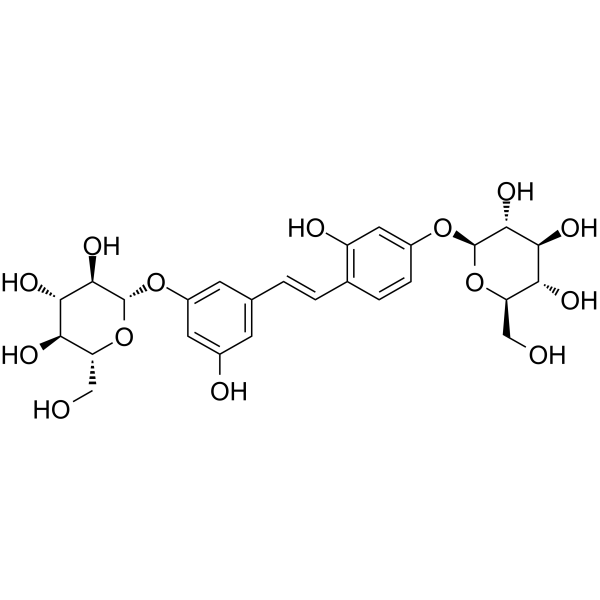
Mulberroside A
Based on 5 publication(s) in Google Scholar
Mulberroside A is one of the main bioactive constituent in mulberry (Morus alba L.). Mulberroside A decreases the expressions of TNF-α, IL-1β, and IL-6 and inhibits the activation of NALP3, caspase-1, and NF-κB and the phosphorylation of ERK, JNK, and p38, exhibiting anti-inflammatory antiapoptotic effects. Mulberroside A shows inhibitory activity against mushroom tyrosinase with an IC50 of 53.6 μM.
Para uso exclusivo en investigación. No vendemos a pacientes.
- Pureza : 99.92%
- No. CAS: 102841-42-9
- Fòrmula: C26H32O14
- Peso molecular:568.52
-
Almacenamiento:Powder -20°C, 3 years , 4°C, 2 years ; In solvent -80°C, 2 years , -20°C, 1 year

To place orders, for customer services and technical support, please contact: MedChemExpress USA
Tel: 609-228-6898 E-mail: [email protected] [email protected]


-
 Actividad biológica
-
Chemical Information
-
Solvente y solubilidad
- Protocolo
- Pureza y Documentación
- Referencias
-
 Help & FAQs


-
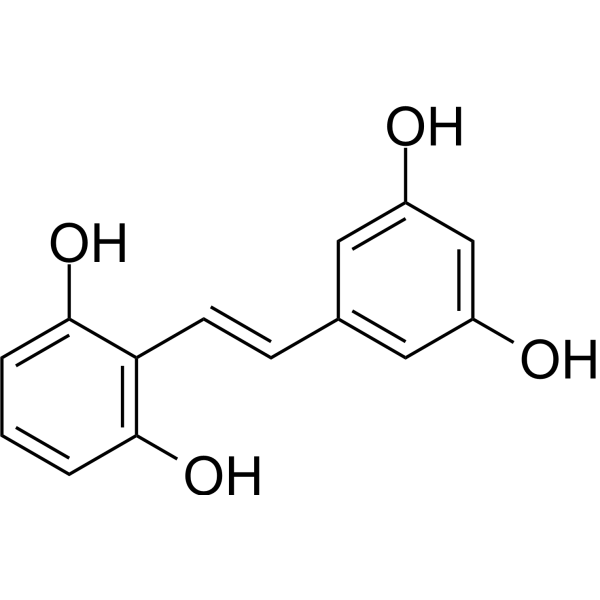
HY-126052
GnetolCOX-1/HDAC/Tyrosinase Inhibitor -
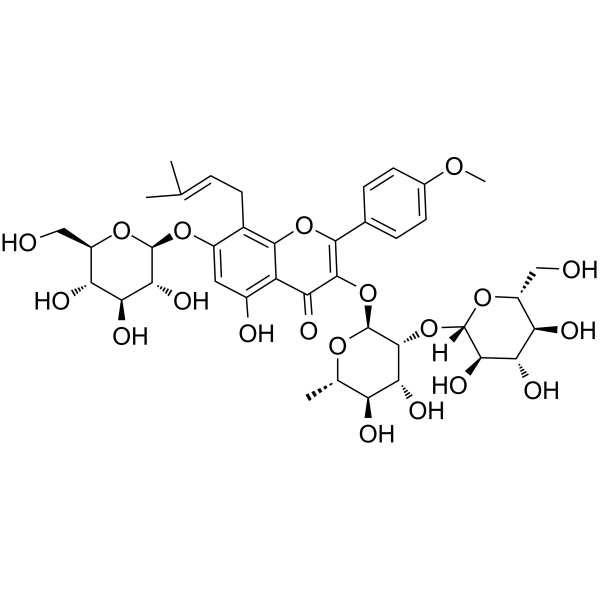
HY-N0257
Epimedin ANatural Product -
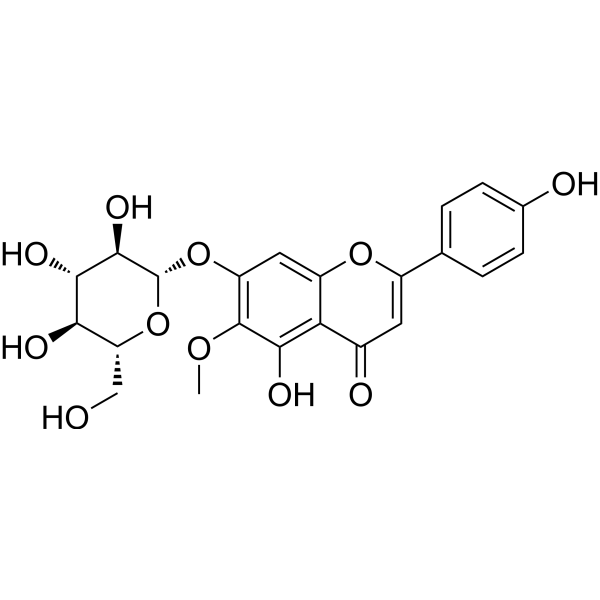
HY-N1949
HomoplantagininAnti-inflammatory Agent -
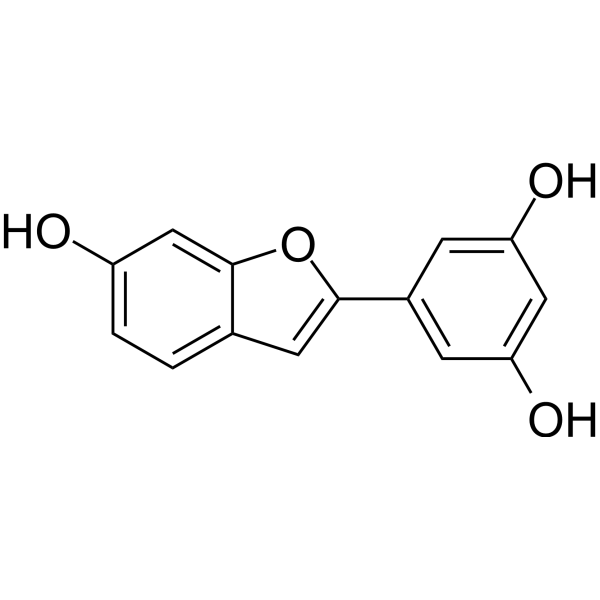
HY-122942
Moracin MEndogenous Metabolite -
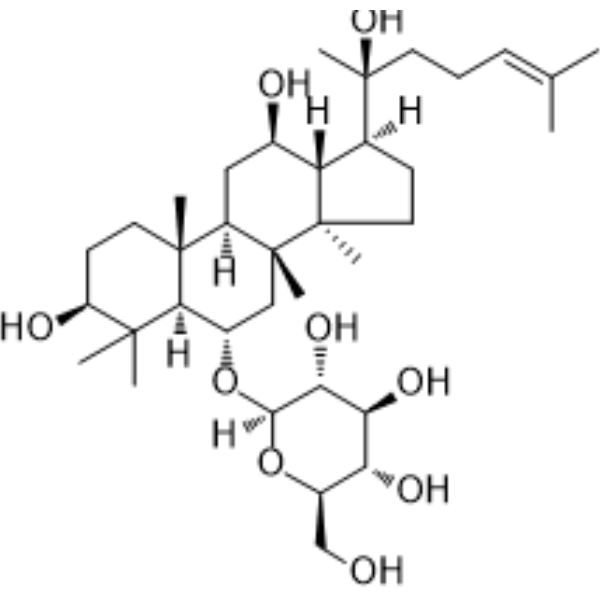
HY-N0604
Ginsenoside Rh1Endogenous Metabolite -

HY-N0619R
Mulberroside A (Standard)Tyrosinase Inhibitor -
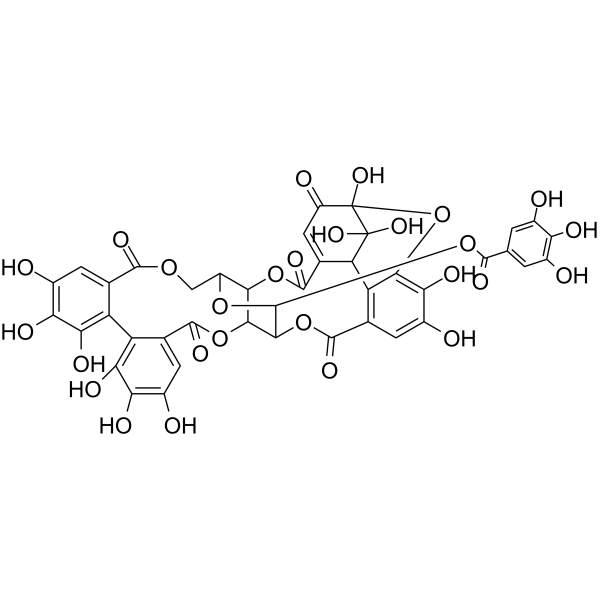
HY-N0472
GeraniinTNF Receptor Inhibitor -
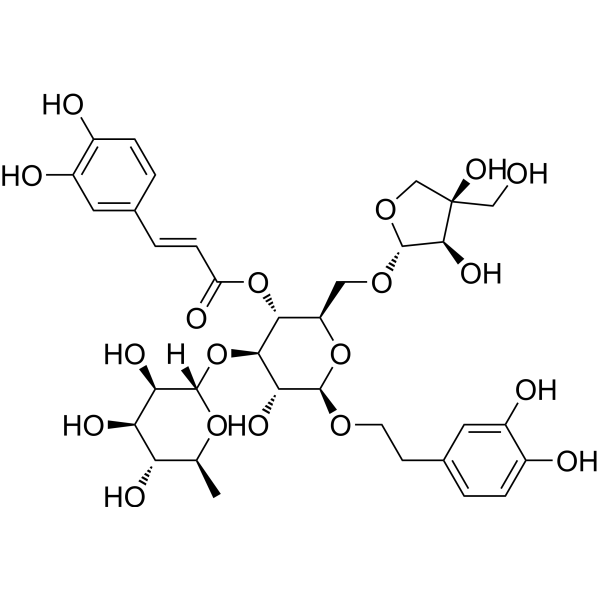
HY-N0029
Forsythoside BTNF Inhibitor -
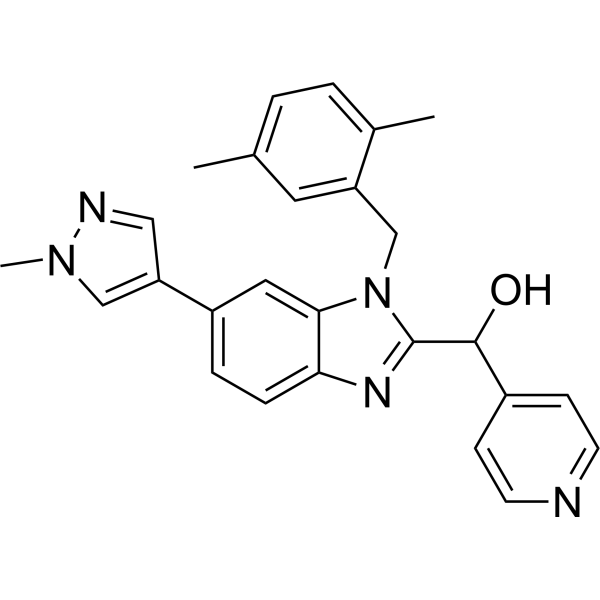
HY-133122
UCB-9260TNF Signaling Inhibitor -
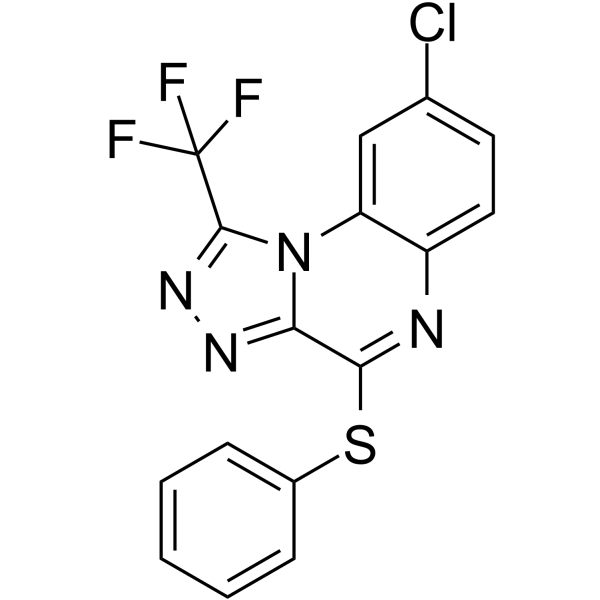
HY-110203
R-7050TNF Receptor Antagonist -
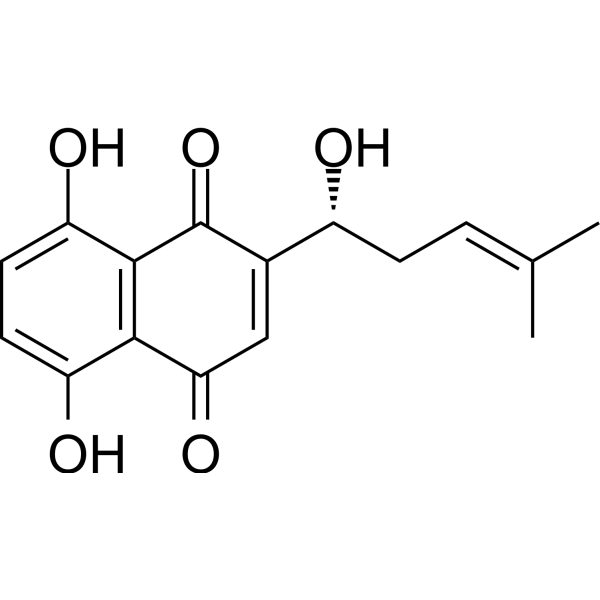
HY-N0822
ShikoninChloride Channel Inhibitor -
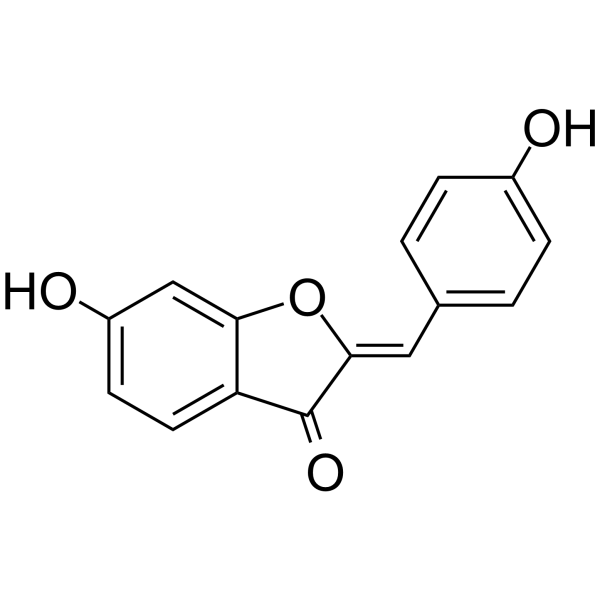
HY-102040
HispidolTNF-α Inhibitor
Publications Citing Use of MedChemExpress (MCE) Mulberroside A
More Customer Validation & Images

-
Cell Proliferation/Viability Assay
-
IF
-
WB
-
RT-PCR
-
IHC
Ver todos los productos específicos de isoformas TNF Receptor
More

Actividad biológica
Descripciòn
|
IL-1β |
IL-6 |
In Vivo
MedChemExpress (MCE) has not independently confirmed the accuracy of these methods. They are for reference only.
-
Animal Model:Male Kun-Ming mice (20±2 g)[4]
-
Dosage:5, 10, 20, and 40 mg/kg; the dose volume 10 mL/kg body weight
-
Administration:Orally initiated at 9:00 a.m.
-
Result:10, 20, and 40 mg/kg significantly increased urinary urate excretion in 24 h, resulting in a remarkable elevation of fractional excretion of uric acid (FEUA), and the highest dose completely reversed FEUA alteration of hyperuricemic mice to normal.


Chemical Information
-
No. CAS 102841-42-9
-
Appearance Solid
-
Peso molecular 568.52
-
Fòrmula C26H32O14
-
Color White to off-white
-
SMILES
O[C@H]([C@@H](O)[C@@H]1O)[C@@H](O[C@@H]1CO)OC2=CC(/C=C/C(C=CC(O[C@@H]([C@@H]([C@@H](O)[C@@H]3O)O)O[C@@H]3CO)=C4)=C4O)=CC(O)=C2
-
Structure Classification
-
Initial Source
-
Envío
Room temperature in continental US; may vary elsewhere.
-
Almacenamiento
Powder -20°C 3 years 4°C 2 years In solvent -80°C 2 years -20°C 1 year


Publications (5)
-
Journal Impact Factor
-
Most Recent
-
J Inflamm (Lond)
Mulberroside A mitigates intervertebral disc degeneration by inhibiting MAPK and modulating Ppar-γ/NF-κB pathways. [Abstract]2024 Aug 28;21(1):32. PMID: 39198816
Mulberroside A purchased from MedChemExpress. Usage Cited in: J Inflamm (Lond). 2024 Aug 28;21(1):32. [Abstract]
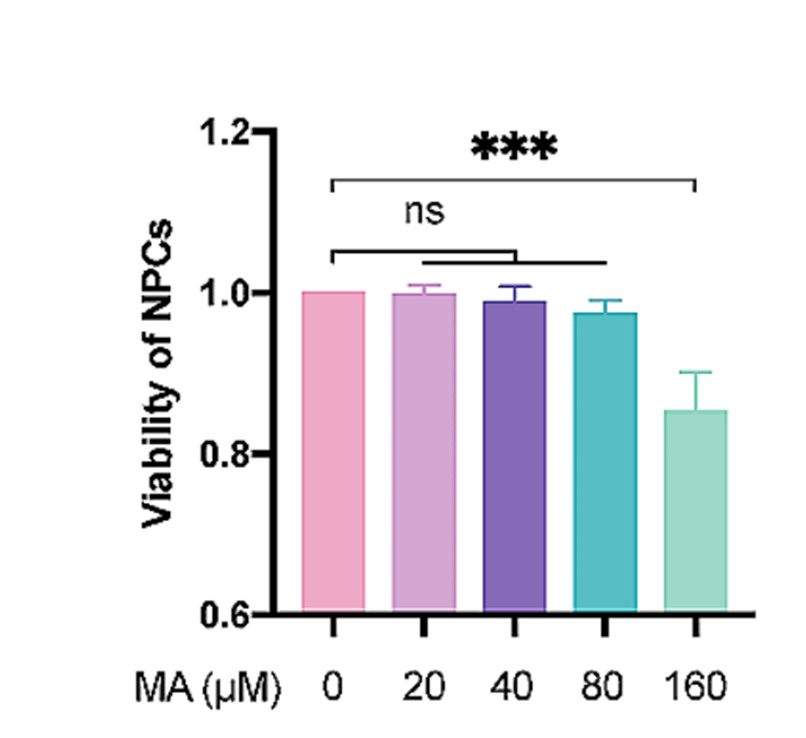
The viability of NPCs intervened with different Mulberroside A (MA) concentrations (0, 20, 40, 80, and 160 µM) for 24 h was evaluated by a CCK-8 kit.
Mulberroside A purchased from MedChemExpress. Usage Cited in: J Inflamm (Lond). 2024 Aug 28;21(1):32. [Abstract]
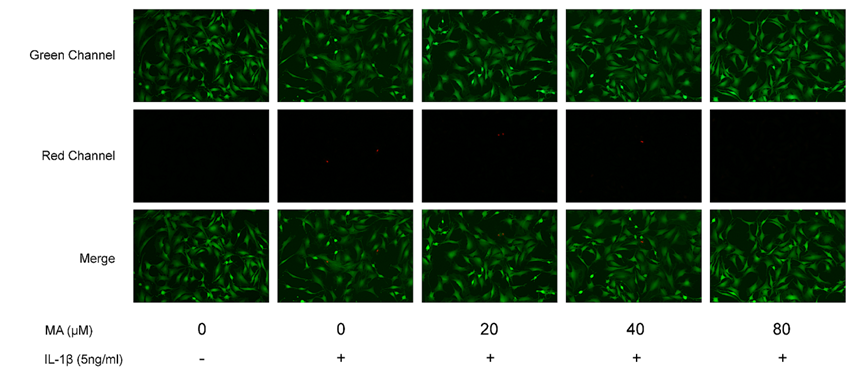
A Calcein /PI double staining of NPCs after intervention with IL-1β (5 ng/mL) alone or with different Mulberroside A (MA) concentrations (20, 40, and 80 µM) for 24 h.
Mulberroside A purchased from MedChemExpress. Usage Cited in: J Inflamm (Lond). 2024 Aug 28;21(1):32. [Abstract]
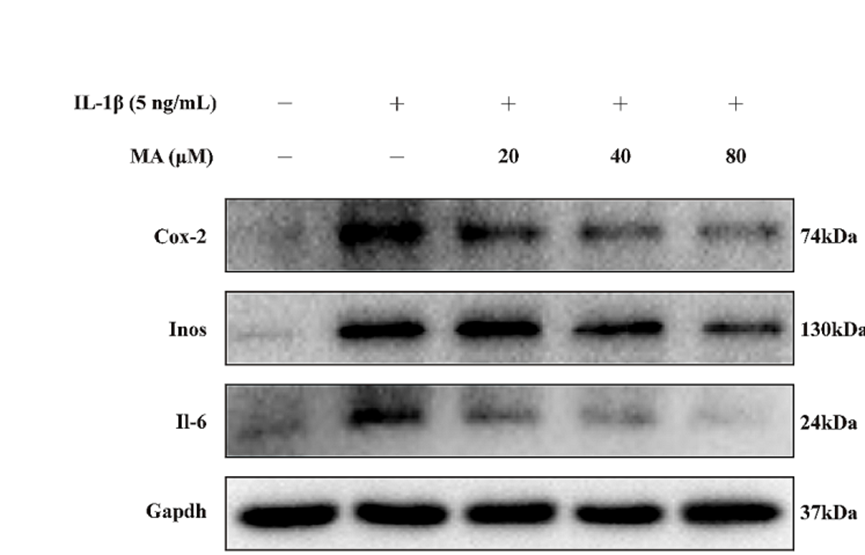
The inflammatory proteins expressions (Inos, Cox-2, and Il-6) in NPCs shown in western blotting treated with Mulberroside A (MA) (20, 40, 80 μM).
Mulberroside A purchased from MedChemExpress. Usage Cited in: J Inflamm (Lond). 2024 Aug 28;21(1):32. [Abstract]
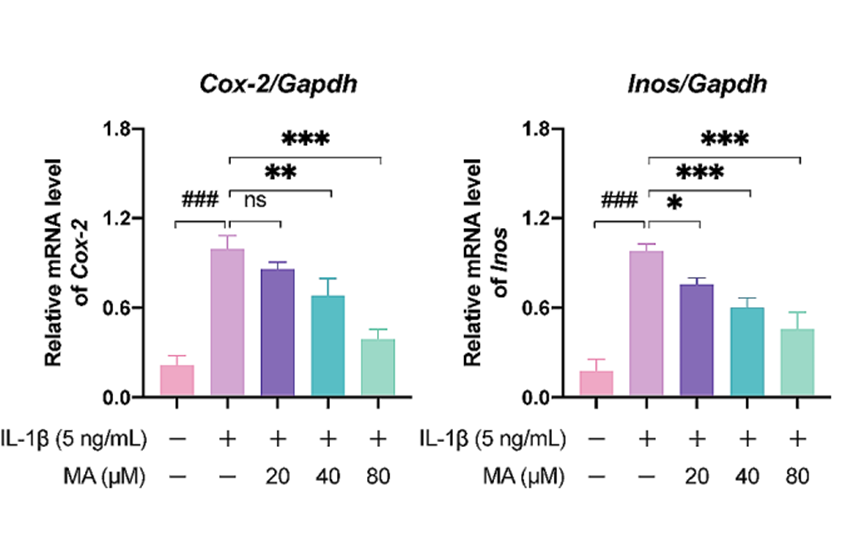
The mRNA expression levels of inflammatory genes (Inos and Cox-2) were analyzed by RT-qPCR treated with Mulberroside A (MA) (20, 40, 80 μM).
Mulberroside A purchased from MedChemExpress. Usage Cited in: J Inflamm (Lond). 2024 Aug 28;21(1):32. [Abstract]
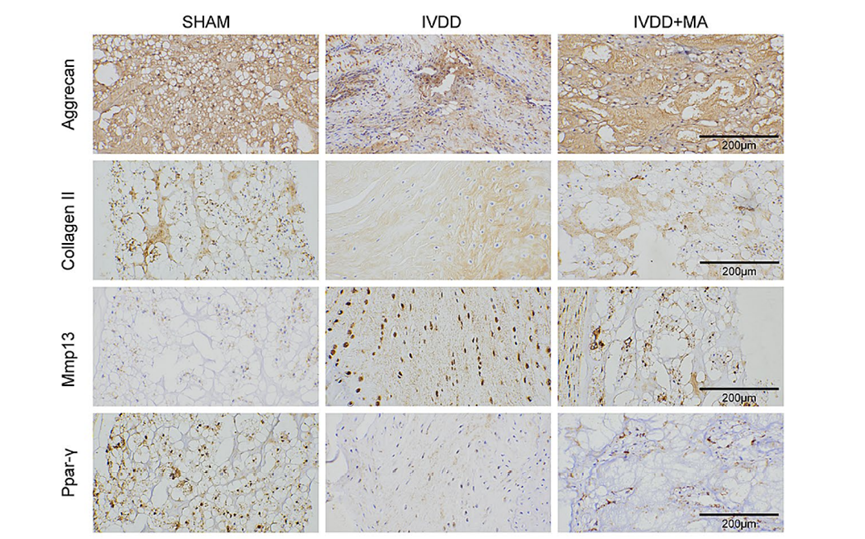
IHC images of Aggrecan, Mmp13, Collagen II, Ppar-γ treated with Mulberroside A (MA) (80 μM).
-
Int Immunopharmacol
Apolipoprotein C3 (ApoC3) facilitates NLRP3 mediated pyroptosis of macrophages through mitochondrial damage by accelerating of the interaction between SCIMP and SYK pathway in acute lung injury. [Abstract]2024 Feb 15:128:111537. PMID: 38232538 -
Mol Med Rep
Mulberroside A attenuates H2O2‑induced oxidative stress and barrier dysfunction in Caco‑2 cells through Nrf2/HO‑1‑associated antioxidant signaling. [Abstract]2026 Aug;34(2):236. PMID: 42359659 -
iScience
Mulberroside A alleviates osteoarthritis via restoring impaired autophagy and suppressing MAPK/NF-κB/PI3K-AKT-mTOR signaling pathways. [Abstract]2023 Jan 5;26(2):105936. PMID: 36698724 -


Solvente y solubilidad
In Vitro:
DMSO : 50 mg/mL (87.95 mM; Need ultrasonic; Hygroscopic DMSO has a significant impact on the solubility of product, please use newly opened DMSO)
Please refer to the solubility information to select the appropriate solvent. Once prepared, please aliquot and store the solution to prevent product inactivation from repeated freeze-thaw cycles.
Storage method and period of stock solution: -80°C, 2 years; -20°C, 1 year. When stored at -80°C, please use it within 2 years. When stored at -20°C, please use it within 1 year.
Please refer to the solubility information to select the appropriate solvent. Once prepared, please aliquot and store the solution to prevent product inactivation from repeated freeze-thaw cycles.
Storage method and period of stock solution: -80°C, 2 years; -20°C, 1 year. When stored at -80°C, please use it within 2 years. When stored at -20°C, please use it within 1 year.
Concentration (start) × Volume (start) = Concentration (final) × Volume (final)
In Vivo:
Select the appropriate dissolution method based on your experimental animal and administration route.
- For the following dissolution methods, please ensure to first prepare a clear stock solution using an In Vitro approach and then sequentially add co-solvents:
- To ensure reliable experimental results, the clarified stock solution can be appropriately stored based on storage conditions. As for the working solution for In Vivo experiments, it is recommended to prepare freshly and use it on the same day.
- The percentages shown for the solvents indicate their volumetric ratio in the final prepared solution. If precipitation or phase separation occurs during preparation, heat and/or sonication can be used to aid dissolution.
Add each solvent one by one: 10% DMSO 40% PEG300 5% Tween-80 45% Saline
Solubility: ≥ 2.5 mg/mL (4.40 mM); Clear solution
This protocol yields a clear solution of ≥ 2.5 mg/mL (saturation unknown).
Taking 1 mL working solution as an example, add 100 μL DMSO stock solution (25.0 mg/mL) to 400 μL PEG300, and mix evenly; then add 50 μL Tween-80 and mix evenly; then add 450 μL Saline to adjust the volume to 1 mL.
Preparation of Saline: Dissolve 0.9 g sodium chloride in ddH₂O and dilute to 100 mL to obtain a clear Saline solution.
Add each solvent one by one: 10% DMSO 90% (20% SBE-β-CD in Saline)
Solubility: ≥ 2.5 mg/mL (4.40 mM); Clear solution
This protocol yields a clear solution of ≥ 2.5 mg/mL (saturation unknown).
Taking 1 mL working solution as an example, add 100 μL DMSO stock solution (25.0 mg/mL) to 900 μL 20% SBE-β-CD in Saline, and mix evenly.
Preparation of 20% SBE-β-CD in Saline (4°C, storage for one week): 2 g SBE-β-CD powder is dissolved in 10 mL Saline, completely dissolve until clear.
For the following dissolution methods, please prepare the working solution directly:
It is recommended to prepare fresh solutions and use them promptly within a short period of time.
The percentages shown for the solvents indicate their volumetric ratio in the final prepared solution. If precipitation or phase separation occurs during preparation, heat and/or sonication can be used to aid dissolution.
Add each solvent one by one: 0.5% CMC-Na/saline water
Solubility: 10 mg/mL (17.59 mM); Suspended solution; Need ultrasonic
In Vivo Dissolution Calculator
Please enter the basic information of animal experiments:
-
-
-
-
Recommended: Prepare an additional quantity of animals to account for potential losses during experiments.
Please enter your animal formula composition:
-
%DMSO +
Recommended: Keep the proportion of DMSO in working solution below 2% if your animal is weak.
-
%+
-
+%Tween-80 + +
-
%Saline +
The co-solvents required include: DMSO, . All of co-solvents are available by MedChemExpress (MCE). , Tween 80. All of co-solvents are available by MedChemExpress (MCE).
Working solution concentration: 0.22 mg/mL
Method for preparing stock solution: mg drug dissolved in μL DMSO. Stock solution concentration: mg/mL.
1. Take μL DMSO stock solution;
2. Add μL .
μL , mix evenly;
3. Then add μL Tween 80, mix evenly;
4. Then add μL
Please ensure that the stock solution in the first step is dissolved to a clear state, and add co-solvents in sequence. You can use ultrasonic heating (ultrasonic cleaner, recommended frequency 20-40 kHz), vortexing, etc. to assist dissolution.


Pureza y Documentación
-
Ficha de datos (276 KB)
-
SDS (393 KB)
- English - EN (393 KB)
- Français - FR (393 KB)
- Deutsch - DE (393 KB)
- Norwegian - NO (393 KB)
- Español - ES (393 KB)
- Swedish - SV (393 KB)
- Italian - IT (393 KB)
- Korean - KR (393 KB)
- Portuguese - PT (393 KB)
-
Instrucciones de manejo (2659 KB)
Referencias
[1]. Mei M, et al. In vitro pharmacokinetic characterization of mulberroside A, the main polyhydroxylated stilbene in mulberry (Morus alba L.), and its bacterial metabolite oxyresveratrol in traditional oral use. J Agric Food Chem. 2012 Mar 7;60(9):2299-308. [Content Brief]
[2]. Wang CP, et al. Mulberroside A protects against ischemic impairment in primary culture of rat cortical neurons after oxygen-glucose deprivation followed by reperfusion. J Neurosci Res. 2014 Jul;92(7):944-54. [Content Brief]
[3]. Kim JK, et al. Biotransformation of mulberroside A from Morus alba results in enhancement of tyrosinase inhibition. J Ind Microbiol Biotechnol. 2010 Jun;37(6):631-7. [Content Brief]
[4]. Cai-Ping Wang,et al. Mulberroside a possesses potent uricosuric and nephroprotective effects in hyperuricemic mice. Planta Med. 2011 May;77(8):786-94. [Content Brief]


Complete Stock Solution Preparation Table
Please refer to the solubility information to select the appropriate solvent. Once prepared, please aliquot and store the solution to prevent product inactivation from repeated freeze-thaw cycles.
Storage method and period of stock solution: -80°C, 2 years; -20°C, 1 year. When stored at -80°C, please use it within 2 years. When stored at -20°C, please use it within 1 year.
| Optional Solvent | Concentration Solvent Mass | 1 mg | 5 mg | 10 mg | 25 mg |
|---|---|---|---|---|---|
| DMSO | 1 mM | 1.7590 mL | 8.7948 mL | 17.5895 mL | 43.9738 mL |
| 5 mM | 0.3518 mL | 1.7590 mL | 3.5179 mL | 8.7948 mL | |
| 10 mM | 0.1759 mL | 0.8795 mL | 1.7590 mL | 4.3974 mL | |
| 15 mM | 0.1173 mL | 0.5863 mL | 1.1726 mL | 2.9316 mL | |
| 20 mM | 0.0879 mL | 0.4397 mL | 0.8795 mL | 2.1987 mL | |
| 25 mM | 0.0704 mL | 0.3518 mL | 0.7036 mL | 1.7590 mL | |
| 30 mM | 0.0586 mL | 0.2932 mL | 0.5863 mL | 1.4658 mL | |
| 40 mM | 0.0440 mL | 0.2199 mL | 0.4397 mL | 1.0993 mL | |
| 50 mM | 0.0352 mL | 0.1759 mL | 0.3518 mL | 0.8795 mL | |
| 60 mM | 0.0293 mL | 0.1466 mL | 0.2932 mL | 0.7329 mL | |
| 80 mM | 0.0220 mL | 0.1099 mL | 0.2199 mL | 0.5497 mL |


Mulberroside A Related Classifications
HY-N0619 Related Classifications
 Powered by Bioz