

1. Search Result
Search Result
Results for "

nucleic acid targeting

" in MedChemExpress (MCE) Product Catalog:

68

Inhibitors & Agonists

6

Screening-Bibliotheken

7

Fluorescent Dyes

11

Biochemical Assay Reagents

12

Peptides

2

MCE-Kits

5

Natural
Products

8

Isotope-Labeled Compounds

3

Click Chemistry

23

Oligonucleotides

Art. -Nr. Produktname Target Forschungsgebiete Chemical Structure
  • HY-D1055
    MitoSOX Red
    Maximum Cited Publications
    263 Publications Verification

    Fluorescent Dye Reactive Oxygen Species (ROS) Mitochondrial Metabolism Cancer
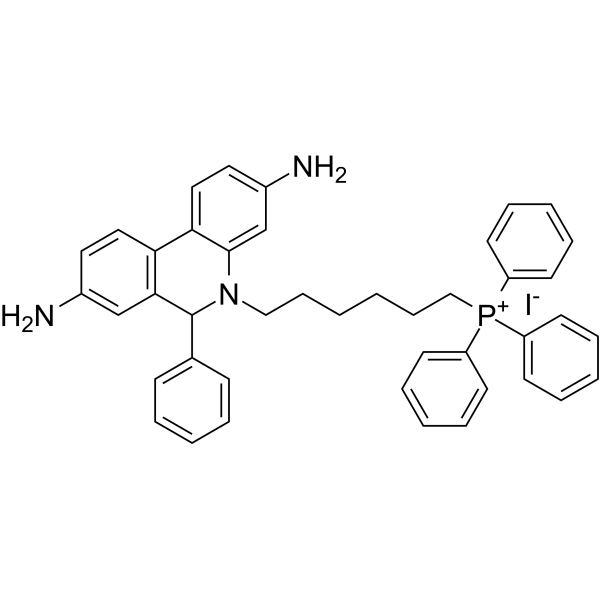
    MitoSOX Red is a live cell fluorescent probe that specifically targets mitochondria and is cell membrane permeable. MitoSOX Red enters mitochondria and is oxidized by superoxide but not by other ROS or RNS generating systems. The oxidized MitoSOX Red then binds to nucleic acids in mitochondria/nucleus, producing strong red fluorescence. MitoSOX Red can be used as a fluorescent indicator to specifically detect superoxide. In addition, superoxide dismutase (SOD) can prevent the oxidation of MitoSOX Red.
    Excitation/emission wavelength: 510/580 nm.
    MitoSOX Red
  • HY-D0971
    Pyronin Y
    4 Publications Verification

    Pyronine G; C.I. 45005

    DNA Stain Others
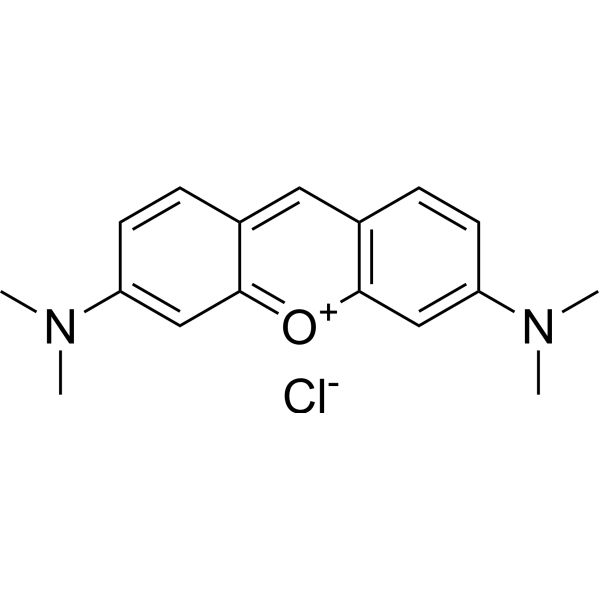
    Pyronin Y (Pyronine G) is a cationic dye that intercalates RNA and has been used to target cell structures including RNA, DNA and organelles. Pyronin Y forms fluorescent complexes with double-stranded nucleic acids (especially RNA) enabling semi-quantitative analysis of cellular RNA. Pyronin Y can be used to identify specific RNA subspecies of ribonuclear proteins complexes in live cells .
    Pyronin Y
  • HY-D0835A

    Hydroxyapatite (<50 nm)

    Biochemical Assay Reagents Cardiovascular Disease Inflammation/Immunology
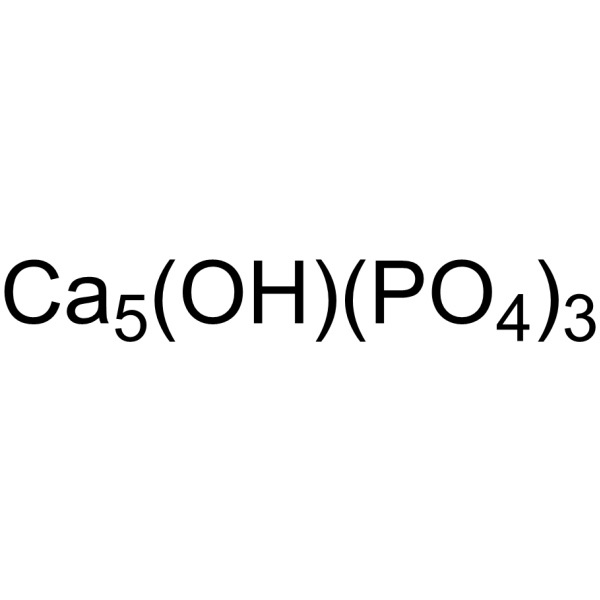
    Hydroxylapatite (Hydroxyapatite) (<50 nm) is a natural form of calcium phosphate and is the main mineral component of bones and teeth. Hydroxylapatite (<50 nm) can stimulate the expression and secretion of collagen in primary human dermal fibroblasts. Hydroxylapatite (<50 nm) has good biocompatibility, bioactivity, and bone conductivity, making it suitable for targeted drug or nucleic acid delivery. Hydroxylapatite (<50 nm) can be used in research on osteoarthritis, gout, and atherosclerosis .
    Hydroxylapatite (<50 nm)
  • HY-15906
    AMPPD
    1 Publications Verification

    Lumi-Phos Plus; Lumigen PPD; PPD

    Phosphatase Others
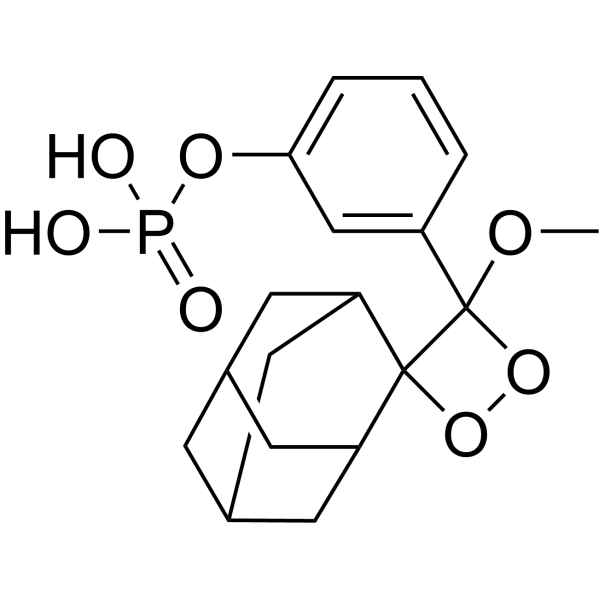
    AMPPD (Lumi-Phos Plus; Lumigen PPD) is a chemiluminescent substrate for alkaline phosphatase (APase). AMPPD is hydrolyzed by APase to generate an unstable dioxetane intermediate, and the intermediate releases a chemiluminescent signal when it decomposes. The luminescent signal of AMPPD can be detected by highly sensitive equipment, thereby achieving quantitative analysis of the target molecule. AMPPD can be used in ultrasensitive enzyme-linked immunosorbent assays (such as quantitative detection of human tissue kininogen), chemiluminescent detection of proteins and nucleic acids, and other fields .
    AMPPD
  • HY-W583868

    1,2-POPE; 16:0-18:1 PE

    Liposome Others
    1-Palmitoyl-2-oleoyl-sn-glycero-3-PE (1,2-POPE; 16:0-18:1 PE) is a phosphatidylethanolamine (PE) lipid. 1-Palmitoyl-2-oleoyl-sn-glycero-3-PE can induce lipid bilayer to form a hexagonal phase (HII) structure in an acidic environment and promote membrane fusion. 1-Palmitoyl-2-oleoyl-sn-glycero-3-PE can enhance the endosomal escape ability of lipid nanoparticles (LNPs) and improve the cellular delivery efficiency of nucleic acid drugs such as mRNA. 1-Palmitoyl-2-oleoyl-sn-glycero-3-PE can be used for LNP carrier targeting of gene therapy and mRNA vaccines .
    1-Palmitoyl-2-oleoyl-sn-glycero-3-PE
  • HY-160523

    Biochemical Assay Reagents Others
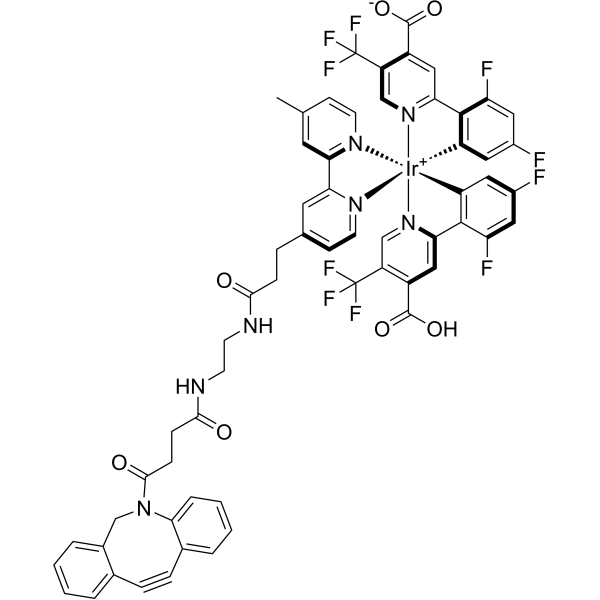
    DBCO Ir catalyst is an iridium catalyst labeled with DBCO. DBCO Ir catalyst can be used for in situ labeling and imaging of biomolecules (e.g., proteins, nucleic acids) in living organisms or for constructing targeted drug delivery systems .
    DBCO Ir catayst
  • HY-148503

    Phosphoramidites Nucleoside Antimetabolite/Analog Others
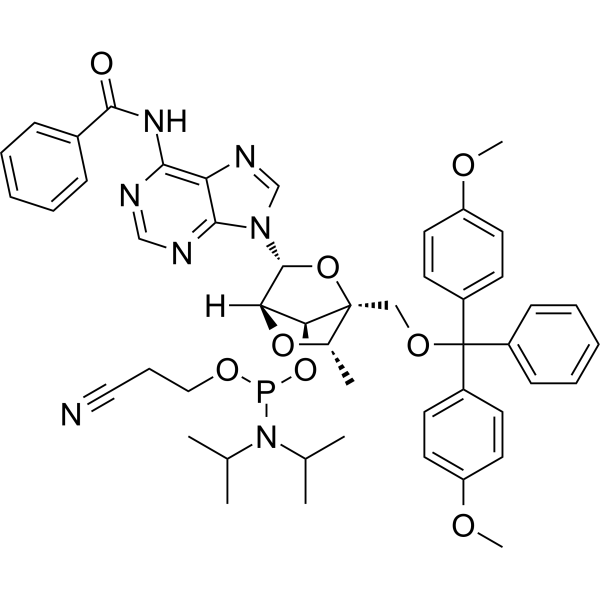
    5'-ODMT cEt N-Bz A Phosphoramidite (Amidite) is a nucleoside phosphoramidite monomer used to synthesize locked nucleic acid (LNA) analog oligonucleotides. It can be used as a building block of antisense oligonucleotides (ASOs) to target complementary RNA sequences. 5'-ODMT cEt N-Bz A Phosphoramidite (Amidite) locks the furanose ring into an N-type conformation through 2',4'-constrained ethyl (cEt) modification, enhancing hybridization affinity and mismatch discrimination with RNA, while significantly improving the resistance of oligonucleotides to exonuclease digestion. 5'-ODMT cEt N-Bz A Phosphoramidite (Amidite) mediates RNase H-dependent mRNA degradation or inhibits translation by forming a stable hybrid with RNA, thereby achieving gene expression regulation. 5'-ODMT cEt N-Bz A Phosphoramidite (Amidite) is mainly used in the development of antisense drugs, gene function research and oligonucleotide synthesis related to disease treatment .
    5'-ODMT cEt N-Bz A Phosphoramidite (Amidite)
  • HY-NP165

    AGEs

    Biochemical Assay Reagents Cardiovascular Disease Metabolic Disease Inflammation/Immunology
    Advanced glycation end products (AGEs) are a series of stable compounds generated through non-enzymatic reactions between reducing sugars and proteins, lipids, or nucleic acids. Advanced glycation end products are often used as targets to evaluate the inhibitory effects of anti-glycation compounds. Advanced glycation end products can be applied to research on diabetes, cardiovascular and cerebrovascular diseases, inflammation, aging, and other conditions .
    Advanced glycation end products
  • HY-W440911

    Liposome Fluorescent Dye Cancer
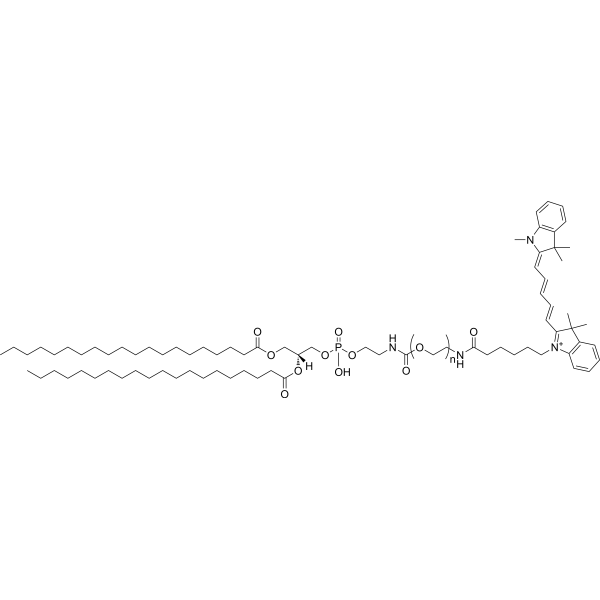
    DSPE-PEG2000-Cy5 is a Cy5 (HY-D0821) fluorophore-labeled conjugate of distearoylphosphatidylethanolamine and polyethylene glycol, as well as a liposome component. The Cy5 fluorophore is commonly used for labeling proteins and nucleic acids in imaging, flow cytometry and genomic applications. DSPE-PEG2000-Cy5 supports cell membrane modification, in vivo tumor targeting research and long-term in vivo circulation of its liposomal formulations (Ex/Em=633/670 nm) .
    DSPE-PEG2000-Cy5
  • HY-155882

    mPEG750-NH2

    Biochemical Assay Reagents Cancer
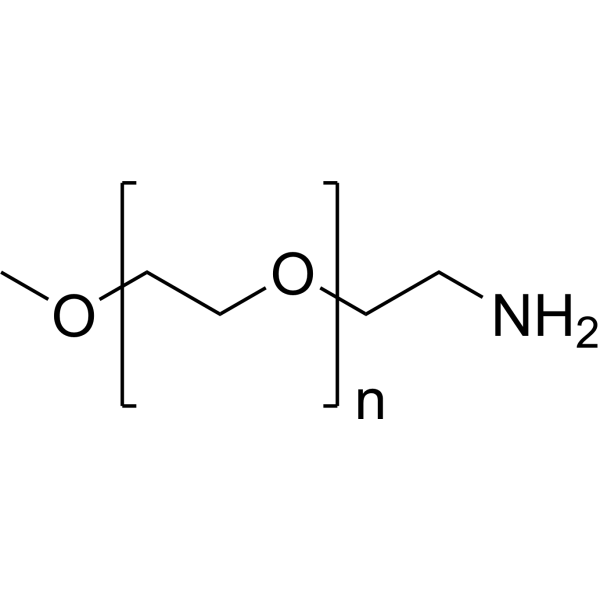
    mPEG750-amine (mPEG750-NH2) is a chemical modification reagent for nanoparticles, capable of covalently binding to Ad-PVA to form Ad-PVA-PEG polymers. mPEG750-amine stabilizes gene delivery complexes by providing steric hindrance, reducing particle aggregation, while enhancing the water solubility and serum stability of the complex, reducing carrier cytotoxicity, and assisting in the efficient condensation of pDNA by cationic components to form nanoparticles that can be endocytosed by cells. mPEG750-amine can also be used to synthesize folate-conjugated polymer micelles for encapsulating the anticancer agent Camptothecin (HY-16560). Folate-conjugated polymer micelles are effective carriers for poorly soluble anticancer drugs, capable of avoiding macrophages and acting through folate receptor (FR)-mediated endocytosis to target tumor cells. mPEG750-amine can be applied to research in the field of non-viral gene delivery, as a component of gene delivery vectors, facilitating the safe and efficient delivery of nucleic acid drugs to target cells .
    mPEG750-amine
  • HY-D0835

    Hydroxyapatite (25-45 μm)

    Others Cardiovascular Disease Inflammation/Immunology
    Hydroxylapatite (Hydroxyapatite) (25-45 μm) is a natural form of calcium phosphate and is the main mineral component of bones and teeth. Hydroxylapatite (25-45 μm) can stimulate the expression and secretion of collagen in primary human dermal fibroblasts. Hydroxylapatite (25-45 μm) has good biocompatibility, bioactivity, and bone conductivity, making it suitable for targeted drug or nucleic acid delivery. Hydroxylapatite (25-45 μm) can be used in research on osteoarthritis, gout, and atherosclerosis .
    Hydroxylapatite (25-45 μm)
  • HY-W013159

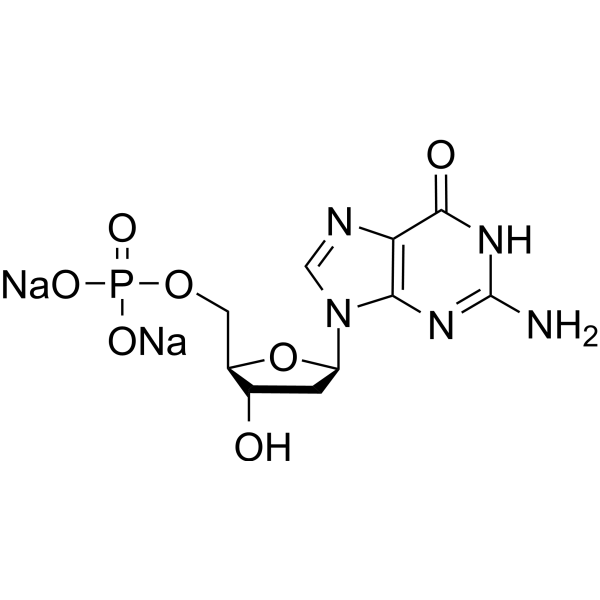
    5′-dGMP disodium

    Endogenous Metabolite Nucleoside Antimetabolite/Analog Metabolic Disease
    2'-Deoxyguanosine 5'-monophosphate (5′-dGMP) disodium is a mononucleotide having guanine as the nucleobase. 2'-Deoxyguanosine 5'-monophosphate disodium is a reactant involved in analysis of self-assembling in solution and nucleation/growth of G-qudruplexes, nucleophilic trapping and reductive alkylation. 2'-Deoxyguanosine 5'-monophosphate disodium can be used as an oxidizable target. 2'-Deoxyguanosine 5'-monophosphate disodium is a nucleic acid guanosine triphosphate (GTP) derivative and is a nucleotide precursor used in DNA synthesis .
    2'-Deoxyguanosine 5'-monophosphate disodium
  • HY-153713
    MYC-RIBOTAC
    1 Publications Verification

    RIBOTAC c-Myc Apoptosis Cancer
    MYC-RIBOTAC is a nucleic acid-targeting degrader (ribonuclease-targeting chimera, RIBOTAC) that targets the MYC internal ribosome entry site (IRES). MYC-RIBOTAC contains a MYC mRNA binding component and a small molecule that recruits and locally activates RNAse L1. MYC-RIBOTAC reduces MYC mRNA and protein expression levels, induces cell apoptosis, and can be used for antitumor research . MYC-RIBOTAC consists of pre-miR-155 binder Anticancer agent 167 (HY-156839), RNA binder NCI-B16 (HY-156215), and Linker Amino-PEG4-alcohol (HY-W008005).
    MYC-RIBOTAC
  • HY-106991A

    S-303 dihydrochloride

    HIV Bacterial CHIKV Infection
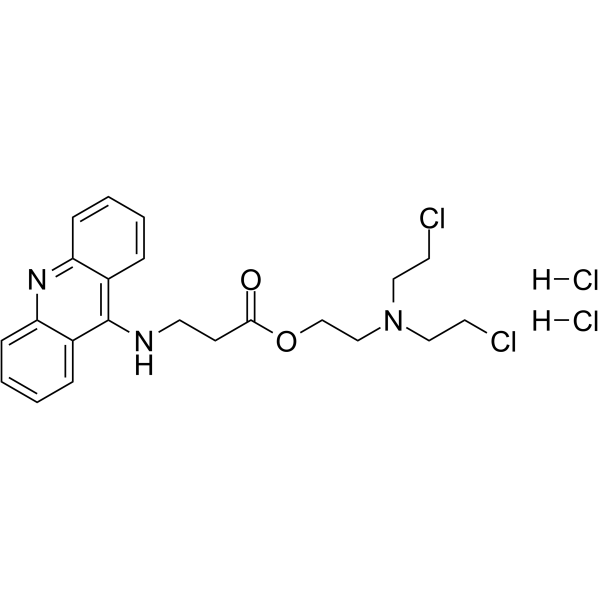
    Amustaline (S-303) dihydrochloride, a nucleic acid-targeted alkylator, is an efficient pathogen inactivation agent for blood components containing red blood cells. Amustaline dihydrochloride has three components: an acridine anchor (an intercalator that targets nucleic acids non-covalently), an effector (a bis-alkylator group that reacts with nucleophiles), and a linker (a small flexible carbon chain containing a labile ester bond that hydrolyzes at neutral pH to yield non-reactive breakdown products) .
    Amustaline dihydrochloride
  • HY-120991

    1-Palmitoyl-2-linoleoyl PE; (1-Palmitoyl, 2-linoleoyl)-phosphatidylethanolamine; (1-Palmitoyl, 2-linoleoyl)-phosphoethanolamine

    Liposome Others
    1-Palmitoyl-2-linoleoyl-sn-glycero-3-PE (1-Palmitoyl-2-linoleoyl PE) is a lipid, which promotes nucleic acid such as sRNA to absorb and enter the target cell .
    1-Palmitoyl-2-linoleoyl-sn-glycero-3-PE
  • HY-W048488

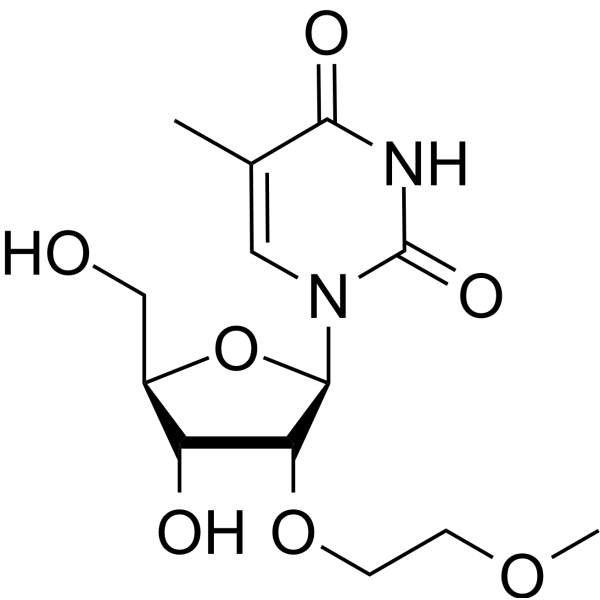
    DNA/RNA Synthesis Drug Intermediate Others
    2'-O-MOE-5-Me-rU is a dual chemically modified ribonucleoside, which is a key modifying unit in the development of RNA drug preparations (such as antisense oligonucleotides ASO, siRNA). Its core function is to significantly enhance the stability, target affinity and drugability of nucleic acid drugs.
    2'-O-MOE-5-Me-rU
  • HY-136248
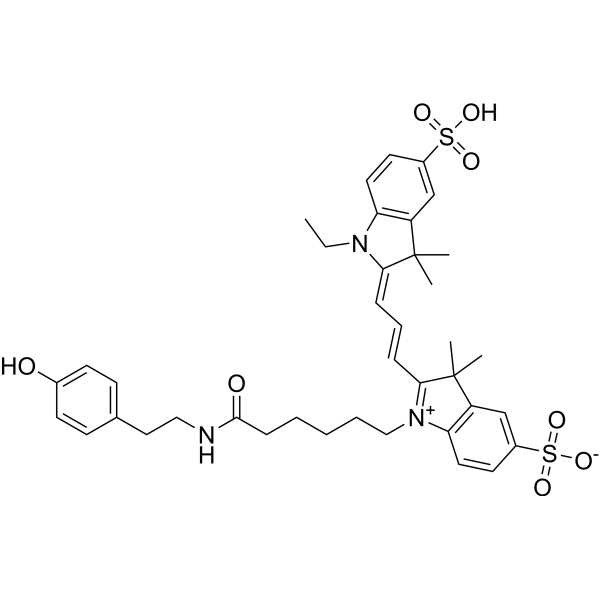
    Cyanine 3 Tyramide
    1 Publications Verification

    Tyramide-Cy3

    DNA Stain Fluorescent Dye Others
    Cyanine 3 Tyramide (Tyramide-Cy3) is an orange fluorescent dye used as a reporter fluorescent substrate for horseradish peroxidase (HRP)-catalyzed deposition, which serves as a signal amplification technique in immunoassays and in situ nucleic acid hybridization .
    Cyanine 3 Tyramide
  • HY-D2426

    Fluorescent Dye Transferrin Receptor Cardiovascular Disease
    Cy3-Transferrin is a fluorescent labeling reagent that combines Cy3 (HY-D0822) fluorescent dye and Transferrin (HY-P3267). The Cy3 fluorophore is commonly used in applications such as immunolabeling, nucleic acid labeling, fluorescence microscopy, and flow cytometry. Cy3 has an emission maximum around 562-570 nm. Transferrin, a blood-plasma glycoprotein, is a target ligand for transferrin receptor. Transferrin can bind to and mediate the transport of iron .
    Cy3-Transferrin
  • HY-160062

    Mucin Cancer
    S2.2 aptamer sodium is a nucleic acid-based MUC1-binding aptamer with high affinity and low toxicity. Upon binding to its target, S2.2 aptamer sodium undergoes a conformational switch and restores fluorescence signal, serving as a targeted imaging agent for MUC1-positive cancer cells. S2.2 aptamer sodium enables targeted delivery to breast cancer cells with overexpressed MUC1. When formulated as the S2.2-PEG-MZF molecular probe, S2.2 aptamer sodium possesses the functions of T2 signal inhibition, magnetic field-induced hyperthermia and targeted magnetic resonance molecular imaging. In the S2.2-PEG-MZF/DOX nanoliposome, S2.2 aptamer sodium supports targeted thermochemotherapy, effectively inhibiting cancer cell proliferation and invasion as well as inducing apoptosis, and is widely used in studies related to breast cancer .
    S2.2 aptamer sodium
  • HY-172705

    Liposome nAChR Neurological Disease
    DSPE-PEG2000-RVG29 is a PEG conjugate composed of DSPE and rabies virus glycoprotein 29 (RVG29). RVG29 specifically binds to nicotinic acetylcholine receptors (nAChR) at the blood-brain barrier (BBB), crosses the BBB, and mediates receptor-dependent transcytosis. DSPE-PEG2000-RVG29 can be used for brain-targeted drug delivery, surface modification of nanocarriers, as well as gene and nucleic acid delivery. DSPE-PEG2000-RVG29 is applicable to research related to hypoxic-ischemic brain injury, Parkinson's disease, and other conditions .
    DSPE-PEG2000-RVG29
  • HY-156045C

    Biochemical Assay Reagents Others
    Cross-linked dextran G 200 is a hydrophilic gel based on molecular size exclusion and targeted macromolecular separation. Cross-linked dextran G 200 works through the gel permeation mechanism, and the cross-linked structure forms a three-dimensional network with a specific pore size, achieving separation based on the molecular hydrodynamic volume. Cross-linked dextran G 200 can be used to adjust the osmotic solute distribution coefficient and the ability to maintain osmotic equilibrium, such as in gel filtration chromatography for purification and analysis of biomacromolecules such as proteins and nucleic acids . Cross-linked dextran G 200 can also be used as a gel filtration filler (particle size range: 40-120 μm; globular protein separation range: 5-600 kDa) .
    Cross-linked dextran G 200
  • HY-164583

    Phosphoramidites DNA/RNA Synthesis Others
    DMTr-2'-O-C22-rA-3'-CE-Phosphoramidite is an RNA phosphoramidite monomer. DMTr-2'-O-C22-rA-3'-CE-Phosphoramidite allows site-specific introduction of a 2'-O-C22 lipophilic modification at adenosine positions to construct double-stranded RNA (dsRNA) molecules with extrahepatic delivery capability. DMTr-2'-O-C22-rA-3'-CE-Phosphoramidite supports target gene silencing in skeletal muscle, cardiac muscle and adipose tissue by enhancing the lipophilicity and tissue uptake efficiency of dsRNA. DMTr-2'-O-C22-rA-3'-CE-Phosphoramidite can be used for the construction and mechanism research of nucleic acid silencing molecules .
    DMTr-2'-O-C22-rA-3'-CE-Phosphoramidite
  • HY-W010450R

    Reference Standards Endogenous Metabolite Metabolic Disease Cancer
    Thymine (Standard) is the analytical standard of Thymine. This product is intended for research and analytical applications. Thymine is one of the four nucleobases in the nucleic acid of DNA and can be a target for actions of 5-fluorouracil (5-FU) in cancer treatment, with a Km of 2.3 μM.
    Thymine (Standard)
  • HY-126327A

    Histone Methyltransferase Cancer
    UNC4976 TFA is a positive allosteric modulator (PAM) peptidomimetic of CBX7 chromodomain binding to nucleic acids. UNC4976 TFA simultaneously antagonizes H3K27me3-specific recruitment of CBX7 to target genes while increasing non-specific binding to DNA and RNA .
    UNC4976 TFA
  • HY-D2441

    Fluorescent Dye Cancer
    TAT-PEG-Cy3 is a fluorescent labeling reagent that combines Cy3 fluorescent dye, Cell membrane penetrating peptide (TAT) and polyethylene glycol (PEG). The Cy3 fluorophore is commonly used in applications such as immunolabeling, nucleic acid labeling, fluorescence microscopy, and flow cytometry. Cy3 has an emission maximum around 562-570 nm. TAT-PEG-Cy3 can be used for cell targeted delivery and biological imaging .
    TAT-PEG-Cy3
  • HY-155887

    DSPE-PEG-NH2, MW 3400 ammonium

    Liposome Cancer
    DSPE-PEG-Amine (DSPE-PEG-NH2), MW 3400 ammonium is an amino-functionalized PEGylated phospholipid. It serves not only as a key component for preparing σ receptor-targeted liposomes (such as anisamide-modified lipids) but also as a starting material for synthesizing click chemistry- and tumor-targeted lipids including DSPE-PEG-DBCO (HY-155788) and DSPE-PEG2000-TCO (HY-170704). DSPE-PEG-Amine, MW 3400 ammonium effectively modulates the ζ potential of nanoparticles, enables complexation with nucleic acids or proteins to protect DNA from nuclease degradation, and supports ligand conjugation on the nanoparticle surface. It is used in studies related to DU-145 tumors, breast cancer, and other relevant research .
    DSPE-PEG-Amine, MW 3400 ammonium
  • HY-156045B

    Biochemical Assay Reagents Others
    Cross-linked dextran G 150 is a hydrophilic gel based on molecular size exclusion and targeted for the separation of macromolecules. Cross-linked dextran G 150 functions through the gel permeation mechanism, where the cross-linked structure forms a three-dimensional network with specific pore diameters, achieving separation based on the molecular volumetric flow. Cross-linked dextran G 150 can be used to regulate the distribution coefficient of permeating solutes and maintain the permeation balance, such as in gel filtration chromatography for the purification and analysis of biological macromolecules like proteins and nucleic acids. Cross-linked dextran G 150 can also be used as a gel filtration filler (particle size range: 40-120 μm; spherical protein separation range: 5-300 kDa) .
    Cross-linked dextran G 150
  • HY-164582

    Phosphoramidites DNA/RNA Synthesis Others
    DMTr-2'-O-C22-rC (Ac)-3'-CE-Phosphoramidite is an RNA phosphoramidite monomer. DMTr-2'-O-C22-rC (Ac)-3'-CE-Phosphoramidite enables site-specific introduction of 2'-O-C22 lipophilic modification at cytidine positions during oligonucleotide synthesis, which is used to construct double-stranded RNA (dsRNA) molecules with extrahepatic delivery capability. DMTr-2'-O-C22-rC (Ac)-3'-CE-Phosphoramidite supports target gene silencing in skeletal muscle, cardiac muscle and adipose tissue by enhancing the lipophilicity and tissue uptake efficiency of dsRNA. Construction and mechanism study of DMTr-2'-O-C22-rC (Ac)-3'-CE-Phosphoramidite nucleic acid silencing molecules .
    DMTr-2'-O-C22-rC(Ac)-3'-CE-Phosphoramidite
  • HY-D2439

    Fluorescent Dye Cancer
    RGD-PEG-Cy3 is a fluorescent labeling reagent that combines Cy3 fluorescent dye, peptide (RGD) and polyethylene glycol (PEG). The Cy3 fluorophore is commonly used in applications such as immunolabeling, nucleic acid labeling, fluorescence microscopy, and flow cytometry. Cy3 has an emission maximum around 562-570 nm. RGD is a peptide sequence (CRGDKGPDCiRGD) that binds to αvβ3 and αvβ5 integrin receptors on tumor neovasculogenesis to achieve specific tumor tissue targeting .
    RGD-PEG-Cy3
  • HY-164581

    Phosphoramidites DNA/RNA Synthesis Others
    DMTr-2'-O-C22-rG (ibu)-3'-CE-Phosphoramidite is an RNA phosphoramidite monomer for oligonucleotide synthesis. DMTr-2'-O-C22-rG (ibu)-3'-CE-Phosphoramidite enables site-specific introduction of 2'-O-C22 lipophilic modification at guanosine positions to construct double-stranded RNA (dsRNA) molecules with extrahepatic delivery capability. DMTr-2'-O-C22-rG (ibu)-3'-CE-Phosphoramidite supports target gene silencing in skeletal muscle, cardiac muscle and adipose tissue by enhancing the lipid solubility and tissue uptake efficiency of dsRNA. DMTr-2'-O-C22-rG (ibu)-3'-CE-Phosphoramidite can be used for the construction and mechanism research of nucleic acid silencing molecules .
    DMTr-2'-O-C22-rG(ibu)-3'-CE-Phosphoramidite
  • HY-W010450S4

    Endogenous Metabolite Cancer
    Thymine-d4-1 is the deuterium labeled Thymine . Thymine is one of the four nucleobases in the nucleic acid of DNA and can be a target for actions of 5-fluorouracil (5-FU) in cancer treatment, with a Km of 2.3 μM .
    Thymine-d4-1
  • HY-159925

    Cyclic GMP-AMP Synthase Infection Inflammation/Immunology
    QKY-613 is a prodrug that enhances immune surveillance by targeting nucleic acid modification pathways. QKY-613 promotes the selective incorporation of 6mdA (N6-methyldeoxyadenosine) into viral DNA, enhancing the phase separation potential of DNA, thereby increasing the activation of cGAS and strengthening host immune surveillance. In virus-infected mouse models, QKY-613 significantly reduced mortality in aged mice. QKY-613 holds promise for research on nucleic acid modification-based immune surveillance mechanisms .
    QKY-613
  • HY-W747214

    Isotope-Labeled Compounds Endogenous Metabolite Cancer
    Thymine- 15N2, 13C is the 13C and 15N labeled Thymine (HY-W010450). Thymine is one of the four nucleobases in the nucleic acid of DNA and can be a target for actions of 5-Fluorouracil (HY-90006) in cancer treatment, with a Km of 2.3 μM .
    Thymine-15N2,13C
  • HY-P2878A

    PDE, Rattlesnake venom

    Phosphodiesterase (PDE) Metabolic Disease
    Phosphodiesterase l, Rattlesnake venom (PDE, Rattlesnake venom) is a non-selective phosphodiester bond hydrolase targeting phosphodiester bonds in oligonucleotides, catalyzing their hydrolysis into mononucleotides. Phosphodiesterase l, Rattlesnake venom cleaves phosphodiester linkages in DNA fragments digested by DNase I. Phosphodiesterase l, Rattlesnake venom is promising for research of nucleic acid structure and metabolism .
    Phosphodiesterase l, Rattlesnake venom
  • HY-126327

    Histone Methyltransferase Cancer
    UNC4976 is a positive allosteric modulator (PAM) peptidomimetic of CBX7 chromodomain binding to nucleic acids. UNC4976 simultaneously antagonizes H3K27me3-specific recruitment of CBX7 to target genes while increasing non-specific binding to DNA and RNA .
    UNC4976
  • HY-W013159S

    5′-dGMP-13C10,15N5 disodium

    Isotope-Labeled Compounds Endogenous Metabolite Nucleoside Antimetabolite/Analog Metabolic Disease
    2'-Deoxyguanosine 5'-monophosphate- 13C10, 15N5 (dGMP- 13C10, 15N5) disodium is the 13C and 15N labeled 2'-Deoxyguanosine 5'-monophosphate disodium (HY-W013159). 2'-Deoxyguanosine 5'-monophosphate (5′-dGMP) disodium is a mononucleotide having guanine as the nucleobase. 2'-Deoxyguanosine 5'-monophosphate disodium is a reactant involved in analysis of self-assembling in solution and nucleation/growth of G-qudruplexes, nucleophilic trapping and reductive alkylation. 2'-Deoxyguanosine 5'-monophosphate disodium can be used as an oxidizable target. 2'-Deoxyguanosine 5'-monophosphate disodium is a nucleic acid guanosine triphosphate (GTP) derivative and is a nucleotide precursor used in DNA synthesis .
    2'-Deoxyguanosine 5'-monophosphate-13C10,15N5 disodium
  • HY-W048671

    Amino Acid Derivatives Others
    Fmoc-Thr(TBDMS)-OH is a Threonine derivative. Fmoc-Thr(TBDMS)-OH can be used for the preparation of sugar ligand-tethered functional nucleic acid conjugates for targeted research .
    Fmoc-Thr(TBDMS)-OH
  • HY-N2625

    Apoptosis Cancer
    Harmalol is a β-carbazine alkaloid with anticancer activity. Harmalol binds and interacts with several natural and synthetic nucleic acids of different motifs, including DNA and RNA. In addition, harmalol has an apoptosis-inducing effect on human hepatoma cells in vitro .
    Harmalol
  • HY-W010450S

    Isotope-Labeled Compounds Endogenous Metabolite Metabolic Disease Cancer
    Thymine-d4 is the deuterium labeled Thymine. Thymine is one of the four nucleobases in the nucleic acid of DNA and can be a target for actions of 5-fluorouracil (5-FU) in cancer treatment, with a Km of 2.3 μM.
    Thymine-d4
  • HY-W010450S3

    Endogenous Metabolite DNA/RNA Synthesis Cancer
    Thymine- 13C is the 13C labeled Thymine . Thymine is one of the four nucleobases in the nucleic acid of DNA and can be a target for actions of 5-fluorouracil (5-FU) in cancer treatment, with a Km of 2.3 μM .
    Thymine-13C
  • HY-177921

    Liposome Others
    PL53 is a kind of cycloalkylamine lipid nanoparticles. PL53 exhibits outstanding transfection efficiency both in vitro and in vivo, especially showing strong protein expression ability and potential tissue targeting after intramuscular injection. PL53 can be used for the study of nucleic acid delivery .
    PL53
  • HY-P11351

    DNA/RNA Synthesis Cancer
    Precursor-HhH is a nucleic acid-binding peptide capable of non-specific interactions with RNA and double-stranded DNA (dsDNA). Precursor-HhH is promising for research of nucleic acid-targeted therapeutics .
    Precursor-HhH
  • HY-160054

    Biochemical Assay Reagents Cancer
    GMT 3 aptamer sodium is a nucleic acid aptamer targeting different glioblastoma cell lines and exhibits high affinity .
    GMT 3 aptamer sodium
  • HY-153665

    Biochemical Assay Reagents Others
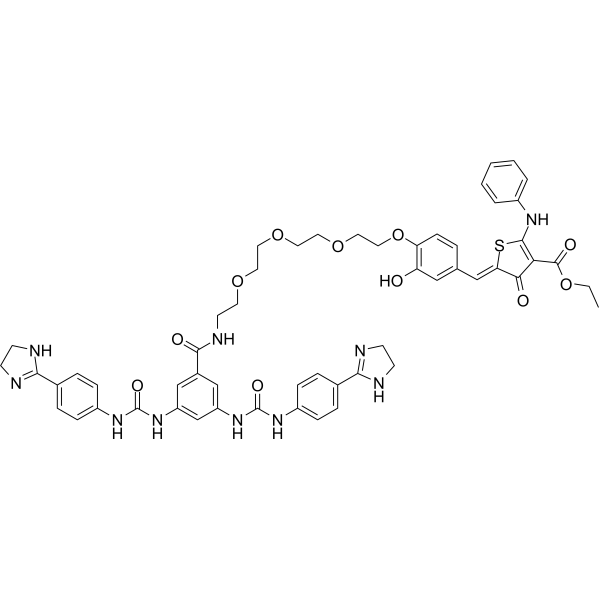
    Deg-1 is a a bifunctional probe with a cleavage group and a covalent binding group. Deg-1 covalently binds to the target nucleic acid, and serves as click-degrader to cleave a nucleic acid molecule. Deg-1 has potential to selectively cleave target nucleic acids in cells . It contains an azide group and can undergo copper-catalyzed azide-alkyne cycloaddition (CuAAc) with molecules containing alkyne groups. It can also undergo ring strain-promoted alkyne-azide cycloaddition (SPAAC) with molecules containing DBCO or BCN groups.
    Deg-1
  • HY-148689

    PCSK9 Metabolic Disease
    SPC4061 an antisense nucleotide, is a potent PCSK9 inhibitor. SPC4061 targets the lock-in nucleic acid (LNA) of PCSK9 for the study of hypercholesterolemia and related diseases .
    SPC4061
  • HY-148689A

    PCSK9 Metabolic Disease
    SPC4061 an antisense nucleotide, sodium is a potent PCSK9 inhibitor. SPC4061 targets the lock-in nucleic acid (LNA) of PCSK9 for the study of hypercholesterolemia and related diseases .
    SPC4061 sodium
  • HY-106991AR

    S-303 dihydrochloride (Standard)

    HIV Bacterial Reference Standards CHIKV Infection
    Amustaline (dihydrochloride) (Standard) is the analytical standard of Amustaline (dihydrochloride). This product is intended for research and analytical applications. Amustaline (S-303) dihydrochloride, a nucleic acid-targeted alkylator, is an efficient pathogen inactivation agent for blood components containing red blood cells. Amustaline dihydrochloride has three components: an acridine anchor (an intercalator that targets nucleic acids non-covalently), an effector (a bis-alkylator group that reacts with nucleophiles), and a linker (a small flexible carbon chain containing a labile ester bond that hydrolyzes at neutral pH to yield non-reactive breakdown products) .
    Amustaline dihydrochloride (Standard)
  • HY-160577

    Liposome Others
    DOG-IM4 can be used to synthesize nanoparticles to deliver antigen-encoding nucleic acids. It could be used to try to target autoimmune diseases, rare blood or metabolic diseases, allergies, cancer or infectious diseases .
    DOG-IM4
  • HY-160057

    DNA Alkylator/Crosslinker Cancer
    GMT 8 aptamer sodium is a nucleic acid aptamer targeting different glioblastoma cell lines and exhibits high affinity. GMT 4 aptamer sodium also shows high binding affinity to the T lymphocyte cell line CCRF-CEM .
    GMT 8 aptamer sodium
  • HY-W010450S2

    Endogenous Metabolite Cancer
    Thymine- 15N2 is the 15N labeled Thymine . Thymine is one of the four nucleobases in the nucleic acid of DNA and can be a target for actions of 5-fluorouracil (5-FU) in cancer treatment, with a Km of 2.3 μM .
    Thymine-15N2

Online-Anfrage

Your information is safe with us. * Required Fields.

Anrede


Country or Region *

Name des Antragstellers *


Name der Organisation *

Department *


E-Mail-Addresse *


Produktname *

Art. -Nr.


Requested quantity *

Telefonnummer *


Bemerkungen

Online-Anfrage

Inquiry Information

Produktname:
Art. -Nr.:
Menge:
MCE Japan Authorized Agent:

