Search Result
Results for "
palmitic
" in MedChemExpress (MCE) Product Catalog:
12
Biochemical Assay Reagents
34
Isotope-Labeled Compounds
| Cat. No. |
Product Name |
Target |
Research Areas |
Chemical Structure |
-
- HY-N0830
-
-
-
- HY-N0830B
-
|
|
Environmental Pollutants
Endogenous Metabolite
HSP
|
Cancer
|
|
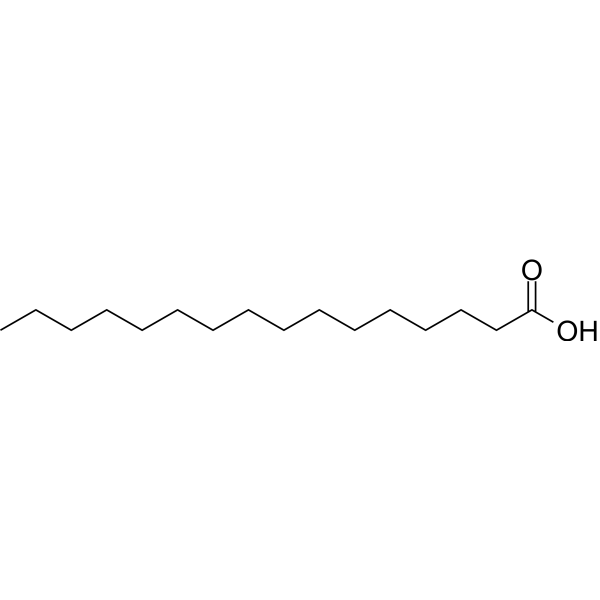
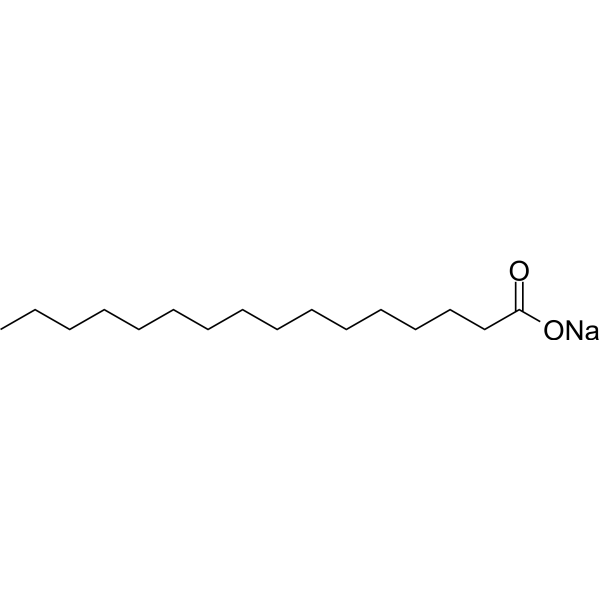
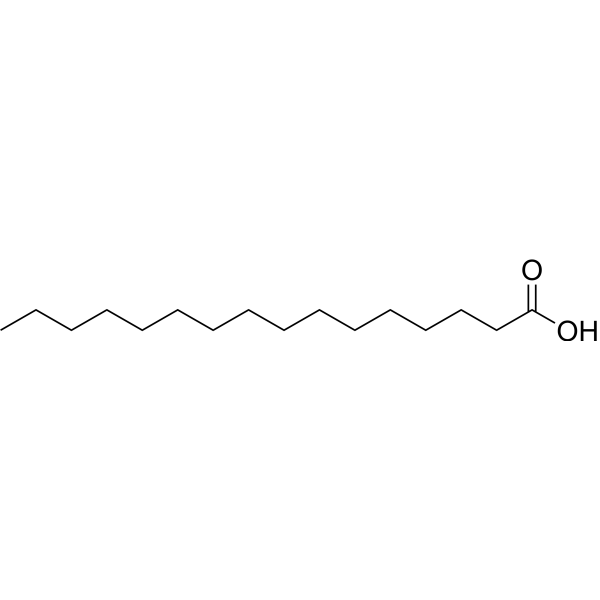
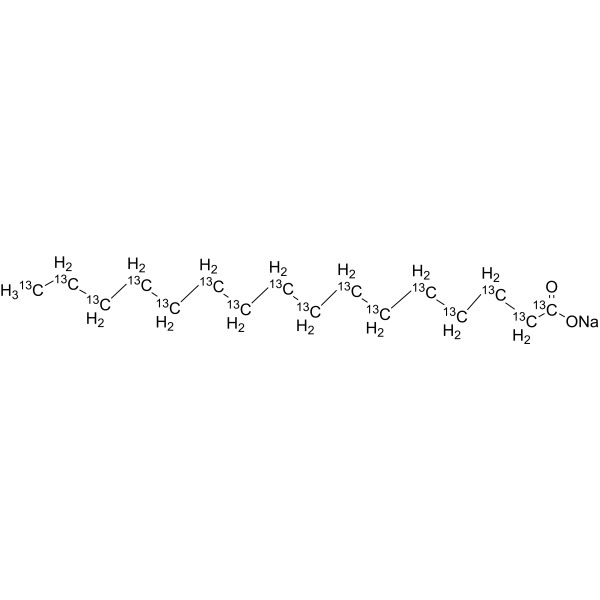
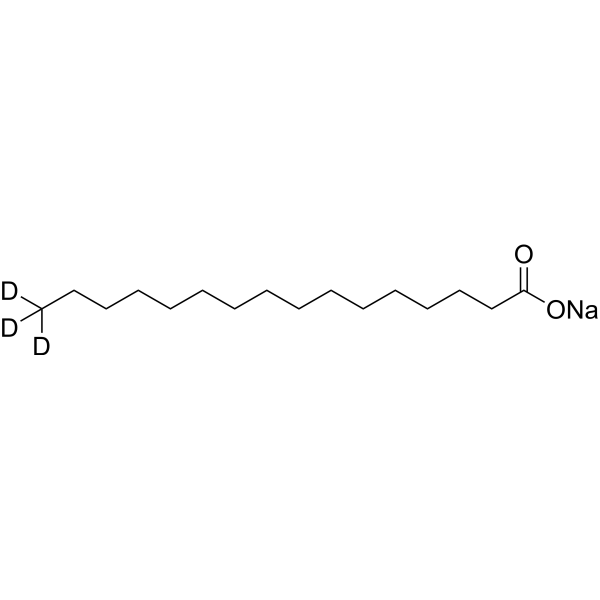
Palmitic acid sodium is a long-chain saturated fatty acid commonly found in both animals and plants. Palmitic acid sodium can induce the expression of glucose-regulated protein 78 (GRP78) and CCAAT/enhancer binding protein homologous protein (CHOP) in in mouse granulosa cells. Palmitic acid sodium is used to establish a cell steatosis model .
|
-
-
- HY-N0830S6
-
-
-
- HY-W040304
-
|
Alk-C16
|
PROTAC Linkers
|
Cancer
|
|
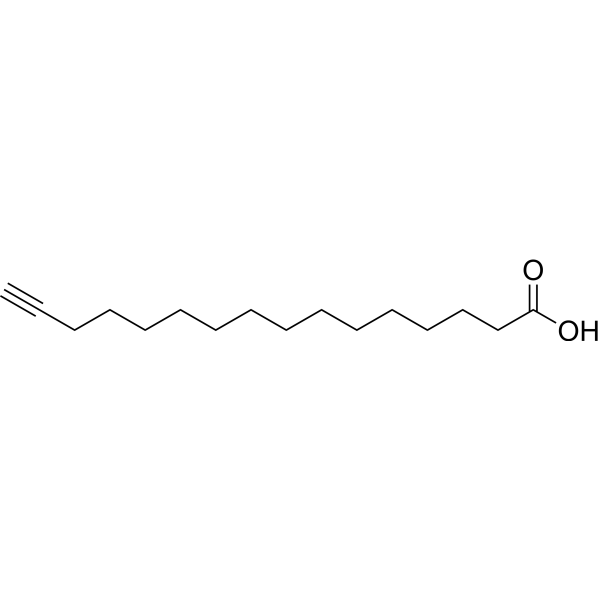
Alkynyl Palmitic Acid (Alk-C16) is an alkyl chain-based PROTAC linker that can be used in the synthesis of PROTACs . Alkynyl Palmitic Acid is a click chemistry reagent, it contains an Alkyne group and can undergo copper-catalyzed azide-alkyne cycloaddition (CuAAc) with molecules containing Azide groups.
|
-
-
- HY-151656
-
|
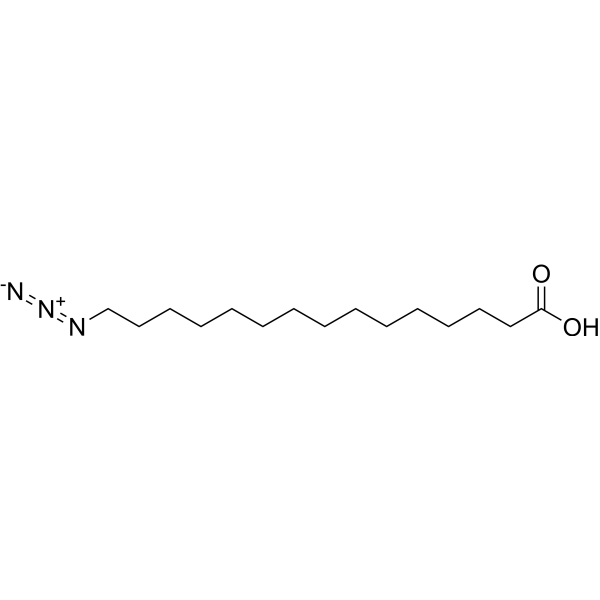
Azido palmitic Acid
|
ADC Linker
|
Others
|
|
15-Azido-pentadecanoic acid is a click chemistry reagent containing an azide group. Azido Palmitic Acid can be used to identify and characterize post-translationally palmitylated proteins with using a simple and robust two-step labeling and detection technique . 15-Azido-pentadecanoic acid is a click chemistry reagent, it contains an Azide group and can undergo copper-catalyzed azide-alkyne cycloaddition reaction (CuAAc) with molecules containing Alkyne groups. It can also undergo strain-promoted alkyne-azide cycloaddition (SPAAC) reactions with molecules containing DBCO or BCN groups.
|
-
-
- HY-N0830S9
-
-
-
- HY-N0830S2
-
-
-
- HY-N0830S5
-
-
-
- HY-P0064
-
|
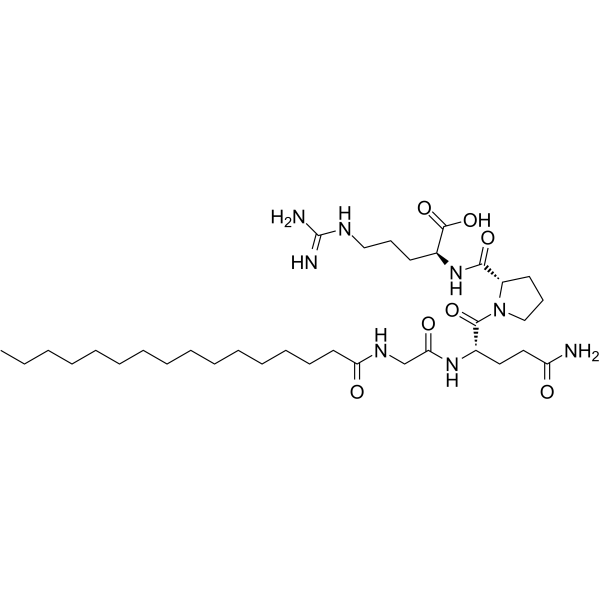
Palmitoyl Tetrapeptide-7
|
Interleukin Related
|
Inflammation/Immunology
|
|
Palmitoyl Tetrapeptide-3 (Palmitoyl Tetrapeptide-7) is a synthetic peptide corresponding to amino acids 341-344 of the human immunoglobulin heavy chain, with the ability to stimulate phagocytosis. Palmitoyl tetrapeptide-3 reduces interleukin-6 (IL-6) secretion in keratinocytes and inhibits the UVB radiation-exposure inflammatory response of skin. Palmitoyl tetrapeptide-3 It also has anti-inflammatory and anti-aging effects, reducing skin wrinkles by promoting the production of elastic fibers in the papillary dermis .
|
-
-
- HY-P10932A
-
|
|
Fluorescent Dye
|
Neurological Disease
|
|
pGk13a TFA is an azide (azide group can be combined with fluorophore)-containing amphiphilic membrane labeling probe. pGk13a TFA enables high-resolution imaging of cell membranes in the ultrastructural membrane expansion microscopy (umExM) technique, facilitating the observation of membrane-associated structures and proteins. pGk13a TFA can be used for neuronal structural studies .
|
-

-
- HY-W879064
-
|
|
Biochemical Assay Reagents
|
Others
|
|
DBCO-Palmitic is a click chemical organic compound. DBCO-Palmitic can be used in the azide-alkyne cycloaddition (SPAAC) reaction.
|
-

-
- HY-N0830R
-
-
-
- HY-177705
-
|
|
ACSL Family
Drug Derivative
|
Metabolic Disease
Cancer
|
|
ACSL5-IN-2 (Compound B) is an Acyl CoA synthetase 5 (ACSL5) inhibitor. ACSL5-IN-2 can block the conversion of long-chain fatty acids (such as palmitic acid and oleic acid) into acyl-CoA, and intervene in the fatty acid metabolism pathway. ACSL5-IN-2 can inhibit cancer cells growth. ACSL5-IN-2 can be used for the research of cancer and metabolic disease, such as colon cancer and dysfunction-associated Steatohepatitis .
|
-

-
- HY-W020246
-
|
TMTM
|
Squalene Monooxygenase
Bacterial
|
Infection
Inflammation/Immunology
|
|
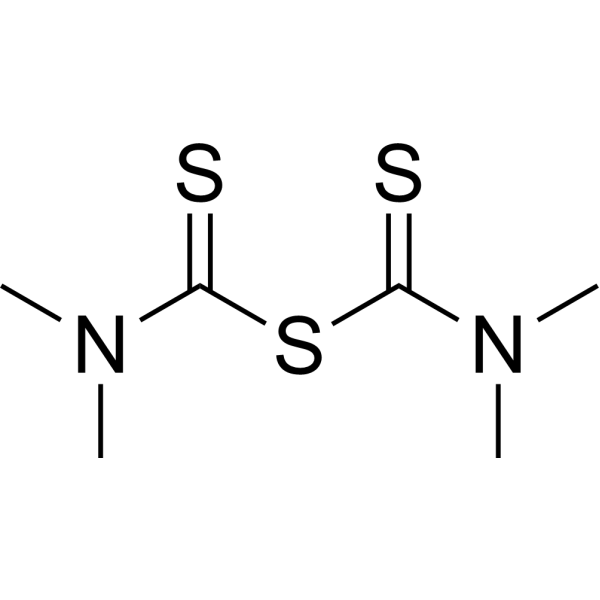
Tetramethylthiuram monosulfide (TMTM) is an orally active microsomal monooxygenases inhibitor. Tetramethylthiuram monosulfide is used as an accelerator and activator in the processing of natural rubber and butyl rubber. Tetramethylthiuram monosulfide reduces palmitic acid incorporation into microsomal phospholipids, disrupts microsomal membrane integrity, and impairs electron transport during oxygenation. Tetramethylthiuram monosulfide can be used for the research of fungal infection, bacterial infection and allergic contact dermatitis .
|
-
-
- HY-168375
-
|
|
Fluorescent Dye
|
Metabolic Disease
|
|
BODIPY-Palmitate is a fluorescently labeled palmitic acid (HY-N0830), with excitation/emission maxima at 488/508 nm. BODIPY-Palmitate can be used to detect fatty acid uptake and metabolism .
|
-

-
- HY-W011134
-
|
|
Biochemical Assay Reagents
|
Others
|
|
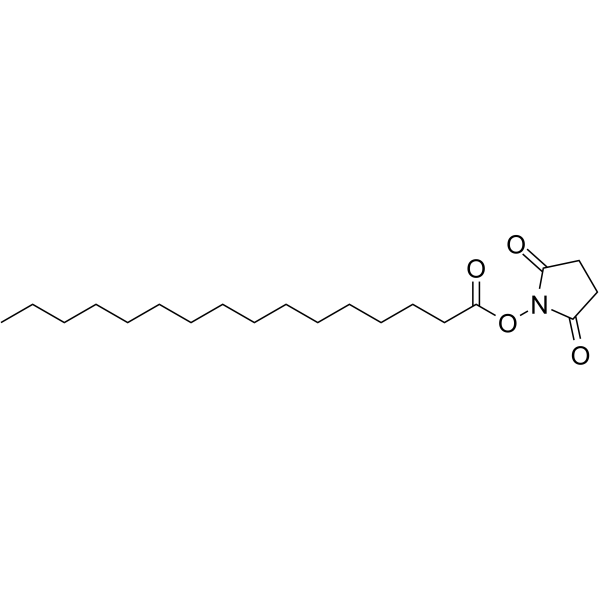
Palmitic acid N-hydroxysuccinimide is used to conjugate proteins to prepare targeted delivery vectors. Palmitic acid N-hydroxysuccinimide can be used as lipophilic electrophile. Palmitic acid N-hydroxysuccinimide can be used for the covalent connection between palmitic acid and ovalbumin. Palmitic acid N-hydroxysuccinimide can be used to synthesize cetacyl derivatives of amino acids, aminoacyl-trNA, coenzyme A, mercaptoacetic acid and other amino and thiogenic compounds .
|
-
-
- HY-W093183
-
|
palmitic acid anhydride
|
Biochemical Assay Reagents
|
Others
|
|
Palmitic anhydride, a saturated fatty acid found in many natural sources such as animal fats and vegetable oils, is commonly used as a reagent in organic synthesis to introduce palmitoyl(hexadecanoyl) functional groups into other organic molecules, moreover, Palmitic anhydride has been Used in the production of surfactants, lubricants and plasticizers, as well as in the preparation of cosmetics and pharmaceuticals.
|
-

-
- HY-N0830S4
-
|
|
HSP
|
Cardiovascular Disease
Neurological Disease
Metabolic Disease
Cancer
|
|
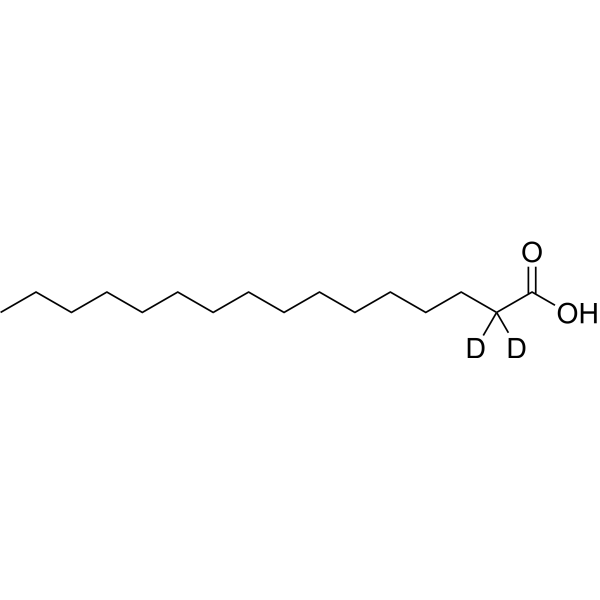
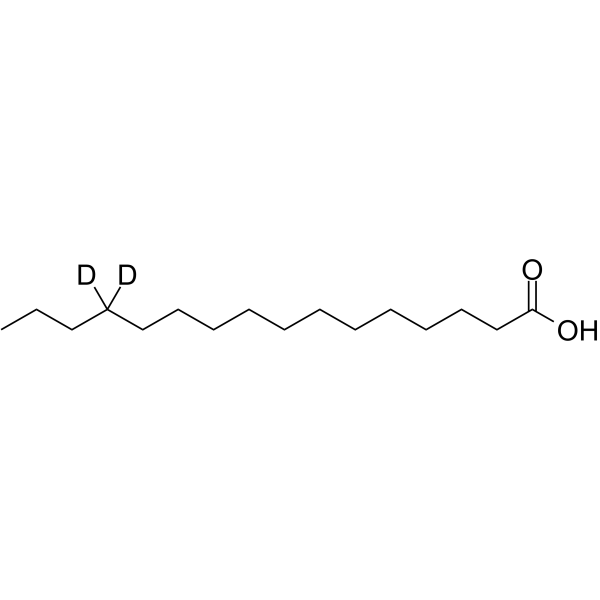
Palmitic acid-d2 is the deuterium labeled Palmitic acid. Palmitic acid is a long-chain saturated fatty acid commonly found in both animals and plants. Palmitic acid can induce the expression of glucose-regulated protein 78 (GRP78) and CCAAT/enhancer binding protein homologous protein (CHOP) in in mouse granulosa cells .
|
-
-
- HY-N0830S7
-
|
|
HSP
|
Cardiovascular Disease
Neurological Disease
Metabolic Disease
Cancer
|
|
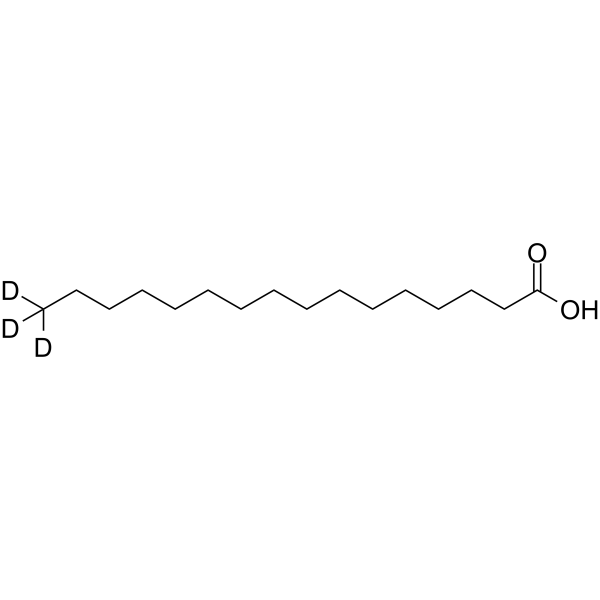
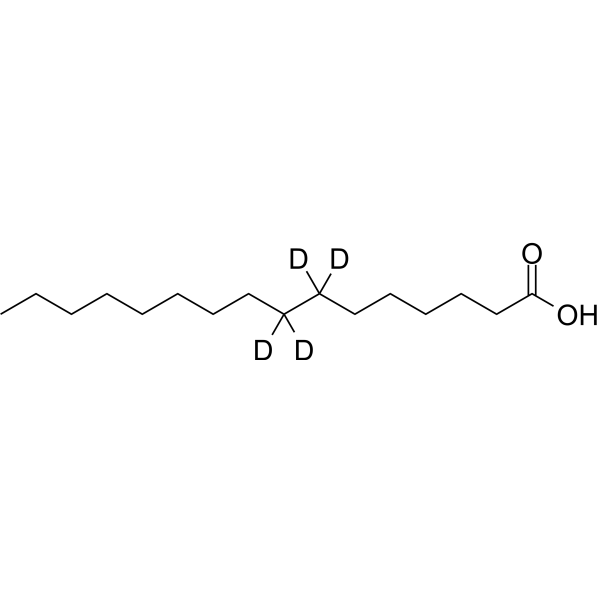
Palmitic acid-d4 is the deuterium labeled Palmitic acid. Palmitic acid is a long-chain saturated fatty acid commonly found in both animals and plants. Palmitic acid can induce the expression of glucose-regulated protein 78 (GRP78) and CCAAT/enhancer binding protein homologous protein (CHOP) in in mouse granulosa cells .
|
-
-
- HY-N0830BS1
-
-
-
- HY-N0830S3
-
|
|
HSP
|
Cardiovascular Disease
Neurological Disease
Metabolic Disease
Cancer
|
|
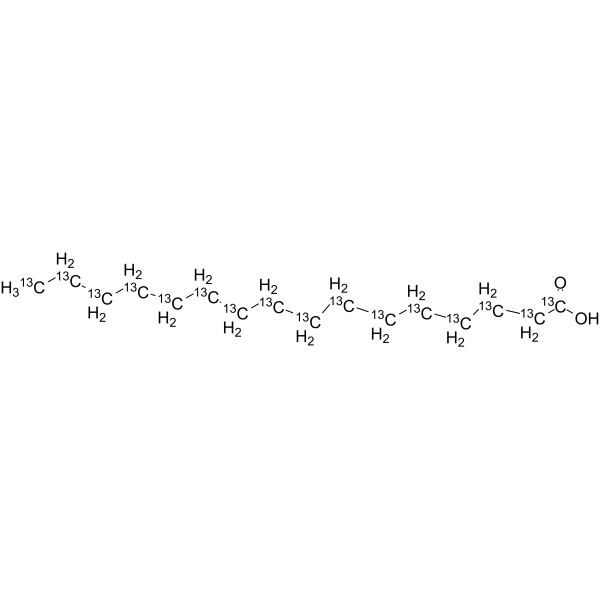
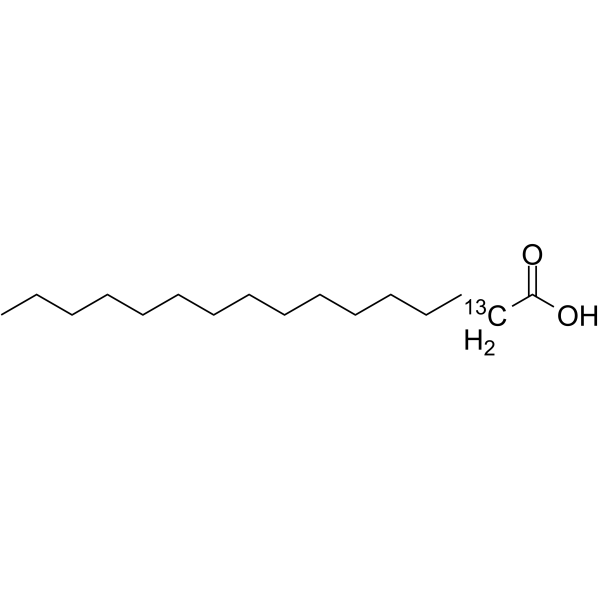
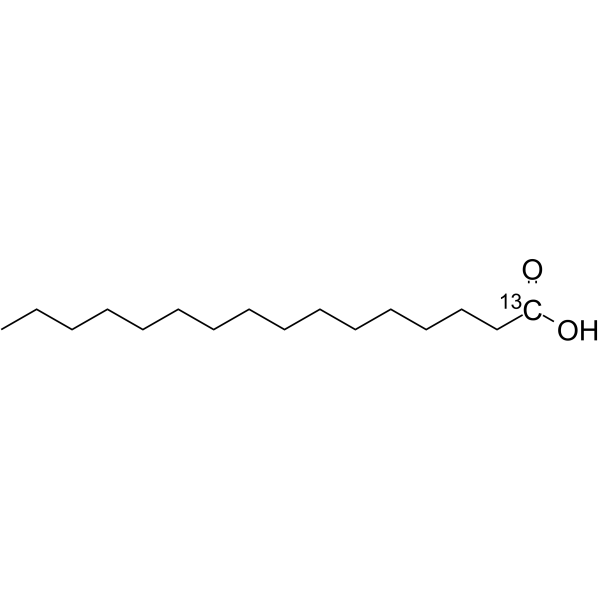
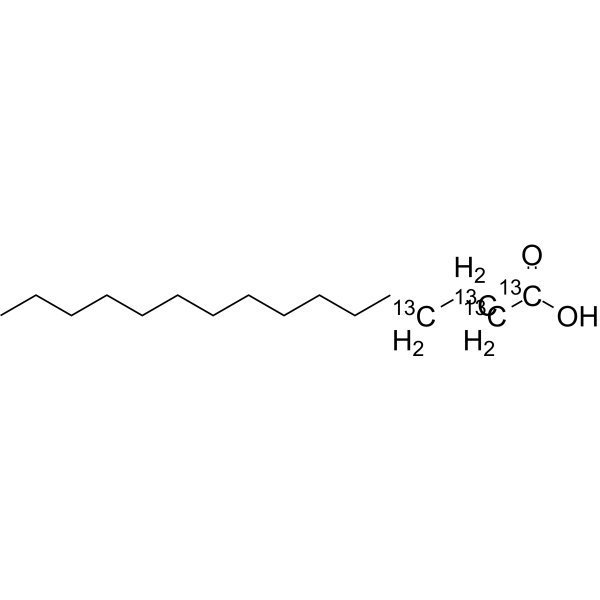
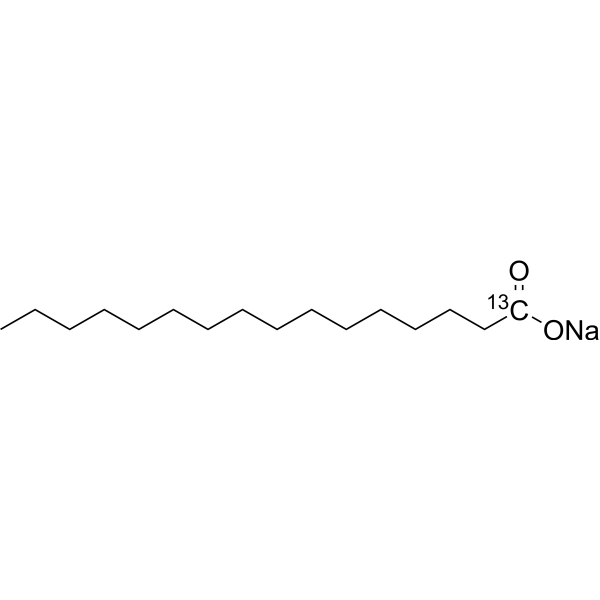
Palmitic acid-1- 13C is the 13C-labeled Palmitic acid. Palmitic acid is a long-chain saturated fatty acid commonly found in both animals and plants. Palmitic acid can induce the expression of glucose-regulated protein 78 (GRP78) and CCAAT/enhancer binding protein homologous protein (CHOP) in in mouse granulosa cells .
|
-
-
- HY-N0830S18
-
|
|
Isotope-Labeled Compounds
HSP
Endogenous Metabolite
|
Metabolic Disease
|
|
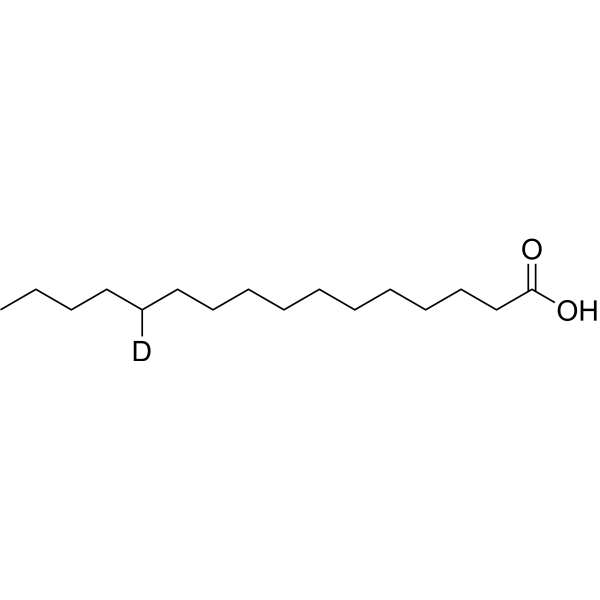
Palmitic acid-d is the deuterium labeled Palmitic acid. Palmitic acid is a long-chain saturated fatty acid commonly found in both animals and plants. PA can induce the expression of glucose-regulated protein 78 (GRP78) and CCAAT/enhancer binding protein homologous protein (CHOP) in in mouse granulosa cells .
|
-
-
- HY-N0830S
-
-
-
- HY-B1454
-
|
|
Bacterial
Antibiotic
|
Infection
|
|
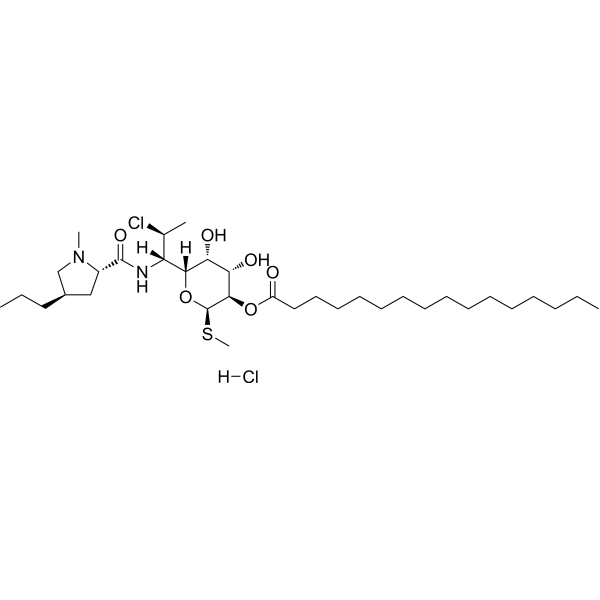
Clindamycin palmitate hydrochloride is a hydrochloride salt of the ester of clindamycin and palmitic acid and it is an antibacterial agent. Clindamycin palmitate hydrochloride is inactive in vitro, rapid in vivo hydrolysis converts this compound to the antibacterially active clindamycin .
|
-
-
- HY-N0830S10
-
-
-
- HY-169089
-
|
|
Drug Derivative
|
Cancer
|
|
RP-182-PEG3-K palmitic acid-NH2 (Compound 1a) is a fatty acid derivative of the immunomodulatory peptide RP-182. RP-182-PEG3-K palmitic acid-NH2 inhibits CD206 high M2-like macrophage (IC50 of 3.2 μM) and induces phagocytosis. RP-182-PEG3-K palmitic acid-NH2 exhibits antitumor efficacy in mouse B16 melanoma allografts .
|
-

-
- HY-W800797
-
|
1,2-dipalmitoyl-sn-glycero-3-phosphoethanolamine-N-(biotinyl)
|
Liposome
|
Cancer
|
|
16:0 Biotinyl PE is a biotin-functionalized lipid attached to a phosphoethanolamine linked to two palmitic acid groups.
|
-

-
- HY-W800793
-
|
1,2-dipalmitoyl-sn-glycero-3-phosphoethanolamine-N-(succinyl)
|
Liposome
|
Cancer
|
|
16:0 Succinyl PE is a carboxylic acid-functionalized lipid with a two carbon linker to a phosphoethanolamine bound to two palmitic acid tails.
|
-

-
- HY-W440981
-
|
1-Stearoyl-2-palmitoyl-sn-glycero-3-phosphocholine
|
Liposome
|
Cancer
|
|
SPPC is a phospholipid with different length of fatty acid. The sn-1 position contains a stearic acid (18:0) while the sn-2 position is occupied by a palmitic acid (16:0).
|
-

-
- HY-P10932
-
|
|
Fluorescent Dye
|
Neurological Disease
|
|
pGk13a is an amphipathic membrane-labeling probe containing an azide group, which can bind to fluorophores. pGk13a enables high-resolution imaging of cell membranes in the ultrastructure expansion microscopy (umExM) technique, facilitating the observation of membrane-associated structures and proteins. pGk13a is applicable to neuronal structure research .
|
-

-
- HY-N0830S12
-
|
|
HSP
Endogenous Metabolite
|
Cancer
|
|
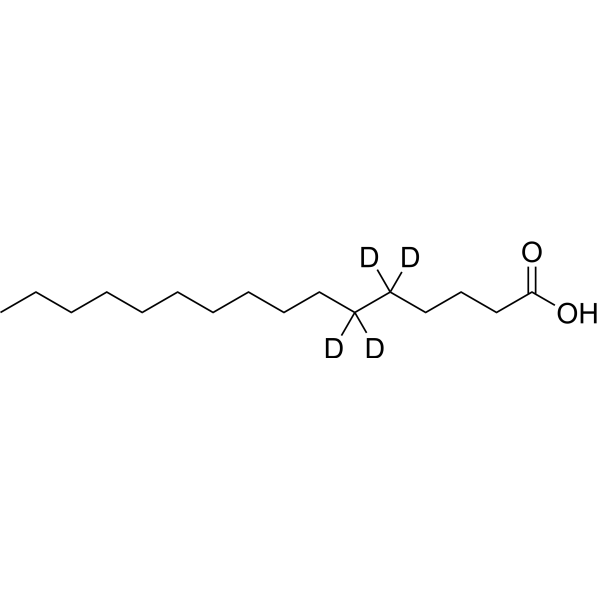
Palmitic acid-d4-1 is the deuterium labeled Palmitic acid. Palmitic acid is a long-chain saturated fatty acid commonly found in both animals and plants. PA can induce the expression of glucose-regulated protein 78 (GRP78) and CCAAT/enhancer binding protein homologous protein (CHOP) in in mouse granulosa cells .
|
-
-
- HY-N0830BS3
-
-
-
- HY-W440958
-
|
PSPC; PC(16:0-18:0)
|
Liposome
|
Cancer
|
|
1-Palmitoyl-2-stearoyl-sn-glycero-3-phosphocholine is an assymetrical phospholipid containing saturated palmitic and stearic acid at the sn-1 and sn-2 position respectively. The phosphate group is attached to choline.
|
-

-
- HY-N0830S19
-
|
|
Isotope-Labeled Compounds
HSP
Endogenous Metabolite
|
Metabolic Disease
|
|
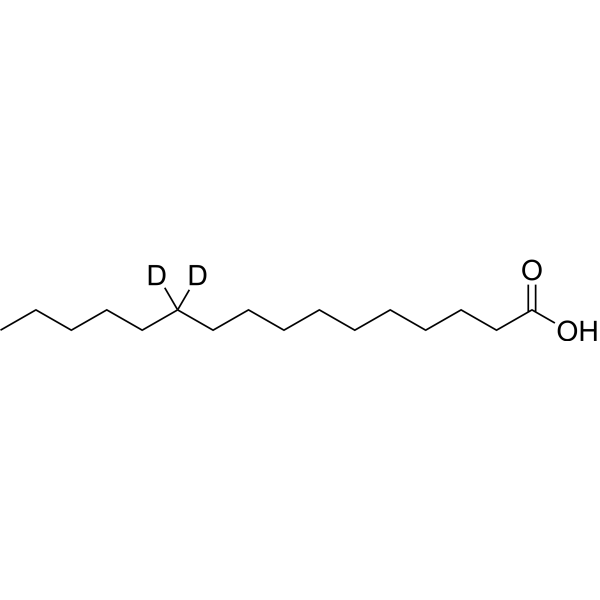
Palmitic acid-d2-5 is the deuterium labeled Palmitic acid. Palmitic acid is a long-chain saturated fatty acid commonly found in both animals and plants. PA can induce the expression of glucose-regulated protein 78 (GRP78) and CCAAT/enhancer binding protein homologous protein (CHOP) in in mouse granulosa cells .
|
-
-
- HY-169089A
-
|
|
Drug Derivative
|
Cancer
|
|
RP-182-PEG3-K(palmitic acid)-NH2 (Compound 1a) TFA is a fatty acid derivative of the immunomodulatory peptide RP-182. RP-182-PEG3-K(palmitic acid)-NH2 TFA inhibits CD206 high M2-like macrophage (IC50 of 3.2 μM) and induces phagocytosis. RP-182-PEG3-K(palmitic acid)-NH2 TFA exhibits antitumor efficacy in mouse B16 melanoma allografts .
|
-

-
- HY-W127430
-
|
palmitic acid octadecyl ester
|
Biochemical Assay Reagents
|
Others
|
|
Stearyl palmitate is a biochemical reagent that can be used as a biological material or organic compound for life science related research.
|
-

-
- HY-159856
-
|
Diphosphatidylglycerol (16:0)
|
Liposome
|
Others
|
|
16:0 Cardiolipin (Diphosphatidylglycerol (16:0)) is a phospholipid derived from Palmitic acid (16:0) that can be used to synthesize lipid nanoparticles (LNP) for delivering mRNA and other payloads .
|
-

-
- HY-B0987R
-
|
L-Ascorbic acid 6-hexadecanoate (Standard); 6-O-Palmitoyl-L-ascorbic acid (Standard)
|
Reference Standards
Reactive Oxygen Species (ROS)
Endogenous Metabolite
|
Cancer
|
|
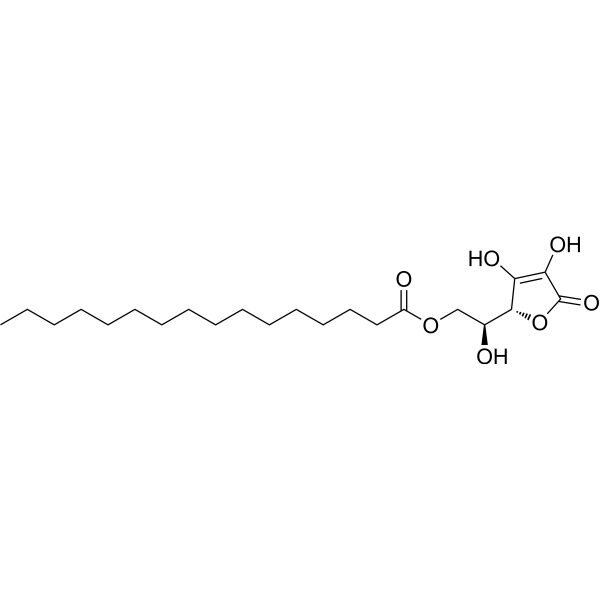
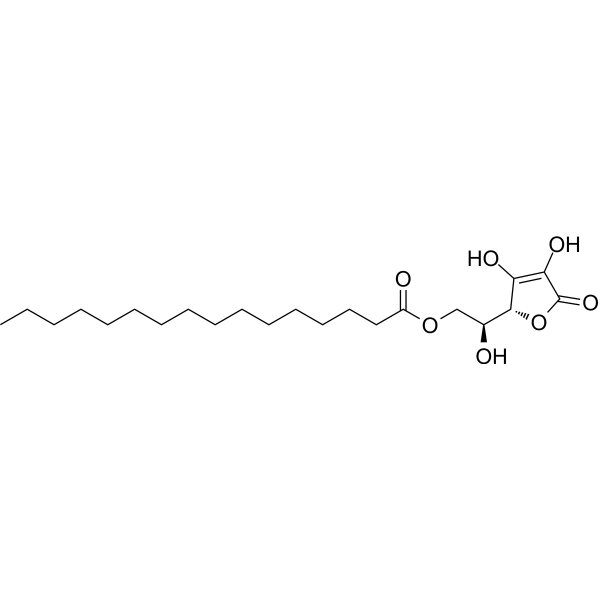
Ascorbyl palmitate (Standard) is the analytical standard of Ascorbyl palmitate. This product is intended for research and analytical applications. Ascorbyl palmitate is an ester formed from ascorbic acid and palmitic acid creating an vitamin C, it is also used as an antioxidant food additive.
|
-
-
- HY-N15884
-
-

-
- HY-N0830BS2
-
-
-
- HY-N15888
-
|
|
Fluorescent Dye
|
Others
|
|
Palmitic acid-lissamine rhodamine is a lissamine rhodamine-labeled Palmitic acid (HY-N0830).
|
-

-
- HY-N0830BS
-
-
-
- HY-N0830S21
-
|
|
Isotope-Labeled Compounds
HSP
Endogenous Metabolite
|
Metabolic Disease
|
|
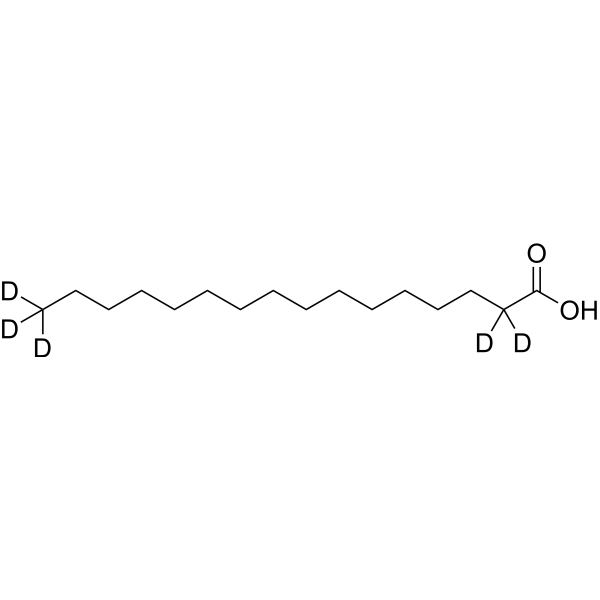
Palmitic acid-d5 is the deuterium labeled Palmitic acid. Palmitic acid is a long-chain saturated fatty acid commonly found in both animals and plants. PA can induce the expression of glucose-regulated protein 78 (GRP78) and CCAAT/enhancer binding protein homologous protein (CHOP) in in mouse granulosa cells .
|
-
-
- HY-N0830S16
-
|
|
Isotope-Labeled Compounds
HSP
Endogenous Metabolite
|
Cancer
|
|
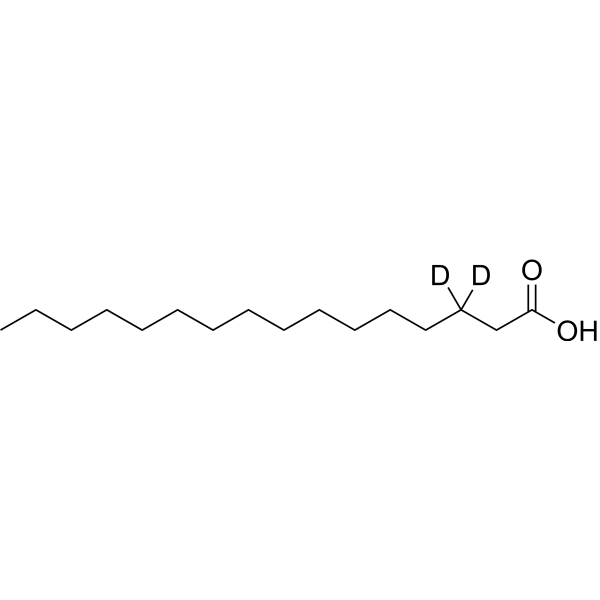
Palmitic acid-d2-3 is the deuterium labeled Palmitic acid. Palmitic acid is a long-chain saturated fatty acid commonly found in both animals and plants. PA can induce the expression of glucose-regulated protein 78 (GRP78) and CCAAT/enhancer binding protein homologous protein (CHOP) in in mouse granulosa cells .
|
-
-
- HY-154857
-
|
|
Scavenger Receptor Class B type I (SR-BI)
|
Cancer
|
|
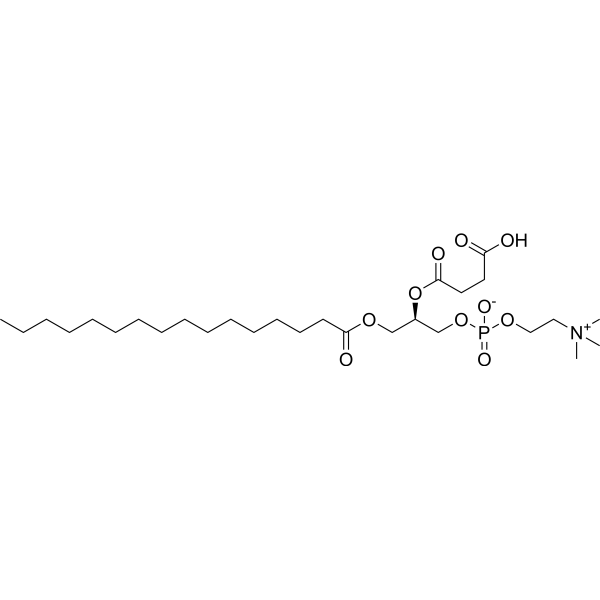
1-Palmitoyl-2-succinyl-sn-glycerophosphorylcholine is a glycerophosphorylcholine, consisting of glycerol phosphate, choline and palmitic acid. It accumulates in vivo at sites of oxidative stress. 1-Palmitoyl-2-succinyl-sn-glycerophosphorylcholine may be a ligand of scavenger receptors class B, while oxidized phospholipids oxPC(CD36) are potent ligands of scavenger receptors class B (CD36 and SR-BI). Oxidized phospholipids (oxPLs) also play an important role in tumor apoptosis, may be elevated in malignant biliary strictures .
|
-
-
- HY-N7813
-
|
|
Others
|
Others
|
|
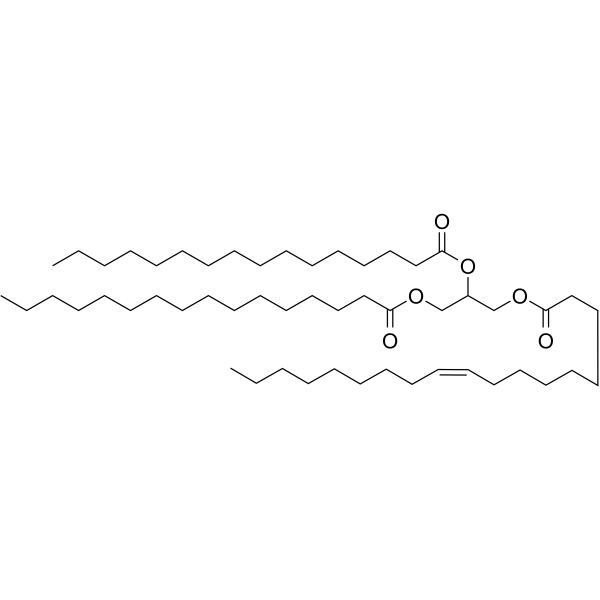
1,2-Dipalmitoyl-3-oleoylglycerol, a major P-containing triacylglycerol, can be found in palm oil, palm stearin, cocoa butter, and lard .
|
-
-
- HY-W800794
-
|
DPPE-NG; 1,2-dipalmitoyl-sn-glycero-3-phosphoethanolamine-N-(glutaryl)
|
Liposome
|
Cancer
|
|
16:0 Glutaryl PE is is a carboxylic acid-functionalized lipid with a three carbon linker to a phosphoethanolamine bound to two palmitic acid tails.
|
-

-
- HY-W440957
-
|
PC(16:0/14:0); 1-palmitoyl-2-myristoyl-sn-glycero-3-phosphocholine
|
Liposome
|
Cancer
|
|
PMPC is a phosphatidylcholine with asymmetrical fatty acid. Palmitic acid occupies sn-1 position while myristic acid is placed at the sn-2 position.
|
-

-
- HY-N9444
-
|
Triglyceride PLP,sn
|
Endogenous Metabolite
|
Metabolic Disease
|
|
1,3-Dipalmitoyl-2-linoleoyl glycerol is a triacylglycerol that contains Palmitic acid at the sn-1 and sn-3 positions and Linoleic acid.
|
-

-
- HY-N7399
-
|
|
Environmental Pollutants
|
Others
|
|
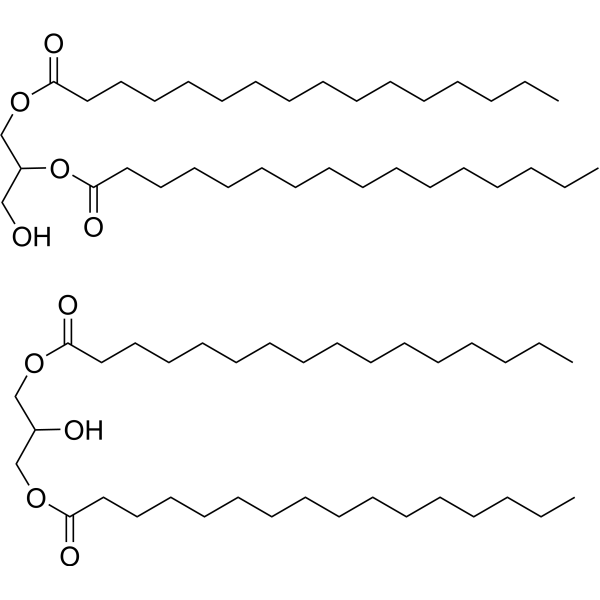
Dipalmitin is an active product that can be extracted from root tuber of Typhonium giganteum Engl. Dipalmitin is a diacylglycerol that contains the saturated 16-carbon fatty acid Palmitic acid (HY-N0830) at two positions .
|
-
- HY-161026
-
-
- HY-W879031
-
|
|
Biochemical Assay Reagents
|
Others
|
|
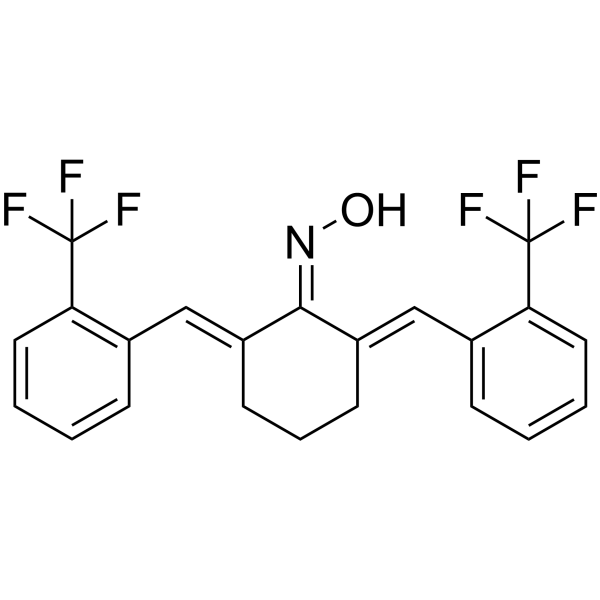
Endo-BCN-PEG4-Palmitic is a PEG derivative containing an endo-BCN cycloalkyne structure, a tetraethylene glycol (PEG4) linker, and a Palmitic acid (HY-N0830) fatty acid group. Endo-BCN-PEG4-Palmitic can be used for drug delivery, surface modification, and click chemistry reactions .
|
-

- HY-N0830S11
-
-
- HY-N0830S14
-
|
|
Isotope-Labeled Compounds
HSP
Endogenous Metabolite
|
Inflammation/Immunology
|
|
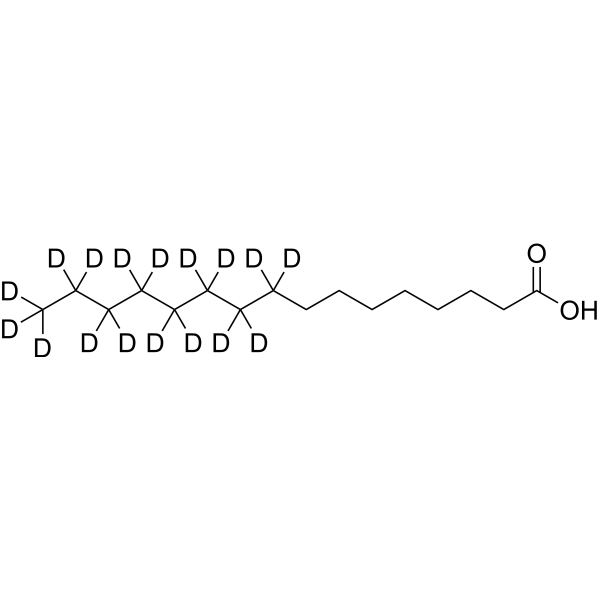
Palmitic acid-d17 is the deuterium labeled Palmitic acid. Palmitic acid is a long-chain saturated fatty acid commonly found in both animals and plants. PA can induce the expression of glucose-regulated protein 78 (GRP78) and CCAAT/enhancer binding protein homologous protein (CHOP) in in mouse granulosa cells .
|
-
- HY-N0830S20
-
|
|
Isotope-Labeled Compounds
HSP
Endogenous Metabolite
|
Metabolic Disease
|
|
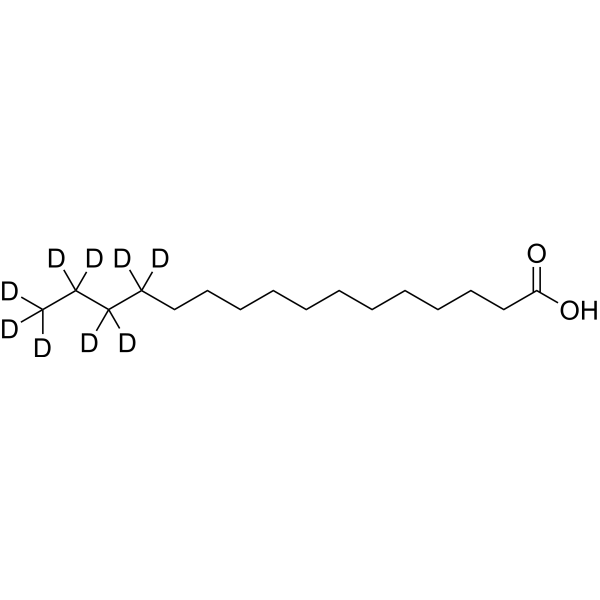
Palmitic acid-d9 is the deuterium labeled Palmitic acid. Palmitic acid is a long-chain saturated fatty acid commonly found in both animals and plants. PA can induce the expression of glucose-regulated protein 78 (GRP78) and CCAAT/enhancer binding protein homologous protein (CHOP) in in mouse granulosa cells .
|
-
- HY-N0830S22
-
-

- HY-N0830S8
-
-
- HY-N0830A
-
|
|
HSP
Endogenous Metabolite
|
Cardiovascular Disease
Neurological Disease
Metabolic Disease
|
|
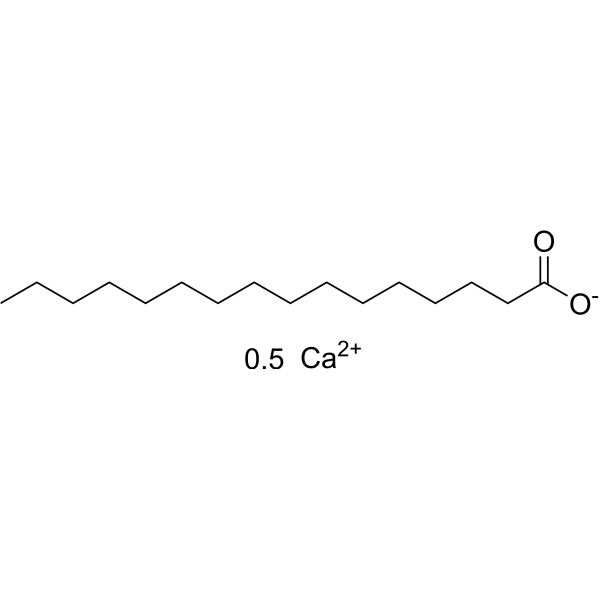
Palmitic acid calcium is a long-chain saturated fatty acid commonly found in both animals and plants. PA can induce the expression of glucose-regulated protein 78 (GRP78) and CCAAT/enhancer binding protein homologous protein (CHOP) in in mouse granulosa cells. Palmitic acid calcium is used to establish a cell steatosis model .
|
-
- HY-N0830S13
-
|
|
Isotope-Labeled Compounds
HSP
Endogenous Metabolite
|
Metabolic Disease
|
|
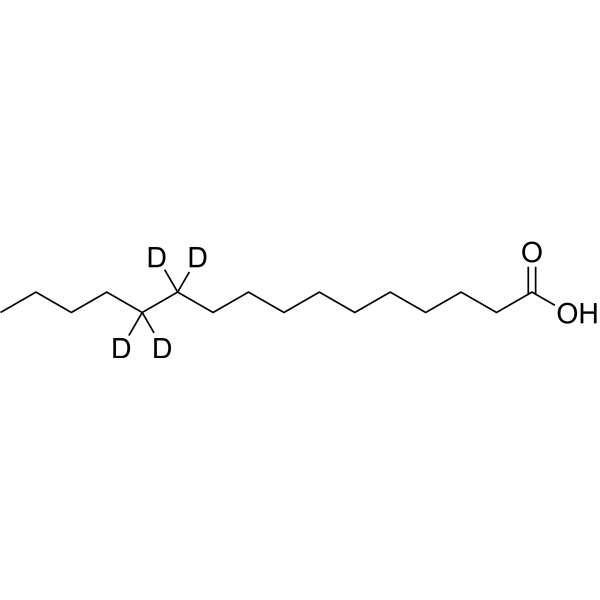
Palmitic acid-d4-2 is the deuterium labeled Palmitic acid. Palmitic acid is a long-chain saturated fatty acid commonly found in both animals and plants. PA can induce the expression of glucose-regulated protein 78 (GRP78) and CCAAT/enhancer binding protein homologous protein (CHOP) in in mouse granulosa cells .
|
-
- HY-N0830S17
-
|
|
Isotope-Labeled Compounds
HSP
Endogenous Metabolite
|
Metabolic Disease
|
|
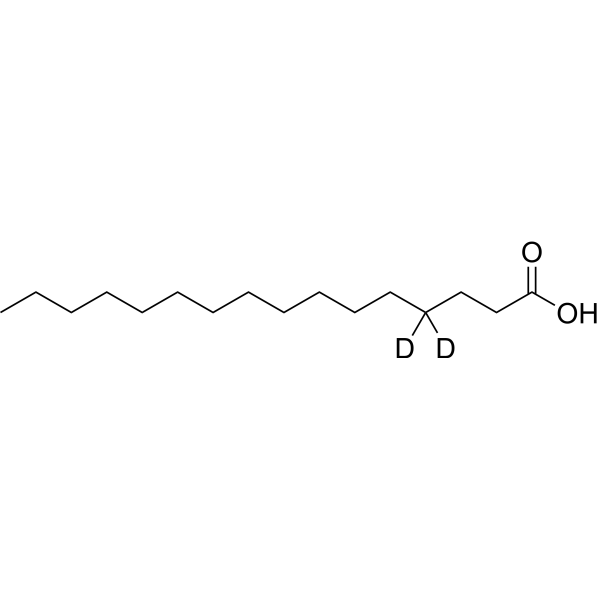
Palmitic acid-d2-4 is the deuterium labeled Palmitic acid. Palmitic acid is a long-chain saturated fatty acid commonly found in both animals and plants. PA can induce the expression of glucose-regulated protein 78 (GRP78) and CCAAT/enhancer binding protein homologous protein (CHOP) in in mouse granulosa cells .
|
-
- HY-N0830S15
-
|
|
Isotope-Labeled Compounds
HSP
Endogenous Metabolite
|
Cancer
|
|
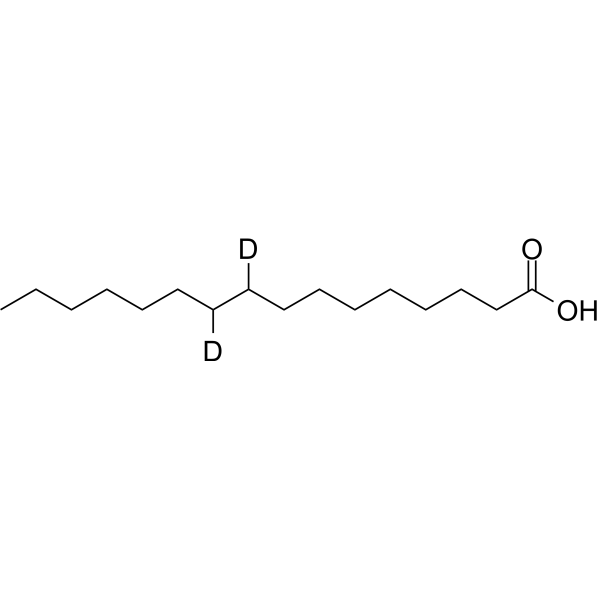
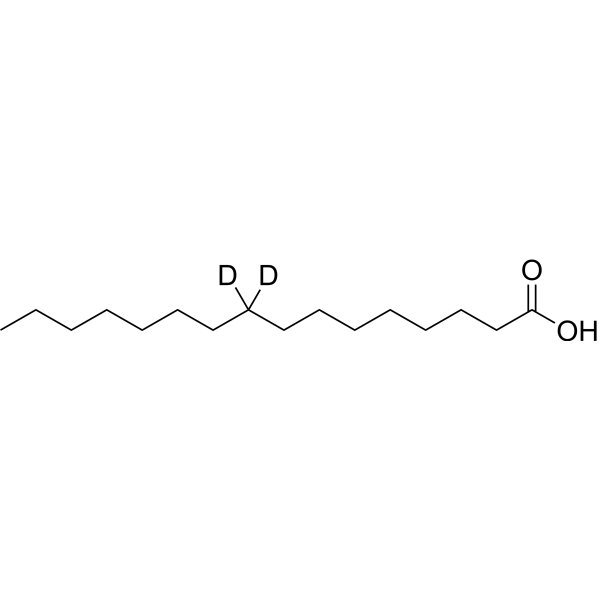
Palmitic acid-d2-2 is the deuterium labeled Palmitic acid. Palmitic acid is a long-chain saturated fatty acid commonly found in both animals and plants. PA can induce the expression of glucose-regulated protein 78 (GRP78) and CCAAT/enhancer binding protein homologous protein (CHOP) in in mouse granulosa cells .
|
-
- HY-N0830S1
-
-
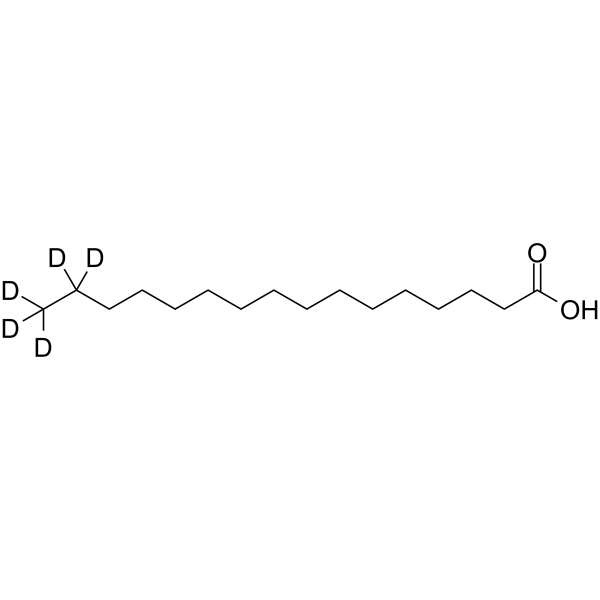
- HY-W286362
-
|
palmitic acid anilide
|
Bacterial
|
Infection
|
|
Palmitanilide (Palmitic acid anilide) is an antibacterial agent against Gram-positive bacteria. Palmitanilide can electrostatically bind to relevant components in the cell walls of Gram-positive bacteria (such as Bacillus cereus), alter the cell membrane structure, and affect the normal functions of the cells. Palmitanilide is promising for research of infectious diseases caused by Gram-positive bacteria .
|
-

- HY-157735
-
-
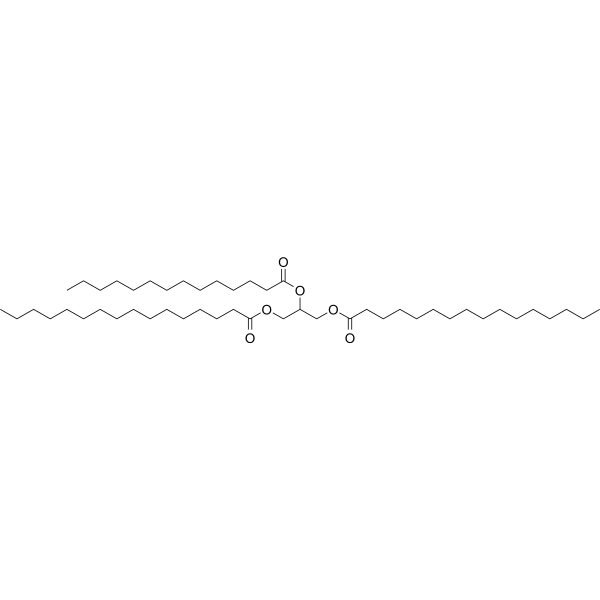
- HY-145510
-
-
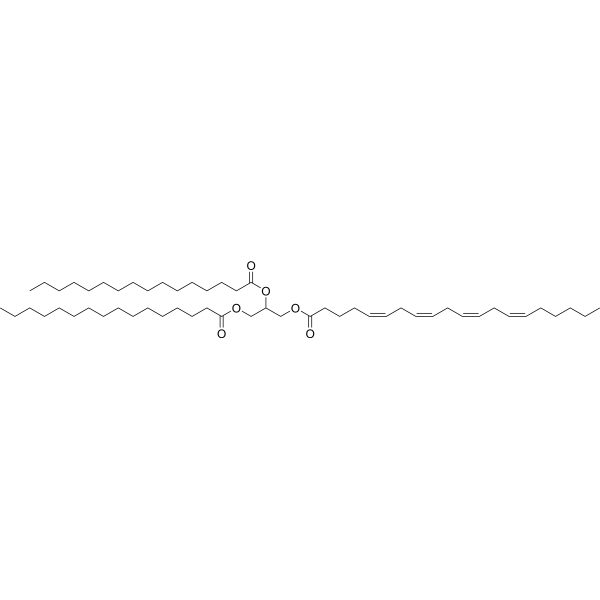
- HY-157732
-
-
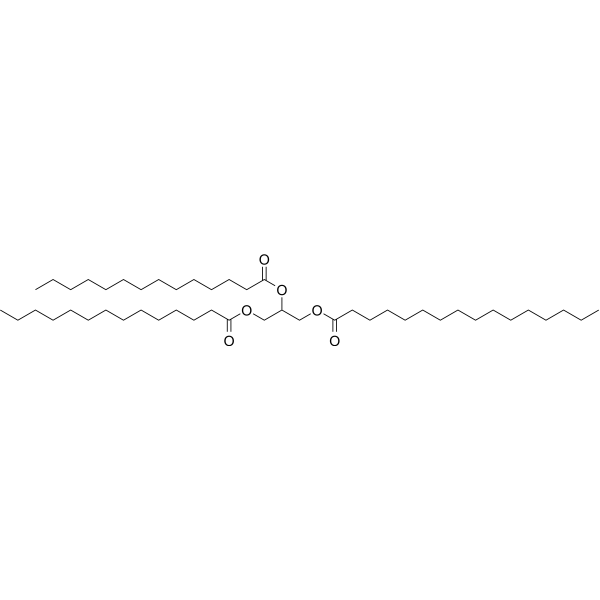
- HY-149550
-
-

- HY-145504
-
|
1,2-Palmitin-3-Linoelaidin
|
Biochemical Assay Reagents
|
Metabolic Disease
|
|
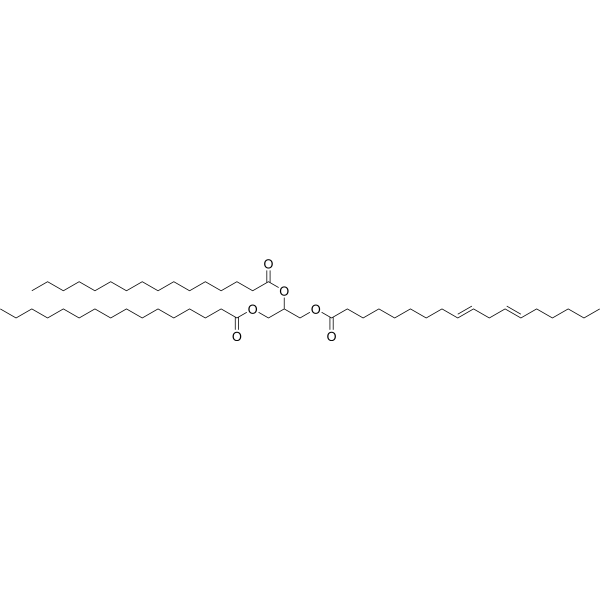
12-Dipalmitoyl-3-Linoelaidoyl-rac-glycerol is a triacylglycerol containing palmitic acid (HY-N0830) at the sn-1 and sn-2 positions and linoelaidic acid (HY-W071746) at the sn-3 position. Palmitic acid is a long-chain saturated fatty acid commonly found in both animals and plants. Palmitic acid can induce the expression of glucose-regulated protein 78 (GRP78) and CCAAT/enhancer binding protein homologous protein (CHOP) in in mouse granulosa cells. Linolelaidic acid, an omega-6 trans fatty acid, acts as a source of energy. Linolelaidic acid is an essential nutrient, adding in enteral, parenteral, and infant formulas. Linolelaidic acid can be used for heart diseases research .
|
-
- HY-N8359
-
|
|
Others
|
Metabolic Disease
|
|
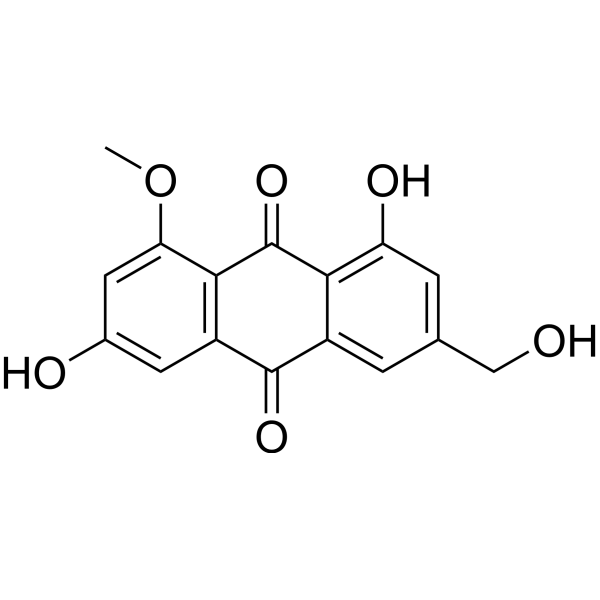
Questinol is a palmitic acid that can be isolated from Talaromyces stipitatus. Questinol has signi?cant anti-obesity activity in zebra?sh larvae .
|
-
- HY-168391
-
|
|
Biochemical Assay Reagents
|
Others
|
|
1-Lauroyl-2-oleoyl-3-palmitoyl-rac-glycerol is a triacylglycerol with Lauric acid (HY-Y0366), Oleic acid (HY-N1446), and Palmitic acid (HY-N0830) at the sn-1, sn-2 and sn-3 positions, respectively .
|
-

- HY-145540
-
|
1,2-Palmitin-3-caprylin
|
Biochemical Assay Reagents
|
Metabolic Disease
|
|
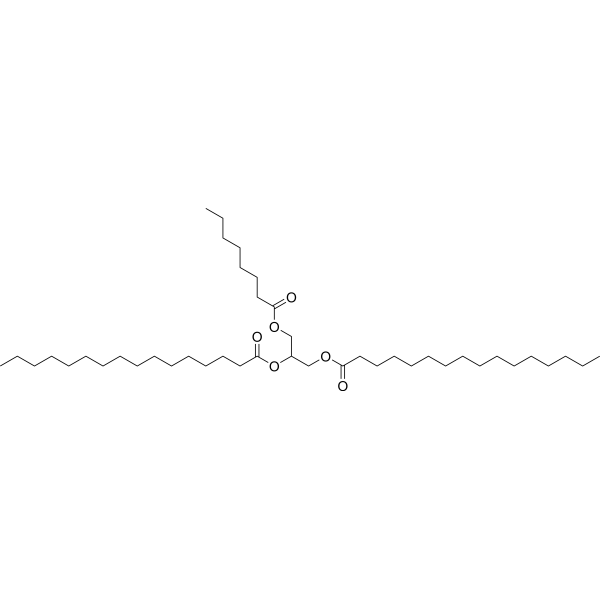
1,2-Dipalmitoyl-3-Octanoyl-rac-glycerol is a triacylglycerol containing palmitic acid (HY-N0830) at the sn-1 and sn-2 positions and octanoic acid (HY-41417) at the sn-3 position. Palmitic acid is a long-chain saturated fatty acid commonly found in both animals and plants. PA can induce the expression of glucose-regulated protein 78 (GRP78) and CCAAT/enhancer binding protein homologous protein (CHOP) in in mouse granulosa cells. Octanoic acid is an oily liquid with a slightly unpleasant rancid taste and used commercially in the production of esters used in perfumery and also in the manufacture of dyes. Octanoic acid is also a tremor-suppressing agent .
|
-
- HY-157741
-
|
|
Lipase
|
Others
|
|
1-Myristoyl-2-oleoyl-3-palmitoyl-rac-glycerol (MOP) is a triacylglycerol containing myristic acid (HY-N2041), oleic acid (HY-N1446) and palmitic acid (HY-N0830) at the sn-1, sn-2 and sn-3 positions, respectively .
|
-

- HY-W800791
-
|
|
Liposome
|
Cancer
|
|
16:0 Caproylamine PE is an amide-functionalized lipid with a phosphoethanolamine linked to two palmitic acid tails.
|
-

- HY-W800798
-
|
1,2-dipalmitoyl-sn-glycero-3-phosphoethanolamine-N-(cyanur)
|
Liposome
|
Cancer
|
|
16:0 Cyanur PE is a cyanur-functionalized lipid attached to a phosphoethanolamine linked to two palmitic acid groups.
|
-

- HY-W800786
-
|
N-MCC-PE
|
Liposome
|
Cancer
|
|
16:0 PE MCC is a maleimide-functionalized thiol-reactive lipid with a phosphoethanolamine linked to two palmitic acid tails and a maleimide group.
|
-

- HY-W800789
-
|
|
Liposome
|
Cancer
|
|
16:0 MPB PE is a maleimide-functionalized thiol-reactive lipid with a phosphoethanolamine linked to two palmitic acid tails and a phenyl maleimide group.
|
-

- HY-W740434
-
-

- HY-W800785
-
|
1-palMitoyl-2-(10,12-tricosadiynoyl)-sn-glycero-3-phosphocholine
|
Liposome
|
Cancer
|
|
16:0-23:2 Diyne PC is a phospholipase-mediated hydrolyzed phosphocoline with palmitic acid (16:0) and Pentacosa-10,12-diynoic acid for tails.
|
-

- HY-W800784
-
|
|
Liposome
|
Cancer
|
|
23:2 Diyne PE [DC(8,9)PE] is a phospholipase-mediated hydrolyzed phosphocoline with palmitic acid (16:0) and Pentacosa-10,12-diynoic acid for tails.
|
-
![23:2 Diyne PE [DC(8,9)PE]](//file.medchemexpress.com/product_pic/hy-w800784.gif)
- HY-P10379
-
|
|
Neuropeptide FF Receptor
|
Others
Neurological Disease
|
|
palm-PrRP31 is a potent dual receptor agonist for both GPR10 (EC50=72 pM) and NPFF-R2. palm-PrRP31 activates downstream signaling pathways through binding to its receptors, GPR10 and NPFF-R2, which results in reduced appetite and increased energy expenditure. Utilizing palm-PrRP31 facilitates the study of the mechanism of action in the nervous system, thereby elucidating the complex biological processes that regulate appetite and energy expenditure .
|
-

- HY-170641
-
-

- HY-B1454R
-
|
|
Reference Standards
Bacterial
Antibiotic
|
Infection
|
|
Clindamycin palmitate (hydrochloride) (Standard) is the analytical standard of Clindamycin palmitate (hydrochloride). This product is intended for research and analytical applications. Clindamycin palmitate hydrochloride is a hydrochloride salt of the ester of clindamycin and palmitic acid and it is an antibacterial agent. Clindamycin palmitate hydrochloride is inactive in vitro, rapid in vivo hydrolysis converts this compound to the antibacterially active clindamycin .
|
-

- HY-170631
-
|
|
Biochemical Assay Reagents
|
Metabolic Disease
|
|
1,2-Dielaidoyl-3-palmitoyl-rac-glycerol is a triacylglycerol that contains Elaidic acid (HY-113016) in the sn-1 and sn-2 positions and Palmitic acid (HY-N0830) in the sn-3 position.
|
-

- HY-139251
-
|
1-Myristin-2-palmitin-3-butyrin
|
Endogenous Metabolite
|
Others
|
|
1-Myristoyl-2-palmitoyl-3-butyryl-rac-glycerol is a triacylglycerol, which is composed of a myristic acid, a palmitic acid and a butyric acid. 1-Myristoyl-2-palmitoyl-3-butyryl-rac-glycerol is the component of human milk .
|
-

- HY-179548
-
|
|
Drug Derivative
|
Others
|
|
Photoclick palmitic acid is a derivative of the long-chain saturated fatty acid palmitic acid (HY-N0830). The photoclick-type long-chain saturated fatty acid has been used as a probe for studying protein lipidation .
|
-

- HY-173548
-
|
16:0-10-Pahsa-18:1-TG
|
Liposome
|
Metabolic Disease
|
|
1-Palmitoyl-2-10-pahsa-3-oleoyl-sn-glycerol (16:0-10-Pahsa-18:1-TG) is a triacylglycerol that contains Palmitic acid (HY-N08307), the fatty acid ester of hydroxy fatty acid (FAHFA) 10-PAHSA, and Oleic acid (HY-N1446) .
|
-

- HY-N15983
-
-

- HY-130498
-
|
|
Drug Metabolite
|
Others
|
|
DDOH is an effective metabolite of DTT. DDOH can combine with palmitic acid to form conjugates .
|
-

- HY-N18804
-
|
|
Others
|
Others
|
|
Avocado oil is mainly composed of glycerides of linoleic acid, oleic acid and palmitic acid, and can be used as an edible oil and cosmetic ingredient.
|
-

- HY-172341
-
|
|
Biochemical Assay Reagents
|
Others
|
|
N-Palmitoyl-DPPE (triethylammonium) is a N-acylphosphatidylethanolamine (NAPE) lipid. N-Palmitoyl-DPPE (triethylammonium) is a palmitic acid derivative of dipalmitoylphosphatidylethanolamine (DPPE) .
|
-

- HY-W725552
-
|
|
Biochemical Assay Reagents
|
Others
|
|
1-Palmitoyl-2-[12'-(palmitoyloxy)octadecanoyl]-sn-glycero-3-phosphoholine is a palmitic acid esters of hydroxystearic acid (PAHSA).
|
-

- HY-170626
-
-

- HY-W585948
-
-

- HY-W699369
-
-

- HY-170635
-
|
|
Biochemical Assay Reagents
|
Metabolic Disease
|
|
1-Palmitoyl-3-arachidoyl-rac-glycerol is a diacylglycerol that contains Palmitic acid (HY-N0830) at the sn-1 position and Arachidic acid (HY-W004260) at the sn-3 position
|
-

- HY-165006
-
-

- HY-170625
-
-

- HY-N18891
-
|
|
Others
|
Others
|
|
Phosphatidylcholine is a phospholipid found in the seeds of Heracleum lehmannianum and constitutes the most abundant phospholipid component in the plant's seed lipid complex .
|
-

- HY-175110
-
|
|
Drug Derivative
|
Others
|
|
1,3-Dipalmitoyl-2-arachidonoyl-sn-glycerol is a triacylglycerol containing Palmitic acid (HY-N0830) at the sn-1 and sn-3 positions and Arachidonic acid (HY-109590) at the sn-2 position.
|
-

- HY-126967AS
-
|
1-P-GPA-d9
|
Isotope-Labeled Compounds
|
Metabolic Disease
|
|
1-Palmitoyl-sn-glycerol 3-phosphate-d9 is the deuterium labeled 1-Palmitoyl-sn-glycerol 3-phosphate (1-Palmitoyl LPA). 1-Palmitoyl LPA is an analog of LPA that contains palmitic acid at the sn-1 position.
|
-

- HY-W702728
-
|
|
Biochemical Assay Reagents
|
Others
|
|
rac 1-Palmitoyl-2-chloropropanediol is a monoacylglycerol of palmitic acid at the sn-1 position and a chloride group at the sn-2 position. The hydroxyl group enables further derivatization or replacement with other reactive functional groups. The chlorine is a good leaving group and can undergo substitution reactions.
|
-

- HY-168796
-
|
|
Biochemical Assay Reagents
|
Metabolic Disease
|
|
1-Palmitoyl-2-13(S)-HpODE-sn-glycero-3-PC is a phospholipid that contains Palmitic acid (HY-N0830) and 13(S)-HpODE (HY-110406) at the sn-1 and sn-2 positions, respectively.
|
-

- HY-125940S
-
|
1,2-Dipalmitoyl-sn-glycero-3-phosphoglycerol-d62 sodium
|
Isotope-Labeled Compounds
|
Others
|
|
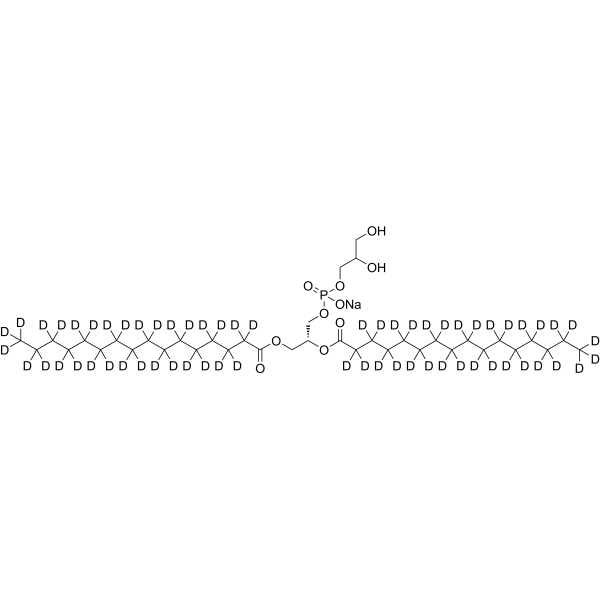
DPPG-d62 (sodium) is deuterium labeled DPPG. DPPG sodium (1,2-Dipalmitoyl-sn-glycero-3-PG sodium) is a phospholipid containing the long-chain(16:0) palmitic acid inserted at the sn-1 and sn-2 positions. DPPG sodium is used in the generation of micelles, l
|
-
- HY-P10380A
-
|
|
Neuropeptide FF Receptor
|
Neurological Disease
Metabolic Disease
|
|
palm11-PrRP31 TFA is a lipidized endogenous appetite inhibitory neuropeptide (PrRP) analogue. palm11-PrRP31 TFA is GPR10 (EC50=39 pM) and NPFF-R2 effective dual agonists. palm11-PrRP31 TFA is able to mimic the natural function of PrRP by binding to these receptors to reduce food intake. palm11-PrRP31 TFA can be used as a potential anti-obesity agent and for the study of neuropeptide-receptor interaction .
|
-

- HY-P10380
-
|
|
Neuropeptide FF Receptor
|
Neurological Disease
Metabolic Disease
|
|
palm11-PrRP31 is a lipidized endogenous appetite inhibitory neuropeptide (PrRP) analogue. palm11-PrRP31 is GPR10 (EC50=39 pM) and NPFF-R2 effective dual agonists. palm11-PrRP31 is able to mimic the natural function of PrRP by binding to these receptors to reduce food intake. palm11-PrRP31 can be used as a potential anti-obesity agent and for the study of neuropeptide-receptor interaction .
|
-

- HY-B1599
-
|
|
Bacterial
Antibiotic
|
Infection
|
|
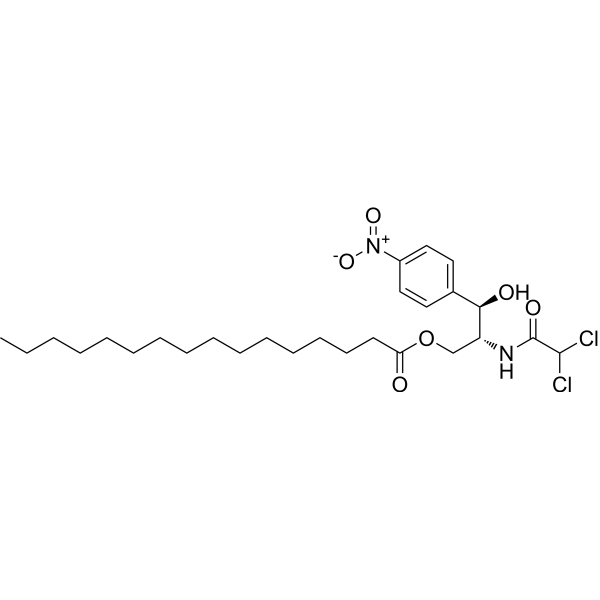
Chloramphenicol palmitate is an orally active prodrug of Chloramphenicol (HY-B0239), obtained from the esterification reaction between the agent and Palmitic acid (HY-N0830). Chloramphenicol palmitate is rapidly and completely hydrolyzed by intestinal esterase, releasing Chloramphenicol. Chloramphenicol is an orally effective broad-spectrum antibiotic .
|
-
- HY-W800734
-
|
MPPC; PC(14:0/16:0)
|
Liposome
|
Cancer
|
|
1-Myristoyl-2-palmitoyl-sn-glycero-3-phosphocholine (MPPC) is an asymmetrical phosphatidylcholine containing a myristic acid (14:0) at the sn-1 position and a palmitic acid (16:0) at the sn-2 position. It is commonly used in the generation of micelles, liposomes, and other types of artificial membranes.
|
-

- HY-134174
-
|
|
Liposome
|
Cancer
|
|
1-Palmitoyl-2-oleoyl-sn-glycero-3-phosphate is a phospholipid containing saturated palmitic acid (16:0) and monounsaturated oleic acid (18:1) inserted at the sn-1 and sn-2 positions, respectively. It can be used in the generation of micelles, liposomes, and other types of artificial membranes.
|
-

- HY-168639
-
|
|
Mitochondrial Metabolism
AMPK
|
Metabolic Disease
|
|
AP39 prodrug 1 (Compound M1) is a mitochondria-targeted H2S prodrug. AP39 prodrug 1 induces ROS-dependent mild mitochondrial uncoupling, activating mitochondria-associated AMPK to suppress Palmitic acid (PA) (HY-N0830)-induced lipid deposition in hepatocytes .
|
-

- HY-168386
-
|
|
Endogenous Metabolite
|
Others
|
|
1,2-Dipalmitoyl-3-Myristoyl-rac-glycerol is a triacylglycerol in which palmitic acid (HY-N0830) is located at the sn-1 and sn-2 positions, and myristic acid (HY-N2041) is at the sn-3 position. It can be found in bovine milk fat .
|
-

- HY-N7539
-
|
|
Others
|
Metabolic Disease
|
|
Cognac oil, mainly found in wine lees, has unique fatty acid profiles, including Palmitic acid (59.26%), Linoleic acid (11.92%), Myristic acid (8.97%), Oleic acid (8.3%) and other fatty acids. Cognac oil leads to a general increase in the permeation of R6G (Rhodamine 6G) across all the membranes .
|
-

- HY-158948
-
|
1-Palmitin-2-vaccenate-3-butyrin; 1-Palmitoyl-2-cis-vaccenoyl-3-butyroyl-rac-glycerol; TG(16:0/18:1(11Z)/4:0)
|
Biochemical Assay Reagents
|
Metabolic Disease
|
|
1-Palmitoyl-2-11(Z)-octadecenoyl-3-butyroyl-rac-glycerol (1-Palmitin-2-vaccenate-3-butyrin) is a triacylglycerol that contains Palmitic acid (HY-N0830), cis-Vaccenic acid (HY-113427A), and Butyric acid (HY-B0350).
|
-

- HY-158964
-
|
1-Palmitin-2-olein-3-linolenin; TG(16:0/18:1/18:3)
|
Biochemical Assay Reagents
|
Metabolic Disease
|
|
1-Palmitoyl-2-oleoyl-3-linolenoyl-rac-glycerol (1-Palmitin-2-olein-3-linolenin) is a triacylglycerol that contains Palmitic acid (HY-N0830), Oleic acid (HY-N1446), and α-Linolenic acid (HY-N0728).
|
-

- HY-113383
-
-

- HY-W770204
-
-

- HY-158949
-
|
1-Palmitolein-2-(11Z)-octadecenoin-3-olein; 1-Palmitoyl-2-cis-vaccenoyl-3-oleoyl-rac-glycerol; TG(16:0/18:1(11Z)/18:1(9Z))
|
Biochemical Assay Reagents
|
Metabolic Disease
|
|
1-Palmitoyl-2-11(Z)-octadecenoyl-3-oleoyl-rac-glycerol (1-Palmitolein-2-(11Z)-octadecenoin-3-olein) is a triacylglycerol that contains Palmitic acid (HY-N0830), cis-Vaccenic acid (HY-113427A), and Oleic acid (HY-N1446).
|
-

- HY-145507
-
|
1-Palmitoyl-2-hydroxy-sn-glycero-3-PG sodium; 16:0 Lyso PG; PG(16:0/0:0); 1-Hexadecanoyl-sn-glycero-3-phospho-(1'racglycerol) sodium
|
Liposome
|
Metabolic Disease
|
|
1-Palmitoyl-2-hydroxy-sn-glycero-3-phospho-(1'-rac-glycerol) (16:0 Lyso PE) sodium is a lysophospholipid containing palmitic acid (16:0) at the sn-1 position. It can be used in the generation of micelles, liposomes, and other types of artificial membranes, including lipid-based drug carrier systems.
|
-

- HY-158160
-
|
|
Sodium Channel
|
Metabolic Disease
|
|
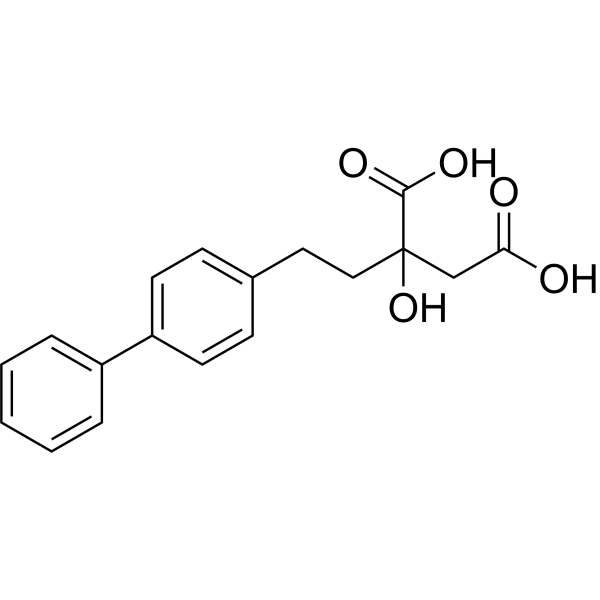
LBA-3 is a selective, orally active inhibitor for sodium-coupled citrate transporter SLC13A5, with an IC50 of 67 nM. LBA-3 decreases levels of triglyceride and total cholesterol in oleic and palmitic acid (OPA)-stimulated AML12 cells, PCN-stimulated primary mouse hepatocytes and in mouse models, without detectable toxicity. LBA-3 is blood-brain barrier permeable .
|
-
- HY-169794
-
|
|
DNA/RNA Synthesis
|
Others
|
|
N-Palmitoyl-phenylalanine is an N-acyl amide that contains the long-chain saturated fatty acid Palmitic acid (HY-N0830) conjugated via an amide bond to the essential amino acid L-Phenylalanine (HY-N0215). N-Palmitoyl-phenylalanine inhibits pre-mRNA splicing in HeLa cell nuclear lysates (IC50 > 400 μM) but has no splicing activity in intact HeLa cells .
|
-

- HY-115707
-
|
16:0/0:0/18:3-DG; DG(16:0/0:0/18:3); 1-Palmitin-3-Linolenin
|
Others
|
Others
|
|
1-Palmitoyl-3-Linolenoyl-rac-glycerol (16:0/0:0/18:3-DG) is a diacylglycerol containing palmitic acid (HY-N0830) and α-linolenic acid (HY-N0728) at the sn-1 and sn-3 positions, respectively. It has been found in the peel and pulp of unripe Dwarf Cavendish bananas.
|
-

- HY-W704597
-
|
1-Palmitin-2-Olein-3-Stearin; TG(16:0/18:1/18:0)
|
Endogenous Metabolite
|
Metabolic Disease
|
|
1-Palmitoyl-2-oleoyl-3-stearoyl-rac-glycerol is a triacylglycerol that contains palmitic acid (HY-N0830) at the sn-1 position, oleic acid (HY-N1446) at the sn-2 position, and stearic acid (HY-B2219) at the sn-3 position. It is one of the primary triacylglycerols found in cocoa butter.
|
-

- HY-173585
-
|
Cer(d18:1(14Z)/16:0)
|
Ceramidase
|
Cancer
|
|
C16 Ceramide (Cer) (d18:1(14Z)/16:0) is a sphingosine ceramide composed of long-chain sphingosine (d18:1) and palmitic acid (C16:0). It is one of the key lipid signaling molecules involved in apoptosis signaling. C16 ceramides are particularly involved in cell cycle arrest, cell death, and insulin signaling inhibition .
|
-

- HY-170623
-
|
|
Biochemical Assay Reagents
|
Metabolic Disease
|
|
1-Palmitoyl-2-stearoyl-3-butyryl-rac-glycerol is a triacylglycerol containing Palmitic acid (HY-N0830), Stearic acid (HY-B2219), and Butyric acid (HY-B0350) at the sn-1, sn-2, and sn-3 positions, respectively. It has been used to determine the stereospecificity and typoselectivity of lipases.1
|
-

- HY-168780
-
|
|
Endogenous Metabolite
|
Others
|
|
1-Palmitoyl-2-arachidoyl-3-oleoyl-rac-glycerol is a triacylglycerol. 1-Palmitoyl-2-arachidoyl-3-oleoyl-rac-glycerol contains Palmitic acid (HY-N0830), Arachidonic acid (HY-109590), and Oleic acid (HY-N1446) at sn-1, sn-2, and sn-3 locations, respectively .
|
-

- HY-W710399
-
|
DG(16:0/0:0/18:0); 1-Palmitin-3-Stearin
|
Endogenous Metabolite
|
Metabolic Disease
|
|
1-Palmitoyl-3-stearoyl-rac-glycerol is a diacylglycerol that contains palmitic acid (HY-N0830) at the sn-1 position and stearic acid (HY-B2219) at the sn-3 position. It has been found in palm-based diacylglycerols produced from palm stearin, palm mid fraction, palm oil, and palm olein, as well as in wheat bran and brewer’s spent grain extracts.
|
-

- HY-W710440
-
|
1,2-Stearin-3-palmitin; TG(18:0/18:0/16:0)
|
Endogenous Metabolite
|
Others
|
|
1,2-Distearoyl-3-palmitoyl-rac-glycerol is a triglyceride found in cocoa butter, lard, and cod liver oil. 1,2-Distearoyl-3-palmitoyl-rac-glycerol is formed by combining the glycerol skeleton with Stearic acid (HY-B2219) (sn-1 and sn-2 positions) and Palmitic acid (sn-3 positions) (HY-N0830) .
|
-

- HY-125940
-
|
1,2-Dipalmitoyl-sn-glycero-3-phosphoglycerol sodium
|
Liposome
|
Others
|
|
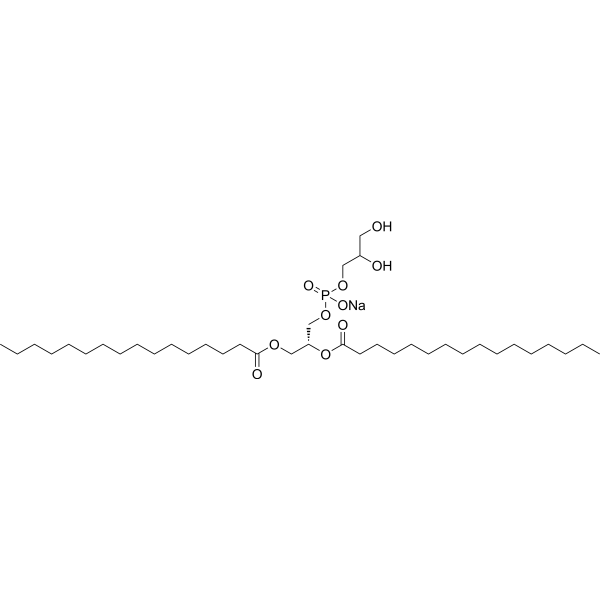
DPPG (1,2-Dipalmitoyl-sn-glycero-3-phosphoglycerol sodium) is a phospholipid that contains long-chain (16:0) palmitic acid inserted at the sn-1 and sn-2 positions, and it serves as an active component to prevent BaP molecules from entering the water subphase. DPPG is used to prepare micelles, liposomes, and other types of artificial membranes that can resist damage from UV radiation .
|
-
- HY-B1599R
-
|
|
Reference Standards
Bacterial
Antibiotic
|
Infection
|
|
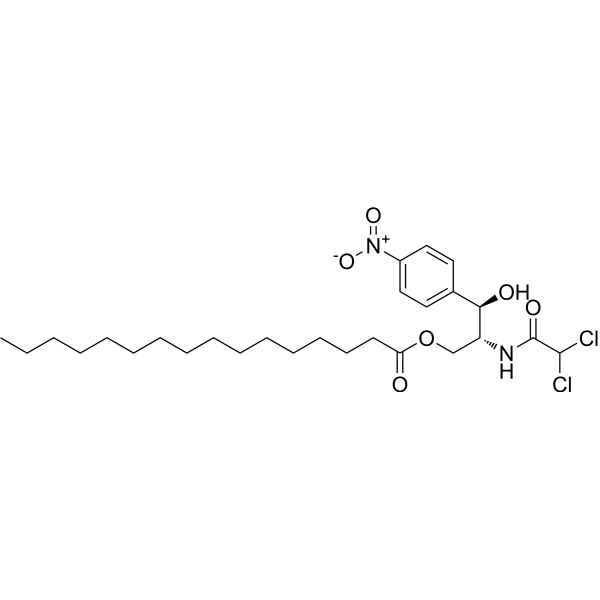
Chloramphenicol palmitate (Standard) is the analytical standard of Chloramphenicol palmitate (HY-B1599). This product is intended for research and analytical applications. Chloramphenicol palmitate is an orally active prodrug of Chloramphenicol (HY-B0239), obtained from the esterification reaction between the agent and Palmitic acid (HY-N0830). Chloramphenicol palmitate is rapidly and completely hydrolyzed by intestinal esterase, releasing Chloramphenicol. Chloramphenicol is an orally effective broad-spectrum antibiotic .
|
-
- HY-W699318
-
|
|
Reactive Oxygen Species (ROS)
|
Others
|
|
1-Oleoyl-2-palmitoylglycerol is a diacylglycerol in which an oleic acid and a palmitic acid are attached to sn-1 and sn-2 position. 1-Oleoyl-2-palmitoylglycerol enhances the inhibition of superoxide anion production induced by fMLF/cytochalasin B (CB) in human neutrophils. 1-Oleoyl-2-palmitoylglycerol can be used in research about lipid metabolism, membrane fluidity, or the distribution and function of lipids in cells .
|
-

- HY-W714524
-
|
16:0-18:1 PS (POPS)
|
Liposome
|
Others
|
|
2-Oleoyl-1-palmitoyl-sn-glycero-3-phospho-L-serine sodium (16:0-18:1 PS (POPS)) is an anionic phospholipid with oleic acid (18:1) and palmitic acid (16:0) tails containing a carboxylic acid (COOH) and amine (NH2) in their head group. 2-Oleoyl-1-palmitoyl-sn-glycero-3-phospho-L-serine sodium has been used in the preparation of lipid-mixing vesicles, liposomes, and artificial membranes .
|
-

- HY-W010667
-
|
1,3-Dipalmitoyl-2-oleoylglycerol; ?1,3-Palmitin-2-Olein; TG(16:0/18:1/16:0)
|
Endogenous Metabolite
|
Metabolic Disease
|
|
1,3-Dipalmitoyl-2-oleoyl glycerol (1,3-Palmitin-2-Olein; TG(16:0/18:1/16:0)) is a triacylglycerol that contains palmitic acid (HY-N0830) at the sn-1 and sn-3 positions and oleic acid (HY-N1446) at the sn-2 position. It has been found in cocoa butter, Chinese tallow butter, and the palm stearin fraction of palm oil.
|
-

- HY-168393
-
|
1,3-Palmitin-2-stearin
|
Endogenous Metabolite
|
Metabolic Disease
|
|
1,3-Dipalmitoyl-2-stearoyl glycerol (1,3-Palmitin-2-stearin) is a triacylglycerol in which palmitic acid (HY-N0830) is located at the sn-1 and sn-3 positions, and stearic acid (HY-B2219) is at the sn-2 position. The levels of 1,3-Dipalmitoyl-2-stearoyl glycerol are associated with energy depletion caused by reduced food intake in rats .
|
-

- HY-B0075
-
-
- HY-168394
-
|
1,2-Palmitin-3-stearin
|
Endogenous Metabolite
|
Others
|
|
1,2-Dipalmitoyl-3-stearoyl-rac-glycerol (1,2-Palmitin-3-stearin) is a triacylglycerol found in ostrich and emu oils as well as cow milk fat. The sn-1 and sn-2 positions of 1,2-Dipalmitoyl-3-stearoyl-rac-glycerol contain palmitic acid (HY-N0830), and the sn-3 position contains stearic acid (HY-B2219) .
|
-

- HY-141636
-
|
1-Palmitoyl-2-arachidonoyl-sn-glycero-3-phosphocholine; PAPC; PC(16:0/20:4)
|
Endogenous Metabolite
Biochemical Assay Reagents
|
Cardiovascular Disease
|
|
1-Palmitoyl-2-arachidonoyl-sn-glycero-3-PC (PAPC) is a phospholipid containing palmitic acid (16:0) and arachidonic acid (20:4) at the sn-1 and sn-2 positions, respectively, that is found in biological membranes. PAPC is oxidized in vivo, and its oxidation products are involved in chronic inflammation and vascular disease. PAPC has been used to study signaling of oxidized phospholipids. Levels of PAPC are decreased in isolated human multiple myeloma cells.
|
-

- HY-B0987
-
-
- HY-W714524A
-
|
16:0-18:1 PS (POPS) free acid
|
Liposome
|
Others
|
|
2-Oleoyl-1-palmitoyl-sn-glycero-3-phospho-L-serine (16:0-18:1 PS (POPS) free acid) is an anionic phospholipid with oleic acid (18:1) and palmitic acid (16:0) tails containing a carboxylic acid (COOH) and amine (NH2) in their head group. 2-Oleoyl-1-palmitoyl-sn-glycero-3-phospho-L-serine has been used in the preparation of lipid-mixing vesicles, liposomes, and artificial membranes .
|
-

- HY-B0075S1
-
-
- HY-162499
-
|
|
Phosphatase
|
Metabolic Disease
|
|
MY17 is an inhibitor of protein tyrosine phosphatase 1B (PTP1B) (IC50=0.41±0.05 μM). MY17 alleviates palmitic acid (PA) -induced insulin resistance by up-regulating the expression of phosphorylated insulin receptor substrate (IRS1) and protein kinase B (AKT). By binding with PTP1B, MY17 can inhibit the activity of PTP1B, thereby improving insulin signaling and having anti-diabetic activity. MY17 can be used in the study of type 2 diabetes .
|
-

- HY-113027R
-
|
|
Reference Standards
Endogenous Metabolite
|
Others
|
|
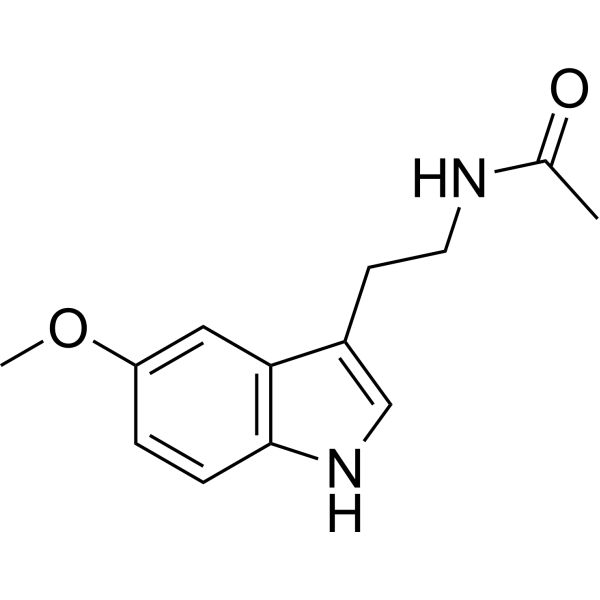
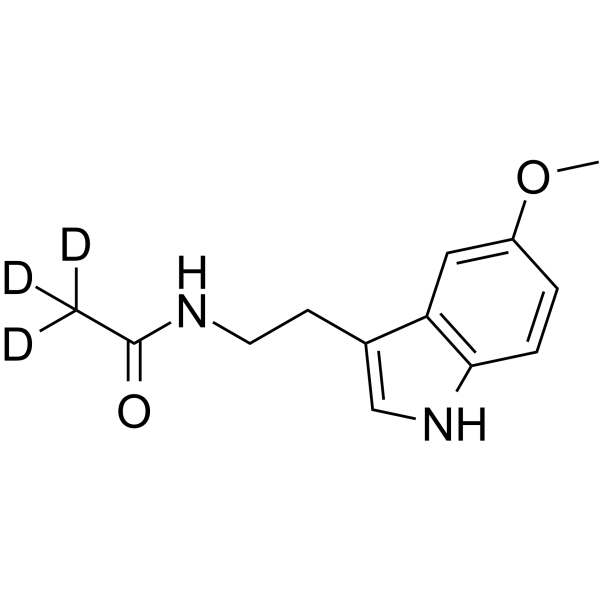
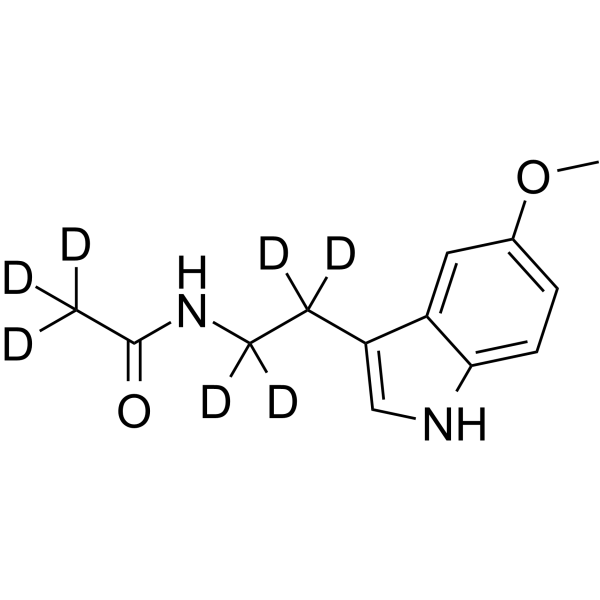
Melatonin (Standard) is the analytical standard of Melatonin. This product is intended for research and analytical applications. Melatonin is a hormone made by the pineal gland that can activates melatonin receptor. Melatonin plays a role in sleep and possesses important antioxidative and anti-inflammatory properties . Melatonin is a novel selective ATF-6 inhibitor and induces human hepatoma cell apoptosis through COX-2 downregulation . Melatonin attenuates palmitic acid-induced (HY-N0830) mouse granulosa cells apoptosis via endoplasmic reticulum stress .
|
-

- HY-D1736
-
|
|
Fluorescent Dye
|
Others
|
|
BODIPY FL-C16 is a BODIPY-labeled analog of Palmitic acid (HY-N0830), which serves as a fluorescent lipid tracer. BODIPY FL-C16 also acts as a ligand for liver fatty acid-binding protein (L-FABP) and intestinal fatty acid-binding protein (I-FABP) , with Kd values of 270 nM and 330 nM, respectively. BODIPY FL-C16 is rapidly taken up by cells, and after metabolic conversion to phospholipids, it is incorporated into the membrane structures of intracellular organelles and extracellular vesicles .
|
-

- HY-B0075R
-
|
N-Acetyl-5-methoxytryptamine (standard); Melatonin
|
Reference Standards
Melatonin Receptor
Autophagy
Mitophagy
Endogenous Metabolite
Apoptosis
|
Neurological Disease
Inflammation/Immunology
Cancer
|
|
Melatonin (Standard) is the analytical standard of Melatonin. This product is intended for research and analytical applications. Melatonin is a hormone made by the pineal gland that can activates melatonin receptor. Melatonin plays a role in sleep and possesses important antioxidative and anti-inflammatory properties . Melatonin is a novel selective ATF-6 inhibitor and induces human hepatoma cell apoptosis through COX-2 downregulation . Melatonin attenuates palmitic acid-induced (HY-N0830) mouse granulosa cells apoptosis via endoplasmic reticulum stress .
|
-

- HY-B0075S2
-
-
- HY-P10031A
-
|
|
GLP Receptor
GCGR
|
Metabolic Disease
|
|
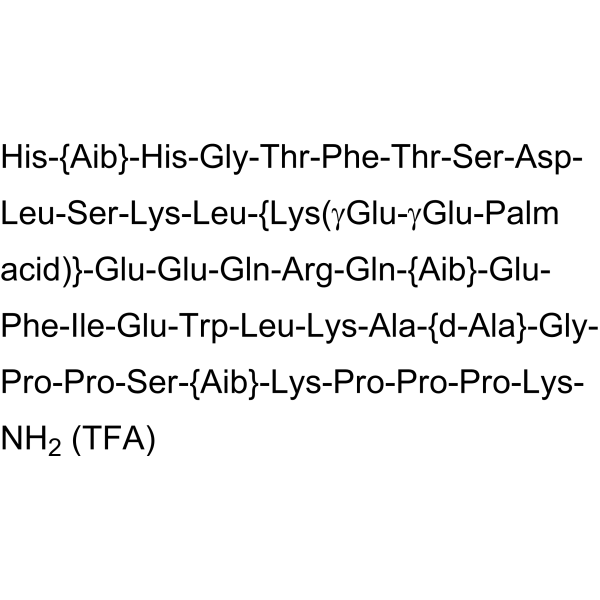
SAR441255 TFA is a potent unimolecular peptide GLP-1/GIP/GCG receptor triagonist. SAR441255 TFA displays high potency with balanced activation of all three target receptors.?SAR441255 TFA shows positive acute glucoregulatory effectss in diabetic obese monkeys .
|
-
- HY-P10031
-
|
|
GLP Receptor
GCGR
|
Metabolic Disease
|
|
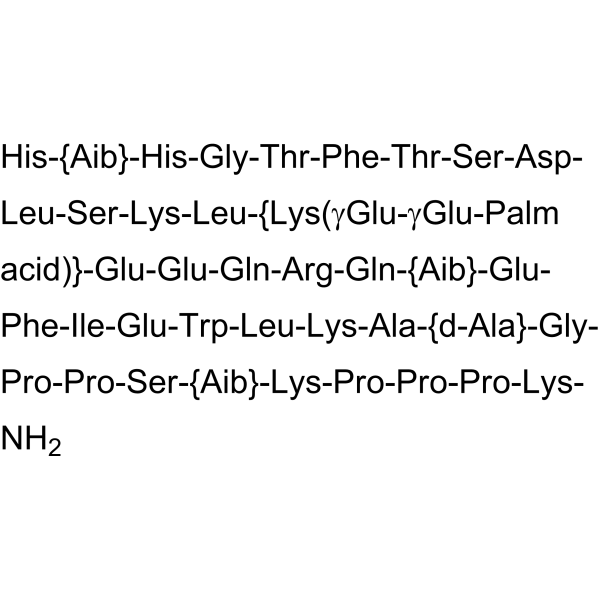
SAR441255 is a potent unimolecular peptide GLP-1/GIP/GCG receptor triagonist. SAR441255 displays high potency with balanced activation of all three target receptors.?SAR441255 shows positive acute glucoregulatory effectss in diabetic obese monkeys .
|
-
- HY-N0668
-
|
|
GLUT
Amylases
NF-κB
|
Metabolic Disease
Inflammation/Immunology
Cancer
|
|
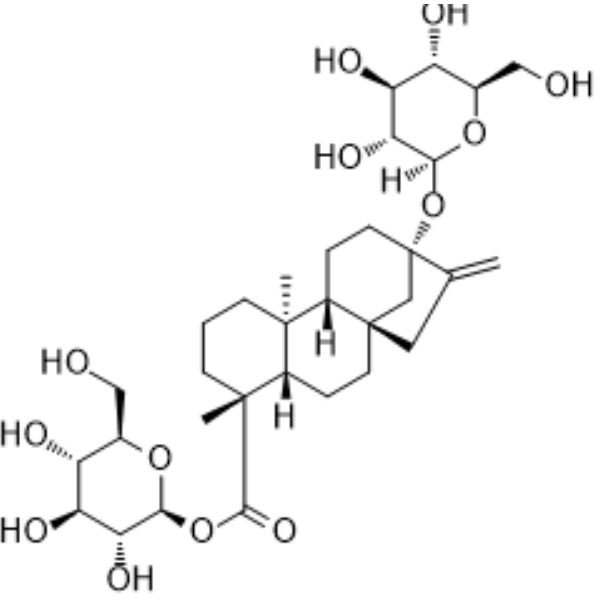
Rubusoside is a diterpene glycoside that is also a sweetener and solubilizer with anti-angiogenic, anti-cancer, anti-obesity, anti-allergic and anti-asthmatic effects. Rubusoside attenuates airway hyperresponsiveness and reduces inflammatory cells in bronchoalveolar lavage fluid (BALF), reducing OVA (HY-W250978)-induced airway inflammation. Rubusoside also prevents palmitic acid-induced lipotoxicity in pancreatic INS-1 cells, reduces the transport of human glucose transporters GLUT-1 and fructose GLUT-5, and inhibits NF-κB and α-amylase (α-amylase) .
|
-
- HY-DY1102
-
|
|
Fluorescent Dye
|
Others
|
BODIPY FL-C16 (solution) is a BODIPY-labeled analog of Palmitic acid (HY-N0830), which serves as a fluorescent lipid tracer. BODIPY FL-C16 (solution) also acts as a ligand for liver fatty acid-binding protein (L-FABP) and intestinal fatty acid-binding protein (I-FABP) , with Kd values of 270 nM and 330 nM, respectively. BODIPY FL-C16 (solution) is rapidly taken up by cells, and after metabolic conversion to phospholipids, it is incorporated into the membrane structures of intracellular organelles and extracellular vesicles .
Solvent and concentration: DMSO: 5 mM
|
-

- HY-W012974R
-
|
β-Aminoisobutyric acid (Standard); BAIBA (Standard)
|
Reference Standards
Endogenous Metabolite
AMPK
PPAR
|
Cardiovascular Disease
Metabolic Disease
|
|
3-Aminoisobutyric acid (Standard) is the analytical standard of 3-Aminoisobutyric acid. This product is used for research and analytical applications. 3-Aminoisobutyric acid (β-Aminoisobutyric acid) exhibits anti-inflammatory and antioxidant effects. It increases the expression of brown fat cell-specific genes in white adipose tissue and enhances fatty acid β-oxidation in hepatocytes. 3-Aminoisobutyric acid alleviates insulin resistance and inflammation induced by palmitic acid or a high-fat diet in mice via the AMPK–PPARδ-dependent pathway. 3-Aminoisobutyric acid is a catabolite of thymine and valine in skeletal muscle .
|
-

- HY-W010807
-
|
|
Environmental Pollutants
Biochemical Assay Reagents
|
Others
|
|
Hexadecyl palmitate is an organic compound commonly used in the cosmetic industry as an emollient, thickener and skin conditioning agent. Cetyl palmitate is derived from a mixture of cetyl alcohol (a fatty alcohol) and palmitic acid (a saturated fatty acid). It is often used in skin care products such as moisturizers, lotions, and creams to improve their texture and Helps them glide smoothly on the skin. In addition to its use in cosmetics, cetyl palmitate is used in other industries including pharmaceuticals, food additives and lubricants. Overall, it's considered safe for use in personal care products, but like any other ingredient, it may cause irritation or an allergic reaction in some people.
|
-

- HY-N0668R
-
|
|
GLUT
Amylases
NF-κB
Reference Standards
|
Metabolic Disease
Inflammation/Immunology
Cancer
|
|
Rubusoside (Standard) is the analytical standard of Rubusoside. This product is intended for research and analytical applications. Rubusoside is a diterpene glycoside that is also a sweetener and solubilizer with anti-angiogenic, anti-cancer, anti-obesity, anti-allergic and anti-asthmatic effects. Rubusoside attenuates airway hyperresponsiveness and reduces inflammatory cells in bronchoalveolar lavage fluid (BALF), reducing OVA (HY-W250978)-induced airway inflammation. Rubusoside also prevents palmitic acid-induced lipotoxicity in pancreatic INS-1 cells, reduces the transport of human glucose transporters GLUT-1 and fructose GLUT-5, and inhibits NF-κB and α-amylase (α-amylase) .
|
-

- HY-148009
-
|
16:0-18:1 Cardiolipin sodium
|
Biochemical Assay Reagents
|
Others
|
|
Cardiolipin (16:0/18:1/16:0/18:1) (16:0-18:1 Cardiolipin) sodium is a di-saturated mitochondrial-specific anionic phospholipid sodium salt containing the long-chain fatty acid palmitic acid (HY-N0830) and the monounsaturated fatty acid oleic acid (HY-N1446). Cardiolipin (16:0/18:1/16:0/18:1) sodium undergoes in-source fragmentation via diglyceride (DG)-H2O fragment formation and (DG-H2O) fragment loss pathways. Cardiolipin (16:0/18:1/16:0/18:1) sodium can be used in the synthesis of lipid nanodiscs for application in in situ mass spectrometry .
|
-

- HY-W010807R
-
|
|
Biochemical Assay Reagents
Reference Standards
|
Others
|
|
Hexadecyl palmitate (Standard) is the analytical standard of Hexadecyl palmitate. This product is intended for research and analytical applications. Hexadecyl palmitate is an organic compound commonly used in the cosmetic industry as an emollient, thickener and skin conditioning agent. Cetyl palmitate is derived from a mixture of cetyl alcohol (a fatty alcohol) and palmitic acid (a saturated fatty acid). It is often used in skin care products such as moisturizers, lotions, and creams to improve their texture and Helps them glide smoothly on the skin. In addition to its use in cosmetics, cetyl palmitate is used in other industries including pharmaceuticals, food additives and lubricants. Overall, it's considered safe for use in personal care products, but like any other ingredient, it may cause irritation or an allergic reaction in some people.
|
-

- HY-168371
-
|
|
Scavenger Receptor Class B type I (SR-BI)
|
Metabolic Disease
|
|
1-Palmitoyl-2-13(S)-HODE-sn-glycero-3-PC (13-HODE-PC) is an oxidized phospholipid that contains Palmitic acid (HY-N0830) and 13(S)-HODE (HY-113884B) at the sn-1 and sn-2 positions, respectively. 1-Palmitoyl-2-13(S)-HODE-sn-glycero-3-PC has the ability to compete for the binding of 125I-NO2-LDL (5 g/mL) to CD36-transfected 293 cells, with the IC50 of > 200 μM .
|
-

- HY-108750
-
|
VT 18 (oil); Vegetoil; Wesson
|
Environmental Pollutants
|
Cardiovascular Disease
|
|
Soybean oil (VT 18 (oil); Vegetoil; Wesson) is an edible vegetable oil. Soybean oil reduces circulating blood cholesterol levels when it replaces dietary saturated fats. Soybean oil does not affect inflammatory biomarkers or increase oxidative stress. Soybean oil contains γ-tocopherol and δ-tocopherol, which possess antioxidant properties. Soybean oil can be used in research related to coronary heart disease .
|
-

- HY-141636S
-
|
1-Palmitoyl-2-arachidonoyl-sn-glycero-3-phosphocholine-d9-1; PAPC-d9-1; PC(16:0/20:4)-d9-1
|
Isotope-Labeled Compounds
Endogenous Metabolite
|
Cardiovascular Disease
|
|
1-PalMitoyl-2-arachidoyllecithin-d9-1 (1-Palmitoyl-2-arachidonoyl-sn-glycero-3-phosphocholine-d9-1) is deuterium labeled 1-PalMitoyl-2-arachidoyllecithin. 1-Palmitoyl-2-arachidonoyl-sn-glycero-3-PC (PAPC) is a phospholipid containing palmitic acid (16:0) and arachidonic acid (20:4) at the sn-1 and sn-2 positions, respectively, that is found in biological membranes. PAPC is oxidized in vivo, and its oxidation products are involved in chronic inflammation and vascular disease. PAPC has been used to study signaling of oxidized phospholipids. Levels of PAPC are decreased in isolated human multiple myeloma cells .
|
-

- HY-N16465
-
|
|
Apoptosis
Reactive Oxygen Species (ROS)
STAT
|
Inflammation/Immunology
|
|
Cinnamtannin D1 is an orally active polyphenolic compound with immunosuppressive activity. Cinnamtannin D1 regulates the balance of Th17/Treg cells by inhibiting AHR expression. Cinnamtannin D1 reduces apoptosis and ROS in INS-1 cells and primary cultured murine islets induced by Palmitic acid (PA) (HY-N0830). Cinnamtannin D1 reduces Th17 cell differentiation via downregulating p-STAT3/RORγt and promotes Treg cell differentiation via upregulating p-STAT5/Foxp3. Cinnamtannin D1 exerts excellent anti-arthritic efficacy in collagen-induced arthritis (CIA) model of mice. Cinnamtannin D1 can be used for the study of rheumatoid arthritis (RA) .
|
-

- HY-145507S
-
|
1-Palmitoyl-2-hydroxy-sn-glycero-3-PG-d31 ammonium; 16:0 Lyso PG-d31 ammonium; PG(16:0/0:0)-d31 ammonium; 1-Hexadecanoyl-sn-glycero-3-phospho-(1'racglycerol)-d31 ammonium
|
Isotope-Labeled Compounds
|
Metabolic Disease
|
|
1-Palmitoyl-2-hydroxy-sn-glycero-3-phospho-(1'-rac-glycerol)-d31 ammonium (1-Palmitoyl-2-hydroxy-sn-glycero-3-PG-d31 ammonium) is the deuterium labeled 1-Palmitoyl-2-hydroxy-sn-glycero-3-phospho-(1'-rac-glycerol) ammonium (HY-145507). 1-Palmitoyl-2-hydroxy-sn-glycero-3-phospho-(1'-rac-glycerol) (16:0 Lyso PE) sodium is a lysophospholipid containing palmitic acid (16:0) at the sn-1 position. It can be used in the generation of micelles, liposomes, and other types of artificial membranes, including lipid-based drug carrier systems.
|
-

- HY-W399297
-
|
7α,12α-Dihydroxycholanoic acid
|
Endogenous Metabolite
|
Metabolic Disease
|
|
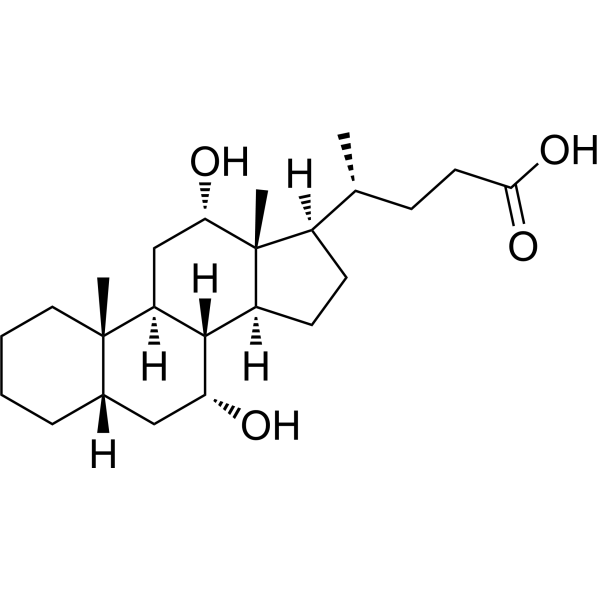
Isodeoxycholic acid (7α,12α-Dihydroxycholanoic acid) is a 3β-hydroxylated secondary bile acid. Isodeoxycholic acid is produced by epimerization of deoxycholic acid by intestinal bacteria. Isodeoxycholic acid is detectable in feces, mainly existing as saponifiable conjugates with long-chain fatty acids. Isodeoxycholic acid participates in the regulation of intestinal physiology .
|
-
- HY-N2392
-
|
|
Parasite
Lipoxygenase
Opioid Receptor
Apoptosis
Autophagy
Reactive Oxygen Species (ROS)
Interleukin Related
TNF Receptor
PGE synthase
COX
|
Infection
Neurological Disease
Metabolic Disease
Inflammation/Immunology
Cancer
|
|
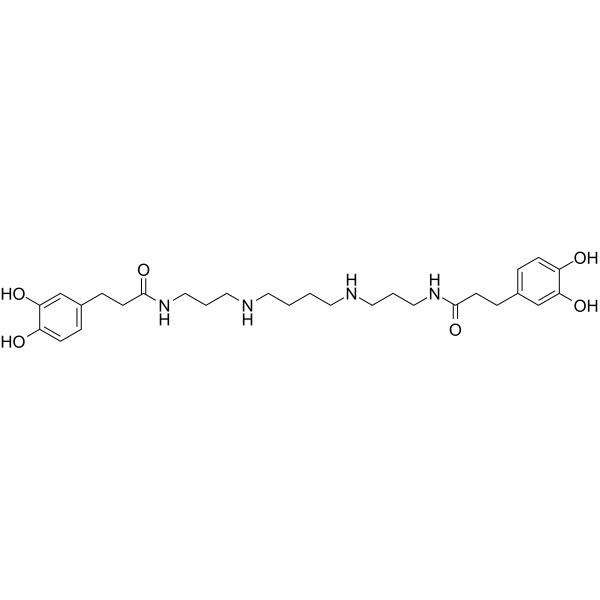
Kukoamine A, a spermine alkaloid, is an orally active and brain-penetrant component found in the root barks of Lycium chinense (L. chinense) Miller. Kukoamine A inhibits purified Crithidia fasciculata trypanothione reductase and soybean lipoxygenase, activates μ-opioid receptor. Kukoamine A can inhibt cancer cell proliferation, migration and invasion, cause G0/G1 phase cell cycle arrest and induce apoptosis. Kukoamine A exerts neuroprotective effect and can induce autophagy . Kukoamine A inhibits LPS (HY-D1056)-induced NO, ROS, PGE2, TNF-α, IL-1β, IL-6 production and COX-2 activity. Kukoamine A reverses palmitic acid-induced insulin resistance, lipid accumulation, and oxidative stress via downregulation of Srebp-1c. Kukoamine A can be used for the research of cancer, infection, inflammation, metabolic and neurological disease, such as glioblastoma and Parkinson's disease .
|
-
- HY-W010736A
-
|
|
Biochemical Assay Reagents
|
Others
|
|
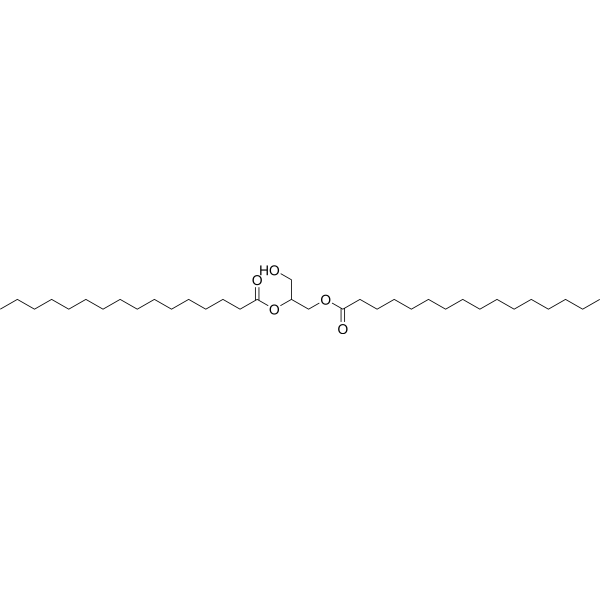
1,2-Dipalmitoyl-rac-glycerol is a diacylglycerol containing palmitic acid at the sn-1 and sn-2 positions (Cat. No. 10006627). It is found in a variety of vegetable oils, including palm, soybean, canola, and corn. 1 \n 1,2-Dipalmitoyl-rac-glycerol MaxSpec Standard is a quantitative grade standard of 1,2-dipalmitoyl-rac-glycerol prepared for mass spectrometry and related applications requiring quantitative reproducibility . The solution has been prepared gravimetrically and contained in argon-sealed deactivated glass ampoules. Concentrations were verified by comparison to independently prepared calibration standards. This 1,2-dipalmitoyl-rac-glycerol MaxSpec Standard is guaranteed to meet specifications for identity, purity, stability, and concentration and is supplied with a batch-specific Certificate of Analysis. Ongoing stability testing is performed to ensure concentrations remain accurate throughout the shelf life of the product. Note: Add more solution to the vial than listed. Therefore, accurate volume measurements are necessary to prepare calibration standards. Follow recommended storage and handling conditions to maintain product quality.
|
-
| Cat. No. |
Product Name |
Type |
-
- HY-D1736
-
|
|
Fluorescent Dyes
|
|
BODIPY FL-C16 is a BODIPY-labeled analog of Palmitic acid (HY-N0830), which serves as a fluorescent lipid tracer. BODIPY FL-C16 also acts as a ligand for liver fatty acid-binding protein (L-FABP) and intestinal fatty acid-binding protein (I-FABP) , with Kd values of 270 nM and 330 nM, respectively. BODIPY FL-C16 is rapidly taken up by cells, and after metabolic conversion to phospholipids, it is incorporated into the membrane structures of intracellular organelles and extracellular vesicles .
|
-
- HY-DY1102
-
|
|
Fluorescent Dyes
|
BODIPY FL-C16 (solution) is a BODIPY-labeled analog of Palmitic acid (HY-N0830), which serves as a fluorescent lipid tracer. BODIPY FL-C16 (solution) also acts as a ligand for liver fatty acid-binding protein (L-FABP) and intestinal fatty acid-binding protein (I-FABP) , with Kd values of 270 nM and 330 nM, respectively. BODIPY FL-C16 (solution) is rapidly taken up by cells, and after metabolic conversion to phospholipids, it is incorporated into the membrane structures of intracellular organelles and extracellular vesicles .
Solvent and concentration: DMSO: 5 mM
|
| Cat. No. |
Product Name |
Type |
-
- HY-N0830B
-
|
|
Biochemical Assay Reagents
|
|
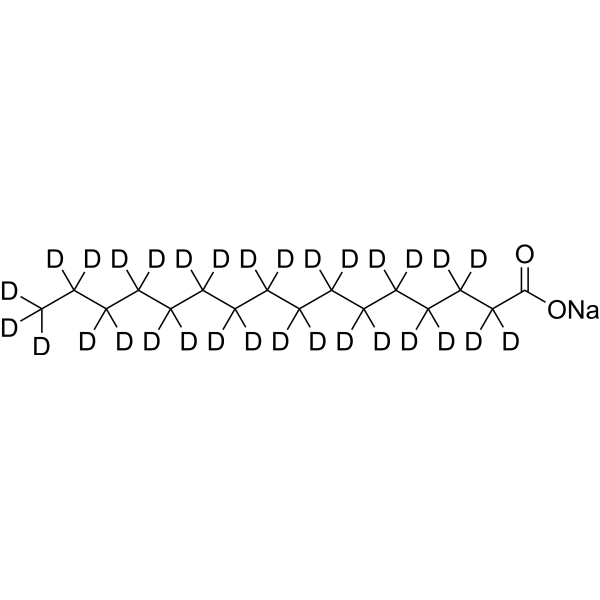
Palmitic acid sodium is a long-chain saturated fatty acid commonly found in both animals and plants. Palmitic acid sodium can induce the expression of glucose-regulated protein 78 (GRP78) and CCAAT/enhancer binding protein homologous protein (CHOP) in in mouse granulosa cells. Palmitic acid sodium is used to establish a cell steatosis model .
|
-
- HY-125940
-
|
1,2-Dipalmitoyl-sn-glycero-3-phosphoglycerol sodium
|
Biochemical Assay Reagents
|
|
DPPG (1,2-Dipalmitoyl-sn-glycero-3-phosphoglycerol sodium) is a phospholipid that contains long-chain (16:0) palmitic acid inserted at the sn-1 and sn-2 positions, and it serves as an active component to prevent BaP molecules from entering the water subphase. DPPG is used to prepare micelles, liposomes, and other types of artificial membranes that can resist damage from UV radiation .
|
-
- HY-108750
-
|
VT 18 (oil); Vegetoil; Wesson
|
Biochemical Assay Reagents
|
|
Soybean oil (VT 18 (oil); Vegetoil; Wesson) is an edible vegetable oil. Soybean oil reduces circulating blood cholesterol levels when it replaces dietary saturated fats. Soybean oil does not affect inflammatory biomarkers or increase oxidative stress. Soybean oil contains γ-tocopherol and δ-tocopherol, which possess antioxidant properties. Soybean oil can be used in research related to coronary heart disease .
|
-
- HY-W010807
-
|
|
Biochemical Assay Reagents
|
|
Hexadecyl palmitate is an organic compound commonly used in the cosmetic industry as an emollient, thickener and skin conditioning agent. Cetyl palmitate is derived from a mixture of cetyl alcohol (a fatty alcohol) and palmitic acid (a saturated fatty acid). It is often used in skin care products such as moisturizers, lotions, and creams to improve their texture and Helps them glide smoothly on the skin. In addition to its use in cosmetics, cetyl palmitate is used in other industries including pharmaceuticals, food additives and lubricants. Overall, it's considered safe for use in personal care products, but like any other ingredient, it may cause irritation or an allergic reaction in some people.
|
-
- HY-W093183
-
|
palmitic acid anhydride
|
Biochemical Assay Reagents
|
|
Palmitic anhydride, a saturated fatty acid found in many natural sources such as animal fats and vegetable oils, is commonly used as a reagent in organic synthesis to introduce palmitoyl(hexadecanoyl) functional groups into other organic molecules, moreover, Palmitic anhydride has been Used in the production of surfactants, lubricants and plasticizers, as well as in the preparation of cosmetics and pharmaceuticals.
|
-
- HY-W127430
-
|
palmitic acid octadecyl ester
|
Biochemical Assay Reagents
|
|
Stearyl palmitate is a biochemical reagent that can be used as a biological material or organic compound for life science related research.
|
-
- HY-W879031
-
|
|
Biochemical Assay Reagents
|
|
Endo-BCN-PEG4-Palmitic is a PEG derivative containing an endo-BCN cycloalkyne structure, a tetraethylene glycol (PEG4) linker, and a Palmitic acid (HY-N0830) fatty acid group. Endo-BCN-PEG4-Palmitic can be used for drug delivery, surface modification, and click chemistry reactions .
|
-
- HY-W740434
-
-
- HY-W010807R
-
|
|
Biochemical Assay Reagents
|
|
Hexadecyl palmitate (Standard) is the analytical standard of Hexadecyl palmitate. This product is intended for research and analytical applications. Hexadecyl palmitate is an organic compound commonly used in the cosmetic industry as an emollient, thickener and skin conditioning agent. Cetyl palmitate is derived from a mixture of cetyl alcohol (a fatty alcohol) and palmitic acid (a saturated fatty acid). It is often used in skin care products such as moisturizers, lotions, and creams to improve their texture and Helps them glide smoothly on the skin. In addition to its use in cosmetics, cetyl palmitate is used in other industries including pharmaceuticals, food additives and lubricants. Overall, it's considered safe for use in personal care products, but like any other ingredient, it may cause irritation or an allergic reaction in some people.
|
-
- HY-W010736A
-
|
|
Biochemical Assay Reagents
|
|
1,2-Dipalmitoyl-rac-glycerol is a diacylglycerol containing palmitic acid at the sn-1 and sn-2 positions (Cat. No. 10006627). It is found in a variety of vegetable oils, including palm, soybean, canola, and corn. 1 \n 1,2-Dipalmitoyl-rac-glycerol MaxSpec Standard is a quantitative grade standard of 1,2-dipalmitoyl-rac-glycerol prepared for mass spectrometry and related applications requiring quantitative reproducibility . The solution has been prepared gravimetrically and contained in argon-sealed deactivated glass ampoules. Concentrations were verified by comparison to independently prepared calibration standards. This 1,2-dipalmitoyl-rac-glycerol MaxSpec Standard is guaranteed to meet specifications for identity, purity, stability, and concentration and is supplied with a batch-specific Certificate of Analysis. Ongoing stability testing is performed to ensure concentrations remain accurate throughout the shelf life of the product. Note: Add more solution to the vial than listed. Therefore, accurate volume measurements are necessary to prepare calibration standards. Follow recommended storage and handling conditions to maintain product quality.
|
-
- HY-W585948
-
|
|
Biochemical Assay Reagents
|
|
1-Palmitoyl-2-oleoyl-rac-glycerol is a diacylglycerol containing Palmitic acid (HY-N0830) and Oleic acid (HY-N1446).
|
-
- HY-W699369
-
|
|
Biochemical Assay Reagents
|
|
1-Palmitoyl-3-O-benzyl-rac-glycerol is a diacylglycerol that contains Palmitic acid (HY-N0830) and Oleic acid (HY-N1446).
|
| Cat. No. |
Product Name |
Target |
Research Area |
-
- HY-P0064
-
|
Palmitoyl Tetrapeptide-7
|
Interleukin Related
|
Inflammation/Immunology
|
|
Palmitoyl Tetrapeptide-3 (Palmitoyl Tetrapeptide-7) is a synthetic peptide corresponding to amino acids 341-344 of the human immunoglobulin heavy chain, with the ability to stimulate phagocytosis. Palmitoyl tetrapeptide-3 reduces interleukin-6 (IL-6) secretion in keratinocytes and inhibits the UVB radiation-exposure inflammatory response of skin. Palmitoyl tetrapeptide-3 It also has anti-inflammatory and anti-aging effects, reducing skin wrinkles by promoting the production of elastic fibers in the papillary dermis .
|
-
- HY-P10932A
-
|
|
Fluorescent Dye
|
Neurological Disease
|
|
pGk13a TFA is an azide (azide group can be combined with fluorophore)-containing amphiphilic membrane labeling probe. pGk13a TFA enables high-resolution imaging of cell membranes in the ultrastructural membrane expansion microscopy (umExM) technique, facilitating the observation of membrane-associated structures and proteins. pGk13a TFA can be used for neuronal structural studies .
|
-
- HY-P10031
-
|
|
GLP Receptor
GCGR
|
Metabolic Disease
|
|
SAR441255 is a potent unimolecular peptide GLP-1/GIP/GCG receptor triagonist. SAR441255 displays high potency with balanced activation of all three target receptors.?SAR441255 shows positive acute glucoregulatory effectss in diabetic obese monkeys .
|
-
- HY-169089
-
|
|
Drug Derivative
|
Cancer
|
|
RP-182-PEG3-K palmitic acid-NH2 (Compound 1a) is a fatty acid derivative of the immunomodulatory peptide RP-182. RP-182-PEG3-K palmitic acid-NH2 inhibits CD206 high M2-like macrophage (IC50 of 3.2 μM) and induces phagocytosis. RP-182-PEG3-K palmitic acid-NH2 exhibits antitumor efficacy in mouse B16 melanoma allografts .
|
-
- HY-P10932
-
|
|
Fluorescent Dye
|
Neurological Disease
|
|
pGk13a is an amphipathic membrane-labeling probe containing an azide group, which can bind to fluorophores. pGk13a enables high-resolution imaging of cell membranes in the ultrastructure expansion microscopy (umExM) technique, facilitating the observation of membrane-associated structures and proteins. pGk13a is applicable to neuronal structure research .
|
-
- HY-P10441A
-
|
|
Peptides
|
Inflammation/Immunology
|
|
S-palm P0(180–199) (TFA) is a peptide that enhances MHC II-restricted responses. S-palm P0(180–199) (TFA) can be used to establish models of chronic inflammatory demyelinating polyneuropathy (CIDP) and chronic experimental autoimmune neuritis (c-EAN). S-palm P0(180–199) (TFA) is used for studying autoimmune-mediated neuroinflammatory diseases .
|
-
- HY-P10380
-
|
|
Neuropeptide FF Receptor
|
Neurological Disease
Metabolic Disease
|
|
palm11-PrRP31 is a lipidized endogenous appetite inhibitory neuropeptide (PrRP) analogue. palm11-PrRP31 is GPR10 (EC50=39 pM) and NPFF-R2 effective dual agonists. palm11-PrRP31 is able to mimic the natural function of PrRP by binding to these receptors to reduce food intake. palm11-PrRP31 can be used as a potential anti-obesity agent and for the study of neuropeptide-receptor interaction .
|
-
- HY-169089A
-
|
|
Drug Derivative
|
Cancer
|
|
RP-182-PEG3-K(palmitic acid)-NH2 (Compound 1a) TFA is a fatty acid derivative of the immunomodulatory peptide RP-182. RP-182-PEG3-K(palmitic acid)-NH2 TFA inhibits CD206 high M2-like macrophage (IC50 of 3.2 μM) and induces phagocytosis. RP-182-PEG3-K(palmitic acid)-NH2 TFA exhibits antitumor efficacy in mouse B16 melanoma allografts .
|
-
- HY-P10031A
-
|
|
GLP Receptor
GCGR
|
Metabolic Disease
|
|
SAR441255 TFA is a potent unimolecular peptide GLP-1/GIP/GCG receptor triagonist. SAR441255 TFA displays high potency with balanced activation of all three target receptors.?SAR441255 TFA shows positive acute glucoregulatory effectss in diabetic obese monkeys .
|
-
- HY-P10380A
-
|
|
Neuropeptide FF Receptor
|
Neurological Disease
Metabolic Disease
|
|
palm11-PrRP31 TFA is a lipidized endogenous appetite inhibitory neuropeptide (PrRP) analogue. palm11-PrRP31 TFA is GPR10 (EC50=39 pM) and NPFF-R2 effective dual agonists. palm11-PrRP31 TFA is able to mimic the natural function of PrRP by binding to these receptors to reduce food intake. palm11-PrRP31 TFA can be used as a potential anti-obesity agent and for the study of neuropeptide-receptor interaction .
|
-
- HY-P5270
-
|
|
Peptides
|
Metabolic Disease
|
|
Hexapeptide-12isa bioactive peptide with anti-aging effect and has been reported used as a cosmetic ingredient .
|
-
- HY-P10441
-
|
|
Peptides
|
Inflammation/Immunology
|
|
S-palm P0(180-199) is a polypeptide that increases MHC Class II limiting reactions. S-palm P0(180-199) can be used to establish a model of chronic inflammatory demyelinating multiple radiculopathy (CIDP) .
|
-
- HY-P10379
-
|
|
Neuropeptide FF Receptor
|
Others
Neurological Disease
|
|
palm-PrRP31 is a potent dual receptor agonist for both GPR10 (EC50=72 pM) and NPFF-R2. palm-PrRP31 activates downstream signaling pathways through binding to its receptors, GPR10 and NPFF-R2, which results in reduced appetite and increased energy expenditure. Utilizing palm-PrRP31 facilitates the study of the mechanism of action in the nervous system, thereby elucidating the complex biological processes that regulate appetite and energy expenditure .
|
-
- HY-P10381
-
|
|
Peptides
|
Others
|
|
palm11-TTDS-PrRP31 is a strong agonist of GPR10 (EC50: 84 pM). palm11-TTDS-PrRP31 has long-lasting anorexigenic effects .
|
| Cat. No. |
Product Name |
Category |
Target |
Chemical Structure |
-
- HY-N0830
-
-
-
- HY-B0075
-
-
-
- HY-N0668
-
-
-
- HY-B0987
-
-
-
- HY-N2392
-
|
|
Cardiovascular Disease
Alkaloids
Structural Classification
other families
Classification of Application Fields
Other Alkaloids
Phenols
Polyphenols
Plants
Disease Research Fields
Source Classification
|
Parasite
Lipoxygenase
Opioid Receptor
Apoptosis
Autophagy
Reactive Oxygen Species (ROS)
Interleukin Related
TNF Receptor
PGE synthase
COX
|
|
Kukoamine A, a spermine alkaloid, is an orally active and brain-penetrant component found in the root barks of Lycium chinense (L. chinense) Miller. Kukoamine A inhibits purified Crithidia fasciculata trypanothione reductase and soybean lipoxygenase, activates μ-opioid receptor. Kukoamine A can inhibt cancer cell proliferation, migration and invasion, cause G0/G1 phase cell cycle arrest and induce apoptosis. Kukoamine A exerts neuroprotective effect and can induce autophagy . Kukoamine A inhibits LPS (HY-D1056)-induced NO, ROS, PGE2, TNF-α, IL-1β, IL-6 production and COX-2 activity. Kukoamine A reverses palmitic acid-induced insulin resistance, lipid accumulation, and oxidative stress via downregulation of Srebp-1c. Kukoamine A can be used for the research of cancer, infection, inflammation, metabolic and neurological disease, such as glioblastoma and Parkinson's disease .
|
-
-
- HY-N0830R
-
-
-
- HY-B0075R
-
-
-
- HY-W399297
-
-
-
- HY-113383
-
-
-
- HY-B0987R
-
-
-
- HY-N15884
-
|
|
Lipid
|
Fluorescent Dye
|
|
NBD Palmitic Acid is a fluorescent lipid containing Palmitic acid (HY-N0830) .
|
-
-
- HY-N15888
-
|
|
Lipid
|
Fluorescent Dye
|
|
Palmitic acid-lissamine rhodamine is a lissamine rhodamine-labeled Palmitic acid (HY-N0830).
|
-
-
- HY-N7813
-
-
-
- HY-N9444
-
-
-
- HY-N7399
-
-
-
- HY-N0668R
-
|
|
Structural Classification
other families
Terpenoids
Diterpenoids
Plants
Source Classification
|
GLUT
Amylases
NF-κB
Reference Standards
|
|
Rubusoside (Standard) is the analytical standard of Rubusoside. This product is intended for research and analytical applications. Rubusoside is a diterpene glycoside that is also a sweetener and solubilizer with anti-angiogenic, anti-cancer, anti-obesity, anti-allergic and anti-asthmatic effects. Rubusoside attenuates airway hyperresponsiveness and reduces inflammatory cells in bronchoalveolar lavage fluid (BALF), reducing OVA (HY-W250978)-induced airway inflammation. Rubusoside also prevents palmitic acid-induced lipotoxicity in pancreatic INS-1 cells, reduces the transport of human glucose transporters GLUT-1 and fructose GLUT-5, and inhibits NF-κB and α-amylase (α-amylase) .
|
-
-
- HY-N0830A
-
-
-
- HY-157735
-
-
-
- HY-157732
-
-
-
- HY-149550
-
-
-
- HY-N8359
-
-
-
- HY-N7539
-
-
-
- HY-113027R
-
-
-
- HY-N16465
-
|
|
Phenols
Polyphenols
Plants
Lauraceae
Lindera glauca (Siebold & Zucc.) Blume
Source Classification
|
Apoptosis
Reactive Oxygen Species (ROS)
STAT
|
|
Cinnamtannin D1 is an orally active polyphenolic compound with immunosuppressive activity. Cinnamtannin D1 regulates the balance of Th17/Treg cells by inhibiting AHR expression. Cinnamtannin D1 reduces apoptosis and ROS in INS-1 cells and primary cultured murine islets induced by Palmitic acid (PA) (HY-N0830). Cinnamtannin D1 reduces Th17 cell differentiation via downregulating p-STAT3/RORγt and promotes Treg cell differentiation via upregulating p-STAT5/Foxp3. Cinnamtannin D1 exerts excellent anti-arthritic efficacy in collagen-induced arthritis (CIA) model of mice. Cinnamtannin D1 can be used for the study of rheumatoid arthritis (RA) .
|
-
-
- HY-N15983
-
-
-
- HY-N18804
-
|
|
Structural Classification
Extract
|
Others
|
|
Avocado oil is mainly composed of glycerides of linoleic acid, oleic acid and palmitic acid, and can be used as an edible oil and cosmetic ingredient.
|
-
-
- HY-W725552
-
|
|
Lipid
|
Biochemical Assay Reagents
|
|
1-Palmitoyl-2-[12'-(palmitoyloxy)octadecanoyl]-sn-glycero-3-phosphoholine is a palmitic acid esters of hydroxystearic acid (PAHSA).
|
-
-
- HY-N18891
-
-
| Cat. No. |
Product Name |
Chemical Structure |
-
- HY-N0830S6
-
3 Publications Verification
|
|
Palmitic acid- 13C16 is the 13C-labeled Palmitic acid. Palmitic acid is a long-chain saturated fatty acid commonly found in both animals and plants. PA can induce the expression of glucose-regulated protein 78 (GRP78) and CCAAT/enhancer binding protein homologous protein (CHOP) in in mouse granulosa cells .
|
-
-
- HY-N0830S9
-
|
|
|
Palmitic acid- 13C is the 13C-labeled Palmitic acid (HY-N0830). Palmitic acid is a long-chain saturated fatty acid commonly found in both animals and plants. Palmitic acid can induce the expression of glucose-regulated protein 78 (GRP78) and CCAAT/enhancer binding protein homologous protein (CHOP) in in mouse granulosa cells .
|
-
-
- HY-N0830S2
-
|
|
|
Palmitic acid-d31 is the deuterium labeled Palmitic acid. Palmitic acid is a long-chain saturated fatty acid commonly found in both animals and plants. PA can induce the expression of glucose-regulated protein 78 (GRP78) and CCAAT/enhancer binding protein homologous protein (CHOP) in in mouse granulosa cells .
|
-
-
- HY-N0830S5
-
|
|
|
Palmitic acid-d3 is the deuterium labeled Palmitic acid. Palmitic acid is a long-chain saturated fatty acid commonly found in both animals and plants. PA can induce the expression of glucose-regulated protein 78 (GRP78) and CCAAT/enhancer binding protein homologous protein (CHOP) in in mouse granulosa cells .
|
-
-
- HY-B0075S1
-
|
|
|
Melatonin-d3 is the deuterium labeled Melatonin. Melatonin is a hormone made by the pineal gland that can activates melatonin receptor. Melatonin plays a role in sleep and possesses important antioxidative and anti-inflammatory properties . Melatonin is a novel selective ATF-6 inhibitor and induces human hepatoma cell apoptosis through COX-2 downregulation . Melatonin attenuates palmitic acid-induced (HY-N0830) mouse granulosa cells apoptosis via endoplasmic reticulum stress .
|
-
-
- HY-N0830S4
-
|
|
|
Palmitic acid-d2 is the deuterium labeled Palmitic acid. Palmitic acid is a long-chain saturated fatty acid commonly found in both animals and plants. Palmitic acid can induce the expression of glucose-regulated protein 78 (GRP78) and CCAAT/enhancer binding protein homologous protein (CHOP) in in mouse granulosa cells .
|
-
-
- HY-N0830S7
-
|
|
|
Palmitic acid-d4 is the deuterium labeled Palmitic acid. Palmitic acid is a long-chain saturated fatty acid commonly found in both animals and plants. Palmitic acid can induce the expression of glucose-regulated protein 78 (GRP78) and CCAAT/enhancer binding protein homologous protein (CHOP) in in mouse granulosa cells .
|
-
-
- HY-N0830BS1
-
3 Publications Verification
|
|
Palmitic acid- 13C16 sodium is the 13C-labeled Palmitic acid sodium. Palmitic acid sodium is a long-chain saturated fatty acid commonly found in both animals and plants. Palmitic acid sodium can induce the expression of glucose-regulated protein 78 (GRP78) and CCAAT/enhancer binding protein homologous protein (CHOP) in in mouse granulosa cells .
|
-
-
- HY-N0830S3
-
1 Publications Verification
|
|
Palmitic acid-1- 13C is the 13C-labeled Palmitic acid. Palmitic acid is a long-chain saturated fatty acid commonly found in both animals and plants. Palmitic acid can induce the expression of glucose-regulated protein 78 (GRP78) and CCAAT/enhancer binding protein homologous protein (CHOP) in in mouse granulosa cells .
|
-
-
- HY-N0830S18
-
|
|
|
Palmitic acid-d is the deuterium labeled Palmitic acid. Palmitic acid is a long-chain saturated fatty acid commonly found in both animals and plants. PA can induce the expression of glucose-regulated protein 78 (GRP78) and CCAAT/enhancer binding protein homologous protein (CHOP) in in mouse granulosa cells .
|
-
-
- HY-N0830S
-
|
|
|
Palmitic acid-1,2,3,4- 13C4 is the 13C-labeled Palmitic acid. Palmitic acid is a long-chain saturated fatty acid commonly found in both animals and plants. Palmitic acid can induce the expression of glucose-regulated protein 78 (GRP78) and CCAAT/enhancer binding protein homologous protein (CHOP) in in mouse granulosa cells .
|
-
-
- HY-B0075S2
-
|
|
|
Melatonin-d7 is the deuterium labeled Melatonin (HY-B0075). Melatonin is a hormone made by the pineal gland that can activates melatonin receptor. Melatonin plays a role in sleep and possesses important antioxidative and anti-inflammatory properties . Melatonin is a novel selective ATF-6 inhibitor and induces human hepatoma cell apoptosis through COX-2 downregulation . Melatonin attenuates palmitic acid-induced (HY-N0830) mouse granulosa cells apoptosis via endoplasmic reticulum stress .
|
-
-
- HY-N0830S10
-
|
|
|
Palmitic acid- 13C2 is the 13C-labeled Palmitic acid. Palmitic acid is a long-chain saturated fatty acid commonly found in both animals and plants. Palmitic acid can induce the expression of glucose-regulated protein 78 (GRP78) and CCAAT/enhancer binding protein homologous protein (CHOP) in in mouse granulosa cells .
|
-
-
- HY-N0830S12
-
|
|
|
Palmitic acid-d4-1 is the deuterium labeled Palmitic acid. Palmitic acid is a long-chain saturated fatty acid commonly found in both animals and plants. PA can induce the expression of glucose-regulated protein 78 (GRP78) and CCAAT/enhancer binding protein homologous protein (CHOP) in in mouse granulosa cells .
|
-
-
- HY-N0830BS3
-
|
|
|
Palmitic acid-d31 (sodium) is the deuterium labeled almitic acid .
|
-
-
- HY-N0830S19
-
|
|
|
Palmitic acid-d2-5 is the deuterium labeled Palmitic acid. Palmitic acid is a long-chain saturated fatty acid commonly found in both animals and plants. PA can induce the expression of glucose-regulated protein 78 (GRP78) and CCAAT/enhancer binding protein homologous protein (CHOP) in in mouse granulosa cells .
|
-
-
- HY-N0830BS2
-
|
|
|
Palmitic acid-d3 (sodium) is the deuterium labeled Palmitic acid .
|
-
-
- HY-N0830BS
-
|
|
|
Palmitic acid- 13C (sodium) is the 13C-labeled Palmitic acid. Palmitic acid is a long-chain saturated fatty acid commonly found in both animals and plants. Palmitic acid can induce the expression of glucose-regulated protein 78 (GRP78) and CCAAT/enhancer binding protein homologous protein (CHOP) in in mouse granulosa cells .
|
-
-
- HY-N0830S21
-
|
|
|
Palmitic acid-d5 is the deuterium labeled Palmitic acid. Palmitic acid is a long-chain saturated fatty acid commonly found in both animals and plants. PA can induce the expression of glucose-regulated protein 78 (GRP78) and CCAAT/enhancer binding protein homologous protein (CHOP) in in mouse granulosa cells .
|
-
-
- HY-N0830S16
-
|
|
|
Palmitic acid-d2-3 is the deuterium labeled Palmitic acid. Palmitic acid is a long-chain saturated fatty acid commonly found in both animals and plants. PA can induce the expression of glucose-regulated protein 78 (GRP78) and CCAAT/enhancer binding protein homologous protein (CHOP) in in mouse granulosa cells .
|
-
-
- HY-N0830S11
-
|
|
|
Palmitic acid-d2-1 is the deuterium labeled Palmitic acid. Palmitic acid is a long-chain saturated fatty acid commonly found in both animals and plants. Palmitic acid can induce the expression of glucose-regulated protein 78 (GRP78) and CCAAT/enhancer binding protein homologous protein (CHOP) in in mouse granulosa cells .
|
-
-
- HY-N0830S14
-
|
|
|
Palmitic acid-d17 is the deuterium labeled Palmitic acid. Palmitic acid is a long-chain saturated fatty acid commonly found in both animals and plants. PA can induce the expression of glucose-regulated protein 78 (GRP78) and CCAAT/enhancer binding protein homologous protein (CHOP) in in mouse granulosa cells .
|
-
-
- HY-N0830S20
-
|
|
|
Palmitic acid-d9 is the deuterium labeled Palmitic acid. Palmitic acid is a long-chain saturated fatty acid commonly found in both animals and plants. PA can induce the expression of glucose-regulated protein 78 (GRP78) and CCAAT/enhancer binding protein homologous protein (CHOP) in in mouse granulosa cells .
|
-
-
- HY-N0830S22
-
|
|
|
Palmitic acid- 13C-1 is the 13C-labeled Palmitic acid (HY-N0830). Palmitic acid is a long-chain saturated fatty acid commonly found in both animals and plants. PA can induce the expression of glucose-regulated protein 78 (GRP78) and CCAAT/enhancer binding protein homologous protein (CHOP) in in mouse granulosa cells. Palmitic acid is used to establish a cell steatosis model .
|
-
-
- HY-N0830S8
-
|
|
|
Palmitic acid-9,10-d2 is the deuterium labeled Palmitic acid. Palmitic acid is a long-chain saturated fatty acid commonly found in both animals and plants. Palmitic acid can induce the expression of glucose-regulated protein 78 (GRP78) and CCAAT/enhancer binding protein homologous protein (CHOP) in in mouse granulosa cells .
|
-
-
- HY-N0830S13
-
|
|
|
Palmitic acid-d4-2 is the deuterium labeled Palmitic acid. Palmitic acid is a long-chain saturated fatty acid commonly found in both animals and plants. PA can induce the expression of glucose-regulated protein 78 (GRP78) and CCAAT/enhancer binding protein homologous protein (CHOP) in in mouse granulosa cells .
|
-
-
- HY-N0830S17
-
|
|
|
Palmitic acid-d2-4 is the deuterium labeled Palmitic acid. Palmitic acid is a long-chain saturated fatty acid commonly found in both animals and plants. PA can induce the expression of glucose-regulated protein 78 (GRP78) and CCAAT/enhancer binding protein homologous protein (CHOP) in in mouse granulosa cells .
|
-
-
- HY-N0830S15
-
|
|
|
Palmitic acid-d2-2 is the deuterium labeled Palmitic acid. Palmitic acid is a long-chain saturated fatty acid commonly found in both animals and plants. PA can induce the expression of glucose-regulated protein 78 (GRP78) and CCAAT/enhancer binding protein homologous protein (CHOP) in in mouse granulosa cells .
|
-
-
- HY-N0830S1
-
|
|
|
Palmitic acid-15,15,16,16,16-d5 is the deuterium labeled Palmitic acid. Palmitic acid is a long-chain saturated fatty acid commonly found in both animals and plants. PA can induce the expression of glucose-regulated protein 78 (GRP78) and CCAAT/enhancer binding protein homologous protein (CHOP) in in mouse granulosa cells .
|
-
-
- HY-125940S
-
|
|
|
DPPG-d62 (sodium) is deuterium labeled DPPG. DPPG sodium (1,2-Dipalmitoyl-sn-glycero-3-PG sodium) is a phospholipid containing the long-chain(16:0) palmitic acid inserted at the sn-1 and sn-2 positions. DPPG sodium is used in the generation of micelles, l
|
-
-
- HY-141636S
-
|
|
|
1-PalMitoyl-2-arachidoyllecithin-d9-1 (1-Palmitoyl-2-arachidonoyl-sn-glycero-3-phosphocholine-d9-1) is deuterium labeled 1-PalMitoyl-2-arachidoyllecithin. 1-Palmitoyl-2-arachidonoyl-sn-glycero-3-PC (PAPC) is a phospholipid containing palmitic acid (16:0) and arachidonic acid (20:4) at the sn-1 and sn-2 positions, respectively, that is found in biological membranes. PAPC is oxidized in vivo, and its oxidation products are involved in chronic inflammation and vascular disease. PAPC has been used to study signaling of oxidized phospholipids. Levels of PAPC are decreased in isolated human multiple myeloma cells .
|
-
-
- HY-126967AS
-
|
|
|
1-Palmitoyl-sn-glycerol 3-phosphate-d9 is the deuterium labeled 1-Palmitoyl-sn-glycerol 3-phosphate (1-Palmitoyl LPA). 1-Palmitoyl LPA is an analog of LPA that contains palmitic acid at the sn-1 position.
|
-
-
- HY-W770204
-
|
|
|
1-Palmitoyl-2-linoleoyl-rac-glycerol-d5 is the deuterium labeled 1-Palmitoyl-2-linoleoyl-rac-glycerol (HY-W740434). 1-Palmitoyl-2-linoleoyl-rac-glycerol is a diacylglycerol that contains Palmitic acid (HY-N0830) .
|
-
-
- HY-145507S
-
|
|
|
1-Palmitoyl-2-hydroxy-sn-glycero-3-phospho-(1'-rac-glycerol)-d31 ammonium (1-Palmitoyl-2-hydroxy-sn-glycero-3-PG-d31 ammonium) is the deuterium labeled 1-Palmitoyl-2-hydroxy-sn-glycero-3-phospho-(1'-rac-glycerol) ammonium (HY-145507). 1-Palmitoyl-2-hydroxy-sn-glycero-3-phospho-(1'-rac-glycerol) (16:0 Lyso PE) sodium is a lysophospholipid containing palmitic acid (16:0) at the sn-1 position. It can be used in the generation of micelles, liposomes, and other types of artificial membranes, including lipid-based drug carrier systems.
|
-
| Cat. No. |
Product Name |
|
Classification |
-
- HY-W040304
-
|
Alk-C16
|
|
Alkynes
PROTAC Synthesis
|
|
Alkynyl Palmitic Acid (Alk-C16) is an alkyl chain-based PROTAC linker that can be used in the synthesis of PROTACs . Alkynyl Palmitic Acid is a click chemistry reagent, it contains an Alkyne group and can undergo copper-catalyzed azide-alkyne cycloaddition (CuAAc) with molecules containing Azide groups.
|
-
- HY-151656
-
|
Azido palmitic Acid
|
|
Azide
Labeling and Fluorescence Imaging
|
|
15-Azido-pentadecanoic acid is a click chemistry reagent containing an azide group. Azido Palmitic Acid can be used to identify and characterize post-translationally palmitylated proteins with using a simple and robust two-step labeling and detection technique . 15-Azido-pentadecanoic acid is a click chemistry reagent, it contains an Azide group and can undergo copper-catalyzed azide-alkyne cycloaddition reaction (CuAAc) with molecules containing Alkyne groups. It can also undergo strain-promoted alkyne-azide cycloaddition (SPAAC) reactions with molecules containing DBCO or BCN groups.
|
-
- HY-W879064
-
|
|
|
DBCO
|
|
DBCO-Palmitic is a click chemical organic compound. DBCO-Palmitic can be used in the azide-alkyne cycloaddition (SPAAC) reaction.
|
-
- HY-P10932
-
|
|
|
Azide
|
|
pGk13a is an amphipathic membrane-labeling probe containing an azide group, which can bind to fluorophores. pGk13a enables high-resolution imaging of cell membranes in the ultrastructure expansion microscopy (umExM) technique, facilitating the observation of membrane-associated structures and proteins. pGk13a is applicable to neuronal structure research .
|
| Cat. No. |
Product Name |
|
Classification |
-
- HY-125940
-
|
1,2-Dipalmitoyl-sn-glycero-3-phosphoglycerol sodium
|
|
Phospholipids
|
|
DPPG (1,2-Dipalmitoyl-sn-glycero-3-phosphoglycerol sodium) is a phospholipid that contains long-chain (16:0) palmitic acid inserted at the sn-1 and sn-2 positions, and it serves as an active component to prevent BaP molecules from entering the water subphase. DPPG is used to prepare micelles, liposomes, and other types of artificial membranes that can resist damage from UV radiation .
|
-
- HY-108750
-
|
VT 18 (oil); Vegetoil; Wesson
|
|
Solvents
|
|
Soybean oil (VT 18 (oil); Vegetoil; Wesson) is an edible vegetable oil. Soybean oil reduces circulating blood cholesterol levels when it replaces dietary saturated fats. Soybean oil does not affect inflammatory biomarkers or increase oxidative stress. Soybean oil contains γ-tocopherol and δ-tocopherol, which possess antioxidant properties. Soybean oil can be used in research related to coronary heart disease .
|
-
- HY-148009
-
|
16:0-18:1 Cardiolipin sodium
|
|
Phospholipids
|
|
Cardiolipin (16:0/18:1/16:0/18:1) (16:0-18:1 Cardiolipin) sodium is a di-saturated mitochondrial-specific anionic phospholipid sodium salt containing the long-chain fatty acid palmitic acid (HY-N0830) and the monounsaturated fatty acid oleic acid (HY-N1446). Cardiolipin (16:0/18:1/16:0/18:1) sodium undergoes in-source fragmentation via diglyceride (DG)-H2O fragment formation and (DG-H2O) fragment loss pathways. Cardiolipin (16:0/18:1/16:0/18:1) sodium can be used in the synthesis of lipid nanodiscs for application in in situ mass spectrometry .
|
-
- HY-W714524
-
|
16:0-18:1 PS (POPS)
|
|
Phospholipids
|
|
2-Oleoyl-1-palmitoyl-sn-glycero-3-phospho-L-serine sodium (16:0-18:1 PS (POPS)) is an anionic phospholipid with oleic acid (18:1) and palmitic acid (16:0) tails containing a carboxylic acid (COOH) and amine (NH2) in their head group. 2-Oleoyl-1-palmitoyl-sn-glycero-3-phospho-L-serine sodium has been used in the preparation of lipid-mixing vesicles, liposomes, and artificial membranes .
|
-
- HY-W010807
-
|
|
|
Emulsifiers
|
|
Hexadecyl palmitate is an organic compound commonly used in the cosmetic industry as an emollient, thickener and skin conditioning agent. Cetyl palmitate is derived from a mixture of cetyl alcohol (a fatty alcohol) and palmitic acid (a saturated fatty acid). It is often used in skin care products such as moisturizers, lotions, and creams to improve their texture and Helps them glide smoothly on the skin. In addition to its use in cosmetics, cetyl palmitate is used in other industries including pharmaceuticals, food additives and lubricants. Overall, it's considered safe for use in personal care products, but like any other ingredient, it may cause irritation or an allergic reaction in some people.
|
-
- HY-141636
-
|
1-Palmitoyl-2-arachidonoyl-sn-glycero-3-phosphocholine; PAPC; PC(16:0/20:4)
|
|
Phospholipids
|
|
1-Palmitoyl-2-arachidonoyl-sn-glycero-3-PC (PAPC) is a phospholipid containing palmitic acid (16:0) and arachidonic acid (20:4) at the sn-1 and sn-2 positions, respectively, that is found in biological membranes. PAPC is oxidized in vivo, and its oxidation products are involved in chronic inflammation and vascular disease. PAPC has been used to study signaling of oxidized phospholipids. Levels of PAPC are decreased in isolated human multiple myeloma cells.
|
-
- HY-W800797
-
|
1,2-dipalmitoyl-sn-glycero-3-phosphoethanolamine-N-(biotinyl)
|
|
Phospholipids
|
|
16:0 Biotinyl PE is a biotin-functionalized lipid attached to a phosphoethanolamine linked to two palmitic acid groups.
|
-
- HY-W800793
-
|
1,2-dipalmitoyl-sn-glycero-3-phosphoethanolamine-N-(succinyl)
|
|
Phospholipids
|
|
16:0 Succinyl PE is a carboxylic acid-functionalized lipid with a two carbon linker to a phosphoethanolamine bound to two palmitic acid tails.
|
-
- HY-W440981
-
|
1-Stearoyl-2-palmitoyl-sn-glycero-3-phosphocholine
|
|
Phospholipids
|
|
SPPC is a phospholipid with different length of fatty acid. The sn-1 position contains a stearic acid (18:0) while the sn-2 position is occupied by a palmitic acid (16:0).
|
-
- HY-145507
-
|
1-Palmitoyl-2-hydroxy-sn-glycero-3-PG sodium; 16:0 Lyso PG; PG(16:0/0:0); 1-Hexadecanoyl-sn-glycero-3-phospho-(1'racglycerol) sodium
|
|
Phospholipids
|
|
1-Palmitoyl-2-hydroxy-sn-glycero-3-phospho-(1'-rac-glycerol) (16:0 Lyso PE) sodium is a lysophospholipid containing palmitic acid (16:0) at the sn-1 position. It can be used in the generation of micelles, liposomes, and other types of artificial membranes, including lipid-based drug carrier systems.
|
-
- HY-169794
-
|
|
|
Cationic Lipids
|
|
N-Palmitoyl-phenylalanine is an N-acyl amide that contains the long-chain saturated fatty acid Palmitic acid (HY-N0830) conjugated via an amide bond to the essential amino acid L-Phenylalanine (HY-N0215). N-Palmitoyl-phenylalanine inhibits pre-mRNA splicing in HeLa cell nuclear lysates (IC50 > 400 μM) but has no splicing activity in intact HeLa cells .
|
-
- HY-W440958
-
|
PSPC; PC(16:0-18:0)
|
|
Phospholipids
|
|
1-Palmitoyl-2-stearoyl-sn-glycero-3-phosphocholine is an assymetrical phospholipid containing saturated palmitic and stearic acid at the sn-1 and sn-2 position respectively. The phosphate group is attached to choline.
|
-
- HY-159856
-
|
Diphosphatidylglycerol (16:0)
|
|
Phospholipids
|
|
16:0 Cardiolipin (Diphosphatidylglycerol (16:0)) is a phospholipid derived from Palmitic acid (16:0) that can be used to synthesize lipid nanoparticles (LNP) for delivering mRNA and other payloads .
|
-
- HY-W800794
-
|
DPPE-NG; 1,2-dipalmitoyl-sn-glycero-3-phosphoethanolamine-N-(glutaryl)
|
|
Phospholipids
|
|
16:0 Glutaryl PE is is a carboxylic acid-functionalized lipid with a three carbon linker to a phosphoethanolamine bound to two palmitic acid tails.
|
-
- HY-W440957
-
|
PC(16:0/14:0); 1-palmitoyl-2-myristoyl-sn-glycero-3-phosphocholine
|
|
Phospholipids
|
|
PMPC is a phosphatidylcholine with asymmetrical fatty acid. Palmitic acid occupies sn-1 position while myristic acid is placed at the sn-2 position.
|
-
- HY-W800791
-
|
|
|
Phospholipids
|
|
16:0 Caproylamine PE is an amide-functionalized lipid with a phosphoethanolamine linked to two palmitic acid tails.
|
-
- HY-W800798
-
|
1,2-dipalmitoyl-sn-glycero-3-phosphoethanolamine-N-(cyanur)
|
|
Phospholipids
|
|
16:0 Cyanur PE is a cyanur-functionalized lipid attached to a phosphoethanolamine linked to two palmitic acid groups.
|
-
- HY-W800786
-
|
N-MCC-PE
|
|
Phospholipids
|
|
16:0 PE MCC is a maleimide-functionalized thiol-reactive lipid with a phosphoethanolamine linked to two palmitic acid tails and a maleimide group.
|
-
- HY-W800789
-
|
|
|
Phospholipids
|
|
16:0 MPB PE is a maleimide-functionalized thiol-reactive lipid with a phosphoethanolamine linked to two palmitic acid tails and a phenyl maleimide group.
|
-
- HY-W800785
-
|
1-palMitoyl-2-(10,12-tricosadiynoyl)-sn-glycero-3-phosphocholine
|
|
Phospholipids
|
|
16:0-23:2 Diyne PC is a phospholipase-mediated hydrolyzed phosphocoline with palmitic acid (16:0) and Pentacosa-10,12-diynoic acid for tails.
|
-
- HY-W800784
-
|
|
|
Phospholipids
|
|
23:2 Diyne PE [DC(8,9)PE] is a phospholipase-mediated hydrolyzed phosphocoline with palmitic acid (16:0) and Pentacosa-10,12-diynoic acid for tails.
|
-
- HY-134174
-
|
|
|
Phospholipids
|
|
1-Palmitoyl-2-oleoyl-sn-glycero-3-phosphate is a phospholipid containing saturated palmitic acid (16:0) and monounsaturated oleic acid (18:1) inserted at the sn-1 and sn-2 positions, respectively. It can be used in the generation of micelles, liposomes, and other types of artificial membranes.
|
-
- HY-W800734
-
|
MPPC; PC(14:0/16:0)
|
|
Phospholipids
|
|
1-Myristoyl-2-palmitoyl-sn-glycero-3-phosphocholine (MPPC) is an asymmetrical phosphatidylcholine containing a myristic acid (14:0) at the sn-1 position and a palmitic acid (16:0) at the sn-2 position. It is commonly used in the generation of micelles, liposomes, and other types of artificial membranes.
|
-
- HY-W725552
-
|
|
|
Phospholipids
|
|
1-Palmitoyl-2-[12'-(palmitoyloxy)octadecanoyl]-sn-glycero-3-phosphoholine is a palmitic acid esters of hydroxystearic acid (PAHSA).
|
Your information is safe with us. * Required Fields.
Inquiry Information
- Product Name:
- Cat. No.:
- Quantity:
- MCE Japan Authorized Agent:





![23:2 Diyne PE [DC(8,9)PE]](http://file.medchemexpress.com/product_pic/hy-w800784.gif)





