Search Result
Results for "
plant leaves
" in MedChemExpress (MCE) Product Catalog:
6
Biochemical Assay Reagents
4
Isotope-Labeled Compounds
| Cat. No. |
Product Name |
Target |
Research Areas |
Chemical Structure |
-
- HY-D0955
-
|
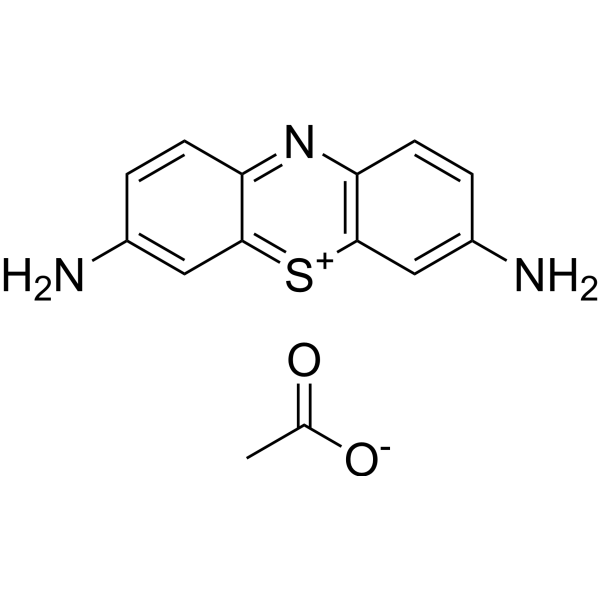
Thionine acetate
|
Biochemical Assay Reagents
Bacterial
|
Infection
|
|
Thionin acetate (Thionine acetate) is a compound present in the seeds, stems, roots, and leaves of many plant species with antibacterial activity. Thionin acetate is a metachromatic cationic histological dye widely used in biological staining .
|
-
-
- HY-N0758
-
|
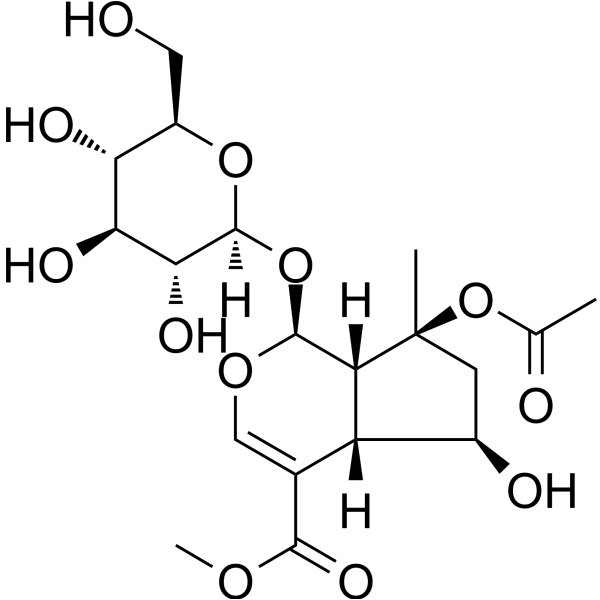
8-O-Acetyl shanzhiside methyl ester
|
Caspase
NF-κB
|
Inflammation/Immunology
|
|
Barlerin (8-O-Acetyl shanzhiside methyl ester) is an iridoid glucoside isolated from the leaves of Lamiophlomis rotata Kudo, a Chinese folk medicinal plant in Xi-zang. Barlerin (8-O-Acetyl shanzhiside methyl ester) could inhibt NF-κB.
|
-
-
- HY-107805
-
|
|
Cholinesterase (ChE)
Bacterial
|
Infection
Neurological Disease
Cancer
|
|
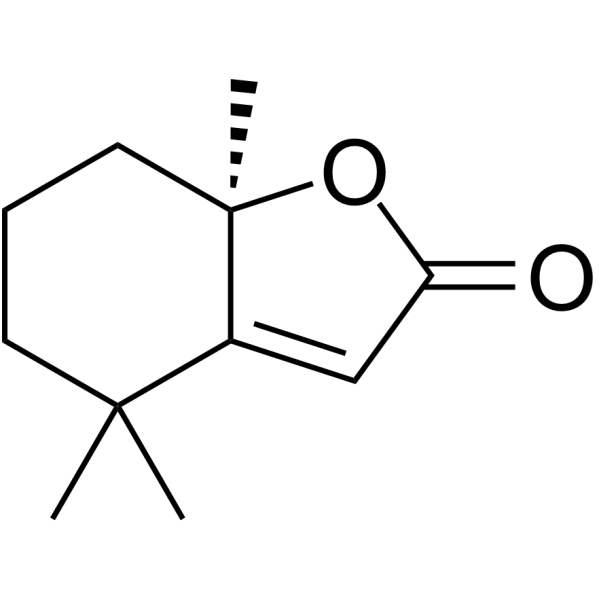
Dihydroactinidiolide, existing in plant leaves and fruits, is a potent plant growth inhibitor, a regulator of gene expression and is responsible for photo acclimation in Arabidopsis. Dihydroactinidiolide has antioxidant activity, antibacterial activity, anticancer activity and neuroprotective effect . Dihydroactinidiolide is also an inhibitor of AChE (IC50=34.03 nM) and has scavenging activities for DPPH and (.NO). Dihydroactinidiolide is present in plant leaves and fruits and is a potent plant growth inhibitor, regulator of gene expression, and responsible for light adaptation in Arabidopsis.
|
-
-
- HY-N7058
-
|
|
Environmental Pollutants
Insecticide
|
Others
|
|
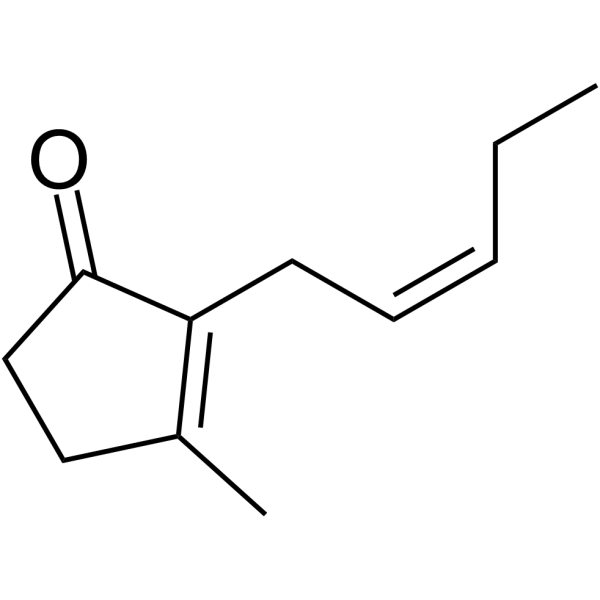
Cis-Jasmone is a plant-derived natural product. Cis-Jasmone is constitutively released by many flowers and sometimes by leaves as an attractant for pollinators or as a chemical cue for host location by insect flower herbivores. Cis-Jasmone treatment of crop plants not only induces direct defense against herbivores, but also induces indirect defense by releasing VOCs that attract natural enemies .
|
-
-
- HY-Y1219H
-
|
|
Biochemical Assay Reagents
|
Others
|
|
Silica gel, high-purity grade, 200-400 mesh is a low-density, high-surface-area, high-purity inert additive that can be used to prepare chromatographic column sieve plates based on the sol-gel method. Silica gel, high-purity grade prevents DNA degradation by absorbing water from plant leaves, and is suitable for the preservation of field-collected samples for subsequent DNA extraction, restriction endonuclease digestion, PCR amplification and gene sequencing. It can also be reused after being saturated with water. Silica gel, high-purity grade can provide a non-toxic, inert aquatic environment for embedded cells, allowing nutrients, oxygen and metabolic waste to diffuse freely and blocking external pollution, thereby maintaining the activity of fibroblasts and epithelial cells .
|
-

-
- HY-151231
-
|
|
Aldose Reductase
|
Neurological Disease
Metabolic Disease
|
|
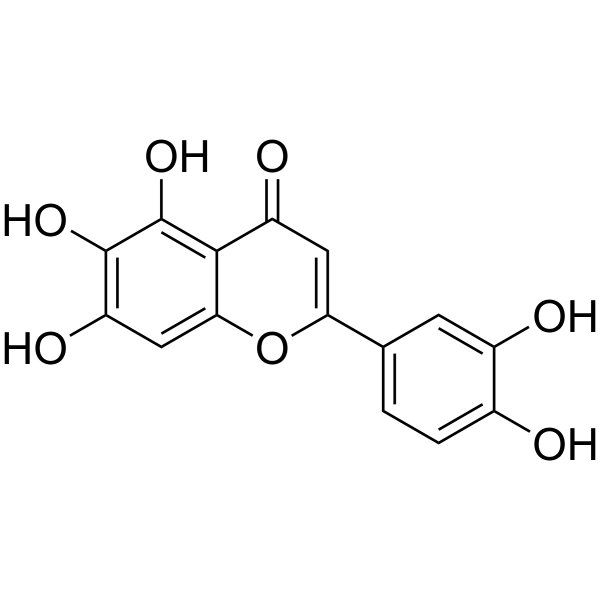
6-Hydroxyluteolin (Compound 17) is a flavonoid derivative and also an inhibitor of Aldose reductase, with an experimental -log IC50 value of 6.690. 6-Hydroxyluteolin can be isolated from the leaves of multiple plant families, including Plantaginaceae, Globulariaceae and Labiatae. 6-Hydroxyluteolin serves as a phylogenetic marker for higher plants. 6-Hydroxyluteolin can be used in the research of diabetic cataract .
|
-
-
- HY-W585952
-
|
SA-2-O-β-D-glucoside
|
Drug Metabolite
|
Infection
|
|
Salicylic acid 2-O-β-D-glucoside (SA-2-O-β-D-glucoside) is the glucose-conjugated product of Salicylic Acid (HY-B0167) in plants. Salicylic acid 2-O-β-D-glucoside belongs to an inactive storage form. Salicylic acid 2-O-β-D-glucoside can be used in studies of plant pathogen infection .
|
-

-
- HY-N2589
-
|
|
TGF-β Receptor
Collagen
|
Infection
Metabolic Disease
Inflammation/Immunology
Cancer
|
|
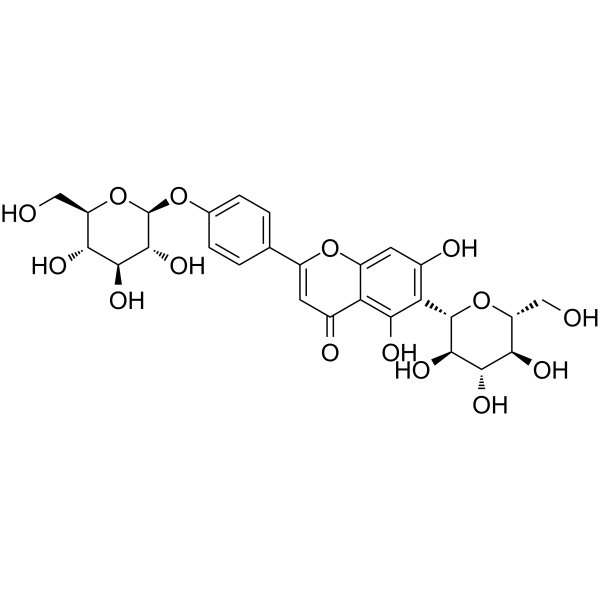
Isosaponarin is a flavone glycoside isolated from wasabi leaves. Isosaponarin is a P4HA2 enzymatic agonist. Isosaponarin increases collagen synthesis via up-regulated TGF-β type II receptor (TβR-II) and prolyl 4-hydroxylase (P4H) proteins production, promoting skin health and wound healing. Isosaponarin-rich plants exhibit strong antimicrobial, antioxidant, anti-hyaluronidase, antiplatelet, anti-atopic dermatitis, and anti-tumor effects .
|
-
-
- HY-113418
-
|
|
Endogenous Metabolite
|
Cancer
|
|
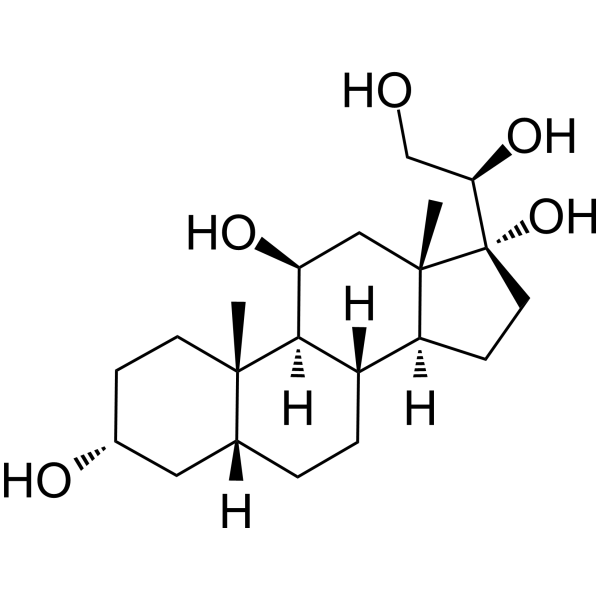
Beta-Cortol is an O-glycosylated compound and cortisol metabolite. It can be isolated from the leaves of mulberry cultivar Yu 711, and its concentration decreases significantly when the plant is subjected to drought stress. Beta-Cortol serves as a biomarker, as serum Beta-Cortol levels in early non-small cell lung cancer models are downregulated to 1/8 of the preoperative level after tumor resection. Due to such dramatic changes under specific pathological conditions, Beta-Cortol is currently widely used in studies related to early non-small cell lung cancer .
|
-
-
- HY-164642
-
|
RuBP
|
Endogenous Metabolite
|
Metabolic Disease
|
|
Ribulose 1,5-bisphosphate (RUBP) is a vital photosynthetic intermediate and substrate. Ribulose 1,5-bisphosphate acts as both product and substrate for Thermococcus kodakarensis KOD1 R15Pi. Ribulose 1,5-bisphosphate tightly binds to inactive RuBP carboxylase sites in plant leaves.Ribulose 1,5-bisphosphate serves as the key substrate for CO2 fixation in photosynthesis. Ribulose 1,5-bisphosphate supports carboxylation and regeneration processes in photosynthesis. Ribulose 1,5-bisphosphate determines the dynamic transition temperature of photosynthetic control. Ribulose 1,5-bisphosphate can be used for photosynthesis and enzyme mechanism research .
|
-

-
- HY-118828A
-
|
(9S,13R)-12-OPDA
|
Lipoxygenase
|
Others
|
|
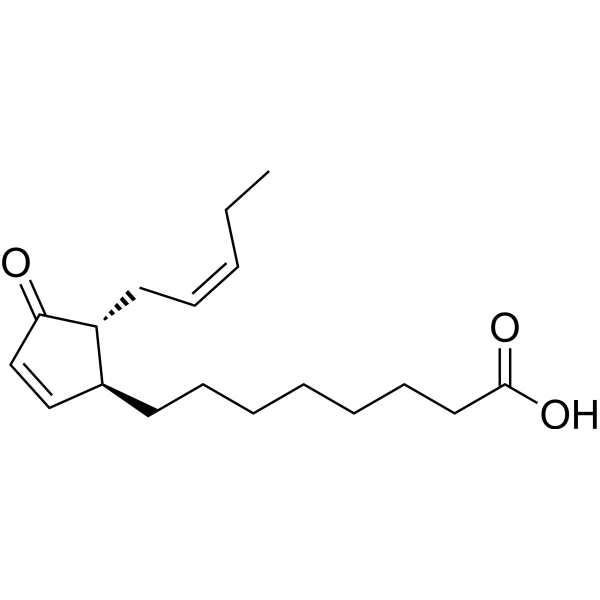
9S,13R)-12-Oxo phytodienoic acid is the isomerization of 12-oxo PDA (HY-118828). (9S,13R)-12-Oxo phytodienoic acid is a lipoxygenase metabolite in the leaves of green plants .
|
-
-
- HY-W017448
-
|
N,N-Dimethylpiperidinium chloride; PIX
|
Environmental Pollutants
Biochemical Assay Reagents
|
Others
|
|
Mepiquat chloride (N,N-Dimethylpiperidinium chloride) is a systemic plant growth regulator. Mepiquat chloride reduces the activity of RuBP carboxylase. Mepiquat chloride decreases plant height, total length of vegetative and fruiting branches, and total leaf area of cotton. Mepiquat chloride reduces the net photosynthetic rate of cotton leaves. Mepiquat chloride promotes starch accumulation in cotton leaves without altering sucrose content .
|
-

-
- HY-118614
-
|
|
Drug Metabolite
|
Neurological Disease
|
|
β-Nicotyrine is a metabolite of Nicotine.β-Nicotyrine, isolated from the leaves of Nicotiana tabacum plants and from cigarette smoke condensate, is a minor tobacco alkaloid .
|
-

-
- HY-114760
-
|
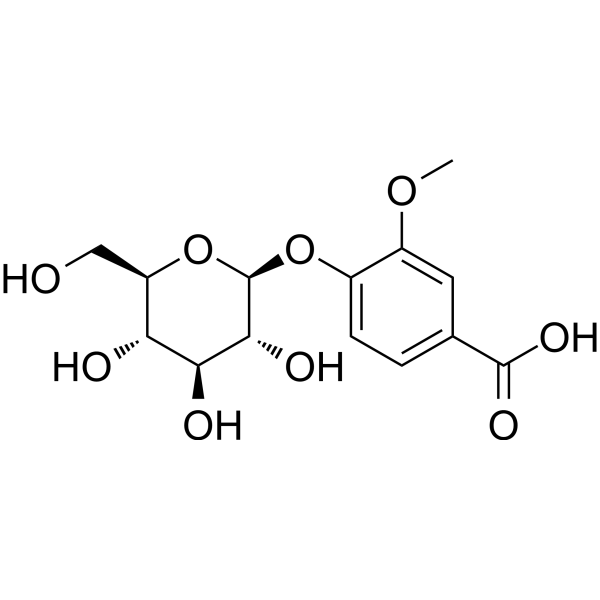
Vanillic acid 4-β-D-glucoside
|
Others
|
Others
|
|
Vanillic acid glucoside (Vanillic acid 4-β-D-glucoside), a hydrolyzable tannin, is isolated from the fruits of C. annuum as well as the leaves of various additional plants. Vanillic acid glucoside can be phytotoxic against different species.
|
-
-
- HY-Y1219E
-
|
|
Biochemical Assay Reagents
|
Others
|
|
Silica gel, high-purity grade, 130-270 mesh is a low-density, high-surface-area, high-purity inert additive that can be used to prepare chromatographic column sieve plates based on the sol-gel method. Silica gel, high-purity grade prevents DNA degradation by absorbing water from plant leaves, and is suitable for the preservation of field-collected samples for subsequent DNA extraction, restriction endonuclease digestion, PCR amplification and gene sequencing. It can also be reused after being saturated with water. Silica gel, high-purity grade can provide a non-toxic, inert aquatic environment for embedded cells, allowing nutrients, oxygen and metabolic waste to diffuse freely and blocking external pollution, thereby maintaining the activity of fibroblasts and epithelial cells .
|
-

-
- HY-N3619
-
|
|
Apoptosis
|
Neurological Disease
Endocrinology
|
|
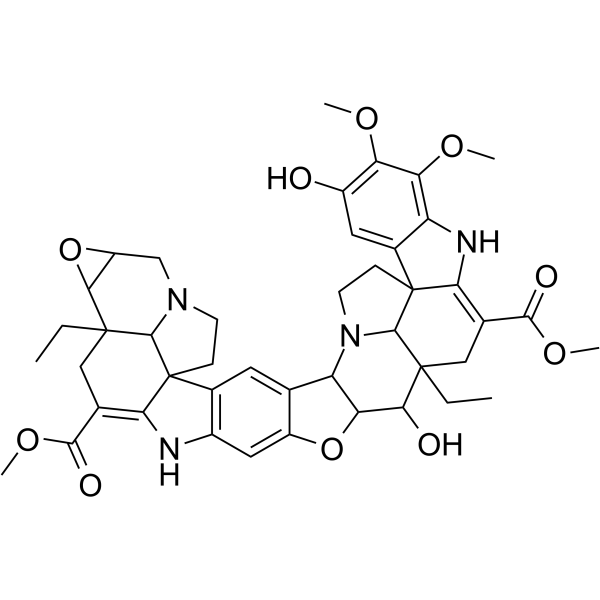
Conophylline is a vinca alkaloid extracted from leaves of a tropical plant Ervatamia microphylla. Conophylline is a differentiation inducer of for pancreatic cells. Conophylline suppresses HSC and induces apoptosis .
|
-
-
- HY-65008
-
|
|
Others
|
Others
|
|
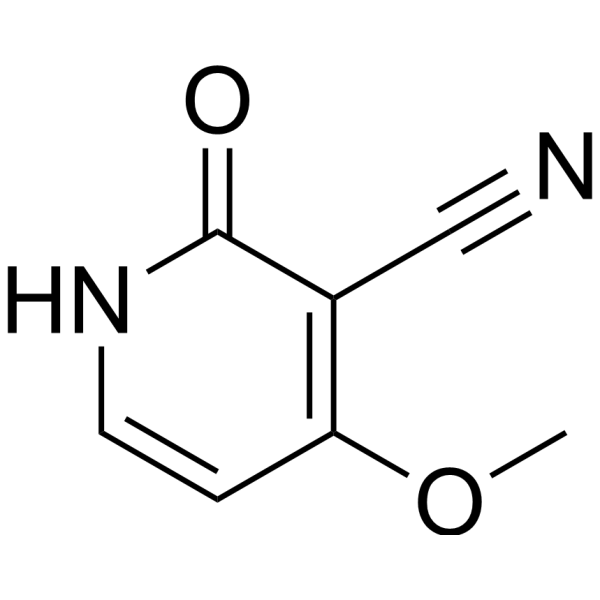
N-Demethylricinine is a ricinine, can be interconverted with ricinine in senescent and green castor plant leaves. Ricinine, is a α-pyridone alkaloid biosynthetically related to the pyridine nucleotide cycle. The alkaloid catabolism of ricinine is associated with aging process .
|
-
-
- HY-N8744
-
|
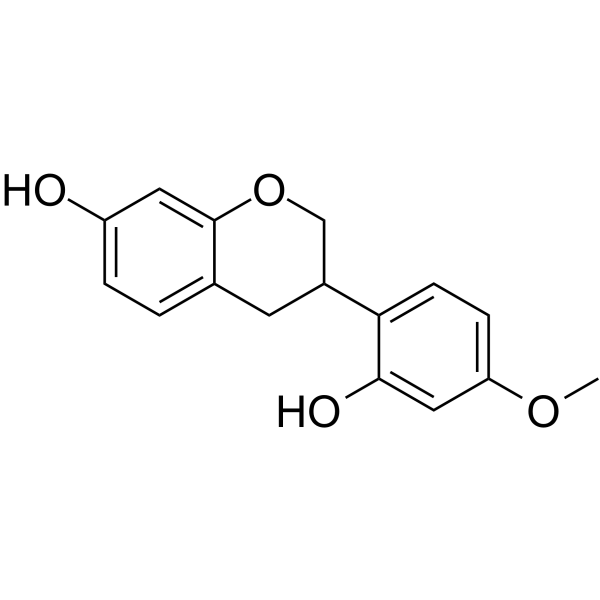
(±)-Vestitol
|
Fungal
|
Infection
|
|
Vestitol ((±)-Vestitol) is an isoflavonoid phytoalexin and Antifungal agent. Vestitol can be isolated from the leaves of Trifolium arvense. Vestitol inhibits the mycelial growth of Helminthosporium carbonum with a ED50 of 17 μg/mL. Vestitol can be used in the research of fungal infections (Helminthosporium carbonum-induced plant diseases) .
|
-
-
- HY-P10400
-
|
|
Phytohormone
|
Inflammation/Immunology
|
|
AtPep1 is a plant elicitor peptide. AtPep1 activates transcription of the defensive gene defensin (PDF1.2) and activates the synthesis of H2O2, which are components of the innate immune response against pathogens. AtPep1 can be isolated from extracts of Arabidopsis leaves .
|
-

-
- HY-N6996S
-
|
|
Isotope-Labeled Compounds
|
Others
|
|
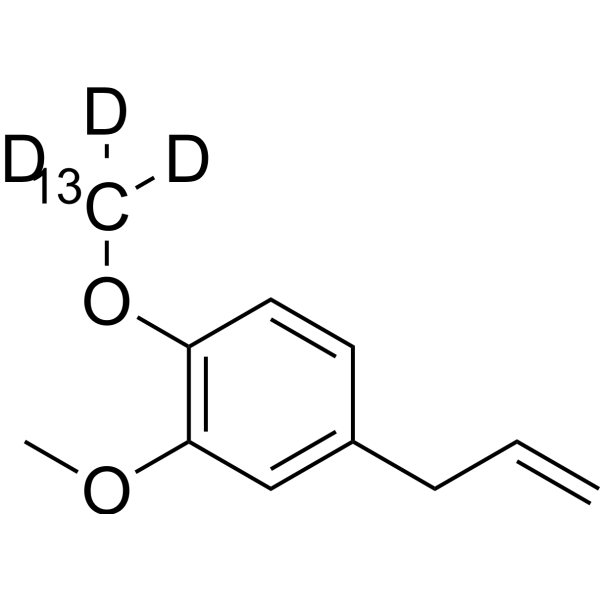
Methyl Eugenol- 13C,d3 is the 13C- and deuterium labeled Methyl Eugenol. Methyl Eugenol, a phenylpropanoid chemical in leaves, fruits, stems, and/or roots, may be released when that corresponding part of a plant is damaged as a result of feeding by an herbivore. Methyl Eugenol is used for male annihilation of the oriental fruit fly .
|
-
-
- HY-118828AS
-
|
(9S,13R)-12-OPDA-d5
|
Isotope-Labeled Compounds
|
Others
|
|
(9S,13R)-12-OPDA-d5 ((9S,13R)-12-OPDA-d5) is an isotopic label of (9S,13R)-12-oxyphytodienoic acid. (9S,13R)-12-Oxophytodienoic acid is an isomer of 12-oxoPDA (HY-118828). (9S,13R)-12-Oxo phytodienoic Acid is a lipoxygenase metabolite in green plant leaves .
|
-

-
- HY-N2492
-
|
Methyl trans-p-coumarate
|
Apoptosis
Interleukin Related
GSK-3
Parasite
|
Infection
Cancer
|
|
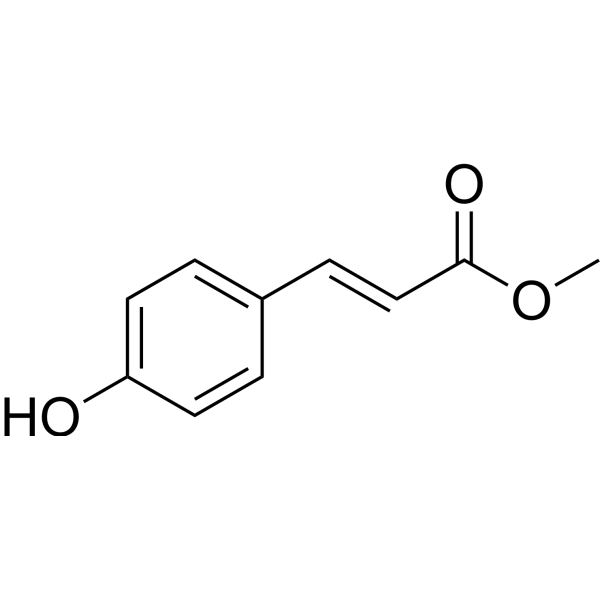
(E)-Methyl 4-coumarate (Methyl 4-hydroxycinnamate) is a phenolic compound and derivative of Cinnamic acid (HY-N0610A). (E)-Methyl 4-coumarate can be found in several plants, such as the leaves of Allium cepa and Morinda citrifolia L. (E)-Methyl 4-coumarate, when combined with Carnosic acid (HY-N0644), induces Apoptosis. (E)-Methyl 4-coumarate inhibits GSK3β activity and modulates inflammatory cytokine levels (increasing IL-10 and decreasing IL-4). (E)-Methyl 4-coumarate combined with Carnosic acid exhibits anticancer effects against acute myeloid leukemia. (E)-Methyl 4-coumarate ameliorates Plasmodium berghei NK65 infection .
|
-
-
- HY-Y1219C
-
|
|
Biochemical Assay Reagents
|
Others
|
|
Silica gel, high-purity grade, 220-440 mesh is a low-density, high-surface-area, high-purity inert additive that can be used to prepare chromatographic column sieve plates based on the sol-gel method. Silica gel, high-purity grade prevents DNA degradation by absorbing water from plant leaves, and is suitable for the preservation of field-collected samples for subsequent DNA extraction, restriction endonuclease digestion, PCR amplification and gene sequencing. It can also be reused after being saturated with water. Silica gel, high-purity grade can provide a non-toxic, inert aquatic environment for embedded cells, allowing nutrients, oxygen and metabolic waste to diffuse freely and blocking external pollution, thereby maintaining the activity of fibroblasts and epithelial cells .
|
-

-
- HY-Y1219I
-
|
|
Biochemical Assay Reagents
|
Others
|
|
Silica gel, high-purity grade, 70-230 mesh is a low-density, high-surface-area, high-purity inert additive that can be used to prepare chromatographic column sieve plates based on the sol-gel method. Silica gel, high-purity grade prevents DNA degradation by absorbing water from plant leaves, and is suitable for the preservation of field-collected samples for subsequent DNA extraction, restriction endonuclease digestion, PCR amplification and gene sequencing. It can also be reused after being saturated with water. Silica gel, high-purity grade can provide a non-toxic, inert aquatic environment for embedded cells, allowing nutrients, oxygen and metabolic waste to diffuse freely and blocking external pollution, thereby maintaining the activity of fibroblasts and epithelial cells .
|
-

-
- HY-Y1219D
-
|
|
Biochemical Assay Reagents
|
Others
|
|
Silica gel, high-purity grade, 35-70 mesh is a low-density, high-surface-area, high-purity inert additive that can be used to prepare chromatographic column sieve plates based on the sol-gel method. Silica gel, high-purity grade prevents DNA degradation by absorbing water from plant leaves, and is suitable for the preservation of field-collected samples for subsequent DNA extraction, restriction endonuclease digestion, PCR amplification and gene sequencing. It can also be reused after being saturated with water. Silica gel, high-purity grade can provide a non-toxic, inert aquatic environment for embedded cells, allowing nutrients, oxygen and metabolic waste to diffuse freely and blocking external pollution, thereby maintaining the activity of fibroblasts and epithelial cells .
|
-

-
- HY-N7644
-
|
|
Others
|
Others
|
|
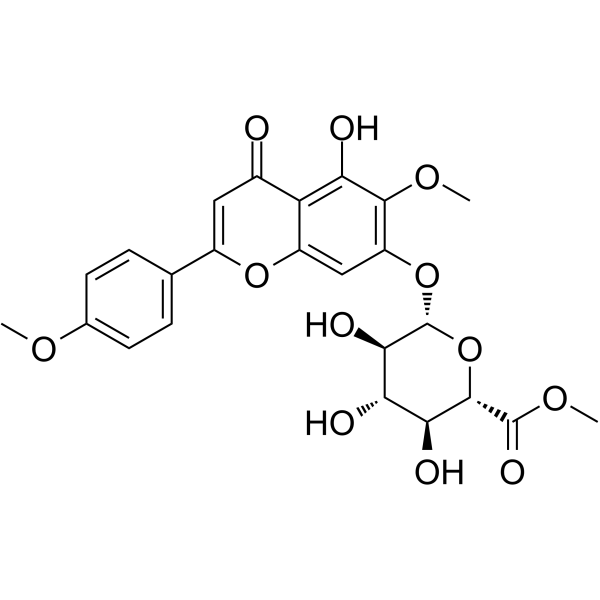
Comanthoside A is a plant derived natural flavonoid glycoside isolated from the leaves of Comanthosphace japonica. Comanthoside A also serves as a key intermediate for the synthesis of Comanthoside B and Linaroside .
|
-
-
- HY-N3085
-
|
|
P-glycoprotein
Apoptosis
|
Metabolic Disease
Cancer
|
|
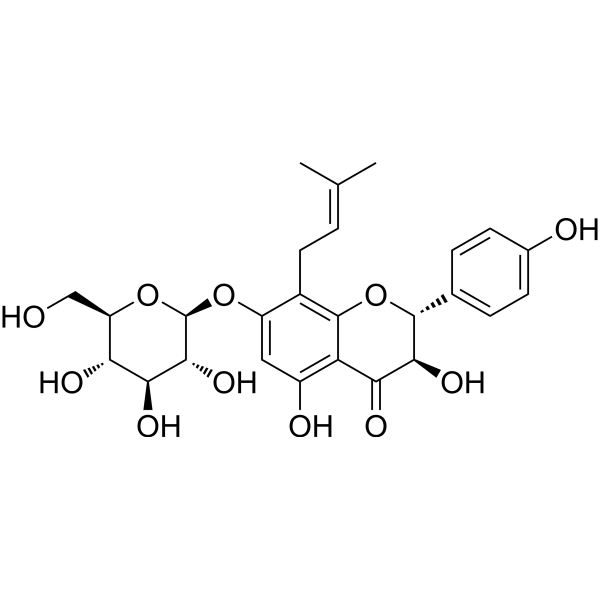
Phellamurin is a plant flavonone glycoside from the leaves of Phellodendron amurense and inhibits intestinal P-glycoprotein. Phellamurin also inhibits egg laying by Papilio protenor. Phellamurin induces cells apoptosis and has anti-tumor activity .
|
-
-
- HY-N7058R
-
|
|
Reference Standards
Insecticide
|
Others
|
|
cis-Jasmone (Standard) is the analytical standard of cis-Jasmone. This product is intended for research and analytical applications. Cis-Jasmone is a plant-derived natural product. Cis-Jasmone is a plant-derived natural product. Cis-Jasmone is constitutively released by many flowers and sometimes by leaves as an attractant for pollinators or as a chemical cue for host location by insect flower herbivores. Cis-Jasmone treatment of crop plants not only induces direct defense against herbivores, but also induces indirect defense by releasing VOCs that attract natural enemies .
|
-

-
- HY-P3001
-
|
|
Endogenous Metabolite
|
Metabolic Disease
|
|
Malate dehydrogenase (oxaloacetate-decarboxylating, NADP+) is a redox agent targeting metabolic pathways. Malate dehydrogenase (oxaloacetate-decarboxylating, NADP+) catalyzes the reduction of oxaloacetate to malate in leaves of higher plants. Malate dehydrogenase (oxaloacetate-decarboxylating, NADP+) is promising for research of metabolic diseases, such as diabetes, obesity .
|
-

-
- HY-N0758R
-
|
8-O-Acetyl shanzhiside methyl ester (Standard)
|
Caspase
Reference Standards
NF-κB
|
Inflammation/Immunology
|
|
Barlerin (Standard) is the analytical standard of Barlerin. This product is intended for research and analytical applications. Barlerin (8-O-Acetyl shanzhiside methyl ester) is an iridoid glucoside isolated from the leaves of Lamiophlomis rotata Kudo, a Chinese folk medicinal plant in Xi-zang. Barlerin (8-O-Acetyl shanzhiside methyl ester) could inhibt NF-κB.
|
-

-
- HY-121858
-
|
|
Angiotensin-converting Enzyme (ACE)
|
Metabolic Disease
|
|
Nicotianamine can be isolated from the leaves of Nicotiana Tabacum L.. Nicotianamine is a key biosynthetic precursor of phytosiderophores. Nicotianamine is an iron chelating agent and can promote the transport of iron. Nicotianamine is an angiotensin-converting enzyme (ACE) inhibitor with IC50 values of 76 nM and 59 nM for rhACE2 and rhACE, respectively. Nicotianamine is vital in metal nutrition and metal homeostasis of flowering plants .
|
-

-
- HY-N7974
-
|
|
Others
|
Others
|
|
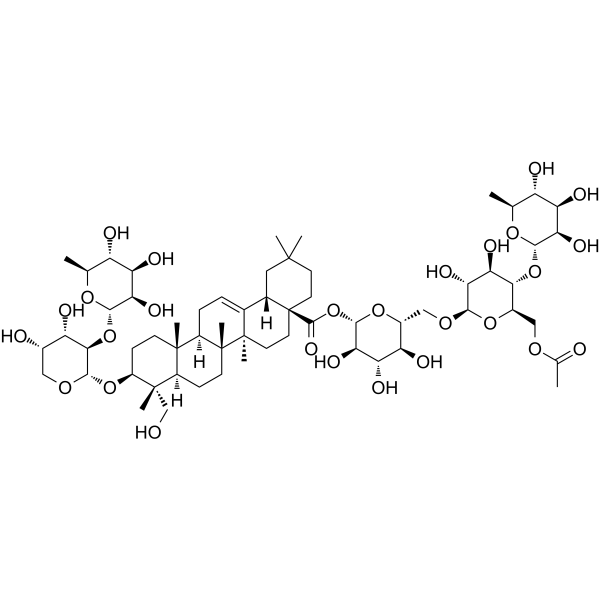
Kizuta saponin K11 is a saponin found in the leaves of Kalopanax pictum var. maximowiczii, a Korean medicinal plant .
|
-
-
- HY-N7631
-
|
|
Others
|
Others
|
|
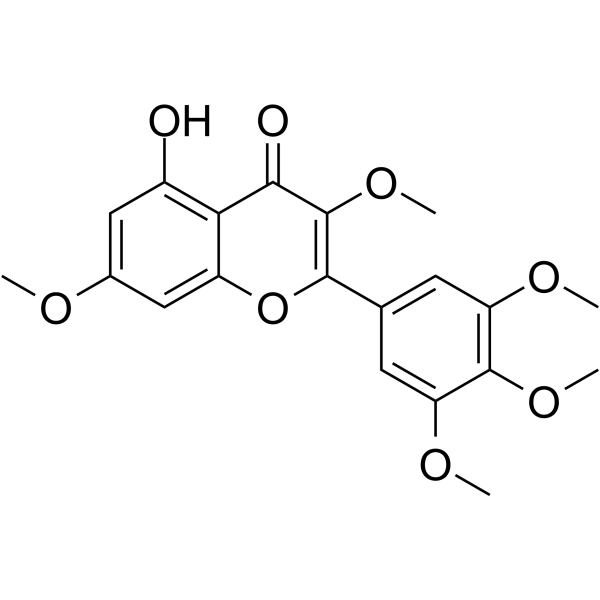
Combretol is a natural compound isolated from the roots and leaves of the plant Cassipourea madagascariensis .
|
-
-
- HY-N10102
-
|
(-)-Boscialin
|
Others
|
Others
|
|
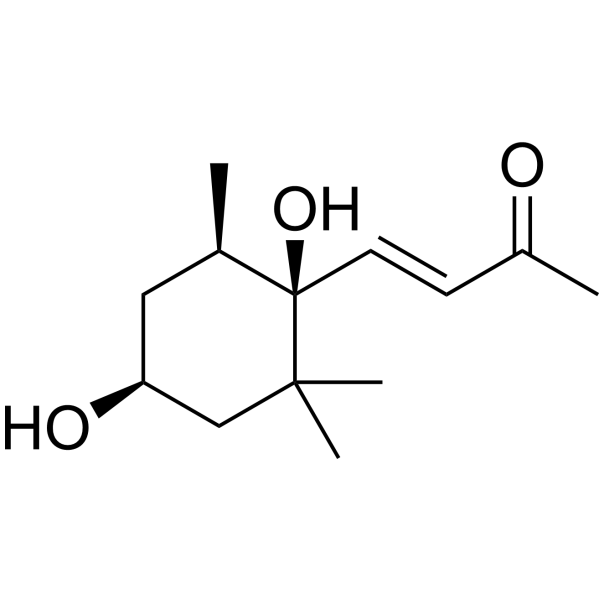
Boscialin ((-)-Boscialin) can be isolated from the leaves of the African medicinal plant Boscia salicifolia .
|
-
-
- HY-W653739
-
|
Abscisic aldehyde
|
Drug Intermediate
|
Others
|
|
(+)-Abscisic Aldehyde (ABAld) is an intermediate in the biosynthesis of the plant hormone abscisic acid (ABA). (+)-Abscisic Aldehyde is produced by the dehydrogenation of xanthoxin by xanthoxin dehydrogenases, followed by selective oxidation by abscisic aldehyde oxygenase. (+)-Abscisic Aldehyde has an oxidizing PsAOγ activity and it correlates with ABA accumulation in the old leaves of pea plants with long exposure of salinity, ammonium or nitrogen deficiency. (+)-Abscisic Aldehyde can be used for plant growth and development research .
|
-

-
- HY-117142
-
|
|
Acetyl-CoA Carboxylase
|
Others
|
|
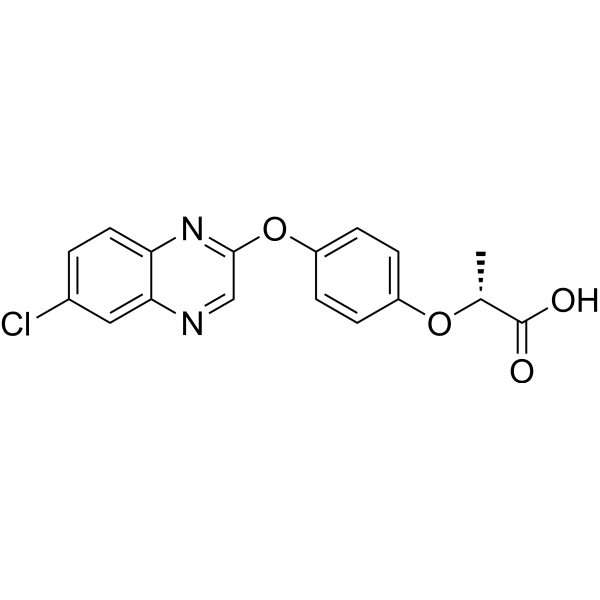
Quizalofop-P is absorbed through weed stems and leaves, conducts upward and downward in plants, accumulates at the top and intermediate meristems, inhibits cellular fatty acid synthesis, and makes weeds necrotic. Quizalofop-P is highly selective between grass weeds and dicotyledonous crops .
|
-
-
- HY-N7058S
-
|
|
Isotope-Labeled Compounds
Insecticide
|
Others
|
|
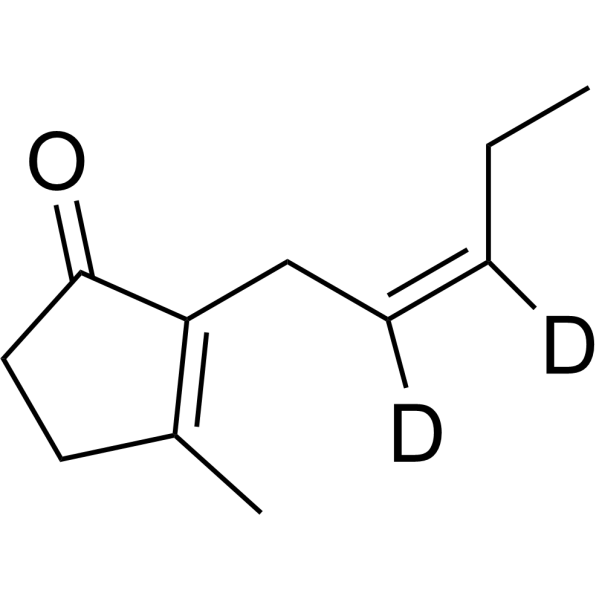
Cis-Jasmone-d2 is deuterated labeled Cis-Jasmone (HY-N7058). Cis-Jasmone is a plant-derived natural product. Cis-Jasmone is constitutively released by many flowers and sometimes by leaves as an attractant for pollinators or as a chemical cue for host location by insect flower herbivores. Cis-Jasmone treatment of crop plants not only induces direct defense against herbivores, but also induces indirect defense by releasing VOCs that attract natural enemies .
|
-
-
- HY-N10269
-
|
|
Fungal
Endogenous Metabolite
|
Infection
|
|
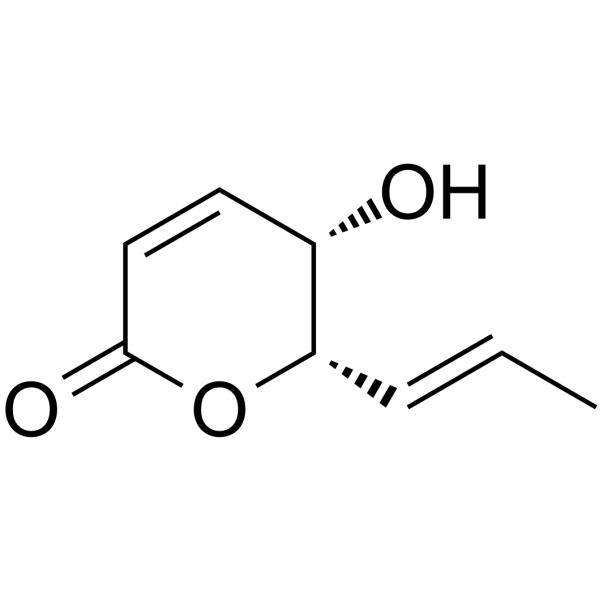
Phomalactone, produced by the fungus Nigrospora sphaerica, specifically inhibits the mycelial growth of Phytophthora infestans, with an MIC value of 2.5 mg/L . Phomalactone is phytotoxic to Z. elegans and other plant species by inhibition of seedling growth and by causing electrolyte leakage from photosynthetic tissues of both Z. elegans leaves and cucumber cotyledons .
|
-
-
- HY-W017140S
-
|
SBMP-d3
|
Isotope-Labeled Compounds
|
Others
|
|
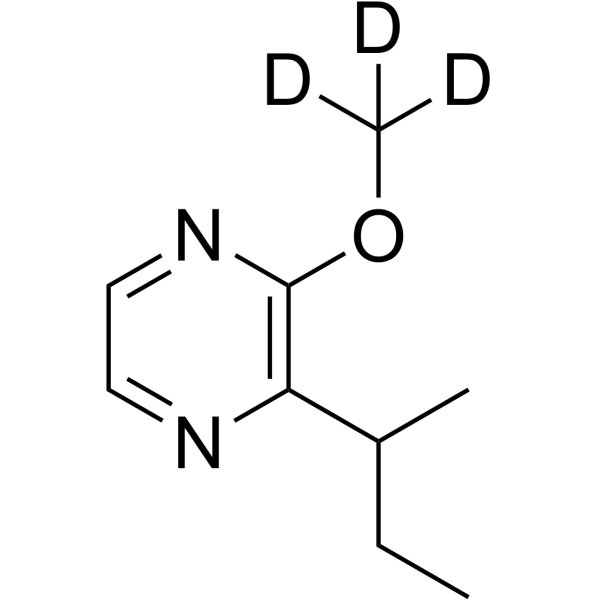
2-Sec-butyl-3-methoxypyrazine-d3 is deuterated labeled cis-?Jasmone (HY-N7058). Cis-Jasmone is a plant-derived natural product. Cis-Jasmone is constitutively released by many flowers and sometimes by leaves as an attractant for pollinators or as a chemical cue for host location by insect flower herbivores. Cis-Jasmone treatment of crop plants not only induces direct defense against herbivores, but also induces indirect defense by releasing VOCs that attract natural enemies .
|
-
-
- HY-117142R
-
|
|
Acetyl-CoA Carboxylase
Reference Standards
|
Others
|
|
Quizalofop-P (Standard) is the analytical standard of Quizalofop-P. This product is intended for research and analytical applications. Quizalofop-P is absorbed through weed stems and leaves, conducts upward and downward in plants, accumulates at the top and intermediate meristems, inhibits cellular fatty acid synthesis, and makes weeds necrotic. Quizalofop-P is highly selective between grass weeds and dicotyledonous crops .
|
-

-
- HY-162522
-
|
|
Parasite
|
Others
|
|
SL-IN-1 (Compound C6) is an inhibitor for plant hormone steroid lactones receptor (SL receptor). SL-IN-1 promotes rice tillering, inhibits the germination of the root parasite P. aegyptiaca seeds (IC50 is 82.8 µM), delays dark-induced senescence of rice leaves, and protects the leaf membrane from lipid peroxidation .
|
-

-
- HY-W747972
-
|
|
Drug Intermediate
|
Infection
|
|
Hydrosorbaldehyde is a green leaf volatile and also the main contributor to the fresh, grassy aroma of tea leaves. Hydrosorbaldehyde undergoes irreversible conversion to (E)-2-hexenal via (Z)-3:(E)-2-hexenal isomerase (CsHI). Hydrosorbaldehyde plays a key role in protecting plants against biotic stresses (such as pathogens and insects) and acting as a signaling chemical .
|
-

-
- HY-B1899AR
-
|
Taurodeoxycholate sodium hydrate (Standard)
|
Reference Standards
G protein-coupled Bile Acid Receptor 1
Endogenous Metabolite
|
Metabolic Disease
|
|
(E)-Methyl 4-coumarate (Standard) is the analytical standard of (E)-Methyl 4-coumarate. This product is intended for research and analytical applications. (E)-Methyl 4-coumarate (Methyl 4-hydroxycinnamate), found in several plants, such as Allium cepa or Morinda citrifolia L. leaves. (E)-Methyl 4-coumarate cooperates with Carnosic Acid in inducing apoptosis and killing acute myeloid leukemia cells, but not normal peripheral blood mononuclear cells. Antioxidant and antimicrobial activity.
|
-

-
- HY-N2492R
-
|
Methyl trans-p-coumarate (Standard)
|
Reference Standards
Apoptosis
Parasite
Interleukin Related
GSK-3
|
Infection
Cancer
|
|
(E)-Methyl 4-coumarate (Standard) is the analytical standard of (E)-Methyl 4-coumarate (HY-N2492). This product is intended for research and analytical applications. (E)-Methyl 4-coumarate (Methyl 4-hydroxycinnamate) is a phenolic compound and derivative of Cinnamic acid (HY-N0610A). (E)-Methyl 4-coumarate can be found in several plants, such as the leaves of Allium cepa and Morinda citrifolia L. (E)-Methyl 4-coumarate, when combined with Carnosic acid (HY-N0644), induces Apoptosis. (E)-Methyl 4-coumarate inhibits GSK3β activity and modulates inflammatory cytokine levels (increasing IL-10 and decreasing IL-4). (E)-Methyl 4-coumarate combined with Carnosic acid exhibits anticancer effects against acute myeloid leukemia. (E)-Methyl 4-coumarate ameliorates Plasmodium berghei NK65 infection .
|
-

-
- HY-W052988
-
|
|
Herbicide
|
Others
|
|
Aminocyclopyrachlor-methyl is a herbicide that acts as an indole-3-acetic acid (IAA) mimic. Aminocyclopyrachlor-methyl targets the IAA signaling pathway and is readily absorbed through both the leaves and roots of susceptible plants. Aminocyclopyrachlor-methyl markedly inhibits the growth and biomass of trumpetcreeper (Campsis radicans) and the growth and regrowth of mugwort (Artemisia vulgaris), thereby effectively controlling both weeds .
|
-

-
- HY-180665
-
|
|
Nucleoside Antimetabolite/Analog
|
Others
|
|
9,10-Epoxy-18-hydroxyoctadecanoic acid exists as a component of cutin in plants, and is an essential polymer that protects plants by minimizing the influence of pathogens by waterproofing the leaves and fruits of plants .
|
-

-
- HY-N17200
-
|
|
Others
|
Cardiovascular Disease
Metabolic Disease
|
|
Cyclocarioside K is a triterpene glycoside compound that can be naturally extracted from the dried leaves of Cyclocarya paliurus (Batal.) Iljinsk (Chinese wingnut) from Bozhou, Anhui, China. The leaves of this plant are traditionally used to lower blood sugar and blood pressure .
|
-

-
- HY-N16744
-
|
|
Others
|
Others
|
|
Trijugin C is a gemmane-type sesquiterpenoid that can be isolated from the whole plant of Salvia miltiorrhiza with three pairs of leaves .
|
-

-
- HY-N16737
-
|
|
Others
|
Others
|
|
Trijugin A is a gemmane-type sesquiterpenoid compound that can be isolated from the whole plant of Salvia miltiorrhiza with three pairs of leaves .
|
-

-
- HY-N16743
-
|
|
Others
|
Others
|
|
Trijugin B is a gemmane-type sesquiterpenoid that can be isolated from the whole plant of Salvia miltiorrhiza with three pairs of leaves .
|
-

- HY-W714199
-
|
Potablan
|
Herbicide
|
Others
|
|
Monalide (Potablan) is a soil-applied and contact herbicide that acts both via absorption by plant roots from the soil and through contact with the aboveground parts of plants. Monalide inhibits weed growth. Monalide decomposes within several weeks in soil and leaves no residues on crops .
|
-

- HY-W587665
-
|
|
Insecticide
|
Infection
|
|
Demeton-S sulfoxide is a systemic insecticide. When Demeton-S sulfoxide is topically applied to cotton stems, it is absorbed and transported to cotton leaves, whereas its penetration and diffusion capabilities are limited when it is topically applied to young lemon leaves .
|
-

- HY-N18654
-
|
|
Others
|
Others
|
|
Perilla Ocymoides Leaf Extract is derived from the dry leaves of Perilla, a plant of the Lamiaceae. The main active ingredient is rosmarinic acid, which, as a phenolic acid compound, has a variety of biological activities. It can be used as cosmetics material.
|
-

- HY-160735
-
|
|
Herbicide
Glutaminase
|
Others
|
|
L-Phosphinothricin is a glutamine synthetase inhibitor and a non-selective herbicide. L-Phosphinothricin acts as a competitive inhibitor, induces toxic ammonium ion accumulation in plants and bacteria, and indirectly blocks the photosynthesis process. L-Phosphinothricin exerts herbicidal activity against both monocotyledonous and dicotyledonous plant species, is primarily absorbed through plant leaves, exhibits limited translocation in plants, and undergoes rapid degradation by soil microorganisms with no root uptake. L-Phosphinothricin can be used for research on weed control in agricultural and non-crop scenarios .
|
-

- HY-N18666
-
|
|
Bacterial
|
Infection
Inflammation/Immunology
|
|
Rosmarinus officinalis leaf extract, derived from the leaves of the rosemary plant, possesses antioxidant, anti-inflammatory, antibacterial, and cognitive-enhancing properties. Active ingredients in Rosmarinus officinalis leaf extract include rosmarinic acid, caryopsisic acid, caryopsisol, and flavonoids.
|
-

- HY-N18667
-
|
|
Others
|
Inflammation/Immunology
|
|
Centella asiatica extract, derived from the leaves of the Centella asiatica plant, has the ability to promote collagen production, improve skin elasticity, and promote wound healing. It can be used to study various skin problems such as acne, eczema, and psoriasis.
|
-

- HY-N13822
-
|
|
Others
|
Others
|
|
Trigothysoid P is a daphnane-type diterpenoid compound that can be used in antiviral and natural product chemistry research. Trigothysoid P can be extracted from the dried branches and leaves of Trigonostemon thyrsoideum (a plant of the Euphorbiaceae family, genus Trigonostemon) .
|
-

- HY-N19049
-
|
|
Others
|
Neurological Disease
|
|
Acmella oleracea extract, derived from the leaves and buds of the Acmella oleracea plant, is a versatile natural ingredient. It contains various bioactive compounds, including alkylamide alkaloids such as acmella alcohol, which impart a tingling sensation and local anesthetic effect to the extract.
|
-

- HY-N9835
-
|
|
Drug Derivative
|
Infection
Cancer
|
|
Thymol isobutyrate is a thymol derivative that can be naturally extracted from the essential oil of the roots and aerial parts (leaves, stems, and flowers) of Carpesium cernuum L. This plant's essential oil has antibacterial and cytotoxic activity and can be used in antibacterial and antitumor research .
|
-

- HY-N19886
-
|
|
Drug Derivative
|
Others
|
|
Pastuchoside E is a triterpenoid saponin found in the leaves of Hedera pastuchowii. Terpenes, also known as isoprene compounds, are the most numerous and structurally diverse natural products found in many plants. Terpenes can be used to treat cancer, malaria, inflammation, and various infectious diseases .
|
-

- HY-N19689
-
|
|
Drug Derivative
|
Inflammation/Immunology
Cancer
|
|
4''-Acetyl-4-(a-L-Rhamnopyranosyloxy)-benzylglucosinolate is a plant secondary metabolite that can be found in the leaves of Moringa oleifera and Moringa stenopetala. 4''-Acetyl-4-(a-L-Rhamnopyranosyloxy)-benzylglucosinolate can be used for research on cancer and inflammatory diseases .
|
-

- HY-N18688
-
|
|
Others
|
Metabolic Disease
|
|
Gymnema sylvestre extract, derived from the leaves of the Gymnema sylvestre plant, is renowned for its anti-diabetic and blood sugar-regulating properties. The key active compounds in the extract are gymnemic acids, which are responsible for its ability to block the taste of sweetness and reduce sugar absorption in the intestines.
|
-

- HY-118614R
-
|
|
Reference Standards
Drug Metabolite
|
Neurological Disease
|
|
β-Nicotyrine (Standard) is the analytical standard of β-Nicotyrine. This product is intended for research and analytical applications. β-Nicotyrine is a metabolite of Nicotine.β-Nicotyrine, isolated from the leaves of Nicotiana tabacum plants and from cigarette smoke condensate, is a minor tobacco alkaloid .
|
-

- HY-N9707
-
|
|
Others
|
Others
|
|
15-Nonacosanol is a secondary alcohol compound and the major surface lipid component of Arabidopsis thaliana cuticular wax. 15-Nonacosanol participates in the plant cuticular wax biosynthesis pathway and the formation process of related gene mutants. 15-Nonacosanol can be extracted from the leaves and stems of Arabidopsis thaliana .
|
-

- HY-N18670
-
|
|
Others
|
Others
|
|
Panax notoginseng extract is derived from the stems and leaves of Panax notoginseng, a plant belonging to the Araliaceae family. Its main active ingredient is notoginsenoside (PNS), among which notoginsenoside Rb1, notoginsenoside Rg1, and notoginsenoside R1 are present in high amounts and can be used for skin conditioning in functional cosmetics.
|
-

- HY-N18729
-
|
|
Others
|
Others
|
|
Stevia rebaudiana extract is derived from the leaves of the stevia plant. Its active ingredients are steviol glycosides, primarily steviol glycosides and rebaudioside A, which give stevia its extremely high sweetness. Stevia rebaudiana extract is used as a natural, zero-calorie sweetener in various foods and beverages, serving as an alternative to sucrose and artificial sweeteners.
|
-

- HY-N16837
-
|
|
Insecticide
|
Infection
|
|
6''-O-β-D-Apiofuranosylastragalin (compound 1) is a flavonoid glycoside that can be naturally extracted from the methanol extract of fresh leaves of Solidago altissima L. (a plant of the genus Solidago in the Asteraceae family). The related methanol extract exhibits antifeedant activity against Thrips palmi and can be used in the research of natural antifeedants for agricultural pest control .
|
-

- HY-N19663
-
|
|
Fungal
|
Infection
Others
|
|
12-O-Methyl chebulic acid is an antifungal agent, methylated chebulic acid derivative and probable isolation artifact from Terminalia dhofarica leaves. 12-O-Methyl chebulic acid inhibits growth of several plant pathogens. 12-O-Methyl chebulic acid can be used for the research of phytopathogenic fungal infection and phytopathogenic oomycete infection .
|
-

- HY-N16818
-
|
|
Herbicide
|
Others
|
|
9-epi-Blumenol C is a C13-norisoprenoid (carotenoid derivative) compound with allelopathic and antifungal activities, and can regulate plant growth. The IC50 values ??of 9-epi-Blumenol C for watercress roots and hypocotyls are 2780 μM and 2240 μM, respectively, and for perennial ryegrass roots and coleoptiles are 3290 μM and 2950 μM, respectively. 9-epi-Blumenol C exhibits allelopathic activity through a mechanism involving direct inhibition of plant growth and degradation of arbuscular mycorrhizal fungi (AMF) colonization, thereby weakening nutrient uptake and stress resistance in neighboring plants. 9-epi-Blumenol C can be used in herbicide development and research related to plant competition mechanisms. 9-epi-Blumenol C can be obtained from the dried fallen leaves of Metasequoia glyptostroboides (a plant of the cypress family, genus Metasequoia) through extraction with 70% methanol and purification by ethyl acetate extraction .
|
-

- HY-N1788
-
|
|
Others
|
Others
|
|
3',5-Dihydroxy-4',5',6,7-tetramethoxyflavone (compound 7) is a flavonoid compound that can be used in research on natural product chemistry and the screening of potential activities of flavonoid compounds. 3',5-Dihydroxy-4',5',6,7-tetramethoxyflavone can be extracted from the dried leaves of Murraya paniculata (a plant of the Murraya genus in the Rutaceae family) .
|
-

- HY-N18171
-
|
|
Others
|
Infection
Inflammation/Immunology
Cancer
|
|
Caryophyllene is a macrocyclic sesquiterpene alkene present in the essential oil of Artemisia annua, with anti-inflammatory and anticancer activities. Caryophyllene plays a role in the plant defense of Artemisia annua .
|
-

- HY-N16448
-
|
|
Bacterial
|
Infection
|
|
Xanthoascin (Compound 1) is a natural phenolic metabolite with strong anti plant pathogen activity. Xanthoascin can be extracted from the solid fermentation product of endophytic fungus Aspergillus sp. IFB-YXS isolated from Ginkgo biloba leaves. Xanthoascin has a MIC of 0.3125 µg/mL against Clavibacter michiganense subsp. Sepedonicus and moderate inhibitory activity against other pathogens (MIC = 5-20 µg/mL). Xanthoascin can disrupt the permeability of bacterial cell membranes, leading to nucleic acid leakage .
|
-

- HY-N9784
-
|
|
Others
|
Cancer
|
|
2′′,3′′-Dihydroochnaflavone is a flavonoid/flavanone-type ether-linked biflavonoid anti-leukemic compound. 2′′,3′′-Dihydroochnaflavone exhibits significant cytotoxicity against P388 murine lymphocytic leukemia cells (IC50 = 3.1 μg/mL). It can be naturally extracted from the dried leaves of Quintinia acutifolia and has also been previously isolated and identified from Ochna interrima and Luxemburgia nobilis (both Ochnaceae plants). 2′′,3′′-Dihydroochnaflavone can be used in research related to anti-tumor (especially leukemia) applications .
|
-

- HY-N13800
-
|
|
Phytohormone
|
Infection
Cancer
|
|
3-O-Debenzoylzeylenone is a polyoxygenated cyclohexene plant growth hormone that exists in the leaves of Uvaria purpurea and the aerial parts of Uvaria grandiflora. 3-O-Debenzoylzeylenone is an auxin analog that inhibits root growth and promotes shoot growth of Lactuca sativa seedlings. 3-O-Debenzoylzeylenone exhibits cytotoxicity against various cancer cells and can be used in studies related to lung cancer, melanoma, epidermoid carcinoma, liver cancer, gastric cancer, colon adenocarcinoma, acute leukemia, breast cancer, and prostate cancer .
|
-

- HY-W747972A
-
|
|
Drug Intermediate
|
Infection
|
|
(Z)-3-Hexenal is an isomer of Hydrosorbaldehyde (HY-W747972). (Z)-3-Hexenal is a green leaf volatile and also the main contributor to the fresh, grassy aroma of tea leaves. (Z)-3-Hexenal undergoes irreversible conversion to (E)-2-hexenal via (Z)-3:(E)-2-hexenal isomerase (CsHI). (Z)-3-Hexenal plays a key role in protecting plants against biotic stresses (such as pathogens and insects) and acting as a signaling chemical .
|
-

- HY-167959
-
|
|
Herbicide
|
Infection
|
|
MCPA-isooctyl is a selective conductive phenoxycarboxylate herbicide and an alternative to 2,4-D Butyl ester (HY-B0867). MCPA-isooctyl effectively controls broadleaf weeds in various crop fields via post-emergence foliar or soil treatment. MCPA-isooctyl is absorbed by the roots, stems and leaves of plants; it is easily metabolized and detoxified in gramineous crops, but difficult to metabolize in dicotyledonous weeds, causing stem and leaf distortion, root deformation, and eventually weed death. When formulated into chitosan nanoparticles, MCPA-isooctyl still significantly inhibits the growth of weeds in wheat fields, and reduces their chlorophyll content and biomass at low doses .
|
-

- HY-N19083
-
|
|
Bacterial
|
Inflammation/Immunology
|
|
Tecomella undulata Extract, also known as Rohida extract, is a valuable botanical extract derived from the bark and leaves of the Tecomella undulata plant native to the Indian Thar Desert and is rich in bioactive compounds such as flavonoids, quinones, triterpenoids, and other phytochemicals that contribute to its diverse therapeutic properties. This extract is widely recognized for its hepatoprotective effects demonstrated through its ability to protect against liver damage induced by toxins such as paracetamol and carbon tetrachloride by normalizing elevated liver enzyme levels reducing oxidative stress and improving liver function. Additionally, it exhibits significant anti-inflammatory activity comparable to standard drugs like indomethacin and has been used to treat conditions like ascites and hepatosplenomegaly while also showing immunomodulatory effects by enhancing both humoral and cell-mediated immune responses and possessing antimicrobial properties that make it effective against various pathogens. Recent research suggests that Tecomella undulata may have potential in managing nonalcoholic steatohepatitis (NASH) by reducing body weight insulin resistance and improving liver function markers making it a versatile natural remedy with significant applications in hepatoprotection anti-inflammation and immune support.
|
-

| Cat. No. |
Product Name |
Type |
-
- HY-D0955
-
|
Thionine acetate
|
Fluorescent Dyes
|
|
Thionin acetate (Thionine acetate) is a compound present in the seeds, stems, roots, and leaves of many plant species with antibacterial activity. Thionin acetate is a metachromatic cationic histological dye widely used in biological staining .
|
| Cat. No. |
Product Name |
Type |
-
- HY-Y1219H
-
|
|
Biochemical Assay Reagents
|
|
Silica gel, high-purity grade, 200-400 mesh is a low-density, high-surface-area, high-purity inert additive that can be used to prepare chromatographic column sieve plates based on the sol-gel method. Silica gel, high-purity grade prevents DNA degradation by absorbing water from plant leaves, and is suitable for the preservation of field-collected samples for subsequent DNA extraction, restriction endonuclease digestion, PCR amplification and gene sequencing. It can also be reused after being saturated with water. Silica gel, high-purity grade can provide a non-toxic, inert aquatic environment for embedded cells, allowing nutrients, oxygen and metabolic waste to diffuse freely and blocking external pollution, thereby maintaining the activity of fibroblasts and epithelial cells .
|
-
- HY-W017448
-
|
N,N-Dimethylpiperidinium chloride; PIX
|
Biochemical Assay Reagents
|
|
Mepiquat chloride (N,N-Dimethylpiperidinium chloride) is a systemic plant growth regulator. Mepiquat chloride reduces the activity of RuBP carboxylase. Mepiquat chloride decreases plant height, total length of vegetative and fruiting branches, and total leaf area of cotton. Mepiquat chloride reduces the net photosynthetic rate of cotton leaves. Mepiquat chloride promotes starch accumulation in cotton leaves without altering sucrose content .
|
-
- HY-Y1219E
-
|
|
Biochemical Assay Reagents
|
|
Silica gel, high-purity grade, 130-270 mesh is a low-density, high-surface-area, high-purity inert additive that can be used to prepare chromatographic column sieve plates based on the sol-gel method. Silica gel, high-purity grade prevents DNA degradation by absorbing water from plant leaves, and is suitable for the preservation of field-collected samples for subsequent DNA extraction, restriction endonuclease digestion, PCR amplification and gene sequencing. It can also be reused after being saturated with water. Silica gel, high-purity grade can provide a non-toxic, inert aquatic environment for embedded cells, allowing nutrients, oxygen and metabolic waste to diffuse freely and blocking external pollution, thereby maintaining the activity of fibroblasts and epithelial cells .
|
-
- HY-Y1219C
-
|
|
Biochemical Assay Reagents
|
|
Silica gel, high-purity grade, 220-440 mesh is a low-density, high-surface-area, high-purity inert additive that can be used to prepare chromatographic column sieve plates based on the sol-gel method. Silica gel, high-purity grade prevents DNA degradation by absorbing water from plant leaves, and is suitable for the preservation of field-collected samples for subsequent DNA extraction, restriction endonuclease digestion, PCR amplification and gene sequencing. It can also be reused after being saturated with water. Silica gel, high-purity grade can provide a non-toxic, inert aquatic environment for embedded cells, allowing nutrients, oxygen and metabolic waste to diffuse freely and blocking external pollution, thereby maintaining the activity of fibroblasts and epithelial cells .
|
-
- HY-Y1219I
-
|
|
Biochemical Assay Reagents
|
|
Silica gel, high-purity grade, 70-230 mesh is a low-density, high-surface-area, high-purity inert additive that can be used to prepare chromatographic column sieve plates based on the sol-gel method. Silica gel, high-purity grade prevents DNA degradation by absorbing water from plant leaves, and is suitable for the preservation of field-collected samples for subsequent DNA extraction, restriction endonuclease digestion, PCR amplification and gene sequencing. It can also be reused after being saturated with water. Silica gel, high-purity grade can provide a non-toxic, inert aquatic environment for embedded cells, allowing nutrients, oxygen and metabolic waste to diffuse freely and blocking external pollution, thereby maintaining the activity of fibroblasts and epithelial cells .
|
-
- HY-Y1219D
-
|
|
Biochemical Assay Reagents
|
|
Silica gel, high-purity grade, 35-70 mesh is a low-density, high-surface-area, high-purity inert additive that can be used to prepare chromatographic column sieve plates based on the sol-gel method. Silica gel, high-purity grade prevents DNA degradation by absorbing water from plant leaves, and is suitable for the preservation of field-collected samples for subsequent DNA extraction, restriction endonuclease digestion, PCR amplification and gene sequencing. It can also be reused after being saturated with water. Silica gel, high-purity grade can provide a non-toxic, inert aquatic environment for embedded cells, allowing nutrients, oxygen and metabolic waste to diffuse freely and blocking external pollution, thereby maintaining the activity of fibroblasts and epithelial cells .
|
| Cat. No. |
Product Name |
Target |
Research Area |
-
- HY-P10400
-
|
|
Phytohormone
|
Inflammation/Immunology
|
|
AtPep1 is a plant elicitor peptide. AtPep1 activates transcription of the defensive gene defensin (PDF1.2) and activates the synthesis of H2O2, which are components of the innate immune response against pathogens. AtPep1 can be isolated from extracts of Arabidopsis leaves .
|
| Cat. No. |
Product Name |
Category |
Target |
Chemical Structure |
-
- HY-N0758
-
-
-
- HY-107805
-
-
-
- HY-N7058
-
-
-
- HY-N2589
-
-
-
- HY-113418
-
-
-
- HY-164642
-
|
RuBP
|
Structural Classification
Natural Products
Endogenous metabolite
Source Classification
|
Endogenous Metabolite
|
|
Ribulose 1,5-bisphosphate (RUBP) is a vital photosynthetic intermediate and substrate. Ribulose 1,5-bisphosphate acts as both product and substrate for Thermococcus kodakarensis KOD1 R15Pi. Ribulose 1,5-bisphosphate tightly binds to inactive RuBP carboxylase sites in plant leaves.Ribulose 1,5-bisphosphate serves as the key substrate for CO2 fixation in photosynthesis. Ribulose 1,5-bisphosphate supports carboxylation and regeneration processes in photosynthesis. Ribulose 1,5-bisphosphate determines the dynamic transition temperature of photosynthetic control. Ribulose 1,5-bisphosphate can be used for photosynthesis and enzyme mechanism research .
|
-
-
- HY-118828A
-
-
-
- HY-114760
-
-
-
- HY-N3619
-
-
-
- HY-65008
-
|
|
Alkaloids
Ricinus communis L.
Euphorbiaceae
Plants
|
Others
|
|
N-Demethylricinine is a ricinine, can be interconverted with ricinine in senescent and green castor plant leaves. Ricinine, is a α-pyridone alkaloid biosynthetically related to the pyridine nucleotide cycle. The alkaloid catabolism of ricinine is associated with aging process .
|
-
-
- HY-N8744
-
-
-
- HY-N2492
-
-
-
- HY-N7644
-
-
-
- HY-N3085
-
-
-
- HY-N7058R
-
|
|
Structural Classification
Oleaceae
Ketones, Aldehydes, Acids
Jasminum sambac (L.) Aiton
Plants
Source Classification
|
Reference Standards
Insecticide
|
|
cis-Jasmone (Standard) is the analytical standard of cis-Jasmone. This product is intended for research and analytical applications. Cis-Jasmone is a plant-derived natural product. Cis-Jasmone is a plant-derived natural product. Cis-Jasmone is constitutively released by many flowers and sometimes by leaves as an attractant for pollinators or as a chemical cue for host location by insect flower herbivores. Cis-Jasmone treatment of crop plants not only induces direct defense against herbivores, but also induces indirect defense by releasing VOCs that attract natural enemies .
|
-
-
- HY-N0758R
-
-
-
- HY-121858
-
-
-
- HY-N7974
-
-
-
- HY-N7631
-
-
-
- HY-N10102
-
-
-
- HY-N10269
-
-
-
- HY-W747972
-
-
-
- HY-B1899AR
-
-
-
- HY-N2492R
-
|
Methyl trans-p-coumarate (Standard)
|
Structural Classification
Monophenols
Morinda citrifolia Linn.
Rubiaceae
Other Phenylpropanoids
Phenols
Phenylpropanoids
Plants
Source Classification
|
Reference Standards
Apoptosis
Parasite
Interleukin Related
GSK-3
|
|
(E)-Methyl 4-coumarate (Standard) is the analytical standard of (E)-Methyl 4-coumarate (HY-N2492). This product is intended for research and analytical applications. (E)-Methyl 4-coumarate (Methyl 4-hydroxycinnamate) is a phenolic compound and derivative of Cinnamic acid (HY-N0610A). (E)-Methyl 4-coumarate can be found in several plants, such as the leaves of Allium cepa and Morinda citrifolia L. (E)-Methyl 4-coumarate, when combined with Carnosic acid (HY-N0644), induces Apoptosis. (E)-Methyl 4-coumarate inhibits GSK3β activity and modulates inflammatory cytokine levels (increasing IL-10 and decreasing IL-4). (E)-Methyl 4-coumarate combined with Carnosic acid exhibits anticancer effects against acute myeloid leukemia. (E)-Methyl 4-coumarate ameliorates Plasmodium berghei NK65 infection .
|
-
-
- HY-180665
-
-
-
- HY-N17200
-
-
-
- HY-N16744
-
-
-
- HY-N16737
-
-
-
- HY-N16743
-
-
-
- HY-N18654
-
|
|
Structural Classification
Extract
|
Others
|
|
Perilla Ocymoides Leaf Extract is derived from the dry leaves of Perilla, a plant of the Lamiaceae. The main active ingredient is rosmarinic acid, which, as a phenolic acid compound, has a variety of biological activities. It can be used as cosmetics material.
|
-
-
- HY-N18666
-
|
|
Structural Classification
Extract
|
Bacterial
|
|
Rosmarinus officinalis leaf extract, derived from the leaves of the rosemary plant, possesses antioxidant, anti-inflammatory, antibacterial, and cognitive-enhancing properties. Active ingredients in Rosmarinus officinalis leaf extract include rosmarinic acid, caryopsisic acid, caryopsisol, and flavonoids.
|
-
-
- HY-N18667
-
|
|
Structural Classification
Extract
|
Others
|
|
Centella asiatica extract, derived from the leaves of the Centella asiatica plant, has the ability to promote collagen production, improve skin elasticity, and promote wound healing. It can be used to study various skin problems such as acne, eczema, and psoriasis.
|
-
-
- HY-N13822
-
-
-
- HY-N19049
-
|
|
Structural Classification
Extract
|
Others
|
|
Acmella oleracea extract, derived from the leaves and buds of the Acmella oleracea plant, is a versatile natural ingredient. It contains various bioactive compounds, including alkylamide alkaloids such as acmella alcohol, which impart a tingling sensation and local anesthetic effect to the extract.
|
-
-
- HY-N9835
-
-
-
- HY-N19886
-
-
-
- HY-N19689
-
-
-
- HY-N18688
-
|
|
Structural Classification
Extract
|
Others
|
|
Gymnema sylvestre extract, derived from the leaves of the Gymnema sylvestre plant, is renowned for its anti-diabetic and blood sugar-regulating properties. The key active compounds in the extract are gymnemic acids, which are responsible for its ability to block the taste of sweetness and reduce sugar absorption in the intestines.
|
-
-
- HY-N9707
-
-
-
- HY-N18670
-
|
|
Structural Classification
Extract
|
Others
|
|
Panax notoginseng extract is derived from the stems and leaves of Panax notoginseng, a plant belonging to the Araliaceae family. Its main active ingredient is notoginsenoside (PNS), among which notoginsenoside Rb1, notoginsenoside Rg1, and notoginsenoside R1 are present in high amounts and can be used for skin conditioning in functional cosmetics.
|
-
-
- HY-N18729
-
|
|
Structural Classification
Extract
|
Others
|
|
Stevia rebaudiana extract is derived from the leaves of the stevia plant. Its active ingredients are steviol glycosides, primarily steviol glycosides and rebaudioside A, which give stevia its extremely high sweetness. Stevia rebaudiana extract is used as a natural, zero-calorie sweetener in various foods and beverages, serving as an alternative to sucrose and artificial sweeteners.
|
-
-
- HY-N16837
-
-
-
- HY-N19663
-
-
-
- HY-N16818
-
|
|
Structural Classification
Terpenoids
Sesquiterpenes
Plants
Anacardiaceae
Source Classification
|
Herbicide
|
|
9-epi-Blumenol C is a C13-norisoprenoid (carotenoid derivative) compound with allelopathic and antifungal activities, and can regulate plant growth. The IC50 values ??of 9-epi-Blumenol C for watercress roots and hypocotyls are 2780 μM and 2240 μM, respectively, and for perennial ryegrass roots and coleoptiles are 3290 μM and 2950 μM, respectively. 9-epi-Blumenol C exhibits allelopathic activity through a mechanism involving direct inhibition of plant growth and degradation of arbuscular mycorrhizal fungi (AMF) colonization, thereby weakening nutrient uptake and stress resistance in neighboring plants. 9-epi-Blumenol C can be used in herbicide development and research related to plant competition mechanisms. 9-epi-Blumenol C can be obtained from the dried fallen leaves of Metasequoia glyptostroboides (a plant of the cypress family, genus Metasequoia) through extraction with 70% methanol and purification by ethyl acetate extraction .
|
-
-
- HY-N1788
-
-
-
- HY-N18171
-
-
-
- HY-N16448
-
|
|
Monophenols
Microorganisms
Phenols
Source Classification
|
Bacterial
|
|
Xanthoascin (Compound 1) is a natural phenolic metabolite with strong anti plant pathogen activity. Xanthoascin can be extracted from the solid fermentation product of endophytic fungus Aspergillus sp. IFB-YXS isolated from Ginkgo biloba leaves. Xanthoascin has a MIC of 0.3125 µg/mL against Clavibacter michiganense subsp. Sepedonicus and moderate inhibitory activity against other pathogens (MIC = 5-20 µg/mL). Xanthoascin can disrupt the permeability of bacterial cell membranes, leading to nucleic acid leakage .
|
-
-
- HY-N9784
-
-
-
- HY-N13800
-
|
|
Structural Classification
Uvaria grandiflora Roxb.
Other Phenylpropanoids
Phenylpropanoids
Plants
Annonaceae
Source Classification
|
Phytohormone
|
|
3-O-Debenzoylzeylenone is a polyoxygenated cyclohexene plant growth hormone that exists in the leaves of Uvaria purpurea and the aerial parts of Uvaria grandiflora. 3-O-Debenzoylzeylenone is an auxin analog that inhibits root growth and promotes shoot growth of Lactuca sativa seedlings. 3-O-Debenzoylzeylenone exhibits cytotoxicity against various cancer cells and can be used in studies related to lung cancer, melanoma, epidermoid carcinoma, liver cancer, gastric cancer, colon adenocarcinoma, acute leukemia, breast cancer, and prostate cancer .
|
-
-
- HY-W747972A
-
-
- HY-N19083
-
|
|
Structural Classification
Extract
|
Bacterial
|
|
Tecomella undulata Extract, also known as Rohida extract, is a valuable botanical extract derived from the bark and leaves of the Tecomella undulata plant native to the Indian Thar Desert and is rich in bioactive compounds such as flavonoids, quinones, triterpenoids, and other phytochemicals that contribute to its diverse therapeutic properties. This extract is widely recognized for its hepatoprotective effects demonstrated through its ability to protect against liver damage induced by toxins such as paracetamol and carbon tetrachloride by normalizing elevated liver enzyme levels reducing oxidative stress and improving liver function. Additionally, it exhibits significant anti-inflammatory activity comparable to standard drugs like indomethacin and has been used to treat conditions like ascites and hepatosplenomegaly while also showing immunomodulatory effects by enhancing both humoral and cell-mediated immune responses and possessing antimicrobial properties that make it effective against various pathogens. Recent research suggests that Tecomella undulata may have potential in managing nonalcoholic steatohepatitis (NASH) by reducing body weight insulin resistance and improving liver function markers making it a versatile natural remedy with significant applications in hepatoprotection anti-inflammation and immune support.
|
-
| Cat. No. |
Product Name |
Chemical Structure |
-
- HY-N6996S
-
|
|
|
Methyl Eugenol- 13C,d3 is the 13C- and deuterium labeled Methyl Eugenol. Methyl Eugenol, a phenylpropanoid chemical in leaves, fruits, stems, and/or roots, may be released when that corresponding part of a plant is damaged as a result of feeding by an herbivore. Methyl Eugenol is used for male annihilation of the oriental fruit fly .
|
-
-
- HY-118828AS
-
|
|
|
(9S,13R)-12-OPDA-d5 ((9S,13R)-12-OPDA-d5) is an isotopic label of (9S,13R)-12-oxyphytodienoic acid. (9S,13R)-12-Oxophytodienoic acid is an isomer of 12-oxoPDA (HY-118828). (9S,13R)-12-Oxo phytodienoic Acid is a lipoxygenase metabolite in green plant leaves .
|
-
-
- HY-N7058S
-
|
|
|
Cis-Jasmone-d2 is deuterated labeled Cis-Jasmone (HY-N7058). Cis-Jasmone is a plant-derived natural product. Cis-Jasmone is constitutively released by many flowers and sometimes by leaves as an attractant for pollinators or as a chemical cue for host location by insect flower herbivores. Cis-Jasmone treatment of crop plants not only induces direct defense against herbivores, but also induces indirect defense by releasing VOCs that attract natural enemies .
|
-
-
- HY-W017140S
-
|
|
|
2-Sec-butyl-3-methoxypyrazine-d3 is deuterated labeled cis-?Jasmone (HY-N7058). Cis-Jasmone is a plant-derived natural product. Cis-Jasmone is constitutively released by many flowers and sometimes by leaves as an attractant for pollinators or as a chemical cue for host location by insect flower herbivores. Cis-Jasmone treatment of crop plants not only induces direct defense against herbivores, but also induces indirect defense by releasing VOCs that attract natural enemies .
|
-
Your information is safe with us. * Required Fields.
Inquiry Information
- Product Name:
- Cat. No.:
- Quantity:
- MCE Japan Authorized Agent:








