


1. Search Result
Search Result
Results for "

plasma lipids

" in MedChemExpress (MCE) Product Catalog:

72

Inhibitors & Agonists

2

Screening Libraries

3

Fluorescent Dyes

5

Biochemical Assay Reagents

4

Peptides

1

MCE Kits

1

Inhibitory Antibodies

17

Natural
Products

3

Isotope-Labeled Compounds

4

Oligonucleotides

Cat. No. 상품명 Target 연구분야 Chemical Structure
  • HY-17409
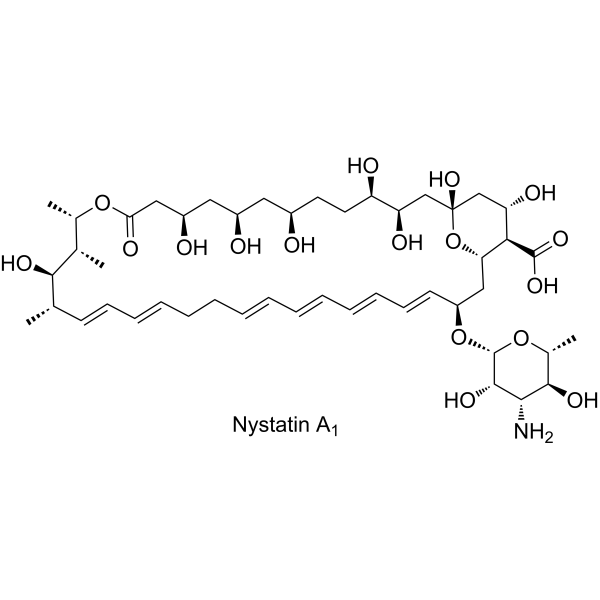
    Nystatin
    Maximum Cited Publications
    52 Publications Verification

    Fungal Antibiotic Apoptosis Bacterial Infection Cancer
    Nystatin is an orally active polyene antifungal antibiotic effective against yeast and mycoplasma. Nystatin increases the permeability of plasma membranes to small monovalent ions, including chloridion . Nystatin is a cholesterol-sequestering agent , partially prevents Oxaliplatin-induced lipid raft aggregation, DR4 and DR5 clustering, and thereby reduces apoptosis .
    Nystatin
  • HY-P99194
    Evinacumab
    1 Publications Verification

    REGN1500

    ANGPTL Cardiovascular Disease Metabolic Disease
    Evinacumab (REGN1500) is a human anti-ANGPTL3 (angiopoietin-like protein 3) monoclonal antibody (IgG4 class antibody). Evinacumab reduces plasma lipids in dyslipidemic mice by blocking ANGPTL3. Evinacumab can be used in studies of homozygous familial hypercholesterolaemia (HoFH), refractory hypercholesterolaemia (both familial and non-familial) and severe hypertriglyceridaemia .
    Evinacumab
  • HY-14668
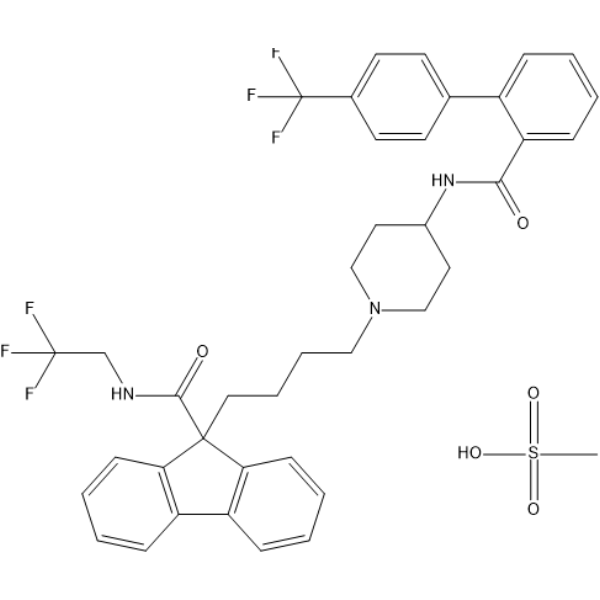
    Lomitapide mesylate
    5+ Cited Publications

    AEGR-733 mesylate; BMS-201038 mesylate

    Microsomal Triglyceride Transfer Protein (MTP) mTOR LDLR Autophagy Apoptosis Cardiovascular Disease Neurological Disease Metabolic Disease Cancer
    Lomitapide (AEGR-733; BMS-201038) mesylate is an orally active microsomal triglyceride transfer protein (MTP) inhibitor and a selective mTORC1 inhibitor with lipid-lowering activity and BBB permeability. Lomitapide mesylate significantly reduces plasma LDL levels by blocking the assembly and secretion of very-low-density lipoprotein (VLDL). Lomitapide mesylate inhibits mTORC1 in an ATP-dependent manner, thereby inducing AMPK-independent autophagic cell death and suppressing cancer cell growth and apoptosis. Lomitapide mesylate also enhances tumor infiltration of CD8 + T cells. In addition, Lomitapide mesylate inhibits HDAC, improves endothelial function, effectively alleviates vascular inflammation and oxidative stress, and exerts neuroprotective effects in a cerebral ischemia/reperfusion injury model. Lomitapide mesylate can be used in research on related diseases such as colorectal cancer, breast cancer, melanoma, ischemic stroke, and familial hypercholesterolemia .
    Lomitapide mesylate
  • HY-113168
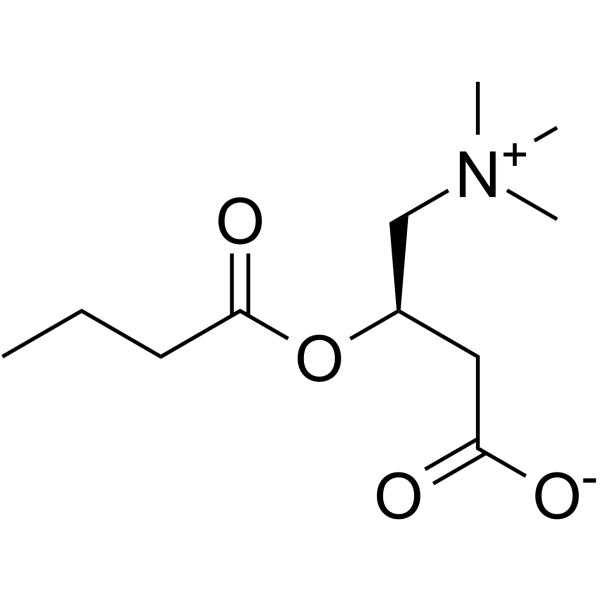
    Butyrylcarnitine
    1 Publications Verification

    Endogenous Metabolite Cardiovascular Disease Metabolic Disease Cancer
    Butyrylcarnitine is an endogenous metabolite found in plasma. Elevated levels of Butyrylcarnitine are closely associated with abnormalities in lipid and energy metabolism. Butyrylcarnitine can serve as a diagnostic and prognostic indicator for certain diseases, such as heart failure and head and neck cancer .
    Butyrylcarnitine
  • HY-113110

    L-Cysteinylglycine; Cys-Gly; H-Cys-Gly-OH

    Endogenous Metabolite Reactive Oxygen Species (ROS) DNA/RNA Synthesis Cardiovascular Disease Cancer
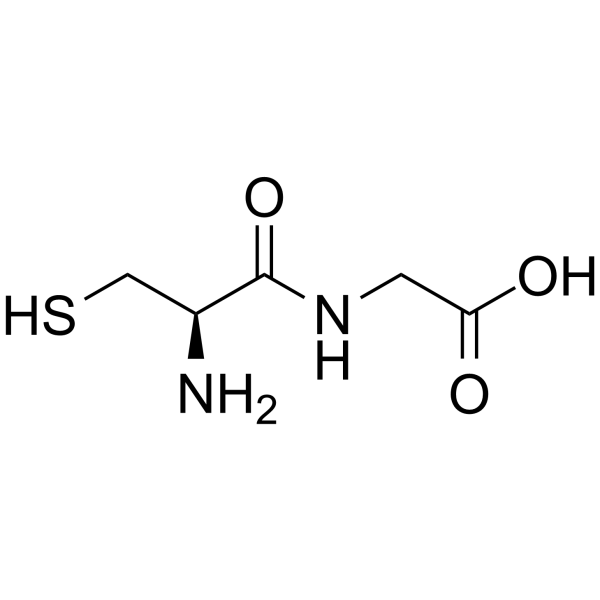
    Cysteinylglycine (L-Cysteinylglycine; Cys-Gly) is a dipeptide formed by the peptide bond linkage between cysteine (Cysteine) and glycine (Glycine). Cysteinylglycine is an important metabolic intermediate in the human body, mainly derived from the degradation of glutathione (GSH). Cysteinylglycine reduces ferric iron to ferrous iron, drives the redox cycle of iron, generates reactive oxygen species (ROS), stimulates oxidative reactions, induces lipid peroxidation of human plasma LDL lipoproteins, and causes oxidative damage to DNA bases. Cysteinylglycine can be used as a biomarker to evaluate ischemic heart disease, breast cancer and other conditions .
    Cysteinylglycine
  • HY-D1056A3

    LPS, from Escherichia coli (O26:B6)

    Toll-like Receptor (TLR) Inflammation/Immunology
    Lipopolysaccharides, from E. coli (Escherichia coli) O26:B6 are lipopolysaccharide endotoxins and TLR-4 activators derived from E. coli, classified as S-type LPS, which can activate pathogen-associated molecular patterns (PAMP) of the immune system and induce cellular secretion of migrasomes. Lipopolysaccharides, from E. coli O26:B6 exhibit a typical three-part structure: O-antigen, core oligosaccharide, and lipid A, and can be recognized by the core-specific monoclonal antibody MAb J8-4C10. Lipopolysaccharides, from E. coli O26:B6 can promote an increase in pro-inflammatory cytokines in plasma, thereby triggering hypothalamic-pituitary-adrenal (HPA) activation and leading to adrenal oxidative damage. The pathogenic effects of Lipopolysaccharides, from E. coli O26:B6 can be used to construct various models, such as cellular inflammation models, sepsis, acute lung injury models, adrenal dysfunction models, and bladder infection models, etc .
    It is recommended to prepare a solution with concentration ≥2 mg/mL. Vortex thoroughly for more than 10 minutes. Due to the adsorption characteristics of LPS, silanized container or low adsorption centrifuge tubes should be used for aliquoting and storage, and mix thoroughly before use.
    Lipopolysaccharides, from E. coli O26:B6
  • HY-100313A
    YM-53601
    5 Publications Verification

    Farnesyl Transferase HCV Infection Metabolic Disease
    YM-53601, a squalene synthase inhibitor, reduces plasma cholesterol and triglyceride levels in vivo . YM-53601 inhibits squalene synthase derived from human hepatoma cells with an IC50 of 79 nM. Lipid-lowering agent . YM-53601 is also an inhibitor of farnesyl-diphosphate farnesyltransferase 1 (FDFT1) enzyme activity and abrogates HCV propagation .
    YM-53601
  • HY-113202
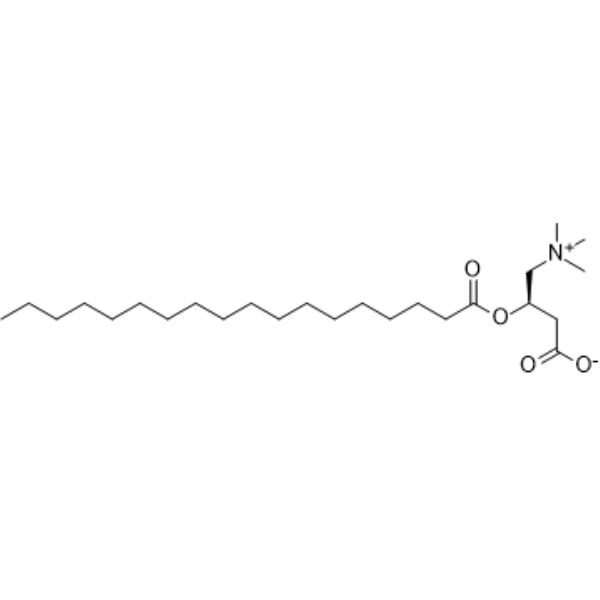
    Stearoylcarnitine
    1 Publications Verification

    Endogenous Metabolite PKC GlyT Neurological Disease Metabolic Disease
    Stearoylcarnitine, a fatty ester lipid molecule, is an endogenous metabolite. Stearoylcarnitine can be used as PKC inhibitor. Stearoylcarnitine accumulates in β cells, leading to arrest of insulin synthesis and energy deficiency in type 2 diabetes mouse. Stearoylcarnitine inhibits lecithin cholesterol acyltransferase (LCAT) in rat and rabbits plasma. Stearoylcarnitine acts as a metabolomics biomarker for Parkinson’s disease. Stearoylcarnitine is a less potent inhibitor of GlyT2 .
    Stearoylcarnitine
  • HY-150097

    Biochemical Assay Reagents Metabolic Disease Inflammation/Immunology Cancer
    Recombinant Human Serum Albumin (rHSA) is a non-glycosylated monomeric plasma protein that acts as a core factor for maintaining plasma colloid osmotic pressure. Recombinant Human Serum Albumin (rHSA) possesses multiple physiological functions including carrier, metabolic regulation, detoxification, antioxidation and enzyme mimicking. Recombinant Human Serum Albumin (rHSA) not only scavenges reactive oxygen and nitrogen species via specific residues and binds a variety of endogenous and exogenous compounds to maintain redox homeostasis, but also serves as a biomarker for multiple diseases such as cancer and inflammation. Recombinant Human Serum Albumin (rHSA) broadly supports the development of implantable materials, surgical adhesives and ligand capture, and can be used for research on critical illnesses including hypovolemia, liver failure, severe sepsis and various types of trauma resuscitation .
    Recombinant Human Serum Albumin(rHSA)
  • HY-P5712
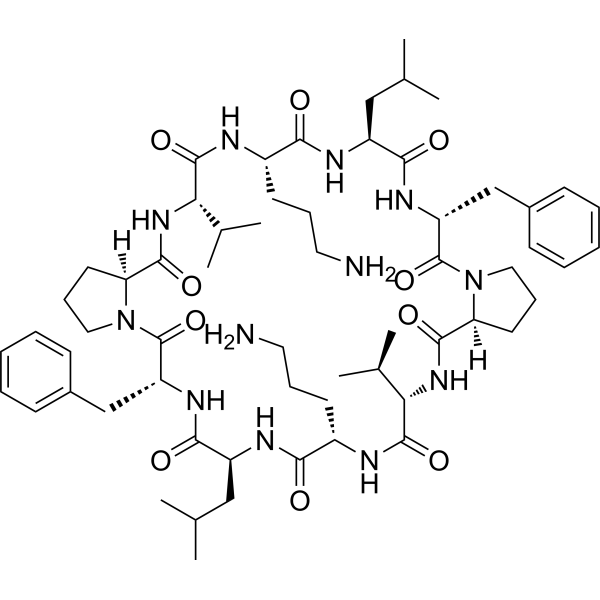
    Gramicidin S
    1 Publications Verification

    Gramicidin soviet

    Antibiotic Bacterial Na+/K+ ATPase Infection
    Gramicidin S (Gramicidin soviet) is a cationic cyclic peptide antibiotic that selectively targets bacterial cell membranes and has anticancer activity. Gramicidin S also exerts antibacterial activity by destroying membrane integrity and interfering with membrane protein function. Gramicidin S inserts into the phospholipid bilayer through hydrophobic amino acid residues, specifically binds to negatively charged membrane lipids and disrupts membrane structure, thereby inhibiting cell division and cell wall synthesis, and ultimately causing bacterial death. Gramicidin S also inhibits ion channels, with IC50s of 41 μM, 24 μM, and 3 μM for Na +/K +-ATPase, tobacco leaf plasma membrane Mg 2+/K +-ATPase, and rat heart plasma membrane Ca 2+-ATPase, respectively .
    Gramicidin S
  • HY-129467

    2-Hydroxyoleic acid; 2-OHOA; LAM561

    Apoptosis Cancer
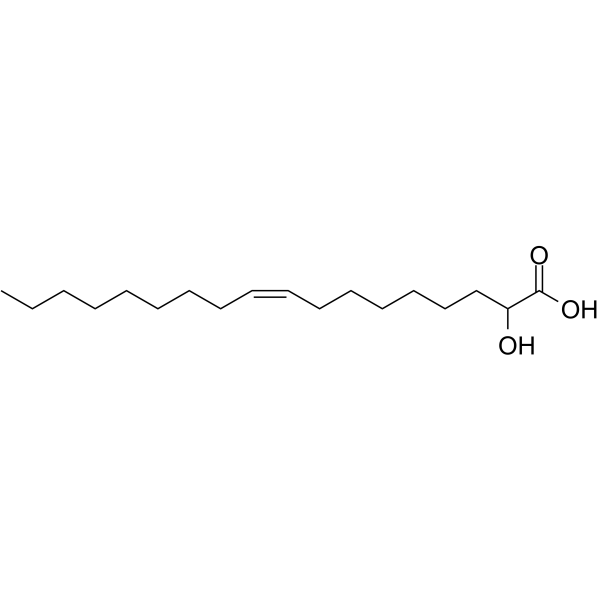
    (Rac)-Idroxioleic acid (2-Hydroxyoleic acid) is a synthetic oleic acid (OA) derivative that binds to the plasma membrane and alters lipid organization. (Rac)-Idroxioleic acid has anti-tumor effect .
    (Rac)-Idroxioleic acid
  • HY-D2318

    Fluorescent Dye Others
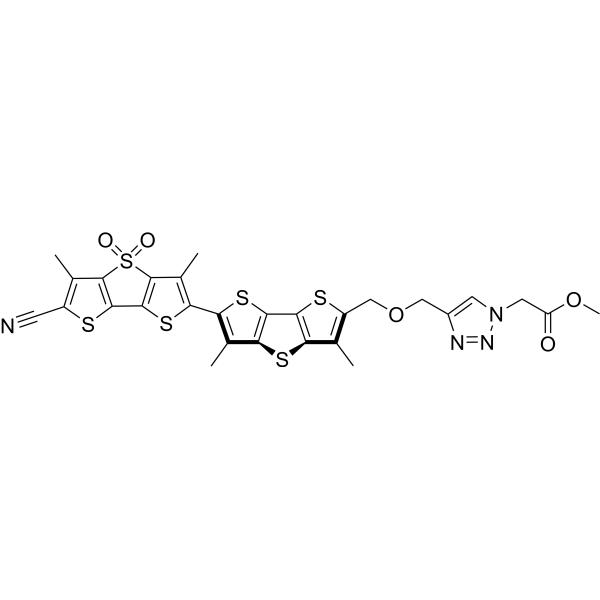
    Flipper-TR 5 is a Flipper probe containing a terminal carboxylate for retention on the plasma membrane. Flipper-TR 5 selectively labels the cytoplasmic membrane, and exhibits excellent mechanical sensitivity, negligible cytotoxicity and controllable phototoxicity .
    Flipper-TR 5
  • HY-150229

    Liposome Cancer
    306-N16B is a selective lung-targeted lipid nanoparticle that reversibly targets lung endothelial cells and specific immune cells through selective adsorption of a protein corona mediated by differences in tail structure (such as fibrinogen β/γ chain). 306-N16B binds to specific plasma proteins in the blood to form a protein corona, which guides the particles to be enriched in the lungs, releases mRNA and promotes target cell gene expression, exerts efficient lung cell transfection activity, and can precisely regulate gene delivery of different cell types in the lungs (such as endothelial cells and macrophages). 306-N16B can be used in gene therapy technologies for hereditary lung diseases including pulmonary lymphangioleiomyomatosis (LAM), restoring tumor suppressor function by delivering Tsc2 mRNA, and can also be used for lung-specific mRNA vaccines and gene editing therapies .
    306-N16B
  • HY-156004

    Bacterial Others
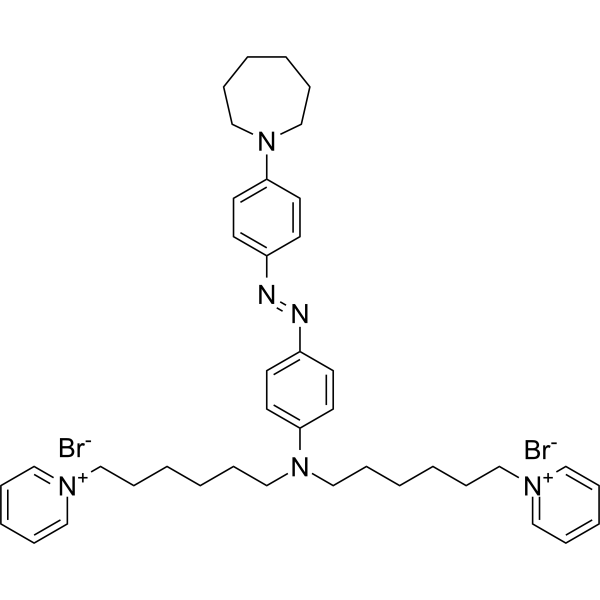
    Ziapin 2 is a membrane potential modulator and an intracellular membrane photoactuator. Ziapin 2 binds to the bacterial plasma membrane, and upon embedding into the lipid bilayer, undergoes trans-cis isomerization under 470 nm light irradiation, which triggers membrane potential hyperpolarization and induces the opening of ion channels on bacterial cell membranes. Through interactions with lipids, Ziapin 2 increases the overall flexibility of the lipid bilayer. Ziapin 2 can form photosensitive transmembrane dimers to trigger cellular signal transduction. Ziapin 2 is applicable to the research and regulation of bacterial electrical signal transduction and the regulation of membrane physical properties .
    Ziapin 2
  • HY-162562

    PCSK9 Metabolic Disease Inflammation/Immunology
    E28362 is an orally active lipid-lowering agent and a selective PCSK9 antagonist. E28362 blocks the interaction between PCSK9 and LDLR, and induces PCSK9 degradation via the ubiquitin-proteasome pathway. E28362 significantly increases the levels of cell surface and total LDLR proteins, enhances low-density lipoprotein uptake, thereby effectively reducing plasma lipids, hepatic cholesterol and triglyceride levels. E28362 shows no obvious cytotoxicity at high concentrations, and significantly attenuates atherosclerotic lesions in animal models. E28362 is an important molecule in research of hyperlipidemia and atherosclerosis .
    E28362
  • HY-162353

    Cancer
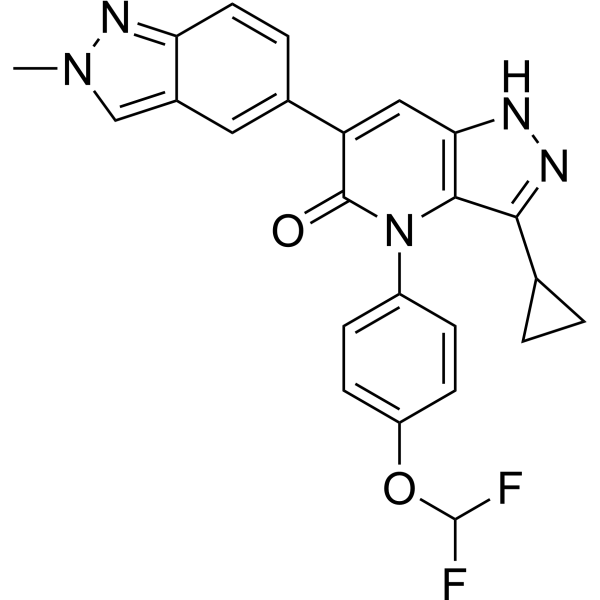
    AZ'9567 is an orally active MAT2a inhibitor with a pIC50 of 9.1. AZ'9567 binds to MAT2a allosterically, reduces the synthesis of SAM, decreases SDMA levels, and exerts antiproliferative effects on MTAP-knockout cells. AZ'9567 depletes SAM, causes methionine accumulation in plasma and tissues, triggers adaptive disorders in one-carbon metabolism, transsulfuration metabolism and lipid metabolism, and induces oxidative stress, hepatic steatosis and lipid homeostasis imbalance. AZ'9567 can be used in studies related to MTAP-deficient/deleted cancers .
    AZ'9567
  • HY-135115

    3,4-DHPEA-EA

    α-synuclein HDAC Adrenergic Receptor Inflammation/Immunology
    Oleuropein Aglycone (3,4-DHPEA-EA) is a polyphenol and the aglycone form of oleuropein (HY-N0292), formed by enzymatic, acidic or acetylated hydrolysis of oleuropein. Dietary intake of oleuropein Aglycone (50 mg/kg diet) increases the number of neuronal autophagic vesicles, reverses cognitive deficits in the TgCRND8 transgenic mouse model of Alzheimer's disease, and reduces the levels of histone deacetylase 2 (HDAC2) in the cortex and hippocampus. Oleuropein Aglycone increases urinary norepinephrine, interscapular brown adipose tissue epinephrine, and UCP1 protein levels, and reduced plasma leptin levels and total abdominal adipose tissue weight in a rat model of high-fat diet-induced obesity. Oleuropein Aglycone also reduced lung neutrophil infiltration, lipid peroxidation, and IL-1β levels in a mouse model of carrageenan-induced pleurisy.
    Oleuropein Aglycone
  • HY-114457

    L-alpha-Phosphatidylinositol-4,5-bisphosphate; (PtdIns)-(4,5)-P2

    Phospholipase Inflammation/Immunology
    Phosphatidylinositol 4,5-bisphosphate (L-alpha-Phosphatidylinositol-4,5-bisphosphate) is a plasma membrane lipid that is enriched in the cytoplasmic leaflet of the plasma membrane. Phosphatidylinositol 4,5-bisphosphate serves as a substrate for phospholipase C and class I PI3K, generating diacylglycerol, inositol (1,4,5)-trisphosphate, and phosphatidylinositol (3,4,5)-trisphosphate. Phosphatidylinositol 4,5-bisphosphate contributes to lamellipodial protrusion, directional cell migration, focal adhesion lipid generation, and trafficking of the GABAA receptor. Phosphatidylinositol 4,5-bisphosphate can be used in research related to acute lung injury and pulmonary edema .
    Phosphatidylinositol 4,5-bisphosphate
  • HY-149120

    Phospholipase Cardiovascular Disease Inflammation/Immunology
    ASM-IN-1 is a potent and orally active acid sphingomyelinase (ASM) inhibitor with an IC50 value of 1.5 µM. ASM-IN-1 reduces lipid plaques in the aortic arch and aorta and reduces plasma ceramide concentration and Ox-LDL levels. ASM-IN-1 shows antiatherosclerotic and anti-inflammatory activity .
    ASM-IN-1
  • HY-117912

    Endogenous Metabolite Cardiovascular Disease
    TRC210258 is a TGR5 agonist with activity to improve diabetes-associated hyperglycemia and dyslipidemia. TRC210258 promotes energy expenditure by enhancing the release of glucagon-like peptide-1. TRC210258 is able to improve glucose metabolic control in high-fat diet-induced obese mice. TRC210258 also showed improvement in lipid parameters in high-fat-fed hamsters, including reductions in plasma triglyceride and low-density lipoprotein cholesterol levels. TRC210258 improved emerging lipid-related cardiovascular risk parameters including remnant cholesterol and triglyceride clearance .
    TRC210258
  • HY-N14035

    FABP PPAR Metabolic Disease
    Garcinia cambogia extract is an orally active anti-obesity agent . Garcinia cambogia extract upregulates the gene expression of aP2, SREBP1c, PPARγ2 and C/EBPα. Garcinia cambogia extract reduces the rate of body weight gain, visceral fat accumulation, lipid levels in blood and liver, as well as plasma insulin and leptin levels . Garcinia cambogia extract ameliorates high-fat diet-induced obesity .
    Garcinia cambogia extract
  • HY-139040

    PPAR Metabolic Disease
    2-Tetradecylthio acetic acid is a pan-peroxisome proliferator activated receptor (pan-PPAR) activator. 2-Tetradecylthio acetic acid induces hypolipidemia. 2-Tetradecylthio acetic acid reduces plasma lipids and enhances hepatic fatty acid oxidation in rodents. 2-Tetradecylthio acetic acid increases the expression of genes involved in fatty acid uptake, activation, accumulation, and oxidation .
    2-(Tetradecylthio)acetic acid
  • HY-100469

    LXR Inflammation/Immunology
    LXRβ agonist-2 is an orally active and selective LXRβ agonist. LXRβ agonist-2 increases high-density lipoprotein cholesterol levels without elevating plasma triglyceride levels. LXRβ agonist-2 decreases lipid accumulation area in the aortic arch. LXRβ agonist-2 can be used for the research of atherosclerosis .
    LXRβ agonist-2
  • HY-132187

    TGF-beta/Smad TRP Channel Apoptosis PAI-1 Cardiovascular Disease Neurological Disease Metabolic Disease Inflammation/Immunology Cancer
    Sphingosylphosphorylcholine is a bioactive lipid and a major component of plasma high-density lipoprotein that binds to OGR1 with a Kd of 33.3 nM. Sphingosylphosphorylcholine triggers delayed phosphorylation of Smad2, upregulates α-SMA expression, and activates TRPM3. Sphingosylphosphorylcholine reduces Apoptosis and upregulates the expression of uPA and its receptor uPA-R. Sphingosylphosphorylcholine exerts anti-apoptotic, anti-cardiac hypertrophy and pro-wound healing effects. Sphingosylphosphorylcholine induces scratching behavior in mice. Sphingosylphosphorylcholine is used in studies related to atopic dermatitis, promyelocytic leukemia, heart failure, myocardial ischemia/reperfusion injury, ovarian cancer, breast cancer, pancreatic cancer, and skin wound healing disorders in genetically impaired healing diabetes .
    Sphingosylphosphorylcholine
  • HY-D1056C1

    LPS, from Salmonella enterica (Serotype enteritidis)

    Toll-like Receptor (TLR) Inflammation/Immunology
    Lipopolysaccharides, from S. enterica (Salmonella enterica) serotype enteritidis are lipopolysaccharide endotoxins and TLR-4 activators derived from the enteritidis serotype of S. enterica, classified as S-type LPS, which can activate pathogen-associated molecular patterns (PAMP) of the immune system and induce cellular secretion of migrasomes. Lipopolysaccharides, from S. enterica serotype enteritidis exhibit a typical three-part structure: O-antigen, core oligosaccharide, and lipid A. Lipopolysaccharides, from S. enterica serotype enteritidis can induce systemic inflammatory responses, increasing levels of TNF-α, IFN-γ, IL-6, IL-10, and nitrate in plasma .
    It is recommended to prepare a solution with concentration ≥2 mg/mL. Vortex thoroughly for more than 10 minutes. Due to the adsorption characteristics of LPS, silanized container or low adsorption centrifuge tubes should be used for aliquoting and storage, and mix thoroughly before use.
    Lipopolysaccharides, from S. enterica serotype enteritidis
  • HY-131682

    3-Hexanoyl-NBD-cholesterol

    Fluorescent Dye Others
    3-C6-NBD-cholesterol is a fluorescent analog of Chol that can be used to measure the kinetics of membrane and intracellular trafficking .
    3-C6-NBD-cholesterol
  • HY-E70599

    Carboxylesterase (CES) Metabolic Disease
    Human CES2 Enzyme is a carboxylesterase involved in drug metabolism and lipid homeostasis. Human CES2 Enzyme hydrolyzes triglycerides, cholesteryl esters and retinyl esters to regulate lipid metabolism and energy homeostasis. Human CES2 Enzyme improves glucose tolerance and insulin sensitivity, reduces hepatic lipid accumulation, alleviates white adipose tissue steatitis, decreases plasma cholesterol levels, and reduces body weight and white adipose tissue weight. Human CES2 Enzyme can be used in the research of metabolic syndrome .
    Human CES2 Enzyme
  • HY-159709

    Liposome Metabolic Disease
    VL-422 is an ionizable cationic lipid. VL-422 delivers CRISPR complementary single-guide RNA (sgRNA) and Cas9 mRNA to enable in vitro and in vivo gene editing. LNPs containing VL-422 loaded with Cas9 mRNA and sgRNA targeting the ANGPTL3 gene induce the deletion of premature stop codons within the ANGPTL3 gene in the liver of cynomolgus monkeys. Loss-of-function of ANGPTL3 leads to decreased levels of LDL, HDL and cholesterol in plasma. The VL-422 delivery system can be used for the research of gene editing strategies targeting lipid metabolism diseases .
    VL-422
  • HY-Y0106

    mTOR Xanthine Oxidase Apoptosis Cardiovascular Disease Metabolic Disease Inflammation/Immunology
    2,6-Dihydroxyacetophenone, a polyphenolic derivative of Acetophenone (HY-Y0989), is an orally active mTOR inhibitor. 2,6-Dihydroxyacetophenone shows antioxidant activity. 2,6-Dihydroxyacetophenone inhibits cell growth and proliferation in CRC cells. 2,6-Dihydroxyacetophenone arrests at G0/G1 phase of cell cycle, induces apoptosis and suppresses cell migration in CRC cells. 2,6-Dihydroxyacetophenone inhibits xanthine oxidase (XOD) with an IC50 of 1.24 mM. 2,6-dihydroxyacetophenone improves uric acid metabolism in hyperuricemia mice, reduces plasma cholesterol in hypercholesterolemic rats, and inhibits lipid accumulation in HFD-induced obese mice. 2,6-Dihydroxyacetophenone can be used for the study of colorectal cancer (CRC), hyperuricemia and hypercholesterolemia .
    2,6-Dihydroxyacetophenone
  • HY-W414069

    Endogenous Metabolite Liposome Others
    Thiocholesterol is a member of the class of cholesteric liquid crystals (CLCs) that can be used to synthesis cationic lipid. Thiocholesterol is a stronger stabilizer of silver nanoparticles (SNPs). Thiocholesterol can be used for plasma membrane research and drug delivery .
    Thiocholesterol
  • HY-157639A

    Others Cardiovascular Disease
    18:2 Lyso PA sodium is an unsaturated lysophosphatidic acid (LysoPA), a lipid mediator mainly present in plasma and thought to be involved in the pathogenesis of acute coronary syndrome (ACS). 18:2 Lyso PA sodium significantly correlates with serum autotaxin (ATX) in peripheral arteries .
    18:2 Lyso PA sodium
  • HY-100313

    Farnesyl Transferase HCV Metabolic Disease
    YM-53601 free base, a squalene synthase inhibitor, reduces plasma cholesterol and triglyceride levels in vivo . YM-53601 free base inhibits squalene synthase derived from human hepatoma cells with an IC50 of 79 nM. Lipid-lowering agent . YM-53601 free base is also an inhibitor of farnesyl-diphosphate farnesyltransferase 1 (FDFT1) enzyme activity and abrogates HCV propagation .
    YM-53601 free base
  • HY-166257

    Psychosine 3′-O-sulfate; Psychosine 3′-sulfate

    Biochemical Assay Reagents Factor Xa Metabolic Disease
    Lyso-sulfatide (bovine) is a phospholipid component derived from sphingolipid catabolism and a potent factor Xa inhibitor and anticoagulant. Lyso-sulfatide (bovine) binds directly to factor Xa and inhibits prothrombin activation mediated by the prothrombinase complex, thereby prolonging factor Xa-induced plasma clotting time and suppressing thrombin generation. Lyso-sulfatide (bovine) serves as a reliable lipid membrane mimic for studying cell membrane structure, function, and molecular interactions .
    Lyso-sulfatide (bovine)
  • HY-170509

    Ferroptosis Glutathione Peroxidase Cardiovascular Disease Neurological Disease Cancer
    Ferroptosis-IN-17 (Compound 18) is a ferroptosis (Ferroptosis) inhibitor with an EC50 value of 0.57 μM. Ferroptosis-IN-17 reduces intracellular ferrous ion accumulation, lipid peroxidation, and effectively restores the levels of glutathione (GSH) and glutathione peroxidase 4 (GPX4). Ferroptosis-IN-17 shows good solubility and significant metabolic stability in rat plasma. Ferroptosis-IN-17 is promising for research in tumor suppression, neurodegenerative diseases, and cardiovascular diseases .
    Ferroptosis-IN-17
  • HY-178794

    PGE synthase Inflammation/Immunology
    AGU661 is a Microsomal prostaglandin E2 synthase 1 (mPGES-1) inhibitor with an IC50 of 0.22  nM. AGU661 lowers PGE2 formation in human pro-inflammatory M1 macrophages and activated monocytes without affecting other lipid mediator pathways. AGU661 has unfavorable physicochemical properties with poor metabolic stability and strong plasma protein binding tendencies. AGU661 into PLGA-based NPs significantly enhances its bioactivity. AGU661 can be used for inflammatory disorders research .
    AGU661
  • HY-113110A

    L-Cysteinylglycine TFA; Cys-Gly TFA; H-Cys-Gly-OH TFA

    Endogenous Metabolite Reactive Oxygen Species (ROS) DNA/RNA Synthesis Cardiovascular Disease Cancer
    Cysteinylglycine (L-Cysteinylglycine; Cys-Gly) TFA is a dipeptide formed by the peptide bond connection of cysteine and glycine. Cysteinylglycine TFA is an important metabolic intermediate in the human body, mainly derived from the degradation of glutathione (GSH). Cysteinylglycine TFA can reduce trivalent iron to divalent iron, driving the redox cycle of iron, generating reactive oxygen species (ROS), stimulating oxidative reactions, inducing lipid peroxidation in human plasma LDL lipoproteins, and causing oxidative damage to DNA base. Cysteinylglycine TFA can be used as a biomarker to assess ischemic heart disease and breast cancer, etc [1][2][3][4].
    Cysteinylglycine TFA
  • HY-19616

    Scavenger Receptor Class B type I (SR-BI) Metabolic Disease
    ML278 is an efficient, low toxicity, and plasma stable SR-BI (IC50 = 6 nM) lipid uptake inhibitor. ML278 enhances HDL binding while inhibiting SR-BI mediated lipid uptake. ML278 can be used for research on metabolic conditions .
    ML278
  • HY-129427

    Adrenergic Receptor Cardiovascular Disease
    DC-015 is a selective and orally active alpha 1-adrenoceptor antagonist on plasma lipid and vascular reactivity in hyperlipidaemic rodent model. DC-015 is a synthesized quinazoline derivative. DC-015 decreases mean arterial pressure in rats. DC-015 has antihypertensive activity .
    DC-015
  • HY-123341

    9-KODE

    Endogenous Metabolite Metabolic Disease
    9-OxoODE results from oxidation of the allylic hydroxyl of either 9(S)- or 9(R)-HODE. Rabbit reticulocyte plasma and mitochondrial membranes contain both 9- and 13-oxoODEs, representing about 2% of the total linoleate residues in the membranes. Most of these oxidized linoleate residues are esterified to membrane lipids.
    9-OxoODE
  • HY-113202S

    Isotope-Labeled Compounds Endogenous Metabolite PKC GlyT Neurological Disease Metabolic Disease
    Stearoyl-L-carnitine-d3 is the deuterium labeled Stearoylcarnitine. Stearoylcarnitine, a fatty ester lipid molecule, is an endogenous metabolite. Stearoylcarnitine can be used as PKC inhibitor. Stearoylcarnitine accumulates in β cells, leading to arrest of insulin synthesis and energy deficiency in type 2 diabetes mouse. Stearoylcarnitine inhibits lecithin cholesterol acyltransferase (LCAT) in rat and rabbits plasma. Stearoylcarnitine acts as a metabolomics biomarker for Parkinson’s disease. Stearoylcarnitine is a less potent inhibitor of GlyT2 .
    Stearoyl-L-carnitine-d3
  • HY-113110R

    L-Cysteinylglycine (Standard); Cys-Gly (Standard); H-Cys-Gly-OH (Standard)

    Reference Standards Endogenous Metabolite Reactive Oxygen Species (ROS) DNA/RNA Synthesis Cardiovascular Disease Cancer
    Cysteinylglycine (Standard) is the analytical standard of Cysteinylglycine. This product is intended for research and analytical applications. Cysteinylglycine is a dipeptide formed by the peptide bond linkage between cysteine (Cysteine) and glycine (Glycine). Cysteinylglycine is an important metabolic intermediate in the human body, mainly derived from the degradation of glutathione (GSH). Cysteinylglycine reduces ferric iron to ferrous iron, drives the redox cycle of iron, generates reactive oxygen species (ROS), stimulates oxidative reactions, induces lipid peroxidation of human plasma LDL lipoproteins, and causes oxidative damage to DNA bases. Cysteinylglycine can be used as a biomarker to evaluate ischemic heart disease, breast cancer and other conditions .
    Cysteinylglycine (Standard)
  • HY-169801

    Glucocorticoid Receptor Interleukin Related Inflammation/Immunology
    Rofleponide 21-palmitate is a lipophilic Corticosteroid prodrug. Rofleponide 21-palmitate reduces subcutaneous edema, plasma haptoglobin levels, and plasma levels of IL-6, KC, IP-10, MCP-1. Rofleponide 21-palmitate increases and prolongs mRNA-encoded protein expression in lipid nanoparticle formulations .
    Rofleponide 21-palmitate
  • HY-129467A

    2-Hydroxyoleic acid sodium; 2-OHOA sodium; LAM561 sodium

    Apoptosis Cancer
    (Rac)-Idroxioleic acid (2-Hydroxyoleic acid) sodium is a synthetic oleic acid (OA) derivative that binds to the plasma membrane and alters lipid organization. (Rac)-Idroxioleic acid sodium has anti-tumor effect .
    (Rac)-Idroxioleic acid sodium
  • HY-105961

    LDLR Metabolic Disease
    F 2833 is a lipid-lowering agent. F 2833 can reduce the levels of cholesterol, triglycerides, and plasma phospholipids. F 2833 can be used for research on diseases such as hyperlipidemia .
    F 2833
  • HY-W020798

    Fluorescent Dye Others
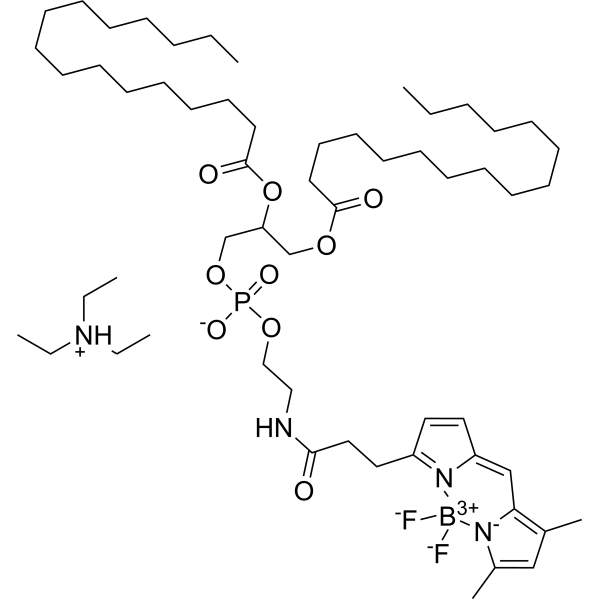
    1-Palmitoyl-2-[3-(diphenylhexatriene)propanoyl]-sn-phosphatidylcholine is a fluorescent probe with a polar phosphatidylethanolamine head group for the determination of surface lipid oxidation in lipoproteins and plasma .
    1-Palmitoyl-2-[3-(diphenylhexatriene)propanoyl]-sn-phosphatidylcholine
  • HY-155789

    Ceramide trihexoside (d18:1/17:0); Gb3(d18:1)(C17:0)

    Biochemical Assay Reagents Others
    C17 Globotriaosylceramide (d18:1/17:0) is a sphygosine lipid that can be used to quantify Globotriaosylceramide in plasma and urine of patients with Fabry disease by gas chromatography-mass spectrometry (GC-MS) .
    C17 Globotriaosylceramide (d18:1/17:0)
  • HY-134939

    Drug Derivative Others
    thio-Miltefosine is a modulator of rafts in membrane tissue. Rafts are nanoscale aggregates of different lipids and proteins that profoundly affect cellular function. Thio-Miltefosine modulates membrane phase behavior on cell-derived giant plasma membrane vesicles .
    thio-Miltefosine
  • HY-106818A

    AJ-2615

    Acyltransferase Calcium Channel Cardiovascular Disease Metabolic Disease
    Monatepil maleate (AJ-2615) is a potent and orally active Ca 2+-channel antagonist and a noncompetitive ACAT inhibitor. Monatepil maleate decreases blood pressure and improves plasma lipid metabolism. Monatepil maleate has the potential for the research of hyperlipidemia .
    Monatepil maleate
  • HY-N17233

    Endogenous Metabolite Cardiovascular Disease
    LacCer(d18:1/24:0) is a lipid. LacCer(d18:1/24:0) can be found in plasma. LacCer(d18:1/24:0) is associated with critical illness after cardiac surgery .
    LacCer(d18:1/24:0)
  • HY-129467R

    2-Hydroxyoleic acid (Standard); 2-OHOA (Standard); LAM561 (Standard)

    Reference Standards Apoptosis Cancer
    (Rac)-Idroxioleic acid (Standard) is the analytical standard of (Rac)-Idroxioleic acid. This product is intended for research and analytical applications. (Rac)-Idroxioleic acid (2-Hydroxyoleic acid) is a synthetic oleic acid (OA) derivative that binds to the plasma membrane and alters lipid organization. (Rac)-Idroxioleic acid has anti-tumor effect[1].
    (Rac)-Idroxioleic acid (Standard)

온라인 문의

Your information is safe with us. * Required Fields.

호칭


Country or Region *

고객명 *


회사명 *

Department *


메일주소 *


상품명 *

Cat. No.


Requested quantity *

전화번호 *


비고

온라인 문의

Inquiry Information

상품명:
Cat. No.:
수량:
MCE Japan Authorized Agent:

