1. Search Result
Search Result
Results for "

soil

" in MedChemExpress (MCE) Product Catalog:

124

Inhibitors & Agonists

1

Screening Libraries

8

Biochemical Assay Reagents

3

Peptides

32

Natural
Products

5

Isotope-Labeled Compounds

Cat. No. 상품명 Target 연구분야 Chemical Structure
  • HY-129038
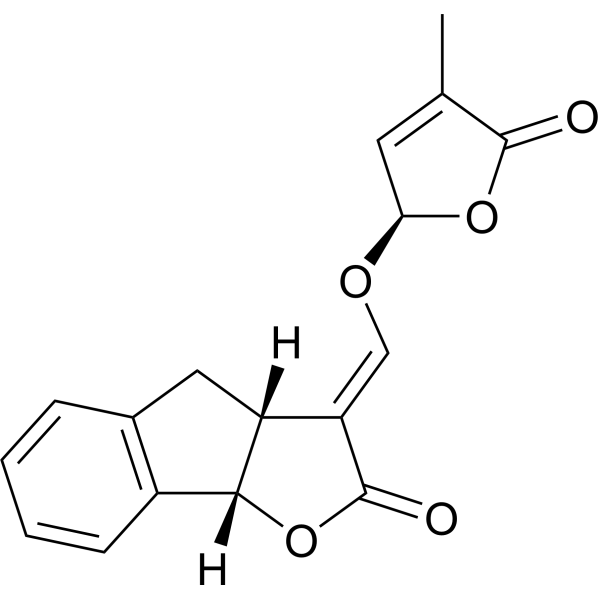
    GR24
    1 Publications Verification

    Strigolactone GR24

    Biochemical Assay Reagents Others
    (Rac)-GR24 (Strigolactone GR24) is a plant hormone analog. (Rac)-GR24 can mimic the natural germination stimulus of parasitic plant seeds, promoting seed germination in the absence of host plants, thereby reducing the number of parasitic seeds in the soil. (Rac)-GR24 can be used in agricultural research .
    GR24
  • HY-P2775
    β-Glucosidase, almond
    1 Publications Verification

    Glycosidase Others
    β-Glucosidase, almond is the rate-limiting enzyme in cellulose degradation. β-Glucosidase is a major group among glycoside hydrolases. β-Glucosidase is involved in the degradation of cellulose in soils and has potential for monitoring soil quality .
    β-Glucosidase, almond
  • HY-122515
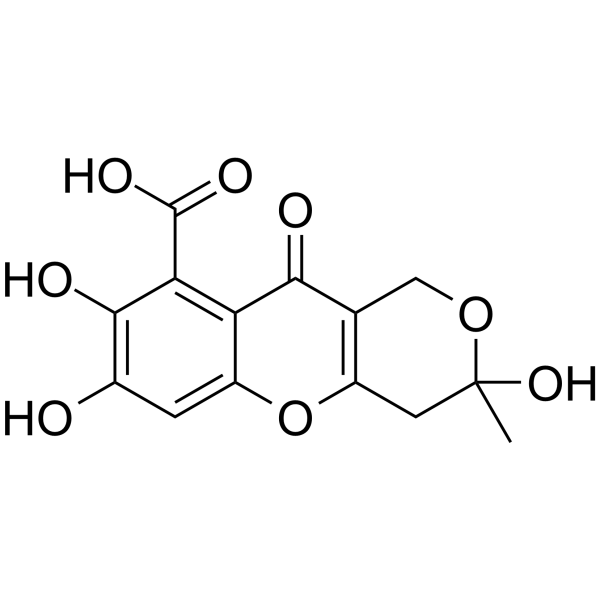
    Fulvic Acid
    1 Publications Verification

    Others Metabolic Disease Inflammation/Immunology
    Fulvic Acid is a natural product, which comes from humic substances produced by microorganisms in soil. Fulvic Acid can modulate the immune system, influence the oxidative state of cells, and improve gastrointestinal function. Fulvic Acid has the potential for researching chronic inflammatory diseases, including diabetes .
    Fulvic Acid
  • HY-100731
    Cyclosporin
    2 Publications Verification

    Cyclophilin Inflammation/Immunology Cancer
    Cyclosporin is a cyclic decapeptide that could be isolated form the soil fungi Tolypocladium inflatum. Cyclosporin is an immunosuppressant thought to bind to cyclophilin in T-lymphocytes .
    Cyclosporin
  • HY-N13022
    Humic acid
    1 Publications Verification

    Environmental Pollutants Bacterial SOD Inflammation/Immunology Cancer
    Humic acid is an important component of organic matter in soil and water, and serves as a plant regulator. Humic acid has multiple reactive activities such as surface adsorption, ion exchange, and complexation. Humic acid can enhance pyrene degradation by Mycobacterium NJS-1. Humic acid can inhibit the activity of superoxide dismutase and scavenge hydroxyl radicals. Humic acid is also toxic to CEM cells .
    Humic acid
  • HY-138800
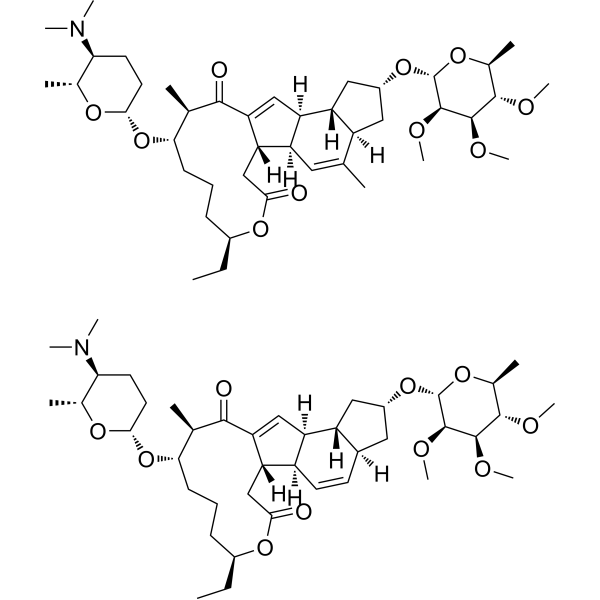
    Spinosad
    4 Publications Verification

    nAChR Neurological Disease
    Spinosad, a mixture of spinosyns A and D known as fermentation products of a soil actinomycete (Saccharopolyspora spinosa), is a biological neurotoxic insecticide with a broader action spectrum. Spinosad targets the nicotinic acetylcholine receptor (nAChRs) of the insect nervous system. Spinosad has an excellent environmental and mammalian toxicological profile. Larvicidal activity .
    Spinosad
  • HY-B0843
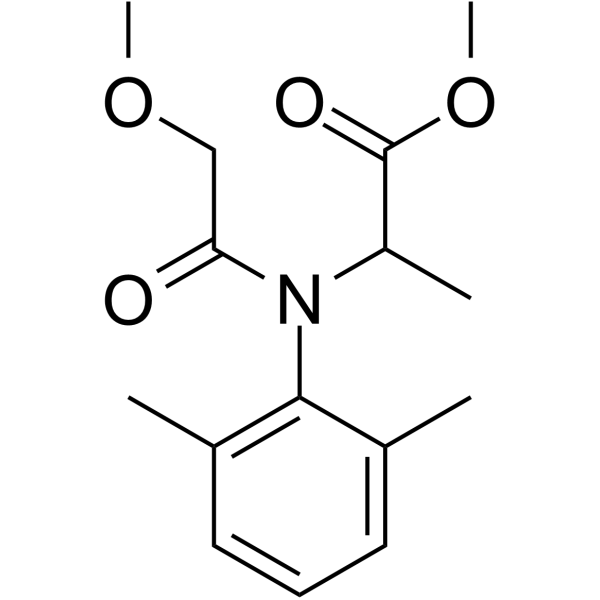
    Metalaxyl
    1 Publications Verification

    Environmental Pollutants Fungal Infection
    Metalaxyl is a fungicide agent that inhibits the protein synthesis in fungi. Metalaxyl against downy mildews and soil-borne diseases by Phytium ssp. and Phytophthora ssp. .
    Metalaxyl
  • HY-W011916

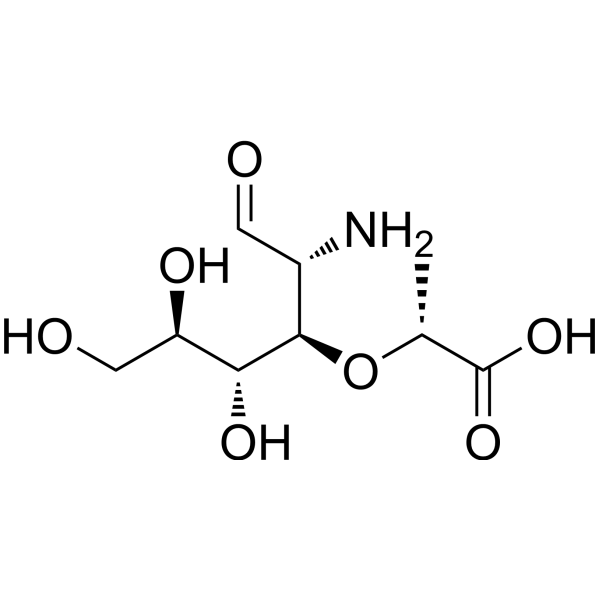
    3-O-Carboxyethyl-D-glucosamine

    Bacterial Endogenous Metabolite Infection
    Muramic acid (3-O-Carboxyethyl-D-glucosamine) is a component found only in the cell walls of bacteria and blue-green algae. Muramic acid can be used to measure the biomass of microorganisms in environments such as estuaries, oceans, and soils .
    Muramic acid
  • HY-W004292

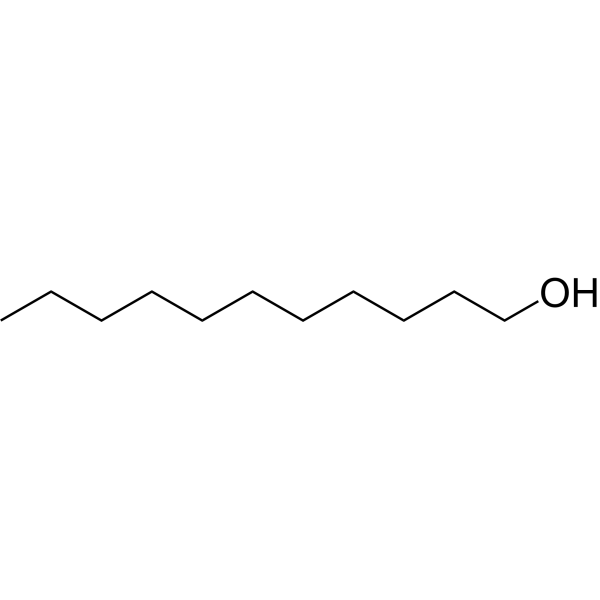
    Undecyl alcohol

    Environmental Pollutants Drug Derivative Insecticide Infection
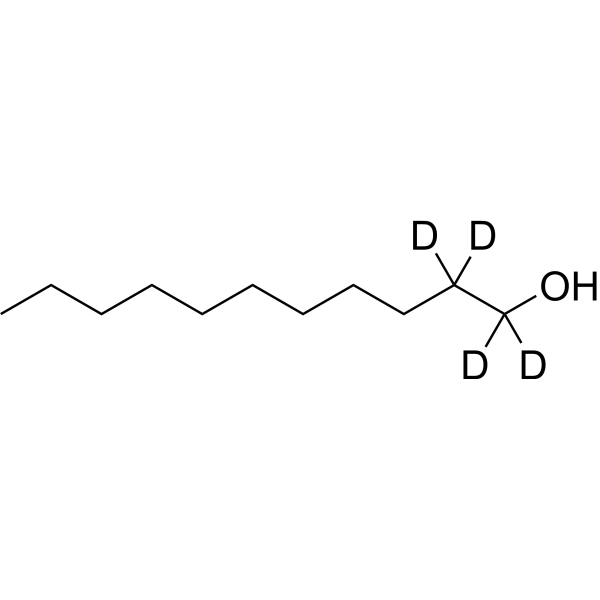
    1-Undecanol (Undecyl alcohol) is the main product generated from the degradation of 2-tridecanone by Pseudomonas bacteria isolated from the soil. 1-Undecanol can enhance the attraction of Grapholita molesta to sex pheromone traps .
    1-Undecanol
  • HY-W042191

    Fungal Apoptosis Caspase Bcl-2 Family MDM-2/p53 PARP Infection Cancer
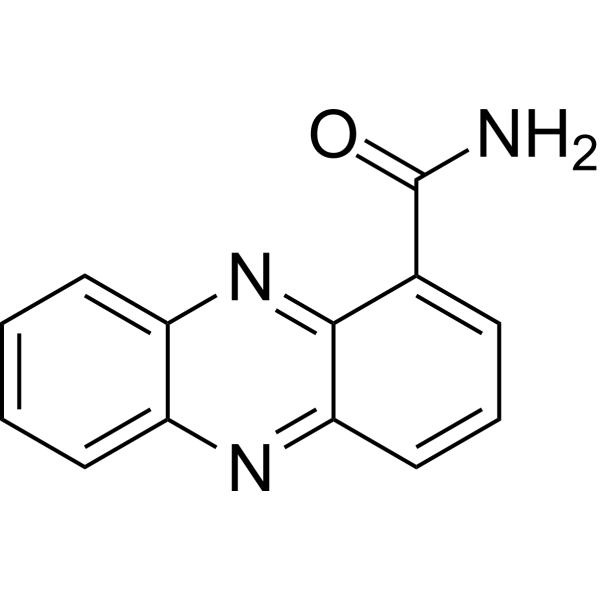
    Oxychloroaphine could be isolated from the bacterium Pantoea agglomerans naturally present in soil. Oxychloroaphine has broad-spectrum antifungal activity. Oxychloroaphine has cytotoxicity in a dose-dependent manner and induces apoptosis. Oxychloroaphine can be used in research of cancer .
    Oxychlororaphine
  • HY-N6625
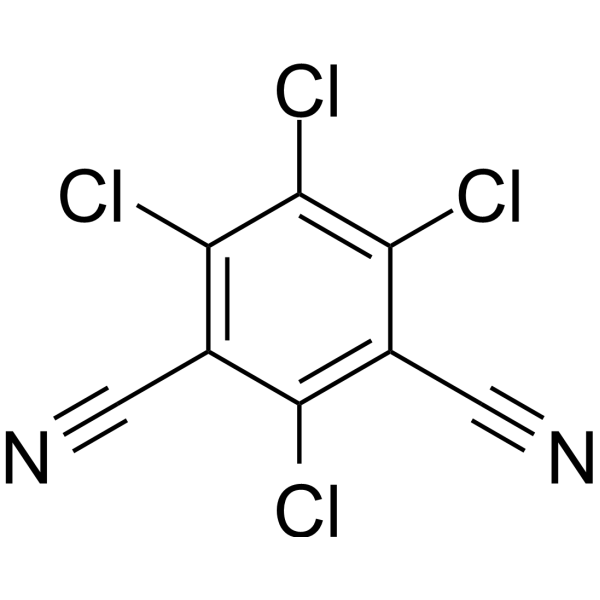
    Chlorothalonil
    1 Publications Verification

    Environmental Pollutants Estrogen Receptor/ERR Fungal Infection
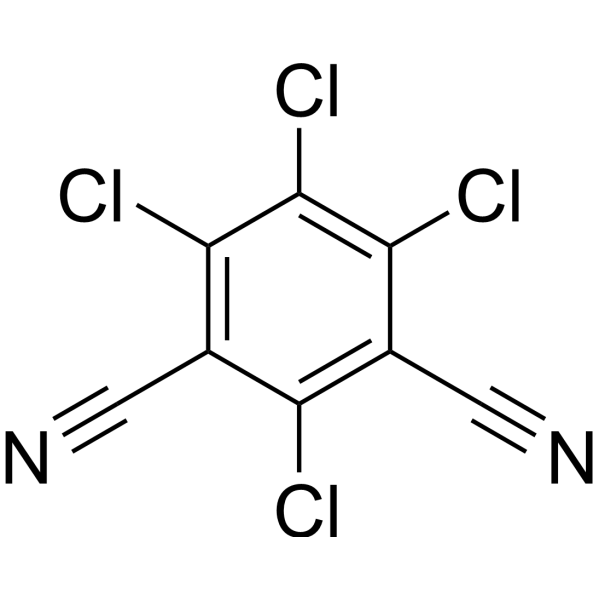
    Chlorothalonil is a broad-spectrum foliar fungicide with oral activity. Chlorothalonil can be used to combat fungal diseases in vegetable and crop leaves. Chlorothalonil can alter the microbial community in the soil. Chlorothalonil inhibits spermatogenesis. Chlorothalonil can cause intestinal epithelial barrier dysfunction and fetal toxicity .
    Chlorothalonil
  • HY-23155
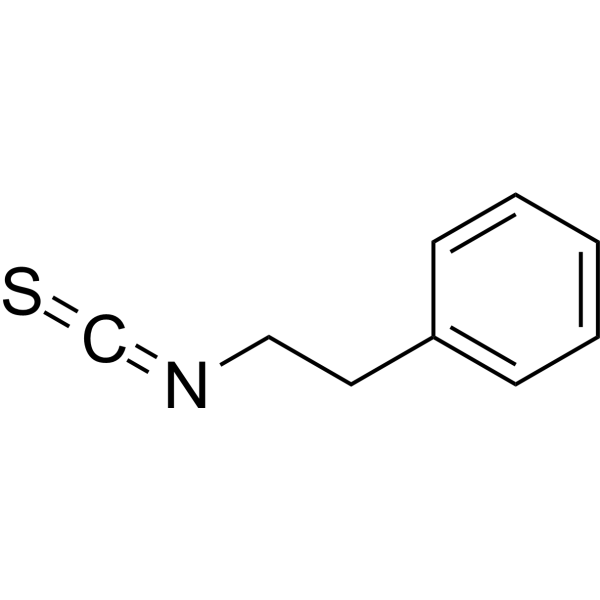
    2-Phenylethyl isothiocyanate
    1 Publications Verification

    2-PE ITC

    Fungal Infection
    2-Phenylethyl isothiocyanate is a potent antifungal agent. 2-Phenylethyl isothiocyanate significantly inhibited spore germination and mycelial growth of Alternaria alternata, with a MIC (minimum inhibitory concentration) of 1.22 mM. The antifungal effect of 2-Phenylethyl isothiocyanate against Alternaria alternate might be via reduction in toxin content and breakdown of cell membrane integrity .
    2-Phenylethyl isothiocyanate
  • HY-B2050

    Environmental Pollutants Herbicide Microtubule/Tubulin Others
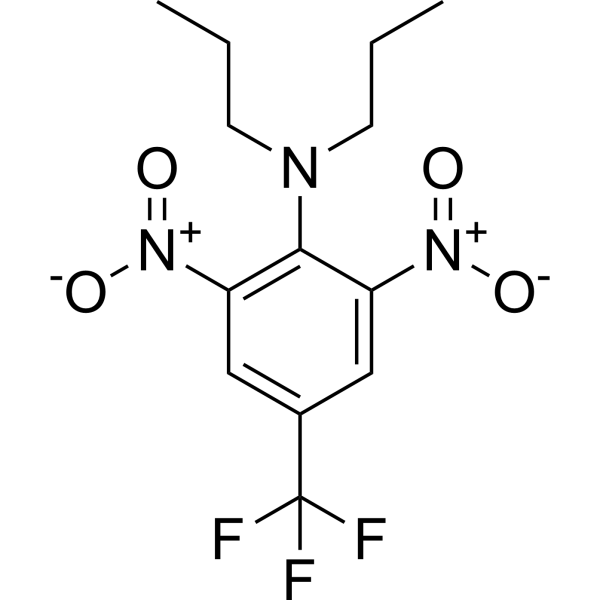
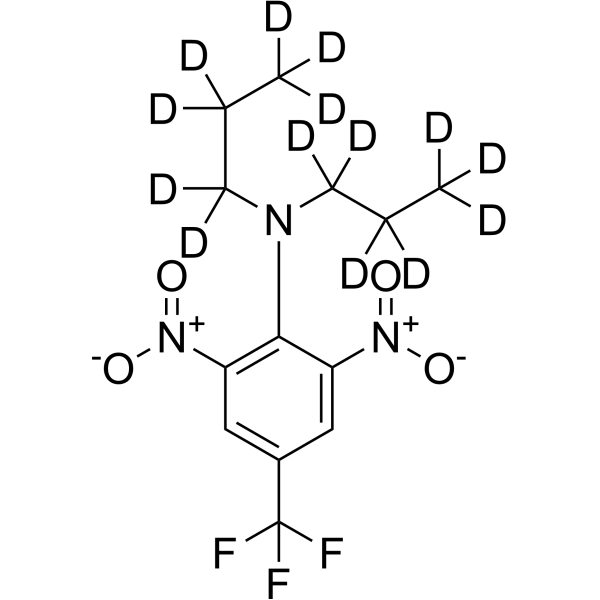
    Trifluralin is a selective, preemergence, soil-applied herbicide providing control of many important annual grass and broadleaf weed species. Trifluralin prevents weed growth by inhibiting root development through the interruption of mitosis. Trifluralin binds to tubulin and results in the failure of spindle apparatus and cell plate formation. Trifluralin inhibits radicle development on roots. Trifluralin inhibits cell mitosis. Trifluralin is considered to be neurotoxic and haematotoxic .
    Trifluralin
  • HY-E70518

    Bacterial Infection
    Oxalate decarboxylase, Microorganism (EC 4.1.1.2), a stress-response enzyme in certain soil bacteria, is a Mn-dependent enzyme in the cupin superfamily and is found in fungi and soil bacteria. Oxalate decarboxylase catalyzes the decarboxylation of the oxalate mono-anion in the soil bacterium Bacillus subtilis. Enzymatic activity of OxDC is strongly pH dependent, with a maximum at around pH 4.0 .
    Oxalate decarboxylase, Microorganism
  • HY-W017189

    Endogenous Metabolite Metabolic Disease
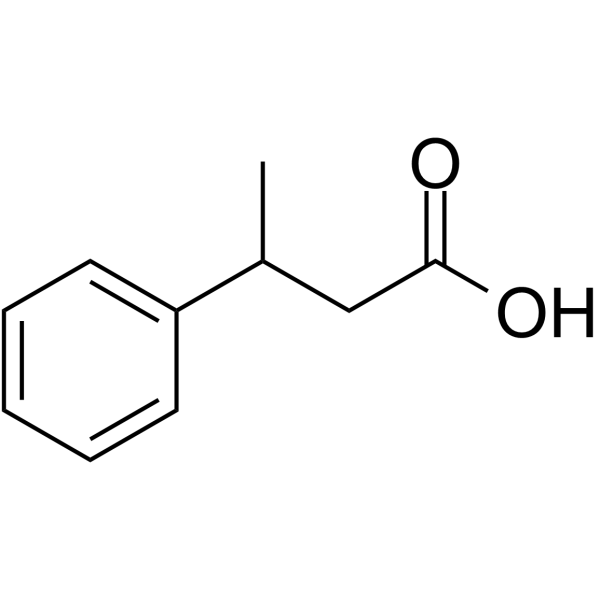
    3-Phenylbutyric acid is metabolized by initial oxidation of the benzene ring and by initial oxidation of the side chain. 3-Phenylbutyric acid can be used to isolate Rhodococcus rhodochrous PB1 from compost soil .
    3-Phenylbutyric acid
  • HY-W013851

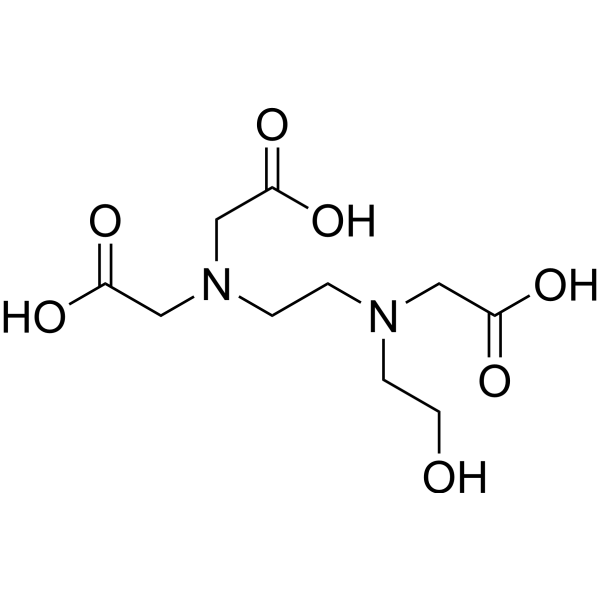
    Environmental Pollutants Biochemical Assay Reagents Others
    EDTA-OH is a chelating agent, which forms thermodynamically stable chelates with metal ions like calcium, magnesium, iron, zinc and copper . EDTA-OH exhibits ability of phytoremediation in heavy-metal-contaminated soils . EDTA-OH is able to cross brain-blood barrier .
    EDTA-OH
  • HY-B2023
    Chlorotoluron
    1 Publications Verification

    Chlortoluron

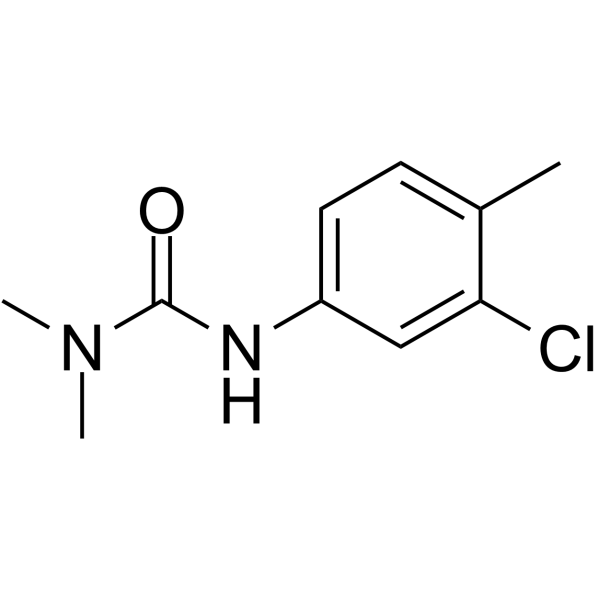
    Environmental Pollutants Herbicide Others
    Chlorotoluron (Chlortoluron) is a urea herbicide. Chlorotoluron serves as a degradation substrate that undergoes dissipation in soil and produces demethylated chlorotoluron metabolites via N-dealkylation. Chlorotoluron is used for pre-emergence and post-emergence weed control in cereals and various other crops .
    Chlorotoluron
  • HY-W018749
    Clopyralid
    1 Publications Verification

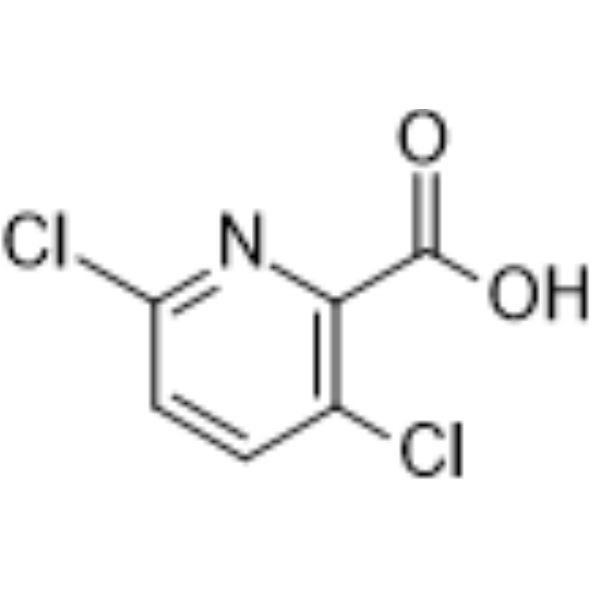
    Environmental Pollutants Herbicide Others
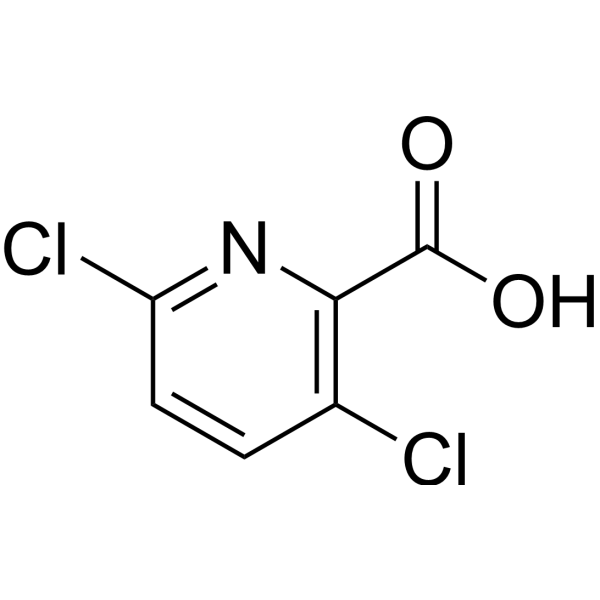
    Clopyralid is a toxic and biorefractory herbicide. Clopyralid can form ionic liquids with increased efficacy against weeds and reduced leaching from soils .
    Clopyralid
  • HY-P2274

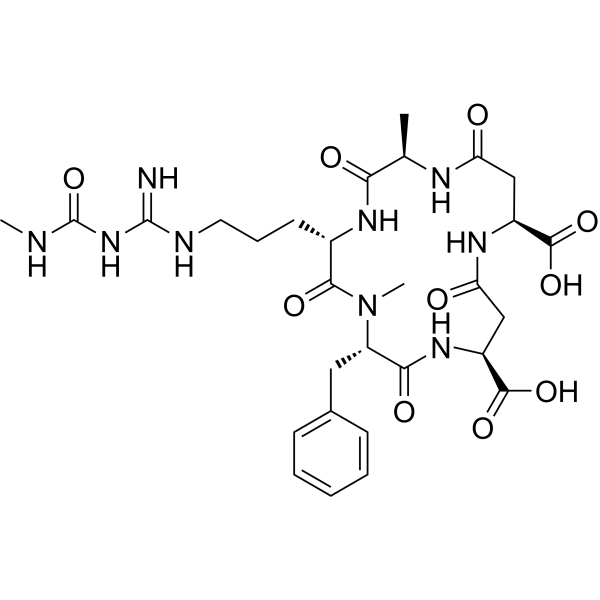
    Parasite Infection
    Argifin is a sub-nanomolar chitinase inhibitor produced by soil microorganisms, with IC50s of 0.025 μM, 6.4 μM , 1.1 μM and 4.5 μM for SmChiA (Serratia marcescens chitinaese A), SmChiB, Aspergillus fumigatus chitinase B1 and human chitotriosidase, respectively .
    Argifin
  • HY-W019334

    3,4-DMPP

    Insecticide Others
    3,4-Dimethylpyrazole phosphate is a nitrification inhibitor. 3,4-Dimethylpyrazole phosphate decreases gross soil autotrophic nitrification rates and reduces gross mineralization rates through feedback regulation. 3,4-Dimethylpyrazole phosphate can also reduce the risk of nitrate leaching and N losses due to denitrification and do not increase NH3 volatilization .
    3,4-Dimethylpyrazole phosphate
  • HY-66054

    Biochemical Assay Reagents Metabolic Disease
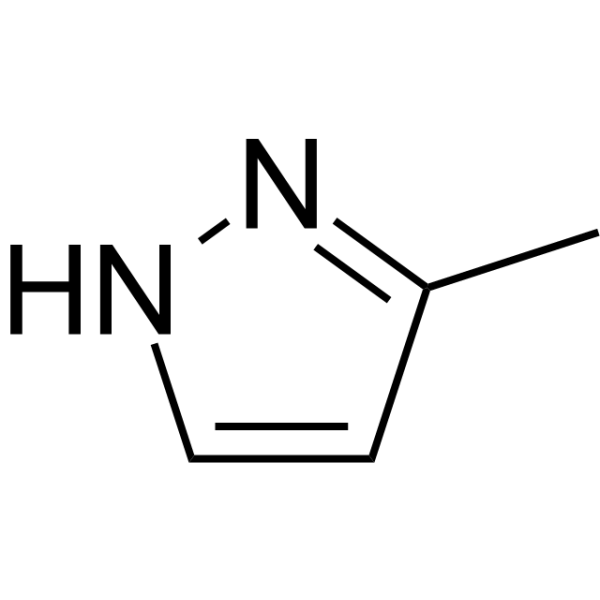
    3-Methylpyrazole is used as a nitrification inhibitor of nitrification in soil .
    3-Methylpyrazole
  • HY-B0843R

    Reference Standards Fungal Infection
    Metalaxyl (Standard) is the analytical standard of Metalaxyl. This product is intended for research and analytical applications. Metalaxyl is a fungicide agent that inhibits the protein synthesis in fungi. Metalaxyl against downy mildews and soil-borne diseases by Phytium ssp. and Phytophthora ssp. .
    Metalaxyl (Standard)
  • HY-W516735

    Fungal Succinate Dehydrogenase Infection
    Sedaxane is a new broad-spectrum seed treatment fungicide. Sedaxane inhibits fungal respiration by binding to the succinate dehydrogenase complex in fungal mitochondria. Sedaxane has broad-spectrum activity against a variety of seed-borne and soil-borne fungi. Sedaxane can be used in the study of barley loose smut and barley stripe disease .
    Sedaxane
  • HY-130423

    Insecticide Infection
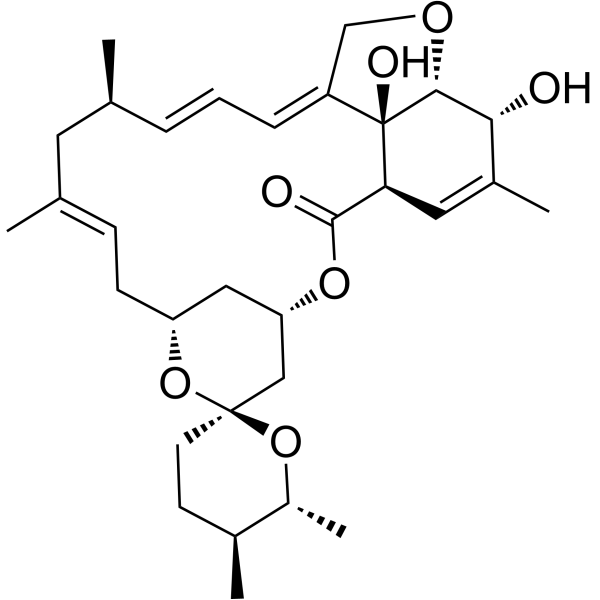
    Milbemycin A3 is a 16-membered macrocyclic lactone compound found in the soil bacterium Saccharopolyspora hygroscopicus subsp. aureolacrimosus. Milbemycin A3 enhances the opening of glutamate- and GABA-gated chloride channels and exhibits insecticidal activity. Milbemycin A3 can be used in insect resistance-related research .
    Milbemycin A3
  • HY-B1849

    Environmental Pollutants Herbicide Others
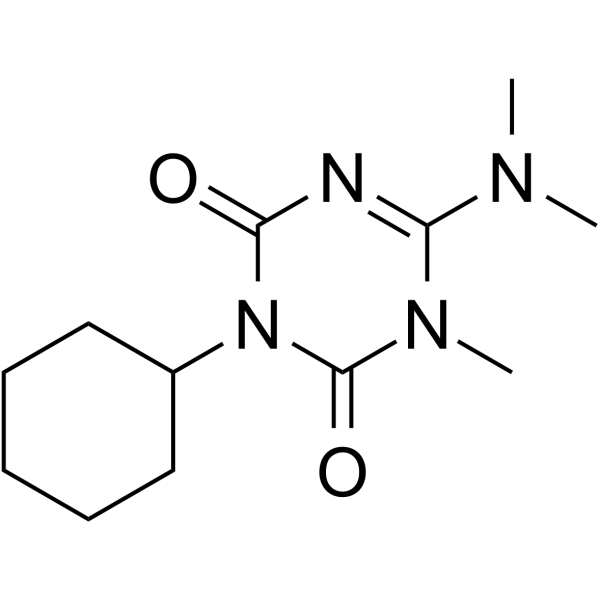
    Hexazinone is a triazinone herbicide with high mobility and persistence in soil. Hexazinone is mainly degraded by soil microorganisms, and its degradation and mineralization processes are significantly affected by soil texture (faster in clay loam) and application method (mixed application can improve its bioavailability and mineralization rate). Hexazinone exhibits mild to moderate acute oral toxicity and has significant eye irritation .
    Hexazinone
  • HY-133620

    Insecticide Infection
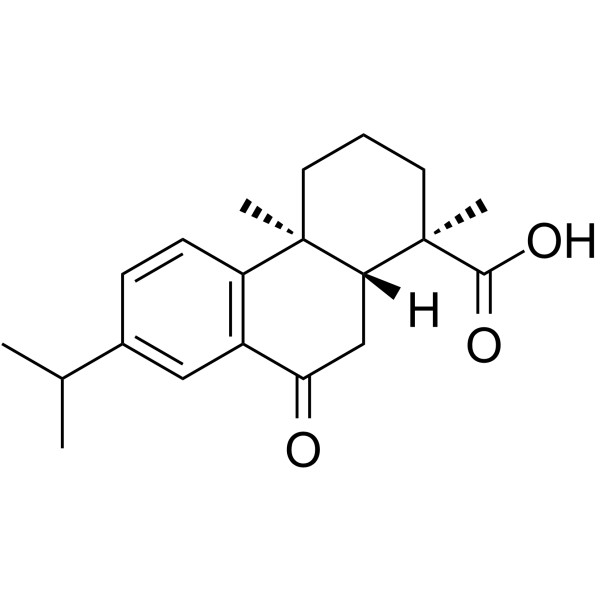
    7-Oxodehydroabietic acid is a diterpene resin acid isolated from the roots of the pine Pinus densiflora. 7-Oxodehydroabietic acid play a defensive role against herbivorous insects via insect endocrine-disrupting activity .
    7-Oxodehydroabietic acid
  • HY-138933

    Endogenous Metabolite
    (±)-Geosmin is a natural organic compound with biological activity that causes earthy aroma. (±)-Geosmin plays an important role in microbial metabolism and is commonly used as a fragrance in food and air. (±)-Geosmin has also been studied for detecting soil and water pollution.
    (±)-Geosmin
  • HY-116992

    Demosan; TERSAN SP(R)

    Environmental Pollutants Bacterial Infection
    Chloroneb (Demosan) is a pesticide with fungicidal and plant-protective activities. Chloroneb can be used to detect organochlorine pesticide residues, showing good selectivity, stability and reproducibility. Chloroneb has been applied to the detection of licorice, cucumber, river water and soil samples with satisfactory results .
    Chloroneb
  • HY-131964

    Drug Metabolite Others
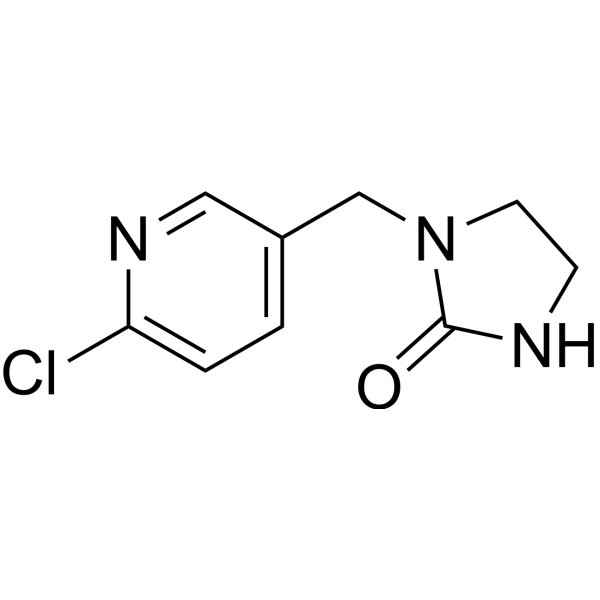
    Imidacloprid-urea is a metabolite of Imidacloprid (HY-B0838). Imidacloprid is an effective and widely used neonicotinoid pesticide to control pests of cereals, vegetables, tea and cotton. Imidacloprid-urea can occupy or block adsorption sites of imidacloprid on soil, potentially affecting the fate, transport, and bioavailability of imidacloprid in the environment .
    Imidacloprid-urea
  • HY-W090317

    DMBQ; 2,5-Dimethyl-p-quinone; Phlorone

    Urease Others
    2,5-Dimethyl-1,4-benzoquinone is a jack bean urease (HY-P2767) inhibitor (IC50: 0.98 μM). 2,5-Dimethyl-1,4-benzoquinone can be used in the study of soil urease activity in agriculture .
    2,5-Dimethyl-1,4-benzoquinone
  • HY-B1855

    Epoxyheptachlor

    Biochemical Assay Reagents Others
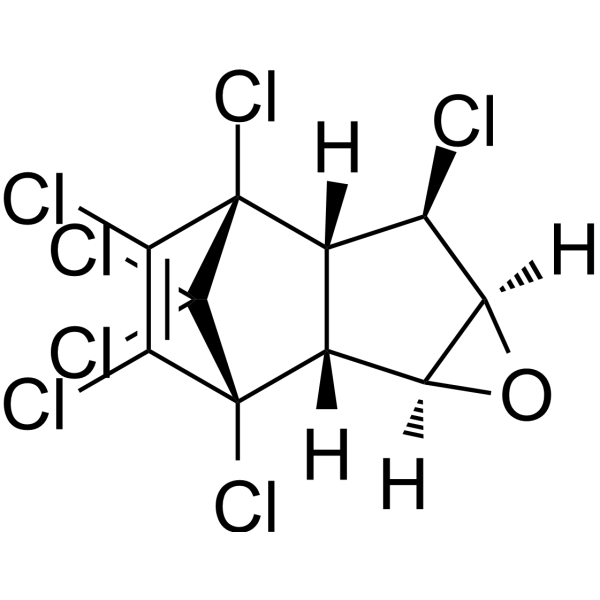
    (±)-cis-Heptachlor epoxides, are degradation products of heptachlor that can occur in or on soil and crops when treated with heptachlor, a pesticide. Heptachlor is readily formed upon exposure to air. Everett CJ, Thompson OM. Environmental Health Pastor. 2015;30(2):93-7.
    cis-Heptachlor epoxide
  • HY-N6625R

    Reference Standards Fungal Estrogen Receptor/ERR Infection
    Chlorothalonil (Standard) is the analytical standard of Chlorothalonil. This product is intended for research and analytical applications. Chlorothalonil is a broad-spectrum foliar fungicide with oral activity. Chlorothalonil can be used to combat fungal diseases in vegetable and crop leaves. Chlorothalonil can alter the microbial community in the soil. Chlorothalonil inhibits spermatogenesis. Chlorothalonil can cause intestinal epithelial barrier dysfunction and fetal toxicity .
    Chlorothalonil (Standard)
  • HY-W004292S

    Undecyl alcohol-d23

    Isotope-Labeled Compounds Drug Derivative Insecticide Infection
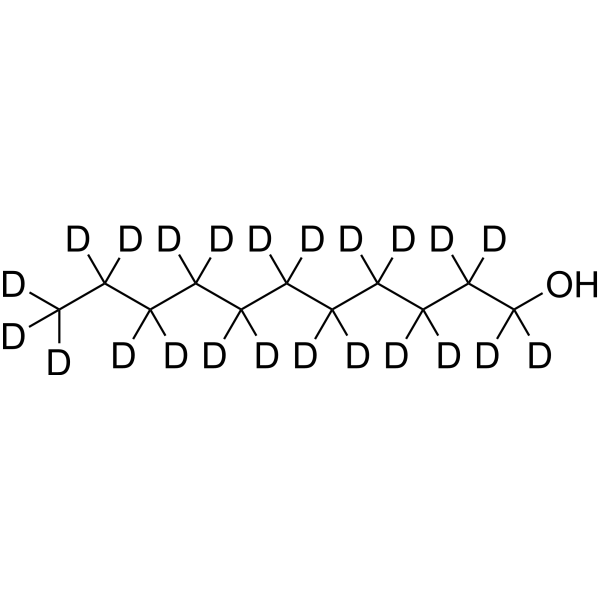
    1-Undecanol-d23 (Undecyl alcohol-d23) is the deuterium labeled 1-Undecanol (HY-W004292). 1-Undecanol (Undecyl alcohol) is the main product generated from the degradation of 2-tridecanone by Pseudomonas bacteria isolated from the soil. 1-Undecanol can enhance the attraction of Grapholita molesta to sex pheromone traps .
    1-Undecanol-d23
  • HY-W170614

    Endogenous Metabolite Others
    Citramalic acid is an organic acid and soil phosphorus-solubilizing agent. Citramalic acid can be secreted by beet roots, and low phosphorus conditions promote its secretion .
    Citramalic acid
  • HY-W747907

    β-Pyracin

    Endogenous Metabolite Others
    4-Pyridoxolactone (β-Pyracin) is a critical substrate in vitamin B6 degradation pathway I, primarily involved in the vitamin B6 metabolic process mediated by soil microorganisms. 4-Pyridoxolactone serves as the specific substrate for 4-pyridoxolactonase, undergoing a zinc-dependent lactone-ring hydrolysis reaction catalyzed by this enzyme to generate 4-pyridoxic acid (4PA) .
    4-Pyridoxolactone
  • HY-B1849R

    Reference Standards Environmental Pollutants Herbicide Others
    Hexazinone (Standard) is the analytical standard of Hexazinone. This product is intended for research and analytical applications. Hexazinone is a triazinone herbicide with high mobility and persistence in soil. Hexazinone is mainly degraded by soil microorganisms, and its degradation and mineralization processes are significantly affected by soil texture (faster in clay loam) and application method (mixed application can improve its bioavailability and mineralization rate). Hexazinone exhibits mild to moderate acute oral toxicity and has significant eye irritation .
    Hexazinone (Standard)
  • HY-W012824

    Biochemical Assay Reagents Others
    4-Amino-m-cresol inhibits soil urease activity .
    4-Amino-m-cresol
  • HY-107027

    Polymyxin E2 sulfate

    Antibiotic Infection
    Polymyxin E2 sulfate is an antibiotic produced by the soil bacterium Bacillus polymyxa .
    Colistin B sulfate
  • HY-123096

    Silthiopham; Mon65500

    Fungal Infection
    Silthiofam (Silthiopham) is a wheat fungicide used to control take-all disease caused by the soil-borne fungus Gaeumannomyces graminis .
    Silthiofam
  • HY-B0828

    Parasite Cholinesterase (ChE) Others
    Triazophos, a non-systemic insecticide and acaricide that acts as an acetylcholinesterase (AChE) inhibitor, covalently and irreversibly binds to the acetylcholine binding site, thus blocking the hydrolysis of acetylcholine and leading to hyperexcitability; it is effective against a variety of soil insects and mites, including aphids, thrips, midges, beetles, Lepidoptera larvae, cutworms, and spider mites in crops such as ornamentals, cotton, rice, maize, soybeans, oil palms, olives, and coffee.
    Triazophos
  • HY-23155R

    2-PE ITC (Standard)

    Fungal Reference Standards Infection
    2-Phenylethyl isothiocyanate (Standard) is the analytical standard of 2-Phenylethyl isothiocyanate. This product is intended for research and analytical applications. 2-Phenylethyl isothiocyanate is a potent antifungal agent. 2-Phenylethyl isothiocyanate significantly inhibited spore germination and mycelial growth of Alternaria alternata, with a MIC (minimum inhibitory concentration) of 1.22 mM. The antifungal effect of 2-Phenylethyl isothiocyanate against Alternaria alternate might be via reduction in toxin content and breakdown of cell membrane integrity .
    2-Phenylethyl isothiocyanate (Standard)
  • HY-148968

    Carbathion

    Fungal Infection
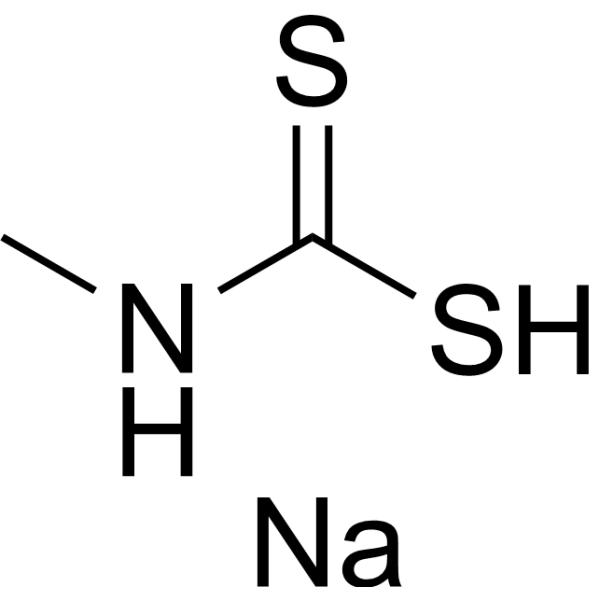
    Metham sodium (Carbathion) is a broad-spectrum soil microbial suppressant. Metham sodium controls soil-borne pests and weeds. Metham sodium inhibits weed seeds, plant-parasitic nematodes, plant pathogenic fungi and soil insects .
    Metham sodium
  • HY-N13156

    Fungal Infection
    Amycolatopsin B (compound 2) is a glycosylated polyketide macrolide with antifungal activity that was isolated from the soil isolate Amycolatopsis sp. MST-108494 .
    Amycolatopsin B
  • HY-N12913

    Antibiotic Fungal Infection
    Antibiotic WB is an antibioticwith antifungal activity and can be isolated from the soil fungus strain 38 .
    Antibiotic WB
  • HY-122467

    Bacterial Infection Cancer
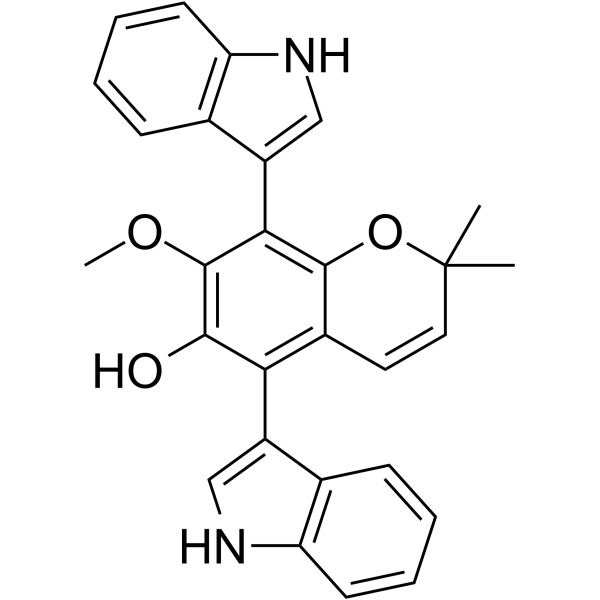
    Kumbicin C is a bis-indolyl benzenoid compound from an Australian soil fungus, Aspergillus kumbius. Kumbicin C inhibits the growth of mouse myeloma cells and the Gram-positive bacterium Bacillus subtilis .
    Kumbicin C
  • HY-136690

    Herbicide Others
    Triasulfuron is a sulfonylurea herbicide. Triasulfuron degrades slowly, with most of the residues remaining in the first 20 cm of the soil surface, but small amounts have been observed to penetrate deeper into the soil (up to 1 m deep) .
    Triasulfuron
  • HY-B1849S

    Isotope-Labeled Compounds Environmental Pollutants Herbicide Others
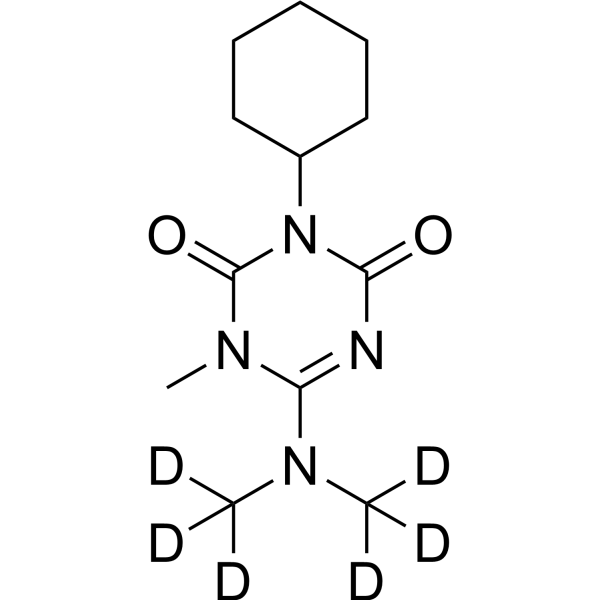
    Hexazinone-d6 is the deuterium labeled Hexazinone. Hexazinone is a triazinone herbicide with high mobility and persistence in soil. Hexazinone is mainly degraded by soil microorganisms, and its degradation and mineralization processes are significantly affected by soil texture (faster in clay loam) and application method (mixed application can improve its bioavailability and mineralization rate). Hexazinone exhibits mild to moderate acute oral toxicity and has significant eye irritation .
    Hexazinone-d6
  • HY-114769

    UBH 820

    Herbicide Others
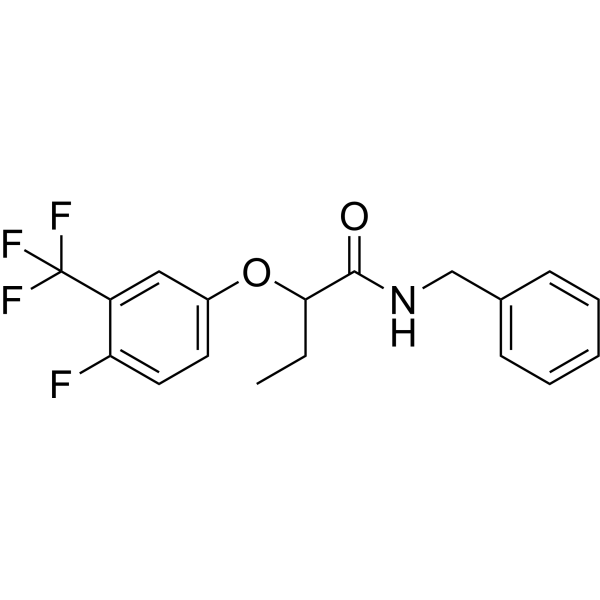
    Beflubutamid is a chiral soil herbicide against dicotyledonous weeds in cereals .
    Beflubutamid
  • HY-W040189

    Herbicide Others
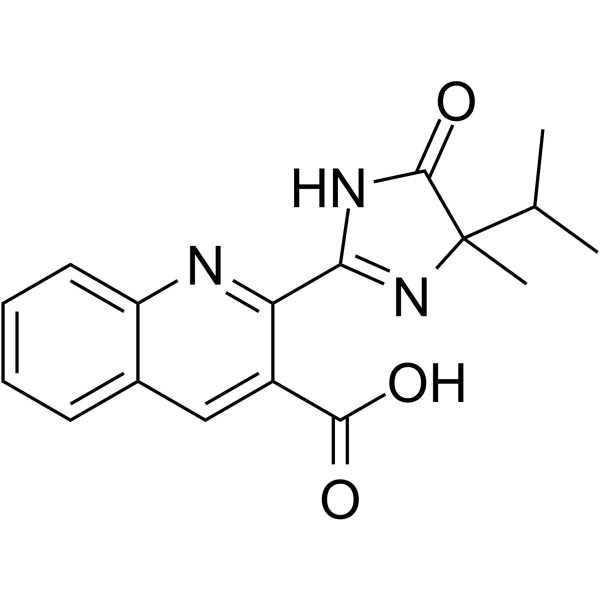
    Imazaquin is an imidazolinone herbicide which inhibits acetohydroxy acid synthase (AHAS). Imazaquin displays high mobility in soils .
    Imazaquin
  • HY-121220

    Legurame

    Herbicide Others
    Carbetamide (Legurame) is a soil active herbicide which controls annual grasses and suppresses some broadleaf weeds in a range of dicotyledonous crops .
    Carbetamide

온라인 문의

Your information is safe with us. * Required Fields.

호칭


Country or Region *

고객명 *


회사명 *

Department *


메일주소 *


상품명 *

Cat. No.


Requested quantity *

전화번호 *


비고

온라인 문의

Inquiry Information

상품명:
Cat. No.:
수량:
MCE Japan Authorized Agent: