Search Result
Results for "
steroidal estrogen
" in MedChemExpress (MCE) Product Catalog:
1
Biochemical Assay Reagents
26
Isotope-Labeled Compounds
| Cat. No. |
Product Name |
Target |
Research Areas |
Chemical Structure |
-
- HY-14650
-
|
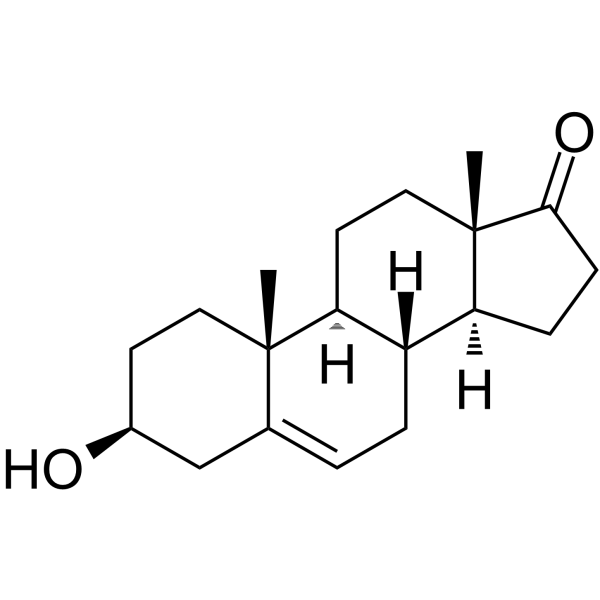
Prasterone; Dehydroisoandrosterone; Dehydroepiandrosterone
|
Environmental Pollutants
Endogenous Metabolite
Androgen Receptor
|
Cardiovascular Disease
Endocrinology
Cancer
|
|
DHEA (Prasterone) is one of the most abundant steroid hormones. DHEA (Prasterone) mediates its action via multiple signaling pathways involving specific membrane receptors and via transformation into androgen and estrogen derivatives (e.g., androgens, estrogens, 7α and 7β DHEA, and 7α and 7β epiandrosterone derivatives) acting through their specific receptors.
|
-
-
- HY-B0141
-
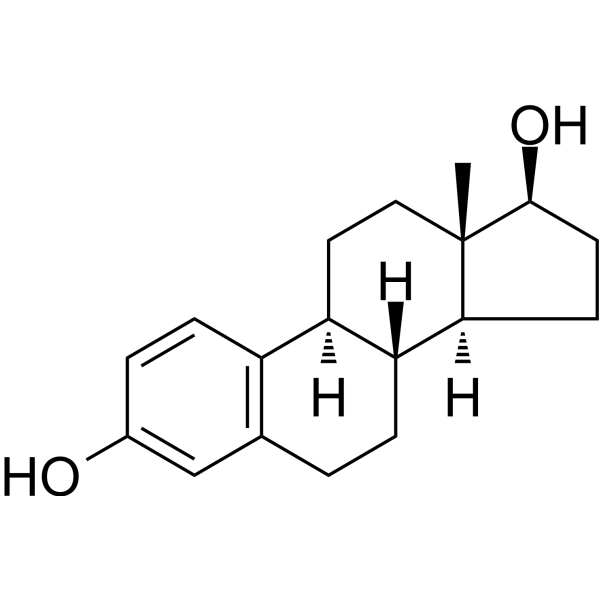
Estradiol
Maximum Cited Publications
122 Publications Verification
β-Estradiol; E2; 17β-Estradiol; 17β-Oestradiol
|
Estrogen Receptor/ERR
Endogenous Metabolite
Bacterial
|
Endocrinology
Cancer
|
|
Estradiol (β-Estradiol) is a steroid hormone and the major female sex hormone. Estradiol can up-regulate the expression of neural markers of human endometrial stem cells (hEnSCs) and promote their neural differentiation. Estradiol can be used for the research of cancers, neurodegenerative diseases and neural tissue engineering .
|
-
-
- HY-14248
-
|
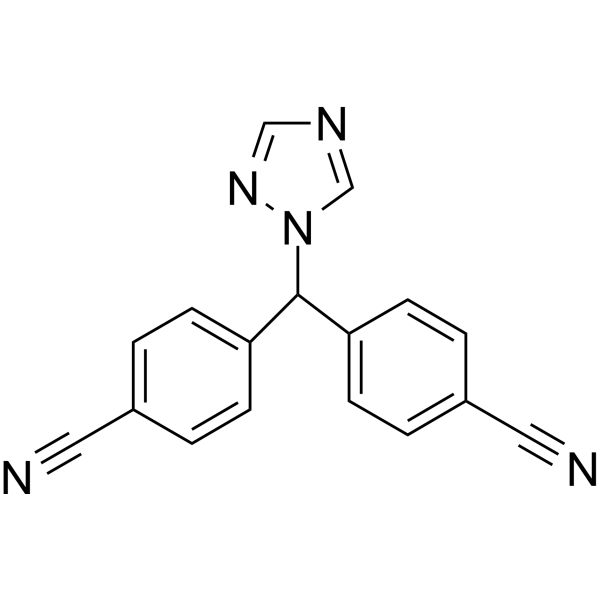
CGS 20267
|
Cytochrome P450
Autophagy
|
Cancer
|
|
Letrozole (CGS 20267) is a potent, selective, reversible and orally active non-steroidal inhibitor of aromatase, with an IC50 of 11.5 nM. Letrozole selective inhibits estrogen biosynthesis, and can be used for the research of breast cancer .
|
-
-
- HY-B0216
-
-
-
- HY-109176
-
|
GDC-9545; RG6171
|
Estrogen Receptor/ERR
|
Cancer
|
|
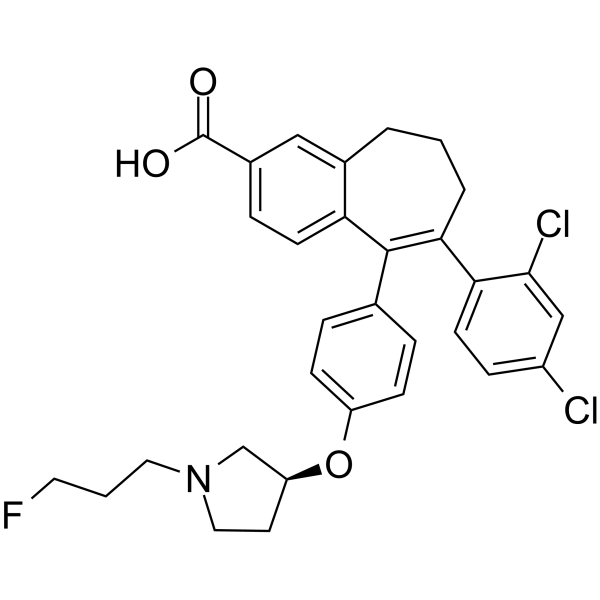
Giredestrant (GDC-9545), a non-steroidal estrogen receptor (ER) ligand, is an orally active and selective ER antagonist. Giredestrant potently competes with Estradiol for binding and induces a conformational change within the ER ligand binding domain. Giredestrant has anti-tumor activity .
|
-
-
- HY-113293B
-
|
|
Endogenous Metabolite
Estrogen Receptor/ERR
|
Metabolic Disease
Cancer
|
|
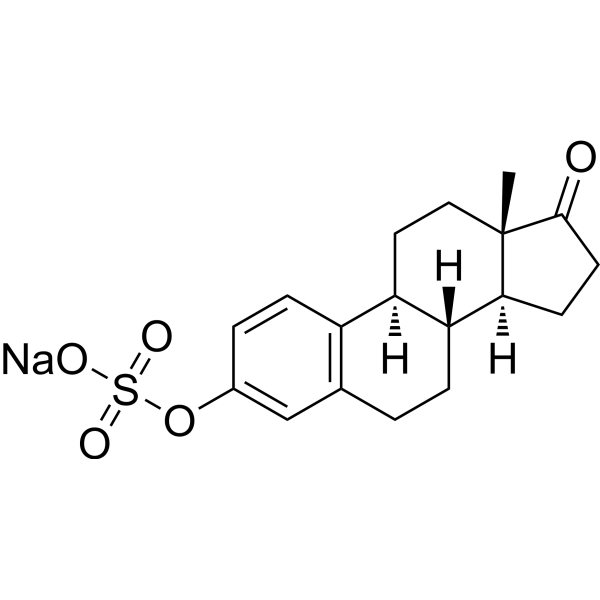
Estrone sulfate sodium is an inactive endogenous estrogen that can be converted into Estrone (HY-B0234) and Estradiol (HY-B0141). Estrone sulfate sodium is also a substrate of the OATP1B3 transporter. Estrone sulfate sodium can be converted into Estrone and Estradiol in normal mammary parenchymal cells. Estrone sulfate sodium stimulates the growth of nitrosomethylurea-induced mammary tumors in ovariectomized rats and the colony formation of dispersed nitrosomethylurea mammary cells, with conversion into Estrone and Estradiol occurring both in vivo and in vitro during this process. Estrone sulfate sodium is applicable to breast cancer-related research .
|
-
-
- HY-B0672
-
|
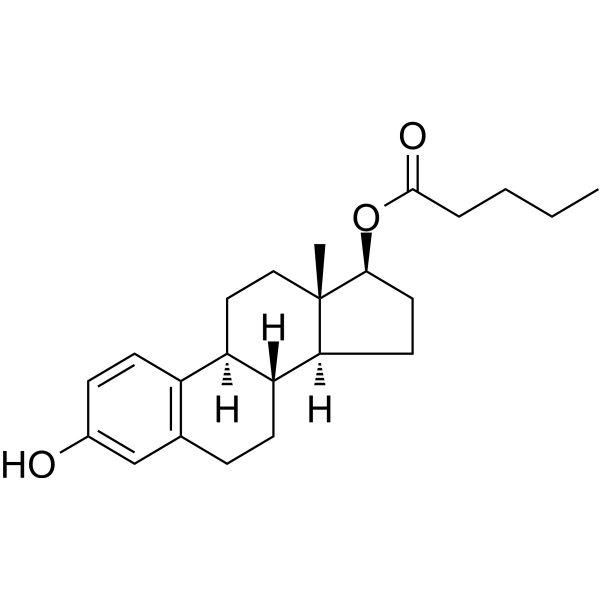
β-Estradiol 17-valerate
|
Estrogen Receptor/ERR
|
Endocrinology
Cancer
|
|
Estradiol valerate (β-Estradiol 17-valerate) is a synthetic estrogen widely used in combination with other steroid hormones in hormone replacement therapy agents.
|
-
-
- HY-12452
-
-
-
- HY-118861A
-
|
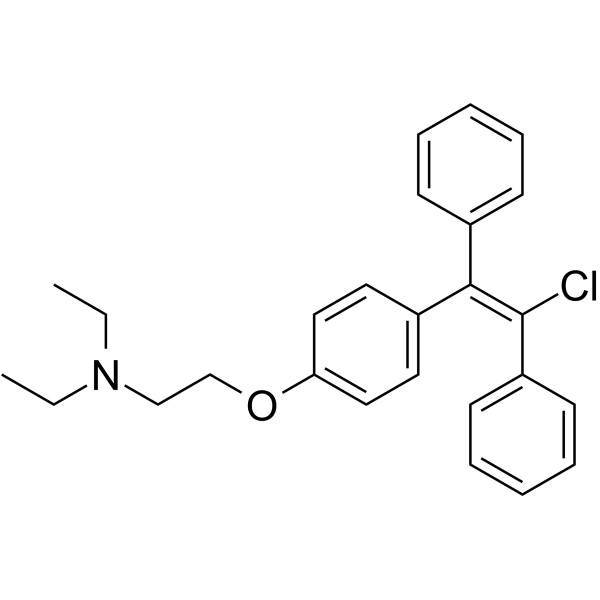
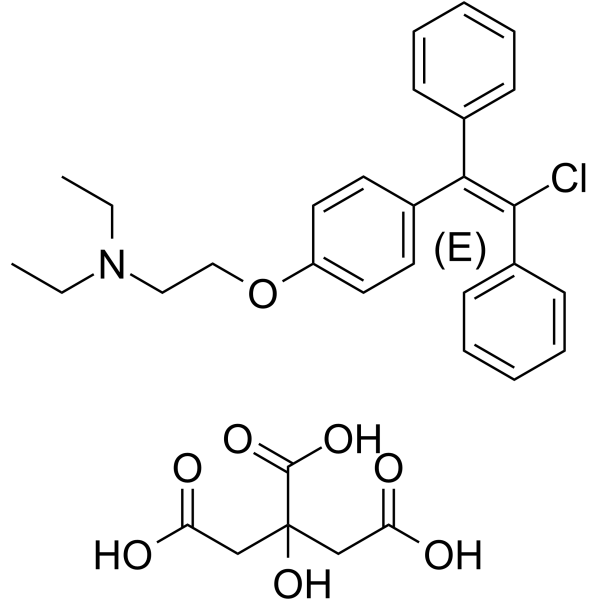
(E)-Clomiphene citrate; trans-Clomiphene citrate; Enclomifene citrate
|
Estrogen Receptor/ERR
|
Metabolic Disease
Endocrinology
|
|
Enclomiphene ((E)-Clomiphene) citrate is a potent and orally active non-steroidal estrogen receptor antagonist, with antioestrogenic property. Enclomiphene citrate can be used for the research of ovarian dysfunction, testosterone deficiency, male hypogonadism and type 2 diabetes .
|
-
-
- HY-B0141S2
-
|
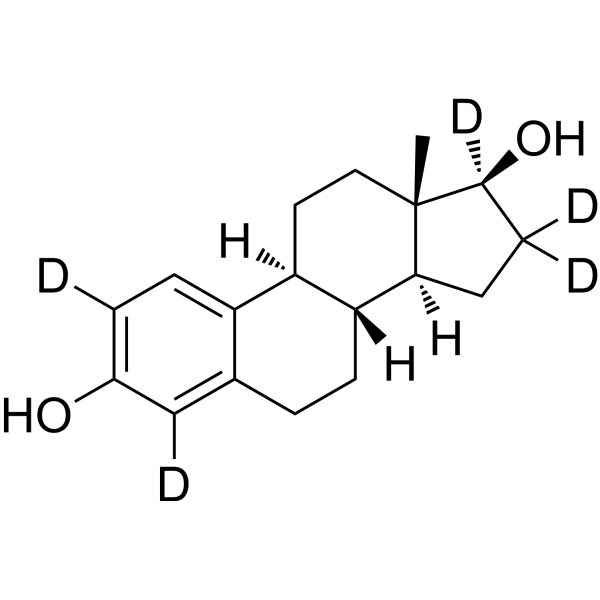
β-Estradiol-d5; 17β-Estradiol-d5; 17β-Oestradiol-d5
|
Estrogen Receptor/ERR
Endogenous Metabolite
|
Endocrinology
Cancer
|
|
Estradiol-d5 is deuterium labeled Estradiol. Estradiol is a steroid sex hormone vital to the maintenance of fertility and secondary sexual characteristics in females. Estradiol upregulates IL-6 expression through the estrogen receptor β (ERβ) pathway .
|
-
-
- HY-128793
-
|
(E)-Stilbene
|
Drug Intermediate
|
Others
|
|
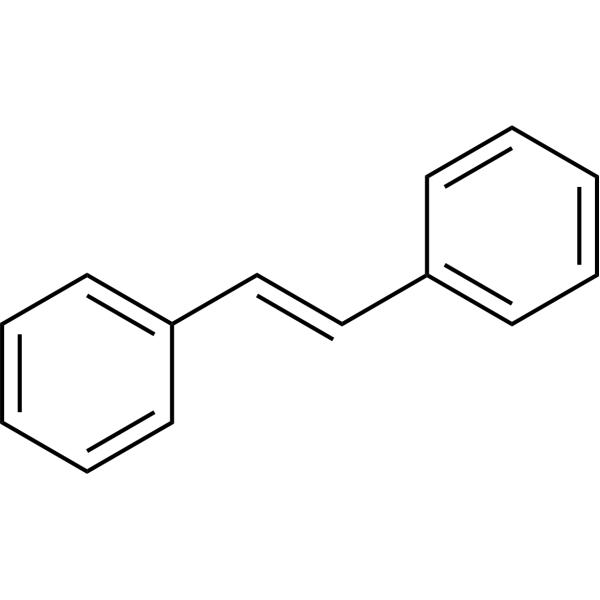
trans-Stilbene ((E)-Stilbene) is used in the manufacturing of dye lasers, optical brighteners, non-steroidal synthetic estrogens .
|
-
-
- HY-118861
-
|
(E)-Clomiphene; trans-Clomiphene; Enclomifene
|
Estrogen Receptor/ERR
|
Metabolic Disease
Endocrinology
|
|
Enclomiphene ((E)-Clomiphene) is a potent and orally active non-steroidal estrogen receptor antagonist, with antioestrogenic property. Enclomiphene can be used for the research of ovarian dysfunction, testosterone deficiency, male hypogonadism and type 2 diabetes .
|
-
-
- HY-B0141S1
-
|
β-Estradiol-d4; 17β-Estradiol-d4; 17β-Oestradiol-d4
|
Estrogen Receptor/ERR
Endogenous Metabolite
|
Endocrinology
Cancer
|
|
Estradiol-d4 is the deuterium labeled Estradiol. Estradiol is a steroid sex hormone vital to the maintenance of fertility and secondary sexual characteristics in females. Estradiol upregulates IL-6 expression through the estrogen receptor β (ERβ) pathway .
|
-
-
- HY-133017
-
|
SAR439859
|
Estrogen Receptor/ERR
|
Cancer
|
|
SAR439859 (compound 43d) is an orally active, non-steroidal, and selective estrogen receptor degrader (SERD). SAR439859 is an effective ER antagonist with ER degradation activity, an EC50 of 0.2 nM. SAR439859 can show potent anti-tumor effects and limited cross-resistance in ER + breast cancer.
|
-
-
- HY-B0742
-
|
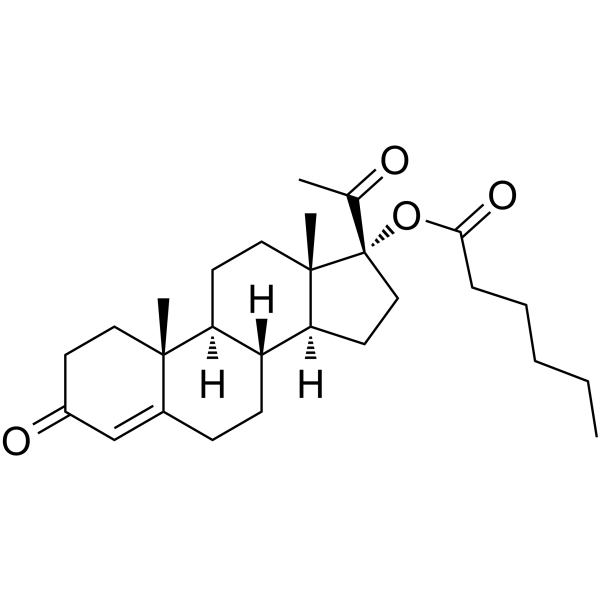
17α-Hydroxyprogesterone hexanoate; 17α-Hydroxyprogesterone caproate
|
Progesterone Receptor
|
Endocrinology
|
|
Hydroxyprogesterone caproate (17α-Hydroxyprogesterone hexanoate; 17α-Hydroxyprogesterone caproate) is a progesterone receptor (progesterone receptor) ligand and steroid hormone transcription inhibitor. Hydroxyprogesterone caproate downregulates estrogen receptors in target tissues and activates their metabolic pathways, and exhibits equivalent affinity for progesterone receptor A and progesterone receptor B. Hydroxyprogesterone caproate shows no consistent teratogenicity or developmental toxicity in rat, mouse and monkey models, but induces resorption or abortion in rhesus monkeys at human-equivalent doses. Hydroxyprogesterone caproate promotes the production of TNF-α in lipopolysaccharide-stimulated whole blood from non-pregnant women. Hydroxyprogesterone caproate can be used in scientific research related to preterm birth .
|
-
-
- HY-B0487
-
|
Pregneninolone; 17α-Ethynyltestosterone
|
Estrogen Receptor/ERR
|
Metabolic Disease
|
|
Ethisterone (Pregneninolone; 17α-Ethynyltestosterone) is a synthetic steroidal estrogen, is an orally active steroidal contraceptive agent. Ethisterone has almost no effect on the phagocytic activity of the reticuloendothelial system in male guinea pigs, while in utero exposure can induce abnormalities in the urogenital system of offspring .
|
-
-
- HY-B0141S
-
|
β-Estradiol-d3; 17β-Estradiol-d3; 17β-Oestradiol-d3
|
Estrogen Receptor/ERR
Endogenous Metabolite
|
Endocrinology
Cancer
|
|
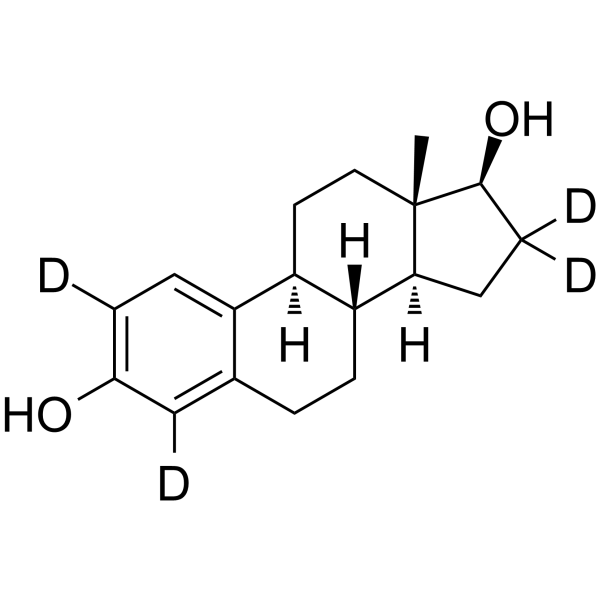
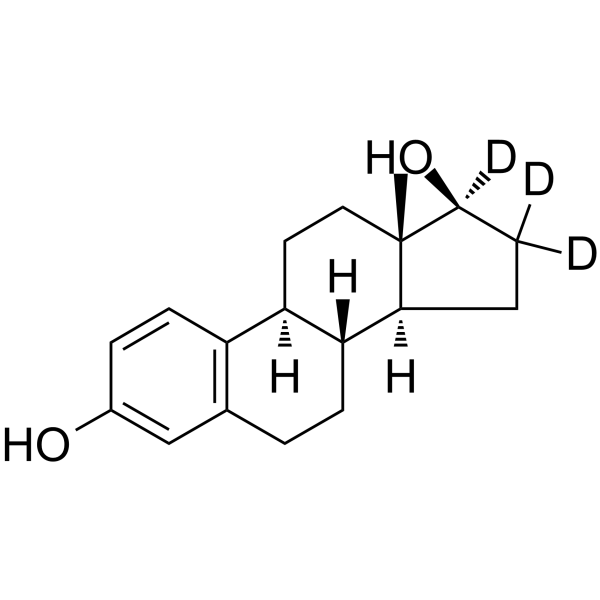
Estradiol-d3 is the deuterium labeled Estradiol. Estradiol is a steroid sex hormone vital to the maintenance of fertility and secondary sexual characteristics in females. Estradiol upregulates IL-6 expression through the estrogen receptor β (ERβ) pathway.
|
-
-
- HY-137243
-
|
|
Endogenous Metabolite
Nucleoside Antimetabolite/Analog
|
Others
|
|
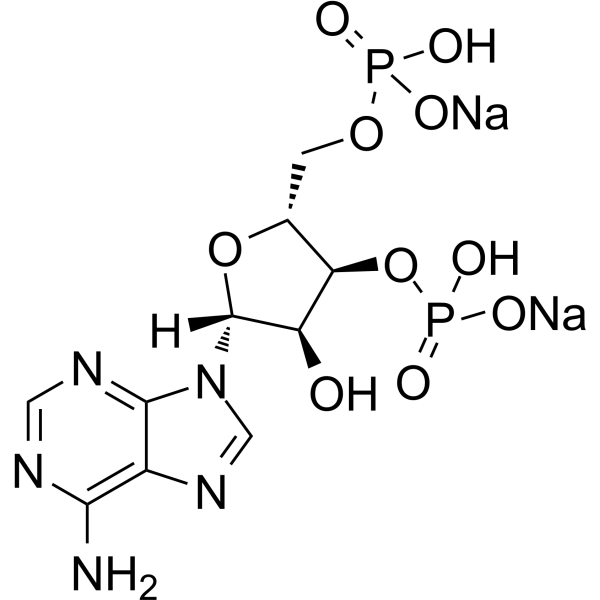
Adenosine 3',5'-diphosphate disodium is an endogenous purine nucleotide. Adenosine 3',5'-diphosphate disodium acts as an inhibitor of bovine adrenal estrogen sulfotransferase (EST) with a Ki value of 7.0 μM. It also serves as an indispensable specific cofactor for the pregnenolone-binding protein (PBP) steroid-binding complex, with an EC50 value of 1.5 μM in guinea pigs .
|
-
-
- HY-123047
-
-
-
- HY-B0891S
-
|
17-Hydroxyprogesterone-d8; 17-OHP-d8
|
Isotope-Labeled Compounds
Progesterone Receptor
Endogenous Metabolite
|
Others
|
|
17α-Hydroxyprogesterone-d8 is the deuterium labeled 17α-Hydroxyprogesterone. 17α-Hydroxyprogesterone (17-Hydroxyprogesterone) is an endogenous progestogen as well as chemical intermediate in the biosynthesis of other steroid hormones, including the corticosteroids and the androgens and the estrogens.
|
-
-
- HY-B0141C
-
|
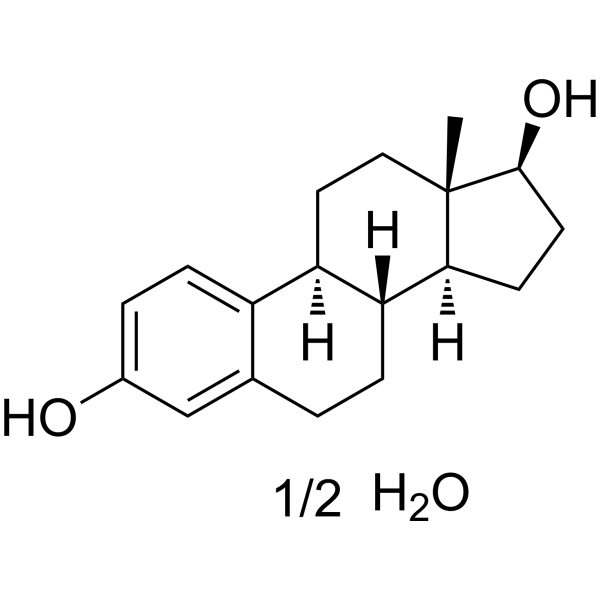
β-Estradiol hemihydrate; 17β-Estradiol hemihydrate; 17β-Oestradiol hemihydrate
|
Estrogen Receptor/ERR
Endogenous Metabolite
Bacterial
|
Neurological Disease
Cancer
|
|
Estradiol (β-Estradiol) hemihydrate is a steroid hormone and the major female sex hormone. Estradiol (β-Estradiol) hemihydrate can up-regulate the expression of neural markers of human endometrial stem cells (hEnSCs) and promote their neural differentiation. Estradiol (β-Estradiol) hemihydrate can be used for the research of cancers, neurodegenerative diseases and neural tissue engineering .
|
-
-
- HY-111484
-
|
SRN-927
|
Estrogen Receptor/ERR
|
Cancer
|
|
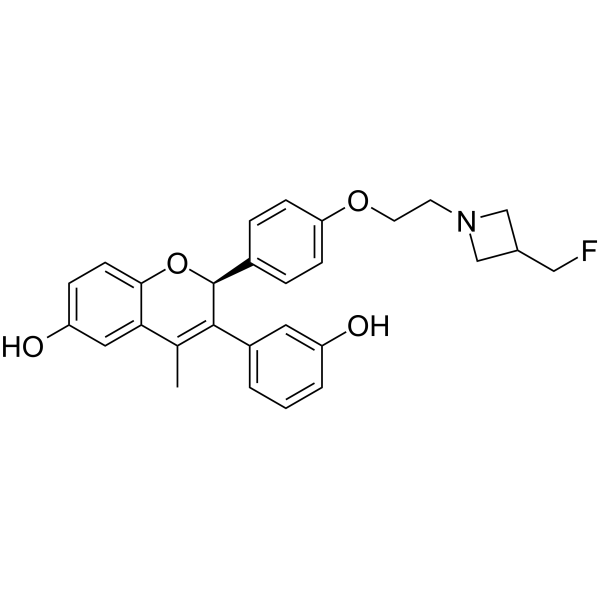
GDC-0927 (SRN-927) is a potent, non-steroidal, orally bioavailable, selective estrogen receptor antagonist .
|
-
-
- HY-B2158
-
|
|
Estrogen Receptor/ERR
COX
|
Cardiovascular Disease
Endocrinology
|
|
Chlorotrianisene is a long-acting non-steroidal estrogen and an orally active estrogen receptor modulator. Chlorotrianisene exhibits antiestrogenic activity. Chlorotrianisene potently inhibits the enzyme COX-1 and inhibits platelet aggregation in whole blood .
|
-
-
- HY-137449
-
|
G1T48
|
Estrogen Receptor/ERR
CDK
|
Cancer
|
|
Rintodestrant (G1T48) is an orally active, non-steroidal and selective estrogen receptor degrader. Rintodestrant (G1T48) is also a CDK4/6 inhibitor .
|
-
-
- HY-B0672R
-
|
β-Estradiol 17-valerate (Standard)
|
Reference Standards
Estrogen Receptor/ERR
|
Endocrinology
Cancer
|
|
Estradiol valerianate (Standard) is the analytical standard of Estradiol valerianate. This product is intended for research and analytical applications. Estradiol valerate (β-Estradiol 17-valerate) is a synthetic estrogen widely used in combination with other steroid hormones in hormone replacement therapy agents.
|
-
-
- HY-B0141S3
-
-
-
- HY-110157
-
|
|
Estrogen Receptor/ERR
|
Neurological Disease
|
|
AC-186 is a selective non-steroidal estrogen receptor β (ERβ) agonist with EC50s of 6 nM and 5000 nM for ERβ and ERα, respectively. AC-186 shows gender selective neuroprotective effects in a male rat model of Parkinson's disease .
|
-
-
- HY-B0141S5
-
-
-
- HY-14248R
-
|
CGS 20267 (Standard)
|
Cytochrome P450
Reference Standards
Autophagy
|
Cancer
|
|
Letrozole (Standard) is the analytical standard of Letrozole. This product is intended for research and analytical applications. Letrozole (CGS 20267) is a potent, selective, reversible and orally active non-steroidal inhibitor of aromatase, with an IC50 of 11.5 nM. Letrozole selective inhibits estrogen biosynthesis, and can be used for the research of breast cancer .
|
-
-
- HY-B1984
-
|
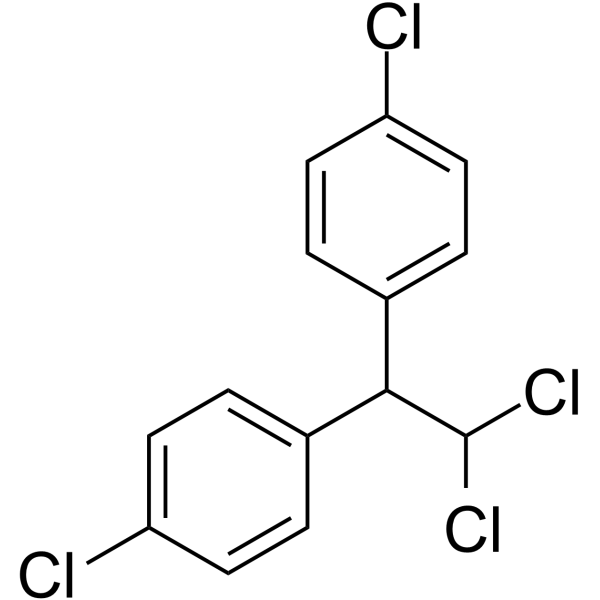
4,4'-DDD; p,p'-Dichlorodiphenyl dichloroethane
|
Environmental Pollutants
Drug Metabolite
Apoptosis
Insecticide
Necroptosis
|
Infection
Neurological Disease
Cancer
|
|
p,p'-DDD (4,4’-DDD) is an organochlorine insecticide, a major metabolite of p,p'-DDT. p,p'-DDD is an agonist at estrogen receptor α(ERα) and ERβ. p,p'-DDD increases DNA damage, apoptosis and necrosis in peripheral blood. p,p'-DDD stimulates cell proliferation in SKBR3 cells. p,p'-DDD activates the AP-1 transcription factor. p,p'-DDD decreases sleep times of barbiturates and steroids in rats .
|
-
-
- HY-148225
-
|
|
Drug Metabolite
|
Cancer
|
|
Fulvestrant 3-β-D-Glucuronide, a metabolite, is glucuronide and sulfate conjugates of Fulvestrant (HY-13636), a pure anti-estrogenic steroid. Fulvestrant 3-β-D-Glucuronide can be used for the research of breast cancer .
|
-
-
- HY-P5464
-
|
|
Estrogen Receptor/ERR
|
Others
|
|
SRC-1 NR box peptide is a biological active peptide (This peptide is a 14-amino acid fragment from the steroid receptor cofactor SRC-1 NR II). SRC-1 NR box peptide can be used to study the regulatory mechanisms of estrogen receptor ligands .
|
-
-
- HY-14248S
-
|
|
Isotope-Labeled Compounds
Cytochrome P450
Autophagy
|
Cancer
|
|
Letrozole-d4 (CGS 20267-d4) is the deuterium labeled Letrozole. Letrozole (CGS 20267) is a potent, selective, reversible and orally active non-steroidal inhibitor of aromatase, with an IC50 of 11.5 nM. Letrozole selective inhibits estrogen biosynthesis, and can be used for the research of breast cancer .
|
-
-
- HY-113031
-
|
16α-Hydroxy-DHEA; 16α-OH-DHEA; 16α-hydroxy DHEA
|
Cytochrome P450
|
Endocrinology
|
|
16a-Hydroxydehydroisoandrosterone (16α-Hydroxy-DHEA) is a metabolite of the endogenous steroid hormone dehydroepiandrosterone. 16α-hydroxy Dehydroepiandrosterone is formed from dehydroepiandrosterone via 16-hydroxylation by the cytochrome P450 (CYP) isoforms CYP3A4 and CYP3A5 in adult human liver microsomes, as well as by fetal recombinant CYP3A7. It is a precursor to fetal estrogens, including estriol.
|
-
-
- HY-N2026A
-
|
Propyl parahydroxybenzoate sodium; Propyl 4-hydroxybenzoate sodium
|
Estrogen Receptor/ERR
|
Cardiovascular Disease
Neurological Disease
|
|
Propylparaben sodium is an orally active weak estrogen receptor agonist. Propylparaben sodium regulates the PI3K-AKT and JNK signaling pathways, induces oxidative stress, and alters the estrous cycle, hormone levels and ovarian reserve function. Propylparaben sodium inhibits the growth of antral follicles and alters the accumulation of steroid hormones in follicle culture media. Propylparaben sodium can be used in studies related to ovarian aging and myocardial ischemia-reperfusion injury[1][2][3][4][5].
|
-
-
- HY-105184
-
|
|
Cytochrome P450
|
Endocrinology
|
|
YM511 is a highly specific non-steroidal aromatase inhibitor. YM511 inhibits aromatase activities in microsomes from rat ovary and human placenta competitively (IC50s of 0.4 and 0.12 nM, respectively). YM511 slightly inhibits production of other steroid hormones. YM511 has the potential for suppressing estrogen-dependent action research without affecting serum levels of other steroid hormones .
|
-
-
- HY-N6741
-
|
|
Others
|
Infection
Endocrinology
|
|
β-Zearalenol is a non-steroidal estrogenic mycotoxin synthesized by Fusarium species. β-Zearalenol potentially influences transcription and effects gene expression on translational level .
|
-
-
- HY-118861B
-
|
(E)-Clomiphene hydrochloride; trans-Clomiphene hydrochloride; Enclomifene hydrochloride
|
Estrogen Receptor/ERR
|
Metabolic Disease
Endocrinology
|
|
Enclomiphene ((E)-Clomiphene) hydrochloride is a potent and orally active non-steroidal estrogen receptor antagonist, with antioestrogenic property. Enclomiphene hydrochloride can be used for the research of ovarian dysfunction, testosterone deficiency, male hypogonadism and type 2 diabetes .
|
-
-
- HY-B0891S1
-
|
17-Hydroxyprogesterone-13C3; 17-OHP-13C3
|
Isotope-Labeled Compounds
Progesterone Receptor
Endogenous Metabolite
|
Others
|
|
17α-Hydroxyprogesterone- 13C3 is the 13C-labeled 17α-Hydroxyprogesterone. 17α-Hydroxyprogesterone (17-Hydroxyprogesterone) is an endogenous progestogen as well as chemical intermediate in the biosynthesis of other steroid hormones, including the corticosteroids and the androgens and the estrogens.
|
-
-
- HY-141901S1
-
|
Prasterone-d5; Dehydroisoandrosterone-d5; Dehydroepiandrosterone-d5
|
Isotope-Labeled Compounds
Endogenous Metabolite
Androgen Receptor
|
Cardiovascular Disease
Endocrinology
Cancer
|
|
DHEA-d5 (Prasterone-d5; Dehydroisoandrosterone-d5; Dehydroepiandrosterone-d5) is the deuterium labeled DHEA (HY-14650). DHEA (Prasterone) is one of the most abundant steroid hormones. DHEA (Prasterone) mediates its action via multiple signaling pathways involving specific membrane receptors and via transformation into androgen and estrogen derivatives (e.g., androgens, estrogens, 7α and 7β DHEA, and 7α and 7β epiandrosterone derivatives) acting through their specific receptors.
|
-
-
- HY-B0742R
-
|
17α-Hydroxyprogesterone hexanoate(Standard); 17α-Hydroxyprogesterone caproate (Standard)
|
Reference Standards
Progesterone Receptor
|
Others
|
|
Hydroxyprogesterone caproate (Standard) is the analytical standard of Hydroxyprogesterone caproate. This product is intended for research and analytical applications. Hydroxyprogesterone caproate (17α-Hydroxyprogesterone hexanoate; 17α-Hydroxyprogesterone caproate) is a progesterone receptor (progesterone receptor) ligand and steroid hormone transcription inhibitor. Hydroxyprogesterone caproate downregulates estrogen receptors in target tissues and activates their metabolic pathways, and exhibits equivalent affinity for progesterone receptor A and progesterone receptor B. Hydroxyprogesterone caproate shows no consistent teratogenicity or developmental toxicity in rat, mouse and monkey models, but induces resorption or abortion in rhesus monkeys at human-equivalent doses. Hydroxyprogesterone caproate promotes the production of TNF-α in lipopolysaccharide-stimulated whole blood from non-pregnant women. Hydroxyprogesterone caproate can be used in scientific research related to preterm birth .
|
-
-
- HY-P5464A
-
|
|
Estrogen Receptor/ERR
|
Endocrinology
|
|
SRC-1 NR box peptide acetate is a biological active peptide (This peptide is a 14-amino acid fragment from the steroid receptor cofactor SRC-1 NR II). SRC-1 NR box peptide acetate can be used to study the regulatory mechanisms of estrogen receptor ligands .
|
-
-
- HY-123868
-
|
|
Steroid Sulfatase
|
Cancer
|
|
KW-2581 is a steroidal selective steroid sulfatase (STS) inhibitor with an IC50 of 4 nM. KW-2581 inhibits STS activity of ZR-75-1 cells with an IC50 of 13 nM. KW-2581 inhibits the E1S-stimulated growth of ZR-75-1 cells with an IC50 of 0.18 nM. KW-2581 inhibits sulfated-estrogen dependent growth of breast cancer cells both in vitro and in vivo. KW-2581 induced regression in E1S-induced tumor growth. KW-2581 can be studied in research on hormone receptors-positive breast cancer .
|
-
-
- HY-129433
-
|
|
17β-HSD
|
Endocrinology
|
|
17β-HSD1-IN-2 (PBRM) is a non-estrogenic and steroidal covalent irreversible inhibitor of 17β-Hydroxysteroid dehydrogenase type 1 (17β-HSD1) (Ki=368 nM). 17β-HSD1-IN-2 can be used for the research of estrogen-dependent disorders .
|
-
-
- HY-135903
-
|
GDC-9545 tartrate; RG6171 tartrate
|
Estrogen Receptor/ERR
|
Cancer
|
|
Giredestrant tartrate (GDC-9545 tartrate), a non-steroidal ER ligand, is an orally active and selective estrogen receptor (ER) antagonist. Giredestrant tartrate potently competes with estradiol for binding and induces a conformational change within the ER ligand binding domain. Anti-tumor activity .
|
-
-
- HY-B0141S4
-
-
-
- HY-123163
-
|
RWJ-66826; RTI-6617-003
|
Progesterone Receptor
Glucocorticoid Receptor
Androgen Receptor
Estrogen Receptor/ERR
|
Endocrinology
Cancer
|
|
JNJ-1250132 (RWJ-66826) is an orally active and potent steroidal progesterone receptor (PR) antagonist, with an IC50 of 1.3 nM. JNJ-1250132 inhibits binding of the receptor to DNA in vitro. JNJ-1250132 is a potent competitive inhibitor of binding to the human glucocorticoid receptor (GR) (IC50=0.50 nM) and the rat androgen receptor (AR) (IC50=5.6 nM), and was a weak inhibitor of binding to human Estrogen receptor (ER) (IC50 >3000 nM) .
|
-
-
- HY-125627
-
|
|
Glucocorticoid Receptor
Androgen Receptor
|
Neurological Disease
Metabolic Disease
|
|
CP-394531 is an efficient and highly selective non-steroidal glucocorticoid receptor (GR) antagonist, with a Ki value of 0.1 nM. CP-394531 has a weak binding to androgen receptor (AR) (Ki = 130 nM), and has almost no effect on progesterone receptor (PR) and estrogen receptors (ERα, ERβ). CP-394531 completely blocks the half-maximal agonistic effect induced by Dexamethasone (HY-14648G), with a Kif of 4.1 nM. CP-394531 can be used to study various diseases such as diabetes, obesity, depression, neurodegenerative diseases, glaucoma and Cushing's disease .
|
-
-
- HY-B1984S
-
|
4,4'-DDD-d8; p,p'-Dichlorodiphenyl dichloroethane-d8
|
Drug Metabolite
Apoptosis
Necroptosis
Insecticide
|
Infection
Neurological Disease
Cancer
|
|
p,p'-DDD-d8 is the deuterium labeled p,p'-DDD[1]. p,p'-DDD (4,4’-DDD) is an organochlorine insecticide, a major metabolite of p,p'-DDT. p,p'-DDD is an agonist at estrogen receptor α(ERα) and ERβ. p,p'-DDD increases DNA damage, apoptosis and necrosis in peripheral blood. p,p'-DDD stimulates cell proliferation in SKBR3 cells. p,p'-DDD activates the AP-1 transcription factor. p,p'-DDD decreases sleep times of barbiturates and steroids in rats .
|
-
-
- HY-145751
-
|
7α-Hydroxydehydroepiandrosterone; 3β,7α-Dihydroxy-Δ5-androsten-17-one
|
Cytochrome P450
Mitochondrial Metabolism
|
Metabolic Disease
Cancer
|
|
7α-Hydroxy-DHEA (7α-Hydroxydehydroepiandrosterone) is a 7α-hydroxylated metabolite of DHEA (HY-14650), catalyzed by intracellular steroid 7α-hydroxylases such as P450 2A1. 7α-Hydroxy-DHEA exhibits biological activity comparable to DHEA but does not convert into compounds with androgenic or estrogenic activity. It induces the activity of thermogenic enzymes such as mitochondrial sn-glycerol-3-phosphate dehydrogenase and cytosolic malic enzyme, enhancing heat production and reducing food utilization efficiency. As a more efficient and safer metabolite compared to DHEA, 7α-Hydroxy-DHEA holds potential for studies in the fields of obesity, metabolic diseases, and adrenal carcinoma .
|
-
- HY-151199
-
|
|
Steroid Sulfatase
|
Endocrinology
Cancer
|
|
Steroid sulfatase/17β-HSD1-IN-1 is a potent steroid sulfatase and 17β-hydroxysteroid dehydrogenase type 1 (17β-HSD1) inhibitor with an IC50 value of 28 nM for cellular human steroid sulfatase. Steroid sulfatase/17β-HSD1-IN-1 can be used to research estrogen-dependent diseases .
|
-
- HY-B0487R
-
|
Pregneninolone (Standard); 17α-Ethynyltestosterone (Standard)
|
Reference Standards
Estrogen Receptor/ERR
|
Metabolic Disease
|
|
Ethisterone (Pregneninolone; 17α-Ethynyltestosterone) (Standard) is the analytical standard of Ethisterone (HY-B0487). This product is intended for research and analytical applications. Ethisterone is a synthetic steroidal estrogen, is an orally active steroidal contraceptive agent. Ethisterone has almost no effect on the phagocytic activity of the reticuloendothelial system in male guinea pigs, while in utero exposure can induce abnormalities in the urogenital system of offspring .
|
-
- HY-123047R
-
-
- HY-117649
-
|
|
Estrogen Receptor/ERR
|
Cancer
|
|
RU-39411 is a steroidal anti-estrogen with mixed estrogenic/antiestrogen activity. RU-39411 has shown inhibitory effects on cell growth in the MCF-7 breast cancer model, with the effect being correlated with its binding affinity to the estrogen receptor. RU-39411 was able to downregulate the estrogen binding capacity of cells, but did not reduce estrogen receptor mRNA levels, indicating that the grafting of its side chain prevents the antagonistic effects usually associated with steroidal estrogens. The administration of RU-39411 can promote the synthesis of progesterone receptors, further supporting its activity as an estrogen .
|
-
- HY-150542
-
|
|
Steroid Sulfatase
|
Cancer
|
|
Steroid sulfatase -IN-2 is an active steroid sulfatase (STS) inhibitor with an IC50 value of 109.5 nM. Steroid sulfatase-IN-2 can be used for the research of hormone-dependent cancers, such as estrogen-dependent breast and endometrial cancer .
|
-
- HY-W040046
-
|
Nafoxidene hydrochloride
|
Estrogen Receptor/ERR
|
Cancer
|
|
Nafoxidine hydrochloride is a non-steroidal estrogen receptor antagonist with antitumor activity for breast cancer .
|
-
- HY-118242
-
|
|
Estrogen Receptor/ERR
Calmodulin
|
Others
|
|
RU 45144 is an anti-estrogen compound that has the activity of antagonizing the binding of estrogen receptors to calmodulin. RU 45144 can inhibit the binding of estrogen receptors to calmodulin, and its effect is similar to that of tamoxifen. Its anti-estrogen effect may be related to specific side chains in the molecular structure, and the steroid skeleton may be involved in its anti-proliferative activity.
|
-
- HY-123420
-
|
Dinordrin I
|
Steroid Sulfatase
|
Metabolic Disease
|
|
Dinordrin (Dinordrin I) is a steroid with a luteolytic effect. Dinordrin can cause depression of both plasma estrogen and progesterone levels .
|
-
- HY-150543
-
|
|
Steroid Sulfatase
|
Cancer
|
|
Steroid sulfatase-IN-3 (compound 1q) is a potent STS (Steroid sulfatase) inhibitor, with an IC50 of 25.8 nM. Steroid sulfatase-IN-3 shows antiproliferative activity against T-47D estrogen-dependent breast cancer cells, with an IC50 of 1.04 µM .
|
-
- HY-B2158S
-
-
- HY-B2158R
-
|
|
Reference Standards
Estrogen Receptor/ERR
COX
|
Cardiovascular Disease
Endocrinology
|
|
Chlorotrianisene (Standard) is the analytical standard of Chlorotrianisene. This product is intended for research and analytical applications. Chlorotrianisene is a long-acting non-steroidal estrogen and an orally active estrogen receptor modulator. Chlorotrianisene exhibits antiestrogenic activity. Chlorotrianisene potently inhibits the enzyme COX-1 and inhibits platelet aggregation in whole blood .
|
-
- HY-123047S
-
-
- HY-W354544
-
|
Dihydrodiethylstilbestrol
|
Estrogen Receptor/ERR
|
Endocrinology
|
|
(Rac)-Hexestrol is the racemic form of Hexestrol (HY-B1662). Hexestrol is a synthetic non-steroidal estrogen. (Rac)-Hexestrol usually appears in deuterated form and is used as an internal standard for precise quantitative analysis in analytical chemistry.
|
-
- HY-W698952S
-
|
|
Isotope-Labeled Compounds
|
Endocrinology
|
|
3β hydroxy Tibolone-d5 is deuterium labeled Tibolone. Tibolone is a broad spectrum gonadal steroid agonist with progestagenic, androgenic, and estrogenic activities. Tibolone can be used for postmenopausal osteoporosis research .
|
-
- HY-151201
-
|
|
Steroid Sulfatase
|
Cancer
|
|
Steroid sulfatase/17β-HSD1-IN-3 (compound 19) is a dual inhibitor of steroid sulfatase (STS) and 17β-hydroxysteroid dehydrogenase type 1 (17β HSD1). Steroid sulfatase/17β-HSD1-IN-3 irreversibly inhibits hSTS activity with anIC50 value of 27 nM. Steroid sulfatase/17β-HSD1-IN-3 can be used in the study of endometriosis and other estrogen-dependent diseases .
|
-
- HY-151202
-
|
|
Steroid Sulfatase
|
Cancer
|
|
Steroid sulfatase/17β-HSD1-IN-4 (compound 37) is a dual inhibitor of steroid sulfatase (STS) and 17β-hydroxysteroid dehydrogenase type 1 (17β HSD1). Steroid sulfatase/17β-HSD1-IN-4 irreversibly inhibits hSTS activity with anIC50 value of 63 nM. Steroid sulfatase/17β-HSD1-IN-4 can be used in the study of endometriosis and other estrogen-dependent diseases .
|
-
- HY-B0672S
-
-
- HY-B0672S1
-
|
β-Estradiol 17-valerate-d4
|
Isotope-Labeled Compounds
Estrogen Receptor/ERR
|
Endocrinology
Cancer
|
|
Estradiol valerianate-d4 is the deuterium labeled Estradiol valerianate. Estradiol valerianate (β-estradiol 17-valerate) is a synthetic estrogen widely used in combination with other steroid hormones in hormone replacement therapy agents.
|
-
- HY-B1662S2
-
-
- HY-113293BR
-
|
|
Reference Standards
Endogenous Metabolite
Estrogen Receptor/ERR
|
Metabolic Disease
Cancer
|
|
Estrone sulfate sodium (Standard) is the analytical standard of Estrone sulfate sodium (HY-113293B). This product is intended for research and analytical applications. Estrone sulfate sodium is an inactive endogenous estrogen that can be converted into Estrone (HY-B0234) and Estradiol (HY-B0141). Estrone sulfate sodium is also a substrate of the OATP1B3 transporter. Estrone sulfate sodium can be converted into Estrone and Estradiol in normal mammary parenchymal cells. Estrone sulfate sodium stimulates the growth of nitrosomethylurea-induced mammary tumors in ovariectomized rats and the colony formation of dispersed nitrosomethylurea mammary cells, with conversion into Estrone and Estradiol occurring both in vivo and in vitro during this process. Estrone sulfate sodium is applicable to breast cancer-related research.
|
-
- HY-12452R
-
|
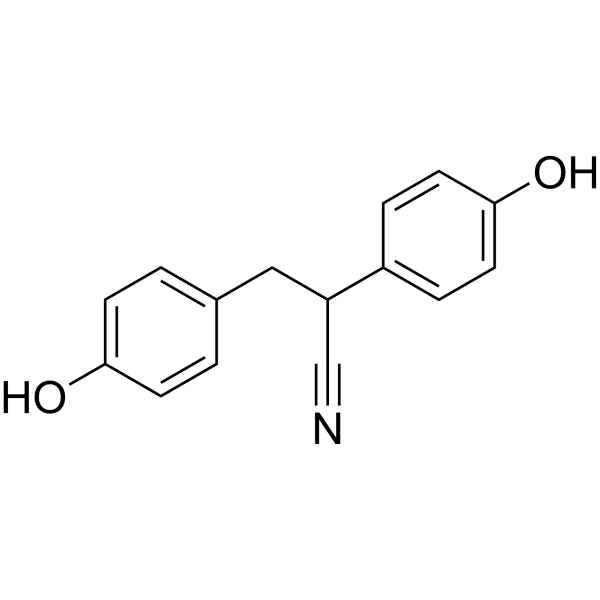
Diarylpropionitrile (Standard)
|
Estrogen Receptor/ERR
Apoptosis
Autophagy
Reference Standards
|
Neurological Disease
|
|
DPN (Standard) is the analytical standard of DPN. This product is intended for research and analytical applications. DPN (Diarylpropionitrile) is a non-steroidal estrogen receptor β (ERβ) selective ligand, with an EC50 of 0.85 nM. DPN has neuroprotective effects in a number of neurological diseases .
|
-
- HY-128793S1
-
|
(E)-Stilbene-d12
|
Isotope-Labeled Compounds
Drug Intermediate
|
Others
|
|
trans-Stilbene-d12 ((E)-Stilbene-d12) is the deuterium labeled trans-Stilbene (HY-128793) . trans-Stilbene ((E)-Stilbene) is used in the manufacturing of dye lasers, optical brighteners, non-steroidal synthetic estrogens .
|
-
- HY-128793S3
-
|
(E)-Stilbene-d2
|
Isotope-Labeled Compounds
Drug Intermediate
|
Others
|
|
trans-Stilbene-d2 ((E)-Stilbene-d2) is the deuterium labeled trans-Stilbene (HY-128793) . trans-Stilbene ((E)-Stilbene) is used in the manufacturing of dye lasers, optical brighteners, non-steroidal synthetic estrogens .
|
-
- HY-128793S
-
|
(E)-Stilbene-13C2
|
Isotope-Labeled Compounds
Drug Intermediate
|
Others
|
|
trans-Stilbene- 13C2 ((E)-Stilbene- 13C2) is the 13C labeled trans-Stilbene (HY-128793) . trans-Stilbene ((E)-Stilbene) is used in the manufacturing of dye lasers, optical brighteners, non-steroidal synthetic estrogens .
|
-
- HY-B0141S6
-
-
- HY-N6741R
-
|
|
Reference Standards
Others
|
Infection
Endocrinology
|
|
β-Zearalenol (Standard) is the analytical standard of β-Zearalenol. This product is intended for research and analytical applications. β-Zearalenol is a non-steroidal estrogenic mycotoxin synthesized by Fusarium species. β-Zearalenol potentially influences transcription and effects gene expression on translational level .
|
-
- HY-W338581
-
|
|
Estrogen Receptor/ERR
|
Others
|
|
4-tert-Octylphenol monoethoxylate is an alkylphenolethoxylate (APE) and a degradation product of non-ionic surfactants (such as 4-tert-octylphenol polyethoxylate). 4-tert-Octylphenol monoethoxylate also possesses non-steroidal estrogenic activity. Additionally, 4-tert-Octylphenol monoethoxylate has been found in wastewater effluent .
|
-
- HY-123773
-
|
NSC 732011; HLX-801
|
Steroid Sulfatase
Estrogen Receptor/ERR
|
Cancer
|
|
SR-16157 (NSC 732011; HLX-801) is a dual-action steroid sulfatase (STS) inhibitor (IC50 = 0.1 uM) and selective ERα modulator. SR-16157 exhibits STS inhibitory and anti-estrogenic effects in breast cancer cells. SR-16157 may be used in breast cancer research .
|
-
- HY-W699238
-
|
|
Biochemical Assay Reagents
|
|
|
S-(-)-Aminoglutethimide D-tartrate is an aromatase inhibitor with activity that blocks adrenal steroidogenesis. S-(-)-Aminoglutethimide D-tartrate can be used to inhibit steroid-related diseases. S-(-)-Aminoglutethimide D-tartrate is often used clinically to control certain types of cancer. S-(-)-Aminoglutethimide D-tartrate effectively reduces testosterone and estrogen levels through an enzyme inhibition mechanism.
|
-
- HY-121372
-
|
|
Estrogen Receptor/ERR
|
Cancer
|
Lactandrate is a D-high nitrogen steroid alkylating agent. It can interact with the ligand-binding domain (LBD) of estrogen receptor-alpha (ERα). Lactandrate has a growth inhibitory effect on breast cancer cells, with a GI50 value ranging from 5 to 65 μM. It shows anti-tumor activity in mouse breast tumors (MXT and CD8F1) as well as in human xenograft MX-1 .
|
-
- HY-107850A
-
|
Allopregnanediol
|
GnRH Receptor
|
Endocrinology
|
|
5α-Pregnane-3α,20α-diol (Allopregnanediol) is a derivative of progesterone and is one of the various steroids secreted by the ovaries of rats. 5α-Pregnane-3α,20α-diol can significantly stimulate the release of luteinizing hormone (LH) in castrated rats that have been pre-treated with estrogen, while simultaneously inhibiting the secretion of follicle-stimulating hormone (FSH) .
|
-
- HY-W777582
-
|
|
Isotope-Labeled Compounds
|
Others
|
|
4-tert-Octylphenol monoethoxylate- 13C6 is the 13C labeled isotope of 4-tert-Octylphenol monoethoxylate (HY-W777582) . 4-tert-Octylphenol monoethoxylate is an alkylphenolethoxylate (APE) and a degradation product of non-ionic surfactants (such as 4-tert-octylphenol polyethoxylate). 4-tert-Octylphenol monoethoxylate also possesses non-steroidal estrogenic activity. Additionally, 4-tert-Octylphenol monoethoxylate has been found in wastewater effluent .
|
-
- HY-B1984R
-
|
4,4'-DDD (Standard); p,p'-Dichlorodiphenyl dichloroethane (Standard)
|
Reference Standards
Drug Metabolite
Apoptosis
Necroptosis
Insecticide
|
Infection
Neurological Disease
Cancer
|
|
p,p'-DDD (Standard) is the analytical standard of p,p'-DDD (HY-B1984) . This product is intended for research and analytical applications. p,p'-DDD (4,4’-DDD) is an organochlorine insecticide, a major metabolite of p,p'-DDT. p,p'-DDD is an agonist at estrogen receptor α(ERα) and ERβ. p,p'-DDD increases DNA damage, apoptosis and necrosis in peripheral blood. p,p'-DDD stimulates cell proliferation in SKBR3 cells. p,p'-DDD activates the AP-1 transcription factor. p,p'-DDD decreases sleep times of barbiturates and steroids in rats.
|
-
- HY-105184R
-
|
|
Cytochrome P450
Reference Standards
|
Endocrinology
|
|
YM511 (Standard) is the analytical standard of YM511 (HY-105184). This product is intended for research and analytical applications. YM511 is a highly specific non-steroidal aromatase inhibitor. YM511 inhibits aromatase activities in microsomes from rat ovary and human placenta competitively (IC50s of 0.4 and 0.12 nM, respectively). YM511 slightly inhibits production of other steroid hormones. YM511 has the potential for suppressing estrogen-dependent action research without affecting serum levels of other steroid hormones .
|
-
- HY-123500
-
|
|
Cytochrome P450
|
Cancer
|
|
CGP-45688 is an orally active non-steroidal aromatase inhibitor with an ED50 of 30-100 μg/kg. CGP-45688 can reduce the level of estrogen in the body, thereby inhibiting the growth of estrogen-dependent tumors. CGP-45688 inhibits the growth of estrogen-dependent breast tumors in rat models. CGP-45688 disrupts the ovarian cycle and inhibits the weight of the uterus. CGP-45688 can be used for the study of breast cancer .
|
-
- HY-W766130
-
|
Pregneninolone-13C2; 17α-Ethynyltestosterone-13C2
|
Isotope-Labeled Compounds
Estrogen Receptor/ERR
|
Metabolic Disease
|
|
Ethisterone- 13C2 (Pregneninolone- 13C2) is the 13C-labeled Ethisterone (HY-B0487). Ethisterone (Pregneninolone; 17α-Ethynyltestosterone) is a synthetic steroidal estrogen, is an orally active steroidal contraceptive agent. Ethisterone has almost no effect on the phagocytic activity of the reticuloendothelial system in male guinea pigs, while in utero exposure can induce abnormalities in the urogenital system of offspring.
|
-
- HY-128793S2
-
|
(E)-Stilbene-d10
|
Isotope-Labeled Compounds
Drug Intermediate
|
Others
|
|
trans-Stilbene-d10 ((E)-Stilbene-d10) is the deuterium labeled trans-Stilbene (HY-128793) . trans-Stilbene ((E)-Stilbene) is used in the manufacturing of dye lasers, optical brighteners, non-steroidal synthetic estrogens .
|
-
- HY-N6741S
-
|
|
Isotope-Labeled Compounds
|
Infection
|
|
β-Zearalenol- 13C18 is the 13C-labeled β-Zearalenol. β-Zearalenol is a non-steroidal estrogenic mycotoxin synthesized by Fusarium species. β-Zearalenol potentially influences transcription and effects gene expression on translational level .
|
-
- HY-181163
-
|
|
Caspase
COX
Cytochrome P450
Steroid Sulfatase
Apoptosis
|
Cancer
|
|
Caspase-3/7 activator 4 is a caspase-3 activator and caspase-7 activator. Caspase-3/7 activator 4 inhibits key enzymes in estrogen biosynthesis, including aromatase (IC50 = 38.3 nM) and steroid sulfatase (IC50 = 12.7 µM), and selectively suppresses COX-2 (IC50 = 5.38 µM). Caspase-3/7 activator 4 shows strong antioxidant activity (DPPH: IC50 = 16.26 µM). Caspase-3/7 activator 4 inhibits estrogen synthesis, suppresses estrogen availability, reduces prostaglandin production, increases caspase-3/7 expression, induces G0/G1 cell cycle arrest, induces apoptotic cell death, reduces circulating TNF-α and VEGFR-II levels, restores hepatorenal function markers and histoarchitecture, restores antioxidant defense enzyme activity, reduces lipid peroxidation, exerts antiproliferative activity against breast cancer cells, exerts antitumor activity in the Ehrlich ascites carcinoma models. Caspase-3/7 activator 4 can be used for the research of breast cancer, ehrlich ascites carcinoma .
|
-
- HY-B0742S1
-
|
17α-Hydroxyprogesterone hexanoate-d8; 17α-Hydroxyprogesterone caproate-d8
|
Isotope-Labeled Compounds
Progesterone Receptor
|
Others
|
|
Hydroxyprogesterone caproate-d8 (17α-Hydroxyprogesterone hexanoate-d8) is the deuterium labeled Hydroxyprogesterone caproate (HY-B0742). Hydroxyprogesterone caproate (17α-Hydroxyprogesterone hexanoate; 17α-Hydroxyprogesterone caproate) is a progesterone receptor (progesterone receptor) ligand and steroid hormone transcription inhibitor. Hydroxyprogesterone caproate downregulates estrogen receptors in target tissues and activates their metabolic pathways, and exhibits equivalent affinity for progesterone receptor A and progesterone receptor B. Hydroxyprogesterone caproate shows no consistent teratogenicity or developmental toxicity in rat, mouse and monkey models, but induces resorption or abortion in rhesus monkeys at human-equivalent doses. Hydroxyprogesterone caproate promotes the production of TNF-α in lipopolysaccharide-stimulated whole blood from non-pregnant women. Hydroxyprogesterone caproate can be used in scientific research related to preterm birth .
|
-
| Cat. No. |
Product Name |
Type |
-
- HY-W699238
-
|
|
Biochemical Assay Reagents
|
|
S-(-)-Aminoglutethimide D-tartrate is an aromatase inhibitor with activity that blocks adrenal steroidogenesis. S-(-)-Aminoglutethimide D-tartrate can be used to inhibit steroid-related diseases. S-(-)-Aminoglutethimide D-tartrate is often used clinically to control certain types of cancer. S-(-)-Aminoglutethimide D-tartrate effectively reduces testosterone and estrogen levels through an enzyme inhibition mechanism.
|
| Cat. No. |
Product Name |
Target |
Research Area |
-
- HY-P5464
-
|
|
Estrogen Receptor/ERR
|
Others
|
|
SRC-1 NR box peptide is a biological active peptide (This peptide is a 14-amino acid fragment from the steroid receptor cofactor SRC-1 NR II). SRC-1 NR box peptide can be used to study the regulatory mechanisms of estrogen receptor ligands .
|
-
- HY-P5464A
-
|
|
Estrogen Receptor/ERR
|
Endocrinology
|
|
SRC-1 NR box peptide acetate is a biological active peptide (This peptide is a 14-amino acid fragment from the steroid receptor cofactor SRC-1 NR II). SRC-1 NR box peptide acetate can be used to study the regulatory mechanisms of estrogen receptor ligands .
|
| Cat. No. |
Product Name |
Category |
Target |
Chemical Structure |
| Cat. No. |
Product Name |
Chemical Structure |
-
- HY-B0141S2
-
|
|
|
Estradiol-d5 is deuterium labeled Estradiol. Estradiol is a steroid sex hormone vital to the maintenance of fertility and secondary sexual characteristics in females. Estradiol upregulates IL-6 expression through the estrogen receptor β (ERβ) pathway .
|
-
-
- HY-B0141S1
-
2 Publications Verification
|
|
Estradiol-d4 is the deuterium labeled Estradiol. Estradiol is a steroid sex hormone vital to the maintenance of fertility and secondary sexual characteristics in females. Estradiol upregulates IL-6 expression through the estrogen receptor β (ERβ) pathway .
|
-
-
- HY-B0141S
-
|
|
|
Estradiol-d3 is the deuterium labeled Estradiol. Estradiol is a steroid sex hormone vital to the maintenance of fertility and secondary sexual characteristics in females. Estradiol upregulates IL-6 expression through the estrogen receptor β (ERβ) pathway.
|
-
-
- HY-B0891S
-
|
|
|
17α-Hydroxyprogesterone-d8 is the deuterium labeled 17α-Hydroxyprogesterone. 17α-Hydroxyprogesterone (17-Hydroxyprogesterone) is an endogenous progestogen as well as chemical intermediate in the biosynthesis of other steroid hormones, including the corticosteroids and the androgens and the estrogens.
|
-
-
- HY-B0141S3
-
|
|
|
Estradiol-d2 is the deuterium labeled Estradiol. Estradiol is a steroid sex hormone vital to the maintenance of fertility and secondary sexual characteristics in females. Estradiol upregulates IL-6 expression through the estrogen receptor β (ERβ) pathway .
|
-
-
- HY-B0141S5
-
|
|
|
Estradiol- 13C2 is the 13C-labeled Estradiol. Estradiol is a steroid sex hormone vital to the maintenance of fertility and secondary sexual characteristics in females. Estradiol upregulates IL-6 expression through the estrogen receptor β (ERβ) pathway .
|
-
-
- HY-14248S
-
|
|
|
Letrozole-d4 (CGS 20267-d4) is the deuterium labeled Letrozole. Letrozole (CGS 20267) is a potent, selective, reversible and orally active non-steroidal inhibitor of aromatase, with an IC50 of 11.5 nM. Letrozole selective inhibits estrogen biosynthesis, and can be used for the research of breast cancer .
|
-
-
- HY-B0891S1
-
|
|
|
17α-Hydroxyprogesterone- 13C3 is the 13C-labeled 17α-Hydroxyprogesterone. 17α-Hydroxyprogesterone (17-Hydroxyprogesterone) is an endogenous progestogen as well as chemical intermediate in the biosynthesis of other steroid hormones, including the corticosteroids and the androgens and the estrogens.
|
-
-
- HY-141901S1
-
|
|
|
DHEA-d5 (Prasterone-d5; Dehydroisoandrosterone-d5; Dehydroepiandrosterone-d5) is the deuterium labeled DHEA (HY-14650). DHEA (Prasterone) is one of the most abundant steroid hormones. DHEA (Prasterone) mediates its action via multiple signaling pathways involving specific membrane receptors and via transformation into androgen and estrogen derivatives (e.g., androgens, estrogens, 7α and 7β DHEA, and 7α and 7β epiandrosterone derivatives) acting through their specific receptors.
|
-
-
- HY-B0141S4
-
|
|
|
Estradiol- 13C6 is the 13C-labeled Estradiol. Estradiol is a steroid sex hormone vital to the maintenance of fertility and secondary sexual characteristics in females. Estradiol upregulates IL-6 expression through the estrogen receptor β (ERβ) pathway .
|
-
-
- HY-B1984S
-
|
|
|
p,p'-DDD-d8 is the deuterium labeled p,p'-DDD[1]. p,p'-DDD (4,4’-DDD) is an organochlorine insecticide, a major metabolite of p,p'-DDT. p,p'-DDD is an agonist at estrogen receptor α(ERα) and ERβ. p,p'-DDD increases DNA damage, apoptosis and necrosis in peripheral blood. p,p'-DDD stimulates cell proliferation in SKBR3 cells. p,p'-DDD activates the AP-1 transcription factor. p,p'-DDD decreases sleep times of barbiturates and steroids in rats .
|
-
-
- HY-B2158S
-
|
|
|
Chlorotrianisene-d9 is the deuterium labeled Chlorotrianisene. Chlorotrianisene is a long-acting non-steroidal estrogen and an orally active estrogen receptor modulator. Chlorotrianisene exhibits antiestrogenic activity. Chlorotrianisene potently inhibits the enzyme COX-1 and inhibits platelet aggregation in whole blood .
|
-
-
- HY-123047S
-
|
|
|
Tibolone-d5 is deuterium labeled Tibolone. Tibolone is a broad spectrum gonadal steroid agonist with progestagenic, androgenic, and estrogenic activities. Tibolone can be used for postmenopausal osteoporosis research .
|
-
-
- HY-W698952S
-
|
|
|
3β hydroxy Tibolone-d5 is deuterium labeled Tibolone. Tibolone is a broad spectrum gonadal steroid agonist with progestagenic, androgenic, and estrogenic activities. Tibolone can be used for postmenopausal osteoporosis research .
|
-
-
- HY-B0672S
-
|
|
|
Estradiol valerianate-d9 is the deuterium labeled Estradiol valerianate. Estradiol valerianate (β-estradiol 17-valerate) is a synthetic estrogen widely used in combination with other steroid hormones in hormone replacement therapy agents.
|
-
-
- HY-B0672S1
-
|
|
|
Estradiol valerianate-d4 is the deuterium labeled Estradiol valerianate. Estradiol valerianate (β-estradiol 17-valerate) is a synthetic estrogen widely used in combination with other steroid hormones in hormone replacement therapy agents.
|
-
-
- HY-B1662S2
-
|
|
|
(Rac)-Hexestrol-d6-1 is the deuterium labeled (Rac)-Hexestrol (HY-W354544) . (Rac)-Hexestrol is the racemic form of Hexestrol (HY-B1662). Hexestrol is a synthetic non-steroidal estrogen.
|
-
-
- HY-128793S1
-
|
|
|
trans-Stilbene-d12 ((E)-Stilbene-d12) is the deuterium labeled trans-Stilbene (HY-128793) . trans-Stilbene ((E)-Stilbene) is used in the manufacturing of dye lasers, optical brighteners, non-steroidal synthetic estrogens .
|
-
-
- HY-128793S3
-
|
|
|
trans-Stilbene-d2 ((E)-Stilbene-d2) is the deuterium labeled trans-Stilbene (HY-128793) . trans-Stilbene ((E)-Stilbene) is used in the manufacturing of dye lasers, optical brighteners, non-steroidal synthetic estrogens .
|
-
-
- HY-128793S
-
|
|
|
trans-Stilbene- 13C2 ((E)-Stilbene- 13C2) is the 13C labeled trans-Stilbene (HY-128793) . trans-Stilbene ((E)-Stilbene) is used in the manufacturing of dye lasers, optical brighteners, non-steroidal synthetic estrogens .
|
-
-
- HY-B0141S6
-
|
|
|
Estradiol-d2-1 is the deuterium labeled Estradiol. Estradiol is a steroid sex hormone vital to the maintenance of fertility and secondary sexual characteristics in females. Estradiol upregulates IL-6 expression through the estrogen receptor β (ERβ) pathway .
|
-
-
- HY-W777582
-
|
|
|
4-tert-Octylphenol monoethoxylate- 13C6 is the 13C labeled isotope of 4-tert-Octylphenol monoethoxylate (HY-W777582) . 4-tert-Octylphenol monoethoxylate is an alkylphenolethoxylate (APE) and a degradation product of non-ionic surfactants (such as 4-tert-octylphenol polyethoxylate). 4-tert-Octylphenol monoethoxylate also possesses non-steroidal estrogenic activity. Additionally, 4-tert-Octylphenol monoethoxylate has been found in wastewater effluent .
|
-
-
- HY-W766130
-
|
|
|
Ethisterone- 13C2 (Pregneninolone- 13C2) is the 13C-labeled Ethisterone (HY-B0487). Ethisterone (Pregneninolone; 17α-Ethynyltestosterone) is a synthetic steroidal estrogen, is an orally active steroidal contraceptive agent. Ethisterone has almost no effect on the phagocytic activity of the reticuloendothelial system in male guinea pigs, while in utero exposure can induce abnormalities in the urogenital system of offspring.
|
-
-
- HY-128793S2
-
|
|
|
trans-Stilbene-d10 ((E)-Stilbene-d10) is the deuterium labeled trans-Stilbene (HY-128793) . trans-Stilbene ((E)-Stilbene) is used in the manufacturing of dye lasers, optical brighteners, non-steroidal synthetic estrogens .
|
-
-
- HY-N6741S
-
|
|
|
β-Zearalenol- 13C18 is the 13C-labeled β-Zearalenol. β-Zearalenol is a non-steroidal estrogenic mycotoxin synthesized by Fusarium species. β-Zearalenol potentially influences transcription and effects gene expression on translational level .
|
-
-
- HY-B0742S1
-
|
|
|
Hydroxyprogesterone caproate-d8 (17α-Hydroxyprogesterone hexanoate-d8) is the deuterium labeled Hydroxyprogesterone caproate (HY-B0742). Hydroxyprogesterone caproate (17α-Hydroxyprogesterone hexanoate; 17α-Hydroxyprogesterone caproate) is a progesterone receptor (progesterone receptor) ligand and steroid hormone transcription inhibitor. Hydroxyprogesterone caproate downregulates estrogen receptors in target tissues and activates their metabolic pathways, and exhibits equivalent affinity for progesterone receptor A and progesterone receptor B. Hydroxyprogesterone caproate shows no consistent teratogenicity or developmental toxicity in rat, mouse and monkey models, but induces resorption or abortion in rhesus monkeys at human-equivalent doses. Hydroxyprogesterone caproate promotes the production of TNF-α in lipopolysaccharide-stimulated whole blood from non-pregnant women. Hydroxyprogesterone caproate can be used in scientific research related to preterm birth .
|
-
| Cat. No. |
Product Name |
|
Classification |
-
- HY-B0216
-
|
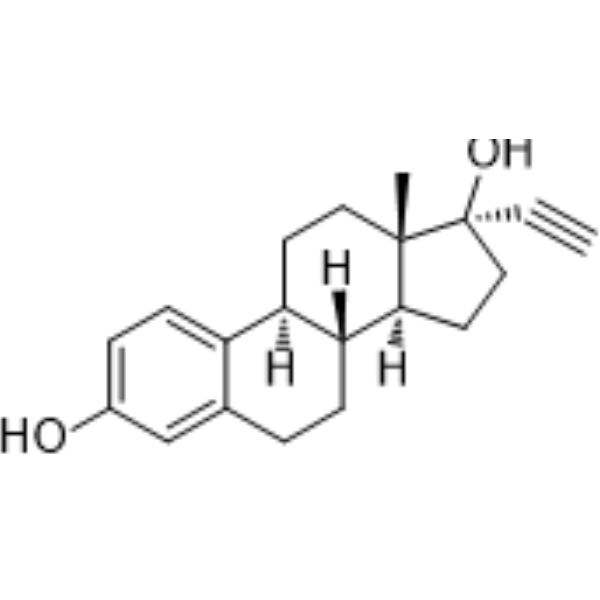
Ethynyl estradiol; 17α-Ethynylestradiol
|
|
Alkynes
|
|
Ethinylestradiol is an orally active steroidal estrogen. Ethinylestradiol is widely used in research on menopausal symptoms, gynecological conditions, and certain hormone-sensitive cancers .
|
-
- HY-123420
-
|
Dinordrin I
|
|
Alkynes
|
|
Dinordrin (Dinordrin I) is a steroid with a luteolytic effect. Dinordrin can cause depression of both plasma estrogen and progesterone levels .
|
| Cat. No. |
Product Name |
|
Classification |
-
- HY-137243
-
|
|
|
Nucleotide Analogs
Adenine Nucleotide
|
|
Adenosine 3',5'-diphosphate disodium is an endogenous purine nucleotide. Adenosine 3',5'-diphosphate disodium acts as an inhibitor of bovine adrenal estrogen sulfotransferase (EST) with a Ki value of 7.0 μM. It also serves as an indispensable specific cofactor for the pregnenolone-binding protein (PBP) steroid-binding complex, with an EC50 value of 1.5 μM in guinea pigs .
|
Your information is safe with us. * Required Fields.
Inquiry Information
- Product Name:
- Cat. No.:
- Quantity:
- MCE Japan Authorized Agent:

