



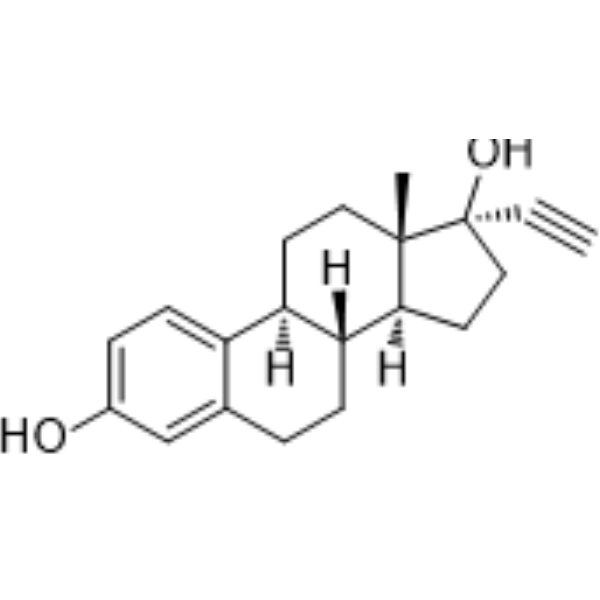
エチニルエストラジオール
Based on 9 publication(s) in Google Scholar
Ethinylestradiol is an orally active steroidal estrogen. Ethinylestradiol is widely used in research on menopausal symptoms, gynecological conditions, and certain hormone-sensitive cancers.
商品は「研究用試薬」です。人や動物の医療用・臨床診断用・食品用の製品ではありません。
研究用途以外に使用した場合、当社は一切の責任を負いかねます。
- 純度 : 99.96%
- CAS 番号: 57-63-6
- 分子式: C20H24O2
- 分子量:296.40
-
保管条件:Powder -20°C, 3 years , 4°C, 2 years ; In solvent -80°C, 2 years , -20°C, 1 year

To place orders, for customer services and technical support, please contact: MedChemExpress USA
Tel: 609-228-6898 E-mail: [email protected] [email protected]


-
 生物活性
生物活性
-
化学情報
-
溶剤 & 溶解度
- プロトコル
- 純度とドキュメンテーション
- 参考文献
-
 Help & FAQs


-
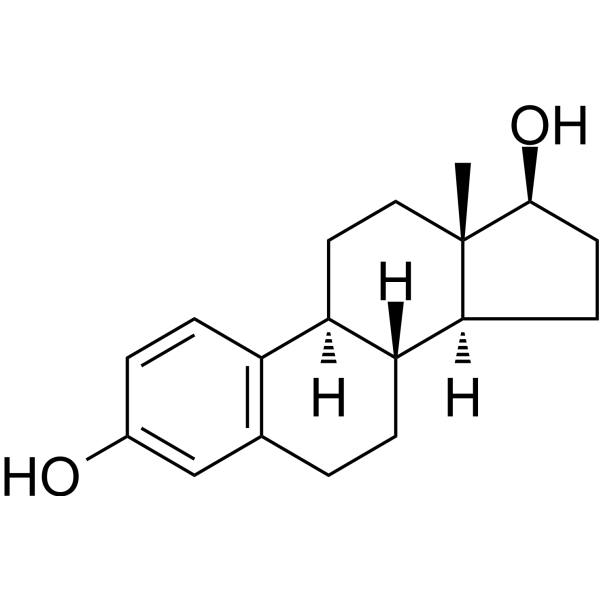
HY-B0141
EstradiolHuman Endogenous Metabolite -
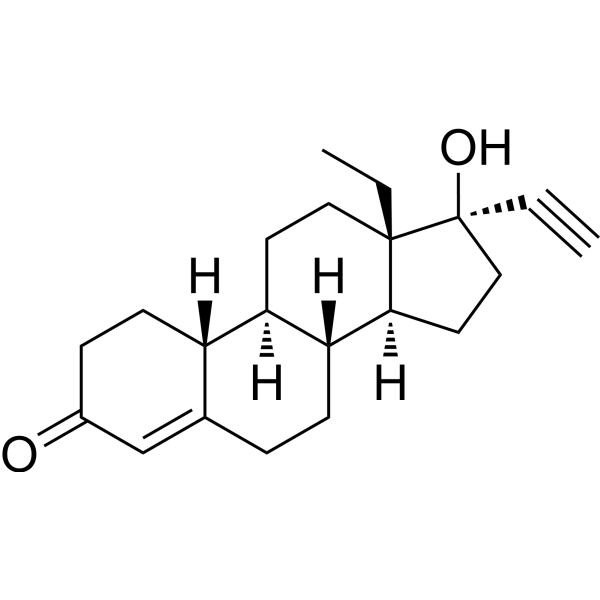
HY-B0257
LevonorgestrelProgesterone Inhibitor -
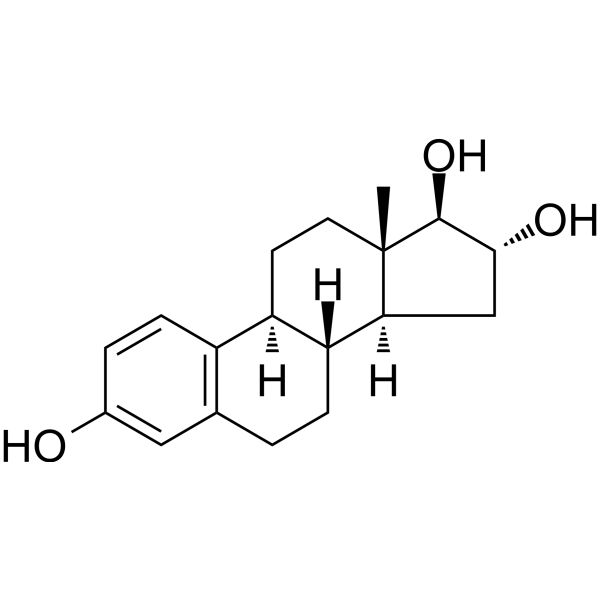
HY-B0412
EstriolEstrogen -
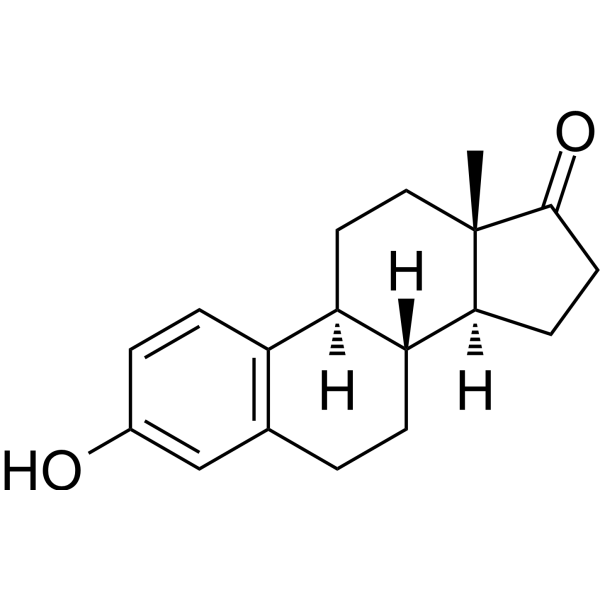
HY-B0234
EstroneEndogenous Metabolite -
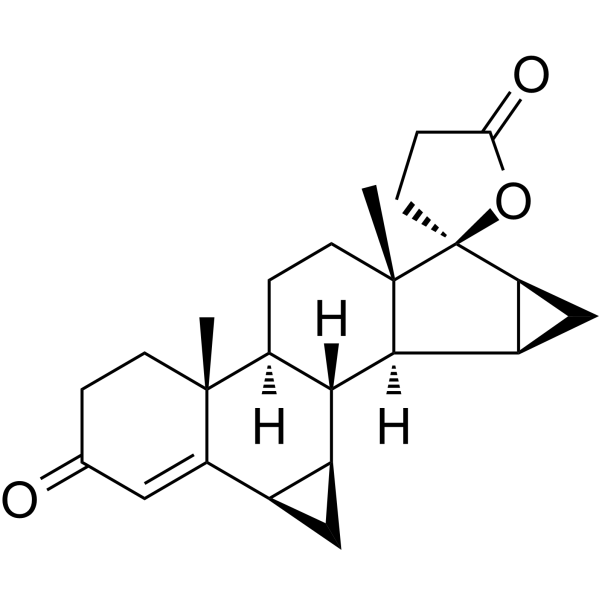
HY-B0111
DrospirenoneProgesterone Receptor Agonist -
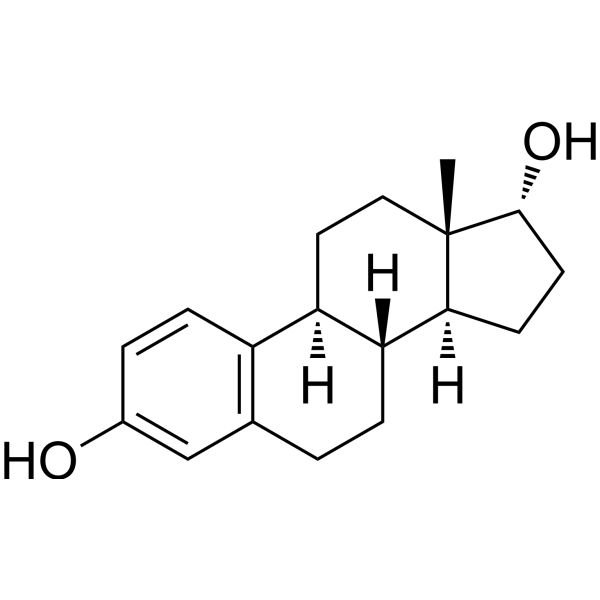
HY-B0141A
Alpha-Estradiol5α-reductase Inhibitor -
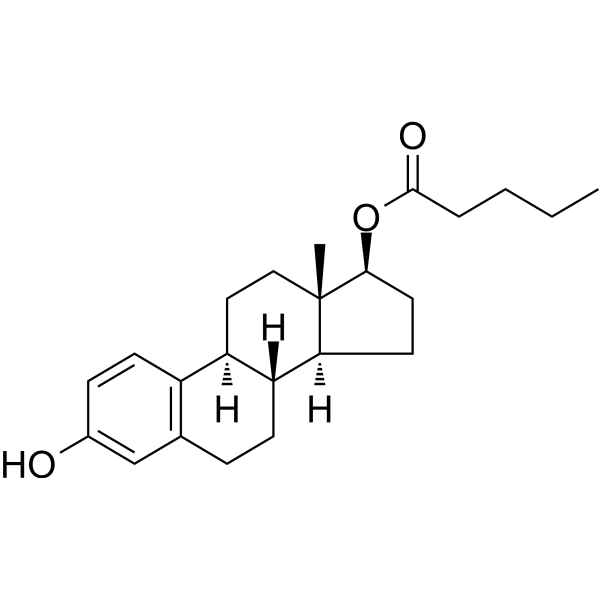
HY-B0672
Estradiol valerateEstrogen Receptor/ERR Agonist -
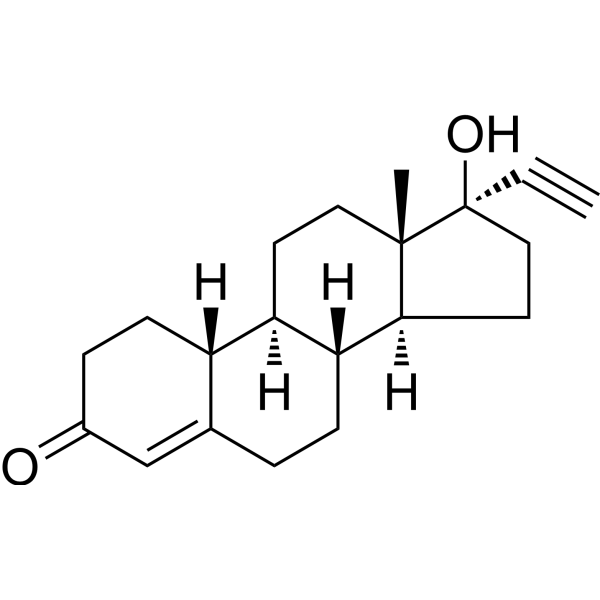
HY-B0554
NorethindroneProgestin -
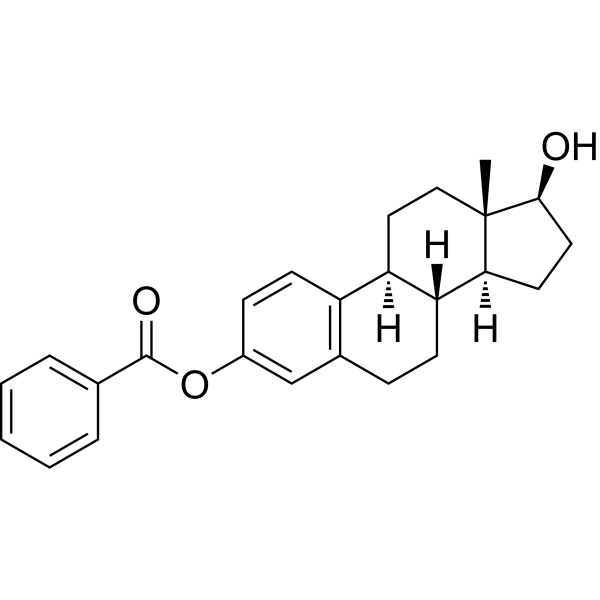
HY-B1192
Estradiol benzoateHBx inhibitor -
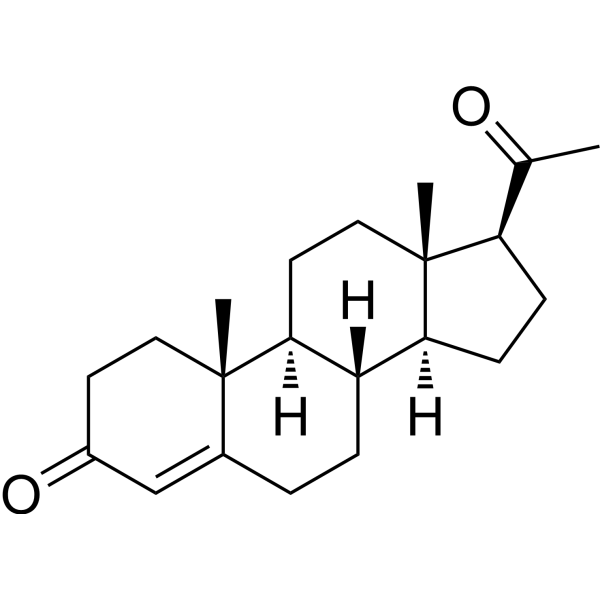
HY-N0437
ProgesteroneEndogenous Metabolite -
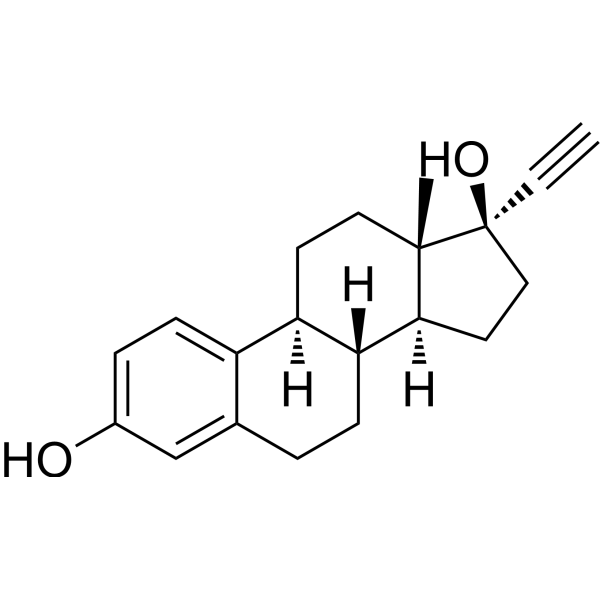
HY-B0216R
Ethinylestradiol (Standard) -
HY-N0583
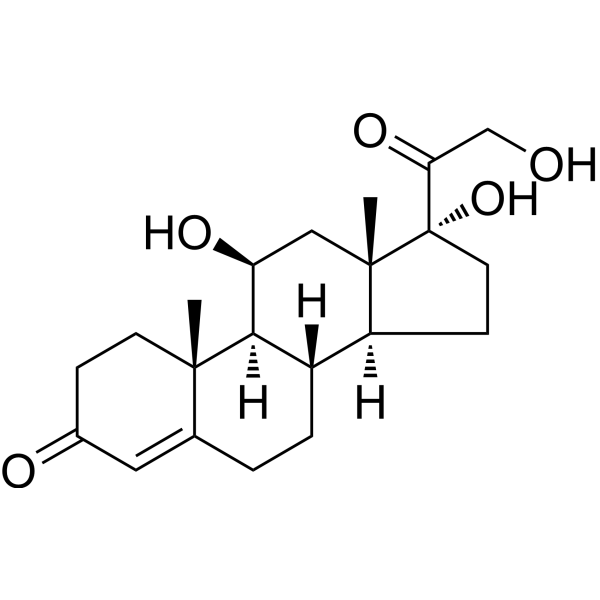
HydrocortisoneGlucocorticoid Receptor Agonist
MedChemExpress(MCE)の使用を引用している文献 Ethinylestradiol
More- Environ Health (Wash). 2025 Jan 10;3(4):414-424. [Abstract]
- Biomater Adv. 2026 Jun 16:188:215018. [Abstract]
- Food Biosci. 2025 Jul.
- Cells. 2022 Jan 18;11(3):319. [Abstract]
- Aquat Toxicol. 2026 Jun 2:298:107880. [Abstract]
- J Biomed Mater Res A. 2025 Oct;113(10):e38001. [Abstract]
- Neuroscience. 2026 Jun 6:610:122-135. [Abstract]
- Mol Reprod Dev. 2026 Apr;93(4):e70105. [Abstract]
- Preprints. 2024 Jan 29.
 Customer Validation & Images

-
In Vivo Efficacy Study
-
Histological Imaging/Staining
-
ELISA
-
Histological Imaging/Staining
-
Histological Imaging/Staining
Endogenous Metabolite アイソフォーム固有の製品をすべて表示
More

生物活性
製品説明
Cellular Effect
|
Cell Line

|
Type | Value | Description | References |
|---|---|---|---|---|
| HEK293 | EC50 |
3 μM
Compound: EE2
|
Cytotoxicity against HEK293 cells
Cytotoxicity against HEK293 cells
|
[PMID: 18973326] |
| HEK293 | IC50 |
2.2 μM
Compound: ethinyl estradiol
|
Inhibition of human OCT2-mediated ASP+ uptake expressed in HEK293 cells after 3 mins by fluorescence assay
Inhibition of human OCT2-mediated ASP+ uptake expressed in HEK293 cells after 3 mins by fluorescence assay
|
[PMID: 23241029] |
| HEK293 | IC50 |
20.2 μM
Compound: ethinyl estradiol
|
Inhibition of human MATE2K-mediated ASP+ uptake expressed in HEK293 cells after 1.5 mins by fluorescence assay
Inhibition of human MATE2K-mediated ASP+ uptake expressed in HEK293 cells after 1.5 mins by fluorescence assay
|
[PMID: 23241029] |
| HEK293 | IC50 |
21 μM
Compound: Ethinylestradiol
|
Inhibition of human recombinant UGT1A1 expressed in HEK293 cells assessed as reduction in bilirubin glucuronidation by LC-MS/MS method
Inhibition of human recombinant UGT1A1 expressed in HEK293 cells assessed as reduction in bilirubin glucuronidation by LC-MS/MS method
|
[PMID: 21030469] |
| HEK293 | IC50 |
21.1 μM
Compound: ethinyl estradiol
|
Inhibition of human MATE1-mediated ASP+ uptake expressed in HEK293 cells after 1.5 mins by fluorescence assay
Inhibition of human MATE1-mediated ASP+ uptake expressed in HEK293 cells after 1.5 mins by fluorescence assay
|
[PMID: 23241029] |
| HEK293 | IC50 |
3 μM
Compound: 5; EE2
|
Inverse agonist activity at GAL4 fused-human CAR-LBD transfected HEK293 cells after 24 hrs by luciferase reporter gene assay
Inverse agonist activity at GAL4 fused-human CAR-LBD transfected HEK293 cells after 24 hrs by luciferase reporter gene assay
|
[PMID: 26717202] |
| HEK293 | IC50 |
44 μM
Compound: Ethinylestradiol
|
Inhibition of human recombinant UGT1A1 expressed in HEK293 cells assessed as reduction in estradiol 3-glucuronidation by LC-MS/MS method
Inhibition of human recombinant UGT1A1 expressed in HEK293 cells assessed as reduction in estradiol 3-glucuronidation by LC-MS/MS method
|
[PMID: 21030469] |
| MCF7 | IC50 |
20 nM
Compound: EE2
|
Inhibition of SULT1A1 in human MCF7 cells assessed as 17beta-estradiol sulfation
Inhibition of SULT1A1 in human MCF7 cells assessed as 17beta-estradiol sulfation
|
[PMID: 22593037] |
| MDA-MB-231 | IC50 |
32.9 μM
Compound: EED
|
Cytotoxicity against ERalpha and ERbeta-deficient human MDA-MB-231 cells assessed as growth inhibition after 72 hrs by MTT assay
Cytotoxicity against ERalpha and ERbeta-deficient human MDA-MB-231 cells assessed as growth inhibition after 72 hrs by MTT assay
|
[PMID: 23786452] |
体外実験
Ethinylestradiol (0.01-10 nM, 24-48 h) increases cGMP formation in RFL6 cells[2].
Ethinylestradiol (0.01-10 nM, 6-48 h) reduces superoxide anion production in BAEC cells in dose- and time-dependent manner[2].
Ethinylestradiol (1-100 nM, 24 h) decreases mRNA (XPC and XPA) abundance and NER capacity in zebrfish liver cells[3].
MedChemExpress (MCE) has not independently confirmed the accuracy of these methods. They are for reference only.
体内実験
Ethinylestradiol (0-50 μg/kg, i.g., daily, 21 days) can have adverse effects on the reproductive development of nulliparous female Wistar rats[5].
MedChemExpress (MCE) has not independently confirmed the accuracy of these methods. They are for reference only.
-
Animal Model:Female Sprague-Dawley rats[4]
-
Dosage:5 mg/kg
-
Administration:Subcutaneous injection (s.c.), 5 days
-
Result:Decreases plasma cholesterol levels and cholesterol content.
Increased low density lipoprotein tissue spaces and clearance rates in the liver.
Enhanced the hepatic expression of low density lipoprotein-receptor protein and mRNA.
Increased cholesterol synthesis in several extrahepatic tissues, such as adrenals, ovaries, small bowel, and spleen.
-
Animal Model:Nulliparous female Wistar rats[5]
-
Dosage:0-50 μg/kg
-
Administration:i.g., daily, 21 days
-
Result:Increased number of nipples and reduced ovary weight in female offspring.
Induced malformations of female genitalia.
Deepened the width of urethral slits in adult rats.
Increased the expression of estrogen-regulated gene in ventral prostate of prepubertal male offspring in a dose-dependent manner.
Decreased ventral prostate weight at 15μg/kg in prepubertal male offspring.
臨床実験
| NCT Number | Sponsor | Condition | Start Date |
Phase
|
|---|---|---|---|---|
| NCT01329991 | 2011-05 | PHASE1 |


化学情報
-
CAS 番号 57-63-6
-
性状 Solid
-
分子量 296.40
-
分子式 C20H24O2
-
Color White to off-white
-
SMILES
OC1=CC=C2C(CC[C@]3([H])[C@]2([H])CC[C@@]4(C)[C@@]3([H])CC[C@]4(C#C)O)=C1
-
別名
Ethinylestradiol; Ethynyl estradiol; =17α-Ethynylestradiol
-
輸送条件
Room temperature in continental US; may vary elsewhere.
-
保管条件
Powder -20°C 3 years 4°C 2 years In solvent -80°C 2 years -20°C 1 year


Publications (9)
-
Journal Impact Factor
-
Most Recent
-
Environ Health (Wash)
Fish Skin Mucus Vitellogenin as a Noninvasive, Sensitive Biomarker for Aquatic Xenoestrogens. [Abstract]2025 Jan 10;3(4):414-424. PMID: 40270534
Ethinylestradiol purchased from MedChemExpress. Usage Cited in: Environ Health (Wash). 2025 Jan 10;3(4):414-424. [Abstract]
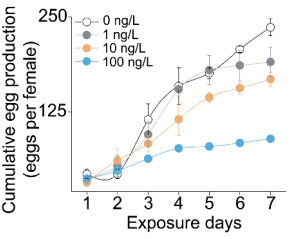
Ethinylestradiol (EE2, 1-100 ng/L; 7 day) reduced the fertility of female zebrafish in a concentration-dependent manner.
Ethinylestradiol purchased from MedChemExpress. Usage Cited in: Environ Health (Wash). 2025 Jan 10;3(4):414-424. [Abstract]
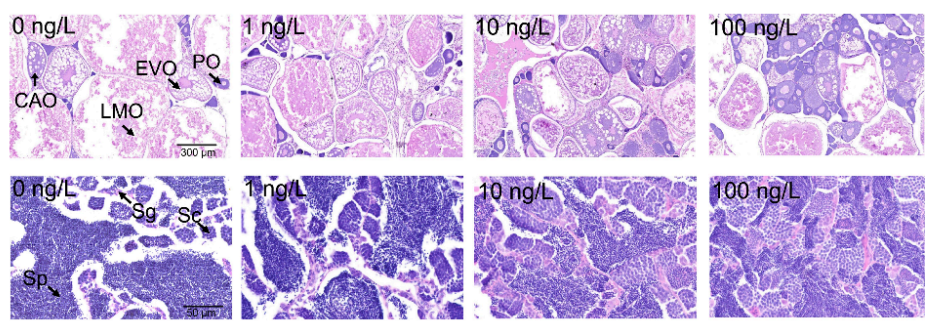
Representative histological images of ovarian (upper) and testicular (lower) tissues from different groups. Ethinylestradiol (EE2, 1–100 ng/L) exposure for 7 days simultaneously inhibited oogenesis and spermatogenesis in zebrafish.
Ethinylestradiol purchased from MedChemExpress. Usage Cited in: Environ Health (Wash). 2025 Jan 10;3(4):414-424. [Abstract]
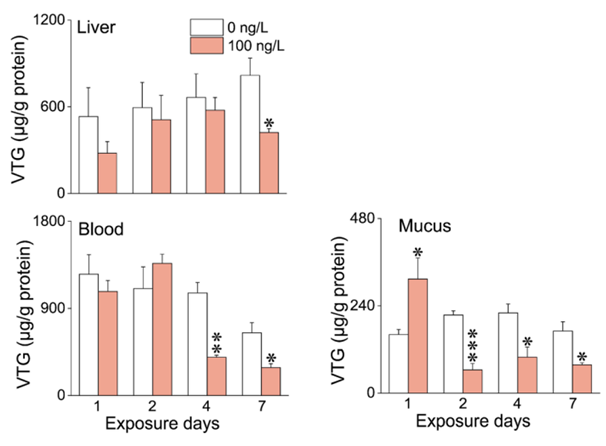
Temporal alterations in VTG concentrations in the liver, blood, and mucus of male zebrafish after exposure to 100 ng/L Ethinylestradiol (EE2) for 1, 2, 4, or 7 days. The results showed that only 100 ng/L EE2 suppressed liver VTG expression by 0.64-fold after 7 days of exposure, whereas blood VTG concentration started to decrease at exposure days 4 and 7 by 0.39- and 0.40-fold, respectively. In contrast, mucus VTG in male zebrafish significantly increased in abundance by 1.99-fold within 1 day of EE2 exposure, but it began to decrease at 2, 4, and 7 days of EE2 exposure by 0.45-, 0.71-, and 0.55-fold, respectively.
-
Biomater Adv
A supramolecular MgTA@MnO₂ nanozyme platform supports human spinal cord organoid structural integration and locomotor recovery via microenvironmental reprogramming. [Abstract]2026 Jun 16:188:215018. PMID: 42309040 -
Ethinylestradiol purchased from MedChemExpress. Usage Cited in: Food Biosci. 2025 Jul.
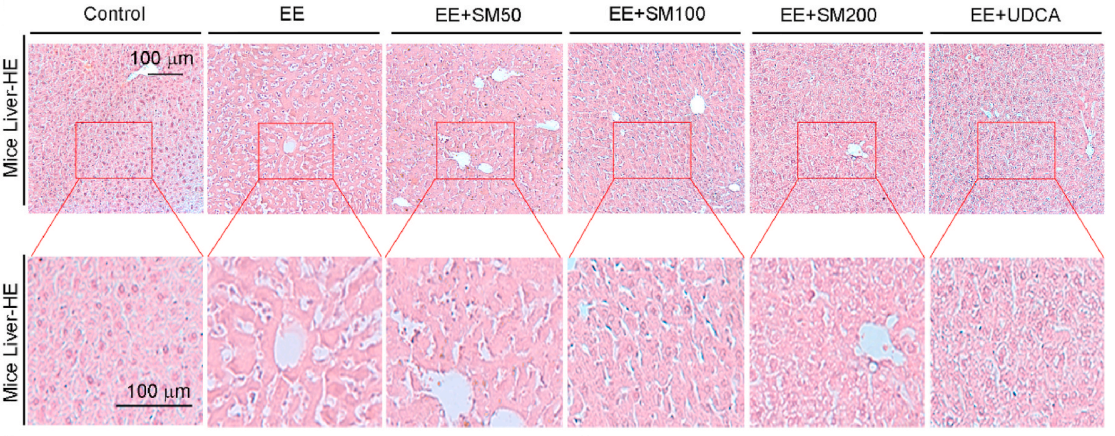
HE staining was used to evaluate structural changes in liver tissue. The results depicted disorganized hepatocytes in the Ethinylestradiol (EE, 10 mg/kg; s.c.; 5 days) group, characterized by nuclear wrinkling and large cell gaps. Notably, liver injury was significantly mitigated by sesamol and UDCA treatment.
Ethinylestradiol purchased from MedChemExpress. Usage Cited in: Food Biosci. 2025 Jul.
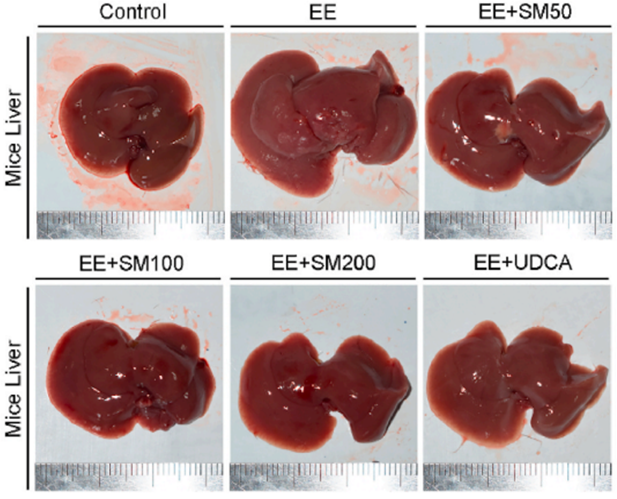
Ethinylestradiol (EE, 10 mg/kg; s.c.; 5 days) induced liver enlargement in mice, resulting in a white appearance.
Ethinylestradiol purchased from MedChemExpress. Usage Cited in: Food Biosci. 2025 Jul.
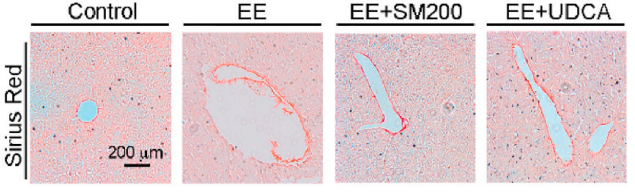
Ethinylestradiol (EE, 10 mg/kg; s.c.; 5 days) induced collagen deposition in mice, but sesamol treatment reduced this, as shown by Sirius red staining.
Ethinylestradiol purchased from MedChemExpress. Usage Cited in: Food Biosci. 2025 Jul.
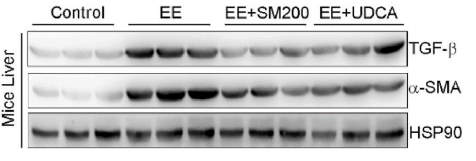
Ethinylestradiol (EE, 10 mg/kg; s.c.; 5 days) induced liver fibrosis in mice, accompanied by upregulation of fibrosis-related proteins such as TGF-β and α-SMA at the protein level.
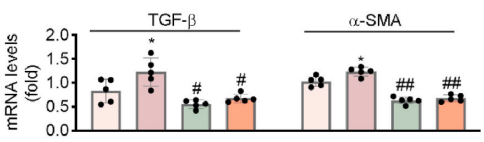
Ethinylestradiol purchased from MedChemExpress. Usage Cited in: Food Biosci. 2025 Jul.
Ethinylestradiol (EE, 10 mg/kg; s.c.; 5 days) induced liver fibrosis in mice, accompanied by elevated mRNA levels of fibrosis-related proteins including TGF-β and α-SMA.
-
Cells
Assessment of FDA-Approved Drugs as a Therapeutic Approach for Niemann-Pick Disease Type C1 Using Patient-Specific iPSC-Based Model Systems. [Abstract]2022 Jan 18;11(3):319. PMID: 35159129 -
Aquat Toxicol
2026 Jun 2:298:107880. PMID: 42251851 -
J Biomed Mater Res A
GelMA Hydrogel Encapsulating iPSC-Derived Human Spinal Cord Organoids Enhances Neural Regeneration and Restores Motor Function in Rat Spinal Cord Injury. [Abstract]2025 Oct;113(10):e38001. PMID: 41051068 -
Neuroscience
Trichostatin A-primed spinal cord organoids alleviate oxidative stress and improve recovery after spinal cord injury involving the NRF2/HO-1 signaling pathway. [Abstract]2026 Jun 6:610:122-135. PMID: 42250855 -
Mol Reprod Dev
PIP2 Accumulation in the Spongiotrophoblast Drives Trophoblast Apoptosis in Intrahepatic Cholestasis of Pregnancy. [Abstract]2026 Apr;93(4):e70105. PMID: 42017405 -


溶剤 & 溶解度
体外:
DMSO : ≥ 100 mg/mL (337.38 mM; Hygroscopic DMSO has a significant impact on the solubility of product, please use newly opened DMSO)
Ethanol : ≥ 100 mg/mL (337.38 mM)
H2O : < 0.1 mg/mL (insoluble)
* "≥" means soluble, but saturation unknown.
Please refer to the solubility information to select the appropriate solvent. Once prepared, please aliquot and store the solution to prevent product inactivation from repeated freeze-thaw cycles.
Storage method and period of stock solution: -80°C, 2 years; -20°C, 1 year. When stored at -80°C, please use it within 2 years. When stored at -20°C, please use it within 1 year.
Please refer to the solubility information to select the appropriate solvent. Once prepared, please aliquot and store the solution to prevent product inactivation from repeated freeze-thaw cycles.
Storage method and period of stock solution: -80°C, 2 years; -20°C, 1 year. When stored at -80°C, please use it within 2 years. When stored at -20°C, please use it within 1 year.
濃度 (開始) × 体積 (開始) = 濃度 (終了) × 体積 (終了)
体内:
Select the appropriate dissolution method based on your experimental animal and administration route.
- For the following dissolution methods, please ensure to first prepare a clear stock solution using an In Vitro approach and then sequentially add co-solvents:
- To ensure reliable experimental results, the clarified stock solution can be appropriately stored based on storage conditions. As for the working solution for In Vivo experiments, it is recommended to prepare freshly and use it on the same day.
- The percentages shown for the solvents indicate their volumetric ratio in the final prepared solution. If precipitation or phase separation occurs during preparation, heat and/or sonication can be used to aid dissolution.
Add each solvent one by one: 10% DMSO 40% PEG300 5% Tween-80 45% Saline
Solubility: ≥ 2.5 mg/mL (8.43 mM); Clear solution
This protocol yields a clear solution of ≥ 2.5 mg/mL (saturation unknown).
Taking 1 mL working solution as an example, add 100 μL DMSO stock solution (25.0 mg/mL) to 400 μL PEG300, and mix evenly; then add 50 μL Tween-80 and mix evenly; then add 450 μL Saline to adjust the volume to 1 mL.
Preparation of Saline: Dissolve 0.9 g sodium chloride in ddH₂O and dilute to 100 mL to obtain a clear Saline solution.
Add each solvent one by one: 10% DMSO 90% (20% SBE-β-CD in Saline)
Solubility: ≥ 2.5 mg/mL (8.43 mM); Clear solution
This protocol yields a clear solution of ≥ 2.5 mg/mL (saturation unknown).
Taking 1 mL working solution as an example, add 100 μL DMSO stock solution (25.0 mg/mL) to 900 μL 20% SBE-β-CD in Saline, and mix evenly.
Preparation of 20% SBE-β-CD in Saline (4°C, storage for one week): 2 g SBE-β-CD powder is dissolved in 10 mL Saline, completely dissolve until clear.
Add each solvent one by one: 10% EtOH 40% PEG300 5% Tween-80 45% Saline
Solubility: ≥ 2.5 mg/mL (8.43 mM); Clear solution
This protocol yields a clear solution of ≥ 2.5 mg/mL (saturation unknown).
Taking 1 mL working solution as an example, add 100 μL EtOH stock solution (25.0 mg/mL) to 400 μL PEG300, and mix evenly; then add 50 μL Tween-80 and mix evenly; then add 450 μL Saline to adjust the volume to 1 mL.
Preparation of Saline: Dissolve 0.9 g sodium chloride in ddH₂O and dilute to 100 mL to obtain a clear Saline solution.
Add each solvent one by one: 10% EtOH 90% (20% SBE-β-CD in Saline)
Solubility: ≥ 2.5 mg/mL (8.43 mM); Clear solution
This protocol yields a clear solution of ≥ 2.5 mg/mL (saturation unknown).
Taking 1 mL working solution as an example, add 100 μL EtOH stock solution (25.0 mg/mL) to 900 μL 20% SBE-β-CD in Saline, and mix evenly.
Preparation of 20% SBE-β-CD in Saline (4°C, storage for one week): 2 g SBE-β-CD powder is dissolved in 10 mL Saline, completely dissolve until clear.
In Vivo Dissolution Calculator
Please enter the basic information of animal experiments:
-
-
-
-
Recommended: Prepare an additional quantity of animals to account for potential losses during experiments.
Please enter your animal formula composition:
-
%DMSO +
Recommended: Keep the proportion of DMSO in working solution below 2% if your animal is weak.
-
%+
-
+%Tween-80 + +
-
%Saline +
The co-solvents required include: DMSO, . All of co-solvents are available by MedChemExpress (MCE). , Tween 80. All of co-solvents are available by MedChemExpress (MCE).
Working solution concentration: 0.22 mg/mL
Method for preparing stock solution: mg drug dissolved in μL DMSO. Stock solution concentration: mg/mL.
1. Take μL DMSO stock solution;
2. Add μL .
μL , mix evenly;
3. Then add μL Tween 80, mix evenly;
4. Then add μL
Please ensure that the stock solution in the first step is dissolved to a clear state, and add co-solvents in sequence. You can use ultrasonic heating (ultrasonic cleaner, recommended frequency 20-40 kHz), vortexing, etc. to assist dissolution.


純度とドキュメンテーション
-
データシート (282 KB)
-
SDS (480 KB)
- English - EN (480 KB)
- Français - FR (480 KB)
- Deutsch - DE (480 KB)
- Norwegian - NO (480 KB)
- Español - ES (480 KB)
- Swedish - SV (480 KB)
- Italian - IT (480 KB)
- Korean - KR (480 KB)
- Portuguese - PT (480 KB)
-
取扱説明書 (2659 KB)
参考文献
[1]. Kuhl H. Pharmacology of estrogens and progestogens: influence of different routes of administration. Climacteric. 2005 Aug;8 Suppl 1:3-63. [Content Brief]
[3]. Notch EG, et al. 17alpha-Ethinylestradiol hinders nucleotide excision repair in zebrafish liver cells. Aquat Toxicol. 2009 Dec 13;95(4):273-8. [Content Brief]
[4]. Bertolotti M, et al. Effect of hypocholesterolemic doses of 17 alpha-ethinyl estradiol on cholesterol balance in liver and extrahepatic tissues. J Lipid Res. 1996 Aug;37(8):1812-22. [Content Brief]
[5]. Mandrup KR, et al. Effects of perinatal ethinyl estradiol exposure in male and female Wistar rats. Reprod Toxicol. 2013 Dec;42:180-91. [Content Brief]


Complete Stock Solution Preparation Table
Please refer to the solubility information to select the appropriate solvent. Once prepared, please aliquot and store the solution to prevent product inactivation from repeated freeze-thaw cycles.
Storage method and period of stock solution: -80°C, 2 years; -20°C, 1 year. When stored at -80°C, please use it within 2 years. When stored at -20°C, please use it within 1 year.
| Optional Solvent | Concentration Solvent Mass | 1 mg | 5 mg | 10 mg | 25 mg |
|---|---|---|---|---|---|
| DMSO / Ethanol | 1 mM | 3.3738 mL | 16.8691 mL | 33.7382 mL | 84.3455 mL |
| 5 mM | 0.6748 mL | 3.3738 mL | 6.7476 mL | 16.8691 mL | |
| 10 mM | 0.3374 mL | 1.6869 mL | 3.3738 mL | 8.4345 mL | |
| 15 mM | 0.2249 mL | 1.1246 mL | 2.2492 mL | 5.6230 mL | |
| 20 mM | 0.1687 mL | 0.8435 mL | 1.6869 mL | 4.2173 mL | |
| 25 mM | 0.1350 mL | 0.6748 mL | 1.3495 mL | 3.3738 mL | |
| 30 mM | 0.1125 mL | 0.5623 mL | 1.1246 mL | 2.8115 mL | |
| 40 mM | 0.0843 mL | 0.4217 mL | 0.8435 mL | 2.1086 mL | |
| 50 mM | 0.0675 mL | 0.3374 mL | 0.6748 mL | 1.6869 mL | |
| 60 mM | 0.0562 mL | 0.2812 mL | 0.5623 mL | 1.4058 mL | |
| 80 mM | 0.0422 mL | 0.2109 mL | 0.4217 mL | 1.0543 mL | |
| 100 mM | 0.0337 mL | 0.1687 mL | 0.3374 mL | 0.8435 mL |


Ethinylestradiol 関連分類
HY-B0216 関連分類
 Powered by Bioz