Search Result
Results for "
tumor xenograft mice model
" in MedChemExpress (MCE) Product Catalog:
1
Biochemical Assay Reagents
| Cat. No. |
Product Name |
Target |
Research Areas |
Chemical Structure |
-
- HY-153306
-
|
RLY-2608
|
PI3K
|
Cancer
|
|
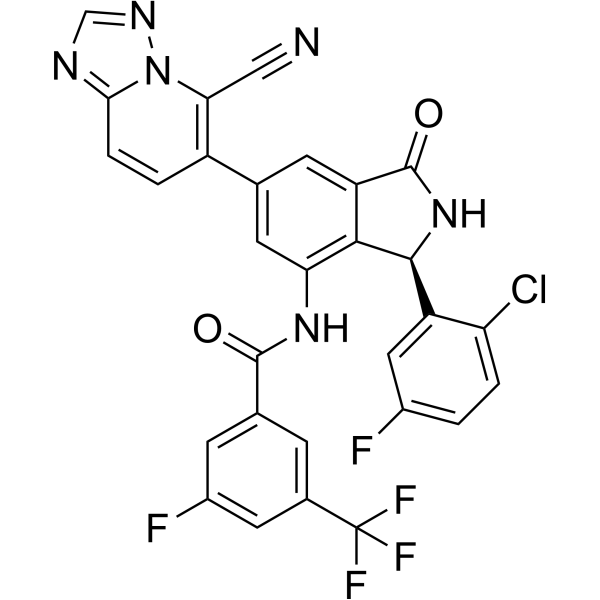
Zovegalisib (RLY-2608) is an orally active first-in-class allosteric mutant-selective inhibitor of PI3Ka with anti-tumor activity. Zovegalisib inhibits tumor growth in PIK3CA-mutant xenograft mice models with minimal impact on insulin .
|
-
-
- HY-148273
-
|
ASP-3082; KRAS G12D inhibitor 17
|
PROTACs
Ras
ERK
Akt
|
Cancer
|
|
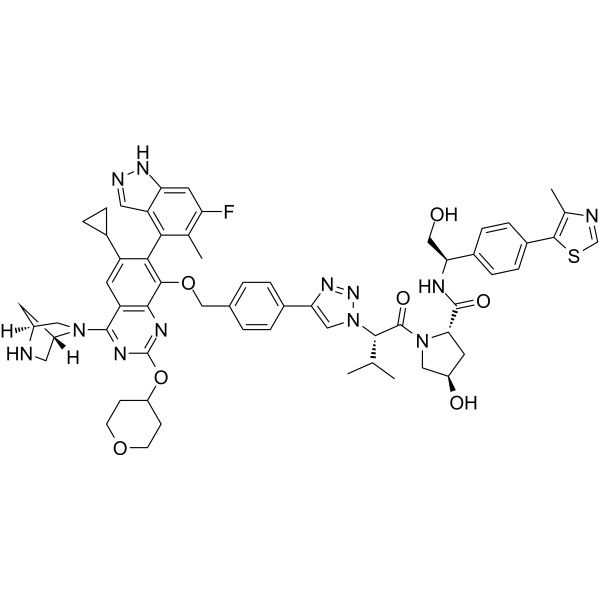
Setidegrasib (KRAS G12D inhibitor 17, ASP3082) is a PROTAC KRAS degrader (DC50: 37 nM). Setidegrasib induces the degradation of G12D-mutation KRAS protein. Setidegrasib suppresses p-ERK, p-AKT, p-S6 levels in AsPC-1 cells. Setidegrasib exhibits anti-tumor activity in various cancer xenograft models in mice. Setidegrasib can be used for the study of KRAS(G12D)-mutated solid tumors. (Blue: VHL ligase ligand (HY-168699); Black: linker (HY-168698); Pink: G12D ligand (HY-168700)) .
|
-
-
- HY-100591
-
|
|
Sirtuin
|
Neurological Disease
Inflammation/Immunology
Cancer
|
|
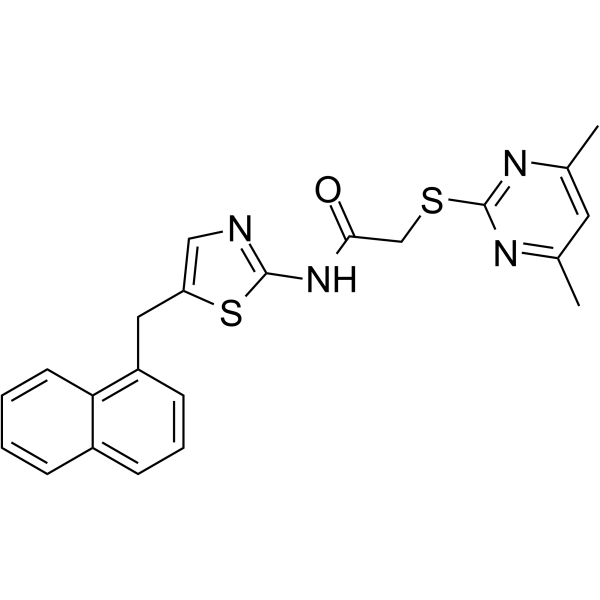
SirReal2 is a potent, isotype-selective Sirt2 inhibitor with an IC50 value of 140 nM and has very little effect on the activities of Sirt3-5. SirReal2 leads to tubulin hyperacetylation in HeLa cells and induces destabilization of the checkpoint protein BubR1. SirReal2 combined with VS-5584 (HY-16585) suppresses tumor growth and extends the survival rate of mice in tumor xenograft model. SirReal2 is is promising for research of cancer, inflammation and neurodegeneration .
|
-
-
- HY-156618
-
|
ABSK011
|
FGFR
|
Cancer
|
|
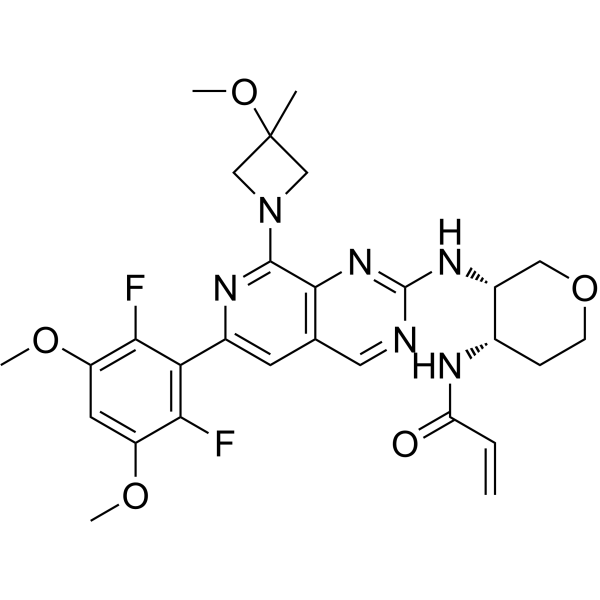
Irpagratinib (ABSK011) is an orally active FGFR4 inhibitor (IC50<10 nM). Irpagratinib inhibits FGFR4 autophosphorylation and blocks signaling from FGFR4 to downstream pathway activation. Irpagratinib has shown high exposure in PK studies in mice, rats, and dogs, and also demonstrated antitumor activity in a subcutaneous xenograft tumor model .
|
-
-
- HY-123972
-
|
KL-2
|
DNA/RNA Synthesis
|
Cancer
|
|
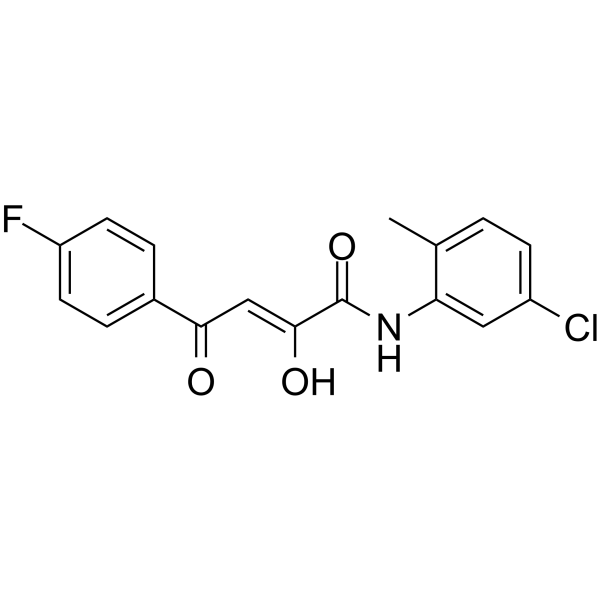
SEC inhibitor KL-2 (KL-2), a peptidomimetic lead compound, is a potent, selective super elongation complex (SEC) inhibitor and disrupts the interaction between the SEC scaffolding protein AFF4 and P-TEFb, resulting in impaired release of Pol II from promoter-proximal pause sites and a reduced average rate of processive transcription elongation. SEC inhibitor KL-2 exhibits an dose-dependent inhibitory effect on AFF4-CCNT1 interaction with a Ki of 1.50 μM .
|
-
-
- HY-120692
-
|
|
JAK
STAT
Apoptosis
|
Cancer
|
|
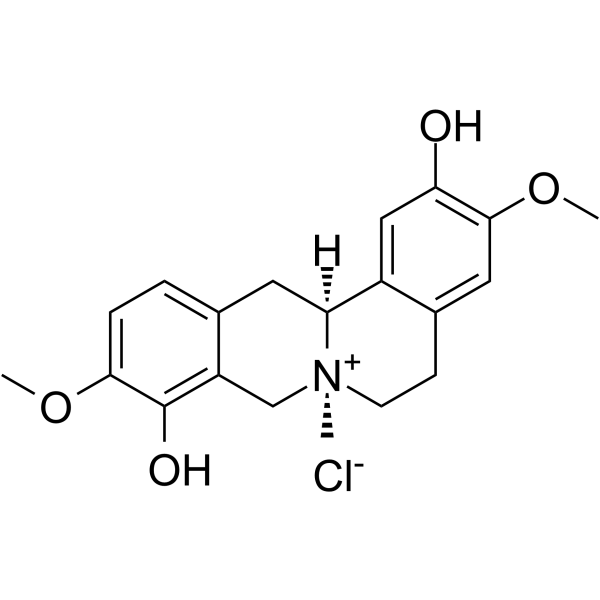
Cyclanoline chloride is an alkaloid. Cyclanoline chloride can be isolated from Fangji. Cyclanoline (chloride) inhibits the phosphorylation of JAK2 and STAT3, and induces Apoptosis. Cyclanoline chloride suppresses tumor growth in subcutaneous bladder cancer xenograft models of nude mice. Cyclanoline chloride reverses cisplatin resistance in bladder cancer cells and enhances the efficacy of Cisplatin (HY-17394). Cyclanoline chloride can be used for research related to bladder cancer .
|
-
-
- HY-P991584
-
|
|
FGFR
|
Cancer
|
|
HuGAL-FR21 is a humanized antiFGFR2IIIb IgG1 monoclonal antibody. HuGAL-FR21 can block the binding of FGF2, FGF7, and FGF10 to FGFR2IIIb and inhibit FGF-induced phosphorylation of FGFR2IIIb. HuGAL-FR21 can downregulate the expression of FGFR2 in SNU-16 cells. HuGAL-FR21 shows the significant anti-tumor activity in athymic nude mice bearing gastric cancer xenograft models. HuGAL-FR21 can be used for research on cancer such as gastric cancer .
|
-

-
- HY-139659
-
|
|
PROTACs
Androgen Receptor
Progesterone Receptor
Apoptosis
|
Cancer
|
|
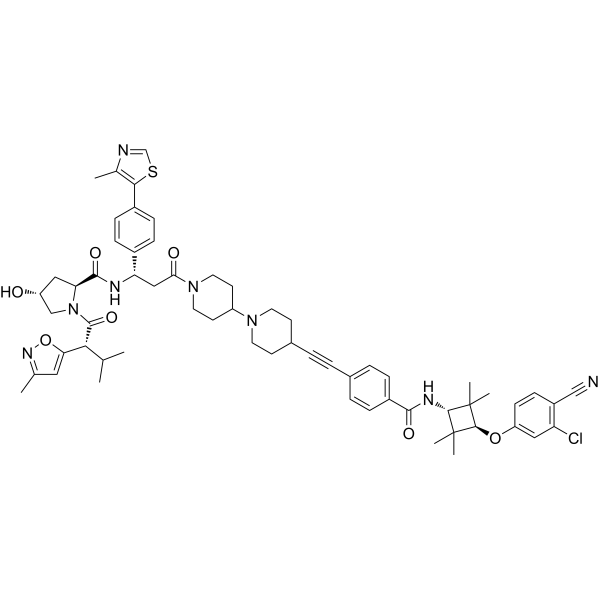
ARD-61 is a highly potent, effective and specific PROTAC androgen receptor (AR) degrader. ARD-61 potently and effectively induces AR and progesterone receptors (PR) degradation in AR+ cancer cell lines. ARD-61 induces apoptosis and effectively induces tumor growth inhibition in the MDA-MB-453 xenograft model in mice . ARD-61 is a click chemistry reagent, it contains an Alkyne group and can undergo copper-catalyzed azide-alkyne cycloaddition (CuAAc) with molecules containing Azide groups.
|
-
-
- HY-W111581
-
|
Diethyldithiocarbamic acid copper salt
|
Apoptosis
Caspase
|
Cancer
|
|
Copper(II) diethyldithiocarbamate (Diethyldithiocarbamic acid copper salt) is a Copper(II) and diethyldithiocarbamate coordination polymer. Copper(II) diethyldithiocarbamate binds tightly to NPL4 and induces its aggregation, disrupting the p97-NPL4-UFD1 pathway. Copper(II) diethyldithiocarbamate causes ubiquitinated proteins accumulation and impairs waste proteins degradation, thus resulting in cell apoptosis. Copper(II) diethyldithiocarbamate inhibits tumor growth in MDA-MB-231 xenograft mice models. Copper(II) diethyldithiocarbamate can be used for the research of cancer, such as breast cancer .
|
-

-
- HY-P99744
-
|
TAK-573
|
CD38
|
Inflammation/Immunology
Cancer
|
|
Modakafusp alfa (TAK-573) is a humanized, anti-CD38 IgG4 monoclonal antibody fused to 2 attenuated IFNα2b molecules, which delivers interferon-alpha to CD38-expressing cells. Modakafusp alfa has direct anti-proliferative activity on multiple myeloma (MM) cancer cells in vitro and induces robust and durable antitumor responses in MM xenograft tumor models. Modakafusp alfa in combination with anti-PD-1 antibodies induces immunomodulation and antitumor responses with good tolerance in mice .
|
-

-
- HY-172158
-
|
|
Anaplastic lymphoma kinase (ALK)
Caspase
|
Cancer
|
|
ALKBH5-IN-5 is a highly selective ALKBH5 (IC50 = 0.62 μM, Kd = 804 nM). ALKBH5-IN-5 disrupts ALKBH5 binding to m 6A-RNA and 6mA-DNA substrates. ALKBH5-IN-5 promotes differentiation, induces apoptosis, cause G2-M phase arrest and exerts strong antiproliferative effects in cancer cells. ALKBH5-IN-5 reduces TACC3 and MYC protein levels and increases cleaved caspase-3 levels. ALKBH5-IN-5 exerts antitumor activity in tumor xenograft mice models. ALKBH5-IN-5 can be used for the research of acute myeloid leukemia .
|
-

-
- HY-P99922
-
|
|
LAG-3
|
Cancer
|
|
Encelimab is an anti-LAG3 antibody. Encelimab blocks the interaction between LAG-3 and MHC II, and enhances T-cell activation. Encelimab alone or in combination with an anti-PD-1 antibody reduces tumor size in a lymphoma mice model (A20 cell xenograft) .
|
-

-
- HY-149480
-
|
|
PROTACs
Estrogen Receptor/ERR
|
Cancer
|
|
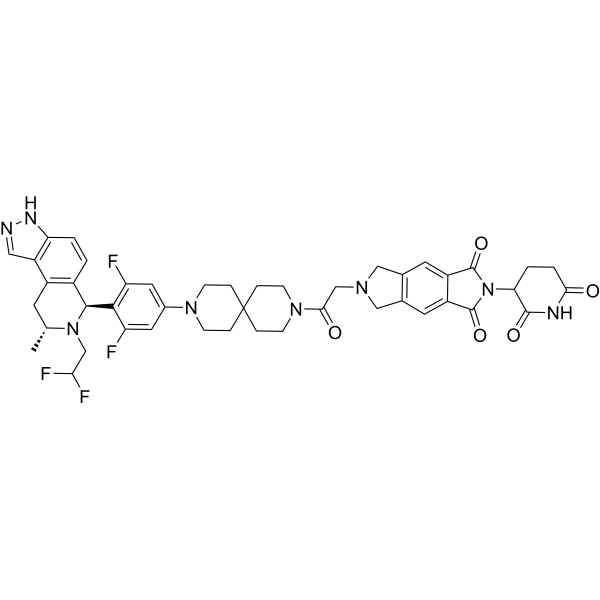
ERD-3111 (Compound 44) is an orally active PROTAC ERα degrader (DC50: 0.5 nM). ERD-3111 inhibits tumor growth in the parental MCF-7 xenograft model with wild-type ER and two clinically relevant ESR1 mutated mice model. ERD-3111 can be used in the research of ER+ breast cancer .
|
-
-
- HY-P991570
-
|
AD5-10; oba-01 Antibody
|
TNF Receptor
Apoptosis
Caspase
Atg8/LC3
Akt
Beclin1
JNK
|
Cancer
|
|
Zaptuzumab (AD5-10) is a DR5-specific humanized monoclonal antibody that selectively binds to DR5 with high affinity. Zaptuzumab specifically induces cancer cell death by both caspase-apoptosis and autophagic cell death (ACD). Zaptuzumab activates both ADCC and CDC. Zaptuzumab induces ROS generation and GSH level reduction. Zaptuzumab shows a significant suppression of the tumor growth and good safety in various xenografts mice tumor models .
|
-

-
- HY-174346
-
|
|
E1/E2/E3 Enzyme
Apoptosis
DNA/RNA Synthesis
|
Cancer
|
|
Skp2-IN-4 is an Skp2 inhibitor with a IC50 of 0.38 μM for Skp2-Cks1 binding. Skp2-IN-4 improves anti-tumor activity, inhibits the proliferation and induces S phase arrest by targeting Skp2. Skp2-IN-4 significantly enhances Cisplatin (HY-17394) chemosensitivity by suppressing the tumor cell stemness in NCl-H1299 xenograft mice model, promising for lung cancer and esophageal cancer research .
|
-

-
- HY-149862
-
|
|
PROTACs
Androgen Receptor
|
Cancer
|
|
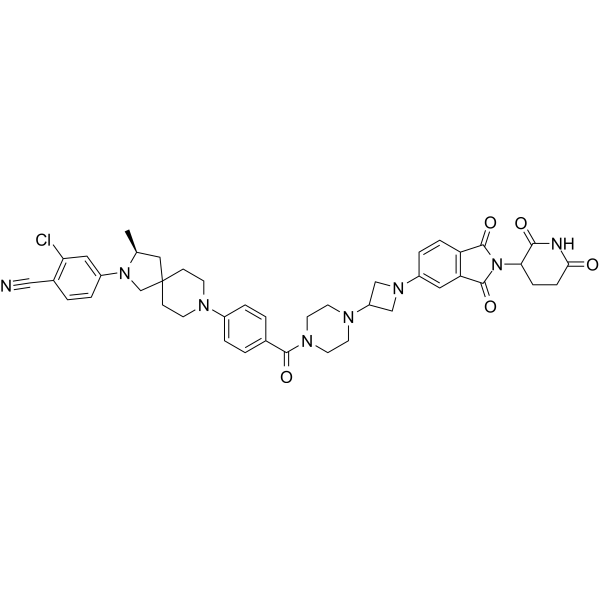
ARD-2051 is a selective and orally active androgen receptor (AR) proteolysis-targeting chimera degrader. ARD-2051 achieves DC50 values of 0.6 nM for AR protein degradation in both the LNCaP and VCaP prostate cancer cell lines. ARD-2051 exhibits effective anti-tumor activity in VCaP xenograft mice model. ARD-2051 can be used for the research of prostate cancer (Pink: AR ligand (HY-400666), Blue: CRBN Ligand (HY-14658), Black: Linker) .
|
-
-
- HY-168035
-
|
|
Histone Methyltransferase
|
Cancer
|
|
W4275 (Compound 42) is a selective NSD2 inhibitor with oral activity, showing an IC50 value of 17 nM. W4275 exhibits antiproliferative activity with an IC50 of 230 nM against RS411 cells and significantly inhibits tumor growth in the RS411 tumor xenograft model. Pharmacokinetic analysis in mice demonstrates that W4275 has good oral bioavailability (F of 27.34%). W4275 holds promise for use in cancer research .
|
-

-
- HY-169120
-
|
|
Telomerase
|
Cancer
|
|
FKB04 is a telomeric repeat binding factor 2 (TRF2) inhibitor that exerts its antitumor activity by disrupting the telomere maintenance mechanism in liver cancer cells, leading to T-loop defects, telomere shortening, and cellular senescence. Additionally, FKB04 can inhibit tumor growth in a human liver cancer xenograft mouse model (with Huh-7 cells implanted in BALB/c mice). FKB04 can be used in liver cancer research .
|
-

-
- HY-172930
-
|
|
Molecular Glues
IKZF Family
Potassium Channel
|
Inflammation/Immunology
Cancer
|
|
PVTX-405 is a selective and oral active IKZF2 molecular glue degrader with a DC50 of 0.7 nM and a Dmax of 91%. PVTX-405 enhances degradation efficiency, significantly reduces off-target degradation, and alleviates hERG inhibition with IC50 of 48 µM. PVTX-405 significantly inhibits the growth of MC38 tumors, with greater synergistic anti-cancer efficacy in combination with immune checkpoint therapies (ICTs) (anti-PD1 or anti-LAG3) in the MC38 mouse tumor xenograft model using Crbn 391V C57BL/6 mice .
|
-

-
- HY-174850
-
|
|
Btk
|
Cancer
|
|
CFON-026 is a selective, orally active and non-covalent BTK inhibitor with an IC50 of 0.27 nM. CFON-026 has significant antitumor activity against wild-type BTK (TMD8 and REC-1) and all clinically relevant BTK resistance mutations (BTK C481S, T474I, L528W and V416L). CFON-026 induces complete tumor regression in TMD8 xenograft mice model. CFON-026 can be used for research of hematological cancers like chronic lymphocytic leukemia and waldenström macroglobulinemia .
|
-

-
- HY-171572
-
|
|
Antibody-Drug Conjugates (ADCs)
Microtubule/Tubulin
Apoptosis
|
Inflammation/Immunology
Cancer
|
|
Atezolizumab-MMAE is an anti-PD-L1 antibody-drug conjugate (ADC) with an EC50 of 1.1 nM. Atezolizumab-MMAE is composed of a humanized anti-PD-L1 antibody (Atezolizumab) (HY-P9904), a lysosomally cleavable dipeptide linker (valine-citrulline), a tubulin inhibitor (MMAE) (HY-15162), and the drug-linker conjugate for ADC is VcMMAE (HY-15575). Atezolizumab-MMAE has a potent cytotoxicity (EC50: 9.75-11.94 nM) and immune activation effect. Atezolizumab-MMAE has a significantly anti-tumor activity in MC38 xenograft PD-1-humanized immune system mice model .
|
-

-
- HY-155887
-
|
DSPE-PEG-NH2, MW 3400 ammonium
|
Liposome
|
Cancer
|
|
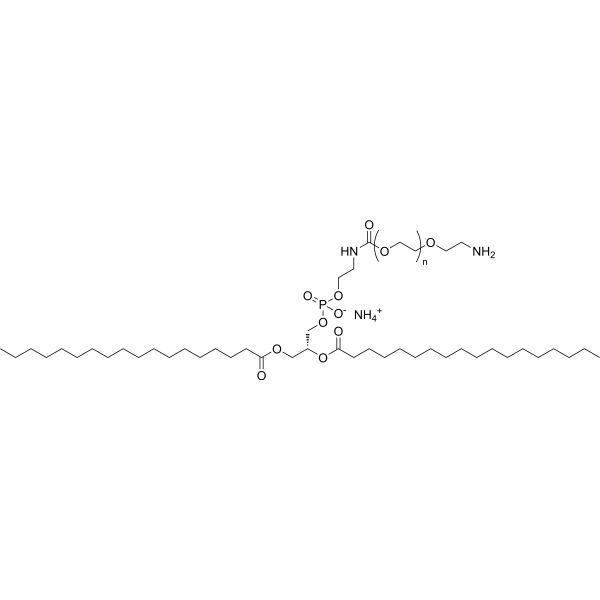
DSPE-PEG-Amine (DSPE-PEG-NH2), MW 3400 ammonium is an amino-functionalized PEGylated phospholipid. It serves not only as a key component for preparing σ receptor-targeted liposomes (such as anisamide-modified lipids) but also as a starting material for synthesizing click chemistry- and tumor-targeted lipids including DSPE-PEG-DBCO (HY-155788) and DSPE-PEG2000-TCO (HY-170704). DSPE-PEG-Amine, MW 3400 ammonium effectively modulates the ζ potential of nanoparticles, enables complexation with nucleic acids or proteins to protect DNA from nuclease degradation, and supports ligand conjugation on the nanoparticle surface. It is used in studies related to DU-145 tumors, breast cancer, and other relevant research .
|
-
-
- HY-P991609
-
|
|
MMP
|
Cancer
|
|
ABX-MA1 is a humanized IgG2 monoclonal antibody inhibitor targeting MCAM/MUC18. ABX-MA1 significantly decreases homotypic aggregation and heterotypic adhesion to HUVECs, and the formation of experimental lung metastasis. ABX-MA1 potently inhibits tumor growth, angiogenesis, and MMP-2 expression in A375SM/WM2664 xenograft mice model, promising for melanoma research .
|
-

-
- HY-P991571
-
|
GC-1118A
|
EGFR
PERK
Akt
|
Cancer
|
|
GC1118 (GC-1118A) is a fully human anti-EGFR monoclonal antibody with binding affinity of 0.16 nM (KD) to EGFR. GC1118 displays potent inhibitory effects on high- and low-affinity EGFR ligand-induced signaling. GC1118 shows potent anti proliferative activity in KRAS wild-type and KRAS mutant cells. GC1118 can reach the tumor by crossing both BBB (blood-brain barrier) and BTB (brain-tumor barrier) and shows superior anti-tumor effects in various mice xenograft models. GC1118 can be used for the researches of cancer, such as colorectal cancer .
|
-

-
- HY-W338346
-
|
|
Drug Derivative
Interleukin Related
TNF Receptor
Polo-like Kinase (PLK)
|
Inflammation/Immunology
Cancer
|
|
Salicylate choline is an orally active derivative of Aspirin (acetylsalicylic acid) (HY-14654). Salicylate choline significantly reduces IL-1β, IL-6, TNF-α and IL-10 levels in cells. Salicylate choline enhances the anti-tumor activity of the CRM1 inhibitor Selinexor (KPT-330) (HY-17536) through inducing S-phase cell cycle arrest and impairing DNA damage repair. Salicylate choline combined with Selinexor demonstrates excellent anti-tumor efficacy in mice xenograft model harboring JeKo-1 cells. Salicylate choline can be used for the study of rheumatic diseases, inflammation and cancer .
|
-

-
- HY-174458
-
|
|
PROTACs
MDM-2/p53
IKZF Family
Casein Kinase
|
Cancer
|
|
MD-4251 is an orally active MDM2 PROTAC degrader. MD-4251 potently degrades MDM2 in RS4;11 cells (DC50: 0.2 nM) and actives p53. MD-4251 shows strong antiproliferative activity against acute leukemia cells (wild-type p53) with minimal efficacy in mutant type. MD-4251 induces complete tumor regression in RS4;11 xenograft mice model . Pink: MDM2 ligand (HY-130684); Blue: CRBN ligase ligand (HY-W883326); Black: linker
|
-

-
- HY-176128
-
|
|
PROTACs
Androgen Receptor
Apoptosis
PARP
Caspase
|
Cancer
|
|
BWA-6047 is an oral active PROTAC degrader targeting AR/AR-V7 and GSPT1 with DC50 values of 3.7, 3.0 and 1.2 nM in 22Rv1 cells. BWA-6047 suppresses the expression of AR downstream target genes and and transcriptional activity. BWA-6047 inhibits cancer cells proliferation, causes G1 phase cell cycle arrest and induces apoptosis. BWA-6047 increases cleaved-PARP-1 and cleaved-caspase-3 levels. BWA-6047 reduces growth of LNCaP xenograft tumors in mice models without obvious toxicity. BWA-6047 can be used for the research of prostate cancer .
|
-

-
- HY-176239
-
|
|
PROTACs
PI3K
Akt
Apoptosis
Autophagy
|
Cancer
|
|
PROTAC PI3Kδ degrader-1 is a Lysine-targeted covalent PI3Kδ PROTAC degrader with a DC50 of 3.98 nM. PROTAC PI3Kδ degrader-1 has a potent antiproliferative activity and selective PI3Kδ inhibition (IC50: 8 nM). PROTAC PI3Kδ degrader-1 also significantly degrades p-AKT, induces cell cycle arrest in G1 phase and prompts cell apoptosis and autophagy. PROTAC PI3Kδ degrader-1 effectively inhibits the tumor growth in SU-DHL-6 xenograft mice model . Pink: PI3Kδ ligand (HY-169983); Blue: VHL ligase ligand (HY-112078); Black: linker (HY-W013381)
|
-

-
- HY-153834
-
|
|
DNA/RNA Synthesis
|
Cancer
|
|
GTI-2040, a 20-mer phosphorothioate oligonucleotide, was designed to hybridize to the mRNA sequence of human ribonucleotide reductase R2. GTI-2040 has been shown to inhibit human cancer cell proliferation by downregulation of R2 expression in vitro and to significantly inhibit tumor growth in xenograft models of human cancer in mice.
|
-

-
- HY-165421
-
|
|
Mps1
|
Cancer
|
|
Mps1-IN-10 (Compound 9) is an inhibitor for Mps1 with an IC50 of 6.4 nM. Mps1-IN-10 inhibits the proliferation of cancer cell MDA-MB-231 with a GI50 of 11 nM. Mps1-IN-10 exhibits anti-tumor efficacy in mice MDA-MB-231 xenograft models .
|
-

-
- HY-175342
-
|
LOXO-338
|
Bcl-2 Family
|
Cancer
|
|
FCN-338 (LOXO-338) is an orally active and selective Bcl-2 inhibitor with an IC50 of 4.5 nM for Bcl-2/BAK interaction. FCN-338 potently inhibits tumor growth in follicular lymphoma (FL), acute myeloid leukemia (AML), and acute lymphoblastic leukemia (ALL) xenograft mice model without significant weight loss. FCN-338 has a broad-spectrum anti-cancer activity, such as FL, CLL/SLL, AML, and ALL .
|
-

-
- HY-178061
-
|
|
ERK
RET
|
Cancer
|
|
APS03118 is an orally active, potent and selective rearranged during transfection (RET) inhibitor. APS03118 broadly inhibits RET fusions and mutations (including G810, V804, L730, and Y806 variants), with IC50 values predominantly below 1 nM (0.095 nM for WT; ranging from 0.00438 to 5.72 nM for mutants), and demonstrates marked superiority against RET G810 mutations. APS03118 inhibits the entire RET signaling pathway (including RET, Shc, and ERK1/2), with >20-fold selectivity over most off-target kinases (except FLT3 and YES). APS03118 induces complete tumor regression in KIF5B-RET and CCDC6-RET V804 M patient derived xenografts (PDXs) and significantly prolongs survival in an intracranial CCDC6-RET metastasis mice model. APS03118 can be used for selective RET inhibitor (SRI)-resistant, RET-driven cancer research .
|
-

-
- HY-165606
-
|
|
Oct3/4
c-Myc
Apoptosis
|
Cancer
|
|
SB-T-1214 (SBT) is a taxane. SB-T-1214 efficiently inhibits expression of stem cell-related genes (Oct4, Sox2, and c-Myc) and induces apoptosis of colon cancer spheroids with drug resistant tumorigenic CD133 +/CD44 + cells. SB-T-1214 strongly represses tumor growth in Pgp+ DLD-1 human colon tumor xenografts mice model. SB-T-1214 can be used for antitumor research, especially against tumors with drug resistance, such as colon, pancreatic and renal cancers .
|
-

-
- HY-176220
-
|
|
AUTACs
Autophagy
Glutathione Peroxidase
Ferroptosis
|
Cancer
|
|
GPX4-AUTAC is a GPX4-targeting autophagy-mediated degrader (AUTAC). GPX4-AUTAC consists of an inhibitor ML162-yne (HY-153748), a degradation tag FBnG (HY-W073762) and a glycol linker (HY-W021401). GPX4-AUTAC promotes the ubiquitination of GPX4 by E3 ligase TRAF6, and enhances the binding with GPX4 and p62, leading to the selective autophagy-dependent degradation of GPX4. GPX4-AUTAC significantly induces ferroptosis and shows a potent anti-cancer activity in breast cancer cells, breast cancer-derived organoids (PDOs) and MDA-MB-231 tumor xenograft mice model, with potent synergistic effects when combined with Sulfasalazine (SAS) (HY-14655) or chemotherapy drugs (Paclitaxel (HY-B0015) or Cisplatin (HY-17394)) .
|
-

-
- HY-178098
-
|
|
YAP
|
Cancer
|
|
TEAD-IN-21 is a potent and orally active pan-TEAD inhibitor with an IC50 of 3 nM. TEAD-IN-21 effectively inhibited the proliferation of Huh-7 cells. TEAD-IN-21 selectively downregulates TEAD-dependent downstream genes. TEAD-IN-21 achieves tumor regression in a liver cancer-derived tumor xenograft mice model. TEAD-IN-21 can be used in the research of hepatocellular carcinoma (HCC) .
|
-

-
- HY-177270
-
|
|
EGFR
Drug Derivative
|
Cancer
|
|
CHNQD-01281, a derivative of Brefeldin A (HY-16592), is a EGFR modulator. CHNQD-01281 has strong antiproliferative activities against cancer cells (IC50: 0.079 and 0.081 μM for T24 and J82 cells, respectively). CHNQD-01281 regulates both EGFR/PI3K/AKT and EGFR/ERK pathways and mediates the chemotactic effect of chemokines on immune effector cells. CHNQD-01281 remarkably inhibits tumor growth in T24 xenograft mice model and prolongs the survival time in MB49 allogeneic mice model via inducing infiltration of cytotoxic T cells .
|
-

-
- HY-174847
-
|
|
p97
|
Cancer
|
|
VCP/p97 IN-2 (Compound V13) is a VCP/p97 inhibitor with IC50 of 32 nM for p97. VCP/p97 IN-2 has excellent antitumor activities and significantly inhibits tumor growth in Molm-13 xenograft mice model. VCP/p97 IN-2 can be used for acute myeloid leukemia (AML) research .
|
-

-
- HY-P10992
-
|
|
PI3K
Akt
mTOR
Caspase
Apoptosis
Bcl-2 Family
|
Cancer
|
|
YVPGP is an oligopeptide exacted from Anthopleura anjunae. YVPGP has a significant antitumor activity by mediating PI3K/AKT/mTOR signaling pathway. YVPGP arrests DU-145 cells in the S phase and induces apoptosis via mitochondrial and death receptor pathways (caspase3, 7, 8, 9). YVPGP effectively inhibits tumor growth in DU-145 xenografts mice model, promising for prostate cancer research .
|
-

-
- HY-P10988
-
|
|
Apoptosis
MDM-2/p53
Integrin
|
Cancer
|
|
LVTX-8 is a peptide toxin, exacted from Lycosa vittata. LVTX-8 has potent anticancer and and anti-metastasis activities towards lung cancer with strong cytotoxicity. LVTX-8 significantly induces apoptosis and inhibits the proliferation, invasion and migration of lung cancer cells through P53 hypoxia pathways and integrin signaling. LVTX-8 significantly inhibits the tumor growth and metastasis in A549/H460 xenograft mice model .
|
-

-
- HY-178008
-
|
|
Bcl-2 Family
Caspase
Apoptosis
|
Cancer
|
|
Mcl-1-IN-16 is an effective macrocyclic myeloid cell leukemia 1 (Mcl-1) inhibitor with a Ki of below 0.08 nM. Mcl-1-IN-16 maintains high selectivity (>50,000-fold) for Mcl-1 over other antiapoptotic Bcl-2 family members Bcl-2 and Bcl-xL. Mcl-1-IN-16 leads to the activation of caspase-3/7, thereby initiating cell apoptosis. Mcl-1-IN-16 achieves tumor regression in a lung cancer-derived tumor xenograft mice model. Mcl-1-IN-16 can be used in the research of solid tumor such as nonsmall cell lung cancer (NSCLC) .
|
-

-
- HY-P991243
-
|
|
EGFR
Akt
|
Cancer
|
|
MP-RM-1 is an antibody-based, non-competitive ErbB-3 inhibitor with a Kd value of 32.7 nM. MP-RM-1 inhibits both ligand-dependent and ligand-independent ErbB-3 activation, blocks ErbB-2/ErbB-3 heterodimerization, induces ErbB-3 internalization and degradation, and suppresses the phosphorylation of downstream Akt. MP-RM-1 exerts its antagonistic effect through a non-competitive mechanism. MP-RM-1 inhibits tumor growth in melanoma and prostate cancer xenograft models in nude mice and reduces the proliferative activity of tumor cells .
|
-

-
- HY-148291
-
|
|
LPL Receptor
Phosphodiesterase (PDE)
|
Cancer
|
|
BrP-LPA sodium is a pan-opposite agent for lysophosphatidic acid (LPA). It has antagonistic activity against LPA1 (IC50 = 4520 nM), LPA2 (IC50 = 468 nM), LPA3, and LPA4. BrP-LPA sodium also has partial agonistic activity for LPA5, with its EC50 being 1282 nM. BrP-LPA sodium has ATX inhibitory activity. BrP-LPA sodium effectively inhibits the migration and invasion of breast cancer cells. BrP-LPA sodium achieves tumor regression and anti-angiogenesis in mice breast cancer xenograft model. BrP-LPA sodium can be used for the study of breast cancer .
|
-

-
- HY-177021
-
|
|
Microtubule/Tubulin
Apoptosis
|
Cancer
|
|
Tubulin-IN-51 is an orally available, potent tubulin inhibitor (IC50 = 31 nM). Tubulin-IN-51 promotes tubulin polymerization in vitro and does not compete with Paclitaxel (HY-B0015) for binding. Tubulin-IN-51 inhibits the binding of Vinblastine (HY-13780) to tubulin. Tubulin-IN-51 downregulates the proportion of cells in the G1 phase and induces apoptosis. Tubulin-IN-51 inhibits tumor growth in multiple nude mouse xenograft models .
|
-

-
- HY-156792
-
|
|
RIO Kinase
|
Cancer
|
|
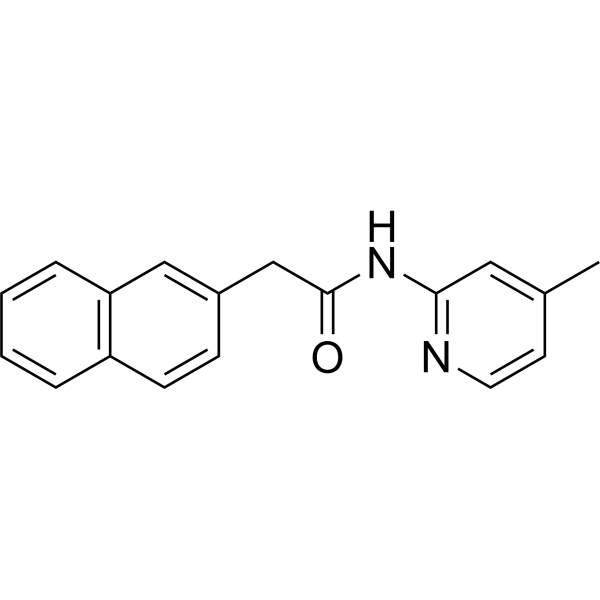
RIOK2-IN-1 (com 4) is a potent and selective RIOK2 inhibitor (Kd=150 nM), but has low cellular activity (IC50=14,600 nM). RIOK2 is an atypical kinase associated with a variety of human cancers and is involved in ribosome maturation and cell cycle progression. The small molecule inhibitor CQ211 (HY-147655), an improvement of RIOK2-IN-1 as the lead compound, has good in vivo and in vitro activity, inhibits the proliferation of MKN-1 and HT-29 cancer cells, and can xenograft MKN in mice -1 model inhibits tumor progression .
|
-
-
- HY-174315
-
|
|
PROTACs
Anaplastic lymphoma kinase (ALK)
Akt
ERK
|
Cancer
|
|
WZH-17-002 is a WZH-15-125-based ALK PROTAC degrader with a DC50 of 25 nM. WZH-17-002 enhances activities against Lorlatinib (HY-12215)-resistant ALK compound mutations. WZH-17-002 significantly reduces drug resistance in ALK-fusion non-small cell lung cancer (NSCLC) and inhibits tumor growth in EML4-ALK G1202R/L1196 M xenograft mice model . Pink: ALK ligand (HY-174314); Blue: CRBN ligase ligand (HY-14658); Black: linker (HY-174316)
|
-

-
- HY-106159
-
|
|
Reactive Oxygen Species (ROS)
p38 MAPK
JNK
PERK
Ferroptosis
|
Cancer
|
|
SB-T-101141 is a novel taxane. SB-T-101141 effectively induces a noncanonical ferroptosis to overcome Paclitaxel (HY-B0015) resistance of breast cancer. SB-T-101141 facilitates the production of iron and ferrous ions and ROS. SB-T-101141 stably binds to KHSRP to inhibit the iron-dependent expression of CISD1 related to iron homeostasis. SB-T-101141 synergistically enhances the iron-dependent activation of JNK and PERK pathways via KHSRP. SB-T-101141 suppresses breast tumor growth in MCF-7(PR)/MDA-MB-231(PR) or KHSRP knock-down MCF-7 xenograft mice model .
|
-

-
- HY-176225
-
|
|
PROTACs
Src
Estrogen Receptor/ERR
Apoptosis
|
Cancer
|
|
BY13 is a SRC-3 PROTAC degrader with a DC50 of 0.031 μM. BY13 selectively blocks the ER signaling pathway over that of androgen receptor (AR)) through down-regulating ERα level. BY13 potently overcomes endocrine resistance in breast cancer by inducing cell cycle arrest in G1 phase and apoptosis, with superior effect over Fulvestrant (HY-13636). BY13 significantly inhibits the growth of drug-resistant breast tumors without obvious toxicity in LCC2 xenograft mice model . Pink: SRC-3 ligand (SI-2) (HY-101447); Blue: CRBN ligase ligand (HY-41547); Black: linker (HY-176226)
|
-

-
- HY-176288
-
|
|
Eukaryotic Initiation Factor (eIF)
Bcl-2 Family
Apoptosis
Ras
PERK
|
Cancer
|
|
eIF4E/eIF4G PPI-IN-1 is an eIF4E/eIF4G interaction inhibitor with a KD of 20.2 μM for eIF4E protein. eIF4E/eIF4G PPI-IN-1 plays an antitumor role in multiple modes of action including regulating the activity of eIF4E by inhibiting the Ras/MAPK/eIF4E signaling pathway, apoptosis and cell migration. eIF4E/eIF4G PPI-IN-1 suppresses the growth of HepG2 xenografts in nude mice and was relatively nontoxic to mice .
|
-

-
- HY-174415
-
|
|
PROTACs
EGFR
Akt
ERK
|
Cancer
|
|
ZSH-2117 is a covalent and selective EGFR PROTAC degrader with a DC50 of 45 nM in Ba/F3-EGFR L858R/T790M/C797S cells. ZSH-2117 significantly inhibits cell proliferation and reduces the downstream EGFR signaling proteins level of AKT and ERK. ZSH-2117 effectively inhibits tumor growth in Ba/F3-EGFR L858R/T790M/C797S xenograft mice model . Pink: EGFR ligand (HY-175162); Blue: NEDD4 ligase ligand (HY-175159); Black: linker
|
-

-
- HY-175610
-
|
|
PROTACs
FLT3
JAK
Epigenetic Reader Domain
|
Cancer
|
|
PROTAC FLT3/JAK2/BRD4 Degrader-1 is a PROTAC degrader that target FLT3, JAK2, and BRD4 with DC50 values of 5.23, 0.678, and 1.17 nM, respectively. PROTAC FLT3/JAK2/BRD4 Degrader-1 exhibits potent antiproliferative activity against MV4;11 cells (IC50 = 0.79 nM) and FLT3 mutant-transformed Ba/F3 cells. PROTAC FLT3/JAK2/BRD4 Degrader-1 induces apoptosis in MV4;11 cells. PROTAC FLT3/JAK2/BRD4 Degrader-1 demonstrates significant anti-tumor efficacy in the MV4;11 xenograft model established in NOD SCID mice. PROTAC FLT3/JAK2/BRD4 Degrader-1 can be used for the study of acute myeloid leukemia (AML). (Pink: FLT3/JAK2/BRD4 ligand (HY-175611), Blue: CRBN Ligand (HY-W087383), Black: Linker, E3 ligase ligand-linker conjugate (HY-W897939)) .
|
-

- HY-175201
-
|
|
LPL Receptor
STAT
|
Cancer
|
|
pro-FTY, a FTY720 (HY-12005) anticancer prodrug, is a sphingosine-1-phosphate (S1P) (HY-108496) inhibitor. pro-FTY specifically inhibits S1P signaling in cancer cells using a drug delivery system (DDS) that reacts with acrolein. pro-FTY significantly inhibits the survival of breast cancer cells, including multidrug-resistant cells and its organoids resistant to Paclitaxel (HY-B0015) or Doxorubicin (HY-15142A). pro-FTY potently suppresses tumor growth in 4T1 cells or organoids xenograft tumors mice model while avoiding lymphocytopenia .
|
-

- HY-169928
-
|
|
DNA/RNA Synthesis
|
Cancer
|
|
WRN inhibitor 14 (compound S35) is an orally active WRN inhibitor with anticancer activity. WRN inhibitor 14 results in tumor growth inhibition in the SW48 xenograft model in BALB/c nude mice .
|
-

- HY-144361
-
|
|
Apoptosis
|
Cancer
|
|
Antitumor agent-44 (Compound 5n) disrupts the mitochondrial homeostasis, induces cell cycle arrest and apoptosis in human adenocarcinoma cells. Antitumor agent-44 (Compound 5n) possesses good anti-tumor activity in a lung-cancer-cell xenograft mice model .
|
-
- HY-155032
-
|
|
P-glycoprotein
|
Cancer
|
|
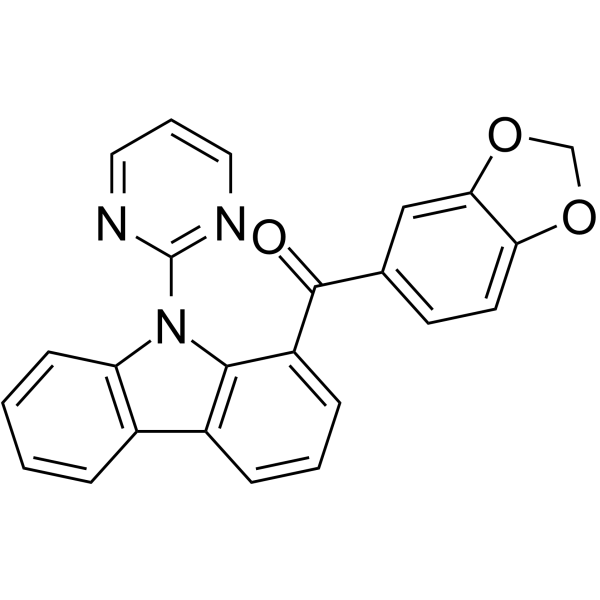
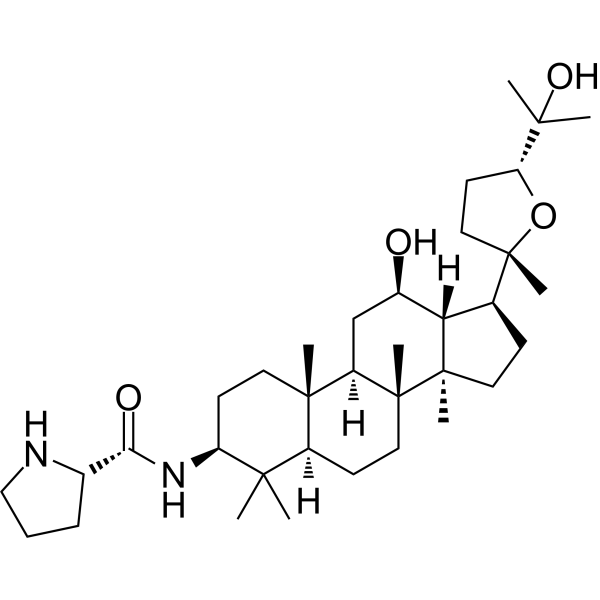
P-gp inhibitor 15 (compound 7a) is a nonsubstrate inhibitor of P-glycoprotein (Pgp). P-gp inhibitor 15 inhibits Pgp-ATPase activity,and interfers Pgp-mediated Rhodamine123 efflux. P-gp inhibitor 15 also enhances the inhibitory efficacy of Paclitaxel (HY-B0015),inhibits tumor progress in nude mice KBV xenograft tumors model .
|
-
- HY-153834A
-
|
|
Nucleoside Antimetabolite/Analog
|
Cancer
|
|
GTI-2040 sodium, a 20-mer phosphorothioate oligonucleotide, was designed to hybridize to the mRNA sequence of human ribonucleotide reductase R2. GTI-2040 sodium has been shown to inhibit human cancer cell proliferation by downregulation of R2 expression in vitro and to significantly inhibit tumor growth in xenograft models of human cancer in mice.
|
-

- HY-161425
-
|
|
Apoptosis
|
Cancer
|
|
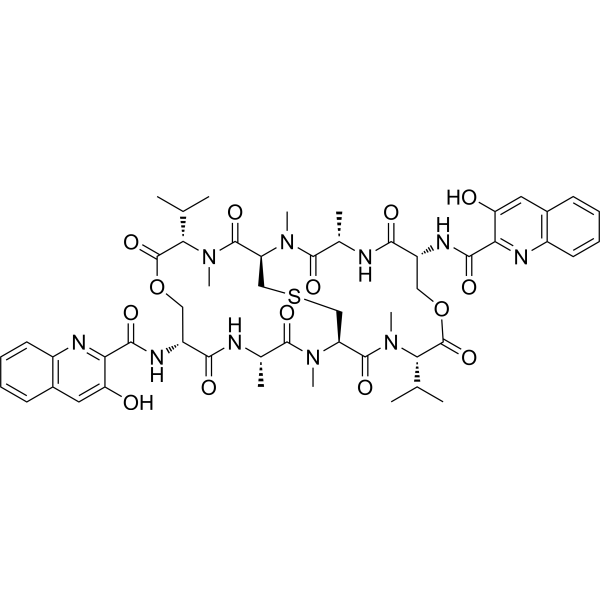
Antitumor agent-149 (Compound 3) is an analogue of Echinomycin (HY-106101). Antitumor agent-149 inhibits HIF-1α-mediated transcription. Antitumor agent-149 induces cancer cell apoptosis. Antitumor agent-149 inhibits tumor growth in SW620 xenograft mice model .
|
-
- HY-155028
-
|
|
FGFR
|
Cancer
|
|
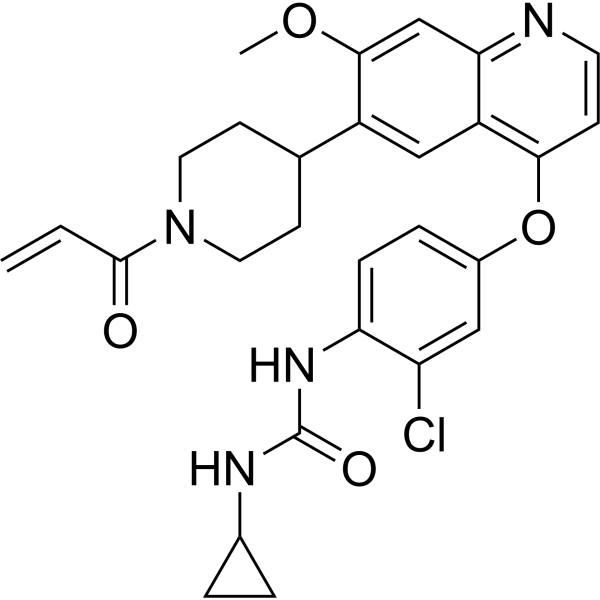
FGFR-IN-11 (compound I-5) is an orally active and covalent FGFR inhibitor with IC50 values of 9.9 nM (FGFR1), 3.1 nM (FGFR2), 16 nM (FGFR3), and 1.8 nM (FGFR4), respectively. FGFR-IN-11 inhibits multiple cancer cell proliferation with nanomolar activity. FGFR-IN-11 inhibits tumor growth significantly in xenograft mice models .
|
-
- HY-121365
-
|
|
Bacterial
|
Infection
|
|
Forphenicinol is an immunomodulator and a derivative of the bacterial metabolite forphenicine. It increases the phagocytosis of yeast by peritoneal macrophages isolated from thioglycolate-stimulated mice. Forphenicinol (100 μg/animal) prevents cyclophosphamide-induced suppression of delayed-type hypersensitivity (DTH), as well as enhances DTH in response to the hapten oxazolone or sheep red blood cells in mice. It enhances the bactericidal activity of macrophages against P. aeruginosa in mice when administered at a dose of 0.5 mg/kg.2 Forphenicinol (15.6-1,000 μg/animal) increases survival in a mouse model of P. aeruginosa infection. It also inhibits tumor growth in S180 sarcoma and IMC carcinoma mouse xenograft models when administered at doses ranging from 0.05 to 5 mg/kg per day.
|
-

- HY-143402
-
|
|
Topoisomerase
|
Cancer
|
|
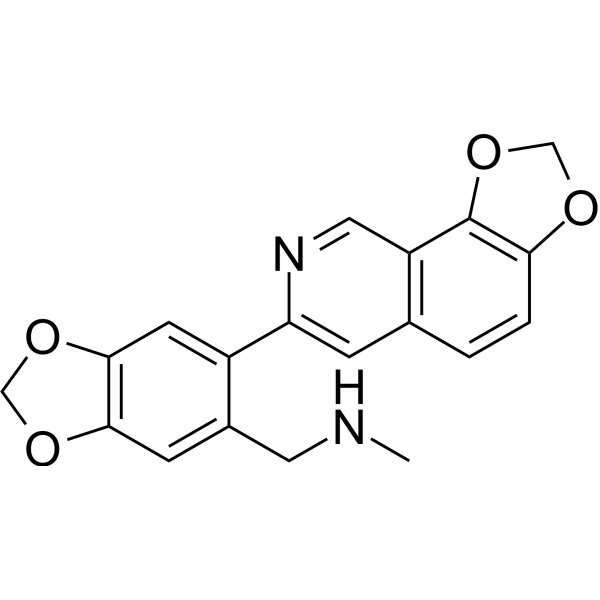
Topoisomerase I/II inhibitor 2 (compound 1a) is a potent Topoisomerase inhibitor (IC50= 9.82 μM on Huh7 cells and 6.83 μM on LM9 cells). Topoisomerase I/II inhibitor 2 has dual inhibition on DNA topoisomerase I/II, also can obviously reduce the growth of xenograft tumor in mice model. Topoisomerase I/II inhibitor 2 has the potential value in researching liver cancer .
|
-
- HY-117707
-
|
|
Raf
|
Cancer
|
|
EBI-907 is an orally active and highly potent B-Raf V600E inhibitor. EBI-907 demonstrates excellent A375 and Colo-205 cellular antiproliferative activity with IC50 values of 13 nM and 14 nM, respectively. EBI-907 can also cause tumor regression in a B-Raf V600E-dependent Colo-205 tumor xenograft model of mice. EBI-907 is promising for research of melanoma and B-Raf V600E associated cancers .
|
-

- HY-177268
-
|
|
Apoptosis
Reactive Oxygen Species (ROS)
PARP
Caspase
Akt
|
Cancer
|
|
CHNQD-01426 (Compound 4a) is an anticancer agent. CHNQD-01426 has cytotoxic activities against cancer cells. CHNQD-01426 significantly inhibits hepatocellular carcinoma cells proliferation via arresting S and G2/M phase cell cycle and induces apoptosis by inducing ROS production and elevating apoptosis-related proteins expression. CHNQD-01426 potently inhibits tumor growth in HepG2 xenograft mice model .
|
-

- HY-146494
-
|
|
Androgen Receptor
|
Cancer
|
|
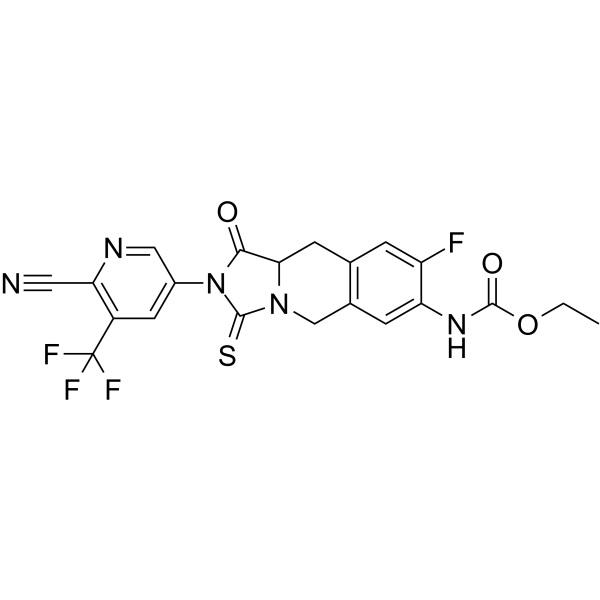
Androgen receptor antagonist 5 (compound 42f) is a potent androgen receptor (AR) antagonist with an IC50 value of 6.17 μM. Androgen receptor antagonist 5 can effectively impair AR nuclear translocation, reducing the levels of nuclear AR, and disrupts AR-mediated gene regulation. Androgen receptor antagonist 5 has antiproliferative activity against LNCaP and exhibits antitumor activity in LNCaP xenograft tumor mice model. Androgen receptor antagonist 5 can be used for researching prostate cancer .
|
-
- HY-163612
-
|
|
ROR
Apoptosis
|
Cancer
|
|
XY077 (compound 14a) is a RORγ inverse agonist with the IC50 of 0.004 μM. XY077 induces cell apoptosis and shows antiproliferative activity in vivoand in vitro .
|
-

- HY-163611
-
|
|
ROR
|
Cancer
|
|
XY039 (compound 13e) is a RORγ inverse agonist with the IC50 of 0.55 μM. XY039 induces cell apoptosis and shows antiproliferative activity in vivoand in vitro .
|
-

- HY-146780
-
|
|
TGF-β Receptor
|
Cancer
|
|
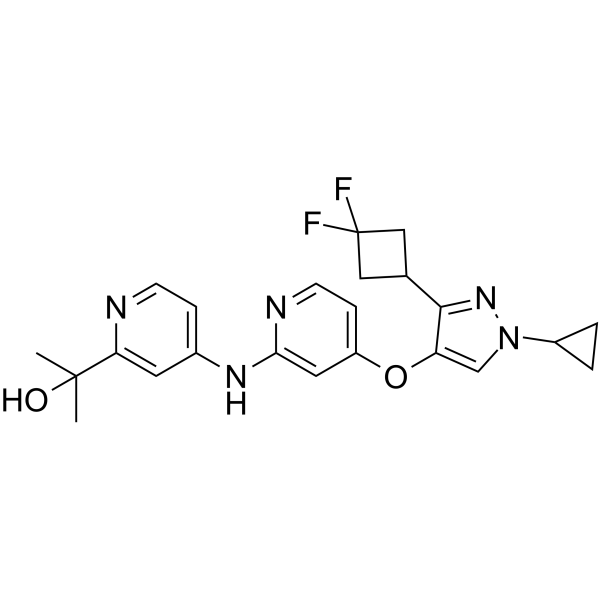
TGFβRI-IN-4 is a highly potent and orally active TGFβ receptor type I (TGFβRI) inhibitor, with IC50s of 44 nM and 42.5 nM for ALK5 and NIH3T3. TGFβRI-IN-4 can suppress tumor growth and tumor weight in tumor xenograft model .
|
-
- HY-155226
-
|
|
FLT3
Apoptosis
|
Cancer
|
|
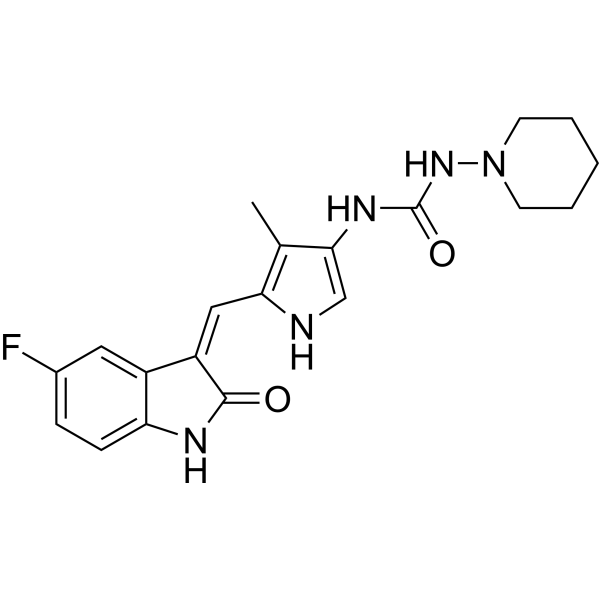
FLT3-IN-21 (compound LC-3) is a potent FLT3 inhibitor (IC50: 8.4 nM) and induces apoptosis. FLT3-IN-21 can arrest the cell cycle in the G1 phase and inhibit the proliferation of FLT3-ITD-positive AML cells MV-4-11 (IC50: 5.3 nM). In mice, FLT3-IN-21 (10 mg/kg/d) inhibited tumor growth in the MV-4-11 xenograft model (TGI=92.16%) .
|
-
- HY-P991294
-
|
|
ADC Antibody
|
Cancer
|
|
MGTA-117 is a humanized monoclonal antibody targeting CD117. MGTA-117 can be used for synthesis of antibody-drug conjugate (ADC), utilizing an amanitin payload. MGTA-117 has potent anti-tumor activity and increases survival in three acute myeloid leukemia (AML) xenograft hNSG mice models (Kasumi-1, AML PDX 1 and AML PDX 2). MGTA-117 enables hematopoietic stem cell transplantation (HSCT) preprocessing in AML, myelodysplasia with excess blasts (MDS-EB) and gene therapy .
|
-

- HY-123237
-
|
|
c-Met/HGFR
FLT3
Trk Receptor
Apoptosis
Autophagy
|
Cancer
|
|
KRC-108, an aminopyridine, is an orally active multiple kinase inhibitor with IC50s of 80 nM, 23 nM, 3 nM, 70 nM, 30 nM, 39 nM for c-Met, c-Met M1250T, c-Met Y1230D, Ron, Flt3 and TrkA, respectively. KRC-108 induces cell cycle arrest, apoptotic cell death, and autophagy. KRC-108 exhibits anti-tumor activity in vivo in HT29 colorectal cancer, NCI-H441 lung cancer xenograft models in athymic BALB/c nu/nu mice .
|
-

- HY-P991590
-
|
|
MHC
Apoptosis
JNK
Reactive Oxygen Species (ROS)
|
Cancer
|
|
1D09C3 is a fully human anti-HLA-DR monoclonal antibody. 1D09C3 induces apoptosis and cell death involving a cascade of events, including ROS generation, JNK activation, mitochondrial membrane depolarization, and AIF release from mitochondria. 1D09C3 shows potent anti-tumor activity and increases overall survival and median survival in JVM-2 cells and GRANTA-519 cells xenograft mice models. 1D09C3 can be used for the researches of cancer, such as chronic lymphocytic leukemia (CLL) .
|
-

- HY-175206
-
|
|
P-glycoprotein
|
Cancer
|
|
P-gp-IN-30 (Compound 13) is a P-glycoprotein (P-gp) inhibitor by targeting YB-1. P-gp-IN-30 significantly enhances sensitivity to Paclitaxel by reducing total YB-1 and nucleus YB-1 protein expression, inhibiting the expression and function of downstream P-gp, further suppressing the efflux rate of Paclitaxel. P-gp-IN-30 potently inhibits tumor growth in A549/Taxol xenografts mice model with combination of Paclitaxel (HY-B0015). P-gp-IN-30 can be used for non-small cell lung cancer (NSCLC) research .
|
-

- HY-123929
-
|
|
MDM-2/p53
Wnt
IKK
Apoptosis
Caspase
|
Cancer
|
|
PAWI-2 is a p53-Activator and Wnt Inhibitor. PAWI-2 inhibits β3-KRAS signaling independent of KRAS. PAWI-2 selectively inhibits phosphorylation of TBK1. PAWI-2 activates apoptosis (activation of caspase-3/7), and induces PARP cleavage. PAWI-2 promotes optineurin translocation into the nucleus and causes G2/M arrest. PAWI-2 reverses cancer stemness and overcomes drug resistance in an integrin β3 KRAS-dependent human pancreatic cancer stem cells (hPCSCs). PAWI-2 inhibits growth of tumors from hPCSCs in orthopic xenograft mice model .
|
-

- HY-181996
-
|
|
Btk
Caspase
Apoptosis
PARP
|
Cancer
|
|
BTK-IN-47 (Compound 9e) is a covalent, selective BTK inhibitor with an IC50 of 5.15 nM against BTK. BTK-IN-47 inhibits the BTK signaling pathway, induces cell cycle arrest, and activates the canonical Caspase-dependent Apoptotic pathway (promoting the cleavage of Caspase-3, Caspase-7 and PARP), without inducing necroptosis, pyroptosis or ferroptosis. BTK-IN-47 exerts dose-dependent antiproliferative activity against hematologic tumor cell lines. BTK-IN-47 exhibits dose-dependent in vivo antitumor activity in a Ramos cell xenograft model in BALB/c nude mice. BTK-IN-47 can be used for the research of hematologic malignancies .
|
-

- HY-116636
-
|
|
Anaplastic lymphoma kinase (ALK)
|
Cancer
|
|
KRCA-0377 is an orally active ALK inhibitor with an IC50 of 0.001 μM. KRCA-0377 also inhibits mutant ALK enzyme with IC50 values ≤0.01 μM. KRCA-0377 shows cytotoxicity against cancer cells and inhibits tumor growth in xenograft mice models. KRCA-0377 can be used for the research of ALK-positive non-small-cell lung cancer .
|
-

- HY-182288
-
|
|
STAT
Apoptosis
|
Cancer
|
|
YN11 is a STAT3 inhibitor (Kd=11.9 μM). YN11 directly binds to the SH2 domain of STAT3, inhibits the phosphorylation of STAT3, and reduces the expression of downstream target proteins. YN11 induces cell cycle arrest, promotes apoptosis, and inhibits cell invasion and migration in prostate cancer cells. YN11 suppresses tumor growth in a prostate cancer xenograft mouse model. YN11 does not cause significant body weight loss or obvious histopathological changes in major organs in xenograft mice. YN11 is applicable to relevant research on prostate cancer .
|
-

- HY-173160
-
|
|
HDAC
|
Cancer
|
|
HDAC1-IN-10 (Compound 2b) is a potent, selective and orally active HDAC1/2 inhibitor with IC50 values of 6 and 190 nM. HDAC1-IN-10 shows IC50 > 50 μM for HDAC3-8. HDAC1-IN-10 can inhibit tumor growth in HCT-116 colon xenograft nude mice model. HDAC1-IN-10 can be used for research of colon cancer .
|
-

- HY-111837
-
|
|
Nuclear Hormone Receptor 4A/NR4A
Apoptosis
Bcl-2 Family
|
Cancer
|
|
BI1071 is an orally active Nur77-Bcl-2 apoptotic pathway modulator. BI1071 can bind to Nur77-LBD protein with a Kd of 0.17 μM. BI1071 can activate Nur77 signaling and induce apoptosis by translocating to mitochondria where it interacts with Bcl-2. BI1071 can inhibit tumor growth in SW620 xenograft mice model. BI1071 can be used for research of colon cancer .
|
-

- HY-100591R
-
|
|
Sirtuin
Reference Standards
|
Neurological Disease
Inflammation/Immunology
Cancer
|
|
SirReal2 (Standard) is the analytical standard of SirReal2 (HY-100591). This product is intended for research and analytical applications. SirReal2 is a potent, isotype-selective Sirt2 inhibitor with an IC50 value of 140 nM and has very little effect on the activities of Sirt3-5. SirReal2 leads to tubulin hyperacetylation in HeLa cells and induces destabilization of the checkpoint protein BubR1. SirReal2 combined with VS-5584 (HY-16585) suppresses tumor growth and extends the survival rate of mice in tumor xenograft model. SirReal2 is is promising for research of cancer, inflammation and neurodegeneration .
|
-

- HY-182802
-
|
|
Ferroptosis
Glutathione Peroxidase
Reactive Oxygen Species (ROS)
Mitochondrial Metabolism
|
Cancer
|
|
Ferroptosis inducer-15 is a ferroptosis inducer. Ferroptosis inducer-15 downregulates GPX4 expression, triggers lipid peroxidation via ROS accumulation, and disrupts mitochondrial membrane potential to drive ferroptosis. Ferroptosis inducer-15 increases splenic CD4 + T cell proportion, promotes CD8 + cytotoxic T cell tumor infiltration, and activates antitumor immune responses. Ferroptosis inducer-15 exerts antiproliferative activity against colorectal cancer cells and inhibits tumor growth in xenograft mice models without significant body weight loss. Ferroptosis inducer-15 can be used for the research of cancer, such as colorectal cancer .
|
-

- HY-148640
-
|
|
BCL6
MDM-2/p53
Histone Methyltransferase
CXCR
Apoptosis
|
Cancer
|
|
WK500B is a potent and orally active BCL6 inhibitor with a KD of 1.61 μM. WK500B engages intracellular BCL6 and disrupts BCL6‑corepressor interactions to reactivate BCL6 target genes. WK500B exerts cytotoxicity against diffuse large B‑cell lymphoma cells and induces apoptosis and cell cycle arrest. WK500B suppresses germinal center formation in C57BL/6 mice and DLBCL tumor growth in SCID xenograft models without observable toxicity. WK500B can be used for the study of diffuse large B‑cell lymphoma (DLBCL) .
|
-

- HY-P11773
-
|
|
Radionuclide-Drug Conjugates (RDCs)
Integrin
|
Others
|
|
3P-RGD2 is a dimeric cyclic RGD (Arg-Gly-Asp) peptide. When radiolabeled with 99mTc, 3P-RGD2 serves as a selective radiotracer for integrin αvβ3. When radiolabeled with 99mTc, 3P-RGD2 enables single-photon emission computed tomography imaging of integrin αvβ3 .
|
-

- HY-185561
-
|
RC88
|
Mesothelin
|
Cancer
|
|
Misitatug blivedotin (RC88) is an antibody-drug conjugate (ADC) targeting mesothelin (MSLN). Misitatug blivedotin binds to mesothelin and exhibits dose‐dependent antitumor activity. Misitatug blivedotin can be used for the research of ovarian cancer, non-squamous non-small-cell lung carcinoma, cervical cancer .
|
-

| Cat. No. |
Product Name |
Type |
-
- HY-155887
-
|
DSPE-PEG-NH2, MW 3400 ammonium
|
Biochemical Assay Reagents
|
|
DSPE-PEG-Amine (DSPE-PEG-NH2), MW 3400 ammonium is an amino-functionalized PEGylated phospholipid. It serves not only as a key component for preparing σ receptor-targeted liposomes (such as anisamide-modified lipids) but also as a starting material for synthesizing click chemistry- and tumor-targeted lipids including DSPE-PEG-DBCO (HY-155788) and DSPE-PEG2000-TCO (HY-170704). DSPE-PEG-Amine, MW 3400 ammonium effectively modulates the ζ potential of nanoparticles, enables complexation with nucleic acids or proteins to protect DNA from nuclease degradation, and supports ligand conjugation on the nanoparticle surface. It is used in studies related to DU-145 tumors, breast cancer, and other relevant research .
|
| Cat. No. |
Product Name |
Target |
Research Area |
-
- HY-P10992
-
|
|
PI3K
Akt
mTOR
Caspase
Apoptosis
Bcl-2 Family
|
Cancer
|
|
YVPGP is an oligopeptide exacted from Anthopleura anjunae. YVPGP has a significant antitumor activity by mediating PI3K/AKT/mTOR signaling pathway. YVPGP arrests DU-145 cells in the S phase and induces apoptosis via mitochondrial and death receptor pathways (caspase3, 7, 8, 9). YVPGP effectively inhibits tumor growth in DU-145 xenografts mice model, promising for prostate cancer research .
|
-
- HY-P10988
-
|
|
Apoptosis
MDM-2/p53
Integrin
|
Cancer
|
|
LVTX-8 is a peptide toxin, exacted from Lycosa vittata. LVTX-8 has potent anticancer and and anti-metastasis activities towards lung cancer with strong cytotoxicity. LVTX-8 significantly induces apoptosis and inhibits the proliferation, invasion and migration of lung cancer cells through P53 hypoxia pathways and integrin signaling. LVTX-8 significantly inhibits the tumor growth and metastasis in A549/H460 xenograft mice model .
|
-
- HY-P11773
-
|
|
Radionuclide-Drug Conjugates (RDCs)
Integrin
|
Others
|
|
3P-RGD2 is a dimeric cyclic RGD (Arg-Gly-Asp) peptide. When radiolabeled with 99mTc, 3P-RGD2 serves as a selective radiotracer for integrin αvβ3. When radiolabeled with 99mTc, 3P-RGD2 enables single-photon emission computed tomography imaging of integrin αvβ3 .
|
| Cat. No. |
Product Name |
Target |
Research Area |
Image |
-
- HY-P991584
-
|
|
FGFR
|
Cancer
|
|
HuGAL-FR21 is a humanized antiFGFR2IIIb IgG1 monoclonal antibody. HuGAL-FR21 can block the binding of FGF2, FGF7, and FGF10 to FGFR2IIIb and inhibit FGF-induced phosphorylation of FGFR2IIIb. HuGAL-FR21 can downregulate the expression of FGFR2 in SNU-16 cells. HuGAL-FR21 shows the significant anti-tumor activity in athymic nude mice bearing gastric cancer xenograft models. HuGAL-FR21 can be used for research on cancer such as gastric cancer .
|
-

(5)
-
- HY-P99744
-
|
TAK-573
|
CD38
|
Inflammation/Immunology
Cancer
|
|
Modakafusp alfa (TAK-573) is a humanized, anti-CD38 IgG4 monoclonal antibody fused to 2 attenuated IFNα2b molecules, which delivers interferon-alpha to CD38-expressing cells. Modakafusp alfa has direct anti-proliferative activity on multiple myeloma (MM) cancer cells in vitro and induces robust and durable antitumor responses in MM xenograft tumor models. Modakafusp alfa in combination with anti-PD-1 antibodies induces immunomodulation and antitumor responses with good tolerance in mice .
|
-
(5)
-
- HY-P99922
-
|
|
LAG-3
|
Cancer
|
|
Encelimab is an anti-LAG3 antibody. Encelimab blocks the interaction between LAG-3 and MHC II, and enhances T-cell activation. Encelimab alone or in combination with an anti-PD-1 antibody reduces tumor size in a lymphoma mice model (A20 cell xenograft) .
|
-
(5)
-
- HY-P991570
-
|
AD5-10; oba-01 Antibody
|
TNF Receptor
Apoptosis
Caspase
Atg8/LC3
Akt
Beclin1
JNK
|
Cancer
|
|
Zaptuzumab (AD5-10) is a DR5-specific humanized monoclonal antibody that selectively binds to DR5 with high affinity. Zaptuzumab specifically induces cancer cell death by both caspase-apoptosis and autophagic cell death (ACD). Zaptuzumab activates both ADCC and CDC. Zaptuzumab induces ROS generation and GSH level reduction. Zaptuzumab shows a significant suppression of the tumor growth and good safety in various xenografts mice tumor models .
|
-
(5)
-
- HY-P991609
-
|
|
MMP
|
Cancer
|
|
ABX-MA1 is a humanized IgG2 monoclonal antibody inhibitor targeting MCAM/MUC18. ABX-MA1 significantly decreases homotypic aggregation and heterotypic adhesion to HUVECs, and the formation of experimental lung metastasis. ABX-MA1 potently inhibits tumor growth, angiogenesis, and MMP-2 expression in A375SM/WM2664 xenograft mice model, promising for melanoma research .
|
-
(5)
-
- HY-P991571
-
|
GC-1118A
|
EGFR
PERK
Akt
|
Cancer
|
|
GC1118 (GC-1118A) is a fully human anti-EGFR monoclonal antibody with binding affinity of 0.16 nM (KD) to EGFR. GC1118 displays potent inhibitory effects on high- and low-affinity EGFR ligand-induced signaling. GC1118 shows potent anti proliferative activity in KRAS wild-type and KRAS mutant cells. GC1118 can reach the tumor by crossing both BBB (blood-brain barrier) and BTB (brain-tumor barrier) and shows superior anti-tumor effects in various mice xenograft models. GC1118 can be used for the researches of cancer, such as colorectal cancer .
|
-
(5)
-
- HY-P991243
-
|
|
EGFR
Akt
|
Cancer
|
|
MP-RM-1 is an antibody-based, non-competitive ErbB-3 inhibitor with a Kd value of 32.7 nM. MP-RM-1 inhibits both ligand-dependent and ligand-independent ErbB-3 activation, blocks ErbB-2/ErbB-3 heterodimerization, induces ErbB-3 internalization and degradation, and suppresses the phosphorylation of downstream Akt. MP-RM-1 exerts its antagonistic effect through a non-competitive mechanism. MP-RM-1 inhibits tumor growth in melanoma and prostate cancer xenograft models in nude mice and reduces the proliferative activity of tumor cells .
|
-
(5)
-
- HY-P991585
-
|
|
Inhibitory Antibodies
|
Cancer
|
|
MORAb-028 is a humanized IgG1 monoclonal antibody inhibitor targeting GD2. MORAb-028 has a potent antitumor activity and kills GD2-expressing target cells via complement-mediated cytotoxicity (CDC). MORAb-028 significantly inhibits tumor growth in EL-4-luc xenograft mice model. MORAb-028 can be used for melanoma cancer research .
|
-

(5)
-
- HY-P991294
-
|
|
ADC Antibody
|
Cancer
|
|
MGTA-117 is a humanized monoclonal antibody targeting CD117. MGTA-117 can be used for synthesis of antibody-drug conjugate (ADC), utilizing an amanitin payload. MGTA-117 has potent anti-tumor activity and increases survival in three acute myeloid leukemia (AML) xenograft hNSG mice models (Kasumi-1, AML PDX 1 and AML PDX 2). MGTA-117 enables hematopoietic stem cell transplantation (HSCT) preprocessing in AML, myelodysplasia with excess blasts (MDS-EB) and gene therapy .
|
-
(5)
-
- HY-P991590
-
|
|
MHC
Apoptosis
JNK
Reactive Oxygen Species (ROS)
|
Cancer
|
|
1D09C3 is a fully human anti-HLA-DR monoclonal antibody. 1D09C3 induces apoptosis and cell death involving a cascade of events, including ROS generation, JNK activation, mitochondrial membrane depolarization, and AIF release from mitochondria. 1D09C3 shows potent anti-tumor activity and increases overall survival and median survival in JVM-2 cells and GRANTA-519 cells xenograft mice models. 1D09C3 can be used for the researches of cancer, such as chronic lymphocytic leukemia (CLL) .
|
-
(5)
| Cat. No. |
Product Name |
Category |
Target |
Chemical Structure |
| Cat. No. |
Product Name |
|
Classification |
-
- HY-139659
-
|
|
|
PROTAC Synthesis
|
|
ARD-61 is a highly potent, effective and specific PROTAC androgen receptor (AR) degrader. ARD-61 potently and effectively induces AR and progesterone receptors (PR) degradation in AR+ cancer cell lines. ARD-61 induces apoptosis and effectively induces tumor growth inhibition in the MDA-MB-453 xenograft model in mice . ARD-61 is a click chemistry reagent, it contains an Alkyne group and can undergo copper-catalyzed azide-alkyne cycloaddition (CuAAc) with molecules containing Azide groups.
|
-
- HY-175201
-
|
|
|
Azide
|
|
pro-FTY, a FTY720 (HY-12005) anticancer prodrug, is a sphingosine-1-phosphate (S1P) (HY-108496) inhibitor. pro-FTY specifically inhibits S1P signaling in cancer cells using a drug delivery system (DDS) that reacts with acrolein. pro-FTY significantly inhibits the survival of breast cancer cells, including multidrug-resistant cells and its organoids resistant to Paclitaxel (HY-B0015) or Doxorubicin (HY-15142A). pro-FTY potently suppresses tumor growth in 4T1 cells or organoids xenograft tumors mice model while avoiding lymphocytopenia .
|
| Cat. No. |
Product Name |
|
Classification |
-
- HY-155887
-
|
DSPE-PEG-NH2, MW 3400 ammonium
|
|
Pegylated Lipids
|
|
DSPE-PEG-Amine (DSPE-PEG-NH2), MW 3400 ammonium is an amino-functionalized PEGylated phospholipid. It serves not only as a key component for preparing σ receptor-targeted liposomes (such as anisamide-modified lipids) but also as a starting material for synthesizing click chemistry- and tumor-targeted lipids including DSPE-PEG-DBCO (HY-155788) and DSPE-PEG2000-TCO (HY-170704). DSPE-PEG-Amine, MW 3400 ammonium effectively modulates the ζ potential of nanoparticles, enables complexation with nucleic acids or proteins to protect DNA from nuclease degradation, and supports ligand conjugation on the nanoparticle surface. It is used in studies related to DU-145 tumors, breast cancer, and other relevant research .
|
-
- HY-153834
-
|
|
|
Aptamers
|
|
GTI-2040, a 20-mer phosphorothioate oligonucleotide, was designed to hybridize to the mRNA sequence of human ribonucleotide reductase R2. GTI-2040 has been shown to inhibit human cancer cell proliferation by downregulation of R2 expression in vitro and to significantly inhibit tumor growth in xenograft models of human cancer in mice.
|
-
- HY-153834A
-
|
|
|
Aptamers
|
|
GTI-2040 sodium, a 20-mer phosphorothioate oligonucleotide, was designed to hybridize to the mRNA sequence of human ribonucleotide reductase R2. GTI-2040 sodium has been shown to inhibit human cancer cell proliferation by downregulation of R2 expression in vitro and to significantly inhibit tumor growth in xenograft models of human cancer in mice.
|
Your information is safe with us. * Required Fields.
Inquiry Information
- Product Name:
- Cat. No.:
- Quantity:
- MCE Japan Authorized Agent:








