From 11:00 pm to 12:00 pm EST ( 8:00 pm to 9:00 pm PST ) on January 6th, the website will be under maintenance. We are sorry for the inconvenience. Please arrange your schedule properly.
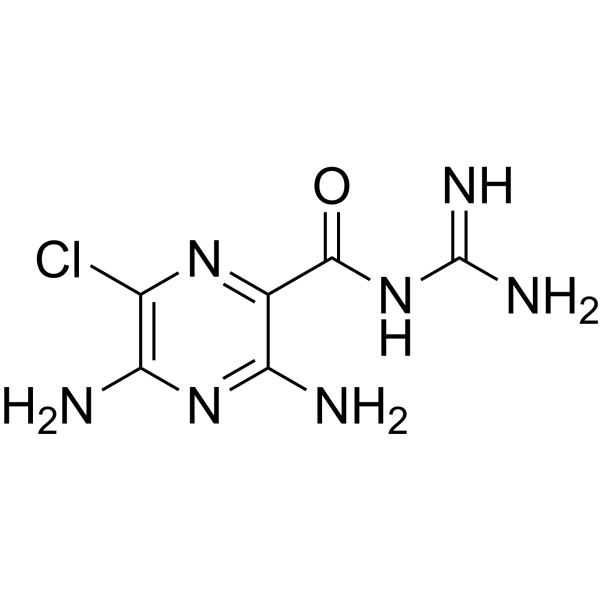
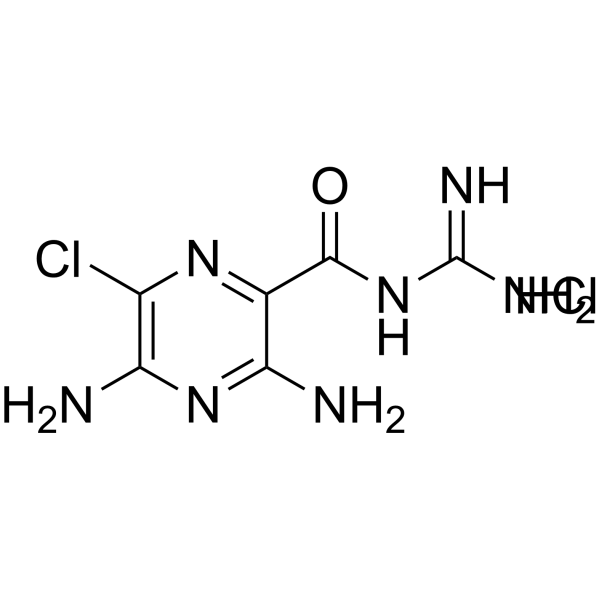
Amiloride (MK-870) is an inhibitor of both epithelial sodium channel (ENaC ) and urokinase-type plasminogen activator receptor (uTPA ). Amiloride is a blocker of polycystin-2 (PC2; TRPP2 ) channel.
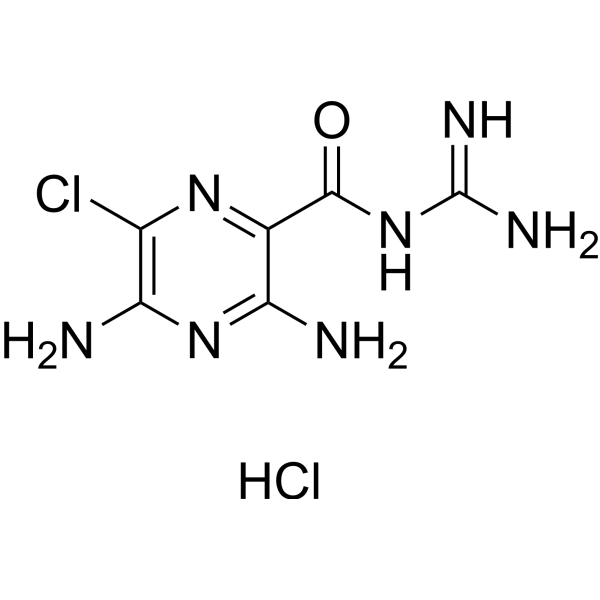
Amiloride hydrochloride (MK-870 hydrochloride) is an inhibitor of both epithelial sodium channel (ENaC ) and urokinase-type plasminogen activator receptor (uTPA ). Amiloride hydrochloride is a blocker of polycystin-2 (PC2; TRPP2 ) channel.
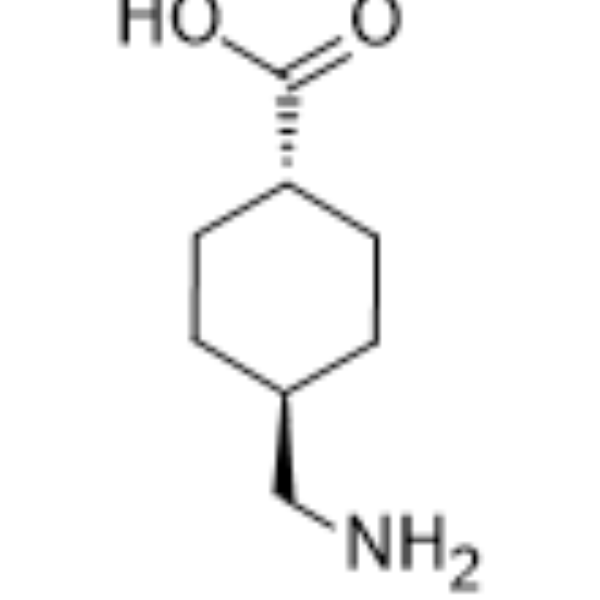
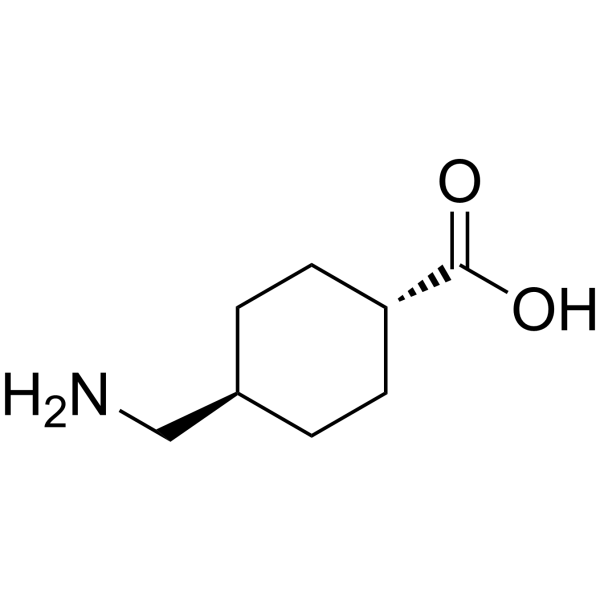
Tranexamic acid (cyclocapron), a cyclic analog of lysine, is an orally active antifibrinolytic agent. Tranexamic acid attenuates the effects of severe trauma, inhibits urokinase plasminogen activator and ameliorates dry wrinkles. Tranexamic acid can used for the research of hemostasis. Tranexamic acid is a PROTAC linker. Tranexamic acid is used to synthesize PROTACs (e.g. LZ-07 (HY-172590)) .
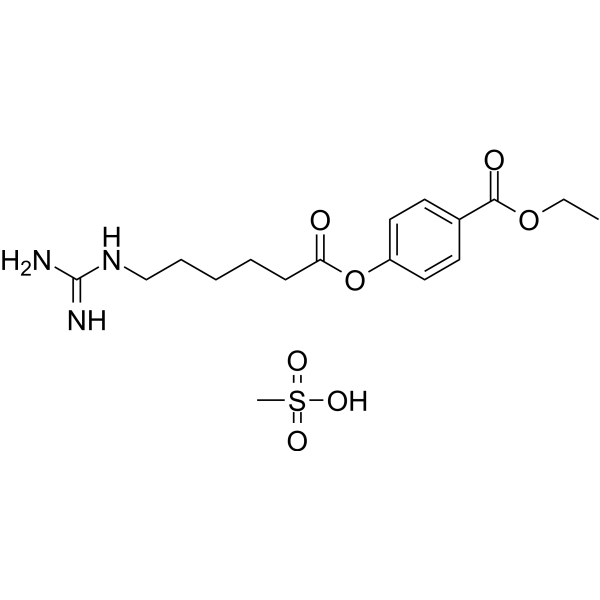
Gabexate mesylate (FOY) is is a competitive and non-antigenic synthetic inhibitor of trypsin-like serine proteinases. Gabexate mesylate inhibits human thrombin, urokinase, plasmin, and Factor Xa with Kis of 0.97, 1.3, 1.6, and 8.5 μM, respectively. Gabexate mesylate binds to human and bovine tryptase with Kis of 3.4 nM and 18 μM, respectively. Gabexate mesylate exerts an anticoagulant effect on the clotting activity of thrombin and has anti-inflammatory effect by viainhibition of NF-κB, proinflammatory cytokines, and nitric oxide. Gabexate mesylate is used for pancreatitis and disseminated intravascular coagulation .
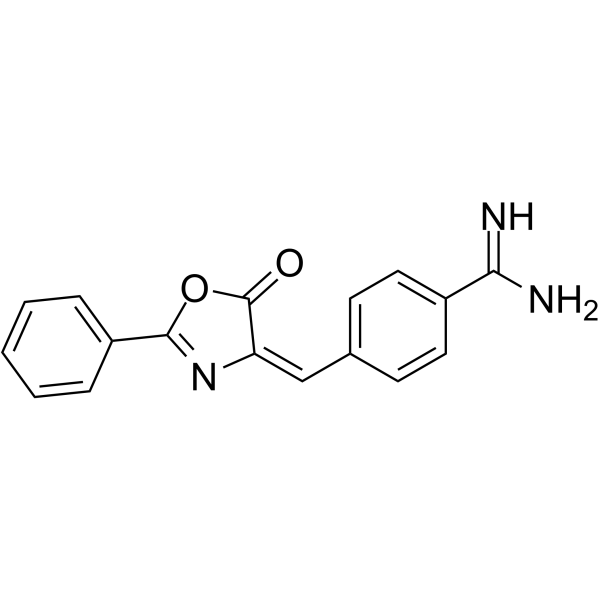
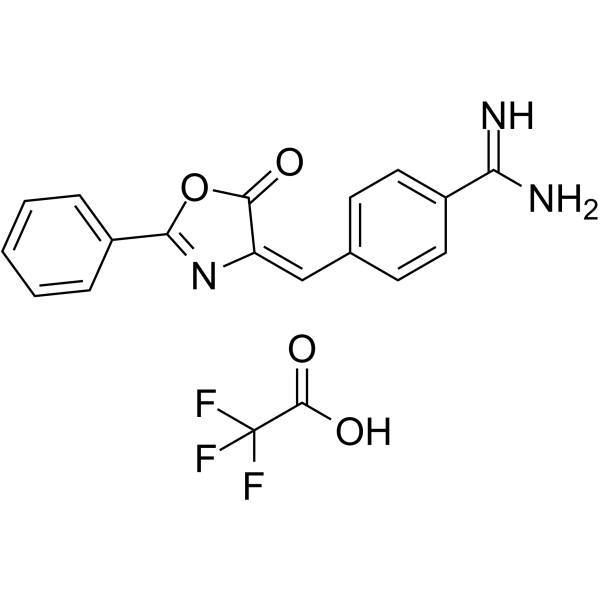
UK122 is a potent and selective urokinase-type plasminogen activator (uPA) inhibitor with an IC50 of 0.2 μM. UK122 shows no or little inhibition of tissue-type PA (tPA), plasmin, thrombin, and trypsin (all IC50>100 μM). UK122, 4-oxazolidinone analogue, is an anticancer agent and inhibits cancer cell migration and invasion .
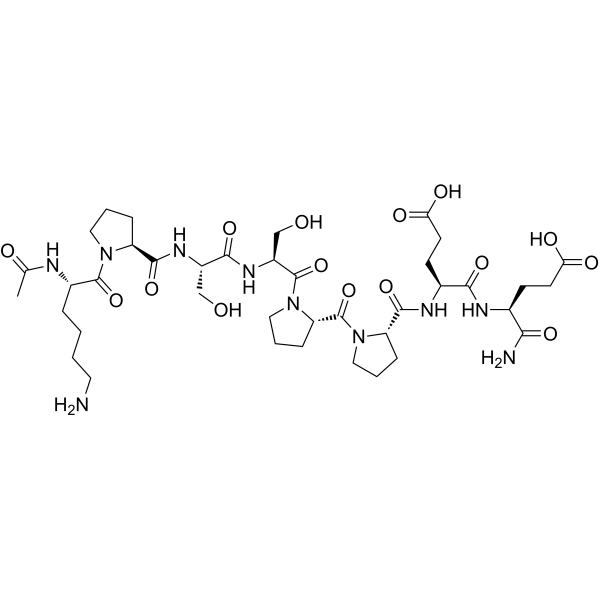
Angstrom6 (A6 Peptide) is an 8 amino-acid peptide derived from single-chain urokinase plasminogen activator (scuPA) and interferes with the uPA/uPAR cascade and abrogates downstream effects. Angstrom6 binds to CD44 resulting in the inhibition of migration, invasion, and metastasis of tumor cells, and the modulation of CD44-mediated cell signaling .
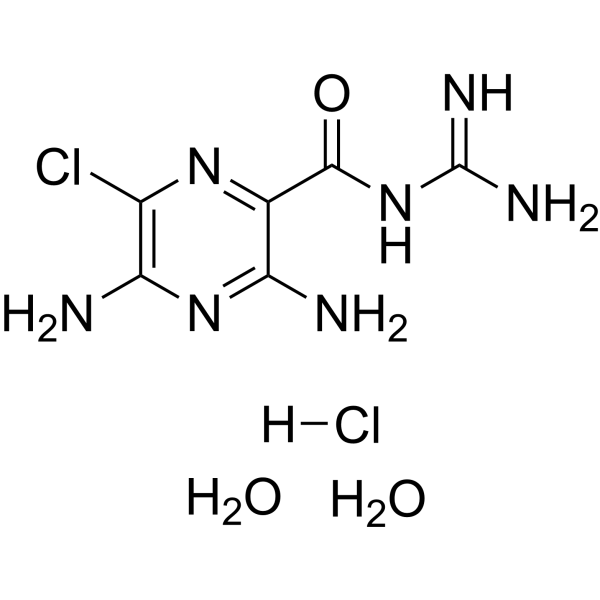
Amiloride hydrochloride dihydrate (MK-870 hydrochloride dihydrate) is an inhibitor of both epithelial sodium channel (ENaC ) and urokinase-type plasminogen activator receptor (uTPA ). Amiloride hydrochloride dihydrate is a blocker of polycystin-2 (PC2; TRPP2 ) channel.
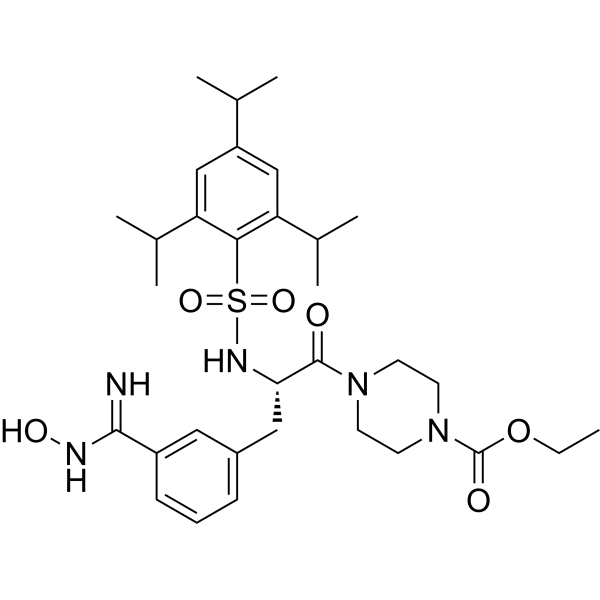
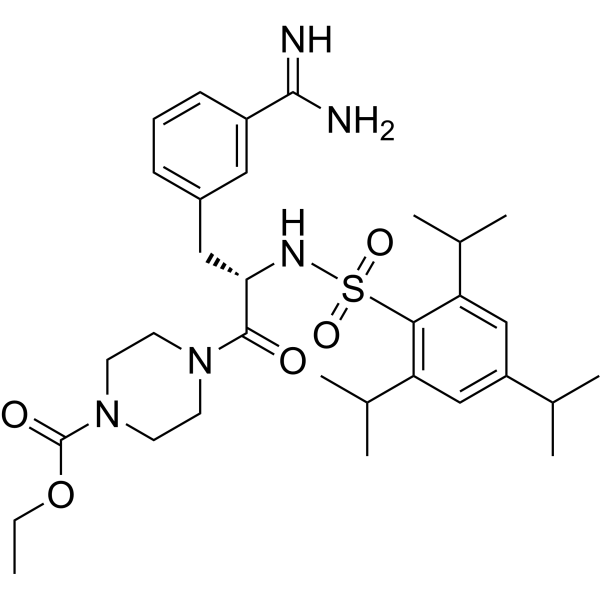
Upamostat (WX-671), a prodrug of WX-UK1, is an orally active serine protease inhibitor. Upamostat inhibits the urokinase-type plasminogen activator (uPA) system, blocking the plasminogen activation process mediated by it, thereby suppressing the invasion, migration and metastasis of tumor cells. Upamostat can be used in the research of metastatic breast cancer and locally advanced pancreatic cancer .
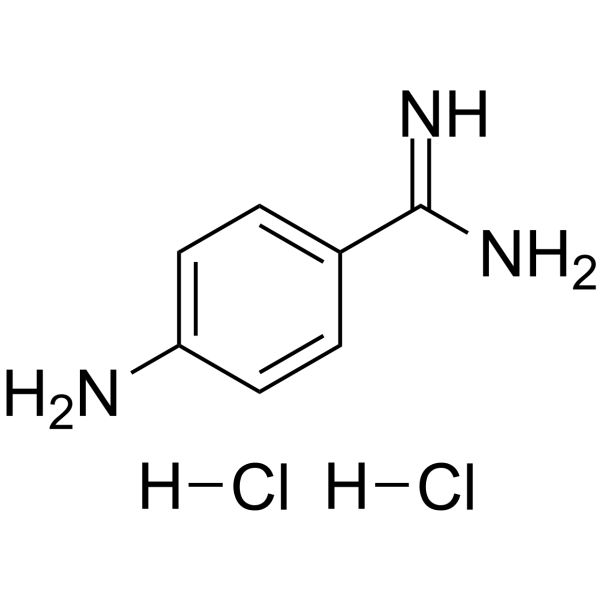
4-Aminobenzamidine (p-Aminobenzamidine) dihydrochloride is a strong trypsin inhibitor. 4-Aminobenzamidine dihydrochloride acts as an orally active urokinase type plasminogen activator (uPA) inhibitor (Ki=82 μM). 4-Aminobenzamidine dihydrochloride can be used for cardiovascular diseases and anti-tumor study .
huATN-658 is an inhibitor that specifically targets the DIII domain of human urokinase plasminogen activator receptor (uPAR). huATN-658 neutralizes uPAR function by blocking the interaction between uPAR and integrins, without interfering with the binding of uPA or vitronectin to uPAR. huATN-658 inhibits the proliferation and invasion of breast cancer cells, slows the growth of primary breast tumors, reduces breast cancer-induced bone lesions and decreases osteoclast activity. huATN-658 also alters the gene expression of the TGF-β receptor complex signaling pathway. huATN-658 exerts synergistic anticancer effects when combined with Zoledronic Acid (HY-13777), and does not cause physiological or behavioral abnormalities in immunodeficient mice. huATN-658 can be used in research related to breast cancer, metastatic breast cancer and breast cancer-induced bone disease .
AE105 is a 9-mer peptide probe targeting the urokinase-type plasminogen activator receptor (uPAR). AE105 binds tightly to the uPA-binding cavity of uPAR. AE105 can be used for the study of cancer .
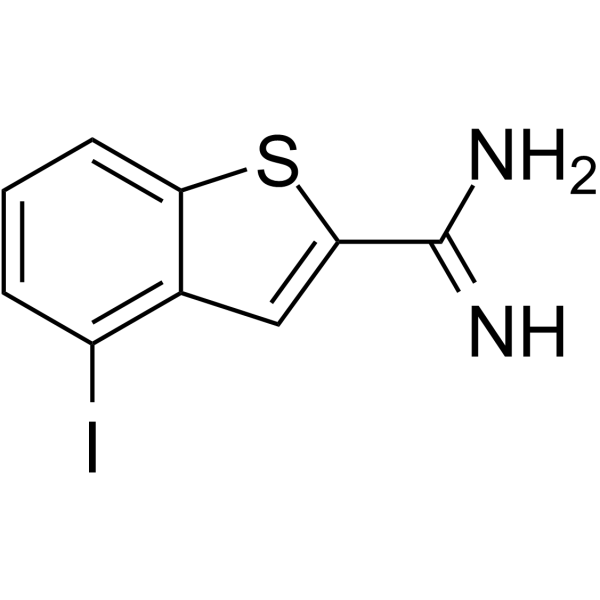
UKI-1 (WX-UK1) is a potent urokinase-type plasminogen activator (uPA) inhibitor with a Ki of 0.41 μM. UKI-1 is also a low molecular weight serine protease inhibitor. UKI-1 is a potent antimetastatic agent and inhibits the invasive capacity of carcinoma cells .
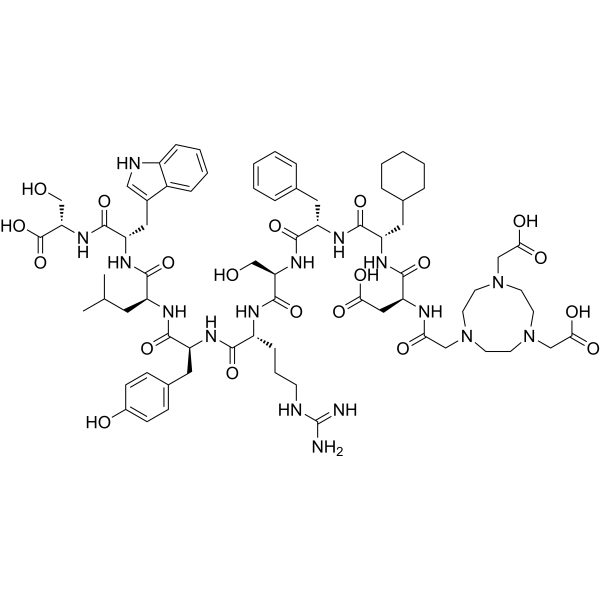
NOTA-AE105 is a PET ligand for the urokinase-type plasminogen activator receptor (uPAR). NOTA-AE105 can be radiolabeled with 64Cu and 68Ga. Images of 68Ga-NOTA-AE105 and 64Cu-NOTA-AE105 demonstrate high contrast and clear tumor delineation. NOTA-AE105 can be used in the synthesis of radionuclide-conjugated compounds (RDCs) .
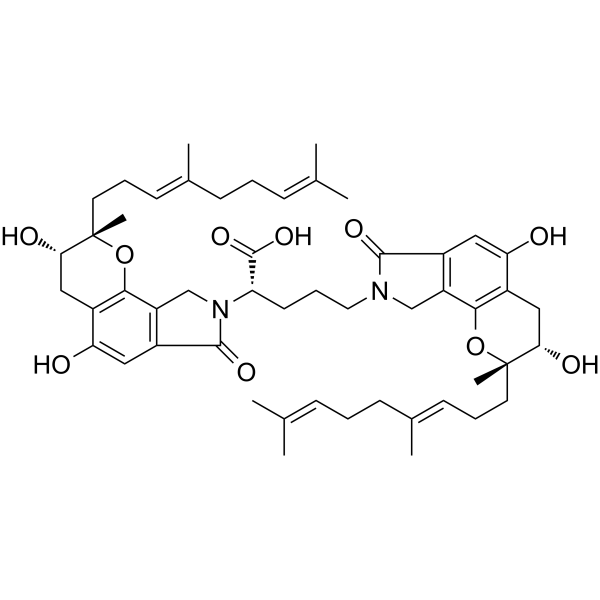
Orniplabin (SMTP-7) is a low-molecular-weight compound that enhances plasminogen–fibrin binding, urokinase-catalyzed activation of plasminogen, and urokinase and plasminogen-mediated fibrin degradation. Orniplabin shows potential thrombolytic and anti-inflammatory effects. Orniplabin inhibits ROS .
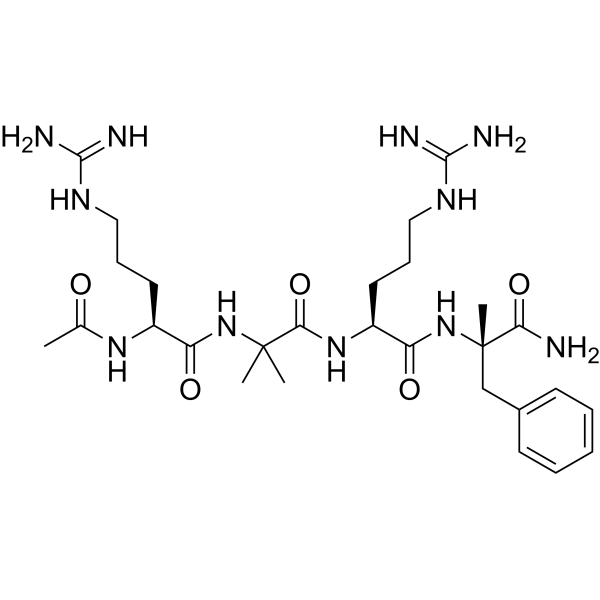
Cenupatide (UPARANT) is a Urokinase-type plasminogen activator receptor (uPAR) inhibitor. Cenupatide has anti-angiogenic and anti-inflammatory efficacy .
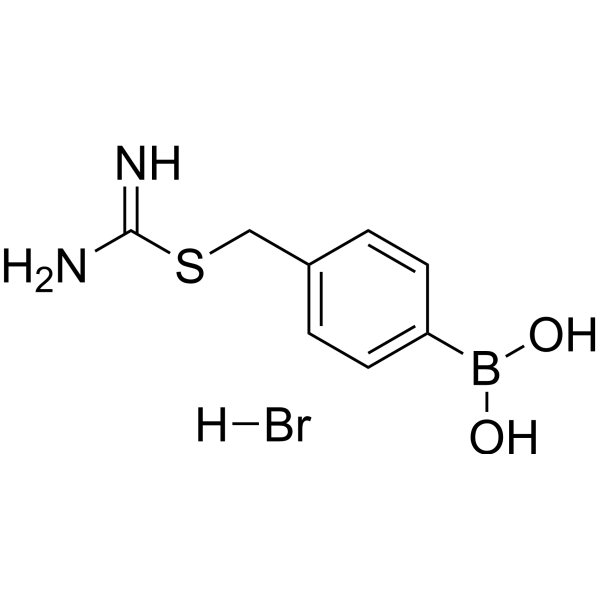
BC-11 hydrobromide is a selective TMPRSS2 inhibitor (TMPRSS2 is a key host cellular factor for viral entry and SARS-CoV-2 pathogenesis), and a selective urokinase (uPA) inhibitor (IC50=8.2 μM). BC-11 hydrobromide is cytotoxic to triple-negative MDA-MB231 breast cancer cells. BC-11 hydrobromide is used in research on viral infections and cancer .
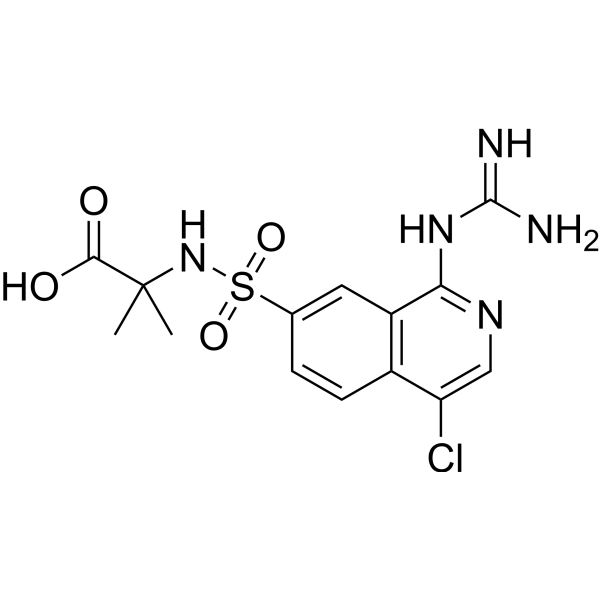
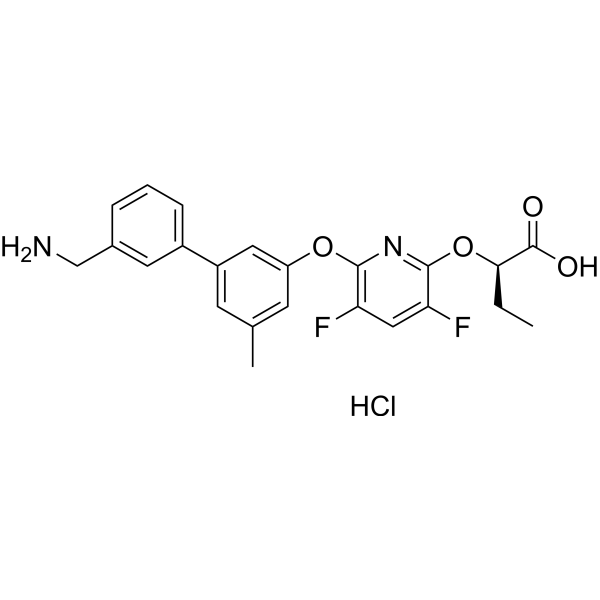
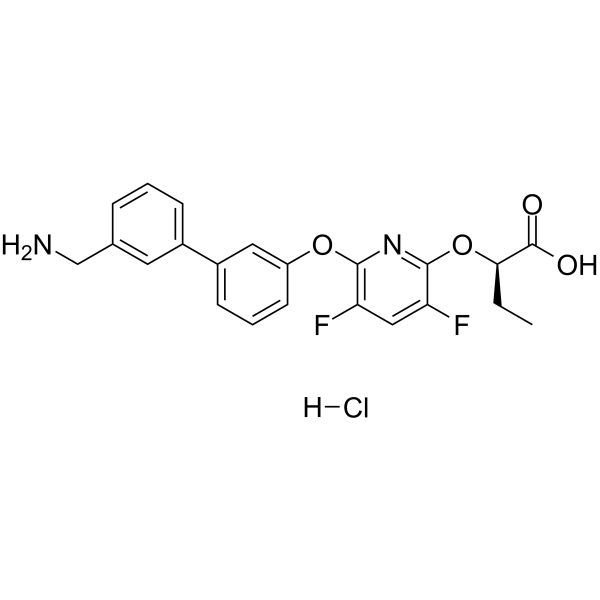
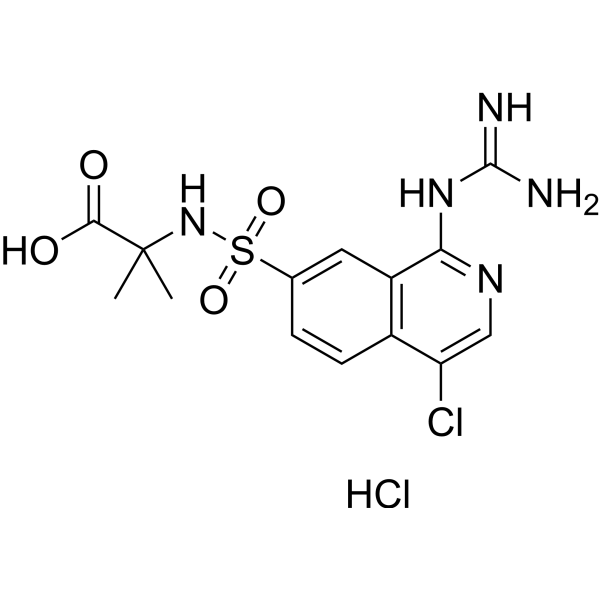
ZK824859 hydrochloride is an oral available and selective urokinase plasminogen activator (uPA) inhibitor with IC50s of 79 nM, 1580 nM and 1330 nM for human uPA, tPA, and plasmin, respectively .
Amiloride (hydrochloride) (Standard) is the analytical standard of Amiloride (hydrochloride). This product is intended for research and analytical applications. Amiloride hydrochloride (MK-870 hydrochloride) is an inhibitor of both epithelial sodium channel (ENaC ) and urokinase-type plasminogen activator receptor (uTPA ). Amiloride hydrochloride is a blocker of polycystin-2 (PC2; TRPP2 ) channel.
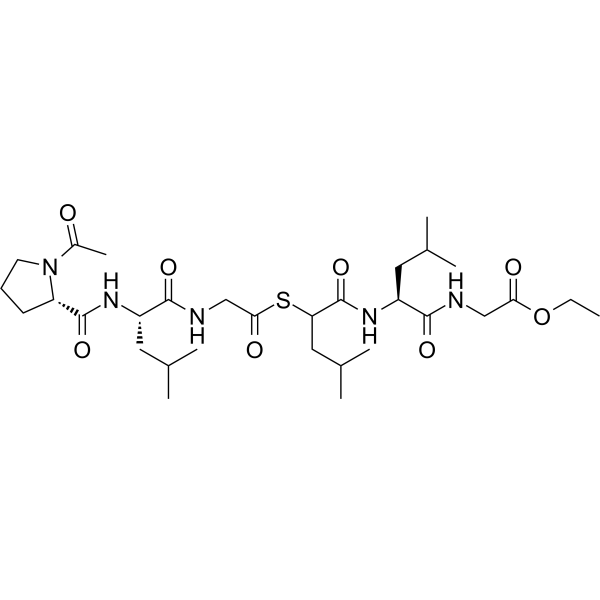
MMP-2/MMP-9 Substrate (Ac-Pro-Leu-Gly-[(S)-2-mercapto-4-methyl-pentanoyl]-Leu-Gly-OEt) is a synthetic chromogenic polypeptide substrate whose core structure mimics the cleavage sites of MMP-2 and MMP-9 (gelatinase A and B) in collagen. After being hydrolyzed by collagenase, MMP-2/MMP-9 Substrate reacts with 4,4'-dithiodipyridine or Ellman's Reagent via its thiol fragment to produce a product with ultraviolet absorption properties .
ZK824190 hydrochloride is an orally available and selective urokinase plasminogen activator (uPA) inhibitor as a potential treatment for multiple sclerosis. IC50s of 237, 1600 and 1850 nM for uPA, tPA, and Plasmin, respectively .
ZK824190 is an orally available and selective urokinase plasminogen activator (uPA) inhibitor as a potential treatment for multiple sclerosis. IC50s of 237, 1600 and 1850 nM for uPA, tPA, and Plasmin, respectively .
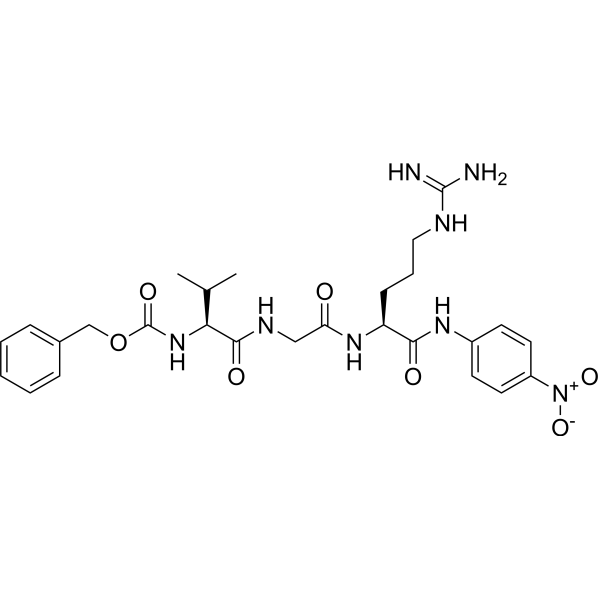
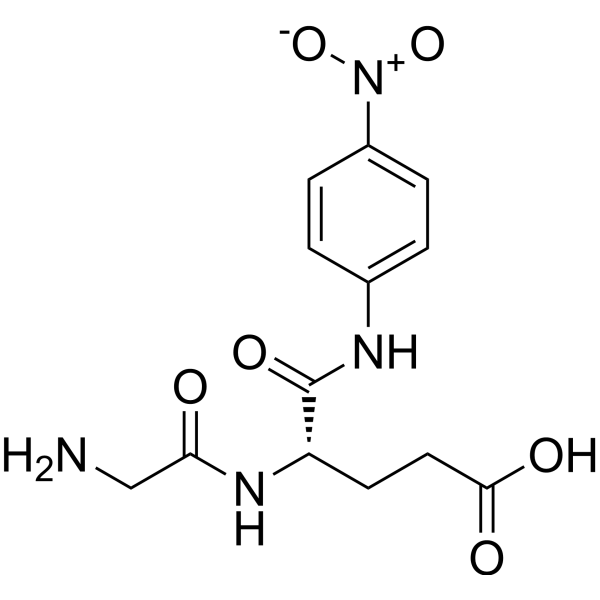
H-Gly-Glu-pNA is a chromogenic peptide substrate that can be widely used in enzymatic analysis, including trypsin and urokinase-type plasminogen activator (uPA) .
Tranexamic acid (Standard) is the analytical standard of Tranexamic acid. This product is intended for research and analytical applications. Tranexamic acid (cyclocapron), a cyclic analog of lysine, is an orally active antifibrinolytic agent. Tranexamic acid attenuates the effects of severe trauma, inhibits urokinase plasminogen activator and ameliorates dry wrinkles. Tranexamic acid can used for the research of hemostasis .
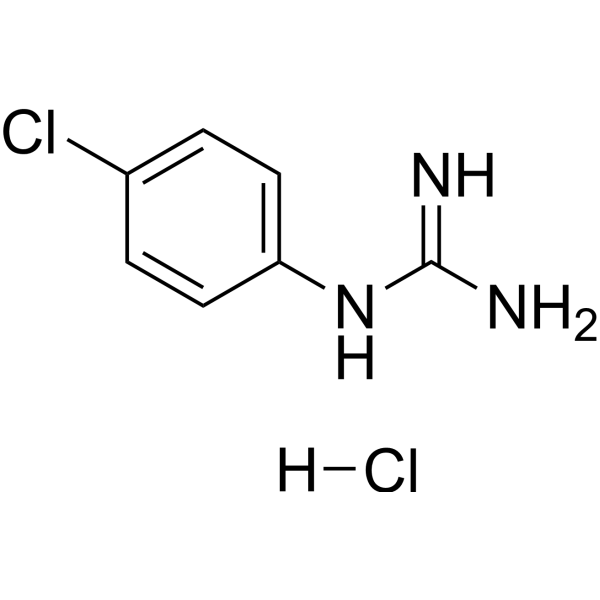
4-Chlorophenylguanidine hydrochloride is an urokinase-type plasminogen activator inhibitor. 4-Chlorophenylguanidine hydrochloride is a potent ASIC3 positive allosteric modulator and reverses the effects of ASIC3 desensitization. 4-Chlorophenylguanidine hydrochloride influences ASIC3 activity through directly activating the channel and increasing proton sensitivity. 4-Chlorophenylguanidine hydrochloride offers a chemical backbone for the design of new ASIC3 ligands to study ASIC3 in vivo .
Amiloride (Standard) is the analytical standard of Amiloride. This product is intended for research and analytical applications. Amiloride (MK-870) is an inhibitor of both epithelial sodium channel (ENaC ) and urokinase-type plasminogen activator receptor (uTPA ). Amiloride is a blocker of polycystin-2 (PC2; TRPP2 ) channel.
Murine Plasminogen is purified from freshly collected murine plasma and is an inactive precursor of the protease plasmin. It is activated to the serine protease plasmin by urokinase, streptokinase, or tissue plasminogen activator.
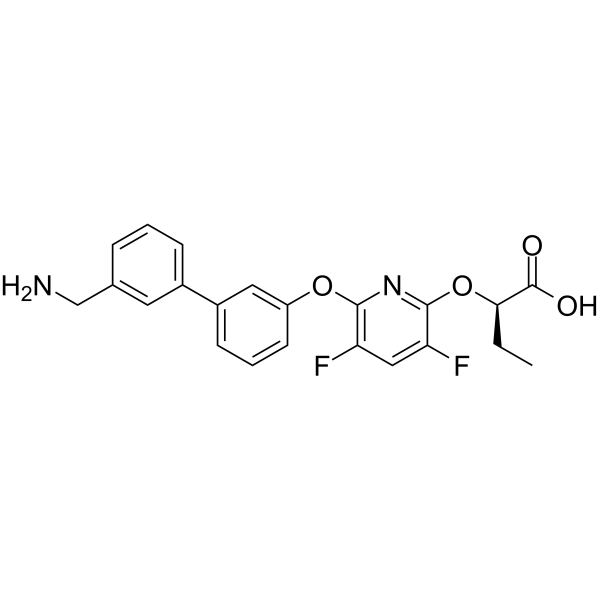
ZK824859 is an oral available and selective urokinase plasminogen activator (uPA) inhibitor with IC50s of 79 nM, 1580 nM and 1330 nM for human uPA, tPA, and plasmin, respectively .
4-Iodobenzylamine ((4-Iodophenyl)methanamine) is a probe that can detect the binding patterns of serine proteases that are like trypsin, as well as urokinase-type plasminogen activator (uPA). 4-Iodobenzylamine is stable in aqueous solution .
PAI-1 is a plasminogen activator inhibitor. PAI-1 is a member of the Ser Protease inhibitor superfamily with antiprotease activity. PAI-1 is the main physiological inhibitor of tissue-type (tPA) and urokinase-type (uPA) plasminogen activators (PAs) .
AE105 TFA is a 9-mer peptide probe targeting the urokinase-type plasminogen activator receptor (uPAR). AE105 TFA binds tightly to the uPA-binding cavity of uPAR. AE105 TFA can be used for the study of cancer .
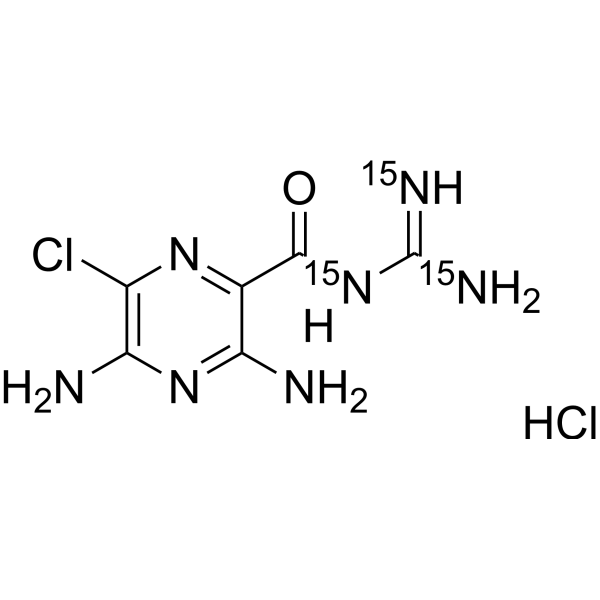
Amiloride- 15N3 (hydrochloride) is the 15N labeled Amiloride hydrochloride . Amiloride hydrochloride (MK-870 hydrochloride) is an inhibitor of both epithelial sodium channel (ENaC ) and urokinase-type plasminogen activator receptor (uTPA ). Amiloride hydrochloride is a blocker of polycystin-2 (PC2;TRPP2 ) channel.
Tranexamic acid- 13C6 (Cyclocapron- 13C6) is 13C labeled Tranexamic acid. Tranexamic acid (cyclocapron), a cyclic analog of lysine, is an orally active antifibrinolytic agent. Tranexamic acid attenuates the effects of severe trauma, inhibits urokinase plasminogen activator and ameliorates dry wrinkles. Tranexamic acid can used for the research of hemostasis .
UK122 hydrochloride is a potent and selective urokinase-type plasminogen activator (uPA) inhibitor with an IC50 of 0.2 μM. UK122 hydrochloride shows no or little inhibition of tissue-type PA (tPA), plasmin, thrombin, and trypsin (all IC50s > 100 μM). UK122 hydrochloride, a 4-oxazolidinone analogue, is an anticancer agent and inhibits cancer cell migration and invasion .
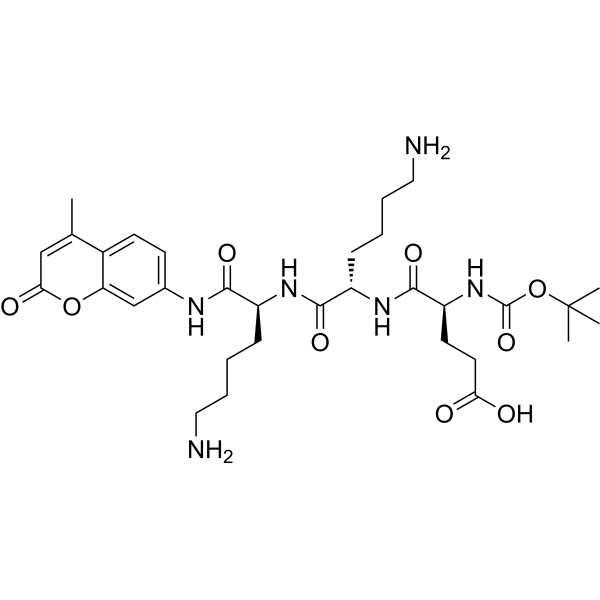
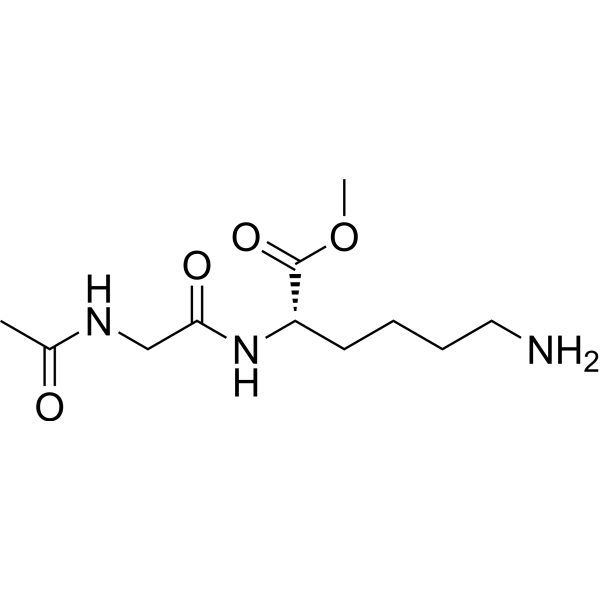
Ac-Gly-Lys-OMe acetate is a substrate for urokinase. Ac-Gly-Lys-OMe acetate can be used to measure the effects of small molecule inhibitors on urokinase activity .
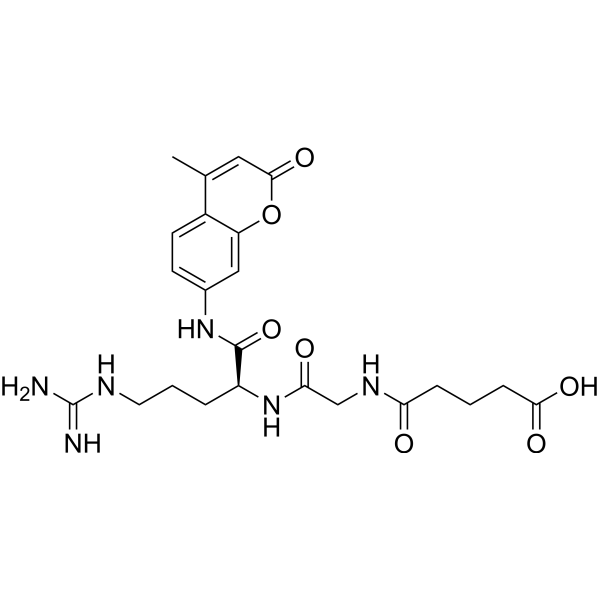
Chromozym U is a chromogenic agent that can be used for detection of urokinase in Shigella. Chromozym U is capable of differentiating serotypes of Shigella dysenteriae, Shigella flexneri, Shigella boydii .
Gabexate (mesylate) (Standard) is the analytical standard of Gabexate (mesylate). This product is intended for research and analytical applications. Gabexate mesylate (FOY) is is a competitive and non-antigenic synthetic inhibitor of trypsin-like serine proteinases. Gabexate mesylate inhibits human thrombin, urokinase, plasmin, and Factor Xa with Kis of 0.97, 1.3, 1.6, and 8.5 μM, respectively. Gabexate mesylate binds to human and bovine tryptase with Kis of 3.4 nM and 18 μM, respectively. Gabexate mesylate exerts an anticoagulant effect on the clotting activity of thrombin and has anti-inflammatory effect by viainhibition of NF-κB, proinflammatory cytokines, and nitric oxide. Gabexate mesylate is used for pancreatitis and disseminated intravascular coagulation .
Bis(2R,3R)-Orniplabin is an isomer of Orniplabin (HY-122311). Orniplabin (SMTP-7) is a low molecular weight compound that enhances plasminogen-fibrin binding, urokinase-catalyzed plasminogen activation, and urokinase and plasminogen-mediated fibrin degradation. Orniplabin exhibits potential thrombolytic and anti-inflammatory effects. Orniplabin inhibits reactive oxygen species (ROS) .
4-Iodobenzylamine hydrochloride ((4-Iodophenyl)methanamine hydrochloride) is a probe that can detect the binding patterns of serine proteases that are like trypsin, as well as urokinase-type plasminogen activator (uPA) .
(E)-UK122 TFA is the isomer of UK122 TFA. UK122 is a potent and selective urokinase-type plasminogen activator (uPA) inhibitor with an IC50 of 0.2 μM .
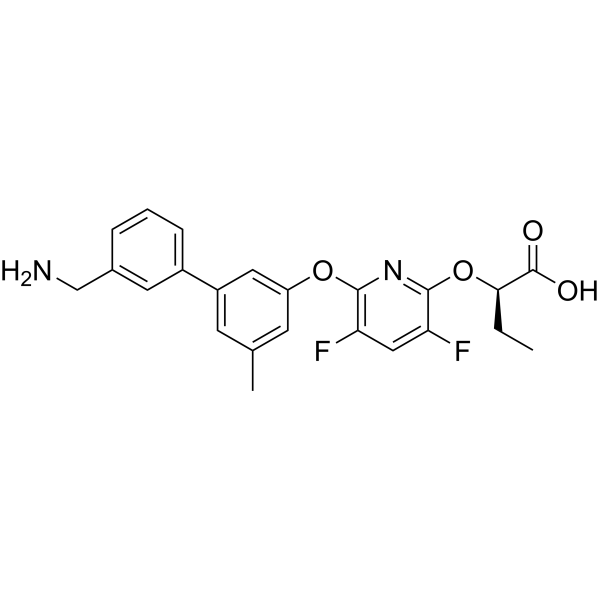
UK140 is the inhibitor for urokinase-type plasminogen activator (uPA) with Ki of 0.20 µM and 2.79 µM for huPA anf muPA. UK140 can be used in metastasis-related research .
Amiloride hydrochloride dihydrate (Standard) is the analytical standard of Amiloride hydrochloride dihydrate. This product is intended for research and analytical applications. Amiloride hydrochloride dihydrate (MK-870 hydrochloride dihydrate) is an inhibitor of both epithelial sodium channel (ENaC ) and urokinase-type plasminogen activator receptor (uTPA ). Amiloride hydrochloride dihydrate is a blocker of polycystin-2 (PC2; TRPP2 ) channel.
Amiloride- 15N3 (MK-870- 15N3) is 15N labeled Amiloride. Amiloride (MK-870) is an inhibitor of both epithelial sodium channel (ENaC ) and urokinase-type plasminogen activator receptor (uTPA ). Amiloride is a blocker of polycystin-2 (PC2; TRPP2 ) channel.
APC-6860 is a trypsin-like serine proteases inhibitor with ki values of 0.21 and 0.44 μM for uPA and trypsin, respectively. APC-6860 has a selectivity ratio for tPA versus uPA of 80. APC-6860 has ki values of 0.1 and 0.082 μM for human and murine urokinases, respectively. APC-6860 can be used for the research of cancer .
WX-293 is a highly selective urokinase-type plasminogen activator (uPA) inhibitor with a Ki value of 2.4 μM. WX-293 abolishes hypoxia-induced keratinocyte migration and in vitro wound closure. WX-293 can be used in research on hypoxia-mediated skin wounds and solid malignant tumors .
UK-356202 is a urokinase-type plasminogen activator (uPA) with a Ki value of 0.037 μM. UK-356202 can be used in research related to the topical treatment of chronic ulcerous wounds .
UCD74A hydrochloride is a 5-substituted Amiloride (HY-B0285) analog and urokinase-type plasminogen activator (uPA) inhibitor with an IC50 of 110 μM. UCD74A hydrochloride modulates plasminogen activation cascades linked to extracellular matrix remodeling. UCD74A hydrochloride can be used for the research of tumor metastasis .
APC-6860 hydrochloride is a competitive, selective arylamidine Serine protease inhibitor, with a Ki of 0.44 μM for trypsin, 0.10 μM for h-uPA, and 0.082 μM for mouse uPA. APC-6860 hydrochloride inhibits urokinase-activated plasminogen-mediated degradation of Fibronectin in cancer cells. APC-6860 hydrochloride is applicable to research related to breast cancer and prostate cancer .
Upamostat (WX-671) hydrogen sulfate, a prodrug of WX-UK1 (HY-100415), is an orally active serine protease inhibitor. Upamostat hydrogen sulfate inhibits the urokinase-type plasminogen activator (uPA) system, blocking the plasminogen activation process mediated by it, thereby suppressing the invasion, migration and metastasis of tumor cells. Upamostat hydrogen sulfate can be used in the research of metastatic breast cancer and locally advanced pancreatic cancer .
PSI-112 is a YO-class μPlm inhibitor, with IC50 values of 0.38 μM, 1.48 μM and 0.37 μM against the wild-type, F587A mutant and K607A mutant, respectively. PSI-112 shows low affinity for uPA. PSI-112 can be used in cancer research .
Angstrom6 (A6 Peptide) is an 8 amino-acid peptide derived from single-chain urokinase plasminogen activator (scuPA) and interferes with the uPA/uPAR cascade and abrogates downstream effects. Angstrom6 binds to CD44 resulting in the inhibition of migration, invasion, and metastasis of tumor cells, and the modulation of CD44-mediated cell signaling .
AE105 is a 9-mer peptide probe targeting the urokinase-type plasminogen activator receptor (uPAR). AE105 binds tightly to the uPA-binding cavity of uPAR. AE105 can be used for the study of cancer .
NOTA-AE105 is a PET ligand for the urokinase-type plasminogen activator receptor (uPAR). NOTA-AE105 can be radiolabeled with 64Cu and 68Ga. Images of 68Ga-NOTA-AE105 and 64Cu-NOTA-AE105 demonstrate high contrast and clear tumor delineation. NOTA-AE105 can be used in the synthesis of radionuclide-conjugated compounds (RDCs) .
Cenupatide (UPARANT) is a Urokinase-type plasminogen activator receptor (uPAR) inhibitor. Cenupatide has anti-angiogenic and anti-inflammatory efficacy .
MMP-2/MMP-9 Substrate (Ac-Pro-Leu-Gly-[(S)-2-mercapto-4-methyl-pentanoyl]-Leu-Gly-OEt) is a synthetic chromogenic polypeptide substrate whose core structure mimics the cleavage sites of MMP-2 and MMP-9 (gelatinase A and B) in collagen. After being hydrolyzed by collagenase, MMP-2/MMP-9 Substrate reacts with 4,4'-dithiodipyridine or Ellman's Reagent via its thiol fragment to produce a product with ultraviolet absorption properties .
H-Gly-Glu-pNA is a chromogenic peptide substrate that can be widely used in enzymatic analysis, including trypsin and urokinase-type plasminogen activator (uPA) .
SA-21 is a 21-amino acid polymer peptide (Ac-RLIEDICLPRWGCLWEDD-NH2) that binds to ligands of urokinase-type plasminogen activator, Fab antibody fragments, and small proteins. SA-21 can be used to purify albumin (Ki=1.9 μM) .
E16-uPA24 is a chimeric peptide targeting urokinase-type plasminogen activator receptor (uPAR). E16-uPA24 modifies senescent cells surface with polyglutamic acid, promoting immune cell-mediated responses through glutamate recognition. E16-uPA24 induces immune clearance of senescent cells and restores tissue homeostasis by enhancing immune cells recruitment and directly coupling senescent cells and immune cells. E16-uPA24 can be used for tissue degeneration, chronic inflammatory disease and age-related tumorigenesis research .
PAI-1 is a plasminogen activator inhibitor. PAI-1 is a member of the Ser Protease inhibitor superfamily with antiprotease activity. PAI-1 is the main physiological inhibitor of tissue-type (tPA) and urokinase-type (uPA) plasminogen activators (PAs) .
AE105 TFA is a 9-mer peptide probe targeting the urokinase-type plasminogen activator receptor (uPAR). AE105 TFA binds tightly to the uPA-binding cavity of uPAR. AE105 TFA can be used for the study of cancer .
Ac-Gly-Lys-OMe acetate is a substrate for urokinase. Ac-Gly-Lys-OMe acetate can be used to measure the effects of small molecule inhibitors on urokinase activity .
UK140 is the inhibitor for urokinase-type plasminogen activator (uPA) with Ki of 0.20 µM and 2.79 µM for huPA anf muPA. UK140 can be used in metastasis-related research .
huATN-658 is an inhibitor that specifically targets the DIII domain of human urokinase plasminogen activator receptor (uPAR). huATN-658 neutralizes uPAR function by blocking the interaction between uPAR and integrins, without interfering with the binding of uPA or vitronectin to uPAR. huATN-658 inhibits the proliferation and invasion of breast cancer cells, slows the growth of primary breast tumors, reduces breast cancer-induced bone lesions and decreases osteoclast activity. huATN-658 also alters the gene expression of the TGF-β receptor complex signaling pathway. huATN-658 exerts synergistic anticancer effects when combined with Zoledronic Acid (HY-13777), and does not cause physiological or behavioral abnormalities in immunodeficient mice. huATN-658 can be used in research related to breast cancer, metastatic breast cancer and breast cancer-induced bone disease .
PLAU, also known as uPA (urokinase plasminogen activator), exhibits defects in conserved residues critical for propagation feature annotation. This defect in the PLAU/uPA protein prevents the propagation of specific functional characteristics associated with this protein. PLAU/uPA Protein, Cynomolgus (HEK293, His) is the recombinant cynomolgus-derived PLAU/uPA protein, expressed by HEK293 , with C-His labeled tag.
PLAU or urokinase-type plasminogen activator (uPA) critically initiates fibrinolysis by cleaving plasminogen to form active plasmin.This enzymatic conversion is critical for regulating clot dissolution and tissue remodeling.PLAU/uPA Protein, Mouse (HEK293, C-His-Avi) is the recombinant mouse-derived PLAU/uPA protein, expressed by HEK293 , with C-His-Avi labeled tag.
PLAU or urokinase-type plasminogen activator (uPA) critically initiates fibrinolysis by cleaving plasminogen to form active plasmin.This enzymatic conversion is critical for regulating clot dissolution and tissue remodeling.PLAU/uPA Protein, Mouse (Biotinylated, HEK293, His-Avi) is the recombinant mouse-derived PLAU/uPA protein, expressed by HEK293 , with C-Avi, C-His labeled tag.
uPA chain A Protein, a key player in the plasminogen activation system, selectively cleaves plasminogen, initiating fibrinolysis and contributing to tissue remodeling. Its precision underscores its role in regulating proteolytic activity, emphasizing its significance in the cascade of events leading to fibrinolysis and extracellular matrix remodeling in various physiological processes. PLAU/uPA Protein, Human (Biotinylated, HEK293, His-Avi) is the recombinant human-derived PLAU/uPA protein, expressed by HEK293 , with C-His, C-Avi labeled tag.
uPA chain A Protein, a key player in the plasminogen activation system, selectively cleaves plasminogen, initiating fibrinolysis and contributing to tissue remodeling. Its precision underscores its role in regulating proteolytic activity, emphasizing its significance in the cascade of events leading to fibrinolysis and extracellular matrix remodeling in various physiological processes. PLAU/uPA Protein, Human (HEK293, His) is the recombinant human-derived PLAU/uPA protein, expressed by HEK293 , with C-His labeled tag.
PLAU/uPA proteins lack conserved residues critical for feature annotation propagation, suggesting potential differences in molecular interactions in plasminogen activation and fibrinolysis regulation. PLAU/uPA Protein, Rat (HEK293, His) is the recombinant rat-derived PLAU/uPA protein, expressed by HEK293 , with C-His labeled tag.
The uPAR protein is a receptor for urokinase plasminogen activator and actively localizes and promotes plasmin formation. It mediates proteolysis-independent signaling activated by U-PA and undergoes negative feedback regulation. uPAR Protein, Human (GST) is the recombinant human-derived uPAR protein, expressed by E. coli , with N-GST labeled tag.
The MRC2 protein may function as an endocytic lectin receptor with calcium-dependent lectin activity. It internalizes glycosylated ligands via clathrin-mediated endocytosis and releases them in endosomes. MRC2 Protein, Human (HEK293, His) is the recombinant human-derived MRC2 protein, expressed by HEK293 , with C-His labeled tag.
uPA chain A Protein, a key player in the plasminogen activation system, selectively cleaves plasminogen, initiating fibrinolysis and contributing to tissue remodeling. Its precision underscores its role in regulating proteolytic activity, emphasizing its significance in the cascade of events leading to fibrinolysis and extracellular matrix remodeling in various physiological processes. PLAU/uPA Protein, Human (HEK293, His, solution) is the recombinant human-derived PLAU/uPA protein, expressed by HEK293 , with C-6*His labeled tag.
The uPAR protein is a receptor for urokinase plasminogen activator and actively localizes and promotes plasmin formation. It mediates proteolysis-independent signaling activated by U-PA and undergoes negative feedback regulation. uPAR Protein, Human (HEK293, His) is the recombinant human-derived uPAR protein, expressed by HEK293 , with C-6*His labeled tag.
The uPAR protein acts as a receptor for urokinase plasminogen activator, facilitating plasmin formation and signal transduction activation.It interacts with SRPX2 and forms a monomer.uPAR also interacts with MRC2 and SORL1, reducing PLAUR internalization.Additionally, the PLAUR-PLAU-SERPINE1 complex interacts with SORL1.uPAR Protein, Mouse (HEK293, His) is the recombinant mouse-derived uPAR protein, expressed by HEK293 , with C-His labeled tag.
uPAR (urokinase plasminogen activator receptor) possesses enzyme, protein, and receptor binding activities.It regulates apoptotic signaling, epidermal growth factor signaling, and cytochrome c release.uPAR is widely expressed in structures like decidua and spleen.Its human ortholog, PLAUR, is linked to rheumatoid arthritis.Investigating uPAR can reveal its role in cellular processes and shed light on diseases like rheumatoid arthritis.uPAR Protein, Mouse (HEK293, His-Fc) is the recombinant mouse-derived uPAR protein, expressed by HEK293 , with C-hFc, C-His labeled tag.
Serpin B2 inhibits urokinase-type plasminogen activator and contributes to fibrinolytic regulation. Monocyte-derived plasminogen activator inhibitor 2 (PAI-2) differs from endothelial cell-derived PAI-1, highlighting different cellular origins. Serpin B2 Protein, Human is the recombinant human-derived Serpin B2 protein, expressed by E. coli , with tag free. The total length of Serpin B2 Protein, Human is 415 a.a., with molecular weight of ~46.6 kDa.
Amiloride- 15N3 (hydrochloride) is the 15N labeled Amiloride hydrochloride . Amiloride hydrochloride (MK-870 hydrochloride) is an inhibitor of both epithelial sodium channel (ENaC ) and urokinase-type plasminogen activator receptor (uTPA ). Amiloride hydrochloride is a blocker of polycystin-2 (PC2;TRPP2 ) channel.
Tranexamic acid- 13C6 (Cyclocapron- 13C6) is 13C labeled Tranexamic acid. Tranexamic acid (cyclocapron), a cyclic analog of lysine, is an orally active antifibrinolytic agent. Tranexamic acid attenuates the effects of severe trauma, inhibits urokinase plasminogen activator and ameliorates dry wrinkles. Tranexamic acid can used for the research of hemostasis .
Amiloride- 15N3 (MK-870- 15N3) is 15N labeled Amiloride. Amiloride (MK-870) is an inhibitor of both epithelial sodium channel (ENaC ) and urokinase-type plasminogen activator receptor (uTPA ). Amiloride is a blocker of polycystin-2 (PC2; TRPP2 ) channel.
Western blot analysis of extracts from THP-1(lane 2(20μg), Jurkat (lane 3(20μg) and NIH3T3(lane 4(20μg) using FOXO1A (HY-P80132) Rabbit mAb. Proteins were transferred
to a PVDF membrane and blocked with 5% non-fat milk in TBST for 2 hour at room temperature. The primary antibody (1/1000) and Loading control antibody (Beta Actin, HY-P80438, 1/10000) was
used in 5% non-fat milk in TBST at 4°C overnight. Goat Anti-Mouse/Rabbit IgG-HRP Secondary Antibody (1/10000) was used for 1 hour at room temperature.
Western blot analysis of extracts from THP-1(lane 2(20μg), Jurkat (lane 3(20μg) and NIH3T3(lane 4(20μg) using FOXO1A (HY-P80132) Rabbit mAb. Proteins were transferred
to a PVDF membrane and blocked with 5% non-fat milk in TBST for 2 hour at room temperature. The primary antibody (1/1000) and Loading control antibody (Beta Actin, HY-P80438, 1/10000) was
used in 5% non-fat milk in TBST at 4°C overnight. Goat Anti-Mouse/Rabbit IgG-HRP Secondary Antibody (1/10000) was used for 1 hour at room temperature.
Western blot analysis of extracts from THP-1(lane 2(20μg), Jurkat (lane 3(20μg) and NIH3T3(lane 4(20μg) using FOXO1A (HY-P80132) Rabbit mAb. Proteins were transferred
to a PVDF membrane and blocked with 5% non-fat milk in TBST for 2 hour at room temperature. The primary antibody (1/1000) and Loading control antibody (Beta Actin, HY-P80438, 1/10000) was
used in 5% non-fat milk in TBST at 4°C overnight. Goat Anti-Mouse/Rabbit IgG-HRP Secondary Antibody (1/10000) was used for 1 hour at room temperature.
Western blot analysis of extracts from THP-1(lane 2(20μg), Jurkat (lane 3(20μg) and NIH3T3(lane 4(20μg) using FOXO1A (HY-P80132) Rabbit mAb. Proteins were transferred
to a PVDF membrane and blocked with 5% non-fat milk in TBST for 2 hour at room temperature. The primary antibody (1/1000) and Loading control antibody (Beta Actin, HY-P80438, 1/10000) was
MedchemExpress Validation 03
Western blot analysis of extracts from THP-1(lane 2(20μg), Jurkat (lane 3(20μg) and NIH3T3(lane 4(20μg) using FOXO1A (HY-P80132) Rabbit mAb. Proteins were transferred
MedchemExpress Validation 04
Western blot analysis of extracts from THP-1(lane 2(20μg), Jurkat (lane 3(20μg) and NIH3T3(lane 4(20μg) using FOXO1A (HY-P80132) Rabbit mAb. Proteins were transferred
to a PVDF membrane and blocked with 5% non-fat milk in TBST for 2 hour at room temperature. The primary antibody (1/1000) and Loading control antibody (Beta Actin, HY-P80438, 1/10000) was
used in 5% non-fat milk in TBST at 4°C overnight. Goat Anti-Mouse/Rabbit IgG-HRP Secondary Antibody (1/10000) was used for 1 hour at room temperature.
MedchemExpress Validation
Western blot analysis of extracts from THP-1(lane 2(20μg), Jurkat (lane 3(20μg) and NIH3T3(lane 4(20μg) using FOXO1A (HY-P80132) Rabbit mAb. Proteins were transferred
to a PVDF membrane and blocked with 5% non-fat milk in TBST for 2 hour at room temperature. The primary antibody (1/1000) and Loading control antibody (Beta Actin, HY-P80438, 1/10000) was
used in 5% non-fat milk in TBST at 4°C overnight. Goat Anti-Mouse/Rabbit IgG-HRP Secondary Antibody (1/10000) was used for 1 hour at room temperature.
Western blot analysis of extracts from THP-1(lane 2(20μg), Jurkat (lane 3(20μg) and NIH3T3(lane 4(20μg) using FOXO1A (HY-P80132) Rabbit mAb. Proteins were transferred
to a PVDF membrane and blocked with 5% non-fat milk in TBST for 2 hour at room temperature. The primary antibody (1/1000) and Loading control antibody (Beta Actin, HY-P80438, 1/10000) was
used in 5% non-fat milk in TBST at 4°C overnight. Goat Anti-Mouse/Rabbit IgG-HRP Secondary Antibody (1/10000) was used for 1 hour at room temperature.
MedchemExpress Validation
Western blot analysis of extracts from THP-1(lane 2(20μg), Jurkat (lane 3(20μg) and NIH3T3(lane 4(20μg) using FOXO1A (HY-P80132) Rabbit mAb. Proteins were transferred
to a PVDF membrane and blocked with 5% non-fat milk in TBST for 2 hour at room temperature. The primary antibody (1/1000) and Loading control antibody (Beta Actin, HY-P80438, 1/10000) was
used in 5% non-fat milk in TBST at 4°C overnight. Goat Anti-Mouse/Rabbit IgG-HRP Secondary Antibody (1/10000) was used for 1 hour at room temperature.
MedchemExpress Validation
Western blot analysis of extracts from THP-1(lane 2(20μg), Jurkat (lane 3(20μg) and NIH3T3(lane 4(20μg) using FOXO1A (HY-P80132) Rabbit mAb. Proteins were transferred
to a PVDF membrane and blocked with 5% non-fat milk in TBST for 2 hour at room temperature. The primary antibody (1/1000) and Loading control antibody (Beta Actin, HY-P80438, 1/10000) was
used in 5% non-fat milk in TBST at 4°C overnight. Goat Anti-Mouse/Rabbit IgG-HRP Secondary Antibody (1/10000) was used for 1 hour at room temperature.
MedchemExpress Validation
Western blot analysis of extracts from THP-1(lane 2(20μg), Jurkat (lane 3(20μg) and NIH3T3(lane 4(20μg) using FOXO1A (HY-P80132) Rabbit mAb. Proteins were transferred
to a PVDF membrane and blocked with 5% non-fat milk in TBST for 2 hour at room temperature. The primary antibody (1/1000) and Loading control antibody (Beta Actin, HY-P80438, 1/10000) was
used in 5% non-fat milk in TBST at 4°C overnight. Goat Anti-Mouse/Rabbit IgG-HRP Secondary Antibody (1/10000) was used for 1 hour at room temperature.
MedchemExpress Validation
Western blot analysis of extracts from THP-1(lane 2(20μg), Jurkat (lane 3(20μg) and NIH3T3(lane 4(20μg) using FOXO1A (HY-P80132) Rabbit mAb. Proteins were transferred
to a PVDF membrane and blocked with 5% non-fat milk in TBST for 2 hour at room temperature. The primary antibody (1/1000) and Loading control antibody (Beta Actin, HY-P80438, 1/10000) was
used in 5% non-fat milk in TBST at 4°C overnight. Goat Anti-Mouse/Rabbit IgG-HRP Secondary Antibody (1/10000) was used for 1 hour at room temperature.
MedchemExpress Validation
Western blot analysis of extracts from THP-1(lane 2(20μg), Jurkat (lane 3(20μg) and NIH3T3(lane 4(20μg) using FOXO1A (HY-P80132) Rabbit mAb. Proteins were transferred
to a PVDF membrane and blocked with 5% non-fat milk in TBST for 2 hour at room temperature. The primary antibody (1/1000) and Loading control antibody (Beta Actin, HY-P80438, 1/10000) was
used in 5% non-fat milk in TBST at 4°C overnight. Goat Anti-Mouse/Rabbit IgG-HRP Secondary Antibody (1/10000) was used for 1 hour at room temperature.
MedchemExpress Validation
Western blot analysis of extracts from THP-1(lane 2(20μg), Jurkat (lane 3(20μg) and NIH3T3(lane 4(20μg) using FOXO1A (HY-P80132) Rabbit mAb. Proteins were transferred
to a PVDF membrane and blocked with 5% non-fat milk in TBST for 2 hour at room temperature. The primary antibody (1/1000) and Loading control antibody (Beta Actin, HY-P80438, 1/10000) was
used in 5% non-fat milk in TBST at 4°C overnight. Goat Anti-Mouse/Rabbit IgG-HRP Secondary Antibody (1/10000) was used for 1 hour at room temperature.
MedChemExpress values your privacy and your trust is important to us. We use cookies to enhance your website experience. Some cookies are necessary to run the website.
Privacy and Cookie Policy