From 11:00 pm to 12:00 pm EST ( 8:00 pm to 9:00 pm PST ) on January 6th, the website will be under maintenance. We are sorry for the inconvenience. Please arrange your schedule properly.
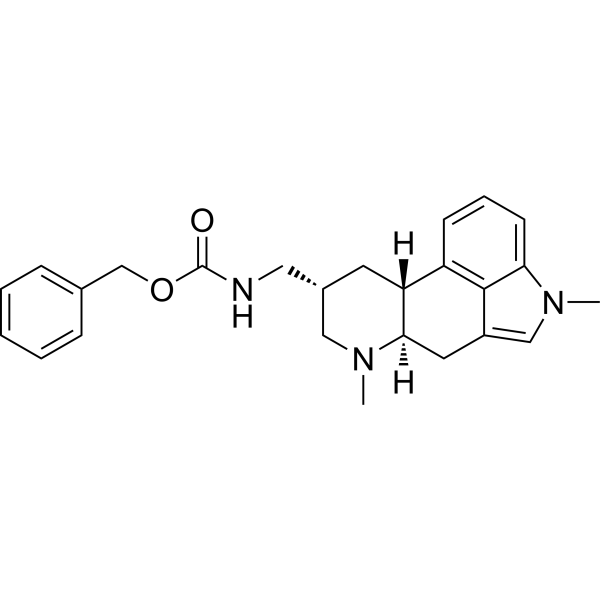
Metergoline is a serotonin (5-HT) receptor and dopamine receptors antagonist, with pKis of 8.64, 8.75 and 8.75 for 5-HT2A, 5-HT2B and 5-HT2C, respectively. Metergoline is a high-affinity ligand for the h5-HT7 receptor, with a Ki of 16 nM. Metergoline is also a reversible neural Na + channels inhibitor. Metergoline is commonly used for the research of seasonal affective disorder, prolactin hormone regulation .
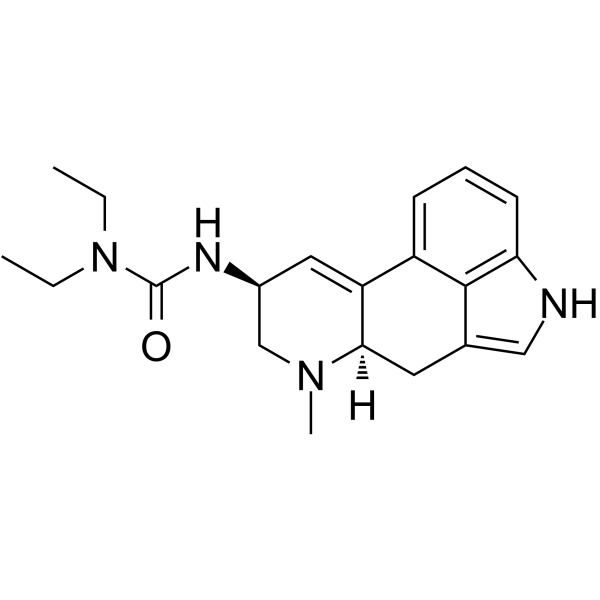
Lisuride is an orally active dopamine D2 receptors agonist. Lisuride, as an ergot derivative, can be used for the research of Parkinson's disease, migraine, and high prolactin levels .
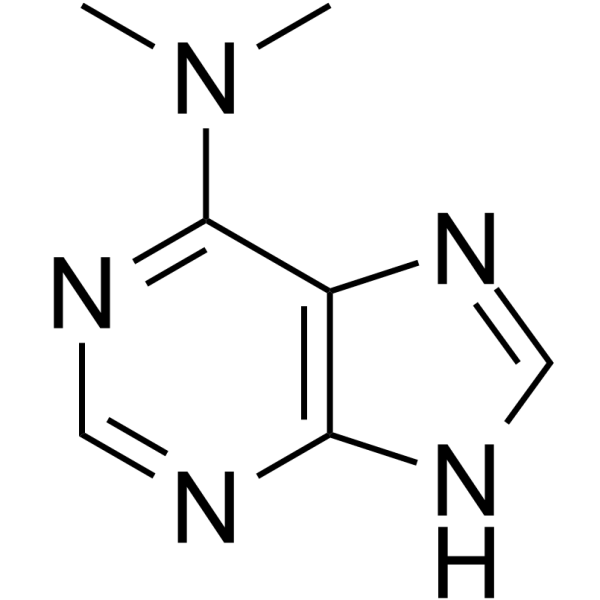
6-(Dimethylamino) purine (6-Dimethylaminopurine) is a serine threonine protein kinase inhibitor. 6-(Dimethylamino) purine can inhibit prolactin induced expression of lactoprotein genes in rabbit mammary gland cells. 6-(Dimethylamino) purine can affect the maturation of mammalian oocytes. 6-(Dimethylamino) purine can lead to downregulation of genes related to cell proliferation and cell cycle progression, such as proliferating cell nuclear antigen, insulin-like gene 1, and serine protease inhibitor 2 genes, and induce apoptosis in lymphoma cells (apoptosis) .
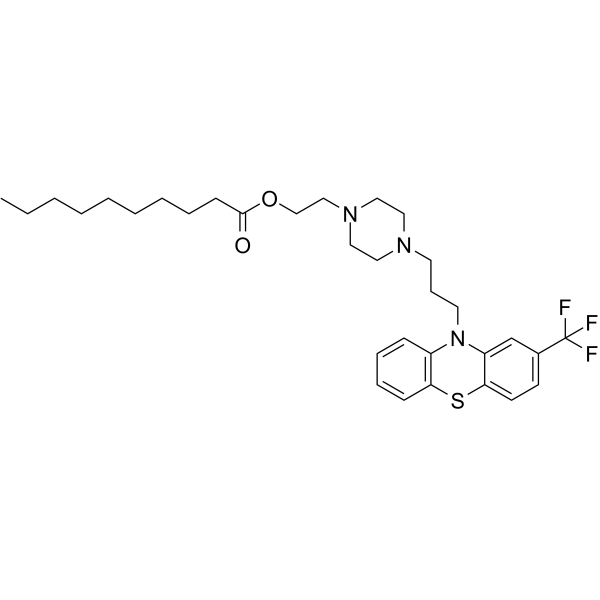
Fluphenazine decanoate is a CNS-penetrant dopamine D2 receptor inhibitor, is a long-acting phenothiazine neuroleptic. Fluphenazine can be used for schizophrenia research .
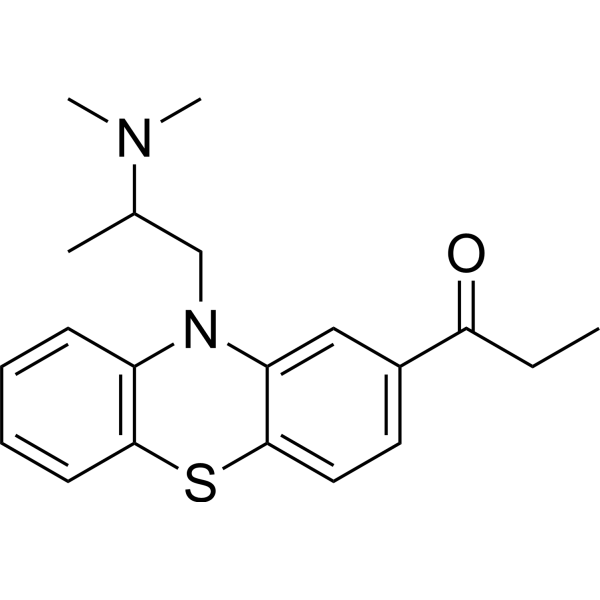
Propiomazine is an orally active antihistamine agent. Propiomazine is a potent prolactin (PRL) release stimulant, whose effect depends on the antagonism of the dopaminergic system and can inhibit the secretion of luteinizing hormone (LH). Propiomazine is mainly used for anesthesia assistance, mental disorders and anxiety-induced sedation, and can also be used in research related to insomnia .
GnRH Associated Peptide (GAP) (1-13), human is an amino acid peptide fragment derived from GnRH. GAP can increase the secretion of luteinizing hormone (LH) and follicle-stimulating hormone (FSH) in rat anterior pituitary cells. GAP also inhibit the secretion of prolactin .
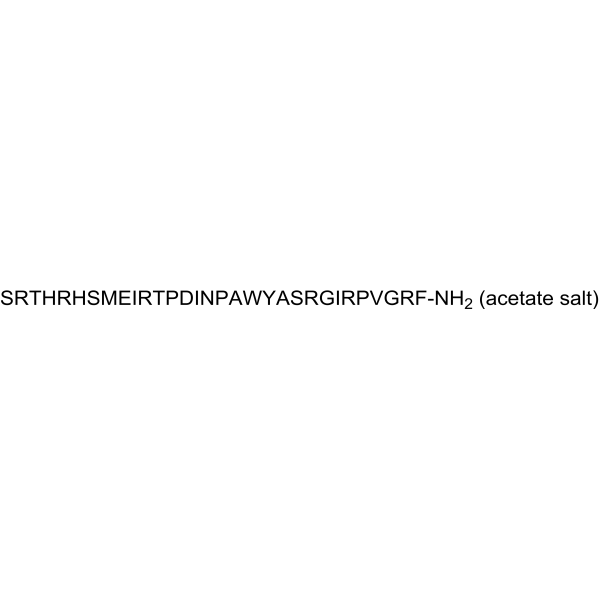
Prolactin Releasing Peptide (1-31), human is a high affinity GPR10 ligand that cause the release of the prolactin. Prolactin Releasing Peptide (1-31) binds to GPR10 for human and rats with Ki values of 1.03 nM and 0.33 nM, respectively. Prolactin Releasing Peptide (1-31) can be used for the research of the hypothalamo-pituitary axis .
Prolactin Releasing Peptide (1-31), human (acetate) is a high affinity GPR10 ligand that causes the release of the prolactin. Prolactin Releasing Peptide (1-31) binds to GPR10 for human and rats with Ki values of 1.03 nM and 0.33 nM, respectively. Prolactin Releasing Peptide (1-31) can be used for the research of the hypothalamo-pituitary axis .
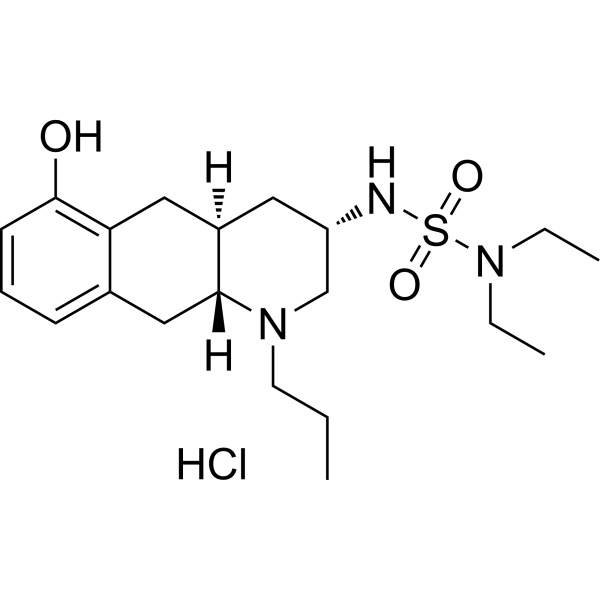
Quinagolide hydrochloride (CV205-502 hydrochloride) is a selective and orally active dopamine D2 receptor agonist. Quinagolide hydrochloride is an inhibitor of prolactin. Quinagolide hydrochloride down-regulates AKT levels and its phosphorylation. Quinagolide hydrochloride shows antitumor effects, it can be used for the research of cancer .
Rolinsatamab is a IgG1κ type chimeric antibody targeting to PRLR(prolactin receptor). Rolinsatamab can be conjugated with pyrrolobenzodiazepine (PDB) dimer SGD-1882 (HY-101127) via a cleavable maleimidocaproyl type linker, to form an antibody-drug conjugate, Rolinsatamab talirine. One Rolinsatamab talirine has an average of 2 site-specific drug attachment engineered cysteines (S239C). The linker equips the valine-alanine dipeptide, as cathepsine B cleavage site. on an average of 2 site-specific drug attachment engineered cysteines (S239C) .
Prolactin-Releasing Peptide (12-31), rat is a fragment of the prolactin releasing peptide (PrRP). Prolactin-Releasing Peptide (12-31), rat shows high affinity for GPR10 receptors. Prolactin-Releasing Peptide (12-31), stimulates calcium mobilization in CHOK1 cells transfected with the PrRP receptor .
XOMA-213 (LFA-102; X213) is a human monoclonal antibody (mAb) targeting the prolactin receptor (PRLR), with a Kd value of 2 nM against the human target. XOMA-213 blocks PRL-induced cell proliferation and inhibits the activation of multiple PRLR ligands, including PRL and human growth hormone (hGH). XOMA-213 suppresses PRL-induced phosphorylation of Stat5, Akt and ERK1/2 in cells. XOMA-213 induces tumor regression, delays disease progression, and inhibits PRLR signaling as well as tumor growth. XOMA-213 can be used in research related to breast cancer .
Kisspeptin antagonist p271 is a Kisspeptin antagonist with cell-penetrating ability. Kisspeptin antagonist p271 can block the binding of endogenous Kisspeptin to GPR54 on pituitary somatotropes, thereby relieving the inhibition of growth hormone secretion. Kisspeptin antagonist p271 can specifically and significantly stimulate growth hormone secretion, while inhibiting luteinizing hormone without affecting prolactin or cortisol. Kisspeptin antagonist p271 can be used in the research of diseases related to insufficient growth hormone secretion .
Aglepristone is a synthetic steroidal antiprogestin with abortifacient activity. Aglepristone is used exclusively as an abortifacient in pregnant animals. Aglepristone has been shown to be a safe and effective abortifacient in the second trimester of pregnancy. Aglepristone causes termination of pregnancy and does not cause fetal resorption. During aglepristone treatment, an increase in plasma concentrations of prolactin was observed, while progesterone levels remained unchanged. The use of aglepristone also resulted in early arrest of corpus luteum function and a shortening of the estrus interval .
Pectic acid (Methyl protopectin), a polygalacturonic acid, induces cell apoptosis and necrosis in pituitary tumor cells. Pectic acid can be used in the research of cancers and autoimmune disease .
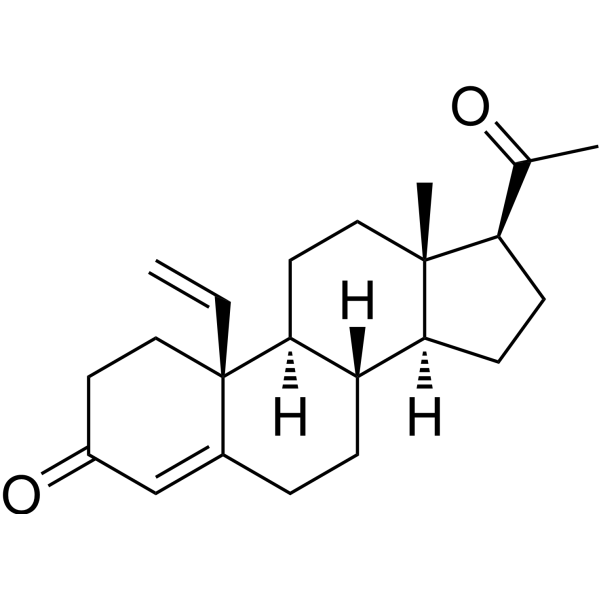
Org OD 02-0 (10-Ethenyl-19-norprogesterone) is a membrane progesterone receptor α (mPRα)-specific agonist (IC50: 33.9 nM). Org OD 02-0 activates MAPK activity. Org OD 02-0 inhibits prolactin (PRL) secretion in the pituitary .
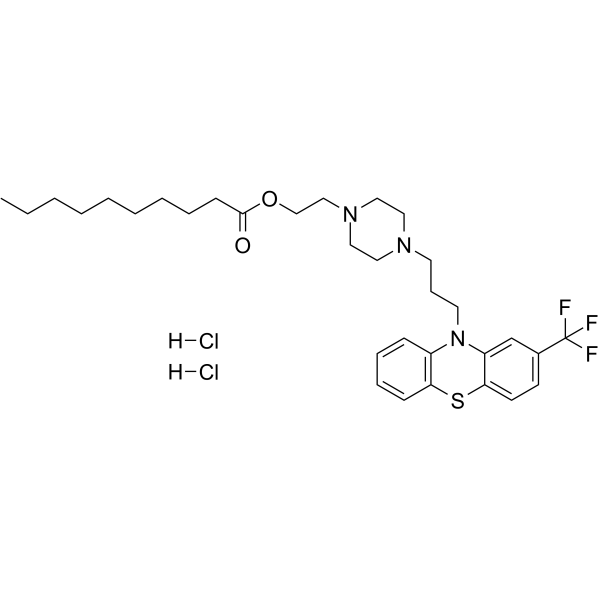
Fluphenazine decanoate dihydrochloride is a CNS-penetrant dopamine D2 receptor inhibitor, is a long-acting phenothiazine neuroleptic. Fluphenazine can be used for schizophrenia research .
Rolinsatamab talirine (ABBV 176) is a prolactin receptor (PRLR)-targeting antibody-drug conjugate (ADC), compoused of Rolinsatamab (HY-P99238) and SGD-1882 (HY-101127). Rolinsatamab talirine binds to PRLR to deliver a cytotoxin to tumor cells. Rolinsatamab talirine induces DNA damage, and exhibits cytotoxicity against multiple breast tumor models, including triple negative and low PRLR-expressing models. Rolinsatamab talirine demonstrates enhanced anti-tumor activity in several breast cancer models. Rolinsatamab talirine can be used for the research of breast cancer, hepatocellular carcinoma, ovarian cancer, endometrial cancer, prostate cancer, colorectal cancer, adrenocortical carcinoma, and solid tumors .
Prolactin-Releasing Peptide (12-31), bovine is a peptide fragment of prolactin-releasing peptide (PrRP). PrRP is RF-amide peptides expressed in brain areas involved in
pain modulation. Prolactin-Releasing Peptide (12-31), bovine can be used for the research of nervous system disease .
Lergotrile mesylate is a potent and orally active dopamine agonist and a prolactin secretion inhibitor. Lergotrile mesylate inhibits prolactin release from pituitaries by activating an adenohypophyseal dopamine receptor. Lergotrile mesylate has the potential for the research of Parkinson's disease .
Sumarotene (Ro 14-9706), an arotinoid methyl sulfone, is a potent dermatologic agent for the repair of photodamage, antikeratinization, and antiproliferation. Sumarotene exhibits in rats a prolactin-suppressive activity which affects lactation .
7-Hydroxychlorpromazine hydrochloride is the active metabolite of Chlorpromazine (HY-12708). 7-Hydroxychlorpromazine hydrochloride can increase prolactin levels in rats. 7-Hydroxychlorpromazine hydrochloride can increase dopamine turnover and has a sedative effect. In addition, 7-Hydroxychlorpromazine hydrochloride can effectively inhibit amphetamine-induced stereotyped behavior in rats and is used in the study of psychosis .
Propiomazine hydrochloride is an orally active antihistamine agent. Propiomazine hydrochloride is a potent prolactin (PRL) release stimulant, whose effect depends on the antagonism of the dopaminergic system and can inhibit the secretion of luteinizing hormone (LH). Propiomazine hydrochloride is mainly used for anesthesia assistance, mental disorders and anxiety-induced sedation, and can also be used in research related to insomnia .
Metergoline (Standard) is the analytical standard of Metergoline. This product is intended for research and analytical applications. Metergoline is a serotonin (5-HT) receptor and dopamine receptors antagonist, with pKis of 8.64, 8.75 and 8.75 for 5-HT2A, 5-HT2B and 5-HT2C, respectively. Metergoline is a high-affinity ligand for the h5-HT7 receptor, with a Ki of 16 nM. Metergoline is also a reversible neural Na+ channels inhibitor. Metergoline is commonly used for the research of seasonal affective disorder, prolactin hormone regulation .
Estrone acetate (Hogival) is an estrogen derivative and an estrogen receptor (ER) activator. It promotes mammary gland development, stimulates pituitary prolactin secretion, and induces the proliferation and activation of lactotrophs (e.g., by reducing prolactin storage granule size while increasing rough endoplasmic reticulum and Golgi apparatus volume density). Estrone acetate holds potential for endocrine research, particularly in studying estrogen's effects on pituitary function, prolactin regulation, and mammary tumor models .
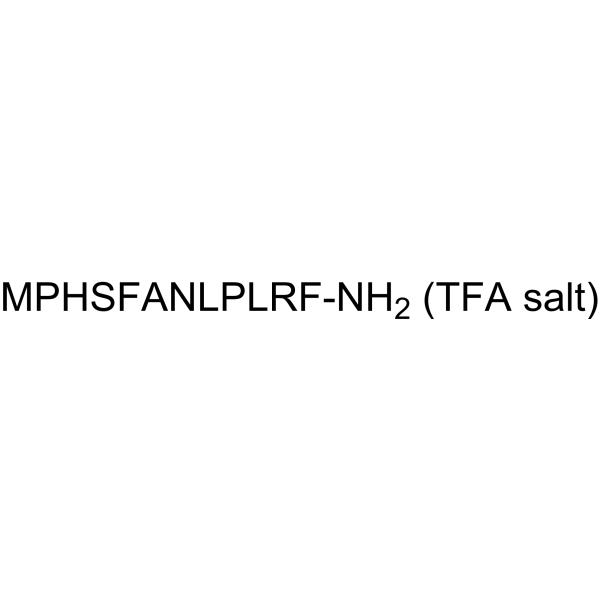
RFRP-1(human) TFA is a potent endogenous NPFF receptor agonist (EC50 values are 0.0011 and 29 nM for NPFF2 and NPFF1, respectively). Attenuates contractile function of isolated rat and rabbit cardiac myocytes. Reduces heart rate, stroke volume, ejection fraction and cardiac output, and increases plasma prolactin levels in rats.
(R)-Propiomazine-d6 hydrochloride is deuterium labeled Propiomazine hydrochloride. Propiomazine hydrochloride is an orally active antihistamine agent. Propiomazine hydrochloride is a potent prolactin (PRL) release stimulant, whose effect depends on the antagonism of the dopaminergic system and can inhibit the secretion of luteinizing hormone (LH). Propiomazine hydrochloride is mainly used for anesthesia assistance, mental disorders and anxiety-induced sedation, and can also be used in research related to insomnia.
Propiomazine-d6 hydrochloride is deuterium labeled Propiomazine hydrochloride. Propiomazine hydrochloride is an orally active antihistamine agent. Propiomazine hydrochloride is a potent prolactin (PRL) release stimulant, whose effect depends on the antagonism of the dopaminergic system and can inhibit the secretion of luteinizing hormone (LH). Propiomazine hydrochloride is mainly used for anesthesia assistance, mental disorders and anxiety-induced sedation, and can also be used in research related to insomnia.
(S)-Propiomazine-d6 hydrochloride is deuterium labeled Propiomazine hydrochloride. Propiomazine hydrochloride is an orally active antihistamine agent. Propiomazine hydrochloride is a potent prolactin (PRL) release stimulant, whose effect depends on the antagonism of the dopaminergic system and can inhibit the secretion of luteinizing hormone (LH). Propiomazine hydrochloride is mainly used for anesthesia assistance, mental disorders and anxiety-induced sedation, and can also be used in research related to insomnia.
JNJ-37822681 is a fast dissociating D2 antagonist with activity in inhibiting schizophrenia. JNJ-37822681 has high specificity for D2 receptors and is effective in animal models, inducing increased levels of extracellular serotonin, dopamine, and norepinephrine in the rat cerebral cortex, and exhibiting antidepressant activity in the mouse tail suspension test, while having a good brain distribution and lower prolactin release.
ICI 169369 (free base) is an orally active, selective and non-competitive antagonist against 5HT receptor. ICI 169369 (free base) blunts the vasopressin (AVP), but not the ACTH, prolactin or growth hormone reponses to insulin-induced hypoglycaemia. ICI 169369 (free base) blocks centrally mediated 5-HT responses and lowers portal pressure in portal hypertensive rats .
Y-20024 hydrochloride is an orally active D2 receptor antagonist with blood-brain barrier permeability. Y-20024 hydrochloride can inhibit Apomorphine (HY-12723)-induced ADHD in mice. Y-20024 hydrochloride can inhibit Apomorphine-induced vomiting in dogs. Y-20024 hydrochloride has prolactin-promoting activity. Y-20024 hydrochloride can be used in research on neurological disorders such as ADHD and vomiting .
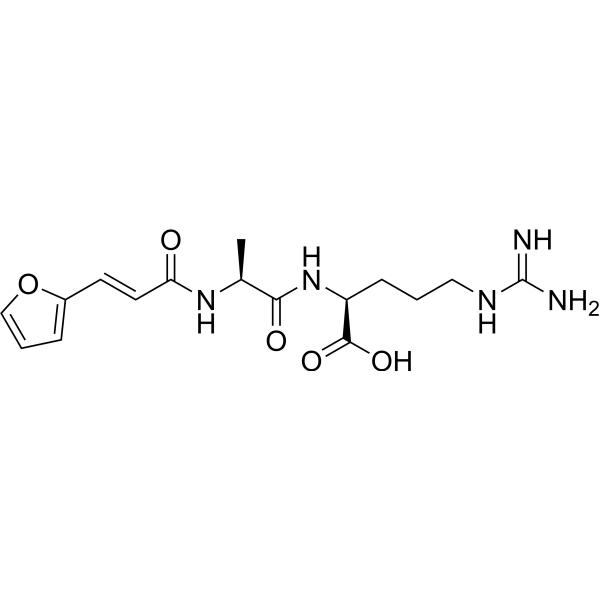
FA-Ala-Arg is a dipeptide with furylacryloyl group. FA-Ala-Arg breaks down to produce arginine. While cell-surface Carboxypeptidase-D (CPD) also increases intracellular Arg, which is converted to nitric oxide (NO). FA-Ala-Arg enhances NO production in MCF-7 cells. FA-Ala-Arg also increases the cell survival of prolactin (PRL)-treated cells, PRL regulates CPD mRNA levels in cells .
Z-Doxepin-d3 hydrochloride is the deuterium labeled 7-Hydroxychlorpromazine hydrochloride (HY-W704749). 7-Hydroxychlorpromazine hydrochloride is the active metabolite of Chlorpromazine (HY-12708). 7-Hydroxychlorpromazine hydrochloride can increase prolactin levels in rats. 7-Hydroxychlorpromazine hydrochloride can increase dopamine turnover and has a sedative effect. In addition, 7-Hydroxychlorpromazine hydrochloride can effectively inhibit amphetamine-induced stereotyped behavior in rats and is used in the study of psychosis .
6-(Dimethylamino) purine (6-Dimethylaminopurine) is a serine threonine protein kinase inhibitor. 6-(Dimethylamino) purine can inhibit prolactin induced expression of lactoprotein genes in rabbit mammary gland cells. 6-(Dimethylamino) purine can affect the maturation of mammalian oocytes. 6-(Dimethylamino) purine can lead to downregulation of genes related to cell proliferation and cell cycle progression, such as proliferating cell nuclear antigen, insulin-like gene 1, and serine protease inhibitor 2 genes, and induce apoptosis in lymphoma cells (apoptosis) .
Fluphenazine decanoate (Standard) is the analytical standard of Fluphenazine decanoate. This product is intended for research and analytical applications. Fluphenazine decanoate is a dopamine D2 receptor inhibitor, is a long-acting phenothiazine neuroleptic. Fluphenazine can be used for schizophrenia research .
Lergotrile is a potent and orally active dopamine agonist and a prolactin secretion inhibitor. Lergotrile inhibits prolactin release from pituitaries by activating an adenohypophyseal dopamine receptor. Lergotrile has the potential for the research of Parkinson's disease .
REGN2878 (PRLR ADC antibody) is a monoclonal antibody targeting the prolactin receptor (PRLR) and can block prolactin‑mediated activation of PRLR. REGN2878 exhibits an equilibrium dissociation constant (KD) of 1.05 nM and an IC50 of 0.344 nM for human PRLR. REGN2878 can be rapidly internalized and degraded in lysosomes by PRLR‑positive tumor cells, showing antigen‑specific binding and targeted enrichment properties. REGN2878 derivatives can be used as an immunoPET agent for antigen‑specific imaging of PRLR‑related tumors, and can also serve as a component of ADCs to exert anti‑tumor activity in breast cancer xenograft models. REGN2878 can be used in the research of breast cancer and prostate cancer. Isotype Comparison HY-P99001 .
Disulergine (CH 29-717) is an ergot alkaloid. Disulergine is a dopamine receptor agonist. Disulergine inhibits secretion of prolactin in rats. Disulergine inhibits growth hormone (GH) release .
Propiomazine maleate is an orally active antihistamine agent. Propiomazine maleate is a potent prolactin (PRL) release stimulant, whose effect depends on the antagonism of the dopaminergic system and can inhibit the secretion of luteinizing hormone (LH). Propiomazine maleate is mainly used for anesthesia assistance, mental disorders and anxiety-induced sedation, and can also be used in research related to insomnia .
Anti-Mouse VEGF Antibody (G6-31) is a anti-mouse VEGF antibody. Anti-Mouse VEGF Antibody (G6-31) blocks VEGF-A-mediated angiogenesis and shows antitumor activity. Anti-Mouse VEGF Antibody (G6-31) can be used for the research of cancer, such as multiple endocrine neoplasia type 1 .
Prolactin Releasing Peptide (12-31), human is a fragment of the prolactin releasing peptide (PrRP). Prolactin Releasing Peptide (1-31), human is a high affinity GPR10 ligand that cause the release of the prolactin.
GnRH Associated Peptide (GAP) (1-13), human is an amino acid peptide fragment derived from GnRH. GAP can increase the secretion of luteinizing hormone (LH) and follicle-stimulating hormone (FSH) in rat anterior pituitary cells. GAP also inhibit the secretion of prolactin .
Prolactin Releasing Peptide (1-31), human is a high affinity GPR10 ligand that cause the release of the prolactin. Prolactin Releasing Peptide (1-31) binds to GPR10 for human and rats with Ki values of 1.03 nM and 0.33 nM, respectively. Prolactin Releasing Peptide (1-31) can be used for the research of the hypothalamo-pituitary axis .
Prolactin Releasing Peptide (1-31), human (acetate) is a high affinity GPR10 ligand that causes the release of the prolactin. Prolactin Releasing Peptide (1-31) binds to GPR10 for human and rats with Ki values of 1.03 nM and 0.33 nM, respectively. Prolactin Releasing Peptide (1-31) can be used for the research of the hypothalamo-pituitary axis .
Prolactin-Releasing Peptide (12-31), rat is a fragment of the prolactin releasing peptide (PrRP). Prolactin-Releasing Peptide (12-31), rat shows high affinity for GPR10 receptors. Prolactin-Releasing Peptide (12-31), stimulates calcium mobilization in CHOK1 cells transfected with the PrRP receptor .
Kisspeptin antagonist p271 is a Kisspeptin antagonist with cell-penetrating ability. Kisspeptin antagonist p271 can block the binding of endogenous Kisspeptin to GPR54 on pituitary somatotropes, thereby relieving the inhibition of growth hormone secretion. Kisspeptin antagonist p271 can specifically and significantly stimulate growth hormone secretion, while inhibiting luteinizing hormone without affecting prolactin or cortisol. Kisspeptin antagonist p271 can be used in the research of diseases related to insufficient growth hormone secretion .
Prolactin-Releasing Peptide (12-31), bovine is a peptide fragment of prolactin-releasing peptide (PrRP). PrRP is RF-amide peptides expressed in brain areas involved in
pain modulation. Prolactin-Releasing Peptide (12-31), bovine can be used for the research of nervous system disease .
RFRP-1(human) TFA is a potent endogenous NPFF receptor agonist (EC50 values are 0.0011 and 29 nM for NPFF2 and NPFF1, respectively). Attenuates contractile function of isolated rat and rabbit cardiac myocytes. Reduces heart rate, stroke volume, ejection fraction and cardiac output, and increases plasma prolactin levels in rats.
FA-Ala-Arg is a dipeptide with furylacryloyl group. FA-Ala-Arg breaks down to produce arginine. While cell-surface Carboxypeptidase-D (CPD) also increases intracellular Arg, which is converted to nitric oxide (NO). FA-Ala-Arg enhances NO production in MCF-7 cells. FA-Ala-Arg also increases the cell survival of prolactin (PRL)-treated cells, PRL regulates CPD mRNA levels in cells .
Rolinsatamab is a IgG1κ type chimeric antibody targeting to PRLR(prolactin receptor). Rolinsatamab can be conjugated with pyrrolobenzodiazepine (PDB) dimer SGD-1882 (HY-101127) via a cleavable maleimidocaproyl type linker, to form an antibody-drug conjugate, Rolinsatamab talirine. One Rolinsatamab talirine has an average of 2 site-specific drug attachment engineered cysteines (S239C). The linker equips the valine-alanine dipeptide, as cathepsine B cleavage site. on an average of 2 site-specific drug attachment engineered cysteines (S239C) .
XOMA-213 (LFA-102; X213) is a human monoclonal antibody (mAb) targeting the prolactin receptor (PRLR), with a Kd value of 2 nM against the human target. XOMA-213 blocks PRL-induced cell proliferation and inhibits the activation of multiple PRLR ligands, including PRL and human growth hormone (hGH). XOMA-213 suppresses PRL-induced phosphorylation of Stat5, Akt and ERK1/2 in cells. XOMA-213 induces tumor regression, delays disease progression, and inhibits PRLR signaling as well as tumor growth. XOMA-213 can be used in research related to breast cancer .
Rolinsatamab talirine (ABBV 176) is a prolactin receptor (PRLR)-targeting antibody-drug conjugate (ADC), compoused of Rolinsatamab (HY-P99238) and SGD-1882 (HY-101127). Rolinsatamab talirine binds to PRLR to deliver a cytotoxin to tumor cells. Rolinsatamab talirine induces DNA damage, and exhibits cytotoxicity against multiple breast tumor models, including triple negative and low PRLR-expressing models. Rolinsatamab talirine demonstrates enhanced anti-tumor activity in several breast cancer models. Rolinsatamab talirine can be used for the research of breast cancer, hepatocellular carcinoma, ovarian cancer, endometrial cancer, prostate cancer, colorectal cancer, adrenocortical carcinoma, and solid tumors .
REGN2878 (PRLR ADC antibody) is a monoclonal antibody targeting the prolactin receptor (PRLR) and can block prolactin‑mediated activation of PRLR. REGN2878 exhibits an equilibrium dissociation constant (KD) of 1.05 nM and an IC50 of 0.344 nM for human PRLR. REGN2878 can be rapidly internalized and degraded in lysosomes by PRLR‑positive tumor cells, showing antigen‑specific binding and targeted enrichment properties. REGN2878 derivatives can be used as an immunoPET agent for antigen‑specific imaging of PRLR‑related tumors, and can also serve as a component of ADCs to exert anti‑tumor activity in breast cancer xenograft models. REGN2878 can be used in the research of breast cancer and prostate cancer. Isotype Comparison HY-P99001 .
Anti-Mouse VEGF Antibody (G6-31) is a anti-mouse VEGF antibody. Anti-Mouse VEGF Antibody (G6-31) blocks VEGF-A-mediated angiogenesis and shows antitumor activity. Anti-Mouse VEGF Antibody (G6-31) can be used for the research of cancer, such as multiple endocrine neoplasia type 1 .
6-(Dimethylamino) purine (6-Dimethylaminopurine) is a serine threonine protein kinase inhibitor. 6-(Dimethylamino) purine can inhibit prolactin induced expression of lactoprotein genes in rabbit mammary gland cells. 6-(Dimethylamino) purine can affect the maturation of mammalian oocytes. 6-(Dimethylamino) purine can lead to downregulation of genes related to cell proliferation and cell cycle progression, such as proliferating cell nuclear antigen, insulin-like gene 1, and serine protease inhibitor 2 genes, and induce apoptosis in lymphoma cells (apoptosis) .
Pectic acid (Methyl protopectin), a polygalacturonic acid, induces cell apoptosis and necrosis in pituitary tumor cells. Pectic acid can be used in the research of cancers and autoimmune disease .
Prolactin Protein primarily promotes lactation by exerting its main actions on the mammary gland.This crucial function is facilitated through interaction with its specific receptor, PRLR.Prolactin Protein, Rat (His) is the recombinant rat-derived Prolactin protein, expressed by E.coli , with N-6*His labeled tag.
Prolactin Protein acts on the mammary gland, promoting lactation through its interaction with the receptor PRLR. Prolactin Protein, Human (HEK293, His) is the recombinant human-derived Prolactin protein, expressed by HEK293 , with C-His labeled tag.
Prolactin Protein, Sheep, (HEK293, His) is a recombinant protein produced by HEK293 cells. Prolactin (PRL) is a 199-amino acid polypeptide hormone mainly synthesized by lactotrope cells in the anterior pituitary. In rodents, PRL has been detected in the preoptic area, hypothalamus, amygdala, and brainstem.
Prolactin Protein plays a key role in the mammary gland by primarily promoting lactation through its interaction with the PRLR receptor, facilitating the lactation process. Prolactin Protein, Pig (His-SUMO) is the recombinant pig-derived Prolactin protein, expressed by E. coli , with N-His, N-SUMO labeled tag.
Prolactin Protein acts on the mammary gland, promoting lactation through its interaction with the receptor PRLR. Prolactin Protein, Human (sf9, His) is the recombinant human-derived Prolactin protein, expressed by Sf9 insect cells , with C-10*His labeled tag.
Prolactin Protein, acting on the mammary gland, plays a pivotal role in promoting lactation through interaction with its receptor, PRLR, facilitating the lactation process.Prolactin Protein, Mouse (His) is the recombinant mouse-derived Prolactin protein, expressed by E.coli , with N-6*His labeled tag.
The Prolactin Protein, a vital somatotropin/prolactin family member, regulates physiological processes, including growth and lactation. Its study enhances understanding of endocrine regulation, with therapeutic applications. Classification within the family underscores unique mechanisms and signaling pathways. Further exploration promises insights into Prolactin's contributions to normal physiology and pathological conditions. Prolactin Protein, Human (Biotinylated, HEK293, Fc-Avi) is the recombinant human-derived Prolactin protein, expressed by HEK293 , with C-Avi, C-hFc labeled tag. The total length of Prolactin Protein, Human (Biotinylated, HEK293, Fc-Avi) is 199 a.a., with molecular weight of 57-66 kDa.
Prolactin Protein acts on the mammary gland, promoting lactation through its interaction with the receptor PRLR. Prolactin Protein, Human is the recombinant human-derived Prolactin protein, expressed by E. coli , with tag free.
Prolactin R protein is a receptor for prolactin and can initiate signaling cascades to regulate physiological processes.Interacting with SMARCA1, it may be involved in chromatin remodeling.Prolactin R Protein, Rat (HEK293, His) is the recombinant rat-derived Prolactin R protein, expressed by HEK293 , with C-His labeled tag.
The prolactin R protein is the receptor for prolactin, encoded by this gene, and promotes prolactin-dependent signaling through ligand-induced dimerization. This gene exhibits multiple splice variants, encodes multiple isoforms, and has a potential role in regulating the endocrine and autocrine effects of prolactin. Prolactin R Protein, Human (HEK293, His) is the recombinant human-derived Prolactin R protein, expressed by HEK293 , with C-10*His labeled tag.
Prolactin R protein serves as a receptor for the anterior pituitary hormone prolactin and significantly interacts with SMARCA1, NEK3, and VAV2.The latter two interactions are prolactin-dependent, emphasizing the role of the receptor in transducing prolactin-induced signals that are critical for multiple physiological processes, particularly in reproduction and lactation.Prolactin R Protein, Mouse (HEK293, His-Fc) is the recombinant mouse-derived Prolactin R protein, expressed by HEK293 , with C-hFc, C-His labeled tag.
Prolactin R protein serves as a receptor for the anterior pituitary hormone prolactin and significantly interacts with SMARCA1, NEK3, and VAV2.The latter two interactions are prolactin-dependent, emphasizing the role of the receptor in transducing prolactin-induced signals that are critical for multiple physiological processes, particularly in reproduction and lactation.Prolactin R Protein, Mouse (HEK293, His) is the recombinant mouse-derived Prolactin R protein, expressed by HEK293 , with C-6*His labeled tag.
The prolactin R protein is a receptor for prolactin that promotes multiple molecular interactions, such as association with SMARCA1, suggesting a possible involvement in chromatin remodeling. Its prolactin-dependent interaction with NEK3 and VAV2 suggests interactions that regulate responses to stimuli. Prolactin R Protein, Cynomolgus (HEK293, His) is the recombinant cynomolgus-derived Prolactin R protein, expressed by HEK293 , with C-His labeled tag.
Prolactin R protein serves as a receptor for the anterior pituitary hormone prolactin and significantly interacts with SMARCA1, NEK3, and VAV2. The latter two interactions are prolactin-dependent, emphasizing the role of the receptor in transducing prolactin-induced signals that are critical for multiple physiological processes, particularly in reproduction and lactation. Prolactin R Protein, Canine (HEK293, Fc) is the recombinant canine-derived Prolactin R protein, expressed by HEK293 , with C-hFc labeled tag.
IL-5 protein is expressed by T lymphocytes and NK cells and regulates eosinophils, affecting their survival, differentiation and chemotaxis.In addition, IL-5 stimulates immunoglobulin production, growth, and differentiation of activated and resting B cells.IL-5 Protein, Mouse (HEK293, His) is the recombinant mouse-derived IL-5 protein, expressed by HEK293 , with C-6*His labeled tag.
The PRL2A1 protein shows specific expression in the placenta, highlighting its unique role in this reproductive organ. Notably, it showed high expression levels in the invasive trophoblast cells that line the central blood vessels of the placenta, suggesting that these key cells have specialized functions. PRL2A1 Protein, Rat (HEK293, His) is the recombinant rat-derived PRL2A1 protein, expressed by HEK293 , with C-His labeled tag.
The PRL8A4 protein is involved in regulating cells in the basal zone of the placenta, suggesting a potential impact on placental development. Although important, the specific functions and molecular mechanisms of PRL8A4 in these cells require further exploration. PRL8A4 Protein, Rat (HEK293, His) is the recombinant rat-derived PRL8A4 protein, expressed by HEK293 , with C-His labeled tag.
S100A6; Protein S100-A6; Calcyclin; Growth factor-inducible protein 2A9; MLN 4; prolactin receptor-associated protein; PRA; S100 calcium-binding protein A6; CACY
The S100A6 protein is a key calcium sensor that actively promotes cellular calcium signaling and is involved in multiple processes, including actin cytoskeletal reorganization and cell motility. As a homodimer binding two calcium ions, it interacts with TPR-containing proteins, CACYBP, ANXA2, ANXA11, SUGT1, tropomyosin, TP53, PPP5C, and TPPP. S100A6 Protein, Human (His) is the recombinant human-derived S100A6 protein, expressed by E. coli , with N-6*His labeled tag.
S100A6; Protein S100-A6; Calcyclin; Growth factor-inducible protein 2A9; MLN 4; prolactin receptor-associated protein; PRA; S100 calcium-binding protein A6; CACY
(R)-Propiomazine-d6 hydrochloride is deuterium labeled Propiomazine hydrochloride. Propiomazine hydrochloride is an orally active antihistamine agent. Propiomazine hydrochloride is a potent prolactin (PRL) release stimulant, whose effect depends on the antagonism of the dopaminergic system and can inhibit the secretion of luteinizing hormone (LH). Propiomazine hydrochloride is mainly used for anesthesia assistance, mental disorders and anxiety-induced sedation, and can also be used in research related to insomnia.
Propiomazine-d6 hydrochloride is deuterium labeled Propiomazine hydrochloride. Propiomazine hydrochloride is an orally active antihistamine agent. Propiomazine hydrochloride is a potent prolactin (PRL) release stimulant, whose effect depends on the antagonism of the dopaminergic system and can inhibit the secretion of luteinizing hormone (LH). Propiomazine hydrochloride is mainly used for anesthesia assistance, mental disorders and anxiety-induced sedation, and can also be used in research related to insomnia.
(S)-Propiomazine-d6 hydrochloride is deuterium labeled Propiomazine hydrochloride. Propiomazine hydrochloride is an orally active antihistamine agent. Propiomazine hydrochloride is a potent prolactin (PRL) release stimulant, whose effect depends on the antagonism of the dopaminergic system and can inhibit the secretion of luteinizing hormone (LH). Propiomazine hydrochloride is mainly used for anesthesia assistance, mental disorders and anxiety-induced sedation, and can also be used in research related to insomnia.
Z-Doxepin-d3 hydrochloride is the deuterium labeled 7-Hydroxychlorpromazine hydrochloride (HY-W704749). 7-Hydroxychlorpromazine hydrochloride is the active metabolite of Chlorpromazine (HY-12708). 7-Hydroxychlorpromazine hydrochloride can increase prolactin levels in rats. 7-Hydroxychlorpromazine hydrochloride can increase dopamine turnover and has a sedative effect. In addition, 7-Hydroxychlorpromazine hydrochloride can effectively inhibit amphetamine-induced stereotyped behavior in rats and is used in the study of psychosis .
Western blot analysis of extracts from THP-1(lane 2(20μg), Jurkat (lane 3(20μg) and NIH3T3(lane 4(20μg) using FOXO1A (HY-P80132) Rabbit mAb. Proteins were transferred
to a PVDF membrane and blocked with 5% non-fat milk in TBST for 2 hour at room temperature. The primary antibody (1/1000) and Loading control antibody (Beta Actin, HY-P80438, 1/10000) was
used in 5% non-fat milk in TBST at 4°C overnight. Goat Anti-Mouse/Rabbit IgG-HRP Secondary Antibody (1/10000) was used for 1 hour at room temperature.
Western blot analysis of extracts from THP-1(lane 2(20μg), Jurkat (lane 3(20μg) and NIH3T3(lane 4(20μg) using FOXO1A (HY-P80132) Rabbit mAb. Proteins were transferred
to a PVDF membrane and blocked with 5% non-fat milk in TBST for 2 hour at room temperature. The primary antibody (1/1000) and Loading control antibody (Beta Actin, HY-P80438, 1/10000) was
used in 5% non-fat milk in TBST at 4°C overnight. Goat Anti-Mouse/Rabbit IgG-HRP Secondary Antibody (1/10000) was used for 1 hour at room temperature.
Western blot analysis of extracts from THP-1(lane 2(20μg), Jurkat (lane 3(20μg) and NIH3T3(lane 4(20μg) using FOXO1A (HY-P80132) Rabbit mAb. Proteins were transferred
to a PVDF membrane and blocked with 5% non-fat milk in TBST for 2 hour at room temperature. The primary antibody (1/1000) and Loading control antibody (Beta Actin, HY-P80438, 1/10000) was
used in 5% non-fat milk in TBST at 4°C overnight. Goat Anti-Mouse/Rabbit IgG-HRP Secondary Antibody (1/10000) was used for 1 hour at room temperature.
Western blot analysis of extracts from THP-1(lane 2(20μg), Jurkat (lane 3(20μg) and NIH3T3(lane 4(20μg) using FOXO1A (HY-P80132) Rabbit mAb. Proteins were transferred
to a PVDF membrane and blocked with 5% non-fat milk in TBST for 2 hour at room temperature. The primary antibody (1/1000) and Loading control antibody (Beta Actin, HY-P80438, 1/10000) was
MedchemExpress Validation 03
Western blot analysis of extracts from THP-1(lane 2(20μg), Jurkat (lane 3(20μg) and NIH3T3(lane 4(20μg) using FOXO1A (HY-P80132) Rabbit mAb. Proteins were transferred
MedchemExpress Validation 04
Western blot analysis of extracts from THP-1(lane 2(20μg), Jurkat (lane 3(20μg) and NIH3T3(lane 4(20μg) using FOXO1A (HY-P80132) Rabbit mAb. Proteins were transferred
to a PVDF membrane and blocked with 5% non-fat milk in TBST for 2 hour at room temperature. The primary antibody (1/1000) and Loading control antibody (Beta Actin, HY-P80438, 1/10000) was
used in 5% non-fat milk in TBST at 4°C overnight. Goat Anti-Mouse/Rabbit IgG-HRP Secondary Antibody (1/10000) was used for 1 hour at room temperature.
MedchemExpress Validation
Western blot analysis of extracts from THP-1(lane 2(20μg), Jurkat (lane 3(20μg) and NIH3T3(lane 4(20μg) using FOXO1A (HY-P80132) Rabbit mAb. Proteins were transferred
to a PVDF membrane and blocked with 5% non-fat milk in TBST for 2 hour at room temperature. The primary antibody (1/1000) and Loading control antibody (Beta Actin, HY-P80438, 1/10000) was
used in 5% non-fat milk in TBST at 4°C overnight. Goat Anti-Mouse/Rabbit IgG-HRP Secondary Antibody (1/10000) was used for 1 hour at room temperature.
Western blot analysis of extracts from THP-1(lane 2(20μg), Jurkat (lane 3(20μg) and NIH3T3(lane 4(20μg) using FOXO1A (HY-P80132) Rabbit mAb. Proteins were transferred
to a PVDF membrane and blocked with 5% non-fat milk in TBST for 2 hour at room temperature. The primary antibody (1/1000) and Loading control antibody (Beta Actin, HY-P80438, 1/10000) was
used in 5% non-fat milk in TBST at 4°C overnight. Goat Anti-Mouse/Rabbit IgG-HRP Secondary Antibody (1/10000) was used for 1 hour at room temperature.
MedchemExpress Validation
Western blot analysis of extracts from THP-1(lane 2(20μg), Jurkat (lane 3(20μg) and NIH3T3(lane 4(20μg) using FOXO1A (HY-P80132) Rabbit mAb. Proteins were transferred
to a PVDF membrane and blocked with 5% non-fat milk in TBST for 2 hour at room temperature. The primary antibody (1/1000) and Loading control antibody (Beta Actin, HY-P80438, 1/10000) was
used in 5% non-fat milk in TBST at 4°C overnight. Goat Anti-Mouse/Rabbit IgG-HRP Secondary Antibody (1/10000) was used for 1 hour at room temperature.
MedchemExpress Validation
Western blot analysis of extracts from THP-1(lane 2(20μg), Jurkat (lane 3(20μg) and NIH3T3(lane 4(20μg) using FOXO1A (HY-P80132) Rabbit mAb. Proteins were transferred
to a PVDF membrane and blocked with 5% non-fat milk in TBST for 2 hour at room temperature. The primary antibody (1/1000) and Loading control antibody (Beta Actin, HY-P80438, 1/10000) was
used in 5% non-fat milk in TBST at 4°C overnight. Goat Anti-Mouse/Rabbit IgG-HRP Secondary Antibody (1/10000) was used for 1 hour at room temperature.
MedchemExpress Validation
Western blot analysis of extracts from THP-1(lane 2(20μg), Jurkat (lane 3(20μg) and NIH3T3(lane 4(20μg) using FOXO1A (HY-P80132) Rabbit mAb. Proteins were transferred
to a PVDF membrane and blocked with 5% non-fat milk in TBST for 2 hour at room temperature. The primary antibody (1/1000) and Loading control antibody (Beta Actin, HY-P80438, 1/10000) was
used in 5% non-fat milk in TBST at 4°C overnight. Goat Anti-Mouse/Rabbit IgG-HRP Secondary Antibody (1/10000) was used for 1 hour at room temperature.
MedchemExpress Validation
Western blot analysis of extracts from THP-1(lane 2(20μg), Jurkat (lane 3(20μg) and NIH3T3(lane 4(20μg) using FOXO1A (HY-P80132) Rabbit mAb. Proteins were transferred
to a PVDF membrane and blocked with 5% non-fat milk in TBST for 2 hour at room temperature. The primary antibody (1/1000) and Loading control antibody (Beta Actin, HY-P80438, 1/10000) was
used in 5% non-fat milk in TBST at 4°C overnight. Goat Anti-Mouse/Rabbit IgG-HRP Secondary Antibody (1/10000) was used for 1 hour at room temperature.
MedchemExpress Validation
Western blot analysis of extracts from THP-1(lane 2(20μg), Jurkat (lane 3(20μg) and NIH3T3(lane 4(20μg) using FOXO1A (HY-P80132) Rabbit mAb. Proteins were transferred
to a PVDF membrane and blocked with 5% non-fat milk in TBST for 2 hour at room temperature. The primary antibody (1/1000) and Loading control antibody (Beta Actin, HY-P80438, 1/10000) was
used in 5% non-fat milk in TBST at 4°C overnight. Goat Anti-Mouse/Rabbit IgG-HRP Secondary Antibody (1/10000) was used for 1 hour at room temperature.
MedchemExpress Validation
Western blot analysis of extracts from THP-1(lane 2(20μg), Jurkat (lane 3(20μg) and NIH3T3(lane 4(20μg) using FOXO1A (HY-P80132) Rabbit mAb. Proteins were transferred
to a PVDF membrane and blocked with 5% non-fat milk in TBST for 2 hour at room temperature. The primary antibody (1/1000) and Loading control antibody (Beta Actin, HY-P80438, 1/10000) was
used in 5% non-fat milk in TBST at 4°C overnight. Goat Anti-Mouse/Rabbit IgG-HRP Secondary Antibody (1/10000) was used for 1 hour at room temperature.
MedChemExpress values your privacy and your trust is important to us. We use cookies to enhance your website experience. Some cookies are necessary to run the website.
Privacy and Cookie Policy