1. Search Result
Search Result
Results for "

PEP

" in MedChemExpress (MCE) Product Catalog:

68

Inhibitors & Agonists

1

Fluorescent Dye

4

Biochemical Assay Reagents

37

Peptides

1

Inhibitory Antibodies

6

Natural
Products

5

Recombinant Proteins

6

Antibodies

1

Click Chemistry

10

Oligonucleotides

Cat. No. Product Name Target Research Areas Chemical Structure
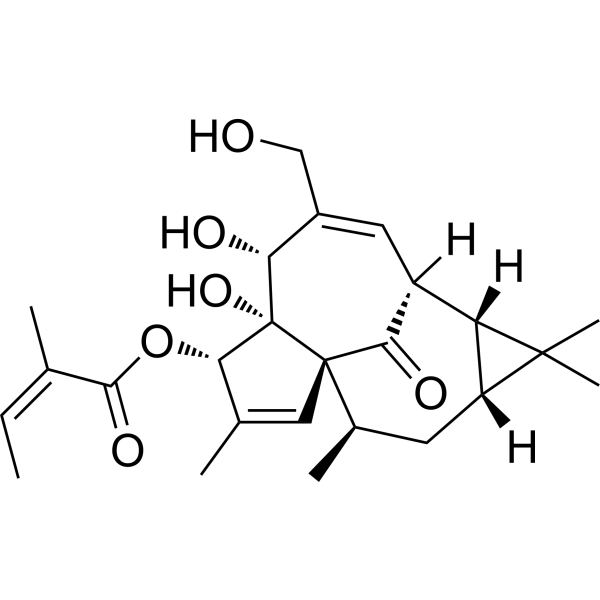
  • HY-B0719
    Ingenol Mebutate
    5 Publications Verification

    Ingenol 3-angelate; PEP005

    PKC Inflammation/Immunology Cancer
    Ingenol Mebutate is an active ingredient in Euphorbia peplus, acts as a potent PKC modulator, with Kis of 0.3, 0.105, 0.162, 0.376, and 0.171 nM for PKC-α, PKC-β, PKC-γ, PKC-δ, and PKC-ε, respectively, and has antiinflammatory and antitumor activity.
    Ingenol Mebutate
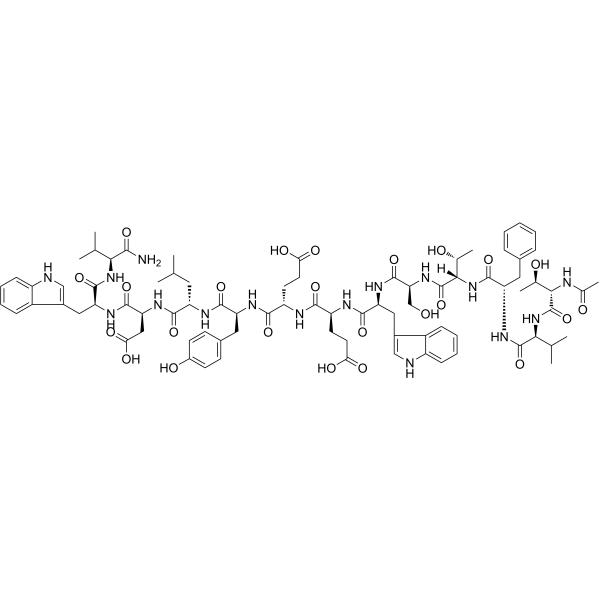
  • HY-P2276

    PCSK9 Cancer
    Pep2-8 is a PCSK9 inhibitor with a binding KD of 0.7 μM and an IC50 of 1.4 μM .

    Pep2-8
  • HY-W712327

    Biochemical Assay Reagents Others
    D-Xylulose 5-phosphate sodium is a pentose phosphate ester and an essential intermediate metabolite in the pentose phosphate pathway (PPP) and the non-oxidative phase of the pentose phosphate pathway. D-xylulose-5-phosphate sodium can be efficiently synthesized through the phosphorylation of D-xylulose catalyzed by D-xylulokinase (XKS1 from Saccharomyces cerevisiae), with ATP regeneration facilitated by the phosphoenolpyruvate (PEP)/pyruvate kinase (PK) system .
    D-Xylulose 5-phosphate sodium
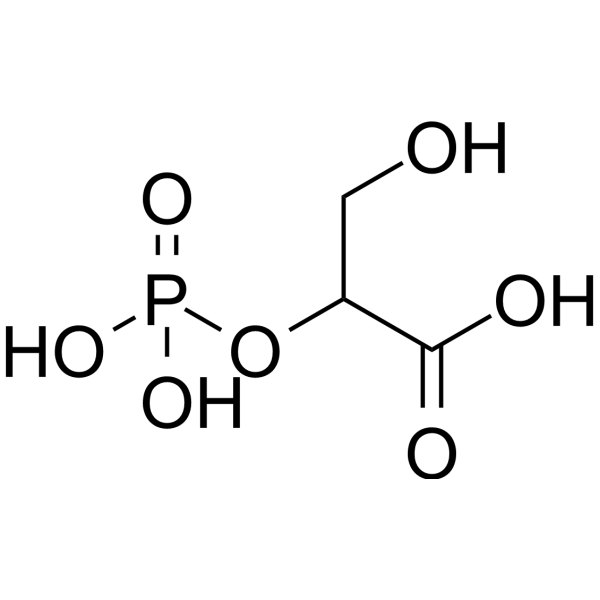
  • HY-113167

    DL-2-phosphoglyceric acid

    ACSL Family Endogenous Metabolite Ferroptosis Glutathione Peroxidase Reactive Oxygen Species (ROS) Metabolic Disease
    2-Phosphoglyceric acid (DL-2-phosphoglyceric acid) is a glycolytic substrate that is catalyzed by enolase to form phosphoenolpyruvate ester (PEP). 2-Phosphoglyceric acid inhibits the ferroptosis pathway by down-regulating ACSL4 and up-regulating GPX4, and has significant neuroprotective effects. 2-Phosphoglyceric acid reflects the overall metabolic state and flux of the cell .
    2-Phosphoglyceric acid
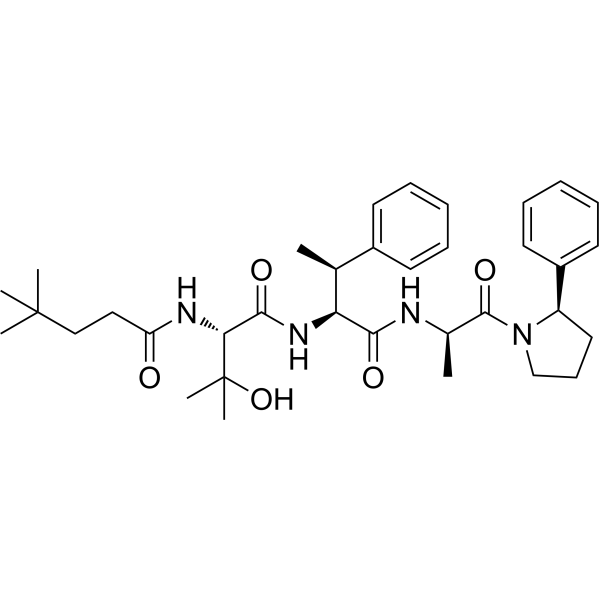
  • HY-162289
    FAZ-3780
    2 Publications Verification

    DNA/RNA Synthesis Neurological Disease Cancer
    FAZ-3780 is an inhibitor that binds to the NTF2L domain of G3BP1/2. FAZ-3780 binds to the NTF2L nsP3 of G3BP1 with high affinity, with a Kd of 0.15 μM and a Pep-FRET IC50 of 0.7 μM. FAZ-3780 targets the protein-protein interaction domain of G3BP1/2, and specifically inhibits the co-condensation of G3BP1, caprin 1 and RNA in vitro. FAZ-3780 inhibits stress granule formation and disassembles pre-formed stress granules. FAZ-3780 can be used in studies related to cancer and neurodegenerative diseases .

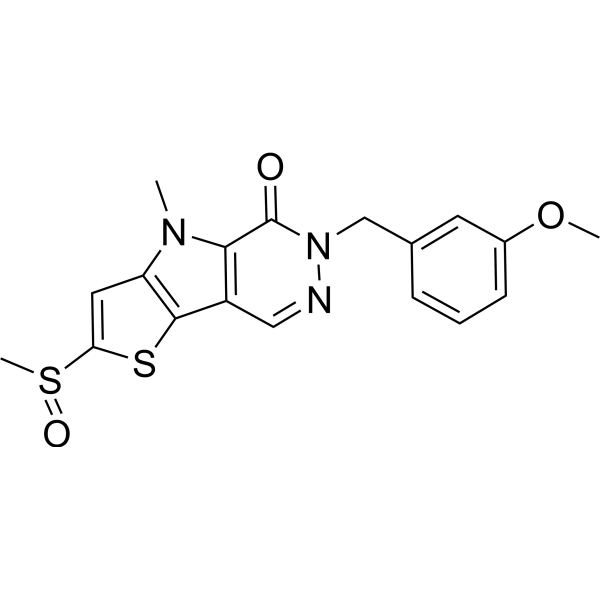
    FAZ-3780
  • HY-P5366

    Liposome Others
    PEP1 is an amphipathic α-helical peptide containing 31 residues. The interaction of PEP1 with POPC-supported lipid bilayers (SLBs) is concentration-dependent: at low concentrations, it inserts into SLBs to generate compressive stress; at medium concentrations, it saturates the membrane surface to maintain constant stress; and at high concentrations, it solubilizes SLBs. PEP1 can be used for research on the mechanism of membrane-peptide interactions .
    PEP1
  • HY-P3496
    Pep19-2.5
    1 Publications Verification

    Pyroptosis Inflammation/Immunology
    Pep19-2.5 is an synthetic and antitoxin peptide, blocks the intracellular endotoxin signaling cascade. Pep19-2.5 inhibits signaling of lipopeptides (LP) and lipopolysaccharides (LPS) mediated by transmembrane and cytosolic pattern recognition receptors (PRRs). The signaling cascades lead to inflammation and cell pyroptosis .
    Pep19-2.5
  • HY-P11287A

    Interleukin Related Radionuclide-Drug Conjugates (RDCs) Cancer
    DOTA-Pep-1L TFA is a polypeptide formed by the conjugation of DOTA and Pep-1L. DOTA-Pep-1L TFA specifically binds to IL13RA2 and can be used for the synthesis of targeted polypeptides. DOTA-Pep-1L TFA yields the isotopically labeled product [ 225Ac]DOTA-Pep-1L, which exerts α-radiation killing effects on orthotopic glioma cells and extends the median survival time of mice bearing orthotopic glioma models after stereotactic injection. DOTA-Pep-1L TFA can be used for PET imaging, tumor targeting and glioma research .
    DOTA-Pep-1L TFA
  • HY-P1848
    Pep-1 (uncapped)
    2 Publications Verification

    Interleukin Related Cancer
    Pep-1 (uncapped) is a specific ligand of IL-13Ra2. Pep-1 (uncapped) exerts cell penetrating activity through receptor-mediated endocytosis, can cross the blood-tumor barrier (BTB) and target glioma cells. Pep-1 (uncapped) can enhance the uptake of nanoparticles by tumor cells and enhance the cell penetration ability of nanoparticles, and can be used to develop targeted drug delivery systems for glioma .
    Pep-1 (uncapped)
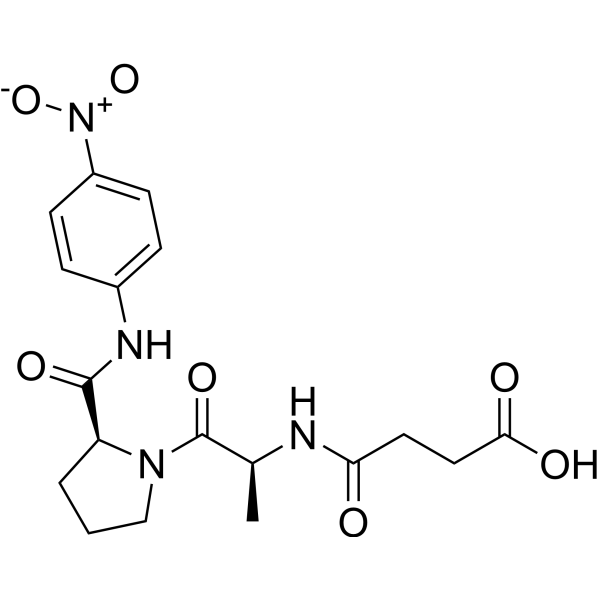
  • HY-P4490
    Suc-Ala-Pro-pNA
    1 Publications Verification

    Prolyl Endopeptidase (PREP) Others
    Suc-Ala-Pro-pNA is a peptide that serves as a substrate to detect the activity and stability of prolyl endopeptidase (PEP) .
    Suc-Ala-Pro-pNA
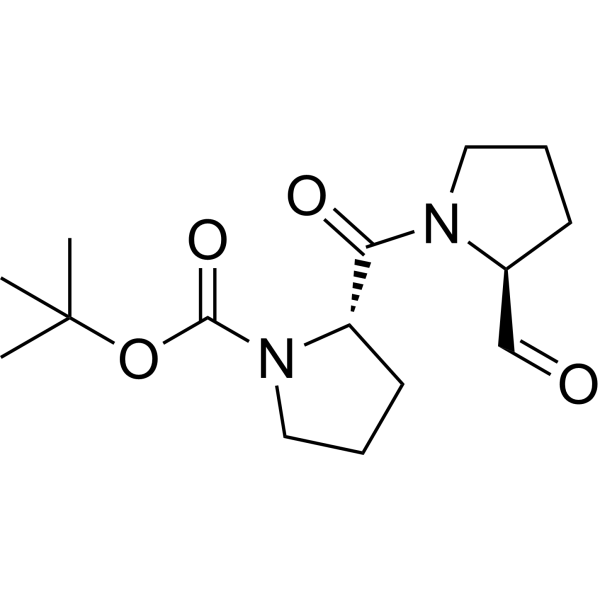
  • HY-113951

    Boc-Pro-prolinal; (Boc)-Prolyl-prolinal

    Prolyl Endopeptidase (PREP) Neurological Disease
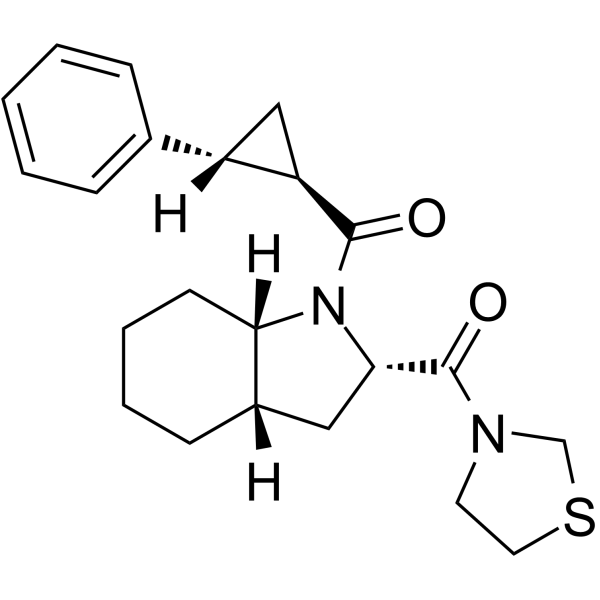
    Prolyl Endopeptidase Inhibitor 1 (Boc-Pro-prolinal) is a potent prolyl endopeptidase (PEP; PE) inhibitor, with a Ki value of 15 nM. Prolyl Endopeptidase Inhibitor 1 has anti-amnesic effect .
    Prolyl Endopeptidase Inhibitor 1
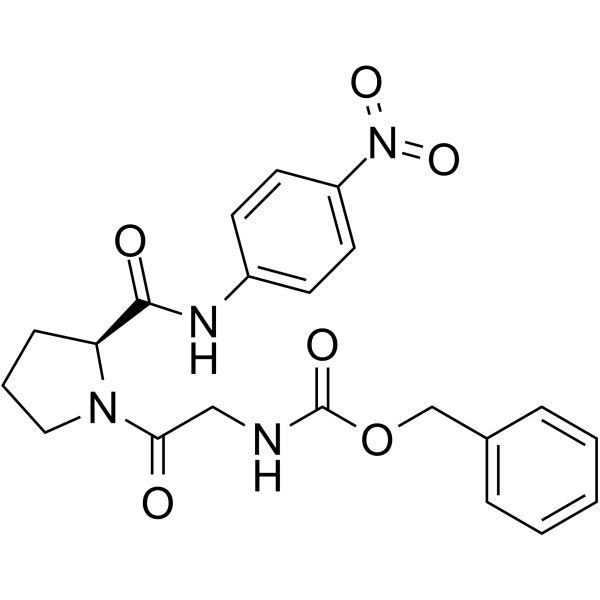
  • HY-137220

    Prolyl Endopeptidase (PREP) Others
    Z-Gly-Pro-pNA is a substrate for measuring prolyl endopeptidase (PEP) inhibitory activity .
    Z-Gly-Pro-pNA
  • HY-P10292

    Radionuclide-Drug Conjugates (RDCs) Interleukin Related Cancer
    NOTA-Pep-1L specifically targets the IL13RA2 receptor for tumor imaging . NOTA-Pep-1L can be used for the synthesis/research of Radionuclide-Drug Conjugates (RDCs).
    NOTA-Pep-1L
  • HY-19123

    Prolyl Endopeptidase (PREP) Neurological Disease
    Z-321 is a prolylendopeptidase (PEP) inhibitor.
    Z-321
  • HY-15114
    S 17092
    1 Publications Verification

    S 17092-1

    Prolyl Endopeptidase (PREP) Apoptosis Neurological Disease
    S 17092 (S 17092-1) is an orally active cerebral prolyl-endopeptidase (PEP) inhibitor with an IC50 of 1.2 nM. S 17092 inhibits cell apoptosis. S 17092 mechanism of action is to inhibit the activity of PEP, slowing down the degradation of neuroactive peptides and thus enhancing memory function. S 17092 can be used for the research of memory impairment and cognitive disorders associated with cerebral aging .
    S 17092
  • HY-P4119

    Biochemical Assay Reagents Others
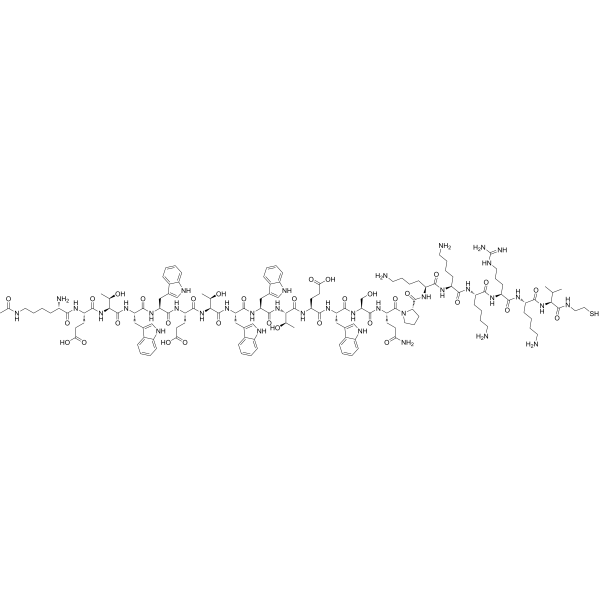
    Pep-1-Cysteamine is an amphipathic chimeric cell-penetrating peptide. Pep-1-Cysteamine can penetrate biological membranes in an energy-independent manner without forming transmembrane pores, and efficiently deliver active proteins into cells, with its translocation dominated by electrostatic interactions and membrane perturbation .
    Pep-1-Cysteamine
  • HY-P99792

    NM57; rhRIG

    RABV Infection
    Ormutivimab (rhRIG) is a recombinant human monoclonal antibody, targeting rabies virus. Ormutivimab neutralizes a variety of rabies virus strains. Ormutivimab exhibits potent potency against rabies post-exposure prophylaxis (PEP) model .
    Ormutivimab
  • HY-P11097

    CD47 Cancer
    Pep-20 is a CD47/SIRPα blocking peptide with KD values of 2.91 and 3.63 μM for human and mouse CD47, respectively. IC50 values for blocking the human and mouse CD47/SIRPα interaction are 24.56 and 12.03 μM, respectively. Pep-20 has antitumor activity .
    Pep-20
  • HY-P11287

    Interleukin Related Radionuclide-Drug Conjugates (RDCs) Cancer
    DOTA-Pep-1L is a polypeptide formed by the conjugation of DOTA and Pep-1L. DOTA-Pep-1L specifically binds to IL13RA2 and can be used for the synthesis of targeted polypeptides. DOTA-Pep-1L yields the isotopically labeled product [ 225Ac]DOTA-Pep-1L, which exerts α-radiation killing effects on orthotopic glioma cells and extends the median survival time of mice bearing orthotopic glioma models after stereotactic injection. DOTA-Pep-1L can be used for PET imaging, tumor targeting and glioma research .
    DOTA-Pep-1L
  • HY-P2276A

    PCSK9 Cardiovascular Disease Others
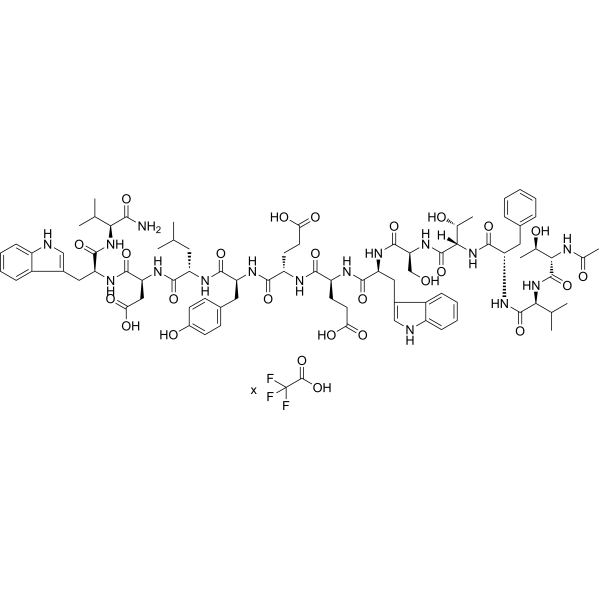
    Pep2-8 is a peptide which has enhanced the antagonistic activity of proprotein convertase subtilin/ kexin 9 type (PCSK9) .
    Pep2-8 TFA
  • HY-172273A

    Liposome Cancer
    DSPE-PEG2000-Mal-Cys-YEQDPWGVKWWY is a PEG compound which composed of DSPE and a M2-polarized macrophages targeting peptide (M2pep, YEQDPWGVKWWY). M2pep is conjugated to a proapoptotic peptide as monovalent or multivalent ligands to concentrate the toxic effect of the peptide to M2 macrophages. DSPE-PEG2000-Mal-Cys-YEQDPWGVKWWY can be used for drug delivery .
    DSPE-PEG2000-Mal-Cys-YEQDPWGVKWWY
  • HY-111936

    BML283

    Pyruvate Kinase Cancer
    ML083 is a member of a series of highly specific allosteric activators for the tumor-specific isoform of human pyruvate kinase (M2 isoform). ML083 affects the cooperativity of phosphoenolpyruvate (PEP) binding. ML083 can be used in the research of tumors .
    ML 083
  • HY-106364

    Bleomycin PEP; PEPleomycin

    Apoptosis Antibiotic Cancer
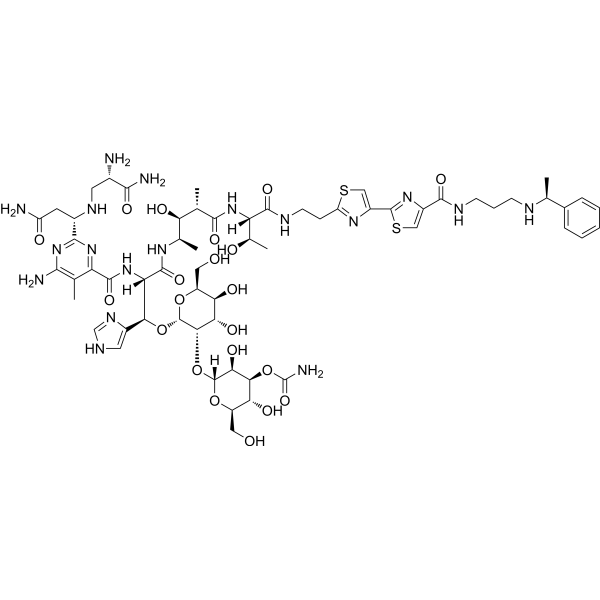
    Peplomycin (Bleomycin PEP) is an analog of Bleomycin (HY-108345) and an antitumor antibiotic. Peplomycin exhibits potent antitumor activity and relatively low pulmonary toxicity. Peplomycin can induce various skin abnormalities and trigger apoptosis in SSCKN cells of oral squamous cell carcinoma. Peplomycin can also induce pulmonary fibrosis. Peplomycin is applicable for the research of tumors, pulmonary fibrosis and other related diseases .
    Peplomycin
  • HY-RS17253

    Small Interfering RNA (siRNA) Others

    Fndc5 Mouse Pre-designed siRNA Set A contains three designed siRNAs for Fndc5 gene (Mouse), as well as a negative control, a positive control, and a FAM-labeled negative control.

    Fndc5 Mouse Pre-designed siRNA Set A
    Fndc5 Mouse Pre-designed siRNA Set A
  • HY-172273

    Liposome Cancer
    DSPE-PEG1000-Mal-Cys-YEQDPWGVKWWY is a PEG compound which composed of DSPE and a M2-polarized macrophages targeting peptide (M2pep, YEQDPWGVKWWY). M2pep is conjugated to a proapoptotic peptide as monovalent or multivalent ligands to concentrate the toxic effect of the peptide to M2 macrophages. DSPE-PEG1000-Mal-Cys-YEQDPWGVKWWY can be used for drug delivery .
    DSPE-PEG1000-Mal-Cys-YEQDPWGVKWWY
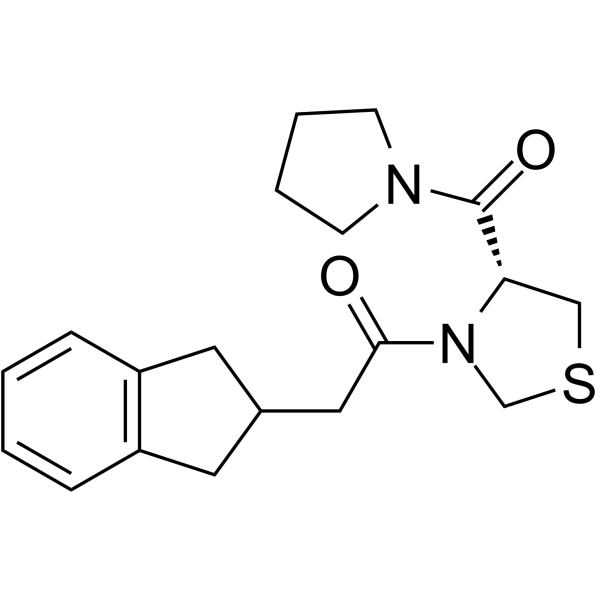
  • HY-162452

    Prolyl Endopeptidase (PREP) Neurological Disease
    Prolyl endopeptidase inhibitor 2 (Compound 8) was a proline endopeptidase (PEP) inhibitor with IC50 value 31.11 μM. Prolyl endopeptidase inhibitor 2 can be used in the study of neurodegenerative diseases .
    Prolyl endopeptidase inhibitor 2
  • HY-148331

    Prolyl Endopeptidase (PREP) Neurological Disease
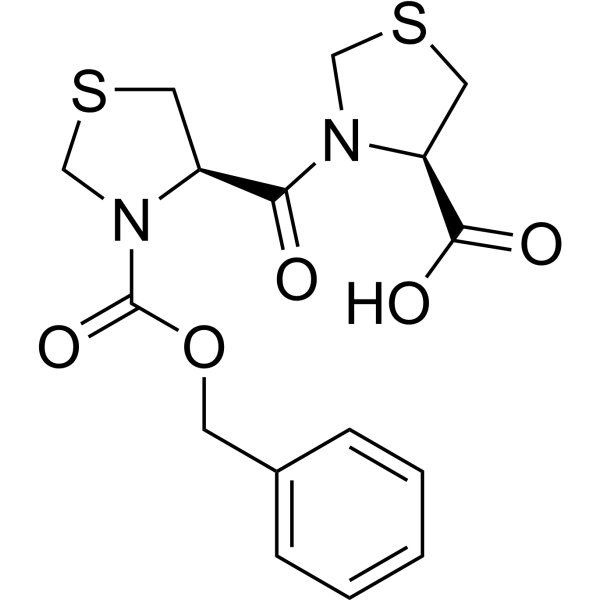
    Z-Thioprolyl-Thioproline is a bovine brain prolyl endopeptidase (PEP) inhibitor (IC50=16 µM; Ki=37 µM). Z-Thioprolyl-Thioproline is used in the study of neurological disorders such as memory disorders and cognitive disorders .
    Z-Thioprolyl-Thioproline
  • HY-RS09965

    Small Interfering RNA (siRNA) Others

    PAEP Human Pre-designed siRNA Set A contains three designed siRNAs for PAEP gene (Human), as well as a negative control, a positive control, and a FAM-labeled negative control.

    PAEP Human Pre-designed siRNA Set A
    PAEP Human Pre-designed siRNA Set A
  • HY-P11216

    PCSK9 Cancer
    Pep2-8 analogue 18 is a high affinity PCSK9 (KD = 6 nM) inhibitory peptide. Pep2-8 analogue 18 restores LDL uptake in HepG2 cells (EC50 = 175 nM). Pep2-8 analogue 18 has good cellular safety. Pep2-8 analogue 18 can be used for research on cardiovascular conditions .
    Pep2-8 analogue 18
  • HY-P11033

    Transmembrane Glycoprotein Cancer
    Pep2 Peptide (also known as scavenger receptor B2) is a peptide ligand for the transmembrane glycoprotein CD36. Pep2 Peptide selectively binds to CD36 over HAS, IgG and CD44. Pep2 Peptide can be studied in research on enhancing delivery of anticancer agent .
    Pep2 Peptide
  • HY-P10870

    Peptide-Drug Conjugates (PDCs) FGFR Apoptosis Cancer
    Pep1-DNP conjugate 9 is a functionalized peptide which is composed of the DNP-Hapten and the FGFR1 binding peptide. Pep1-DNP conjugate 9 exhibits good affinity to FGFR1 with KD of 5.01 μM. Pep1-DNP conjugate 9 recruits anti-DNP antibodies to the surface of FGFR1-positive cells, inhibits the FGF2-induced proliferation in rat skeletal myoblast cells, and induces apoptosis. Pep1-DNP conjugate 9 exhibits antitumor efficacy in mouse models .
    Pep1-DNP conjugate 9
  • HY-172273C

    Liposome Cancer
    DSPE-PEG3400-Mal-Cys-YEQDPWGVKWWY is a PEG compound which composed of DSPE and a M2-polarized macrophages targeting peptide (M2pep, YEQDPWGVKWWY). M2pep is conjugated to a proapoptotic peptide as monovalent or multivalent ligands to concentrate the toxic effect of the peptide to M2 macrophages. DSPE-PEG3400-Mal-Cys-YEQDPWGVKWWY can be used for drug delivery .
    DSPE-PEG3400-M2pep
  • HY-P11011

    PEP R54; CXCR4 antagonist PEPtide 19

    CXCR Cancer
    Peptide R54 (Pep R54; CXCR4 antagonist peptide 19) is an antagonistic peptide targeting CXCR4 with significant anticancer activity. Peptide R54 inhibits CXCR4-dependent cell migration, epithelial-mesenchymal transition, and lung metastasis development, with better serum stability and higher CXCR4 affinity than the lead compound (IC50=20 nM). Peptide R54 synergizes with anti-PD-1 therapy to exert anti-tumor activity in vivo, enhances granzyme activity, and reduces infiltration of Foxp3 cells. Peptide R54 can be used in the study of colon cancer, ovarian cancer, and melanoma .
    Peptide R54
  • HY-P5352

    CD44 Inflammation/Immunology Cancer
    Hyaluronan-IN-1 (Pep-1) is a Hyaluronan inhibitor with a Kd value of 1.65 μM. Hyaluronan-IN-1 blocks CD44-dependent cell adhesion. Hyaluronan-IN-1 inhibits cell adhesion to hyaluronan substrates. Hyaluronan-IN-1 suppresses the development of contact hypersensitivity in mice by blocking the homing process of inflammatory cells to the skin. Hyaluronan-IN-1 also inhibits responses during the sensitization phase. Hyaluronan-IN-1 reduces lung metastasis of melanoma and prolongs the survival of mice. Hyaluronan-IN-1 can be used in research related to contact hypersensitivity, chronic skin inflammation, and melanoma .
    Hyaluronan-IN-1
  • HY-P1055

    iGluR Neurological Disease
    Pep2-SVKE is an inactive control peptide for pep2-SVKI (HY-P1056). Pep2-SVKE is an inhibitory peptide corresponding to the last 10 amino acids of the C-terminus of the GluR2 AMPA receptor subunit. Pep2-SVKE does not block AMPA-mediated [ 3H]DA exocytosis. Pep2-SVKE does not bind to GRIP or PICK43 and does not block retention of PICK1 by GST-GluR2 and LTD [1] [2] [3] [4] [5].
    Pep2-SVKE
  • HY-P10630

    Amyloid-β Neurological Disease
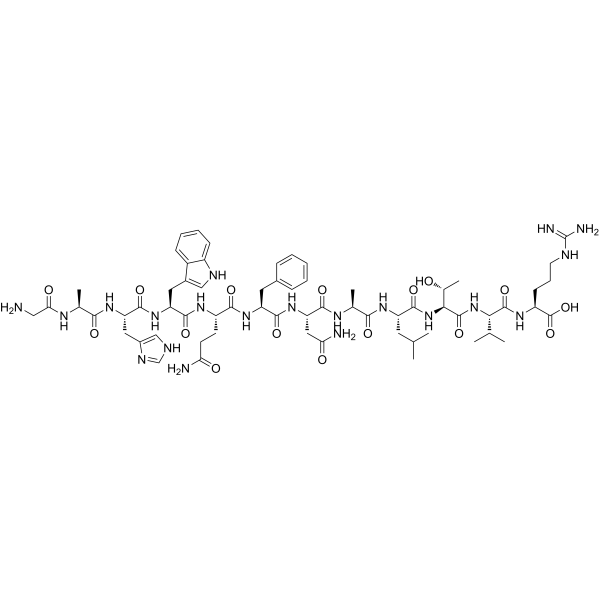
    Pep63 is a neuroprotective peptide (VFQVRARTVA). Pep63 has a neuroprotective effect on synaptic plasticity and memory. Pep63 can competitively bind with Aβ1-42 oligomers, and can block Aβ fiber formation. Pep63 can be used for Alzheimer’s disease (AD) research .
    Pep63
  • HY-P10949

    Glycoprotein VI Cardiovascular Disease
    Pep-10L peptide is a glycoprotein VI (GPVI) antagonist with Ki values of 180, 225, and 179 μM for CPR, GPO-1, and Type 1 collagen, respectively. Pep-10L peptide has anti-thrombotic effects .
    pep-10L peptide
  • HY-P1057

    iGluR Neurological Disease
    Pep4c is an inactive control peptide for Pep2m (HY-P1058). Pep4c lacks functional activity to disrupt Protein Interacting with C Kinase 1 (PICK1)-AMPA receptor (GluA2) or N-ethylmaleimide-sensitive factor (NSF)-GluA2 interactions. Pep4c is used as a negative control in experiments to validate the specificity of Pep2m's effects on AMPA receptor trafficking and synaptic plasticity [1] [2] [3] [4] [5] [6].
    Pep4c
  • HY-P1399

    Myr-PEP2m

    PKC Neurological Disease
    Pep2m, myristoylated (Myr-Pep2m) is a cell-permeable peptide. Pep2m, myristoylated can disrupt the protein kinase ζ (PKMζ) downstream targets, N-ethylmaleimide-sensitive factor/glutamate receptor subunit 2 (NSF/GluR2) interactions. PKMζ is an autonomously active isozyme of protein kinase C (PKC) .
    Pep2m, myristoylated
  • HY-P1054

    YNVYGIEEVKI

    PKC Neurological Disease
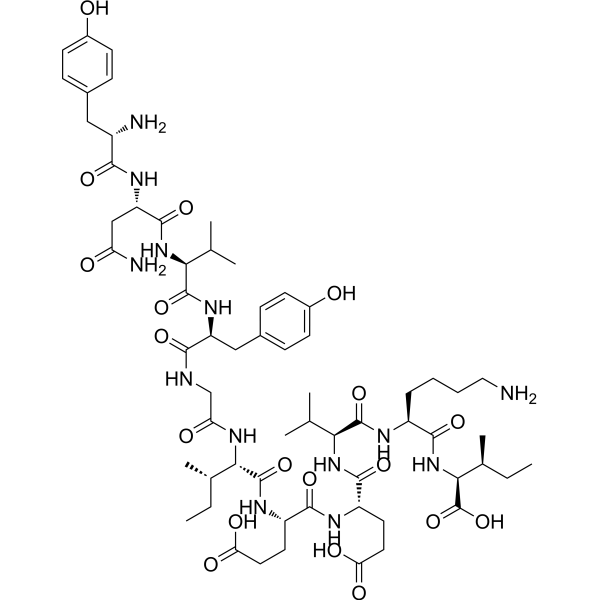
    pep2-EVKI (YNVYGIEEVKI) is an inhibitor peptide that selectively blocks PICK1 interactions, caused the opposite effects on synaptic AMPAR function to PICK1 expression .
    pep2-EVKI
  • HY-P1399A

    Myr-PEP2m TFA

    PKC Neurological Disease
    Pep2m, myristoylated TFA (Myr-Pep2m TFA) is a cell-permeable peptide. Pep2m, myristoylated TFA can disrupt the protein kinase ζ (PKMζ) downstream targets, N-ethylmaleimide-sensitive factor/glutamate receptor subunit 2 (NSF/GluR2) interactions. PKMζ is an autonomously active isozyme of protein kinase C (PKC) .
    Pep2m, myristoylated TFA
  • HY-125432

    Prolyl Endopeptidase (PREP) Metabolic Disease
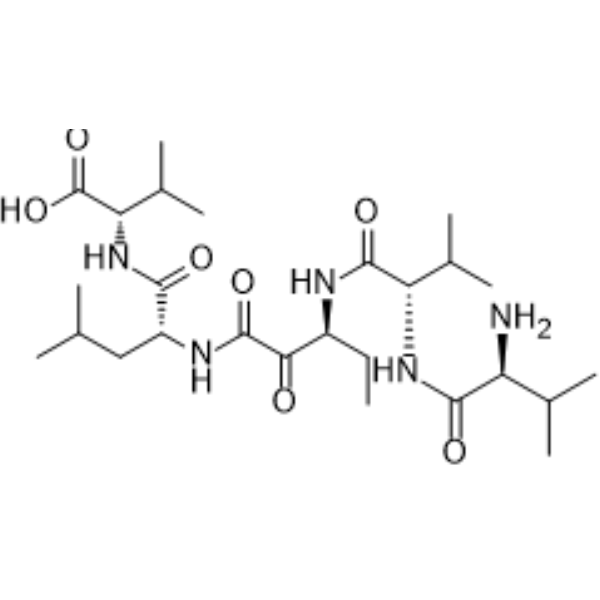
    Poststatin is a pecific prolyl endopeptidase (PEP) inhibitor. Poststatin inhibits bradykinin-degrading enzymes in rat urine .
    Poststatin
  • HY-172273B

    Liposome Cancer
    DSPE-PEG5000-Mal-Cys-YEQDPWGVKWWY is a PEG compound which composed of DSPE and a M2-polarized macrophages targeting peptide (M2pep, YEQDPWGVKWWY). M2pep is conjugated to a proapoptotic peptide as monovalent or multivalent ligands to concentrate the toxic effect of the peptide to M2 macrophages. DSPE-PEG5000-Mal-Cys-YEQDPWGVKWWY can be used for drug delivery .
    DSPE-PEG5000-M2pep
  • HY-D1313

    Fluorescent Dye Others
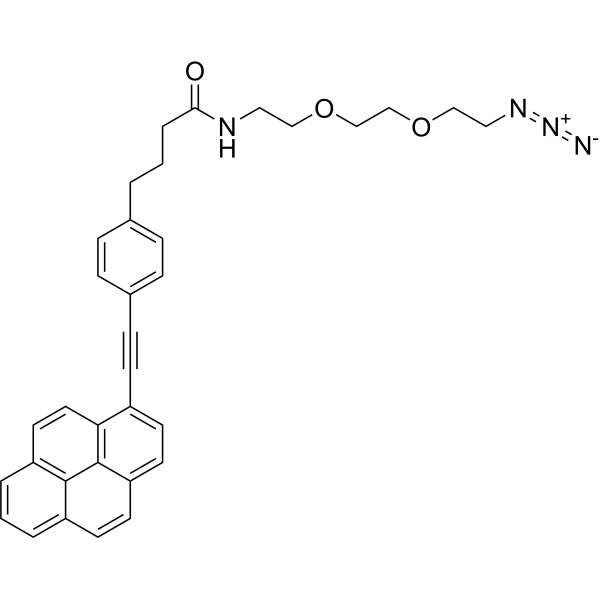
    PEP azide is a multifunctional dye. Dyes are important tools in biological experiments. They can help researchers observe and analyze cell structures, track biomolecules, evaluate cell functions, distinguish cell types, detect biomolecules, study tissue pathology and monitor microorganisms. Their applications range from basic scientific research to clinical A wide range of diagnostics. Dyes are also widely used in traditional fields such as textile dyeing, as well as in emerging fields such as functional textile processing, food pigments and dye-sensitized solar cells.
    PEP azide
  • HY-P0184

    NO Synthase Neurological Disease
    Camstatin, a functionally active 25-residue fragment of PEP-19's IQ motif, binds calmodulin and inhibits neuronal nitric oxide (NO) synthase .
    Camstatin
  • HY-P0184A

    NO Synthase Neurological Disease
    Camstatin TFA, a functionally active 25-residue fragment of PEP-19's IQ motif, binds calmodulin and inhibits neuronal nitric oxide (NO) synthase .
    Camstatin TFA
  • HY-RS11083

    Small Interfering RNA (siRNA) Others

    PREP Human Pre-designed siRNA Set A contains three designed siRNAs for PREP gene (Human), as well as a negative control, a positive control, and a FAM-labeled negative control.

    PREP Human Pre-designed siRNA Set A
    PREP Human Pre-designed siRNA Set A
  • HY-RS17516

    Small Interfering RNA (siRNA) Others

    Ptpn22 Mouse Pre-designed siRNA Set A contains three designed siRNAs for Ptpn22 gene (Mouse), as well as a negative control, a positive control, and a FAM-labeled negative control.

    Ptpn22 Mouse Pre-designed siRNA Set A
    Ptpn22 Mouse Pre-designed siRNA Set A
  • HY-E70395

    PE; PEP

    Biochemical Assay Reagents Neurological Disease
    Prolyl Endopeptidase, highly active in brain and other tissues, catabolizes proline-containing peptides such as substance P, neurotensin, luteinizing hormone-releasing hormone, thyrotropin releasing hormone, bradykinin and angiotensin II. Prolyl Endopeptidase can be used for study of neuropsychiatric diseases such as stress disorder, depression, and schizophrenia .
    Prolyl endopeptidase
  • HY-N15009

    Prolyl Endopeptidase (PREP) Infection
    Kynapcin-13 can non-competitively inhibit the activity of prolyl endopeptidase (PEP) with an IC50 of 76.80 μM. Kynapcin-13 has a little inhibitory effect on other serine proteases .
    Kynapcin-13

Inquiry Online

Your information is safe with us. * Required Fields.

Salutation


Country or Region *

Applicant Name *


Organization Name *

Department *


Email Address *


Product Name *

Cat. No.


Requested quantity *

Phone Number *


Remarks

Inquiry Online

Inquiry Information

Product Name:
Cat. No.:
Quantity:
MCE Japan Authorized Agent: