Search Result
Results for "
Amide derivatives
" in MedChemExpress (MCE) Product Catalog:
52
Biochemical Assay Reagents
6
Isotope-Labeled Compounds
| Cat. No. |
Product Name |
Target |
Research Areas |
Chemical Structure |
-
- HY-B0185
-
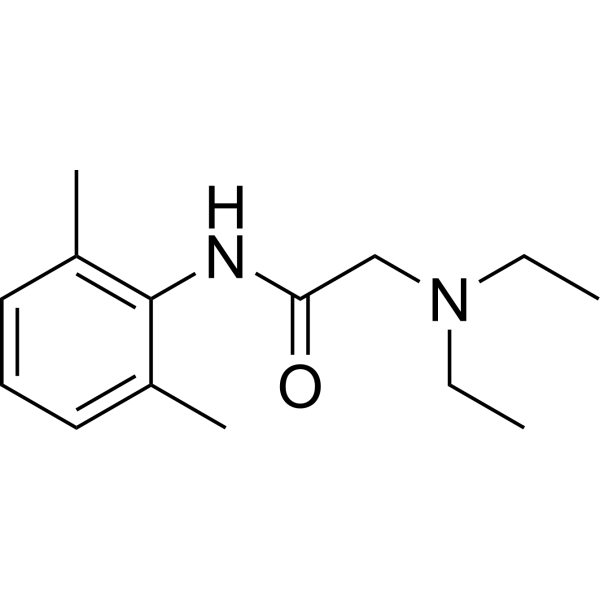
Lidocaine
Maximum Cited Publications
22 Publications Verification
Lignocaine
|
Sodium Channel
MEK
ERK
NF-κB
Apoptosis
|
Cardiovascular Disease
Cancer
|
|
Lidocaine (Lignocaine) inhibits sodium channels involving complex voltage and using dependence . Lidocaine decreases growth, migration and invasion of gastric carcinoma cells via up-regulating miR-145 expression and further inactivation of MEK/ERK and NF-κB signaling pathways. Lidocaine is an amide derivative and has potential for the research of ventricular arrhythmia .
|
-
-
- HY-108913
-
|
|
Beta-lactamase
Antibiotic
Bacterial
|
Infection
|
|
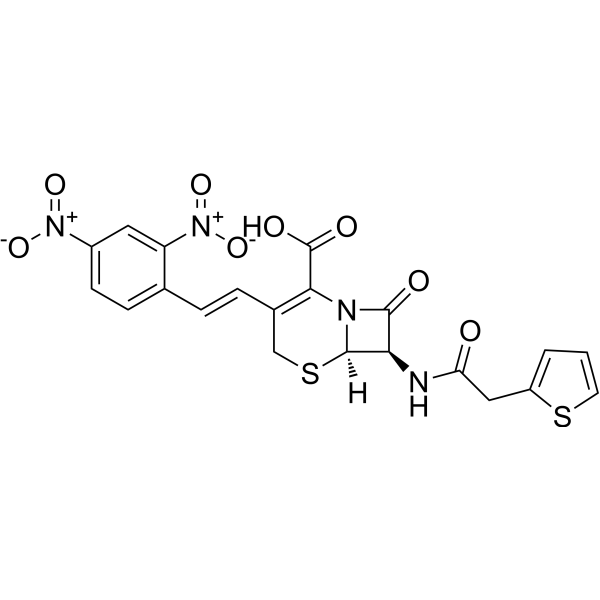
Nitrocefin is a highly activated, chromogenic cephalosporin derivative. Nitrocefin is a chromogenic β-lactamase substrate. Nitrocefin undergoes a distinctive color change from yellow to red as the amide bond in the β-lactam ring is hydrolyzed by β-lactamase. Nitrocefin is used in competitive inhibition studies in developmental work on β-lactamase-resistant antibiotics .
|
-
-
- HY-B1142
-
|
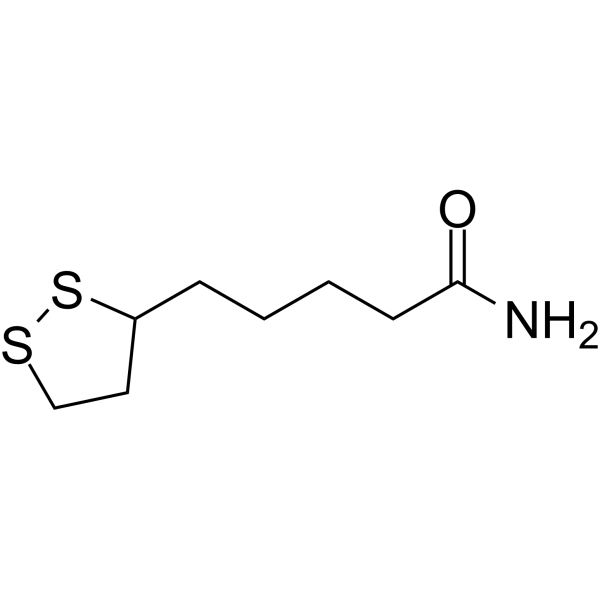
(±)-α-LipoAmide; DL-LipoAmide; DL-6,8-ThioctAmide
|
NO Synthase
|
Others
|
|
Lipoamide ((±)-α-Lipoamide) is a monocarboxylic acid derivative of a neutral amide, formed by the condensation of the carboxyl group of lipoic acid and ammonia. Lipoamide protects against oxidative stress-mediated neuronal cell damage and also acts as a coenzyme to transfer acetyl groups and hydrogen during pyruvate deacylation. Lipoamide also stimulates mitochondrial biogenesis in adipocytes through the endothelial NO synthase-cGMP-protein kinase G signaling pathway .
|
-
-
- HY-B0185A
-
|
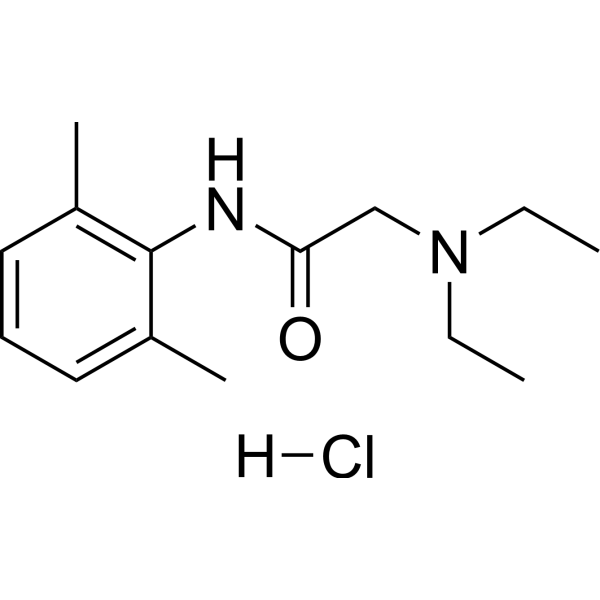
Lignocaine hydrochloride
|
Sodium Channel
MEK
ERK
NF-κB
Apoptosis
|
Cardiovascular Disease
Cancer
|
|
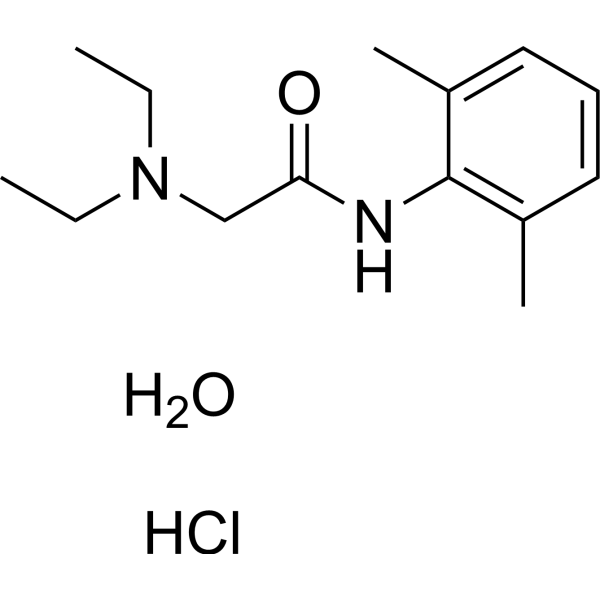
Lidocaine hydrochloride (Lignocaine hydrochloride) inhibits sodium channels involving complex voltage and using dependence . Lidocaine hydrochloride decreases growth, migration and invasion of gastric carcinoma cells via up-regulating miR-145 expression and further inactivation of MEK/ERK and NF-κB signaling pathways. Lidocaine hydrochloride is an amide derivative and a agent to treat ventricular arrhythmia and an effective tumor-inhibitor .
|
-
-
- HY-B0185B
-
|
Lignocaine hydrochloride hydrate
|
Sodium Channel
MEK
ERK
NF-κB
Apoptosis
|
Cardiovascular Disease
Cancer
|
|
Lidocaine (Lignocaine) hydrochloride hydrate inhibits sodium channels involving complex voltage and using dependence. Lidocaine hydrochloride hydrate decreases growth, migration and invasion of gastric carcinoma cells via up-regulating miR-145 expression and further inactivation of MEK/ERK and NF-κB signaling pathways. Lidocaine hydrochloride hydrate is an amide derivative and has potential for the research of ventricular arrhythmia .
|
-
-
- HY-20128
-
|
|
Drug Intermediate
|
Others
|
|
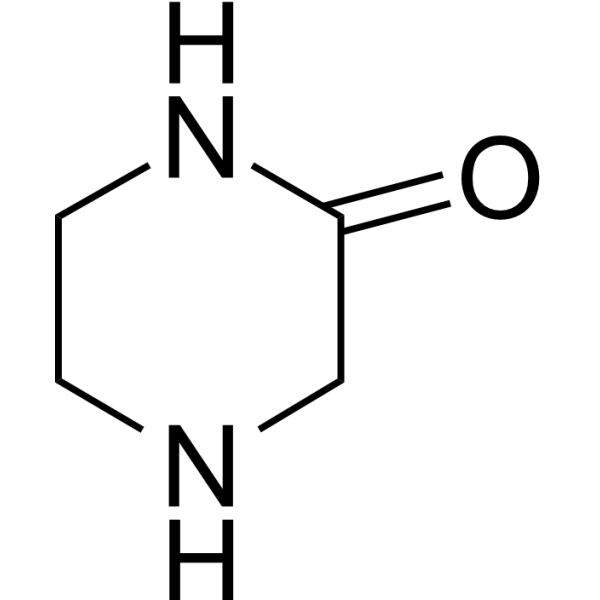
Piperazin-2-one is a piperazine ring derivative containing amide and ester carbonyl groups. As an important intermediate, Piperazin-2-one can be used for the synthesis of various active compounds .
|
-
-
- HY-W539916
-
-
-
- HY-W088929
-
|
|
Amino Acid Derivatives
|
Others
|
|
H-Glu(OtBu)-NH2 hydrochloride is a specialized amino acid derivative that is crucial for the synthesis of peptides bearing a C-terminal glutamine amide.
|
-

-
- HY-B2117
-
|
|
Epoxide Hydrolase
EBV
|
Infection
Neurological Disease
|
|
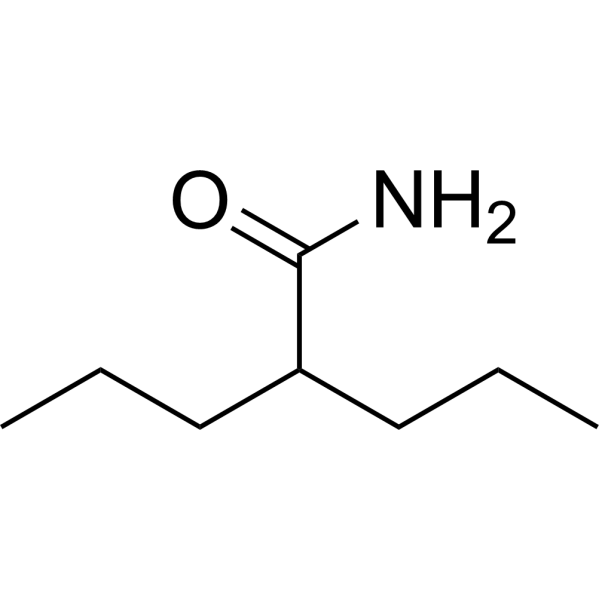
Valpromide is an amide derivative of Valproic acid (HY-10585) and an orally active epoxide hydrolase inhibitor that can cross the blood-brain barrier. Valpromide has antiepileptic, anticonvulsant, and antipsychotic effects. Valpromide also exhibits antiviral activity and can inhibit the reactivation of the EBV lytic cycle .
|
-
-
- HY-19469
-
|
CYR-101; MIN-101; MT-210
|
5-HT Receptor
Sigma Receptor
|
Neurological Disease
|
|
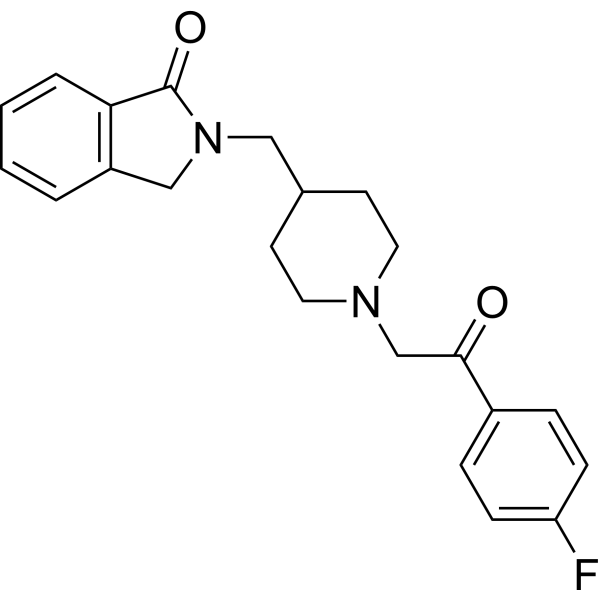
Roluperidone (CYR-101) is a novel cyclic amide derivative that has high equipotent affinities for 5-HT2A and sigma-2 receptors (Ki of 7.53 nM and 8.19 nM for 5-HT2A and sigma-2, respectively).
|
-
-
- HY-W749603
-
|
|
Biochemical Assay Reagents
Radionuclide-Drug Conjugates (RDCs)
|
Cancer
|
|
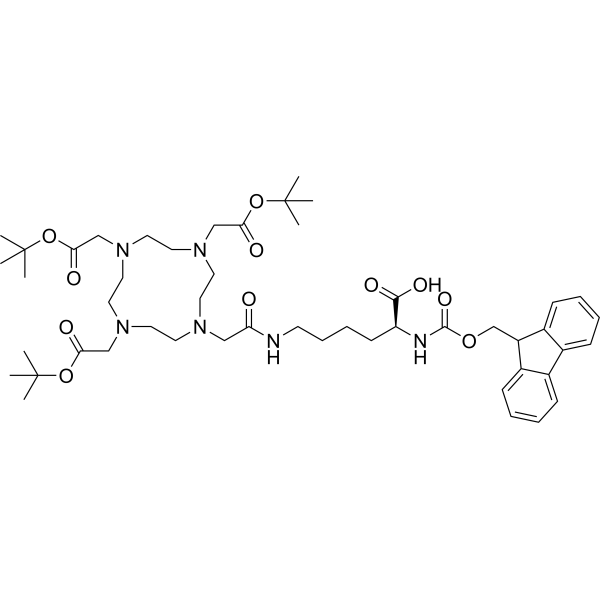
Fmoc-L-Lys-mono-amide-DOTA-tris(t-Bu ester) is a bifunctional chelator (Bifunctional Chelator; BFC) and a macrocyclic DOTA derivative used for tumor pre-targeting. Fmoc-L-Lys-mono-amide-DOTA-tris(t-Bu ester) can be used for conjugation of peptides and radionuclides.
|
-
-
- HY-D1085
-
|
|
Fluorescent Dye
|
Others
|
|
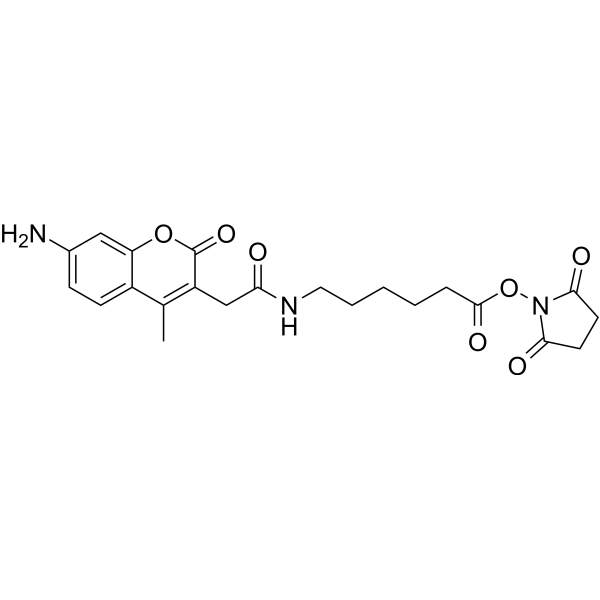
AMCA-X-SE is a coumarin derivative that generates fixed blue fluorescence and an NHS-activated ester that forms stable amide bonds with primary amine groups. It is used as a reactive dye for labeling amino groups of peptides, proteins, and oligonucleotides. Maximum excitation/emission wavelength: 354/442 nm .
|
-
-
- HY-B0185S1
-
|
|
Sodium Channel
MEK
ERK
NF-κB
Apoptosis
|
Cardiovascular Disease
Cancer
|
|
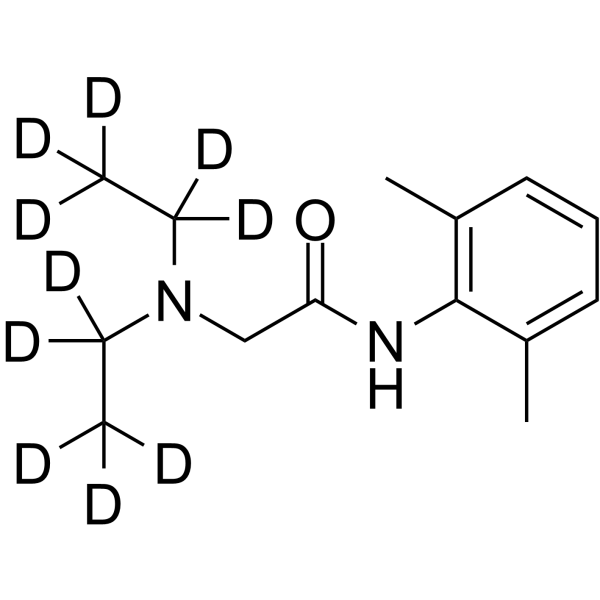
Lidocaine-d10 is the deuterium labeled Lidocaine. Lidocaine (Lignocaine) inhibits sodium channels involving complex voltage and using dependence . Lidocaine decreases growth, migration and invasion of gastric carcinoma cells via up-regulating miR-145 expression and further inactivation of MEK/ERK and NF-κB signaling pathways. Lidocaine is an amide derivative and has potential for the research of ventricular arrhythmia .
|
-
-
- HY-153600
-
-
-
- HY-101722
-
|
AC 223; DL-N-(α-Methylbenzyl)linoleAmide
|
Acyltransferase
|
Metabolic Disease
|
|
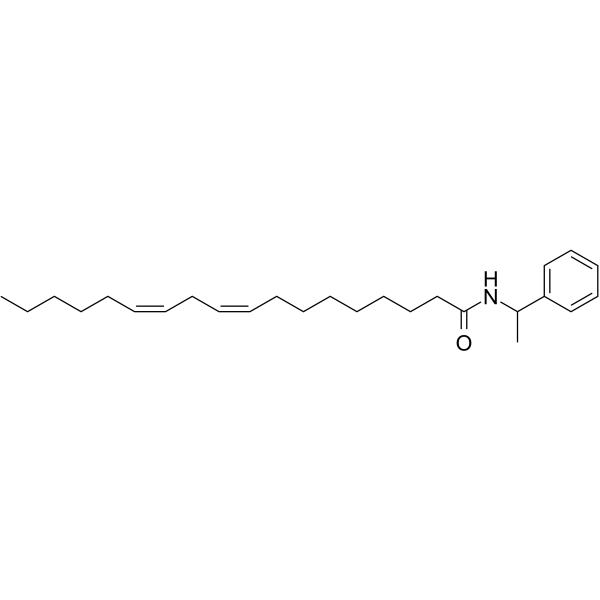
Melinamide, an amide derivative of an unsaturated long-chain fatty acid, is an inhibitor of cholesterol absorption with an IC50 of 20.9 μM.
|
-
-
- HY-174921A
-
|
|
Biochemical Assay Reagents
|
Others
|
|
Maleimide-PEG2000-COOH is a PEG derivative composed of Maleimide (HY-W007324), PEG units and carboxyl (-COOH). Carboxyl can easily form a stable amide bond with amino groups or an ester bond with hydroxyl groups. Maleimide forms a stable thioether bond with sulfhydryl (-SH) .
|
-

-
- HY-157745
-
|
mPEG40000-SC; mPEG40000-Succinimidyl ester
|
Biochemical Assay Reagents
|
Others
|
|
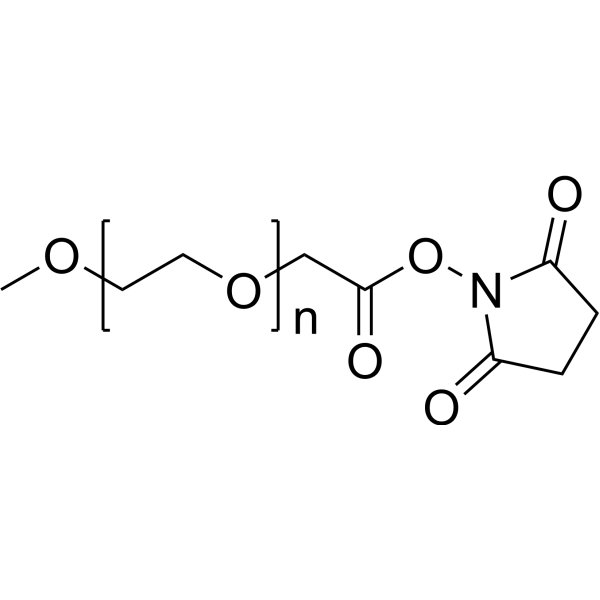
m-PEG-NHS ester (mPEG-SC; mPEG-Succinimidyl ester) (MW 40000) is a polyethylene glycol derivative. m-PEG-NHS ester serves as a modifying agent that reacts with free amino groups on the surface of protein or polypeptide molecules to form stable amide bonds, thereby covalently linking PEG chains to biomacromolecules, improving their antigenicity and immunogenicity, and facilitating the preparation of injectable formulations .
|
-
-
- HY-B0185AS
-
|
|
Sodium Channel
MEK
ERK
NF-κB
Apoptosis
|
Cardiovascular Disease
Cancer
|
|
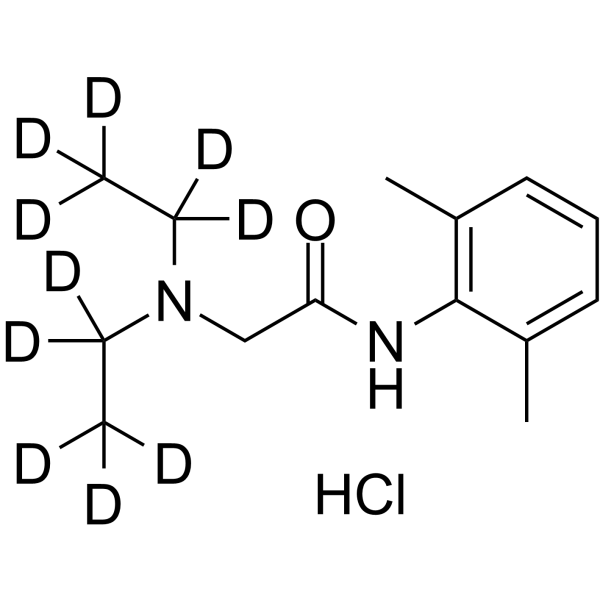
Lidocaine-d10 (hydrochloride) is the deuterium labeled Lidocaine hydrochloride. Lidocaine hydrochloride (Lignocaine hydrochloride) inhibits sodium channels involving complex voltage and using dependence . Lidocaine hydrochloride decreases growth, migration and invasion of gastric carcinoma cells via up-regulating miR-145 expression and further inactivation of MEK/ERK and NF-κB signaling pathways. Lidocaine hydrochloride, an amide derivative, has the potential for the research of the ventricular arrhythmia .
|
-
-
- HY-W008559
-
-

-
- HY-W1048525
-
|
8-Arm PEG5000-Amine
|
Biochemical Assay Reagents
|
Others
|
|
8-Arm PEG5000-NH2 (8-Arm PEG5000-Amine) is a multi-arm PEG derivative with amino groups at each end of the eight arms. The reactive primary amine or NH2 groups can react rapidly with activated carboxylic acids such as NHS esters to form stable amide bonds .
|
-

-
- HY-W1048549A
-
|
HOOC-PEG2000-Thiol
|
Biochemical Assay Reagents
|
Others
|
|
HOOC-PEG2000-SH (HOOC-PEG2000-Thiol) is a reactive thiol PEG derivative with a terminal carboxyl group. The carboxyl group can react with amine or hydroxyl groups to form a stable amide bond or an unstable ester bond. The PEG linkage between the thiol and carboxyl groups has good water solubility, flexible linker distance and higher stability .
|
-

-
- HY-W1048843A
-
|
4-Arm PEG5000-amine
|
Biochemical Assay Reagents
|
Others
|
|
4-Arm PEG5000-NH2 (4-Arm PEG5000-amine) is a multi-arm PEG derivative with amine groups at each end of four arms attached to a pentaerythritol core. The reactive primary amine or NH2 groups can react rapidly with activated carboxylic acids such as NHS esters to form stable amide bonds .
|
-

-
- HY-139420
-
|
|
Drug Derivative
|
Others
|
|
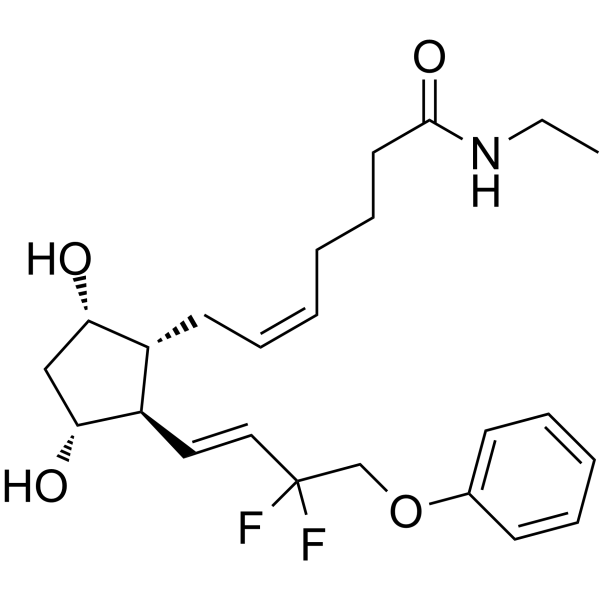
Tafluprost ethyl amide is a derivative of Tafluprost (HY-B0600). Tafluprost ethyl amide is commonly used in studies related to eyelash hypotrichosis, and it can also be applied in research related to the cosmetic field .
|
-
-
- HY-155765
-
|
|
NF-κB
|
Inflammation/Immunology
|
|
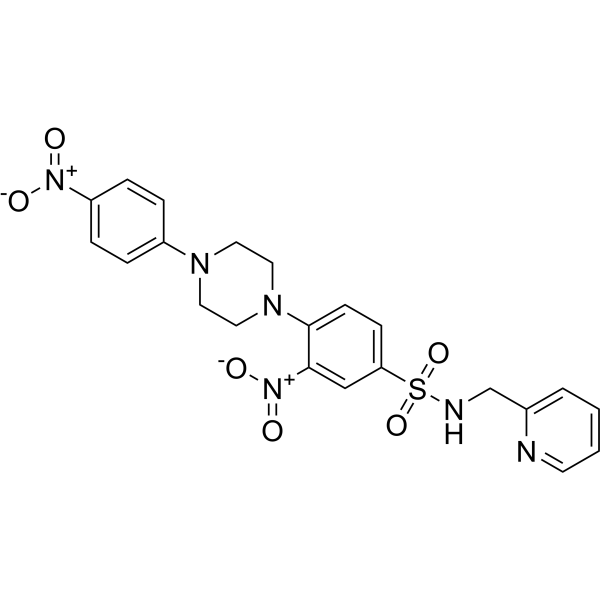
Anti-inflammatory agent 51 (compound 11d) is an amide/sulfonamide derivative with anti-inflammatory activities. Anti-inflammatory agent 51 inhibits NF-κB activation, has the potential for acute lung injury and ulcerative colitis research .
|
-
-
- HY-W1048843B
-
|
4-Arm PEG10000-amine
|
Biochemical Assay Reagents
|
Others
|
|
4-Arm PEG10000-NH2 (4-Arm PEG10000-amine) is a multi-arm PEG derivative with amine groups at each end of four arms attached to a pentaerythritol core. The reactive primary amine or NH2 groups can react rapidly with activated carboxylic acids such as NHS esters to form stable amide bonds .
|
-

-
- HY-B0185AS1
-
|
Lignocaine-d6 hydrochloride
|
Sodium Channel
MEK
ERK
NF-κB
Apoptosis
|
Cardiovascular Disease
Cancer
|
|
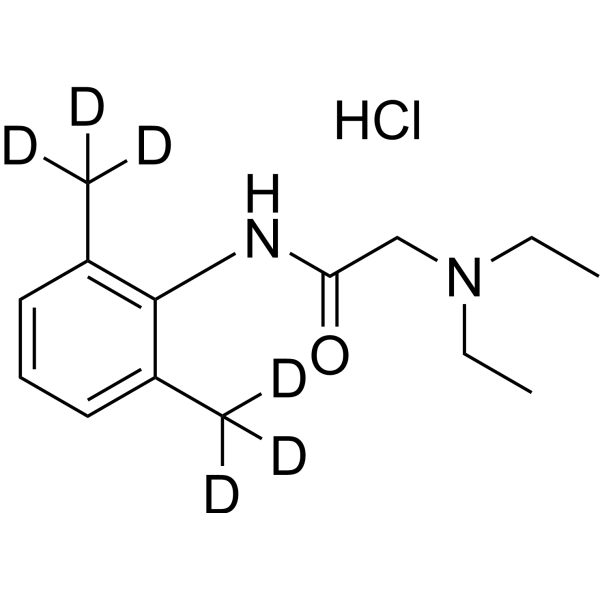
Lidocaine-d6 (hydrochloride) is deuterium labeled Lidocaine (hydrochloride). Lidocaine hydrochloride (Lignocaine hydrochloride) inhibits sodium channels involving complex voltage and using dependence . Lidocaine hydrochloride decreases growth, migration and invasion of gastric carcinoma cells via up-regulating miR-145 expression and further inactivation of MEK/ERK and NF-κB signaling pathways. Lidocaine hydrochloride is an amide derivative and a agent to treat ventricular arrhythmia and an effective tumor-inhibitor .
|
-
-
- HY-W190877
-
|
SH-PEG1-COOH
|
Biochemical Assay Reagents
|
Others
|
|
Thiol-PEG1-acid (SH-PEG1-COOH) is a PEG derivative consisting of a thiol (-SH), 1 PEG unit, and a carboxyl (-COOH). The thiol is a highly reactive chemical group that can react specifically with a variety of molecules to form stable covalent bonds. The carboxyl group can easily form stable amide bonds with amino groups, and can also form ester bonds with hydroxyl groups.
|
-

-
- HY-P2212
-
|
|
Angiotensin Receptor
|
Inflammation/Immunology
|
|
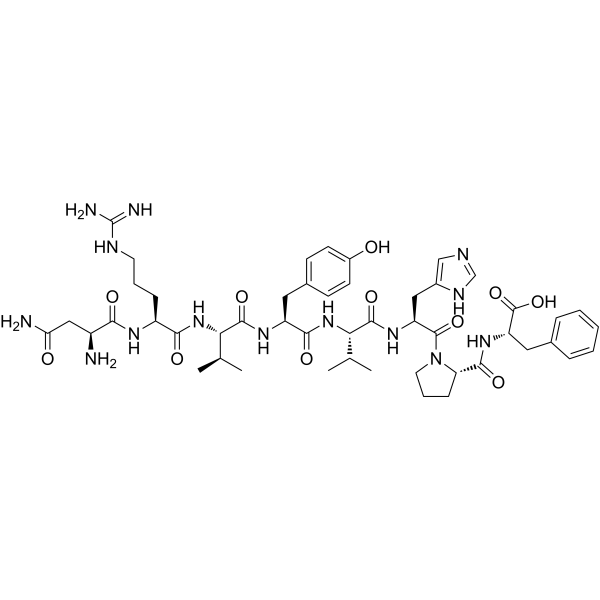
Angiotensin amide ((Asn1,Val5)-Angiotensin II) is a potent vasoconstrictor. Angiotensin amide is a derivative of angiotensin II. Angiotensin amide can be used as a cardiac activator .
|
-
-
- HY-W142701
-
|
|
Drug Derivative
|
Others
|
|
Succinamide is an amide derivative of succinic acid. Succinamide is the parent compound of some anticonvulsant drugs, proteins, plastic adhesives. Succinamide can be used in biochemical experiments and in the synthesis of other compounds .
|
-

-
- HY-32952
-
|
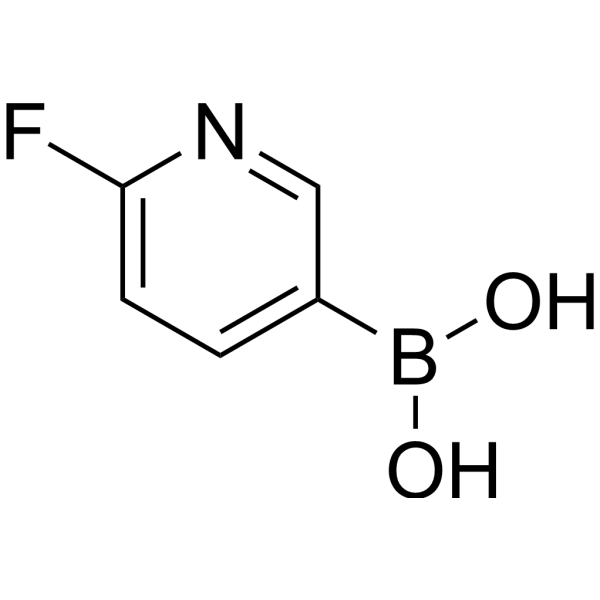
6-Fluoropyridine-3-boronic acid
|
Drug Intermediate
|
Others
|
|
2-Fluoropyridine-5-boronic acid (6-Fluoropyridine-3-boronic acid) is a drug intermediate that can be used in the synthesis of fatty acid amide hydrolase inhibitors and pyrethroid derivatives .
|
-
-
- HY-133053
-
|
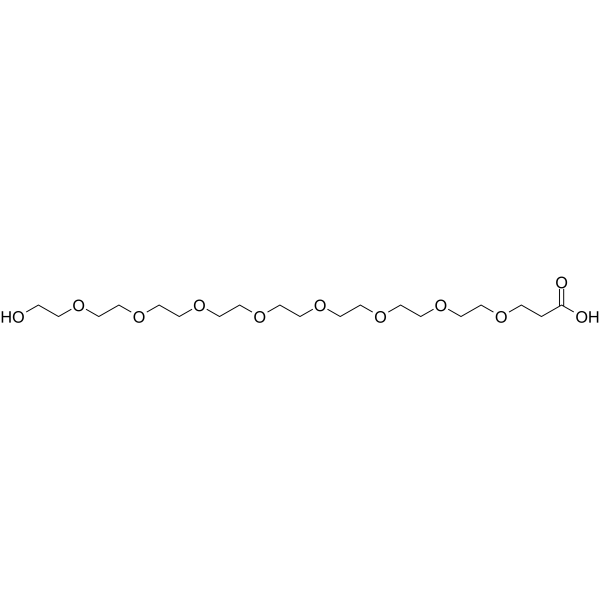
Hydroxy-PEG8-acid
|
Biochemical Assay Reagents
|
Others
|
|
HO-PEG8-CH2CH2COOH (Hydroxy-PEG8-acid) is a PEG derivative containing a hydroxyl group with a terminal carboxylic acid. The terminal carboxylic acid can be reacted with primary amine groups in the presence of activators to form a stable amide bond .
|
-
-
- HY-20128S
-
|
|
Isotope-Labeled Compounds
Drug Intermediate
|
Others
|
|
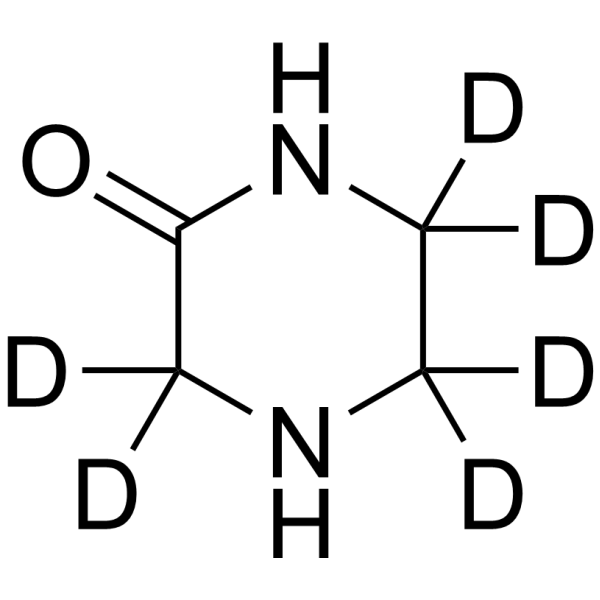
Piperazin-2-one-d6 is the deuterium labeled Piperazin-2-one (HY-20128). Piperazin-2-one is a piperazine ring derivative containing amide and ester carbonyl groups. As an important intermediate, Piperazin-2-one can be used for the synthesis of various active compounds .
|
-
-
- HY-W1048519A
-
|
4-Arm PEG10000-amine HCL salt
|
Biochemical Assay Reagents
|
Others
|
|
4-Arm PEG10000-NH2 (4-Arm PEG100000-amine) hydrochloride is a multi-arm PEG derivative with amine groups at each end of four arms attached to a pentaerythritol core. The reactive primary amine or NH2 groups can react rapidly with activated carboxylic acids such as NHS esters to form stable amide bonds .
|
-

-
- HY-135196
-
|
MDL 62873
|
Bacterial
Drug Derivative
|
Infection
|
|
Mideplanin (MDL 62873) is an antimicrobial agent, semisynthetic amide derivative of Teicoplanin (HY-A0097). Mideplanin is highly active in vitro against staphylococci .
|
-

-
- HY-W088413
-
|
|
Biochemical Assay Reagents
|
Others
|
|
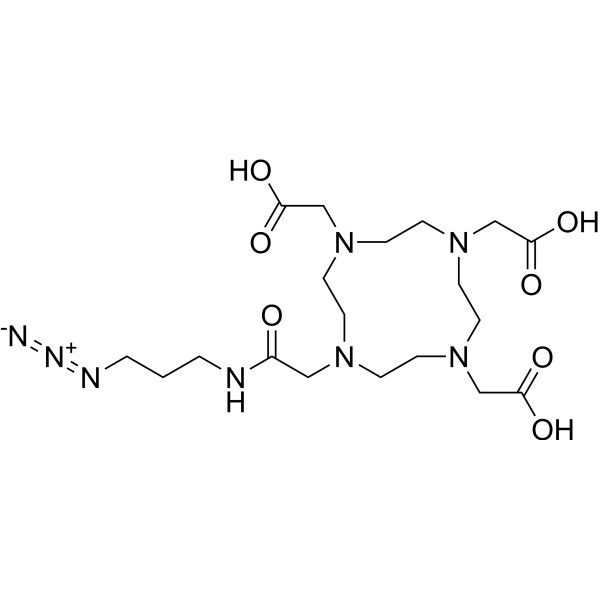
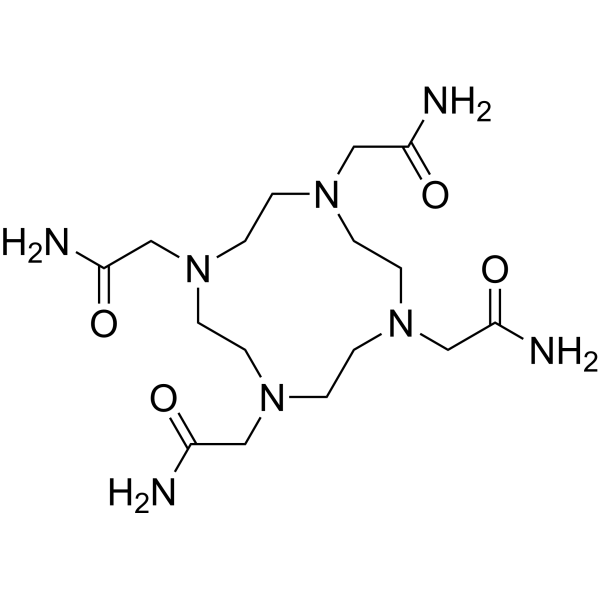
DOTA-amideis a bifunctional chelator (Bifunctional Chelator; BFC) and a macrocyclic DOTA derivative used for tumor pre-targeting. DOTA-amide can be used for conjugation of peptides and radionuclides.
|
-
-
- HY-160543
-
|
|
ADC Payload
Topoisomerase
|
Cancer
|
|
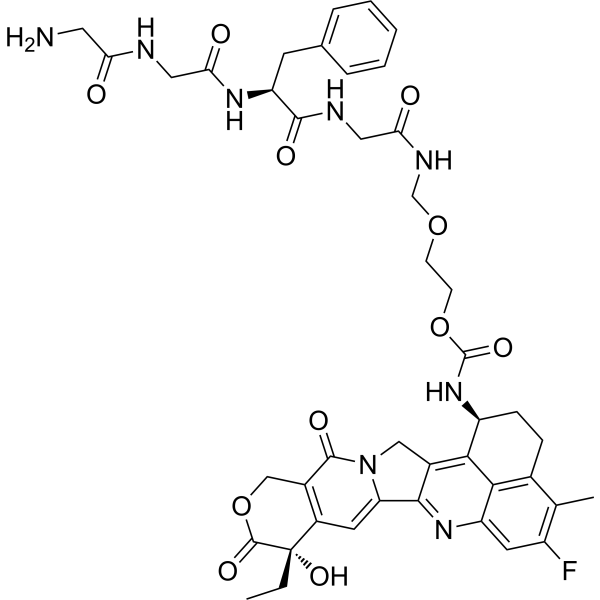
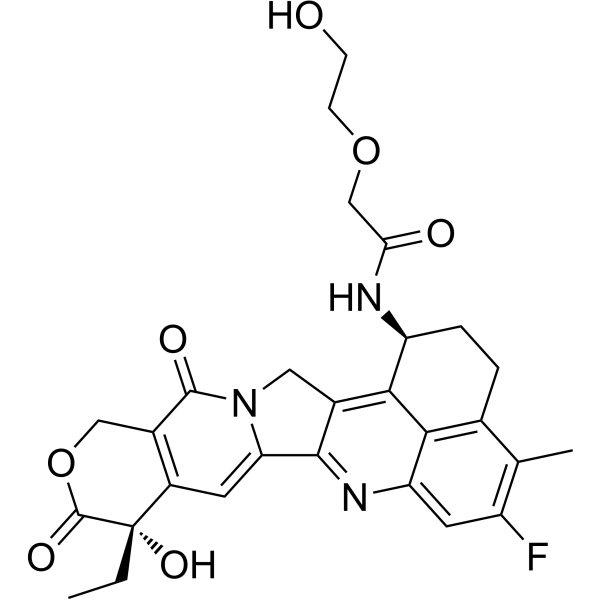
Exatecan-amide-CH2-O-CH2-CH2-OH (Compound 4) is a derivative of Exatecan (HY-13631). Exatecan-amide-CH2-O-CH2-CH2-OH can be used for the research of cell proliferative diseases such as cancer .
|
-
-
- HY-160597
-
|
|
ADC Payload
Topoisomerase
|
Cancer
|
|
Exatecan-amide-bicyclo[1.1.1]pentan-1-ol (Compound 79) is an exatecan (HY-13631) derivative that can be used as a payload in drug conjugates. Exatecan-amide-bicyclo[1.1.1]pentan-1-ol has significant inhibitory activity against a variety of tumor cell lines .
|
-
![Exatecan-amide-bicyclo[1.1.1]pentan-1-ol](//file.medchemexpress.com/product_pic/hy-160597.gif)
-
- HY-133883
-
|
|
Fluorescent Dye
|
Others
|
|
Cyanine7.5 amine is a near-infrared Cy7.5-based dye and also a substrate for amide bond coupling (Ex/Em = 788 nm/808 nm). Cyanine7.5 amine contains a free amino group and can be used for coupling with activated carboxylic acid derivatives .
|
-

-
- HY-W1048549C
-
|
HOOC-PEG5000-Thiol
|
Biochemical Assay Reagents
|
Others
|
|
HOOC-PEG5000-SH (HOOC-PEG5000-Thiol) is a reactive thiol PEG derivative with a terminal carboxyl group. The carboxyl group can react with amine or hydroxyl groups to form a stable amide bond or an unstable ester bond. The PEG linkage between the thiol and carboxyl groups has good water solubility, flexible linker distance and higher stability .
|
-

-
- HY-B0185S
-
|
|
Isotope-Labeled Compounds
Sodium Channel
MEK
ERK
NF-κB
Apoptosis
|
Cardiovascular Disease
Cancer
|
|
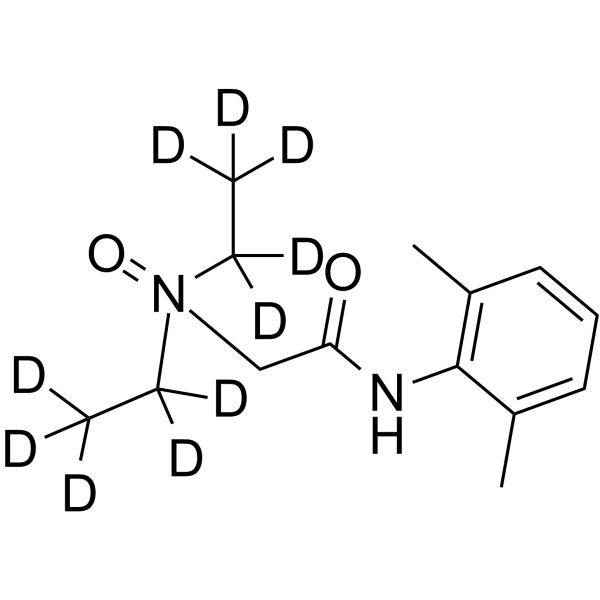
N-Oxide Lidocaine-d10 is the deuterium labeled Lidocaine. Lidocaine (Lignocaine) inhibits sodium channels involving complex voltage and using dependence . Lidocaine decreases growth, migration and invasion of gastric carcinoma cells via up-regulating miR-145 expression and further inactivation of MEK/ERK and NF-κB signaling pathways. Lidocaine is an amide derivative and has potential for the research of ventricular arrhythmia .
|
-
-
- HY-123934
-
|
|
P-glycoprotein
|
Neurological Disease
|
|
VU6007477 is a brain-penetrant, selective M1 positive allosteric modulator (PAM) with an EC50 value of 230 nM. VU6007477 is also a human P-glycoprotein (P-gp) substrate with moderate permeability. VU6007477 displays improved central nervous system (CNS) penetration over the hydroxylated congeners. VU6007477 a pyranyl amide derivative, which is promising for research of robust cholinergic seizure activity .
|
-

-
- HY-176079
-
|
|
Biochemical Assay Reagents
|
Others
|
|
Latanoprost dimethyl amide is a latanoprost derivative. Latanoprost dimethyl amide is also an isomer of latanoprost ethyl amide .
|
-

-
- HY-139272
-
|
|
Drug Derivative
|
Cancer
|
|
Eicosapentaenoyl 1-propanol-2-amide is an amide derivative of Eicosapentaenoic Acid (HY-B0660). Eicosapentaenoyl 1-propanol-2-amide inhibits the 98.4% proliferation of cancer cell A549 at 3 μM. Eicosapentaenoyl 1-propanol-2-amide can be used in cancer research .
|
-

-
- HY-147166
-
|
|
Drug Derivative
|
Others
|
|
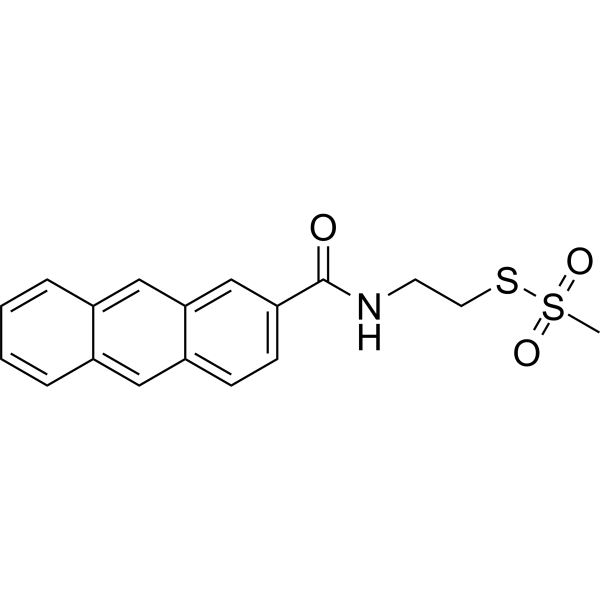
2-Carboxyanthracene MTSEA amide is an MTS derivative of anthracene. 2-Carboxyanthracene MTSEA Amide is a special spin-marker .
|
-
-
- HY-W721596
-
|
|
Endogenous Metabolite
|
Neurological Disease
|
|
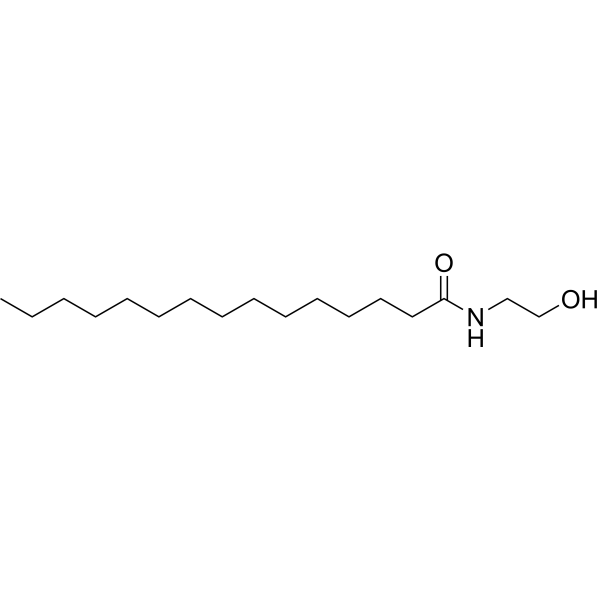
Pentadecanoyl ethanolamide is derivate of endougenous lipid amides, the N-acylethanolamines. Pentadecanoyl ethanolamide exhibits anticonvulsant efficacy in electroshocked mice without significant toxicity .
|
-
-
- HY-158936
-
-

-
- HY-139420R
-
|
|
Reference Standards
Drug Derivative
|
Others
|
|
Tafluprost ethyl amide (Standard) is the analytical standard of Tafluprost ethyl amide (HY-139420). This product is intended for research and analytical applications. Tafluprost ethyl amide is a derivative of Tafluprost (HY-B0600). Tafluprost ethyl amide is commonly used in studies related to eyelash hypotrichosis, and it can also be applied in research related to the cosmetic field .
|
-

-
- HY-158068
-
|
|
Biochemical Assay Reagents
|
Others
|
|
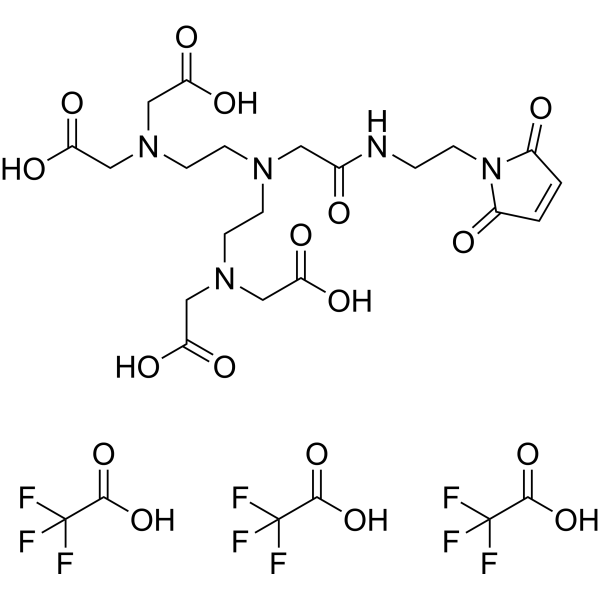
Maleimido-mono-amide-DTPA (TFA)is a bifunctional chelator (Bifunctional Chelator; BFC) and a macrocyclic DPTA derivative used for tumor pre-targeting. Maleimido-mono-amide-DTPA (TFA) can be used for conjugation of peptides and radionuclides.
|
-
-
- HY-176021
-
|
|
Prostaglandin Receptor
|
Cardiovascular Disease
|
|
U-44069 serinol amide is a derivative of U-44069 (HY-121825). U-44069 serinol amide is a stable analog of the endoperoxide prostaglandin H2 (HY-136500). U-44069 serinol amide is a vasoconstrictor that can induce preglomerular Ca 2+ influx .
|
-

-
- HY-149554
-
|
Bimatoprost dimethyl Amide
|
Drug Derivative
|
Neurological Disease
|
|
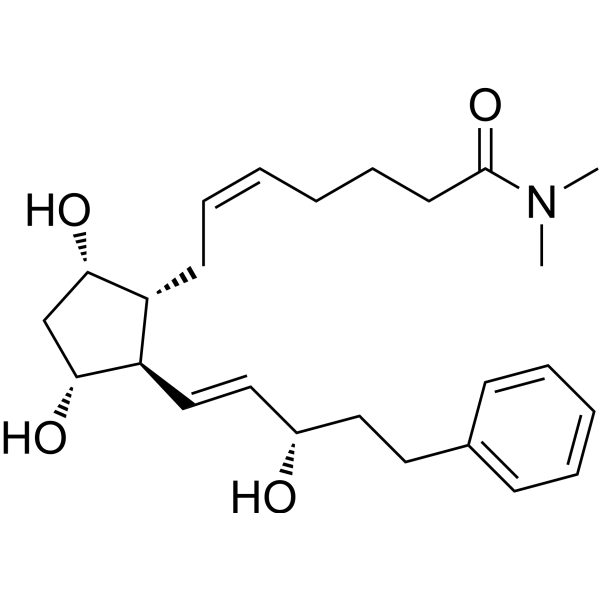
17-Phenyl trinor Prostaglandin F2α dimethyl amide (Bimatoprost dimethyl amide), a 1-OH cyclopentane heptanoic acid, 2-(cycloalkyl or arylalkyl) derivative, is a smooth muscle relaxant. 17-Phenyl trinor Prostaglandin F2α dimethyl amide has the potential for glaucoma research .
|
-
- HY-176883
-
-

- HY-156101
-
-

- HY-163140
-
|
|
Fluorescent Dye
Interleukin Related
|
Others
|
|
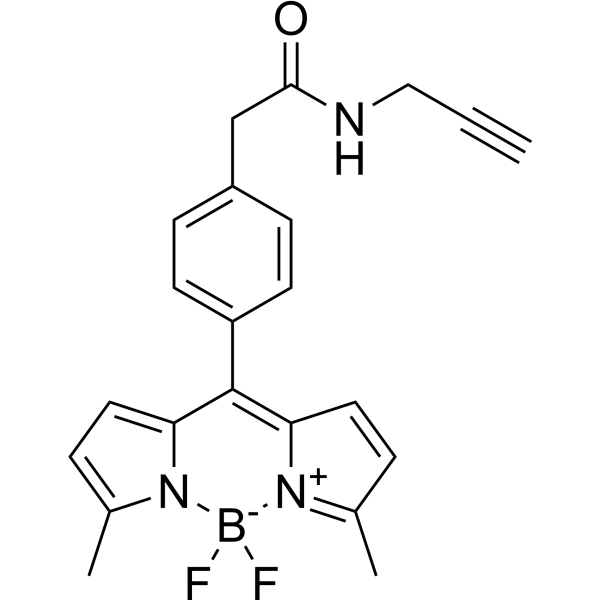
BODIPY-phenyl-amide-alkyne (compound 6) is an alkyne-containing OFF-to-ON fluorophore. BODIPY-phenyl-amide-alkyne is a BODIPY derivative that can be conjugated to protein IL-33 Y143azidoPhe via CuAAC reaction .
|
-
- HY-112666
-
|
FTS Amide; Salirasib Amide
|
Ras
|
Cancer
|
|
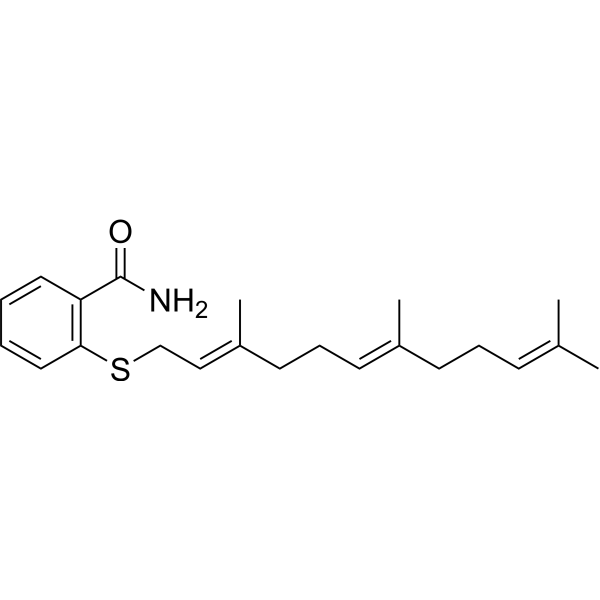
Farnesyl thiosalicylic acid amide (FTS-A) is an orally active derivative of farnesyl thiosalicylic acid (HY-14754). Farnesyl thiosalicylic acid amide reduces Ras-GTP levels and inhibits cell growth with IC50s of 20 and 10 μM for Panc-1 and U87 cells, respectively. Farnesyl thiosalicylic acid amide can be used for the research of cancer .
|
-
- HY-176022
-
|
|
Prostaglandin Receptor
|
Cardiovascular Disease
|
|
U-46619 serinol amide is a derivative of U-46619 (HY-108566). U-46619 serinol amide is a stable analog of Thromboxane A2 (HY-113350) (TXA2). U-46619 serinol amide is a potent TXA2 agonist that can induce platelet shape change and aggregation .
|
-

- HY-W250929
-
|
|
Biochemical Assay Reagents
|
Others
|
|
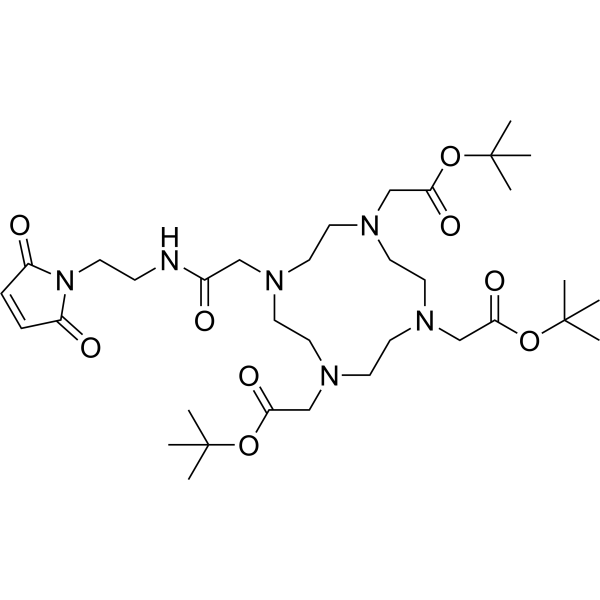
Maleimido-mono-amide-DOTA-tris(t-Bu ester)is a bifunctional chelator (Bifunctional Chelator; BFC) and a macrocyclic DOTA derivative used for tumor pre-targeting. Maleimido-mono-amide-DOTA-tris(t-Bu ester) can be used for conjugation of peptides and radionuclides.
|
-
- HY-156882
-
|
|
Drug Derivative
|
Cancer
|
|
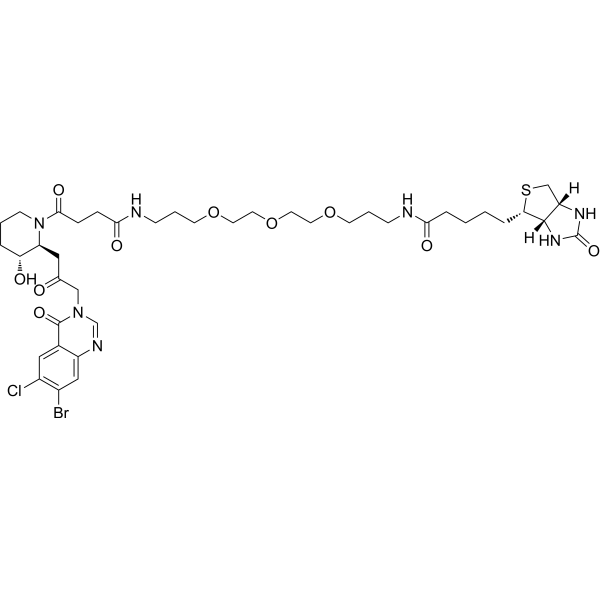
Biotin-PEG3-amide-C2-CO-Halofuginone, a kind halofuginone derivative, can be used in the cancer study .
|
-
- HY-101722R
-
|
AC 223 (Standard); DL-N-(α-Methylbenzyl)linoleAmide (Standard)
|
Acyltransferase
Reference Standards
|
Metabolic Disease
|
|
Melinamide (Standard) is the analytical standard of Melinamide. This product is intended for research and analytical applications. Melinamide, an amide derivative of an unsaturated long-chain fatty acid, is an inhibitor of cholesterol absorption with an IC50 of 20.9 μM.
|
-

- HY-P3625
-
|
|
Endogenous Metabolite
Opioid Receptor
|
Neurological Disease
|
|
Dynorphin (2-17), amide (porcine) is a dynorphin derivative with some analgesic effects. Dynorphin is a class of opioid peptides produced by the precursor protein dynorphinogen and is involved in pain, addiction and mood regulation .
|
-

- HY-155070
-
|
|
DNA/RNA Synthesis
Apoptosis
|
Cancer
|
|
SRE-II, an amide derivative, is an activatable photosensitizer for photodynamic cancer research with decreased fluorescence and photosensitizing capabilities. SRE-II can be further converted into the active photosensitizer SDU Red via carboxylesterase-catalyzed amide bond cleavage. SRE-II induces DNA damage and cell apoptosis in the presence of light. SRE-II can act as a promising theranostic agent for triple-negative breast cancer .
|
-
- HY-163508
-
|
|
Bacterial
|
Infection
|
|
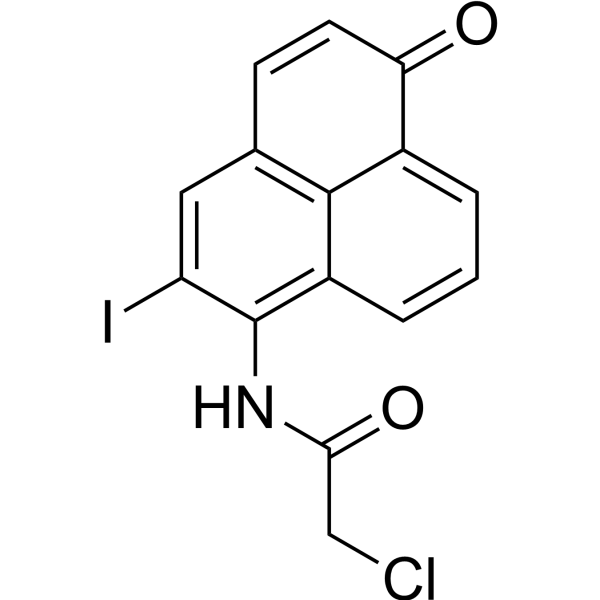
Antibacterial agent 210 (compound A9), an amide derivative, is a Pseudomonas aeruginosa quorum sensing inhibitor (QSI). Antibacterial agent 210 inhibits the quorum sensing systems by binding with LasR and PqsR, especially PqsR .
|
-
- HY-147666
-
|
|
α-synuclein
|
Neurological Disease
|
|
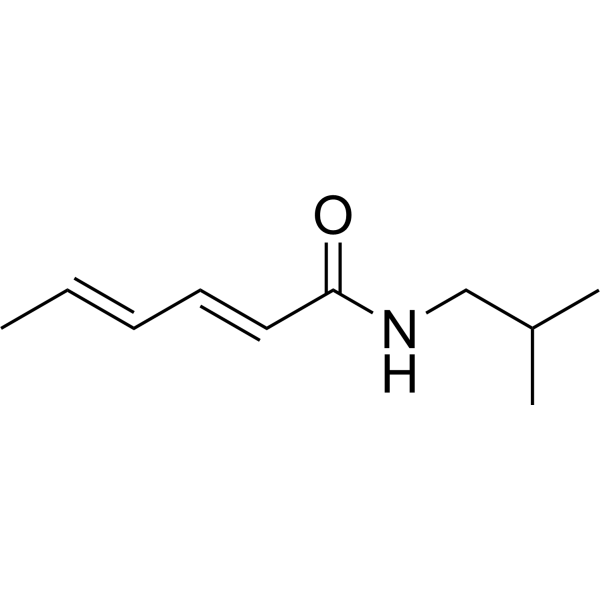
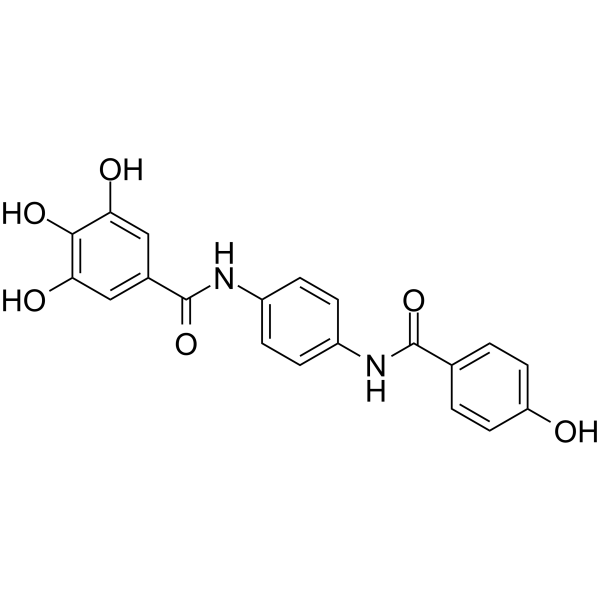
α-Synuclein inhibitor 4 (compound 3gh) is a potent and BBB-penetrated inhibitor of α-Synuclein (α-Syn) aggregation, with an IC50 of 0.98 μM and inhibition ratio at 30 μM of 91.2% .
|
-
- HY-147669
-
|
|
α-synuclein
|
Neurological Disease
|
|
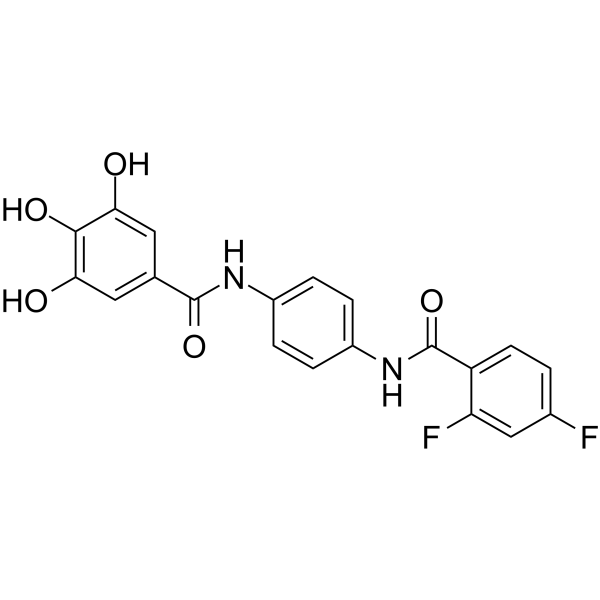
α-Synuclein inhibitor 7 (compound 3gf) is a potent and BBB-penetrated inhibitor of α-Synuclein (α-Syn) aggregation, with an IC50 of 1.95 μM and inhibition ratio at 30 μM of 85.8% .
|
-
- HY-147667
-
|
|
α-synuclein
|
Neurological Disease
|
|
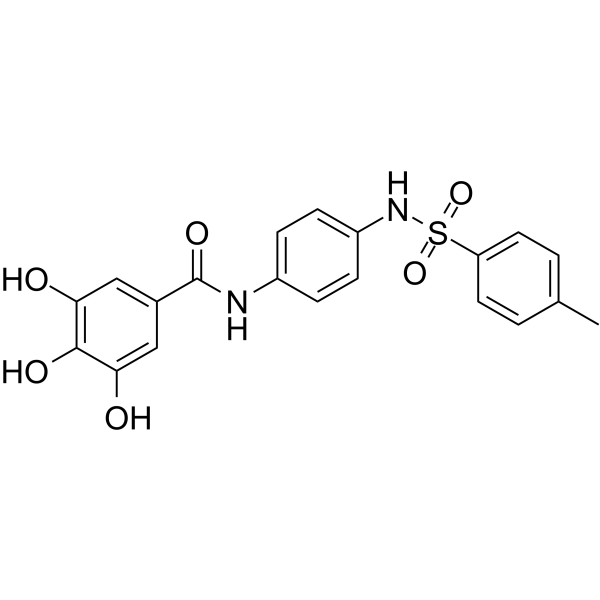
α-Synuclein inhibitor 5 (compound 4aa) is a potent and BBB-penetrated inhibitor of α-Synuclein (α-Syn) aggregation, with an IC50 of 1.22 μM and inhibition ratio at 30 μM of 94.3% .
|
-
- HY-147668
-
|
|
α-synuclein
|
Neurological Disease
|
|
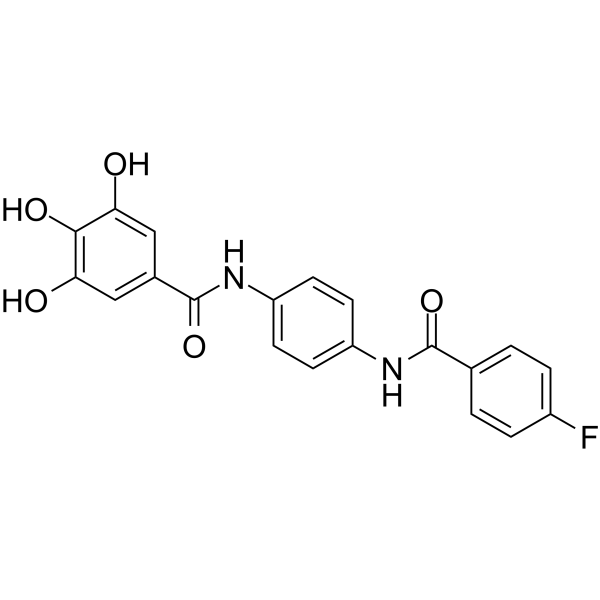
α-Synuclein inhibitor 6 (compound 3ge) is a potent and BBB-penetrated inhibitor of α-Synuclein (α-Syn) aggregation, with an IC50 of 1.70 μM and inhibition ratio at 30 μM of 94.4% .
|
-
- HY-174921B
-
|
|
Biochemical Assay Reagents
|
Others
|
|
Maleimide-PEG3400-COOH is a PEG derivative composed of Maleimide (HY-W007324), PEG units and carboxyl (-COOH). Carboxyl can easily form a stable amide bond with amino groups or an ester bond with hydroxyl groups. Maleimide forms a stable thioether bond with sulfhydryl (-SH) .
|
-

- HY-174921C
-
|
|
Biochemical Assay Reagents
|
Others
|
|
Maleimide-PEG5000-COOH is a PEG derivative composed of Maleimide (HY-W007324), PEG units and carboxyl (-COOH). Carboxyl can easily form a stable amide bond with amino groups or an ester bond with hydroxyl groups. Maleimide forms a stable thioether bond with sulfhydryl (-SH) .
|
-

- HY-174921
-
|
|
Biochemical Assay Reagents
|
Others
|
|
Maleimide-PEG1000-COOH is a PEG derivative composed of Maleimide (HY-W007324), PEG units and carboxyl (-COOH). Carboxyl can easily form a stable amide bond with amino groups or an ester bond with hydroxyl groups. Maleimide forms a stable thioether bond with sulfhydryl (-SH) .
|
-

- HY-119001
-
|
|
Survivin
|
Cancer
|
|
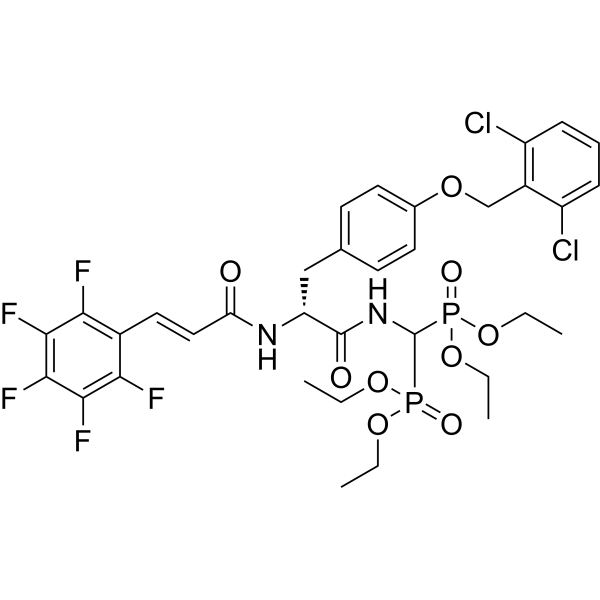
BKM1644, an acyl-tyrosine bisphosphonate amide derivative, exhibits potent anti-cancer activity. BKM1644 effectively inhibits the proliferation of metastatic, castration-resistant prostate cance (mCRPC) cells. BKM1644 sensitizes mCRPC cells to Docetaxel (HY-B0011) and retards the bone metastatic growth of prostate cance .
|
-
- HY-176008
-
|
|
Drug Derivative
|
Inflammation/Immunology
|
|
Lauric acid leelamide is the lauric acid (C-12) amide analog of Leelamine (HY-W005629). Leelamine exhibits inhibitory activity against pyruvate dehydrogenase kinase (PDHK) with an IC50 value of 9.5 µM. Leelamine derivatives possess anti-inflammatory effects and can inhibit phospholipase A2 activity from various sources .
|
-

- HY-W1048526
-
|
8-Arm PEG5000-amine HCL salt
|
Biochemical Assay Reagents
|
Others
|
|
8-Arm PEG5000-NH2 (8-Arm PEG5000-amine) HCL is a multi-arm PEG derivative with amino groups at each end of the eight arms. The reactive primary amine or NH2 groups can react rapidly with activated carboxylic acids such as NHS esters to form stable amide bonds .
|
-

- HY-W1048526A
-
|
8-Arm PEG20000-amine HCL salt
|
Biochemical Assay Reagents
|
Others
|
|
8-Arm PEG20000-NH2 (8-Arm PEG20000-amine) HCL is a multi-arm PEG derivative with amino groups at each end of the eight arms. The reactive primary amine or NH2 groups can react rapidly with activated carboxylic acids such as NHS esters to form stable amide bonds .
|
-

- HY-W1048525B
-
|
8-Arm PEG40000-Amine
|
Biochemical Assay Reagents
|
Others
|
|
8-Arm PEG40000-NH2 (8-Arm PEG40000-Amine) is a multi-arm PEG derivative with amino groups at each end of the eight arms. The reactive primary amine or NH2 groups can react rapidly with activated carboxylic acids such as NHS esters to form stable amide bonds .
|
-

- HY-W1048549E
-
|
HOOC-PEG20000-Thiol
|
Biochemical Assay Reagents
|
Others
|
|
HOOC-PEG20000-SH (HOOC-PEG20000-Thiol) is a reactive thiol PEG derivative with a terminal carboxyl group. The carboxyl group can react with amine or hydroxyl groups to form a stable amide bond or an unstable ester bond. The PEG linkage between the thiol and carboxyl groups has good water solubility, flexible linker distance and higher stability .
|
-

- HY-W1048519B
-
|
4-Arm PEG20000-amine HCL salt
|
Biochemical Assay Reagents
|
Others
|
|
4-Arm PEG20000-NH2 (4-Arm PEG20000-amine) hydrochloride is a multi-arm PEG derivative with amine groups at each end of four arms attached to a pentaerythritol core. The reactive primary amine or NH2 groups can react rapidly with activated carboxylic acids such as NHS esters to form stable amide bonds .
|
-

- HY-B2117R
-
|
|
Reference Standards
Epoxide Hydrolase
EBV
|
Infection
Neurological Disease
|
|
Valpromide (Standard) is the analytical standard of Valpromide (HY-B2117). This product is intended for research and analytical applications. Valpromide is an amide derivative of Valproic acid (HY-10585) and an orally active epoxide hydrolase inhibitor that can cross the blood-brain barrier. Valpromide has antiepileptic, anticonvulsant, and antipsychotic effects. Valpromide also exhibits antiviral activity and can inhibit the reactivation of the EBV lytic cycle .
|
-

- HY-W1048519
-
|
4-Arm PEG5000-amine HCL salt
|
Biochemical Assay Reagents
|
Others
|
|
4-Arm PEG5000-NH2 (4-Arm PEG5000-amine) hydrochloride is a multi-arm PEG derivative with amine groups at each end of four arms attached to a pentaerythritol core. The reactive primary amine or NH2 groups can react rapidly with activated carboxylic acids such as NHS esters to form stable amide bonds .
|
-

- HY-W097355
-
|
D-Phenylalanine Amide; H-D-Phe-NH2
|
Amino Acid Derivatives
Drug Intermediate
|
Cancer
|
|
(R)-2-Amino-3-phenylpropanamide (D-Phenylalanine amide) is a non-natural D-α-amino acid derivative and chiral amino acid amide. (R)-2-Amino-3-phenylpropanamide can be converted into D-Phenylalanine (HY-Y0079), which is applicable to the construction of all-D antimicrobial peptides and the synthesis of anti-HIV reagents. (R)-2-Amino-3-phenylpropanamide serves as a reagent for synthesizing benzoxaborole derivative 6, a dual covalent binder of Pseudomonas aeruginosa PBP3. (R)-2-Amino-3-phenylpropanamide is used in colon cancer-related research .
|
-

- HY-169479
-
|
|
Drug Derivative
|
Infection
Cancer
|
|
Betulinic glycine amide (compound 5a) is a pentacyclic triterpenoid and derivative of Betulinic acid (HY-10529). Betulinic glycine amide has been used as a precursor in the synthesis of betulinic acid derivatives with anticancer and antiviral activity .
|
-

- HY-179901
-
|
|
Others
|
Metabolic Disease
|
|
17-phenyl trinor Prostaglandin F2α isopropyl amide is a derivative of 17-phenyl trinor prostaglandin F2α ethyl amide.17-Phenyl trinor prostaglandin E2 ethyl amide (17-Phenyl trinor PGE2 ethyl amide) is a EP1 receptor agonist. 17-Phenyl trinor prostaglandin E2 ethyl amide aggravates renal dysfunction and glomerulosclerosis.
|
-

- HY-181441
-
|
|
Drug Derivative
|
Others
|
|
(+)-Cloprostenol methyl amide is a derivative analog of the carboxylic acid terminus of (+)-Cloprostenol (HY-107381).
|
-

- HY-180767
-
|
|
Drug Derivative
Bacterial
Topoisomerase
|
Infection
Cancer
|
|
Azithromycin-amide-C3-amide-quinoxaline (Compound 5f) is an Azithromycin (HY-17506) derivative and antibacterial agent. Azithromycin-amide-C3-amide-quinoxaline inhibits topoisoisomerase I with an IC50 of 120.7 μM. Azithromycin-amide-C3-amide-quinoxaline interacts with 70S E. coli ribosome with a Kd of 0.8 nM. Azithromycin-amide-C3-amide-quinoxaline inhibits bacterial translation with an IC50 of 0.7 μM. Azithromycin-amide-C3-amide-quinoxaline shows antibacterial potency against S. pneumonia ATCC 49619, S. aureus ATCC 29213, E. faecalis ATCC 29212 with MICs of 0.06 μg/mL, 2 μg/mL, 0.5 μg/mL, respectively. Azithromycin-amide-C3-amide-quinoxaline exhibits anticancer activity against prostate cancer, colon cancer .
|
-

- HY-175097
-
|
|
Drug Derivative
|
Others
|
|
AL 8810 Ethyl amide is an acetamide derivative of AL-8810 (HY-100449). AL 8810 Ethyl amide dose not exhibit a significant antagonistic effect on the action of PGF2α, and it dose not cause the contraction of the cat iris .
|
-

- HY-W095774
-
|
|
MMP
|
Cancer
|
|
(E)-N-(3-Methoxyphenyl) cinnamamide (Compound 5h) is a weakly selective inhibitor of MMP-2 and MMP-9, with weak inhibitory activity against hMMP-2 and hMMP-9, showing IC50 values of 1674.81 nM and 1658.63 nM, respectively, and low selectivity for MMP-1. (E)-N-(3-Methoxyphenyl) cinnamamide is applicable for cancer research .
|
-

- HY-160000
-
|
|
NF-κB
Drug Intermediate
|
Infection
Inflammation/Immunology
Cancer
|
|
Coumaperine is an amide alkaloid. Coumaperine can be extracted from white piper. Coumaperine inhibits NF-κB. Coumaperine derivatives exhibit anticancer activity against non-small cell lung cancer and Hodgkin's lymphoma. Coumaperine derivatives have antibacterial activity .
|
-

- HY-172633
-
|
15-Deoxy-Δ12,14-PGJ2 serinol Amide
|
Drug Derivative
|
Others
|
|
15-Deoxy-Δ12,14-prostaglandin J2 serinol amide (15-Deoxy-Δ12,14-PGJ2 serinol amide) is a derivative of 15-deoxy-Δ12,14-PGJ2-2-glyceryl ester .
|
-

- HY-176014
-
|
17-Phenyl trinor PGF2α glycinAmide
|
Drug Derivative
|
Others
|
|
17-phenyl trinor PGF2α glycinamide (17-Phenyl trinor PGF2α glycinamide) is a derivative of 17-phenyl trinor prostaglandin F2α ethyl amide .
|
-

- HY-174904
-
|
|
Biochemical Assay Reagents
|
Others
|
|
Dde Biotin-PEG4-COOH is a PEG derivative composed of Biotin, 5 PEG units, and a carboxyl group (-COOH). Biotin can form a stable non-covalent bond with streptavidin. The carboxyl group can easily form a stable amide bond with the amino group, and can also form an ester bond with the hydroxyl group.
|
-

- HY-W1048526C
-
|
8-Arm PEG10000-amine HCL salt
|
Biochemical Assay Reagents
|
Others
|
|
8-Arm PEG10000-NH2 (8-Arm PEG10000-amine) HCL is a multi-arm PEG derivative with amino groups at each end of the eight arms. The reactive primary amine or NH2 groups can react rapidly with activated carboxylic acids such as NHS esters to form stable amide bonds .
|
-

- HY-W1048525C
-
|
8-Arm PEG10000-Amine
|
Biochemical Assay Reagents
|
Others
|
|
8-Arm PEG10000-NH2 (8-Arm PEG10000-Amine) is a multi-arm PEG derivative with amino groups at each end of the eight arms. The reactive primary amine or NH2 groups can react rapidly with activated carboxylic acids such as NHS esters to form stable amide bonds .
|
-

- HY-W1048526B
-
|
8-Arm PEG40000-amine HCL salt
|
Biochemical Assay Reagents
|
Others
|
|
8-Arm PEG40000-NH2 (8-Arm PEG40000-amine) HCL is a multi-arm PEG derivative with amino groups at each end of the eight arms. The reactive primary amine or NH2 groups can react rapidly with activated carboxylic acids such as NHS esters to form stable amide bonds .
|
-

- HY-W1048525A
-
|
8-Arm PEG20000-Amine
|
Biochemical Assay Reagents
|
Others
|
|
8-Arm PEG20000-NH2 (8-Arm PEG20000-Amine) is a multi-arm PEG derivative with amino groups at each end of the eight arms. The reactive primary amine or NH2 groups can react rapidly with activated carboxylic acids such as NHS esters to form stable amide bonds .
|
-

- HY-W1048549D
-
|
HOOC-PEG10000-Thiol
|
Biochemical Assay Reagents
|
Others
|
|
HOOC-PEG10000-SH (HOOC-PEG10000-Thiol) is a reactive thiol PEG derivative with a terminal carboxyl group. The carboxyl group can react with amine or hydroxyl groups to form a stable amide bond or an unstable ester bond. The PEG linkage between the thiol and carboxyl groups has good water solubility, flexible linker distance and higher stability .
|
-

- HY-115428A
-
|
|
Others
|
Others
|
|
(S)-(-)-Linoleyl-1'-Hydroxy-2'-Propylamide is a homologue of linoleylethanolamide (LOEA). (S)-(-)-Linoleyl-1'-Hydroxy-2'-Propylamide is a derivative of linoleylethanolamide (LOEA). (S)-(-)-Linoleyl-1'-Hydroxy-2'-Propylamide has an (S)-α-methyl group added to the methylene carbon adjacent to the amide nitrogen .
|
-

- HY-W1048549B
-
|
HOOC-PEG3400-Thiol
|
Biochemical Assay Reagents
|
Others
|
|
HOOC-PEG3400-SH (HOOC-PEG3400-Thiol) is a reactive thiol PEG derivative with a terminal carboxyl group. The carboxyl group can react with amine or hydroxyl groups to form a stable amide bond or an unstable ester bond. The PEG linkage between the thiol and carboxyl groups has good water solubility, flexible linker distance and higher stability .
|
-

- HY-W1048843C
-
|
4-Arm PEG20000-amine
|
Biochemical Assay Reagents
|
Others
|
|
4-Arm PEG20000-NH2 (4-Arm PEG20000-amine) is a multi-arm PEG derivative with amine groups at each end of four arms attached to a pentaerythritol core. The reactive primary amine or NH2 groups can react rapidly with activated carboxylic acids such as NHS esters to form stable amide bonds .
|
-

- HY-W1048519C
-
|
4-Arm PEG40000-amine HCL salt
|
Biochemical Assay Reagents
|
Others
|
|
4-Arm PEG40000-NH2 (4-Arm PEG40000-amine) hydrochloride is a multi-arm PEG derivative with amine groups at each end of four arms attached to a pentaerythritol core. The reactive primary amine or NH2 groups can react rapidly with activated carboxylic acids such as NHS esters to form stable amide bonds .
|
-

- HY-W1048843D
-
|
4-Arm PEG40000-amine
|
Biochemical Assay Reagents
|
Others
|
|
4-Arm PEG40000-NH2 (4-Arm PEG40000-amine) is a multi-arm PEG derivative with amine groups at each end of four arms attached to a pentaerythritol core. The reactive primary amine or NH2 groups can react rapidly with activated carboxylic acids such as NHS esters to form stable amide bonds .
|
-

- HY-W888710C
-
|
Folate-PEG1000-COOH
|
Biochemical Assay Reagents
|
Others
|
|
FA-PEG1000-COOH (Folate-PEG1000-COOH) is a Folic acid (HY-16637)-modified PEG derivative containing a carboxyl group (-COOH). The carboxyl group can easily form a stable amide bond with an amino group, or an ester bond with a hydroxyl group. Folic acid (-FA) has a high affinity for the folate receptor and can be used to target cell membrane receptors for drug delivery .
|
-

- HY-W888710H
-
|
Folate-PEG5000-COOH
|
Biochemical Assay Reagents
|
Others
|
|
FA-PEG5000-COOH (Folate-PEG5000-COOH) is a Folic acid (HY-16637)-modified PEG derivative containing a carboxyl group (-COOH). The carboxyl group can easily form a stable amide bond with an amino group, or an ester bond with a hydroxyl group. Folic acid (-FA) has a high affinity for the folate receptor and can be used to target cell membrane receptors for drug delivery .
|
-

- HY-W888710I
-
|
Folate-PEG10000-COOH
|
Biochemical Assay Reagents
|
Others
|
|
FA-PEG10000-COOH (Folate-PEG10000-COOH) is a Folic acid (HY-16637)-modified PEG derivative containing a carboxyl group (-COOH). The carboxyl group can easily form a stable amide bond with an amino group, or an ester bond with a hydroxyl group. Folic acid (-FA) has a high affinity for the folate receptor and can be used to target cell membrane receptors for drug delivery .
|
-

- HY-B0185R
-
|
Lignocaine (Standard)
|
Reference Standards
Sodium Channel
MEK
ERK
NF-κB
Apoptosis
|
Cardiovascular Disease
Cancer
|
|
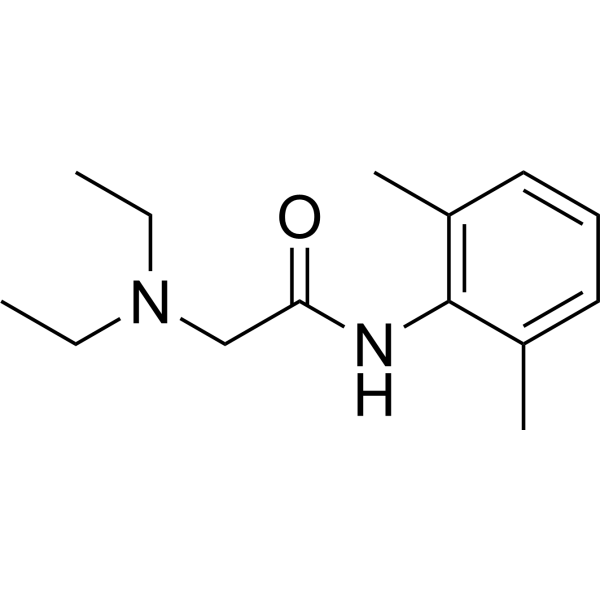
Lidocaine (Standard) is the analytical standard of Lidocaine. This product is intended for research and analytical applications. Lidocaine (Lignocaine) inhibits sodium channels involving complex voltage and using dependence . Lidocaine decreases growth, migration and invasion of gastric carcinoma cells via up-regulating miR-145 expression and further inactivation of MEK/ERK and NF-κB signaling pathways. Lidocaine is an amide derivative and has potential for the research of ventricular arrhythmia .
|
-
- HY-B0185S2
-
|
Lignocaine-d6
|
Isotope-Labeled Compounds
Apoptosis
Sodium Channel
NF-κB
MEK
ERK
|
Cardiovascular Disease
Cancer
|
|
Lidocaine-d6 (Lignocaine-d6) is deuterium labeled Lidocaine. Lidocaine (Lignocaine) inhibits sodium channels involving complex voltage and using dependence . Lidocaine decreases growth, migration and invasion of gastric carcinoma cells via up-regulating miR-145 expression and further inactivation of MEK/ERK and NF-κB signaling pathways. Lidocaine is an amide derivative and has potential for the research of ventricular arrhythmia .
|
-

- HY-W888710A
-
|
Folate-PEG400-COOH
|
Biochemical Assay Reagents
|
Others
|
|
FA-PEG400-COOH (Folate-PEG400-COOH) is a Folic acid (HY-16637)-modified PEG derivative containing a carboxyl group (-COOH). The carboxyl group can easily form a stable amide bond with an amino group, or an ester bond with a hydroxyl group. Folic acid (-FA) has a high affinity for the folate receptor and can be used to target cell membrane receptors for drug delivery .
|
-

- HY-W888710D
-
|
Folate-PEG2000-COOH
|
Biochemical Assay Reagents
|
Others
|
|
FA-PEG2000-COOH (Folate-PEG2000-COOH) is a Folic acid (HY-16637)-modified PEG derivative containing a carboxyl group (-COOH). The carboxyl group can easily form a stable amide bond with an amino group, or an ester bond with a hydroxyl group. Folic acid (-FA) has a high affinity for the folate receptor and can be used to target cell membrane receptors for drug delivery .
|
-

- HY-W888710E
-
|
Folate-PEG3400-COOH
|
Biochemical Assay Reagents
|
Others
|
|
FA-PEG3400-COOH (Folate-PEG3400-COOH) is a Folic acid (HY-16637)-modified PEG derivative containing a carboxyl group (-COOH). The carboxyl group can easily form a stable amide bond with an amino group, or an ester bond with a hydroxyl group. Folic acid (-FA) has a high affinity for the folate receptor and can be used to target cell membrane receptors for drug delivery .
|
-

- HY-W888710B
-
|
Folate-PEG600-COOH
|
Biochemical Assay Reagents
|
Others
|
|
FA-PEG600-COOH (Folate-PEG600-COOH) is a Folic acid (HY-16637)-modified PEG derivative containing a carboxyl group (-COOH). The carboxyl group can easily form a stable amide bond with an amino group, or an ester bond with a hydroxyl group. Folic acid (-FA) has a high affinity for the folate receptor and can be used to target cell membrane receptors for drug delivery .
|
-

- HY-B0185BR
-
|
Lignocaine hydrochloride hydrate (Standard)
|
Reference Standards
Sodium Channel
MEK
ERK
NF-κB
Apoptosis
|
Cardiovascular Disease
Cancer
|
|
Lidocaine (hydrochloride hydrate) (Standard) is the analytical standard of Lidocaine (hydrochloride hydrate). This product is intended for research and analytical applications. Lidocaine (Lignocaine) hydrochloride hydrate inhibits sodium channels involving complex voltage and using dependence. Lidocaine hydrochloride hydrate decreases growth, migration and invasion of gastric carcinoma cells via up-regulating miR-145 expression and further inactivation of MEK/ERK and NF-κB signaling pathways. Lidocaine hydrochloride hydrate is an amide derivative and has potential for the research of ventricular arrhythmia .
|
-

- HY-Y1703
-
|
|
Biochemical Assay Reagents
|
Others
|
|
HATU is a third-generation uronium salt peptide coupling reagent. HATU increases the rate of peptide coupling reactions, activates amino acids, promotes peptide bond formation in both solution-phase and solid-phase synthesis, and also facilitates peptide assembly, fragment coupling, and linear peptide cyclization. HATU can promote the N-acylation of chitosan to generate amide-linked cationic derivatives with a controllable degree of substitution. HATU is commonly used in amine acylation reactions .
|
-

- HY-W451406C
-
|
|
PROTAC Linkers
|
Others
|
|
NH2-PEG2000-NH2 is a polyethylene glycol derivative containing two primary amine groups. The amino group can react quickly with activated carboxylic acid or carboxyl groups such as NHS esters to form stable amide bonds. The PEGylation of NH2-PEG-NH2 can increase solubility and stability, and reduce the immunogenicity of peptides and proteins, so it is mostly used to modify proteins, peptides and other substances.
|
-

- HY-169476
-
|
|
Drug Derivative
|
Cancer
|
|
Pyrrolidine linoleamide is a derivative of linoleic acid amide with anticancer activity. Pyrrolidine linoleamide exhibits antiproliferative activity against a range of cancer cell lines, with IC50 values of 12.0, 27.5, 7.7, 21.9, 36.6, 32.6, and 33.9 μg/mL against U251, MCF-7, NCI-ADR/RES, 786-0, NCI-H460, PC-3, and OVCAR-3 cell lines, respectively .
|
-

- HY-179405
-
|
|
Bacterial
|
Infection
|
|
Antibacterial agent 301 (compound 14c) is a pyridine-amide pleuromutilin derivative with broad-spectrum antibacterial and pronounced antimycoplasmal activity. Antibacterial agent 301 inhibits peptidyl transferase center (PTC), breaks down biofilms, and disrupts cell membranes in multidrug-resistant (MDR) bacteria. Antibacterial agent 301 exhibits activity in a systemic methicillin-resistant Staphylococcus aureus (MRSA) infection mouse model. Antibacterial agent 301 can be used for MDR bacterial infection research .
|
-

- HY-W451406D
-
|
|
PROTAC Linkers
|
Others
|
|
NH2-PEG10000-NH2 is a polyethylene glycol derivative containing two primary amine groups. The amino group can react quickly with activated carboxylic acid or carboxyl groups such as NHS esters to form stable amide bonds. The PEGylation of NH2-PEG-NH2 can increase solubility and stability, and reduce the immunogenicity of peptides and proteins, so it is mostly used to modify proteins, peptides and other substances.
|
-

- HY-W451406A
-
|
|
PROTAC Linkers
|
Others
|
|
NH2-PEG5000-NH2 is a polyethylene glycol derivative containing two primary amine groups. The amino group can react quickly with activated carboxylic acid or carboxyl groups such as NHS esters to form stable amide bonds. The PEGylation of NH2-PEG-NH2 can increase solubility and stability, and reduce the immunogenicity of peptides and proteins, so it is mostly used to modify proteins, peptides and other substances.
|
-

- HY-130695
-
|
|
ADC Linker
|
Cancer
|
|
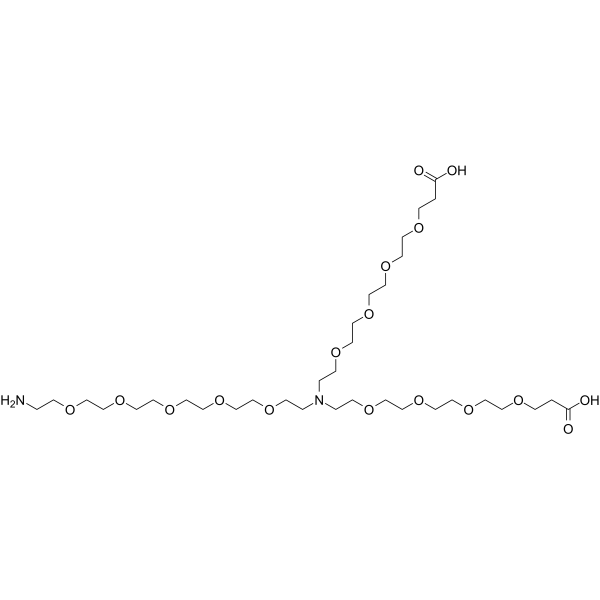
N-(Amino-PEG5)-N-bis(PEG4-acid) is a PEG derivative containing an amino group with two terminal carboxylic acids. The amino group is reactive with carboxylic acids, activated NHS esters. The terminal carboxylic acids can react with primary amine groups in the presence of activators to form a stable amide bond. N-(Amino-PEG5)-N-bis(PEG4-acid) can be useful in the development of antibody drug conjugates (ADCs) .
|
-
- HY-176096
-
|
1α-Monohomo-17-phenyl trinor PGF2α
|
Biochemical Assay Reagents
|
Others
|
|
1α-Monohomo-17-phenyl trinor Prostaglandin F2α (1α-Monohomo-17-phenyl trinor PGF2α) is a derivative of 17-phenyl trinor prostaglandin F2α ethyl amide. 1α-Monohomo-17-phenyl trinor Prostaglandin F2α is also an isomer of 17-phenyl trinor prostaglandin F2α methyl ester.
|
-

- HY-B0185G
-
|
Lignocaine
|
Apoptosis
Sodium Channel
MEK
ERK
NF-κB
|
Cancer
|
|
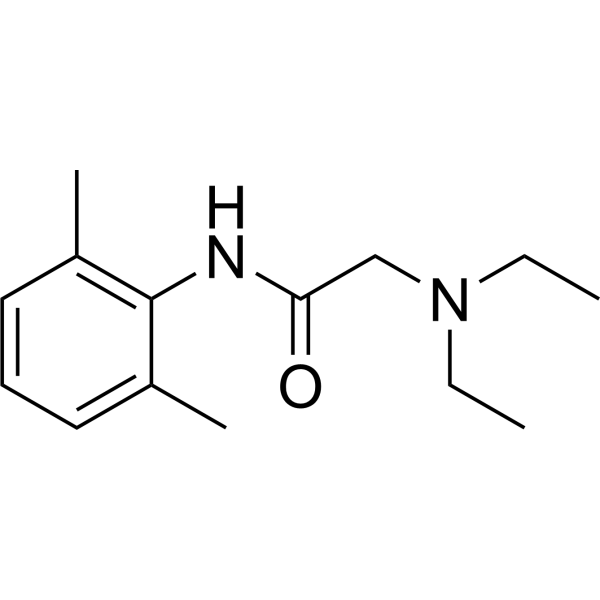
Lidocaine (GMP) is Lidocaine (HY-B0185) produced by using GMP guidelines. GMP small molecules work appropriately as an auxiliary reagent for cell therapy manufacture. Lidocaine inhibits sodium channels involving complex voltage and using dependence . Lidocaine decreases growth, migration and invasion of gastric carcinoma cells via up-regulating miR-145 expression and further inactivation of MEK/ERK and NF-κB signaling pathways. Lidocaine is an amide derivative and has potential for the research of ventricular arrhythmia .
|
-
- HY-161943
-
|
|
Influenza Virus
|
Neurological Disease
|
|
NEU3-IN-1 (compound 963) is a NEU3 inhibitor (Ki: 0.12 μM; IC50: 0.31 μM) based on the 2-deoxy-2,3-didehydro-N-acetylneuraminic acid (DANA) scaffold and is a C9 biphenylcarbamate derivative. NEU is a human neuraminidase with 4 isozymes; NEU3-IN-1 is an important tool for studying the function of NEU3 isozymes; its amide and triazole linker analogs are selective for NEU1 and NEU4 isozymes, respectively .
|
-

- HY-W1048549J
-
|
HOOC-PEG40000-Thiol
|
Biochemical Assay Reagents
|
Others
|
|
HOOC-PEG40000-SH (HOOC-PEG40000-Thiol) is a reactive thiol PEG derivative with a terminal carboxyl group. The carboxyl group can react with amine or hydroxyl groups to form a stable amide bond or an unstable ester bond. The reaction of the carboxyl group allows the amine or hydroxyl group to be converted into a free thiol with a linear PEG linkage. The generated thiol group can be used to modify the surface of gold nanoparticles or participate in other PEGylation reactions. The PEG linkage between the thiol and carboxyl groups has good water solubility, flexible linker distance and higher stability .
|
-

- HY-W1048549H
-
|
HOOC-PEG1000-Thiol
|
Biochemical Assay Reagents
|
Others
|
|
HOOC-PEG1000-SH (HOOC-PEG1000-Thiol) is a reactive thiol PEG derivative with a terminal carboxyl group. The carboxyl group can react with amine or hydroxyl groups to form a stable amide bond or an unstable ester bond. The reaction of the carboxyl group allows the amine or hydroxyl group to be converted into a free thiol with a linear PEG linkage. The generated thiol group can be used to modify the surface of gold nanoparticles or participate in other PEGylation reactions. The PEG linkage between the thiol and carboxyl groups has good water solubility, flexible linker distance and higher stability .
|
-

- HY-112624K
-
|
Dextran 5; Dextran D5; Dextran T5(MW 4500-5500)
|
Apoptosis
Autophagy
|
Others
|
|
Dextran T5 (MW 5,000) is a sulfated polysaccharide anti-apoptotic and autophagic agent. Dextran T5 (MW 5,000) has sulfated groups and interacts with cell membranes by mimicking endogenous glycosaminoglycans, inhibiting the mitochondrial apoptotic pathway and delaying DNA fragmentation to exert anti-apoptotic activity. Dextran T5 (MW 5,000) also promotes the conversion of LC3-I to LC3-II and the formation of autophagosomes to activate the autophagic pathway. Dextran T5 (MW 5,000) can prolong the survival cycle of CHO cells and increase the production of recombinant erythropoietin (EPO). The Dextran series of compounds are also natural polysaccharide drug carriers that can be connected to drugs through covalent bonding methods such as ester bonds, amide bonds or click chemistry, or self-assembled to form carriers such as nanoparticles and hydrogels. Dextran is biodegradable and biocompatible, and can achieve targeted delivery and controlled release of drugs. Dextran derivatives can prolong drug half-life, increase local concentration and reduce immune clearance activity. The Dextran series of compounds are also natural polysaccharide drug carriers that can be connected to drugs through covalent bonding methods such as ester bonds, amide bonds or click chemistry, or self-assembled to form carriers such as nanoparticles and hydrogels. Dextran is biodegradable and biocompatible, and can achieve targeted delivery and controlled release of drugs. Dextran derivatives can prolong the half-life of drugs, increase local concentrations, and reduce the activity of immune clearance .
|
-

- HY-D3247
-
|
|
Fluorescent Dye
|
Others
|
|
Cobalt (II) plant dye (Compound 3) is a Cobalt (II) probe. Cobalt (II) plant dye is used for the selective detection of bioaccumulated Cobalt (II) ions in root and stem tissues of Hybanthus enneaspermus plants .
|
-

- HY-W1048843AG
-
|
4-Arm PEG5000-amine
|
Biochemical Assay Reagents
|
Others
|
|
4-Arm PEG5000-NH2 (GMP) (4-Arm PEG5000-amine (GMP)) is 4-Arm PEG-NH2 (HY-W1048843A) produced by using GMP guidelines. GMP small molecules works appropriately as an auxiliary reagent for cell therapy manufacture. 4-Arm PEG5000-NH2 is a multi-arm PEG derivative with amine groups at each end of four arms attached to a pentaerythritol core. The reactive primary amine or NH2 groups can react rapidly with activated carboxylic acids such as NHS esters to form stable amide bonds .
|
-

- HY-W1048843AGL
-
|
4-Arm PEG5000-amine (GMP Like)
|
Biochemical Assay Reagents
|
Others
|
|
4-Arm PEG5000-NH2 (GMP Like) (4-Arm PEG5000-amine (GMP Like)) is 4-Arm PEG-NH2 (HY-W1048843A) produced by using GMP like guidelines. GMP like small molecules works appropriately as an auxiliary reagent for cell therapy manufacture. 4-Arm PEG5000-NH2 is a multi-arm PEG derivative with amine groups at each end of four arms attached to a pentaerythritol core. The reactive primary amine or NH2 groups can react rapidly with activated carboxylic acids such as NHS esters to form stable amide bonds .
|
-

- HY-D2772
-
|
|
Biochemical Assay Reagents
|
Others
|
|
5-TAMRA cadaverine can used to modify carboxylic acid group in the presence of activators (e.g. EDC, or DCC) or activated esters (e.g. NHS esters) through a stable amide bond. It also can be reversibly coupled to aldehydes and ketones to form a Schiff base – which can be reduced to a generate stable amine derivative by sodium borohydride (NaBH4) or sodium cyanoborohydride (NaCNH3).
Although the mixed isomers of 5(6)-TAMRA cadaverine is a preferred, routinely used orange-fluorescent dye for staining proteins, it is rearly used for labeling peptides and nucleotides. Purification of 5(6)-TAMRA labeled peptide and nucleotides might be troublesome due to significant signal broadening in HPLC purification. Peptides and nucleotides labeled with a single isomer TAMRA usually give better resolution in HPLC purification that is often required in the conjugation processes.
|
-

- HY-N15826
-
|
|
Fluorescent Dye
Ceramidase
|
Cancer
|
|
RBM1-151, a 1-deoxy derivative and vinilog of RBM14-C12 (HY-150163), as a fluorogenic substrate of Amidases (HY-P2736) (Ex/Em). RBM1-151 is hydrolyzed by acid ceramidase (AC) (( appKm = 7.0 μM; appVmax = 99.3 nM/min), N-acylethanolamine-hydrolyzing acid amidase ( appKm = 0.73 μM; appVmax = 0.24 nM/min), and fatty Acid amide hydrolase (FAAH) ( appKm = 3.6 μM; appVmax = 7.6 nM/min) but not by other ceramidases. RBM1-151 is applicable for basic biological studies of lipid amidase function, as well as potential diagnostic/prognostic evaluations of diseases involving dysregulated AC, NAAA, or FAAH (Farber disease, cancer) .
|
-

- HY-P4863
-
|
|
CGRP Receptor
|
Neurological Disease
Metabolic Disease
|
|
Biotinyl-Amylin (human) is a biotin-labeled derivative of Amylin, amide, human (HY-P1070). Biotinyl-Amylin (human) acts as a competitive agonist for the Calcitonin Receptor (CTR) and for the Amylin receptors (AMY1, AMY2, and AMY3) formed by the association of CTR with RAMP1/2/3. By mimicking endogenous human amylin, Biotinyl-Amylin (human) binds to and activates CTR and AMY receptors, thereby initiating downstream signaling pathways involving cAMP, CREB, and ERK1/2, while retaining high-affinity receptor binding and activation capabilities. Biotinyl-Amylin (human) is primarily utilized in studies investigating the metabolic regulatory mechanisms underlying obesity and diabetes; it is also applicable to pharmacological research, receptor localization studies, and ligand-binding assays related to Amylin receptors in the context of Alzheimer's disease .
|
-

- HY-W010712
-
|
|
Amino Acid Derivatives
|
Others
|
|
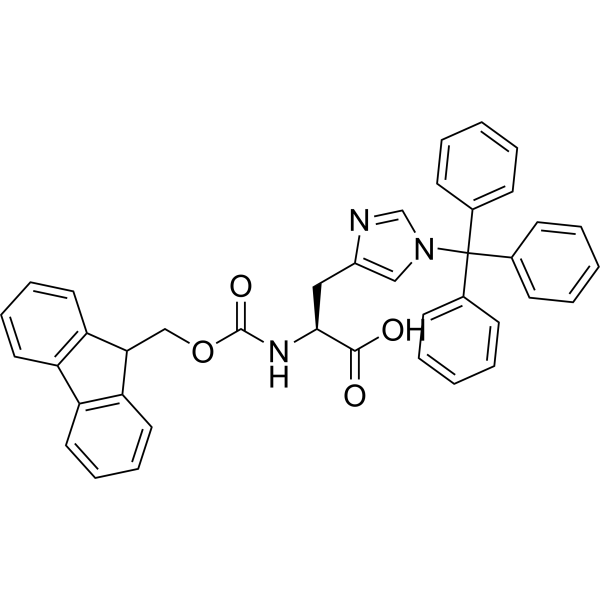
Fmoc-His(Trt)-OH is a histidine derivative with a trityl (Trt) group protecting the His side chain. Fmoc-His(Trt)-OH also has an Fmoc group protecting the α-NH2 group. Fmoc-His(Trt)-OH can be used in solid-phase peptide synthesis to prevent racemization and byproduct formation. Fmoc-His(Trt)-OH acts as a protected histidine precursor in solid-phase peptide synthesis (SPPS), participating in peptide chain construction through amide bond formation. Fmoc-His(Trt)-OH can be precisely incorporated into the target peptide sequence, ensuring correct peptide chain synthesis and reducing impurity formation. Fmoc-His(Trt)-OH is mainly used in the solid-phase synthesis research of pharmaceutical peptides and bioactive peptides, and is particularly suitable for the preparation of peptide drugs requiring precise control of histidine configuration .
|
-
- HY-112624E
-
|
Dextran 0.8; Dextran D0.8; Dextran T0.8(MW 640-960)
|
Biochemical Assay Reagents
|
Others
|
|
Dextran T0.8 (Dextran 0.8; Dextran T0.8(MW 640-960)) is a food additive with a porous network structure that exhibits strong hydration capacity and low browning activity. Dextran T0.8 (MW 800) can improve the coagulation of dairy products and is used as a prebiotic in baked goods. Dextran T0.8 (MW 800) is non-toxic to HeLa cells at a concentration of ~500 μg/mL and has a low relative browning rate in the Maillard reaction. The Dextran series of compounds are also natural polysaccharide drug carriers that can be connected to drugs through covalent bonding methods such as ester bonds, amide bonds or click chemistry, or self-assembled to form carriers such as nanoparticles and hydrogels. Dextran is biodegradable and biocompatible, and can achieve targeted delivery and controlled release of drugs. Dextran derivatives can prolong the half-life of drugs, increase local concentrations, and reduce the activity of immune clearance .
|
-

- HY-151833
-
|
|
ADC Linker
|
Others
|
|
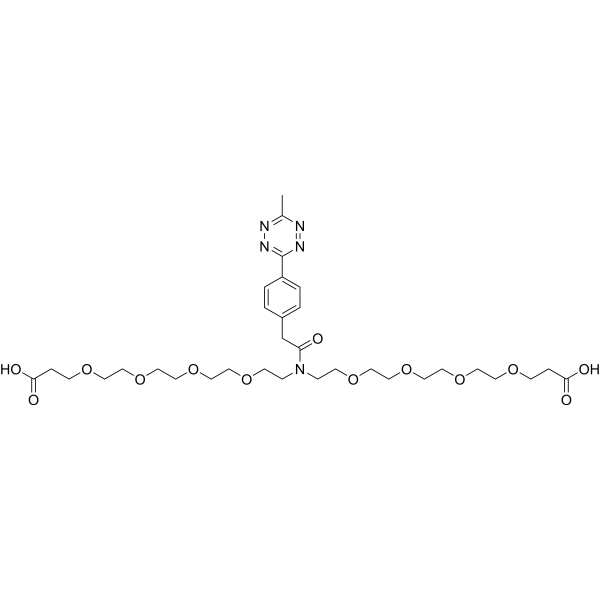
Methyltetrazine-amido-N-bis(PEG4-acid) is a click chemistry reagent containing an azide group. Methyltetrazine-amido-N-bis(PEG4-acid) is a PEG derivative that contains a methyltetrazine group and two acid groups. This reagent can react with TCO-containing compounds to form a stable covalent bond without the catalysis of Cu or elevated temperatures. The inverse-electron demand Diels-Alder cycloaddition reaction of TCO with tetrazines is the fastest bioorthogonal reaction with exceptional selectivity. The terminal carboxylic acid can react with primary amine groups in the presence of activators (e.g. EDC, or HATU) to form a stable amide bond. PEG linker increases the water solubility of the compound. Reagent grade, for research use only . Methyltetrazine-amido-N-bis(PEG4-acid) is a click chemistry reagent, it contains a Tetrazine group that can undergo an inverse electron demand Diels-Alder reaction (iEDDA) with molecules containing TCO groups.
|
-
- HY-112624J
-
|
Dextran 4; Dextran D4; Dextran T4(MW 3200-4800)
|
Bacterial
|
Others
|
|
Dextran 4,000 is a mucus rheology modifier. The dextran molecules in Dextran 4,000 can reduce the cross-link density of mucus through osmotic effects and hydrogen bond substitution, and reduce viscoelasticity and improve the mucociliary/cough clearance index by destroying the DNA-mucin network structure in mucus. Dextran 4,000 has the ability to improve the rheological properties and clearance ability of cystic fibrosis (CF) sputum, and can be used in the study of inhalation therapy or aerosol delivery of mucostatic respiratory diseases. The Dextran series of compounds are also natural polysaccharide drug carriers that can be connected to drugs through covalent bonding methods such as ester bonds, amide bonds or click chemistry, or self-assembled to form carriers such as nanoparticles and hydrogels. Dextran is biodegradable and biocompatible, and can achieve targeted delivery and controlled release of drugs. Dextran derivatives can prolong the half-life of drugs, increase local concentrations, and reduce the activity of immune clearance .
|
-

- HY-151738
-
|
|
ADC Linker
|
Others
|
|
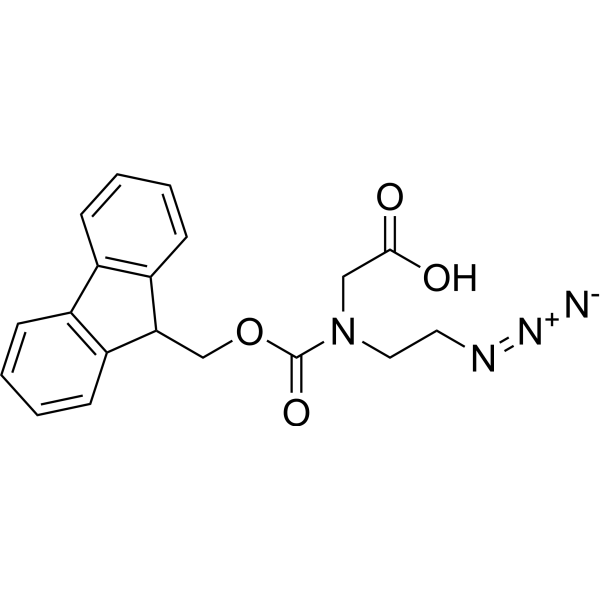
Fmoc-Aeg(N3)-OH is a click chemistry reagent containing an Azide. Alkylating the Nitrogen of an amide bond results in peptoid structures, which leads to conformational restrains, like N-methylation and allows backbone derivatisation. Altering cytotoxicity, bacterial cell selectivity and receptor pharmacology through formation of peptoid derivatives have been published for Cilengitide, Piscidin 1, and MC3, MC4 and MC5 receptor agonist. This building block enables design of macrocycles through intermolecular crosslinking or backbone stabilization through intermolecular ring-closure. This compound is a potential building block for the construction of (customized) peptide nucleic acids (PNAs) and for peptoid synthesis . Fmoc-Aeg(N3)-OH is a click chemistry reagent, it contains an Azide group and can undergo copper-catalyzed azide-alkyne cycloaddition reaction (CuAAc) with molecules containing Alkyne groups. It can also undergo strain-promoted alkyne-azide cycloaddition (SPAAC) reactions with molecules containing DBCO or BCN groups.
|
-
- HY-112624B
-
|
Dextran 70; Dextran D70; Dextran T70(MW 64000-76000)
|
Bacterial
|
Others
|
|
Dextran 70,000 is a high molecular weight polysaccharide formed by glucose linked by α-(1→6) glycosidic bonds. Dextran 70,000 can expand blood volume through colloidal osmotic pressure effect and inhibit cell adhesion and platelet aggregation through steric hindrance. At the same time, Dextran 70,000 can be used as a drug carrier to achieve targeted delivery through endocytosis. Dextran 70,000 is biologically inert and has low immunogenicity. It can be used for clinical blood volume expansion, anti-thrombotic research, and evaluation of vascular permeability in in vitro experiments. It can also be combined with fluorescent dyes for cell tracking and drug delivery research. The Dextran series of compounds are also natural polysaccharide drug carriers that can be connected to drugs through covalent bonding methods such as ester bonds, amide bonds or click chemistry, or self-assembled to form carriers such as nanoparticles and hydrogels. Dextran is biodegradable and biocompatible, and can achieve targeted delivery and controlled release of drugs. Dextran derivatives can prolong the half-life of drugs, increase local concentrations, and reduce the activity of immune clearance.
|
-

- HY-112624I
-
|
Dextran 3; Dextran D3; Dextran T3(MW 2400-3600)
|
Bacterial
|
Others
|
|
Dextran T3 (Dextran 3; Dextran T3(MW 2400-3600)) is a neural tracer and intestinal permeability probe that can move anterogradely and retrogradely in neuronal axons by passive diffusion. Dextran T3 (MW 3,000) is able to permeate across the intestinal epithelial cell membrane in the presence of cholera toxin-induced cytoskeletal disturbance. Dextran T3 (MW 3,000) is used as a fluorescent marker to rapidly label developing neurons (such as Xenopus retinal ganglion cells) and to assess intestinal barrier function. It can be used to study axonal transport in neuroanatomy and permeability changes in intestinal pathophysiology. The Dextran series of compounds are also natural polysaccharide drug carriers that can be connected to drugs through covalent bonding methods such as ester bonds, amide bonds or click chemistry, or self-assembled to form carriers such as nanoparticles and hydrogels. Dextran is biodegradable and biocompatible, and can achieve targeted delivery and controlled release of drugs. Dextran derivatives can prolong the half-life of drugs, increase local concentrations, and reduce the activity of immune clearance .
|
-

- HY-112624H
-
|
Dextran 2; Dextran D2; Dextran T2(MW 1600-2400)
|
Biochemical Assay Reagents
|
Others
|
|
Dextran T2 (Dextran 2; Dextran T2(MW 1600-2400)) is a natural high molecular weight polysaccharide, the glycosidic bonds in its structure can be recognized by endo-dextranase and exo-dextranase. Dextran T2 (MW 2,000) breaks the glycosidic bonds in the enzymatic hydrolysis mechanism, releasing products such as D-glucose, Isomaltose (IM2), and Isomaltotriose (IM3). Dextran T2 (MW 2,000) can be used as a model substrate to characterize the catalytic properties of dextranase (such as optimal pH, temperature and product specificity), and to study enzymatic mechanism research and polysaccharide degradation pathways in glycobiology. The Dextran series of compounds are also a natural polysaccharide drug carrier, which can be connected to drugs through covalent bonding methods such as ester bonds, amide bonds or click chemistry, or self-assembled to form carriers such as nanoparticles and hydrogels. Dextran is biodegradable and biocompatible, and can achieve targeted delivery and controlled release of drugs. Dextran derivatives can prolong drug half-life, increase local concentration and reduce immune clearance activity .
|
-

| Cat. No. |
Product Name |
Type |
-
- HY-D1085
-
|
|
Fluorescent Dyes
|
|
AMCA-X-SE is a coumarin derivative that generates fixed blue fluorescence and an NHS-activated ester that forms stable amide bonds with primary amine groups. It is used as a reactive dye for labeling amino groups of peptides, proteins, and oligonucleotides. Maximum excitation/emission wavelength: 354/442 nm .
|
-
- HY-133883
-
|
|
Fluorescent Dyes
|
|
Cyanine7.5 amine is a near-infrared Cy7.5-based dye and also a substrate for amide bond coupling (Ex/Em = 788 nm/808 nm). Cyanine7.5 amine contains a free amino group and can be used for coupling with activated carboxylic acid derivatives .
|
-
- HY-B0185G
-
|
Lignocaine
|
Fluorescent Dyes
|
|
Lidocaine (GMP) is Lidocaine (HY-B0185) produced by using GMP guidelines. GMP small molecules work appropriately as an auxiliary reagent for cell therapy manufacture. Lidocaine inhibits sodium channels involving complex voltage and using dependence . Lidocaine decreases growth, migration and invasion of gastric carcinoma cells via up-regulating miR-145 expression and further inactivation of MEK/ERK and NF-κB signaling pathways. Lidocaine is an amide derivative and has potential for the research of ventricular arrhythmia .
|
-
- HY-W1048843AGL
-
|
4-Arm PEG5000-amine (GMP Like)
|
Fluorescent Dyes
|
|
4-Arm PEG5000-NH2 (GMP Like) (4-Arm PEG5000-amine (GMP Like)) is 4-Arm PEG-NH2 (HY-W1048843A) produced by using GMP like guidelines. GMP like small molecules works appropriately as an auxiliary reagent for cell therapy manufacture. 4-Arm PEG5000-NH2 is a multi-arm PEG derivative with amine groups at each end of four arms attached to a pentaerythritol core. The reactive primary amine or NH2 groups can react rapidly with activated carboxylic acids such as NHS esters to form stable amide bonds .
|
-
- HY-D2772
-
|
|
Fluorescent Dyes
|
|
5-TAMRA cadaverine can used to modify carboxylic acid group in the presence of activators (e.g. EDC, or DCC) or activated esters (e.g. NHS esters) through a stable amide bond. It also can be reversibly coupled to aldehydes and ketones to form a Schiff base – which can be reduced to a generate stable amine derivative by sodium borohydride (NaBH4) or sodium cyanoborohydride (NaCNH3).
Although the mixed isomers of 5(6)-TAMRA cadaverine is a preferred, routinely used orange-fluorescent dye for staining proteins, it is rearly used for labeling peptides and nucleotides. Purification of 5(6)-TAMRA labeled peptide and nucleotides might be troublesome due to significant signal broadening in HPLC purification. Peptides and nucleotides labeled with a single isomer TAMRA usually give better resolution in HPLC purification that is often required in the conjugation processes.
|
-
- HY-163140
-
|
|
Fluorescent Dyes
|
|
BODIPY-phenyl-amide-alkyne (compound 6) is an alkyne-containing OFF-to-ON fluorophore. BODIPY-phenyl-amide-alkyne is a BODIPY derivative that can be conjugated to protein IL-33 Y143azidoPhe via CuAAC reaction .
|
-
- HY-D3247
-
|
|
Fluorescent Dyes
|
|
Cobalt (II) plant dye (Compound 3) is a Cobalt (II) probe. Cobalt (II) plant dye is used for the selective detection of bioaccumulated Cobalt (II) ions in root and stem tissues of Hybanthus enneaspermus plants .
|
-
- HY-W1048843AG
-
|
4-Arm PEG5000-amine
|
Fluorescent Dyes
|
|
4-Arm PEG5000-NH2 (GMP) (4-Arm PEG5000-amine (GMP)) is 4-Arm PEG-NH2 (HY-W1048843A) produced by using GMP guidelines. GMP small molecules works appropriately as an auxiliary reagent for cell therapy manufacture. 4-Arm PEG5000-NH2 is a multi-arm PEG derivative with amine groups at each end of four arms attached to a pentaerythritol core. The reactive primary amine or NH2 groups can react rapidly with activated carboxylic acids such as NHS esters to form stable amide bonds .
|
| Cat. No. |
Product Name |
Type |
-
- HY-112624B
-
|
Dextran 70; Dextran D70; Dextran T70(MW 64000-76000)
|
Biochemical Assay Reagents
|
|
Dextran 70,000 is a high molecular weight polysaccharide formed by glucose linked by α-(1→6) glycosidic bonds. Dextran 70,000 can expand blood volume through colloidal osmotic pressure effect and inhibit cell adhesion and platelet aggregation through steric hindrance. At the same time, Dextran 70,000 can be used as a drug carrier to achieve targeted delivery through endocytosis. Dextran 70,000 is biologically inert and has low immunogenicity. It can be used for clinical blood volume expansion, anti-thrombotic research, and evaluation of vascular permeability in in vitro experiments. It can also be combined with fluorescent dyes for cell tracking and drug delivery research. The Dextran series of compounds are also natural polysaccharide drug carriers that can be connected to drugs through covalent bonding methods such as ester bonds, amide bonds or click chemistry, or self-assembled to form carriers such as nanoparticles and hydrogels. Dextran is biodegradable and biocompatible, and can achieve targeted delivery and controlled release of drugs. Dextran derivatives can prolong the half-life of drugs, increase local concentrations, and reduce the activity of immune clearance.
|
-
- HY-112624J
-
|
Dextran 4; Dextran D4; Dextran T4(MW 3200-4800)
|
Biochemical Assay Reagents
|
|
Dextran 4,000 is a mucus rheology modifier. The dextran molecules in Dextran 4,000 can reduce the cross-link density of mucus through osmotic effects and hydrogen bond substitution, and reduce viscoelasticity and improve the mucociliary/cough clearance index by destroying the DNA-mucin network structure in mucus. Dextran 4,000 has the ability to improve the rheological properties and clearance ability of cystic fibrosis (CF) sputum, and can be used in the study of inhalation therapy or aerosol delivery of mucostatic respiratory diseases. The Dextran series of compounds are also natural polysaccharide drug carriers that can be connected to drugs through covalent bonding methods such as ester bonds, amide bonds or click chemistry, or self-assembled to form carriers such as nanoparticles and hydrogels. Dextran is biodegradable and biocompatible, and can achieve targeted delivery and controlled release of drugs. Dextran derivatives can prolong the half-life of drugs, increase local concentrations, and reduce the activity of immune clearance .
|
-
- HY-112624I
-
|
Dextran 3; Dextran D3; Dextran T3(MW 2400-3600)
|
Biochemical Assay Reagents
|
|
Dextran T3 (Dextran 3; Dextran T3(MW 2400-3600)) is a neural tracer and intestinal permeability probe that can move anterogradely and retrogradely in neuronal axons by passive diffusion. Dextran T3 (MW 3,000) is able to permeate across the intestinal epithelial cell membrane in the presence of cholera toxin-induced cytoskeletal disturbance. Dextran T3 (MW 3,000) is used as a fluorescent marker to rapidly label developing neurons (such as Xenopus retinal ganglion cells) and to assess intestinal barrier function. It can be used to study axonal transport in neuroanatomy and permeability changes in intestinal pathophysiology. The Dextran series of compounds are also natural polysaccharide drug carriers that can be connected to drugs through covalent bonding methods such as ester bonds, amide bonds or click chemistry, or self-assembled to form carriers such as nanoparticles and hydrogels. Dextran is biodegradable and biocompatible, and can achieve targeted delivery and controlled release of drugs. Dextran derivatives can prolong the half-life of drugs, increase local concentrations, and reduce the activity of immune clearance .
|
-
- HY-20128
-
|
|
Biochemical Assay Reagents
|
|
Piperazin-2-one is a piperazine ring derivative containing amide and ester carbonyl groups. As an important intermediate, Piperazin-2-one can be used for the synthesis of various active compounds .
|
-
- HY-W539916
-
|
|
Biochemical Assay Reagents
|
|
Azido-mono-amide-DOTAis a bifunctional chelator (Bifunctional Chelator; BFC) and a macrocyclic DOTA derivative used for tumor pre-targeting. Azido-mono-amide-DOTA can be used for conjugation of peptides and radionuclides.
|
-
- HY-112624K
-
|
Dextran 5; Dextran D5; Dextran T5(MW 4500-5500)
|
Biochemical Assay Reagents
|
|
Dextran T5 (MW 5,000) is a sulfated polysaccharide anti-apoptotic and autophagic agent. Dextran T5 (MW 5,000) has sulfated groups and interacts with cell membranes by mimicking endogenous glycosaminoglycans, inhibiting the mitochondrial apoptotic pathway and delaying DNA fragmentation to exert anti-apoptotic activity. Dextran T5 (MW 5,000) also promotes the conversion of LC3-I to LC3-II and the formation of autophagosomes to activate the autophagic pathway. Dextran T5 (MW 5,000) can prolong the survival cycle of CHO cells and increase the production of recombinant erythropoietin (EPO). The Dextran series of compounds are also natural polysaccharide drug carriers that can be connected to drugs through covalent bonding methods such as ester bonds, amide bonds or click chemistry, or self-assembled to form carriers such as nanoparticles and hydrogels. Dextran is biodegradable and biocompatible, and can achieve targeted delivery and controlled release of drugs. Dextran derivatives can prolong drug half-life, increase local concentration and reduce immune clearance activity. The Dextran series of compounds are also natural polysaccharide drug carriers that can be connected to drugs through covalent bonding methods such as ester bonds, amide bonds or click chemistry, or self-assembled to form carriers such as nanoparticles and hydrogels. Dextran is biodegradable and biocompatible, and can achieve targeted delivery and controlled release of drugs. Dextran derivatives can prolong the half-life of drugs, increase local concentrations, and reduce the activity of immune clearance .
|
-
- HY-112624E
-
|
Dextran 0.8; Dextran D0.8; Dextran T0.8(MW 640-960)
|
Biochemical Assay Reagents
|
|
Dextran T0.8 (Dextran 0.8; Dextran T0.8(MW 640-960)) is a food additive with a porous network structure that exhibits strong hydration capacity and low browning activity. Dextran T0.8 (MW 800) can improve the coagulation of dairy products and is used as a prebiotic in baked goods. Dextran T0.8 (MW 800) is non-toxic to HeLa cells at a concentration of ~500 μg/mL and has a low relative browning rate in the Maillard reaction. The Dextran series of compounds are also natural polysaccharide drug carriers that can be connected to drugs through covalent bonding methods such as ester bonds, amide bonds or click chemistry, or self-assembled to form carriers such as nanoparticles and hydrogels. Dextran is biodegradable and biocompatible, and can achieve targeted delivery and controlled release of drugs. Dextran derivatives can prolong the half-life of drugs, increase local concentrations, and reduce the activity of immune clearance .
|
-
- HY-112624H
-
|
Dextran 2; Dextran D2; Dextran T2(MW 1600-2400)
|
Biochemical Assay Reagents
|
|
Dextran T2 (Dextran 2; Dextran T2(MW 1600-2400)) is a natural high molecular weight polysaccharide, the glycosidic bonds in its structure can be recognized by endo-dextranase and exo-dextranase. Dextran T2 (MW 2,000) breaks the glycosidic bonds in the enzymatic hydrolysis mechanism, releasing products such as D-glucose, Isomaltose (IM2), and Isomaltotriose (IM3). Dextran T2 (MW 2,000) can be used as a model substrate to characterize the catalytic properties of dextranase (such as optimal pH, temperature and product specificity), and to study enzymatic mechanism research and polysaccharide degradation pathways in glycobiology. The Dextran series of compounds are also a natural polysaccharide drug carrier, which can be connected to drugs through covalent bonding methods such as ester bonds, amide bonds or click chemistry, or self-assembled to form carriers such as nanoparticles and hydrogels. Dextran is biodegradable and biocompatible, and can achieve targeted delivery and controlled release of drugs. Dextran derivatives can prolong drug half-life, increase local concentration and reduce immune clearance activity .
|
-
- HY-W749603
-
|
|
Biochemical Assay Reagents
|
|
Fmoc-L-Lys-mono-amide-DOTA-tris(t-Bu ester) is a bifunctional chelator (Bifunctional Chelator; BFC) and a macrocyclic DOTA derivative used for tumor pre-targeting. Fmoc-L-Lys-mono-amide-DOTA-tris(t-Bu ester) can be used for conjugation of peptides and radionuclides.
|
-
- HY-174921A
-
|
|
Biochemical Assay Reagents
|
|
Maleimide-PEG2000-COOH is a PEG derivative composed of Maleimide (HY-W007324), PEG units and carboxyl (-COOH). Carboxyl can easily form a stable amide bond with amino groups or an ester bond with hydroxyl groups. Maleimide forms a stable thioether bond with sulfhydryl (-SH) .
|
-
- HY-W1048525
-
|
8-Arm PEG5000-Amine
|
Biochemical Assay Reagents
|
|
8-Arm PEG5000-NH2 (8-Arm PEG5000-Amine) is a multi-arm PEG derivative with amino groups at each end of the eight arms. The reactive primary amine or NH2 groups can react rapidly with activated carboxylic acids such as NHS esters to form stable amide bonds .
|
-
- HY-W1048549A
-
|
HOOC-PEG2000-Thiol
|
Biochemical Assay Reagents
|
|
HOOC-PEG2000-SH (HOOC-PEG2000-Thiol) is a reactive thiol PEG derivative with a terminal carboxyl group. The carboxyl group can react with amine or hydroxyl groups to form a stable amide bond or an unstable ester bond. The PEG linkage between the thiol and carboxyl groups has good water solubility, flexible linker distance and higher stability .
|
-
- HY-W1048843A
-
|
4-Arm PEG5000-amine
|
Biochemical Assay Reagents
|
|
4-Arm PEG5000-NH2 (4-Arm PEG5000-amine) is a multi-arm PEG derivative with amine groups at each end of four arms attached to a pentaerythritol core. The reactive primary amine or NH2 groups can react rapidly with activated carboxylic acids such as NHS esters to form stable amide bonds .
|
-
- HY-W1048843B
-
|
4-Arm PEG10000-amine
|
Biochemical Assay Reagents
|
|
4-Arm PEG10000-NH2 (4-Arm PEG10000-amine) is a multi-arm PEG derivative with amine groups at each end of four arms attached to a pentaerythritol core. The reactive primary amine or NH2 groups can react rapidly with activated carboxylic acids such as NHS esters to form stable amide bonds .
|
-
- HY-W190877
-
|
SH-PEG1-COOH
|
Biochemical Assay Reagents
|
|
Thiol-PEG1-acid (SH-PEG1-COOH) is a PEG derivative consisting of a thiol (-SH), 1 PEG unit, and a carboxyl (-COOH). The thiol is a highly reactive chemical group that can react specifically with a variety of molecules to form stable covalent bonds. The carboxyl group can easily form stable amide bonds with amino groups, and can also form ester bonds with hydroxyl groups.
|
-
- HY-32952
-
|
6-Fluoropyridine-3-boronic acid
|
Biochemical Assay Reagents
|
|
2-Fluoropyridine-5-boronic acid (6-Fluoropyridine-3-boronic acid) is a drug intermediate that can be used in the synthesis of fatty acid amide hydrolase inhibitors and pyrethroid derivatives .
|
-
- HY-W1048519A
-
|
4-Arm PEG10000-amine HCL salt
|
Biochemical Assay Reagents
|
|
4-Arm PEG10000-NH2 (4-Arm PEG100000-amine) hydrochloride is a multi-arm PEG derivative with amine groups at each end of four arms attached to a pentaerythritol core. The reactive primary amine or NH2 groups can react rapidly with activated carboxylic acids such as NHS esters to form stable amide bonds .
|
-
- HY-W088413
-
|
|
Biochemical Assay Reagents
|
|
DOTA-amideis a bifunctional chelator (Bifunctional Chelator; BFC) and a macrocyclic DOTA derivative used for tumor pre-targeting. DOTA-amide can be used for conjugation of peptides and radionuclides.
|
-
- HY-W1048549C
-
|
HOOC-PEG5000-Thiol
|
Biochemical Assay Reagents
|
|
HOOC-PEG5000-SH (HOOC-PEG5000-Thiol) is a reactive thiol PEG derivative with a terminal carboxyl group. The carboxyl group can react with amine or hydroxyl groups to form a stable amide bond or an unstable ester bond. The PEG linkage between the thiol and carboxyl groups has good water solubility, flexible linker distance and higher stability .
|
-
- HY-B0185G
-
|
Lignocaine
|
Biochemical Assay Reagents
|
|
Lidocaine (GMP) is Lidocaine (HY-B0185) produced by using GMP guidelines. GMP small molecules work appropriately as an auxiliary reagent for cell therapy manufacture. Lidocaine inhibits sodium channels involving complex voltage and using dependence . Lidocaine decreases growth, migration and invasion of gastric carcinoma cells via up-regulating miR-145 expression and further inactivation of MEK/ERK and NF-κB signaling pathways. Lidocaine is an amide derivative and has potential for the research of ventricular arrhythmia .
|
-
- HY-W1048843AGL
-
|
4-Arm PEG5000-amine (GMP Like)
|
Biochemical Assay Reagents
|
|
4-Arm PEG5000-NH2 (GMP Like) (4-Arm PEG5000-amine (GMP Like)) is 4-Arm PEG-NH2 (HY-W1048843A) produced by using GMP like guidelines. GMP like small molecules works appropriately as an auxiliary reagent for cell therapy manufacture. 4-Arm PEG5000-NH2 is a multi-arm PEG derivative with amine groups at each end of four arms attached to a pentaerythritol core. The reactive primary amine or NH2 groups can react rapidly with activated carboxylic acids such as NHS esters to form stable amide bonds .
|
-
- HY-158068
-
|
|
Biochemical Assay Reagents
|
|
Maleimido-mono-amide-DTPA (TFA)is a bifunctional chelator (Bifunctional Chelator; BFC) and a macrocyclic DPTA derivative used for tumor pre-targeting. Maleimido-mono-amide-DTPA (TFA) can be used for conjugation of peptides and radionuclides.
|
-
- HY-W250929
-
|
|
Biochemical Assay Reagents
|
|
Maleimido-mono-amide-DOTA-tris(t-Bu ester)is a bifunctional chelator (Bifunctional Chelator; BFC) and a macrocyclic DOTA derivative used for tumor pre-targeting. Maleimido-mono-amide-DOTA-tris(t-Bu ester) can be used for conjugation of peptides and radionuclides.
|
-
- HY-174921B
-
|
|
Biochemical Assay Reagents
|
|
Maleimide-PEG3400-COOH is a PEG derivative composed of Maleimide (HY-W007324), PEG units and carboxyl (-COOH). Carboxyl can easily form a stable amide bond with amino groups or an ester bond with hydroxyl groups. Maleimide forms a stable thioether bond with sulfhydryl (-SH) .
|
-
- HY-174921C
-
|
|
Biochemical Assay Reagents
|
|
Maleimide-PEG5000-COOH is a PEG derivative composed of Maleimide (HY-W007324), PEG units and carboxyl (-COOH). Carboxyl can easily form a stable amide bond with amino groups or an ester bond with hydroxyl groups. Maleimide forms a stable thioether bond with sulfhydryl (-SH) .
|
-
- HY-174921
-
|
|
Biochemical Assay Reagents
|
|
Maleimide-PEG1000-COOH is a PEG derivative composed of Maleimide (HY-W007324), PEG units and carboxyl (-COOH). Carboxyl can easily form a stable amide bond with amino groups or an ester bond with hydroxyl groups. Maleimide forms a stable thioether bond with sulfhydryl (-SH) .
|
-
- HY-W1048526
-
|
8-Arm PEG5000-amine HCL salt
|
Biochemical Assay Reagents
|
|
8-Arm PEG5000-NH2 (8-Arm PEG5000-amine) HCL is a multi-arm PEG derivative with amino groups at each end of the eight arms. The reactive primary amine or NH2 groups can react rapidly with activated carboxylic acids such as NHS esters to form stable amide bonds .
|
-
- HY-W1048526A
-
|
8-Arm PEG20000-amine HCL salt
|
Biochemical Assay Reagents
|
|
8-Arm PEG20000-NH2 (8-Arm PEG20000-amine) HCL is a multi-arm PEG derivative with amino groups at each end of the eight arms. The reactive primary amine or NH2 groups can react rapidly with activated carboxylic acids such as NHS esters to form stable amide bonds .
|
-
- HY-W1048525B
-
|
8-Arm PEG40000-Amine
|
Biochemical Assay Reagents
|
|
8-Arm PEG40000-NH2 (8-Arm PEG40000-Amine) is a multi-arm PEG derivative with amino groups at each end of the eight arms. The reactive primary amine or NH2 groups can react rapidly with activated carboxylic acids such as NHS esters to form stable amide bonds .
|
-
- HY-W1048549E
-
|
HOOC-PEG20000-Thiol
|
Biochemical Assay Reagents
|
|
HOOC-PEG20000-SH (HOOC-PEG20000-Thiol) is a reactive thiol PEG derivative with a terminal carboxyl group. The carboxyl group can react with amine or hydroxyl groups to form a stable amide bond or an unstable ester bond. The PEG linkage between the thiol and carboxyl groups has good water solubility, flexible linker distance and higher stability .
|
-
- HY-W1048519B
-
|
4-Arm PEG20000-amine HCL salt
|
Biochemical Assay Reagents
|
|
4-Arm PEG20000-NH2 (4-Arm PEG20000-amine) hydrochloride is a multi-arm PEG derivative with amine groups at each end of four arms attached to a pentaerythritol core. The reactive primary amine or NH2 groups can react rapidly with activated carboxylic acids such as NHS esters to form stable amide bonds .
|
-
- HY-W1048519
-
|
4-Arm PEG5000-amine HCL salt
|
Biochemical Assay Reagents
|
|
4-Arm PEG5000-NH2 (4-Arm PEG5000-amine) hydrochloride is a multi-arm PEG derivative with amine groups at each end of four arms attached to a pentaerythritol core. The reactive primary amine or NH2 groups can react rapidly with activated carboxylic acids such as NHS esters to form stable amide bonds .
|
-
- HY-W888710D
-
|
Folate-PEG2000-COOH
|
Biochemical Assay Reagents
|
|
FA-PEG2000-COOH (Folate-PEG2000-COOH) is a Folic acid (HY-16637)-modified PEG derivative containing a carboxyl group (-COOH). The carboxyl group can easily form a stable amide bond with an amino group, or an ester bond with a hydroxyl group. Folic acid (-FA) has a high affinity for the folate receptor and can be used to target cell membrane receptors for drug delivery .
|
-
- HY-W888710E
-
|
Folate-PEG3400-COOH
|
Biochemical Assay Reagents
|
|
FA-PEG3400-COOH (Folate-PEG3400-COOH) is a Folic acid (HY-16637)-modified PEG derivative containing a carboxyl group (-COOH). The carboxyl group can easily form a stable amide bond with an amino group, or an ester bond with a hydroxyl group. Folic acid (-FA) has a high affinity for the folate receptor and can be used to target cell membrane receptors for drug delivery .
|
-
- HY-174904
-
|
|
Biochemical Assay Reagents
|
|
Dde Biotin-PEG4-COOH is a PEG derivative composed of Biotin, 5 PEG units, and a carboxyl group (-COOH). Biotin can form a stable non-covalent bond with streptavidin. The carboxyl group can easily form a stable amide bond with the amino group, and can also form an ester bond with the hydroxyl group.
|
-
- HY-W1048526C
-
|
8-Arm PEG10000-amine HCL salt
|
Biochemical Assay Reagents
|
|
8-Arm PEG10000-NH2 (8-Arm PEG10000-amine) HCL is a multi-arm PEG derivative with amino groups at each end of the eight arms. The reactive primary amine or NH2 groups can react rapidly with activated carboxylic acids such as NHS esters to form stable amide bonds .
|
-
- HY-W1048525C
-
|
8-Arm PEG10000-Amine
|
Biochemical Assay Reagents
|
|
8-Arm PEG10000-NH2 (8-Arm PEG10000-Amine) is a multi-arm PEG derivative with amino groups at each end of the eight arms. The reactive primary amine or NH2 groups can react rapidly with activated carboxylic acids such as NHS esters to form stable amide bonds .
|
-
- HY-W1048526B
-
|
8-Arm PEG40000-amine HCL salt
|
Biochemical Assay Reagents
|
|
8-Arm PEG40000-NH2 (8-Arm PEG40000-amine) HCL is a multi-arm PEG derivative with amino groups at each end of the eight arms. The reactive primary amine or NH2 groups can react rapidly with activated carboxylic acids such as NHS esters to form stable amide bonds .
|
-
- HY-W1048525A
-
|
8-Arm PEG20000-Amine
|
Biochemical Assay Reagents
|
|
8-Arm PEG20000-NH2 (8-Arm PEG20000-Amine) is a multi-arm PEG derivative with amino groups at each end of the eight arms. The reactive primary amine or NH2 groups can react rapidly with activated carboxylic acids such as NHS esters to form stable amide bonds .
|
-
- HY-W1048549D
-
|
HOOC-PEG10000-Thiol
|
Biochemical Assay Reagents
|
|
HOOC-PEG10000-SH (HOOC-PEG10000-Thiol) is a reactive thiol PEG derivative with a terminal carboxyl group. The carboxyl group can react with amine or hydroxyl groups to form a stable amide bond or an unstable ester bond. The PEG linkage between the thiol and carboxyl groups has good water solubility, flexible linker distance and higher stability .
|
-
- HY-W1048549B
-
|
HOOC-PEG3400-Thiol
|
Biochemical Assay Reagents
|
|
HOOC-PEG3400-SH (HOOC-PEG3400-Thiol) is a reactive thiol PEG derivative with a terminal carboxyl group. The carboxyl group can react with amine or hydroxyl groups to form a stable amide bond or an unstable ester bond. The PEG linkage between the thiol and carboxyl groups has good water solubility, flexible linker distance and higher stability .
|
-
- HY-W1048843C
-
|
4-Arm PEG20000-amine
|
Biochemical Assay Reagents
|
|
4-Arm PEG20000-NH2 (4-Arm PEG20000-amine) is a multi-arm PEG derivative with amine groups at each end of four arms attached to a pentaerythritol core. The reactive primary amine or NH2 groups can react rapidly with activated carboxylic acids such as NHS esters to form stable amide bonds .
|
-
- HY-W1048519C
-
|
4-Arm PEG40000-amine HCL salt
|
Biochemical Assay Reagents
|
|
4-Arm PEG40000-NH2 (4-Arm PEG40000-amine) hydrochloride is a multi-arm PEG derivative with amine groups at each end of four arms attached to a pentaerythritol core. The reactive primary amine or NH2 groups can react rapidly with activated carboxylic acids such as NHS esters to form stable amide bonds .
|
-
- HY-W1048843D
-
|
4-Arm PEG40000-amine
|
Biochemical Assay Reagents
|
|
4-Arm PEG40000-NH2 (4-Arm PEG40000-amine) is a multi-arm PEG derivative with amine groups at each end of four arms attached to a pentaerythritol core. The reactive primary amine or NH2 groups can react rapidly with activated carboxylic acids such as NHS esters to form stable amide bonds .
|
-
- HY-W888710C
-
|
Folate-PEG1000-COOH
|
Biochemical Assay Reagents
|
|
FA-PEG1000-COOH (Folate-PEG1000-COOH) is a Folic acid (HY-16637)-modified PEG derivative containing a carboxyl group (-COOH). The carboxyl group can easily form a stable amide bond with an amino group, or an ester bond with a hydroxyl group. Folic acid (-FA) has a high affinity for the folate receptor and can be used to target cell membrane receptors for drug delivery .
|
-
- HY-W888710H
-
|
Folate-PEG5000-COOH
|
Biochemical Assay Reagents
|
|
FA-PEG5000-COOH (Folate-PEG5000-COOH) is a Folic acid (HY-16637)-modified PEG derivative containing a carboxyl group (-COOH). The carboxyl group can easily form a stable amide bond with an amino group, or an ester bond with a hydroxyl group. Folic acid (-FA) has a high affinity for the folate receptor and can be used to target cell membrane receptors for drug delivery .
|
-
- HY-W888710I
-
|
Folate-PEG10000-COOH
|
Biochemical Assay Reagents
|
|
FA-PEG10000-COOH (Folate-PEG10000-COOH) is a Folic acid (HY-16637)-modified PEG derivative containing a carboxyl group (-COOH). The carboxyl group can easily form a stable amide bond with an amino group, or an ester bond with a hydroxyl group. Folic acid (-FA) has a high affinity for the folate receptor and can be used to target cell membrane receptors for drug delivery .
|
-
- HY-W888710A
-
|
Folate-PEG400-COOH
|
Biochemical Assay Reagents
|
|
FA-PEG400-COOH (Folate-PEG400-COOH) is a Folic acid (HY-16637)-modified PEG derivative containing a carboxyl group (-COOH). The carboxyl group can easily form a stable amide bond with an amino group, or an ester bond with a hydroxyl group. Folic acid (-FA) has a high affinity for the folate receptor and can be used to target cell membrane receptors for drug delivery .
|
-
- HY-W888710B
-
|
Folate-PEG600-COOH
|
Biochemical Assay Reagents
|
|
FA-PEG600-COOH (Folate-PEG600-COOH) is a Folic acid (HY-16637)-modified PEG derivative containing a carboxyl group (-COOH). The carboxyl group can easily form a stable amide bond with an amino group, or an ester bond with a hydroxyl group. Folic acid (-FA) has a high affinity for the folate receptor and can be used to target cell membrane receptors for drug delivery .
|
-
- HY-W1048549H
-
|
HOOC-PEG1000-Thiol
|
Biochemical Assay Reagents
|
|
HOOC-PEG1000-SH (HOOC-PEG1000-Thiol) is a reactive thiol PEG derivative with a terminal carboxyl group. The carboxyl group can react with amine or hydroxyl groups to form a stable amide bond or an unstable ester bond. The reaction of the carboxyl group allows the amine or hydroxyl group to be converted into a free thiol with a linear PEG linkage. The generated thiol group can be used to modify the surface of gold nanoparticles or participate in other PEGylation reactions. The PEG linkage between the thiol and carboxyl groups has good water solubility, flexible linker distance and higher stability .
|
- HY-W1048549J
-
|
HOOC-PEG40000-Thiol
|
Biochemical Assay Reagents
|
|
HOOC-PEG40000-SH (HOOC-PEG40000-Thiol) is a reactive thiol PEG derivative with a terminal carboxyl group. The carboxyl group can react with amine or hydroxyl groups to form a stable amide bond or an unstable ester bond. The reaction of the carboxyl group allows the amine or hydroxyl group to be converted into a free thiol with a linear PEG linkage. The generated thiol group can be used to modify the surface of gold nanoparticles or participate in other PEGylation reactions. The PEG linkage between the thiol and carboxyl groups has good water solubility, flexible linker distance and higher stability .
|
- HY-W1048843AG
-
|
4-Arm PEG5000-amine
|
Biochemical Assay Reagents
|
|
4-Arm PEG5000-NH2 (GMP) (4-Arm PEG5000-amine (GMP)) is 4-Arm PEG-NH2 (HY-W1048843A) produced by using GMP guidelines. GMP small molecules works appropriately as an auxiliary reagent for cell therapy manufacture. 4-Arm PEG5000-NH2 is a multi-arm PEG derivative with amine groups at each end of four arms attached to a pentaerythritol core. The reactive primary amine or NH2 groups can react rapidly with activated carboxylic acids such as NHS esters to form stable amide bonds .
|
| Cat. No. |
Product Name |
Target |
Research Area |
-
- HY-W010712
-
|
|
Amino Acid Derivatives
|
Others
|
|
Fmoc-His(Trt)-OH is a histidine derivative with a trityl (Trt) group protecting the His side chain. Fmoc-His(Trt)-OH also has an Fmoc group protecting the α-NH2 group. Fmoc-His(Trt)-OH can be used in solid-phase peptide synthesis to prevent racemization and byproduct formation. Fmoc-His(Trt)-OH acts as a protected histidine precursor in solid-phase peptide synthesis (SPPS), participating in peptide chain construction through amide bond formation. Fmoc-His(Trt)-OH can be precisely incorporated into the target peptide sequence, ensuring correct peptide chain synthesis and reducing impurity formation. Fmoc-His(Trt)-OH is mainly used in the solid-phase synthesis research of pharmaceutical peptides and bioactive peptides, and is particularly suitable for the preparation of peptide drugs requiring precise control of histidine configuration .
|
-
- HY-W008559
-
-
- HY-P2212
-
|
|
Angiotensin Receptor
|
Inflammation/Immunology
|
|
Angiotensin amide ((Asn1,Val5)-Angiotensin II) is a potent vasoconstrictor. Angiotensin amide is a derivative of angiotensin II. Angiotensin amide can be used as a cardiac activator .
|
-
- HY-P4863
-
|
|
CGRP Receptor
|
Neurological Disease
Metabolic Disease
|
|
Biotinyl-Amylin (human) is a biotin-labeled derivative of Amylin, amide, human (HY-P1070). Biotinyl-Amylin (human) acts as a competitive agonist for the Calcitonin Receptor (CTR) and for the Amylin receptors (AMY1, AMY2, and AMY3) formed by the association of CTR with RAMP1/2/3. By mimicking endogenous human amylin, Biotinyl-Amylin (human) binds to and activates CTR and AMY receptors, thereby initiating downstream signaling pathways involving cAMP, CREB, and ERK1/2, while retaining high-affinity receptor binding and activation capabilities. Biotinyl-Amylin (human) is primarily utilized in studies investigating the metabolic regulatory mechanisms underlying obesity and diabetes; it is also applicable to pharmacological research, receptor localization studies, and ligand-binding assays related to Amylin receptors in the context of Alzheimer's disease .
|
-
- HY-P4762
-
|
|
Peptides
|
Others
|
|
(TYR34)-PTH (7-34) AMIDE (BOVINE) is a peptide derivative of Parathyroid Hormone (PTH) .
|
-
- HY-P3625
-
|
|
Endogenous Metabolite
Opioid Receptor
|
Neurological Disease
|
|
Dynorphin (2-17), amide (porcine) is a dynorphin derivative with some analgesic effects. Dynorphin is a class of opioid peptides produced by the precursor protein dynorphinogen and is involved in pain, addiction and mood regulation .
|
| Cat. No. |
Product Name |
Category |
Target |
Chemical Structure |
-
- HY-B1142
-
-
-
- HY-N15826
-
|
|
Lipid
|
Fluorescent Dye
Ceramidase
|
|
RBM1-151, a 1-deoxy derivative and vinilog of RBM14-C12 (HY-150163), as a fluorogenic substrate of Amidases (HY-P2736) (Ex/Em). RBM1-151 is hydrolyzed by acid ceramidase (AC) (( appKm = 7.0 μM; appVmax = 99.3 nM/min), N-acylethanolamine-hydrolyzing acid amidase ( appKm = 0.73 μM; appVmax = 0.24 nM/min), and fatty Acid amide hydrolase (FAAH) ( appKm = 3.6 μM; appVmax = 7.6 nM/min) but not by other ceramidases. RBM1-151 is applicable for basic biological studies of lipid amidase function, as well as potential diagnostic/prognostic evaluations of diseases involving dysregulated AC, NAAA, or FAAH (Farber disease, cancer) .
|
-
-
- HY-160000
-
-
| Cat. No. |
Product Name |
Chemical Structure |
-
- HY-B0185S1
-
|
|
|
Lidocaine-d10 is the deuterium labeled Lidocaine. Lidocaine (Lignocaine) inhibits sodium channels involving complex voltage and using dependence . Lidocaine decreases growth, migration and invasion of gastric carcinoma cells via up-regulating miR-145 expression and further inactivation of MEK/ERK and NF-κB signaling pathways. Lidocaine is an amide derivative and has potential for the research of ventricular arrhythmia .
|
-
-
- HY-B0185AS
-
|
|
|
Lidocaine-d10 (hydrochloride) is the deuterium labeled Lidocaine hydrochloride. Lidocaine hydrochloride (Lignocaine hydrochloride) inhibits sodium channels involving complex voltage and using dependence . Lidocaine hydrochloride decreases growth, migration and invasion of gastric carcinoma cells via up-regulating miR-145 expression and further inactivation of MEK/ERK and NF-κB signaling pathways. Lidocaine hydrochloride, an amide derivative, has the potential for the research of the ventricular arrhythmia .
|
-
-
- HY-B0185AS1
-
|
|
|
Lidocaine-d6 (hydrochloride) is deuterium labeled Lidocaine (hydrochloride). Lidocaine hydrochloride (Lignocaine hydrochloride) inhibits sodium channels involving complex voltage and using dependence . Lidocaine hydrochloride decreases growth, migration and invasion of gastric carcinoma cells via up-regulating miR-145 expression and further inactivation of MEK/ERK and NF-κB signaling pathways. Lidocaine hydrochloride is an amide derivative and a agent to treat ventricular arrhythmia and an effective tumor-inhibitor .
|
-
-
- HY-20128S
-
|
|
|
Piperazin-2-one-d6 is the deuterium labeled Piperazin-2-one (HY-20128). Piperazin-2-one is a piperazine ring derivative containing amide and ester carbonyl groups. As an important intermediate, Piperazin-2-one can be used for the synthesis of various active compounds .
|
-
-
- HY-B0185S
-
|
|
|
N-Oxide Lidocaine-d10 is the deuterium labeled Lidocaine. Lidocaine (Lignocaine) inhibits sodium channels involving complex voltage and using dependence . Lidocaine decreases growth, migration and invasion of gastric carcinoma cells via up-regulating miR-145 expression and further inactivation of MEK/ERK and NF-κB signaling pathways. Lidocaine is an amide derivative and has potential for the research of ventricular arrhythmia .
|
-
-
- HY-B0185S2
-
|
|
|
Lidocaine-d6 (Lignocaine-d6) is deuterium labeled Lidocaine. Lidocaine (Lignocaine) inhibits sodium channels involving complex voltage and using dependence . Lidocaine decreases growth, migration and invasion of gastric carcinoma cells via up-regulating miR-145 expression and further inactivation of MEK/ERK and NF-κB signaling pathways. Lidocaine is an amide derivative and has potential for the research of ventricular arrhythmia .
|
-
| Cat. No. |
Product Name |
|
Classification |
-
- HY-W539916
-
|
|
|
Azide
|
|
Azido-mono-amide-DOTAis a bifunctional chelator (Bifunctional Chelator; BFC) and a macrocyclic DOTA derivative used for tumor pre-targeting. Azido-mono-amide-DOTA can be used for conjugation of peptides and radionuclides.
|
-
- HY-151738
-
|
|
|
Azide
|
|
Fmoc-Aeg(N3)-OH is a click chemistry reagent containing an Azide. Alkylating the Nitrogen of an amide bond results in peptoid structures, which leads to conformational restrains, like N-methylation and allows backbone derivatisation. Altering cytotoxicity, bacterial cell selectivity and receptor pharmacology through formation of peptoid derivatives have been published for Cilengitide, Piscidin 1, and MC3, MC4 and MC5 receptor agonist. This building block enables design of macrocycles through intermolecular crosslinking or backbone stabilization through intermolecular ring-closure. This compound is a potential building block for the construction of (customized) peptide nucleic acids (PNAs) and for peptoid synthesis . Fmoc-Aeg(N3)-OH is a click chemistry reagent, it contains an Azide group and can undergo copper-catalyzed azide-alkyne cycloaddition reaction (CuAAc) with molecules containing Alkyne groups. It can also undergo strain-promoted alkyne-azide cycloaddition (SPAAC) reactions with molecules containing DBCO or BCN groups.
|
-
- HY-163140
-
|
|
|
Alkynes
|
|
BODIPY-phenyl-amide-alkyne (compound 6) is an alkyne-containing OFF-to-ON fluorophore. BODIPY-phenyl-amide-alkyne is a BODIPY derivative that can be conjugated to protein IL-33 Y143azidoPhe via CuAAC reaction .
|
-
- HY-151833
-
|
|
|
Tetrazine
|
|
Methyltetrazine-amido-N-bis(PEG4-acid) is a click chemistry reagent containing an azide group. Methyltetrazine-amido-N-bis(PEG4-acid) is a PEG derivative that contains a methyltetrazine group and two acid groups. This reagent can react with TCO-containing compounds to form a stable covalent bond without the catalysis of Cu or elevated temperatures. The inverse-electron demand Diels-Alder cycloaddition reaction of TCO with tetrazines is the fastest bioorthogonal reaction with exceptional selectivity. The terminal carboxylic acid can react with primary amine groups in the presence of activators (e.g. EDC, or HATU) to form a stable amide bond. PEG linker increases the water solubility of the compound. Reagent grade, for research use only . Methyltetrazine-amido-N-bis(PEG4-acid) is a click chemistry reagent, it contains a Tetrazine group that can undergo an inverse electron demand Diels-Alder reaction (iEDDA) with molecules containing TCO groups.
|
| Cat. No. |
Product Name |
|
Classification |
-
- HY-112624B
-
|
Dextran 70; Dextran D70; Dextran T70(MW 64000-76000)
|
|
Polymers
|
|
Dextran 70,000 is a high molecular weight polysaccharide formed by glucose linked by α-(1→6) glycosidic bonds. Dextran 70,000 can expand blood volume through colloidal osmotic pressure effect and inhibit cell adhesion and platelet aggregation through steric hindrance. At the same time, Dextran 70,000 can be used as a drug carrier to achieve targeted delivery through endocytosis. Dextran 70,000 is biologically inert and has low immunogenicity. It can be used for clinical blood volume expansion, anti-thrombotic research, and evaluation of vascular permeability in in vitro experiments. It can also be combined with fluorescent dyes for cell tracking and drug delivery research. The Dextran series of compounds are also natural polysaccharide drug carriers that can be connected to drugs through covalent bonding methods such as ester bonds, amide bonds or click chemistry, or self-assembled to form carriers such as nanoparticles and hydrogels. Dextran is biodegradable and biocompatible, and can achieve targeted delivery and controlled release of drugs. Dextran derivatives can prolong the half-life of drugs, increase local concentrations, and reduce the activity of immune clearance.
|
-
- HY-157745
-
|
mPEG40000-SC; mPEG40000-Succinimidyl ester
|
|
Polymers
|
|
m-PEG-NHS ester (mPEG-SC; mPEG-Succinimidyl ester) (MW 40000) is a polyethylene glycol derivative. m-PEG-NHS ester serves as a modifying agent that reacts with free amino groups on the surface of protein or polypeptide molecules to form stable amide bonds, thereby covalently linking PEG chains to biomacromolecules, improving their antigenicity and immunogenicity, and facilitating the preparation of injectable formulations .
|
| Cat. No. |
Product Name |
Target |
Research Areas |
Chemical Structure |
-
- HY-B0185G
-
|
Lignocaine
|
Apoptosis
Sodium Channel
MEK
ERK
NF-κB
|
Cancer
|
|
Lidocaine (GMP) is Lidocaine (HY-B0185) produced by using GMP guidelines. GMP small molecules work appropriately as an auxiliary reagent for cell therapy manufacture. Lidocaine inhibits sodium channels involving complex voltage and using dependence . Lidocaine decreases growth, migration and invasion of gastric carcinoma cells via up-regulating miR-145 expression and further inactivation of MEK/ERK and NF-κB signaling pathways. Lidocaine is an amide derivative and has potential for the research of ventricular arrhythmia .
|
-
-
- HY-W1048843AG
-
|
4-Arm PEG5000-amine
|
Biochemical Assay Reagents
|
Others
|
|
4-Arm PEG5000-NH2 (GMP) (4-Arm PEG5000-amine (GMP)) is 4-Arm PEG-NH2 (HY-W1048843A) produced by using GMP guidelines. GMP small molecules works appropriately as an auxiliary reagent for cell therapy manufacture. 4-Arm PEG5000-NH2 is a multi-arm PEG derivative with amine groups at each end of four arms attached to a pentaerythritol core. The reactive primary amine or NH2 groups can react rapidly with activated carboxylic acids such as NHS esters to form stable amide bonds .
|
-
-
- HY-W1048843AGL
-
|
4-Arm PEG5000-amine (GMP Like)
|
Biochemical Assay Reagents
|
Others
|
|
4-Arm PEG5000-NH2 (GMP Like) (4-Arm PEG5000-amine (GMP Like)) is 4-Arm PEG-NH2 (HY-W1048843A) produced by using GMP like guidelines. GMP like small molecules works appropriately as an auxiliary reagent for cell therapy manufacture. 4-Arm PEG5000-NH2 is a multi-arm PEG derivative with amine groups at each end of four arms attached to a pentaerythritol core. The reactive primary amine or NH2 groups can react rapidly with activated carboxylic acids such as NHS esters to form stable amide bonds .
|
-
Your information is safe with us. * Required Fields.
Inquiry Information
- Product Name:
- Cat. No.:
- Quantity:
- MCE Japan Authorized Agent:





![Exatecan-amide-bicyclo[1.1.1]pentan-1-ol](http://file.medchemexpress.com/product_pic/hy-160597.gif)





