



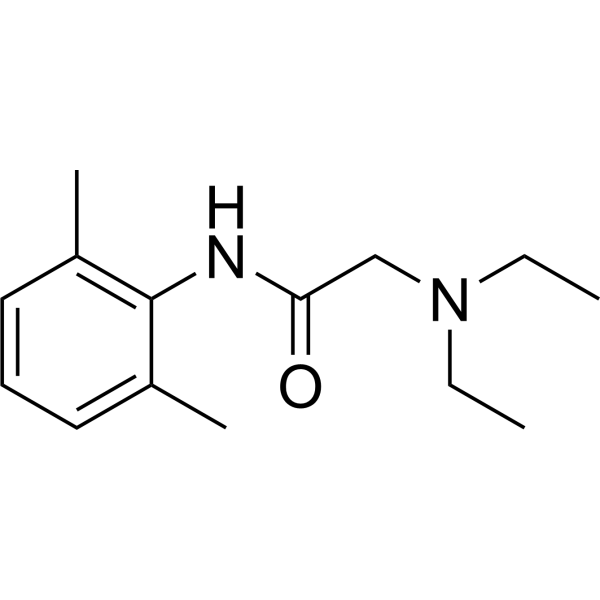
Lidocaine (GMP) is Lidocaine (HY-B0185) produced by using GMP guidelines. GMP small molecules work appropriately as an auxiliary reagent for cell therapy manufacture. Lidocaine inhibits sodium channels involving complex voltage and using dependence. Lidocaine decreases growth, migration and invasion of gastric carcinoma cells via up-regulating miR-145 expression and further inactivation of MEK/ERK and NF-κB signaling pathways. Lidocaine is an amide derivative and has potential for the research of ventricular arrhythmia.
For research use only. We do not sell to patients.
- CAS No.: 137-58-6
- Formula: C14H22N2O
- Molecular Weight:234.34
-
Storage:
Please store the product under the recommended conditions in the Certificate of Analysis.

To place orders, for customer services and technical support, please contact: MedChemExpress USA
Tel: 609-228-6898 E-mail: [email protected] [email protected]


-
 Biological Activity
-
Chemical Information
- Protocols
- Purity & Documentation
- References
-
 Help & FAQs


-
HY-B0185
LidocaineNa+ Channel Blocker -
HY-B0185R
Lidocaine (Standard) -
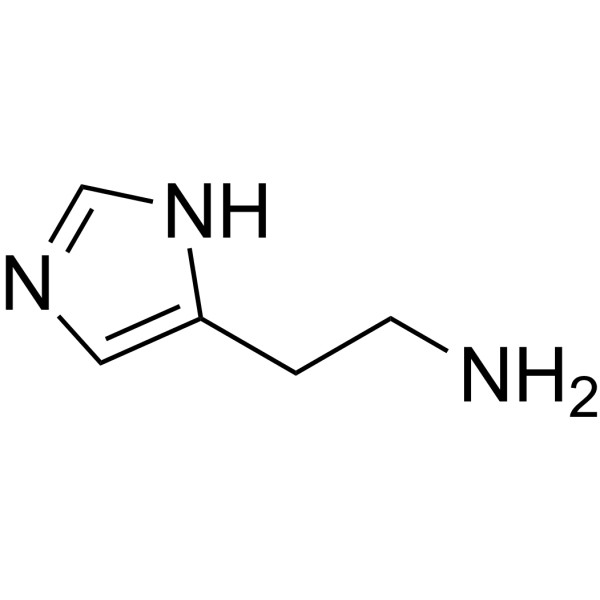
HY-B1204
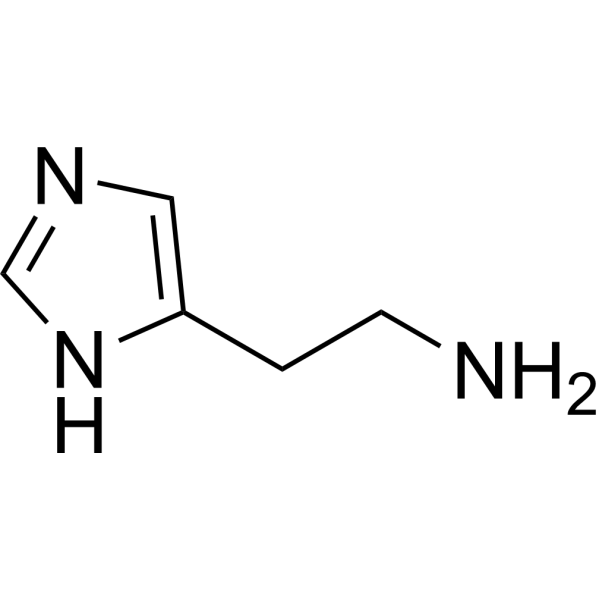
HistamineNeurotransmitter -
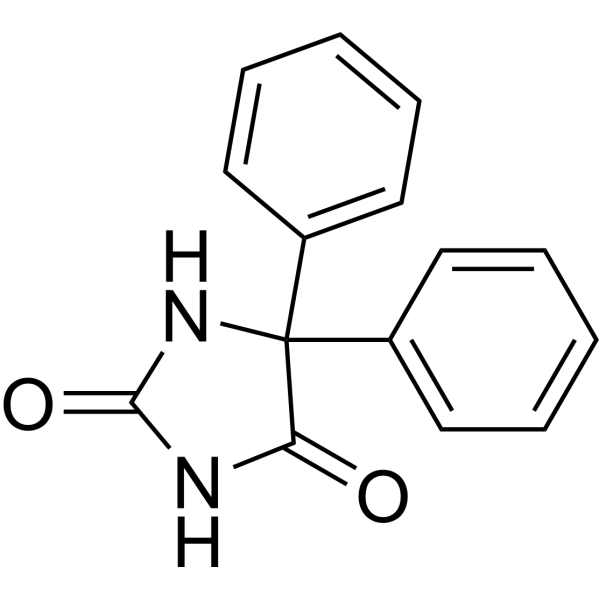
HY-B0448
PhenytoinVirus Protease Inhibitor -

HY-B0448R
Phenytoin (Standard)Virus Protease Inhibitor -
HY-B1204R
Histamine (Standard)Neurotransmitter -
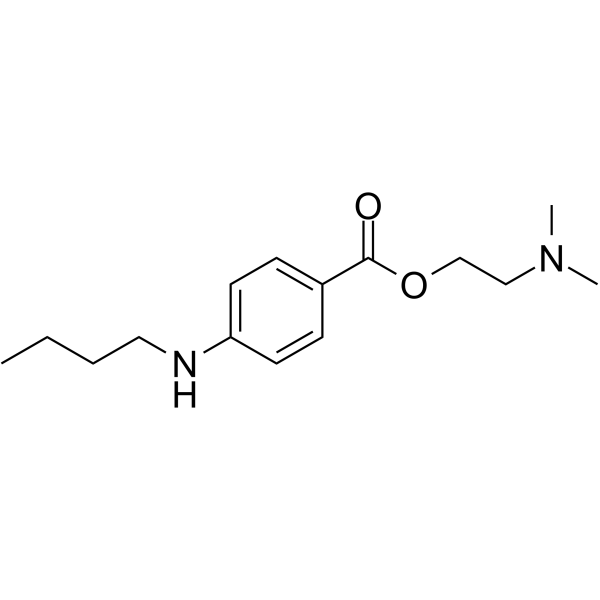
HY-A0079
TetracaineSodium Channel Inhibitor -
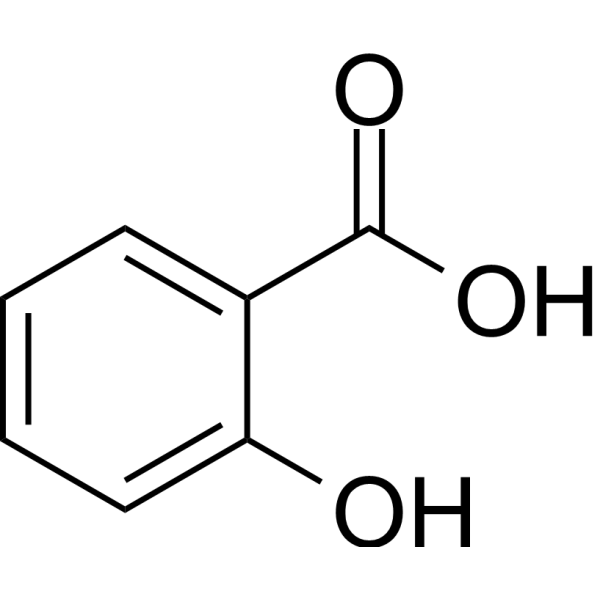
HY-B0167
Salicylic acidCOX-2 Inhibitor -
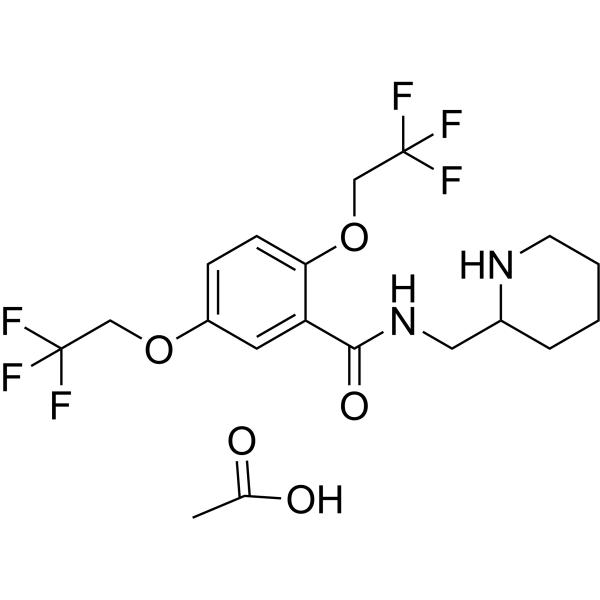
HY-17429
Flecainide acetateSodium Channel Inhibitor -
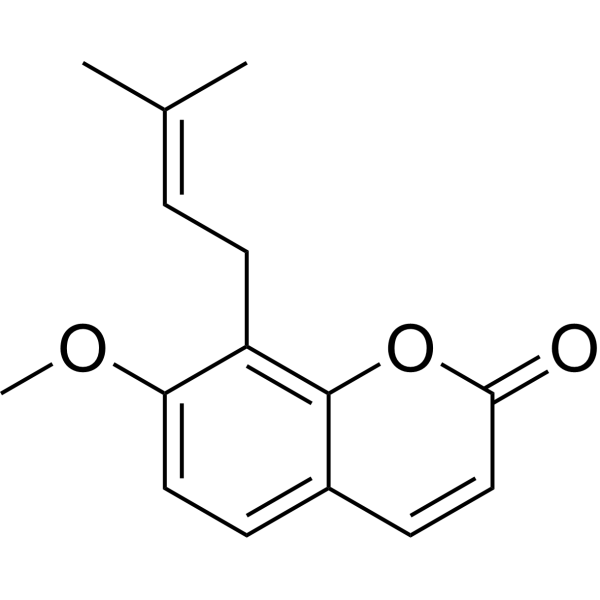
HY-N0054
OstholeApoptosis Inducer -
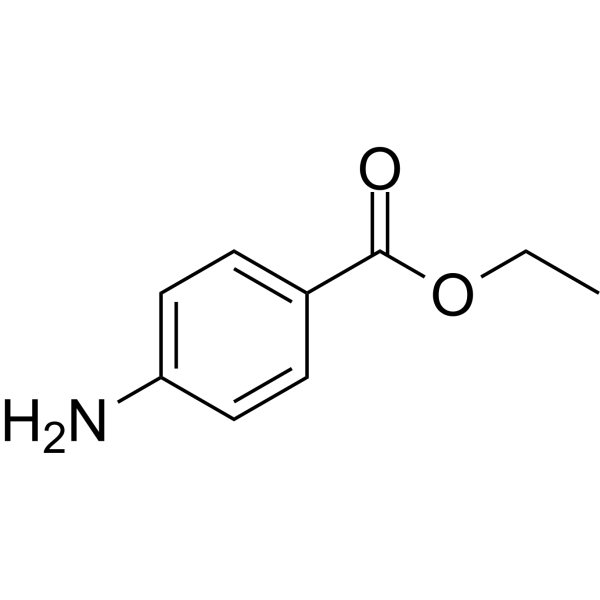
HY-Y0258
BenzocaineAnesthetic
All MEK Isoforms
More

Biological Activity
Description
Cellular Effect
|
Cell Line

|
Type | Value | Description | References |
|---|---|---|---|---|
| HEK293 | IC50 |
>500 μM
Compound: lidocaine
|
Inhibition of human MATE1-mediated ASP+ uptake expressed in HEK293 cells after 1.5 mins by fluorescence assay
Inhibition of human MATE1-mediated ASP+ uptake expressed in HEK293 cells after 1.5 mins by fluorescence assay
|
[PMID: 23241029] |
| HEK293 | IC50 |
180 μM
Compound: 1
|
Inhibition of human TREK-1 expressed in HEK293 cells by patch-clamp technique
Inhibition of human TREK-1 expressed in HEK293 cells by patch-clamp technique
|
[PMID: 23121096] |
| HEK293 | IC50 |
207 μM
Compound: 35
|
Inhibition of of human TREK1 expressed in HEK293 cells assessed as reduction in channel currents
Inhibition of of human TREK1 expressed in HEK293 cells assessed as reduction in channel currents
|
[PMID: 26588045] |
In Vitro
Lidocaine GMP (Lignocaine) (10 nM; 48 hours) decreases significantly cell proliferation[2].
Lidocaine GMP (1-10 nM; 24-72 h) inhibits cell viability and achieves the most suppressing effects at the concentration of 10 nM and treatment time 48 hours[2].
Lidocaine GMP (10 nM; 48 h) increases significantly the apoptotic cell rate[2].
Lidocaine GMP (10 nM; 48 h) down-regulates Cyclin D1 and up-regulates p21 expression significantly[2].
Lidocaine (100 μM, 200 μM, 28 d) slowed down the conduction velocity (CV) in hPSC lines[4].
Lidocaine (0.1-2000 μM, 5 min) exhibits limited use-dependent block (UDB) in hiPSC-derived cardiomyocytes[5].
Lidocaine (30 μM) reduces QT interval of LQTS-CMs to a normal level[6].
MedChemExpress (MCE) has not independently confirmed the accuracy of these methods. They are for reference only. Further protocols information, click here.
In Vivo
MedChemExpress (MCE) has not independently confirmed the accuracy of these methods. They are for reference only.


Chemical Information
-
CAS No. 137-58-6
-
Molecular Weight 234.34
-
Formula C14H22N2O
-
SMILES
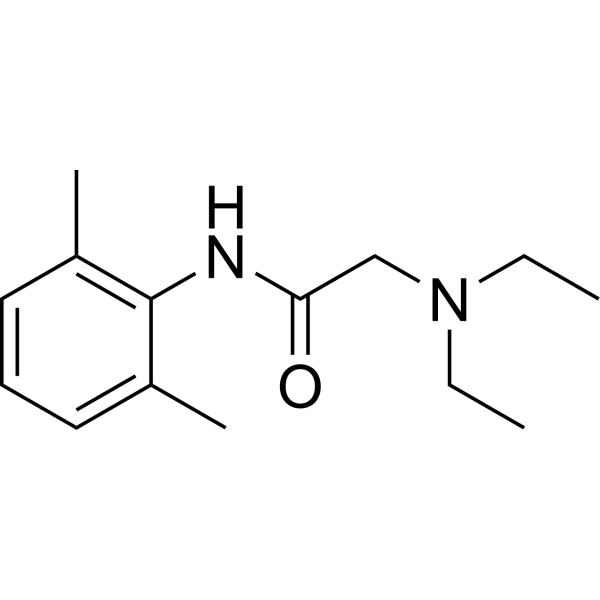
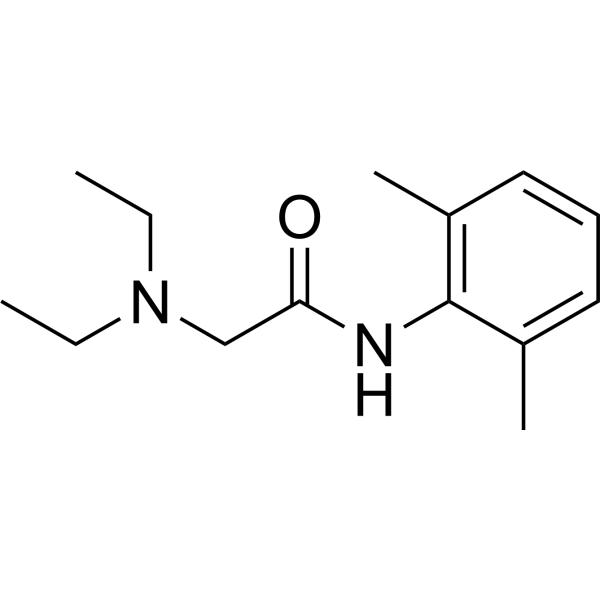
O=C(NC1=C(C)C=CC=C1C)CN(CC)CC
-
Synonyms
Lignocaine (GMP)
-
Shipping
Room temperature in continental US; may vary elsewhere.
-
Storage
Please store the product under the recommended conditions in the Certificate of Analysis.

Protocols
-
RNA extraction experimental
By lysing cells, releasing RNA, and removing impurities such as proteins and DNA, high-purity RNA products are finally obtained. The commonly used traditional method is the guanidine isothiocyanate/phenol/chloroform method (Trizol), which is suitable for a variety of animal materials including animal tissues, microorganisms, cultured cells, etc., and most plant materials.
-
Cardiac voltage-sensitive optical mapping
Cardiac voltage-sensitive optical mapping records changes in transmembrane potential from cardiac tissue by staining the preparation with a voltage-sensitive dye and imaging fluorescence changes during electrical activation; the resulting optical action potentials can be used to map activation time, action potential duration, conduction velocity, wavefront propagation, and arrhythmia dynamics. The optical signal represents a relative fluorescence change from a tissue volume rather than a single-cell intracellular recording, so spatial resolution, sampling rate, voltage resolution, optical magnification, light penetration, and motion control must be considered together when interpreting optical action potentials.
-
Cell migration
Cell migration is a method that plays an important role in wound healing, cell differentiation, embryonic development, etc.
-
Cell invasion
Cell invasion is the ability of cells to migrate from one area to another via the extracellular matrix. Cell invasion is the response of normal and cancer cells to chemical and mechanical stimuli. Before migrating to a new region, the extracellular matrix is degraded by proteases within the cell. Cell invasion often occurs during wound repair, vascularization and inflammation, abnormal tissue invasion, and tumor cell metastasis.
-
Research Protocol for Inflammation-related Diseases
The NLRP3 inflammasome is a cytosolic innate immune signaling platform that integrates priming signals and danger-signal activation to promote caspase-1 activation, maturation of IL-1β and IL-18, and gasdermin D-mediated pyroptotic cell death. The core experimental logic is to determine whether inflammatory disease phenotypes are driven by increased NLRP3 expression, ASC-containing inflammasome assembly, caspase-1 cleavage, GSDMD cleavage, and extracellular release of IL-1β/IL-18 rather than by nonspecific cell injury alone. The pathway is strongly linked to inflammation-related disease phenotypes because monosodium urate crystals activate NALP3/NLRP3 inflammasome signaling in gout-like crystal inflammation, cholesterol crystals activate NLRP3 inflammasomes in atherogenesis models, and DSS-induced intestinal inflammation has been reported to involve NLRP3 inflammasome activity. However, experimental colitis studies also show context-dependent protective effects of NLRP3 inflammasome co


Purity & Documentation
References
[1]. Cummins TR, et al. Setting up for the block: the mechanism underlying lidocaine's use-dependent inhibition of sodium channels. J Physiol. 2007 Jul 1;582(Pt 1):11. [Content Brief]
[2]. Sui H, et al. Lidocaine inhibits growth, migration and invasion of gastric carcinoma cells by up-regulation of miR-145. BMC Cancer. 2019 Mar 15;19(1):233. [Content Brief]
[3]. Li Z, et al. Evaluation of the antinociceptive effects of lidocaine and bupivacaine on the tail nerves of healthy rats. Basic Clin Pharmacol Toxicol. 2013 Jul;113(1):31-6. [Content Brief]
[4]. Kadota S, et al. Development of a reentrant arrhythmia model in human pluripotent stem cell-derived cardiac cell sheets. Eur Heart J. 2013 Apr;34(15):1147-56. [Content Brief]
[5]. Potet F, et al. GS-967 and Eleclazine Block Sodium Channels in Human Induced Pluripotent Stem Cell-Derived Cardiomyocytes. Mol Pharmacol. 2020 Nov;98(5):540-547. [Content Brief]
[6]. Wang F, et al. In Vitro Drug Screening Using iPSC-Derived Cardiomyocytes of a Long QT-Syndrome Patient Carrying KCNQ1 & TRPM4 Dual Mutation: An Experimental Personalized Treatment. Cells. 2022 Aug 11;11(16):2495. [Content Brief]

Calculators
Concentration (start) × Volume (start) = Concentration (final) × Volume (final)


Lidocaine (GMP) Related Classifications
HY-B0185G Related Classifications
 Powered by Bioz