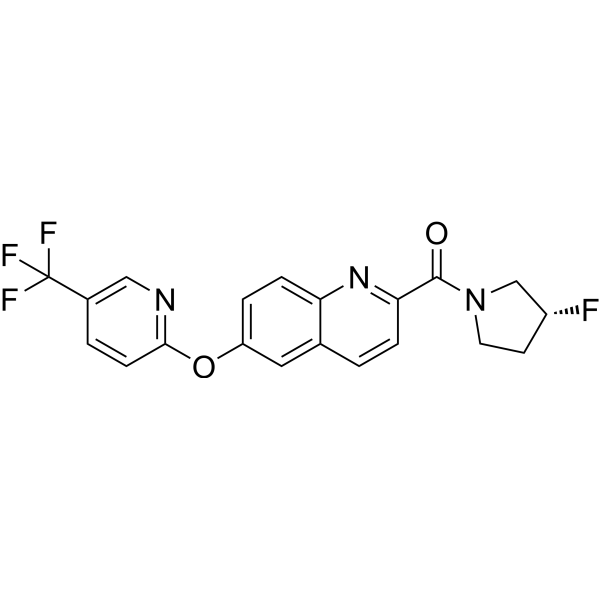
Nav1.8
NaV1.8, encoded by SCN10A, is a tetrodotoxin-resistant voltage-gated sodium channel expressed by dorsal root ganglion sensory neurons associated with C-fibres[1]. It supports nociceptor excitability because its sodium current contributes to action-potential generation in sensory neurons activated by tissue damage[1]. Mechanistically, inflammatory signaling can increase tetrodotoxin-resistant sodium current through the cyclic AMP-protein kinase A pathway, linking NaV1.8 function to peripheral sensitization[2]. In pain models, reducing NaV1.8 expression or blocking NaV1.8 attenuated neuropathic or inflammatory pain behaviors in rats[3][4]. Compared with NaV1.7, which strongly determines inflammatory pain thresholds, NaV1.8 is distinguished by sensory-neuron selectivity and tetrodotoxin resistance[1][5]. For experimental applications, A-803467 selectively blocked human NaV1.8 and reduced mechanical allodynia or thermal hyperalgesia in rat pain models[4]. Clinically, the oral selective NaV1.8 inhibitor VX-548 reduced acute postoperative pain at the highest tested dose in phase 2 trials[6].
References:
- [1]. Akopian AN, et al. A tetrodotoxin-resistant voltage-gated sodium channel expressed by sensory neurons. Nature. 1996 Jan 18;379(6562):257-62. [Content Brief]
- [2]. England S, et al. PGE2 modulates the tetrodotoxin-resistant sodium current in neonatal rat dorsal root ganglion neurones via the cyclic AMP-protein kinase A cascade. J Physiol. 1996 Sep 1;495 ( Pt 2)(Pt 2):429-40. [Content Brief]
- [3]. Mikami M, et al. Short hairpin RNA-mediated selective knockdown of NaV1.8 tetrodotoxin-resistant voltage-gated sodium channel in dorsal root ganglion neurons. Anesthesiology. 2005 Oct;103(4):828-36. [Content Brief]
- [4]. Jarvis MF, et al. A-803467, a potent and selective Nav1.8 sodium channel blocker, attenuates neuropathic and inflammatory pain in the rat. Proc Natl Acad Sci U S A. 2007 May 15;104(20):8520-5. [Content Brief]
- [5]. Nassar MA, et al. Neuropathic pain develops normally in mice lacking both Na(v)1.7 and Na(v)1.8. Mol Pain. 2005 Aug 22;1:24. [Content Brief]
- [6]. Jones J, et al. Selective Inhibition of NaV 1.8 with VX-548 for Acute Pain. N Engl J Med. 2023 Aug 3;389(5):393-405. [Content Brief]
All Product Categories
-
Nav1.8 Related Products (42)
Related Products (42)

-
A-803467
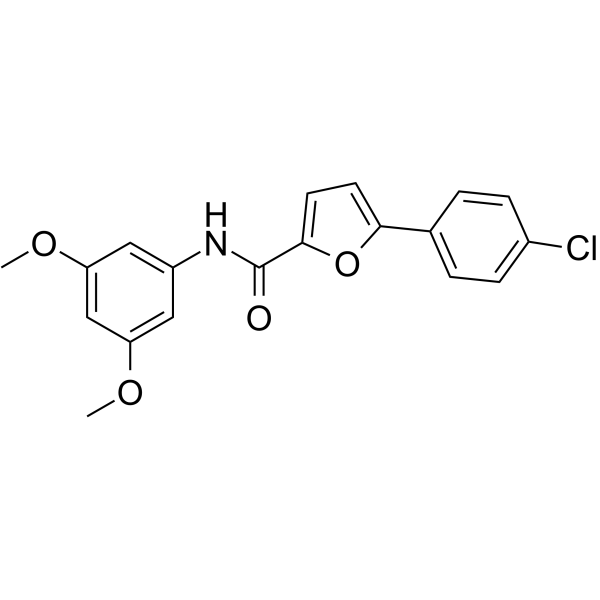 0 ImagesA-803467 is a potent and selective tetrodotoxin-resistant Nav1.8 sodium channel blocker (IC50=8 nM). A-803467 has shown significant anti-nociception in neuropathic and inflammatory pain models. A-803467 enhances the chemosensitivity of conventional anticancer agents through interaction with the ATP-binding cassette subfamily G member 2 (ABCG2) transporter.
-
DSP-2230
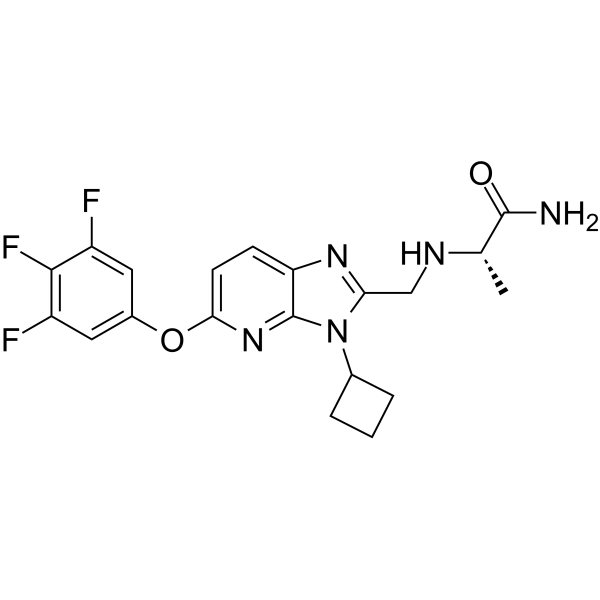 0 ImagesSynonyms: ANP-230DSP-2230 is the orally active inhibitor for voltage-gated sodium channel that inhibits Nav1.7-, Nav1.8-, and Nav1.9-derived sodium currents with IC50s of 7.1 μM, 11.4 μM and 6.7 μM, respectively. DSP-2230 can be used to improve neuropathic pain.
-
ICA-121431
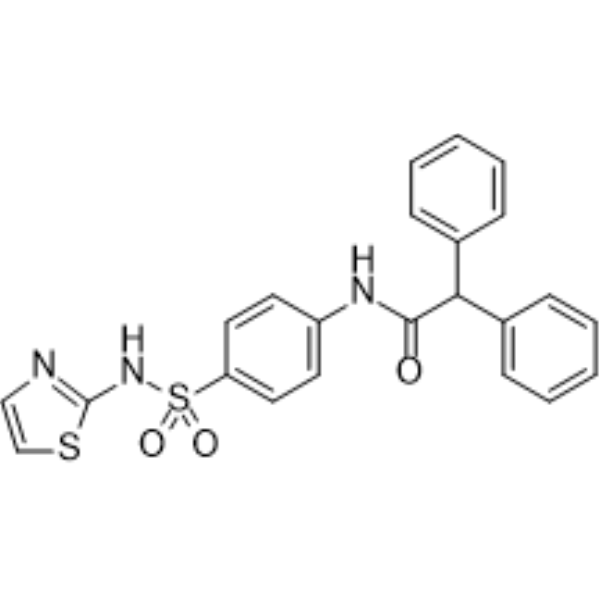 0 ImagesICA-121431 is a nanomolar potent and broad-spectrum voltage-gated sodium channel (Nav) blocker, shows equipotent selectivity for human Nav1.1 and Nav1.3 subtypes with IC50 values of 13 nM and 23 nM, respectively. ICA-121431 shows less potent inhibition of Nav1.2 (IC50=240 nM) and 1,000 fold selectivity against Nav1.4, Nav1.6, and the TTX-resistant human Nav1.5 and Nav1.8 channels (IC50s >10 μM).
-
PF-06456384 trihydrochloride
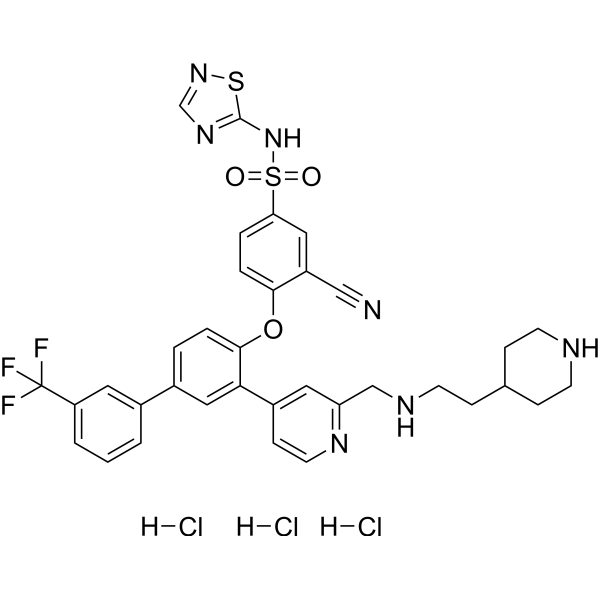 0 ImagesPF-06456384 trihydrochloride is an extremely potent and selective Nav1.7 sodium channel blocker (IC50: 0.01 nM for hNaV1.7; 75 nM for rNaV1.7; <0.1 nM for mNaV1.7). PF-06456384 trihydrochloride shows no significant analgesic efficacy in the mouse Formalin pain model.
-
TC-N 1752
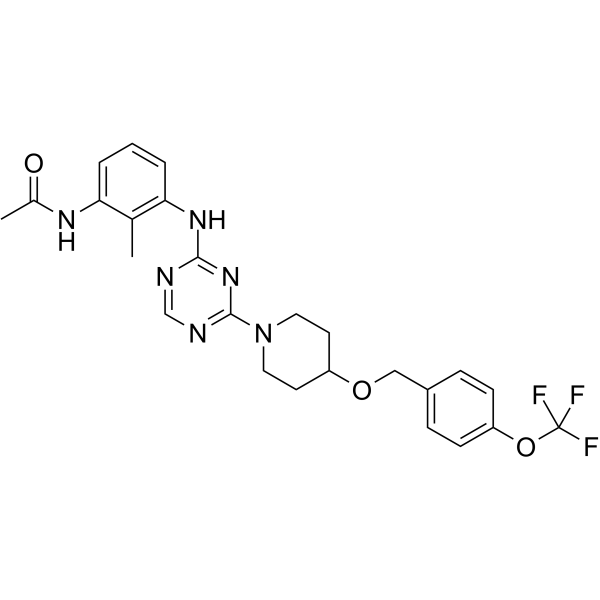 0 ImagesTC-N 1752 is a potent and orally active inhibitor of Nav1.7, with IC50s of 0.17 μM, 0.3 μM, 0.4 μM, 1.1 μM and 2.2 μM at hNav1.7, hNav1.3, hNav1.4, hNaV1.5 and rNav1.8, respectively. TC-N 1752 also inhibits tetrodotoxin-sensitive sodium channels. TC-N 1752 shows analgesic efficacy in the Formalin model of pain.
-
Dexpramipexole
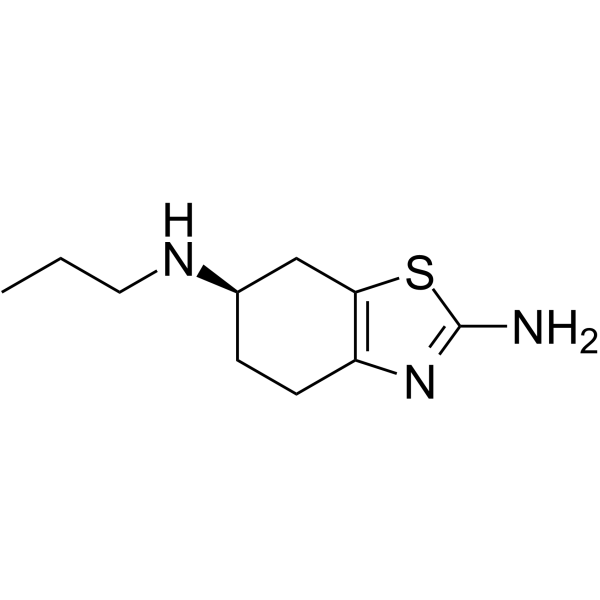 0 ImagesSynonyms: (R)-Pramipexole; R-(+)-Pramipexole; KNS-760704Dexpramipexole ((R)-Pramipexole) is an orally active, blood-brain barrier permeable mitochondrial protective agent. Dexpramipexole upregulates the expression of Parkin, PINK1, GPX4 and FSP1; binds to mitochondrial F1/Fo-ATP synthase; blocks the Nav1.8 sodium channel; and inhibits the activation of the NLRP3 inflammasome. Dexpramipexole induces mitophagy, inhibits ferroptosis, pyroptosis, apoptosis, neuroinflammation and eosinophilopoiesis; maintains mitochondrial function and redox homeostasis; reduces reactive oxygen species production; and decreases myocardial infarct size. Dexpramipexole is applicable to studies on eosinophilic asthma, myocardial ischemia/reperfusion injury, sepsis-associated encephalopathy, analgesia, and more.
-
MK-5661
 0 ImagesCat. No.: HY-183566CAS No.: 2417328-24-4MK-5661 is an orally potent NaV1.8 voltage-gated sodium channel inhibitor with an EC50 of 4.3 nM. MK-5661 selectively inhibits peripheral nociceptive signaling mediators. MK-5661 reduces capsaicin-induced spontaneous nociceptive behaviors in humanized rats and attenuates capsaicin-induced skin flushing responses in rhesus monkeys. MK-5661 is applicable for pain-related research.
-
Nav1.8-IN-18
 0 ImagesCat. No.: HY-172998CAS No.: 3003828-55-2Nav1.8-IN-19 (Compound 70) is a Nav1.8 inhibitor.
-
LTGO-33
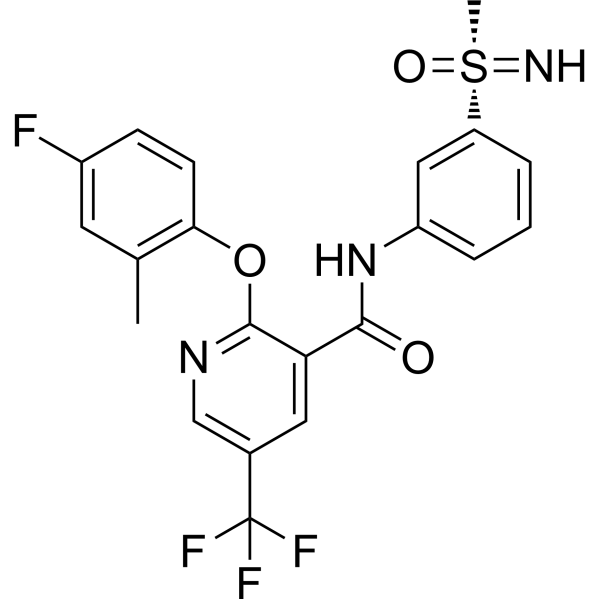 0 ImagesLTGO-33 is a potent and selective voltage-gated sodium channel NaV1.8 inhibitor. LTGO-33 inhibits NaV1.8 in the nM potency range and exhibits over 600-fold selectivity against human NaV1.1-NaV1.7 and NaV1.9. LTGO-33 exhibits state-independent inhibition with similar potencies on channels in the closed and inactivated conformations. LTGO-33 inhibits native TTX-R NaV1.8 currents in non-human primate and human DRG neurons, where it reduces action potential firing. LTGO-33 can be used for pain disorders research.
-
A-887826
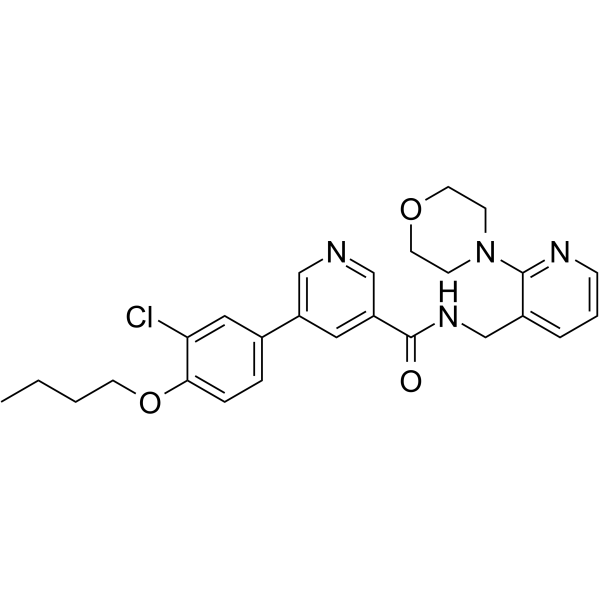 0 ImagesA-887826 is a potent, selective, oral bioavailable and voltage-dependent Na(v)1.8 sodium channel blocker with an IC50 of 11 nM . A-887826 attenuates neuropathic tactile allodynia in vivo.
-
Sodium Channel inhibitor 6
 0 ImagesSodium Channel inhibitor 6 (compound I) is a selective Nav1.8 inhibitor that can be used in the study of neuropathic pain.
-
Funapide
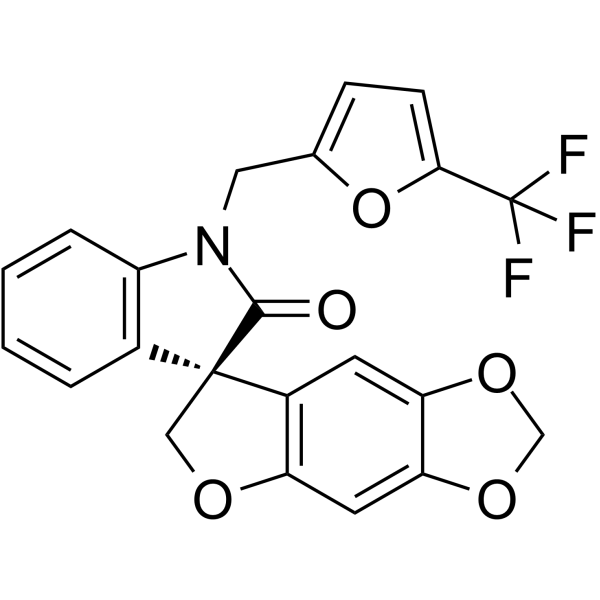 0 ImagesSynonyms: TV 45070; XEN402Funapide (TV 45070; XEN402) is an orally active inhibitor of voltage-gated sodium channels (VGSC) in the peripheral nervous system with IC50 values ??of 84 nM and 54 nM for Nav1.5 and Nav1.7, respectively. Funapide has analgesic effects.
-
Cyfluthrin
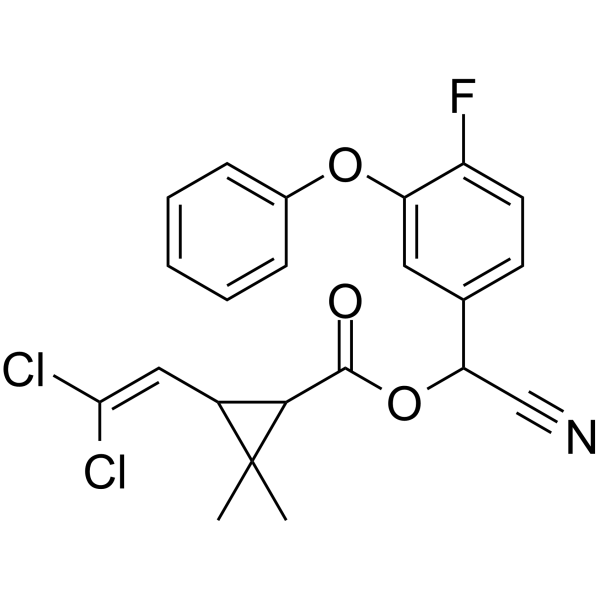 0 ImagesCyfluthrin is a type II pyrethroid and has effects on various insects. Cyfluthrin is a modulator of Nav1.8 sodium channels by repetitive stimulation. Cyfluthrin can be applied in agriculture,veterinary, insecticide,pyrethroid and stored product.
-
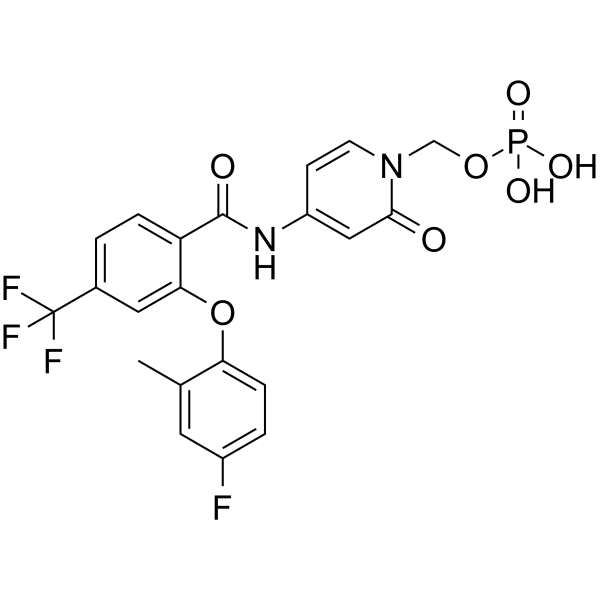
PF-06305591
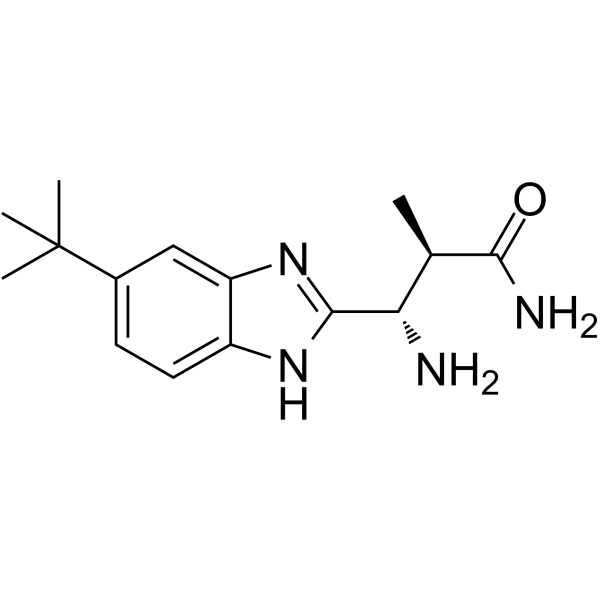 0 ImagesPF-06305591 is a potent and highly selective voltage gated sodium channel NaV1.8 blocker, with an IC50 of 15 nM. An excellent preclinical in vitro ADME and safety profile.
-
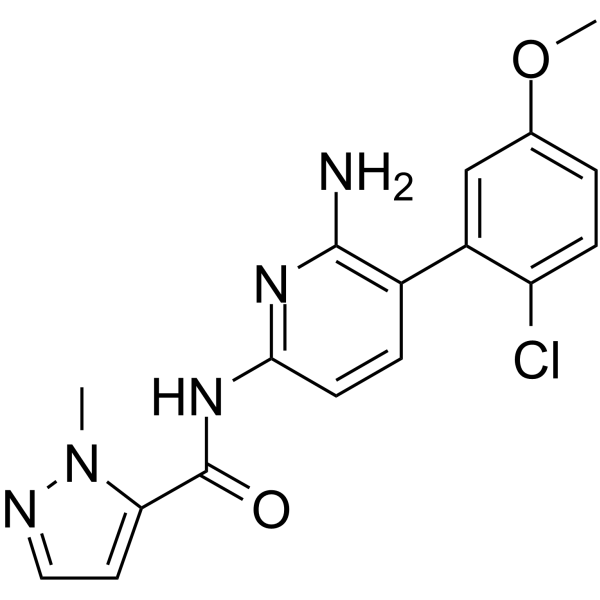
PF-01247324
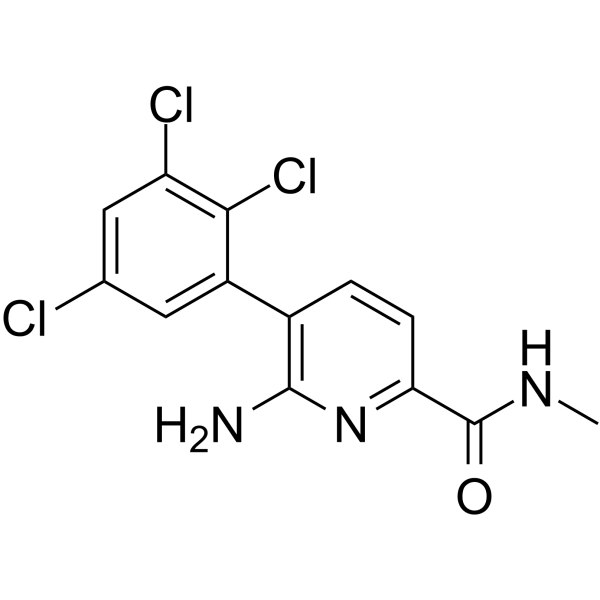 0 ImagesPF-01247324 is a selective and orally bioavailable Nav1.8 channel blocker with an IC50 of 196 nM for recombinant human Nav1.8 channel.
-
3'-Methoxydaidzein
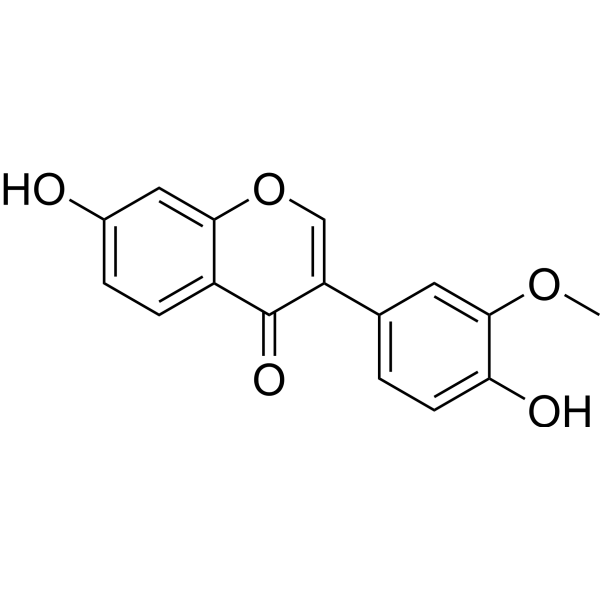 0 Images3'-Methoxydaidzein is a isoflavone and a Sodium Channel inhibitor. 3'-Methoxydaidzein inhibits subtypes NaV1.7, NaV1.8 and NaV1.3 with IC50 of 181 nM, 397 nM, and 505 nM, respectively. 3'-Methoxydaidzein exerts analgesic activity by inhibiting voltage-gated sodium channels.
-
Nav1.8-IN-2
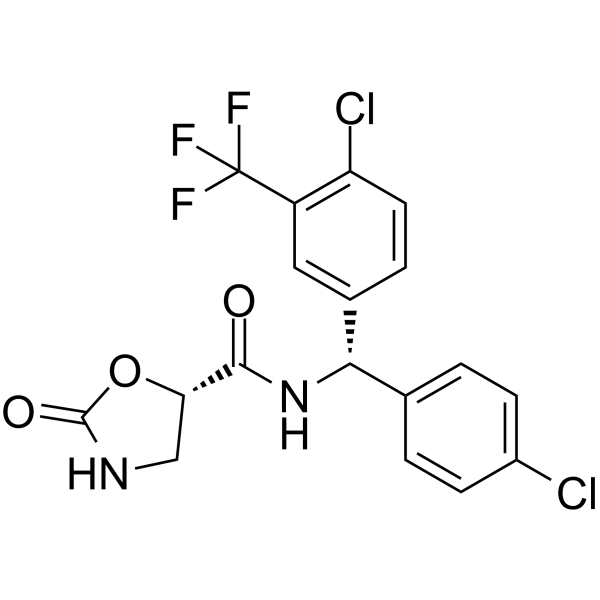 0 ImagesNav1.8-IN-2 (compound 35A) is a Nav1.8 voltage-gated sodium ion inhibitor with an IC50 of 0.4 nM (HEK 293 cells). Nav1.8-IN-2 inhibits the activity of Nav1.8 voltage-gated sodium ion channels, mediates sodium ion influx in excitable cells, and is associated with the initiation and conduction of action potentials. Nav1.8-IN-2 can be used for research related to pain, cough, itching, etc.