Search Result
Results for "
BTK+inhibitors
" in MedChemExpress (MCE) Product Catalog:
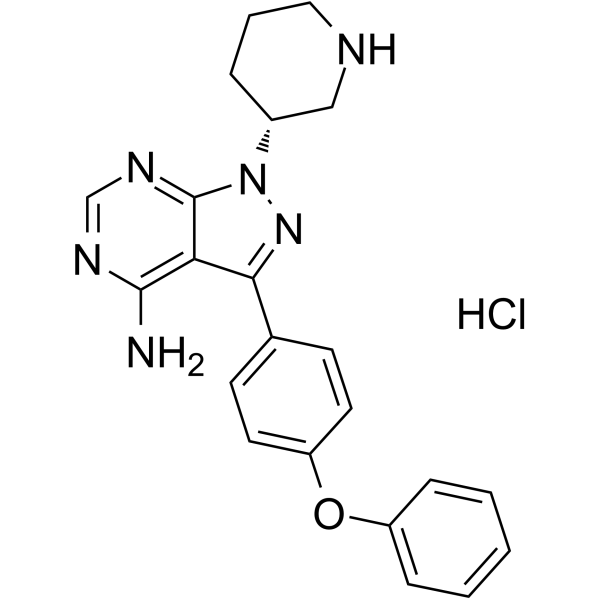
7
Isotope-Labeled Compounds
| Cat. No. |
Product Name |
Target |
Research Areas |
Chemical Structure |
-
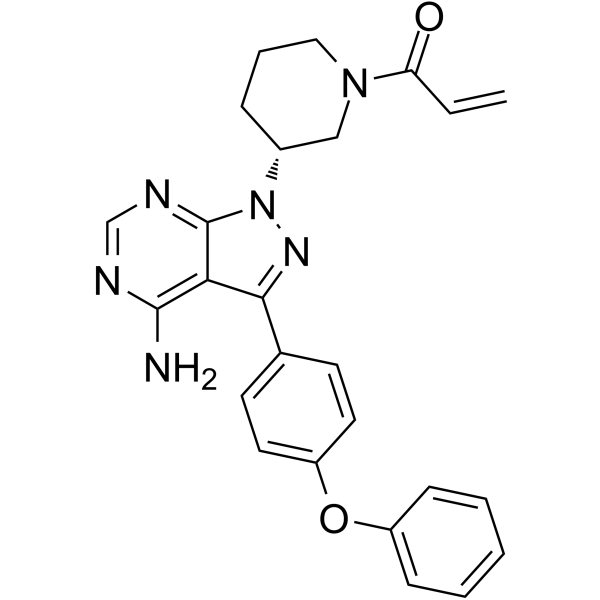
- HY-10997
-
-
-
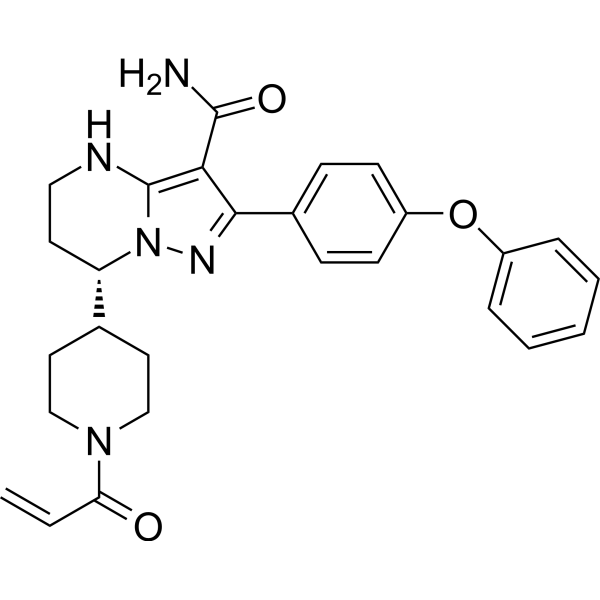
- HY-101474A
-
|
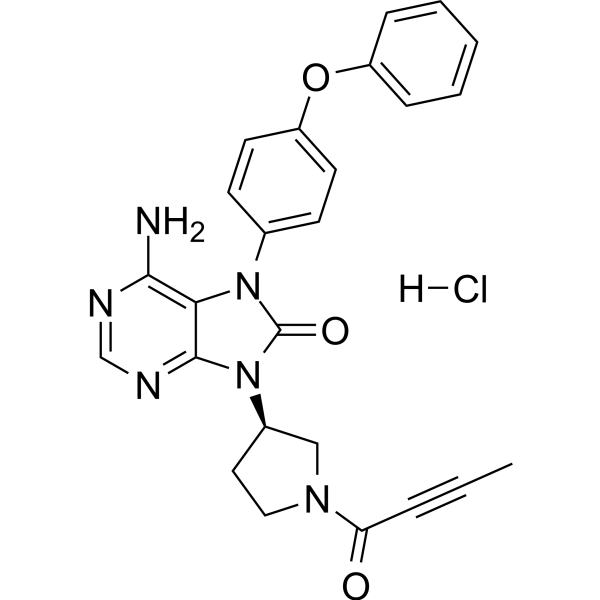
BGB-3111
|
Btk
|
Cancer
|
|
Zanubrutinib (BGB-3111) is a selective and orally active Bruton tyrosine kinase (Btk) inhibitor (IC50: 0.3 nM) .
|
-
-
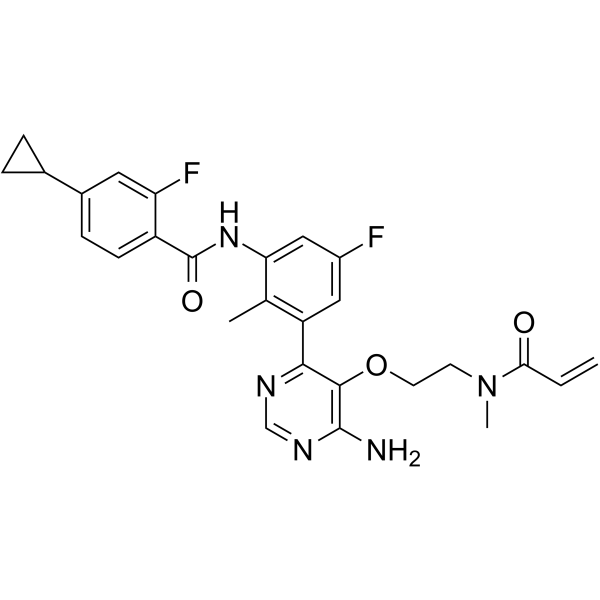
- HY-128757
-
|
LOU064
|
Btk
|
Inflammation/Immunology
Cancer
|
|
Remibrutinib, is a potent and orally active bruton tyrosine kinase (BTK) inhibitor with an IC50 value of 1 nM. Remibrutinib inhibits BTK activity with an IC50 value of 0.023 μM in blood . Remibrutinib has the potential for Chronic urticaria (CU) treatment .
|
-
-
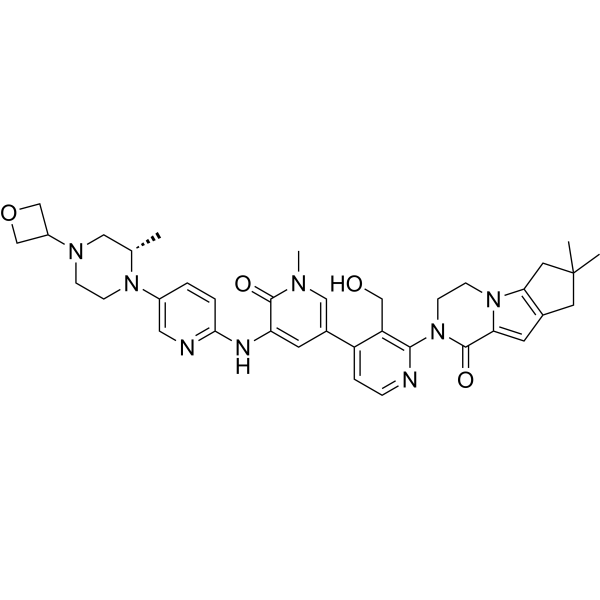
- HY-19834
-
|
GDC-0853
|
Btk
|
Cancer
|
|
Fenebrutinib (GDC-0853) is a potent, selective, orally available, and noncovalent bruton's tyrosine kinase (Btk) inhibitor with Kis of 0.91 nM, 1.6, 1.3, 12.6, and 3.4 nM for WT Btk, and the C481S, C481R, T474I, T474M mutants. Fenebrutinib has the potential for rheumatoid arthritis and systemic lupus erythematosus research .
|
-
-
- HY-129390
-
|
ICP-022
|
Btk
|
Cancer
|
|
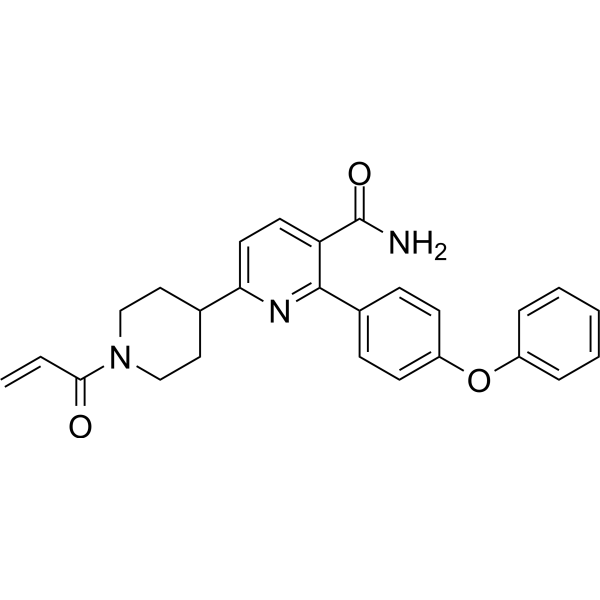
Orelabrutinib (ICP-022) is a potent, orally active, and irreversible Bruton's tyrosine kinase (BTK) inhibitor with potential antineoplastic activity. Orelabrutinib prevents both the activation of the B-cell antigen receptor (BCR) signaling pathway and BTK-mediated activation of downstream survival pathways, inhibiting the growth of malignant B-cells that overexpress BTK .
|
-
-
- HY-15771
-
|
ONO-4059; GS-4059
|
Btk
Apoptosis
|
Inflammation/Immunology
Cancer
|
|
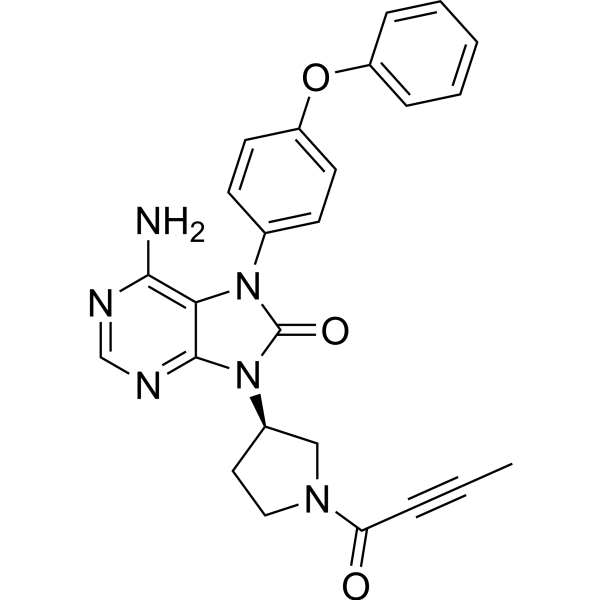
Tirabrutinib (ONO-4059) is an orally active Bruton’s Tyrosine Kinase (BTK) inhibitor (can cross the blood-brain barrier (BBB)), with an IC50 of 6.8 nM. Tirabrutinib irreversibly and covalently binds to BTK and inhibits aberrant B cell receptor signaling. Tirabrutinib can be used in studies of autoimmune diseases and hematological malignancies .
|
-
-
- HY-19816
-
|
Abivertinib; AC0010
|
EGFR
Btk
Apoptosis
|
Cancer
|
|
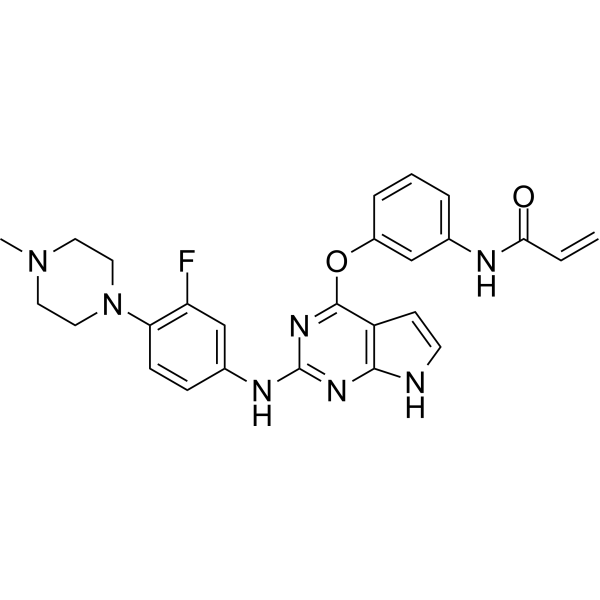
Avitinib (Abivertinib) is a third-generation, irreversible and orally active selective EGFR inhibitor, with IC50 values of 0.18 nM, 0.18 nM, 7.68 nM and against EGFR L858R, EGFR T790M and wild-type EGFR. Avitinib is also a BTK inhibitor that induces apoptosis and inhibits phosphorylation of BTK in mantle cell lymphoma. Avitinib shows anticancer effects .
|
-
-
- HY-101215
-
|
M2951; MSC2364447C
|
Btk
|
Inflammation/Immunology
Cancer
|
|
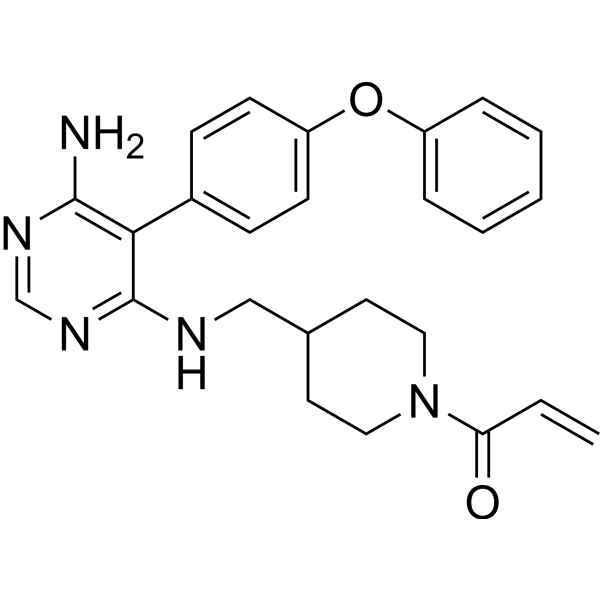
Evobrutinib (M2951) is an orally active, potent, highly selective and irreversibly covalent BTK inhibitor, with an IC50 of 8.9 nM. Evobrutinib (M2951) can be used for the research of autoimmune diseases .
|
-
-
- HY-13036A
-
|
|
Btk
|
Cancer
|
|
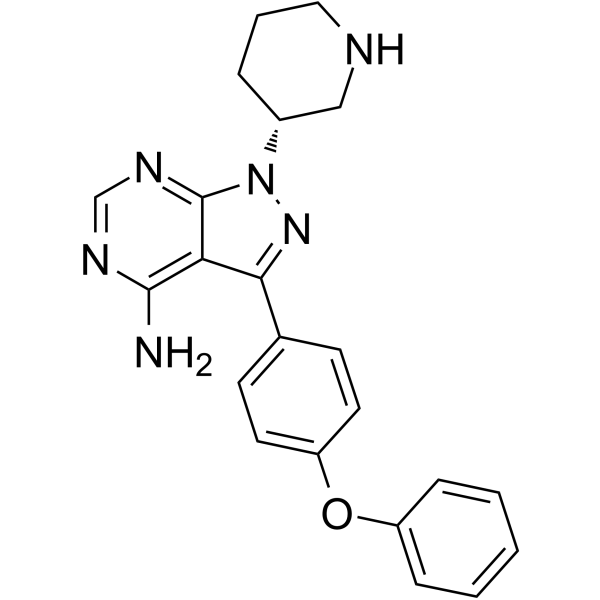
IBT6A is an impurity of Ibrutinib. IBT6A can be used in synthesis of IBT6A Ibrutinib dimer and IBT6A adduct . Ibrutinib is a selective, irreversible Btk inhibitor with an IC50 of 0.5 nM .
|
-
-
- HY-19816A
-
|
Abivertinib maleate; AC0010 maleate
|
EGFR
Btk
Apoptosis
|
Cancer
|
|
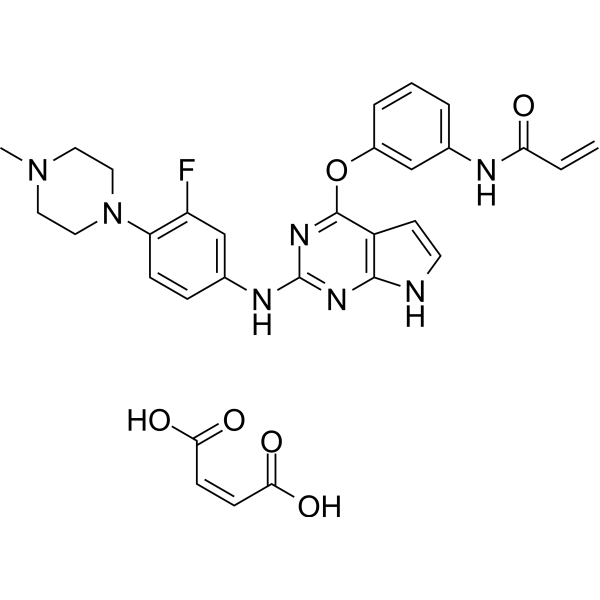
Avitinib (Abivertinib) maleate is a third-generation, irreversible and orally active selective EGFR inhibitor, with IC50 values of 0.18 nM, 0.18 nM, 7.68 nM and against EGFR L858R, EGFR T790M and wild-type EGFR. Avitinib maleate is also a BTK inhibitor that induces apoptosis and inhibits phosphorylation of BTK in mantle cell lymphoma. Avitinib maleate shows anticancer effects .
|
-
-
- HY-18018
-
RN486
3 Publications Verification
|
Btk
|
Inflammation/Immunology
|
|
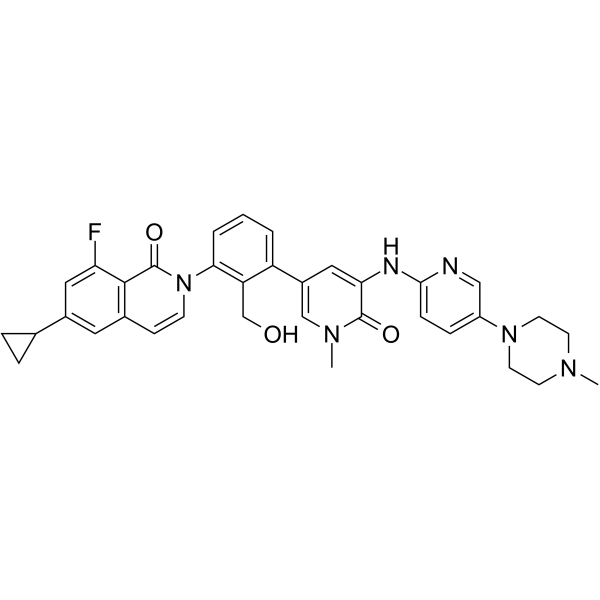
RN486 is a potent, selective and orally active Btk inhibitor with an IC50 of 4.0 nM and a Kd of 0.31 nM. RN486 is less active for other kinases. RN486 can be used for rheumatoid arthritis and systemic lupus erythematosus research .
|
-
-
- HY-109010
-
|
HM71224; LY3337641
|
Btk
BMX Kinase
Toll-like Receptor (TLR)
|
Metabolic Disease
|
|
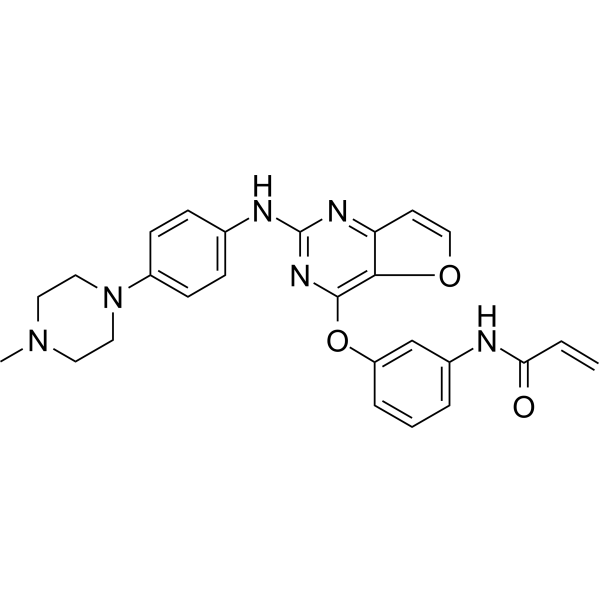
Poseltinib (HM71224) is an orally active, selective, irreversible small molecule Bruton tyrosine kinase (BTK) inhibitor. With an IC50 of 1.95 nM. Poseltinib effectively inhibits the signaling mediated by B cell receptors (BCR), Fc receptors (FcR), and Toll-like receptors (TLR). Poseltinib has anti-inflammatory activity and can be used in the research of rheumatoid arthritis .
|
-
-
- HY-135334
-
|
|
Drug Metabolite
Btk
Cytochrome P450
|
Cancer
|
|
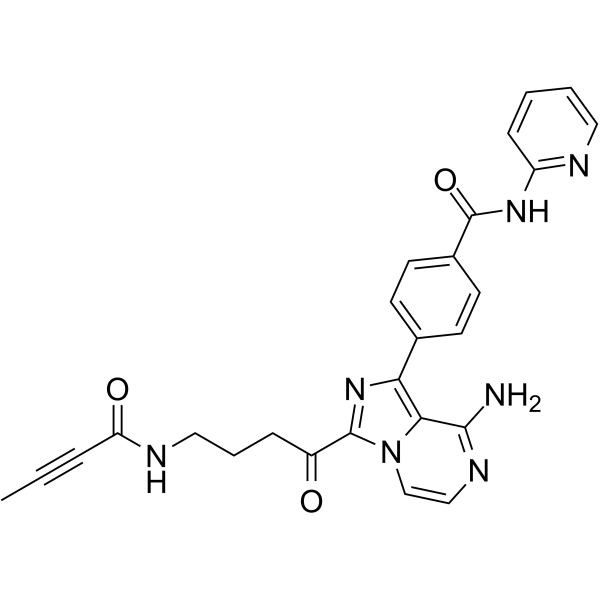
ACP-5862 is a major active, circulating, pyrrolidine ring-opened metabolite of Acalabrutinib with an IC50 of 5.0 nM for Bruton tyrosine kinase (BTK). ACP‐5862 is a weak time‐dependent inactivator of CYP3A4 and CYP2C8. Acalabrutinib is an orally active, irreversible, and highly selective BTK inhibitor, with an IC50 of 3 nM and EC50 of 8 nM .
|
-
-
- HY-78727
-
|
IBT4A
|
Drug Intermediate
Btk
|
Inflammation/Immunology
Cancer
|
|
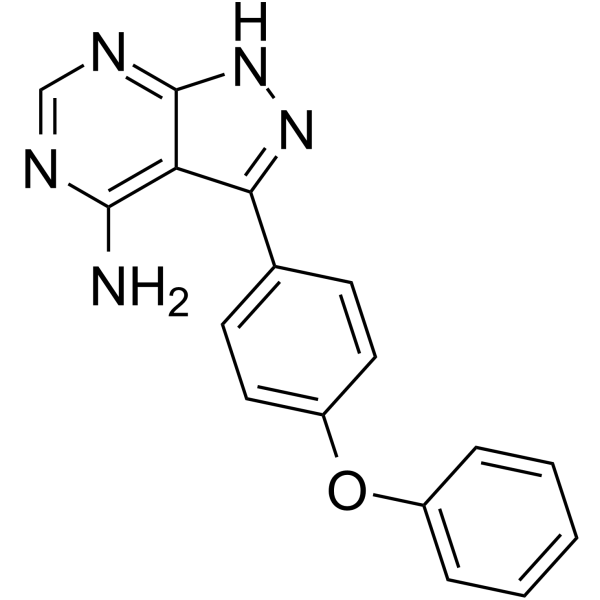
Ibrutinib deacryloylpiperidine (IBT4A) is a derivative of an Ibrutinib (HY-10997) intermediate and an Ibrutinib impurity. Ibrutinib deacryloylpiperidine serves as a starting material and is used in the synthesis of a modified BTK inhibitor derivative via the Mitsunobu reaction .
|
-
-
- HY-109143
-
|
ABBV-105
|
Btk
|
Inflammation/Immunology
|
|
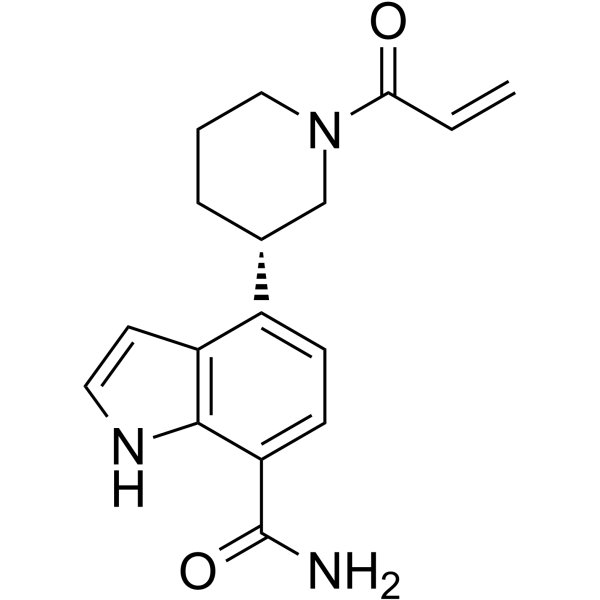
Elsubrutinib (ABBV-105) is an orally active, potent, selective and irreversible Bruton's tyrosine kinase (BTK) inhibitor. The IC50 of Elsubrutinib for BTK catalytic domain is 0.18 μM. Elsubrutinib can be used for the research of inflammatory disease .
|
-
-
- HY-139535
-
|
CG-806
|
FLT3
Btk
Apoptosis
|
Cancer
|
|
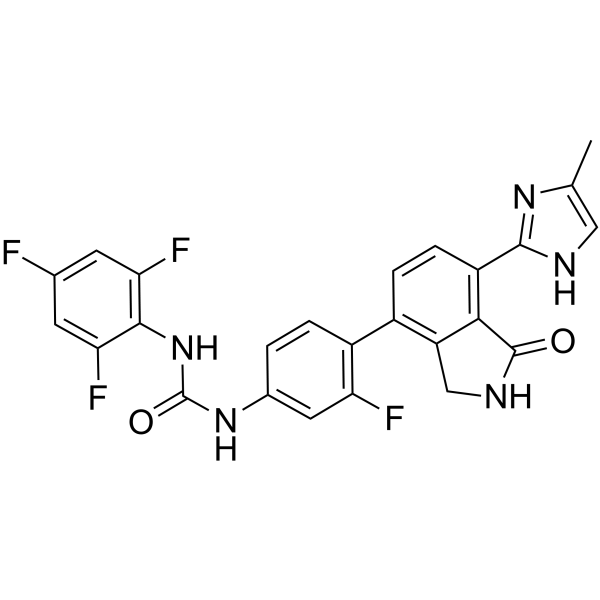
Luxeptinib (CG-806) is an orally active, reversible, first-in-class, non-covalent and potent pan-FLT3/pan-BTK inhibitor. Luxeptinib induces cell cycle arrest, apoptosis or autophagy in acute myeloid leukemia cells .
|
-
-
- HY-15771A
-
|
ONO-4059 hydrochloride; GS-4059 hydrochloride
|
Btk
Apoptosis
|
Inflammation/Immunology
Cancer
|
|
Tirabrutinib (ONO-4059) hydrochloride is an orally active Bruton’s Tyrosine Kinase (BTK) inhibitor (can cross the blood-brain barrier (BBB)), with an IC50 of 6.8 nM. Tirabrutinib hydrochloride irreversibly and covalently binds to BTK and inhibits aberrant B cell receptor signaling. Tirabrutinib hydrochloride can be used in studies of autoimmune diseases and hematological malignancies .
|
-
-
- HY-13943
-
CNX-774
2 Publications Verification
|
Btk
|
Cancer
|
|
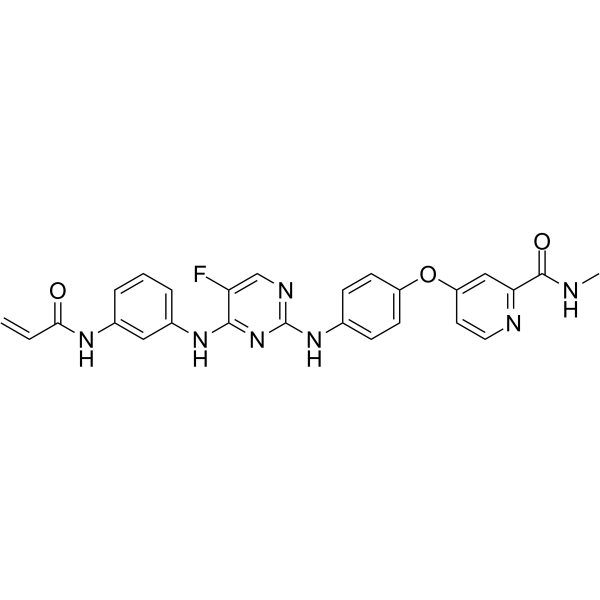
CNX-774 is an orally active, irreversible and selective BTK inhibitor, with an IC50 of < 1 nM. CNX-774 specifically targets Cysteine 481 of Btk for covalent modification .
|
-
-
- HY-139984
-
|
|
Btk
|
Neurological Disease
Inflammation/Immunology
|
|
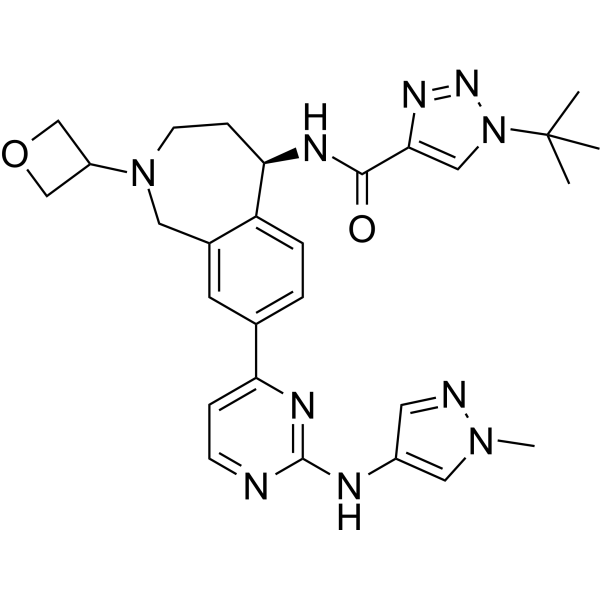
BIIB091 is a potent, selective, orally active and reversible BTK inhibitor, with an IC50 of <0.5 nM. BIIB091 binds the BTK protein to sequester TYR-551 into an inactive conformation with excellent affinity. BIIB091 can be used for the research of multiple sclerosis .
|
-
-
- HY-15427
-
|
|
Btk
|
Inflammation/Immunology
Cancer
|
|
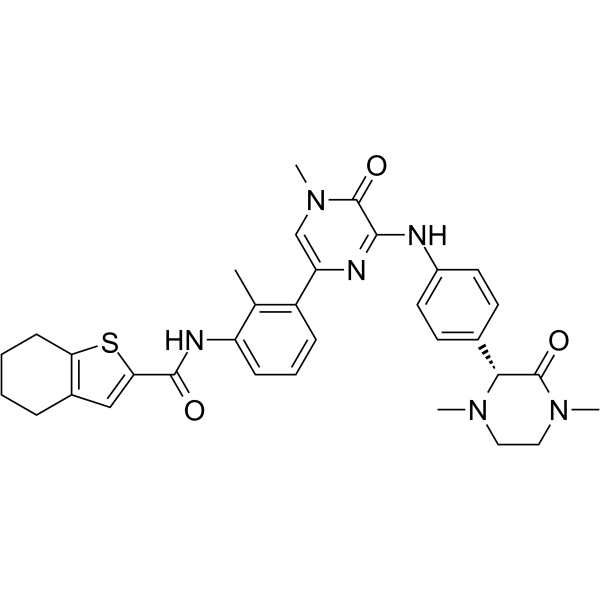
GDC-0834 is an orally active selective, potent, and reversible BTK inhibitor with an IC50 of 5.9 nM. GDC-0834 demonstrates pBTK-Tyr223 inhibition in mice and rats. GDC-0834 can be used for research of rheumatoid arthritis (RA) .
|
-
-
- HY-15809
-
|
|
Btk
Calcium Channel
|
Inflammation/Immunology
|
|
(Rac)-Ibrutinib alkyne (Compound 8) is a Btk inhibitor with an IC50 of 0.72 nM. (Rac)-Ibrutinib alkyne can effectively inhibit functions related to the B-cell receptor signaling pathway, with an IC50 of 9 nM for inhibiting Ca flux in Ramos cells. (Rac)-Ibrutinib alkyne can be used in the research of diseases such as rheumatoid arthritis .
|
-

-
- HY-100338
-
|
|
Btk
|
Cancer
|
|
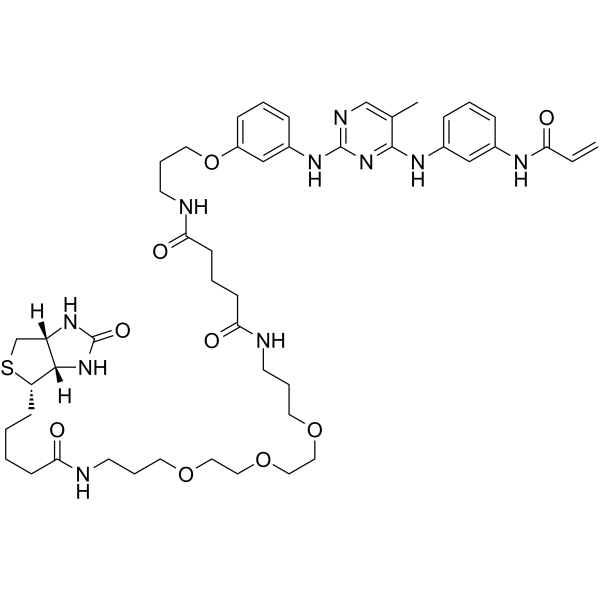
CNX-500 is a probe consisting of a covalent Btk inhibitor (CC-292) chemically linked to biotin. CNX-500 retains inhibitory activity against Btk (IC50 of 0.5 nM) and the ability to form a covalent bond with Btk. CNX-500 has low inhibitory effects on kinase epidermal growth factor receptor, and upstream Src-family kinases including Syk and Lyn .
|
-
-
- HY-132879
-
-
-
- HY-101941
-
-
-
- HY-10997A
-
|
PCI-32765 Racemate
|
Btk
|
Cancer
|
|
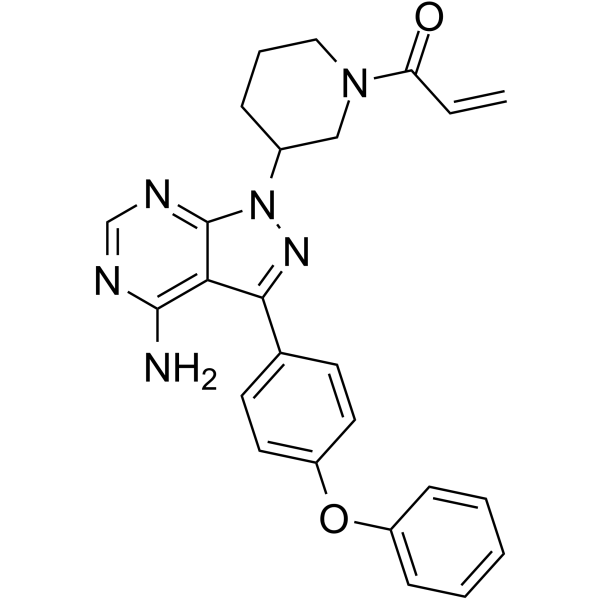
Ibrutinib Racemate (PCI-32765 Racemate) is the racemate of Ibrutinib. Ibrutinib is a selective, irreversible Btk inhibitor with IC50 value of 0.5 nM.
|
-
-
- HY-18951
-
|
|
Btk
Apoptosis
|
Cancer
|
|
ONO-4059 analog is an analogue of ONO-4059, and ONO-4059 (HY-15771) is a highly potent and selective Btk inhibitor.
|
-
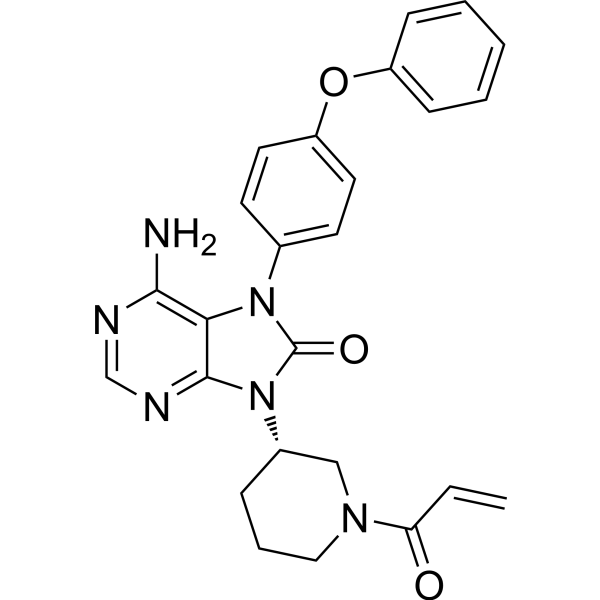
-
- HY-151232
-
|
(E/Z)-PRN1008
|
Btk
|
Inflammation/Immunology
|
|
(E/Z)-Rilzabrutinib ((E/Z)-PRN1008) is a cis-trans isomer of Rilzabrutinib (HY-112166). Rilzabrutinib is a BTK inhibitor .
|
-

-
- HY-10997R
-
-

-
- HY-153245
-
|
|
Btk
|
Inflammation/Immunology
Cancer
|
|
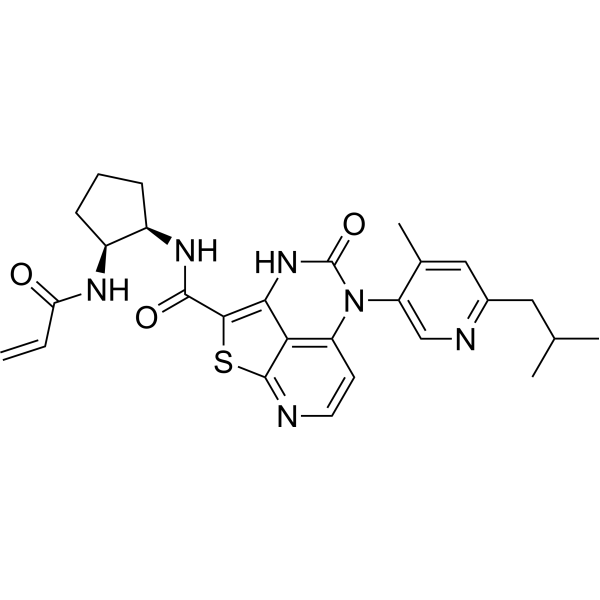
JNJ-64264681 is a potent, orally active, selective and irreversible covalent BTK inhibitor. JNJ-64264681 exhibits good pharmacokinetic characteristics and can be used for cancer and autoimmune diseases research .
|
-
-
- HY-12679
-
|
|
Btk
|
Cancer
|
|
PF-06658607 is an alkynylated irreversible Brutons tyrosine kinase (BTK) inhibitor that covalently reacts with active site cysteines in the ATP-binding pocket. PF-06658607 can be used to detect "off "-targets for covalent kinase inhibitors in cancer cells. The alkyne moiety allows for azide-based detection probe via copper-catalyzed click chemistry .
|
-

-
- HY-17600S
-
|
ACP-196-d4
|
Btk
|
Cancer
|
|
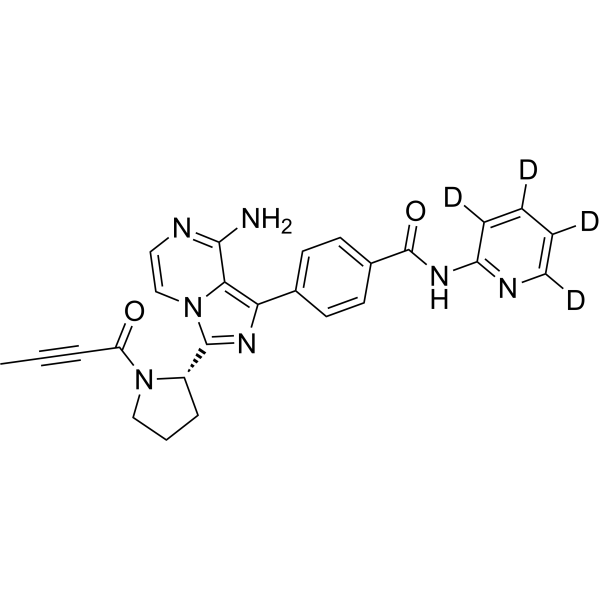
Acalabrutinib-d4 (ACP-196-d4) is a deuterium labeled Acalabrutinib. Acalabrutinib (ACP-196) is an orally active, irreversible, and highly selective second-generation BTK inhibitor . Acalabrutinib-d4 is a click chemistry reagent, it contains an Alkyne group and can undergo copper-catalyzed azide-alkyne cycloaddition (CuAAc) with molecules containing Azide groups.
|
-
-
- HY-128403
-
|
|
Btk
|
Inflammation/Immunology
|
|
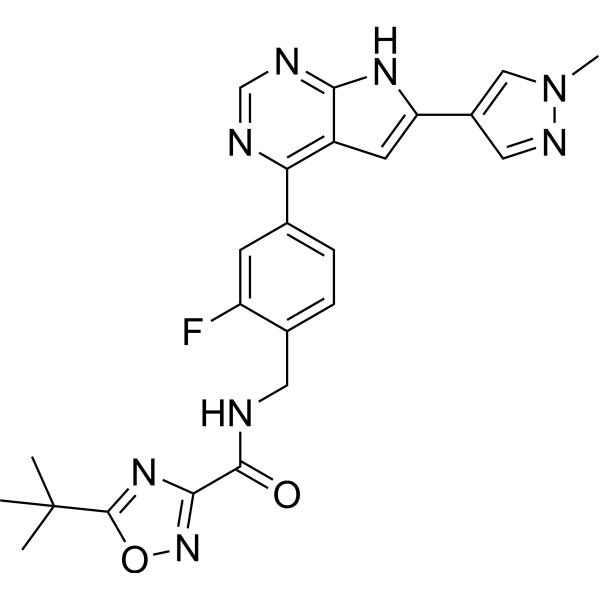
BTK inhibitor 8 (Compound 27) is a Btk inhibitor with an IC50 of 0.11 nM. BTK inhibitor 8 inhibits Btk activity. BTK inhibitor 8 suppresses B cell activation. BTK inhibitor 8 is applicable to research related to arthritis and asthma .
|
-
-
- HY-101766
-
|
|
Btk
|
Inflammation/Immunology
|
|
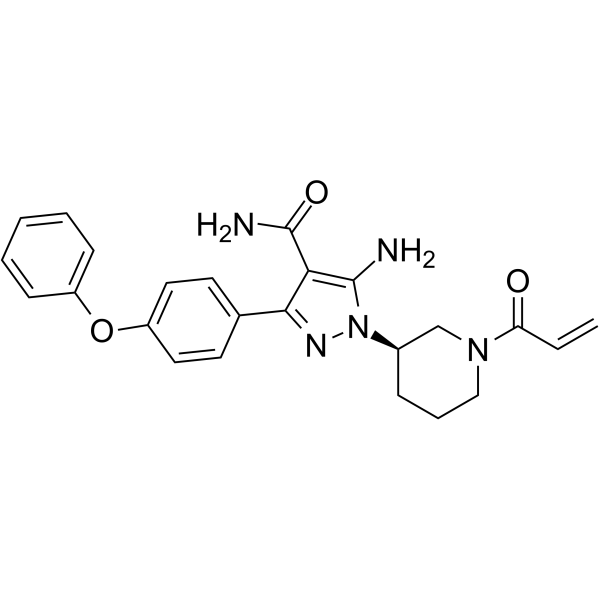
Btk inhibitor 2 is a Bruton's tyrosine kinase (BTK) inhibitor extracted from patent US 20170224688 A1.
|
-
-
- HY-109143B
-
|
(R)-ABBV-105
|
Btk
|
Inflammation/Immunology
Cancer
|
|
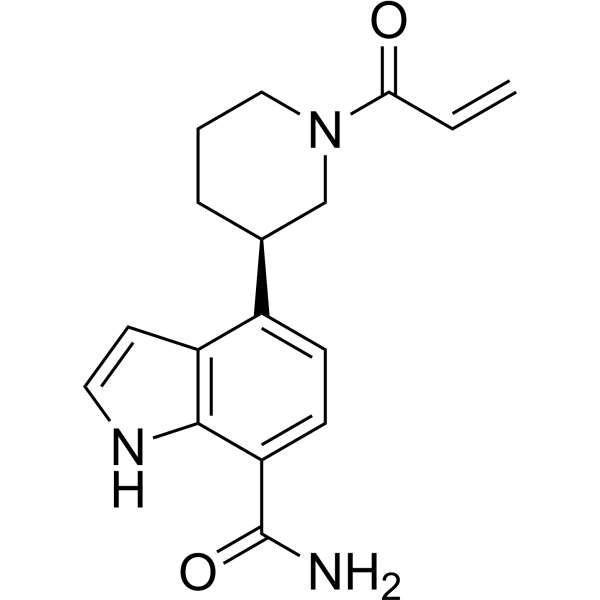
(R)-Elsubrutinib ((R)-ABBV-105) is a Btk inhibitor. (R)-Elsubrutinib can be used in studies of immune diseases (such as rheumatoid arthritis, psoriasis, ankylosing spondylitis, asthma, systemic lupus erythematosus) and cancer .
|
-
-
- HY-101474AR
-
|
BGB-3111 (Standard)
|
Reference Standards
Btk
|
Cancer
|
|
Zanubrutinib (Standard) is the analytical standard of Zanubrutinib. This product is intended for research and analytical applications. Zanubrutinib (BGB-3111) is a selective and orally active Bruton tyrosine kinase (Btk) inhibitor (IC50: 0.3 nM) .
|
-

-
- HY-131328A
-
|
(R)-LOXO-305
|
Btk
|
Others
|
|
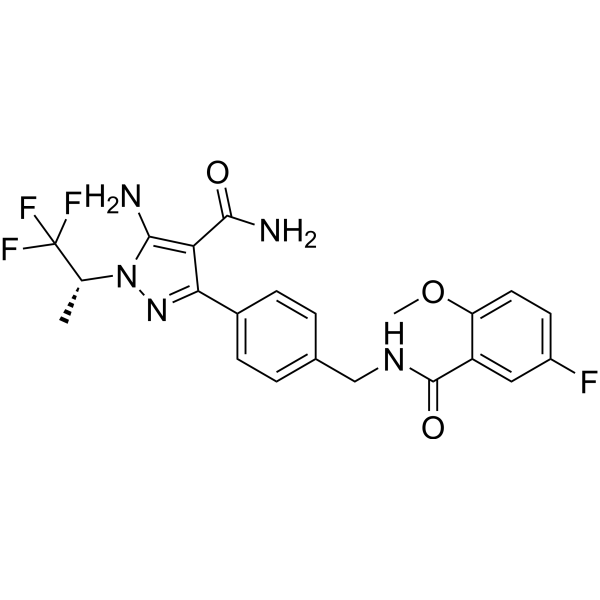
(R)-Pirtobrutinib ((R)-LOXO-305) is a less active enantiomer of Pirtobrutinib. Pirtobrutinib (LOXO-305), a highly selective and non-covalent next generation BTK inhibitor, inhibits diverse BTK C481 substitution mutations .
|
-
-
- HY-13036
-
|
|
Btk
|
Cancer
|
|
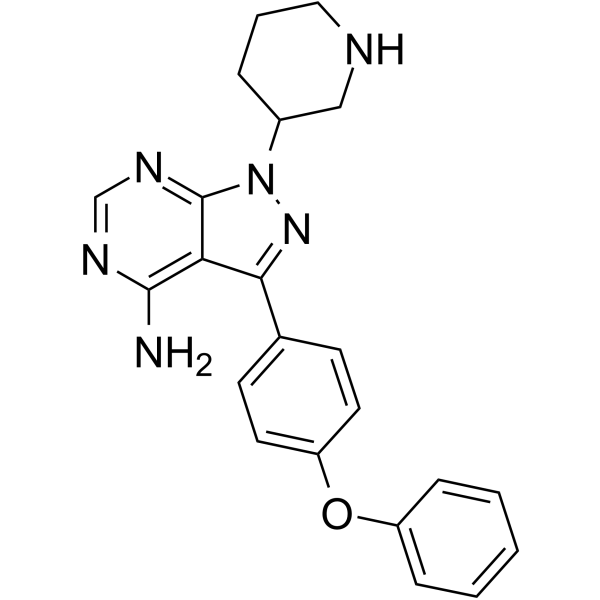
(Rac)-IBT6A is a racemate of IBT6A. IBT6A is an impurity of Ibrutinib. IBT6A can be used in synthesis of IBT6A Ibrutinib dimer and IBT6A adduct . Ibrutinib is a selective, irreversible Btk inhibitor with an IC50 of 0.5 nM .
|
-
-
- HY-136531
-
|
|
Btk
Apoptosis
|
Cancer
|
|
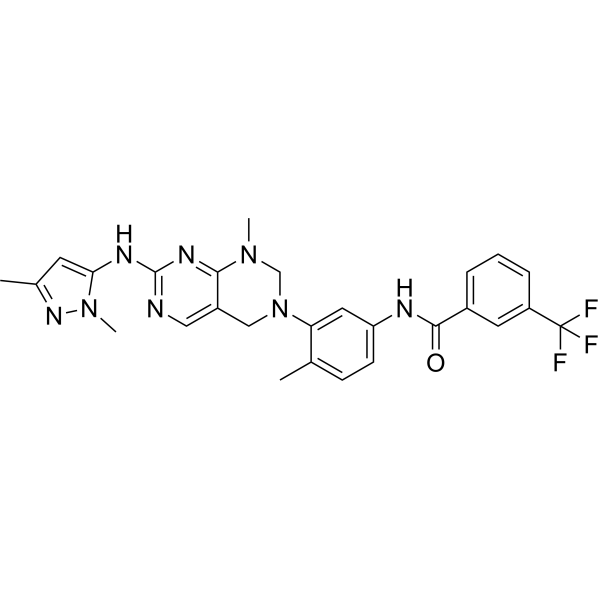
XMU-MP-3 is a potent non-covalent BTK inhibitor with IC50s of 10.7 nM and 17.0 nM for BTK WT and BTK C481S mutation in the presence of 10 μM ATP, respectively. XMU-MP-3 also induces apoptosis .
|
-
-
- HY-15427A
-
|
|
Btk
Drug Isomer
|
Inflammation/Immunology
|
|
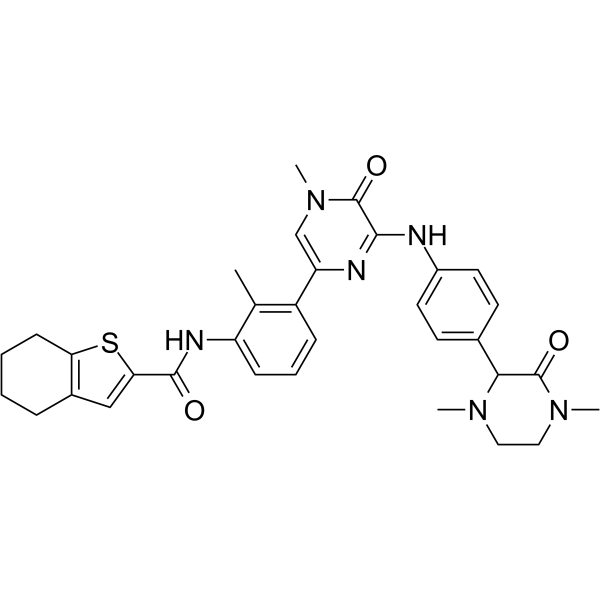
GDC-0834 Racemate is the racemic form of GDC-0834 (HY-15427). GDC-0834 is an orally active selective, potent, and reversible BTK inhibitor with an IC50 of 5.9 nM. GDC-0834 demonstrates pBTK-Tyr223 inhibition in mice and rats. GDC-0834 can be used for research of rheumatoid arthritis (RA) .
|
-
-
- HY-130255
-
|
|
Btk
|
Inflammation/Immunology
|
|
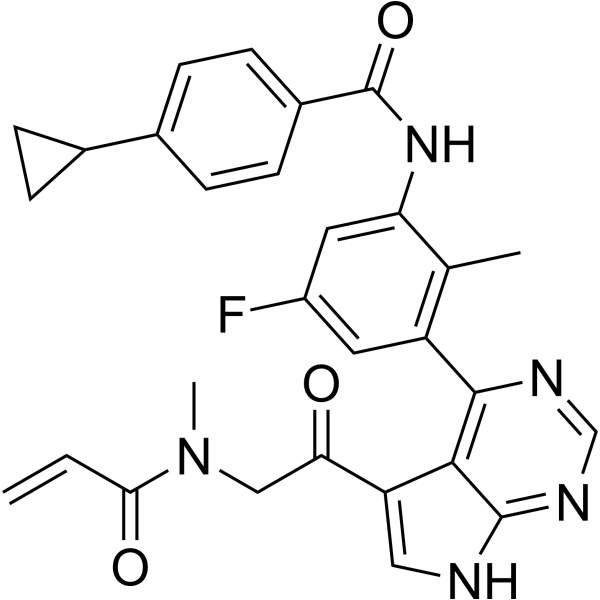
BTK inhibitor 13 (compound 8) is a potent and selective Bruton's tyrosine kinase (BTK) inhibitor with an IC50 of 1.2 nM .
|
-
-
- HY-152212
-
-
-
- HY-15427B
-
|
|
Btk
|
Others
|
|
GDC-0834 (S-enantiomer) is the S-enantiomer of GDC-0834. GDC-0834 is a potent and selective BTK inhibitor.
|
-
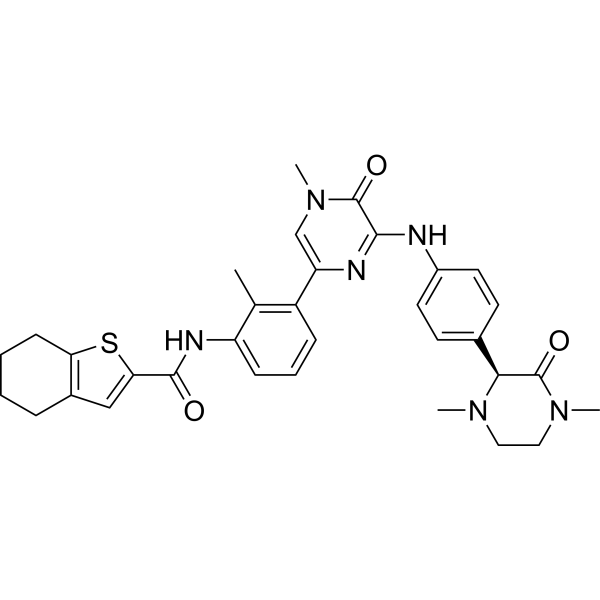
-
- HY-136113
-
|
|
Btk
|
Cancer
|
|
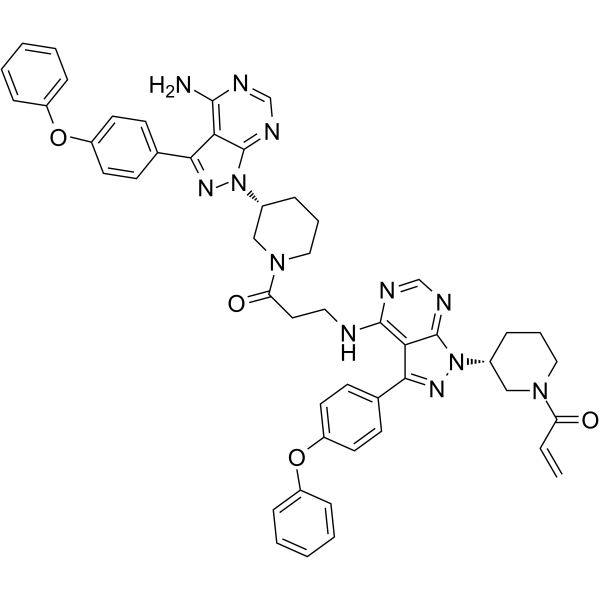
Ibrutinib dimer is a Dimer of Ibrutinib. Ibrutinib dimer is an impurity of Ibrutinib . Ibrutinib is a selective, irreversible Btk inhibitor with an IC50 of 0.5 nM .
|
-
-
- HY-10997S
-
|
PCI-32765-d5
|
Btk
|
Cancer
|
|
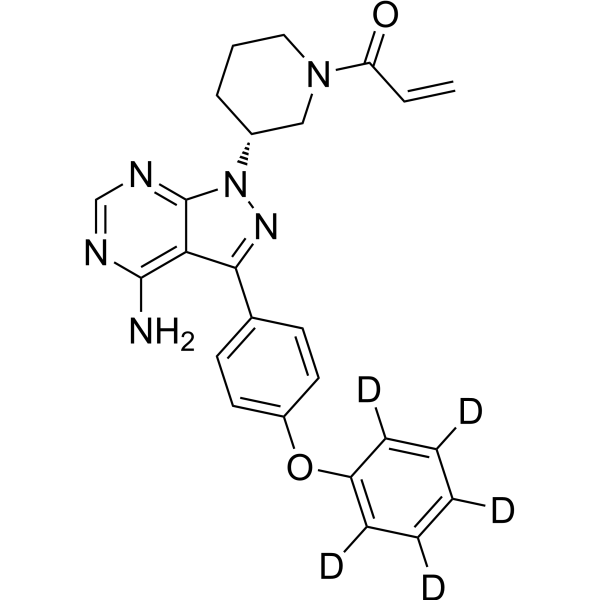
Ibrutinib-d5 (PCI-32765-d5) is a deuterium labeled Ibrutinib. Ibrutinib is a selective, irreversible Btk inhibitor .
|
-
-
- HY-102036
-
|
|
Btk
|
Inflammation/Immunology
|
|
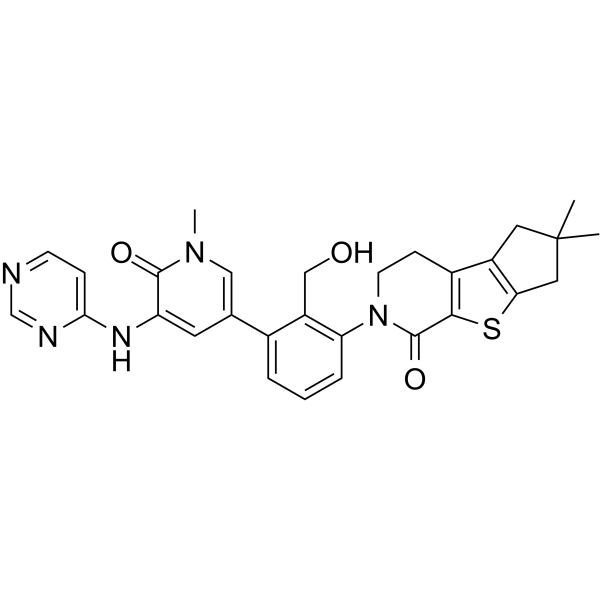
G-744 is a highly potent, selective and orally active Btk inhibitor with an IC50 of 2 nM. G-744 is metabolically stable, well tolerated and efficacious to treat arthritis .
|
-
-
- HY-145373
-
|
|
Btk
|
Inflammation/Immunology
|
|
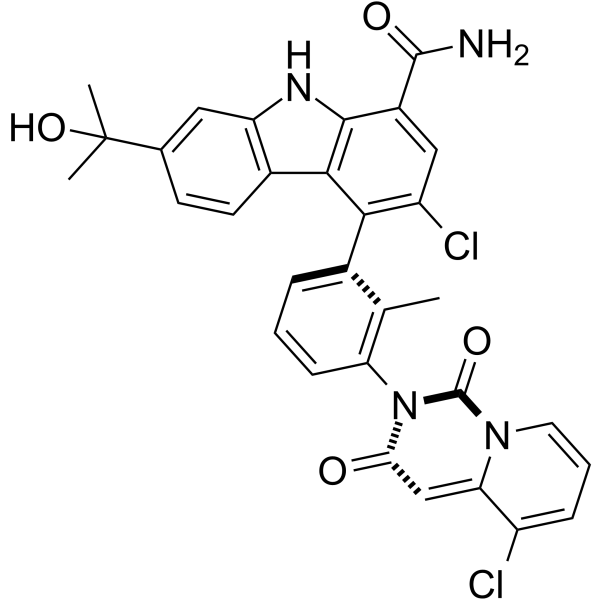
BMS-986143 is an orally active, reversible BTK inhibitor with an IC50 of 0.26 nM. BMS-986143 also inhibits TEC, BLK, BMX, TXK FGR, YES1, ITK with IC50s of 3 nM, 5 nM, 7 nM, 10 nM, 15 nM,19 nM, 21 nM, respectively. BMS-986143 can be used for the research of autoimmune diseases .
|
-
-
- HY-18010
-
|
|
Btk
BCRP
|
Inflammation/Immunology
|
|
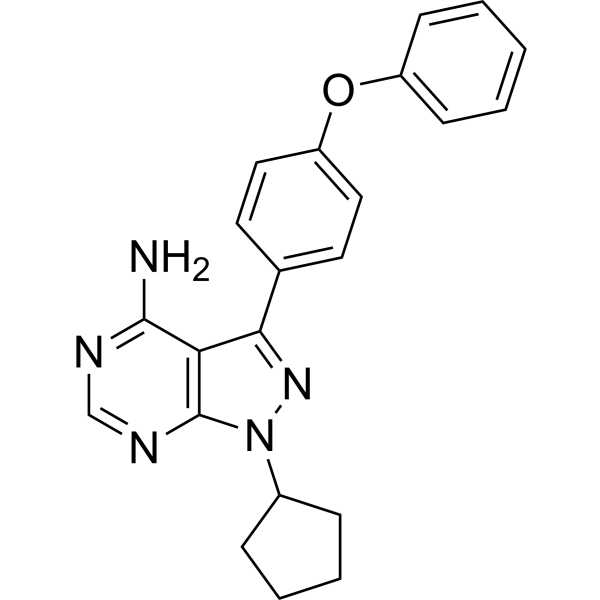
PCI 29732 is a potent, orally active, reversible BTK inhibitor with Ki app values of 8.2, 4.6, and 2.5 nM for BTK, Lck and Lyn, respectively. PCI 29732 shows only modest inhibitory activity against Itk, another Tec family kinase. PCI 29732 inhibits the function of ABCG2 by competitively binding to the ATP-binding site of ABCG2 .
|
-
-
- HY-131705
-
|
|
Btk
|
Inflammation/Immunology
|
|
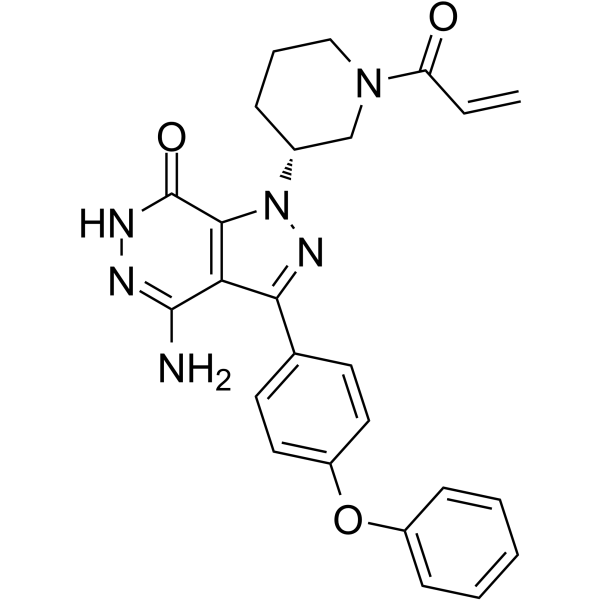
BTK inhibitor 17 is a potent and orally active irreversible BTK inhibitor with an IC50 of 2.1 nM. BTK inhibitor 17 can be used for rheumatoid arthritis research .
|
-
-
- HY-139881
-
|
|
Btk
|
Cancer
|
|
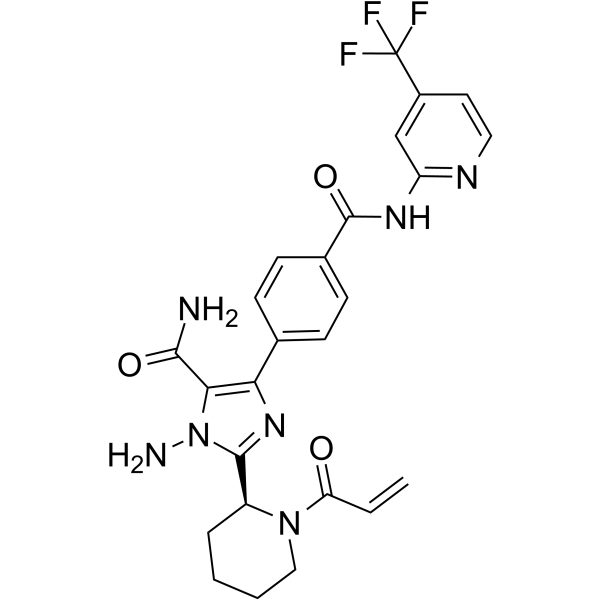
BTK inhibitor 19 is a highly selective, covalent BTK inhibitor (IC50 = 2.7 nM).
|
-
-
- HY-125997
-
|
|
Btk
|
Inflammation/Immunology
|
|
BTK inhibitor 10 is a potent and orally active Bruton kinase (BTK) inhibitor, extracted from patent WO2018145525, example 33. BTK inhibitor 10 has a potential for rheumatoid arthritis treatment .
|
-
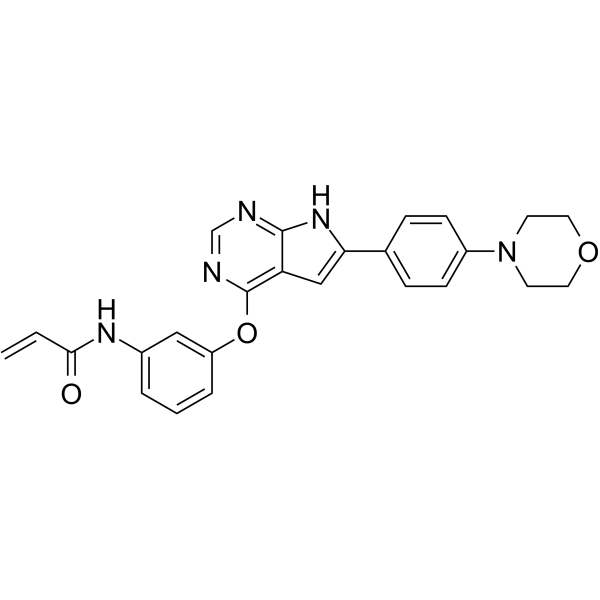
- HY-170324
-
|
|
Btk
|
Others
|
|
BTK-IN-40 (compound 375) is a BTK inhibitor .
|
-

- HY-101474S
-
|
BGB-3111-d5
|
Btk
|
Cancer
|
|
Zanubrutinib-d5 is deuterium labeled Zanubrutinib. Zanubrutinib is a selective Bruton tyrosine kinase (Btk) inhibitor .
|
-
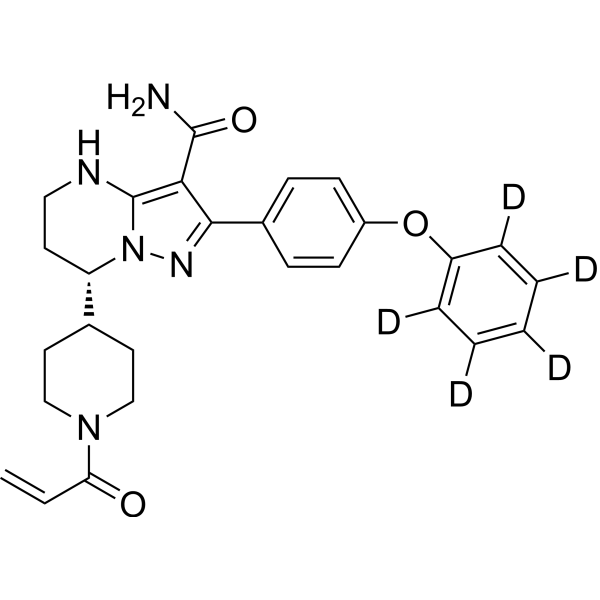
- HY-163827
-
|
|
Btk
|
Cancer
|
|
ABBV-992 is a potent and selective BTK inhibitor. ABBV-992 can be used for the research of cancer .
|
-

- HY-177103
-
|
|
Btk
|
Cancer
|
|
Midobrutinib (Example 13) is a BTK inhibitor (IC50: 0.813 nM). Midobrutinib can be used for research of diseases involving BTK, particularly cancer .
|
-

- HY-101474BS
-
|
|
Btk
Isotope-Labeled Compounds
|
Others
|
|
(R)-Zanubrutinib-d5 is deuterium labeled (R)-Zanubrutinib. (R)-Zanubrutinib is the R enantiomer of Zanubrutinib. Zanubrutinib is a selective Bruton tyrosine kinase (BTK) inhibitor.
|
-
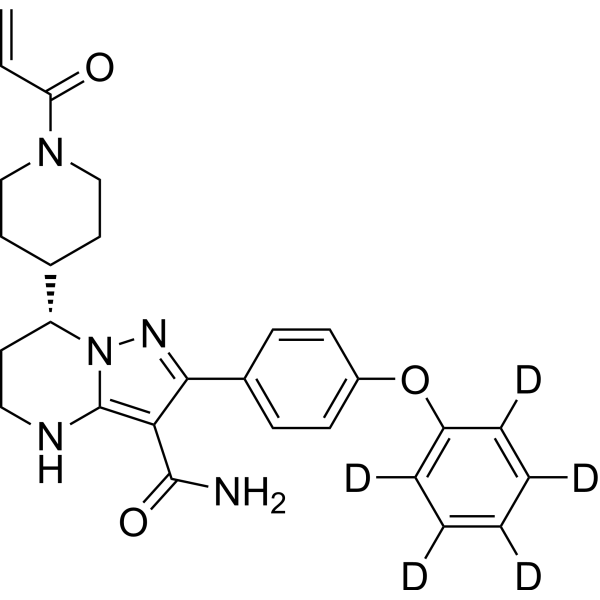
- HY-147580
-
|
|
Btk
|
Cancer
|
|
BTK-IN-10 is a potent BTK inhibitor with IC50s of <5 nM for wild-type BTK or mutated BTK (C481S), respectively (WO2022012509A1; example 111) .
|
-
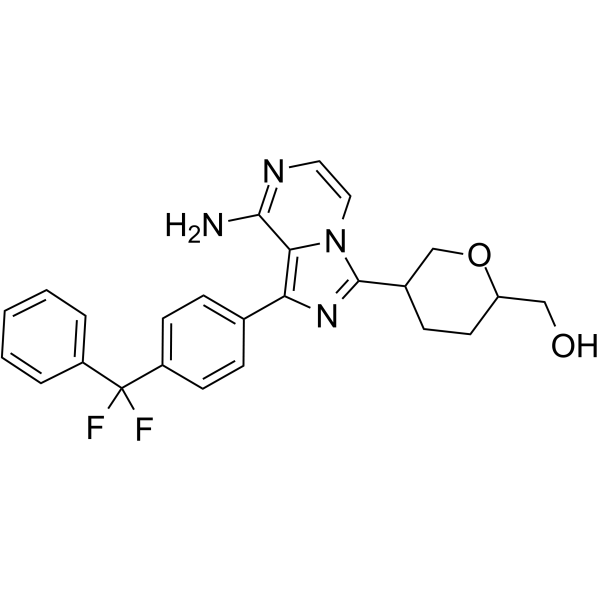
- HY-13036B
-
|
|
Btk
|
Cancer
|
|
IBT6A hydrochloride is an impurity of Ibrutinib. IBT6A can be used in synthesis of IBT6A Ibrutinib dimer and IBT6A adduct . Ibrutinib is a selective, irreversible Btk inhibitor with an IC50 of 0.5 nM .
|
-
- HY-117900
-
|
|
Btk
|
Inflammation/Immunology
|
|
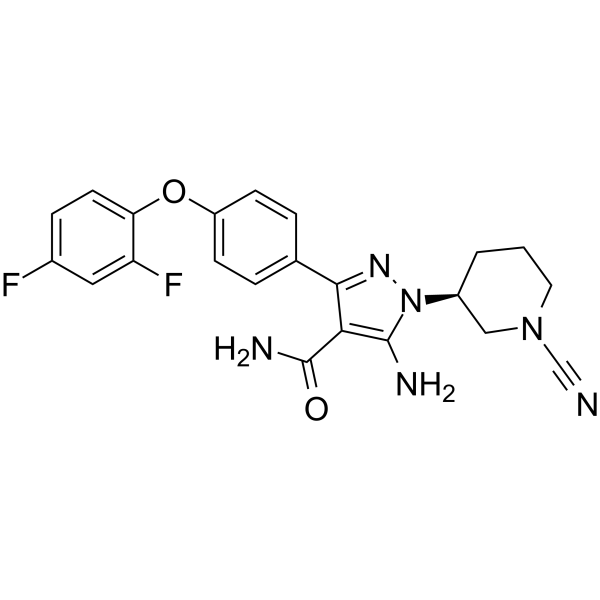
PF-06250112 is a potent, highly selective, orally bioavailable BTK inhibitor with an IC50 of 0.5 nM, shows inhibitory effect toward BMX nonreceptor tyrosine kinase and TEC with IC50s of 0.9 nM and 1.2 nM, respectively .
|
-
- HY-110013
-
|
|
Btk
Antibiotic
|
Infection
Inflammation/Immunology
|
|
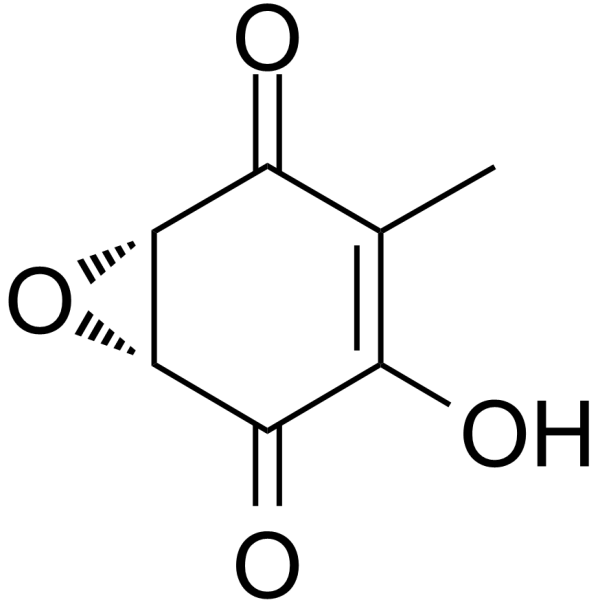
Terreic acid, a quinone epoxide antibiotic, acts as an effective Btk inhibitor. Terreic acid blocks the interaction between PKC and the pleckstrin homology domain of Btk. Terreic acid inhibits the binding of GST-BtkPH to PKC in lysates of HMC-1 human mast cells with an IC50 of approximately 100 μM .
|
-
- HY-169228
-
|
|
Btk
|
Cancer
|
|
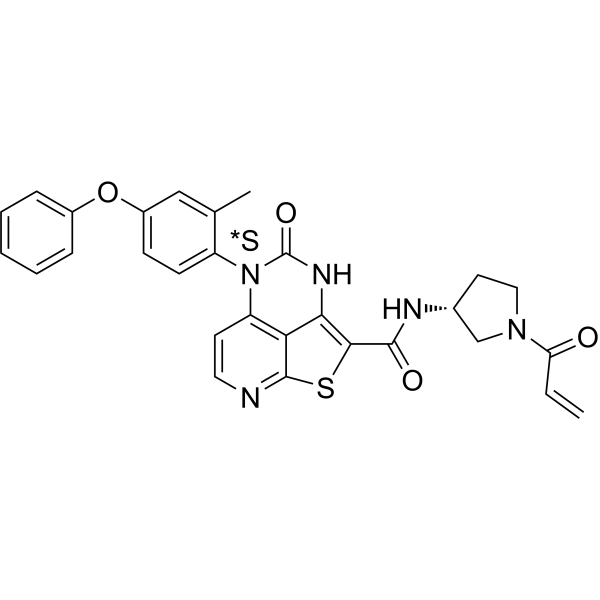
WS-11 is a non-covalent reversible BTK inhibitor with IC50s of 3.9 nM and 2.2 nM for wild type, C481S mutation BTK, respectively. WS-11 can form strong π-π interaction with PHE540 and form p-π interaction with LYS430 within the active pocket, besides the strong hydrogen bonds .
|
-

- HY-132196
-
|
|
Btk
|
Inflammation/Immunology
|
|
BTK inhibitor 18 is a potent, selective,orally active and covalent Btk inhibitor with a IC50 of 142 nM. BTK inhibitor 18 has anti-inflammatory activities .
|
-
- HY-143730
-
|
|
Btk
|
Cancer
|
|
BTK inhibitor 20 is a potent BTK inhibitor with an IC50 of 8 nM .
|
-
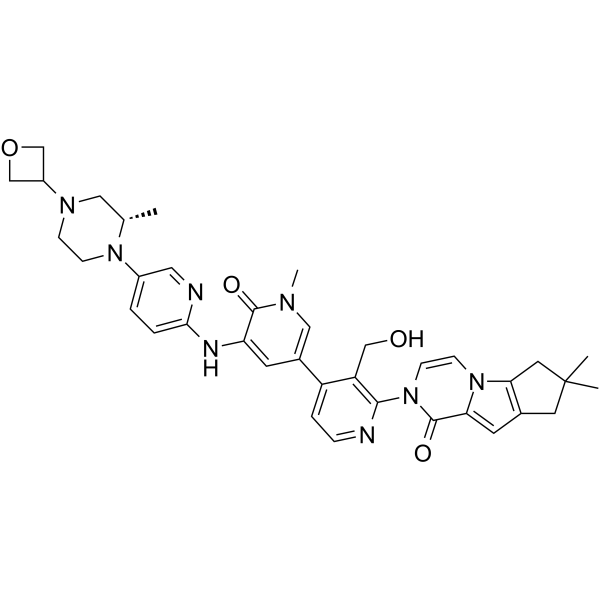
- HY-160219S
-
|
|
Btk
|
Cancer
|
|
BTK-IN-33 is a Btk inhibitor with anticancer effects (WO2023174300A1; compound I) .
|
-
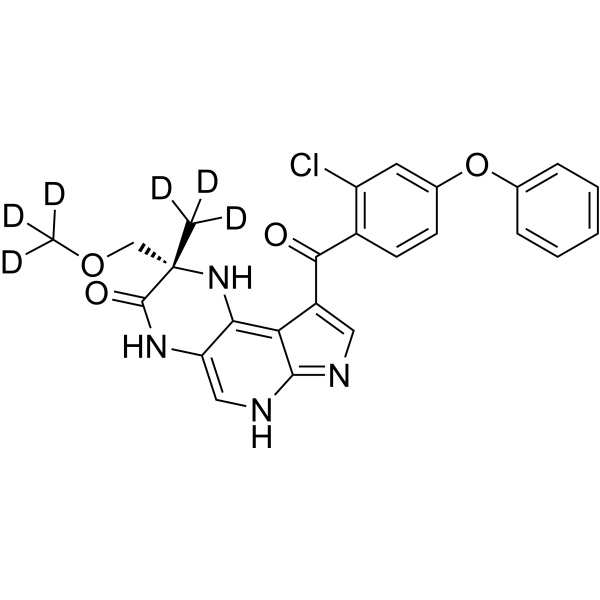
- HY-115876
-
-
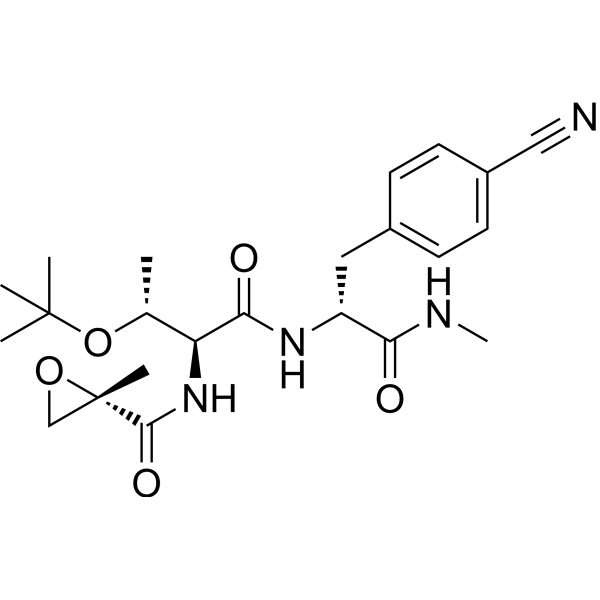
- HY-158064
-
|
|
Btk
|
Cancer
|
|
BTK-IN-36 (S-016) is a BTK inhibitor, with IC50 of 0.5 nM. BTK-IN-36 can be used in cancer-related research .
|
-

- HY-152201
-
|
|
Btk
|
Cancer
|
|
BTK-IN-18 is a potent, reversible BTK inhibitor with an IC50 of 0.002 µM. BTK-IN-18 inhibits both CD69 and CD86 in vivo .
|
-
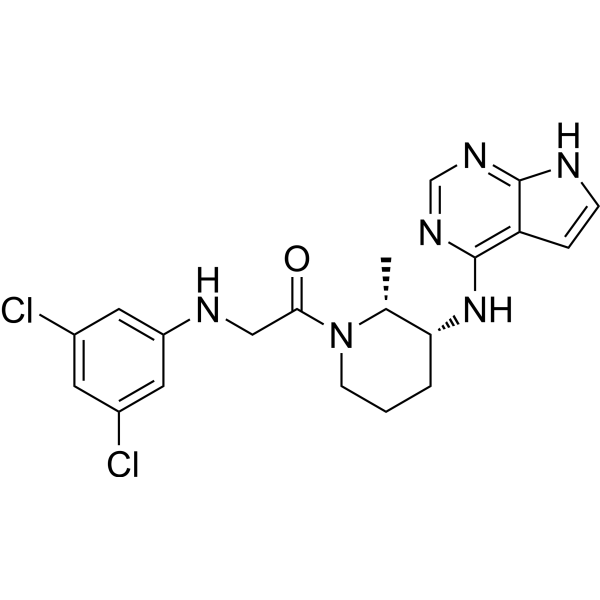
- HY-147784
-
|
|
Btk
|
Cancer
|
|
HZ-A-005 is a potent, selective, and covalent Bruton’s tyrosine kinase (BTK) inhibitor. HZ-A-005 markedly decreases tumor growth in xenograft mouse models .
|
-
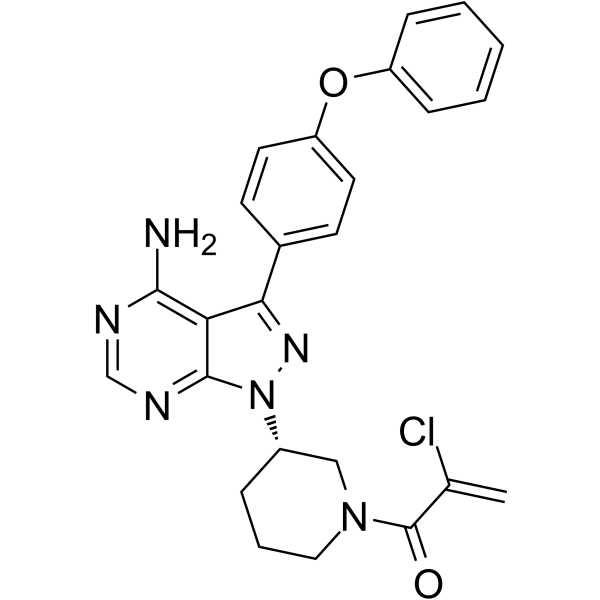
- HY-10997AR
-
|
PCI-32765 Racemate (Standard)
|
Btk
Reference Standards
|
Cancer
|
|
Ibrutinib (Racemate) (Standard) is the analytical standard of Ibrutinib (Racemate). This product is intended for research and analytical applications. Ibrutinib Racemate (PCI-32765 Racemate) is the racemate of Ibrutinib. Ibrutinib is a selective, irreversible Btk inhibitor with IC50 value of 0.5 nM.
|
-

- HY-169307
-
|
|
Btk
|
Cancer
|
|
BTK-IN-38 (Example 125) is a potent BTK inhibitor. BTK-IN-38 inhibits DOHH2 and BT474
cells proliferation with IC50s of 114 and 340 nM, respectively .
|
-

- HY-117900A
-
|
|
Btk
|
Inflammation/Immunology
|
|
(Rac)-PF-0625011 is a racemate of PF-06250112. PF-06250112 is a potent, highly selective, orally bioavailable BTK inhibitor and shows inhibitory effect toward BMX nonreceptor tyrosine kinase and TEC .
|
-
- HY-101521
-
|
|
Btk
|
Cancer
|
|
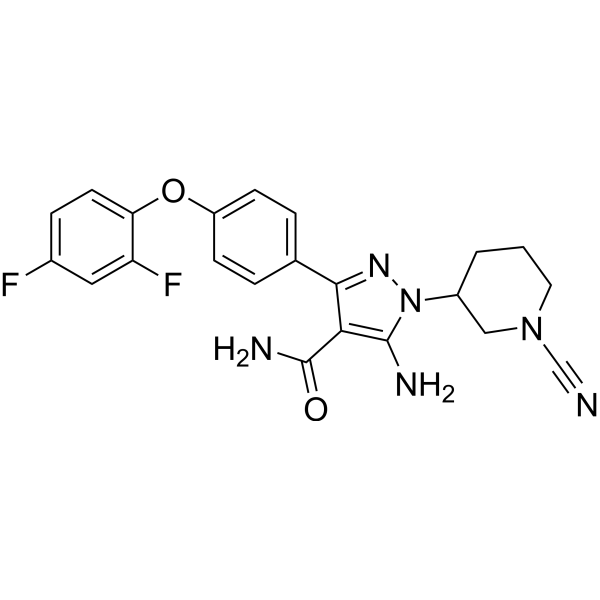
CHMFL-BTK-01 (compound 9) is a highly selective irreversible BTK inhibitor, with an IC50 of 7 nM. CHMFL-BTK-01 (compound 9) potently inhibited BTK Y223 auto-phosphorylation .
|
-
- HY-147582
-
|
|
Btk
|
Cancer
|
|
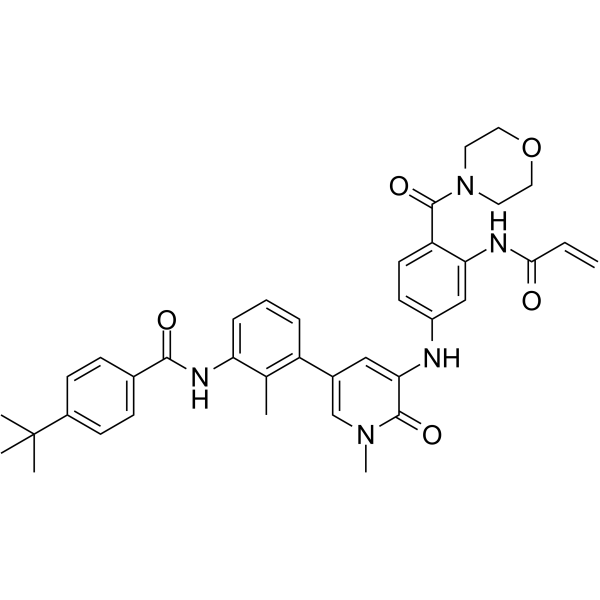
BTK-IN-12 is a potent BTK inhibitor with IC50s of 1.2 nM and 0.8 nM for wild-type BTK or mutated BTK (C481S), respectively (WO2022037649A1; compound 8) .
|
-
- HY-176131
-
|
|
Btk
|
Inflammation/Immunology
Cancer
|
|
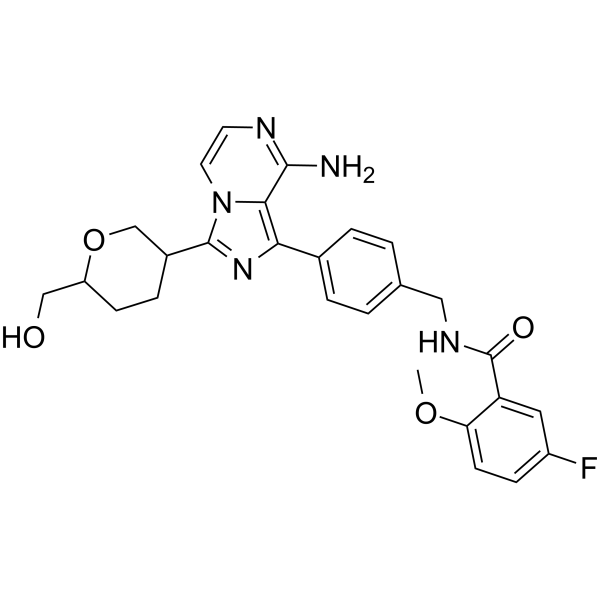
AMX5160 (36) is an orally active BTK inhibitor, with an IC50 of 0.98 nM against mutant BTK C481S. AMX5160 (36) can be used in the research for leukemia, lymphoma, multiple sclerosis, and other autoimmune diseases .
|
-

- HY-131342
-
|
|
Btk
|
Inflammation/Immunology
|
|
BIIB068 is a potent, selective, reversible and orally active BTK inhibitor with an IC50 of 1 nM and a Kd of 0.3 nM. BIIB068 shows more >400-fold selective for BTK than other kinases. BIIB068 has the potential for autoimmune diseases research .
|
-
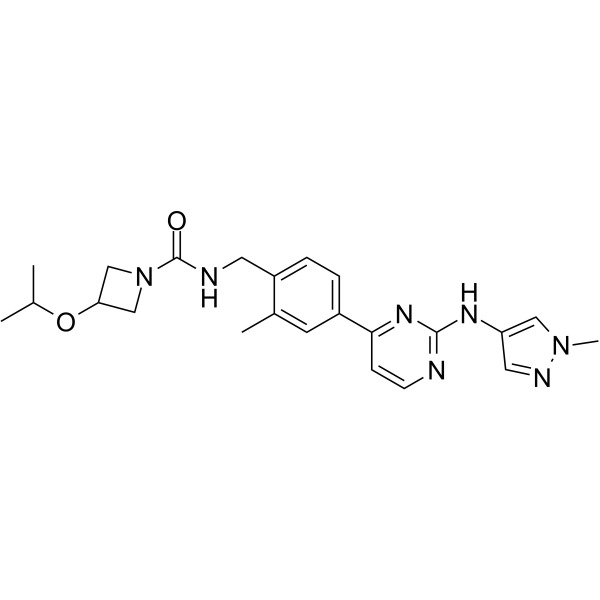
- HY-13036C
-
|
|
Btk
|
Cancer
|
|
(Rac)-IBT6A hydrochloride is a racemate of IBT6A hydrochloride. IBT6A is an impurity of Ibrutinib. IBT6A can be used in synthesis of IBT6A Ibrutinib dimer and IBT6A adduct . Ibrutinib is a selective, irreversible Btk inhibitor with an IC50 of 0.5 nM .
|
-
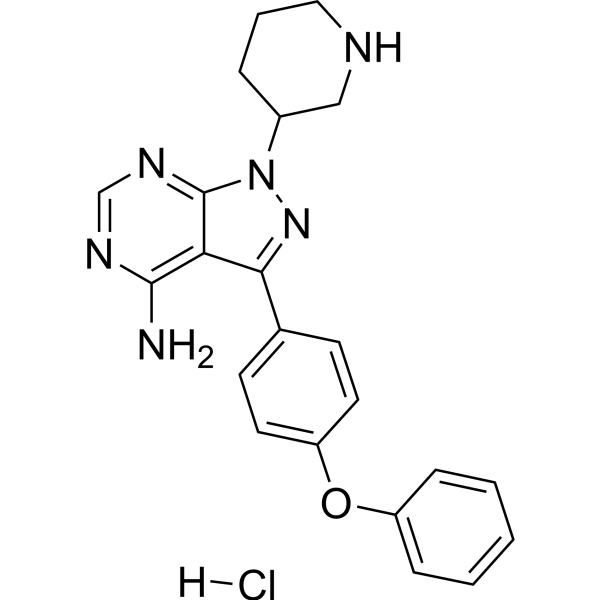
- HY-162257
-
|
|
Btk
|
Cancer
|
|
BTK-IN-34 (compound 9h) is a selective BTK inhibitor. BTK-IN-34 shows antiproliferative activity in RAMOS cells through selective inhibition of pBTK (Tyr223) without affecting Lyn and Syk, upstream proteins in the BCR signaling pathway .
|
-
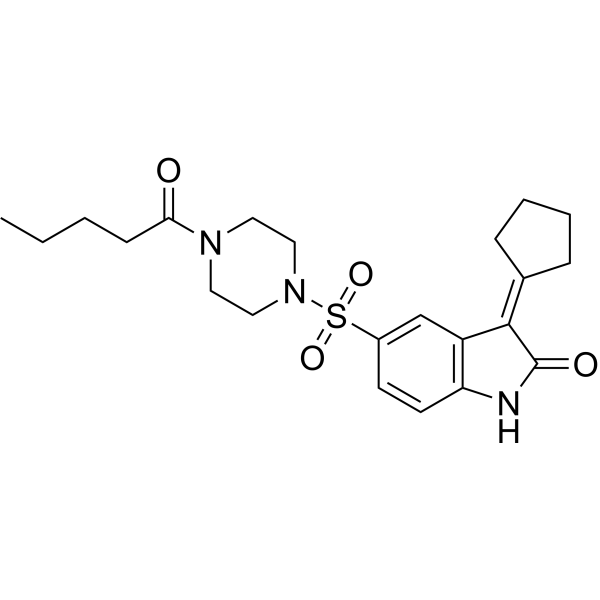
- HY-156553
-
|
|
Btk
|
Inflammation/Immunology
Cancer
|
|
BTK-IN-27 (example 8) is a BTK inhibitor (IC50: 0.2 nM). BTK-IN-27 shows anti-proliferative activity in TMD8 cells (IC50: < 5 nM). BTK-IN-27 can be used for research of cancer, lymphoma, leukemia and immunological diseases .
|
-
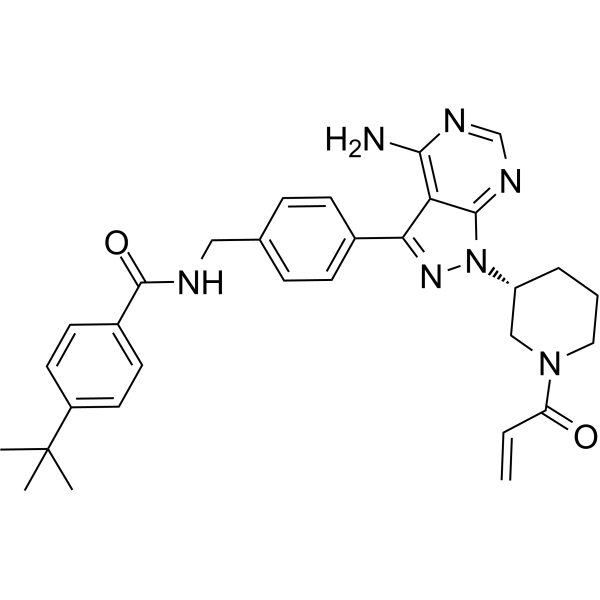
- HY-150752
-
|
|
Btk
Pyroptosis
|
Cancer
|
|
BTK-IN-15 (compound 42) is a potent Bruton's tyrosine kinase (BTK) inhibitor with high oral absorption. BTK-IN-15 inhibits BTK with an IC50 value of 0.7 nM. BTK-IN-15 displays excellent kinase selectivity, antitumor activity, and induces apoptosis .
|
-
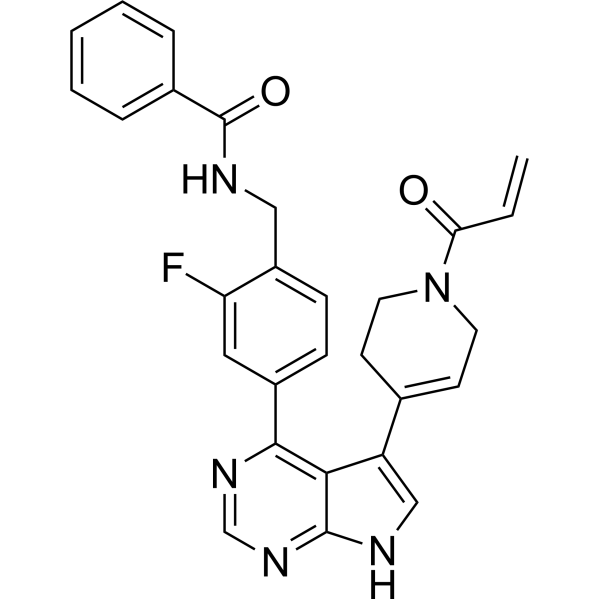
- HY-148585
-
|
|
Btk
|
Cancer
|
|
BTK-IN-22 is a BTK inhibitor (IC50: 0.9 nM). BTK-IN-22 also inhibits BLX and BMX with IC50s of 1.4 and 1.2 nM respectively. BTK-IN-22 shows improved kinase selectivity compared to Ibrutinib (HY-10997)
|
-
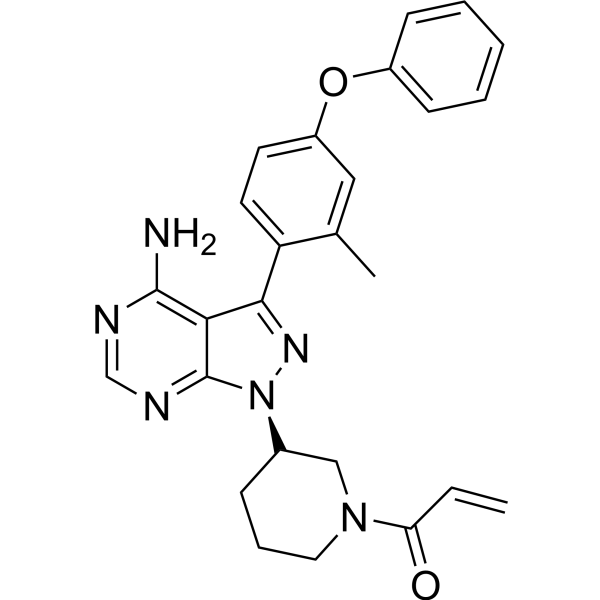
- HY-160168
-
-
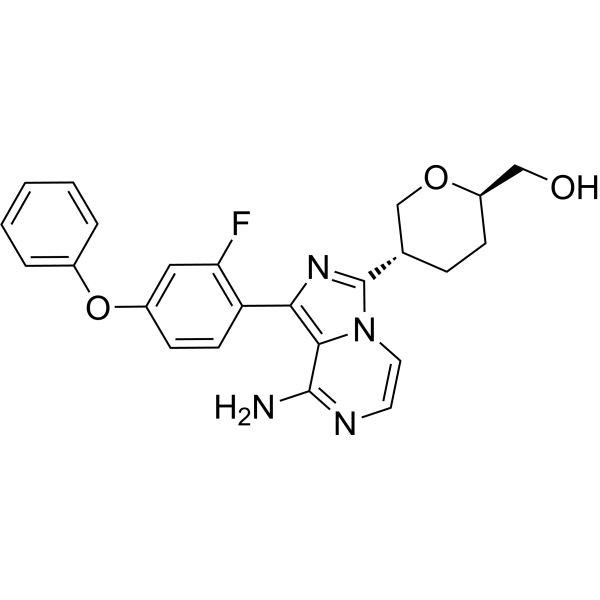
- HY-145884
-
|
|
Btk
|
Inflammation/Immunology
|
|
BTK-IN-8 is a potent and selective peripheral covalent BTK inhibitor (IC50=0.22 nM; Kd=0.91 nM). BTK-IN-8 has good whole blood CD69 cellular potency (IC50=0.029 µM) .
|
-
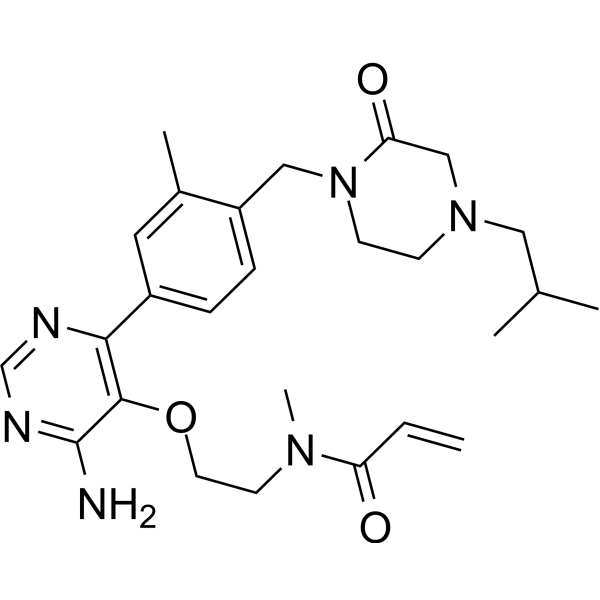
- HY-148594
-
|
|
Btk
|
Cancer
|
|
BTK-IN-23 is a BTK inhibitor (IC50: 12.8 nM). BTK-IN-23 also inhibits BLX and BMX with IC50s of 35.6 and 5.7 nM respectively. BTK-IN-23 shows improved kinase selectivity compared to Ibrutinib (HY-10997) .
|
-
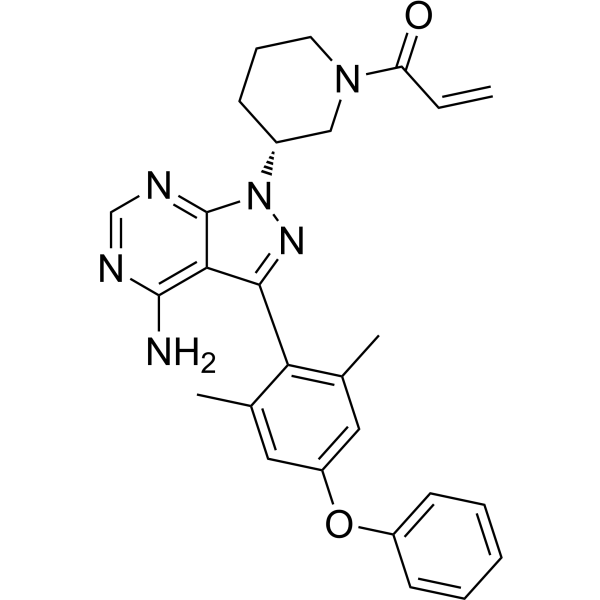
- HY-159589
-
|
|
Btk
Apoptosis
|
Cancer
|
|
BTK-IN-37 (compound 8d) is a BTK inhibitor that can induce apoptosis in cancer cells. BTK-IN-37 targets BTK with Ki and IC50 of 5.07 nM and 3.6 nM, respectively. BTK-IN-37 can also selectively induce enrichment of genes involved in necroptosis and pyroptosis .
|
-

- HY-163183
-
|
|
JAK
Btk
|
Inflammation/Immunology
|
|
JAK3/BTK-IN-7 (XL-12) is a JAK3/BTK inhibitor with IC50 values of 2 nM and 14 nM, respectively. JAK3/BTK-IN-7 has anti-inflammatory activity and can be used in the study of rheumatoid arthritis .
|
-
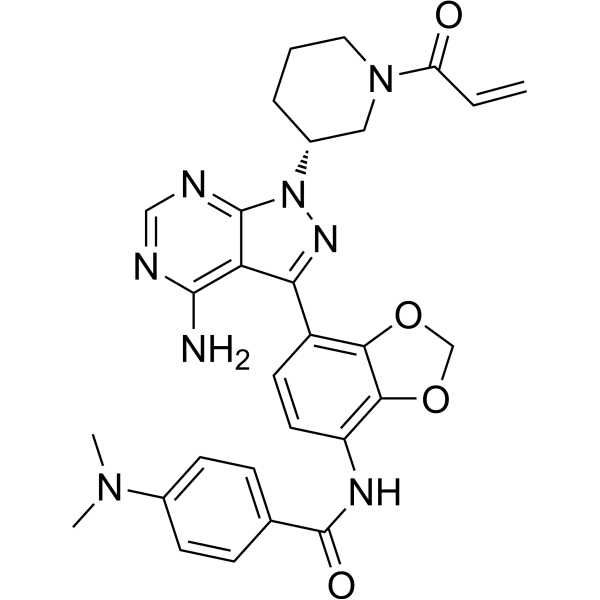
- HY-173143
-
|
|
Btk
|
Cancer
|
|
BTK-IN-42 (Compound 11a) is a Btk inhibitor. BTK-IN-42 can effectively inhibit the growth and migration of tumor cells TMD8, with IC50 values of 2.61 and 5.34 μM for TMD8 and T9 cells respectively. It shows promise for research in the field of anti-cancer .
|
-

- HY-157159
-
|
|
Btk
|
Cancer
|
|
BTK-IN-28 (compound PID-4) is a potent BTK inhibitor with anticancer activity. BTK-IN-28 has inhibitory effects on BTK and downstream signaling cascades and selectively inhibits Burkitt lymphoma RAMOS proliferation. BTK-IN-28 has no significant cytotoxicity towards non-tumor cells .
|
-
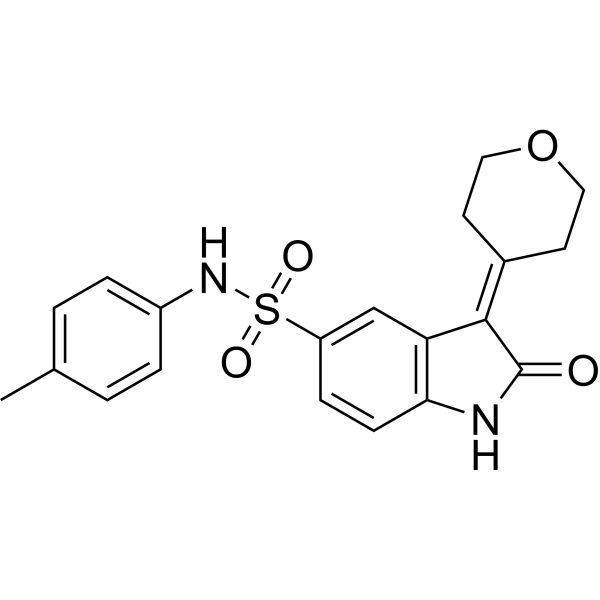
- HY-115944
-
|
|
Btk
Apoptosis
|
Inflammation/Immunology
Cancer
|
|
BTK-IN-9 is a reversible BTK inhibitors with potent antiproliferative activity in mantle cell lymphoma. BTK-IN-9 specifically disturbs mitochondrial membrane potential and increases reactive oxygen species level in Z138 cells. BTK-IN-9 also induces cell apoptosis in Z138 cells .
|
-
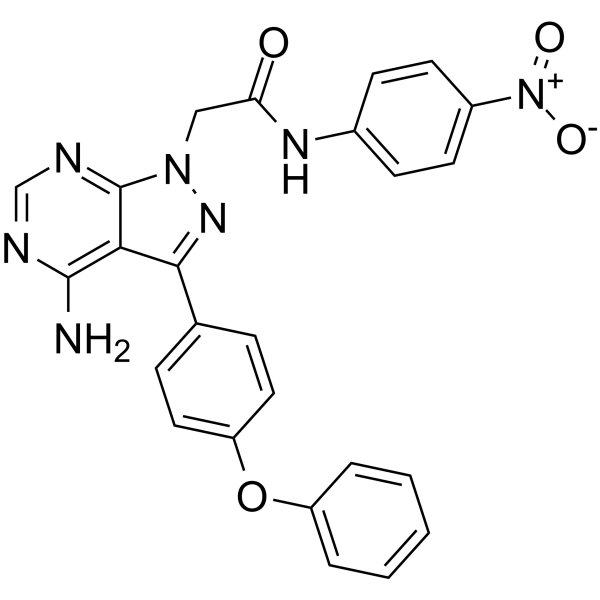
- HY-117628
-
|
|
Btk
|
Inflammation/Immunology
|
|
RN983 (Compound 1) is a highly selective Bruton's tyrosine kinase (Btk) inhibitor. RN983 inhibits IgG production in B-cells with an IC50 of 2.5 nM and PGD2 production from mast cells with an IC50 of 8.3 nM. RN983 is promising for research of asthma and other allergic diseases .
|
-

- HY-149051
-
|
|
Btk
|
Inflammation/Immunology
Cancer
|
|
BGB-8035 is an orally active, highly selective bruton's tyrosine kinase (BTK) inhibitor with IC50s of 1.1 nM, 99 nM, 621 nM for BTK, TEC, EGFR, respectively. BGB-8035 has antitumor and anti-arthritis activity. BGB-8035 has the potential for B-cell malignancies and autoimmune diseases research .
|
-
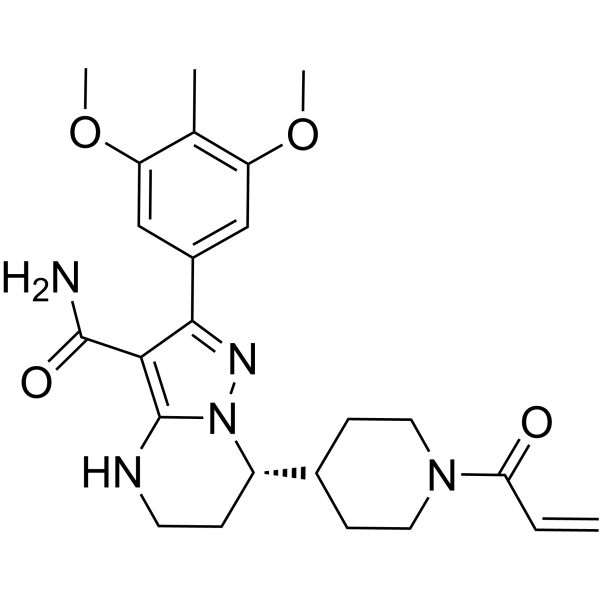
- HY-168427
-
|
Abivertinib maleate dihydrate; AC0010 maleate dihydrate
|
EGFR
Btk
Apoptosis
|
Cancer
|
|
Avitinib (Abivertinib) maleate dihydrate is a third-generation, irreversible and orally active selective EGFR inhibitor, with IC50 values of 0.18 nM, 0.18 nM, 7.68 nM and against EGFR L858R, EGFR T790M and wild-type EGFR. Avitinib maleate dihydrate is also a BTK inhibitor that induces apoptosis and inhibits phosphorylation of BTK in mantle cell lymphoma. Avitinib maleate dihydrate shows anticancer effects .
|
-

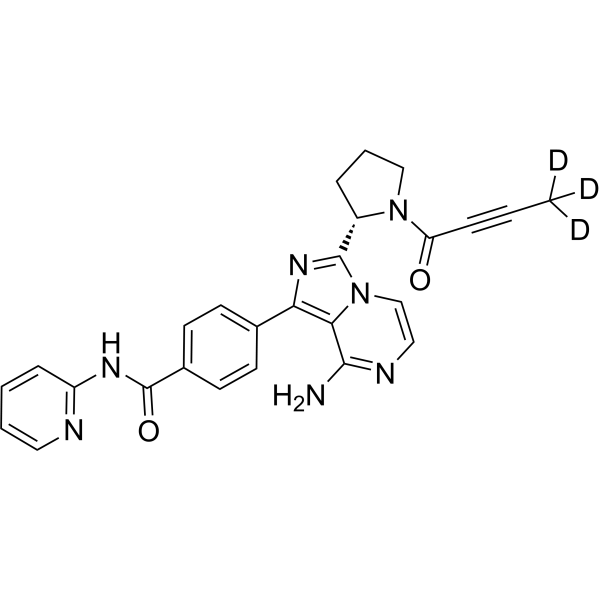
- HY-W757743
-
|
ACP-196-d3
|
Isotope-Labeled Compounds
|
Others
|
|
Acalabrutinib-d3 (ACP-196-d3) is the deuterated form of Acalabrutinib (HY-17600). Acalabrutinib (ACP-196) is an orally active, irreversible, highly selective second-generation BTK inhibitor. Acalabrutinib covalently binds to Cys481 in the ATP-binding pocket of BTK. Acalabrutinib shows strong targeting and efficacy in mouse models of chronic lymphocytic leukemia (CLL).
|
-
- HY-101766R
-
|
|
Reference Standards
Btk
|
Inflammation/Immunology
|
|
Btk inhibitor 2 (Standard) is the analytical standard of Btk inhibitor 2 (HY-101766). This product is intended for research and analytical applications. Btk inhibitor 2 is a Bruton's tyrosine kinase (BTK) inhibitor extracted from patent US 20170224688 A1.
|
-

- HY-117499
-
-

- HY-148584
-
|
|
Btk
|
Inflammation/Immunology
Cancer
|
|
BTK-IN-21 (Compound 12) is a BTK inhibitor with an IC50 of 33 nM. BTK-IN-21 can be used for research in cancer and autoimmunity therapies .
|
-

- HY-101941R
-
|
SNS062 analog (Standard)
|
Reference Standards
Btk
|
Inflammation/Immunology
Cancer
|
|
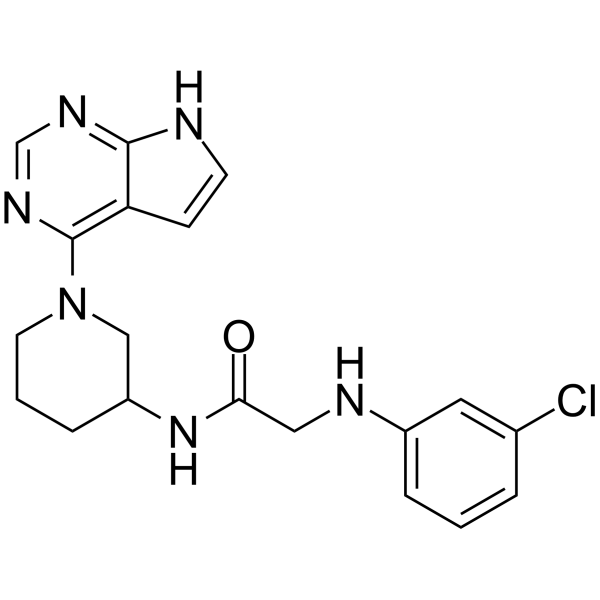
BTK IN-1 (Standard) is the analytical standard of BTK IN-1 (HY-101941). This product is intended for research and analytical applications. BTK IN-1 (SNS062 analog) is a potent BTK inhibitor, with an IC50 of <100 nM.
|
-

- HY-180884
-
|
|
Btk
|
Cancer
|
|
BTK-IN-46 (compound 24) is a reversible covalent BTK inhibitor. BTK-IN-46 covalently labels a lysine in the inositol phosphate (PIP3) binding site, thereby blocking Pleckstrin homology (PH) domain-mediated membrane recruitment and activation of BTK .
|
-

- HY-181547
-
|
|
Btk
|
Cancer
|
|
HBC-12551 is an orally active BTK inhibitor (IC50 in HEK293 cells: 1.31 nM for BTK; 2.18 nM for BTK C481S). HBC-12551 has antitumor activity against diffuse large B-cell lymphoma .
|
-

- HY-179948
-
|
|
Btk
Src
|
Cancer
|
|
BTK-IN-45 (Compound 6b) is a potent, reversible, and selective BTK inhibitor with an IC50 of 1.14 μM. BTK-IN-45 also exhibits modest inhibition for LCK. BTK-IN-45 can be used in the research of cancers, including leukemia .
|
-

- HY-101215R
-
|
M2951 (Standard); MSC2364447C (Standard)
|
Btk
Reference Standards
|
Inflammation/Immunology
Cancer
|
|
Evobrutinib (Standard) is the analytical standard of Evobrutinib (HY-101215). This product is intended for research and analytical applications. Evobrutinib (M2951) is an orally active, potent, highly selective and irreversibly covalent BTK inhibitor, with an IC50 of 8.9 nM. Evobrutinib (M2951) can be used for the research of autoimmune diseases .
|
-

- HY-182293
-
|
|
Btk
Src
BMX Kinase
FLT3
Pim
|
Inflammation/Immunology
Cancer
|
|
BTK-IN-48 is a BTK inhibitor with an IC50 of 1.14 μM. BTK-IN-48 inhibits recombinant BTK and c-Src, and exerts moderate inhibitory effects on LCK, BMX/ETK, FLT3 and PIM1. BTK-IN-48 can be used in the research of B-cell malignancies and autoimmune diseases .
|
-

- HY-124153
-
|
|
Btk
|
Cardiovascular Disease
Inflammation/Immunology
|
|
GNE-431 is a potent, selective and noncovalent “pan-BTK” inhibitor against C481R, T474I and T474Ms mutants. GNE-431 shows potency against wild-type BTK (IC50= 3.2 nM) and potency against C481S mutant (IC50= 2.5 nM). GNE-431 is proming for rasearch of haematological disorders and autoimmune diseases .
|
-

- HY-182943
-
|
|
Btk
Fc Receptor (FcR)
|
Neurological Disease
Inflammation/Immunology
|
|
BTK-IN-49 is a selective, orally active and brain-penetrant BTK inhibitor with an IC50 of 0.14 nM. BTK-IN-49 binds to BTK and blocks B-cell receptor and Fcγ receptor signaling. BTK-IN-49 inhibits the proliferation of CNS-compartmentalized B-cells and FcγR-induced microglial proliferation in a BTK-dependent manner. BTK-IN-49 can be used for the study of multiple sclerosis .
|
-

- HY-131328
-
|
LOXO-305
|
Btk
|
Cancer
|
|
Pirtobrutinib (LOXO-305), a highly selective and non-covalent next generation BTK inhibitor, inhibits diverse BTK C481 substitution mutations. Pirtobrutinib causes regression of BTK-dependent lymphoma tumors in mouse xenograft models. Pirtobrutinib is also more than 300-fold selective for BTK versus 370 other kinases tested and shows no significant inhibition of non-kinase off-targets at 1 μM .
|
-
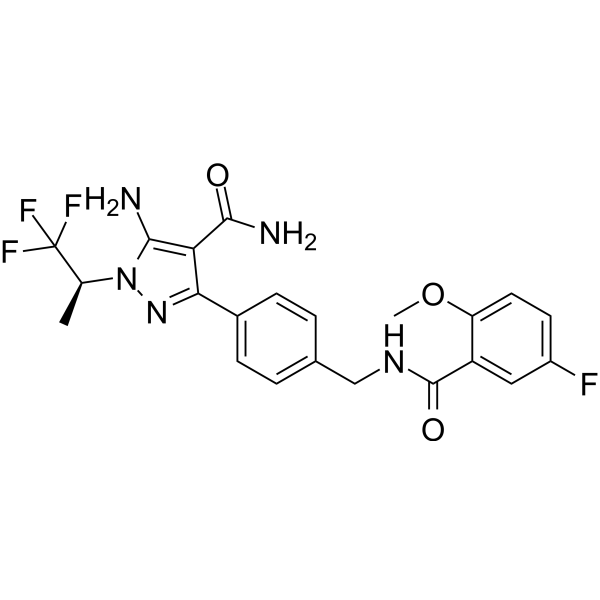
- HY-156640
-
|
LP-168
|
EGFR
|
Cancer
|
|
Rocbrutinib is an orally available, highly selective Bruton's tyrosine kinase (BTK) inhibitor, with an IC50 of 0.11 nM against wild-type BTK and an IC50 of 1.0 nM against C481S-mutated BTK. Rocbrutinib reduces the viability of leukemia cells, induces cytotoxicity and inhibits cell migration. Rocbrutinib can be used in research related to chronic lymphocytic leukemia, non-Hodgkin's lymphoma and mantle cell lymphoma .
|
-
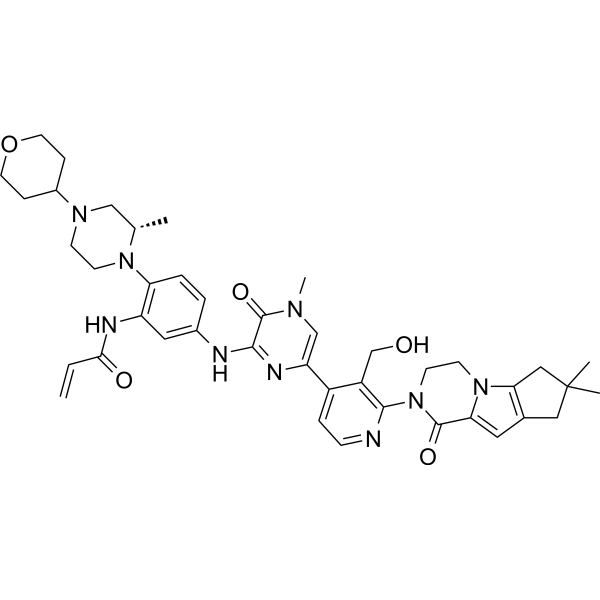
- HY-130983
-
|
|
Btk
Ligands for Target Protein for PROTAC
|
Cancer
|
|
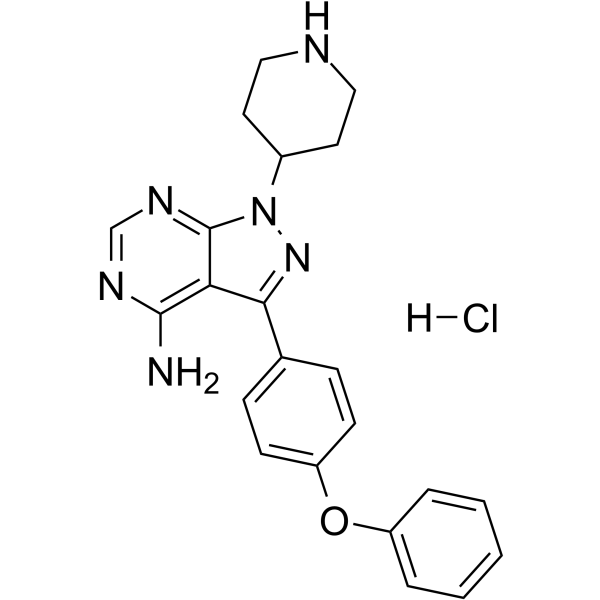
N-piperidine Ibrutinib hydrochloride (Compound 1) is a reversible Ibrutinib derivative. N-piperidine Ibrutinib hydrochloride is a potent BTK inhibitor with IC50s of 51.0 and 30.7 nM for WT BTK and C481S BTK, respectively . N-piperidine Ibrutinib hydrochloride can be used as a BTK ligand in the synthesis of a series of PROTACs, such as SJF620 (HY-133137). SJF620 is a potent PROTAC BTK degrader with a DC50 of 7.9 nM .
|
-
- HY-174129
-
|
|
Btk
Apoptosis
|
Cancer
|
|
TM471-1 is an orally active and covalent Bruton's tyrosine kinase (BTK) inhibitor with IC50 values of 1.3 nM (BTK WT), >40,000 nM (BTK C481S), 7.9 nM (TEC) and 12.4 nM (TXK). TM471-1 inhibits cell growth in vivo and in vitro, arrests cell cycle at G0/G1 phase and induces cell apoptosis .
|
-

- HY-109010R
-
|
HM71224 (Standard); LY3337641 (Standard)
|
Reference Standards
Btk
BMX Kinase
Toll-like Receptor (TLR)
|
Metabolic Disease
|
|
Poseltinib (Standard) is the analytical standard of Poseltinib (HY-109010). This product is intended for research and analytical applications. Poseltinib (HM71224) is an orally active, selective, irreversible small molecule Bruton tyrosine Kinase (BTK) inhibitor. With an IC50 of 1.95 nM. Poseltinib effectively inhibits the signaling mediated by B cell receptors (BCR), Fc receptors (FcR), and Toll-like receptors (TLR). Poseltinib has anti-inflammatory activity and can be used in the research of rheumatoid arthritis .
|
-

- HY-100335
-
|
|
Fluorescent Dye
Btk
|
Cancer
|
|
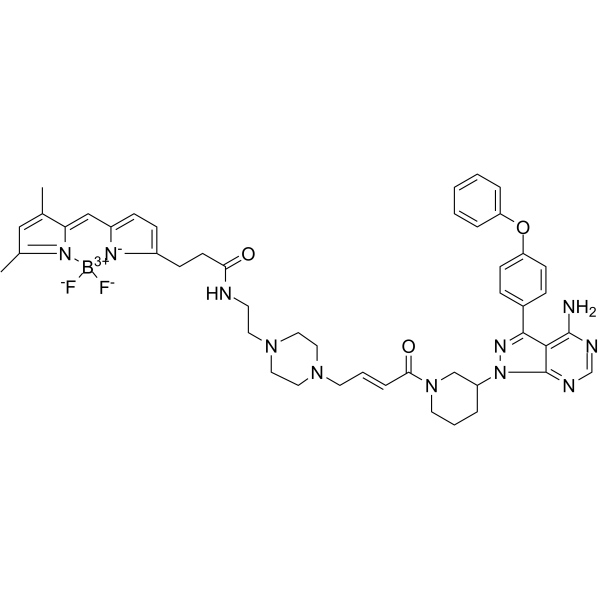
PCI-33380 is a fluorescent probe ( (Ex=532 nm, Em=555 nm). PCI-33380 consists of a (BTK) inhibitor PCI-32765 (HY-10997) attaching with a Bodipy-FL fluorophore via a piperazine linker. PCI-33380 binds predominantly to Btk in B cell lysates with cell permeable activity. PCI-33380 can be used for imaging live cancer cells such as non-Hodgkin lymphoma research
|
-
- HY-135334S
-
|
|
Isotope-Labeled Compounds
Drug Metabolite
Btk
Cytochrome P450
|
Cancer
|
|
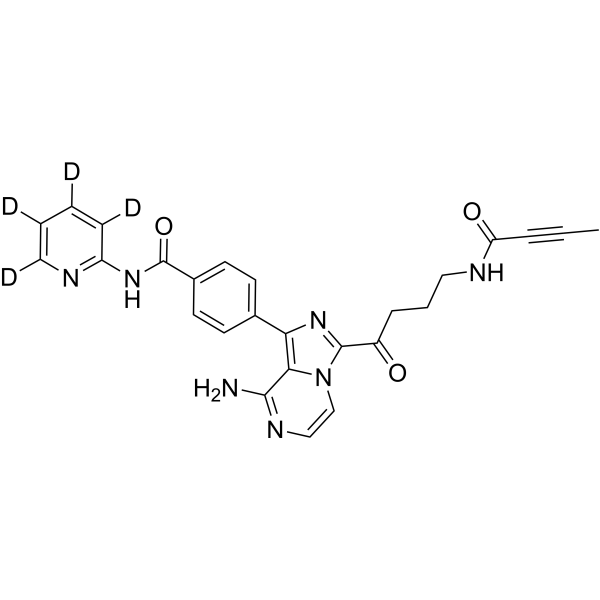
ACP-5862-d4 is deuterium labeled ACP-5862. ACP-5862 is a major active, circulating, pyrrolidine ring-opened metabolite of Acalabrutinib with an IC50 of 5.0 nM for Bruton tyrosine kinase (BTK). ACP‐5862 is a weak time‐dependent inactivator of CYP3A4 and CYP2C8. Acalabrutinib is an orally active, irreversible, and highly selective BTK inhibitor, with an IC50 of 3 nM and EC50 of 8 nM .
|
-
- HY-164002
-
|
|
Btk
|
Others
|
|
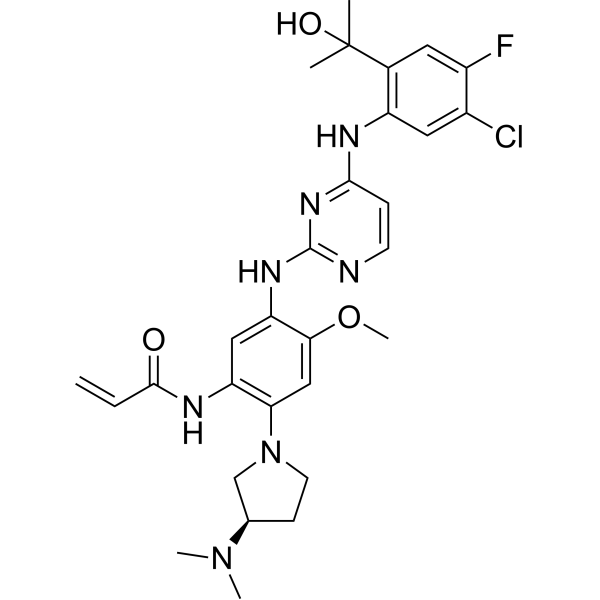
PF-303 is a potent, oral inhibitor of Bruton's tyrosine kinase (BTK) (IC50=0.64 nM). The melamine portion of PF-303 forms a covalent bond with BTK's Cys481, which is reversible and exhibits a high selectivity compared to irreversible covalent BTK inhibitors. PF-303 can be used to model and study the effects of BTK inhibition on the mature immune system, including effects on B-cell subsets, antibody responses, and T-cell-mediated activation .
|
-

- HY-17600A
-
|
Calquence maleate; ACP-196 maleate
|
Btk
|
Cancer
|
|
Acalabrutinib (Calquence) maleate is an orally active, irreversible, and highly selective second-generation BTK inhibitor. Acalabrutinib binds covalently to Cys481 in the ATP-binding pocket of BTK. Acalabrutinib maleate demonstrates potent on-target effects and efficacy in mouse models of chronic lymphocytic leukemia (CLL). Acalabrutinib maleate can be used for CLL research . Acalabrutinib maleate is a click chemistry reagent, which contains an Alkyne group and can undergo copper-catalyzed azide-alkyne cycloaddition (CuAAc) with molecules containing Azide groups.
|
-

- HY-132842
-
|
DZD9008
|
EGFR
Btk
|
Cancer
|
|
Sunvozertinib (DZD9008) is a potent ErbBs (EGFR, Her2, especially mutant forms) and BTK inhibitor. Sunvozertinib shows IC50s of 20.4, 20.4, 1.1, 7.5, and 80.4 nM for EGFR exon 20 NPH insertion, EGFR exon 20 ASV insertion, EGFR L858R and T790M mutations, and Her2 Exon20 YVMA, and EGFR WT A431, respectively (patent WO2019149164A1, example 52) .
|
-
- HY-17600
-
|
Calquence; ACP-196
|
Btk
|
Inflammation/Immunology
Cancer
|
|
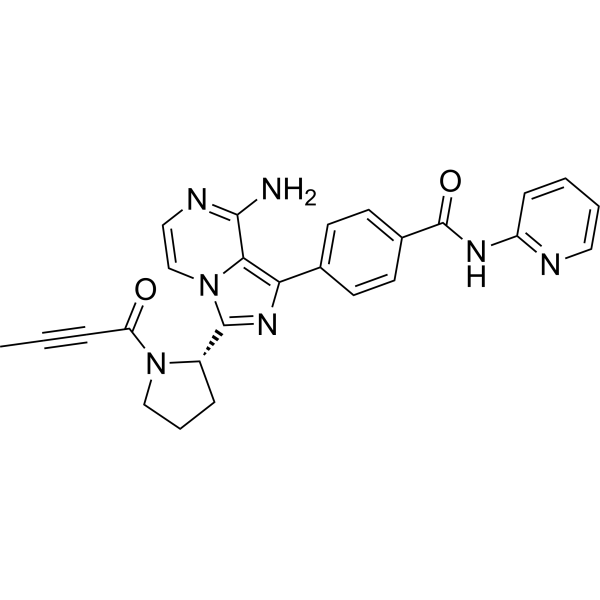
Acalabrutinib (ACP-196) is an orally active, irreversible, and highly selective second-generation BTK inhibitor. Acalabrutinib binds covalently to Cys481 in the ATP-binding pocket of BTK. Acalabrutinib demonstrates potent on-target effects and efficacy in mouse models of chronic lymphocytic leukemia (CLL). Acalabrutinib can be used for CLL research . Acalabrutinib is a click chemistry reagent, itcontains an Alkyne group and can undergo copper-catalyzed azide-alkyne cycloaddition (CuAAc) with molecules containing Azide groups.
|
-
- HY-160167A
-
|
(R,R)-DZD8586
|
Btk
|
Cancer
|
|
(R,R)-Birelentinib ((R,R)-DZD8586) (Compound 14) is a potent BTK inhibitor with IC50 values for BTK WT and BTK C481S of 0.7 and 0.86 nM, respectively. (R,R)-Birelentinib inhibits the self-phosphorylation of BTK and its IC50 is 24.3 nM. (R,R)-Birelentinib exhibits significant anti-proliferative activity against wild-type and C481S mutant HEK293 cells. (R,R)-Birelentinib can be used for the study of drug-resistant B-cell malignancies .
|
-

- HY-17600R
-
|
ACP-196 (Standard)
|
Reference Standards
Btk
|
Cancer
|
|
Acalabrutinib (Standard) is the analytical standard of Acalabrutinib. This product is intended for research and analytical applications. Acalabrutinib (ACP-196) is an orally active, irreversible, and highly selective second-generation BTK inhibitor. Acalabrutinib binds covalently to Cys481 in the ATP-binding pocket of BTK. Acalabrutinib demonstrates potent on-target effects and efficacy in mouse models of chronic lymphocytic leukemia (CLL) . Acalabrutinib is a click chemistry reagent, itcontains an Alkyne group and can undergo copper-catalyzed azide-alkyne cycloaddition (CuAAc) with molecules containing Azide groups.
|
-

- HY-137438
-
|
TG-1701
|
Btk
|
Cancer
|
|
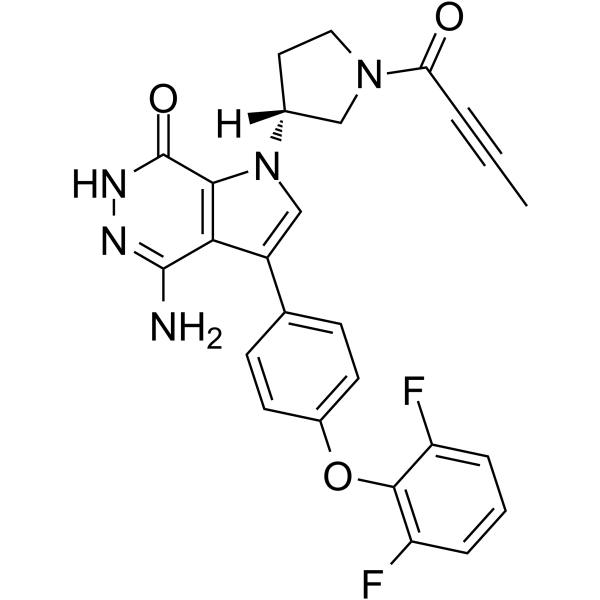
Edralbrutinib (TG-1701) is a highly selective, orally available irreversible BTK inhibitor, with an EC50 of 6.70 nM and a Kd of 3 nM against human BTK. Edralbrutinib inhibits downstream signaling of the B cell receptor, induces dephosphorylation of Ikaros Ser442/445, promotes nuclear exclusion of Ikaros, attenuates Ikaros gene signatures, and exerts anti-tumor activity. Edralbrutinib can be used in research related to B-cell non-Hodgkin lymphoma, chronic lymphocytic leukemia, mantle cell lymphoma, follicular lymphoma, and diffuse large B-cell lymphoma .
|
-
- HY-100335R
-
|
|
Fluorescent Dye
Reference Standards
Btk
|
Cancer
|
|
PCI-33380 (Standard) is the analytical standard of PCI-33380 (HY-100335). This product is intended for research and analytical applications. PCI-33380 is a fluorescent probe ( (Ex=532 nm, Em=555 nm). PCI-33380 consists of a (BTK) inhibitor PCI-32765 (HY-10997) attaching with a Bodipy-FL fluorophore via a piperazine linker. PCI-33380 binds predominantly to Btk in B cell lysates with cell permeable activity. PCI-33380 can be used for imaging live cancer cells such as non-Hodgkin lymphoma research
|
-

- HY-174850
-
|
|
Btk
|
Cancer
|
|
CFON-026 is a selective, orally active and non-covalent BTK inhibitor with an IC50 of 0.27 nM. CFON-026 has significant antitumor activity against wild-type BTK (TMD8 and REC-1) and all clinically relevant BTK resistance mutations (BTK C481S, T474I, L528W and V416L). CFON-026 induces complete tumor regression in TMD8 xenograft mice model. CFON-026 can be used for research of hematological cancers like chronic lymphocytic leukemia and waldenström macroglobulinemia .
|
-

- HY-181546
-
|
|
Btk
PERK
Syk
HMG Family
|
Cancer
|
|
Ibt-DOX is a BTK inhibitor with an IC50 of 2.89 nM. Ibt-DOX is also a targeted covalent activated chemotherapeutic agent composed of the targeting ligand Ibrutinib (HY-10997), Doxorubicin (DOX) (HY-15142A), α-MAA (HY-W017180), and a linker (HY-Y0892). Ibt-DOX specifically binds to BTK and releases DOX, synergistically achieving BTK inhibition and chemotherapeutic killing, significantly enhancing toxicity against B-cell lymphoma cells and greatly reducing the toxic side effects of DOX on BTK-negative cells. Ibt-DOX can be used in lymphoma-related research .
|
-

- HY-181996
-
|
|
Btk
Caspase
Apoptosis
PARP
|
Cancer
|
|
BTK-IN-47 (Compound 9e) is a covalent, selective BTK inhibitor with an IC50 of 5.15 nM against BTK. BTK-IN-47 inhibits the BTK signaling pathway, induces cell cycle arrest, and activates the canonical Caspase-dependent Apoptotic pathway (promoting the cleavage of Caspase-3, Caspase-7 and PARP), without inducing necroptosis, pyroptosis or ferroptosis. BTK-IN-47 exerts dose-dependent antiproliferative activity against hematologic tumor cell lines. BTK-IN-47 exhibits dose-dependent in vivo antitumor activity in a Ramos cell xenograft model in BALB/c nude mice. BTK-IN-47 can be used for the research of hematologic malignancies .
|
-

- HY-160167
-
|
DZD8586
|
Src
Btk
|
Inflammation/Immunology
Cancer
|
|
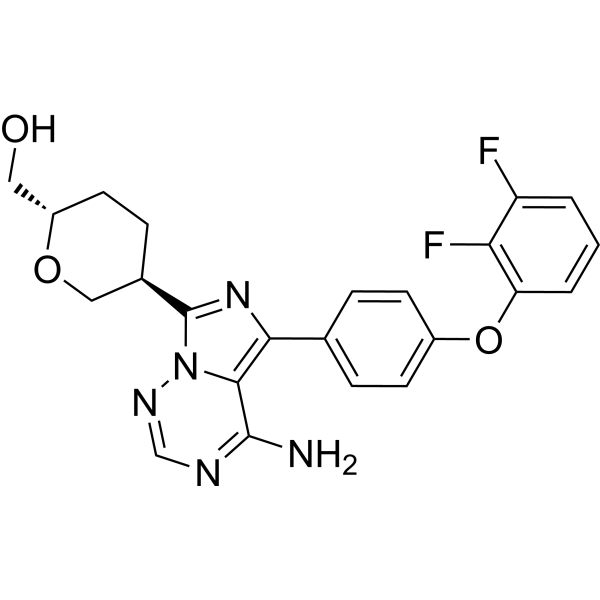
Birelentinib (DZD8586) is an orally effective, selective, non-covalent inhibitor targeting LYN tyrosine kinase and BTK tyrosine kinase, capable of penetrating the blood-brain barrier. Birelentinib exhibits concentration-dependent antiproliferative effects in RI-1 cells and diffuse large B-cell lymphoma (DLBCL) cell lines carrying BTK resistance mutations (such as C481X, V416L, etc.). Birelentinib blocks both BTK-dependent and independent signaling of the B-cell receptor (BCR), thereby inhibiting tumor cell proliferation and inducing cell death. Birelentinib can be used in research to overcome resistance to existing covalent and non-covalent BTK inhibitors in B-cell non-Hodgkin lymphoma (B-NHL) .
|
-
- HY-W017180
-
|
α-(Bromomethyl)acrylic acid; α-Methylated acrylamide; α-MAA
|
Btk
|
Cancer
|
|
2-(Bromomethyl) acrylic acid is a Bruton's tyrosine kinase (BTK) inhibitor. 2-(Bromomethyl) acrylic acid forms a covalent bond with the cysteine 481 (Cys481) residue of BTK via a nucleophilic addition-elimination reaction, thereby inhibiting the downstream B-cell receptor signaling pathway. 2-(Bromomethyl) acrylic acid induces immunogenic cell death in BTK-expressing B-cell lymphoma cells by releasing damage-associated molecular patterns including extracellular ATP and HMGB1. 2-(Bromomethyl) acrylic acid exhibits cytotoxicity against BTK-expressing B-cell lymphoma cells, but shows low toxicity to BTK-negative cells. 2-(Bromomethyl) acrylic acid can be used in studies related to B-cell lymphoma .
|
-

- HY-139481
-
TL-895
1 Publications Verification
|
Btk
BMX Kinase
Interleukin Related
TNF Receptor
|
Neurological Disease
Inflammation/Immunology
Cancer
|
|
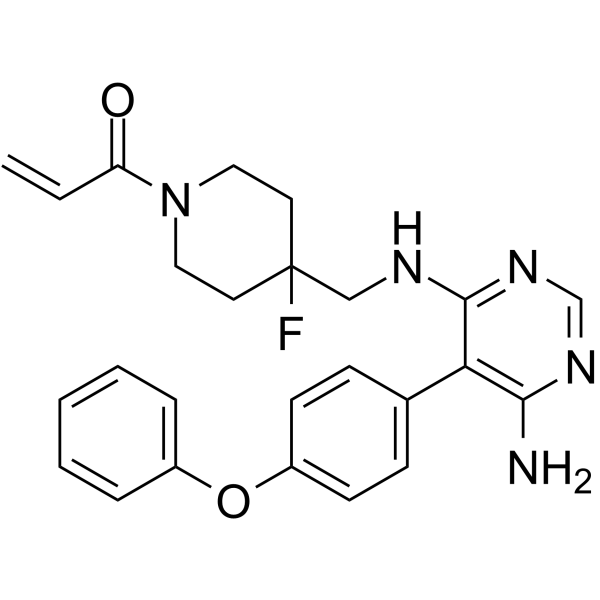
TL-895 is a potent, orally active, ATP-competitive, and highly selective irreversible BTK inhibitor. TL-895 is active against recombinant BTK (average IC50: 1.5 nM) and inhibits only three additional kinases BLK, BMX (IC50 = 1.6 nM) and TXK with IC50 within tenfold of BTK activity. TL-895 inhibits BTK auto-phosphorylation at the Y223 phosphorylation site (IC50: 1-10 nM). The TL-895 effectively inhibits the production of inflammatory factors such as IL-8, IL-1β, MCP-1 and TNF-α by monocytes or macrophages, and reduces the chemotactic migration of MF cells towards SDF-1. TL-895 is used be for studies of chronic lymphocytic leukemia (CLL), myelofibrosis (MF), and B-cell malignancies .
|
-
- HY-120406
-
|
|
Btk
Akt
mTOR
p38 MAPK
ERK
CCR
Apoptosis
|
Cancer
|
|
LPS-123 is a covalently irreversible BTK inhibitor with an IC50 of < 5 nM. LPS-123 simultaneously inhibits the catalytic activity of BTK at Tyr551 and its self-activation at Tyr223. LPS-123 inhibits phosphorylation of the AKT/mTOR and MAPK signaling pathways, activation of PLCγ2, ERK1/2, p38, AKT, and mTOR, and blocks the production of CCL3 and CCL4 chemokines. LPS-123 exhibits significant anti-proliferative activity against various B-cell lymphoma cell lines and effectively induces apoptosis via a caspase-dependent pathway. LPS-123 also demonstrates significant antitumor activity in the OCI-Ly7 xenograft model. LPS-123 can be used for lymphoma research .
|
-

- HY-153803
-
|
|
PROTACs
Molecular Glues
Btk
|
Cancer
|
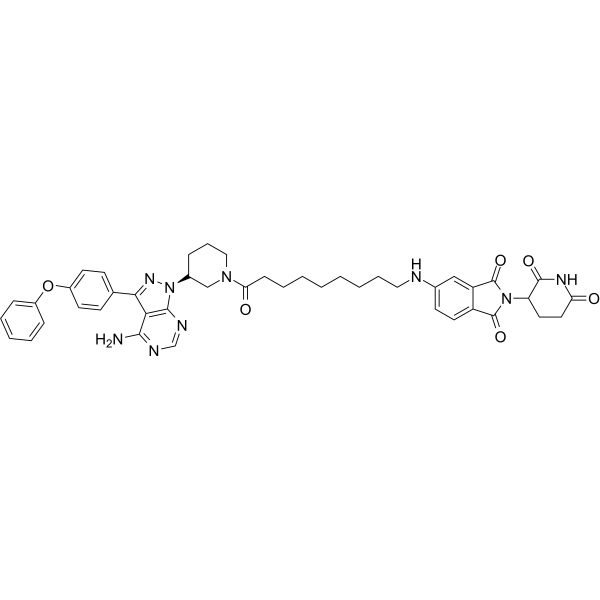
GBD-9 is a degrader based on the E3 ubiquitin ligase CRBN that targets BTK and the G1 to S phase transition protein GSPT1. GBD-9 has both PROTAC and molecular glue properties by inducing ubiquitination and proteasomal degradation of target proteins. GBD-9 can efficiently degrade wild-type and mutant BTK (such as C481S mutation) and GSPT1. GBD-9 significantly inhibits tumor cell proliferation by inducing G1 phase arrest in cancer cells, downregulating anti-apoptotic proteins (BCL-2, MCL-1) and activating Caspase-3 to induce apoptosis. GBD-9 is mainly used in the research of hematological tumors such as diffuse large B-cell lymphoma (DLBCL) and acute myeloid leukemia (AML) .
GBD-9 is composed of E3 ubiquitin ligase ligand (pink part) 5-Aminothalidomide (HY-W023573), target protein ligand (blue part) Btk Inhibitor: IBT6A (HY-13036A), and PROTAC linker (black part) Nonanoic acid (HY-N7057).
|
-
| Cat. No. |
Product Name |
Category |
Target |
Chemical Structure |
-
- HY-110013
-
|
|
Microorganisms
Source Classification
|
Btk
Antibiotic
|
|
Terreic acid, a quinone epoxide antibiotic, acts as an effective Btk inhibitor. Terreic acid blocks the interaction between PKC and the pleckstrin homology domain of Btk. Terreic acid inhibits the binding of GST-BtkPH to PKC in lysates of HMC-1 human mast cells with an IC50 of approximately 100 μM .
|
-
| Cat. No. |
Product Name |
Chemical Structure |
-
- HY-17600S
-
|
|
|
Acalabrutinib-d4 (ACP-196-d4) is a deuterium labeled Acalabrutinib. Acalabrutinib (ACP-196) is an orally active, irreversible, and highly selective second-generation BTK inhibitor . Acalabrutinib-d4 is a click chemistry reagent, it contains an Alkyne group and can undergo copper-catalyzed azide-alkyne cycloaddition (CuAAc) with molecules containing Azide groups.
|
-
-
- HY-10997S
-
|
|
|
Ibrutinib-d5 (PCI-32765-d5) is a deuterium labeled Ibrutinib. Ibrutinib is a selective, irreversible Btk inhibitor .
|
-
-
- HY-101474S
-
|
|
|
Zanubrutinib-d5 is deuterium labeled Zanubrutinib. Zanubrutinib is a selective Bruton tyrosine kinase (Btk) inhibitor .
|
-
-
- HY-101474BS
-
|
|
|
(R)-Zanubrutinib-d5 is deuterium labeled (R)-Zanubrutinib. (R)-Zanubrutinib is the R enantiomer of Zanubrutinib. Zanubrutinib is a selective Bruton tyrosine kinase (BTK) inhibitor.
|
-
-
- HY-160219S
-
|
|
|
BTK-IN-33 is a Btk inhibitor with anticancer effects (WO2023174300A1; compound I) .
|
-
-
- HY-W757743
-
|
|
|
Acalabrutinib-d3 (ACP-196-d3) is the deuterated form of Acalabrutinib (HY-17600). Acalabrutinib (ACP-196) is an orally active, irreversible, highly selective second-generation BTK inhibitor. Acalabrutinib covalently binds to Cys481 in the ATP-binding pocket of BTK. Acalabrutinib shows strong targeting and efficacy in mouse models of chronic lymphocytic leukemia (CLL).
|
-
-
- HY-135334S
-
|
|
|
ACP-5862-d4 is deuterium labeled ACP-5862. ACP-5862 is a major active, circulating, pyrrolidine ring-opened metabolite of Acalabrutinib with an IC50 of 5.0 nM for Bruton tyrosine kinase (BTK). ACP‐5862 is a weak time‐dependent inactivator of CYP3A4 and CYP2C8. Acalabrutinib is an orally active, irreversible, and highly selective BTK inhibitor, with an IC50 of 3 nM and EC50 of 8 nM .
|
-
| Cat. No. |
Product Name |
|
Classification |
-
- HY-15809
-
|
|
|
Alkynes
|
|
(Rac)-Ibrutinib alkyne (Compound 8) is a Btk inhibitor with an IC50 of 0.72 nM. (Rac)-Ibrutinib alkyne can effectively inhibit functions related to the B-cell receptor signaling pathway, with an IC50 of 9 nM for inhibiting Ca flux in Ramos cells. (Rac)-Ibrutinib alkyne can be used in the research of diseases such as rheumatoid arthritis .
|
-
- HY-159589
-
|
|
|
Azide
|
|
BTK-IN-37 (compound 8d) is a BTK inhibitor that can induce apoptosis in cancer cells. BTK-IN-37 targets BTK with Ki and IC50 of 5.07 nM and 3.6 nM, respectively. BTK-IN-37 can also selectively induce enrichment of genes involved in necroptosis and pyroptosis .
|
Your information is safe with us. * Required Fields.
Inquiry Information
- Product Name:
- Cat. No.:
- Quantity:
- MCE Japan Authorized Agent:








