



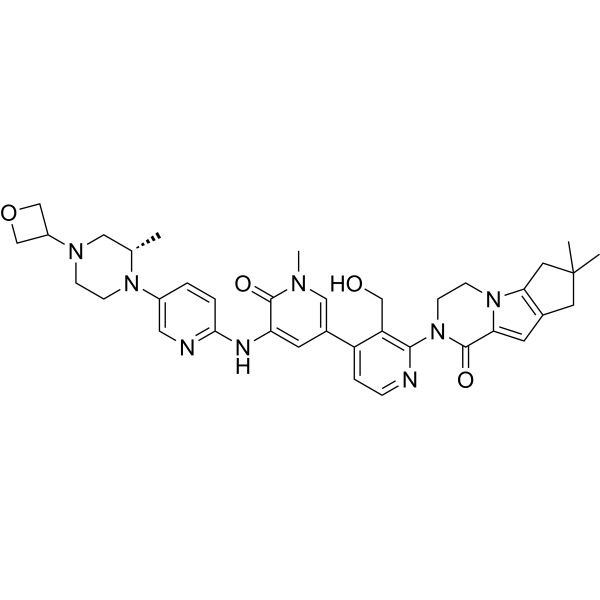
Fenebrutinib
Based on 12 publication(s) in Google Scholar
Fenebrutinib (GDC-0853) is a potent, selective, orally available, and noncovalent bruton's tyrosine kinase (Btk) inhibitor with Kis of 0.91 nM, 1.6, 1.3, 12.6, and 3.4 nM for WT Btk, and the C481S, C481R, T474I, T474M mutants. Fenebrutinib has the potential for rheumatoid arthritis and systemic lupus erythematosus research.
商品は「研究用試薬」です。人や動物の医療用・臨床診断用・食品用の製品ではありません。
研究用途以外に使用した場合、当社は一切の責任を負いかねます。
- 純度 : 99.89%
- CAS 番号: 1434048-34-6
- 分子式: C37H44N8O4
- 分子量:664.80
-
保管条件:
4°C, stored under nitrogen
* In solvent : -80°C, 6 months; -20°C, 1 month (stored under nitrogen)

To place orders, for customer services and technical support, please contact: MedChemExpress USA
Tel: 609-228-6898 E-mail: [email protected] [email protected]


-
 生物活性
生物活性
-
化学情報
-
溶剤 & 溶解度
- プロトコル
- 純度とドキュメンテーション
- 参考文献
-
 Help & FAQs


-
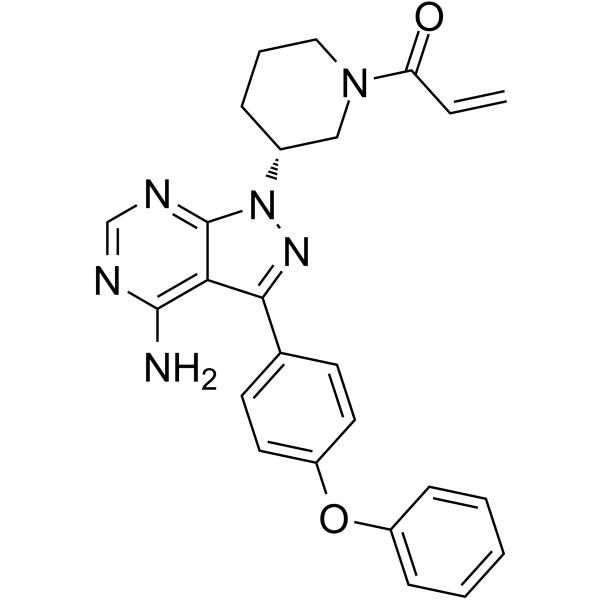
HY-10997
IbrutinibBtk Inhibitor -
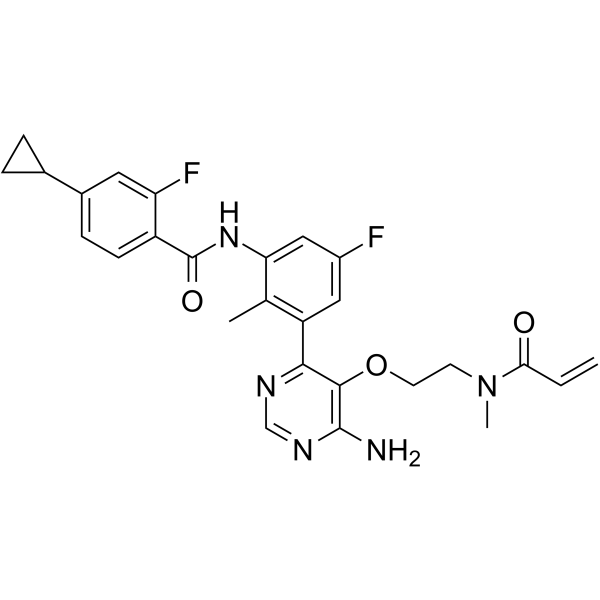
HY-128757
RemibrutinibBTK Inhibitor -
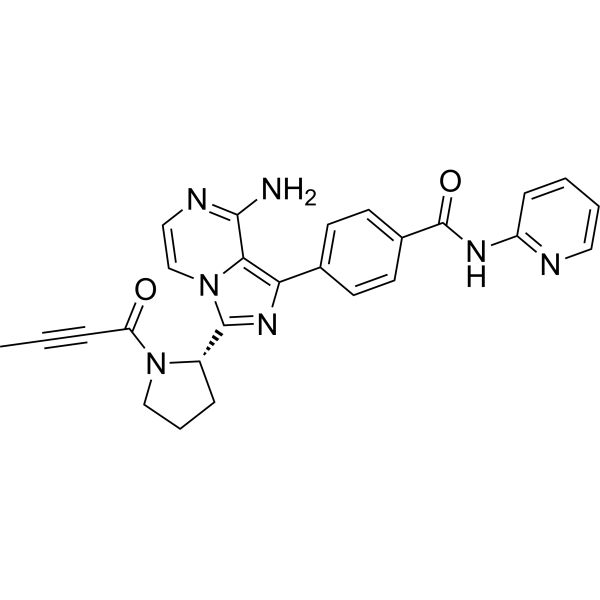
HY-17600
AcalabrutinibBTK Inhibitor -
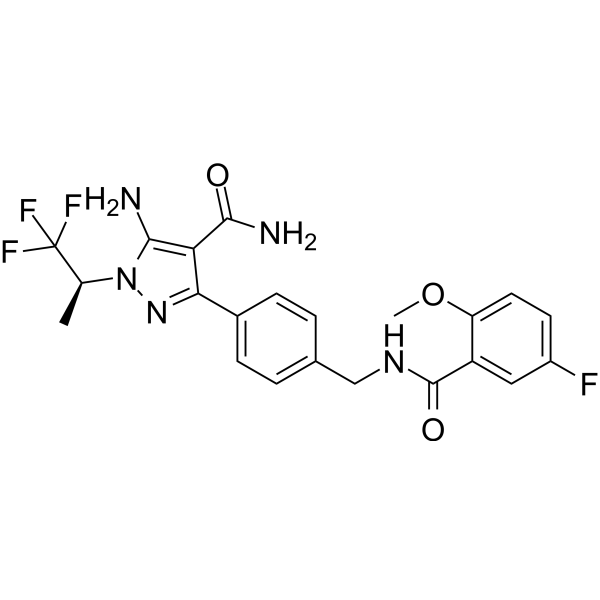
HY-131328
PirtobrutinibBTK Inhibitor -
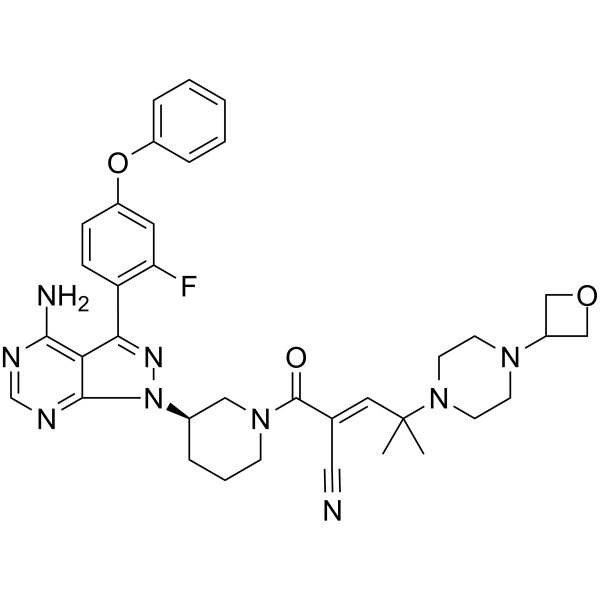
HY-112166
RilzabrutinibBTK Inhibitor -
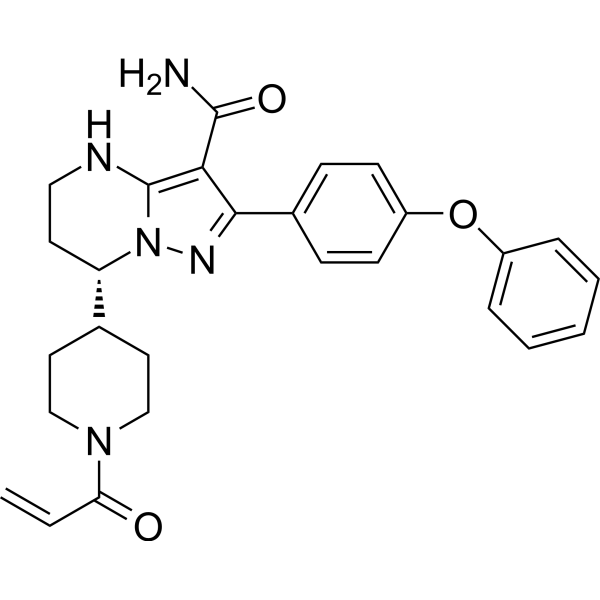
HY-101474A
ZanubrutinibBtk Inhibitor -
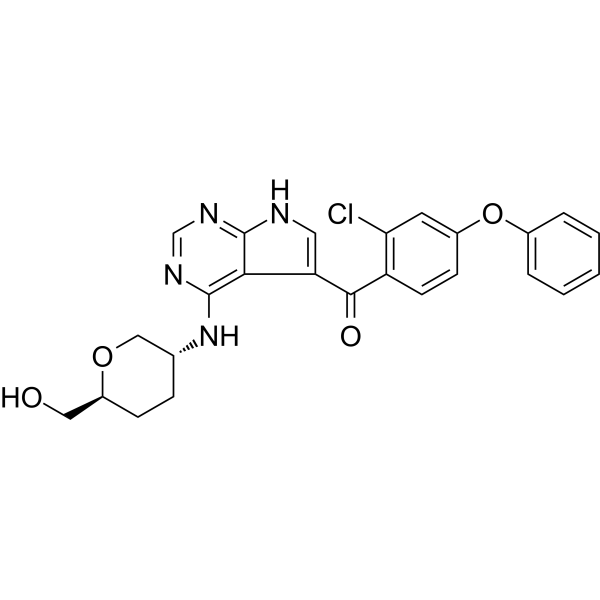
HY-112215
NemtabrutinibBTK Inhibitor -
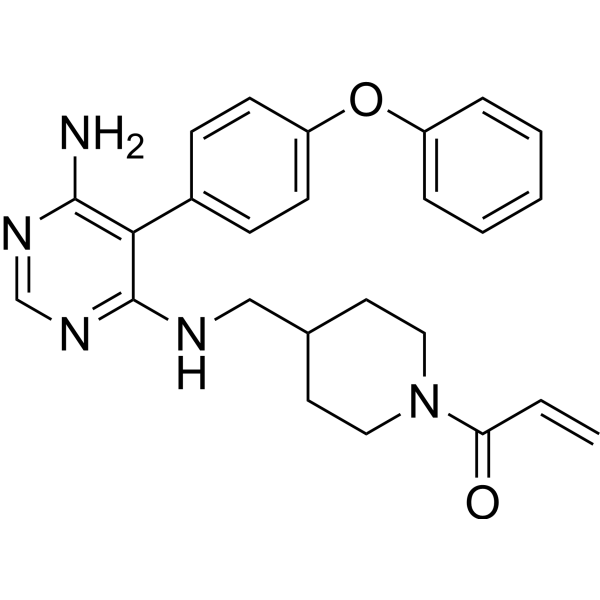
HY-101215
Evobrutinib -
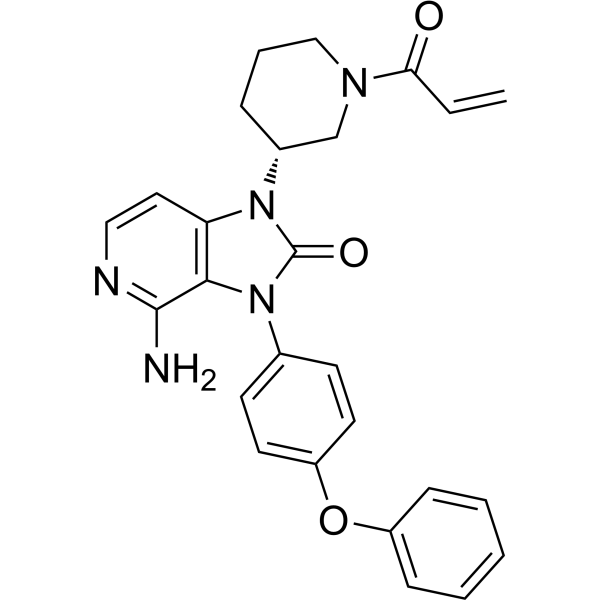
HY-109192
TolebrutinibBTK Inhibitor -
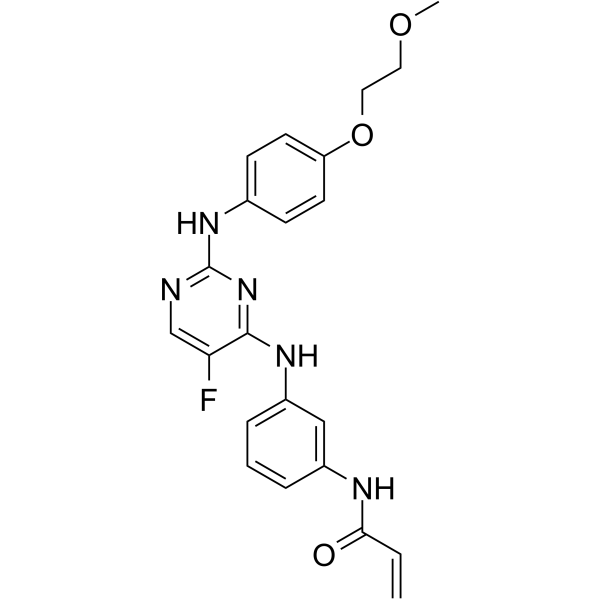
HY-18012
Spebrutinib -
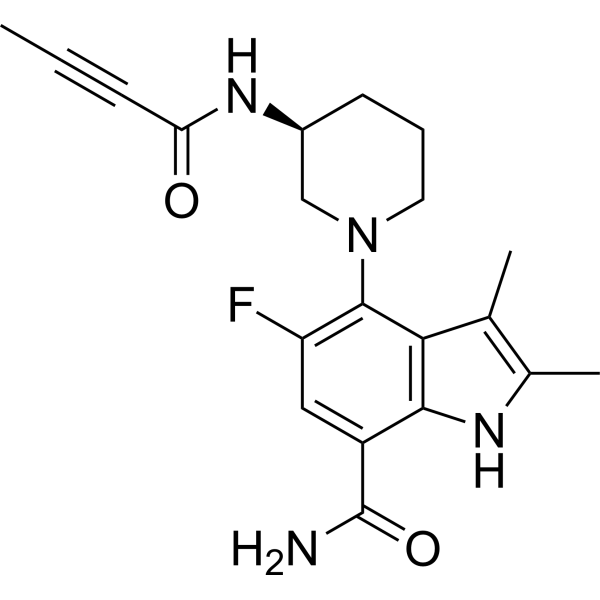
HY-112161
BranebrutinibBTK Inhibitor -
HY-129390
OrelabrutinibBTK Inhibitor
MedChemExpress(MCE)の使用を引用している文献 Fenebrutinib
More- Leukemia. 2021 May;35(5):1317-1329. [Abstract]
- JCI Insight. 2019 Jun 20;4(12):e127566. [Abstract]
- Int J Mol Sci. 2021 Dec 22;23(1):76. [Abstract]
- Molecules. 2023 May 22;28(10):4225. [Abstract]
- iScience. 2024 Sep 24;27(11):110961. [Abstract]
- ACS Pharmacol Transl Sci. 2025 Mar 12;8(4):917-931. [Abstract]
- Res Pract Thromb Haemost. 2026 Jul 14;10(5):106841.
- Separations. 2023 May 9, 10(5), 302.
- J Leukoc Biol. 2025 Mar 14;117(3):qiae160. [Abstract]
- PLoS One. 2024 Nov 1;19(11):e0308647. [Abstract]
- bioRxiv. 2024 September 08.
- Research Square Preprint. 2023 Aug 29.
 Customer Validation & Images

-
Bio/Physico-chemical Assay
-
WB
-
Bio/Physico-chemical Assay
-
Bio/Physico-chemical Assay
-
Cell Proliferation/Viability Assay


生物活性
製品説明
IC50 & Target
Ki: 0.91 nM (Btk WT), 1.6 nM (Btk C481S), 1.3 nM (Btk C481R), 12.6 nM (Btk T474I), and 3.4 nM (Btk T474M)[1]
Cellular Effect
|
Cell Line

|
Type | Value | Description | References |
|---|---|---|---|---|
| HEK293 | IC50 |
>30 μM
Compound: 29; GDC-0853
|
Inhibition of human ERG expressed in HEK293 cells incubated for 3 to 5 mins by automated parallel patch clamp assay
Inhibition of human ERG expressed in HEK293 cells incubated for 3 to 5 mins by automated parallel patch clamp assay
|
[PMID: 29457982] |
| Hepatocyte | IC50 |
>300 μM
Compound: 29; GDC-0853
|
Cytotoxicity against human primary hepatocytes assessed as reduction in cell viability
Cytotoxicity against human primary hepatocytes assessed as reduction in cell viability
|
[PMID: 29457982] |
| TMD8 | IC50 |
12.6 nM
Compound: GDC-0853
|
Cytotoxicity against human TMD8 cells incubated for 48 hrs by celltitre glo 2.0 assay
Cytotoxicity against human TMD8 cells incubated for 48 hrs by celltitre glo 2.0 assay
|
[PMID: 37195170] |
体外実験
Fenebrutinib (GDC-0853) inhibits CD69 expression on CD19+ B cells in human whole blood with an IC50 of 8.4±5.6 nM. Fenebrutinib inhibits CD63 expression on basophils with an IC50 of 30.7±4.1 nM[2].
Fenebrutinib suppresses anti-IgM induced Btk Y223 autophosphorylation in human whole blood (IC50=11 nM)[2].
MedChemExpress (MCE) has not independently confirmed the accuracy of these methods. They are for reference only.
体内実験
Fenebrutinib (0.2 mg/kg IV and 1.0 mg/kg PO; for rats) and (0.2 mg/kg IV and 0.5 mg/kg PO for dogs) demonstrates the half-lives (t1/2s) of 2.2 and 3.8 h In rats, and dogs, respectively[2].
MedChemExpress (MCE) has not independently confirmed the accuracy of these methods. They are for reference only.
-
Animal Model:Female Lewis rats with developing collagen-induced arthritis (CIA)[2]
-
Dosage:0.06, 0.25, 1, 4, and 16 mg/kg once daily (QD); 0.125, 0.5, and 2 mg/kg twice daily (BID)
-
Administration:Dosed orally; for 16 days
-
Result:Dose-dependently reduced ankle thickness following QD and BID dosing regimens.
臨床実験
| NCT Number | Sponsor | Condition | Start Date |
Phase
|
|---|---|---|---|---|
| NCT01329991 | 2011-05 | PHASE1 |


化学情報
-
CAS 番号 1434048-34-6
-
性状 Solid
-
分子量 664.80
-
分子式 C37H44N8O4
-
Color White to off-white
-
SMILES
O=C1C(NC(C=C2)=NC=C2N3CCN(C4COC4)C[C@@H]3C)=CC(C5=CC=NC(N6C(C7=CC(CC(C)(C)C8)=C8N7CC6)=O)=C5CO)=CN1C
-
別名
GDC-0853
-
輸送条件
Room temperature in continental US; may vary elsewhere.
-
保管条件
4°C, stored under nitrogen
* In solvent : -80°C, 6 months; -20°C, 1 month (stored under nitrogen)


Publications (12)
-
Journal Impact Factor
-
Most Recent
-
Leukemia
BTK gatekeeper residue variation combined with cysteine 481 substitution causes super-resistance to irreversible inhibitors acalabrutinib, ibrutinib and zanubrutinib. [Abstract]2021 May;35(5):1317-1329. PMID: 33526860
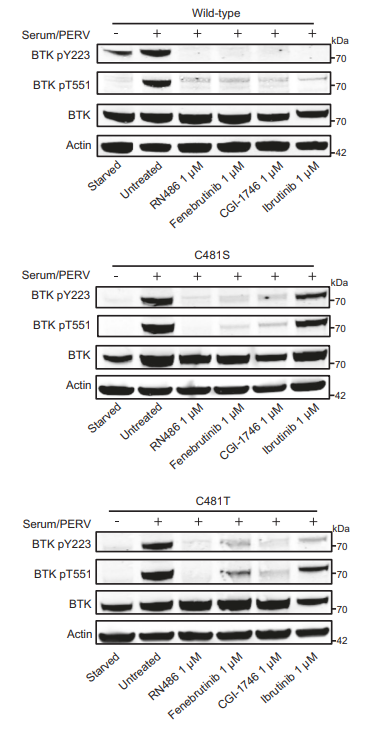
Fenebrutinib purchased from MedChemExpress. Usage Cited in: Leukemia. 2021 May;35(5):1317-1329. [Abstract]
Fenebrutinib (1 μM) blocked phosphorylation of BTK (Y223 and Y551) in both C481S and C481T variants.
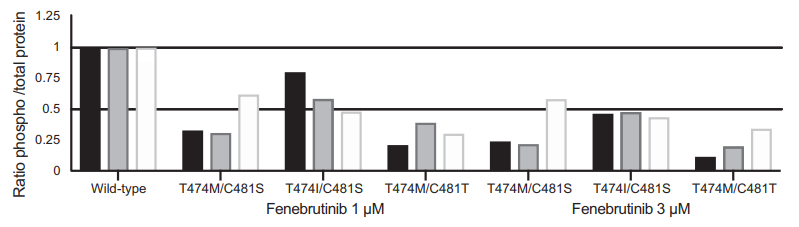
Fenebrutinib purchased from MedChemExpress. Usage Cited in: Leukemia. 2021 May;35(5):1317-1329. [Abstract]
Fenebrutinib (1-3 μM) in COS-7 cells transfected with the resistant variants T474M/C481T, T474I/C481S, and T474M/C481S.
-
JCI Insight
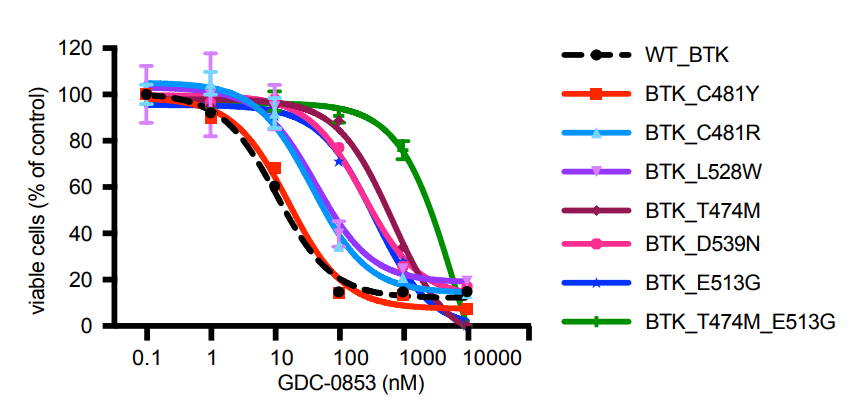
Noncovalent inhibitors reveal BTK gatekeeper and auto-inhibitory residues that control its transforming activity. [Abstract]2019 Jun 20;4(12):e127566. PMID: 31217352
Fenebrutinib purchased from MedChemExpress. Usage Cited in: JCI Insight. 2019 Jun 20;4(12):e127566. [Abstract]
Cell proliferation assays of TMD8 lymphoma cells expressing the indicated BTK wild-type or mutant alleles were treated with Fenebrutinib (GDC-0853) (0.1-10,000 nM; 72 h).
-
Int J Mol Sci
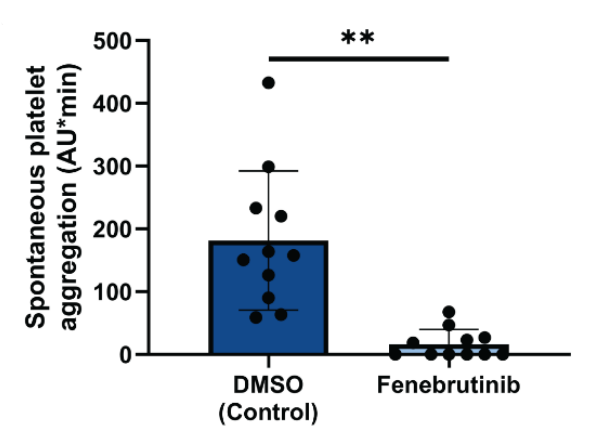
Spontaneous Platelet Aggregation in Blood Is Mediated by FcγRIIA Stimulation of Bruton's Tyrosine Kinase. [Abstract]2021 Dec 22;23(1):76. PMID: 35008508
Fenebrutinib purchased from MedChemExpress. Usage Cited in: Int J Mol Sci. 2021 Dec 22;23(1):76. [Abstract]
Fenebrutinib (50 nM) significantly inhibited SPA in donors with normal and high SPA values (59-432 AU*min).
-
Molecules
Investigation of Fenebrutinib Metabolism and Bioactivation Using MS3 Methodology in Ion Trap LC/MS. [Abstract]2023 May 22;28(10):4225. PMID: 37241965 -
iScience
Inhibition of proteolytic and ATPase activities of the proteasome by the BTK inhibitor CGI-1746. [Abstract]2024 Sep 24;27(11):110961. PMID: 39759071 -
ACS Pharmacol Transl Sci
Comprehensive Characterization of Bruton's Tyrosine Kinase Inhibitor Specificity, Potency, and Biological Effects: Insights into Covalent and Noncovalent Mechanistic Signatures. [Abstract]2025 Mar 12;8(4):917-931. PMID: 40242575
Fenebrutinib purchased from MedChemExpress. Usage Cited in: ACS Pharmacol Transl Sci. 2025 Mar 12;8(4):917-931. [Abstract]
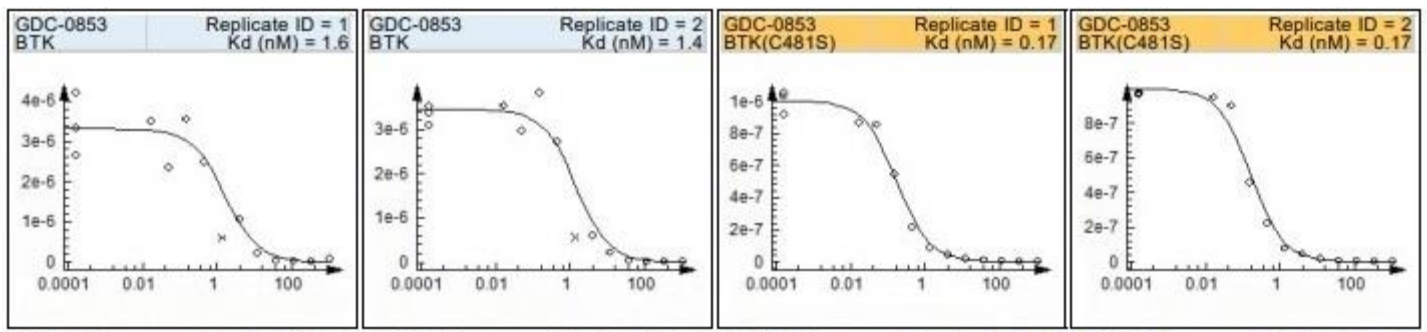
11-point dose response curves (or lack thereof) for Fenebrutinib (GDC-0853) (0.0001-100 nM) to wild-type BTK and a BTK mutant (BTK C481S).
-
-
-
J Leukoc Biol
Effect on neutrophil migration and antimicrobial functions by the Bruton's tyrosine kinase inhibitors tolebrutinib, evobrutinib and fenebrutinib. [Abstract]2025 Mar 14;117(3):qiae160. PMID: 38976501 -
PLoS One
A novel small molecule screening assay using normal human chondrocytes toward osteoarthritis drug discovery. [Abstract]2024 Nov 1;19(11):e0308647. PMID: 39485774 -
-


溶剤 & 溶解度
体外:
DMSO : 20 mg/mL (30.08 mM; ultrasonic and warming and heat to 60°C; Hygroscopic DMSO has a significant impact on the solubility of product, please use newly opened DMSO)
Please refer to the solubility information to select the appropriate solvent. Once prepared, please aliquot and store the solution to prevent product inactivation from repeated freeze-thaw cycles.
Storage method and period of stock solution: -80°C, 6 months; -20°C, 1 month (stored under nitrogen). When stored at -80°C, please use it within 6 months. When stored at -20°C, please use it within 1 month.
Please refer to the solubility information to select the appropriate solvent. Once prepared, please aliquot and store the solution to prevent product inactivation from repeated freeze-thaw cycles.
Storage method and period of stock solution: -80°C, 6 months; -20°C, 1 month (stored under nitrogen). When stored at -80°C, please use it within 6 months. When stored at -20°C, please use it within 1 month.
濃度 (開始) × 体積 (開始) = 濃度 (終了) × 体積 (終了)
体内:
Select the appropriate dissolution method based on your experimental animal and administration route.
- For the following dissolution methods, please ensure to first prepare a clear stock solution using an In Vitro approach and then sequentially add co-solvents:
- To ensure reliable experimental results, the clarified stock solution can be appropriately stored based on storage conditions. As for the working solution for In Vivo experiments, it is recommended to prepare freshly and use it on the same day.
- The percentages shown for the solvents indicate their volumetric ratio in the final prepared solution. If precipitation or phase separation occurs during preparation, heat and/or sonication can be used to aid dissolution.
Add each solvent one by one: 10% DMSO 40% PEG300 5% Tween-80 45% Saline
Solubility: ≥ 2 mg/mL (3.01 mM); Clear solution
This protocol yields a clear solution of ≥ 2 mg/mL (saturation unknown).
Taking 1 mL working solution as an example, add 100 μL DMSO stock solution (20.0 mg/mL) to 400 μL PEG300, and mix evenly; then add 50 μL Tween-80 and mix evenly; then add 450 μL Saline to adjust the volume to 1 mL.
Preparation of Saline: Dissolve 0.9 g sodium chloride in ddH₂O and dilute to 100 mL to obtain a clear Saline solution.
Add each solvent one by one: 10% DMSO 90% (20% SBE-β-CD in Saline)
Solubility: ≥ 2 mg/mL (3.01 mM); Clear solution
This protocol yields a clear solution of ≥ 2 mg/mL (saturation unknown).
Taking 1 mL working solution as an example, add 100 μL DMSO stock solution (20.0 mg/mL) to 900 μL 20% SBE-β-CD in Saline, and mix evenly.
Preparation of 20% SBE-β-CD in Saline (4°C, storage for one week): 2 g SBE-β-CD powder is dissolved in 10 mL Saline, completely dissolve until clear.
In Vivo Dissolution Calculator
Please enter the basic information of animal experiments:
-
-
-
-
Recommended: Prepare an additional quantity of animals to account for potential losses during experiments.
Please enter your animal formula composition:
-
%DMSO +
Recommended: Keep the proportion of DMSO in working solution below 2% if your animal is weak.
-
%+
-
+%Tween-80 + +
-
%Saline +
The co-solvents required include: DMSO, . All of co-solvents are available by MedChemExpress (MCE). , Tween 80. All of co-solvents are available by MedChemExpress (MCE).
Working solution concentration: 0.22 mg/mL
Method for preparing stock solution: mg drug dissolved in μL DMSO. Stock solution concentration: mg/mL. * In solvent : -80°C, 6 months; -20°C, 1 month (stored under nitrogen)
1. Take μL DMSO stock solution;
2. Add μL .
μL , mix evenly;
3. Then add μL Tween 80, mix evenly;
4. Then add μL
Please ensure that the stock solution in the first step is dissolved to a clear state, and add co-solvents in sequence. You can use ultrasonic heating (ultrasonic cleaner, recommended frequency 20-40 kHz), vortexing, etc. to assist dissolution.


純度とドキュメンテーション
-
データシート (274 KB)
-
SDS (581 KB)
- English - EN (581 KB)
- Français - FR (581 KB)
- Deutsch - DE (581 KB)
- Norwegian - NO (581 KB)
- Español - ES (581 KB)
- Swedish - SV (581 KB)
- Italian - IT (581 KB)
- Korean - KR (581 KB)
- Portuguese - PT (581 KB)
-
取扱説明書 (2659 KB)
参考文献
[1]. Erickson RI , et al. Bruton's Tyrosine Kinase Small Molecule Inhibitors Induce a Distinct Pancreatic Toxicity in Rats. J Pharmacol Exp Ther. 2017 Jan;360(1):226-238. [Content Brief]
[2]. Crawford JJ, et al. Discovery of GDC-0853: A Potent, Selective, and Noncovalent Bruton's Tyrosine Kinase Inhibitor in Early Clinical Development. J Med Chem. 2018 Mar 22;61(6):2227-2245. [Content Brief]


Complete Stock Solution Preparation Table
Please refer to the solubility information to select the appropriate solvent. Once prepared, please aliquot and store the solution to prevent product inactivation from repeated freeze-thaw cycles.
Storage method and period of stock solution: -80°C, 6 months; -20°C, 1 month (stored under nitrogen). When stored at -80°C, please use it within 6 months. When stored at -20°C, please use it within 1 month.
| Optional Solvent | Concentration Solvent Mass | 1 mg | 5 mg | 10 mg | 25 mg |
|---|---|---|---|---|---|
| DMSO | 1 mM | 1.5042 mL | 7.5211 mL | 15.0421 mL | 37.6053 mL |
| 5 mM | 0.3008 mL | 1.5042 mL | 3.0084 mL | 7.5211 mL | |
| 10 mM | 0.1504 mL | 0.7521 mL | 1.5042 mL | 3.7605 mL | |
| 15 mM | 0.1003 mL | 0.5014 mL | 1.0028 mL | 2.5070 mL | |
| 20 mM | 0.0752 mL | 0.3761 mL | 0.7521 mL | 1.8803 mL | |
| 25 mM | 0.0602 mL | 0.3008 mL | 0.6017 mL | 1.5042 mL | |
| 30 mM | 0.0501 mL | 0.2507 mL | 0.5014 mL | 1.2535 mL |


Fenebrutinib 関連分類
HY-19834 関連分類
 Powered by Bioz