1. Search Result
Search Result
Results for "

Depressant

" in MedChemExpress (MCE) Product Catalog:

78

Inhibitors & Agonists

1

Peptides

14

Natural
Products

3

Isotope-Labeled Compounds

Cat. No. Product Name Target Research Areas Chemical Structure
  • HY-B0219
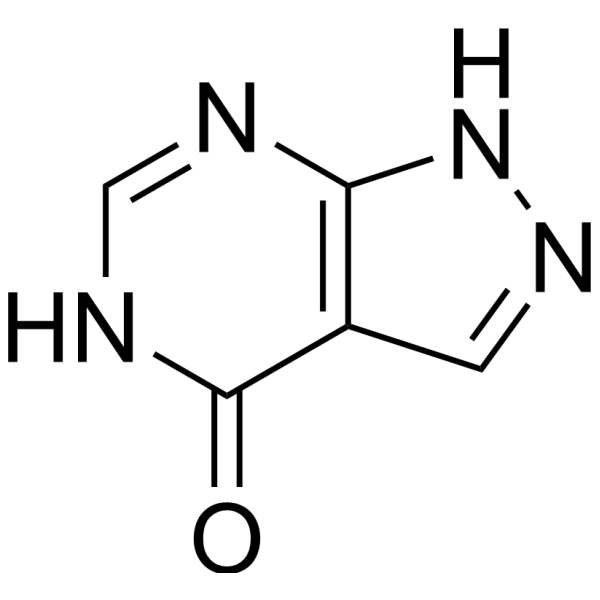
    Allopurinol
    Maximum Cited Publications
    12 Publications Verification

    Xanthine Oxidase Infection Neurological Disease Inflammation/Immunology Cancer
    Allopurinol is a potent and orally active xanthine oxidase inhibitor with an IC50 value of 0.2-50 μM. Allopurinol can be used in the research of hyperuricemia and gout. Allopurinol decreases the expression of HIF-1α and HIF-2α protein. Allopurinol shows anti-depressant and anti-nociception activity. Anti-leishmanial effect .
    Allopurinol
  • HY-B0478A
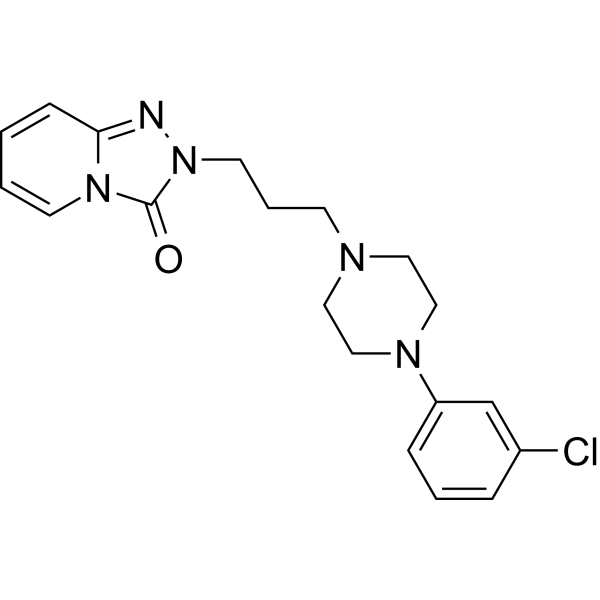
    Trazodone
    5+ Cited Publications

    AF-1161 free base

    5-HT Receptor Serotonin Transporter Histamine Receptor Adrenergic Receptor Neurological Disease
    Trazodone (AF-1161 free base) is a triazolopyridine derivative that belongs to the class of serotonin receptor antagonists and reuptake inhibitors (SARIs). Trazodone has anti-depressant and anti-insomnious activity. Trazodone exerts antagonistic properties against a1- and a2-adrenergic receptors and histamine H1 receptors, with minimal anticholinergic effects .
    Trazodone
  • HY-102064
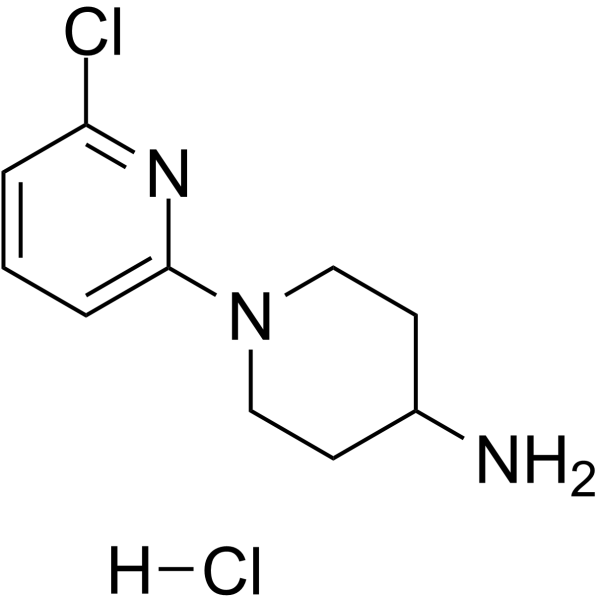
    SR 57227A
    1 Publications Verification

    5-HT Receptor Neurological Disease
    SR 57227A is a potent, orally active and selective 5-HT3 receptor agonist, with ability to cross the blood brain barrier. SR 57227A has affinities (IC50) varying between 2.8 and 250 nM for 5-HT3 receptor binding sites in rat cortical membranes and on whole NG 108-15 cells or their membranes. Anti-depressant effects .
    SR 57227A
  • HY-107811
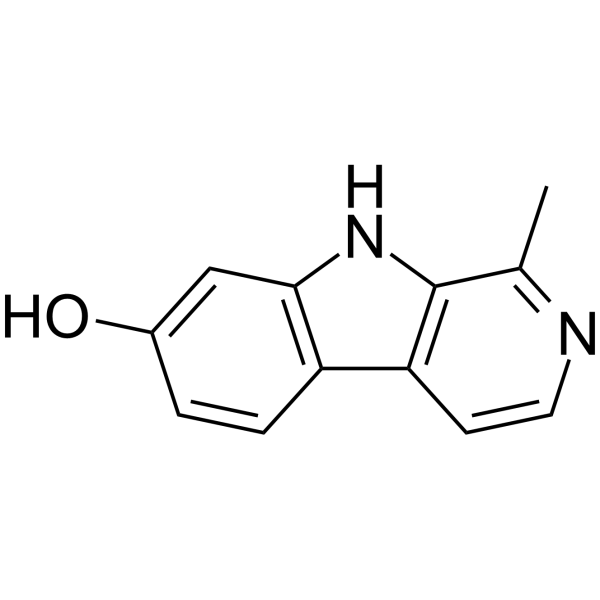
    Harmol
    1 Publications Verification

    Autophagy α-synuclein Apoptosis Monoamine Oxidase Mitosis Neurological Disease Cancer
    Harmol is an orally active β-carboline alkaloid. Harmol is a TFEB activator and monoamine oxidase inhibitor. Harmol can induce cell mitosis, Autophagy and Apoptosis. Harmol promotes the degradation of α-synuclein by regulating the autophagy-lysosomal pathway. Harmol has anti-tumor, anti-depressant and anti-aging activities. Harmol improves motor impairment in a mouse Parkinson's disease model .
    Harmol
  • HY-108669
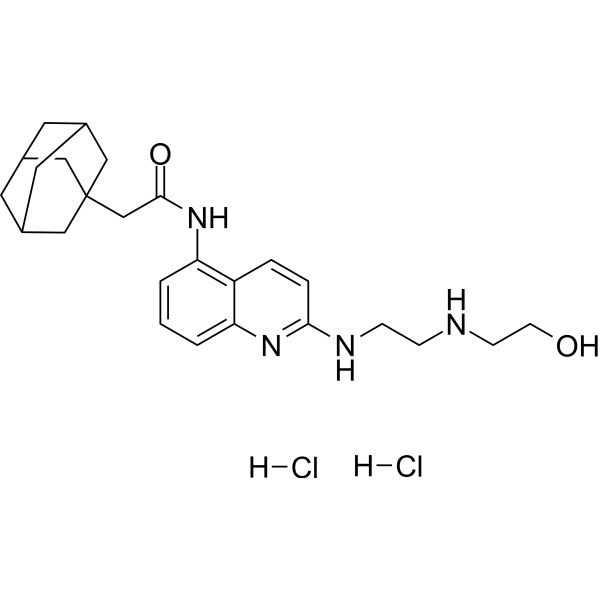
    AZ10606120 dihydrochloride
    2 Publications Verification

    P2X Receptor Neurological Disease Cancer
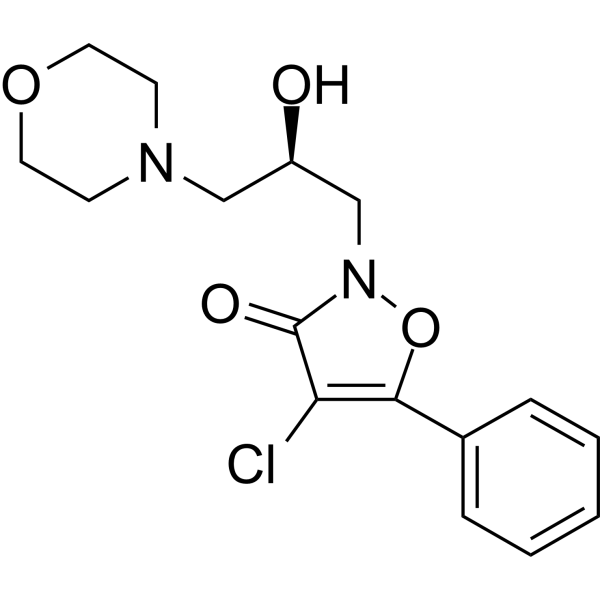
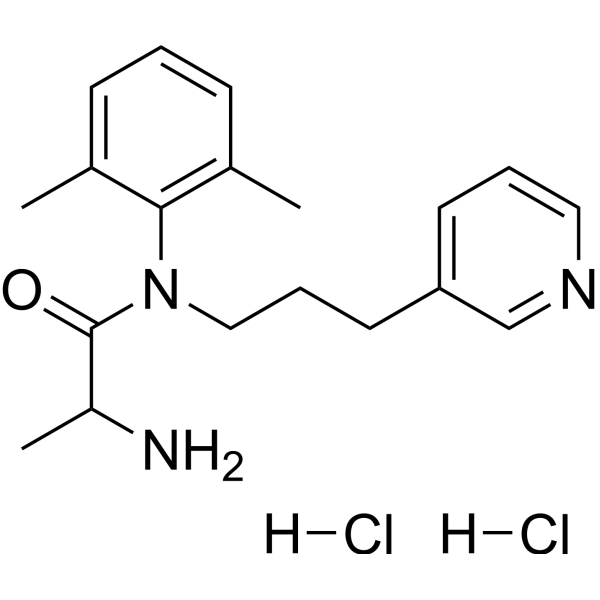
    AZ10606120 dihydrochloride is a selective, high affinity antagonist for P2X7 receptor (P2X7R) at human and rat with an IC50 of about 10 nM. AZ10606120 dihydrochloride is little or no effect at other P2XR subtypes. AZ10606120 dihydrochloride has anti-depressant effects and reduces tumour growth .
    AZ10606120 dihydrochloride
  • HY-B0478
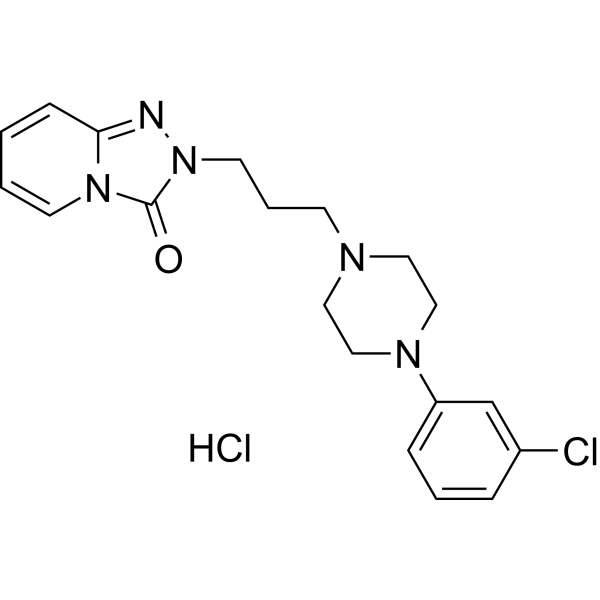
    Trazodone hydrochloride
    5+ Cited Publications

    AF-1161

    5-HT Receptor Serotonin Transporter Histamine Receptor Adrenergic Receptor Neurological Disease
    Trazodone hydrochloride (AF-1161) is a triazolopyridine derivative that belongs to the class of serotonin receptor antagonists and reuptake inhibitors (SARIs). Trazodone hydrochloride has anti-depressant and anti-insomnious activity. Trazodone hydrochloride exerts antagonistic properties against a1- and a2-adrenergic receptors and histamine H1 receptors, with minimal anticholinergic effects .
    Trazodone hydrochloride
  • HY-B0219A
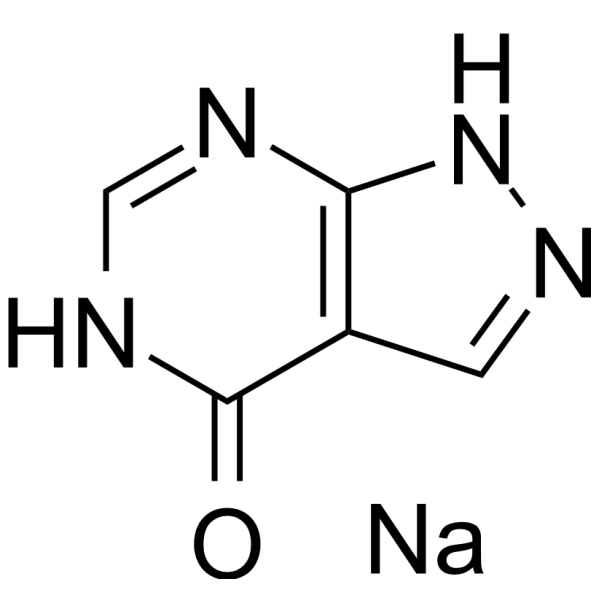
    Allopurinol sodium
    Maximum Cited Publications
    12 Publications Verification

    Xanthine Oxidase Infection Neurological Disease Inflammation/Immunology Cancer
    Allopurinol sodium is a potent and orally active xanthine oxidase inhibitor with an IC50 value of 0.2-50 μM. Allopurinol sodium can be used in the research of hyperuricemia and gout. Allopurinol sodium decreases the expression of HIF-1α and HIF-2α protein. Allopurinol sodium shows anti-depressant and anti-nociception activity. Anti-leishmanial effect .
    Allopurinol sodium
  • HY-N6838

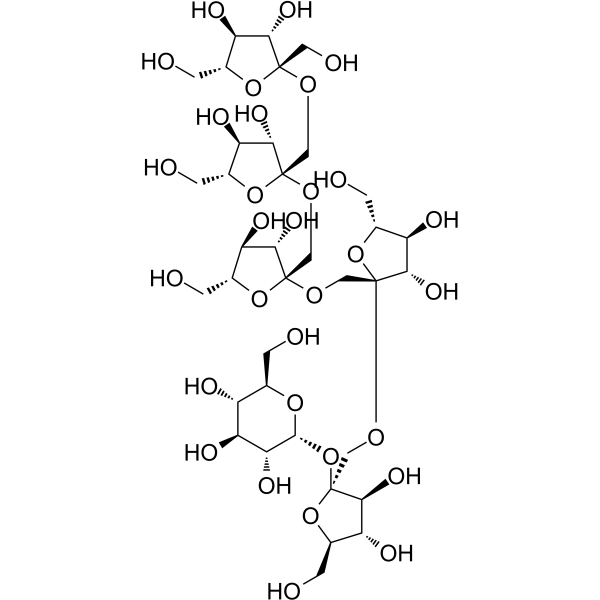
    1,1,1,1-Kestohexose

    Others Others
    1,1,1,1-Kestohexaose (1,1,1,1-Kestohexose) is an insulin-type fructooligosaccharide hexasaccharide. 1,1,1,1-Kestohexaose exhibits neuroprotective and anti-depressant-like activities. 1,1,1,1-Kestohexaose can alleviate Corticosteron (HY-B1618)-induced decrease in cell viability and NGF expression in vitro .
    1,1,1,1-Kestohexaose
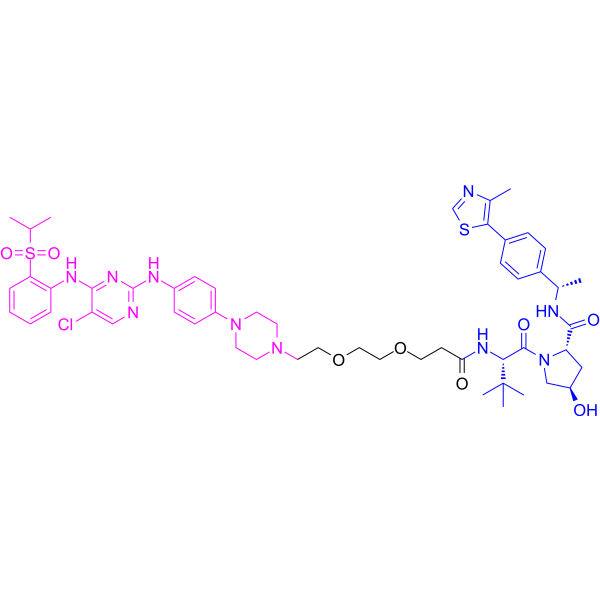
  • HY-148065

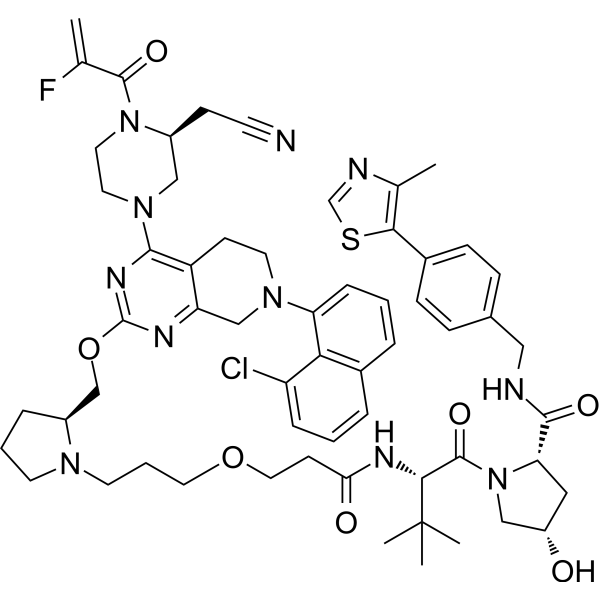
    PROTACs Wee1 CDK AAK1 ULK MELK Itk IRAK Ephrin Receptor FGFR MAP4K p38 MAPK Neurological Disease Metabolic Disease Inflammation/Immunology Cancer
    FMF-06-098-1 is a multi-target kinase PROTAC degrader. FMF-06-098-1 can be used to target degradation kinases which degrades AAK1, AΒL2, AURKA, AURKB, BUBIB, CDC7, CDK1, CDK12, CDK13, CDK2, CDK4, CDk6, CDK7, CDK9, CHEK1, CSNKID, EPHA1, PER, FGFR1, GAK, IRAK4, ITK, LIMK2, MAP4K2, MAP4K3, MAPK6, MAPK7, MARK4, MELK, PKN3, PLK4, PRKAA1, PTK2, PTK6, RPS6KA4, S1K2, STK35, TNK2, UHMK1, ULK1, and WEE1 .
    FMF-06-098-1
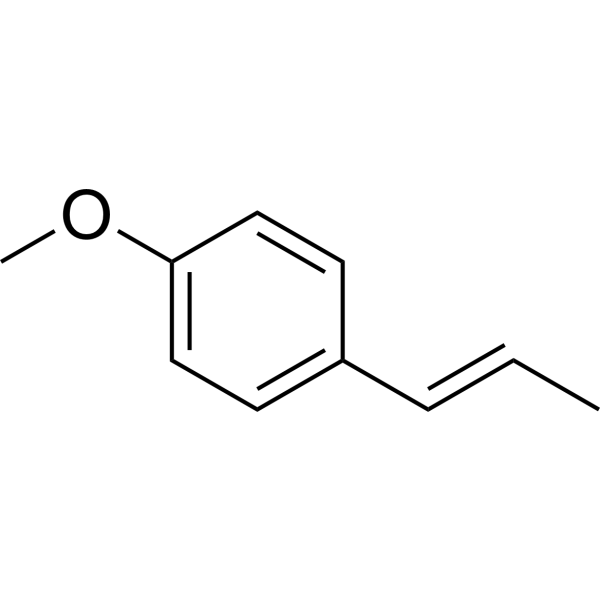
  • HY-B0900
    Anethole
    2 Publications Verification

    Anise camphor; p-Propenylanisole; Isoestragole

    Environmental Pollutants Apoptosis NF-κB Fungal Bacterial MMP Infection Neurological Disease Inflammation/Immunology Cancer
    Anethole is a type of orally active aromatic compound that is widely found in nature and used as a flavoring agent. Anethole possesses anticancer, anti-inflammatory, antioxidant, antibacterial, antifungal, anesthetic, estrogenic, central nervous system depressant, hypnotic, insecticidal, and gastroprotective effects. Anethole can be used in the study of oxidative stress-related skin diseases and prostate cancer .
    Anethole
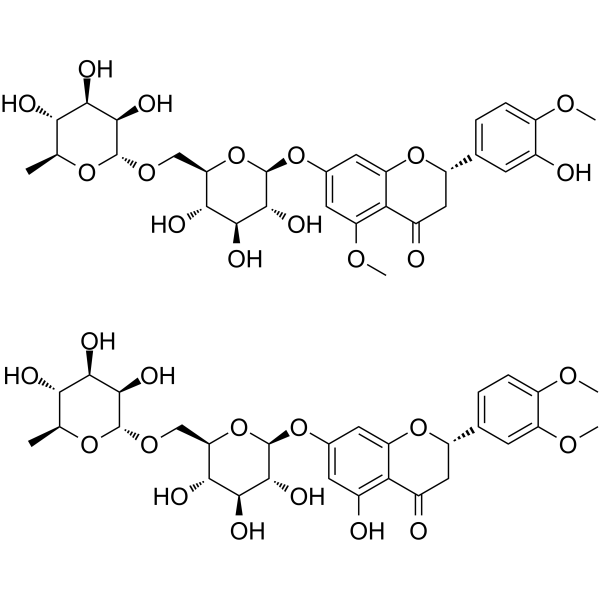
  • HY-N0165

    HIV Reverse Transcriptase Cardiovascular Disease Infection Inflammation/Immunology
    Methyl-Hesperidin is a glycoside compound. Methyl-Hesperidin has hypotensive, coronary dilating, smooth muscle relaxing, capillary stabilizing, choleretic, and anti-ulcer activities. Methyl-Hesperidin act as a competitive substrate to inhibit HIV-1 reverse transcriptase activity. Methyl-Hesperidin potentiates coronary dilating actions of adenine nucleotides and 3'-AMP, enhances depressant action on isolated atria, and prolongs adenosine- and ATP-induced heart block in guinea pigs .
    Methyl-Hesperidin
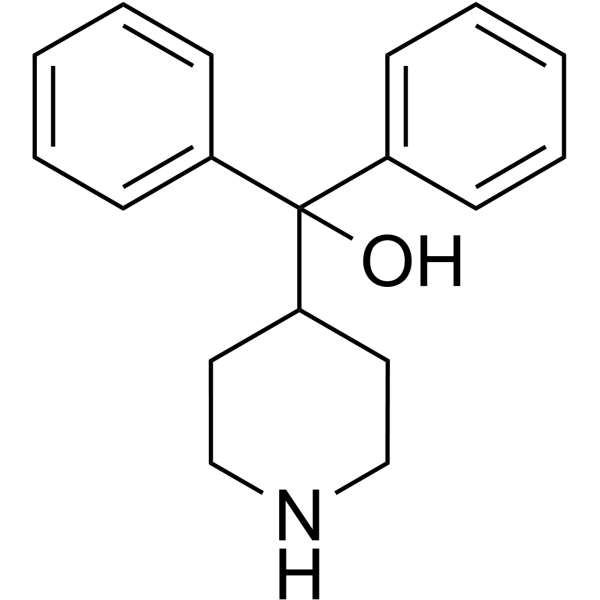
  • HY-B0530
    Azacyclonol
    1 Publications Verification

    γ-pipradol

    Histamine Receptor Neurological Disease
    Azacyclonol (γ-pipradol), a metabolite of Terfenadine, is a central depressant agent. Azacyclonol is a ganglion-blocking agent. Azacyclonol can be used to diminish psychoses-induced hallucinations .
    Azacyclonol
  • HY-107790
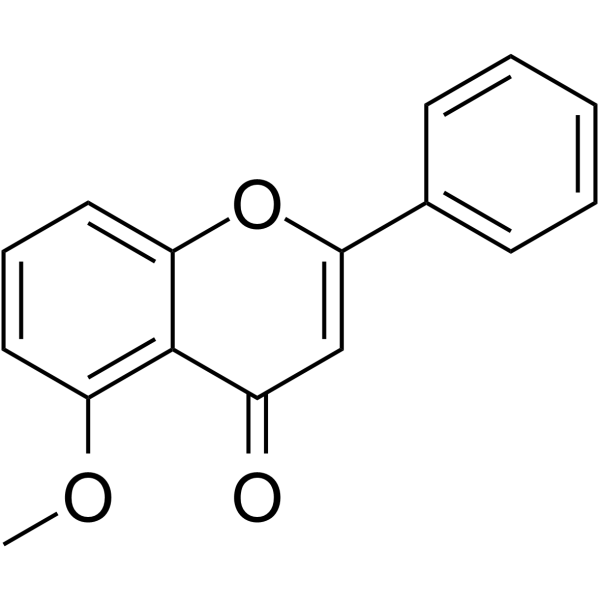
    5-Methoxyflavone
    2 Publications Verification

    DNA/RNA Synthesis Neurological Disease
    5-Methoxyflavone, belonged to Flavonoid family, is a DNA polymerase-beta inhibitor and neuroprotective agent against beta-amyloid toxicity. possess central nervous system (CNS) depressant effect mediated through the ionotropic GABAA receptors.
    5-Methoxyflavone
  • HY-13999

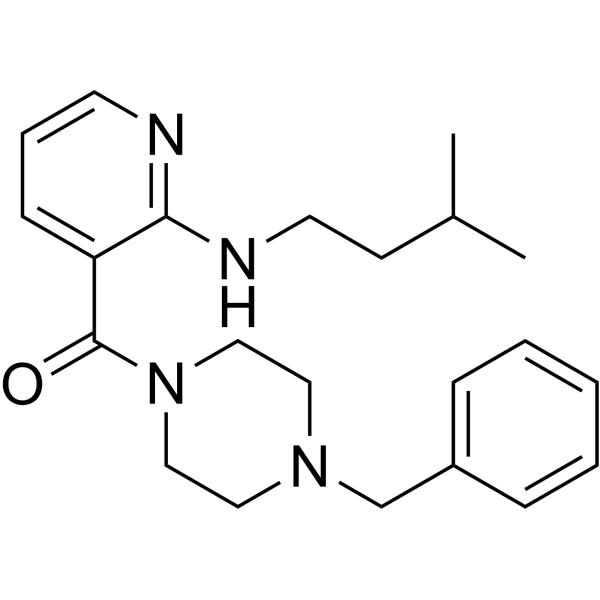
    NSI-189

    Trk Receptor Neurological Disease
    Amdiglurax (NSI-189) is an orally active chemical entity with enhanced neurogenic activity. Amdiglurax up-regulates neurogenic factors such as BDNF (brain derived-neurotrophic factor) and SCF. Amdiglurax exhibits anti-depressant effect. Amdiglurax enhances synaptic plasticity and reduces cognitive dysfunction. Amdiglurax holds potential for psychiatric disorder research .
    Amdiglurax
  • HY-N15574

    LXR Bacterial PPAR Infection Neurological Disease Metabolic Disease Inflammation/Immunology
    Saringosterol is an orally active steroid found in Sargassum muticum. Saringosterol is a LXR agonist. Saringosterol can lower cholesterol levels and inhibit the mRNA and protein expression of peroxisome proliferator-activated receptor γ (PPARγ) and CCAAT enhancer-binding protein α (C/EBPα). Saringosterol has anti-obesity, anti-atherosclerosis, anti-Mycobacterium tuberculosis and anti-depressant activities .
    Saringosterol
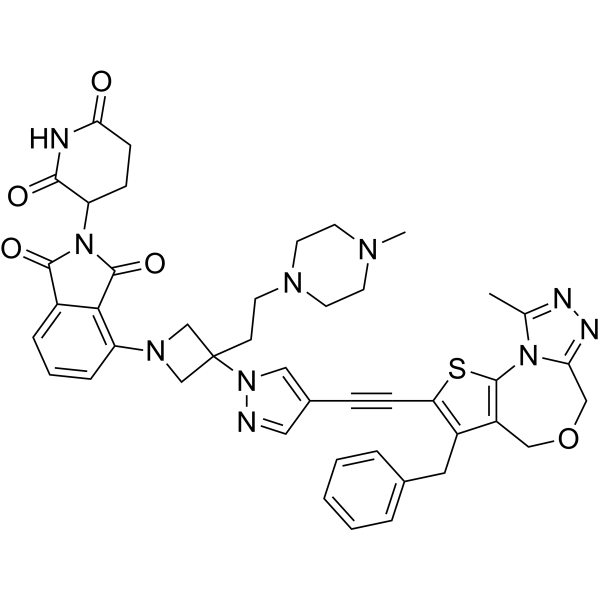
  • HY-149878

    PROTACs Epigenetic Reader Domain Cancer
    BD-9136 is a potent and highly selective BRD4 PROTAC depressant. BD-9136 has low-nanomolar degradation potencies against BRD4 , and its degradation selectivity for BRD4 is 1000 times that of BRD2 and BRD3 proteins. BD-9136 has antitumor activity .(Pink: Desmethyl-QCA276 (HY-44103); Black: 3-(2-(4-Methylpiperazin-1-yl)ethyl)azetidin-3-ol; Blue: Thalidomide-4-OH (HY-103596))
    BD-9136
  • HY-109046
    Tulrampator

    2 Publications Verification

    CX-1632; S-47445

    iGluR mTOR Neurological Disease
    Tulrampator (S-47445) is an orally active selective AMPA receptor modulator. Tulrampator possesses procognitive, enhancing synaptic plasticity, anti-depressant-anxiolytic-like, procognitive and potential neuroprotective properties. Tulrampator can be used for research of alzheimer’s disease and in major depressive disorder .
    Tulrampator
  • HY-203894

    Defekton

    Dopamine Receptor Adrenergic Receptor 5-HT Receptor Neurological Disease
    Carpipramine (Defekton) is an antipsychotic agent that belongs to the iminodibenzyl class. Carpipramine is a potent dopamine antagonist which blocks alpha 1- and alpha 2-adrenoceptors. Carpipramine also has antagonist properties with respect to serotonin (5-ΗΤ2) receptors. Carpipramine exhibits antipsychotic and anti-depressant effects. Carpipramine can be used for the research of neurological disease, such as post-traumatic stress disorder (PTSD) and depression .
    Carpipramine
  • HY-161410

    PROTACs Apoptosis Bcl-2 Family Cancer
    WH244 is a second generation BCL-2 and BCL-xL dual depressant (PROTAC). The primary activity of WH244 is the specific degradation of BCL-2 and BCL-xL proteins (BCL-xL: DC50=0.6 nM, BCL-2: DC50=7.4 nM). WH244 promotes their ubiquitination and subsequent proteasome degradation by targeting these proteins, thereby restoring the cell's apoptosis pathway. WH244 has good antitumor activity. (Pink: BCL-2/BCL-xL ligand (HY-161415); Blue: E3 ligase ligand (HY-112078); Black: linker) .
    WH244
  • HY-W294348

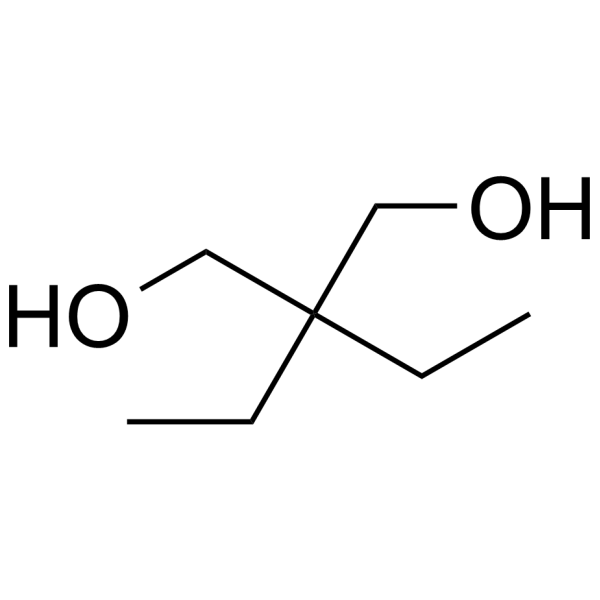
    2,2-Diethyl-1,3-propanediol

    Drug Derivative Neurological Disease
    Prenderol is a potent central-nervous-system depressant. Prenderol has anticonvulsant activity .
    Prenderol
  • HY-P1212

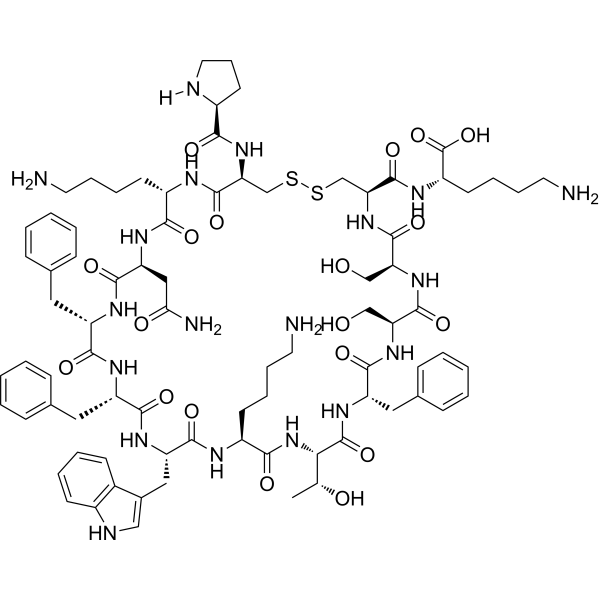
    CST-14 (mouse, rat)

    Somatostatin Receptor Neurological Disease
    Cortistatin 14, mouse, rat (CST-14, human, rat), a neuropeptide with neuronal depressant and sleep modulating properties, can bind to all five cloned somatostatin receptors (SSTRs) and ghrelin receptor to exert its biological activities and co-exists with GABA within the cortex and hippocampus .
    Cortistatin 14 (mouse, rat)
  • HY-117764

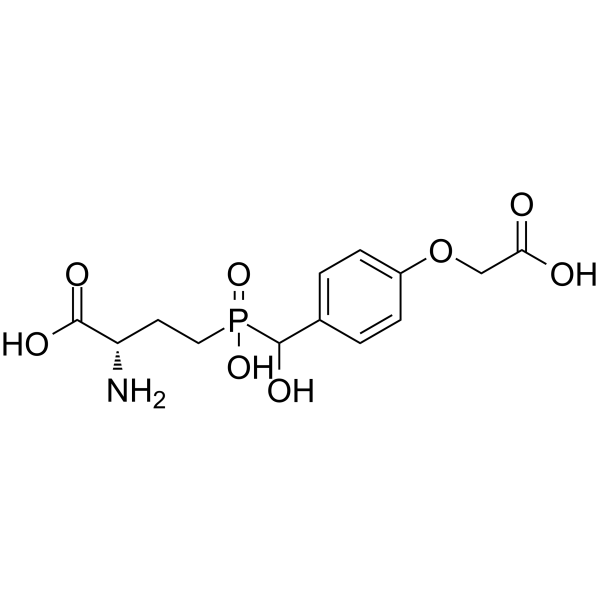
    mGluR Neurological Disease
    LSP4-2022 is a potent and brain-penetrant mGlu4-selective orthosteric agonist, with an EC50 of 0.11 μM. LSP4-2022 inhibits neurotransmission in cerebellar slices from wild-type but not mGlu4 receptor-knockout mice. LSP4-2022 shows pro-depressant activity .
    LSP4-2022
  • HY-137951

    Drug Derivative Neurological Disease
    Metizolam, a thienotriazolodiazepine, is the demethylated analogue of Etizolam. Metizolam exhibits psychomotor stabilizing, anxiolytic, sedative, myo-relaxant and amnestic effects .
    Metizolam
  • HY-B0219R

    Reference Standards Xanthine Oxidase Infection Neurological Disease Inflammation/Immunology Cancer
    Allopurinol (Standard) is the analytical standard of Allopurinol. This product is intended for research and analytical applications. Allopurinol is a potent and orally active xanthine oxidase inhibitor with an IC50 value of 0.2-50 μM. Allopurinol can be used in the research of hyperuricemia and gout. Allopurinol decreases the expression of HIF-1α and HIF-2α protein. Allopurinol shows anti-depressant and anti-nociception activity. Anti-leishmanial effect .
    Allopurinol (Standard)
  • HY-107750A

    Opioid Receptor Neurological Disease
    Cyprodime hydrochloride is a highly selective μ-opioid receptor antagonist with Ki values of 5.4 nM, 244.6 nM and 2187 nM for μ-, δ- and κ-opioid receptors, respectively. Cyprodime hydrochloride has anti-depressant-like effect .
    Cyprodime hydrochloride
  • HY-106769

    GR50360

    Adrenergic Receptor Neurological Disease
    Fluparoxan is an orally active, selective and competitive alpha 2-adrenoceptor antagonist. Fluparoxan is an anti-depressant agent .
    Fluparoxan
  • HY-106587A

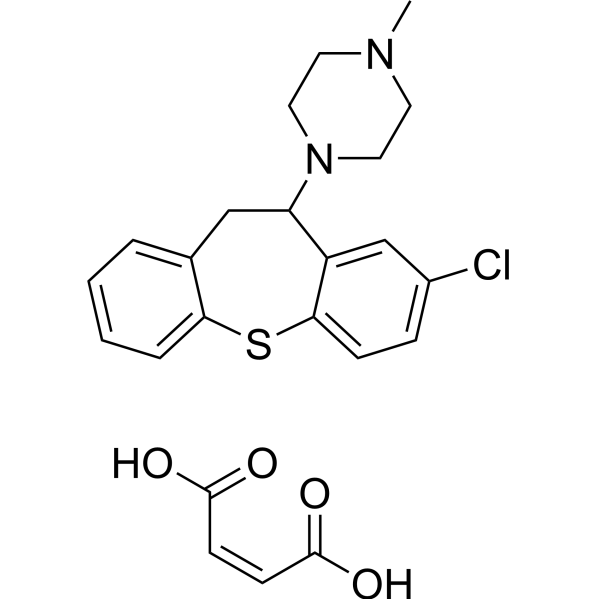
    Clorotepine maleate salt

    Drug Derivative 5-HT Receptor Neurological Disease
    Octoclothepine (Clorotepine) maleate salt, an analog of Clozapine (HY-14539), is a neuroleptic and antipsychotic agent. Octoclothepine maleate salt exists in enantiomeric forms, where the (+)-form acts as an atypical antipsychotic, while the (-)-functions as a typical antipsychotic. (+)-Octoclothepine maleate salt exhibits extremely high binding affinity for 5-HT₆ and 5-HT₇ receptors, with Ki values of 0.41 and 0.38 nM; the Ki values of (-)-Octoclothepine maleate salt are 17.7 and 1.3 nM, respectively. Octoclothepine maleate salt can be used in research related to schizophrenia .
    Octoclothepin maleate salt
  • HY-W012618

    Drug Intermediate Neurological Disease
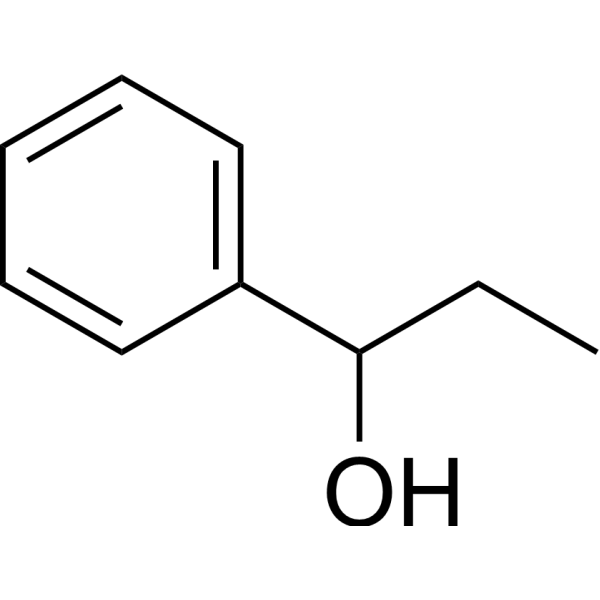
    1-Phenyl-1-propanol is used as a chiral building block and synthetic intermediate in the pharmaceutical industries. 1-Phenyl-1-propanol is an intermediate of anti-depressant agent Fluoxetine (HY-B0102) .
    1-Phenyl-1-propanol
  • HY-155352

    mGluR Neurological Disease
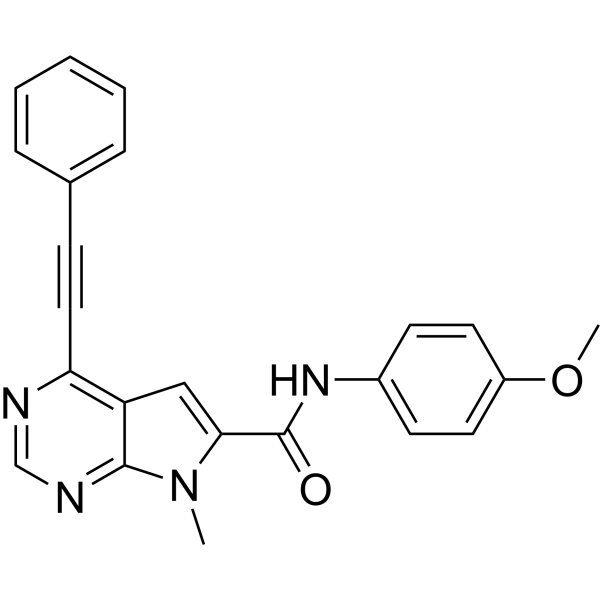
    mGluR5 antagonist-1 is an orally active mGluR5 antagonist with an IC50 value of 11.5 nM. mGluR5 antagonist-1 has anti-depressant effect. mGluR5 antagonist-1 can be used for the study of depressive disorder .
    mGluR5 antagonist-1
  • HY-13999A1

    NSI-189 phosphate

    Trk Receptor Neurological Disease
    Amdiglurax (NSI-189) phosphate is an orally active chemical entity with enhanced neurogenic activity. Amdiglurax phosphate up-regulates neurogenic factors such as BDNF (brain derived-neurotrophic factor) and SCF. Amdiglurax phosphate exhibits anti-depressant effect. Amdiglurax enhances synaptic plasticity and reduces cognitive dysfunction. Amdiglurax phosphate holds potential for psychiatric disorder research .
    Amdiglurax phosphate
  • HY-B0219S1

    Isotope-Labeled Compounds Xanthine Oxidase Infection Neurological Disease Inflammation/Immunology Cancer
    Allopurinol- 13C, 15N2 is the 13C- and 15N-labeled labeled Allopurinol (HY-B0219). Allopurinol is a potent and orally active xanthine oxidase inhibitor with an IC50 value of 0.2-50 μM. Allopurinol can be used in the research of hyperuricemia and gout. Allopurinol decreases the expression of HIF-1α and HIF-2α protein. Allopurinol shows anti-depressant and anti-nociception activity. Anti-leishmanial effect .
    Allopurinol-13C,15N2
  • HY-U00149

    Others Cardiovascular Disease
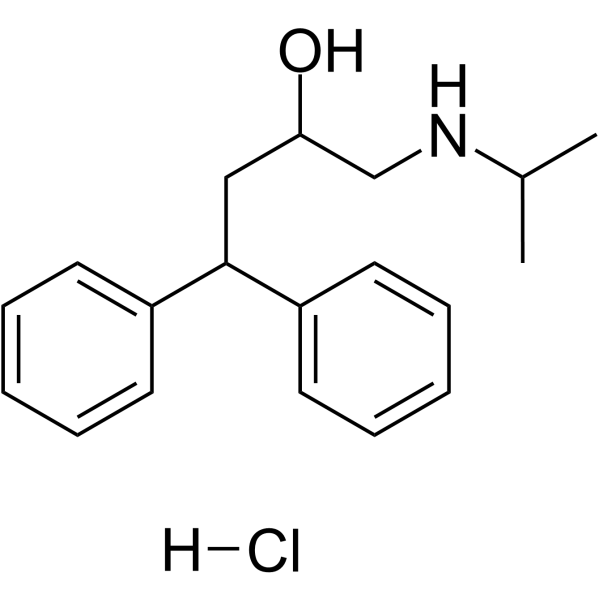
    Drobuline hydrochloride is an anti-arrhythmic agent with cardiac depressant.
    Drobuline hydrochloride
  • HY-B1594

    Adalin; Adisomnol; Bromacetocarbamide

    Others Neurological Disease
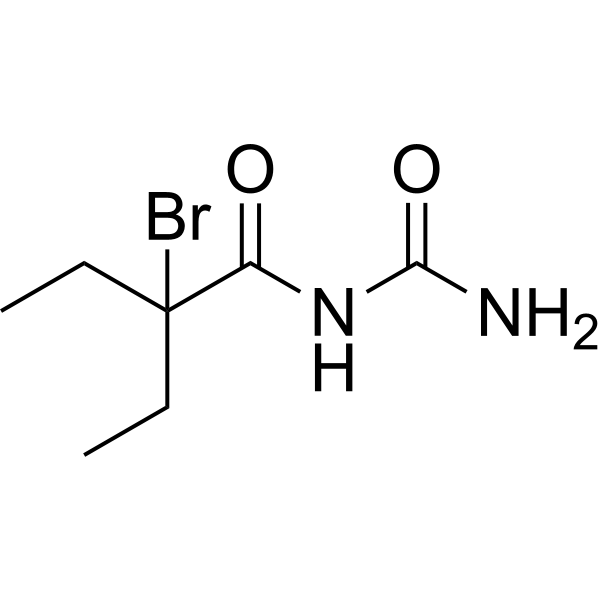
    Carbromal (Adalin; Adisomnol) is a sedative with centrally depressant effects .
    Carbromal
  • HY-B0740S

    MK130-d3 hydrochloride

    Isotope-Labeled Compounds 5-HT Receptor Neurological Disease
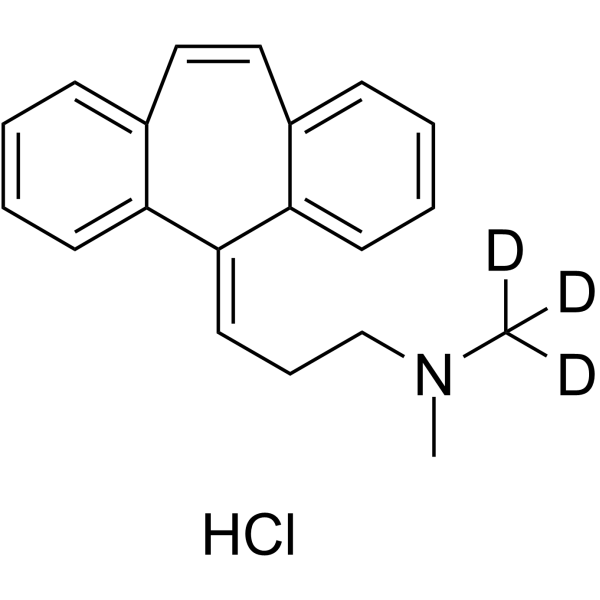
    Cyclobenzaprine-d3 (hydrochloride) is the deuterium labeled Cyclobenzaprine hydrochloride. Cyclobenzaprine hydrochloride (MK130 hydrochloride) is a skeletal muscle relaxant and a central nervous system (CNS) depressant.
    Cyclobenzaprine-d3 hydrochloride
  • HY-W749797

    GABA Receptor Neurological Disease
    Nitrazolam is a benzodiazepine compound, that may exhibit CNS depressant properties as traditional benzodiazepines, including sedation, hypnosis, anxiolysis, and anticonvulsant effects, by acting on GABA receptors .
    Nitrazolam
  • HY-12132

    CRFR Adenylate Cyclase Neurological Disease
    DMP 904 is a noncompetitive full corticotropin-releasing factor receptor (CRFR) antagonist. DMP 904 can inhibit CRF-stimulated adenylate cyclase activity and ACTH release. DMP 904 exhibits anti-depressant and anti-anxiety activity .
    DMP 904
  • HY-137516A

    PROTACs Ras Cancer
    LC-2 epimer is a differential isomer of LC-2. LC-2 is a mutation-selective PROTAC depressant for KRAS and contains a ligand for the von Hippel Lindau E3 ligase linked to the KRAS inhibitor MRTX849 .
    LC-2 epimer
  • HY-106888

    Endogenous Metabolite Neurological Disease
    CS-722 Free base is a synthesized centrally acting muscle relaxant, and has a muscle relaxant activity and depressant effectson the spinal reflex . CS-722 Free base inhibits spontaneous inhibitory postsynaptic currents and excitatory postsynaptic currents in hippocampal cultures probably by an inhibition of both sodium and calcium currents .
    CS-722 Free base
  • HY-178573

    Vasopressin Receptor Neurological Disease
    V1b receptor antagonist-1 is a potent, selective and brain-penetrant vasopressin 1b (V1b) receptor antagonist. V1b receptor antagonist-1 exhibits anti-depressant activity. V1b receptor antagonist-1 can be used for the research of neurological disease, such as depression .
    V1b Receptor antagonist-1
  • HY-148038

    5-HT Receptor Neurological Disease
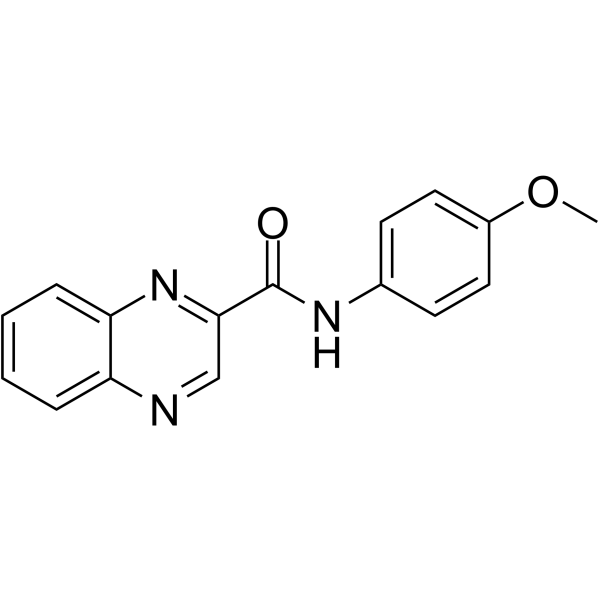
    5-HT3 antagonist 5 is a quinoxalin-2-carboxamide compound, a 5-HT3 receptor antagonist. 5-HT3 antagonist 5 exerts antagonism on 5-HT3 agonist and 2-methyl-5-HT, and shows anti-depressant effect in mice .
    5-HT3 antagonist 5
  • HY-167825

    MMP Apoptosis Bcl-2 Family Reactive Oxygen Species (ROS) Neurological Disease Inflammation/Immunology Cancer
    Barakol is a major compound found in Cassia siamea. Barakol inhibits MMP-3 activity. Barakol potentiates the anti-metastatic effect of Doxorubicin (HY-15142). Barakol induces apoptosis, with ROS generation, increase in expression ratio of Bax/Bcl-2, and caspase-9 activation. Barakol has laxative, anxiolytic, CNS depressant, and antioxidant, anticancer effects .
    Barakol
  • HY-107811A

    Autophagy α-synuclein Apoptosis Monoamine Oxidase Mitosis Neurological Disease Cancer
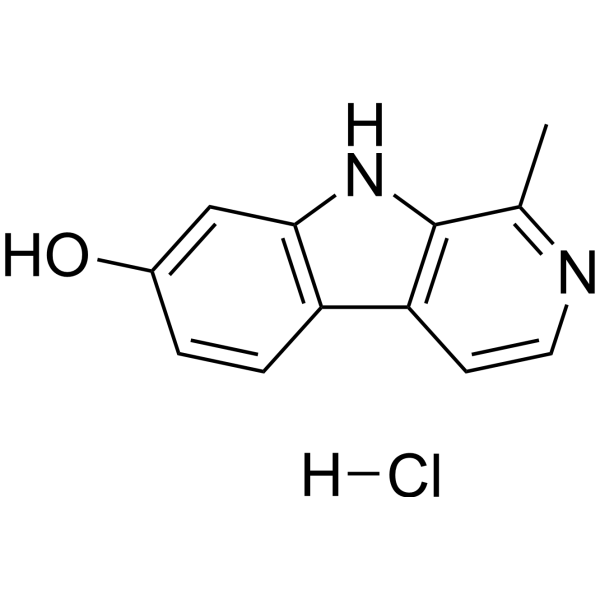
    Harmol hydrochloride is an orally active β-carboline alkaloid. Harmol hydrochloride is a TFEB activator and monoamine oxidase inhibitor. Harmol hydrochloride can induce cell mitosis, Autophagy and Apoptosis. Harmol hydrochloride promotes the degradation of α-synuclein by regulating the autophagy-lysosomal pathway. Harmol hydrochloride has anti-tumor, anti-depressant and anti-aging activities. Harmol hydrochloride improves motor impairment in a mouse Parkinson's disease model .
    Harmol hydrochloride
  • HY-B0900R

    Anise camphor (Standard); p-Propenylanisole (Standard); Isoestragole (Standard)

    Apoptosis Fungal Bacterial MMP NF-κB Reference Standards Infection Neurological Disease Inflammation/Immunology Cancer
    Anethole (Standard) is the analytical standard of Anethole. This product is intended for research and analytical applications. Anethole is a type of orally active aromatic compound that is widely found in nature and used as a flavoring agent. Anethole possesses anticancer, anti-inflammatory, antioxidant, antibacterial, antifungal, anesthetic, estrogenic, central nervous system depressant, hypnotic, insecticidal, and gastroprotective effects. Anethole can be used in the study of oxidative stress-related skin diseases and prostate cancer .
    Anethole (Standard)
  • HY-N12121

    Others Infection Inflammation/Immunology
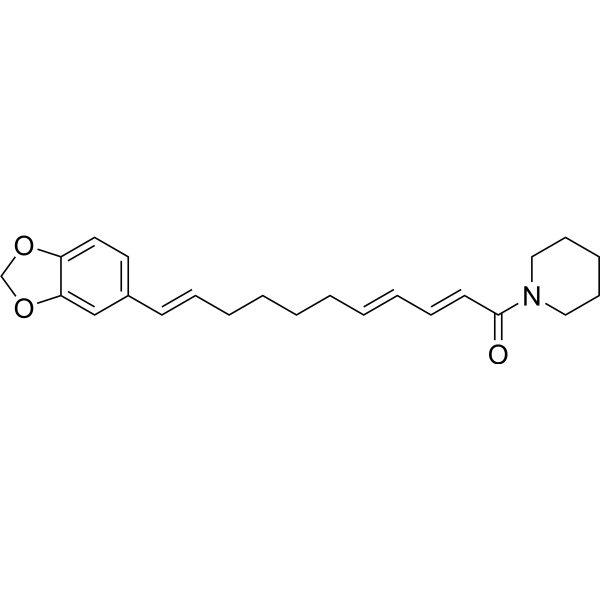
    Piperundecalidine is an amide alkaloids that can be purified from Piper longum L. Piperundecalidine shows various biological properties, such as anti-inammatory, analgesic, anti-amoebic, anti-depressant, hepatoprotective,etc. .
    Piperundecalidine
  • HY-136471

    Drug Derivative Neurological Disease
    Anticonvulsant agent 6 (Compound V) is a benzodiazepine compound with anticonvulsant and central depressant effects .
    Anticonvulsant agent 6
  • HY-B0530R

    γ-pipradol (Standard)

    Reference Standards Histamine Receptor Neurological Disease
    Azacyclonol (Standard) is the analytical standard of Azacyclonol. This product is intended for research and analytical applications. Azacyclonol (γ-pipradol), a metabolite of Terfenadine, is a central depressant agent. Azacyclonol is a ganglion-blocking agent. Azacyclonol can be used to diminish psychoses-induced hallucinations .
    Azacyclonol (Standard)
  • HY-N2109R

    Reference Standards Others Metabolic Disease
    Macranthoidin A (Standard) is the analytical standard of Macranthoidin A. This product is intended for research and analytical applications. Macranthoidin A is an orally active saponin from Flos Lonicerae. Macranthoidin A possess protection effects on hepatic injury caused by Acetaminophen, Cd, and CCl4, and conspicuous depressant effects on swelling of ear croton oil .
    Macranthoidin A (Standard)
  • HY-119795

    CI-781

    Adrenergic Receptor Neurological Disease
    Zometapine (CI-781) is a pyrazolodiazepine derivative. Zometapine can be used in antidepressant research .
    Zometapine
  • HY-107956

    Monoamine Transporter Neurological Disease
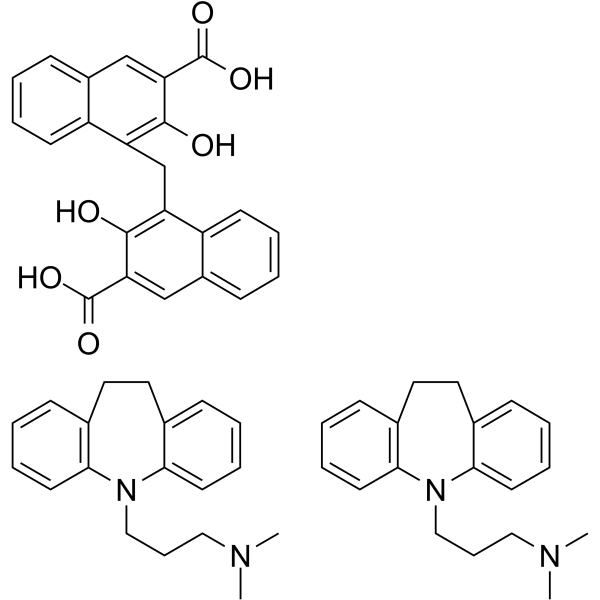
    Imipramine pamoate is a potent anti-depressant compound .
    Imipramine pamoate
  • HY-W687950

    Drug Derivative Neurological Disease
    β-Phenyl GHB sodium is structurally similar to known CNS depressants.
    β-Phenyl GHB sodium

Inquiry Online

Your information is safe with us. * Required Fields.

Salutation


Country or Region *

Applicant Name *


Organization Name *

Department *


Email Address *


Product Name *

Cat. No.


Requested quantity *

Phone Number *


Remarks

Inquiry Online

Inquiry Information

Product Name:
Cat. No.:
Quantity:
MCE Japan Authorized Agent: