
1. Search Result
Search Result
Pathways Recommended: Stem Cell/Wnt Cell Cycle/DNA Damage
Results for "

H4 cell

" in MedChemExpress (MCE) Product Catalog:

59

Inhibitors & Agonists

1

Peptides

3

Inhibitory Antibodies

4

Natural
Products

11

Recombinant Proteins

1

Isotope-Labeled Compounds

1

Antibodies

2

Click Chemistry

Cat. No. 상품명 Target 연구분야 Chemical Structure
  • HY-144315

    Snail/HDAC-IN-1

    HDAC Cancer
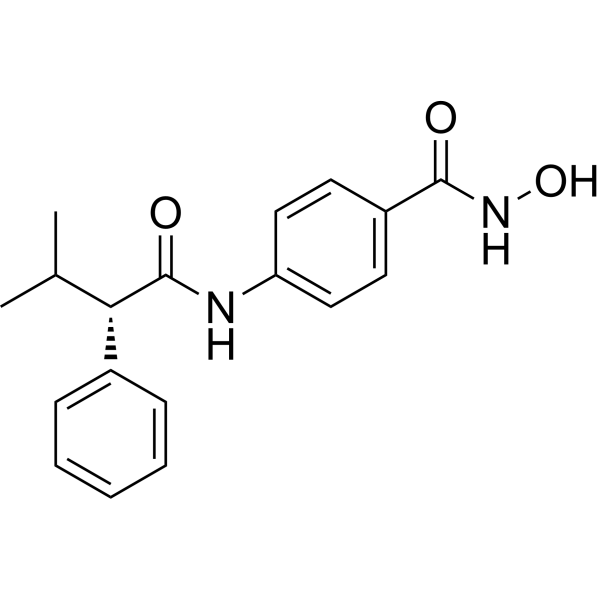
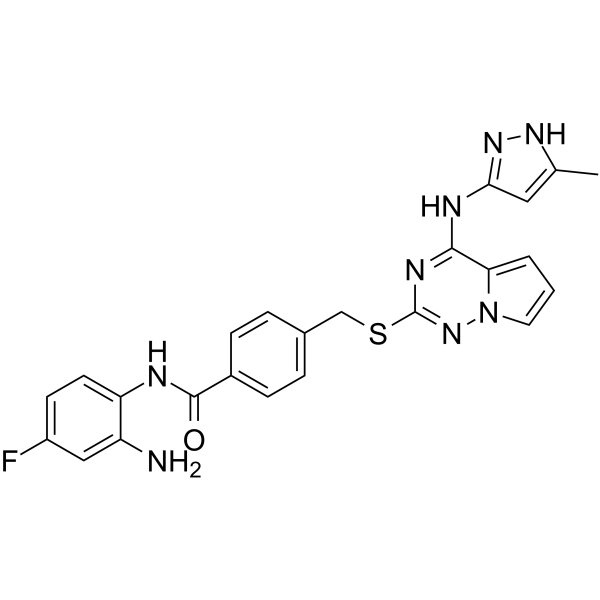
    CYD19 is a potent Snail/HDAC dual target inhibitor. CYD19 displays potent inhibitory activity against HDAC1 with an IC50 of 0.405 μM and potent inhibition against Snail with a Kd of 0.18 μM. CYD19 increases histone H4 acetylation in HCT-116 cells and decreases the expression of Snail protein to induce cell apoptosis .
    CYD19
  • HY-107661
    Arundic Acid
    2 Publications Verification

    ONO-2506; (R)-2-Propyloctanoic acid

    ERK Akt NF-κB EAAT Cardiovascular Disease Neurological Disease
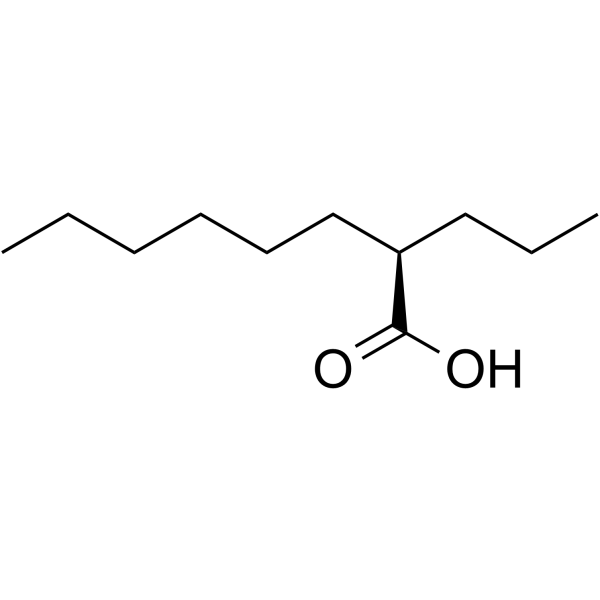
    Arundic Acid is an orally effective astrocyte function modulator and neuroprotective agent. Arundic Acid increases the expression and function of the astrocytic glutamate transporter EAAT1 by activating the ERK, Akt and NF-κB pathways. Arundic Acid attenuates retinal ganglion cell death in a normal-tension glaucoma model. Arundic Acid exerts neuroprotective effects in a mouse model of Parkinson's disease. Arundic Acid is a S100β protein synthesis inhibitor that prevents neurological deficits and brain tissue damage after intracerebral hemorrhage in rats. Arundic Acid downregulates neuroinflammation and astrocytic dysfunction after status epilepticus in immature rats. Arundic Acid is applicable to research related to Parkinson's disease, cerebral ischemia, glaucoma, intracerebral hemorrhage and epilepsy .
    Arundic Acid
  • HY-13508
    JNJ-7777120
    1 Publications Verification

    Histamine Receptor Inflammation/Immunology
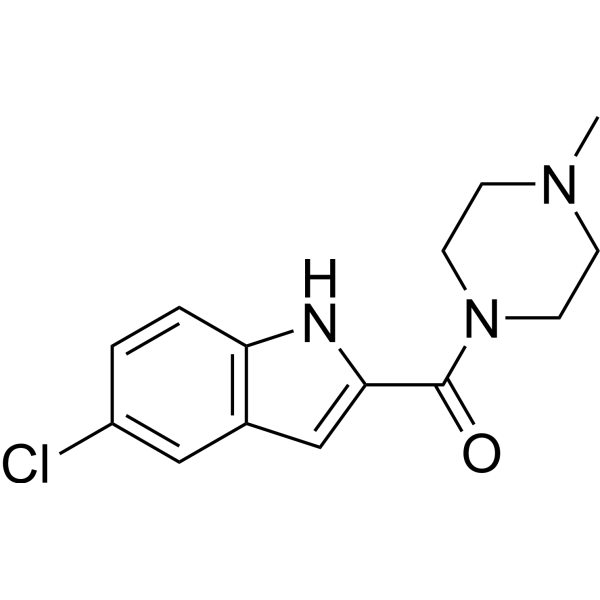
    JNJ-7777120 is a potent and selective histamine H4 receptor antagonist (Ki=4.5 nM). JNJ-7777120 effectively blocks histamine-induced migration of mouse tracheal mast cells from connective tissue to epithelial cells. JNJ-7777120 also significantly blocks neutrophil infiltration in a mouse Zymosan-induced peritonitis model. JNJ-7777120 has a good potential to study antipruritic and anti-inflammatory .
    JNJ-7777120
  • HY-13265
    AR-42
    4 Publications Verification

    HDAC-42; OSU-HDAC42

    HDAC Autophagy Apoptosis Cancer
    AR-42 (HDAC-42; OSU-HDAC42) is a potent, orally bioavailable pan-HDAC inhibitor (IC50=16 nM). AR-42 induces growth inhibition, cell-cycle arrest, apoptosis, and activation of caspases-3/7. AR-42 promotes hyperacetylation of H3, H4, and alpha-tubulin, and up-regulation of p21. AR-42 shows cytotoxicity against various human cancer cell lines .
    AR-42
  • HY-101189

    Histamine Receptor Neurological Disease Endocrinology
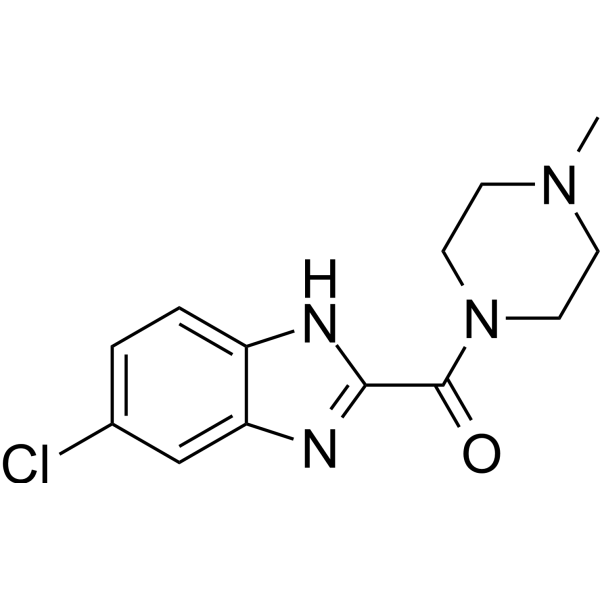
    JNJ-39758979, a chemical probe, is a selective, orally active, and high-affinity histamine H4 receptor antagonist with Kis of 12.5, 5.3, and 25 nM for human, mouse, and monkey histamine H4 receptor, respectively. JNJ-39758979 functionally antagonizes histamine-induced cAMP inhibition with a pA2 of 7.9 in transfected cells. JNJ-39758979 shows good anti-inflammatory and antipruritic activity .
    JNJ-39758979
  • HY-146131

    Atg7 Atg8/LC3 Autophagy Cancer
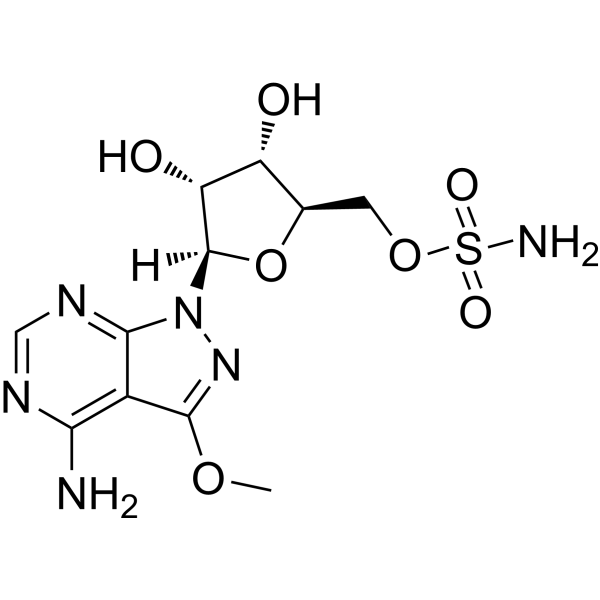
    ATG7-IN-3 (Compound 18) is a potent ATG7 inhibitor with an IC50 of 0.048 μM. ATG7-IN-3 inhibits Autophagy. ATG7-IN-3 inhibits the formation of LC3B puncta. ATG7-IN-3 can be used in the researches of glioma and colon cancer .
    ATG7-IN-3
  • HY-17039
    Alcaftadine
    1 Publications Verification

    R89674

    Histamine Receptor Inflammation/Immunology Endocrinology
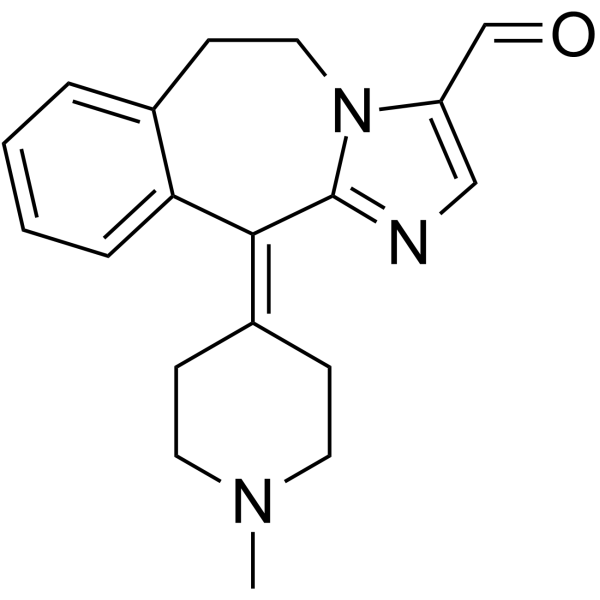
    Alcaftadine (R89674) is a histamine H1 receptor antagonist, which is used to prevent eye irritation brought on by allergic conjunctivitis. Alcaftadine is a broad-spectrum antihistamine displaying a high affinity for histamine H1 and H2 receptors and a lower affinity for H4 receptors. Alcaftadine also exhibits modulatory action on immune cell recruitment and mast cell stabilizing effects .
    Alcaftadine
  • HY-N0930B

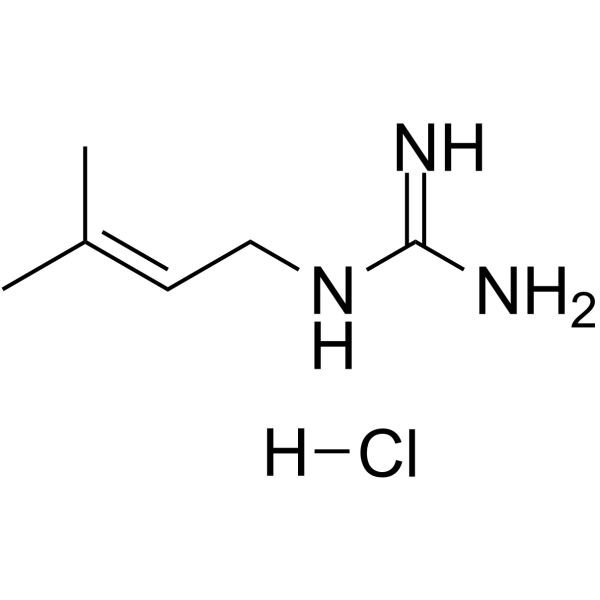
    AMPK Bacterial Infection Metabolic Disease
    Galegine hydrochloride, a guanidine derivative, contributes to weight loss in mice. Guanidine hydrochloride is the compound derived from G. officinalis, which gave rise to the biguanides, metformin and phenformin. Galegine hydrochloride activates AMPK in 3T3-L1 adipocytes and L6 myotubes, as well as in the H4IIE rat hepatoma and HEK293 human kidney cell lines. Galegine hydrochloride has antibacterial activity, with minimum inhibitory concentration of 4 mg/L against Staphylococcus aureus strains .
    Galegine hydrochloride
  • HY-P99242
    Alsevalimab
    1 Publications Verification

    CD276/B7-H3 Cancer
    Alsevalimab is a humanized, afucosylated IgG1 monoclonal antibody against B7-H4. Alsevalimab blocks the binding of the B7-H4 protein to the receptors on the surface of T cells, reversing the immunosuppressive state in the tumor microenvironment, thereby activating the killing effect of T cells on cancer cells. Alsevalimab can be used in combination with Pembrolizumab (HY-P9902), and shows good safety profiles .
    Alsevalimab
  • HY-123532

    VUF6002

    Histamine Receptor Neurological Disease
    JNJ10191584 (VUF6002) is an orally active and selective histamine H4 receptor antagonist with a Ki value of 26 nM. JNJ10191584 shows 540-fold selectivity to H4 receptor over H3 receptor with a Ki value of 14.1 μM. JNJ10191584 inhibits chemotaxis of eosinophils and mast cells with IC50 values of 530 nM and 138 nM, respectively .
    JNJ10191584
  • HY-146130
    ATG7-IN-2
    1 Publications Verification

    Atg7 Autophagy Cancer
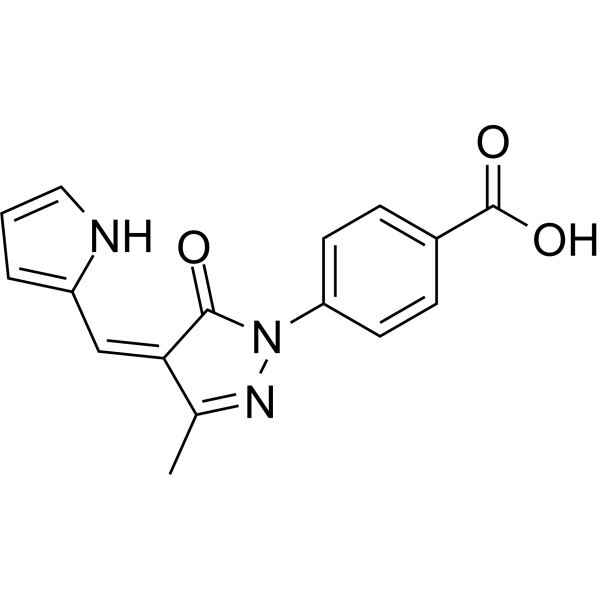
    ATG7-IN-2 (compound 1) is a potent ATG7 inhibitor, with an IC50 of 0.089 μM. ATG7-IN-2 inhibits autophagy marker LC3B .
    ATG7-IN-2
  • HY-101063

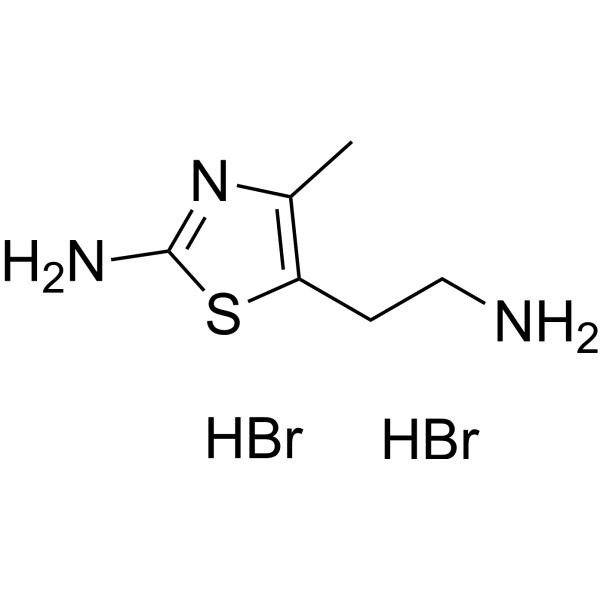
    Histamine Receptor Inflammation/Immunology
    Amthamine is a histamine receptor (H1R-H4R) agonist. Amthamine can produce liver congestion and necrosis of liver cells. Amthamine can be used to study the induction effect of H1R-H4 agonist on hepatotoxicity .
    Amthamine dihydrobromide
  • HY-149302
    MC4033
    1 Publications Verification

    Apoptosis Autophagy Histone Acetyltransferase Cancer
    MC4033 shows IC50s of 39.4 μM, 52.1 μM, 41 μM and 30.1 μM in HCT116, H1299, A549 and U937, respectively .
    MC4033 (25, 50, 100, and 200 μM, 72 h) reduces the level of H4K16Ac in HT29 cells, suggesting its ability to inhibit KAT8 in cells .
    MC4033
  • HY-117709

    HDAC Neurological Disease
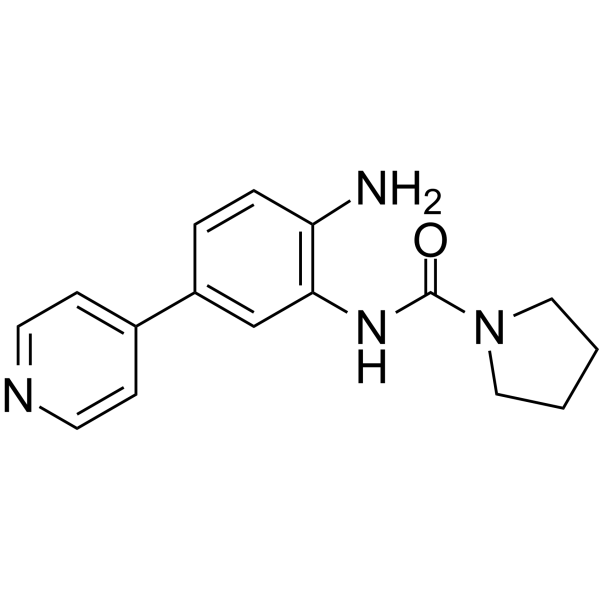
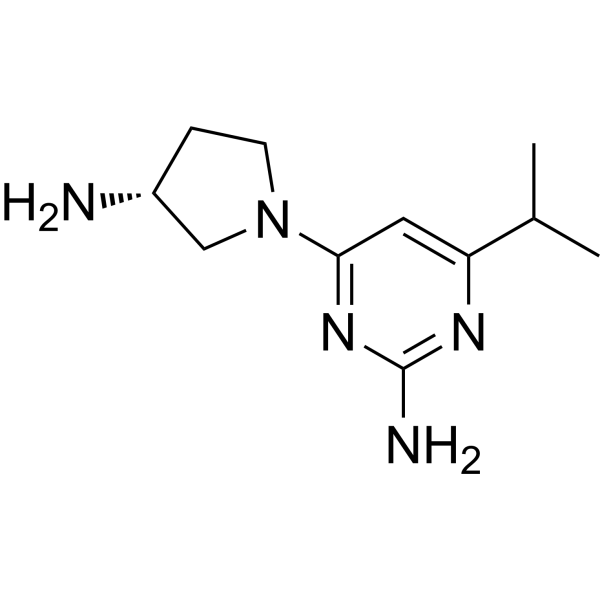
    BRD6688 is a selective HDAC2 inhibitor. BRD6688 increases H4K12 and H3K9 histone acetylation in primary mouse neuronal cells. BRD6688 crosses the blood brain barrier and rescues the memory defects associated with p25 induced neurodegeneration in contextual fear conditioning in a CK-p25 mouse model .
    BRD6688
  • HY-N0930A

    AMPK Bacterial Infection Metabolic Disease
    Galegine hemisulfate, a guanidine derivative, contributes to weight loss in mice. Galegine hemisulfate activates AMPK in 3T3-L1 adipocytes and L6 myotubes, as well as in the H4IIE rat hepatoma and HEK293 human kidney cell lines. Galegine hemisulfate has antibacterial activity, with minimum inhibitory concentration of 4 mg/L against Staphylococcus aureus strains .
    Galegine hemisulfate
  • HY-156257
    UNC9512
    1 Publications Verification

    DNA/RNA Synthesis Cancer
    UNC9512 is a selective 53BP1 inhibitor with an IC50 of 0.46 μM, and a Kd values of 0.17 μM. UNC9512 binds 53BP1 and its tandem Tudor domain, disrupts histone H4 interaction, and inhibits 53BP1 activity. UNC9512 can be used as a probe for DNA damage repair and Gene editing .
    UNC9512
  • HY-177542

    Emi-Le; XMT-1660

    Cancer
    Emiltatug ledadotin (Emi-Le; XMT-1660) is a B7-H4-targeted antibody-drug conjugate (ADC). Emiltatug ledadotin consists of the tumor-specific anti-B7-H4 monoclonal antibody Emiltatug (HY-P990918) and the linker-payload system Ledadotin (HY-177541), with site-specific conjugation achieved via GlycoConnect click chemistry. Emiltatug ledadotin inhibits the growth of B7-H4-positive cancer cells. Emiltatug ledadotin can be used to study advanced solid tumors with B7-H4 overexpression, particularly breast cancer, ovarian cancer, and endometrial cancer .
    Emiltatug ledadotin
  • HY-N12323

    Others Inflammation/Immunology
    6′-Galactosyllactose is the main oligosaccharide that makes up galactose, a component of human milk. 6′-Galactosyllactose can synthesize human milk oligosaccharides and synthetic galactosyllactose with 3′-Galactosyllactose and 4′-Galactosyllactose, and reduce inflammation in human T84, NCM-460 and H4 cells and intestinal tissues .
    6′-Galactosyllactose
  • HY-156096

    HDAC Histone Methyltransferase Caspase Apoptosis DNA/RNA Synthesis Cancer
    HDAC3-IN-2 (compound 4i) is a pyrazinyl hydrazide-based HDAC3 inhibitor (IC50: 14 nM) that efficiently targets triple-negative breast cancer cells. HDAC3-IN-2 is cytotoxic with an IC50 of 0.55 μM against 4T1 and an IC50 of 0.74 μM against MDA-MB-231. HDAC3-IN-2 has anti-tumor efficacy in vivo in tumor-bearing mouse models, selectively increasing the acetylation levels of H3K9, H3K27 and H4K12, increasing the contents of apoptosis-related caspase-3, caspase-7 and cytochrome c, and reducing Proliferation-related Bcl-2, CD44, EGFR, and Ki-67 levels .
    HDAC3-IN-2
  • HY-125236

    Epigenetic Reader Domain Cancer
    BET-IN-19 (Compound 146) is a BET inhibitor. BET-IN-19 inhibits hlL-6 mRNA transcription (IC50 ≤0.3 uM), and c-myc activity in human AML MV4-11 cell (IC50 ≤0.3 uM)。BET-IN-19 inhibits tetra-acetylated histone H4 binding to BRD4 bromodomain 1 (IC50 ≤0.3 uM) .
    BET-IN-19
  • HY-171348

    Amyloid-β γ-secretase Neurological Disease
    Amyloid-β-IN-2 (Compound EX.112) is a selective γ-secretase inhibitor. Amyloid-β-IN-2 inhibits Aβ42 secretion in H4 cells with an EC50 value of 226 nM. Amyloid-β-IN-2 is promising for research of Alzheimer's disease (AD) and other diseases related to Aβ deposition .
    Amyloid-β-IN-2
  • HY-P990953

    Gen1047

    CD3 Cancer
    Zubotamig (Gen1047) is an CD3E/VTCN1-targeting Ig(G1 -κ_G1 -λ2) type chimeric human antibody. The recommed isotype control is Human IgG1 kappa, Isotype Control (HY-P99001). Zubotamig induces T-cell mediated cytotoxicity of B7H4-positive tumor cells, triggers T-cell activation, and induces cytokine release from T cells in the presence of B7H4-expressing tumor cells. Zubotamig demonstrates antitumor activity in mouse patient-derived xenograft (PDX) models. Zubotamig can be used for the research of solid cancers (including breast, ovarian and lung cancer) .
    Zubotamig
  • HY-171349

    γ-secretase Amyloid-β Neurological Disease
    Amyloid-β-IN-3 (EX.113) is a selective γ-secretase inhibitor. Amyloid-β-IN-3 inhibits Aβ42 secretion in H4 cells with an EC50 value of 148 nM. Amyloid-β-IN-3 regulates the γ-secretase catalytic activity to decrease Aβ42 production, thereby alleviating neurotoxicity caused by Aβ deposition. Amyloid-β-IN-3 is promising for research of Alzheimer's disease (AD) .
    Amyloid-β-IN-3
  • HY-112806

    Drug-Linker Conjugates for ADC HDAC EGFR Microtubule/Tubulin Cancer
    ST8155AA1 is a part of antibody agent conjugates (ADCs) charged with HDAC inhibitor. ST8155AA1 induces α-tubulin, histone H3/H4 acetylation via direct enzymatic inhibition. ST8155AA1 recognizes and binds EGFR, undergoes internalization into EGFR-expressing tumor cells. ST8155AA1 inhibits cancer cell proliferation and exerts activity in mouse tumor models. ST8155AA1 can be used for the research of non-small cell lung cancer .
    ST8155AA1
  • HY-129508

    Histamine Receptor Inflammation/Immunology
    Amthamine is a histamine receptor (H1R-H4R) agonist. Amthamine can produce liver congestion and necrosis of liver cells. Amthamine can be used to study the induction effect of H1R-H4 agonist on hepatotoxicity .
    Amthamine
  • HY-107558

    VUF6002 maleate

    Histamine Receptor Neurological Disease
    JNJ10191584 (VUF6002) maleate (compound 40) is an orally active and selective histamine H4 receptor antagonist with a Ki value of 26 nM. JNJ10191584 maleate shows 540-fold selectivity to H4 receptor over the H3 receptor with a Ki value of 14.1 μM. JNJ10191584 maleate inhibits chemotaxis of eosinophils and mast cells with IC50 values of 530 nM and 138 nM, respectively .
    JNJ10191584 maleate
  • HY-174217

    DNA/RNA Synthesis Cancer
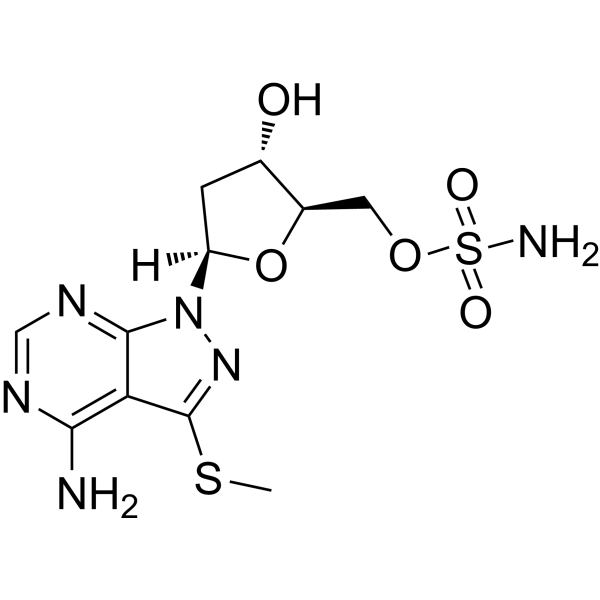
    WRN-IN-19 (Compound (S)-27) is a covalent WRN helicase inhibitor, with pIC50 (0 h/4 h) = 5.4/7.5 in the DNA-unwinding 5 endpoint assays. WRN-IN-19 shows synthetic lethality in MSI-H (high microsatellite instability) cancer cells .
    WRN-IN-19
  • HY-P2228

    HDAC Apoptosis Cancer
    Chlamydocin (purity≥70%), a fungal metabolite, is a highly potent HDAC inhibitor, with an IC50 of 1.3 nM. Chlamydocin (purity≥70%) exhibits potent antiproliferative and anticancer activities. Chlamydocin (purity≥70%) induces apoptosis by activating caspase-3 .
    Chlamydocin (purity≥70%)
  • HY-115726

    γ-secretase Amyloid-β Neurological Disease
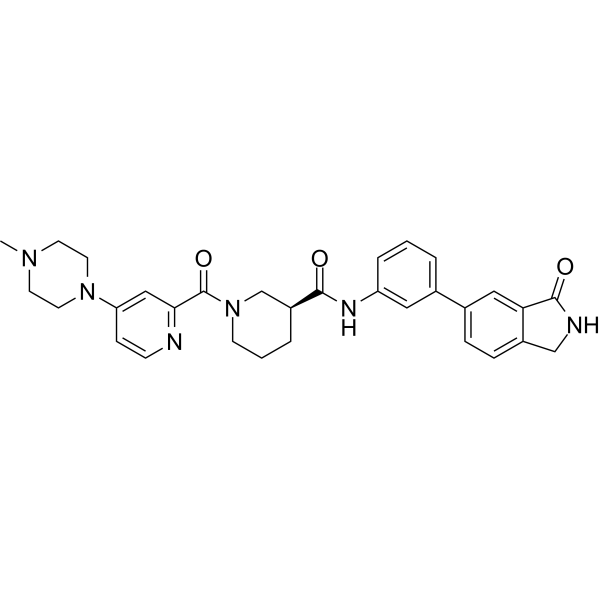
    FRM-024 is a central nervous system-penetrant, orally active γ-secretase modulator and Aβ42 lowering agent. FRM-024 is used for the research of familial Alzheimer's disease .
    FRM-024
  • HY-120137

    Histone Methyltransferase Cancer
    CMP-5 is a potent, specific, and selective PRMT5 inhibitor, while displays no activity against PRMT1, PRMT4, and PRMT7 enzymes. CMP-5 selectively blocks S2Me-H4R3 by inhibiting PRMT5 methyltransferase activity on histone preparations. CMP-5 prevents Epstein-Barr virus (EBV)-driven B-lymphocyte transformation but leaving normal B cells unaffected .
    CMP-5
  • HY-178118

    PROTACs PDI Cancer
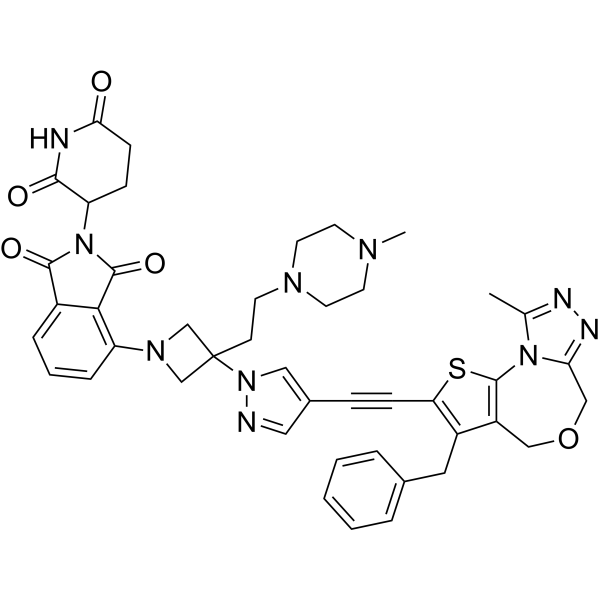
    PROTAC PDIA1 degrader 1 (Compound H4) is a PDIA1 PROTAC degrader with a DC50 of 29.71 μM. PROTAC PDIA1 degrader 1 has potent anticancer activity and significantly inhibits cancer cell proliferation . Pink: PDIA1 ligand (HY-100433); Blue: CRBN ligase ligand (HY-10984); Black: linker (HY-W015088)
    PROTAC PDIA1 degrader 1
  • HY-101189B

    Histamine Receptor Inflammation/Immunology
    JNJ-39758979 dihydrochloride is a selective, orally active, and high-affinity histamine H4 receptor antagonist, with Kis of 12.5, 5.3, and 25 nM for human, mouse, and monkey histamine H4 receptor, respectively. JNJ-39758979 dihydrochloride functionally antagonizes histamine-induced cAMP inhibition with a pA2 of 7.9 in transfected cells. JNJ-39758979 dihydrochloride shows good anti-inflammatory and antipruritic activity .
    JNJ-39758979 dihydrochloride
  • HY-121512

    HDAC Apoptosis Cancer
    SK-7041 is a HDAC inhibitor with the IC50 of 172 nM. SK-7041 induces the hyperacetylation of histones H3 and H4 .SK-7041 inhibits tumor cell growth in vivo and in vitro, induces cell apoptosis, and arrests cell cycle at the G1 phase .
    SK-7041
  • HY-164456

    Histone Methyltransferase Cancer
    AMI-408 is a PRMT1 inhibitor. AMI-408 can reduce H4R3me2as level in MLL-GAS7 leukemia cells .
    AMI-408
  • HY-162060

    HDAC Cardiovascular Disease
    YPX-C-05 is a hydroxamic acid-based HDAC inhibitor. YPX-C-05 exerts significant vasodilatory effects. YPX-C-05 exhibits inhibitory effects on HDACs and increases histone H4 acetylation in endothelial cells. YPX-C-05 can be used for hypertension research .
    YPX-C-05
  • HY-175821

    Histone Methyltransferase Apoptosis Cancer
    PRMT1-IN-3 is a potent protein arginine methyltransferase 1 (PRMT1) inhibitor with an IC50 of 4.11 μM. PRMT1-IN-3 inhibits PRMT6 and PRMT8 with IC50s of 23.3 and 30.1 μM. PRMT1-IN-3 suppresses asymmetric dimethylarginine (ADMA) levels and histone H4R3me2a modification in triple-negative breast cancer (TNBC) cells. PRMT1-IN-3 induces cell cycle arrest, apoptosis, and inhibits migration and colony formation in MDA-MB-231 cells. PRMT1-IN-3 acts as chemotherapeutic sensitizers for Paclitaxel (HY-B0015). PRMT1-IN-3 can be used for the study of TNBC .
    PRMT1-IN-3
  • HY-124356

    Histamine Receptor Inflammation/Immunology
    Alcaftadine carboxylic acid is a broad-spectrum antihistamine compound with high affinity for histamine H1 and H2 receptors and low affinity for H4 receptors. Alcaftadine carboxylic acid has also demonstrated effects on modulating immune cell recruitment and stabilizing mast cells. Alcaftadine carboxylic acid is more effective than placebo in preventing ocular itching associated with allergic conjunctivitis and is at least as effective as olopatadine 0.01% .
    Alcaftadine carboxylic acid
  • HY-17039R

    R89674 (Standard)

    Reference Standards Histamine Receptor Inflammation/Immunology Endocrinology
    Alcaftadine (Standard) is the analytical standard of Alcaftadine. This product is intended for research and analytical applications. Alcaftadine (R89674) is a histamine H1 receptor antagonist, which is used to prevent eye irritation brought on by allergic conjunctivitis. Alcaftadine is a broad-spectrum antihistamine displaying a high affinity for histamine H1 and H2 receptors and a lower affinity for H4 receptors. Alcaftadine also exhibits modulatory action on immune cell recruitment and mast cell stabilizing effects .
    Alcaftadine (Standard)
  • HY-179388

    PROTACs Sirtuin Apoptosis Akt mTOR Cancer
    PROTAC Sirt2 Degrader-2 is a highly efficient and selective PROTAC degrader targeting SIRT2. PROTAC Sirt2 Degrader-2 demonstrates the most potent anti-proliferative activity both in vitro and in vivo. PROTAC Sirt2 Degrader-2 leads to a marked increase in H4K16Ac levels. PROTAC Sirt2 Degrader-2 significantly suppresses clonogenic formation and migration, induces cell cycle arrest, and promotes apoptosis. PROTAC Sirt2 Degrader-2 inhibits the AKT/mTOR signaling pathway by indirectly degrading SIRT2 and blocking downstream protein phosphorylation, thereby disrupting the signaling cascade and suppressing tumor development. PROTAC Sirt2 Degrader-2 can be used for the study of ovarian cancer .
    PROTAC Sirt2 Degrader-2
  • HY-124356AS

    Isotope-Labeled Compounds Histamine Receptor Inflammation/Immunology
    Alcaftadine carboxylic acid-d3 (sodium) is deuterium labeled Alcaftadine carboxylic acid. Alcaftadine carboxylic acid is a broad-spectrum antihistamine compound with high affinity for histamine H1 and H2 receptors and low affinity for H4 receptors. Alcaftadine carboxylic acid has also demonstrated effects on modulating immune cell recruitment and stabilizing mast cells. Alcaftadine carboxylic acid is more effective than placebo in preventing ocular itching associated with allergic conjunctivitis and is at least as effective as olopatadine 0.01% .
    Alcaftadine carboxylic acid-d3 sodium
  • HY-13508R

    Histamine Receptor Inflammation/Immunology
    JNJ-7777120 (Standard) is the analytical standard of JNJ-7777120. This product is intended for research and analytical applications. JNJ-7777120 is a potent and selective histamine H4 receptor antagonist (Ki=4.5 nM). JNJ-7777120 effectively blocks histamine-induced migration of mouse tracheal mast cells from connective tissue to epithelial cells. JNJ-7777120 also significantly blocks neutrophil infiltration in a mouse Zymosan-induced peritonitis model. JNJ-7777120 has a good potential to study antipruritic and anti-inflammatory .
    JNJ-7777120 (Standard)
  • HY-156091

    PI3K HDAC Cancer
    PI3Kα/HDAC6-IN-1 (compound 21j) is a dual PI3Kα/HDAC6 inhibitor with IC50 of 2.9 and 26 nM, respectively. PI3Kα/HDAC6-IN-1 also inhibits AKT(Ser473) phosphorylation and induces the accumulation of acetylated α-tubulin without affecting acetylated histones H3 and H4. PI3Kα/HDAC6-IN-1 efficiently inhibits L-363 cell line (IC50=0.17 μM) and has good anti-cancer activity .
    PI3Kα/HDAC6-IN-1
  • HY-137566

    Mitochondrial Metabolism Cancer
    Cucumarioside H is a novel triterpene glycoside isolated from the Far Eastern sea cucumber Eupentacta fraudatrix, including H2, H3 and H4. These glycosides have a branched pentasyl structure with a rare 3-O-methyl-D-xylose as the terminal monosaccharide. H2 contains 23,24,25,26,27-pentanolone sterols and has an 18(16)-lactone, which is not common in sea cucumbers. The glycoside portion of H3 contains an extremely rare ethoxyl radical at the 25 position, which may be an artifact formed during the long ethanol extraction process. Studies have shown that H1-3 are cytotoxic to mouse spleen lymphocytes, hemolytic to mouse erythrocytes, and cytotoxic to Ehrlich carcinoma cells. The presence of a 25-hydroxyl group in the glycoside portion significantly reduces these activities.
    Cucumarioside H
  • HY-152552

    α-synuclein Neurological Disease
    α-Synuclein inhibitor 8 is an active inhibitor of α-Synuclein with an IC50 value of 2.5 µM. α-Synuclein inhibitor 8 has highly inhibition on the aggregation and disaggregation of α-Synuclein fibers. α-Synuclein inhibitor 8 reduces the formation of inclusions in neurons that can repairs damage neurons and improves Parkinson’s disease (PD)-like symptoms. α-Synuclein inhibitor 8 has high antioxidant activity and low cytotoxicity .
    α-Synuclein inhibitor 8
  • HY-P990853

    Transmembrane Glycoprotein Cancer
    Anti-CEACAM5 Antibody (4H11-8) is a kind of mouse IgG1 κ chimeric antibody, targeting to human CEACAM5. Anti-CEACAM5 Antibody (4H11-8) reacts with human CEACAM5 (carcinoembryonic antigen-related cell adhesion molecule 5). Anti-CEACAM5 Antibody (4H11-8) can be used for detecting CEACAM5 in cancer.
    Anti-CEACAM5 Antibody (4H11-8)
  • HY-101189R

    Histamine Receptor Reference Standards Neurological Disease Endocrinology
    JNJ-39758979 (Standard) is the analytical standard of JNJ-39758979 (HY-101189). This product is intended for research and analytical applications. JNJ-39758979, a chemical probe, is a selective, orally active, and high-affinity histamine H4 receptor antagonist with Kis of 12.5, 5.3, and 25 nM for human, mouse, and monkey histamine H4 receptor, respectively. JNJ-39758979 functionally antagonizes histamine-induced cAMP inhibition with a pA2 of 7.9 in transfected cells. JNJ-39758979 shows good anti-inflammatory and antipruritic activity .
    JNJ-39758979 (Standard)
  • HY-W762018

    2,3,4,6,7,8-HxCDF

    Cytochrome P450 Infection Cancer
    2,3,4,6,7,8-Hexachlorodibenzofuran (2,3,4,6,7,8-HxCDF) is a dioxin-like polychlorinated dibenzofuran (PCDF). 2,3,4,6,7,8-Hexachlorodibenzofuran induces expression of the genes encoding aryl hydrocarbon hydroxylase (AHH) and ethoxyresorufin-O-deethylase (EROD) in H-4-II-E rat hepatoma cells (EC50s = 0.687 and 0.575 nM, respectively) .
    2,3,4,6,7,8-Hexachlorodibenzofuran
  • HY-182275

    PROTACs Histone Methyltransferase Cancer
    PROTAC PRMT1 degrader-1 (compound 4) is a PRMT1 PROTAC degrader, with a DC50 of 0.77 μM (MCF-7 cells). PROTAC PRMT1 degrader-1 recruits the CRBN E3 ubiquitin ligase to induce proteasome-dependent degradation of PRMT1; it also forms a ternary complex with PRMT1 and CRBN, promoting ubiquitination and subsequent proteasomal degradation of PRMT1. PROTAC PRMT1 degrader-1 reduces the level of asymmetric dimethylarginine in cancer cells, as well as the level of asymmetric dimethylation of arginine 3 on histone H4, while inhibiting the growth of various cancer cells. PROTAC PRMT1 degrader-1 can be used in the research of breast cancer and melanoma .
    PROTAC PRMT1 degrader-1
  • HY-174450

    Epigenetic Reader Domain Cancer
    KMT9-IN-1 (Compound 8) is a KMT9 inhibitor and the ethyl ester prodrug of compound 7b. KMT9-IN-1 releases the active form 7b via esterases in cells. KMT9-IN-1 targets KMT9 in cells and reduces H4K12me1 levels. KMT9-IN-1 has antitumor activity against colon cancer. KMT9-IN-1 can be used in the research of prostate cancer and hepatocellular carcinoma .
    KMT9-IN-1
  • HY-W762015

    1,2,3,6,7,8-HxCDF

    Cytochrome P450 Cancer
    1,2,3,6,7,8-Hexachlorodibenzofuran (1,2,3,6,7,8-HxCDF) is a dioxin-like polychlorinated dibenzofuran (PCDF). 1,2,3,6,7,8-Hexachlorodibenzofuran induces expression of the genes encoding aryl hydrocarbon hydroxylase (AHH) and ethoxyresorufin-O-deethylase (EROD) in H-4-II-E rat hepatoma cells (EC50s = 1.47 and 1.24 nM, respectively). 1,2,3,6,7,8-Hexachlorodibenzofuran reduces weight, induces thymic atrophy, and induces the expression of genes encoding the cytochrome P450 (CYP) isoform CYP1A1 and 4-chlorobiphenyl hydroxylase in rats (EC50s = 3.2, 0.9, 0.35, and 0.21 µmol/kg, respectively) .
    1,2,3,6,7,8-Hexachlorodibenzofuran

온라인 문의

Your information is safe with us. * Required Fields.

호칭


Country or Region *

고객명 *


회사명 *

Department *


메일주소 *


상품명 *

Cat. No.


Requested quantity *

전화번호 *


비고

온라인 문의

Inquiry Information

상품명:
Cat. No.:
수량:
MCE Japan Authorized Agent:

