Search Result
Results for "
HCT116 cell lines
" in MedChemExpress (MCE) Product Catalog:
1
Isotope-Labeled Compounds
| Cat. No. |
Product Name |
Target |
Research Areas |
Chemical Structure |
-
- HY-18351
-
|
LMP-400; NSC-724998
|
Topoisomerase
|
Infection
Cancer
|
|
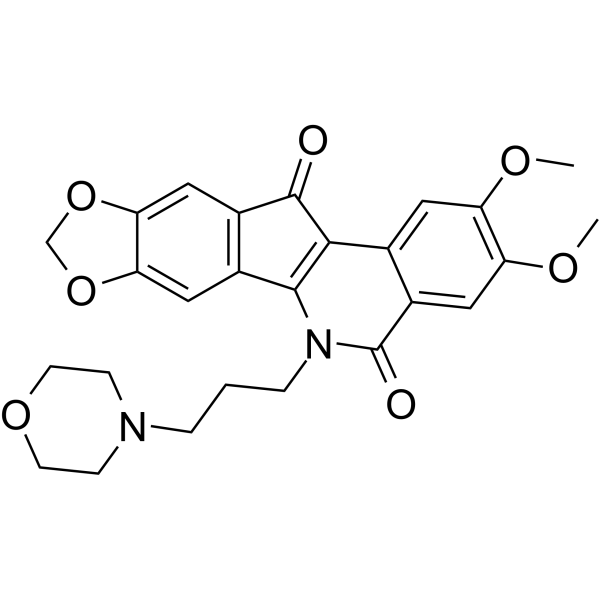
Indotecan (LMP-400), an indenoisoquinoline derivative, is a potent Topoisomerase I inhibitor, with IC50s of 300, 1200, 560 nM for P388, HCT116, MCF-7 cell lines, respectively. Indotecan prevents the relaxation of supercoiled DNA and can be used for the research of visceral leishmaniasis .
|
-
-
- HY-100555
-
|
|
HSP
|
Infection
Cancer
|
|
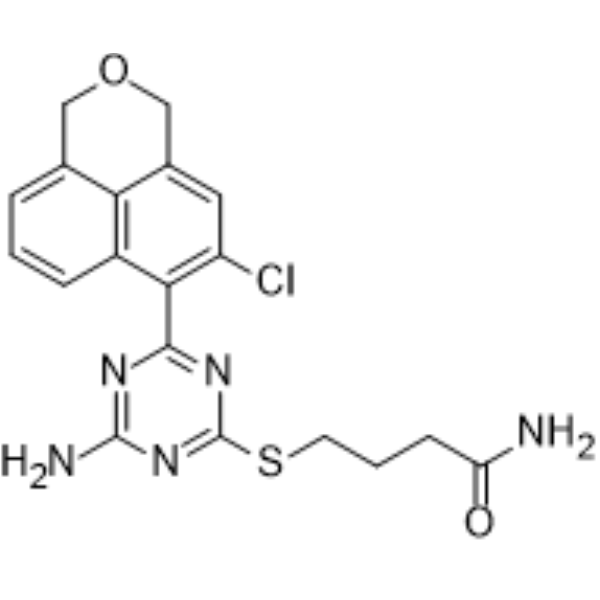
CH5138303 is a potent and orally active Hsp90 inhibitor. CH5138303 shows high binding affinity for N-terminal Hsp90α, with Kd of 0.52 nM. CH5138303 shows potent anti-proliferative activity against human cancer cell lines (HCT116 and NCI-N87), with IC50 values of 0.098 and 0.066 μM, respectively. CH5138303 shows high oral bioavailability in mice (F=44.0%). CH5138303 shows potent antitumor efficacy in a human NCI-N87 gastric cancer xenograft model .
|
-
-
- HY-156500
-
|
|
ICMT
|
Cancer
|
|
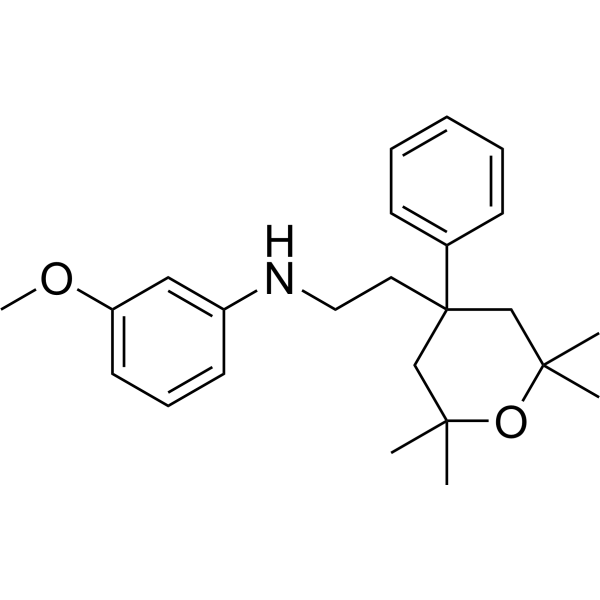
ICMT-IN-1 (compound 75) is an inhibitor of ICMT (IC50=0.0013 μM). ICMT-IN-1 dose-dependently induces ICMT accumulation in the cytoplasm of HCT-116 cells and inhibits the proliferation of multiple cancer cell lines expressing K-Ras and N-Ras .
|
-
-
- HY-121199
-
|
|
Apoptosis
|
Cancer
|
|
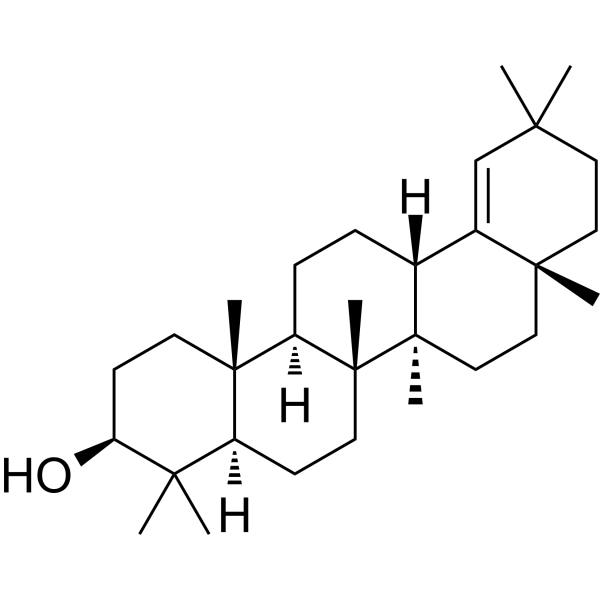
Germanicol is a selective antineoplastic agent against human colon cancer cell lines HCT-116 and HT29 . Germanicol induces apoptosis via chromatin condensation and DNA damage .
|
-
-
- HY-18351A
-
|
LMP-400 hydrochloride; NSC-724998 hydrochloride
|
Topoisomerase
|
Infection
Cancer
|
|
Indotecan hydrochloride, an indenoisoquinoline derivative, is a potent Topoisomerase I inhibitor, with IC50s of 300, 1200, 560 nM for P388, HCT116, MCF-7 cell lines, respectively. Indotecan hydrochloride prevents the relaxation of supercoiled DNA and can be used for the research of visceral leishmaniasis .
|
-

-
- HY-N10113
-
|
Muconomycin B
|
Apoptosis
Arenavirus
Fungal
Antibiotic
Reactive Oxygen Species (ROS)
|
Infection
Cancer
|
|
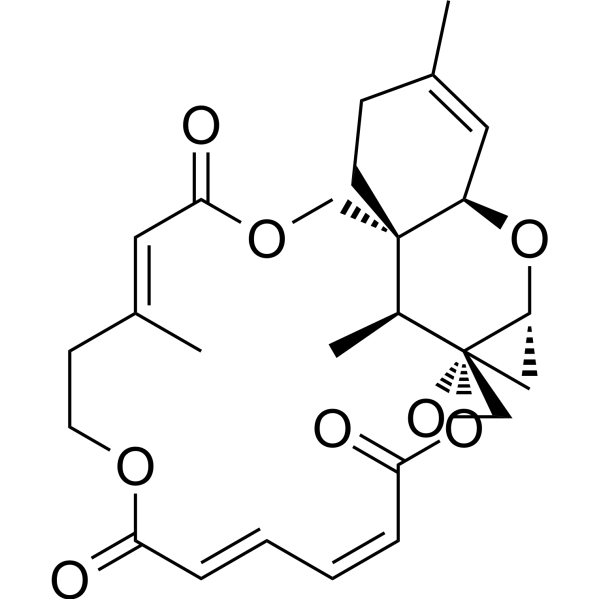
Verrucarin J (Muconomycin B) is a metabolite of the Myrothecium fungus family. Verrucarin J generates reactive oxygen species (ROS) and induces apoptosis of cancer cell lines, such as A549, HCT 116 and SW-620 cells. Verrucarin J shows activities against Candida albicans and Mucor miehei. Verrucarin J inhibits arenavirus Junin (JUNV) yield with an IC50 of 1.2 ng/mL .
|
-
-
- HY-146819
-
|
|
Carbonic Anhydrase
|
Cancer
|
|
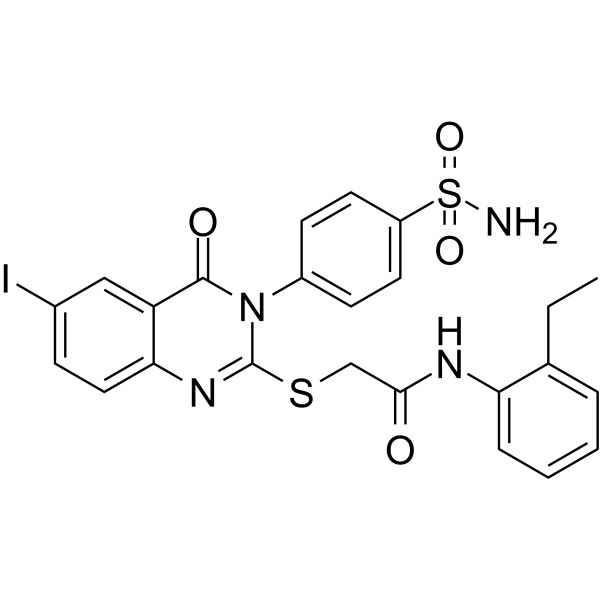
Compound 9 is the most effective against tumor specific Ca ix/ca XII (ki=29.1 and 8.8 nm), so it is possible to evaluate its cytotoxicity and selectivity to HepG-2, HCT-116 and MCF-7 cancer cell lines in vitro, and its IC50 values to tumor cells are 1.78, 1.94 and 3.07, respectively μ M. It showed that it had obvious cytotoxicity.
|
-
-
- HY-156912
-
|
|
EGFR
|
Cancer
|
|
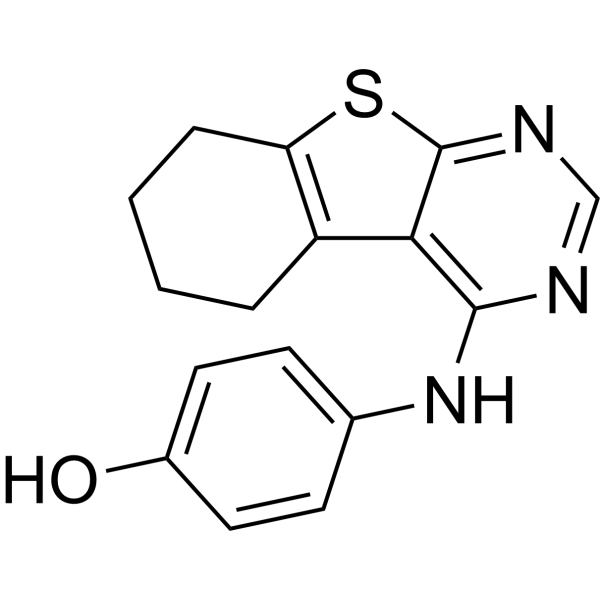
Tyrosine kinase-IN-7 (compound 13h) is an inhibitor of the tyrosine kinase EGFR. The IC50s for inhibiting EGFR(WT) and EGFR(T790M) are 0.630 μM and 0.956 μM respectively. Tyrosine kinase-IN-7 has antitumor activity against four cancer cell lines (HepG2, HCT-116, MCF-7, and A431) with IC50s of 13.02 μM, 10.14 μM, 12.68 μM, and 47.05 μM, respectively .
|
-
-
- HY-W643128
-
|
|
Cholinesterase (ChE)
|
Infection
|
|
Carlina oxide is an AChE inhibitor and antioxidant that kills Culex pipiens larvae (LC50=1.39 μg/mL). Carlina oxide is cytotoxic to vertebrate cells, human dermis, HCT116 and MDA-MB231 cell lines .
|
-

-
- HY-W278944
-
|
|
Drug Derivative
|
Cancer
|
|
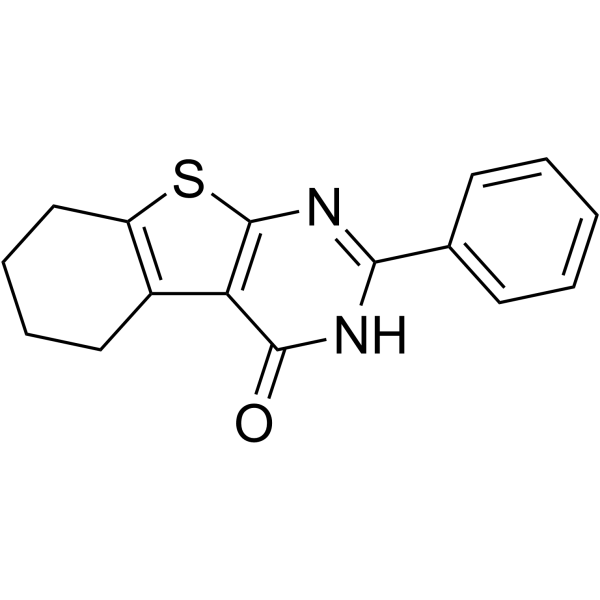
Antiproliferative agent-15 is an thienopyrimidine derivated anticancer agent. Antiproliferative agent-15 shows antiproliferative activity against human colon (HCT116 and HCT15) and brain (LN-229 and GBM-10) cancer cell lines .
|
-
-
- HY-178112
-
|
|
CDK
Apoptosis
|
Cancer
|
|
CDK2-IN-47 is a potent CDK2 inhibitor with an IC50 of 0.21 μM. CDK2-IN-47 exhibits outstanding anticancer activity against MCF-7, HCT-116, and MGC-803 cell lines. CDK2-IN-47 effectively induces G1 cell cycle arrest, retinoblastoma protein (Rb) dephosphorylation, and significant apoptosis. CDK2-IN-47 can be used for the studies of breast cancer, colorectal cancer and gastric cancer .
|
-

-
- HY-170910
-
|
|
HSP
|
Cancer
|
|
Hsp90-IN-39 (Compound 16t) is a HSP90 inhibitor with notable selectivity for the HSP90α isoform. Hsp90-IN-39 demonstrates significant antiproliferative activity in various cancer cell lines, including MCF-7, HCT116, SKBr3, K562, and A549. Hsp90-IN-39 holds potential for cancer research .
|
-

-
- HY-15990
-
|
|
HSP
|
Cancer
|
|
CH5164840 (16) shows high binding affinity for N-terminal Hsp90a (Kd = 0.52 nM) and strong anti-proliferative activity against human cancer cell lines (HCT116 IC50 = 0.15 μM, NCI-N87 IC50 = 0.066 μM). CH5164840 (16) is orally active (t1/2 = 2.64 h) with potent antitumor efficacy .
|
-

-
- HY-179464
-
|
|
PI3K
mTOR
|
Cancer
|
|
CC-M-1 is a potent and selective PI3K/mTOR inhibitor. CC-M-1 inhibits PI3Kα/β/γ/δ and mTOR with IC50 values of 0.68, 1.02, 1.03, 8.03, and 15 nM, respectively. CC-M-1 inhibits the proliferation of colorectal cancer cell lines, including HCT-116 (IC50 = 0.38 μM) and HT-29 (IC50 = 1.70 μM). CC-M-1 can be used for colorectal cancer (CRC) research .
|
-

-
- HY-178960
-
|
|
Microtubule/Tubulin
Apoptosis
|
Cancer
|
|
Tubulin-IN-59 (Compound 8g) is an orally active Tubulin inhibitor. Tubulin-IN-59 exhibits potent anti-proliferative activity against HCT116 colorectal cancer, HeLa cervical cancer, and HepG2 liver cancer cell lines, with its IC₅₀ value ranging from 16 to 35 nM. Tubulin-IN-59 arrests HeLa cells in the G2/M phase and induces cell apoptosis. Tubulin-IN-59 demonstrates significant anti-tumor activity in the HT29 human colon cancer mouse xenograft model. Tubulin-IN-59 can be used for the study of colorectal cancer and cervical cancer .
|
-

-
- HY-161151
-
|
|
DNA/RNA Synthesis
Apoptosis
|
Cancer
|
|
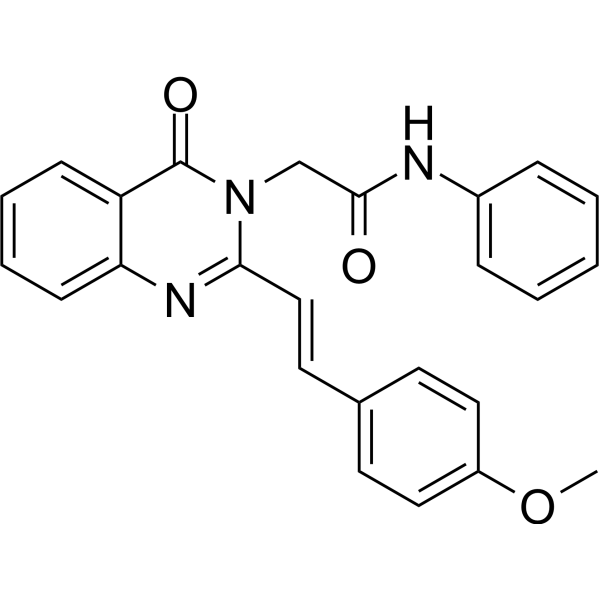
Frangulin B (Compd 11g), a potent anticancer agent, is a potential pan RecQ helicase inhibitor . Frangulin B (Compd 11g) induces apoptosis in both HCT-116 and MDA-MB-231 cell lines, but also causes an G2/M phase cell cycle arrest in HCT-116 cells .
|
-
-
- HY-172217
-
|
|
DNA Methyltransferase
Apoptosis
|
Cancer
|
|
DNMT1-IN-5 (Compound 55) is the inhibitor for DNMT that inhibits DNMT1 and DNMT3A with IC50 of 2.42 μM and 14.4 μM. DNMT1-IN-5 exhibits antiproliferative activity in a variety of cancer cell lines (IC50s for TMD-8, DOHH2, MOLM-13, THP-1, RPIM-8226 and HCT116 are 0.19-2.37 μM), arrests the cell cycle at G2/M phase, and induces apoptosis in TMD-8 and DOHH2 cells. DNMT1-IN-5 exhibits antitumor efficacy in TMD-8 xenograft mouse models .
|
-

-
- HY-153272
-
|
|
Biochemical Assay Reagents
|
Cancer
|
|
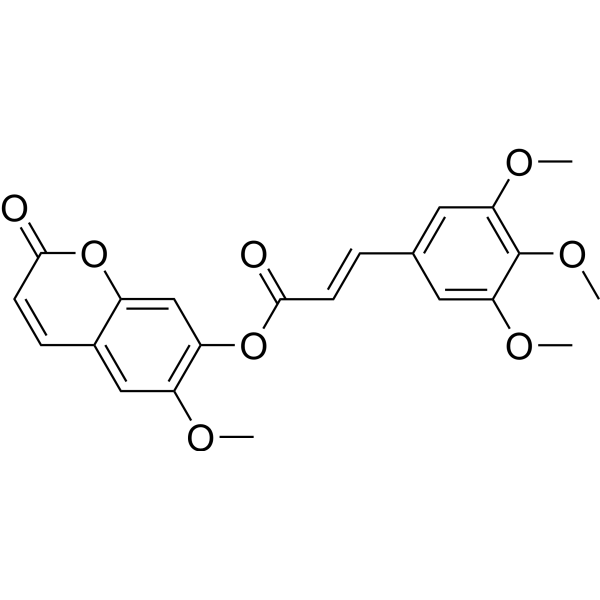
Antitumor agent-93 (compound 7D) is an anticancer agent that can effectively inhibit the growth of several tumor cell lines, such as MDA-MB-231 and HCT-116 cell lines .
|
-
-
- HY-139882
-
-
-
- HY-149705
-
|
|
ICMT
|
Cancer
|
|
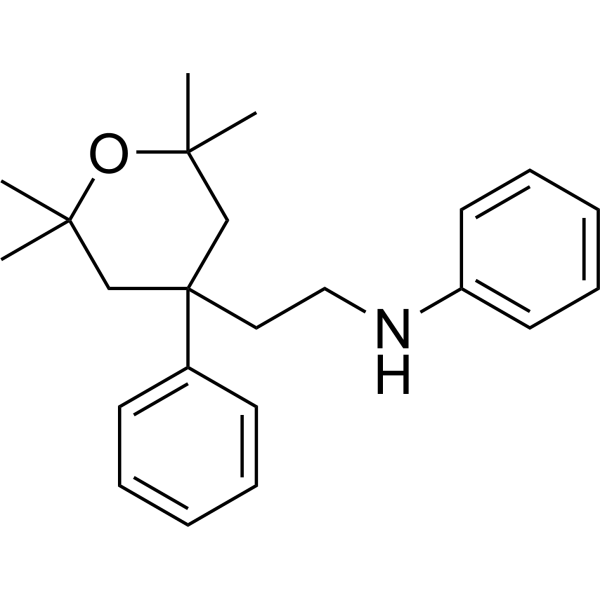
ICMT-IN-7 (compound 74) is an inhibitor of ICMT (IC50=0.015 μM). ICMT-IN-7 dose-dependently induces ICMT accumulation in the cytoplasm of HCT-116 cells and inhibits the proliferation of multiple cancer cell lines expressing K-Ras and N-Ras .
|
-
-
- HY-157402
-
|
|
Topoisomerase
EGFR
|
Cancer
|
|
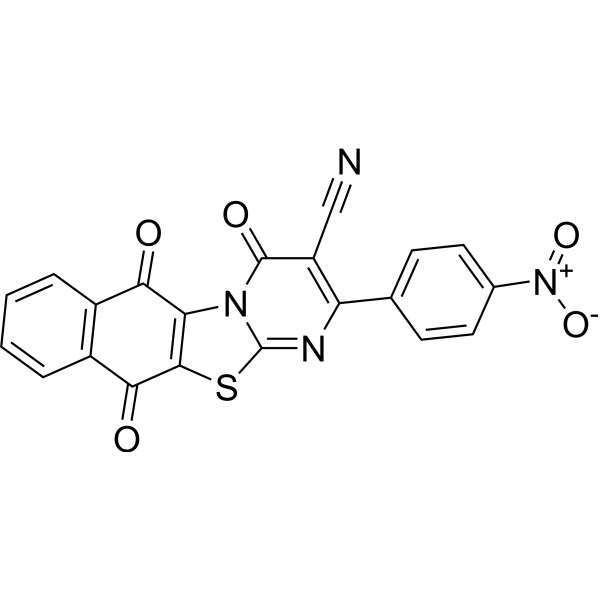
Topoisomerase II/EGFR-IN-1 is topoisomerase II/EGFR dual inhibitor. Topoisomerase II/EGFR-IN-1 has superior cytotoxic activity to MCF-7, A549 and HCT-116 cell lines, displays strong apoptotic activity and can be used for the research of cancer .
|
-
-
- HY-156097
-
|
|
EGFR
|
Cancer
|
|
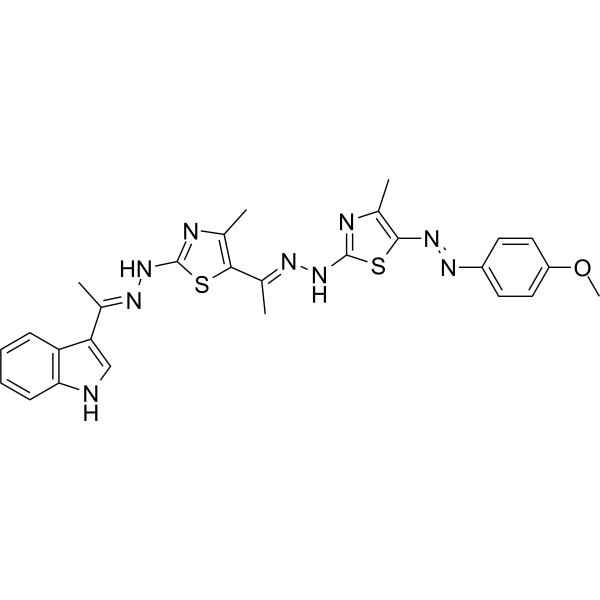
Anticancer agent 158 (compound 7c) is a potent anticancer agent. The IC50s for inhibiting HepG-2, MDA-MB-231, and HCT-116 cell lines are 7.93 μM, 9.28 μM, 13.28 μM, and 181.89 μM, respectively .
|
-
-
- HY-120032
-
|
|
Mps1
|
Cancer
|
|
CFI-401980 is a selective tyrosine threonine kinase MPS1 inhibitor with a Ki of 0.8 nM. CFI-401980 inhibits the proliferation of HCT116 cell lines. CFI-401980 can be studied in anti-cancer research .
|
-

-
- HY-N14344
-
|
|
Bacterial
|
Infection
|
|
Manumycin G has anti-Gram-positive bacteria and Escherichia coli effects, but the effect is very weak against other anti-Gram-negative bacteria, and has no effect on fungi. Manumycin G inhibits RAS Faraday base transfer and has weak cytotoxic activity against human cloned cancer cell lines HCT-116 (IC50 is 15.6 μg/mL) .
|
-

-
- HY-120607
-
|
|
Parasite
|
Infection
Cancer
|
|
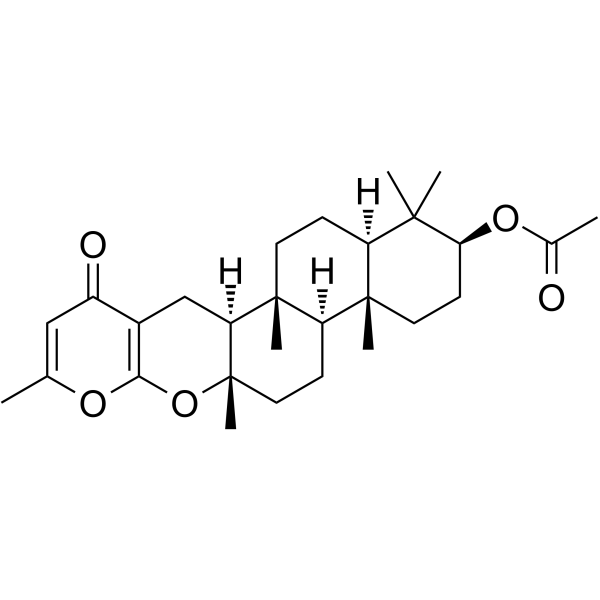
Chevalone C, a meroterpenoid fungal metabolite, shows antimalarial activity with IC50 value of 25.00 μg/mL. Chevalone C has anti-proliferative activity on colon HCT116, liver HepG2 and melanoma A375 cancer cell lines .
|
-
-
- HY-158371
-
|
|
HDAC
Casein Kinase
|
Cancer
|
|
HDAC/CK2-IN-1 (compound 38) is a HDAC1 (IC50 = 1.46 μM), HDAC6 (IC50 = 0.66 μM), and CK2 (IC50 = 3.67 μM) inhibitor. HDAC/CK2-IN-1 exhibits promising antproliferative activity against Jurkat, MCF-7, HCT-116, and HL-60 cell lines .
|
-

-
- HY-172097
-
|
|
Drug Derivative
|
Cancer
|
|
HL22 is a harmaline derivative. HL22 significantly inhibits HCT116, MGC803 and MCF7 cancer cell lines, and inhibits MGC803 cell migration and monoclonal formation. The anti-cancer mechanism of HL22 is related to a variety of metabolic pathways and can be used in the study of cancer .
|
-

-
- HY-170557
-
|
|
Topoisomerase
Apoptosis
Mitochondrial Metabolism
|
Cancer
|
|
Topoisomerase IIα-IN-10 (Compound 13r) is an inhibitor of Topoisomerase IIα. It binds to the active site of DNA when complexed with Topoisomerase IIα, and this binding is stabilized through interactions with DNA base pairs and amino acid residues. Topoisomerase IIα-IN-10 can induce Apoptosis by intercalating DNA and inhibiting Topoisomerase IIα, thereby disrupting the mitochondrial membrane potential and inhibiting the growth of HCT116 cell lines, with an IC50 of 4.37 μM against HCT116 cells. Topoisomerase IIα-IN-10 can be used for research in the field of cancer treatment .
|
-

-
- HY-146715
-
|
|
Microtubule/Tubulin
Apoptosis
|
Cancer
|
|
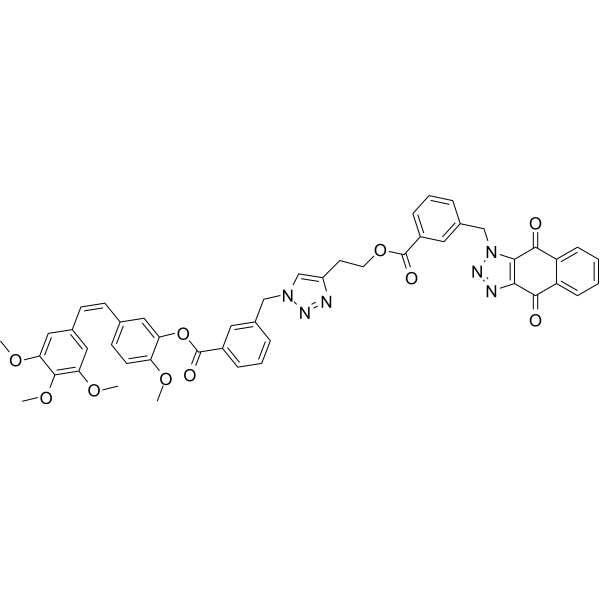
IDO/Tubulin-IN-2 (HT2) is a potent TDO and tubulin inhibitor. IDO/Tubulin-IN-2 also shows potent activity against U87, HepG2, A549, HCT-116, and LO2 cancer cell lines, with IC50 values of 0.43, 0.036, 0.041, 0.095 and 1.04 μM, respectively. IDO/Tubulin-IN-2 remarkably promotes the antitumor activity .
|
-
-
- HY-178038
-
|
|
Microtubule/Tubulin
Reactive Oxygen Species (ROS)
|
Cancer
|
|
Tubulin-IN-56 is a tubulin inhibitor. Tubulin-IN-56 exerts cytotoxic effects against colon cancer cell lines (LS180, HCT116, SW620, LoVo). Tubulin-IN-56 downregulates βIII-tubulin and upregulates βIVa-tubulin in colon cancer cell lines. Tubulin-IN-56 inhibits cell invasiveness and elevates intracellular ROS levels in colon cancer cell lines. Tubulin-IN-56 can be used for the study of colon cancer .
|
-

-
- HY-169652
-
|
|
Reactive Oxygen Species (ROS)
AMPK
|
Cancer
|
|
NPC26 is a small molecule mitochondrial disruptor with anti-tumor activity. NPC-26 shows significant anti-proliferative and cytotoxic effects on CRC cell lines (HCT-116, DLD-1, and HT-29). NPC26 can damage mitochondrial function, leading to the opening of the mitochondrial permeability transition pore (mPTP) and the production of reactive oxygen species, ultimately inducing cell death. NPC-26 can kill CRC cells by activating the AMP-activated protein kinase (AMPK) signaling pathway .
|
-

-
- HY-130418
-
|
|
Adrenergic Receptor
|
Cancer
|
|
(-)-Domesticine is an anti-α-1D-adrenoceptor compound with cytotoxic activity. (-)-Domesticine showed activity in MTS cytotoxicity assays against human colon cancer cell lines HCT-116 and Caco-2. (-)-Domesticine tolerates alkoxy substituents and benzoate functional groups at the C1 position in modifications of its chemical structure. The most potent compounds of (-)-Domesticine have IC50 values in the range of 23-38 μM, similar to the known cytotoxic compound etoposide .
|
-

-
- HY-146103
-
|
|
Apoptosis
Reactive Oxygen Species (ROS)
|
Cancer
|
|
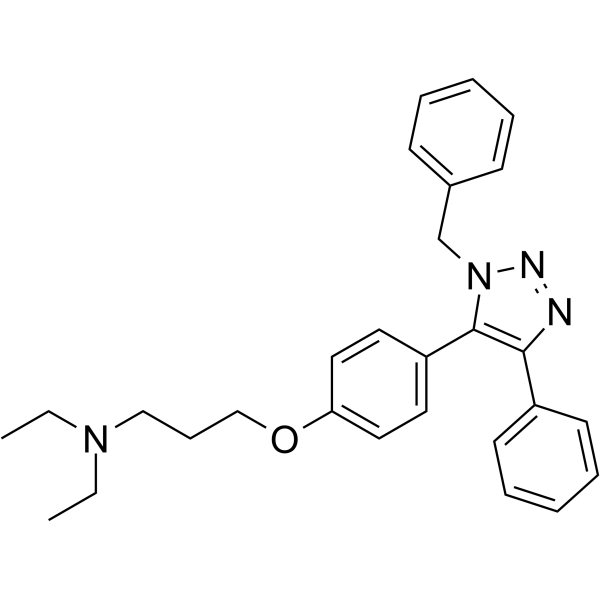
Antiproliferative agent-7 (compound 8f) is a potent anti-proliferative agent. Antiproliferative agent-7 has antiproliferative activity against cancer cell lines MCF-7, MDA-MB-231, HCT-116 and FR-2 with IC50s of 3.5 μM, 15.54 μM, 30.43 μM and 34.8 μM, respectively. Antiproliferative agent-7 can increase ROS production and induce apoptosis .
|
-
-
- HY-155177
-
|
|
CDK
|
Cancer
|
|
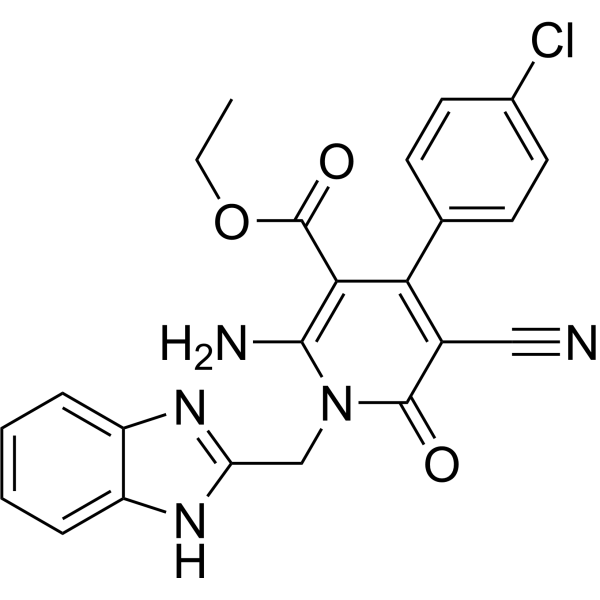
CDK9-IN-27 (Compound 6a) is a CDK9 inhibitor (IC50s: 0.424 μM). CDK9-IN-27 induces apoptosis and cell cycle arrest at S stage. CDK9-IN-27 has cytotoxic action against HepG2, HCT-116 and MCF-7 cell lines, with IC50s of 10.31-40.34 μM. CDK9-IN-27 can be used for cancer research .
|
-
-
- HY-167694
-
|
|
Quinone Reductase
|
Cancer
|
|
Antiproliferative agent-62 (compound 5) is a functionalized benzylidene-indolin-2-one with notable antiproliferative activity and NQO1 activity induciton funciton, particularly in inducing NQO1 expression in murine Hepa1c1c7 cells and demonstrating effectiveness against human cancer cell lines, including MCF-7 and HCT116.
|
-

-
- HY-146454
-
|
|
DNA/RNA Synthesis
|
Cancer
|
|
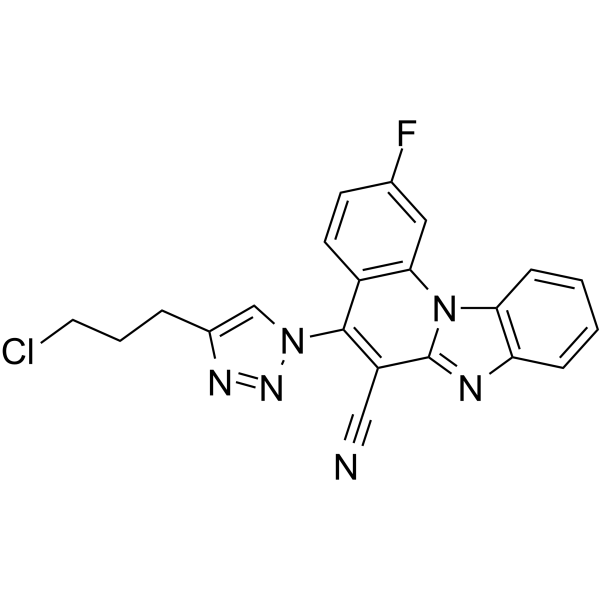
Antiproliferative agent-6 (compound 8a) is a potent antitumor agent. Antiproliferative agent-6 has antiproliferative activity against cancer cell lines HCT116, MCF-7, H460 and non-tumor aneuploid immortal keratinocyte HaCaT cells with GI50s of 0.5 μM, 2 μM, 0.7 μM and 3.5 μM, respectively .
|
-
-
- HY-143462
-
|
|
HDAC
c-Met/HGFR
Apoptosis
|
Cancer
|
|
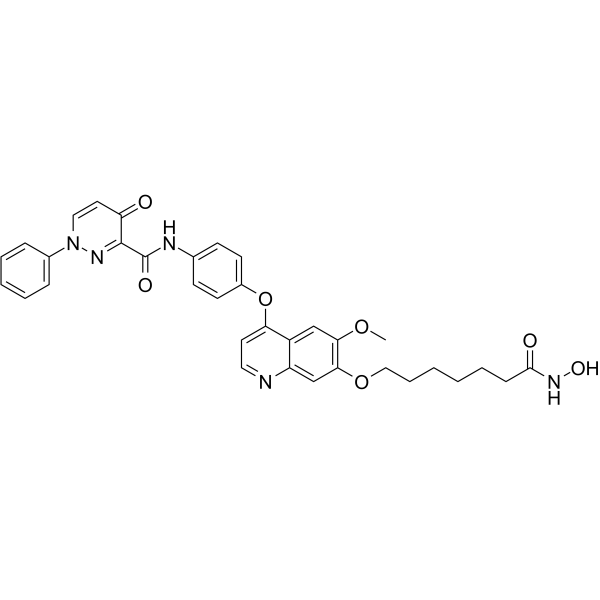
c-Met/HDAC-IN-2 is a highly potent c-Met and HDAC dual inhibitor with IC50s of 18.49 nM and 5.40 nM for HDAC1 and c-Met, respectively. c-Met/HDAC-IN-2 has antiproliferative activities against certain cancer cell lines. c-Met/HDAC-IN-2 can cause G2/M-phase arrest and induce apoptosis in HCT-116. c-Met/HDAC-IN-2 can be used for researching anti-cancer resistance .
|
-
-
- HY-155112
-
|
|
Microtubule/Tubulin
FLT3
Bcr-Abl
|
Cancer
|
|
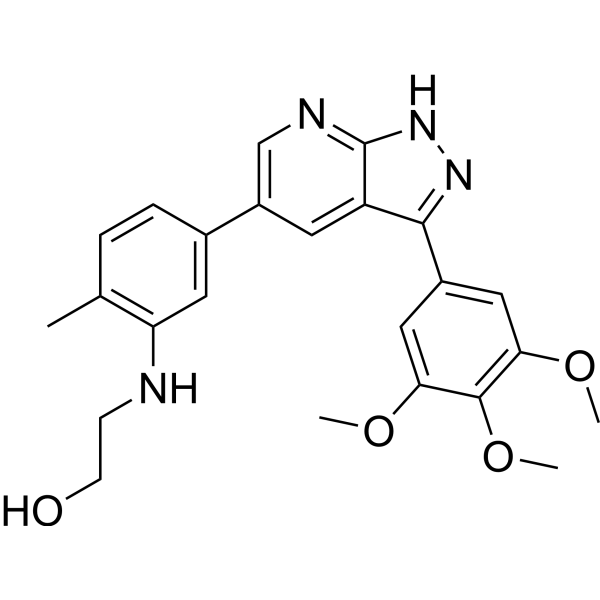
Antiproliferative agent-30 (Compound 8g) inhibits tubulin assembly and inhibits FLT3 and Abl1. Antiproliferative agent-30 has vascular-disrupting activity. Antiproliferative agent-30 has broad antiproliferative activities against cancer cell lines (IC50s: 0.054 nM, 0.008 nM, 0.144 nM for HCT-116, K562, MV-4-11 cells respectively). Antiproliferative agent-30 also has anticancer effect against AML with FLT3-ITD-TKD mutation .
|
-
-
- HY-111007
-
|
|
HSP
|
Cancer
|
|
CH5015765 is an orally available Hsp90 inhibitor bound to the N-terminal ATP binding site, with a dissociation constant of 3.4 nM, CH5015765 exerts antiproliferative activity against human cancer cell lines, with IC50 values of 0.46 μM for HCT116 colorectal cancer cells and 0.57 μM for NCI-N87 gastric cancer cells. CH5015765 can be used for the study of cancer .
|
-

-
- HY-170594
-
|
|
Atg7
Autophagy
|
Cancer
|
|
Antitumor agent-192 (Compound 2f) is a β-carboline antitumor agent. Antitumor agent-192 induces autophagy in HCT116 cells via the ATG5/ATG7 pathway. Antitumor agent-192 has an IC50 of less than 5 μM for human tumor cell lines and significantly inhibits tumor development and reduces tumor weight in a mouse colorectal cancer model transplanted with allografts [1].
|
-

-
- HY-163770
-
|
|
Proteasome
|
Cancer
|
|
Anticancer agent 233 (compound 5g) is a 3,5-bis(arylmethylene)-4-piperidinone derivative with anticancer activity, with GI50 of 0.25 and 0.23 μM for cervical cancer (HeLa) and colon cancer (HCT116) cell lines, respectively. The chlorine atom on the aromatic ring of Anticancer agent 233 interacts well with the catalytic site of 20S proteasome, inhibiting the activity of 20S proteasome to exert its anticancer effect .
|
-

-
- HY-161324
-
|
|
Microtubule/Tubulin
|
Cancer
|
|
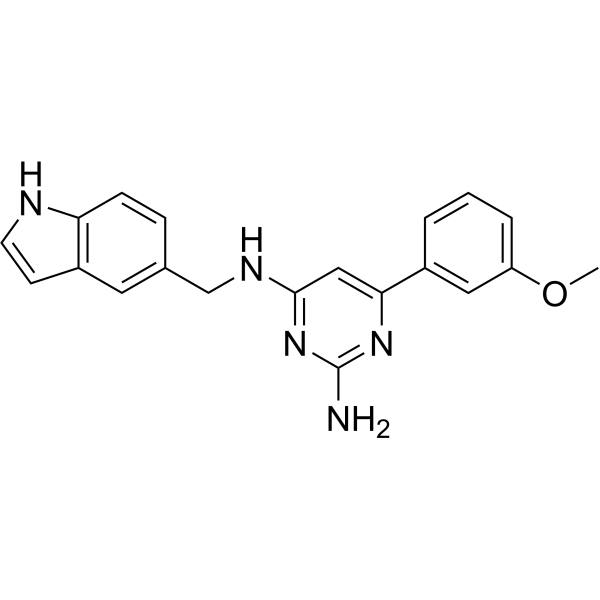
Tubulin degrader 1 (Compound 5i) is a BML284 (HY-19987) derivative that is an orally active colchicine-site noncovalent tubulin degradation agent with IC50 values ranging from 0.02 to 0.05 μM against the five tumor cell lines (Hela, HCT116, MCF-7, K562 and Molm-13). Tubulin degrader 1 has antiproliferative activity that effectively suppressed tumor growth .
|
-
-
- HY-168115
-
|
|
FLT3
PDGFR
|
Cancer
|
|
Multi-kinase inhibitor 4 (compound 14) is an orally active inhibitor of FLT1, KDR, FLT3, FLT4, PDGFRα, PDGFRβ, with IC50s of 1.97 nM, 1.04 nM, 0.33 nM, 1.44 nM, 0.18 nM, 0.89 nM. Multi-kinase inhibitor 4 plays an important role in cancer research .
|
-

-
- HY-146366
-
|
|
Microtubule/Tubulin
|
Cancer
|
|
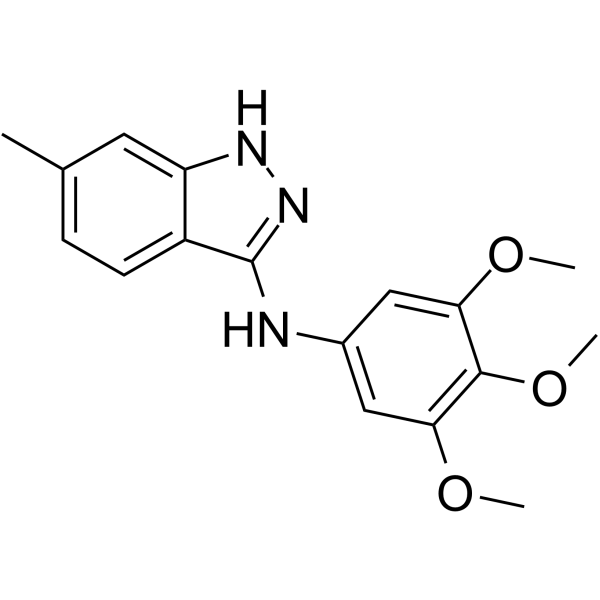
Tubulin inhibitor 26 (compound 3c) is a potent inhibitor of tubulin. Tubulin inhibitor 26 is an indazole derivative compound. Tubulin inhibitor 26 shows noteworthy low nanomolar potency against HepG2, HCT116, SW620, HT29 and A549 cancer cell lines. Tubulin inhibitor 26 arrests tumor cell in G2/M phase and induced cell apoptosis. Tubulin inhibitor 26 suppresses tumor growth in vivo without affecting the mice body weight .
|
-
-
- HY-173492
-
|
|
EGFR
Apoptosis
|
Cancer
|
|
EGFR-IN-156 (Compound 7f) is an EGFR inhibitor that also has inhibitory activity against mutations EGFRL858R and EGFRT790M (IC50 values are 0.186, 0.131, and 0.107 μM, respectively). EGFR-IN-156 has significant anticancer activity against human cancer cell lines HepG-29 (liver cancer), MCF-7 (breast cancer), and HCT-116 (colon cancer) (IC50 values are 1.67, 5.32, and 6.56 μM, respectively). EGFR-IN-156 inhibits cancer cell proliferation by inducing cell cycle arrest at the G/G1 phase and triggering apoptosis. EGFR-IN-156 shows promise in EGFR-related cancers .
|
-

-
- HY-157125
-
|
|
PI3K
Apoptosis
|
Cancer
|
|
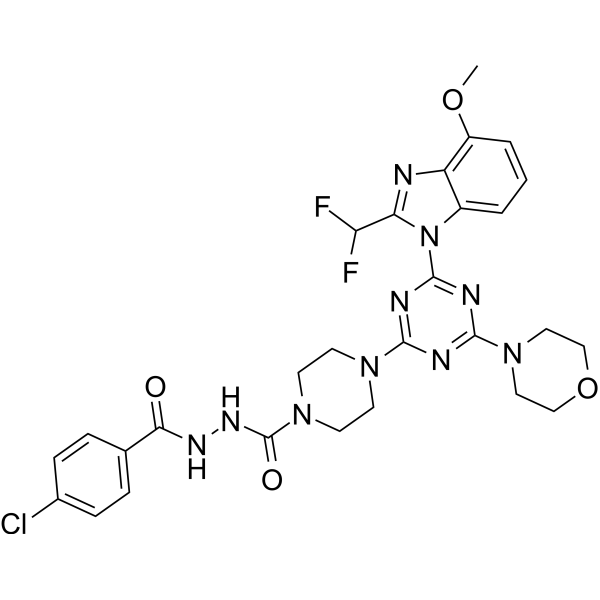
PI3Kα-IN-14 (compound F8) is a selective PI3Kα inhibitor with an IC50 of 0.14 nM. PI3Kα-IN-14 induces a great decrease in mitochondrial membrane which caused cell cycle arrest at G1 phase and apoptosis in U87-MG cells. PI3Kα-IN-14 shows significant anti-proliferative activities against three tumor-derived cell lines (PC-3: IC50 of 0.28 μM; HCT-116: IC50 of 0.57 μM; and U87-MG: IC50 of 1.37 μM) .
|
-
-
- HY-169096
-
|
|
Microtubule/Tubulin
Apoptosis
|
Cancer
|
|
DPP-21 is an inhibitor of tubulin polymerization (IC50: 2.4 μM). DPP-21 shows anti-proliferative activity against cancer cell lines, with IC50s of 0.38 nM (HCT116), 11.69 nM (B16), 5.37 nM (HeLa), 9.53 nM (MCF7), 8.94 nM (H23) and 9.37 nM (HepG2) respectively. DPP-21 arrests the cell cycle in the G2/M phase of mitosis, subsequently inducing tumor cell apoptosis (decreases Bcl-2 but upregulates the pro-apoptotic protein Bax) .
|
-

-
- HY-147682
-
|
|
NF-κB
Apoptosis
|
Cancer
|
|
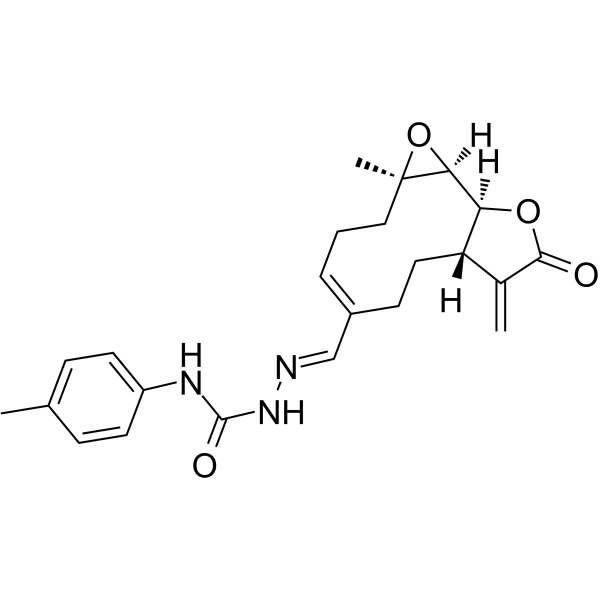
NF-κB-IN-5 (compound 4d) is an orally active and potent NF-κB inhibitor by interacting directly with NF-κB. NF-κB-IN-5 shows antitumor activity against human cancer cell lines (HCT116, U87-MG, HepG2, BGC823, PC9), with IC50 values of 5.35, 2.81, 2.83, 2.02 and 3.90 μM, respectively. NF-κB-IN-5 induces apoptosis in U87-MG tumor cell and cell cycle arrest in G0/G1 phase .
|
-
-
- HY-16491
-
|
DJ-927
|
Microtubule/Tubulin
|
Cancer
|
|
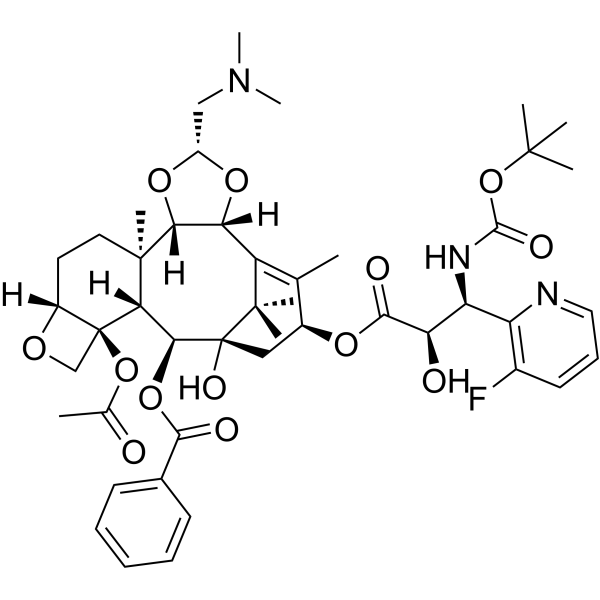
Tesetaxel (DJ-927) is an orally active and brain-penetrant taxane tubulin inhibitor. Tesetaxel inhibits tubulin depolymerization with an IC50 of 0.44 μM. Tesetaxel inhibits cancer cells proliferation and shows potent antitumor activity against P-glycoprotein-positive cancer cells. Tesetaxel can be used for the research of cancer, such as solid tumors, liver metastasis, and advanced breast cancer .
|
-
-
- HY-172733S
-
|
|
Isotope-Labeled Compounds
Histone Methyltransferase
|
Cancer
|
|
PRMT5-MTA-IN-3-d3 (compound P22) is the deuterium labeled PRMT5-MTA-IN-3 (HY-172733). PRMT5-MTA-IN-3-d3 is an orally active PRMT5-MTA inhibitor. PRMT5-MTA-IN-3-d3 has antiproliferative effects on HTC116-MTAP del and wild type colorectal cancer HCT-116 cell lines, with IC50 values of 6 nM and 961 nM, respectively. PRMT5-MTA-IN-3-d3 has anticancer effects, especially for MTAP-deficient tumors, such as non-small cell lung cancer (NSCLC), pancreatic cancer .
|
-

- HY-121352
-
|
|
Drug Derivative
|
Cancer
|
|
Kibdelone C is a hexacyclic tetrahydroxanthone natural product and anticancer agent with sub-nanomolar GI50 activity against human SR leukemia and SN12C renal carcinoma cell lines. Kibdelone C disrupts the actin cytoskeleton in human cancer cells, leading to cell contraction and actin stress fiber formation, without direct actin binding, actin polymerization effects, topoisomerase I/II inhibition, or DNA binding. Kibdelone C can be used for the research of leukemia, and renal cell carcinoma .
|
-

- HY-175297
-
|
|
VEGFR
EGFR
|
Cancer
|
|
EGFR T790M/VEGFR-2-IN-1 (Compound 6) is a dual EGFR T790M mutant (IC50=0.26 μM) and VEGFR-2 (IC50=0.95 μM) inhibitor. EGFR T790M/VEGFR-2-IN-1 blocks tumor cell proliferation and angiogenesis signaling pathways. EGFR T790M/VEGFR-2-IN-1 exhibits potent cytotoxicity against multiple cancer cell lines (HCT116, MCF-7, HepG2, A549; IC50=5.35-9.90 μM). EGFR T790M/VEGFR-2-IN-1 is promising for research of non-small cell lung cancer and solid tumors .
|
-

- HY-179021
-
|
|
COX
Lipoxygenase
|
Cancer
|
|
COX-2/15-LOX-IN-7 is a potent, selective and orally active dual inhibitor of COX-2 and 15-LOX with IC50 values of 0.022 and 1.19 μM. COX-2/15-LOX-IN-7 also inhibits COX-1 with an IC50 value of 28.081μM. COX-2/15-LOX-IN-7 has low cytotoxicity against human colorectal cancer HT-29 and HCT116 cell lines (IC50 >100 μM for both). COX-2/15-LOX-IN-7 exhibits non-ulcerogenic performance. COX-2/15-LOX-IN-7 can be used for the research of cancer .
|
-

- HY-N2445R
-
|
|
Reference Standards
Apoptosis
|
Cancer
|
|
Flavokawain C (Standard) is the analytical standard of Flavokawain C. This product is intended for research and analytical applications. Flavokawain C is a natural chalcone found in Kava root. Flavokawain C exerts cytotoxicity against human cancer cell lines, with an IC50 of 12.75 μM for HCT 116 cells .
|
-

- HY-N14342
-
|
|
Bacterial
|
Infection
|
|
Manumycin E has anti-Gram-positive bacteria and Escherichia coli effects, but the effect is very weak against other anti-Gram-negative bacteria, and has no effect on fungi. Manumycin E inhibits RAS Faraday base transfer and has weak cytotoxic activity against human cloned cancer cell lines HCT-116 (IC50 is 15.6 μg/mL) .
|
-

- HY-N14343
-
|
|
Bacterial
|
Infection
|
|
Manumycin F has anti-Gram-positive bacteria and Escherichia coli effects, but the effect is very weak against other anti-Gram-negative bacteria, and has no effect on fungi. Manumycin F inhibits RAS Faraday base transfer and has weak cytotoxic activity against human cloned cancer cell lines HCT-116 (IC50 is 15.6 μg/mL) .
|
-

- HY-155522
-
|
|
Carbonic Anhydrase
|
Cancer
|
|
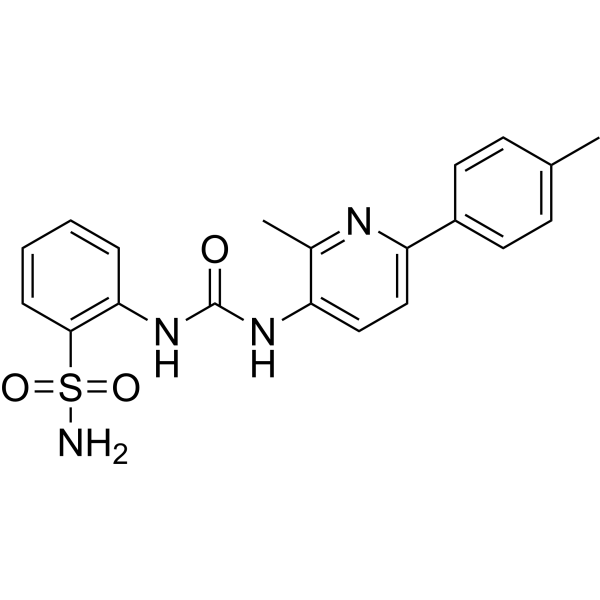
WES-1 (Compound 8g) is an inhibitor of carbonic anhydrase IX (Ki: 55.9 μM). WES-1 has broad spectrum anti-proliferative activity against the cancer cells, such as leukemia (K-562 and MOLT-4), non-small cell lung cancer (NCI–H460), colon cancer (HCT 116 and HCT-15) and melanoma (LOX IMVI) cell lines .
|
-
- HY-172748
-
|
|
Drug Derivative
|
Neurological Disease
Cancer
|
|
9β-Hydroxyhexahydrocannabinol is a synthetic cannabinoid derivative. 9β-Hydroxyhexahydrocannabinol exhibits cytotoxicity against various tumor cell lines, such as HCT-116, MCF-7, K562, MIAPaCa-2, PANC-1, A549, PC-3 and SW-620, with IC50 values ranging from 15.23 to 33.74 μM. 9β-Hydroxyhexahydrocannabinol can be used in the study of cancer .
|
-

- HY-179430
-
|
|
Mps1
|
Cancer
|
|
TTK-IN-5 is an orally active covalent threonine tyrosine kinase (TTK) inhibitor with selectivity (IC50 = 8.918 nM). TTK-IN-5 exhibits anti-proliferative potencies against MDA-MB-231, A2780, HCT116, HCC1569 and MKN1 cell lines (IC50 values of 0.113 μM, 0.476 μM, 3.136 μM, 3.649 μM, and 1.856 μM, respectively). TTK-IN-5 potently suppresses tumor growth without notable toxicity in A2780 and MDA-MB-231 xenograft mouse models. TTK-IN-5 can be used for the research of cancer such as breast cancer and ovarian cancer .
|
-

- HY-N11846
-
|
|
Apoptosis
Caspase
|
Inflammation/Immunology
Cancer
|
|
4′-O-Methylglabridin is an apoptosis inducer with antioxidant, cell cycle-disrupting and anticancer cytotoxic activities. 4′-O-Methylglabridin inhibits various cancer cell lines including liver cancer, breast cancer and colorectal cancer cell lines. By reducing the expression levels of phosphorylated Rb (Ser807/811) and p21 proteins, 4′-O-Methylglabridin promotes cell accumulation at the subG1 and G2/M phases, and triggers caspase-dependent apoptosis via cytochrome C release and caspase-9 activation. 4′-O-Methylglabridin also exerts antioxidant effects by inhibiting lipid peroxide levels and reducing β-carotene consumption, thereby blocking LDL oxidation. 4′-O-Methylglabridin can be used in the research of various cancers and atherosclerotic diseases .
|
-

- HY-181562
-
|
|
DNA/RNA Synthesis
|
Cancer
|
|
WRN-IN-24 is an orally active allosteric covalent Werner syndrome helicase (WRN) inhibitor with an IC50 of 201 nM. WRN-IN-24 binds to a novel allosteric cavity, forms an additional hydrogen bond with K894, and functionally inhibits WRN activity. WRN-IN-24 inhibits colorectal cancer cells proliferation and exerts dose-dependent antitumor activity in xenograft mouse models. WRN-IN-24 can be used for the research of microsatellite instability-high cancers, including colorectal cancer .
|
-

- HY-111090
-
|
|
Polo-like Kinase (PLK)
NEKs
|
Cancer
|
|
GSK461364 analogue 1 is a thiophene-based PLK1 inhibitor with a PLK1 IC50 of 2 nM and a PLK3 IC50 of 630 nM. GSK461364 analogue 1 also acts as an inhibitor of Nek2 kinase (IC50: 21 nM). GSK461364 analogue 1 has a solubility of ≥190 μM in pH 7.4 PBS and a human plasma protein binding rate of 91.5%. GSK461364 analogue 1 can be used in studies related to colon cancer, lung cancer, breast cancer and ovarian cancer .
|
-

| Cat. No. |
Product Name |
Category |
Target |
Chemical Structure |
-
- HY-121199
-
-
-
- HY-N10113
-
-
-
- HY-W643128
-
-
-
- HY-N14344
-
|
|
Microorganisms
Antibiotics
Other Antibiotics
Source Classification
|
Bacterial
|
|
Manumycin G has anti-Gram-positive bacteria and Escherichia coli effects, but the effect is very weak against other anti-Gram-negative bacteria, and has no effect on fungi. Manumycin G inhibits RAS Faraday base transfer and has weak cytotoxic activity against human cloned cancer cell lines HCT-116 (IC50 is 15.6 μg/mL) .
|
-
-
- HY-120607
-
-
-
- HY-N2445R
-
-
-
- HY-N14342
-
|
|
Microorganisms
Antibiotics
Other Antibiotics
Source Classification
|
Bacterial
|
|
Manumycin E has anti-Gram-positive bacteria and Escherichia coli effects, but the effect is very weak against other anti-Gram-negative bacteria, and has no effect on fungi. Manumycin E inhibits RAS Faraday base transfer and has weak cytotoxic activity against human cloned cancer cell lines HCT-116 (IC50 is 15.6 μg/mL) .
|
-
-
- HY-N14343
-
|
|
Microorganisms
Antibiotics
Other Antibiotics
Source Classification
|
Bacterial
|
|
Manumycin F has anti-Gram-positive bacteria and Escherichia coli effects, but the effect is very weak against other anti-Gram-negative bacteria, and has no effect on fungi. Manumycin F inhibits RAS Faraday base transfer and has weak cytotoxic activity against human cloned cancer cell lines HCT-116 (IC50 is 15.6 μg/mL) .
|
-
-
- HY-N11846
-
|
|
Structural Classification
Natural Products
Glycyrrhiza glabra Linn.
Leguminosae
Plants
Source Classification
|
Apoptosis
Caspase
|
|
4′-O-Methylglabridin is an apoptosis inducer with antioxidant, cell cycle-disrupting and anticancer cytotoxic activities. 4′-O-Methylglabridin inhibits various cancer cell lines including liver cancer, breast cancer and colorectal cancer cell lines. By reducing the expression levels of phosphorylated Rb (Ser807/811) and p21 proteins, 4′-O-Methylglabridin promotes cell accumulation at the subG1 and G2/M phases, and triggers caspase-dependent apoptosis via cytochrome C release and caspase-9 activation. 4′-O-Methylglabridin also exerts antioxidant effects by inhibiting lipid peroxide levels and reducing β-carotene consumption, thereby blocking LDL oxidation. 4′-O-Methylglabridin can be used in the research of various cancers and atherosclerotic diseases .
|
-
| Cat. No. |
Product Name |
Chemical Structure |
-
- HY-172733S
-
|
|
|
PRMT5-MTA-IN-3-d3 (compound P22) is the deuterium labeled PRMT5-MTA-IN-3 (HY-172733). PRMT5-MTA-IN-3-d3 is an orally active PRMT5-MTA inhibitor. PRMT5-MTA-IN-3-d3 has antiproliferative effects on HTC116-MTAP del and wild type colorectal cancer HCT-116 cell lines, with IC50 values of 6 nM and 961 nM, respectively. PRMT5-MTA-IN-3-d3 has anticancer effects, especially for MTAP-deficient tumors, such as non-small cell lung cancer (NSCLC), pancreatic cancer .
|
-
Your information is safe with us. * Required Fields.
Inquiry Information
- Product Name:
- Cat. No.:
- Quantity:
- MCE Japan Authorized Agent:








