


Search Result
Results for "
IFN-γ secretion
" in MedChemExpress (MCE) Product Catalog:
2
Biochemical Assay Reagents
| Cat. No. |
Product Name |
Target |
Research Areas |
Chemical Structure |
-
- HY-136339
-
|
|
E1/E2/E3 Enzyme
Interleukin Related
|
Inflammation/Immunology
Cancer
|
|
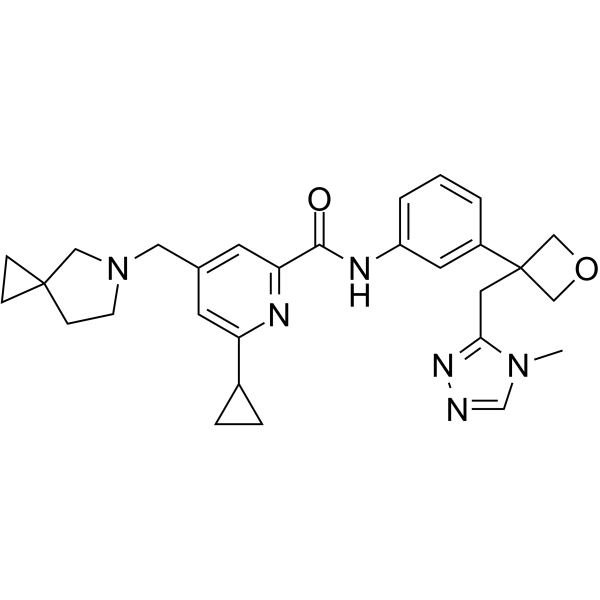
Cbl-b-IN-1 (Example 519) is an inhibitor of Cbl-b, with an IC50 of less than 100 nM. Cbl-b-IN-1 can promote the secretion of cytokines such as IL-2, IFN-γ, and TNF-α, facilitate T cell activation, and enhance the TCR signaling pathway. Cbl-b-IN-1 can be used in research on immunomodulation .
|
-
-
- HY-P1745
-
|
Insulin B chain (9-23)
|
MHC
Insulin Receptor
IFNAR
|
Inflammation/Immunology
|
|
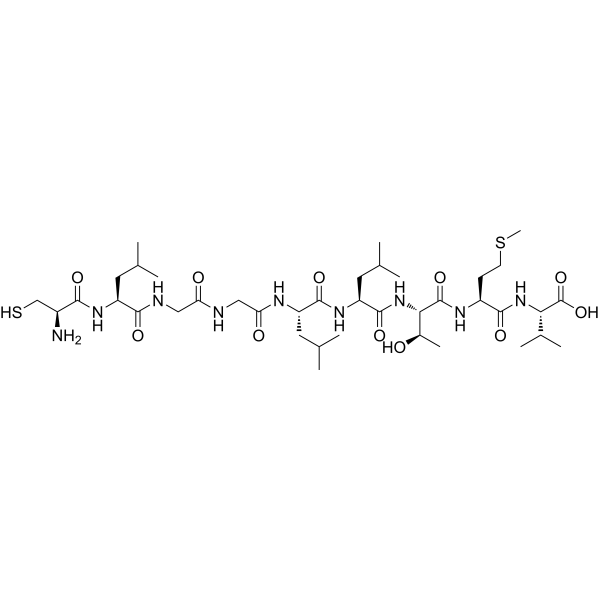
InsB (9-23) (Insulin B chain (9-23)) is an HLA-DQ8-restricted insulin B-chain peptide composed of amino acid residues 9-23. InsB (9-23) serves as a major MHC II class-restricted antigen. InsB (9-23) supports the recognition and activation of T cells, stimulates the secretion of IFN-γ and cytokines, and induces cross-reactive immune responses. InsB (9-23)-specific CD4 T cells can initiate diabetes . InsB (9-23) can be used in research related to type 1 diabetes and autoimmune diabetes .
|
-
-
- HY-P990855
-
|
|
Transmembrane Glycoprotein
|
Inflammation/Immunology
Cancer
|
|
Anti-CD8α Antibody (OKT-8) is an anti-human CD8α IgG2a monoclonal antibody. Anti-CD8α Antibody (OKT-8) can reduce the secretion of IFNγ. Anti-CD8α Antibody (OKT-8) can deplete CD8 + T cells. Anti-CD8α Antibody (OKT-8) can be used for researches on inflammation conditions and cancer such as B non-Hodgkin lymphomas (B-NHLs). The recommend isotype control of Anti-CD8α Antibody (OKT-8): Mouse IgG2a kappa, Isotype Control (HY-P99978) .
|
-
-
- HY-P99159
-
|
|
Interleukin Related
|
Cancer
|
|
Ivuxolimab is a fully human IgG2 agonist targeting OX40 (CD134), which selectively binds to the OX40 receptor on the surface of activated CD4 + and CD8 + T cells without inducing antibody-dependent cytotoxicity. Ivuxolimab can promote T cell proliferation, survival and cytokine (such as IFN-γ, IL-2) secretion, inhibit regulatory T cell function, and enhance anti-tumor immune response. Ivuxolimab can be used in the study of melanoma, hepatocellular carcinoma, head and neck squamous cell carcinoma, etc .
|
-
-
- HY-N0600
-
|
|
Interleukin Related
IFNAR
NF-κB
|
Inflammation/Immunology
|
|
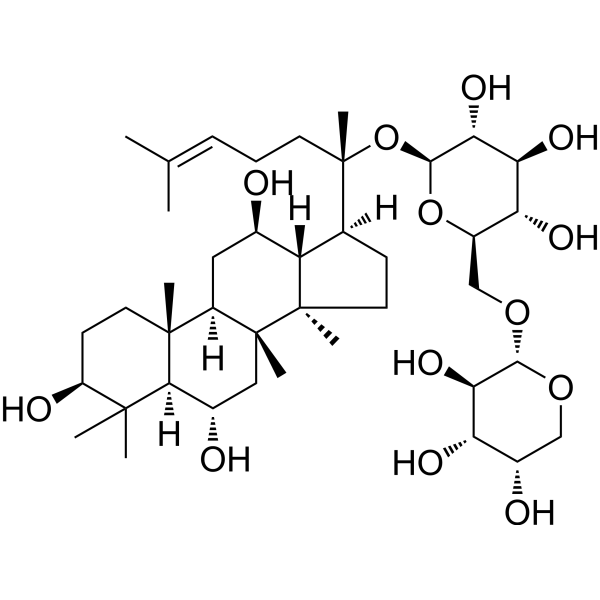
Ginsenoside F3 is a saponin extracted from the leaves of Panax ginseng with immunoenhancing and antitumor immunostimulatory activities. Ginsenoside F3 upregulates RIPOR2 with a Kd value of 3.77 μM. Ginsenoside F3 enhances NF‑κB activation, upregulates T‑bet and downregulates GATA‑3, increases the production of IL‑2 and IFN‑γ, decreases the production of IL‑4 and IL‑10, reverses CD8⁺ T‑cell exhaustion, restores cytokine secretion, and enhances antitumor immunity in a mouse non‑small cell lung cancer model. Ginsenoside F3 can be used for the research of non-small cell lung cancer .
|
-
-
- HY-P990297
-
|
|
CCR
HIV
|
Infection
Inflammation/Immunology
Cancer
|
|
Anti-Mouse/Rat/Human CCL2/MCP-1 Antibody (2H5) is an anti-mouse/rat/human CCL2/MCP-1 IgG monoclonal antibody. Anti-Mouse/Rat/Human CCL2/MCP-1 Antibody (2H5) can reverse the immunosuppressive microenvironment by blocking the CCL2 signaling pathway. Anti-Mouse/Rat/Human CCL2/MCP-1 Antibody (2H5) can reduce the secretion of IFN-γ and the infiltration of macrophages. CCL2/MCP-1 Antibody (2H5) can reduce the amount of HIV virus by increasing the proportion of T cells. Anti-Mouse/Rat/Human CCL2/MCP-1 Antibody (2H5) can be used for researches on inflammation conditions, virus infection and cancer such as inflammatory bowel disease (IBD), hepatocellular carcinoma (HCC) and HIV .
|
-
-
- HY-136065
-
|
|
PTEN
Phosphatase
Parasite
Apoptosis
|
Infection
Metabolic Disease
Inflammation/Immunology
Cancer
|
|
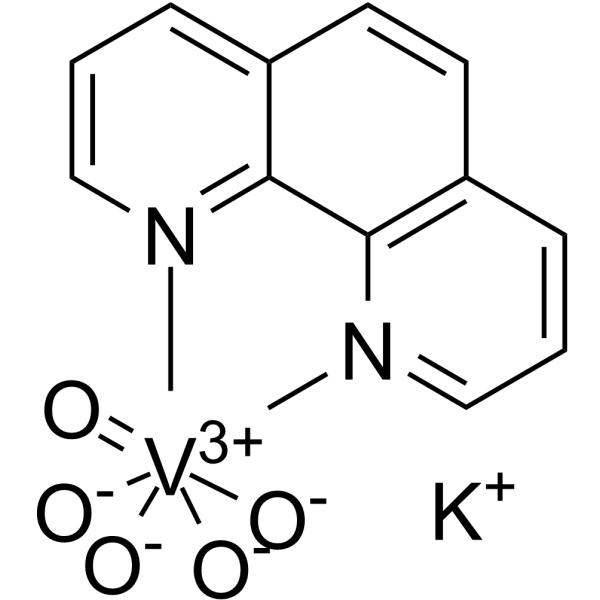
bpV(phen), a insulin-mimetic agent, is a potent protein tyrosine phosphatase (PTP) and PTEN inhibitor with IC50s of 38 nM, 343 nM and 920 nM for PTEN, PTP-β and PTP-1B, respectively. bpV(phen) inhibits proliferation of the protozoan parasite Leishmania in vitro. bpV(phen) strongly induces the secretion of a large number of chemokines and pro-inflammatory cytokines, and it activates a Th1-type pathway (IL-12, IFNγ). bpV(phen) can also induce cell apoptosis, and has anti-angiogenic and anti-tumor activity .
|
-
-
- HY-P99916
-
|
AMG-427
|
FLT3
CD3
TNF Receptor
|
Inflammation/Immunology
Cancer
|
Emirodatamab (AMG-427) is a bispecific T-cell engager (BiTE). Emirodatamab simultaneously binds FLT3 on the surface of acute myeloid leukemia (AML) cells and CD3 on the surface of T cells, thereby precisely recruiting immune effector cells to tumor sites. Emirodatamab potently induces T cell activation, secretion of proinflammatory cytokines (such as IFNγ, TNFα), and specific cytotoxicity, effectively lysing FLT3-positive tumor cells and inhibiting their growth. Emirodatamab not only significantly prolongs survival in mouse xenograft models and eliminates diseased cells in primates, but also exhibits a synergistic enhancement effect when combined with PD-1 blockade therapy. Emirodatamab is used in studies of acute myeloid leukemia, especially relapsed or refractory cases .
|
-
-
- HY-P990690
-
|
MEDI-5752
|
PD-1/PD-L1
CTLA-4
|
Cancer
|
|
Volrustomig (MEDI-5752) is a human IgG1 κ monoclonal antibody targeting CTLA4/PD1. The isotype control for Volrustomig is Human IgG1 kappa, Isotype Control (HY-P99001). Volrustomig anchors to the surface of T cells by binding PD-1, induces PD-1 internalization and degradation, and preferentially inhibits CTLA-4 on activated PD-1 + T cells. Volrustomig binds to tumor-infiltrating lymphocytes and a subset of PD-1 + B cells, enhances T cell function and IFNγ secretion. Volrustomig reduces the activation of non-tumor-infiltrating lymphocytes and exhibits manageable toxicity. Volrustomig can be used in research on various cancers, such as non-small cell lung cancer, gastric cancer, hepatobiliary cancer, and cervical cancer .
|
-
-
- HY-P5470
-
|
|
EBV
IFNAR
|
Inflammation/Immunology
|
|
LMP2A (426-434) is a HLA-A2-restricted cytotoxic T lymphocyte (CTL) epitope of Epstein-Barr virus (EBV) latent membrane protein 2A (LMP2A). LMP2A (426-434) can trigger an immune response in individuals expressing different HLA-A*02 subtypes (A*02:01, A*02:03, A*02:06 and A*02:07). LMP2A (426-434) can induce a strong IFN-γ secretion response, stimulating the production of a high proportion of CD8 + IFN-γ + T cells. LMP2A (426-434) induces specific CTLs to effectively kill target cells expressing LMP2A. LMP2A (426-434) can be used to study EBV-related malignant tumors (such as Hodgkin's disease and nasopharyngeal carcinoma) .
|
-
-
- HY-122818
-
|
Bisperoxovanadium(phen) trihydrate
|
PTEN
Phosphatase
Parasite
Apoptosis
|
Infection
Metabolic Disease
Inflammation/Immunology
Cancer
|
|
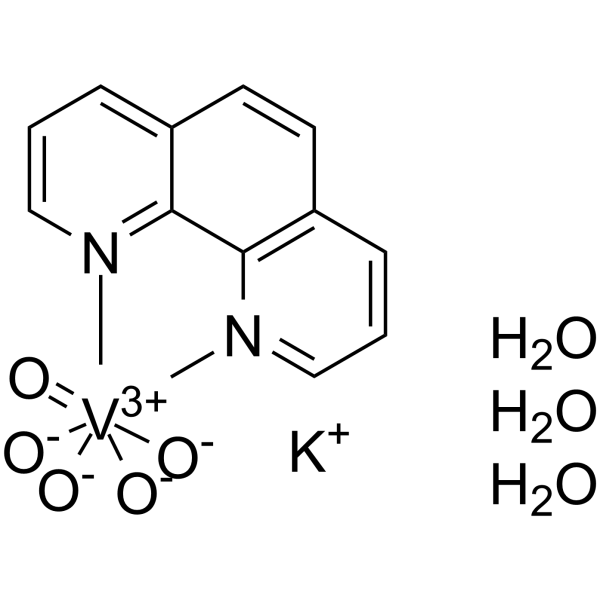
BpV(phen) trihydrate, a insulin-mimetic agent, is a potent protein tyrosine phosphatase (PTP) and PTEN inhibitor with IC50s of 38 nM, 343 nM and 920 nM for PTEN, PTP-β and PTP-1B, respectively. BpV(phen) trihydrate inhibits proliferation of the protozoan parasite Leishmania in vitro. bpV(phen) trihydrate strongly induces the secretion of a large number of chemokines and pro-inflammatory cytokines, and it activates a Th1-type pathway (IL-12, IFNγ). BpV(phen) trihydrate can also induce cell apoptosis, and has anti-angiogenic and anti-tumor activity .
|
-
-
- HY-13743
-
|
Linomide; FCF89; ABR212616
|
TNF Receptor
Interleukin Related
IFNAR
|
Neurological Disease
Inflammation/Immunology
Cancer
|
|
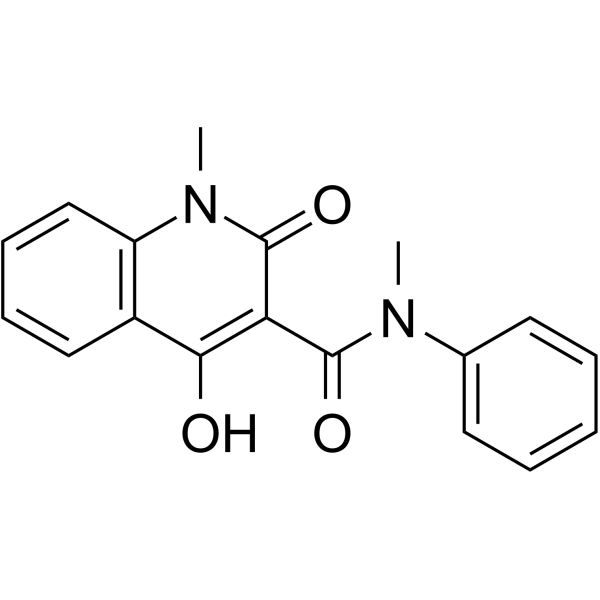
Roquinimex (Linomide) is an orally active immunomodulator with antineoplastic, anti-inflammatory, and antiangiogenic activity. Roquinimex suppresses TH1 lymphocyte cytokines (IL-2, IFN-γ), promotes TH2 lymphocyte cytokines (IL-4, IL-10), increases NK cell, activated monocyte, and T cell activity. Roquinimex blocks macrophage TNF-α production and suppresses IL-1/IL-6 secretion. Roquinimex exhibits in vivo antitumour activity, suppresses rodent autoimmune disease signs, and ameliorates murine colitis and psoriasis. Roquinimex can be used for the research of leukemia, inflammatory bowel disease, multiple sclerosis, and psoriasis .
|
-
-
- HY-N10116A
-
|
|
Interleukin Related
IFNAR
Calcium Channel
Bacterial
CCR
|
Infection
Cancer
|
|
Calamenene is a sesquiterpene compound . Calamenene promotes dendritic cell maturation, upregulates CD1a, CD80, CD83, CD86, HLA-DR and CCR7 on the cell surface, reduces endocytic activity, enhances T cell-stimulating capacity, drives Th1 polarization through the secretion of IL-12, induces IFN-γ production, decreases IL-4 generation, and triggers intracellular Ca 2+ mobilization as well as dendritic cell migration towards MIP-3β. Calamenene exerts bacteriostatic and bactericidal growth-inhibitory effects against pathogenic *Vibrio harveyi*. Calamenene can be used in studies related to cancer and bacterial infections .
|
-
-
- HY-D1056C1
-
|
LPS, from Salmonella enterica (Serotype enteritidis)
|
Toll-like Receptor (TLR)
|
Inflammation/Immunology
|
Lipopolysaccharides, from S. enterica (Salmonella enterica) serotype enteritidis are lipopolysaccharide endotoxins and TLR-4 activators derived from the enteritidis serotype of S. enterica, classified as S-type LPS, which can activate pathogen-associated molecular patterns (PAMP) of the immune system and induce cellular secretion of migrasomes. Lipopolysaccharides, from S. enterica serotype enteritidis exhibit a typical three-part structure: O-antigen, core oligosaccharide, and lipid A. Lipopolysaccharides, from S. enterica serotype enteritidis can induce systemic inflammatory responses, increasing levels of TNF-α, IFN-γ, IL-6, IL-10, and nitrate in plasma .
It is recommended to prepare a solution with concentration ≥2 mg/mL. Vortex thoroughly for more than 10 minutes. Due to the adsorption characteristics of LPS, silanized container or low adsorption centrifuge tubes should be used for aliquoting and storage, and mix thoroughly before use.
|
-
-
- HY-W145481A
-
|
Carob galactomannan
|
Sirtuin
|
Inflammation/Immunology
|
|
D-Galacto-D-mannan (Carob galactomannan) is an orally active Dectin-2 agonist. D-Galacto-D-mannan exerts antioxidant activity against hydroxyl radical generation. D-Galacto-D-mannan activates Dectin-2 to trigger downstream signaling pathways, promote the expression of immunoregulatory molecules, coordinate innate and adaptive immune responses, and inhibit excessive inflammatory responses by upregulating the expression of Sirtuin 1. When used as a vaccine adjuvant, D-Galacto-D-mannan induces cellular and humoral immune responses, promotes IFNγ secretion, increases antibody levels and virus neutralization titers, and elevates the levels of immunoglobulin G and A. D-Galacto-D-mannan can serve as an adjuvant for foot-and-mouth disease vaccines, enhance the vaccine-mediated ability of hosts to defend against viral infection in mice, and reduce local side effects at the inoculation site in pigs. D-Galacto-D-mannan can be used in the research of inflammatory and immune diseases, such as foot-and-mouth disease .
|
-
-
- HY-176755
-
|
|
Toll-like Receptor (TLR)
|
Inflammation/Immunology
|
|
CCL-34 is a Toll-like receptor 4 (TLR4) activator. CCL-34 significantly induced dendritic cell (DC) CD83 expression and IL-12p70 production in a dose-dependent manner, thereby inducing DC maturation. CCL-34 enhanced the allostimulatory activity of DC on naive CD4+CD45+RA+ T cell proliferation and IFN-γ secretion. CCL-34 further induced antigen presentation ability in mice inoculated with doxorubicin-treated colorectal cancer cells. CCL-34 can be used in studies of immune stimulation.
|
-
-
- HY-P990242
-
|
|
Galectin
TNF Receptor
IFNAR
Interleukin Related
|
Inflammation/Immunology
Cancer
|
|
Anti-Mouse Galectin-9 Antibody (RG9-1) is an anti-mouse Galectin-9 IgG2b monoclonal antibody. Anti-Mouse Galectin-9 Antibody (RG9-1) promotes inflammatory response by enhancing the secretion of IFN-γ, TNF-α, and IL-6. Anti-Mouse Galectin-9 Antibody (RG9-1) can increase CD8 T cell and Treg frequency. Anti-Mouse Galectin-9 Antibody (RG9-1) reduces graft survival time by increasing CD4 + and CD8 + T cell infiltration. Anti-Mouse Galectin-9 Antibody (RG9-1) can be used for researches on inflammation conditions, cancer and xenotransplantation such as ischemia-reperfusion, colon cancer, breast cancer and leukemia .
|
-
-
- HY-P11356
-
|
|
IFNAR
|
Cancer
|
|
KRAS G12V Peptide is a specific peptide derived from the Kirsten rat sarcoma virus (KRAS) gene carrying the G12V oncogenic mutation. KRAS G12V Peptide induces responses like IFN-γ secretion and cytotoxicity. KRAS G12V Peptide can be used for the study of immune responses against KRAS G12V-mutant tumors .
|
-
-
- HY-179336
-
|
|
Toll-like Receptor (TLR)
Interleukin Related
IFNAR
TNF Receptor
|
Cancer
|
|
TLR7/8 agonist 14 is a TLR7 and TLR8 agonist with EC50 values of 0.53 μM and 4.3 μM, respectively. TLR7/8 agonist 14 increases the secretion of the proinflammatory cytokines TNF-α, IL-1β, IL-8 and IFN-γ. TLR7/8 agonist 14 increases cytokine secretion and expression of CD86. LR7/8 agonist 14 can be used for research colorectal carcinoma .
|
-
-
- HY-P11357A
-
|
|
IFNAR
|
Cancer
|
|
KRAS G12C Peptide TFA is the trifluoroacetate salt of KRAS G12C Peptide (HY-P11357). KRAS G12C Peptide is a specific peptide derived from the Kirsten rat sarcoma virus (KRAS) gene carrying the G12C oncogenic mutation. KRAS G12C Peptide induces responses like IFN-γ secretion and cytotoxicity. KRAS G12C Peptide can be used for the study of immune responses against KRAS G12C-mutant tumors .
|
-
-
- HY-P11356A
-
|
|
IFNAR
|
Cancer
|
|
KRAS G12V Peptide TFA is the trifluoroacetate salt of KRAS G12V Peptide (HY-P11355). KRAS G12V Peptide is a specific peptide derived from the Kirsten rat sarcoma virus (KRAS) gene carrying the G12V oncogenic mutation. KRAS G12V Peptide induces responses like IFN-γ secretion and cytotoxicity. KRAS G12V Peptide can be used for the study of immune responses against KRAS G12V-mutant tumors .
|
-
-
- HY-P991610
-
|
Sym025
|
C-type Lectin-like Receptors (CTLRs)
|
Cancer
|
|
S-095029 is a humanized IgG1 monoclonal antibody inhibitor targeting NKG2A. S-095029 significantly attenuates Fc-effector functions, inhibits the interaction with its ligand HLA-E, and increases the antibody-dependent cellular cytotoxicity mediated by other Fc-competent mAbs. S-095029 has a potent antitumor activity with enhancement of killing activity and cytokine secretion (IFNγ, TNF-α and CXCL9) of NK and γδ T-cells in co-culture with cancer cells .
|
-
-
- HY-P11357
-
|
|
IFNAR
|
Cancer
|
|
KRAS G12C Peptide is a specific peptide derived from the Kirsten rat sarcoma virus (KRAS) gene carrying the G12C oncogenic mutation. KRAS G12C Peptide induces responses like IFN-γ secretion and cytotoxicity. KRAS G12C Peptide can be used for the study of immune responses against KRAS G12C-mutant tumors .
|
-
-
- HY-176814
-
|
|
LAG-3
|
Cancer
|
|
LAG-3-IN-1 (Compound 11) is a LAG-3 inhibitor with a KD of 0.41 μM. LAG-3-IN-1 disrupts the LAG-3/MHCII interaction, enhances IFN-γ secretion and promotes tumor cell killing in cocultures of PBMCs and cancer cells. LAG-3-IN-1 can be used for cancers like ovarian cancer, colon adenocarcinoma and melanoma research .
|
-
-
- HY-P991475
-
|
|
Transmembrane Glycoprotein
NF-κB
IFNAR
|
Cancer
|
|
MG-1131 is a human monoclonal antibody (mAb) targeting TIGIT. MG-1131 activates NF-κB signaling in T cells and enhances NK-mediated tumor killing activity in a PVR-dependent manner. MG-1131 blocks TIGIT to increase IFN-γ secretion. MG-1131 can be used in anti-tumor immunity research. Recommended isotype control: Human IgG1 kappa, Isotype Control (HY-P99001) .
|
-
-
- HY-178945
-
|
|
Opioid Receptor
Interleukin Related
TNF Receptor
Sigma Receptor
|
Neurological Disease
Inflammation/Immunology
|
|
KOR agonist 7 (Compound 29) is a highly selective κ-opioid receptor (KOR) agonist with a Ki of 138 nM. KOR agonist 7 shows no activity at μ- and δ-opioid receptors or σ1 receptor, and exhibits extremely low affinity for σ2 receptor (Ki = 2.8 μM). KOR agonist 7 significantly reduces the secretion of pro-inflammatory cytokines such as IL-6, TNF-α, and IFN-γ, while increasing the production of the anti-inflammatory cytokine IL-10. KOR agonist 7 downregulates the expression of the pro-inflammatory M1 macrophage marker CD80 and upregulates the anti-inflammatory M2 macrophage marker CD163. KOR agonist 7 holds potential for applications in analgesia and immune modulation .
|
-
-
- HY-162727
-
|
|
IFNAR
Interleukin Related
CD1
|
Inflammation/Immunology
Cancer
|
|
GCS-12 is a Th1/2-balanced sulfonamide glycolipid with improved interaction with CD1d. GCS-12 is an agonist for natural killer T (NKT) cell, that induces the secretion of cytokine IFN-γ and IL-4, and exhibits immunomodulatory and anti-tumor activities in mice .
|
-
-
- HY-173464
-
|
|
PD-1/PD-L1
|
Cancer
|
|
PD-1/PD-L1-IN-55 (compound D6) is a potent PD-1/PD-L1 inhibitor with an IC50 of 4.8 nM. PD-1/PD-L1-IN-55 promotes IFN-γ secretion and reduces the proportion of PD-L1 late apoptosis .
|
-
-
- HY-168078
-
|
|
PD-1/PD-L1
|
Inflammation/Immunology
Cancer
|
|
PD-1/PD-L1-IN-50 (Compound LG-12) is a PD-1/PD-L1 inhibitor. PD-1/PD-L1-IN-50 increases the secretion of IFN-γ to promote CD8 + T cell activation, and activates the antitumor immunity of T cells .
|
-
-
- HY-149356
-
|
|
PD-1/PD-L1
|
Cancer
|
|
PD-1/PD-L1-IN-31 is a PD-1/PD-L1 inhibitor (IC50=2.2 nM). PD-1/PD-L1-IN-31 promotes secretion of the IFN-γ, and induces immune activity of peripheral blood mononuclear cells (PBMCs) to inhibits tumor cells .
|
-
-
- HY-161335
-
|
|
MAP4K
Interleukin Related
IFNAR
|
Cancer
|
|
HPK1-IN-43 (compound 9f) is a HPK1 kinase inhibitor with the IC50 value of 0.32 nM. HPK1-IN-43 inhibits the phosphorylation of the downstream protein SLP-76 and enhances the secretion of interleukin-2 (IL-2) and interferon-γ (IFN-γ). HPK1-IN-43 can be used in cancer research .
|
-
-
- HY-P10826
-
|
|
PD-1/PD-L1
|
Cancer
|
|
PD-1/PD-L1 inhibitory peptide C8 is inhibits PD-1/PD-L1 interaction, promotes the activation of CD8+ and CD4+ T cells, and increases the IFN-γ secretion. PD-1/PD-L1 inhibitory peptide C8 exhibits antitumor efficacy in mouse model .
|
-
-
- HY-P991353
-
|
|
PD-1/PD-L1
|
Cancer
|
|
Sym-021 is a human monoclonal antibody (mAb) targeting PDCD1/PD-1/CD279. Sym-021 blocks the binding of PD-L1 and PD-L2 ligands, inducing the secretion of interferon IFN-γ and IL-2 and the proliferation of T cells. Sym-021 has anti-tumor activity in PDX mouse models .
|
-
-
- HY-173180
-
|
|
Lipoxygenase
Interleukin Related
TNF Receptor
IFNAR
|
Inflammation/Immunology
|
|
5-LOX-IN-8 is a 5-LOX inhibitor with anti-inflammatory activity. 5-LOX-IN-8 suppresses IL-6, IL-1β, TNF-α and IFN-γ in macrophages and reduces IL-8 secretion in SW480 cells. 5-LOX-IN-8 reduces disease activity in a DSS colitis model. 5-LOX-IN-8 can be used for research of inflammatory bowel disease (IBD) .
|
-
-
- HY-162644
-
|
|
PD-1/PD-L1
PARP
|
Cancer
|
|
Antitumor agent-170 (Compound C6) exhibits inhibitory activities against PD-1/PD-L1 interaction and PARP7, with IC50 of 0.342 μM and 7.05 nM. Antitumor agent-170 exhibits a high affinity to human PD-L1, with a Ki of 9.31 nM. Antitumor agent-170 restores the T cell function and increases IFN-γ secretion. Antitumor agent-170 exhibits antitumor efficacy against melanoma in mouse models and good pharmacokinetic characteristics .
|
-
-
- HY-162643
-
|
|
PD-1/PD-L1
PARP
|
Cancer
|
|
Antitumor agent-169 (Compound B3) is a dual inhibitor PD-1/PD-L1 interaction and PARP7, with IC50s of 0.426 μM and 2.50 nM. Antitumor agent-169 exhibits an affinity to human PD-L1, with Ki of 20.2 nM. Antitumor agent-169 restores the T cell function, increases IFN-γ secretion. Antitumor agent-169 inhibits cell viability of MDA-MB-231 and Jurkat T, exhibits antitumor efficacy against melanoma in mouse model and good pharmacokinetic characteristics .
|
-
-
- HY-175195
-
|
|
Adenosine Receptor
Interleukin Related
IFNAR
Cytochrome P450
|
Inflammation/Immunology
Cancer
|
|
Adenosine receptor antagonist 6 is an orally active and selective A2A adenosine receptor (A2AAR) antagonist, with a Ki of 19.18 nM. Adenosine receptor antagonist 6 inhibits 5’-N-ethylcarboxamide adenosine (NECA) (HY-103173)-mediated cAMP production (IC50 = 0.089 μM) and immunosuppression, while promoting IL-2 and IFN-γ secretion. Adenosine receptor antagonist 6 abolishes the immunosuppressive effects of adenosine on T-cell activation and cytokine release. Adenosine receptor antagonist 6 inhibits tumor growth in a CT26/MC38 xenograft model. Adenosine receptor antagonist 6 can be used for the study of colon cancer .
|
-
-
- HY-P990716
-
|
AZD7789
|
PD-1/PD-L1
Tim3
|
Inflammation/Immunology
|
|
Sabestomig (AZD7789) is a monovalent bispecific antibody targeting PD-1 and TIM-3. Sabestomig binds to PD-1 and an epitope in the TIM-3 IgV domain outside the phosphatidylserine-binding cleft, thereby precisely regulating immune responses. Sabestomig promotes IL-2 production, efferocytosis and cross-presentation of tumor antigens, and enhances the release of anti-tumor T cell cytokines, cytotoxicity, and secretion of IFN-γ. Sabestomig inhibits the growth of solid tumors, prolongs the duration of tumor suppression, and significantly enhances anti-tumor responses following anti-PD-1 therapy. Sabestomig has been used in studies related to non-small cell lung cancer and classical Hodgkin lymphoma .
|
-
-
- HY-159892
-
|
|
PD-1/PD-L1
IFNAR
Interleukin Related
PI3K
Akt
|
Cancer
|
|
PD-1/PD-L1-IN-54 (Compound 6) is a moderately affinic PD-1/PD-L1 inhibitor (KD: PD-1, 55.8 μM; PD-L1, 46.4 μM; IC50: 88.6 μM). PD-1/PD-L1-IN-54 inhibits PD-1/PD-L1 interactions and shows anticancer activity by activating CD8 + T cells, upregulating PD-1 expression, and increasing secretion of IFN-γ and IL-2. PD-1/PD-L1-IN-54 inhibits cancer cell proliferation and promotes apoptosis. PD-1/PD-L1-IN-54 also regulates T cell immunity through the PI3K/Akt pathway correlated with PD-1/PD-L1 .
|
-
-
- HY-130625
-
|
|
PD-1/PD-L1
|
Inflammation/Immunology
Cancer
|
|
PD-1/PD-L1-IN 6 (compound A13) is a potent PD-1/PD-L1 interaction inhibitor, with an IC50 of 132.8 nM. PD-1/PD-L1-IN 6 exhibits outstanding immunoregulatory activity. PD-1/PD-L1-IN 6 significantly elevates interferon-γ secretion in a Hep3B/OS-8/hPD-L1 and CD3 T cell co-culture model, without significant toxic effect. PD-1/PD-L1-IN 6 restores the immune response in a T cell-tumor co-culture model .
|
-
-
- HY-N9566
-
|
|
Interleukin Related
TNF Receptor
IFNAR
|
Inflammation/Immunology
|
|
Isopongaflavone is an isoflavone that can be isolated from the seedpods of Tephrosia vogelii with anti-inflammatory effects. Isopongaflavone suppresses the secretion of IL-1β, IFN-γ, granulocyte macrophage-colony stimulating factor (GM-CSF) and TNF-α in LPS (HY-D1056)-stimulated peripheral blood mononuclear cells (PBMCs) .
|
-
-
- HY-P992408
-
|
|
TNF Receptor
NF-κB
MHC
IFNAR
|
Cancer
|
|
MEDI-5083 is an Fc fusion protein that targets CD40 and is a CD40 agonist. MEDI-5083 stimulates CD40 signaling via NF-κB activation. MEDI-5083 upregulates MHCII, CD80, and CD86 expression, induces pro-inflammatory cytokine secretion, and enhances IFN-γ secretion by memory CD8+ T cells. MEDI-5083 can be used for the research of melanoma, colon carcinoma, and advanced solid tumors[1][2].
|
-
-
- HY-181685
-
|
|
LAG-3
TNF Receptor
|
Cancer
|
|
LAGi-DEL is a LAG-3 inhibitor, with Kd values of 97.33 nM and 271 nM in surface plasmon resonance (SPR) assay and microscale thermophoresis (MST) assay, respectively. LAGi-DEL blocks the LAG-3/MHC-II interaction, with an EC50 of 138 nM. LAGi-DEL restores T cell activation, enhances IFN-γ secretion and promotes immune-mediated cytotoxicity. LAGi-DEL can be used in the research of acute myeloid leukemia, lung cancer and melanoma .
|
-
-
- HY-P992021
-
|
|
Transmembrane Glycoprotein
|
Cancer
|
|
WM-A1-3389 is an anti-human IGSF1monoclonal antibody and tumor growth inhibitor. WM-A1-3389 specifically binds to the C-terminus of IGSF1, increases secretion of Granzyme B, IFN?γ, and TNF?α, and inhibits growth of colon cancer or biliary tract cancer in xenogeneic or allogeneic mouse implantation models. WM-A1-3389 can be used for the research of colon cancer, biliary tract cancer, and head and neck cancer .
|
-
-
- HY-186103
-
|
|
CD1
IFNAR
Interleukin Related
Bacterial
Influenza Virus
|
Infection
Inflammation/Immunology
|
|
Glycolipid C34, α-GalCer (HY-102022) analog, is a CD1d-binding glycolipid antinfection agent. Glycolipid C34 mediates invariant natural killer T cell activation and increases the secretion of IFN-γ and IL-4. Glycolipid C34 promotes clearance of bacterial infections in murine models and enhances protective immunity against viral infections. Glycolipid C34 can be used for the research of bacterial infection, viral infection .
|
-
-
- HY-179727
-
|
|
PROTACs
MAP4K
Interleukin Related
IFNAR
|
Inflammation/Immunology
|
|
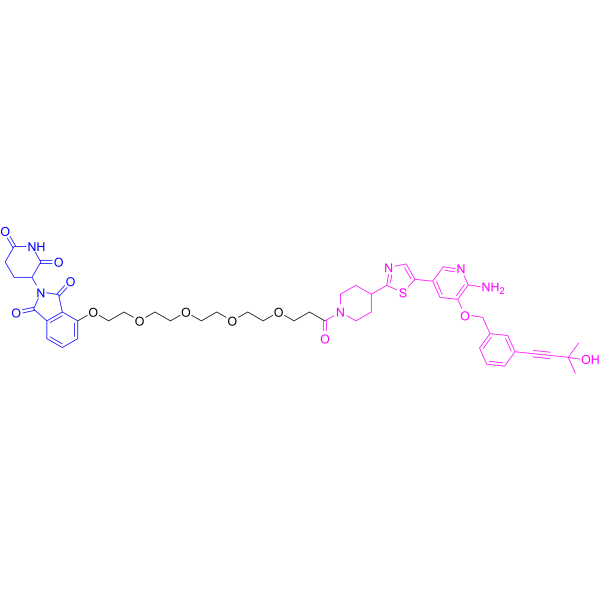
PROTAC HPK1 Degrader-7 (compound D02) is a potent and selective PROTAC HPK1 degrader with an DC50 of 3.07 nM. PROTAC HPK1 Degrader-7 exhibits selectivity over GLK. PROTAC HPK1 Degrader-7 induces HPK1 degradation in a CRBN- and proteasome-dependent manner. PROTAC HPK1 Degrader-7 inhibits SLP-76 phosphorylation, induces IL-2 and IFN-γ secretion in human primary T cells. PROTAC HPK1 Degrader-7 can be used for immunology research .
|
-
-
- HY-13743R
-
|
Linomide (Standard); FCF89 (Standard); ABR212616 (Standard)
|
Reference Standards
TNF Receptor
Interleukin Related
IFNAR
|
Inflammation/Immunology
|
|
Roquinimex (Standard) is the analytical standard of Roquinimex (HY-13743). Roquinimex (Linomide) is an orally active immunomodulator with antineoplastic, anti-inflammatory, and antiangiogenic activity. Roquinimex suppresses TH1 lymphocyte cytokines (IL-2, IFN-γ), promotes TH2 lymphocyte cytokines (IL-4, IL-10), increases NK cell, activated monocyte, and T cell activity. Roquinimex blocks macrophage TNF-α production and suppresses IL-1/IL-6 secretion. Roquinimex exhibits in vivo antitumour activity, suppresses rodent autoimmune disease signs, and ameliorates murine colitis and psoriasis. Roquinimex can be used for the research of leukemia, inflammatory bowel disease, multiple sclerosis, and psoriasis .
|
-
-
- HY-182369
-
|
|
Toll-like Receptor (TLR)
TNF Receptor
Interleukin Related
IFNAR
Drug Derivative
|
Inflammation/Immunology
|
|
VA06 is a derivative of QS-21 (HY-101092A) that retains potent adjuvant activity while significantly reducing toxicity. VA06 self-assembles into flexible worm-like micelles with continuously elongated nanostructures and enhanced drug-loading encapsulation capacity. VA06 induces antigen-specific antibody production, enhances the secretion of TNF-α, IFN-γ and IL-2 in CD4 + and CD8 + T cells, and promotes the expression of immune-related and antiviral-related genes in mature dendritic cells. VA06 does not require liposome formulation, which simplifies production and storage processes. VA06 can be used in the research of varicella-zoster virus infection and Mycobacterium tuberculosis infection .
|
-
-
- HY-182047
-
|
|
PD-1/PD-L1
|
Cancer
|
|
PD-1/PD-L1-IN-61 is a PD-1/PD-L1 interaction inhibitor with a human IC50 of 5.3 nM. PD-1/PD-L1-IN-61 embeds into the hydrophobic pocket at the PD-L1 dimer interface, stabilizing binding through hydrogen bonds and π-π stacking with PD-L1 residues. PD-1/PD-L1-IN-61 acts as an immune activator, enhances immune-killing activity of peripheral blood mononuclear cells against cancer cells, restores T-cell immune function, and promotes IFN-γ secretion. PD-1/PD-L1-IN-61 can be used for the research of triple-negative breast cancer .
|
-
| Cat. No. |
Product Name |
Type |
-
- HY-D1056C1
-
|
LPS, from Salmonella enterica (Serotype enteritidis)
|
Biochemical Assay Reagents
|
Lipopolysaccharides, from S. enterica (Salmonella enterica) serotype enteritidis are lipopolysaccharide endotoxins and TLR-4 activators derived from the enteritidis serotype of S. enterica, classified as S-type LPS, which can activate pathogen-associated molecular patterns (PAMP) of the immune system and induce cellular secretion of migrasomes. Lipopolysaccharides, from S. enterica serotype enteritidis exhibit a typical three-part structure: O-antigen, core oligosaccharide, and lipid A. Lipopolysaccharides, from S. enterica serotype enteritidis can induce systemic inflammatory responses, increasing levels of TNF-α, IFN-γ, IL-6, IL-10, and nitrate in plasma .
It is recommended to prepare a solution with concentration ≥2 mg/mL. Vortex thoroughly for more than 10 minutes. Due to the adsorption characteristics of LPS, silanized container or low adsorption centrifuge tubes should be used for aliquoting and storage, and mix thoroughly before use.
|
-
- HY-W145481A
-
|
Carob galactomannan
|
Biochemical Assay Reagents
|
|
D-Galacto-D-mannan (Carob galactomannan) is an orally active Dectin-2 agonist. D-Galacto-D-mannan exerts antioxidant activity against hydroxyl radical generation. D-Galacto-D-mannan activates Dectin-2 to trigger downstream signaling pathways, promote the expression of immunoregulatory molecules, coordinate innate and adaptive immune responses, and inhibit excessive inflammatory responses by upregulating the expression of Sirtuin 1. When used as a vaccine adjuvant, D-Galacto-D-mannan induces cellular and humoral immune responses, promotes IFNγ secretion, increases antibody levels and virus neutralization titers, and elevates the levels of immunoglobulin G and A. D-Galacto-D-mannan can serve as an adjuvant for foot-and-mouth disease vaccines, enhance the vaccine-mediated ability of hosts to defend against viral infection in mice, and reduce local side effects at the inoculation site in pigs. D-Galacto-D-mannan can be used in the research of inflammatory and immune diseases, such as foot-and-mouth disease .
|
| Cat. No. |
Product Name |
Target |
Research Area |
-
- HY-P1745
-
|
Insulin B chain (9-23)
|
MHC
Insulin Receptor
IFNAR
|
Inflammation/Immunology
|
|
InsB (9-23) (Insulin B chain (9-23)) is an HLA-DQ8-restricted insulin B-chain peptide composed of amino acid residues 9-23. InsB (9-23) serves as a major MHC II class-restricted antigen. InsB (9-23) supports the recognition and activation of T cells, stimulates the secretion of IFN-γ and cytokines, and induces cross-reactive immune responses. InsB (9-23)-specific CD4 T cells can initiate diabetes . InsB (9-23) can be used in research related to type 1 diabetes and autoimmune diabetes .
|
-
- HY-P5470
-
|
|
EBV
IFNAR
|
Inflammation/Immunology
|
|
LMP2A (426-434) is a HLA-A2-restricted cytotoxic T lymphocyte (CTL) epitope of Epstein-Barr virus (EBV) latent membrane protein 2A (LMP2A). LMP2A (426-434) can trigger an immune response in individuals expressing different HLA-A*02 subtypes (A*02:01, A*02:03, A*02:06 and A*02:07). LMP2A (426-434) can induce a strong IFN-γ secretion response, stimulating the production of a high proportion of CD8 + IFN-γ + T cells. LMP2A (426-434) induces specific CTLs to effectively kill target cells expressing LMP2A. LMP2A (426-434) can be used to study EBV-related malignant tumors (such as Hodgkin's disease and nasopharyngeal carcinoma) .
|
-
- HY-P11356
-
|
|
IFNAR
|
Cancer
|
|
KRAS G12V Peptide is a specific peptide derived from the Kirsten rat sarcoma virus (KRAS) gene carrying the G12V oncogenic mutation. KRAS G12V Peptide induces responses like IFN-γ secretion and cytotoxicity. KRAS G12V Peptide can be used for the study of immune responses against KRAS G12V-mutant tumors .
|
-
- HY-P11357A
-
|
|
IFNAR
|
Cancer
|
|
KRAS G12C Peptide TFA is the trifluoroacetate salt of KRAS G12C Peptide (HY-P11357). KRAS G12C Peptide is a specific peptide derived from the Kirsten rat sarcoma virus (KRAS) gene carrying the G12C oncogenic mutation. KRAS G12C Peptide induces responses like IFN-γ secretion and cytotoxicity. KRAS G12C Peptide can be used for the study of immune responses against KRAS G12C-mutant tumors .
|
-
- HY-P11356A
-
|
|
IFNAR
|
Cancer
|
|
KRAS G12V Peptide TFA is the trifluoroacetate salt of KRAS G12V Peptide (HY-P11355). KRAS G12V Peptide is a specific peptide derived from the Kirsten rat sarcoma virus (KRAS) gene carrying the G12V oncogenic mutation. KRAS G12V Peptide induces responses like IFN-γ secretion and cytotoxicity. KRAS G12V Peptide can be used for the study of immune responses against KRAS G12V-mutant tumors .
|
-
- HY-P11357
-
|
|
IFNAR
|
Cancer
|
|
KRAS G12C Peptide is a specific peptide derived from the Kirsten rat sarcoma virus (KRAS) gene carrying the G12C oncogenic mutation. KRAS G12C Peptide induces responses like IFN-γ secretion and cytotoxicity. KRAS G12C Peptide can be used for the study of immune responses against KRAS G12C-mutant tumors .
|
-
- HY-P10826
-
|
|
PD-1/PD-L1
|
Cancer
|
|
PD-1/PD-L1 inhibitory peptide C8 is inhibits PD-1/PD-L1 interaction, promotes the activation of CD8+ and CD4+ T cells, and increases the IFN-γ secretion. PD-1/PD-L1 inhibitory peptide C8 exhibits antitumor efficacy in mouse model .
|
| Cat. No. |
Product Name |
Target |
Research Area |
Image |
-
- HY-P990855
-
|
|
Transmembrane Glycoprotein
|
Inflammation/Immunology
Cancer
|
|
Anti-CD8α Antibody (OKT-8) is an anti-human CD8α IgG2a monoclonal antibody. Anti-CD8α Antibody (OKT-8) can reduce the secretion of IFNγ. Anti-CD8α Antibody (OKT-8) can deplete CD8 + T cells. Anti-CD8α Antibody (OKT-8) can be used for researches on inflammation conditions and cancer such as B non-Hodgkin lymphomas (B-NHLs). The recommend isotype control of Anti-CD8α Antibody (OKT-8): Mouse IgG2a kappa, Isotype Control (HY-P99978) .
|
-
(5)
-
- HY-P99159
-
|
|
Interleukin Related
|
Cancer
|
|
Ivuxolimab is a fully human IgG2 agonist targeting OX40 (CD134), which selectively binds to the OX40 receptor on the surface of activated CD4 + and CD8 + T cells without inducing antibody-dependent cytotoxicity. Ivuxolimab can promote T cell proliferation, survival and cytokine (such as IFN-γ, IL-2) secretion, inhibit regulatory T cell function, and enhance anti-tumor immune response. Ivuxolimab can be used in the study of melanoma, hepatocellular carcinoma, head and neck squamous cell carcinoma, etc .
|
-
(5)
-
- HY-P990297
-
|
|
CCR
HIV
|
Infection
Inflammation/Immunology
Cancer
|
|
Anti-Mouse/Rat/Human CCL2/MCP-1 Antibody (2H5) is an anti-mouse/rat/human CCL2/MCP-1 IgG monoclonal antibody. Anti-Mouse/Rat/Human CCL2/MCP-1 Antibody (2H5) can reverse the immunosuppressive microenvironment by blocking the CCL2 signaling pathway. Anti-Mouse/Rat/Human CCL2/MCP-1 Antibody (2H5) can reduce the secretion of IFN-γ and the infiltration of macrophages. CCL2/MCP-1 Antibody (2H5) can reduce the amount of HIV virus by increasing the proportion of T cells. Anti-Mouse/Rat/Human CCL2/MCP-1 Antibody (2H5) can be used for researches on inflammation conditions, virus infection and cancer such as inflammatory bowel disease (IBD), hepatocellular carcinoma (HCC) and HIV .
|
-
(5)
-
- HY-P99916
-
|
AMG-427
|
FLT3
CD3
TNF Receptor
|
Inflammation/Immunology
Cancer
|
Emirodatamab (AMG-427) is a bispecific T-cell engager (BiTE). Emirodatamab simultaneously binds FLT3 on the surface of acute myeloid leukemia (AML) cells and CD3 on the surface of T cells, thereby precisely recruiting immune effector cells to tumor sites. Emirodatamab potently induces T cell activation, secretion of proinflammatory cytokines (such as IFNγ, TNFα), and specific cytotoxicity, effectively lysing FLT3-positive tumor cells and inhibiting their growth. Emirodatamab not only significantly prolongs survival in mouse xenograft models and eliminates diseased cells in primates, but also exhibits a synergistic enhancement effect when combined with PD-1 blockade therapy. Emirodatamab is used in studies of acute myeloid leukemia, especially relapsed or refractory cases .
|
-
(5)
-
- HY-P990690
-
|
MEDI-5752
|
PD-1/PD-L1
CTLA-4
|
Cancer
|
|
Volrustomig (MEDI-5752) is a human IgG1 κ monoclonal antibody targeting CTLA4/PD1. The isotype control for Volrustomig is Human IgG1 kappa, Isotype Control (HY-P99001). Volrustomig anchors to the surface of T cells by binding PD-1, induces PD-1 internalization and degradation, and preferentially inhibits CTLA-4 on activated PD-1 + T cells. Volrustomig binds to tumor-infiltrating lymphocytes and a subset of PD-1 + B cells, enhances T cell function and IFNγ secretion. Volrustomig reduces the activation of non-tumor-infiltrating lymphocytes and exhibits manageable toxicity. Volrustomig can be used in research on various cancers, such as non-small cell lung cancer, gastric cancer, hepatobiliary cancer, and cervical cancer .
|
-
(5)
-
- HY-P990242
-
|
|
Galectin
TNF Receptor
IFNAR
Interleukin Related
|
Inflammation/Immunology
Cancer
|
|
Anti-Mouse Galectin-9 Antibody (RG9-1) is an anti-mouse Galectin-9 IgG2b monoclonal antibody. Anti-Mouse Galectin-9 Antibody (RG9-1) promotes inflammatory response by enhancing the secretion of IFN-γ, TNF-α, and IL-6. Anti-Mouse Galectin-9 Antibody (RG9-1) can increase CD8 T cell and Treg frequency. Anti-Mouse Galectin-9 Antibody (RG9-1) reduces graft survival time by increasing CD4 + and CD8 + T cell infiltration. Anti-Mouse Galectin-9 Antibody (RG9-1) can be used for researches on inflammation conditions, cancer and xenotransplantation such as ischemia-reperfusion, colon cancer, breast cancer and leukemia .
|
-
(5)
-
- HY-P991610
-
|
Sym025
|
C-type Lectin-like Receptors (CTLRs)
|
Cancer
|
|
S-095029 is a humanized IgG1 monoclonal antibody inhibitor targeting NKG2A. S-095029 significantly attenuates Fc-effector functions, inhibits the interaction with its ligand HLA-E, and increases the antibody-dependent cellular cytotoxicity mediated by other Fc-competent mAbs. S-095029 has a potent antitumor activity with enhancement of killing activity and cytokine secretion (IFNγ, TNF-α and CXCL9) of NK and γδ T-cells in co-culture with cancer cells .
|
-
(5)
-
- HY-P991475
-
|
|
Transmembrane Glycoprotein
NF-κB
IFNAR
|
Cancer
|
|
MG-1131 is a human monoclonal antibody (mAb) targeting TIGIT. MG-1131 activates NF-κB signaling in T cells and enhances NK-mediated tumor killing activity in a PVR-dependent manner. MG-1131 blocks TIGIT to increase IFN-γ secretion. MG-1131 can be used in anti-tumor immunity research. Recommended isotype control: Human IgG1 kappa, Isotype Control (HY-P99001) .
|
-
(5)
-
- HY-P991353
-
|
|
PD-1/PD-L1
|
Cancer
|
|
Sym-021 is a human monoclonal antibody (mAb) targeting PDCD1/PD-1/CD279. Sym-021 blocks the binding of PD-L1 and PD-L2 ligands, inducing the secretion of interferon IFN-γ and IL-2 and the proliferation of T cells. Sym-021 has anti-tumor activity in PDX mouse models .
|
-
(5)
-
- HY-P990716
-
|
AZD7789
|
PD-1/PD-L1
Tim3
|
Inflammation/Immunology
|
|
Sabestomig (AZD7789) is a monovalent bispecific antibody targeting PD-1 and TIM-3. Sabestomig binds to PD-1 and an epitope in the TIM-3 IgV domain outside the phosphatidylserine-binding cleft, thereby precisely regulating immune responses. Sabestomig promotes IL-2 production, efferocytosis and cross-presentation of tumor antigens, and enhances the release of anti-tumor T cell cytokines, cytotoxicity, and secretion of IFN-γ. Sabestomig inhibits the growth of solid tumors, prolongs the duration of tumor suppression, and significantly enhances anti-tumor responses following anti-PD-1 therapy. Sabestomig has been used in studies related to non-small cell lung cancer and classical Hodgkin lymphoma .
|
-
(5)
-
- HY-P992408
-
|
|
TNF Receptor
NF-κB
MHC
IFNAR
|
Cancer
|
|
MEDI-5083 is an Fc fusion protein that targets CD40 and is a CD40 agonist. MEDI-5083 stimulates CD40 signaling via NF-κB activation. MEDI-5083 upregulates MHCII, CD80, and CD86 expression, induces pro-inflammatory cytokine secretion, and enhances IFN-γ secretion by memory CD8+ T cells. MEDI-5083 can be used for the research of melanoma, colon carcinoma, and advanced solid tumors[1][2].
|
-
(5)
-
- HY-P992021
-
|
|
Transmembrane Glycoprotein
|
Cancer
|
|
WM-A1-3389 is an anti-human IGSF1monoclonal antibody and tumor growth inhibitor. WM-A1-3389 specifically binds to the C-terminus of IGSF1, increases secretion of Granzyme B, IFN?γ, and TNF?α, and inhibits growth of colon cancer or biliary tract cancer in xenogeneic or allogeneic mouse implantation models. WM-A1-3389 can be used for the research of colon cancer, biliary tract cancer, and head and neck cancer .
|
-
(5)
| Cat. No. |
Product Name |
Category |
Target |
Chemical Structure |
-
- HY-N0600
-
-
-
- HY-N10116A
-
|
|
Cupressaceae
Cupressus L.
Plants
Source Classification
|
Interleukin Related
IFNAR
Calcium Channel
Bacterial
CCR
|
|
Calamenene is a sesquiterpene compound . Calamenene promotes dendritic cell maturation, upregulates CD1a, CD80, CD83, CD86, HLA-DR and CCR7 on the cell surface, reduces endocytic activity, enhances T cell-stimulating capacity, drives Th1 polarization through the secretion of IL-12, induces IFN-γ production, decreases IL-4 generation, and triggers intracellular Ca 2+ mobilization as well as dendritic cell migration towards MIP-3β. Calamenene exerts bacteriostatic and bactericidal growth-inhibitory effects against pathogenic *Vibrio harveyi*. Calamenene can be used in studies related to cancer and bacterial infections .
|
-
-
- HY-N9566
-
-
Your information is safe with us. * Required Fields.
Inquiry Information
- Product Name:
- Cat. No.:
- Quantity:
- MCE Japan Authorized Agent:

